Home Blog Page 737

Lebanon’s Former Central Bank Chief Riad Salameh Arrested on Embezzlement Charges

0

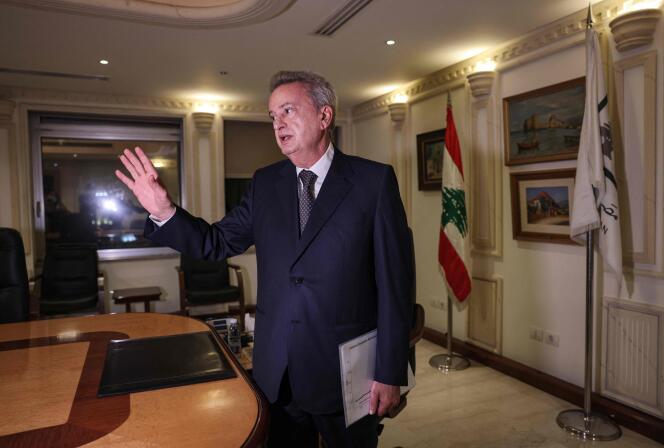
In a dramatic turn of events that underscores the ongoing financial turmoil in Lebanon, former central bank governor Riad Salameh was arrested on Tuesday following a judicial hearing in Beirut. The arrest marks a significant development in the complex web of legal challenges facing Salameh, who for three decades was at the helm of Lebanon’s financial system.
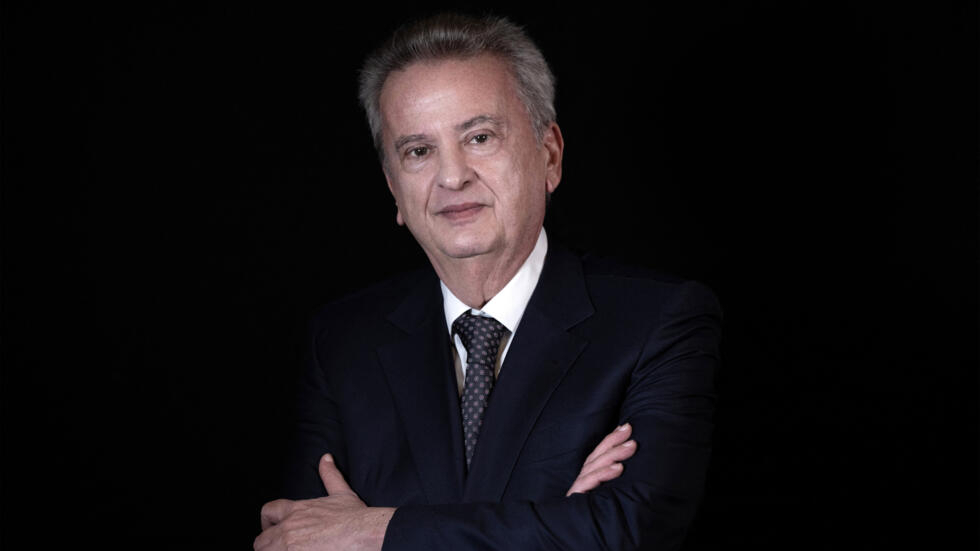
Salameh’s arrest came after a three-hour questioning session, during which he faced allegations of embezzlement from the central bank exceeding $40 million, according to a judicial official who spoke to AFP on condition of anonymity. This marks the first time Salameh has appeared before Lebanon’s judiciary since he left his post at the end of July last year, departing without a successor after a 30-year tenure.

The former central bank chief faces a litany of charges in Lebanon, including money laundering, embezzlement, and illicit enrichment. These domestic charges are compounded by international legal pressures, with Salameh wanted by authorities in France for alleged financial crimes. Interpol has issued Red Notices targeting him, although Lebanon’s policy of not extraditing its citizens provides him some protection from international prosecution.

Salameh’s fall from grace is particularly striking given his once-revered status in Lebanon’s financial circles. Now, he is widely viewed as a key figure in the country’s dramatic economic crash. The severity of the allegations against him is reflected in the actions taken by various nations: Lebanon has frozen Salameh’s bank accounts, while Britain, Canada, and the United States have imposed sanctions on the former official.
The legal saga surrounding Salameh has taken various turns across different jurisdictions. In June, a German court cancelled an arrest warrant against him, citing that he could no longer use his official position to suppress evidence. However, the court maintained that there remained “urgent suspicion with regard to the accusations made against the suspect,” leaving the door open for further legal action.

Throughout the mounting accusations and legal challenges, Salameh has consistently denied any wrongdoing. His arrest, however, suggests that Lebanese authorities are moving forward with their case against him, potentially setting the stage for a high-profile trial that could shed light on the inner workings of Lebanon’s financial system during its economic collapse.

The arrest of such a prominent figure in Lebanon’s financial landscape sends shockwaves through a country already grappling with severe economic challenges. It raises questions about the accountability of high-ranking officials and the potential for further investigations into the management of Lebanon’s finances during its economic crisis.
China, South Africa Forge Ahead with Plans for Balanced Trade and Increased Investments

0
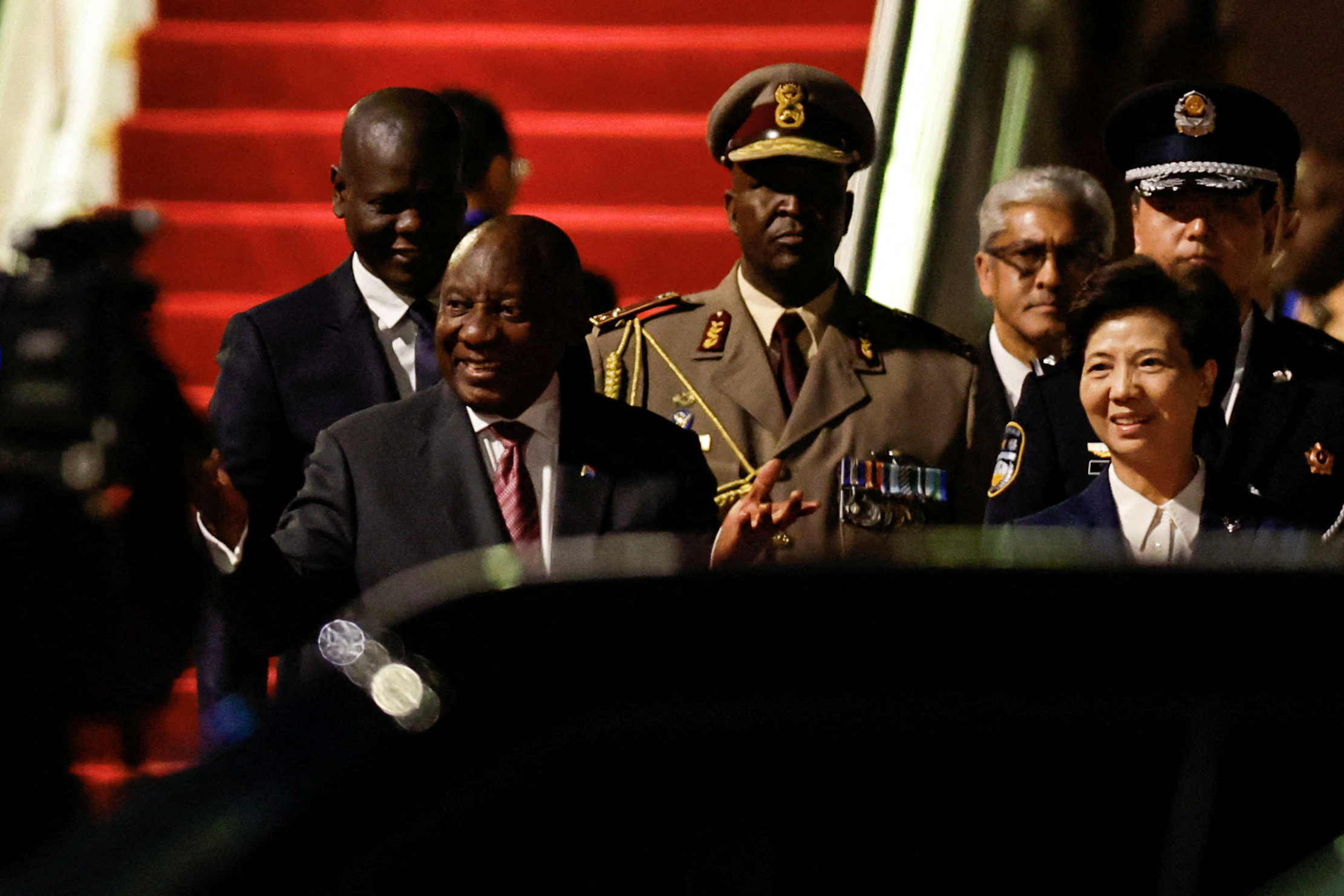
FILE PHOTO: South Africa's President Cyril Ramaphosa arrives at the Beijing Capital International Airport, ahead of the 2024 Summit of the Forum on China-Africa Cooperation (FOCAC) in Beijing, China September 2, 2024. REUTERS/Tingshu Wang/Pool/File Photo

China and South Africa have reached an agreement to promote balanced trade and explore avenues for increasing two-way investments between their industrial and commercial sectors. This landmark agreement was announced in a joint statement released on Tuesday, following a high-stakes meeting between Chinese President Xi Jinping and his South African counterpart, Cyril Ramaphosa, in Beijing.

The meeting, which took place on Monday on the eve of the ninth forum on China-Africa cooperation, was hailed by both sides as being of “great significance” to the development of bilateral relations. It underscored the growing importance of the economic partnership between China, the world’s second-largest economy, and South Africa, a key player in the African continent.

At the heart of the discussions was the pressing issue of addressing the trade imbalance between the two nations. South Africa, for whom China represents the largest global trading partner, has been grappling with a significant trade deficit. In the past year, the value of South African imports from China substantially exceeded its exports to the Asian giant. President Ramaphosa arrived in Beijing with a clear agenda: to narrow this gap and advocate for a review of South Africa’s trade structure with China, emphasizing the need for more sustainable manufacturing and job-creating investments.

Responding to these concerns, China expressed a willingness to support job creation in South Africa. The joint statement outlined plans for recruitment conferences aimed at Chinese enterprises to promote local employment in South Africa. Both countries also agreed to explore the establishment of manufacturing bases near relevant raw material sources and to promote technology and skills transfer among their businesses.

The scope of the agreement extended beyond trade balance and job creation. China offered to share more of its experience in poverty reduction and rural revitalization with South Africa, highlighting the multifaceted nature of their cooperation. Both countries signed numerous cooperation documents covering various sectors, including the application of a satellite navigation system, housing and settlement, and export requirements for dairy products and raw wool from South Africa to China.

The South African and Chinese national flags sit atop a table as businessmen sign contracts during the China-South Africa Business Forum in Beijing August 24, 2010. REUTERS/David Gray/ File Photo

In the crucial area of energy, both nations expressed interest in expanding cooperation in renewable energy, energy storage, transmission, and distribution. They announced plans to co-host a new energy investment conference to be organized by their respective chambers of commerce and associations, signaling a commitment to sustainable development and green technology.

The leaders also used this platform to make a joint call to the international community, urging support for African countries in implementing the African Continental Free Trade Agreement. This ambitious project aims to create the world’s largest free trade area for goods and services, potentially transforming the economic landscape of the entire continent.

While the joint statement was comprehensive in outlining areas of cooperation, it notably did not include any specific fresh investment or financing pledges. This stands in contrast to the leaders’ meeting in Johannesburg last August, where Chinese power companies made concrete commitments to several projects in South Africa. These included upgrading nuclear power plants, extending the life of coal-fired power stations, and setting up manufacturing facilities for transformers and solar PV panels.

The Beijing meeting builds on the foundation laid during last year’s BRICS summit, where Ramaphosa announced that China had extended a grant worth 500 million rand for South Africa’s power sector, although specific timelines were not provided at that time.

This latest agreement between China and South Africa represents a continuation of their efforts to strengthen economic ties and address trade imbalances. It reflects China’s growing influence in Africa and its strategic interest in deepening relationships with key African nations. For South Africa, the agreement offers potential opportunities for economic growth, job creation, and technological advancement.

Reuters

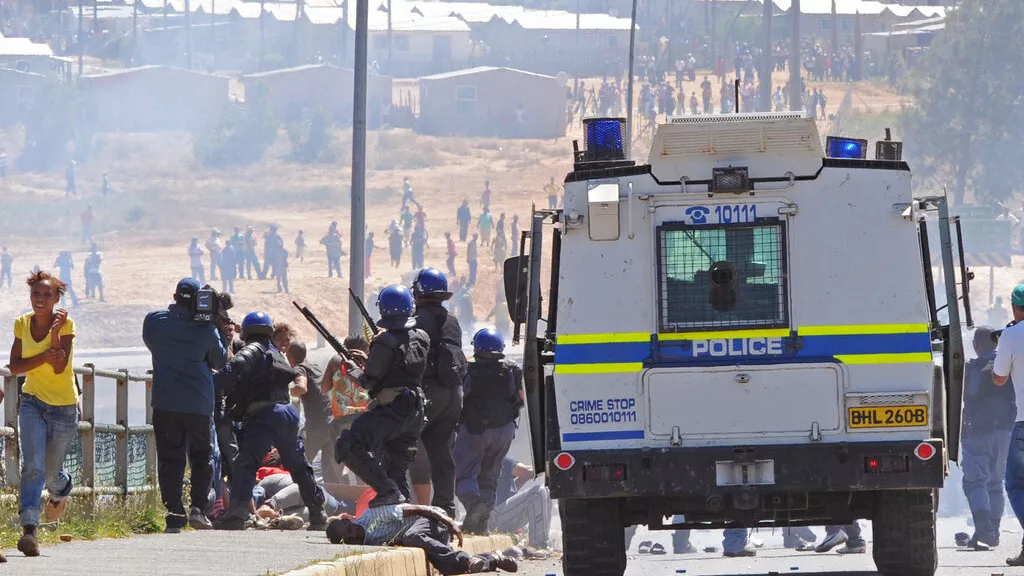
Six Murder Suspects Killed in Shootout with South African Police

0

In a dramatic confrontation that underscores South Africa’s ongoing battle against violent crime, six individuals wanted for murder and extortion were killed in a shootout with police in the coastal city of Durban late on Monday. The incident, which took place in a rented holiday apartment near the city’s South Beach district, marks a significant development in the pursuit of suspects linked to recent high-profile killings.

According to a police statement released on Tuesday, the deceased suspects were connected to two separate brutal incidents that had shocked the local community. The first was a triple murder that occurred on Friday, while the second, even more chilling, involved the execution-style killing of four people on Sunday. In the latter incident, the suspects had ordered their victims to lie down before shooting them in the back of the head, a method that speaks to the calculated nature of the crimes.

The police had been actively tracking the suspects since the Sunday killings, leading to the confrontation in the holiday apartment. When cornered, the suspects engaged in a firefight with law enforcement officers, resulting in their deaths. No police casualties were reported in the incident.

Beyond the immediate murders, the police statement also indicated that the suspects were believed to have been involved in the illicit drug trade, suggesting a broader network of criminal activities. This connection between violent crime and drug trafficking highlights the complex challenges facing law enforcement in South Africa.

The deadly encounter in Durban comes against the backdrop of South Africa’s alarming crime statistics. Data recently released by the police paint a grim picture of the country’s struggle with violent crime. Between April and June of this year, South Africa witnessed an average of 68 murders per day, a figure that ranks the nation among those with the highest murder rates globally.

The prevalence of violent crime, particularly murder and extortion, has become a pressing concern for South African authorities. In response to these challenges, Police Minister Senzo Mchunu is scheduled to address lawmakers later on Tuesday, focusing specifically on the high levels of extortion plaguing the country. This address is expected to outline strategies and measures aimed at combating these criminal activities and improving public safety.

Reuters

Suspected Boko Haram Militants Kill at Least 37 in Northeastern Nigeria Attack

0

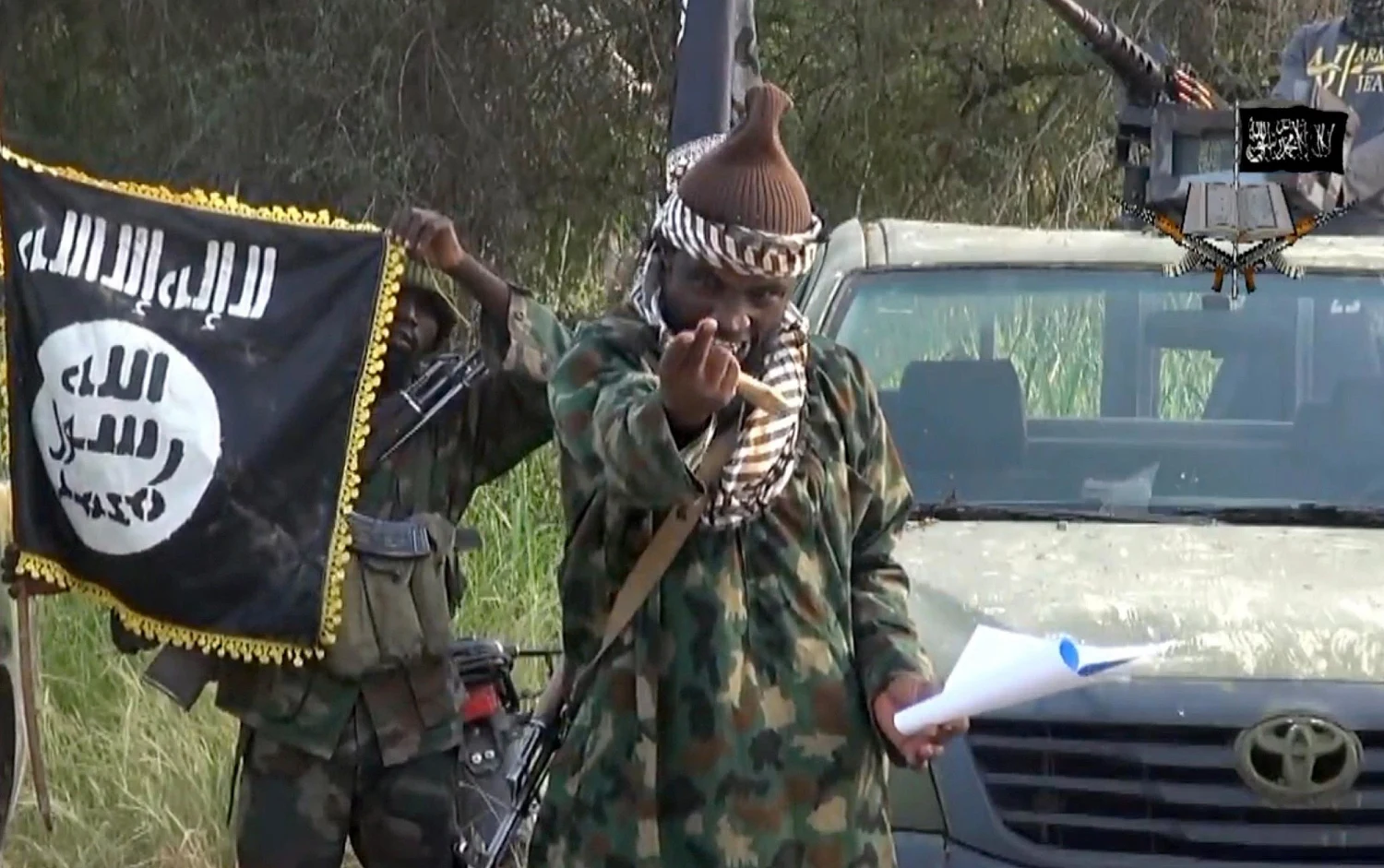
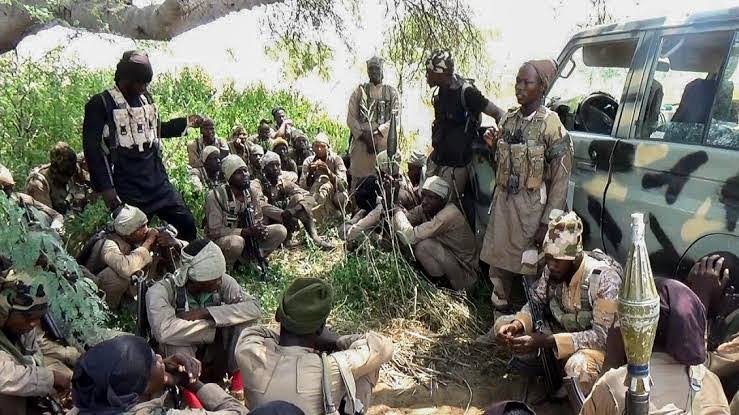
Boko Haram Islamist militants launched a devastating attack on a northeastern Nigerian village, leaving at least 37 people dead and many more unaccounted for. The assault, which took place on Sunday afternoon, has once again highlighted the persistent threat of insurgency in the region.

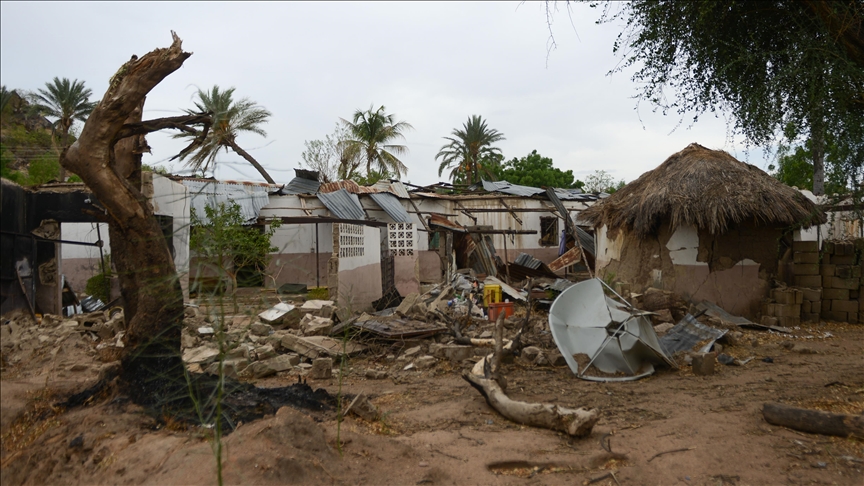
According to a military official, the militants stormed into Mafa village in Yobe state on motorcycles, unleashing a barrage of gunfire on a local market. The attackers didn’t stop at gunfire; they proceeded to set shops and homes ablaze, causing widespread destruction and panic among the villagers.

Yobe state, along with two other northeastern states, has been at the frontline of a grueling 15-year insurgency that has claimed thousands of lives and displaced over 2 million Nigerians. This latest attack serves as a grim reminder of the ongoing humanitarian crisis in the region.

Yobe police spokesperson Dungus Abdulkarim provided insights into the possible motive behind the attack. According to Abdulkarim, the assault appeared to be retaliation for the killing of two suspected Boko Haram fighters by local vigilantes. This suggests a cycle of violence that continues to plague the area, with civilian populations often caught in the crossfire.

The brutality of the attack was evident in its execution. After the initial assault on the market and the arson of buildings, the militants pursued fleeing residents into the surrounding bush, where they continued their deadly rampage. “The terrorists killed many people, but we are yet to ascertain the actual number of casualties,” Abdulkarim stated, indicating that the full extent of the tragedy might not yet be known.

A military official, speaking on condition of anonymity due to lack of authorization to address the media, provided more details about the aftermath of the attack. The official, who accompanied the army’s commanding officer for Yobe to Mafa on Monday evening, revealed that the route to the village had been rigged with explosives, which the troops managed to defuse. This additional layer of danger underscores the sophisticated tactics employed by the insurgents and the challenges faced by security forces in responding to such attacks.

“We recovered 37 corpses and brought them to Babangida General Hospital,” the military official reported, providing a concrete figure for the confirmed casualties. However, this number may not represent the full toll of the attack.

Local residents fear that the actual death count could be significantly higher. Modu Mohammed, a resident of Mafa, estimated that the death toll could exceed 100. Mohammed’s chilling account suggests that several residents are still missing, with some corpses remaining unrecovered in the surrounding bush areas.

The attack on Mafa village is part of a larger pattern of violence that has characterized the Boko Haram insurgency. The group, whose name roughly translates to “Western education is forbidden,” has waged a campaign of terror in northeastern Nigeria and neighboring countries for over a decade. Their tactics have included mass abductions, suicide bombings, and raids on villages and military installations.

The Nigerian government and military have struggled to contain the insurgency despite numerous operations and declarations of victory. The persistence of attacks like the one in Mafa demonstrates the resilience of the militant group and the complex challenges involved in securing the vast, often remote areas of northeastern Nigeria.

Venezuela Issues Arrest Warrant for Opposition Leader Edmundo Gonzalez Amid Election Dispute

0

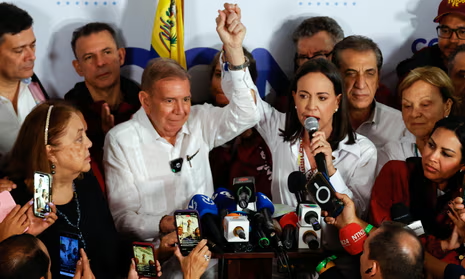
In a significant escalation of Venezuela’s ongoing political crisis, the country’s attorney general’s office announced on Monday that a court has issued an arrest warrant for opposition leader Edmundo Gonzalez. The warrant accuses Gonzalez of conspiracy and other crimes, intensifying the dispute over the results of the July 28 presidential election.

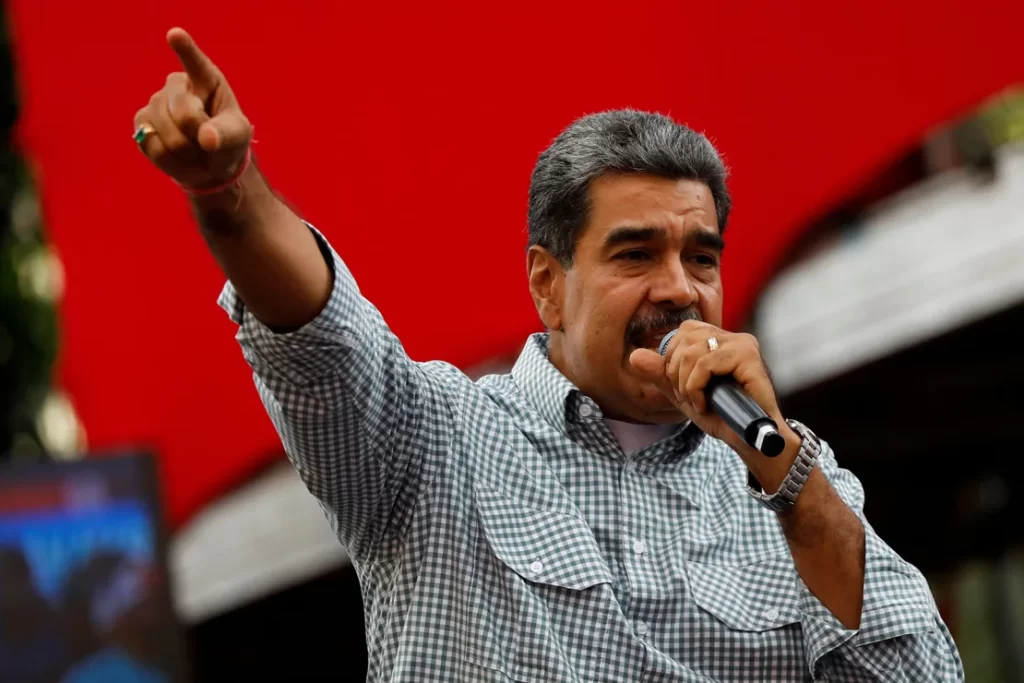
Attorney General Tarek Saab shared a photograph of the warrant with Reuters via the messaging application Telegram, confirming the government’s move against the opposition figure. This action marks a major intensification of President Nicolas Maduro’s government’s crackdown on the opposition following the contested election.

The issuance of the arrest warrant comes in the wake of Venezuela’s national electoral authority and its top court declaring Maduro the victor of the July election, claiming he secured just over half of the votes. However, tallies shared by the opposition paint a starkly different picture, showing a resounding victory for Gonzalez.

The warrant follows weeks of provocative statements from top government officials suggesting that Gonzalez and other opposition members should face imprisonment. President Maduro, in a broadcast on state television, criticized Gonzalez’s stance, stating, “This man has the nerve to say he doesn’t recognize laws, he doesn’t recognize anything. What’s up with that? That’s unacceptable.” Maduro further asserted that citizens agree that laws must be enforced and officials must do their job.

The opposition, along with some Western countries and international bodies including a United Nations panel of experts, have raised serious concerns about the transparency of the vote. They have demanded the publication of full tallies, with some outright accusing the government of fraud.

In response to the warrant, a spokesperson for Gonzalez stated that they were awaiting official notification but declined to comment further. The opposition has consistently denied any wrongdoing. Opposition leader Maria Corina Machado took to social media platform X to denounce the government’s actions, saying, “They have lost all notion of reality. Threatening the President-elect will only achieve more cohesion and increase the support of Venezuelans and the world for Edmundo Gonzalez.”

The opposition has taken the unprecedented step of publishing what it claims are copies of over 80% of ballot box-level tallies on a public website. Meanwhile, the electoral council has cited a cyber attack on election night as the reason for its failure to publish the full tallies.

The arrest warrant appears to be the latest move in what the opposition describes as a broader crackdown on dissent. Attorney General Saab has also initiated criminal probes into Machado and the opposition’s vote tally website. Detentions of opposition figures and protesters have continued in the weeks following the vote, with protests leading to at least 27 deaths and approximately 2,400 arrests.

The warrant was issued after prosecutor Luis Ernesto Duenez requested Gonzalez’s arrest on charges including usurpation of functions, falsification of public documents, instigation to disobey the law, conspiracy, and association, all allegedly committed against the Venezuelan state. Notably, Gonzalez had previously ignored three summons to testify about the opposition’s vote tally website, potentially allowing for a warrant to be issued in that case as well.

Legal experts consulted by Reuters pointed out that Venezuelan law does not permit those over 70 to serve sentences in jails, instead mandating house arrest. Gonzalez, who recently turned 75, is married with two daughters, one residing in Caracas and the other in Madrid.

The political tensions in Venezuela have international implications. The United States has reportedly drafted a list of about 60 Venezuelan government officials and family members who could face sanctions in the first punitive measures following the disputed election.

Since the vote, Venezuela’s ruling party-controlled national assembly has passed legislation tightening rules on NGOs, and unions have denounced alleged forced resignations of state employees who expressed pro-opposition views.

Adding to the complex situation, the arrest warrant request came hours after the Biden administration announced that an aircraft used by Maduro had been confiscated in the Dominican Republic. U.S. authorities determined that the purchase of the aircraft violated U.S. sanctions, a move that the Venezuelan government condemned as an act of “piracy.”

At Least 10 Migrants Dead After Vessel Capsizes in English Channel

0

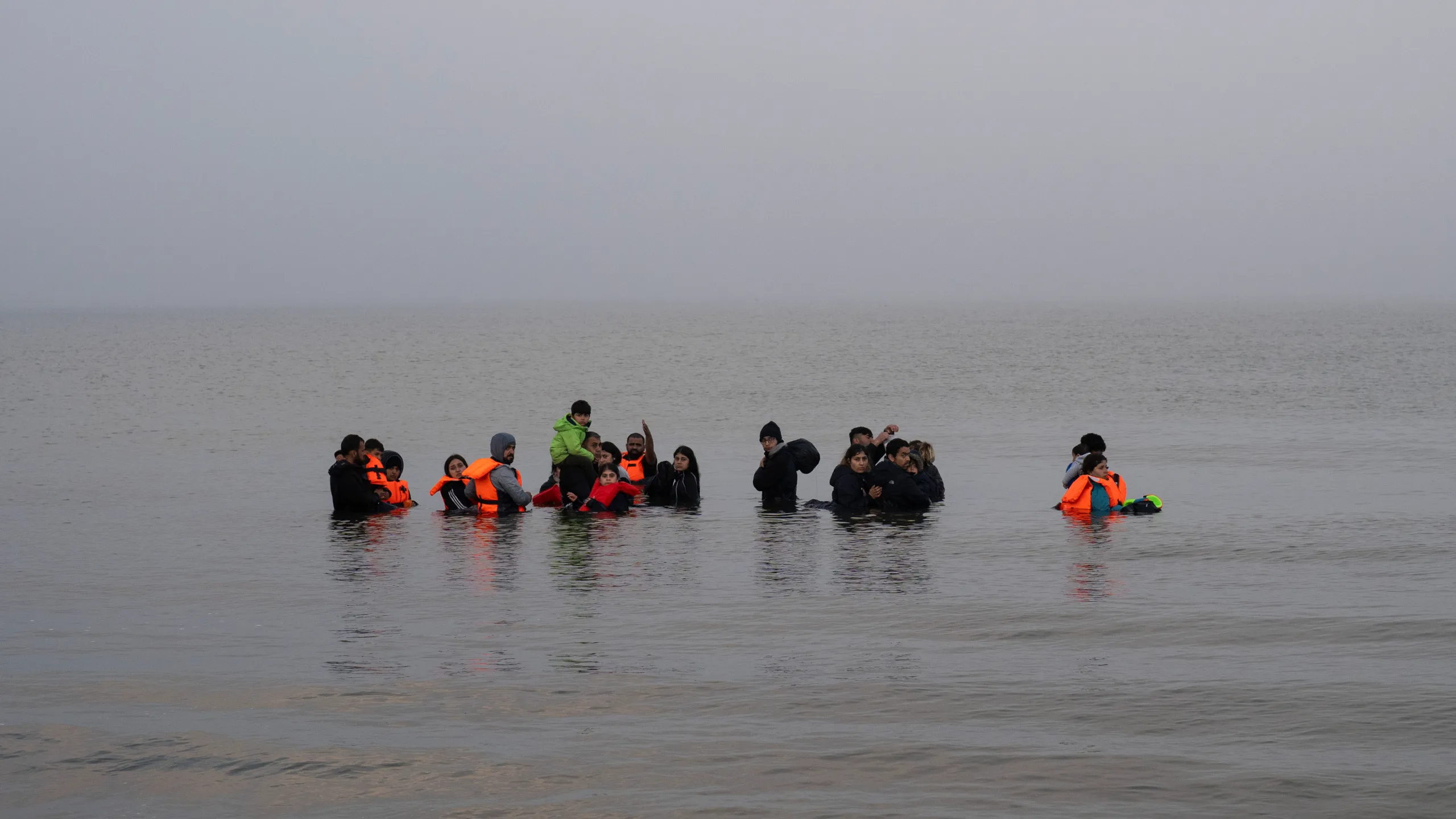
A tragic incident unfolded in the English Channel on Tuesday as a vessel carrying migrants capsized on its journey from France to Britain, resulting in at least 10 deaths, according to reports from the French newspaper La Voix du Nord. A major rescue operation is currently underway to save over 50 people who were aboard the ill-fated vessel.

Earlier in the day, a French coast guard spokesperson reported that 10 people were in critical condition, underlining the severity of the situation. The British coast guard has not yet responded to requests for comment on the incident.

The gravity of the event is further emphasized by reports from CNews television that outgoing French Interior Minister Gerald Darmanin is expected to arrive at the scene near the town of Boulogne-sur-Mer later in the afternoon.

This tragic incident occurs against the backdrop of ongoing efforts by both British and French governments to tackle illegal immigration. Over the past seven days alone, more than 2,000 people have arrived in Britain on small boats, according to UK government figures. The persistence of these dangerous crossings underscores the complex challenges facing authorities on both sides of the Channel.

Last week, French President Emmanuel Macron and British Prime Minister Keir Starmer pledged to work more closely together to dismantle migrant smuggling routes. This latest tragedy is likely to intensify discussions and efforts to prevent such loss of life.

The English Channel, one of the world’s busiest shipping lanes, is notorious for its strong currents, making crossings in small boats extremely perilous. This incident follows another tragic event in August when two people were found dead after a boat carrying migrants encountered difficulties during a Channel crossing attempt.

Bangladesh Floods’ Death Toll Rises to 71, Millions Stranded Amid Disease Concerns

0

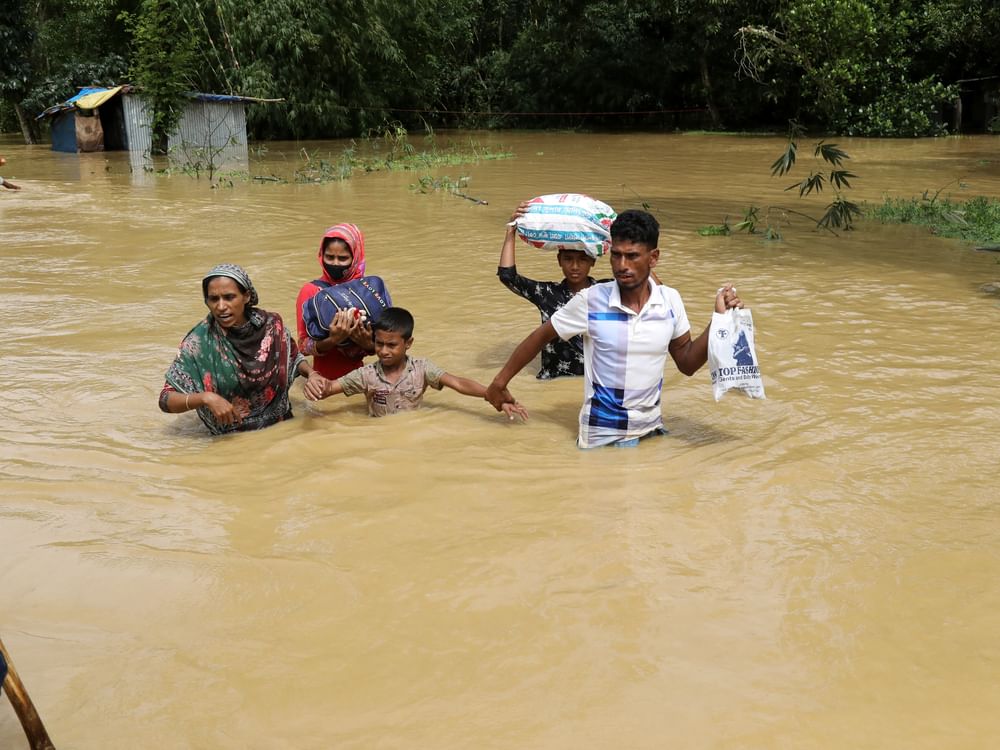
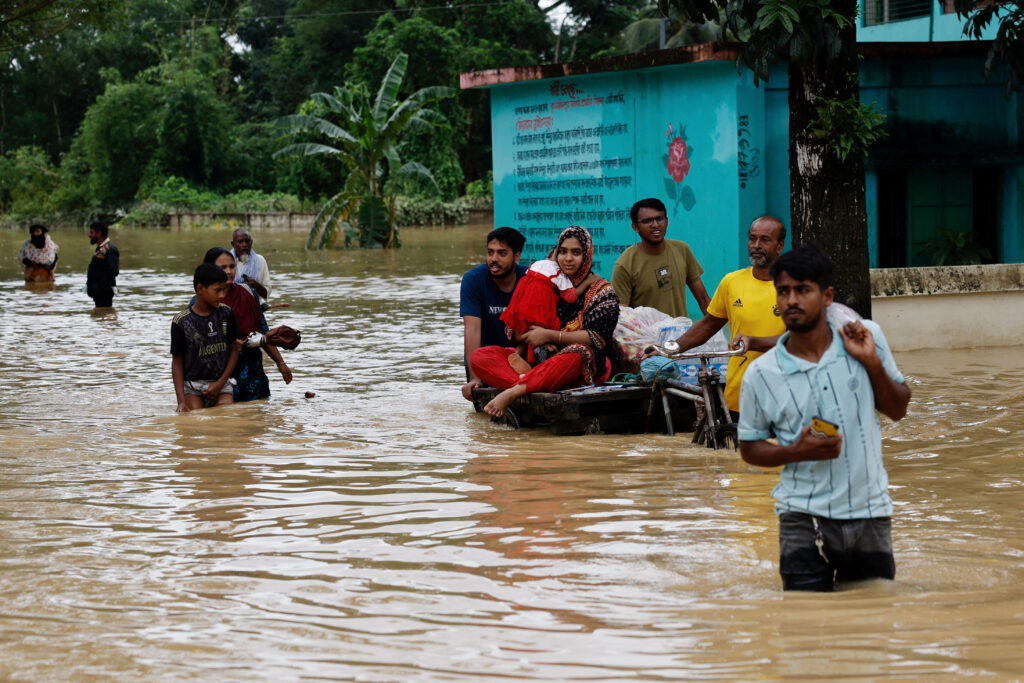
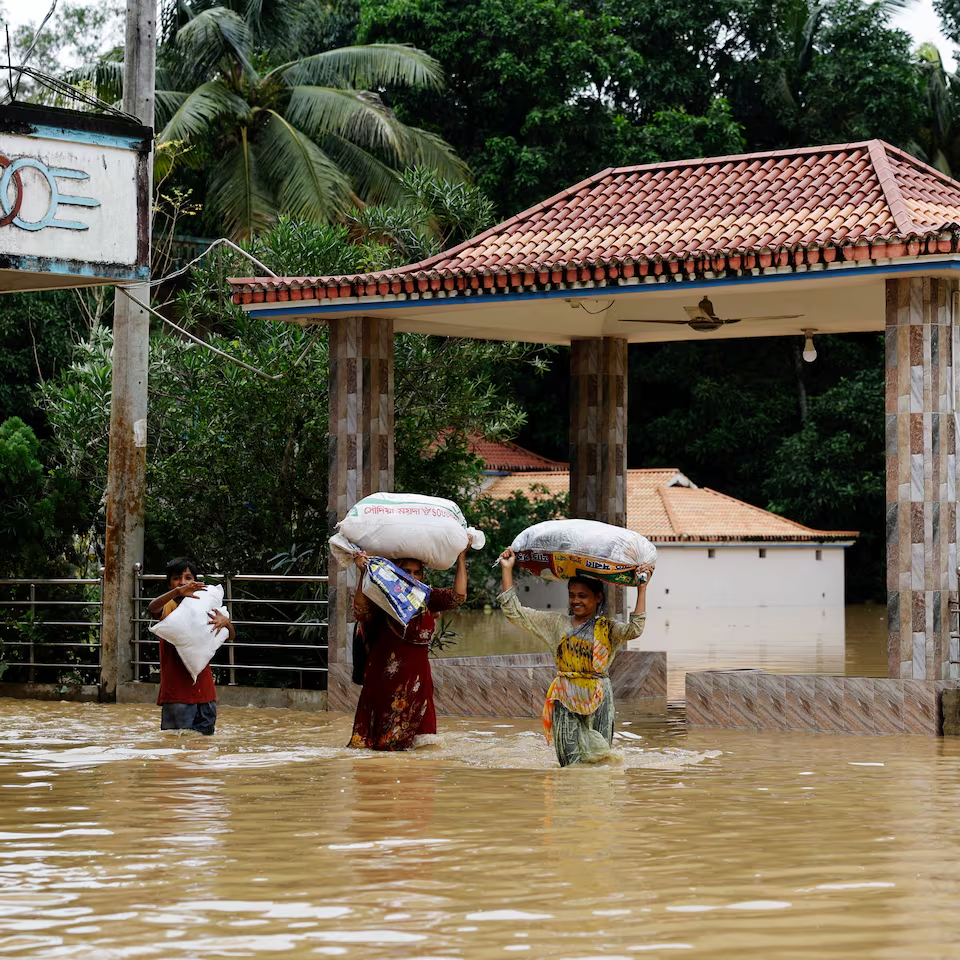
The toll of Bangladesh’s devastating floods continues to rise, with officials reporting on Tuesday that the death count has reached 71. The disaster, triggered by relentless monsoon rains and runoff from upstream waterways, has left millions stranded in inundated areas across the country. As floodwaters begin to recede, authorities are grappling with a new challenge: the growing threat of waterborne diseases.

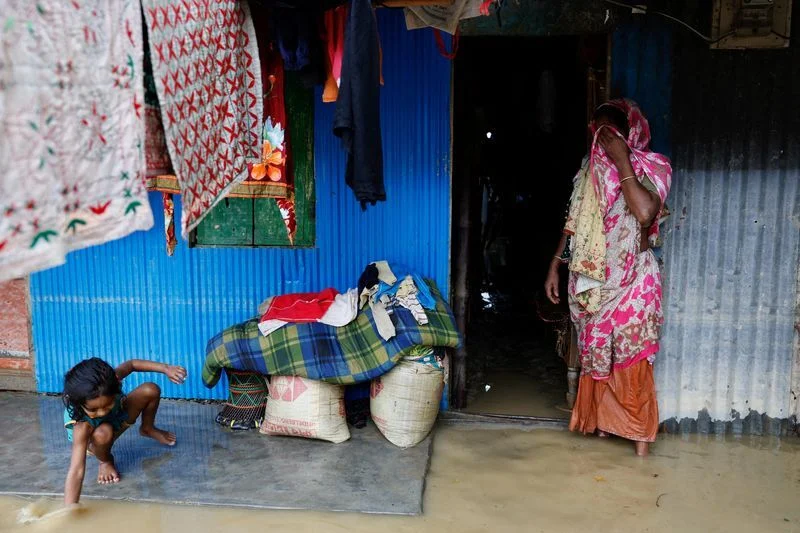
Over the past two weeks, the floods have wreaked havoc across Bangladesh, causing widespread destruction and affecting approximately five million people. The scale of the disaster is staggering, with more than 580,000 families still marooned in 11 flood-hit districts. These families are in urgent need of basic necessities, including food, clean water, medicine, and dry clothing.

In response to the crisis, a massive relief operation is underway. Nearly 500 medical teams have been deployed to provide treatment to those affected. The country’s armed forces, including the army, air force, and navy, along with the border guard, are actively assisting in relief efforts. However, the challenges remain immense.

The Directorate General of Health Services reported a alarming surge in flood-related health issues. In the past 24 hours alone, nearly 5,000 people have been hospitalized for cases of diarrhea, skin infections, and snake bites. This spike in waterborne diseases is a common and dangerous aftermath of flooding, prompting authorities to focus their efforts on disease prevention and ensuring access to clean drinking water.

The capital city, Dhaka, has not been spared from the disaster. Heavy rainfall on Tuesday submerged many districts of the city, with floodwaters reaching knee-deep to waist-high levels on roads. The inundation caused massive traffic jams as vehicles struggled to navigate through waterlogged streets, further complicating relief efforts and daily life in the bustling metropolis.

The floods have also dealt a severe blow to Bangladesh’s agricultural sector. A preliminary assessment by the agriculture ministry paints a grim picture, estimating crop damage worth 33.5 billion taka (approximately $282 million). This devastation has affected more than 1.4 million farmers, potentially leading to long-term economic repercussions for the country.

The current crisis underscores Bangladesh’s acute vulnerability to climate-related disasters. A 2015 analysis by the World Bank Institute estimated that 3.5 million people in the country were at risk of annual river flooding. Experts believe this number has likely increased in recent years due to the escalating impacts of climate change.

The United Nations Children’s Fund (UNICEF) has raised urgent concerns about the flood’s impact on Bangladesh’s youngest and most vulnerable population. According to UNICEF, two million children are at risk in what the organization describes as Bangladesh’s most severe flooding in three decades. In response, UNICEF has launched an emergency appeal for $35 million to provide essential supplies to those affected.

Emma Brigham, Deputy Representative of UNICEF Bangladesh, emphasized the long-term and recurring nature of these climate-related disasters: “Year after year, the lives of millions of children in Bangladesh are being devastated by floods, heatwaves and cyclones. Climate change is clearly altering children’s lives.” This statement highlights the urgent need for sustainable solutions and increased resilience in the face of recurring climate disasters.

Russian Missile Strike Kills 41 in Ukraine’s Poltava, President Zelenskiy Reports

0

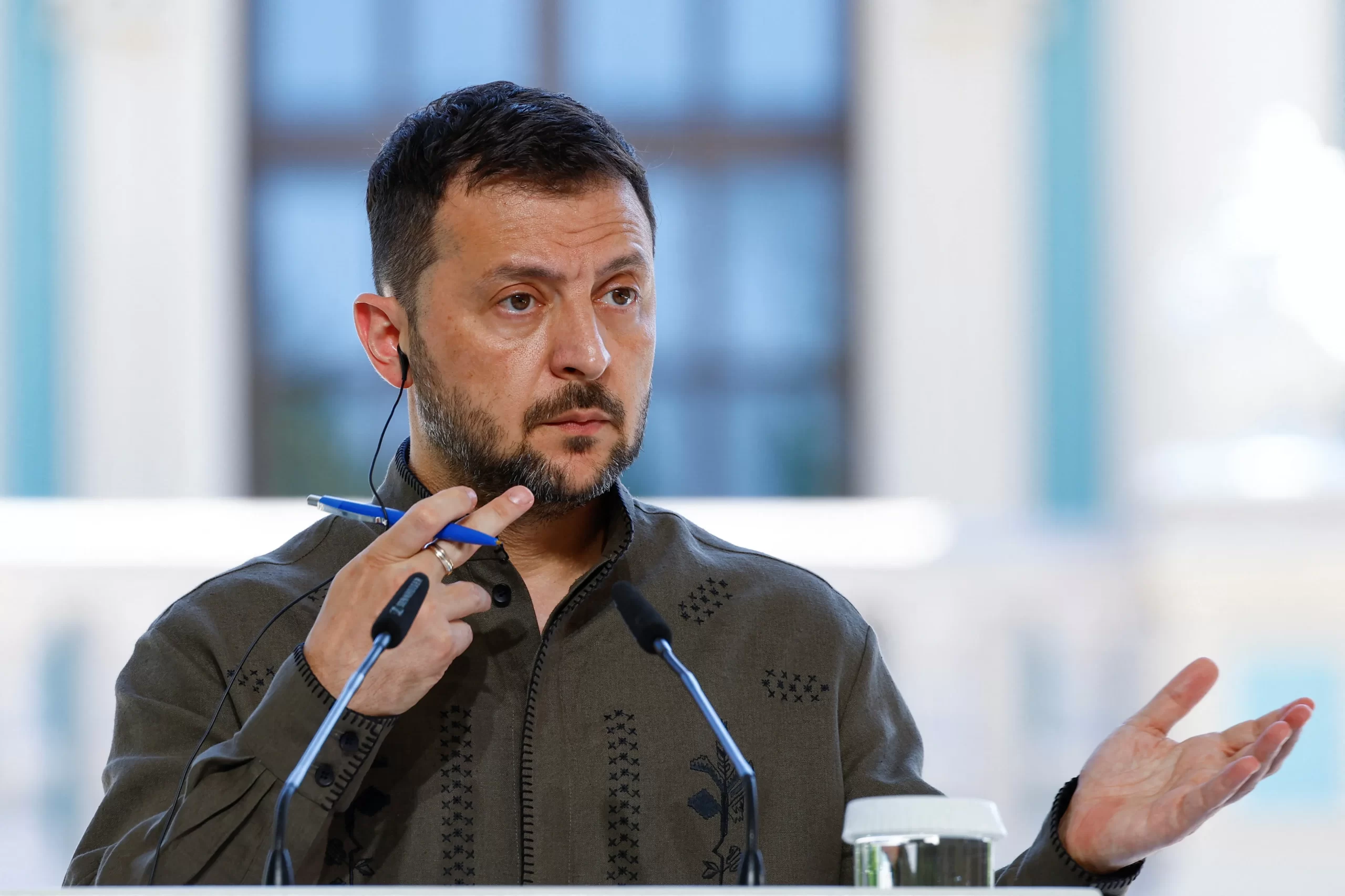
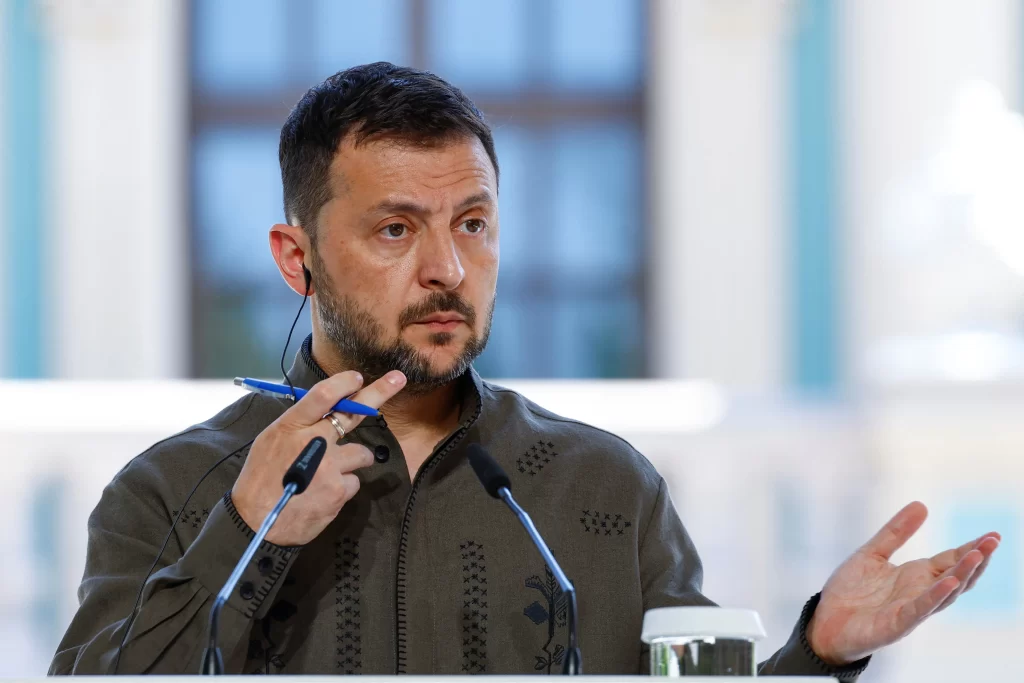
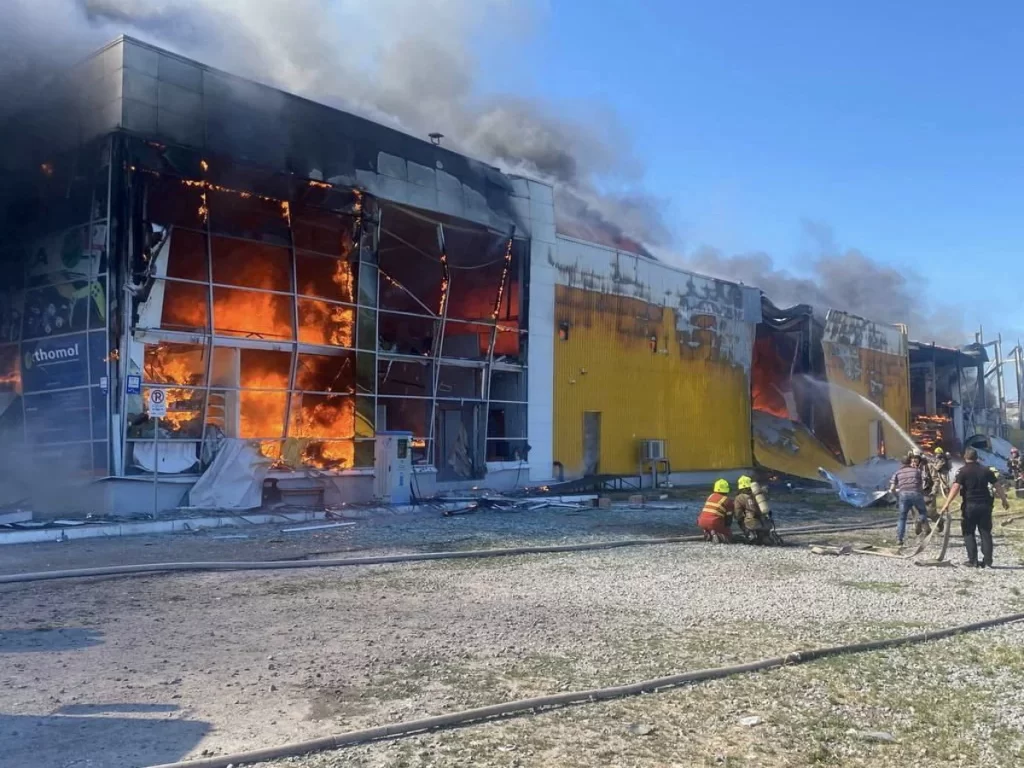
A Russian missile strike on the eastern Ukrainian city of Poltava has resulted in at least 41 deaths and 180 injuries, Ukrainian President Volodymyr Zelenskiy reported on Thursday. The attack marks one of the deadliest single assaults on a civilian area in recent months, further escalating tensions in the ongoing conflict between Russia and Ukraine.

President Zelenskiy, in a statement, provided preliminary details of the attack:

“According to initial reports, the eastern city of Poltava was hit by two Russian ballistic missiles,” Zelenskiy said. He added that the strike targeted “the territory of an educational institution and a nearby hospital.”

The president elaborated on the extent of the damage and rescue efforts: “At least 41 people have been killed and 180 injured, with some individuals being rescued from under the rubble.”

Among the structures affected, Zelenskiy noted that one of the buildings of the Institute of Communications was partially destroyed in the attack.

The strike on Poltava, a city not frequently in the headlines of the conflict, underscores the widespread nature of the war and its impact on civilian areas far from the front lines. The targeting of educational and medical facilities raises further concerns about the protection of civilians in the ongoing conflict.

Emergency services are currently on the scene, working to rescue any remaining survivors and assess the full extent of the damage. The number of casualties may change as more information becomes available.

This attack comes as both Ukraine and Russia continue to engage in military operations across various regions, with civilian areas often bearing the brunt of the conflict. International observers and human rights organizations have repeatedly called for the protection of civilians and civilian infrastructure in accordance with international humanitarian law.

The Ukrainian government is expected to provide more details about the attack and its response in the coming hours. Meanwhile, the international community’s reaction to this latest escalation is anticipated, potentially leading to further diplomatic efforts to address the ongoing crisis.

Canada Tightens Borders: Surge in Rejections of Foreign Visitors Amid Policy Shift

0

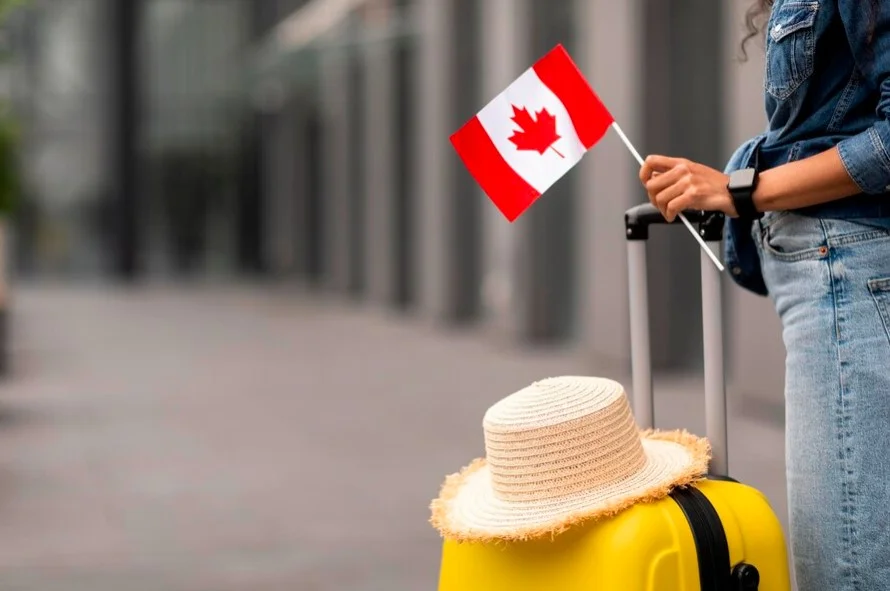
Canada, long known for its welcoming stance towards newcomers, is closing its doors to an increasing number of foreign visitors and temporary residents. Government data obtained by Reuters reveals a significant spike in visa rejections and border turnaways, signaling a marked shift in the country’s immigration policies.

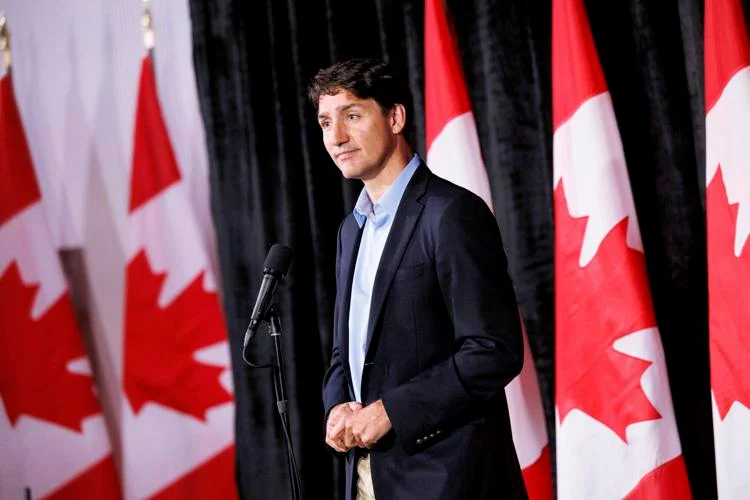
The trend comes as Prime Minister Justin Trudeau’s Liberal government, currently trailing in polls ahead of an anticipated election next year, grapples with mounting public concerns over immigration. Many Canadians have linked the influx of newcomers to the ongoing housing shortage and soaring prices, prompting a recalibration of the country’s traditionally open-door policy.

In July 2024, Canadian border officials refused entry to 5,853 foreign travelers, including students, workers, and tourists. This figure marks the highest number of rejections since at least January 2019. On average, border officers turned away 3,727 foreign travelers per month during the first seven months of 2024, representing a substantial 20% increase from the previous year.

The tightening extends beyond the physical borders. Canada’s immigration department is approving fewer visas across various categories. The ratio of refused visitor visa applications to approved ones reached a post-pandemic high in June. In fact, during January, February, May, and June of 2024, more visa applications were refused than approved, a stark reversal from previous trends.

Study and work permits, which had seen multi-year highs in 2023 and 2022 respectively, have also experienced a notable decline in approvals. This shift affects not only tourists but also international students and temporary workers who have long contributed to Canada’s economic and cultural landscape.

Immigration Minister Marc Miller acknowledged the changing landscape in August, stating, “Canadians want a system that is not out of control.” This sentiment reflects growing public opinion, with polls indicating that an increasing number of Canadians believe the country is admitting too many immigrants.

The Canada Border Services Agency (CBSA) attributes these changes to shifting migration patterns and policy adjustments, emphasizing that decisions are made on a case-by-case basis. However, the agency has not identified specific policy changes driving this trend.

Legal experts on the ground are reporting increased scrutiny of visa holders at airports and land border crossings. British Columbia lawyer Will Tao has observed a “180-degree” shift in attitude towards immigration from the government. He notes that the perception of foreigners potentially causing harm to Canada is trickling down from politicians to front-line officials, influencing their decision-making processes.

This heightened scrutiny has led to situations where valid visa holders are being turned away at the border, sometimes under pressure to leave voluntarily or face deportation. These actions can have severe implications for individuals’ visa status or travel authorizations, including potential cancellations.

One such case involved Mohammed Kamil Shaibu, a Ghanaian traveler en route to a conference in Edmonton. Despite holding a valid tourist visa, Shaibu was denied entry to Canada last September during a layover in Paris. After a phone interview with a Canadian immigration officer, he was told his “temporary-resident visa is no longer valid for travel to Canada” and was asked to return to Accra.

This practice of granting visas only to deny entry later has drawn criticism from academic circles. Gideon Christian, an assistant law professor at the University of Calgary, questions the logic behind this approach, asking, “Why accept people if, when they come, you’re not going to admit them?”

The shift in Canada’s immigration stance represents a significant departure from its long-standing reputation as a country that embraces newcomers. This changing landscape reflects a complex interplay of factors, including economic pressures, particularly in the housing market, and evolving public sentiment.

As Canada navigates these changes, the impact on its international reputation and economy remains to be seen. The country has long benefited from the contributions of immigrants and temporary residents in various sectors. However, the current trend suggests a recalibration of its immigration policy, potentially affecting Canada’s appeal as a destination for international students, skilled workers, and tourists.

The upcoming election may well serve as a referendum on these evolving immigration policies, with the outcome likely to shape Canada’s approach to newcomers in the years to come. As the situation continues to develop, observers both within Canada and internationally will be watching closely to see how the country balances its economic needs, public sentiment, and humanitarian traditions in crafting its future immigration policies.

Russia Sentences Hypersonic Scientist to 15 Years for Treason

0

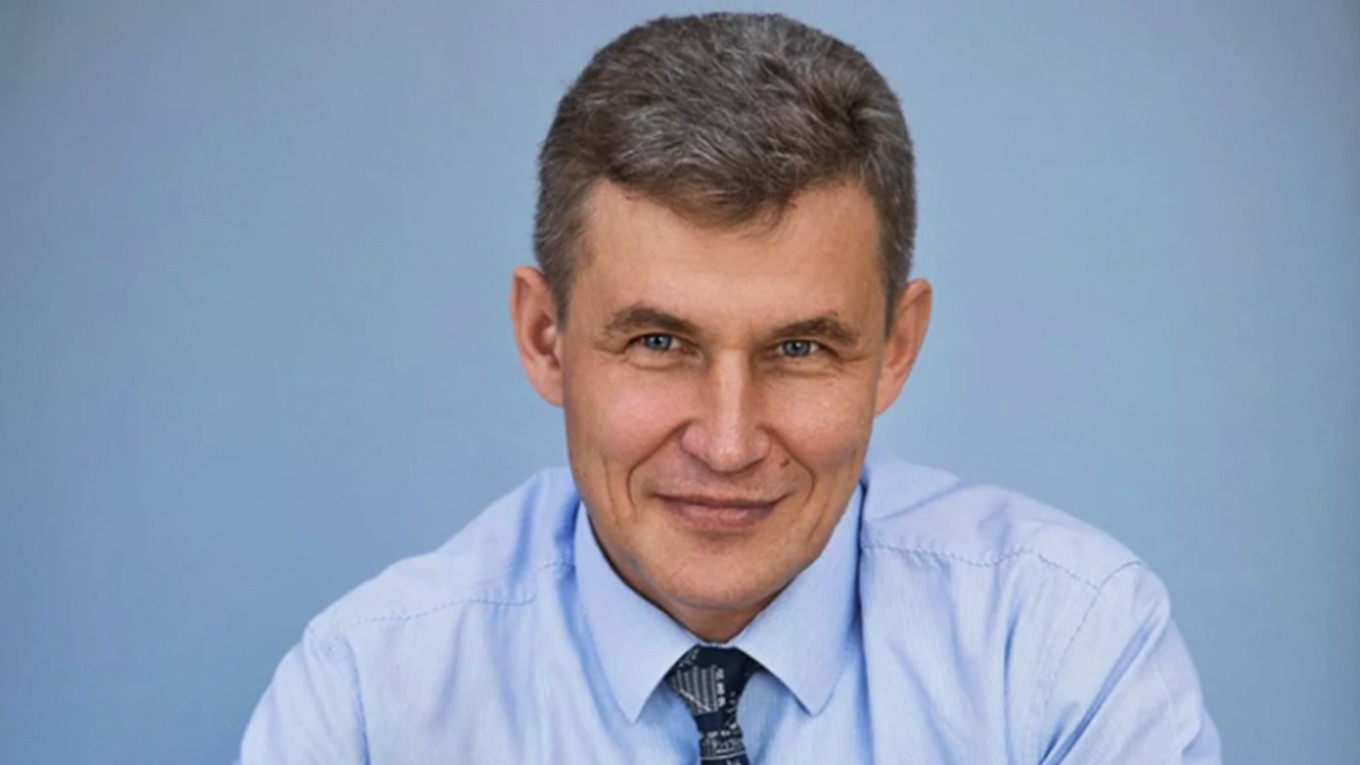
A Russian court on Tuesday sentenced physicist Alexander Shiplyuk to 15 years in prison on treason charges, marking the latest in a series of cases against scientists involved in hypersonic missile research.

Shiplyuk, 57, director of a prominent Siberian science institute, was arrested in August 2022. The trial, held behind closed doors as is typical for treason cases in Russia, concluded with the severe sentence that has alarmed the scientific community.

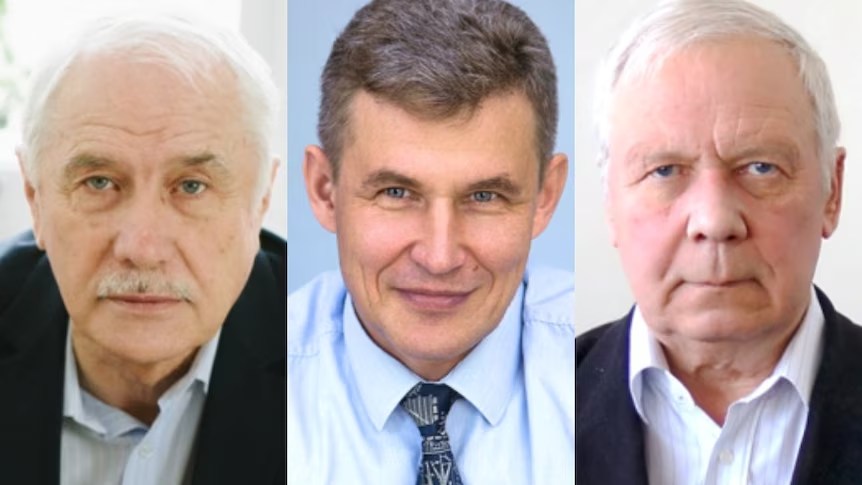
Two of Shiplyuk’s colleagues from the Khristianovich Institute of Theoretical and Applied Mechanics (ITAM) in Novosibirsk, Anatoly Maslov and Valery Zvegintsev, were also detained on suspicion of treason. Maslov, 78, received a 14-year sentence in May.

Shiplyuk’s lawyer has not yet commented on whether the scientist plans to appeal the verdict, which was reported by Russian news agencies.

The Kremlin, commenting on these cases last May, stated that the men face “very serious accusations,” adding that the matter was under the purview of security services.

Russia has positioned itself as a world leader in hypersonic missiles, weapons capable of traveling at up to 10 times the speed of sound and potentially evading air-defense systems.

Colleagues of Anatoly Maslov, Alexandr Shiplyuk and Valery Zvegintsev say their prosecution would damage Russian science. (Supplied: ITAM)

Sources familiar with Shiplyuk’s case told Reuters last May that the ITAM director was suspected of sharing classified material at a scientific conference in China in 2017. However, Shiplyuk reportedly maintained his innocence, insisting the information was not classified and was freely available online.

The Khristianovich Institute, located at the Akademgorodok science campus near Novosibirsk, is registered as part of Russia’s military-industrial complex, according to its website.

Two U.S. scientists acquainted with Maslov and Shiplyuk told Reuters last year that the arrested Russians were involved in one aspect of hypersonic missile development, a process that also includes integrating sensors, navigational systems, and propulsion.

These cases have raised concerns about academic freedom and international scientific collaboration in Russia, particularly in fields with potential military applications. The sentences have also highlighted the intensifying focus on national security in the country’s scientific research sector.