Home Blog Page 748

Airlines Cancel Flights Amid Hezbollah-Israel Conflict Escalation

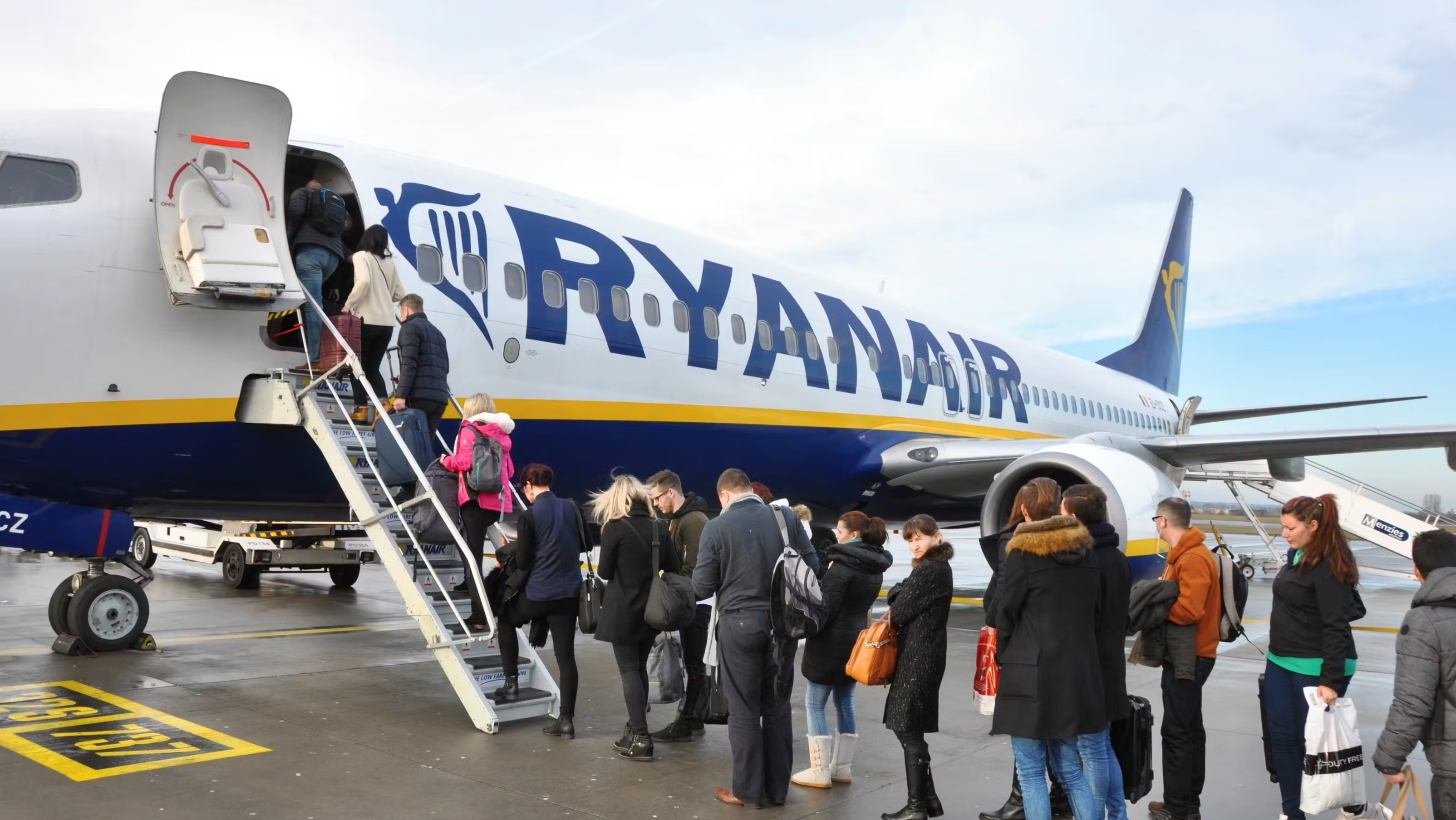
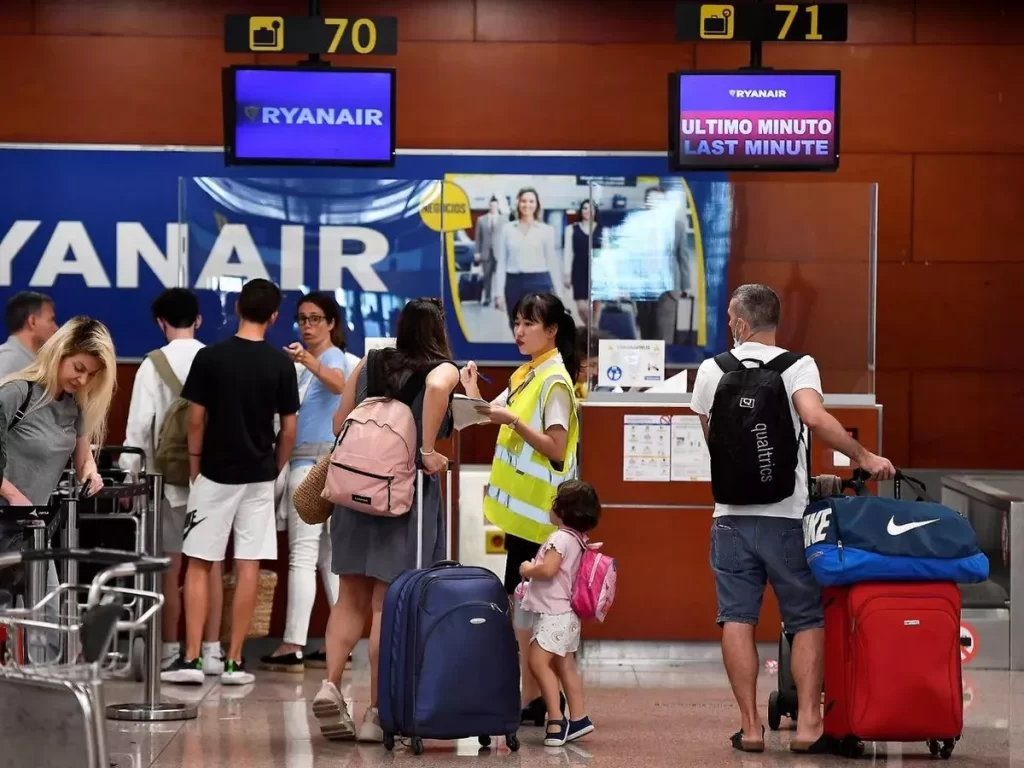
BEIRUT — Several major airlines have suspended or cancelled flights to Beirut and Tel Aviv following an escalation in the conflict between Hezbollah and Israel, with both sides launching attacks across their shared border on Sunday.

Jordan’s national carrier, Royal Jordanian, announced the suspension of its flights to Beirut “due to the current situation,” according to a report by the state news agency. The airline did not specify the duration of this suspension. Jordanian officials, speaking to Reuters on condition of anonymity, emphasized that there was no disruption to Jordanian airspace itself.

Air France has cancelled its flights to both Tel Aviv and Beirut at least until Monday, a company spokesperson told Reuters. The French carrier cited security concerns as the primary reason for this decision.

German airline Lufthansa extended its previously announced suspension of flights to Beirut until September 30. This decision, initially made on Friday, reflects growing concerns about the stability of the region.

Despite these cancellations, Lebanon’s civil aviation authority issued a statement on Sunday, carried by the official National News Agency, emphasizing that “the airport is functioning normally” despite some disruptions. The authority refuted rumors of a complete shutdown of flights, stating there is “no truth” to such claims.

The flight cancellations come in response to a significant escalation in the conflict between Hezbollah and Israel. On Sunday, Hezbollah launched rockets and drones at Israel, prompting the Israeli military to retaliate with strikes involving approximately 100 jets targeting locations in Lebanon.

This latest round of violence has raised concerns about the safety of civilian air traffic in the region. A spokesperson for the International Air Transport Association (IATA) told Reuters, “We are closely monitoring the situation and advising our member airlines to exercise caution and follow all relevant safety advisories.”

The disruptions to air travel are likely to have significant economic impacts on both Lebanon and Israel, countries heavily reliant on tourism and international business travel. Lebanon’s Tourism Minister, speaking on condition of anonymity due to the sensitivity of the situation, expressed concern about the potential long-term effects on the country’s struggling economy.

Several other airlines had already announced flight suspensions or cancellations to Beirut in recent weeks, with some later resuming services as tensions fluctuated. However, this latest escalation has prompted a more widespread response from international carriers.

Passengers with bookings to the affected destinations are advised to check with their airlines for the latest information and rebooking options. Many carriers are offering flexible rebooking policies in light of the uncertain situation.

As the conflict continues to evolve, the international aviation community remains on high alert, with airlines and regulatory bodies closely monitoring developments to ensure the safety of passengers and crew.

Israel Launches Heavy Airstrikes in Lebanon, Hezbollah Retaliates with Drone Attack

JERUSALEM — Israel conducted a series of intense airstrikes in southern Lebanon early Sunday, describing the action as a pre-emptive strike against Hezbollah. The militant group swiftly retaliated by launching what it called a “large number of drones” toward Israel, marking a significant escalation in the ongoing Middle East conflict.

The Israeli military said the airstrikes were aimed at thwarting a planned heavy barrage of rockets and missiles by Hezbollah. Rear Adm. Daniel Hagari, Israel’s military spokesman, stated, “In a self-defense act to remove these threats, the (Israeli military) is striking terror targets in Lebanon, from which Hezbollah was planning to launch their attacks on Israeli civilians.”

Hezbollah announced its drone attack as an initial response to Israel’s assassination of Fouad Shukr, a top Hezbollah commander, in Beirut’s southern suburbs last month. The group said it was targeting “a qualitative Israeli military target that will be announced later” as well as “targeting a number of enemy sites and barracks and Iron Dome platforms.”

The escalation follows a series of high-profile assassinations, including that of Hamas leader Ismail Haniyeh in Tehran, which led to vows of reprisal against Israel by Iran.

As tensions mounted, air raid sirens were reported throughout northern Israel. The Israel Airports Authority began diverting incoming flights and delaying takeoffs at Ben-Gurion International Airport. Flight-tracking data showed at least two El Al flights swinging far south and diverting after the announcement.

Israeli Prime Minister Benjamin Netanyahu’s office announced an emergency cabinet meeting scheduled for 7 a.m. local time (0400 GMT) to address the situation.

Last week, Israeli Defense Minister Yoav Gallant announced the deployment of additional troops to the Lebanese border in anticipation of possible escalation. Hagari warned, “We can see that Hezbollah is preparing to launch an extensive attack on Israel, while endangering the Lebanese civilians,” urging civilians in areas where Hezbollah operates to evacuate for their safety.

The conflict between Israel and Hezbollah has been simmering since October 7, when Hamas launched a cross-border attack into Israel, prompting immediate retaliation from Hezbollah. Daily exchanges of fire have displaced tens of thousands of people on both sides of the Israel-Lebanon border, raising fears of a broader conflict.

Until Sunday’s escalation, both sides had been careful to avoid a wider conflagration. However, the latest developments suggest a potential shift in the conflict’s dynamics, with both Israel and Hezbollah demonstrating a willingness to engage in more significant military actions.

The situation has drawn international concern, with diplomatic efforts underway to prevent further escalation. The United Nations Interim Force in Lebanon (UNIFIL) has increased its patrols along the Blue Line, the border demarcation between Lebanon and Israel.

As the situation remains fluid, international observers and neighboring countries are on high alert, with many calling for immediate diplomatic intervention to prevent a potentially catastrophic regional conflict.

The escalation between Israel and Hezbollah adds another layer of complexity to the already volatile situation in the Middle East, raising concerns about the potential for a wider regional war involving multiple actors.

Zelensky Mocks Putin as ‘Sick Old Man,’ Vows Continued Strikes on Russian Territory

KYIV, Ukraine — In a bold Independence Day address, Ukrainian President Volodymyr Zelensky mocked Russian President Vladimir Putin as a “sick old man” and pledged to continue military operations on Russian soil, defying nuclear threats from Moscow.

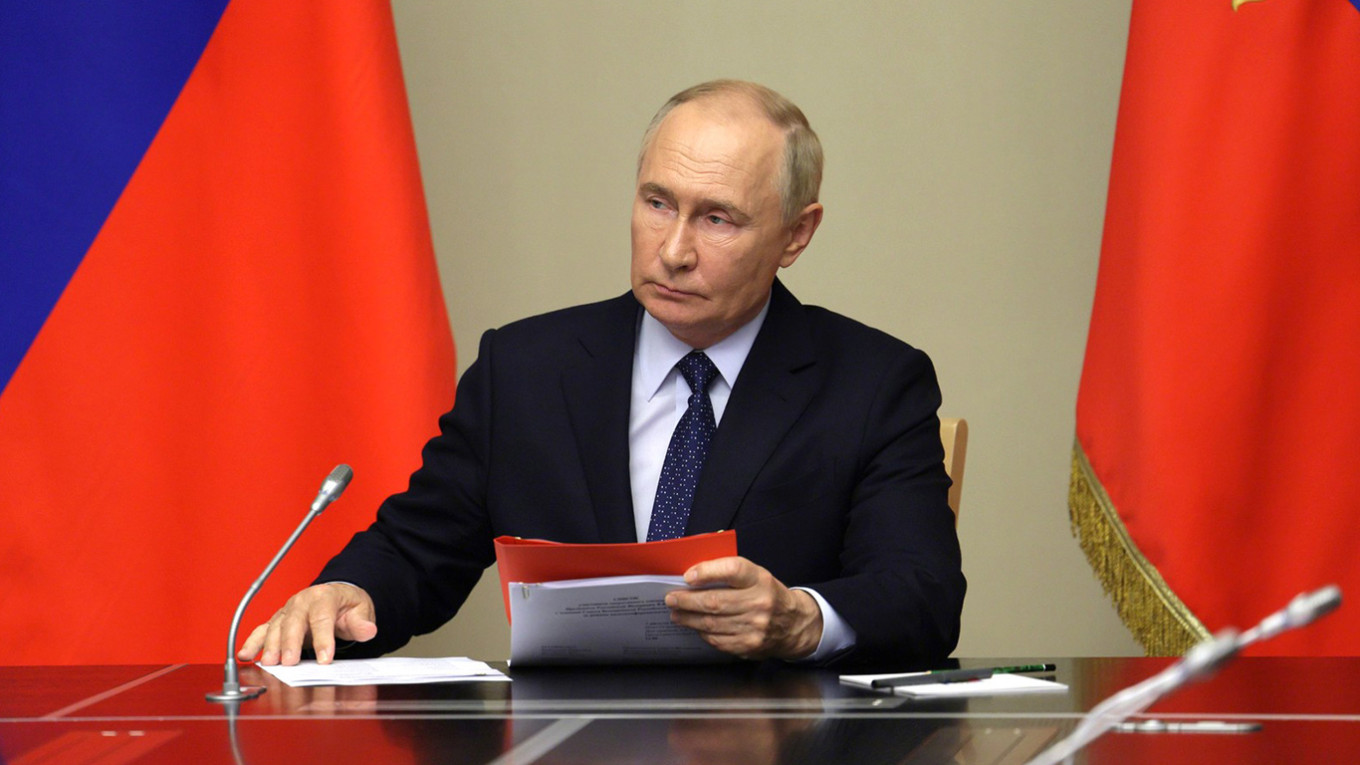
Speaking on the thirty-second anniversary of Ukraine’s independence from Soviet rule, Zelensky directly challenged Putin’s authority and rhetoric. “A sick old man from the Red Square, who constantly threatens everyone with the red button, will not dictate any of his red lines to us,” Zelensky declared, referring to Putin’s repeated allusions to Russia’s nuclear capabilities.

The Ukrainian leader’s provocative statements come amid reports of Ukrainian military advances in Russia’s Kursk province and successful long-range drone strikes on Russian airfields, oil refineries, and ammunition depots. These operations mark a significant escalation in Ukraine’s military strategy, bringing the war directly to Russian territory.

Zelensky emphasized Ukraine’s determination to retaliate against Russian aggression, stating, “Our enemy will also know what the Ukrainian way of retaliation is. Worthy, symmetrical, long-ranged.” He added a stark warning: “They will know that sooner or later a Ukrainian response will reach any point in the Russian Federation that is a source of danger to the life of our state and our people.”

The speech, delivered as Ukraine celebrated its Independence Day, underscores the country’s increasingly assertive military posture. Despite the risks of escalation, including potential nuclear threats from Russia, Zelensky’s address signals Ukraine’s commitment to an aggressive defense strategy that includes strikes within Russian borders.

Ukrainian military officials, speaking on condition of anonymity due to the sensitivity of ongoing operations, confirmed to the Associated Press that recent attacks on Russian soil are part of a broader strategy to disrupt Russian military logistics and command structures. “These operations are carefully planned to minimize civilian casualties while maximizing impact on Russian military capabilities,” one official stated.

International reactions to Zelensky’s speech and Ukraine’s military actions have been mixed. While Western allies continue to support Ukraine’s defense efforts, concerns about potential escalation have grown. A senior NATO official, who requested anonymity to discuss sensitive matters, told the AP, “We support Ukraine’s right to self-defense, but we also urge caution to avoid uncontrolled escalation that could lead to a wider conflict.”

Russian officials responded to Zelensky’s remarks with condemnation. Kremlin spokesperson Dmitry Peskov called the speech “irresponsible and provocative,” warning of “severe consequences” for attacks on Russian territory. However, he did not specify what these consequences might entail.

The ongoing conflict, now in its nineteenth month, has seen a significant shift in dynamics with Ukraine’s recent incursions into Russian territory. Military analysts suggest that these operations aim to stretch Russian defenses and demonstrate Ukraine’s growing military capabilities.

Dr. Olga Oliker, Program Director for Europe and Central Asia at the International Crisis Group, told the AP, “Zelensky’s rhetoric and Ukraine’s actions on Russian soil serve multiple purposes: they boost domestic morale, showcase Ukraine’s military advancements to international supporters, and aim to create strategic dilemmas for Russian military planners.”

As tensions continue to escalate, the international community remains on high alert. The United Nations Security Council is scheduled to convene an emergency session to discuss the latest developments and explore potential diplomatic solutions to the conflict.

Zelensky’s defiant stance and Ukraine’s military actions on Russian soil mark a new phase in the war, challenging long-held assumptions about the conflict’s boundaries and raising questions about the potential for further escalation in the coming months.

Suspected Terrorist Arrested After Synagogue Arson Attack in Southern France

French police arrested a suspected terrorist on Saturday evening following a dramatic gunfight, culminating a day-long manhunt after an attack on a synagogue in the southern resort town of La Grande-Motte. The incident, which authorities are treating as an act of terrorism, has heightened concerns about rising anti-Semitism in France amid the ongoing Israel-Hamas conflict.

The suspect, identified as a 33-year-old Algerian national, was apprehended at the top of a council estate tower block in the city of Nimes, approximately 50 kilometers (30 miles) from the site of the initial attack. French Interior Minister Gerald Darmanin confirmed the arrest on social media platform X, praising the police force, particularly the RAID (Research, Assistance, Intervention, Deterrence) special forces, for their “great professionalism despite the gunfire.”

According to an investigating source who spoke on condition of anonymity due to the ongoing nature of the investigation, the suspect was “severely wounded” during the arrest operation and subsequently taken to a secure hospital facility. A local municipal police officer in Nimes sustained minor injuries when the suspect opened fire prior to his capture.

The events began around 8:30 a.m. on Saturday when the suspect allegedly caused an explosion in a parked car and set fire to the doors of the Beth Yaacov synagogue in La Grande-Motte. CCTV footage reportedly shows the man wearing a Palestinian flag around his waist during the attack, which French President Emmanuel Macron swiftly condemned as an “act of terrorism.”

Stephan Rossignol, Mayor of La Grande-Motte, confirmed that surveillance cameras had captured images of an unidentified man setting fire to cars outside the synagogue. Police sources indicated that the suspect may have been armed with a pistol.

The attack has sent shockwaves through France’s Jewish community. Yonathan Arfi, president of the Representative Council of Jewish Institutions of France (CRIF), described the incident as “an attempt to kill Jews,” noting that a gas cylinder was detonated “in front of the synagogue of La Grande-Motte at the expected time of arrival of worshippers.”

This latest incident occurs against a backdrop of escalating anti-Semitic acts in France since the outbreak of the Israel-Hamas conflict on October 7, 2023. According to an Interior Ministry spokesperson in Paris, anti-Semitic incidents in France have nearly tripled since the beginning of the conflict, with 887 incidents recorded during the first half of this year alone.

The attack and subsequent arrest have reignited discussions about security measures for Jewish institutions in France and the broader implications of the Israel-Hamas conflict on domestic tensions. Hussein Bourgi, a Socialist Senator in the Herault department where La Grande-Motte is located, expressed “full solidarity with the Jewish community of La Grande Motte.”

This incident follows a pattern of concerning events targeting Jewish communities in France. In May, an Algerian immigrant was fatally shot by police after throwing a Molotov cocktail through a synagogue window in Rouen, Normandy. Additionally, a Holocaust memorial in Paris was defaced with red handprints, apparently referencing the rising civilian death toll in Gaza and the West Bank.

French authorities have mobilized significant resources to combat the rise in anti-Semitic acts. The manhunt for the La Grande-Motte synagogue attacker involved approximately 200 police officers, culminating in the RAID special forces operation in Nimes around 11:30 p.m. on Saturday.

Russia Releases Israeli-Canadian Racing Driver Wanted by U.S.

ST. PETERSBURG, Russia  — A Russian court on Saturday ordered the release of Joshua Cartu, an Israeli-Canadian racing car driver and entrepreneur wanted by the United States on fraud charges, citing the absence of an official extradition request.

Cartu, nicknamed the “Ferrari fugitive,” was detained on Monday by Russia’s Interpol unit at St. Petersburg’s Pulkovo Airport. The U.S. government had declared him “wanted” in connection with allegations of multimillion-dollar investor fraud.

The St. Petersburg Moskovsky District Court ruled to “terminate proceedings” against Cartu, stating that Russian authorities had not received a formal extradition request from the United States. Russia does not have an extradition treaty with the U.S., although the two countries recently conducted a high-profile prisoner swap.

According to the St. Petersburg court press service, Cartu was subject to an Interpol Red Notice. He is accused of being part of a group that allegedly defrauded U.S. investors of approximately $60 million between 2013 and 2017.

In 2021, the U.S. government filed a fraud complaint against Cartu and others, including his brothers David and Jonathan, alleging conspiracy to commit wire fraud. The complaint details a complex scheme involving binary options trading platforms that allegedly misled investors.

Cartu’s detention earlier this week had been extended by the court due to concerns that, as an Israeli citizen, he could freely leave Russia. However, Saturday’s ruling effectively ends his detention in the country.

The racing driver and tech entrepreneur has a significant social media presence, with hundreds of thousands of followers on platforms like Instagram and Facebook. His accounts feature images showcasing a luxury lifestyle centered around high-performance cars, particularly Ferraris.

In interviews with British media, Cartu has described himself as a race car and tech entrepreneur who owns a fleet of Ferrari vehicles. His public persona has contributed to the “Ferrari fugitive” moniker in media coverage of his legal troubles.

Canada’s foreign ministry acknowledged on Tuesday that it was “aware of an arrest involving a Canadian in Russia” and had offered consular assistance. The ministry has not yet commented on Cartu’s release.

The case highlights the complexities of international law enforcement cooperation, particularly between countries without formal extradition agreements. It also underscores the challenges faced by authorities in pursuing individuals accused of financial crimes across borders.

Legal experts note that while Cartu has been released in Russia, he may still face legal challenges if he travels to countries with closer ties to the United States. The U.S. Department of Justice has not yet commented on the Russian court’s decision or its next steps in pursuing the fraud allegations against Cartu.

Telegram Founder Pavel Durov Reportedly Detained in France

PARIS  — Pavel Durov, the founder and CEO of encrypted messaging app Telegram, was reportedly detained at Paris-Le Bourget Airport on charges related to criminal activity enabled by his platform, according to French media reports on Saturday.

French news outlets TF1, LCI, and BFMTV reported that France had issued an arrest warrant for Durov, 39, on charges of complicity in drug trafficking, crimes against children, and fraud. The charges reportedly stem from a lack of content moderation on Telegram and Durov’s alleged failure to cooperate with law enforcement.

According to TF1, Durov was detained on the tarmac after his private jet landed from Azerbaijan. An anonymous investigator quoted by TF1 suggested that Durov would likely be placed in pre-trial detention.

“On his platform, he allowed an incalculable number of offenses and crimes to be committed, for which he did nothing to moderate or cooperate [with law enforcement],” TF1 quoted a source close to the case as saying.

The arrest warrant is reportedly only valid in France. Sources cited by French media claim that Durov rarely traveled to Europe and avoided countries where Telegram was under surveillance by security forces, making his presence in France unexpected.

Telegram, which Durov claims has over 900 million users, has become a significant platform for sharing information about the war in Ukraine and is reportedly used by the Russian military for communication. Military expert Rob Lee commented on social media platform X (formerly Twitter) about the potential impact of Durov’s detention: “A significant change to Telegram’s policies could have a significant effect on the information domain for this war.”

The reported detention has prompted reactions from Russian officials. Deputy Russian State Duma Speaker Vladislav Davankov announced he had appealed to Foreign Minister Sergei Lavrov to seek Durov’s release, expressing concerns that the arrest may be politically motivated.

Durov, who was born in Russia and became a naturalized French citizen in August 2021, is currently based in Dubai. He left Russia in 2014 after refusing to share user data from VKontakte, a social network he founded, with Russian security services.

The detention raises questions about the balance between free speech and law enforcement cooperation in the context of encrypted messaging platforms. Investigative journalist Christo Grozev commented on the situation, highlighting the complex nature of Durov’s stance on privacy and content moderation.

As of Saturday evening, neither French authorities nor Telegram had officially confirmed Durov’s detention. The situation continues to develop, with potential implications for the operation of Telegram and the broader debate on encryption and online content moderation.

The reported detention of Durov comes amid growing global concerns about the use of encrypted messaging apps for criminal activities and the challenges faced by law enforcement in accessing communications on these platforms.

Sudan’s Army Chief Rejects Peace Talks, Vows to Hold On for 100 Years

PORT SUDAN, Sudan  — Sudan’s de facto ruler and army chief, General Abdel Fattah al-Burhan, declared on Saturday that his government would not participate in peace talks scheduled in Switzerland, instead vowing to continue the conflict with rival paramilitaries indefinitely.

“We will not go to Geneva… we will fight for 100 years,” Burhan told reporters in Port Sudan, referring to ongoing peace initiatives aimed at resolving the 16-month-long conflict between the Sudanese Armed Forces (SAF) and the paramilitary Rapid Support Forces (RSF).

The United States initiated talks in Geneva on August 14, with the primary goals of alleviating human suffering and achieving a lasting ceasefire. While an RSF delegation attended the negotiations, the SAF abstained from physical participation, maintaining only telephone contact with mediators.

The talks, co-hosted by Saudi Arabia and Switzerland, included representatives from the African Union, Egypt, the United Arab Emirates, and the United Nations, collectively known as the Aligned for Advancing Lifesaving and Peace in Sudan Group (ALPS). The negotiations concluded on Friday without securing a ceasefire agreement but made progress on establishing aid access routes into Sudan.

Burhan’s refusal to engage in peace talks comes amid a worsening humanitarian crisis in Sudan. The United Nations reports that the conflict has forced approximately 20% of Sudan’s population to flee their homes, with tens of thousands of fatalities. Over 25 million people across the country—more than half its population—now face acute hunger.

The ongoing civil conflict began in April 2023 when tensions between Burhan and RSF leader Mohamed Hamdan Dagalo, also known as Hemedti, erupted into open warfare. The power struggle has devastated Sudan’s infrastructure, healthcare system, and economy.

International organizations have repeatedly called for an end to hostilities, warning of the conflict’s catastrophic impact on civilians. The UN Office for the Coordination of Humanitarian Affairs (OCHA) recently stated that the situation in Sudan represents one of the world’s worst humanitarian crises.

Despite Burhan’s hardline stance, some diplomatic efforts continue. A senior U.S. State Department official, speaking on condition of anonymity, expressed disappointment at the SAF’s refusal to participate in the Geneva talks but emphasized that diplomatic channels remain open.

“We continue to engage with all parties to find a peaceful resolution to this conflict,” the official stated. “The humanitarian situation demands urgent action, and we call on all sides to prioritize the needs of the Sudanese people.”

Regional experts warn that Burhan’s rhetoric could further escalate the conflict and complicate international efforts to broker peace. Dr. Amani El Taweel, a Sudan specialist at the Al-Ahram Center for Political and Strategic Studies in Cairo, told the Associated Press, “This statement reflects the military’s belief that a decisive victory is still possible, despite the enormous human cost.”

As the conflict persists, neighboring countries grapple with a growing refugee crisis. The UN Refugee Agency (UNHCR) reports that over 1.3 million people have fled to surrounding nations, primarily Egypt, Chad, and South Sudan, straining already limited resources in these countries.

The international community now faces the challenge of addressing the immediate humanitarian needs in Sudan while continuing to pursue diplomatic solutions, despite the apparent intransigence of key parties to the conflict.

Bomb Blast in Southwestern Pakistan Kills Two Children, Injures 16

A bomb explosion in the southwestern Pakistani city of Pishin killed two children and injured 16 people on Saturday, local police officials reported. The incident occurred near police headquarters, raising concerns about security in the volatile Balochistan province.

Manzoor Buledi, Senior Superintendent of Police in Pishin, told the media that the remote-controlled bomb was attached to a motorcycle parked in the vicinity of the police headquarters. Among the injured were seven policemen, highlighting the apparent targeting of law enforcement personnel.

Police officer Mujeeb-Ur-Rehman provided further details, stating, “Explosives were planted in a motorcycle which was parked in the area.” He confirmed that the two children killed were passing through the area at the time of the detonation.

The blast underscores the ongoing security challenges in Balochistan, a province that has long grappled with separatist insurgencies and militant activities. Pishin, located approximately 50 kilometers (31 miles) north of the provincial capital Quetta, has seen sporadic incidents of violence in recent years.

Pakistani Prime Minister Shehbaz Sharif expressed deep sorrow over what he termed the “martyrdom” of young children in the explosion. In an official statement, Sharif conveyed his condolences to the families of the victims and said he was praying for the recovery of the injured policemen and civilians.

The attack comes amid heightened security concerns in Pakistan, particularly in Balochistan, which borders Afghanistan and Iran. The province has been a hotbed of both separatist and Islamist militant activities, with various groups targeting security forces and civilians.

Local authorities have launched an investigation into the incident, with forensic teams combing the blast site for evidence. No group has immediately claimed responsibility for the attack, a common occurrence in the immediate aftermath of such incidents in the region.

Russia and Ukraine Exchange Prisoners as Ukraine Marks Independence Day Amid Ongoing Conflict

Russia and Ukraine conducted a significant prisoner of war exchange on Saturday, with each side releasing over 100 captives, as Ukraine commemorated its third Independence Day since the start of Russia’s full-scale invasion in February 2022.

Ukrainian President Volodymyr Zelenskyy announced via social media platform X that 115 Ukrainian servicemen had been freed. The group included conscripts, many captured in the initial months of Russia’s invasion, with nearly 50 soldiers from the Azovstal steelworks in Mariupol among those released.

“We remember each and every one. We are searching and doing our best to get everyone back,” Zelenskyy stated, attaching photos showing gaunt servicemen with shaven heads wrapped in Ukrainian flags.

The Russian Defense Ministry confirmed the exchange, reporting that 115 Russian soldiers had been returned. These soldiers were reportedly captured in the Kursk region, where Ukrainian forces launched a surprise offensive two weeks ago. The ministry stated that the freed Russians were currently in Belarus and would be transferred to Russia for medical treatment and rehabilitation.

This marks the 55th prisoner exchange since Russia’s full-scale invasion began, with the United Arab Emirates once again serving as a mediator, according to Zelenskyy.

The United Nations has reported that most Ukrainian prisoners of war suffer from routine medical neglect, severe mistreatment, and even torture while in detention. There have also been isolated reports of abuse of Russian soldiers, primarily during capture or transit to internment sites.

As the exchange took place, military operations continued on both sides:

In Ukraine:

– Five people were killed and five wounded in Russian shelling of Kostiantynivka in the partially occupied Donetsk region.

– Two people were killed and four wounded, including a baby, in Russian shelling of Kherson.

– Two people were killed in a Russian drone attack and one in shelling in the northeastern Sumy region.

– Ukraine’s air force reported intercepting and destroying seven drones over the country’s south.

– Russian long-range bombers attacked the area of Zmiinyi (Snake) Island with four cruise missiles.

In Russia:

– The Defense Ministry reported shooting down seven drones overnight.

– Five drones were downed over the Voronezh region, wounding two people.

– Two people were wounded in a drone attack in the Belgorod region.

– No casualties were reported in the Bryansk region where another drone was intercepted.

– In the Kursk region, three missiles were shot down overnight and four more on Saturday morning.

Ukraine marked its 33rd Independence Day with somber commemorations rather than festivities. President Zelenskyy announced the successful first combat use of a new domestically produced missile drone called “Palyanitsa” against Russian forces.

Polish President Andrzej Duda arrived in Kyiv by train early Saturday in a symbolic show of support. He participated in a ceremony at the Wall of Remembrance of the Fallen for Ukraine, emphasizing Poland’s continued backing of Ukraine despite recent trade disputes and historical grievances.

As the conflict enters its 30th month, both sides continue to engage in drone and artillery attacks, with civilian casualties reported in various regions. The prisoner exchange and ongoing military operations underscore the persistent nature of the conflict, even as Ukraine marks its independence amid the challenges of war.

The situation remains fluid, with both nations continuing to report military activities and casualties, highlighting the ongoing toll of the conflict on military personnel and civilians alike.

French Actor Alain Delon Wants His Dog Buried with Him, But Animal Rights Kicks

PARIS  — The beloved dog of late French film icon Alain Delon will not be buried alongside the actor, contrary to Delon’s previously expressed wishes, bringing relief to animal rights activists across France.

Delon, an internationally acclaimed actor and producer, died Sunday at the age of 88. He is set to be buried Saturday at his family home in Douchy, south of Paris.

In a 2018 interview with Paris Match magazine, Delon had suggested he wanted his Belgian Malinois sheepdog, Loubo, whom he adopted in 2014, to be buried with him. “I’ve had 50 dogs in my life, but I have a particular relationship with this one,” Delon was quoted as saying. “If I die before him, I’ll ask the veterinarian for us to leave together. … I’d prefer that to knowing that he would let himself die on my tomb amid so much suffering.”

The actor’s comments sparked concern among animal rights activists and the public following his death. However, representatives from prominent animal welfare organizations have confirmed that Loubo will be allowed to live.

An official from the Brigitte Bardot Foundation, a leading animal rights group founded by the famed French actress who was close to Delon, told The Associated Press that they had contacted Delon’s family after foundation members expressed concern.

“They said the question was not even raised, and they would let the dog live. They said he has a home in Douchy, and will live there,” the official stated, speaking on condition of anonymity due to the foundation’s communications policies.

The official added that Delon had been a longtime “friend of the foundation” and had helped raise money for its causes.

Guillaume Sanchez, President of France’s Society for the Protection of Animals (SPA), welcomed the family’s decision. “Our phone lines were saturated with calls by people worried about the dog,” Sanchez told the AP.

Sanchez acknowledged that Loubo “will probably be very sad to have lost the affection of Mr. Delon,” but emphasized the SPA’s stance against euthanizing animals for such reasons. “We are totally against the idea that anyone euthanizes an animal for this reason, Delon or no Delon. … Organizations that work to protect animals want society to develop awareness that an animal is an individual, separate being,” he said.

Delon’s family has not made any public comments regarding Loubo’s future.

The actor’s relationship with Loubo highlighted the deep bonds that can form between humans and their pets, as well as the ethical considerations surrounding end-of-life decisions for animals.

Delon, one of France’s most memorable leading men, had a prolific career spanning several decades. He appeared in numerous films, plays, and television productions, cementing his status as an icon of French cinema.

The controversy surrounding Loubo’s fate has reignited discussions about animal welfare and the legal and ethical implications of including pets in burial arrangements. While some jurisdictions allow for the cremated remains of pets to be buried with their owners, the practice of burying live animals is widely condemned and illegal in most countries.

As France mourns the loss of one of its greatest film stars, the decision to allow Loubo to live serves as a reminder of the evolving attitudes towards animal welfare and the recognition of pets as valued companions rather than possessions.