Home Blog Page 749

U.S. Imposes Visa Restrictions on South Sudanese Officials Obstructing Humanitarian Aid

0

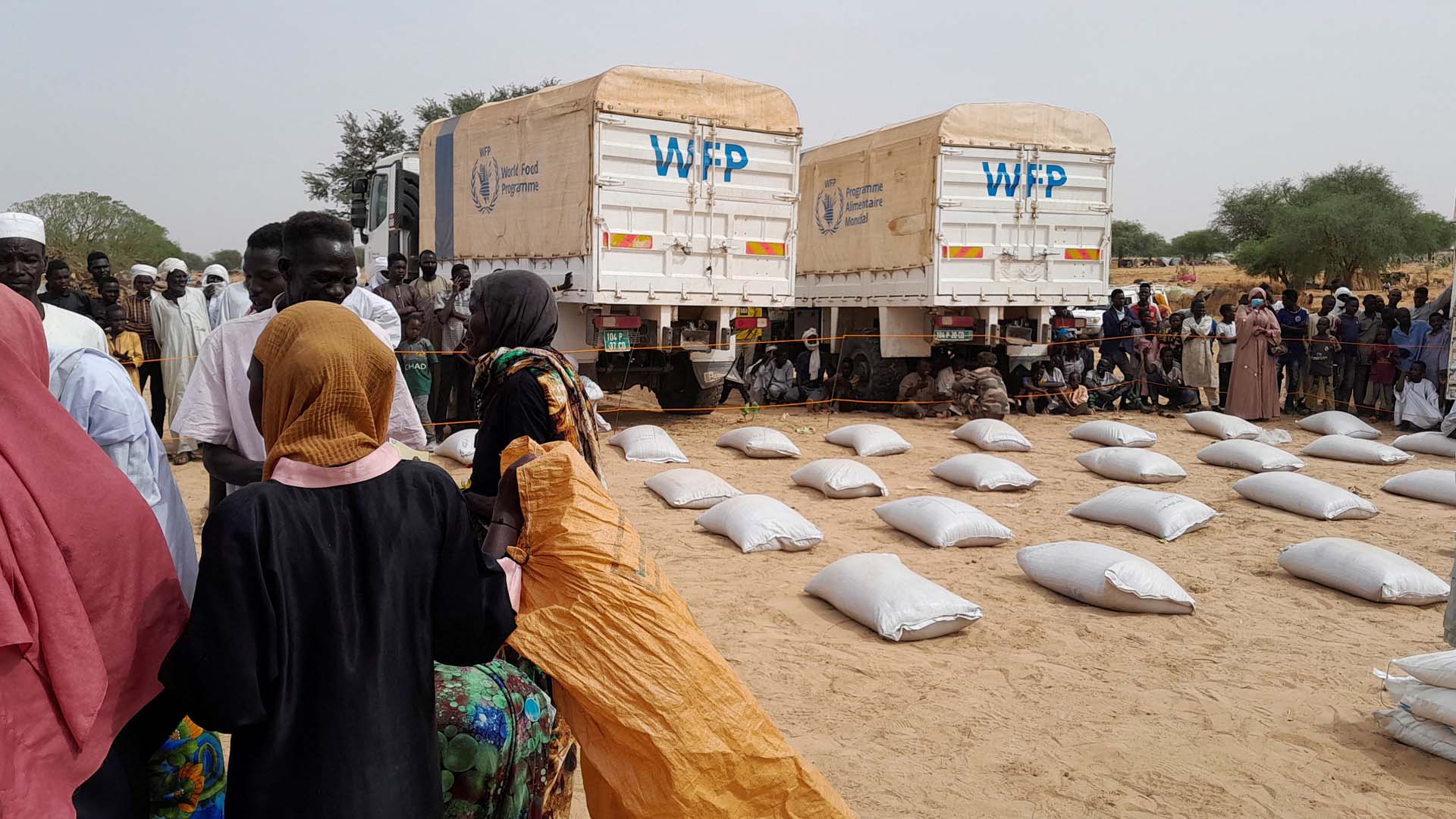
The United States Department of State has announced the imposition of visa restrictions on certain South Sudanese government officials and other individuals accused of obstructing humanitarian aid to the crisis-stricken nation. This move comes in response to persistent issues surrounding the delivery of crucial assistance to a country grappling with one of the world’s most severe humanitarian crises.
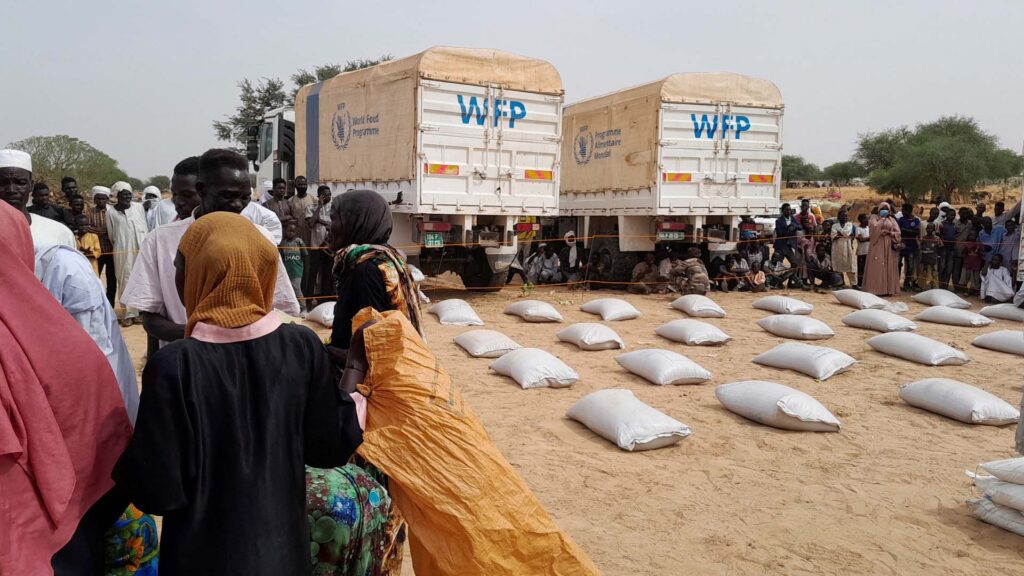
State Department spokesman Matthew Miller stated on Friday that the restrictions target those responsible for taxing aid shipments and creating bureaucratic hurdles that impede the flow of humanitarian support. “Despite assurances, the government has yet to effectively reduce the unacceptably high costs, bureaucratic obstacles, and risks of providing humanitarian assistance to South Sudanese people in need,” Miller said in an official statement.

South Sudan, which gained independence in 2011, has been mired in conflict and instability for much of its existence. A devastating civil war from 2013 to 2018 resulted in hundreds of thousands of deaths, and the country continues to face challenges stemming from persistent conflict, natural disasters, and widespread poverty.
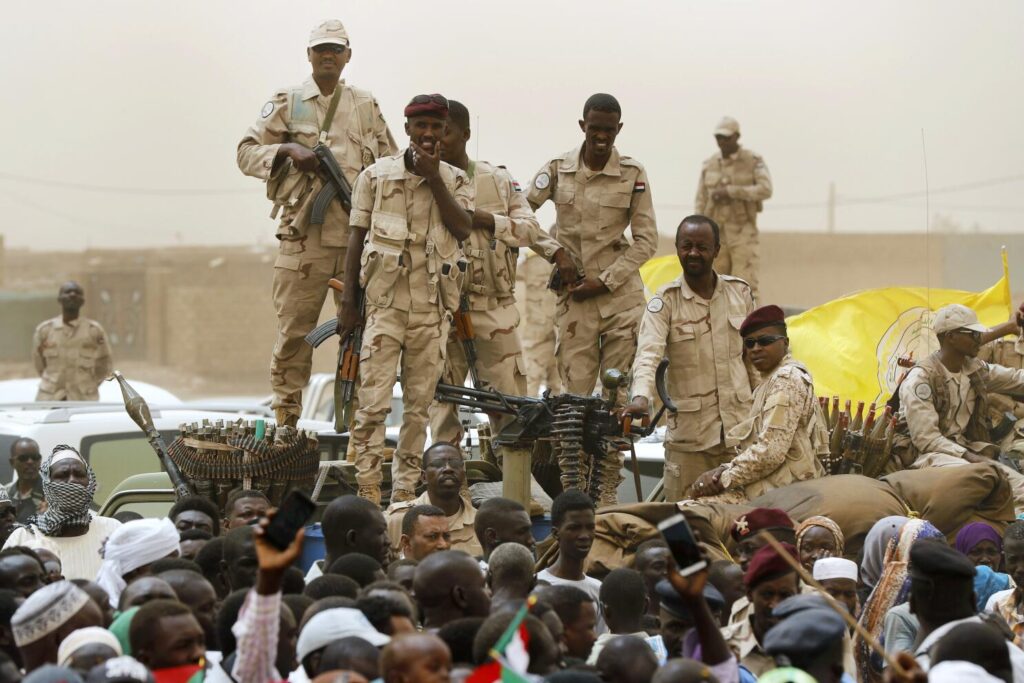
The United Nations has reported that South Sudanese authorities are currently holding up UN fuel tankers due to a tax dispute, potentially jeopardizing the delivery of millions of dollars worth of aid during this critical humanitarian crisis. This situation has raised alarm bells within the international community and prompted the U.S. to take action.

Miller expressed concern about the South Sudanese government’s commitment to its obligations under the 2018 peace agreement, which included provisions for facilitating humanitarian assistance. “This raises questions about its willingness and capacity to abide by its 2018 peace agreement commitment to create an enabling environment for the delivery of humanitarian assistance and protection,” he added.

The visa restrictions will render those targeted ineligible for entry into the United States. While the State Department did not release specific names or the number of individuals affected, the measure is seen as a significant diplomatic step to pressure the South Sudanese government into action.
Al Qaeda Affiliate Claims Killing 300 State Militias, Not Civilians, in Burkina Faso Raid

0

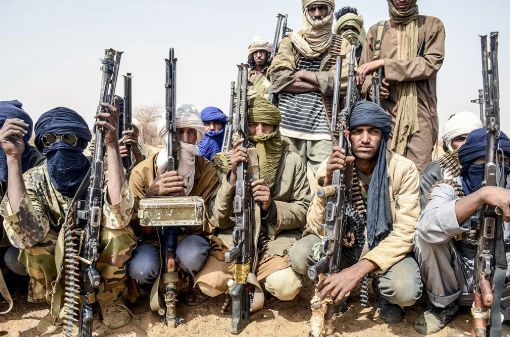
The al Qaeda-linked group Jama’a Nusrat ul-Islam wa al-Muslimin (JNIM) has claimed responsibility for Saturday’s devastating attack near Barsalogho in north-central Burkina Faso, asserting it killed nearly 300 people. However, the group disputes reports of civilian casualties, stating it targeted militia members allied with the Burkinabe army, according to a translation by the U.S.-based SITE Intelligence Group.

This claim contradicts earlier reports from victims’ relatives, who stated that at least 400 civilians were killed while digging defensive trenches on military orders. The attack, one of the deadliest in Burkina Faso’s nearly decade-long struggle with Islamist violence, has thrown the country’s security situation into sharp relief.

In a communique translated by SITE, JNIM stated, “Those who were eliminated in this attack are nothing but militias affiliated with the Burkinabe army … not as they lied and said that they were civilians.” This statement directly challenges the narrative of a civilian massacre that has circulated since the attack.

The conflicting accounts highlight the complex and often blurred lines between civilians and combatants in Burkina Faso’s ongoing conflict. Ryan Cummings, director of analysis at the Africa-focused risk-management company Signal Risk, noted, “Civilians are playing a significant role in the conflict. But civilians that are assisting the military are seen as collaborators. This has made them targets of attacks.”

Several videos purportedly filmed by the militants and circulated on social media show dozens of bodies in trenches, most in civilian clothing. These images have fueled debate about the nature of the attack and its victims.

Burkina Faso’s ruling military junta has yet to provide an official death toll but acknowledged that civilians, soldiers, and volunteer army auxiliaries known as VDPs were among the victims. State television reported that the attack occurred while Barsalogho locals were engaged in unspecified community work.

The citizen advocacy group Collectif Justice pour Barsalogho has accused the authorities of negligence for using the military to compel the community to build trenches, “which turned out to be mass graves.” In a statement, the group declared, “Our parents were led to the slaughter.”

This incident underscores the growing reliance on civilian participation in Burkina Faso’s fight against jihadist groups, a strategy that has increasingly put non-combatants at risk. The country, along with its Sahel neighbors, has been grappling with an Islamist insurgency that began in Mali in 2012 and has since spread across the region.

The security situation in Burkina Faso has deteriorated significantly in recent years, leading to two military coups in 2022. However, the new authorities have struggled to contain the violence. According to data from the Armed Conflict Location and Event Data Project, over 6,500 civilians have been killed in Burkina Faso since the start of 2020, with more than half of these deaths occurring under the current government.

Reuters

Russian Paramilitary Forces to Depart Burkina Faso Amid Escalating Ukraine Conflict

0

In a significant shift of military resources, Russia is set to withdraw 100 paramilitary officers from Burkina Faso to bolster its defense against Ukraine’s recent offensive in the Kursk region. This move, announced by the Bear Brigade private military company, raises concerns about the stability of the West African nation grappling with an intensifying Islamist insurgency.

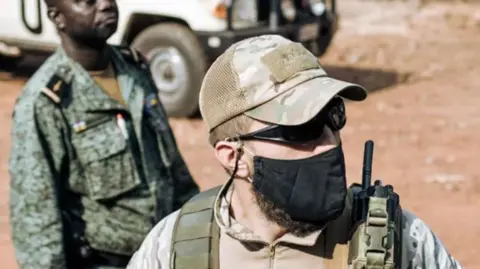
The Bear Brigade, which deployed approximately 300 soldiers to Burkina Faso in May 2023 to support the country’s military junta, confirmed the partial withdrawal via its Telegram channel. The group cited the need to “support Russia’s defense against Ukraine’s recent offensive in the Kursk region” as the primary reason for the redeployment.

This development comes at a critical time for Burkina Faso, which recently suffered one of its deadliest attacks in years. Reports indicate that up to 300 people, including civilians and military personnel, were killed on Saturday in the northern town of Barsalogho. The al-Qaeda-linked group Jamaat Nusrat al-Islam wal-Muslimin (JNIM) claimed responsibility for the attack.

Burkina Faso’s Communication Minister, Rimtalba Jean Emmanuel Ouedraogo, described the attack as “barbaric,” underscoring the severity of the security situation in the country. Since 2015, Burkina Faso has faced regular jihadist attacks, resulting in the displacement of over two million people in what aid groups have termed the world’s “most neglected” crisis.

The Bear Brigade’s presence in Burkina Faso has been pivotal in guarding senior officials, including interim President Capt Ibrahim Traoré, who came to power in a September 2022 coup. Their arrival coincided with heightened tensions in the capital, Ouagadougou, where gunshots were reported near the presidential palace, fueling speculation about growing opposition to Traoré’s leadership.

Viktor Yermolaev, commander of the Bear Brigade, told French newspaper Le Monde, “When the enemy arrives on our Russian territory, all Russian soldiers forget about internal problems and unite against a common enemy,” explaining the rationale behind the withdrawal.

The partial departure of the Bear Brigade raises questions about how the Burkinabè junta plans to address the resulting security gap. Burkina Faso, along with neighboring Mali and Niger, has been battling various Islamist groups operating in the semi-arid Sahel region. These countries, now under military rule, have formed the Alliance of Sahel States, severing ties with former colonial power France and aligning with Russia instead.

This realignment has seen the countries purchasing weapons and deploying fighters associated with the mercenary Wagner Group, now known as the Africa Corps. However, despite these efforts and massive recruitment into the paramilitary Volunteers for the Defence of the Homeland, a self-defense militia, armed groups have intensified their attacks, particularly in Burkina Faso.

bbc.com

Family of Missing Zimbabwean Activist Itai Dzamara Demands Answers After Nearly a Decade

0

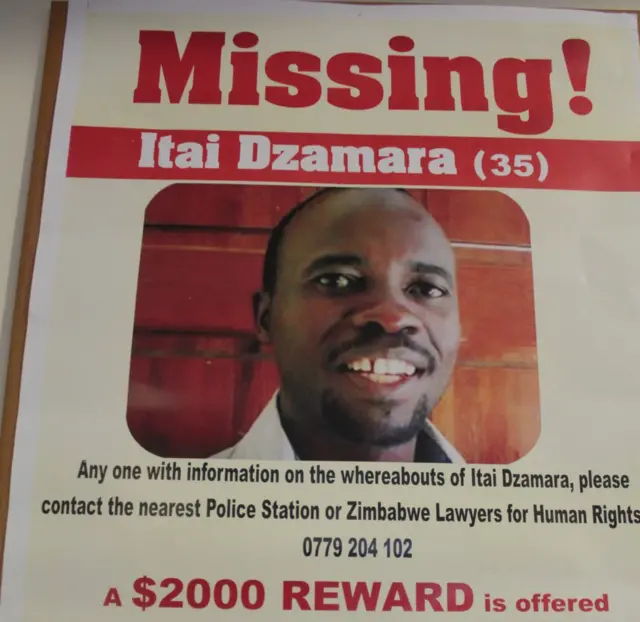
Nearly a decade after the disappearance of Zimbabwean journalist and human rights activist Itai Dzamara, his family continues to seek answers about his fate, highlighting ongoing concerns about human rights and political dissent in the southern African nation.

Dzamara, an outspoken critic of the government, vanished on March 9, 2015, while getting a haircut at a barbershop in Harare’s Glennorah neighborhood. Witnesses reported that he was abducted by individuals suspected to be state security agents, a claim the government has consistently denied.

Sheffra Dorica Dzamara, Itai’s wife, expressed her anguish over the prolonged absence of information about her husband’s whereabouts. “It’s almost 10 years without knowing where Itai is,” she told The Associated Press. “I don’t want to lie, it’s painful if I think about it and no one can tell what happened to him. He disappears from Zimbabwe and there is silence about it.”

The disappearance has left a profound impact on the Dzamara family. Sheffra, now the sole breadwinner, struggles to support her family on approximately $300 a month. She poignantly described the emotional toll on their children, who were 7 and 2 years old at the time of their father’s disappearance. “They now ask: ‘Where is our daddy?’ and no one can explain what happened to him,” she said.

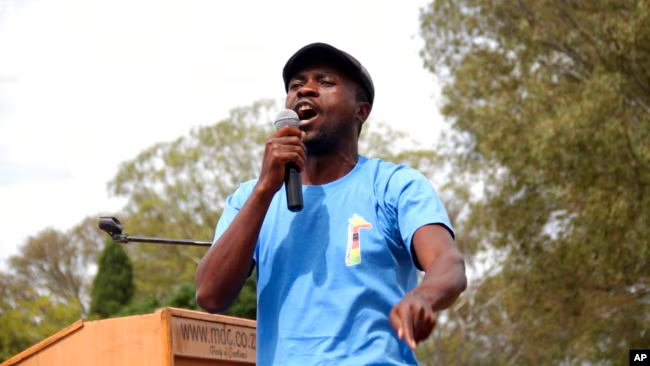
Prior to his disappearance, Dzamara had been a vocal activist, regularly protesting outside the parliament building in Harare. He called for the government of then-President Robert Mugabe to respect human rights and address the country’s economic crisis.

The case has drawn attention from international human rights organizations. Amnesty International believes Dzamara is a victim of enforced disappearance, a tactic the organization says is used to silence dissent in Zimbabwe.

Lucia Masuka, head of Amnesty International in Zimbabwe, urged the current government under President Emmerson Mnangagwa to intensify efforts to locate Dzamara.

“Enforced disappearances are deployed as a strategy to silence activists, to silence those expressing dissent in this country,” Masuka stated. She emphasized that Dzamara was well-known for speaking out against corruption and bad governance, and for leading peaceful protests.

Legal efforts to resolve the case have been frustratingly unsuccessful. Charles Kwaramba of Zimbabwe Lawyers for Human Rights revealed that despite obtaining a court order in 2015 directing police to search for Dzamara, law enforcement has largely ignored the directive. “The investigation into Itai Dzamara’s disappearance is virtually dead,” Kwaramba said, noting that police communication about the case ceased long ago.

When approached for comment, Paul Nyathi, spokesperson for the Zimbabwe Republic Police, declined to discuss Dzamara’s case, further underscoring the lack of progress in the investigation.

The Dzamara case is emblematic of broader human rights concerns in Zimbabwe. Rights groups have consistently criticized the country for human rights abuses spanning decades, encompassing both the Mugabe era and the current administration under Mnangagwa.

Despite several public demonstrations aimed at pressuring the Harare government to reveal Dzamara’s fate, no substantial progress has been made.

The case remains a stark reminder of the challenges faced by activists and dissenters in Zimbabwe, where enforced disappearances and political repression continue to be reported by human rights organizations.

As the ten-year mark of Dzamara’s disappearance approaches, his family’s ongoing quest for answers serves as a poignant call for accountability and transparency in a nation still grappling with its human rights record.

The case continues to draw international attention, highlighting the need for Zimbabwe to address its human rights challenges and ensure the safety and freedom of expression for all its citizens.

Spanish PM Concludes West African Tour with Focus on Migration Management

0

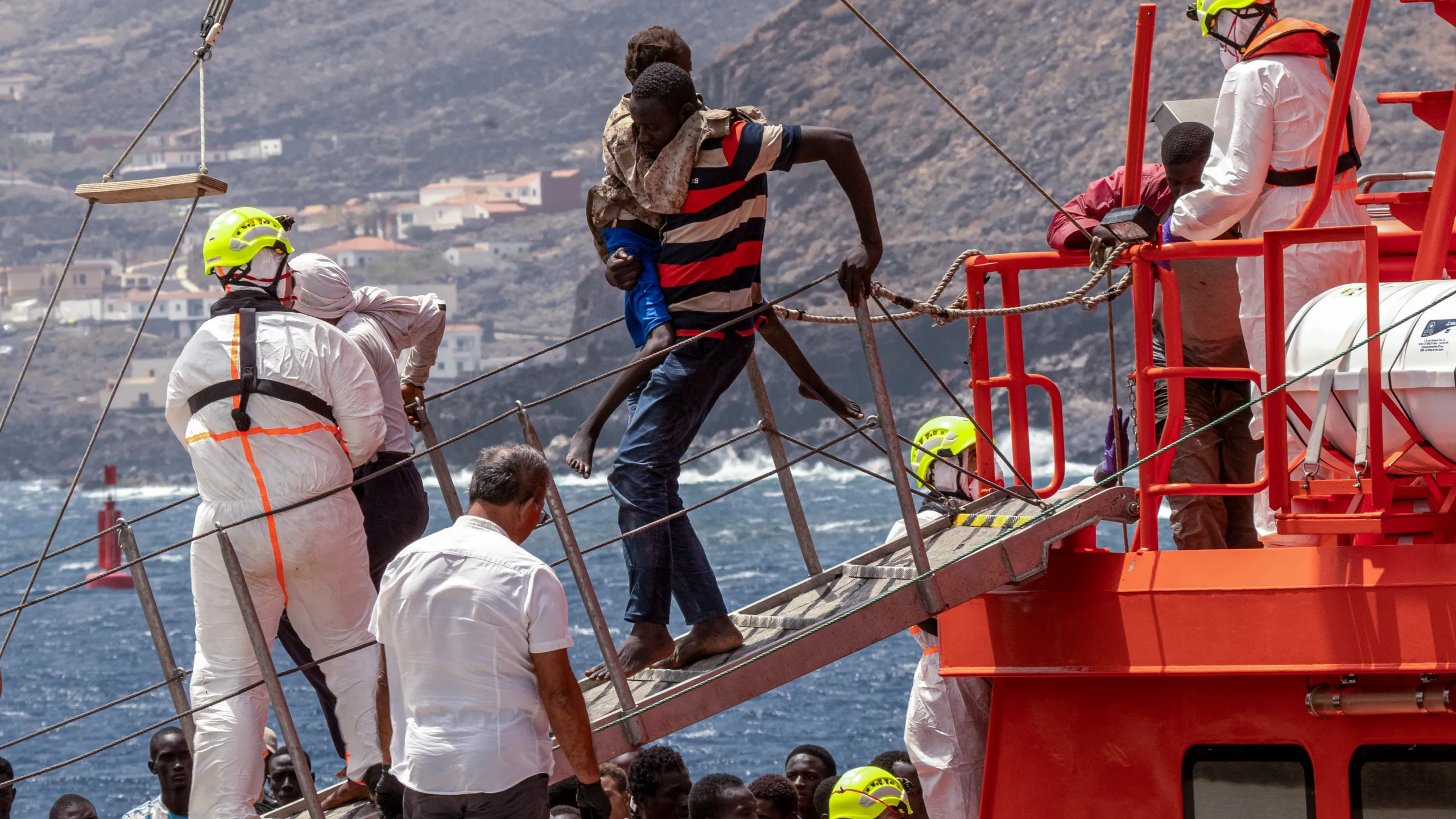
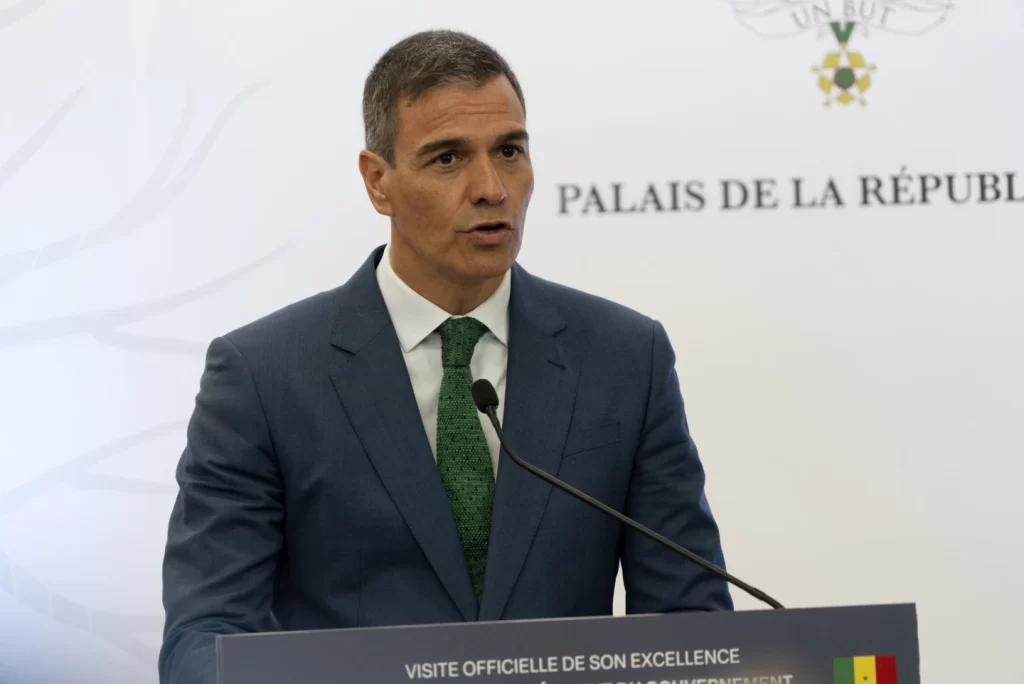
Spanish Prime Minister Pedro Sánchez concluded his three-nation West African tour on Thursday in Senegal, meeting with President Bassirou Diomaye Faye to address the pressing issue of irregular migration to Spain’s Canary Islands. The visit marks a significant step in Spain’s efforts to manage migration flows through cooperation with key African partners.

Sánchez and Faye signed agreements aimed at promoting temporary work opportunities in Spain for Senegalese nationals and enhancing vocational training programs in the West African country. These measures are part of a broader strategy to create regulated migration pathways and discourage dangerous irregular crossings.

“Regulated migration benefits us all,” Sánchez emphasized during a press conference in Dakar. “It vaccinates us against those who make a business out of irregularity, like the mafias, and against those who use it as an excuse to spread hatred and xenophobia in our societies.” The Spanish leader’s comments highlighted the dual focus on combating people-smuggling networks and countering far-right rhetoric on immigration.

The agreements include an expansion of Spain’s circular migration program, which will offer temporary work permits of up to four years for Senegalese workers, allowing stays of up to nine months annually. In 2023, only 140 Senegalese participated in this program, compared to 17,200 workers from other countries, primarily Morocco and Latin America.

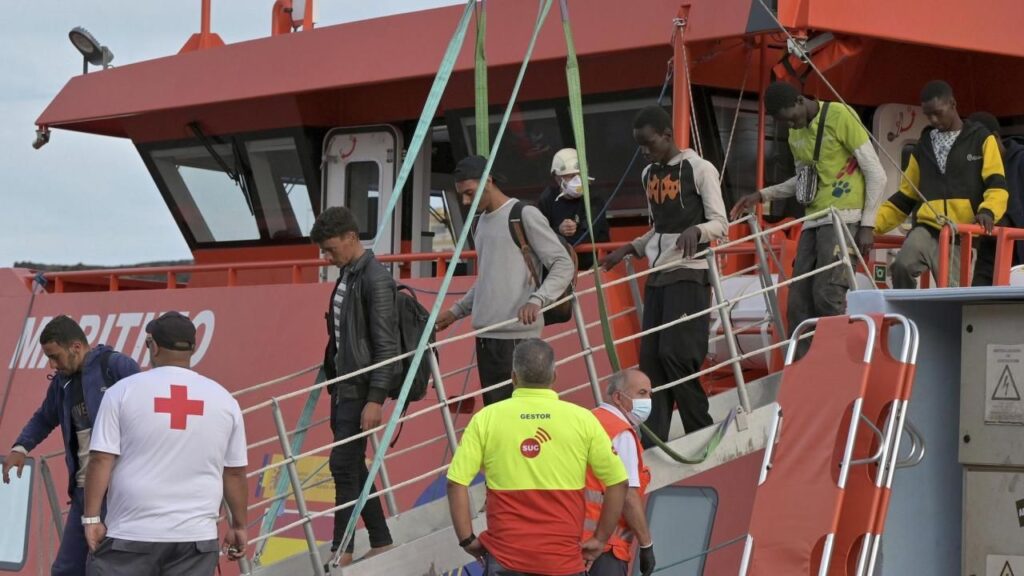
Sánchez’s West African tour, which began in Mauritania on Tuesday and included a stop in Gambia on Wednesday, comes amid a surge in migrant arrivals to the Canary Islands. Spanish Interior Ministry data shows that more than 22,000 people have reached the archipelago since January, more than double the number for the same period last year.

The Spanish Prime Minister also announced the launch of the “Alliance Africa Advances” initiative, which includes vocational training for approximately 500 young people in Senegal and a project with Spanish satellite operator Hispasat to expand internet access across the country.

However, some migrant rights organizations have expressed skepticism about the effectiveness of vocational training programs. Moustapha Diouf, who leads an organization promoting local job creation in Senegal, told The Associated Press, “The problem of migration is not a question of education or training, it’s a problem of job opportunities. Each year thousands of young Senegalese get diplomas, and yet a large number of them end up unemployed.”

Sánchez addressed the complex nature of migration management, describing himself as “a firm defender of regular migration” while also emphasizing the need to combat people-smuggling networks. He stressed the importance of returning individuals who have entered Spain illegally, stating that it sends “a clear, strong and discouraging message to the mafias and those who put themselves in their hands.”

The visit comes in the wake of recent tragic events, including a boat capsizing off Mauritania last month that resulted in more than a dozen deaths and at least 150 missing persons, mostly from Gambia and Senegal. Such incidents underscore the urgency of addressing the root causes of migration and providing safer alternatives.

President Faye acknowledged his government’s concern over the massive departures from Senegalese coasts but emphasized the need for a balanced approach that combines law enforcement with addressing the underlying causes of migration.

As part of ongoing efforts to curb irregular departures, the Senegalese army recently announced the arrest of 453 migrants and “members of smuggling networks” during a 12-day coastal patrol operation. More than half of those arrested were Senegalese nationals.

The agreements and initiatives announced during Sánchez’s tour reflect a growing recognition of the need for comprehensive, multilateral approaches to migration management. As Spain and its West African partners work to implement these measures, the international community will be watching closely to assess their impact on migration flows and regional development.

apnews.com

Germany Resumes Deportations to Afghanistan Amid Political Pressure

0

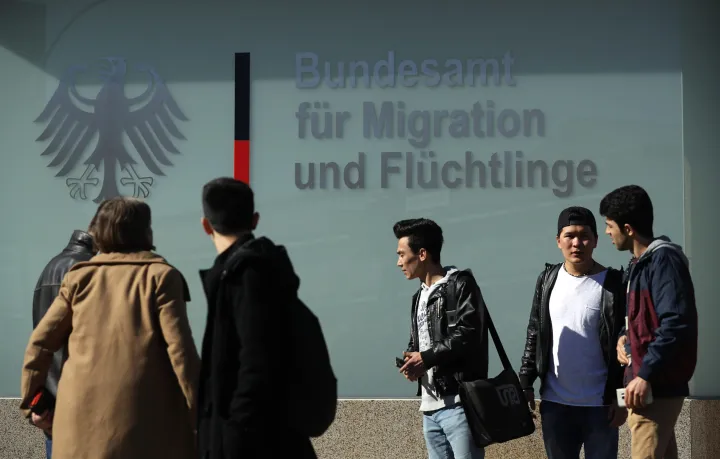
The German government has resumed deportations to Afghanistan, flying 28 convicted criminals of Afghan nationality back to their home country on Friday. This controversial move comes days before crucial regional elections in which migration has emerged as a central campaign issue.

Chancellor Olaf Scholz confirmed the action at a news conference in Saxony, stating, “I have announced that we will also deport criminals to Afghanistan. We have prepared this carefully without talking about it much.” The deportations mark a significant shift in policy, as Berlin had suspended returns to Afghanistan in 2021 due to human rights concerns following the Taliban’s takeover.

The decision to resume deportations follows recent violent incidents that have intensified public debate on migration and security. A fatal stabbing linked to the Islamic State at a city festival last week and a knife attack in June, where an Afghan man killed a German policeman, have increased pressure on the coalition government to tighten asylum policies.

The timing of this policy reversal is notable, coming just days before Sunday’s elections in the eastern states of Saxony and Thuringia. Polls indicate that the far-right Alternative for Germany (AfD) party, known for its anti-migration stance, is leading in these regions.

According to reports from Spiegel magazine, the Kabul-bound flight departed from Leipzig early Friday morning, carrying 28 convicted criminals. The operation followed months of secret negotiations with Qatar acting as a mediator. The German government has expressed gratitude to “key regional partners” for their support but has not named these partners specifically.

The resumption of deportations has sparked intense debate within Germany. Vice Chancellor Robert Habeck emphasized to Reuters that the right to asylum in Germany must remain untouched, suggesting a balancing act between tightening policies and maintaining humanitarian commitments.

However, the move has drawn criticism from human rights organizations. ProAsyl, a German NGO providing assistance to asylum seekers, condemned the action. Tareq Alaows, ProAsyl’s refugee policy spokesperson, called it “a declaration of bankruptcy for the constitutional state” and warned that it could lead to an irresponsible normalization of relations with the Taliban regime.

Responding to these concerns, a German foreign ministry spokesperson clarified that the government would not normalize relations with the Taliban and that the deportation should not be interpreted as a step towards doing so.

The German government is also exploring the possibility of deporting individuals who have committed serious crimes or are deemed terrorist threats to Syria, another country to which deportations have been banned. A recent court ruling in Muenster has potentially opened the door for such actions, stating that it no longer saw any general danger of civil war for asylum seekers from Syria.

This policy shift occurs against the backdrop of changing asylum trends in Germany. In the first seven months of 2024, the number of asylum seekers in the country dropped by 19.7% compared to the previous year, totaling 140,783 applications. The largest groups of applicants came from Syria (44,191 applications) and Afghanistan (22,698 applications).

The resumption of deportations to Afghanistan revives memories of a controversial 2018 incident when a German interior minister boasted about deporting 69 Afghans on his 69th birthday. The subsequent suicide of a 23-year-old deportee upon arrival in Kabul led to a public backlash against the policy.

As Germany navigates this complex issue, balancing domestic political pressures with international human rights obligations, the debate over migration and asylum policies is likely to remain at the forefront of national discourse, particularly as regional elections approach.

Elon Musk’s X Faces Potential Nationwide Suspension in Brazil Amid Legal Standoff

0

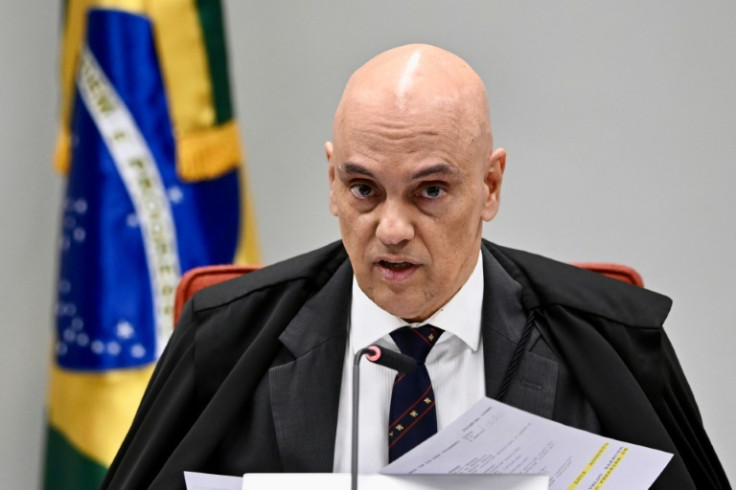
Social media giant X, formerly known as Twitter, faces a potential nationwide suspension in Brazil following a heated confrontation between its owner, Elon Musk, and Brazilian Supreme Court Justice Alexandre de Moraes. The dispute centers on legal compliance and free speech issues, raising concerns about the platform’s future in Latin America’s largest democracy.

On Wednesday evening, Justice de Moraes issued an ultimatum to X, demanding the appointment of a new legal representative in Brazil within 24 hours or face a shutdown. This order came after X removed its previous legal representative, citing alleged threats of arrest from de Moraes.

The confrontation has escalated rapidly, with Musk publicly denouncing de Moraes as a “tyrant” and “dictator,” while the justice has included Musk in an ongoing investigation into the spread of misinformation.

Legal experts explain that Brazilian law requires foreign companies to maintain legal representation within the country to ensure proper notification and compliance with legal decisions. Luca Belli, coordinator of the Technology and Society Center at the Getulio Vargas Foundation, emphasized the critical nature of this requirement, especially with upcoming municipal elections in October.

“The absence of a legal representative would make timely compliance with takedown orders impossible during a period when we expect a surge in fake news,” Belli told The Associated Press.

De Moraes’ authority to enforce such measures stems from Brazilian judges’ broad powers to ensure compliance with their decisions. Similar actions have been taken against other tech giants in the past, including the temporary shutdown of WhatsApp in 2015 and 2016, and threats against Telegram in 2022.

If X fails to comply, the process for suspending the platform could be swift. De Moraes would instruct the national telecommunications regulator, Anatel, to direct internet service providers — including Musk’s own Starlink — to block access to X’s servers within Brazil. Experts suggest this could be implemented within 12 hours of the order.

Additional measures could include removing X from major app stores in Brazil and potentially prohibiting access through virtual private networks (VPNs), though the latter would be highly controversial.

The standoff has significant implications for both X and Brazil. With approximately 40 million monthly users in the country, Brazil represents a key market for X and Musk’s vision of a global digital town square. The potential ban also raises concerns about freedom of expression and the power of judicial authorities in regulating online platforms.

X has stated that it expects its service to be shut down in Brazil, maintaining that it “will not comply in secret with illegal orders.” The company also criticized de Moraes’ colleagues on the Supreme Court for being “either unwilling or unable to stand up to him.”

As the deadline approaches, observers are closely watching to see if either party will compromise. The outcome of this confrontation could set a precedent for how global tech companies interact with national legal systems and navigate the complex landscape of online speech regulation.

Source: apnews.com

Nigerian Music Icon Onyeka Onwenu to Be Laid to Rest in Lagos

0

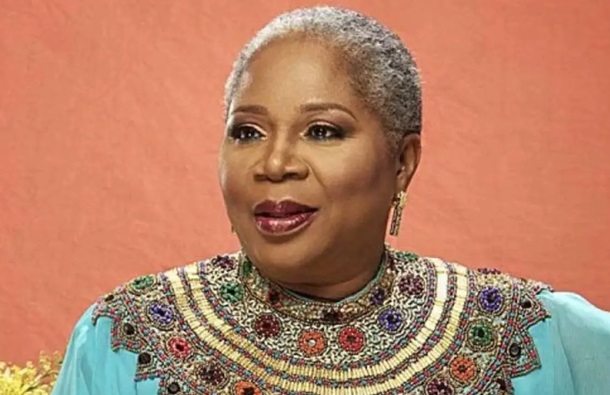
LAGOS, Nigeria — Onyeka Onwenu, the renowned Nigerian singer, actress, and cultural icon known as the “Elegant Stallion,” will be laid to rest on Friday in Lagos, her family announced.

Onwenu, who passed away on July 30, 2024, at the age of 72, will be honored with a funeral service at the Fountain of Life Church in Ilupeju, Lagos. The service is scheduled to begin at 10 a.m. local time, followed by a private burial at a vault in Ikoyi, according to family sources.

The artist’s unexpected death occurred at Reddington Hospital in Ikeja after she collapsed during an event honoring Dr. Stella Okoli, the Managing Director of Emzor Pharmaceuticals. Her passing sent shockwaves through Nigeria’s entertainment industry and beyond.

Onwenu’s career spanned decades and multiple fields. She was not only a gifted musician with numerous hit songs but also a respected broadcaster, accomplished actress, politician, and activist. Her contributions to Nigerian culture and society were wide-ranging and significant.

The funeral arrangements reflect the high esteem in which Onwenu was held. A Service of Songs is planned for 10 a.m. to 12 p.m., with the burial scheduled for 2 p.m. to 4 p.m. The private nature of the burial underscores the family’s desire for an intimate farewell to the beloved artist.

Throughout her career, Onwenu was known for her powerful voice, socially conscious lyrics, and her ability to blend various musical styles. She was a pioneer in the Nigerian music industry, paving the way for future generations of artists.

Onwenu’s influence extended beyond music. She was active in politics and social causes, using her platform to advocate for women’s rights and social justice. Her loss is felt not only in the entertainment world but also in Nigeria’s broader cultural and political spheres.

The artist is survived by her two sons. As Nigeria prepares to bid farewell to one of its most iconic cultural figures, tributes continue to pour in from fans, fellow artists, and public figures, highlighting Onwenu’s lasting impact on Nigerian music and society.

The funeral is expected to draw attendees from across Nigeria’s entertainment, political, and cultural landscapes, serving as a final tribute to a woman who helped shape modern Nigerian music and culture.

Ukrainian Forces Capture 28 Russian Soldiers Without Shooting a Gun

0

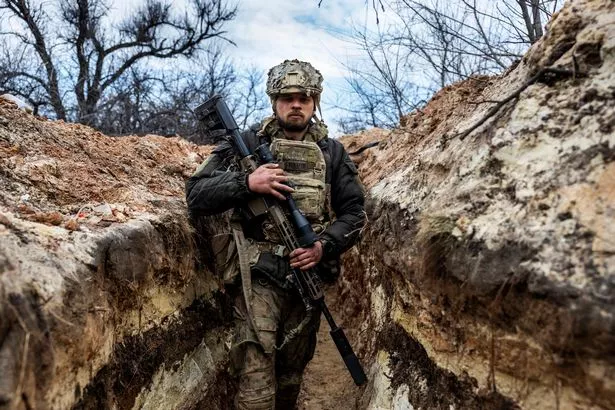
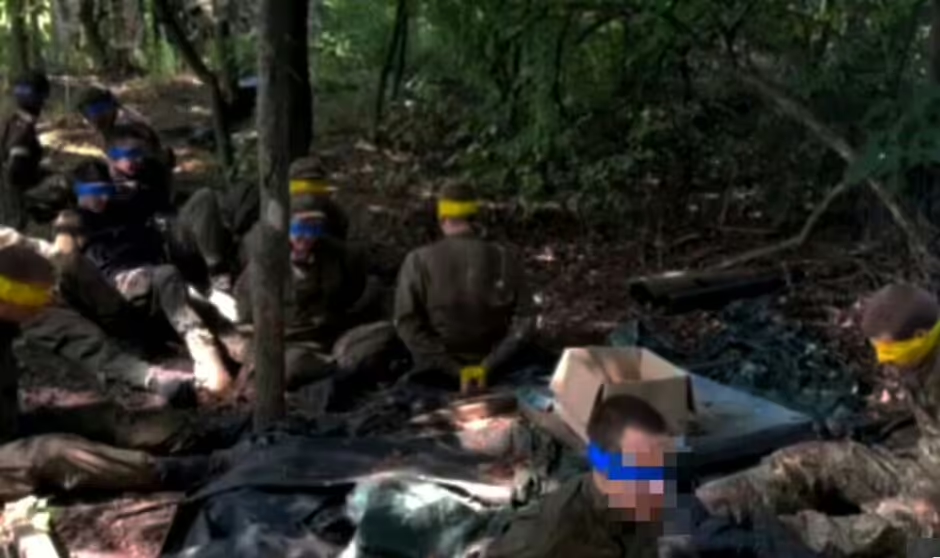
In a stunning development in the ongoing Ukraine-Russia conflict, Ukrainian forces have reportedly captured 28 Russian soldiers without firing a single shot during a surprise incursion into Russia’s Kursk region, according to Ukrainian military sources.

The operation, which began on August 6, has seen Ukrainian troops advance into Russian territory, allegedly gaining control of over 500 square miles and approximately 100 settlements. General Oleksandr Syrsky, head of the Ukrainian army, claims his forces have taken nearly 600 Russian prisoners in total during this offensive.

Junior Sergeant Maksim, a 35-year-old former chef on a British oil tanker now serving in the Ukrainian military, provided details of the bloodless capture. According to Maksim, his unit encountered a group of “terrified” Russian soldiers after a Ukrainian tank aimed its turret at their bunker.

“They were not in the mood for fighting and were afraid,” Maksim told The Sun newspaper. “They held up their weapons to show they surrendered, then we pointed our guns upwards to show that we accepted.”

This incident highlights the apparent low morale and readiness of some Russian forces facing the unexpected Ukrainian advance. The Kremlin has reportedly rushed to contain the incursion, with General Syrsky stating that Moscow has relocated 30,000 troops to Kursk from other areas of the front lines.

The Institute for the Study of War (ISW), a U.S.-based think tank, estimates that Russia would need approximately 60,000 soldiers to reclaim the lost territory once Ukrainian forces establish defensive positions.

However, the situation remains fluid, with Russian forces continuing to make advances in other areas, particularly around the strategic city of Pokrovsk in eastern Ukraine. Russian troops are reportedly within five miles of this key Donetsk region transportation hub, whose capture could significantly disrupt Ukrainian military logistics in the area.

The Ukrainian incursion into Kursk has involved the redeployment of thousands of experienced Ukrainian units from the eastern front, potentially affecting Ukraine’s defensive capabilities in other regions.

As the conflict enters this new phase, both sides face significant strategic challenges. The Ukrainian advance into Russian territory marks a bold and unexpected move, while Russia grapples with defending its own borders while maintaining offensive operations within Ukraine.

International observers and military analysts continue to closely monitor these developments, which could have far-reaching implications for the course of the conflict and regional stability.

Source: express.co.uk

Osimhen Chooses Saudi’s Al Ahli Over Chelsea in Landmark Transfer

0

Nigerian striker Victor Osimhen has reportedly chosen Saudi Arabian club Al Ahli over Chelsea and other European suitors, sources close to the negotiations revealed Friday.

Al Ahli has agreed to a €80 million ($85 million) fee with Napoli for the 25-year-old forward, marking one of the most significant transfers in Saudi Pro League history.

Osimhen’s decision comes after intense speculation linking him with a move to Chelsea, who had been long-term admirers of the prolific striker. The Premier League club was reportedly prepared to bring in Osimhen on loan with an obligation to buy, but Al Ahli’s lucrative offer appears to have swayed the player’s decision.

The Saudi club has offered Osimhen a four-year contract worth approximately €40 million ($42.4 million) per season after taxes, equating to €769,000 ($815,000) weekly. This eye-watering salary package significantly outstrips what Chelsea or other European clubs could offer under their wage structures.

Napoli, the reigning Serie A champions, seem prepared for Osimhen’s departure, having recently acquired Romelu Lukaku from Chelsea. The Italian club’s willingness to sell to Al Ahli suggests they view the Saudi offer as the most attractive option.

Osimhen’s agent, Roberto Calenda, had previously stated that the player “still has so much to do in Europe,” but the financial allure of the Saudi Pro League appears to have altered this stance.

The move represents a significant coup for Al Ahli and the Saudi Pro League, which has been aggressively recruiting high-profile players from European leagues. Osimhen’s transfer, if completed, would further cement the league’s growing status in world football.

Chelsea, meanwhile, may need to pivot to other targets as they seek to bolster their attacking options before the transfer window closes. The London club has been linked with Brentford’s Ivan Toney and other strikers but may now need to reassess their options in light of Osimhen’s impending move to Al Ahli.

The transfer is expected to be finalized before the Saudi Pro League’s transfer deadline on Monday, pending a medical examination and final contract details.