Home Blog Page 755

Acclaimed Iranian Filmmaker and Actress Daughter Charged for Violating Hijab Law

0

Iranian authorities have brought charges against prominent filmmaker Rakhshan Banietemad and her actress daughter Baran Kosari for violating the country’s Islamic dress code by appearing in public without wearing hijabs, the judiciary announced Wednesday.

“The Tehran prosecutor charged filmmaker Rakhshan Banietemad and her daughter, the actress Baran Kosari, after they removed their hijab in public,” reported Mizan Online, the judiciary’s official news website.

Banietemad, 70, is one of Iran’s pioneering female screenwriters and film directors, with a career spanning decades. Her work has garnered numerous accolades, including several awards at the Tehran Fajr film festival, Iran’s most prestigious cinematic event. Her daughter, Kosari, 38, is also an accomplished actress in her own right, having received the best actress award at the Fajr festival in 2015.

The charges stem from an incident on Tuesday when pictures of the two women without the mandatory headscarf at a film event were posted online and quickly went viral. The images sparked immediate controversy in a country where, since the 1979 Islamic Revolution, failing to wear the hijab in public is considered a criminal offense and a violation of the Islamic Republic’s strict dress code for women.

This incident highlights the ongoing tensions in Iran regarding women’s rights and personal freedoms. The mandatory hijab law applies to all women in Iran, regardless of nationality or religious beliefs, and has been a source of contention both domestically and internationally.

The indictment of such high-profile figures in Iran’s cultural sphere is likely to draw significant attention both within the country and abroad. It underscores the challenges faced by women in Iran’s public life, particularly those in the arts, who often find themselves at the intersection of creativity, public visibility, and strict religious laws.

As the case develops, it may reignite debates about personal freedom, artistic expression, and the role of women in Iranian society. The international film community will likely be watching closely, given Banietemad and Kosari’s respected status in cinema.
Global Police Operation Targets Nigerian Criminal Network Black Axe

0

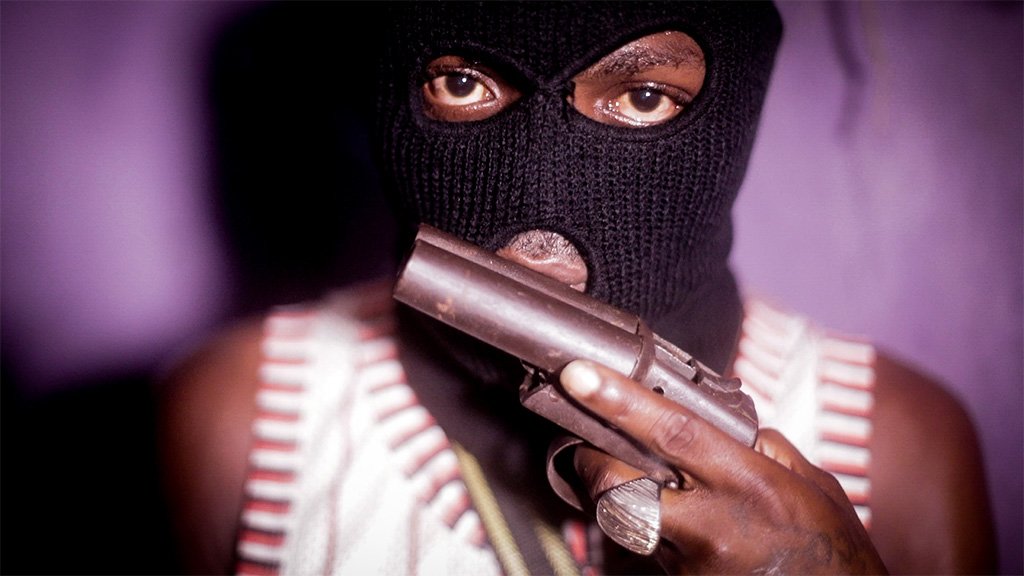
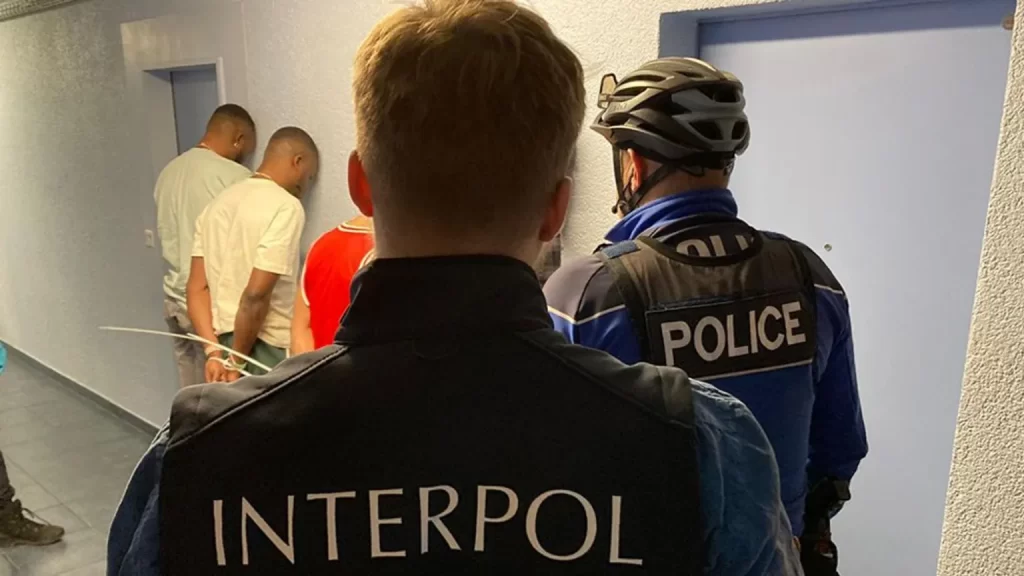
In a sweeping international effort, police units from 21 countries have joined forces to target one of West Africa’s most feared criminal networks, Black Axe. Operation Jackal III, coordinated by global policing agency Interpol, led to the arrest of 300 individuals linked to Black Axe and affiliated groups between April and July 2024.

Tomonobu Kaya, a senior official at Interpol’s Financial Crime and Anti-Corruption Centre, described the operation as a “major blow” to the Nigerian crime network. However, he warned that Black Axe’s international reach and technological sophistication continue to pose a significant global threat.

“They are very organized and very structured,” Kaya told the BBC, highlighting the group’s adaptability to new technologies. “These criminal syndicates are early adopters of new technologies… A lot of fintech developments make it really easy to illegally move money around the world.”

The operation, which involved officers in body armor carrying out raids across multiple countries, resulted in the seizure of $3 million in illegal assets and the freezing of more than 700 bank accounts. This latest effort builds on previous “Jackal” operations that have been ongoing since 2022, allowing Interpol to create a vast intelligence database shared among its 196 member countries.

Black Axe, known for its secretive nature and diverse criminal activities including trafficking, prostitution, and cyber-crime, has been linked to massive financial fraud schemes. In 2017, Canadian authorities uncovered a money-laundering operation connected to Black Axe worth over $5 billion.

The group’s sophistication is partly attributed to its recruitment of university-educated members. Cyber-crime, targeting both individuals and businesses, remains the organization’s largest source of revenue.

Despite the success of Operation Jackal III, some experts argue that more needs to be done to address the root causes of these crime syndicates in West Africa. Dr. Oluwole Ojewale, West Africa Regional Coordinator from the Institute for Security Studies, emphasized the need for prevention rather than solely focusing on law enforcement operations.

Screenshot

“The emphasis must actually be on prevention, not on outright operations against these criminal groups,” Ojewale stated. He pointed to widespread poverty in Nigeria, Black Axe’s main recruitment ground, as a significant factor. The World Bank estimates that as many as 87 million people in Nigeria live below the poverty line, despite the country being one of Africa’s largest economies.

Corruption and alleged collusion between Black Axe and local authorities remain major obstacles in combating the group’s influence. “It is the politicians who are actually arming these boys,” Ojewale added, highlighting the complex political dimensions of the issue.

The genesis of Interpol’s Jackal Operations can be traced back to Ireland, where a series of raids by the Garda National Economic Crime Bureau (GNECB) in 2020 exposed a wider network of Black Axe operations. Detective Superintendent Michael Cryan of the GNECB noted, “The amount of money being laundered through Ireland was astronomical.”

A bbc.com story

Study Reveals 31.8 Million Nigerians Face Acute Food Shortage Amid Security Challenges and Subsidy Removal

0
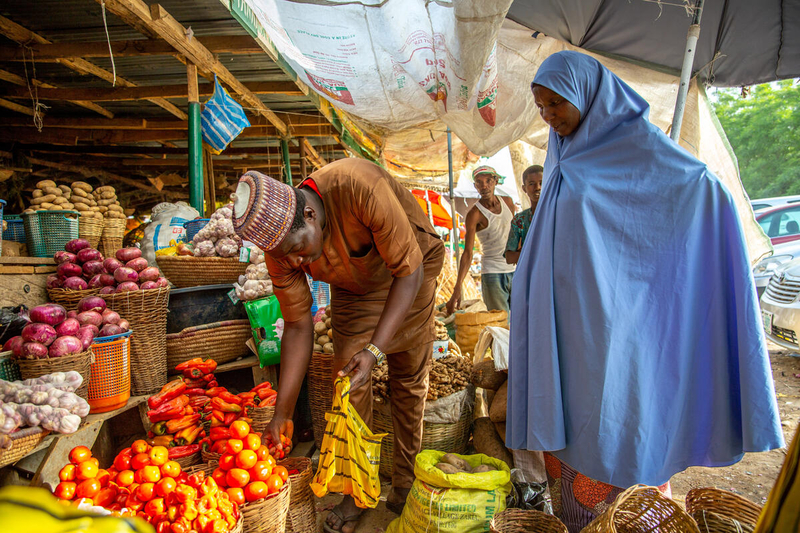
Izatu Musa, friend of Maimuna Bello, buys tomatoes in Yankaaba Market in Kano, Nigeria on 11th April, 2021. Many people in Nigeria are struggling to support their families due to rapidly escalating food prices. Many people in Nigeria are struggling to support their families due to rapidly escalating food prices.

A new study conducted by several international development partners reveals that over 31.8 million Nigerians are facing acute food shortages, the Nigerian government announced on Tuesday. This alarming figure represents a significant increase from previous assessments and highlights the growing food security crisis in Africa’s most populous nation.

The Ministry of Budget and Economic Planning cited the study’s findings, which were presented during a two-day meeting with government officials. The research points to two primary factors exacerbating the food crisis: ongoing security challenges and the recent removal of fuel subsidies.

“The surge in food commodity prices, which is a result of the removal of fuel subsidy in addition to security challenges, has placed millions of Nigerians in a precarious situation,” the ministry stated. This sharp rise in food insecurity contrasts starkly with the U.N. World Food Programme’s assessment from October to December 2023, which identified 18.6 million people as vulnerable to acute food insecurity.

The study, produced by partners including the U.N. Food and Agriculture Organization, the Global Alliance for Improved Nutrition, and the German development agency GIZ, utilized statistics from the Cadre Harmonise, a regional food security framework. It highlights the severe impact on women and children, with rising malnutrition rates reported across the country.

Nigeria’s food security crisis is compounded by persistent raids by armed bandits in rural areas, forcing many farmers to abandon their fields. This exodus has contributed to higher food prices and soaring inflation, pushing the country into its worst cost of living crisis in a generation.

President Bola Tinubu’s decision to remove fuel subsidies shortly after taking office in May 2023, aimed at reducing government spending, has led to a significant increase in transportation costs. This policy change has had far-reaching effects on food accessibility and affordability for millions of Nigerians.

Sanjo Faniran, Nigeria’s national convener of Food Systems and director of social development in the Ministry of Budget and Economic Planning, emphasized the study’s importance in identifying gaps, successes, and challenges in addressing food insecurity. The findings are expected to inform policy recommendations and guide future interventions.

Swiss Citizen Working on US-Funded Aid Project Arrested in Burkina Faso

0

A Swiss citizen working on a U.S.-funded aid project has been arrested in Burkina Faso, the Swiss Federal Department of Foreign Affairs (FDFA) confirmed on Tuesday. The motive for the arrest remains unclear, adding to growing concerns about diplomatic relations between Western nations and countries in the Sahel region.

“The FDFA is aware of the arrest of a Swiss citizen in Burkina Faso,” the department stated, providing no further details about the individual or the circumstances of their detention.

According to a foreign official familiar with Sahel issues, the arrested Swiss national was employed as the chief of party for Winrock International, a U.S.-based nonprofit organization. The individual was working on a U.S.-funded aid project spanning both Niger and Burkina Faso, focusing on water security and resilience efforts in the region.

The official revealed that the Swiss citizen was initially detained in Niger alongside a British national. Both were subsequently released. However, upon traveling to Burkina Faso, the Swiss citizen was arrested and detained once again.

Winrock International, which maintains domestic offices in Arkansas and Virginia, has not responded to requests for comment on the situation.

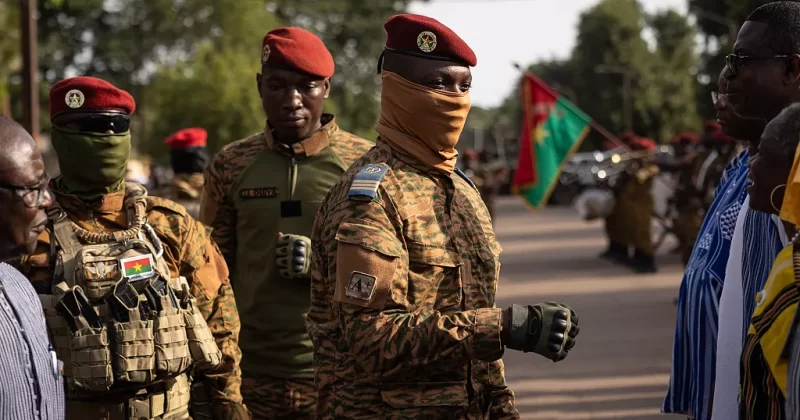
This incident occurs against a backdrop of increasing political instability in the Sahel region. Burkina Faso has experienced two military coups in recent years, leading to strained relations with Western powers. The country’s military junta, which seized power in a 2022 coup, faces accusations of suppressing dissent through kidnappings and forced conscription of critics.

The arrest also follows a series of diplomatic tensions in the region. On Monday, Denmark announced the closure of its embassies in Mali and Burkina Faso. This decision came in the wake of Mali’s expulsion of Sweden’s ambassador earlier this month following a diplomatic dispute.

Burkina Faso’s army is currently engaged in a fight against a jihadist insurgency that has spread across the Sahel region over the past 12 years. The worsening violence has contributed to political instability, leading to coups not only in Burkina Faso but also in neighboring Mali and Niger since 2020.

As of Tuesday, attempts to reach Burkina Faso’s ruling military junta for comment on the Swiss citizen’s arrest have been unsuccessful. The situation continues to develop, with international observers closely monitoring its potential impact on diplomatic relations and aid efforts in the region.

Reuters

Haiti’s Army Recruitment Drive Attracts Thousands Amid Gang Violence Crisis

0

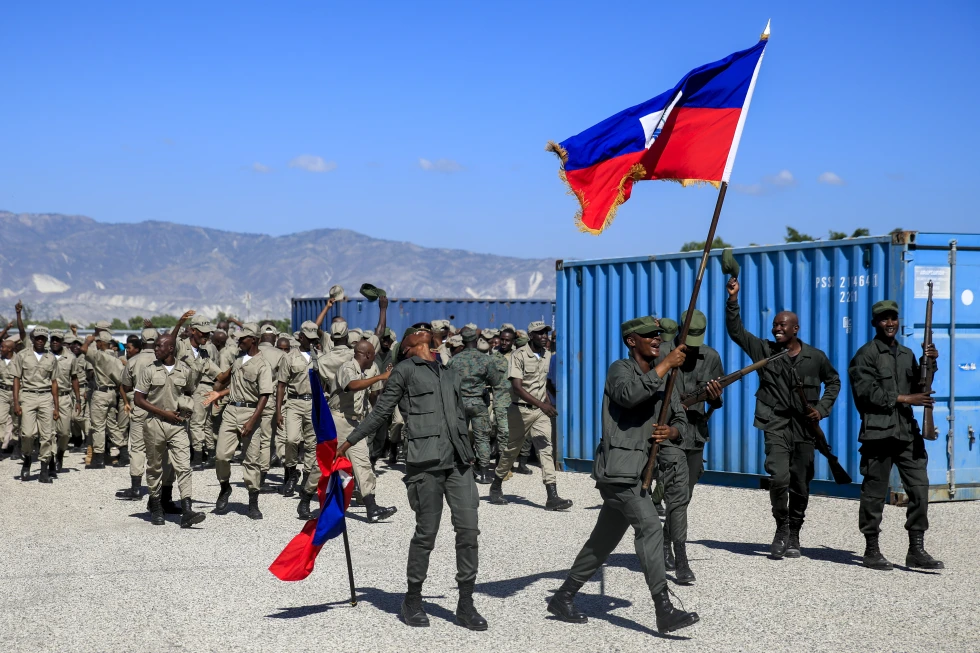
Thousands of young Haitians are flocking to join the country’s military, viewing it as a rare opportunity for employment and a chance to combat the widespread gang violence plaguing the nation. The recruitment drive comes as Haiti’s government seeks to rebuild and expand its once-disbanded armed forces to address the escalating security crisis.

Maurenceley Clerge, a 21-year-old smartphone repairman, exemplifies the eagerness among Haiti’s youth to enlist. “It’s the moment I have been waiting for,” Clerge said, standing in line with hundreds of other applicants under the scorching sun. “I want to serve as a citizen of this country and also to move up and upgrade my life.”

The recruitment announcement, broadcast over local radio, has resonated deeply in a country where approximately 60% of the nearly 12 million inhabitants earn less than $2 a day. Inflation has soared to double digits in recent years, exacerbating the economic hardship.

Samuel Delmas, 20, another applicant, expressed his motivation despite the risks involved. “I have always wanted to be useful to my country,” he said, recounting how gang violence forced his family to flee their home two years ago. “I want to protect citizens who are on the run like me.”

While the government has not disclosed specific recruitment targets, documents from the Defense Ministry indicate that at least 3,000 individuals were selected in mid-August for further evaluation. If all are hired, it would more than double the force’s early 2022 strength of 2,000.

The military’s resurgence marks a significant shift in Haiti’s recent history. The armed forces were disbanded in 1995 following a series of coups and human rights abuses. The decision to demobilize the army “proved to be one of the most catastrophic decisions in the country’s history,” according to Michael Deibert, author of two books on Haiti. He argues that this created a security void filled by politically-aligned gangs.

The army was reinstated in 2017 by President Jovenel Moïse, who was assassinated in July 2021. Since then, it has played a limited role in combating gang violence. However, with the recent appointment of Gen. Derby Guerrier as the new armed forces chief and the massive recruitment drive, the military appears poised for a more prominent role in restoring peace.

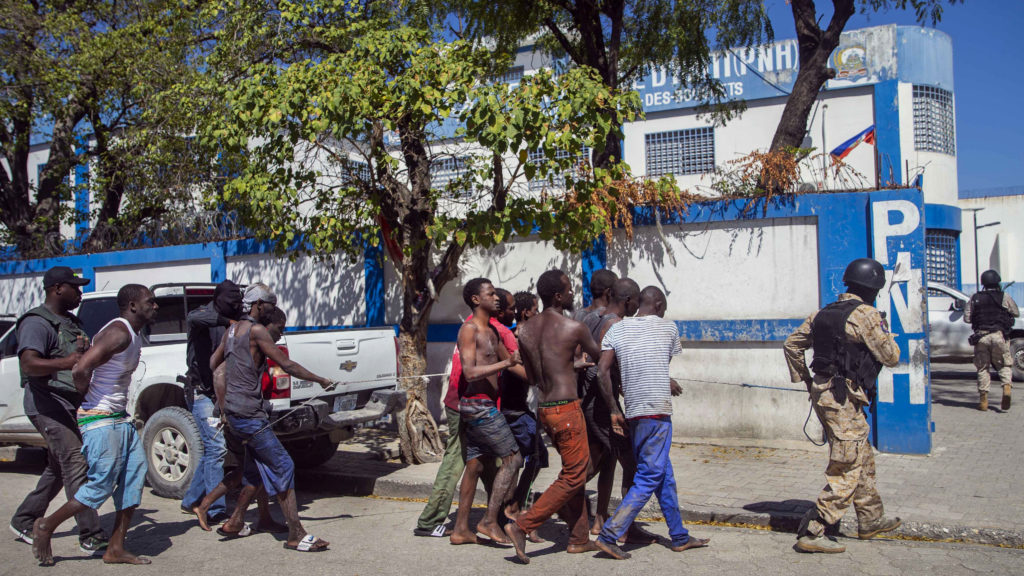
Recaptured inmates are escorted by police back to the Croix-des-Bouquets Civil Prison after an attempted breakout, in Port-au-Prince, Haiti, Thursday, Feb. 25, 2021. At least seven people were killed and one injured on Thursday after eyewitnesses told The Associated Press that several inmates tried to escape from a prison in Haiti’s capital. (AP Photo/Dieu Nalio Chery).

Prime Minister Garry Conille has pledged to modernize the military, investing in technology, infrastructure, and improved conditions for soldiers and their families. “A soldier … whose family is safe and well cared for is a soldier who is more determined and focused,” Conille stated.

The expanded military is expected to work alongside Haiti’s police force and a UN-backed mission led by Kenya, which has already deployed 400 police officers to Haiti. Additional personnel from countries including Benin, Chad, and Jamaica are expected to arrive in the coming months, forming a total foreign contingent of 2,500.

As Haiti grapples with unprecedented levels of gang violence – with over 3,200 killings reported from January to May and more than half a million people displaced in recent years – the military’s expansion represents a critical component of the government’s strategy to restore order and provide hope to a beleaguered population.

For young Haitians like Emerson Celadon, a 25-year-old mechanic who has applied to join, the army offers not just a job but a vision for a better future. “I would love to see the country like how I heard it was back in the day: a Haiti where everyone can move around freely, where there are no gangs, where everybody is able to work,” he said.

As the recruitment process continues, the international community watches closely, hoping that this reinvigorated military can play a pivotal role in stabilizing Haiti and providing a path forward for its youth.

6 Polish Students and Lecturer Released from Detention in Nigeria, Set to Return Home

0

Six Polish students and a lecturer from Warsaw University, who were detained in Nigeria during recent protests, have been released and are preparing to return home, the Polish foreign ministry announced Wednesday. The group, held in the northern city of Kano, is reported to be in good health and expected to arrive in Poland later this week.

Foreign ministry spokesman Pawel Wronski confirmed that the seven Polish citizens have had their passports, laptops, and personal belongings returned. They are currently staying at the university campus in Kano while arrangements for their departure are finalized.

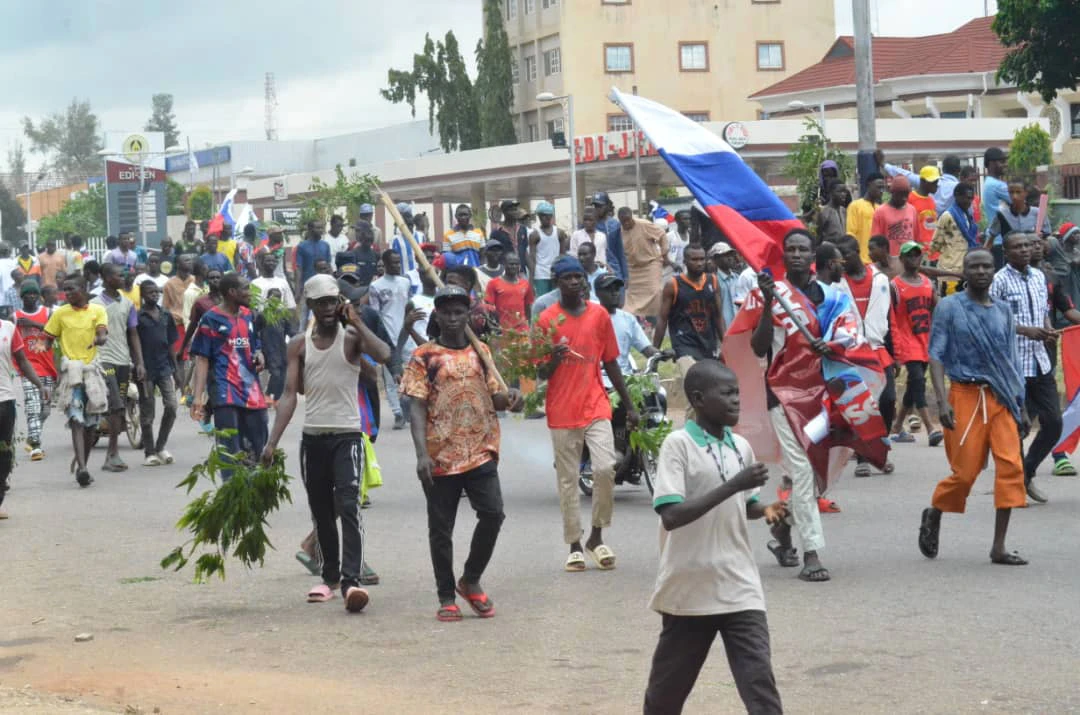
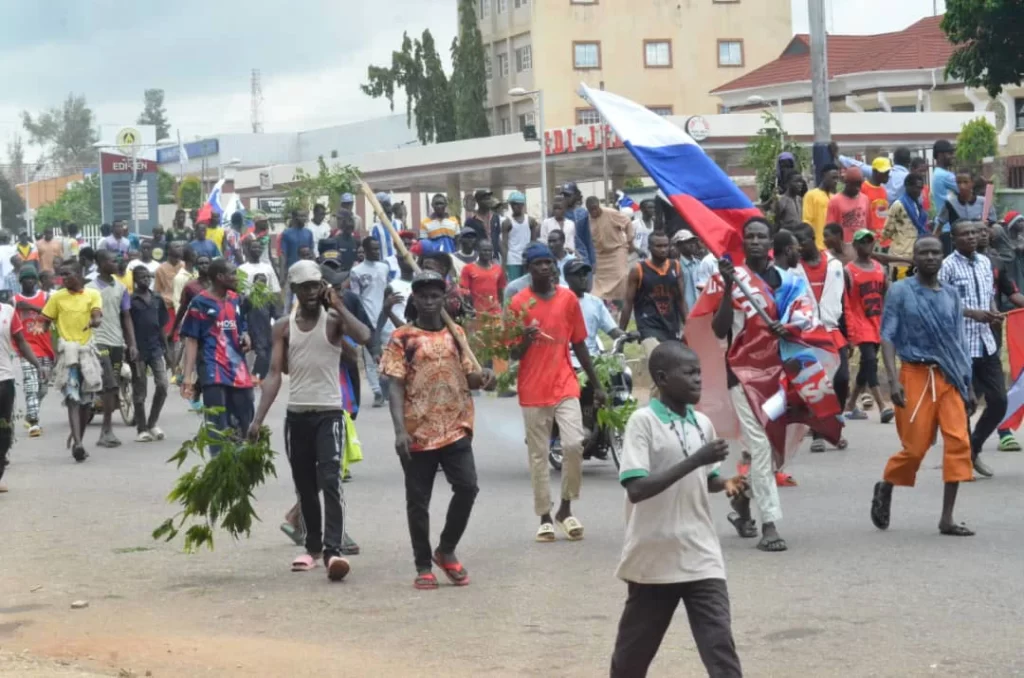
The group was in Nigeria as part of a program to study the Hausa language when they were detained earlier this month during political protests in Kano state. Nigeria’s secret service initially claimed they were carrying Russian flags, an allegation that Polish officials deemed highly improbable given Poland’s strained relations with Russia.

“Our students were at the wrong time at the wrong place,” Wronski stated, emphasizing the importance of caution when traveling to distant locations. He noted that the foreign ministry regularly posts travel warnings and advice on its website, including a specific warning about the “quite complicated” political situation in Kano state.

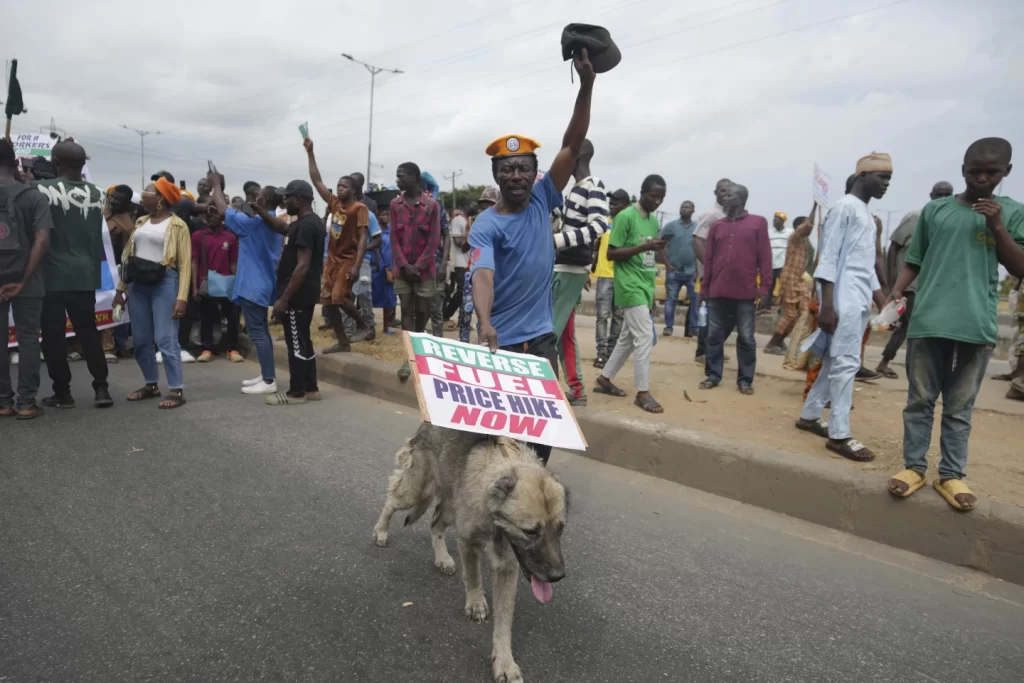
The detention of the Polish nationals occurred against the backdrop of widespread protests in Nigeria against the country’s cost-of-living crisis and alleged governmental mismanagement. In some northern states, a few protesters were seen waving Russian flags, a phenomenon previously uncommon in Africa outside of coup-affected countries where pro-Russian sentiments have been growing.

Polish officials maintained throughout the incident that the situation was likely a misunderstanding. The group was held at a hotel in Kano while diplomatic efforts to secure their release were underway.

The case had raised concerns in Poland, where pro-Russian sentiment is rare due to historical grievances and current opposition to Russian aggression in Ukraine. Polish society has been strongly supportive of Ukraine in the ongoing conflict.

As the Polish nationals prepare to return home, the incident serves as a reminder of the potential risks faced by international students and researchers in politically volatile regions. It also highlights the complexities of international relations and the importance of diplomatic channels in resolving such situations.

The Polish foreign ministry has not provided further details about the circumstances leading to the group’s release or any conditions attached to their departure from Nigeria. As the situation unfolds, it is likely to prompt discussions about safety protocols for academic programs in potentially unstable areas and the need for enhanced communication between foreign ministries and citizens traveling abroad for extended periods.

Dolly Parton Expands Free Book Program to 21 States, Promoting Childhood Literacy

0

Country music icon Dolly Parton, 78, is expanding her Imagination Library program, which provides free books to children under the age of 5, to cover all 21 states. The initiative, inspired by Parton’s own upbringing, has now distributed over 240 million books across five countries since its inception in 1995.

Parton made stops in Missouri and Kentucky on Tuesday to promote the program’s statewide expansion in both locations. During an event at the Folly Theater in Kansas City, Missouri, she shared the personal story behind the initiative, recounting her father’s struggles with illiteracy.

“In the mountains, a lot of people never had a chance to go to school because they had to work on the farms,” Parton explained. “They had to do whatever it took to keep the rest of the family going.” She described her father, Robert Lee Parton, who died in 2000, as “one of the smartest people I’ve ever known,” despite his inability to read.

The Imagination Library began in a single Tennessee county and has since grown to distribute over 3 million books monthly across the United States, Canada, the United Kingdom, Ireland, and Australia. In Missouri, the program is fully state-funded, with an annual cost of $11 million. Most other participating states use a cost-sharing model.

In Kentucky, where Parton also appeared Tuesday, Governor Andy Beshear announced that the program now reaches children in all 120 counties. First Lady Britainy Beshear reported that more than 120,000 Kentucky children – nearly half of all preschoolers in the state – are currently enrolled.

“It’s really a great way to teach children when they’re very young to learn to love books and to learn to read,” Parton said during the Lexington, Kentucky event. She emphasized her goal of expanding the program to every state in the U.S., noting that while there is a presence in all states, 21 now have legislation ensuring all children under 5 can enroll.

Parton, a Grammy Lifetime Achievement Award recipient, sees the Imagination Library as a tribute to her father. “That was kind of my way to honor my dad, because the Bible says to honor your father and mother,” she explained. “And I don’t think that just means, ‘just obey.’ I think it means to bring honor to their name and to them.”

The country star, who is also an author, includes her 1996 children’s book “Coat of Many Colors” in the program. She shared the story behind the book and her famous song of the same name, describing how it helped her overcome childhood bullying and has since touched many lives.

Reflecting on her legacy, Parton expressed her hope to be remembered as “a good ole girl” who worked hard to make people happy and improve the world. “Of course I want to be known as a songwriter and a singer, but I honestly can say that the Imagination Library has meant as much, if not more, to me than nearly anything that I’ve ever done,” she concluded.

As the Imagination Library continues to grow, it stands as a testament to Parton’s commitment to childhood literacy and her enduring impact beyond the world of music.

Associated Press

Prosecutors Seek Death Penalty for 50, Including Three Americans, in Alleged Congo Coup Attempt

0
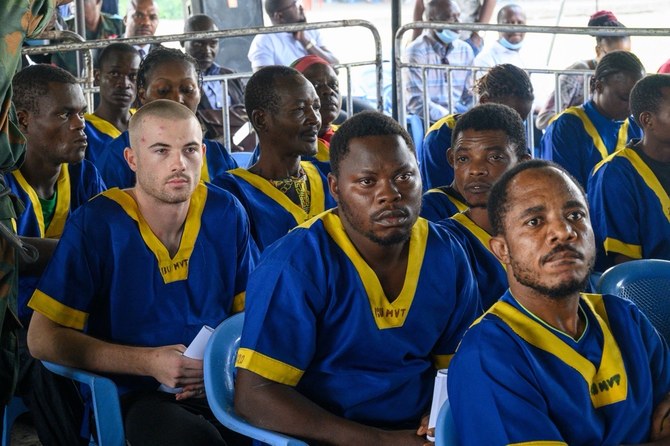
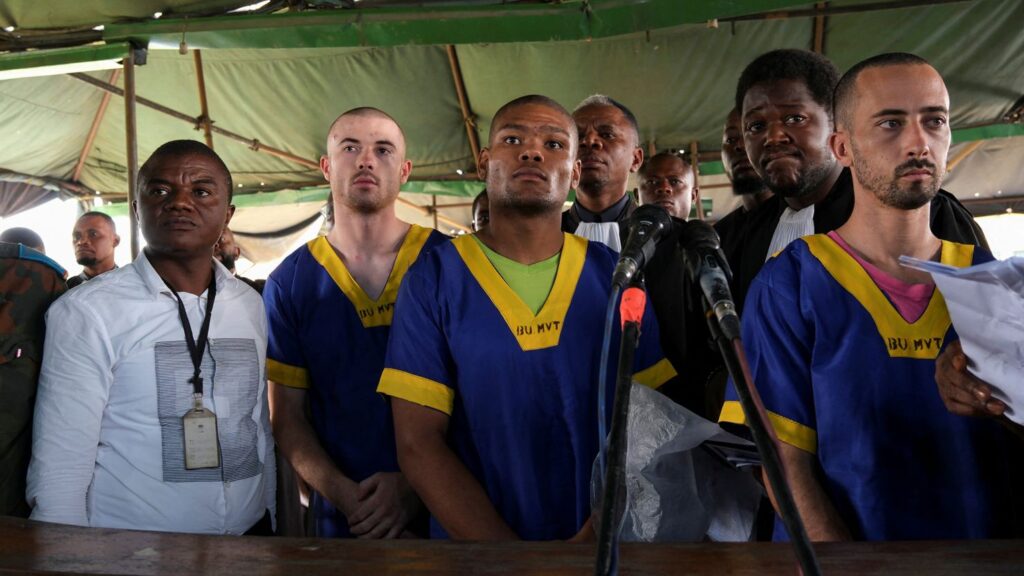
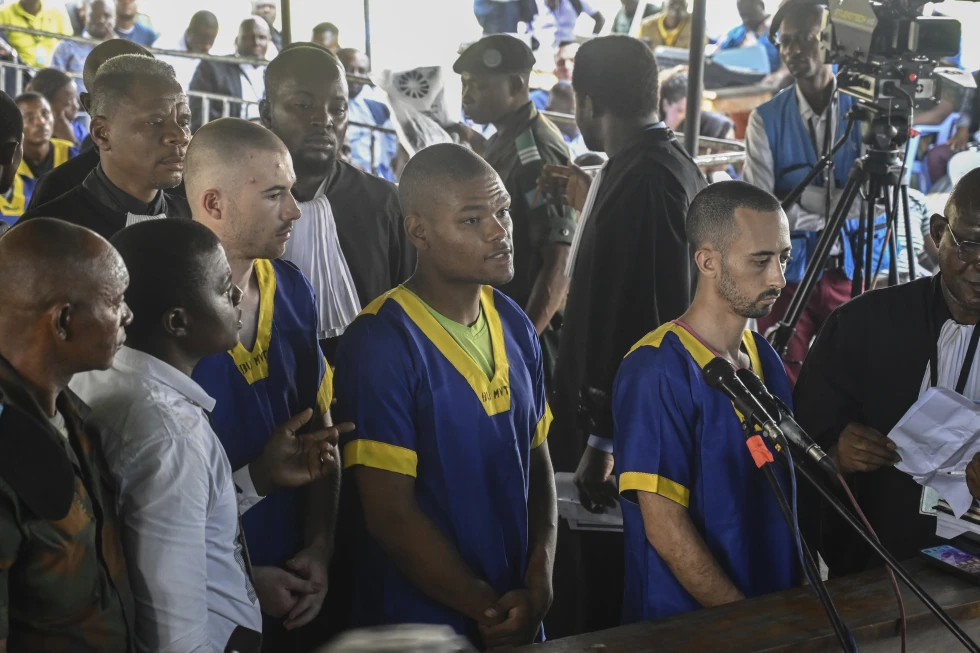
US national Taylor Thomson (2nd L) sits among other accused of a failed coup attempt at the Ndolo Prison in Kinshasa on June 7, 2024. A trial opened in the Democratic Republic of Congo on Friday of around 50 people including several Americans over what the army said was a thwarted coup attempt last month. Armed men attacked the home of Economy Minister Vital Kamerhe in the early hours of May 19 before moving onto the nearby Palais de la Nation that houses President Felix Tshisekedi's offices. The army later announced on national TV that security forces had stopped "an attempted coup d'etat". (Photo by Arsene MPIANA / AFP)

KINSHASA, Democratic Republic of Congo – Congolese military prosecutors have called for the death penalty for 50 individuals, including three American citizens, accused of participating in an alleged coup attempt earlier this year. The prosecution’s demands came during a trial that has drawn international attention and raised concerns about the application of capital punishment in the Democratic Republic of Congo.

Lieutenant Colonel Innocent Radjabu, the military prosecutor, urged judges to impose death sentences on all defendants except one, who was cited as suffering from “psychological problems.” The trial, which began in June, involves charges including terrorism, murder, and criminal association, many of which carry the death penalty under Congolese law.

The case stems from a failed coup attempt in May, allegedly led by Christian Malanga, a little-known opposition figure. According to the Congolese army, the attack targeted the presidential palace and a close ally of President Felix Tshisekedi, resulting in six deaths. Malanga was reportedly killed while resisting arrest after live-streaming the attack on social media.

Among the defendants are three U.S. citizens:

1. Marcel Malanga, 21, son of Christian Malanga. His mother, Brittney Sawyer, maintains his innocence, stating he merely followed his father, who considered himself president of a shadow government in exile.

2. Tyler Thompson Jr., 21, from Utah. His family claims he traveled to Africa with Marcel Malanga believing it was a vacation, unaware of any political intentions.

3. Benjamin Reuben Zalman-Polun, 36, reportedly connected to Christian Malanga through a gold mining venture in Mozambique.

The involvement of American citizens has added a layer of international complexity to the case. Families of the accused have pleaded their innocence, with Thompson’s relatives asserting he had no knowledge of Malanga’s plans and never intended to enter Congo.

The trial has drawn attention to Congo’s recent reinstatement of the death penalty, lifting a moratorium that had been in place for over two decades. This move, authorities claim, is part of efforts to curb violence and militant attacks in the country.

The prosecution’s call for capital punishment has raised concerns among human rights organizations and international observers. Critics argue that the death penalty is an extreme measure, especially in a case involving foreign nationals and allegations of political conspiracy.

As the trial continues, it highlights the volatile political situation in Congo and the challenges facing President Tshisekedi’s government. The case also underscores the potential risks for foreigners becoming entangled in the complex political landscape of the Democratic Republic of Congo.

The international community, particularly the United States, is closely monitoring the proceedings. The outcome of this trial could have significant implications for diplomatic relations and raise questions about the treatment of foreign nationals in Congo’s justice system.

As the court deliberates on the prosecutors’ recommendations, the case continues to draw attention to issues of justice, political stability, and international relations in one of Africa’s largest and most strategically important nations.

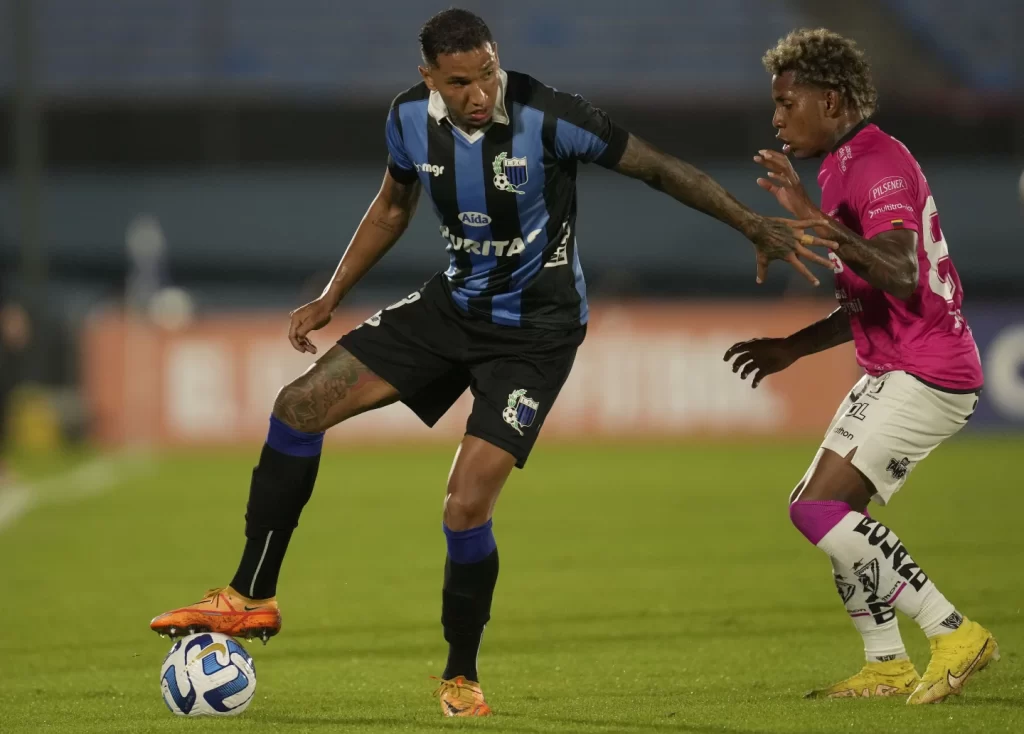
Uruguayan Soccer Player Juan Izquierdo Dies After Collapsing During Match in Brazil

0

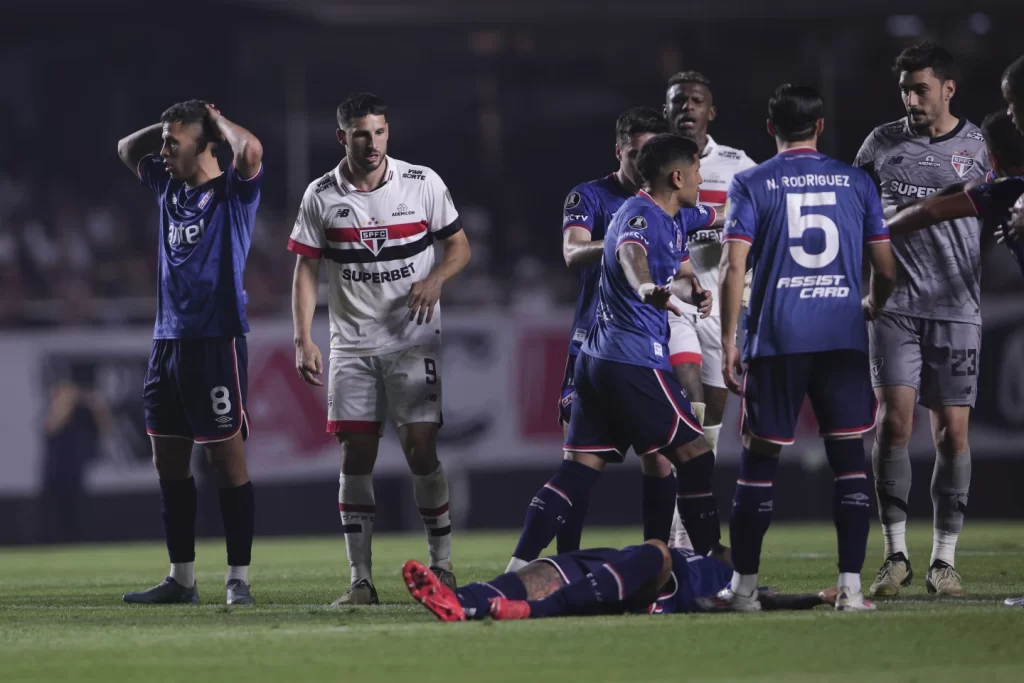
Uruguayan soccer player Juan Izquierdo died Tuesday night at Hospital Albert Einstein in São Paulo, five days after collapsing during a Copa Libertadores match. He was 27 years old.

The hospital stated that Izquierdo succumbed to “cardiorespiratory arrest associated with his cardiac arrhythmia” at 9:38 p.m. local time. The Nacional defender had been in critical condition since collapsing late in the game against São Paulo FC at Morumbi Stadium last Thursday.

Izquierdo was rushed to the hospital after the incident, where he was placed in neurological critical care due to increased intracranial pressure. He had been on a ventilator since Sunday, with his condition deteriorating despite medical efforts.

The young player’s death has sent shockwaves through the soccer community. Nacional, Izquierdo’s club, expressed their grief in a statement, saying his loss is felt “in deep pain and impact in our hearts” and that “all Nacional is in grief for his irreparable loss.”

CONMEBOL, South America’s soccer governing body, also paid tribute. President Alejandro Domínguez stated, “South American soccer is in mourning,” echoing sentiments shared by soccer federations across the continent, including those of Uruguay, Brazil, and Argentina.

Izquierdo’s passing has particularly resonated in Uruguay, where first- and second-division leagues were postponed last weekend out of concern for his health. The player, married with two young children, had just welcomed his second child earlier in August.

International soccer stars also expressed their condolences. Inter Miami striker Luis Suárez, a fellow Uruguayan, said, “Pain, sadness, it is hard to explain. May he rest in peace. I wish a lot of strength for his family and friends.”

The tragedy has drawn comparisons to a similar incident nearly two decades ago when São Caetano defender Serginho died after collapsing at the same stadium. That event led to changes in Brazilian soccer health protocols, including the requirement for defibrillators at all stadiums.

Izquierdo’s professional career began in 2018 with Cerro, followed by stints at Peñarol, Montevideo Wanderers, and a brief spell in Mexico with San Luís. He was instrumental in Liverpool’s (Uruguay) first league title in over a century in 2023 before returning to Nacional this year.

As the soccer world mourns Izquierdo’s untimely death, questions about player health and safety protocols are likely to resurface. The incident serves as a somber reminder of the risks inherent in professional sports and the importance of robust medical support systems.

Izquierdo’s passing leaves behind a young family and a promising career cut short, prompting reflection on the fragility of life even among elite athletes. As tributes pour in from across the globe, the soccer community unites in grief, remembering a talented player whose life ended far too soon on the field he loved.

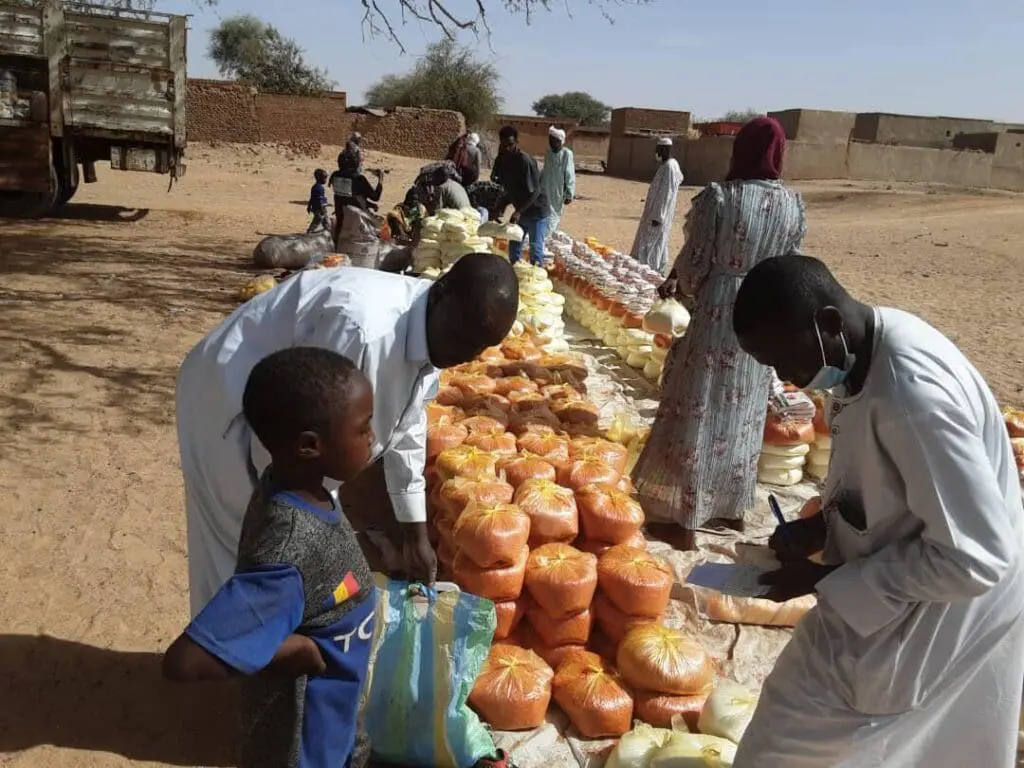
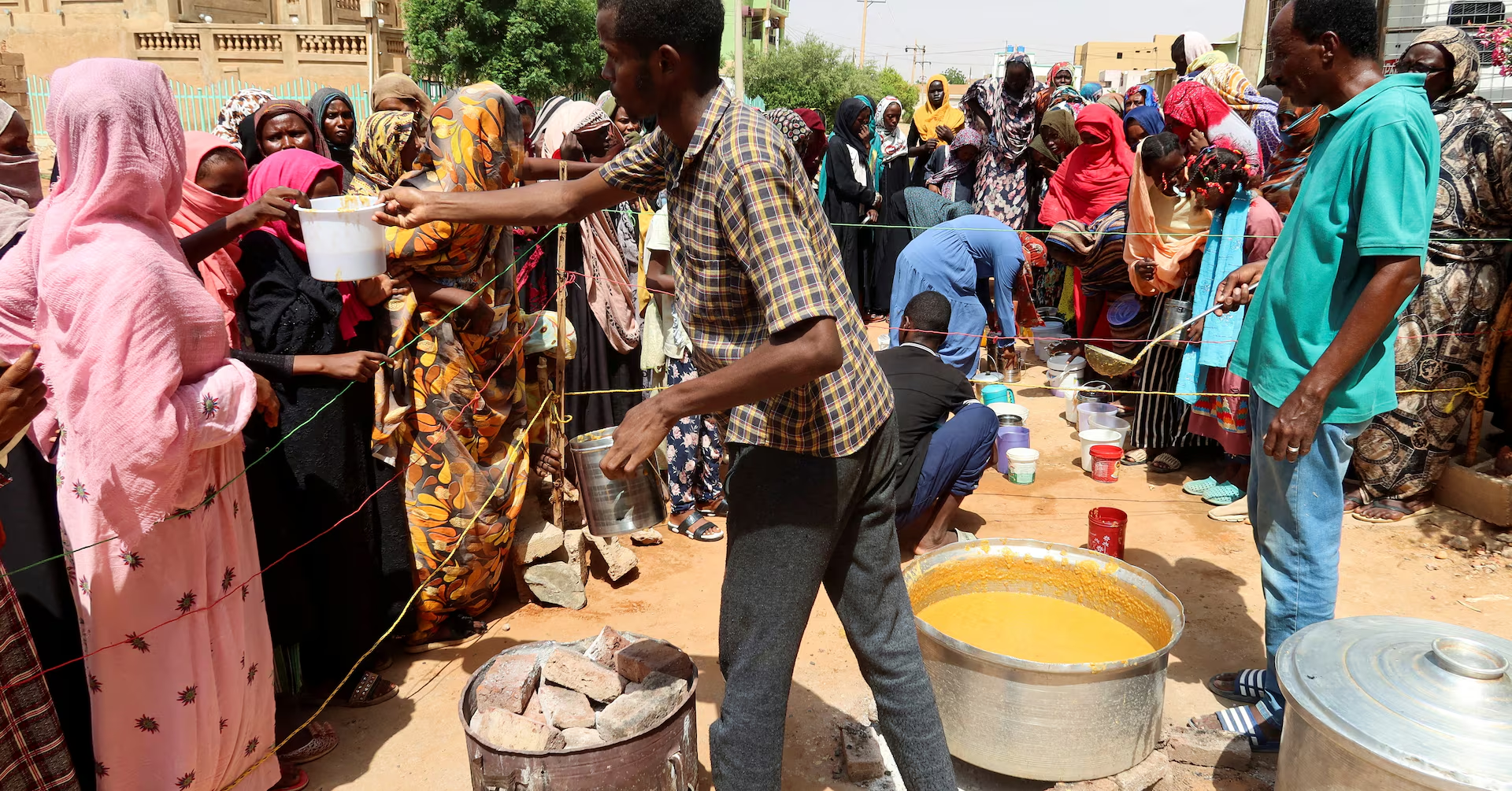
UN World Food Program Launches Probe into Sudan Operations as Famine Spreads-Reuters

0

The United Nations World Food Program (WFP) has initiated an investigation into two of its senior officials in Sudan, focusing on allegations of fraud and concealment of information from donors, according to 11 sources familiar with the probe. This internal inquiry comes at a critical juncture as Sudan faces one of the world’s most severe food shortages in recent years.

The investigation, led by the WFP’s Office of the Inspector General (OIG), is examining whether staff attempted to hide the alleged role of Sudan’s army in obstructing aid delivery amid the ongoing 16-month conflict between the military and the Rapid Support Forces (RSF).

Khalid Osman, WFP’s deputy country director in Sudan, has been given a “temporary duty assignment” outside the country, effectively suspending him during the investigation, according to six sources. Mohammed Ali, a WFP area manager, is under scrutiny for the alleged disappearance of over 200,000 liters of UN fuel in the city of Kosti, as reported by four sources.

The U.S. Agency for International Development (USAID), the WFP’s largest donor, confirmed it was notified of “potential incidents of fraud affecting WFP operations in Sudan” on August 20. USAID described the allegations as “deeply concerning” and immediately referred them to its own inspector general for further investigation.

This probe coincides with a critical period for the WFP, which is seeking $22.7 billion in funding to reach 157 million people globally, including 1.3 million on the brink of famine, primarily in Sudan and Gaza. The organization, which won the 2020 Nobel Peace Prize for its efforts in combating hunger, is facing challenges on multiple fronts, including recent incidents of aid diversion in Somalia and Yemen.

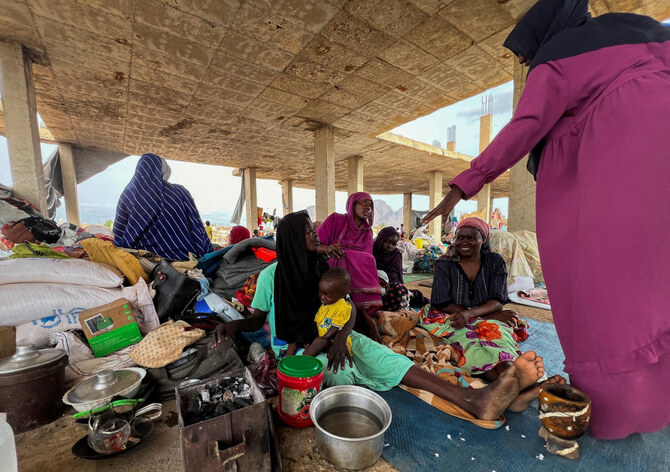
The investigation has raised concerns among humanitarians and diplomats that mismanagement within the WFP’s Sudan office may have contributed to insufficient aid delivery during the conflict. The war has displaced over 10 million people and exacerbated hunger, malnutrition, and disease outbreaks across the country.

One focus of the investigation involves suspicions that senior WFP staff in Sudan may have misled donors, including UN Security Council member states, by downplaying the Sudanese army’s alleged role in blocking aid deliveries to areas controlled by the RSF. In one instance in June 2024, WFP deputy country director Osman allegedly concealed from donors that army-aligned authorities in Port Sudan had delayed permission for 15 trucks carrying life-saving aid to Nyala in South Darfur for seven weeks.

The Integrated Food Security Phase Classification (IPC) recently determined that famine had taken hold in at least one site in Sudan’s Darfur region, with 13 other areas across the country at risk. More than 25 million people, over half of Sudan’s population, face crisis levels of hunger or worse.

The WFP acknowledged the investigation, stating it had taken “swift measures” to reinforce its work in Sudan due to the scale of the humanitarian challenge. The organization declined to comment on specific allegations or the status of individual employees.