Home Blog Page 797

Meet Samuel Apea-Danquah, the Youngest Presidential Aspirant Since Dr. Kwame Nkrumah

0

Samuel Apea-Danquah, a visionary Ghanaian polymath and serial entrepreneur, is on the verge of making history as the youngest presidential aspirant since the era of Dr. Kwame Nkrumah.
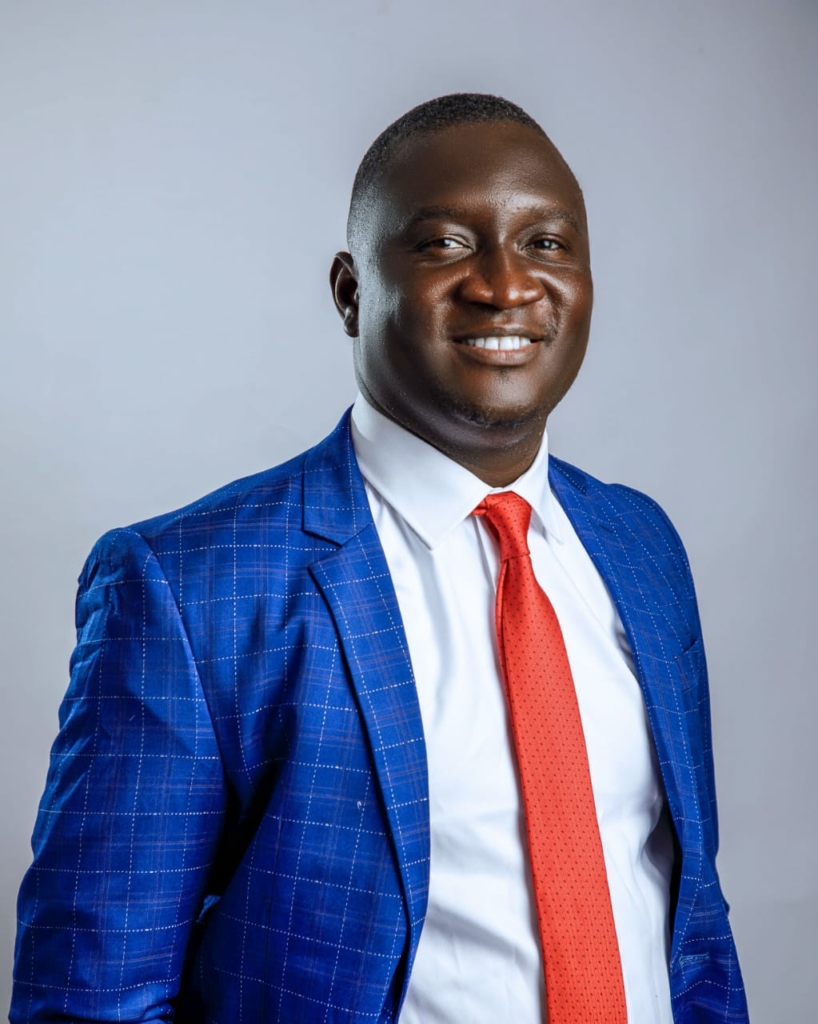
Born on Monday, February 22, 1982, in Bosuso, Eastern Region of Ghana, Samuel’s journey from humble beginnings to becoming a formidable force in Ghana’s entrepreneurial and political landscape is nothing short of inspirational.

A Legacy of Excellence

Samuel Apea-Danquah, 42, comes from a family deeply rooted in education and leadership. His father, Fredrick Apea-Danquah, was a trailblazer in his own right as the first black secretary of the West African Examinations Council (WAEC) and the founder of Achimota Business College (ACHIBUSOC). This legacy of excellence undoubtedly shaped Samuel’s path, instilling in him the values of perseverance, innovation, and a relentless pursuit of knowledge.

Early Education and Academic Achievements

Samuel’s educational journey began at the prestigious Achimota Primary and JSS School, where his academic brilliance began to shine. In 1997, he gained admission to Tema Secondary School, a period during which his passion for science and technology blossomed. This passion led him to pursue a degree in Biological Science at the University of Ghana, Legon, after spending a foundational year at Central University College (CUC).

While at the University of Ghana, Samuel’s leadership qualities came to the forefront. In 2002, he founded and served as Editor-in-Chief of The Campus Weekly, the university’s first official campus newspaper. This bold initiative demonstrated his commitment to fostering dialogue and information exchange among the youth, a trait that would later define his professional ventures.

The Godfather of Digitalization and AI in Ghana

Samuel Apea-Danquah is widely regarded as a godfather of Digitalization and Artificial Intelligence in Ghana. His groundbreaking work in these fields has not only positioned him as a pioneer but also as a leader in technological advancements in the country. Through his visionary initiatives, Samuel has continuously pushed the boundaries of what is possible, laying the foundation for Ghana’s digital future.

His achievements in the realms of AI and digital transformation have garnered both national and international recognition, earning him a reputation as a forward-thinking leader who is not afraid to embrace the future. Samuel’s vision for Ghana is deeply rooted in leveraging technology to drive economic growth, improve governance, and enhance the lives of all Ghanaians.

A Presidential Vision

Now, as Samuel Apea-Danquah steps onto the national political stage, he brings with him a wealth of experience, a passion for innovation, and a deep commitment to the betterment of his country. His candidacy represents a new generation of leadership in Ghana—one that is focused on harnessing the power of technology to create a more prosperous and equitable society.

With a vision that encompasses economic empowerment, educational reform, and technological advancement, Samuel aims to lead Ghana into a future where every citizen has the opportunity to thrive. As the youngest presidential aspirant since Dr. Kwame Nkrumah, Samuel Apea-Danquah is poised to make history, and in doing so, inspire a new era of leadership in Ghana.

myjoyonline.com
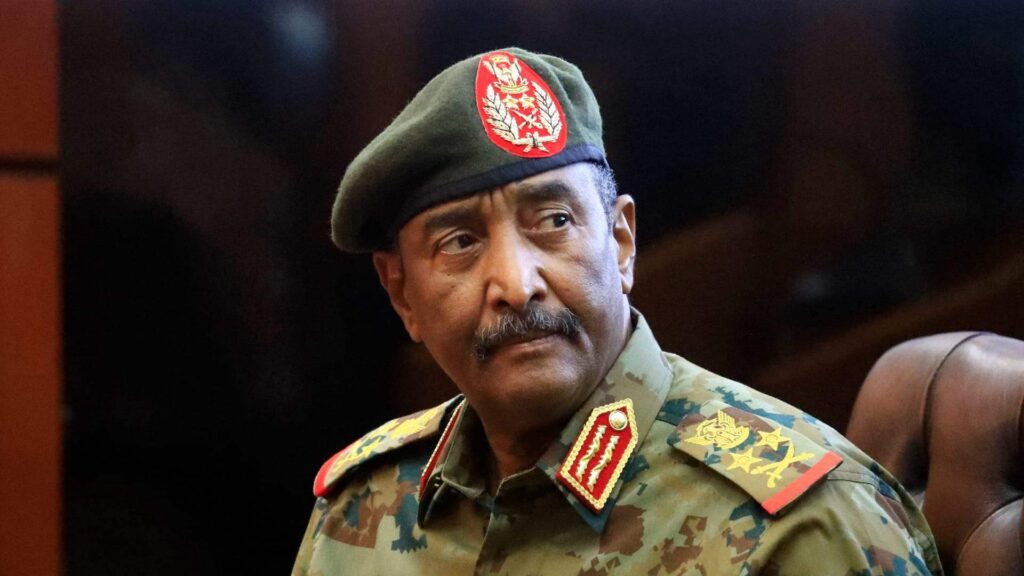
Sudan Army Boycotts US-Led Peace Talks Amid Ongoing Conflict

0

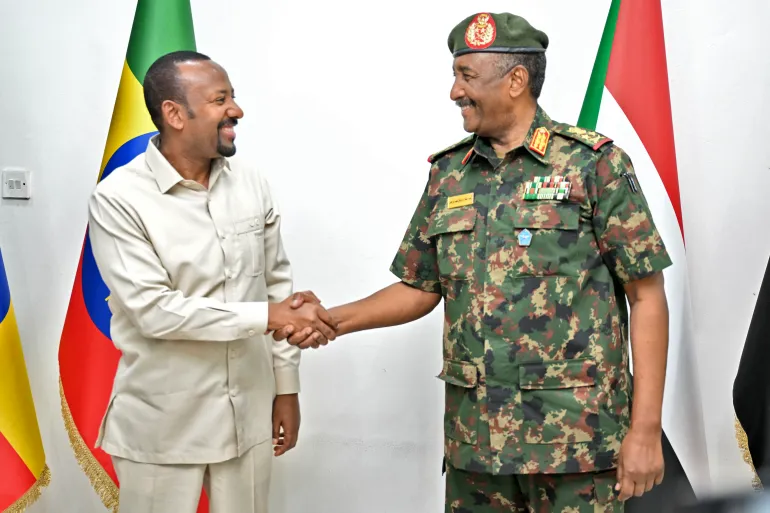
Fresh peace talks aimed at ending Sudan’s 16-month war have commenced in Geneva, Switzerland, despite the boycott by one of the main warring parties – the Sudanese national army. The US-facilitated discussions are proceeding regardless, with American officials stating that the millions suffering in Sudan “cannot afford for us to wait.”

The conflict between the army and the paramilitary Rapid Support Forces (RSF) has resulted in thousands of deaths and displaced approximately 10 million people since its outbreak.

The army’s decision to boycott Wednesday’s talks has dashed hopes for an immediate ceasefire. They cited the RSF’s failure to implement previously agreed terms from the Jeddah Declaration, including the withdrawal of fighters from civilian areas and public facilities.

In contrast, the RSF announced its arrival in Geneva via social media platform X, calling on the army to “commit to fulfilling the democratic aspirations of the Sudanese people.”

The army also objected to the presence of the United Arab Emirates (UAE) as an observer, accusing the country of backing the RSF. Other attendees include delegates from the US, Saudi Arabia, Egypt, the African Union, and the United Nations.

The United Nations’ migration agency has warned of tens of thousands of preventable deaths looming in Sudan if the conflict and restrictions on humanitarian aid persist. The US emphasized that the crisis has reached unprecedented levels of severity, with millions facing hunger and displacement.

As talks proceed without the army’s participation, the international community remains focused on finding a resolution to the protracted conflict and alleviating the dire humanitarian situation in Sudan.

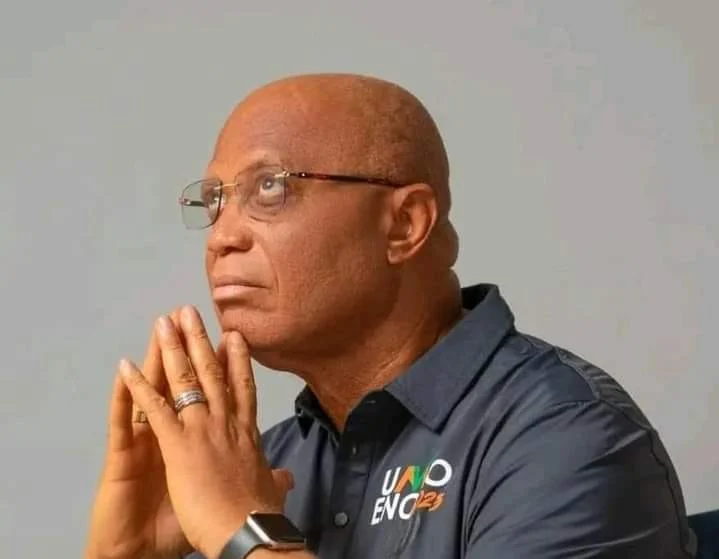
Nigerian Governor Umo Eno’s WhatsApp Number Hacked by Fraudsters

0

The WhatsApp account of Umo Eno, governor of Nigeria’s oil-rich Akwa Ibom state, has been hacked by suspected fraudsters who are using it to solicit money from his contacts. Akwa Ibom, located in southern Nigeria, is the country’s third-richest state with an annual gross domestic product of $19 billion (£15 billion).

Governor Eno, a pastor who founded the All Nations Christian Ministry International and was elected last year, had his phone contacts receive messages on Tuesday requesting specific amounts of money to be transferred to an account, with promises of later reimbursement.

Ekerete Udoh, the governor’s chief press secretary, confirmed in a statement that the governor’s WhatsApp number was “cloned” by criminals attempting to defraud unsuspecting individuals. Law enforcement agencies have been notified of the incident.

“We hereby warn that any message appearing to solicit funds by these imposters should be totally discountenanced by the general public as they do not emanate from the Governor,” the statement read.

This incident follows a similar case less than a month ago involving Governor Ademola Adeleke of Osun state, uncle of Afrobeats star Davido, whose phone numbers were also compromised.

Cybersecurity analyst Bilal Abdullahi advised governors to implement additional security measures for their phone numbers and WhatsApp accounts, such as email authorization and app locks.

Despite recent efforts to combat cyber-fraud, including thousands of arrests by the financial crimes agency EFCC, it remains a significant issue in Nigeria. Uche Ifeanyi Henry, director of Nigeria’s National Cyber Crime Centre (NCCC), recently told the BBC that the government has invested heavily in a state-of-the-art cyber-crime centre to address this problem.

The incident highlights the ongoing challenges of cybersecurity in Nigeria, particularly for high-profile individuals, and the need for increased vigilance and security measures.

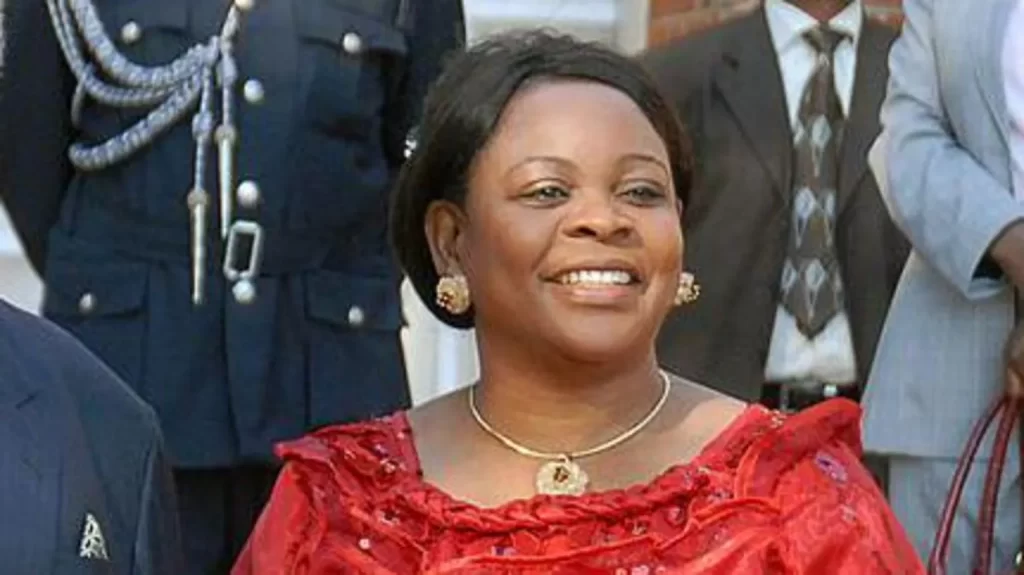
Zambian Ex-First Lady Maureen Mwanawasa Passes Away at 61

0

Maureen Mwanawasa, Zambia’s former First Lady, has died at the age of 61. She passed away late Tuesday after a brief illness at a hospital in Lusaka, according to her family.

Mrs. Mwanawasa was the wife of Zambia’s third President, Levy Mwanawasa, who served from 2002 until his death in 2008. President Hakainde Hichilema described her death as a “deep shock” to the nation.

A trained lawyer, Mrs. Mwanawasa was known for her advocacy in social justice, community development, and public health issues. She co-owned a law firm with her husband before his entry into politics and played an active role in his successful 2001 presidential campaign.

Following her husband’s death, Mrs. Mwanawasa did not pursue the presidency but unsuccessfully ran for mayor of Lusaka in 2016. Her political affiliation at the time of her death was unclear.

Mrs. Mwanawasa was a founding member and former president of the Organisation of African First Ladies Against HIV/AIDS, now known as the Organisation of African First Ladies for Development. Her community work earned her several accolades, including the 2006 International Hope Award from World Vision.

Nevers Sekwila Mumba, leader of the opposition Movement for Multiparty Democracy (MMD), praised her legacy of “hardworking, kindness, compassion, and dedication to our nation.”

President Hichilema called for national unity, urging Zambians to “join her family, and indeed the nation, in prayer” during this time of mourning.

Mrs. Mwanawasa’s passing marks the end of an era in Zambian politics and philanthropy, leaving a legacy of public service and advocacy for social causes.

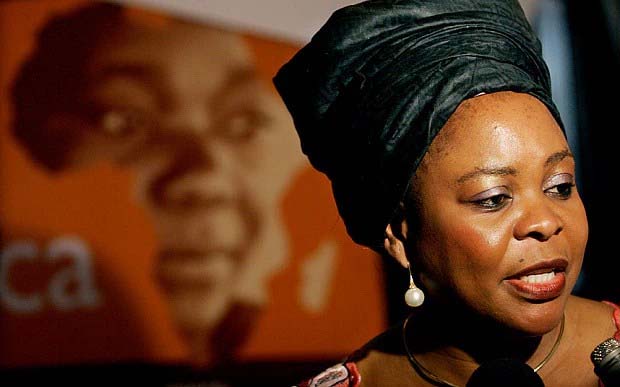
Kenyan Journalist Rukia Bulle Wins 2024 BBC Komla Dumor Award

0

Kenyan journalist Rukia Bulle, 26, has been named the recipient of the 2024 BBC News Komla Dumor Award. Bulle, who works for Kenya’s Nation Media Group, is the ninth winner of this prestigious award.

“I hope this award inspires young girls like me, who wear the hijab,” says Rukia Bulle

Specializing in human interest stories, Bulle has also gained popularity on TikTok for her relatable and informative content about life as a journalist. The award judges were impressed by her resilience in handling challenging stories, her focus on highlighting under-represented voices, and her strong on-air presence.

The Komla Dumor Award, established in memory of the late Ghanaian BBC World News presenter who passed away in 2014 at 41, aims to continue Dumor’s legacy of presenting nuanced narratives about Africa to a global audience.

Bulle expressed her gratitude, stating, “Winning this award means a great deal to me. I hope this award inspires young girls like me, who wear the hijab and come from minority communities, to dream big and achieve their goals.”

A year before his death, Komla Dumor featured in New African magazine’s list of the 100 most influential Africans

As part of the award, Bulle will spend three months working with BBC News teams across television, radio, and online in London. She will receive training and mentorship from leading BBC journalists and travel to an African country to report on a story for BBC’s global audiences.

Tarik Kafala, acting director of the BBC World Service, praised the award’s role in nurturing journalistic talent across Africa. Previous recipients of the award include Paa Kwesi Asare, Dingindaba Jonah Buyoya, and Victoria Rubadiri, among others.

Bulle’s win highlights the continuing efforts to promote diverse voices in international journalism and showcases the talent emerging from Kenya’s media landscape.

A bbc story

At Least 68 Killed in Sudan as Heavy Rainfall Adds to the Country’s Woes

0

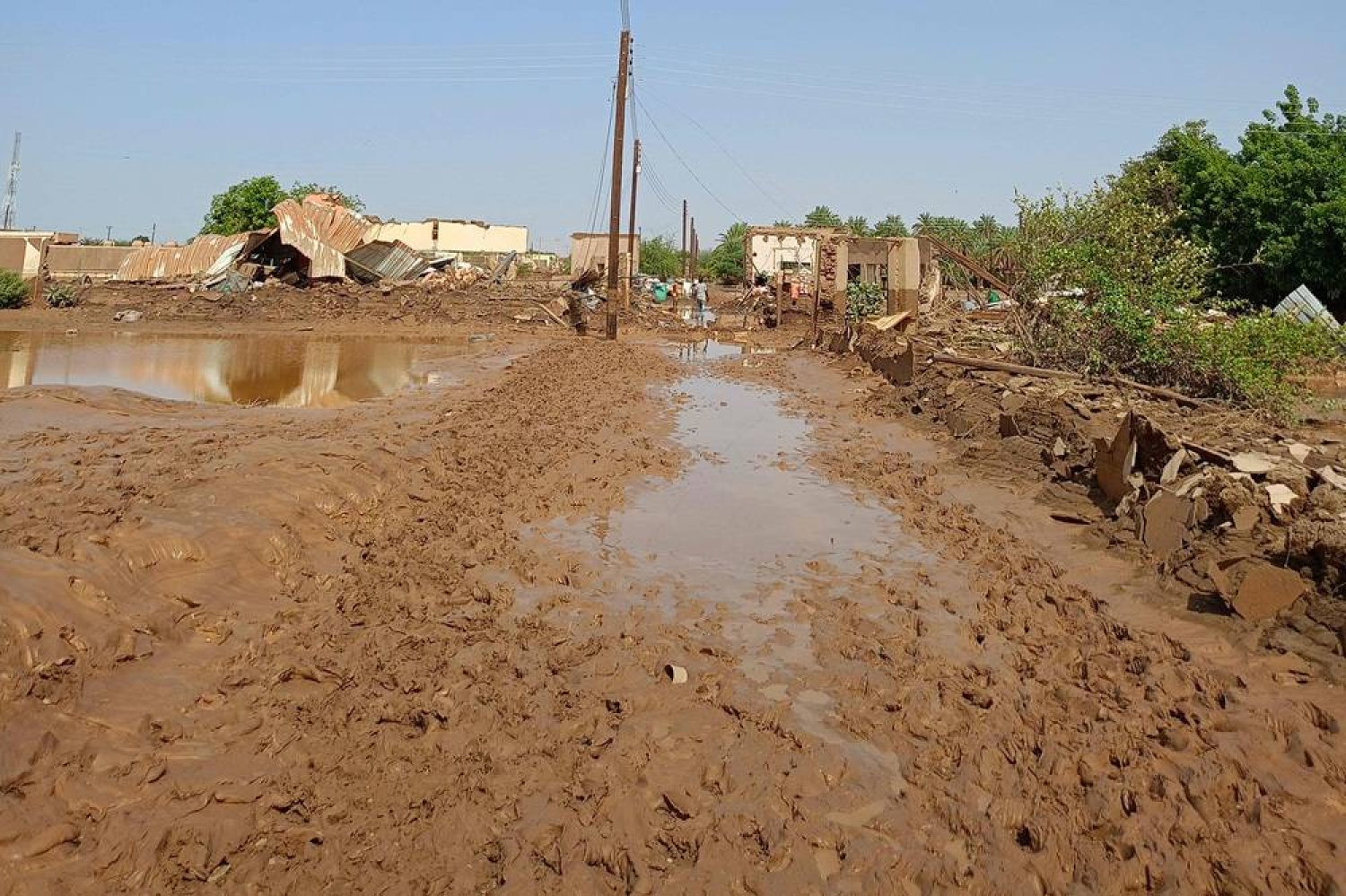
KHARTOUM, Sudan – The ongoing rainy season in Sudan has turned deadly, claiming at least 68 lives as torrential downpours continue to batter the country, already ravaged by conflict and instability. The interior ministry reported on Tuesday that the relentless rains have caused shelters to collapse and neighborhoods to flood, further deepening the humanitarian crisis in this war-torn nation.

The severe weather comes as Sudan grapples with an ongoing conflict between the Sudanese army and the paramilitary Rapid Support Forces (RSF). The conflict, which shows no signs of abating, has already created one of the world’s largest displacement crises, pushing the population into dire conditions.

Administrative hurdles, security challenges, and significant under-funding have led to “aid delays” in many parts of the country, making it nearly impossible to reach those in need.

The heavy rains, the worst since 2019, have impacted areas in the west, north, and east of Sudan, where 10.7 million people are currently displaced. Many of these individuals are living in camps, makeshift shelters, or stranded in open areas, exposed to the elements.

Among the hardest-hit regions are Famine-stricken Zamzam camp in North Darfur, home to 500,000 people, and the eastern states of Kassala and al-Gedaref, where thousands have fled RSF advances. These regions are now facing further devastation as floodwaters wash away what little remains of the residents’ homes and livelihoods.

According to the International Organisation for Migration (IOM), more than 44,000 people have been newly displaced by the ongoing rains since June 1. The floods have compounded the suffering of millions already displaced by the conflict, exacerbating the strain on local and international relief efforts.

“Families are losing what little they have left, and critical infrastructure has been washed away, disrupting vital humanitarian aid,” said Mohamed Refaat, IOM’s representative in Sudan, on Tuesday. Refaat added that 73,000 people across 11 of Sudan’s 18 states are currently affected by the floods.

Preliminary assessments suggest that over 12,000 homes have been fully or partially destroyed due to the heavy rains. Additionally, 198,000 hectares of farmland have been damaged, threatening food security in a country where hunger is already widespread.

The situation is particularly dire in the north-east of Sudan, where the rains have been the most intense, compounding the damage in areas already on the brink of collapse.

Bavarian Nordic to Donate Mpox Vaccine Doses Following African Emergency Declaration

0
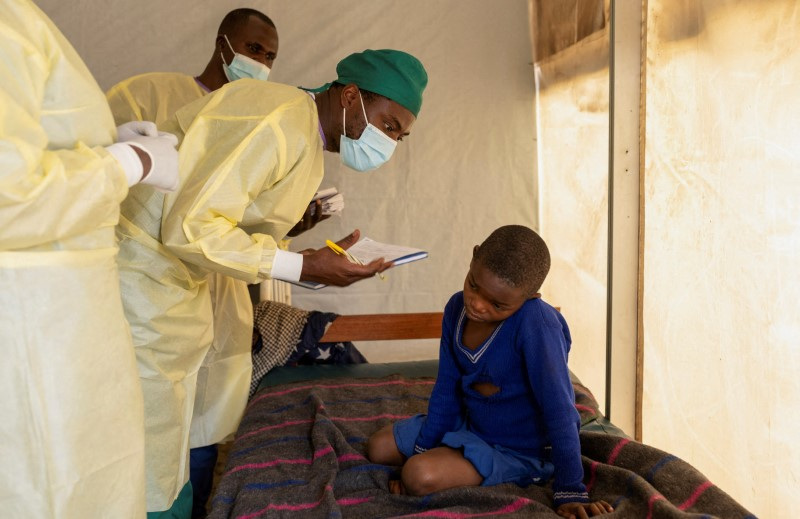
FILE PHOTO: Dr. Tresor Wakilongo, verifies the evolution of skin lesions on the ear of Innocent, suffering from Mpox - an infectious disease caused by the monkeypox virus that sparks off a painful rash, enlarged lymph nodes and fever; at the treatment centre in Munigi, following Mpox cases in Nyiragongo territory near Goma, North Kivu province, Democratic Republic of the Congo July 19, 2024. REUTERS/Arlette Bashizi/File Photo

COPENHAGEN, Denmark – Danish biotechnology company Bavarian Nordic has announced its commitment to donate 40,000 doses of its Mpox vaccine to Africa, following the continent’s recent declaration of a public health emergency. This donation is aimed at helping combat the ongoing Mpox outbreak, which has been spreading across several countries in Africa.

Bavarian Nordic also stated that the European Health Emergency Preparedness and Response Authority (HERA) will procure an additional 175,420 doses of the vaccine and donate them to the Africa Centres for Disease Control and Prevention (Africa CDC). The combined efforts of HERA and Bavarian Nordic are expected to significantly bolster Africa’s ability to manage and contain the outbreak.

Earlier on Tuesday, Africa CDC declared a “public health emergency of continental security” after the Mpox outbreak spread from the Democratic Republic of Congo to neighboring countries, prompting an urgent need for vaccine support.

Bavarian Nordic assured that the donation would not impact its financial outlook for 2024, emphasizing that the company remains committed to supporting global health initiatives without compromising its economic stability.

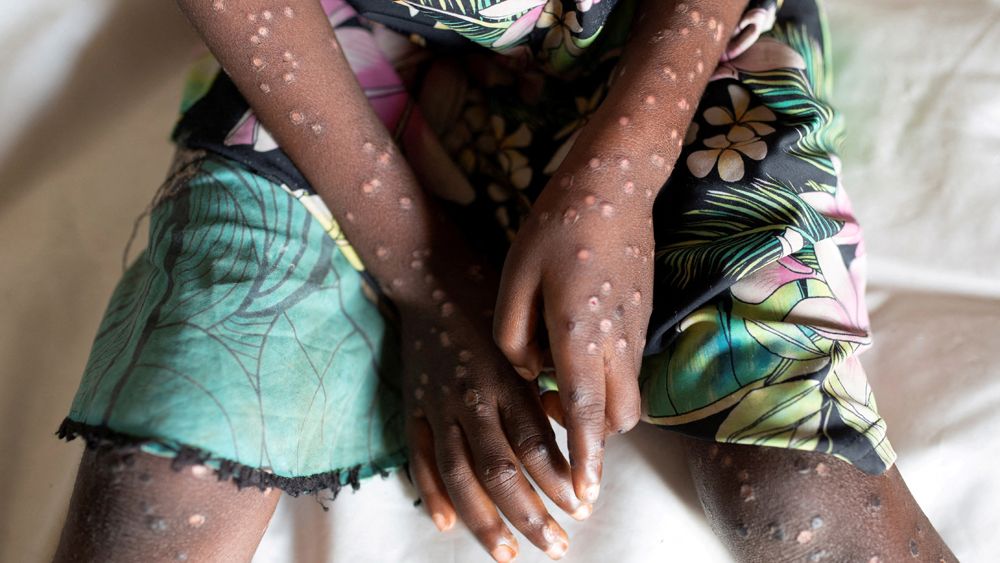
Mpox, a viral infection transmitted through close contact, causes flu-like symptoms and pus-filled lesions. While most cases are mild, the disease can be fatal, particularly in vulnerable populations. The rapid response by Bavarian Nordic and European health authorities is seen as a critical step in addressing the public health threat posed by the outbreak.

Reuters

Two South Korean Missionaries Kidnapped in Northern Kenya Amidst Escalating Violence Near Ethiopia Border

0

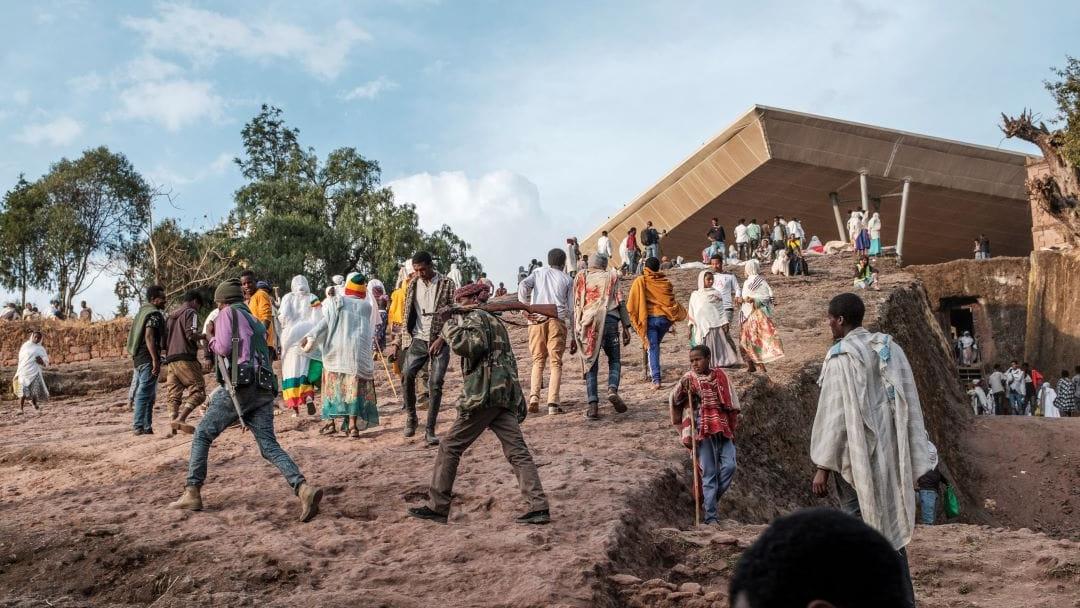
MOYALE, Kenya – In a shocking escalation of violence along the volatile Kenya-Ethiopia border, two South Korean missionaries were kidnapped on Monday evening, while eight Kenyan civilians were found shot dead and burned in a separate incident, local officials reported. The incidents underscore the growing insecurity in the region, which has been plagued by armed banditry and ethnic conflicts.

According to Marsabit County Governor Mohamud Ali, the two South Korean nationals were abducted from their home in the village of Obda near Moyale at approximately 9 p.m. local time (1800 GMT). “Two missionaries of Korean origin were abducted and [are being] held incommunicado to date,” Governor Ali said in a statement on Tuesday, highlighting the gravity of the situation.

The Standard newspaper quoted Marsabit County Commissioner James Kiema as saying that a South Korean male and his mother-in-law were taken from their residence by armed assailants. “The man’s mobile phone signal was last traced to the border with Ethiopia,” added Deputy County Commissioner David Saruni, who also noted that efforts to locate them have been complicated by the fact that “the phone has since been switched off.”

Kenyan authorities have launched a rescue operation aimed at disarming local bandits and restoring order in the border region, which has seen a spike in violence in recent months. The operation comes in response to the growing number of attacks on civilians and the increasing lawlessness that has made the area one of Kenya’s most dangerous regions.

The South Korean embassy in Nairobi was alerted to the incident and has been in contact with local authorities. However, when reached for comment, the embassy did not immediately respond. National police spokesperson Resila Onyango said that efforts were being made to secure the release of the hostages but did not provide further details.

In a related and equally disturbing incident on Monday night, gunmen dressed in “jungle attire” ambushed a truck traveling on a remote road near Moyale, approximately 100 kilometers (62 miles) west of the town.

The attackers shot dead eight occupants and then set the vehicle on fire, burning the bodies of the victims. According to a police report seen by Reuters, the incident has sent shockwaves through the local community, further exacerbating fears of escalating violence.

The borderlands between Kenya and Ethiopia have long been notorious for lawlessness, with frequent raids by armed groups often linked to disputes over land and resources.

Last year, the Kenyan government launched a major security operation in an effort to disarm local militias and curb the rampant banditry that has terrorized the region. However, Monday’s incidents suggest that the situation remains dire, with little progress made in bringing lasting peace to the area.

As the search for the kidnapped missionaries continues, Kenyan authorities face mounting pressure to restore order and protect the vulnerable populations living near the border.

The recent surge in violence has not only strained local security forces but also raised concerns about the potential for further destabilization in the already fragile region.

Credit: Reuters

Experts Reveal the Seven Odd Behaviors Linked to a High IQ

0

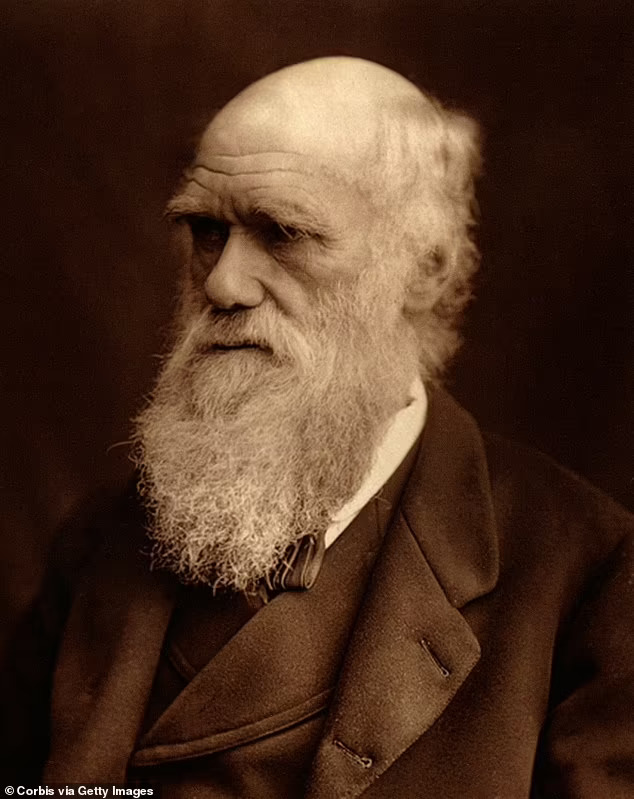
Some of history’s greatest minds, like Albert Einstein and Charles Darwin, were known for their peculiar habits. While these behaviors may have seemed odd to their contemporaries, modern research has linked many of them to high intelligence. Psychologists have identified at least seven strange behaviors that they believe are signs of a genius.

1. Talking to yourself

Contrary to popular belief, talking to yourself isn’t a sign of insanity – it might indicate high intelligence. A 2012 study found that people who talk to themselves while searching for objects can identify them faster. Another study in 2017 revealed that self-talk helps us process information more effectively. So, the next time you catch yourself muttering, remember it’s helping you stay sharp.

2. Staying up late

Night owls rejoice – your late-night habits might be a sign of high IQ. A recent study analyzing data from 26,000 adults found that those who stay up late scored significantly higher on cognitive tests than early risers. Many brilliant minds, including Darwin and Marcel Proust, were known for their nocturnal habits.

3. Daydreaming

If you often find yourself lost in thought, it might be a sign of an efficient brain. Research by Eric Schumacher at Georgia Tech found that frequent daydreamers score higher on intellectual and creative ability tests. MRI scans also showed these individuals had more efficient brain systems.

4. Thriving in clutter

A messy desk might actually boost creativity. Researchers found that participants in untidy rooms came up with more innovative ideas than those in neat spaces. As Kathleen Vohs, the lead scientist, explained, “Disorderly environments seem to inspire breaking free of tradition, which can produce fresh insights.”

5. Asking lots of questions

Constant curiosity is a hallmark of high intelligence. If you’re always asking how things work or where they come from, you’re likely expanding your understanding of the world. As Einstein famously said, “I have no special talent. I am only passionately curious.”

6. Being introverted

Many geniuses prefer solitude, and for good reason. Studies have shown that introverts tend to engage in deeper cognitive processing than extroverts. They often prefer activities requiring concentration and sustained mental effort, which can foster intellectual development.

7. Devouring books

Avid readers are constantly exercising their minds, learning new information, vocabulary, and complex ideas. Reading strengthens mental focus, imagination, and empathy. Take Warren Buffet, for example, who spends almost eight hours a day reading.

While these behaviors don’t guarantee high intelligence, they do suggest that what some might consider odd habits could actually be signs of a brilliant mind. So the next time you find yourself talking to yourself in a cluttered room at 2 AM, take heart – you might just be a genius in the making.

Credit: Daily MailOnline

Putin Pulls Troops Out of Ukraine in Desperate Move to Defend Russia as Kyiv’s Forces Advance

0

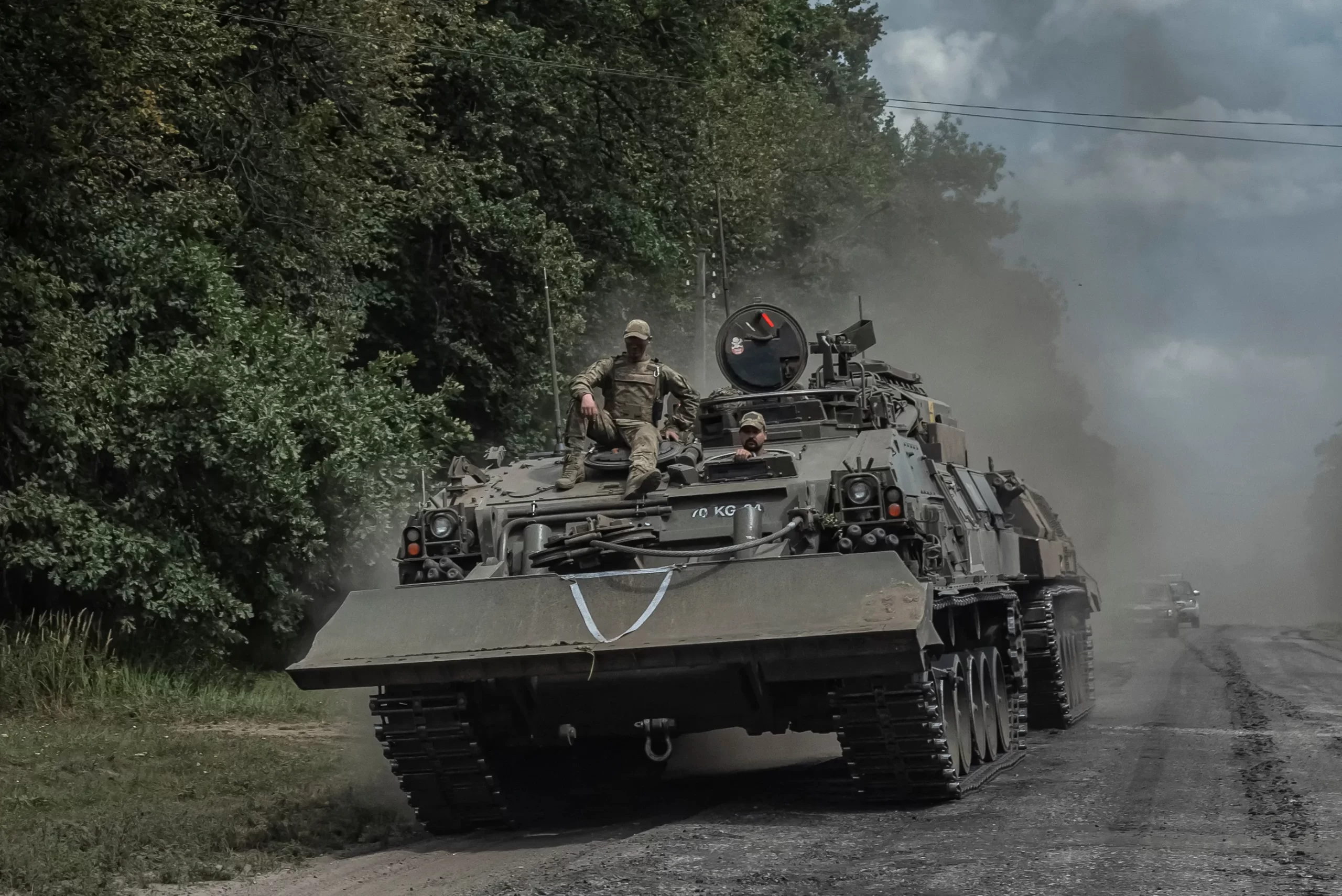
MOSCOW, Russia – In a surprising and desperate maneuver, Russian President Vladimir Putin has begun pulling Russian troops out of Ukraine to reinforce defenses within Russia as Ukrainian forces continue to advance aggressively into Russian territory.

This strategic retreat is seen by many analysts as a humiliating setback for Moscow, indicating the strain on Russian resources as the conflict with Ukraine intensifies.

Ukraine’s rapid incursion into Russian territory, which began just a week ago, has already resulted in significant territorial gains.

Ukrainian forces have reportedly seized control of dozens of villages and vast expanses of land—amounting to as much as 400,000 square miles, according to estimates from Kyiv.

This sudden and bold offensive has led to widespread panic and mass evacuations in the Kursk and Belgorod regions, with over 120,000 Russian residents forced to flee their homes.

In response to these developments, Russian military units previously stationed in southern Ukraine have been ordered to return to Russian territory to bolster defenses, according to a Ukrainian army spokesperson.

Dmytro Lykhovyi, speaking to Politico, revealed, “Russia has relocated some of its units from both Zaporizhzhia and Kherson regions of Ukraine’s south.” These regions were heavily contested and attacked by Russian forces after the initial invasion of Ukraine in February 2022.

While the exact number of troops being pulled back to the border remains unclear, Lykhovyi acknowledged that the figure was “relatively small.”

However, this move could be a significant indicator of Russia’s strained military situation as it attempts to respond to Ukraine’s aggressive strategy.

In a related development, one of Russia’s strike UAV drones was reportedly redeployed to the Kursk region, after previously operating in eastern Ukraine.

This shift in military assets was noted by Russian defense policy researcher Leo Pestic on X, further signaling Russia’s increasing focus on defending its own territory.

Lykhovyi also cautioned that this retreat could be part of a larger tactical deception by Russia. “It could be a ‘smokescreen’ tactic, with the Kremlin intending to launch surprise attacks on Kherson despite pulling some troops back,” he suggested, highlighting the complex and fluid nature of the ongoing conflict.

As the situation continues to develop, it remains to be seen how effective Russia’s defensive strategy will be in the face of Ukraine’s bold and unexpected advances into Russian soil.

The conflict, which has already seen significant shifts in momentum, now appears to be entering a critical phase with both sides adapting their strategies in response to rapidly changing circumstances.