A 53-year-old farmer, Bashiru Gambo, has been sentenced to 20 years imprisonment with hard labor by the Tarkwa Circuit Court in Ghana for attempting to sell his son. Gambo pleaded guilty to the charge of trading of person, contrary to section 2 (1) of the Human Trafficking Act 694 of 2005.
Superintendent of Police Juliana Essel-Dadzie, prosecuting, told the court that the victim, Alexander Kyeremeh, is a small-scale miner residing in Manukrom near Obuasi. Gambo, the biological father, lived in Wassa-Abreshia, near Wassa Akropong in Ghana.
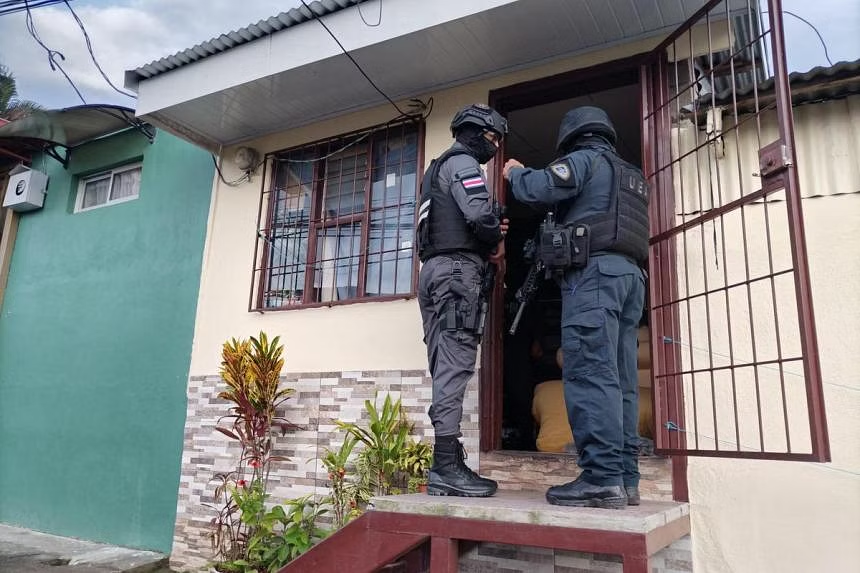
The court, presided over by Mrs. Hathia Ama Manu, heard that police in Wassa-Nkonya received a tip-off about Gambo’s plan to sell his son. Undercover police officers posed as potential buyers and negotiated with Gambo, agreeing on a price of GH¢80,000 for the son.
Gambo accompanied the undercover officers to Manukrom, where he had arranged to meet his son. After identifying his son to the officers, they all boarded a vehicle together. Once the vehicle was in motion, the officers revealed their identities and arrested Gambo.
At the Wassa Akropong Police Station, Gambo admitted to the offense in his caution statement, claiming economic hardship as his motivation for attempting to sell his son.
The prosecution appealed for a strict sentence, citing an increase in missing persons cases in the area. The court subsequently sentenced Gambo to 20 years imprisonment with hard labor.
A court in Kenya on Thursday ordered the extradition of Kevin Kang’ethe to the United States, where he will face first-degree murder charges for the death of his girlfriend, Margaret Mbitu, in November 2023. The Kenyan national is set to be tried in Massachusetts.
Mbitu, a nurse, was found dead with multiple stab wounds in her SUV, parked in a garage at Boston’s Logan Airport, just two days after her family reported her missing. Authorities discovered that Kang’ethe had fled the country on a flight from Logan to Kenya a day before her body was discovered.
Following a three-month international search, Kang’ethe was arrested in Kenya but managed to escape from custody within a week. The escape involved a mini-van getaway, prompting a large-scale manhunt by Kenyan police. He was eventually located at a relative’s house in Nairobi and re-arrested.
In addition to Kang’ethe’s arrest, four police officers, two of Kang’ethe’s relatives, and a lawyer were also detained, accused of facilitating his initial escape. The extradition ruling follows a detailed investigation by Kenyan authorities, who had to untangle a network of alleged accomplices aiding the suspect.
Prosecutors in Nairobi testified that at the time of Kang’ethe’s arrest, he was in possession of items belonging to Mbitu, including her driver’s license, a Bank of America debit card, and a visa card, further linking him to the crime.
The decision to extradite Kang’ethe marks a significant step in the cross-border legal proceedings that have unfolded since Mbitu’s murder. This development reflects the ongoing cooperation between Kenyan and U.S. authorities to bring the suspect to justice and address the crime committed on U.S. soil.
As the legal process continues, both nations are expected to collaborate closely to ensure that Kang’ethe is held accountable under U.S. law, providing a semblance of justice to Mbitu’s family.
In a dire announcement highlighting the severe humanitarian crisis gripping Sudan, famine has been officially declared in a refugee camp in the Darfur region. The announcement comes from the United Nations-backed Famine Review Committee (FRC), underscoring the devastating toll of the country’s 15-month civil war.
The crisis in Sudan has forced hundreds of thousands into camps where food security organizations struggle to meet the needs of a rapidly growing displaced population.
The Zanzam camp, located near the city of El Fasher in Sudan’s North Darfur state, has been in the throes of famine since June, according to the FRC. The camp’s population has ballooned to nearly half a million people as the civil war continues to displace communities. T
his declaration marks the FRC’s third such announcement since the monitoring system was established two decades ago and the first in more than seven years.
Official declarations of famine are rare and serve as urgent calls for international assistance. They are intended to galvanize global support and unlock funding to mitigate the crisis and prevent further loss of life. The FRC’s assessment is a stark reminder of the escalating humanitarian needs as the conflict shows no signs of abating.
While the famine declaration is currently limited to the Zanzam camp, the FRC has warned that many other areas across Sudan are at significant risk. The ongoing conflict and restricted humanitarian access exacerbate the risk of famine in these regions. The international community is urged to respond swiftly to prevent the situation from worsening.
The conflict in Sudan erupted in April 2023 when the Rapid Support Forces (RSF), a rebel group, launched an armed uprising against the Sudanese Armed Forces (SAF). This conflict has devastated large swathes of the country, including the capital city of Khartoum, and has since spread to other regions.
The UN has labeled the situation in Sudan as one of the most severe humanitarian disasters in recent memory, with over 10 million people displaced internally and more than 25 million facing acute hunger.
The city of El Fasher, where the Zanzam camp is located, has been a focal point of the conflict. For months, it has been besieged by the RSF, further complicating efforts to deliver humanitarian aid to those in desperate need. The ongoing violence has crippled Sudan’s infrastructure, making it exceedingly difficult for aid agencies to operate effectively.
The declaration of famine in the Zanzam camp serves as a clarion call for international action. Humanitarian organizations emphasize the urgent need for increased funding and resources to address the growing crisis. Without immediate intervention, the situation could deteriorate further, leading to more widespread famine and suffering across Sudan.
The international community is being called upon to step up efforts to provide food, medical aid, and shelter to millions of Sudanese caught in the conflict. The UN and various NGOs are advocating for a coordinated response to ensure aid reaches those most in need, despite the challenging circumstances on the ground.
As Sudan faces this unprecedented humanitarian catastrophe, the world watches with growing concern, aware that the actions taken in the coming weeks could determine the fate of millions.
Nigerian police are on red alert and may request military assistance following violent protests against the rising cost of living and governance issues, according to Inspector General of Police Kayode Egbetokun.
Reuters reporters and protesters reported at least three demonstrators killed in northern Kaduna state on Thursday. Amnesty International claimed on Friday that at least 13 protesters had been killed across three northern states, though authorities have not confirmed any deaths.
While major cities like Abuja and Kano appeared calm on Friday following clashes between police and protesters, further demonstrations are anticipated due to widespread anger over President Bola Tinubu’s economic reforms.
Inspector General Egbetokun stated late Thursday that police are fully mobilized and prepared to respond swiftly to any further threats to public order. He added that the police are equipped to handle the situation but may seek assistance from other security agencies, including the military, if necessary.
The “#EndBadGovernanceInNigeria” protests, inspired by youth-led demonstrations in Kenya, have been organized online with plans to continue for 10 days.
Demonstrators gather as they participate in an anti-government demonstration to protest against bad governance and economic hardship in Lagos, Nigeria August 1, 2024. REUTERS/Akintunde Akinleye
Amnesty International accused security forces of deliberately using lethal tactics in Niger state, Maiduguri (capital of Borno state), and Kaduna. A Nigerian police spokesperson did not immediately respond to requests for comment on these allegations.
President Tinubu acknowledges the pain caused by his reforms, which have fueled inflation and weakened the currency, but maintains they are necessary for Nigeria’s long-term economic growth.
Zimbabwe police have arrested 18 political activists, including some who were removed from a plane, according to their lawyers. The Zimbabwe Lawyers for Human Rights group reported the detentions, which occurred on Wednesday.
Zimbabwe President Emmerson Mnangagwa
Among those arrested is Namatai Kwekweza, a 25-year-old pro-democracy campaigner and the 2023 winner of the Kofi Annan NextGen Democracy Prize. Kwekweza and three other activists were taken off a plane on the tarmac of the Robert Mugabe International Airport in Harare. An additional 14 activists were arrested the same day for protesting in another town.
The four removed from the plane are charged with disorderly conduct related to a courthouse protest in late June. They had been demanding the release of 77 opposition party members who have been in pre-trial detention for over six weeks.
Amnesty International has condemned the arrests, while the Kofi Annan Foundation expressed deep concern over the incident.
These arrests come as Zimbabwe prepares to host a meeting of southern African heads of state this month. The government had previously warned it would suppress opposition protests ahead of the summit.
President Emmerson Mnangagwa, who succeeded Robert Mugabe in 2017, faces accusations of cracking down on political opposition similarly to his predecessor. Numerous opposition members, university students, and labor unionists have been arrested since Mnangagwa took office.
Mnangagwa denies being oppressive but has warned against what he terms inciting violence. Authorities have moved to prevent new protests ahead of the southern African leaders’ meeting in Harare on August 17.
Earlier this year, the United States sanctioned Mnangagwa, Zimbabwe’s first lady, and others for alleged involvement in gold and diamond smuggling and human rights abuses.
The recent arrests highlight ongoing tensions between the government and opposition groups in Zimbabwe, drawing international attention as the country prepares to host regional leaders.
At least nine people have been killed by security forces during mass demonstrations over economic crisis in Nigeria, according to rights group Amnesty International. Authorities reported that a police officer was also killed and several others injured in the clashes.
In the northeastern state of Borno, a bomb killed four protesters and injured 34 others. This region, affected by prolonged militant activity, has left millions displaced and facing hunger.
Isa Sanusi, Amnesty International’s Nigeria director, said the group independently verified the reported deaths through witnesses, victims’ families, and lawyers.
The protests primarily focused on food shortages and accusations of misgovernment and corruption. Demonstrators, mostly young people, carried placards and Nigeria’s flag, demanding the reinstatement of gas and electricity subsidies that were recently canceled as part of economic reforms.
Violence and looting were concentrated in Nigeria’s northern states, which are among the hardest hit by hunger and insecurity. Protesters were seen carrying looted goods including furniture and cooking oil.
Police Chief Egbetokun stated that officers aimed to ensure peaceful conduct but claimed that events in some cities indicated “mass uprising and looting, not protest.” This claim was disputed by rights groups and activists.
Amnesty International’s Sanusi stated, “Our findings so far show that security personnel at the locations where lives were lost deliberately used tactics designed to kill.”
Authorities feared the protests could escalate similarly to the deadly 2020 demonstrations against police brutality or the recent violent tax hike protests in Kenya.
Anietie Ewang, a Nigerian researcher with Human Rights Watch, commented that the threats that emerged as protests turned violent in some places did not warrant the level of response from police officers.
The ongoing protests highlight the deep economic challenges facing Africa’s most populous country and the tensions between citizens and security forces as the nation grapples with these issues.
Nairobi, Kenya — The capital of Kenya, Nairobi, has introduced a proposed regulation requiring all cats within the city to be registered by their owners, a move that has sparked debate among residents. The proposed regulation, known as the Animal Control and Welfare Bill, aims to manage the city’s cat population and ensure the welfare of the animals.
Under the new proposal, cat owners in Nairobi would be required to obtain an annual license for their pets. The licensing fee is set at 200 Kenyan shillings ($1.50; £1.20) per cat. In addition to the licensing fee, owners must provide proof that their cats have received rabies vaccinations.
The regulation seeks to hold cat owners accountable for their pets’ behavior. According to the proposed bill, owners must ensure that their cats do not “scream or cry in a manner that disturbs the peace” of the community. Additionally, owners would be required to confine female cats in heat to prevent disturbances.
This legislative proposal is part of a broader effort by Nairobi County to address concerns related to animal control and welfare. However, it has faced criticism from some residents who perceive it as a “cat tax” and are questioning its enforceability.
Recently, there was a withdrawal of a similar bill that aimed to impose a financial levy on bicycles and motorcycles. This action has led to skepticism regarding the implementation of the new cat registration requirement, with some viewing it as a revenue-generating measure by the government.
The proposal is currently under consideration, and its potential impact on Nairobi’s feline population and the responsibilities of cat owners are being debated across the city.
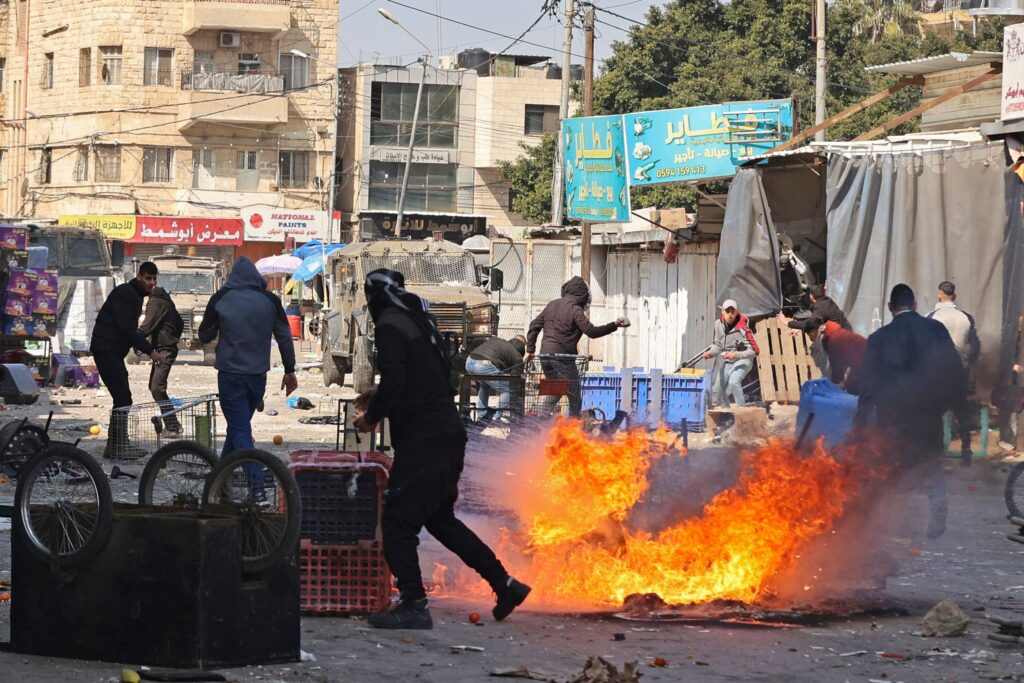
A curfew has been imposed in Kano, Nigeria’s second-largest state, following protests against the high cost of living. The governor’s office stated that the demonstrations were “hijacked by thugs,” resulting in widespread looting and property destruction.
Kano witnessed the largest crowds on the first day of nationwide protests, which forced many businesses to close. Demonstrators in major cities chanted slogans such as “We are hungry.” In Kano city, police used live bullets, tear gas, and hot water to disperse thousands of protesters. Four people were reported wounded and taken to hospital.
Earlier, protesters set tyres ablaze in front of Governor Abba Kabir Yusuf’s house. Looters broke into a nearby warehouse, with people seen carrying away cooking oil and mattresses.
The curfew effectively halts further protests, requiring all residents to remain at home. Kano state’s population was 9.4 million in the 2006 census, with unofficial current estimates around 20 million.
These protests, planned for 10 days and organized via social media, were inspired by recent successful demonstrations in Kenya. In Abuja, Nigeria’s capital, a court ordered protesters to remain at the National stadium on the city’s outskirts. However, demonstrators attempted to move into the city center, prompting police to use tear gas.
In Lagos, Nigeria’s economic hub, protesters shouted “ole” (thief in Yoruba) in reference to President Bola Tinubu and his government. Many are angered by Tinubu’s removal of fuel subsidies in May 2023, which aimed to cut government expenditure but led to increased fuel prices and broader economic impacts.
Protesters are demanding the reversal of the subsidy removal decision and calling for reforms to the country’s electoral system and judiciary. The government had previously appealed for patience, but demonstrators like Lagos protester Kingsley Uadiale dismissed this, citing plans to purchase new planes for the president and vice president.
Activist Dabiraoluwa Adeyinka stated that if the government doesn’t yield to their demands, the protests will continue.
The Olympic men’s soccer tournament is set to witness a high-profile clash as host nation France faces Argentina in the quarterfinals in Bordeaux on Friday. This match marks the first time these soccer powerhouses meet in an Olympic contest, adding a new chapter to their increasingly heated rivalry.
Although the Olympic tournament features under-23 squads, the significance of this matchup is not lost on either team. The encounter serves as a symbolic rematch of the 2022 World Cup final in Qatar, where Lionel Messi’s Argentina clinched the world title by narrowly defeating Kylian Mbappé’s France on penalties.
The history between these two nations on the soccer field is rich and contentious. Their World Cup encounters have been pivotal, with Argentina securing victories in 1930 and 1978, while France’s triumph in the 2018 round of 16 crushed Argentina’s hopes of ending their long-standing title drought.
Javier Mascherano, a former Argentina international and current Olympic team coach, reflected on their 2018 defeat, saying, “One of these blows shatters your illusion. You have to accept that your opponent is better and that’s the end of it. Hopefully, in the future, these lads will be able to achieve a title.” Mascherano’s words now carry extra weight as he leads Argentina’s Olympic squad against their rivals.
Recent events have further intensified the rivalry. A controversial video posted by Argentina’s Enzo Fernandez following their Copa America victory featured a song about France’s players of African descent, which the French Football Federation denounced as “racist and discriminatory.” This incident led to Argentina’s men’s soccer and rugby teams being booed during the opening Olympic events in St Etienne and at the Stade de France.
As both teams prepare for this crucial quarterfinal match, the stakes extend beyond Olympic glory. For France, it’s an opportunity to assert dominance on home soil and avenge their World Cup final loss. Argentina, meanwhile, aims to prove that their recent success was no fluke and to silence the critics in hostile territory.
The stage is set for an electrifying “go hard or go home” phase in the women’s soccer tournament at the 2024 Paris Olympics. Eight top-tier teams, including the rejuvenated U.S. Women’s National Team (USWNT), are poised to battle it out starting August 3rd. The lineup features World Cup champions Spain, reigning Olympic champions Canada, hosts France, World No. 2 Germany, and dark horses Japan, Colombia, and Brazil.
The tournament has delivered compelling quarterfinal matchups that promise to captivate soccer fans globally. The USWNT, under Emma Hayes’ leadership and powered by the formidable attacking trio of Sophia Smith, Mallory Swanson, and Trinity Rodman, will face a highly impressive Japanese side. Spain, led by the phenomenal Aitana Bonmati, is set to clash with Colombia in what could be a thrilling encounter.
Canada, having overcome a six-point handicap with three consecutive group stage wins, will take on Germany in a match that defies easy prediction. Hosts France will battle against a Brazil side missing their legendary player Marta, adding an extra layer of intrigue to the fixture.
The quarterfinal schedule for Saturday, August 3, is as follows (all times ET):
– USA vs. Japan: 9 a.m.
– Spain vs. Colombia: 11 a.m.
– Canada vs. Germany: 1 p.m.
– France vs. Brazil: 3 p.m.
The bracket structure places the USA, Japan, Canada, and Germany on one side, with France, Brazil, Spain, and Colombia on the other. This arrangement means that should the USWNT progress, they would face the winner of the Canada-Germany match in the semifinals. The bracket also ensures that the USA can only potentially meet Spain or France in the gold medal match.
For the USWNT, the path ahead is challenging but filled with opportunity. Canada’s “us against the world mentality” makes them a dangerous knockout round opponent, while Germany has a score to settle. However, the USA’s recent form under Emma Hayes suggests they’re ready for the challenge.