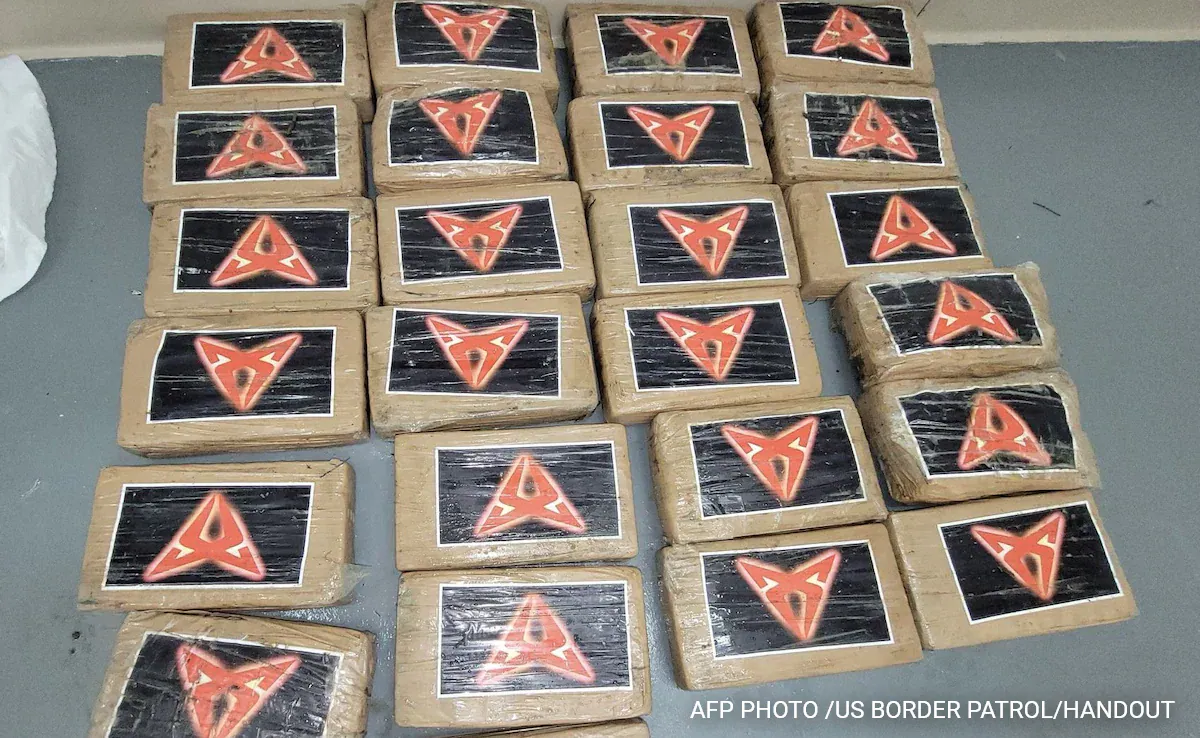
Border patrol agents have recovered 25 packages of cocaine that were washed onto a Florida Keys beach by Hurricane Debby, which had recently been downgraded to a tropical storm. The packages, found by a beachgoer, were retrieved from an area in the archipelago and reported to the authorities.
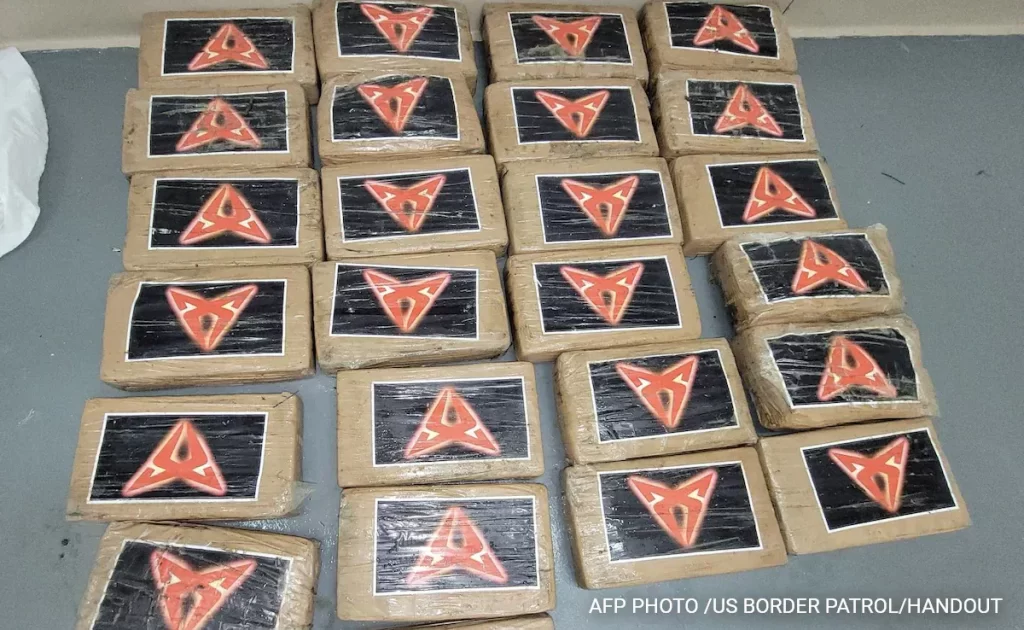
According to Samuel Briggs II, the Acting Chief Patrol Agent of the U.S. Border Patrol’s Miami Sector, the cocaine packages each bore an identical red V-shaped logo on a black rectangle. The total weight of the packages was 70 pounds, with an estimated street value exceeding $1 million. “We recovered the packages and are conducting a full investigation,” Briggs said on Monday.
U.S. Border Patrol has not released further details regarding the investigation.
This incident echoes a similar discovery from last year, when Tampa Mayor Jane Castor, who was vacationing in the Florida Keys, stumbled upon 70 pounds of cocaine worth over $1 million. Castor, a former Tampa police chief, recounted finding the package floating in the water in July 2023, according to CBS affiliate WISP.
“You know my family was concerned, like, ‘Oh my gosh, what if they think it’s ours,’” Castor shared with the station. “I’m like, come on. So, we pulled it up and then as soon as we were in cellphone range, just called and notified them.”
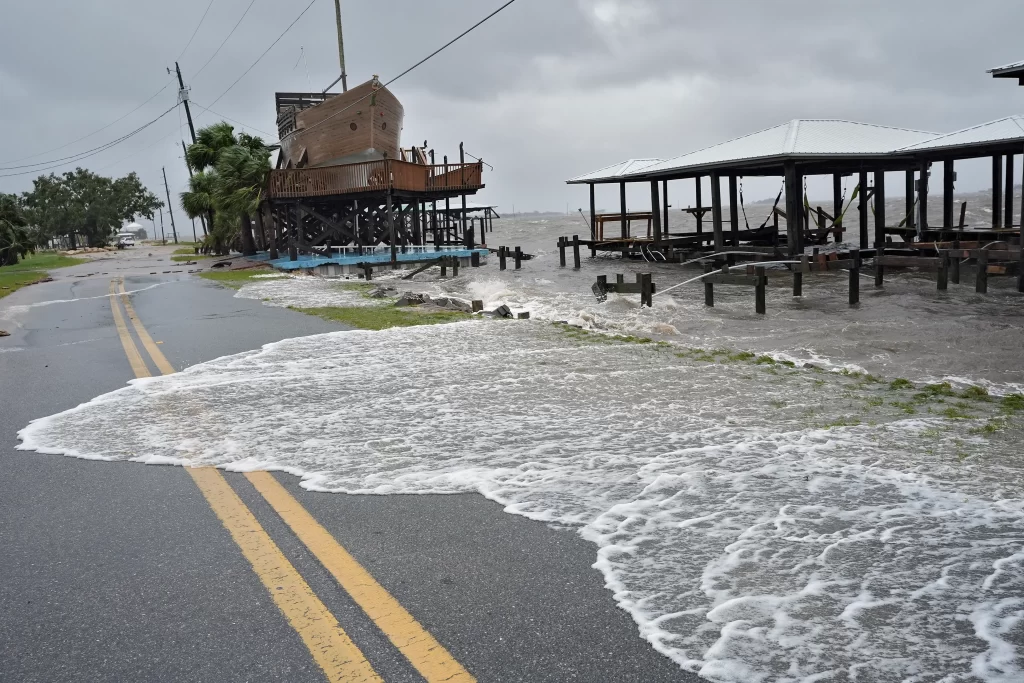
The storm, which wreaked havoc along the Big Bend coast of Florida, has been downgraded to a tropical storm with sustained winds of 70 mph, decreasing to 65 mph as of 2 p.m. local time, with heavy rain persisting. Hurricane Debby has resulted in at least four fatalities and widespread power outages as it continues to batter the region.
The National Hurricane Center issued warnings for severe weather conditions, urging residents to stay indoors and avoid travel as the storm progresses.
As the U.S. Border Patrol continues its investigation into the cocaine discovery, residents are advised to report any suspicious findings along the coastlines as the remnants of Hurricane Debby impact the area.
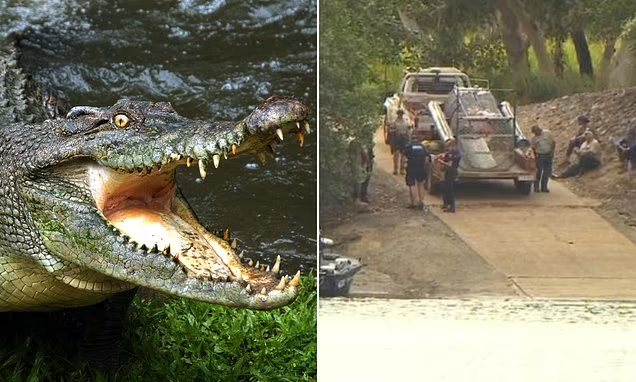
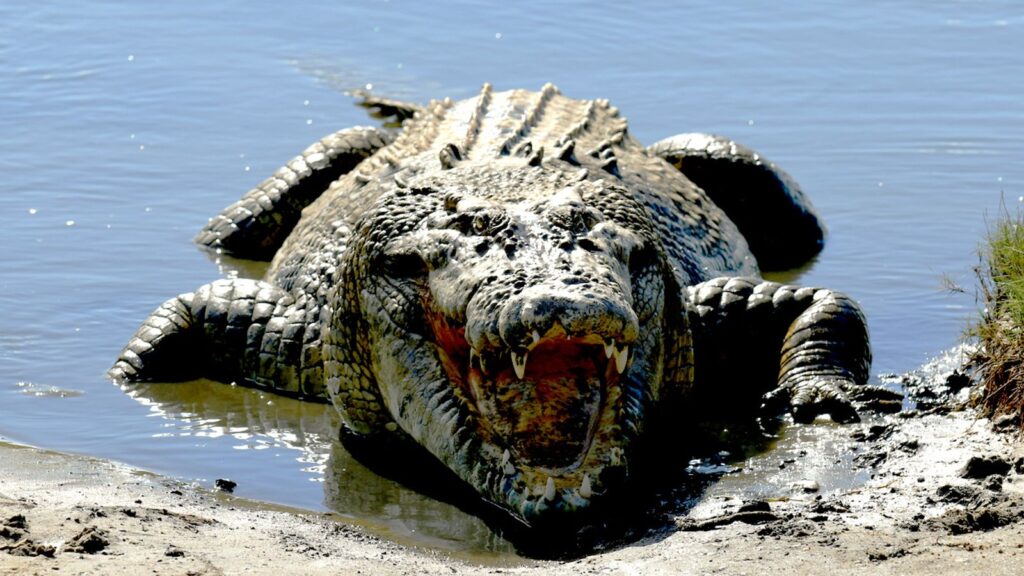
Australian wildlife authorities have euthanized a massive 16-foot saltwater crocodile believed to be responsible for two recent fatal attacks in Queensland, bringing the year’s crocodile-related deaths to three and nearing the 2014 record of four fatalities. The decision to put down the reptile came after a series of tragic incidents that have shocked local communities and raised concerns about human-wildlife interactions in the region.
The most recent victim, a 40-year-old man from New South Wales, was attacked while fishing with his family on Saturday. Witnesses report that the steep riverbank at a location known ominously as “Crocodile Bend” gave way, plunging the man over 20 feet into crocodile-infested waters. This attack follows the July 2 death of a 12-year-old girl who was swimming with relatives in a Northern Territory creek.
Daniel Guymer, a government conservation officer, confirmed that wildlife officers had “humanely euthanized” the large crocodile, which was found in a creek about 2.5 miles from the site of the latest attack. The animal, measuring approximately 16 feet in length, had distinctive markings on its snout that matched the description of the crocodile sought in connection with the attacks.
The string of incidents has prompted authorities to intensify efforts against illegal wildlife feeding, a practice that experts believe contributes to dangerous human-crocodile interactions. Brandon Sideleau, a crocodile expert at Charles Darwin University, suggests that the illegal feeding of road kill to crocodiles may be leading these predators to associate humans with food sources.
Local wildlife officials are investigating a recent social media video showing individuals feeding a crocodile in the same river where the attacks occurred. Guymer warned that such behavior carries hefty fines of up to 6,500 Australian dollars ($4,200), emphasizing the recklessness and risks associated with feeding dangerous wildlife.
The community remains on edge, with local witness Bart Harrison describing the attack site as a “hairy spot to be fishing.” Harrison, who grew up in the area, noted the constant presence of large crocodiles in the vicinity, underlining the inherent dangers of the region’s waterways.
As authorities grapple with the challenge of managing wildlife in populated areas, the recent attacks serve as a stark reminder of the potential consequences of human encroachment on natural habitats. While efforts to educate the public and enforce wildlife protection laws continue, the tragic loss of life highlights the delicate balance between conservation efforts and public safety in Australia’s crocodile-rich territories.
The incidents have reignited debates about wildlife management strategies and the need for increased public awareness of the risks associated with crocodile habitats. As communities mourn the recent losses, there’s a growing call for more comprehensive approaches to human-wildlife conflict resolution in Australia’s tropical north.
The 2023 FIFA Women’s World Cup champions, Spain, are on the brink of making history at the 2024 Paris Olympics. As they prepare to face Brazil in the Olympic semifinals on Tuesday, a victory will bring them one step closer to a rare achievement: winning both the World Cup and Olympic gold in successive tournaments. No national team has ever achieved this feat.
Spain enters this crucial match fresh off a dramatic penalty shootout victory against Colombia in the quarterfinals, where they made a remarkable comeback from a 0-2 deficit. Meanwhile, Brazil secured their semifinal spot with a hard-fought 1-0 win over hosts France, despite missing their star player Marta due to a red card suspension.
Viewing Information
– Date: Saturday, Aug. 6
– Time: 3 p.m. ET
– Location: Stade de Lyon – Lyon, France
– TV: USA Network, Telemundo
– Live Stream: Available on Fubo (try for free)
– Odds: Spain -195 | Draw | Brazil +550
Match Preview and Team Analysis
The upcoming semifinal is a highly anticipated group-stage rematch. The two teams last faced each other in the final match of group play, where Spain emerged victorious with a 2-0 win, claiming the top spot in the bracket.
Spain’s Road to the Semifinal
Spain, the World Cup champions, have navigated a series of challenging scenarios throughout the Olympics. The team has consistently demonstrated resilience and adaptability, especially when trailing in matches. Known for scoring crucial goals in the dying moments, Spain has maintained its title-winning form.
Head coach Montse Tomé has effectively utilized her deep roster, allowing for tactical flexibility and player rotation. This strategic approach has kept Spain’s squad fresh and prepared for each encounter.
In their quarterfinal matchup against Colombia, Spain showcased their determination by overcoming a two-goal deficit, eventually triumphing in a penalty shootout. Their victory not only secured their place in the semifinals but also highlighted their mental fortitude and ability to perform under pressure.
Brazil’s Journey and Key Players
Brazil has also been a formidable force throughout the tournament, demonstrating defensive solidity and clinical finishing. The team advanced to the semifinals by defeating host nation France in a closely contested quarterfinal, where Debinha’s decisive goal sealed their victory.
Despite missing Marta, who is serving a suspension, Brazil has exhibited strength and cohesion on the field. Players like Debinha and Ludmila have stepped up, contributing significantly to the team’s offensive and defensive efforts.
Brazil’s tactical discipline and ability to capitalize on counter-attacking opportunities make them a challenging opponent for Spain. As they aim to secure a spot in the final, Brazil will rely on their collective experience and skill to navigate the pressures of the semifinals.
Prediction and Key Considerations
The Spain vs. Brazil semifinal is expected to be a tightly contested battle, with both teams possessing the talent and drive to advance. Spain’s recent victory over Brazil in group play gives them a psychological edge, but Brazil’s determination to avenge their earlier loss adds an intriguing layer to the matchup.
Predicted score: Spain 2, Brazil 1
The outcome of this match will likely hinge on each team’s ability to maintain composure and execute their game plan effectively. Fans can anticipate an intense and exhilarating showdown as both sides vie for a coveted spot in the Olympic final.
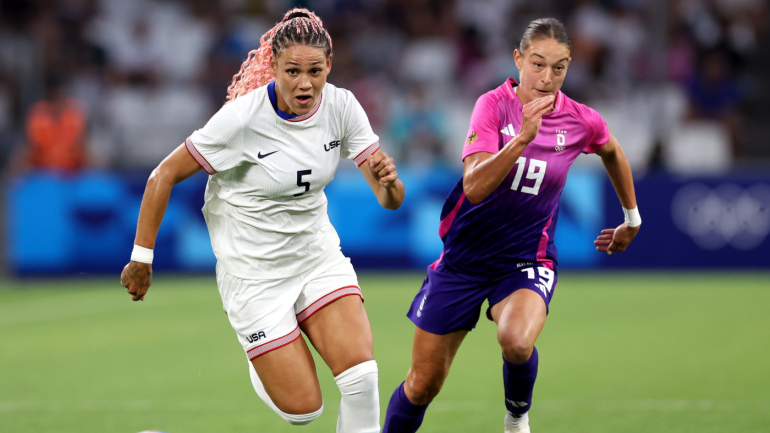
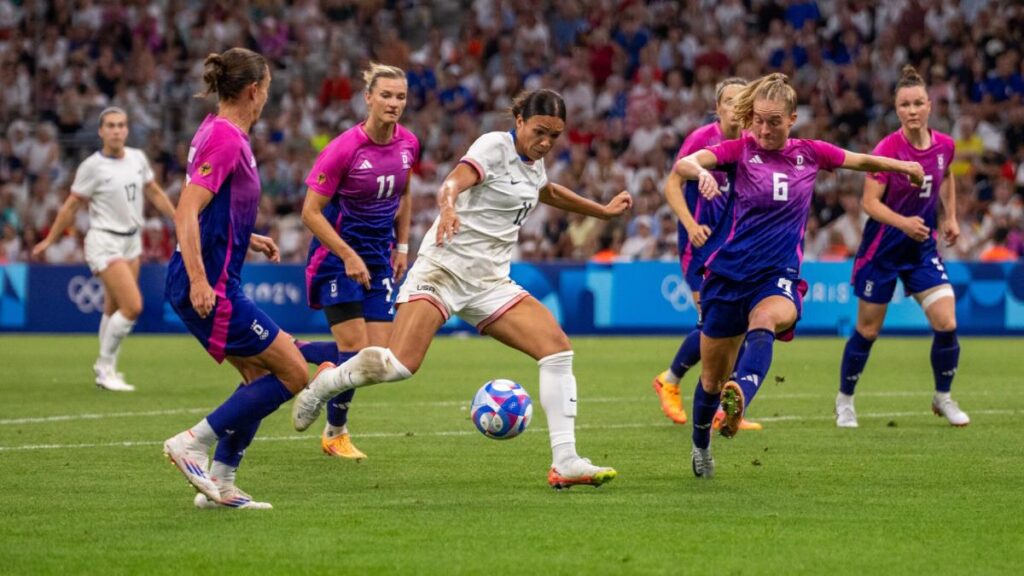
The highly anticipated Olympic semifinal clash between the USA and Germany women’s soccer teams is set to captivate fans worldwide. With both teams showcasing exceptional talent and determination, this match promises to be a thrilling encounter as they vie for a spot in the final. Here’s everything you need to know about watching the game live, team news, and predictions.
Match Details
– Date: Wednesday, August 7
– Time: 12 p.m. ET
– Location: Parc des Princes, Paris, France
How to Watch Live
Soccer fans can catch all the action live by tuning into NBC, which holds the broadcasting rights for Olympic soccer matches. For those who prefer streaming, the match will be available on Peacock, NBC’s streaming service, allowing you to watch the game on various devices.
– Watch on NBC:Tune in to NBC at 12 p.m. ET to catch the live broadcast.
– Watch via Peacock: Stream the match live by subscribing to Peacock and accessing the sports section.
Team News
USA Team Update
The USA women’s team has been in phenomenal form throughout the tournament, displaying strong performances and teamwork. Led by captain Alex Morgan, the squad is poised to continue their winning streak. The team will look to capitalize on their speed and attacking prowess, with key players like Megan Rapinoe and Rose Lavelle expected to play crucial roles.
Emma Hayes’ side battled past Japan 1-0 after extra time in the quarterfinals, showcasing their resilience and ability to perform under pressure. The USA will aim to maintain their defensive solidity while seeking opportunities to break down Germany’s defense.
Germany Team Update
Germany has also impressed in their Olympic campaign, boasting a well-balanced squad that combines youth and experience. The team is known for its tactical discipline and has a strong track record against top-tier opponents. Players like Dzsenifer Marozsán and Alexandra Popp will be instrumental in Germany’s strategy to counter the USA’s attacking threats.
Having overcome Brazil with a convincing 2-0 victory in the quarterfinals, Germany enters the semifinal with confidence and determination to secure a place in the final.
Prediction
The USA vs. Germany clash is expected to be a closely contested battle, with both teams possessing the quality to emerge victorious. While the USA’s attacking flair gives them a slight edge, Germany’s disciplined approach could prove challenging. A narrow win for the USA is anticipated, with a potential scoreline of 2-1.
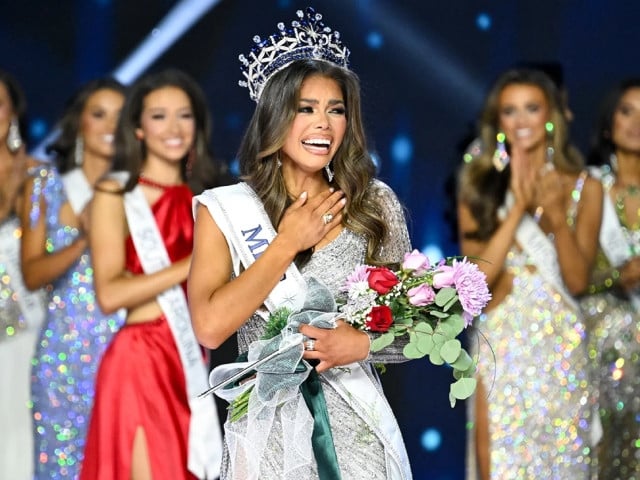
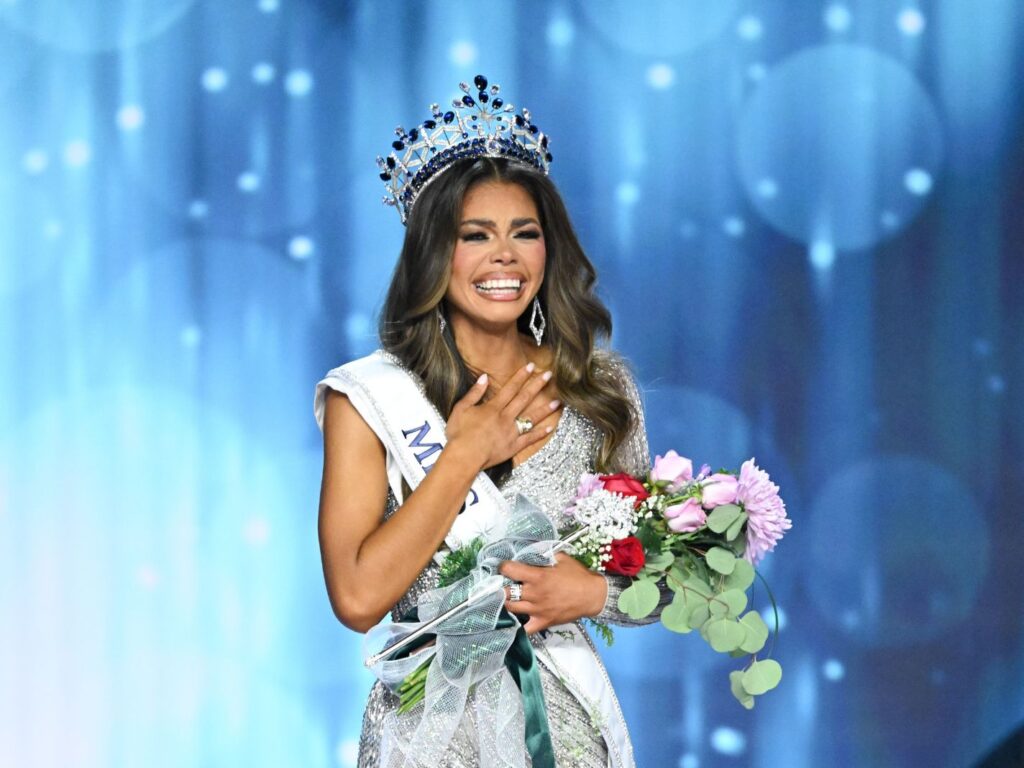
Alma Cooper, representing Michigan, has been crowned Miss USA 2024. The 73rd annual ceremony took place amidst a backdrop of significant changes within the pageant organization, including the resignation of previous titleholders and the re-evaluation of its management practices.
Alma Cooper emerged victorious in the Miss USA pageant, held on Sunday, securing her place as the new face of the organization. Her win comes at a pivotal time, as the pageant undergoes introspection and restructuring. Cooper, a 22-year-old Afro-Latina, is not only a beauty queen but also a U.S. Army officer and a data scientist. She is currently pursuing a master’s degree at Stanford University, focusing her research on food insecurity—a cause she is deeply passionate about.
During the competition, Cooper’s eloquence and poise were evident during the Q&A segment, where she said, “As the daughter of a migrant worker, a proud Afro-Latina woman, and an officer in the United States Army, I am living the American dream.” Her words resonated with the judges and audience alike, earning her admiration and respect.
Cooper faced strong competition from fellow contestants. Miss Kentucky Connor Perry and Miss Oklahoma Danika Christopherson were named first and second runners-up, respectively. The competition highlighted the diverse talents and backgrounds of women from across the United States, each bringing unique perspectives to the stage.
Connor Perry, known for her advocacy work in mental health awareness, impressed the judges with her platform to support individuals struggling with mental health issues. Meanwhile, Danika Christopherson, a law student and community activist, spoke passionately about the importance of civic engagement and social justice.
The Miss USA organization has experienced a tumultuous year, marked by controversies and resignations that prompted a re-evaluation of its values and leadership. The departure of previous titleholders, such as former Miss USA Noelia Voigt and former Miss Teen USA UmaSofia Srivastava, highlighted internal challenges and the need for reform.
In September 2023, Noelia Voigt stepped down from her role, citing personal well-being and alignment with her values as the primary reasons. In an Instagram statement, Voigt expressed, “In life, I strongly value the importance of making decisions that feel best for my emotional health. I believe in standing by my convictions, even when it means making difficult choices.”
Similarly, UmaSofia Srivastava resigned from her title as Miss Teen USA, stating that her personal values no longer fully aligned with those of the organization. Her decision sparked discussions about the pressures faced by young women in high-profile roles and the importance of maintaining authenticity.
The controversies surrounding Miss USA have led to significant organizational changes. The pageant aired on the CW network, which announced it was “evaluating its relationship with both pageants.” This move signifies a broader reconsideration of the pageant’s direction and its commitment to inclusivity and diversity.
The pageant’s management has promised to address the concerns raised by former titleholders and contestants, ensuring a supportive and empowering environment for future participants. This commitment includes revisiting policies and practices to better reflect the values and aspirations of modern women.
As the newly crowned Miss USA, Alma Cooper aims to bring a fresh perspective to the role. Her diverse background and dedication to service offer a unique opportunity to reshape the narrative of Miss USA. Cooper intends to use her platform to advocate for issues she is passionate about, including supporting veterans, promoting diversity, and addressing food insecurity.
“I want to inspire young girls to dream big and pursue their goals relentlessly,” Cooper shared. “My journey has taught me the importance of perseverance and embracing one’s identity. I am honored to represent the United States and use this platform to drive positive change.”
Paris 2024 Olympics - Football - Men's Semi-final - France vs Egypt - Lyon Stadium, Decines-Charpieu, France - August 05, 2024. Jean-Philippe Mateta of France celebrates scoring their second goal with teammates. REUTERS/Nir Elias
Hosts France will play in the Olympic men’s football final for the first time in 40 years after defeating Egypt 3-1 in extra time at the Lyon stadium on Monday. France will face Spain in the gold medal match.
France fought back after conceding their first goal in the tournament when Mahmoud Saber scored a stunning goal for Egypt, leveling the score after Jean-Philippe Mateta had given France an early lead.
Mateta secured a double before Michael Olise scored in extra time to earn Thierry Henry’s side the victory and extend their quest for a second Olympic title in Friday’s final at Parc des Princes against Spain, who earlier defeated Morocco 2-1.
“What a night! All credit to the players. Egypt was really good today, but we never stopped going after the win, and the fans pushed us forward,” Coach Henry said.
“We have secured a medal now, but we have one more step to go to win our first football gold medal after 40 years. Now Spain awaits us in the final, and it’s going to be a big game.”
Egypt, who were playing their third Olympic semi-final, had more shots on goal during the first half before Saber opened the scoring in the 62nd minute, capitalizing on a rebound to power in a second attempt.
France, who hit the woodwork three times throughout the match, equalized when Mateta finally found the net seven minutes from time, as Olise passed through Egypt’s defense.
Egypt went down to 10 men early in extra time when Omar Fayed received a second yellow card for a foul on Desire Doue, and they were dealt a further blow when Olise scored again to put France ahead with a towering header in the 99th minute.
“We put our hearts into these games,” Mateta said. “But I need one more night now with the boys and the fans; they kept chanting even after we went behind.”
Rapper Cardi B was caught on video engaging in a heated argument with a woman on the streets of New York City. The incident took place around 1 a.m. on July 29 at 605 West 42nd Street in Manhattan and quickly attracted the attention of passersby.
The argument began when a resident of a nearby apartment building came outside and shouted at people to leave the area. The resident is alleged to have kicked a Cybertruck parked outside the building’s lobby, escalating the situation.
Cardi B, who was in a black SUV, was seen leaning out of the vehicle’s window wearing a bright pink tracksuit, engaging in the verbal altercation. In the video captured by an onlooker, Cardi B can be heard shouting, “I’m recording you, bitch, I’ll f**k you up for real,” before the other woman returned inside the building.
An eyewitness reported, “There were a group of people who came outside my building to take pictures. One of the tenants was upset that they were taking pictures and said she can’t be there. She then kicked the Cybertruck, and Cardi B starts shouting.”
The altercation reportedly lasted about 15 minutes, with bystanders watching the drama unfold. The onlooker added, “All of a sudden I heard Cardi B’s voice, and I was like, ‘No way is that her.’ I turned around to see her and was like, ‘No way, what the f**k?’ I walked over and couldn’t believe it was Cardi B.”
Cardi B’s management team has been approached for comment on the incident, though no official statement has been released at this time. The altercation adds to a series of publicized events involving the rapper, drawing significant media attention.
As the video circulates online, fans and followers of Cardi B are expressing their surprise and curiosity about the circumstances that led to the heated exchange.
A small plane made an emergency crash landing at the Haggin Oaks Golf Complex in Sacramento, California, narrowly missing a golfer on the putting green. The incident, captured by security cameras, occurred on August 4 and could have resulted in a more serious outcome.
As the plane skidded across the ground, it smashed into the pro shop, barely missing a man standing outside. Miraculously, the pilot was the only person injured and sustained only minor injuries from the crash.
The frightening event unfolded as the plane lost control and descended onto the golf course, causing panic among those present. However, the quick response of emergency services helped to ensure that the situation was brought under control swiftly.
Local authorities responded promptly to the scene, securing the area and providing medical assistance to the pilot. Investigations are underway to determine the cause of the emergency landing and whether any mechanical failures contributed to the incident.
Golfers and staff at the complex expressed relief that the situation did not result in more severe injuries or damage. The Haggin Oaks Golf Complex management is reviewing safety protocols to prevent future occurrences.
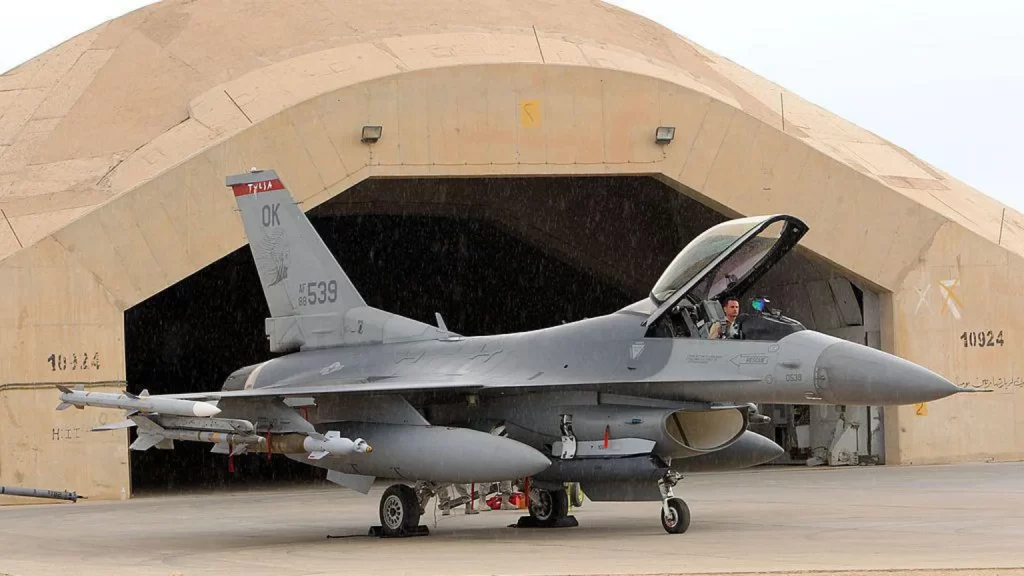
Several US personnel have been injured after a suspected rocket attack on an American military base in Iraq, according to US officials. The attack occurred as US Secretary of State Antony Blinken warned that the Middle East was at a critical moment following the recent killings of senior leaders of Hamas and Hezbollah.
Officials informed BBC’s partner CBS News that the Al Asad Airbase, located in western Iraq, was targeted, and an assessment of the damage is ongoing. The identity of those responsible for the attack has not yet been disclosed.
Security sources reported to CBS that two Katyusha rockets were fired at the base, with at least one landing inside the facility. A Department of Defense spokesperson confirmed the incident, stating, “We can confirm that there was a suspected rocket attack today against US and Coalition forces at Al Asad Airbase, Iraq.”
“Initial indications are that several US personnel were injured. Base personnel are conducting a post-attack damage assessment,” the spokesperson added. The exact number of US personnel injured and the severity of their injuries remain unclear.
President Joe Biden has been briefed on the suspected attack, a White House official confirmed.
The attack comes amid heightened tensions following a US airstrike in Iraq last week, which was described as an act of self-defense against militants. Officials warned of potential retaliatory actions against US and coalition forces in the region.
These tensions have been escalating following the death of Hamas leader Ismail Haniyeh, who was reportedly killed in Lebanon last Wednesday by a blast at his guesthouse. The Iranian Revolutionary Guard (IRGC) has accused Israel of killing Haniyeh, though Israel has not commented on his death.
Additionally, Israel recently killed a top Hezbollah commander in an airstrike on the outskirts of Beirut, Lebanon’s capital. Both Hamas and Hezbollah have vowed retaliation against Israel for the killings, further increasing the potential for conflict in the region.
The recent attack on Al Asad Airbase underscores the precarious security situation in the Middle East, where rising tensions between regional powers and militant groups threaten to destabilize the area further. The US military is on high alert as it assesses the implications of these developments.
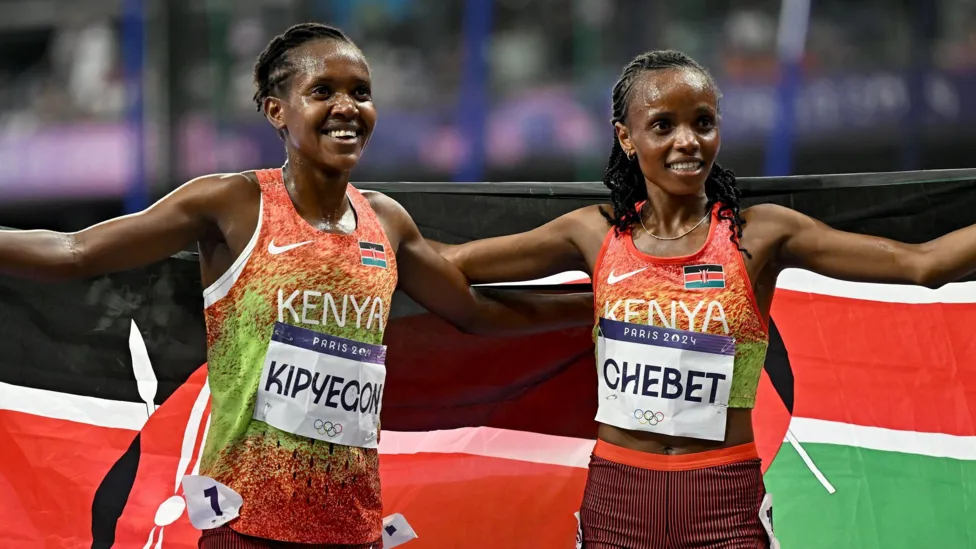
Kenya’s Beatrice Chebet clinched the Olympic gold in the women’s 5,000 meters at the Paris 2024 Olympics after delivering a thrilling performance in a dramatic race that saw Faith Kipyegon initially disqualified but later reinstated to take silver.
The 24-year-old Chebet produced a spectacular finish, crossing the line in 14 minutes and 28.56 seconds, just ahead of her compatriot Kipyegon. The reigning world champion, Kipyegon, was briefly stripped of her silver medal for alleged obstruction during a clash with Ethiopia’s Gudaf Tsegay. However, Kipyegon was eventually reinstated in second place after a successful appeal by the Kenyan team to World Athletics.
The race added to a successful day for Kenya as Mary Moraa also took bronze in the women’s 800m final, where Ethiopia’s Tsige Duguma claimed silver behind Great Britain’s Keely Hodgkinson.
Chebet, the runner-up at the 2022 World Championships in Eugene and a bronze medalist in Budapest last year, was in fierce competition with Kipyegon throughout much of the 5,000m final.
Kipyegon moved to the front with four laps to go but then clashed with Tsegay, who took over the lead with just over two laps remaining. Despite the clash, Chebet maintained her composure and remained close behind Kipyegon, taking advantage of the final stretch to surge forward and secure the gold on the home straight.
Chebet beamed as she crossed the finish line, marking her country’s first gold medal of the Games at the Stade de France in the French capital. She celebrated her victory alongside Kipyegon, with the pair waving Kenyan flags amid wild cheers from the packed stadium.
There was a moment of confusion and controversy when Kipyegon’s name disappeared from the results list, initially marked as disqualified. However, a successful appeal led to her reinstatement, allowing her to join Chebet on the podium and celebrate Kenya’s triumph.
Kipyegon expressed relief and joy following the resolution, noting the importance of perseverance and resilience in the face of challenges. The successful appeal ensured that Kenya could fully celebrate its athletes’ achievements in what was a memorable day at the Paris Games.