Home Blog Page 825

Nigerian Protests Fizzle Out After Deadly Police Crackdown

0

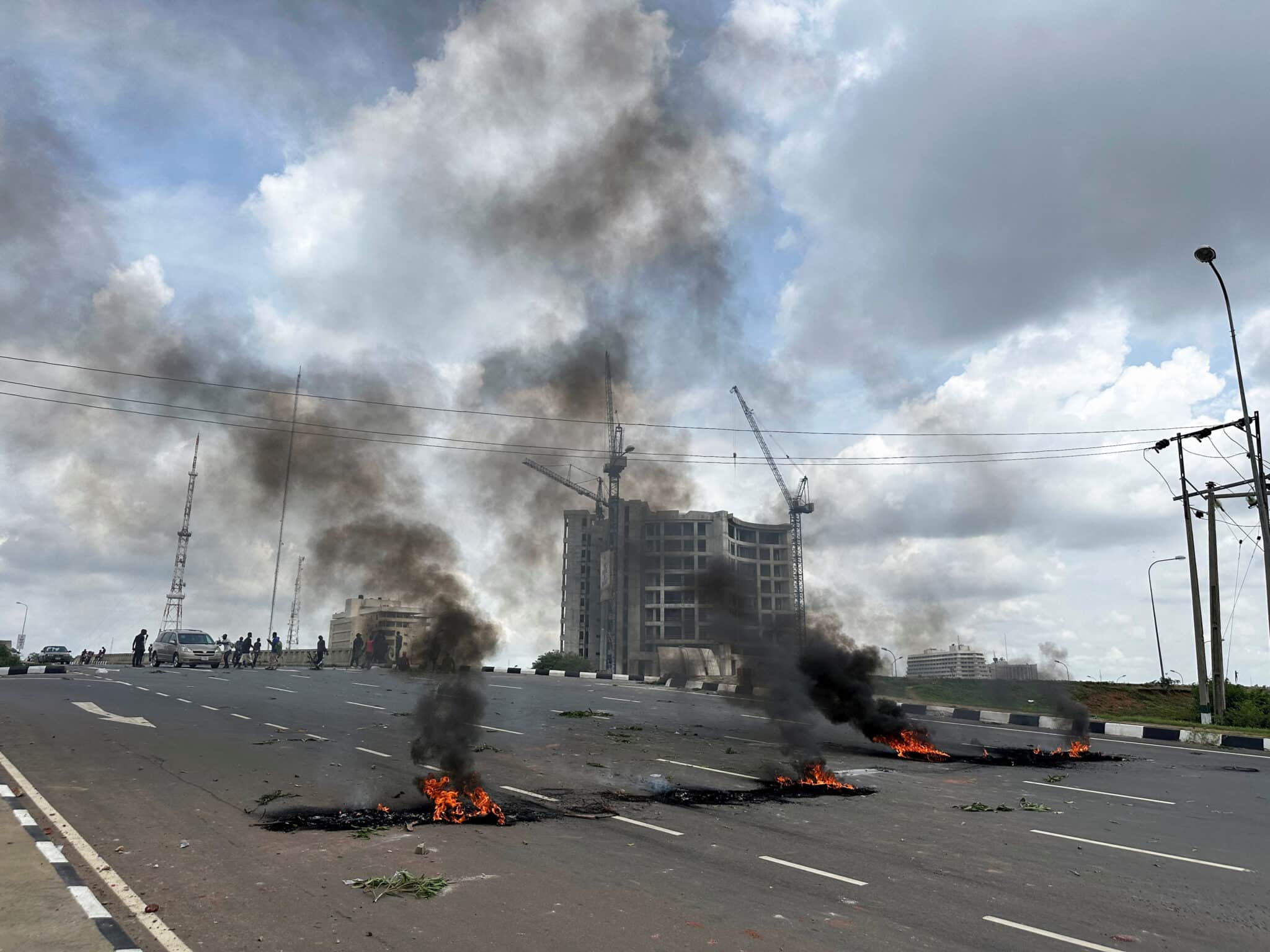
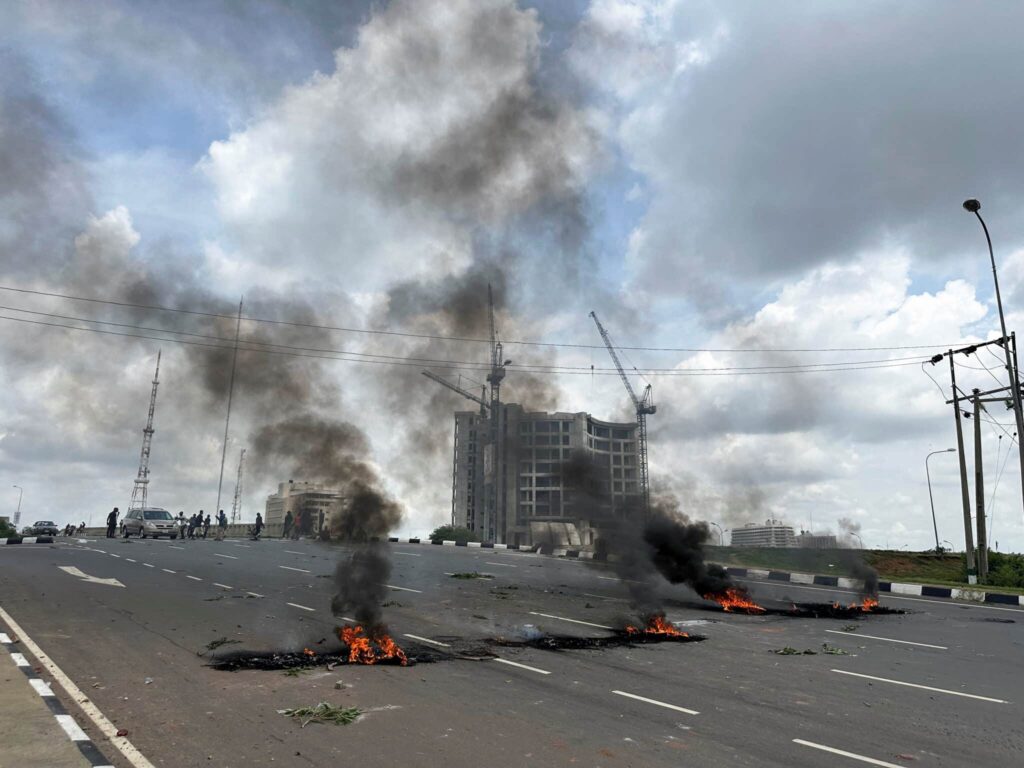
Protests in Nigeria against the soaring cost of living have significantly diminished after a deadly police crackdown. The demonstrations, which initially drew hundreds of thousands to the streets of major cities such as Abuja, Lagos, and others, saw a drastic reduction in numbers on Monday, with only a few hundred protesters continuing the fight.
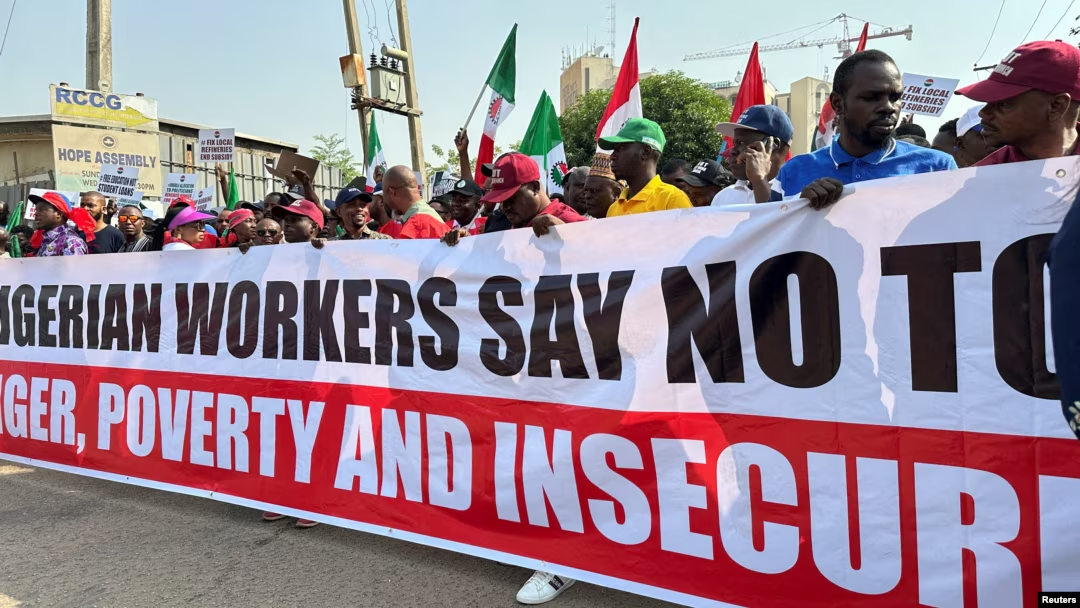
The protests, which began last week, were triggered by widespread economic hardship and high inflation, leading to public outcry and a movement dubbed “#10DaysOfRage.” They were set to continue until August 10. However, the heavy-handed response by security forces has significantly dampened the movement.

Amnesty International reported that at least 13 people have been killed in clashes with police since the protests started. Police have acknowledged seven deaths, attributing some fatalities to accidents and an explosive device. The deaths have added to the already tense atmosphere, contributing to the dwindling protest numbers.

A strict police presence and a **call for a protest pause** by President Bola Tinubu seem to have quelled the demonstrations. This call for calm came weeks after data showed annual inflation hitting a 28-year high of 34.19% in June, exacerbating public dissatisfaction.
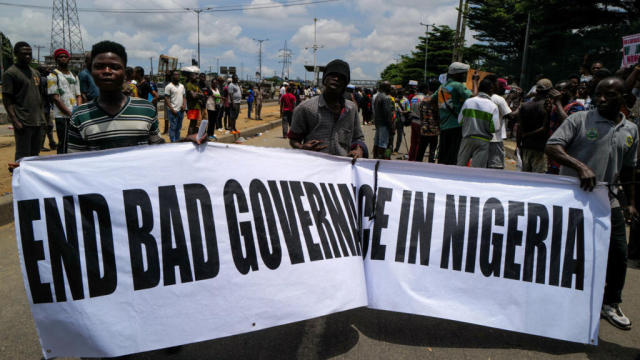
In the commercial hub of Lagos, where the demonstrations have been mostly peaceful, around 100 people gathered at a protest venue, singing and chanting “we are hungry.” Meanwhile, in Abuja, the main stadium saw no signs of protest, despite being a significant gathering point since Thursday.

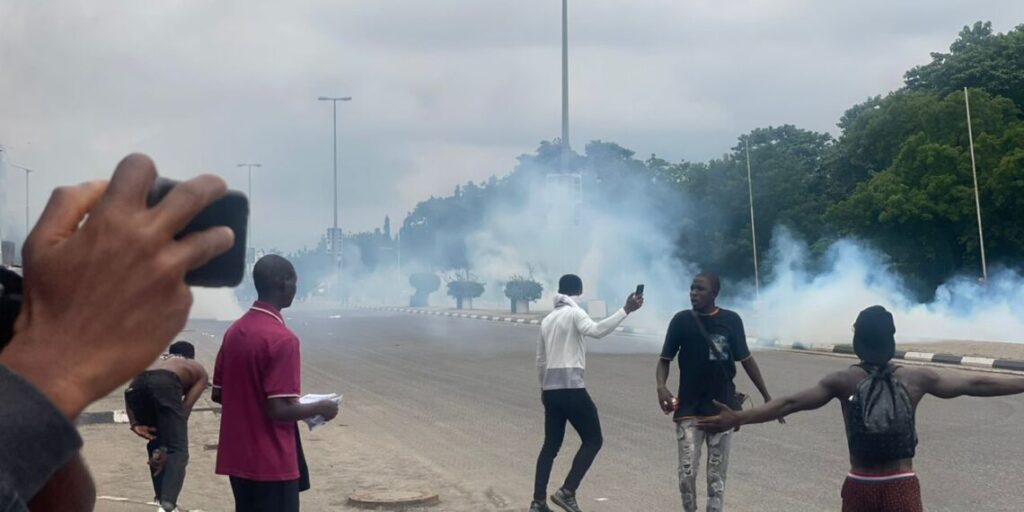
In the northern region of the country, around 200 protesters in Maiduguri, the capital of Borno state, were dispersed by armed police. In Katsina, security forces fired tear gas at demonstrators who chanted, “hunger and insecurity are killing us.”

The protests have varied across Nigeria, with parts of the north experiencing some of the most intense and fierce resistance, particularly in the central state of Plateau.
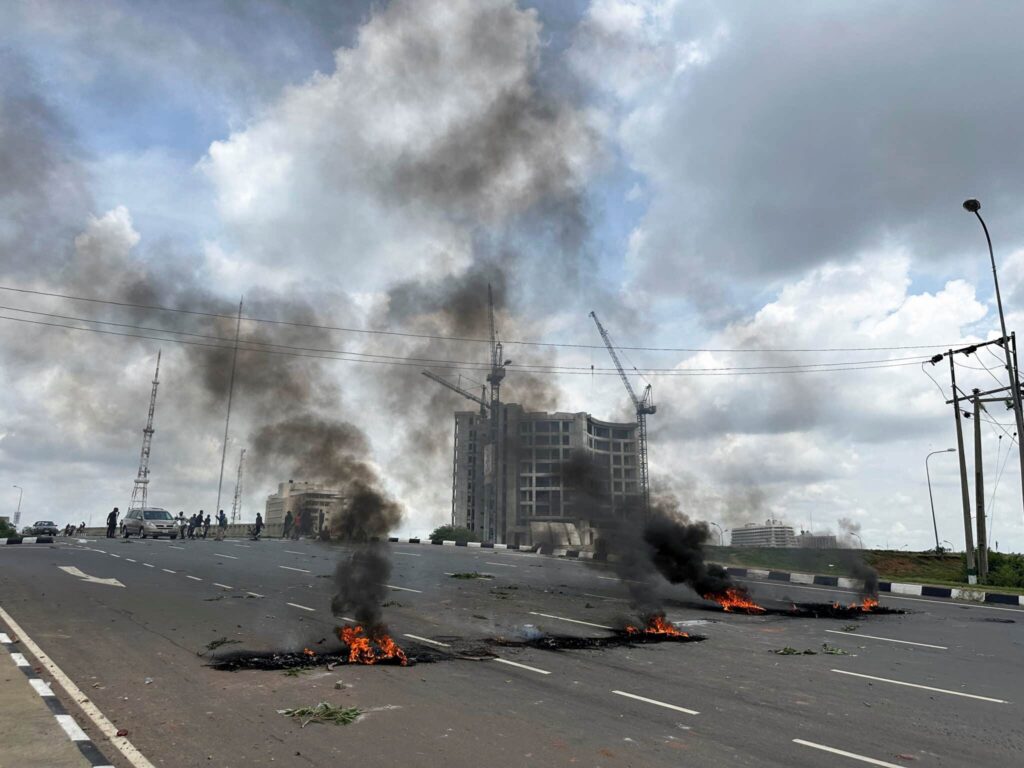
President Tinubu has urged citizens to end the violence, emphasizing his openness to dialogue and peaceful resolution.

Since taking office in May 2023, President Tinubu has implemented several economic reforms aimed at addressing Nigeria’s financial woes. These include the removal of petrol and electricity subsidies and a currency devaluation to combat years of economic mismanagement.

Despite these efforts, the public remains frustrated by the immediate impact of these policies, which have increased living costs and exacerbated economic hardship for many Nigerians.

As the protests fizzle out, Nigeria faces ongoing challenges in balancing necessary economic reforms with public welfare. The government’s ability to navigate this delicate situation will be crucial in ensuring stability and addressing the root causes of discontent.

Reuters
Natasha Nyonyozi Crowned Miss Uganda 2024-2025

0

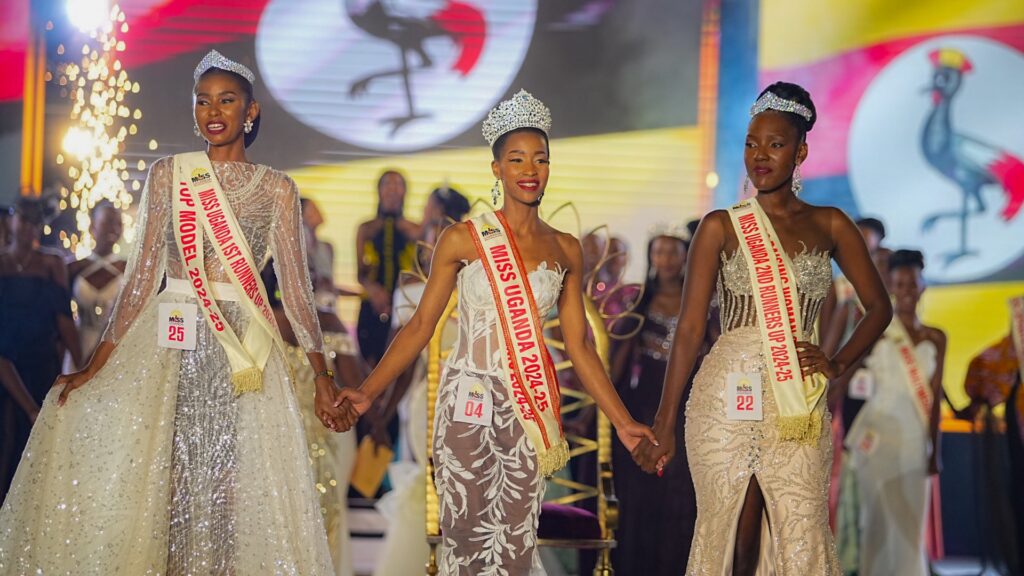
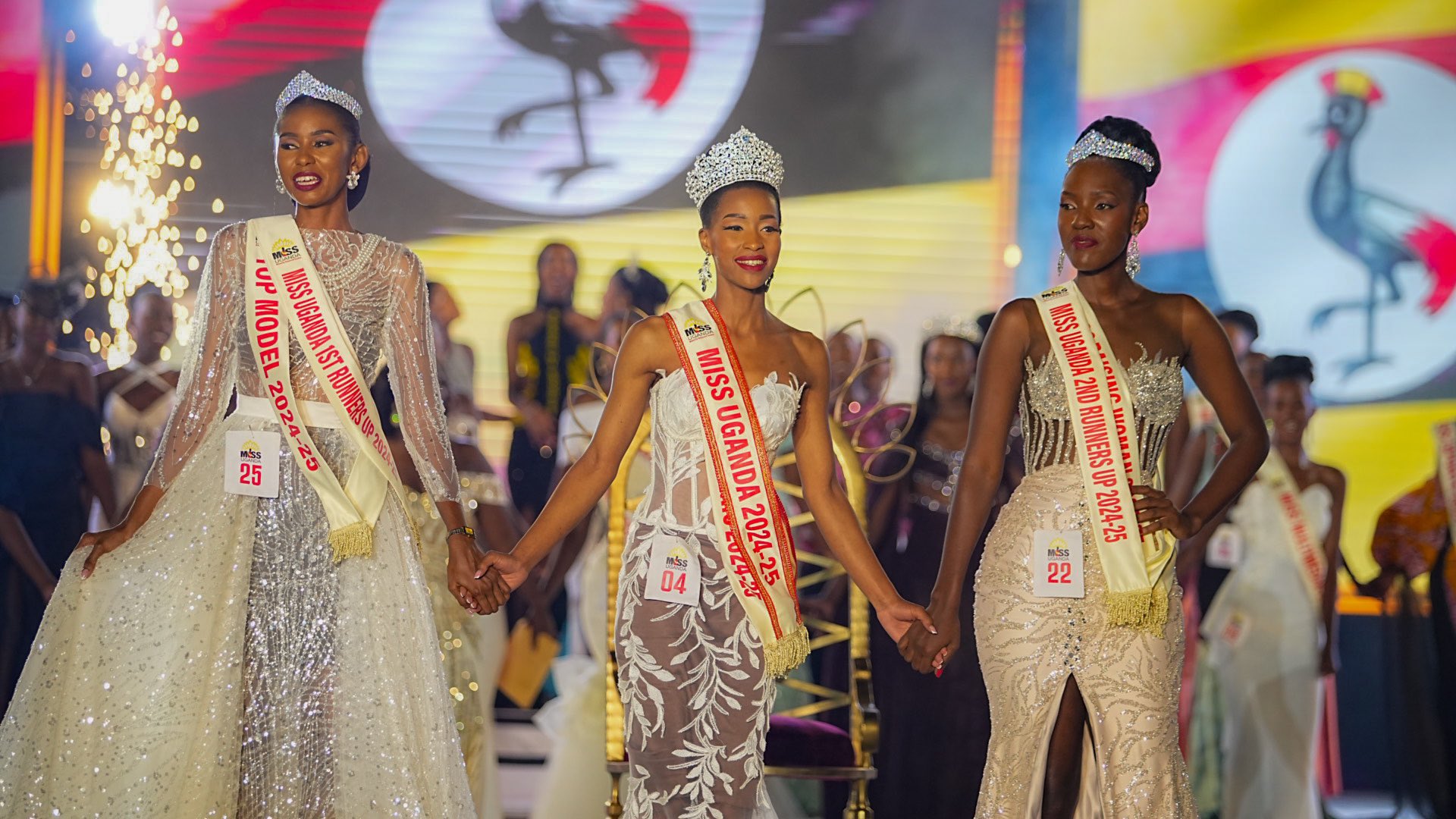
Natasha Nyonyozi, a 23-year-old native of Kyonyo, Kamuganguzi in the Kabale district, has been crowned Miss Uganda 2024-2025. The prestigious title was awarded to her during a grand ceremony held at the Sheraton Hotel in Kampala on Saturday. In addition to the title, Nyonyozi received a Toyota Wish as part of her prize.

Suraya Umeimah Bashuaeb was named the first runner-up, while Joan Nabatanzi secured the second runner-up position, highlighting the high level of competition at the event.

Upon receiving the crown, Nyonyozi expressed her immense excitement and gratitude, attributing her success to divine intervention and the unwavering support of her fans and family.

“I am beyond thrilled to announce that I am the newly crowned Miss Uganda 2024-2025! All glory to God and thanks to everyone who supported me on this journey,” Nyonyozi stated.

As Miss Uganda, Nyonyozi will represent the country on both national and international stages. She has expressed her eagerness to serve and promote Uganda throughout her reign, focusing on advocacy for various causes and embodying the spirit and culture of Uganda.

Nyonyozi’s tenure will be centered on advocating for children with special needs, particularly those with autism. She has been actively involved in charity work supporting this cause, underscoring her commitment to making a positive impact.

City socialite Judith Heard publicly congratulated Nyonyozi, praising her exceptional qualities and expressing confidence in her future achievements.

“Congratulations, Natasha, on being crowned Miss Uganda 2024! From the moment you walked out on stage, I knew you were the one to watch. Your grace, elegance, and confidence have been inspiring since day one,” Heard said.

Anitah Fabiola, who hosted the Miss Uganda 2024 Grand Finale, also commended the event’s success and Nyonyozi’s achievement. “It’s an absolute honor to host this event every year. Last night was truly memorable. Well done, Natasha and the entire Miss Uganda organization,” Fabiola remarked.

The competition featured twenty-eight contestants from various regions of Uganda, each showcasing their beauty, talent, and charisma. Nyonyozi, contestant number 2, stood out for her remarkable charisma, elegance, and confidence, which ultimately led to her victory.

Nyonyozi studied at Coventry University in England, where she earned a Bachelor of Science (Hons) in Accounting and Finance. Currently an entrepreneur, she is the founder of the beauty parlour “Girl Hive,” located at The Cube, Kisementi, Shop B20.

In her statements, Nyonyozi expressed that becoming Miss Uganda had been a dream since she was 10 years old. “Becoming Miss Uganda has been my dream since I was 10 years old. My parents and fans have been incredibly supportive,” she said.

The Miss Uganda pageant continues to be a significant cultural event, celebrating beauty and talent while also addressing important social issues. Nyonyozi’s victory highlights her dedication to both her personal goals and her commitment to advocating for meaningful causes.

Source: nilepost.co.ug

Ugandan Deputy Speaker Tayebwa’s Late-Night Helicopter Journey Ends in Emergency Landing

0

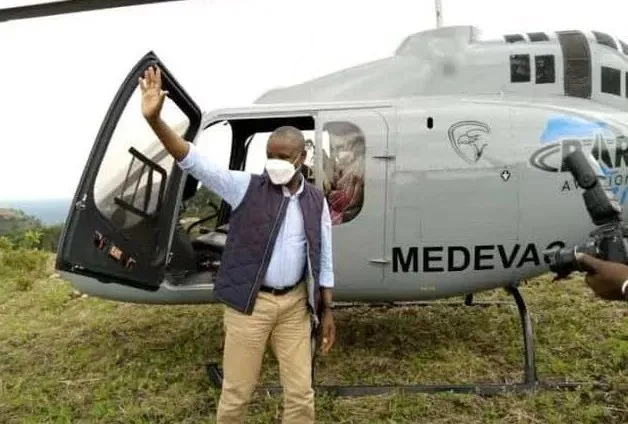
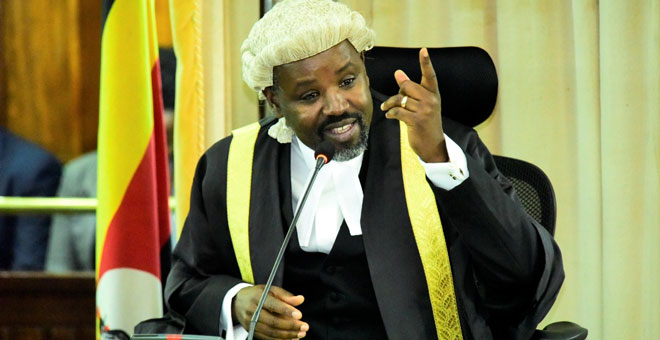
Ugandan Deputy Speaker Thomas Tayebwa narrowly escaped a potentially disastrous situation when a helicopter carrying him and his team was forced to make an emergency landing in Western Uganda. The incident, which occurred late in the evening, has sparked discussions about flight safety protocols and the pressures of political schedules.

The day began routinely for Tayebwa, who attended President Museveni’s commissioning of a new power line in the West Nile sub-region before rushing to Bushenyi for a traditional wedding ceremony. As the evening wore on, the Deputy Speaker’s team hurried to Nyakisharara airfield, intending to return to Kampala by helicopter.

Upon arrival at the airfield, Tayebwa’s group was initially advised against night flying due to the lack of night vision equipment. Sources close to the matter revealed that the team was recommended to stay overnight in Mbarara and depart the following morning. However, in a decision that would prove fateful, they were reportedly persuaded by BAR Aviation’s CEO, Barak Orland, that a night flight to Kampala was feasible.

The situation took a dramatic turn shortly after takeoff when fire was observed emanating from the helicopter’s cockpit, causing panic among the passengers. In a critical moment, the pilot made the decision to attempt an emergency landing. Tayebwa’s security detail sprang into action, facilitating the rescue of the Deputy Speaker and other passengers from the aircraft.

While details remain scarce, sources indicate that all individuals aboard the helicopter survived with only minor injuries. The aircraft, however, was less fortunate, reportedly burning to ashes after the crash landing at the airfield. Preliminary reports suggest that a technical malfunction may have been the root cause of the fire.

This incident raises serious questions about adherence to flight safety protocols, especially concerning night operations for high-ranking government officials. It also highlights the potential risks associated with tight political schedules that may pressure decision-makers to push the boundaries of safe travel practices.

As the Uganda Civil Aviation Authority and BAR Aviation prepare their official statements on the incident, the broader implications for political travel and aviation safety in Uganda are likely to come under scrutiny. The near-miss serves as a stark reminder of the importance of prioritizing safety over expediency, even in the fast-paced world of politics.

Deputy Speaker Tayebwa’s brush with danger is expected to prompt a review of travel policies for government officials and may lead to stricter enforcement of night flying regulations. As the investigation unfolds, many will be watching closely to see what lessons can be learned to prevent similar incidents in the future.

John Mahama Vows to Reinstate July 1 as a National Holiday if Elected

0

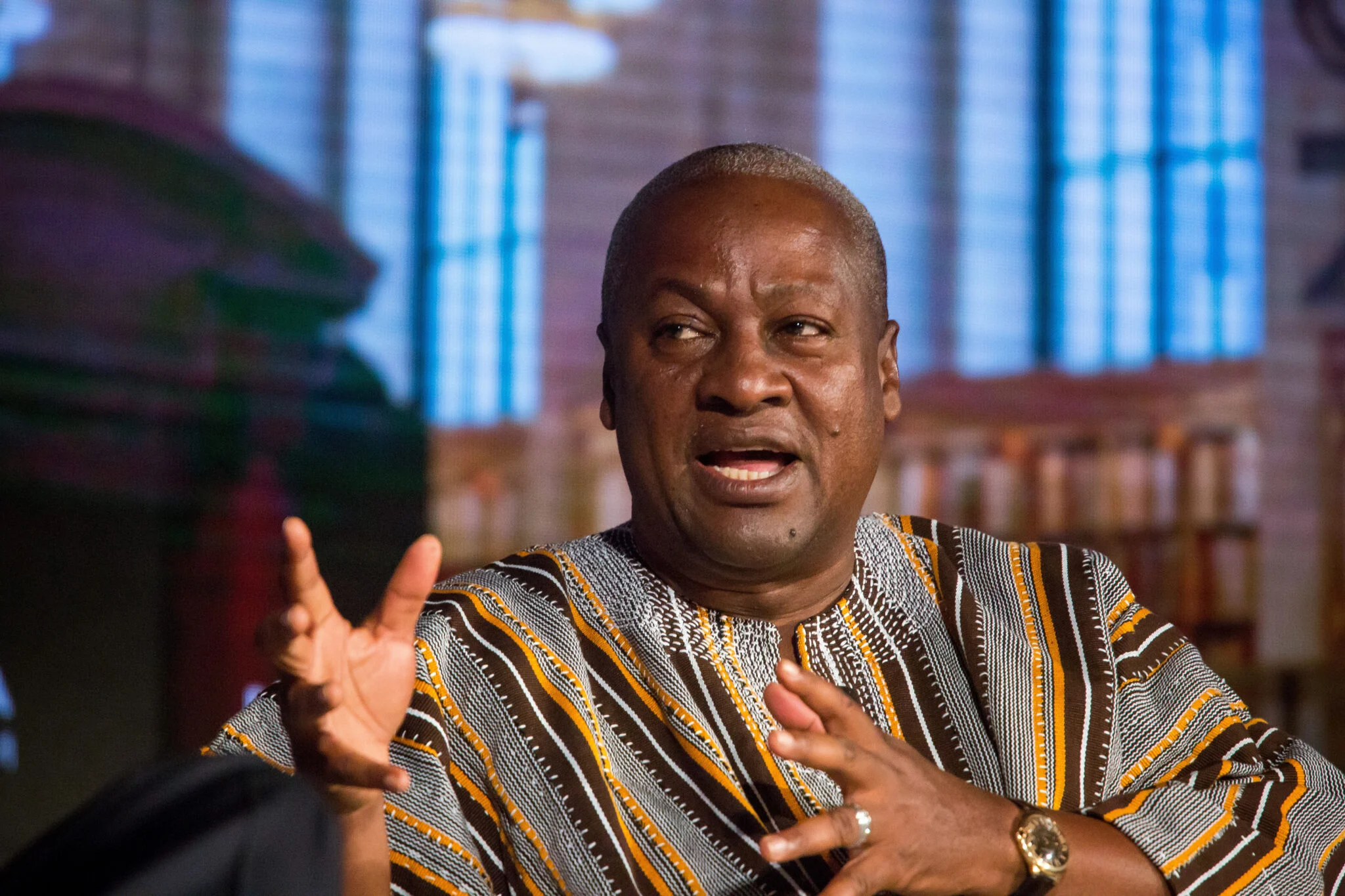
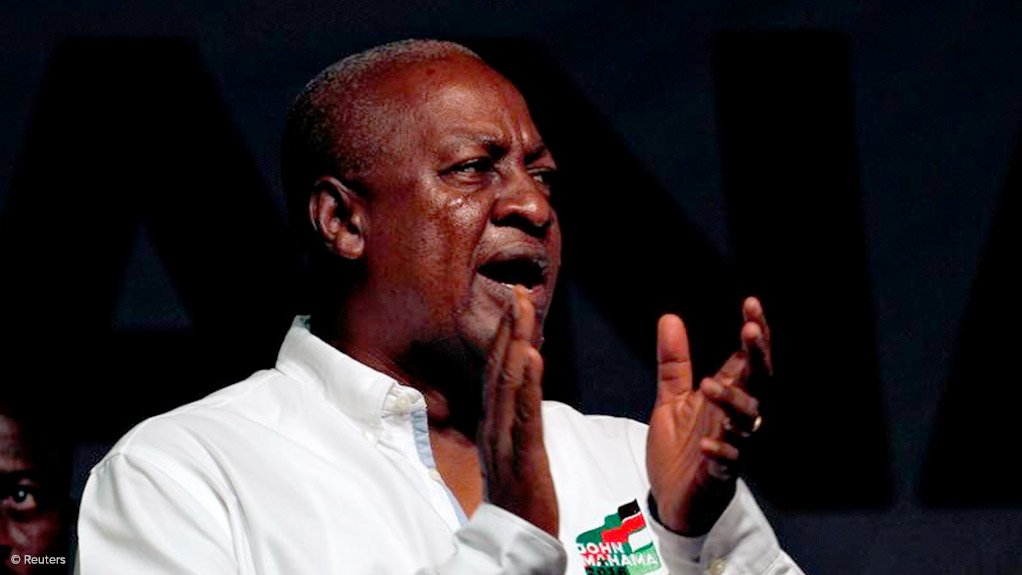
John Mahama, the 2024 flagbearer of Ghana’s opposition National Democratic Congress (NDC), has promised to reinstate July 1 as a national holiday if he is elected in the upcoming elections. This move is aimed at honoring Ghana’s history and re-establishing Republic Day, which commemorates the nation’s transition to a republic on July 1, 1960. The day was historically celebrated until the current Akufo-Addo administration replaced it with Founders’ Day on August 4.

The change from Republic Day to Founders’ Day was implemented by President Nana Akufo-Addo, who declared August 4 as a statutory holiday to recognize the contributions of various individuals who played significant roles in Ghana’s independence struggle. This decision has been met with criticism from some segments of the population who view it as an attempt to alter the country’s historical narrative.

During a tour in the Upper East Region, John Mahama publicly criticized President Akufo-Addo’s decision to shift the holiday from July 1 to August 4. Mahama argued that this change undermines the historical significance of July 1, which marked the day Ghana became a republic, independent of colonial rule.

According to Mahama, the current administration is attempting to “rewrite history” by replacing Republic Day with Founders’ Day. He expressed strong opposition to this move, emphasizing the importance of preserving Ghana’s historical identity and the significance of July 1 as Republic Day.

“Apart from destroying the economy, one of the things this government wants to do is to rewrite our history, and we shall not allow them to rewrite our history because the president said he does not accept that one person can be the founder of our nation,” Mahama stated.

He further elaborated on the importance of recognizing Republic Day, particularly as it was a significant milestone in Ghana’s journey towards full independence. Mahama highlighted that the change to Founders’ Day distorts the historical narrative by not adequately honoring the day Ghana transitioned to a republic.

Mahama’s comments came shortly after President Akufo-Addo reignited the debate by asserting in a national broadcast that Ghana’s independence was not solely the work of one individual. Akufo-Addo emphasized the collective efforts of the United Gold Coast Convention (UGCC) and other groups in the independence movement.

Mahama contends that July 1 should be restored as a national holiday under a future NDC government to preserve Ghana’s historical legacy. He also mentioned the significance of Republic Day to senior citizens who have historically celebrated it as a pivotal day in Ghana’s history.

“Nobody can come and rewrite our history. Indeed, for those of you who don’t know it, when the Queen finally agreed to give Ghana independence, the UGCC that Nana Akufo-Addo is fighting to be recognized as founders of Ghana wrote a petition. They sent people to England to tell the queen not to grant independence because we are not ready yet,” Mahama added.

John Mahama’s pledge to reinstate July 1 as a national holiday reflects his commitment to preserving Ghana’s historical identity and honoring the legacy of those who fought for the country’s independence. As the election approaches, this issue is likely to remain a significant point of debate between the political parties.

Hunger Protests Turn Violent in Northern Nigeria, Prompting Curfew in Kaduna

0

Northern Nigeria has been plunged into chaos as hunger protests in Zamfara State turned violent, while neighboring Kaduna State imposed a 24-hour curfew in response to escalating unrest. The nationwide demonstrations against economic hardship have taken a dangerous turn, highlighting the deepening crisis facing Africa’s most populous nation.

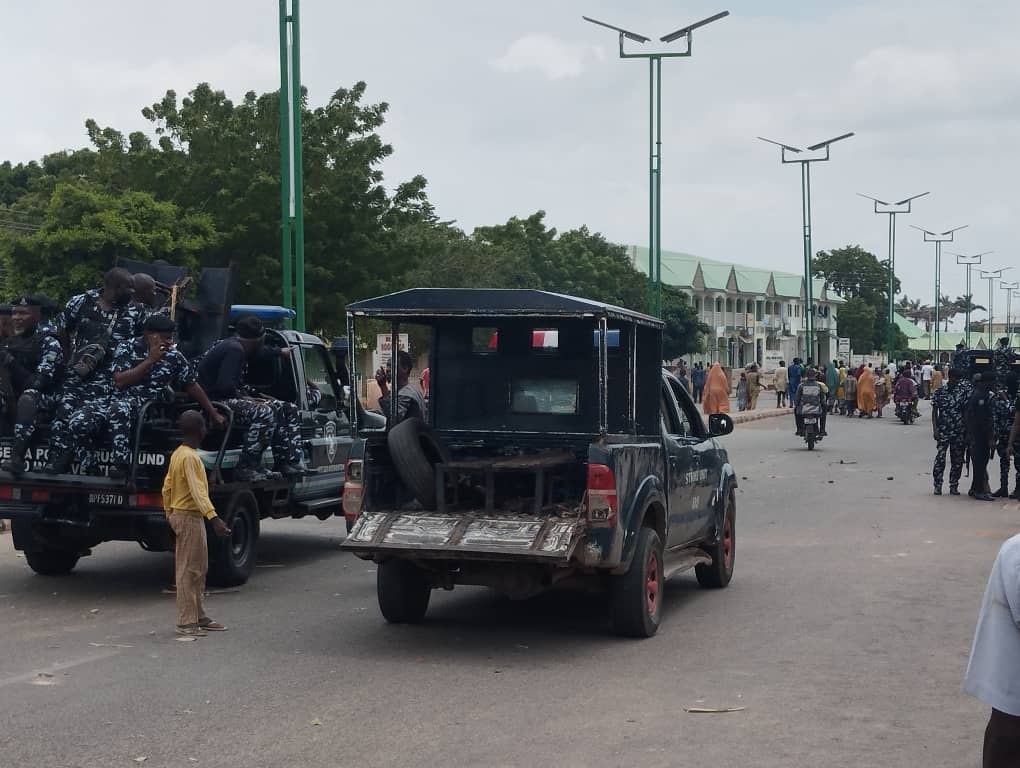
In Gusau, the capital of Zamfara State, protesters blocked major roads and clashed with police near the Central Police Station on Monday. What began as peaceful demonstrations quickly devolved into scenes of vandalism and looting, with both private and public properties targeted. Security forces were deployed across the city in an attempt to restore order, but many residents sought shelter as shops, businesses, and filling stations shuttered their doors.

The unrest has paralyzed daily life in Gusau, with one resident, Usman Muktar, lamenting, “Hoodlums are now using the opportunity of the nationwide protest to loot peoples’ properties even though it was supposed to be peaceful protest, as promised by the organizers.” The breakdown of law and order has made even basic activities like fueling vehicles nearly impossible, further exacerbating the hardships faced by citizens.

In response to similar unrest, Governor Uba Sani of Kaduna State took decisive action by imposing a 24-hour curfew on Kaduna and Zaria metropolitan areas. The Kaduna State Security Council, citing evidence that criminal elements had hijacked the protests, implemented the curfew with immediate effect. Samuel Aruwan, the Overseeing Commissioner for the Ministry of Internal Security and Home Affairs, stated that the decision was unanimous among council members.

The curfew in Kaduna and Zaria requires citizens to remain indoors while security forces work to maintain safety and stability. Authorities have promised to monitor the situation closely and review the curfew as needed, indicating the fluid nature of the crisis.

These events underscore the volatile situation in northern Nigeria, where economic hardships have fueled widespread discontent. The protests, initially focused on hunger and economic policies, have rapidly evolved into a broader expression of frustration with governance and living conditions.

The Nigerian government now faces a complex challenge: addressing the legitimate grievances of its citizens while maintaining public order and preventing further violence. The situation in Zamfara and Kaduna serves as a stark warning of the potential for civil unrest to spread if the root causes of public dissatisfaction are not addressed.

As night falls on Gusau and Kaduna, residents brace for an uncertain future, caught between the desperation that drove the initial protests and the fear of escalating violence. The coming days will be crucial in determining whether authorities can restore calm and begin to address the underlying issues that have brought so many Nigerians to the streets in protest.

Congolese Police Officers Flee to Uganda Amid Intensifying Conflict in Eastern Congo

0

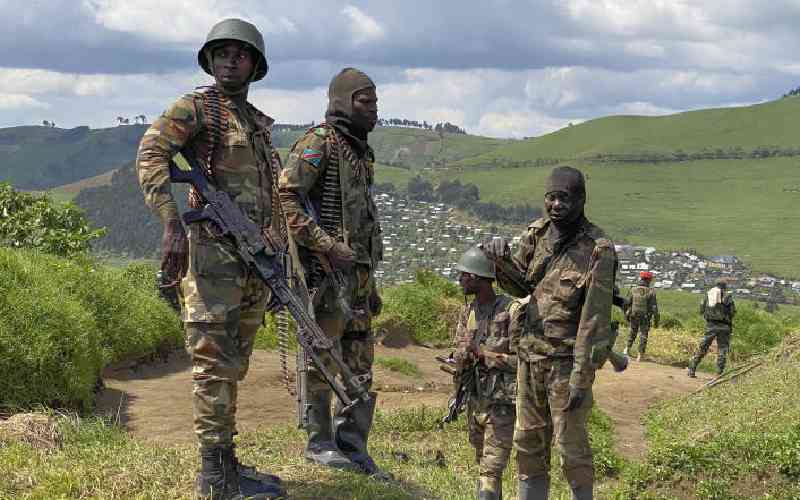
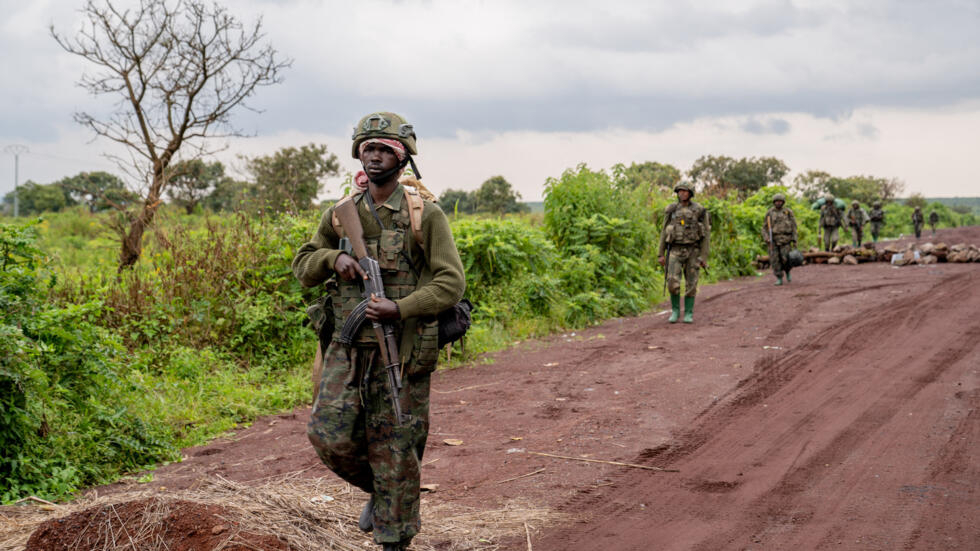
Nearly 100 police officers from the Democratic Republic of Congo have fled to neighboring Uganda as fighting between M23 rebels and the Congolese military intensifies in Congo’s eastern regions. The officers crossed into Uganda over the weekend, according to a statement from the Ugandan military on Monday.

The officers, numbering 98, arrived via the Ishasha border crossing in the Kanungu district of southwestern Uganda, confirmed Major Klocon Tabaro, a regional spokesperson for the Uganda People’s Defense Forces. The officers brought with them 43 guns and ammunition, which were subsequently disarmed by Ugandan authorities.

“They were fleeing fighting by M23 and other militias and the Congo military; there’s a lot of violence there, and then there’s also hunger,” Major Tabaro said, highlighting the dire conditions driving the officers to seek refuge across the border.

In addition to the police officers, the ongoing conflict has forced at least 2,500 Congolese civilians to flee into Uganda over the past four days, further escalating the humanitarian crisis. “The main push factor is the intensifying violence and insecurity,” Tabaro noted, adding that pregnant women, breastfeeding mothers, and young children are among the refugees seeking safety.

The M23 rebel group has been waging a fresh insurgency in Congo’s mineral-rich eastern regions since 2022. The group, primarily composed of Tutsi fighters, has repeatedly seized large areas of land, leading to widespread displacement and instability.

A United Nations report seen by Reuters last month accused Uganda of providing support to the M23 rebels, a claim that Uganda denies. Additionally, the U.N. has long accused Rwanda of backing the M23, an allegation that Rwanda has also denied.

The Congolese military has intensified its efforts to push back the rebels, deploying troops and aircraft to the conflict zones. However, despite these efforts, the rebels have continued to expand their territorial control, causing further unrest in the region.

The recent fighting has centered around the town of Kanyabayonga, whose location on a high plateau makes it a significant gateway to other parts of eastern Congo’s North Kivu province. The strategic importance of such locations has made them focal points in the ongoing conflict, with control over these areas being highly contested.

As the conflict continues, the influx of refugees into Uganda is expected to rise, putting additional pressure on humanitarian resources and regional stability. The international community remains concerned about the escalating violence and the potential for further displacement of civilians in the region.

Source: Reuters

Two Men Claiming to Be Russian Hostages Appear in Video Released by Al-Qaeda-Linked Group in Niger-AP

0

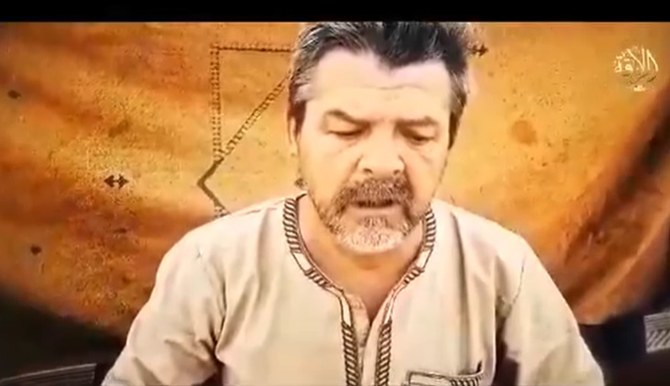
Two men claiming to be Russian nationals appeared in a video published by an al-Qaeda-affiliated media platform, stating they were taken captive in Niger by militants linked to the extremist group.

The video, released on the az-Zallaqa platform on Friday, showed the men, who said they were seized by militants while working in Baga, northeastern Niger.

Seated side by side and dressed in traditional local clothing, the men spoke to the camera. One identified himself as Yury, stating he is a geologist working for a Russian company when arrested by JNIM, the al-Qaeda affiliate in the region. The other man gave his name, which was harder to make out, and said he’d been in Niger for a month.

The Associated Press could not independently verify the video’s authenticity or the date it was filmed. The men, speaking in English, did not specify when they had been detained.

This is reportedly the first known sighting of the men. If their account is confirmed, they would be the first Russians in the Sahel believed to be kidnapped by jihadists, despite increasing Russian presence across the region.

Russia has increased its involvement in West Africa amidst deteriorating relations between the West and coup-affected Sahel nations. Wagner, a shadowy Russian mercenary group, has been active in the Sahel — the vast expanse south of the Sahara Desert — as the mercenaries profit from seized mineral riches in exchange for their security services.

Niger, in particular, has shifted away from Western partners, notably France and the United States, instead turning to Russia for security. In April, Niger hired Wagner mercenaries to reinforce the country’s air defenses.

This hostage video emerges shortly after an al-Qaeda claim of responsibility for an attack that dealt Wagner its deadliest blow in recent years, with at least 50 people killed in Mali. At least two Russians were taken captive by rebels, who were pushing into Niger.

South African Police Uncover Human Trafficking Ring, Rescue 90 Ethiopian Migrants

0

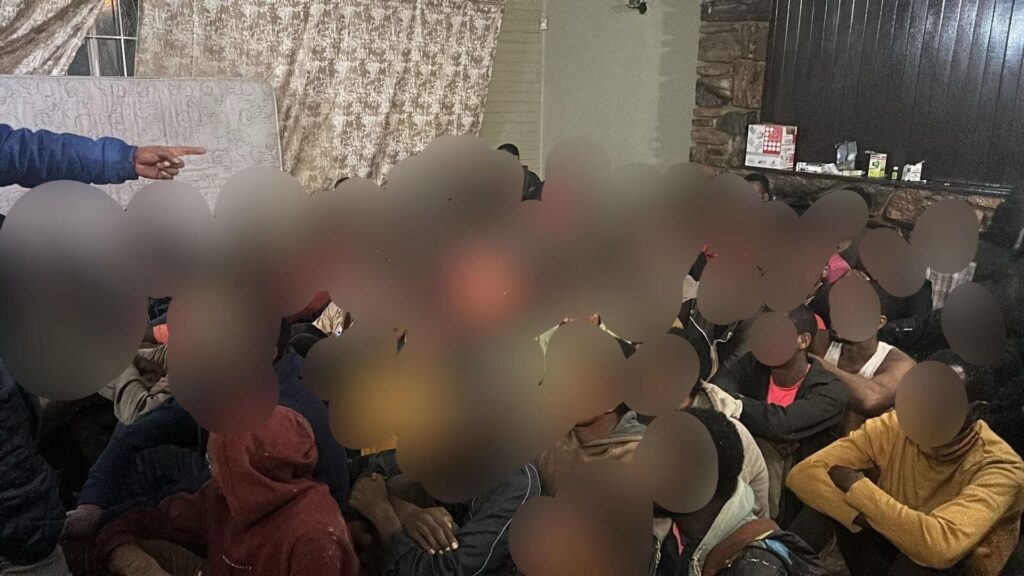
South African police have rescued 90 Ethiopian migrants who were being held against their will in a Johannesburg property. The rescue operation, which took place on Sunday, uncovered a harrowing scene of exploitation and confinement that has once again brought the issue of migrant trafficking to the forefront of regional concerns.

The discovery was made during a police search for a reported kidnapping victim at the property. Upon arrival, authorities found not only the kidnapping victim but also scores of Ethiopian migrants crammed into small, locked rooms in deplorable conditions. The operation resulted in the arrest of two suspects on charges of kidnapping and human trafficking, with legal proceedings set to follow.

This rescue sheds light on the persistent and dangerous trafficking routes that span several southern African countries, ultimately funneling migrants towards South Africa. International law enforcement agencies, including Interpol, have repeatedly raised alarms about the perilous journeys undertaken by Ethiopian migrants, often at the hands of unscrupulous traffickers who show little regard for human life.

The incident in Johannesburg is far from isolated, as evidenced by a series of tragic discoveries across the region in recent years. In 2020, the bodies of 64 Ethiopian migrants were found in a freight container in Mozambique, marking one of the deadliest single incidents of its kind. The following years saw further grim discoveries, with 30 Ethiopian migrants found in a mass grave in Malawi and 27 bodies of Ethiopian men dumped in Zambia in 2022.

These recurring tragedies underscore the complex challenges faced by law enforcement and humanitarian organizations in combating human trafficking networks that exploit vulnerable individuals seeking better lives. The rescued migrants in Johannesburg have been taken to hospitals for medical care, a small mercy in their tumultuous journey.

AP

Olympic Boxer Imane Khelif Calls for End to Bullying and Gender Misconceptions on Path to Medal

0

Algerian Olympic boxer Imane Khelif has made a powerful plea against athlete bullying, speaking out about the devastating impact of hateful scrutiny she has faced due to misconceptions about her gender. As she advances through the Paris Olympics, Khelif’s journey has become one of the Games’ most compelling narratives, highlighting the intersection of athletic achievement and societal prejudices.

In an emotional interview with SNTV, Khelif addressed the international backlash that has overshadowed her Olympic experience. “I send a message to all the people of the world to uphold the Olympic principles and the Olympic Charter, to refrain from bullying all athletes,” she urged, emphasizing the potentially destructive effects of such behavior on athletes’ mental health and spirit.

The 25-year-old boxer’s ordeal stems from claims made by the International Boxing Association (IBA), a body permanently banned from the Olympics, regarding unspecified eligibility tests for the women’s competition. Despite these allegations, the International Olympic Committee (IOC) has stood firmly behind Khelif, affirming her qualification for the Paris Games.

Khelif expressed gratitude towards the IOC and its president, Thomas Bach, for their unwavering support amidst the controversy. “I know that the Olympic Committee has done me justice, and I am happy with this remedy because it shows the truth,” she stated, underscoring the importance of fair treatment in sports governance.

The Algerian athlete’s resilience in the face of adversity has been evident throughout the Games. After each victory, including a win over Hungary’s Anna Luca Hamori, Khelif has been visibly emotional, reflecting the weight of the scrutiny she has endured. “I couldn’t control my nerves,” she admitted, describing the mix of joy and distress following her successes.

Despite the challenges, Khelif remains focused on her Olympic goals. “I don’t care about anyone’s opinion,” she declared, emphasizing her determination to compete for a medal and potentially secure Algeria’s first Olympic gold in women’s boxing. Her next bout in the women’s 66-kilogram semifinals at Roland Garros represents another step towards this historic achievement.

Khelif’s story extends beyond the boxing ring, touching on broader issues of gender identity and regulations in sports. The controversy has drawn comments from high-profile figures and sparked debates on social media platforms. However, Khelif maintains limited exposure to this online discourse, crediting the mental health team for shielding athletes from potentially harmful content during the Games.

The boxer’s journey to Olympic glory began in rural northwestern Algeria, where she overcame initial family objections to pursue her passion for boxing. Her path has been marked by perseverance, from traveling long distances to train to overcoming early career struggles to reach the elite level of international competition.

As Khelif prepares for her upcoming match against Thailand’s Janjaem Suwannapheng, her story continues to resonate with fans and fellow athletes alike. Her call to end bullying and uphold the principles of fair competition serves as a powerful reminder of the human element behind every Olympic performance.

In the face of unsubstantiated claims and online vitriol, Imane Khelif stands as a testament to the resilience of the human spirit. Her journey through the Paris Olympics not only showcases her athletic prowess but also highlights the ongoing need for compassion, understanding, and respect in the world of sports and beyond.

Unexpected Slip Costs Simone Biles Medal in Olympic Balance Beam Final

0

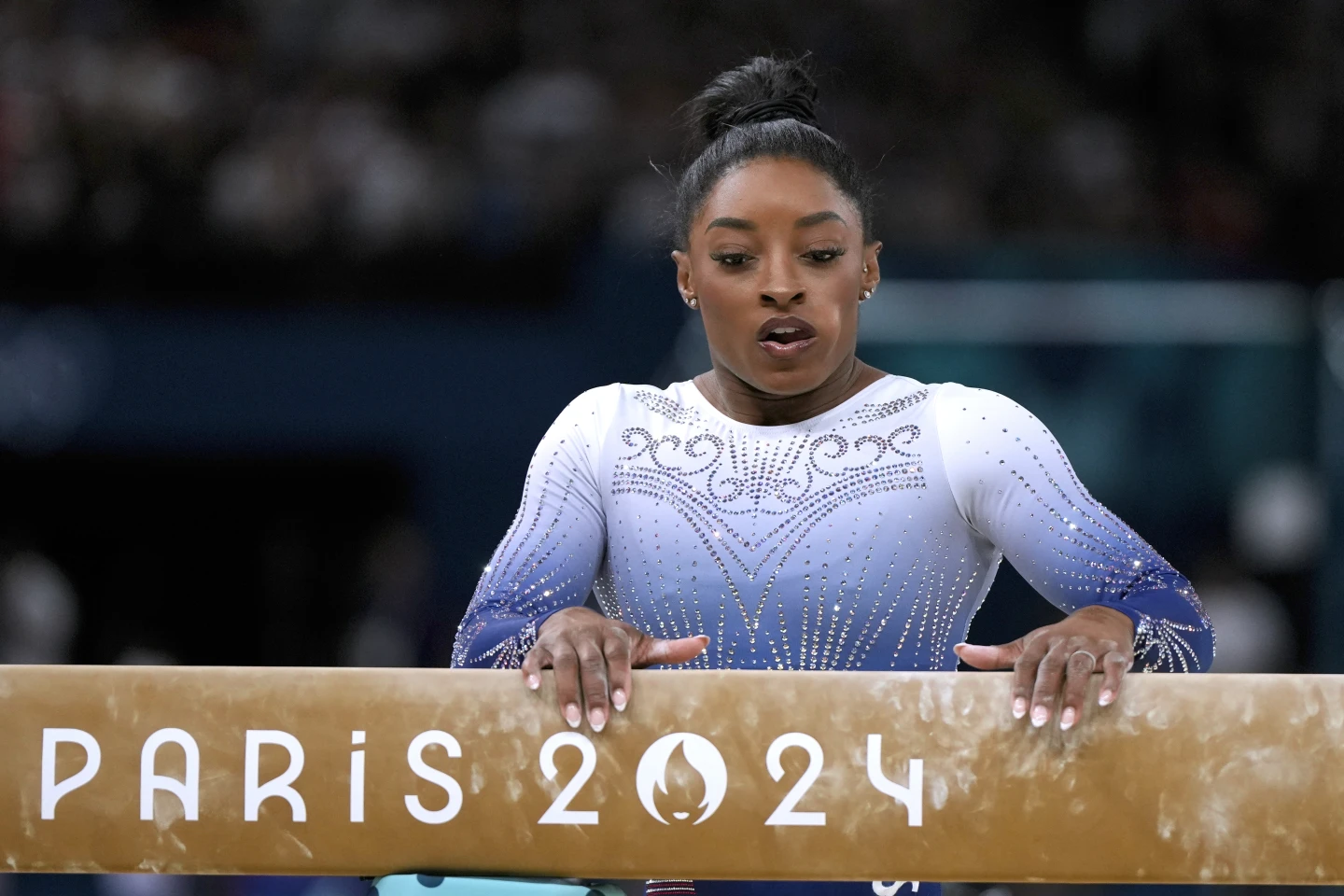
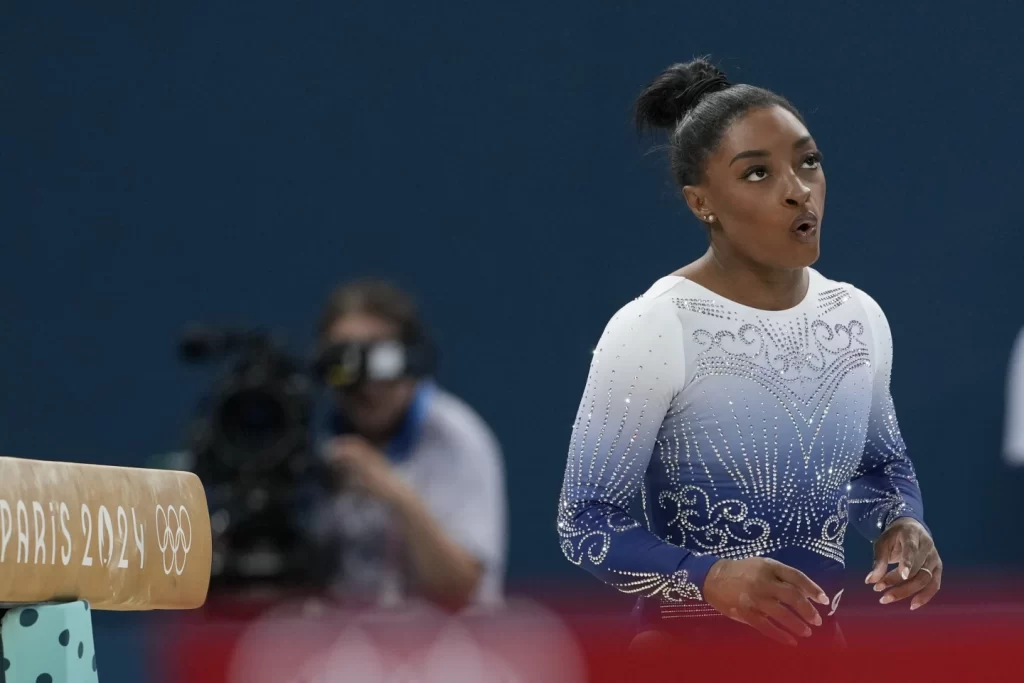
American gymnastics icon Simone Biles missed out on a medal in the balance beam final after an unexpected fall during her routine. The 27-year-old star, who had previously won bronze medals on this apparatus in the 2016 and 2020 Games, slipped off the beam during her acrobatic series, dashing hopes for another podium finish.

Biles, adorned in a crystal-studded blue-and-white leotard, was more than halfway through her performance when she lost her balance, eliciting a collective gasp from the packed Bercy Arena. The crowd, which included notable spectators like NFL legend Tom Brady, watched as Biles hopped off the beam onto the mat below.

The slip resulted in a score of 13.100 for Biles, tying her with teammate Sunisa Lee for fourth place. The visibly frustrated Biles rolled her eyes during the extended wait for her score, realizing she would not be adding to her impressive Olympic medal collection in this event.

In a surprising twist, Italy’s Alice D’Amato claimed the gold medal with a score of 14.366, marking Italy’s first-ever medal on the balance beam. China’s Zhou Yaqin secured silver with a 14.100, while another Italian, Manila Esposito, took bronze, completing a historic day for Italian gymnastics.

Sunisa Lee, who entered the competition with high hopes for a gold medal on her favorite apparatus, also faced disappointment. The 21-year-old fell during her acrobatic series, mirroring Biles’ misfortune. Despite this setback, Lee will leave Paris with three medals, a remarkable achievement considering her recent struggle with chronic kidney-related diseases.

While the balance beam final proved challenging, Biles still has an opportunity to add to her Olympic legacy in the floor exercise final later in the day. Known for her dominance in this event, Biles has never lost a major international competition on floor, including her gold medal performance in Rio de Janeiro eight years ago.

The gymnastics community remains in awe of Biles’ resilience and talent. As Lee remarked, “She’s the G.O.A.T., so she’ll be amazing.” With 10 Olympic medals already to her name, including seven golds, Biles is on the cusp of tying Czechoslovakia’s Vera Caslavska for the second-most medals by a female gymnast in Olympic history.

As speculation swirls about her future in the sport, Biles has left the door open for a potential return at the Los Angeles Olympics, tantalizing fans with the comment, “Never say never.” Whether this marks the end of her illustrious Olympic career or not, Simone Biles continues to captivate the world with her extraordinary skills and indomitable spirit, even in the face of unexpected challenges.

The Associated Press