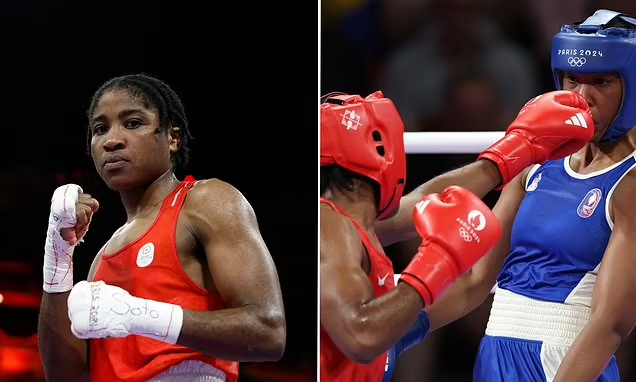
Cindy Ngamba, a 25-year-old boxer born in Cameroon and residing in Britain as a refugee, has written a new chapter in Olympic history by securing the first-ever medal for the Refugee Olympic Team. Ngamba’s triumphant journey reached its zenith on Sunday when she defeated sixth-seeded Frenchwoman Davina Michel by unanimous decision, advancing to the women’s 75kg semi-finals at the Paris 2024 Olympics.
With both losing semi-finalists guaranteed bronze medals, Ngamba’s victory ensures she will stand on the Olympic podium, marking a watershed moment for refugee athletes worldwide. Following her historic win, Ngamba expressed her emotions, stating, “It means the world to me to be the first ever refugee to win a medal. I’m just a human, just like any other refugee and athlete all around the world.”
Ngamba’s path to this moment has been fraught with challenges. Having moved to the UK at the age of 10, she finds herself in a unique position where she cannot compete for Team GB due to her lack of a British passport. Her situation highlights the complex realities faced by many refugee athletes, straddling multiple identities and navigating complex immigration systems.
The boxer’s achievement is particularly significant for the Refugee Olympic Team, which first competed at Rio in 2016. Prior to Paris 2024, the team’s best results were two fifth-placed finishes in Tokyo. Ngamba, who served as the team’s flagbearer at the opening ceremony in Paris, now looks forward to her semi-final bout against Atheyna Bylon of Panama on Thursday, approaching it with determination and confidence.
Ngamba’s personal story adds depth to her athletic achievements. Unable to return to Cameroon due to her sexuality, with homosexuality punishable by up to five years in prison in her home country, she has spent 15 years in England. However, her fight extends beyond the boxing ring as she continues to struggle for a visa and UK citizenship. Five years ago, she narrowly avoided deportation after being arrested during what she thought was a routine check-in with authorities.
Despite these challenges, Ngamba’s talent has been recognized. GB Boxing made unsuccessful attempts to add her to their ranks for the Olympic programme, even appealing to the Home Office to grant her citizenship. Undeterred, Ngamba won a scholarship with the IOC refugee team, becoming the first female boxer to represent the team at an Olympic Games.
As Ngamba prepares for her semi-final match, her story serves as a powerful reminder of the resilience and determination of refugee athletes. Her success not only breaks new ground for the Refugee Olympic Team but also highlights the ongoing challenges faced by displaced individuals in their quest for belonging and recognition on the world stage. Ngamba’s historic medal stands as a testament to the power of sport to transcend borders and provide opportunities for those seeking a place to call home.
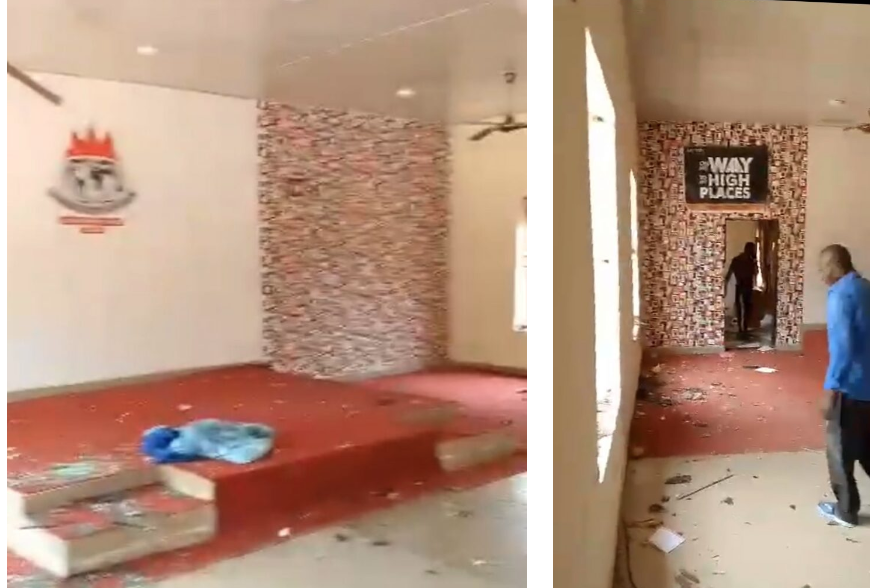
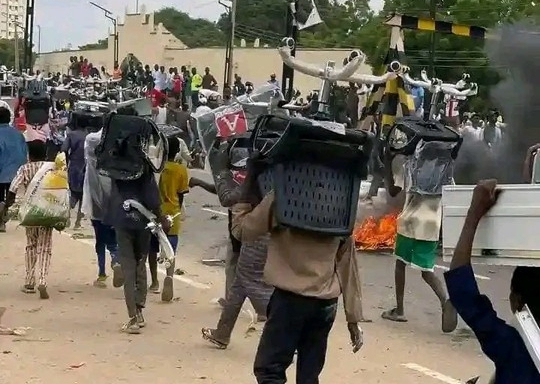
The first day of Nigeria’s nationwide protests against economic hardship took an unexpected turn in Katsina State, north of the country as hoodlums targeted local churches, stealing equipment and causing significant damage. Reports indicate that no fewer than 205 church chairs, musical instruments, and other valuable items worth millions of naira were looted from various churches in the area.
The Living Faith Church in the Daura Local Government Area bore the brunt of the attack, with Pastor David Jato revealing that the church service could not be held due to the extensive looting. “The hoodlums went away with everything inside the church on the first day of the protest,” Jato explained, forcing congregants to worship at their home cells instead.
According to Jato, the attack occurred around 10:00 am when many of the looters arrived in tricycles, known locally as Keke Napep. They broke through doors and windows to access the church auditorium, where they proceeded to take everything from digital wall clocks and musical instruments to chairs and even a desktop computer. The pastor expressed shock at the targeting of places of worship during what was meant to be a protest against bad governance.
The Living Faith Church was not the only target. The Deeper Life Church also fell victim to the looters, while an Anglican church narrowly escaped invasion due to strong protective measures at its gate. Pastor Jato reported that the police have been informed and have made some arrests, though he emphasized the need for the government to recognize the gravity of the situation and take action to protect places of worship.
Very Reverend Nelson Onyekachuku, the pastor in charge of Power of Resurrection church and former state Chairman of the Christian Association of Nigeria, also reported vandalism to his church’s windows, though the building’s iron protectors prevented further damage. Onyekachuku condemned the actions, stating that the hoodlums should not add pain to the church, and called on the government to address the people’s issues and enhance protection for religious institutions.
The incidents have raised concerns about the safety of religious buildings during times of civil unrest. Pastor Jato appealed to the perpetrators to seek repentance, emphasizing that attacking a place of worship is morally wrong and that “you are not fighting man” by doing so.
As of Sunday, a heavy security presence was observed in churches across Katsina State, indicating heightened awareness of the potential for further incidents. The state’s Police Public Relations Officer, ASP Sadiq Abubakar, had not responded to requests for comment at the time of reporting.
These church looting highlight the complex challenges facing Nigeria as it grapples with economic hardship and civil unrest. While the protests aim to address legitimate grievances, the targeting of religious institutions adds a troubling dimension to the ongoing crisis. As the situation develops, authorities face the dual challenge of addressing the root causes of the protests while also ensuring the safety and security of all citizens, including places of worship.
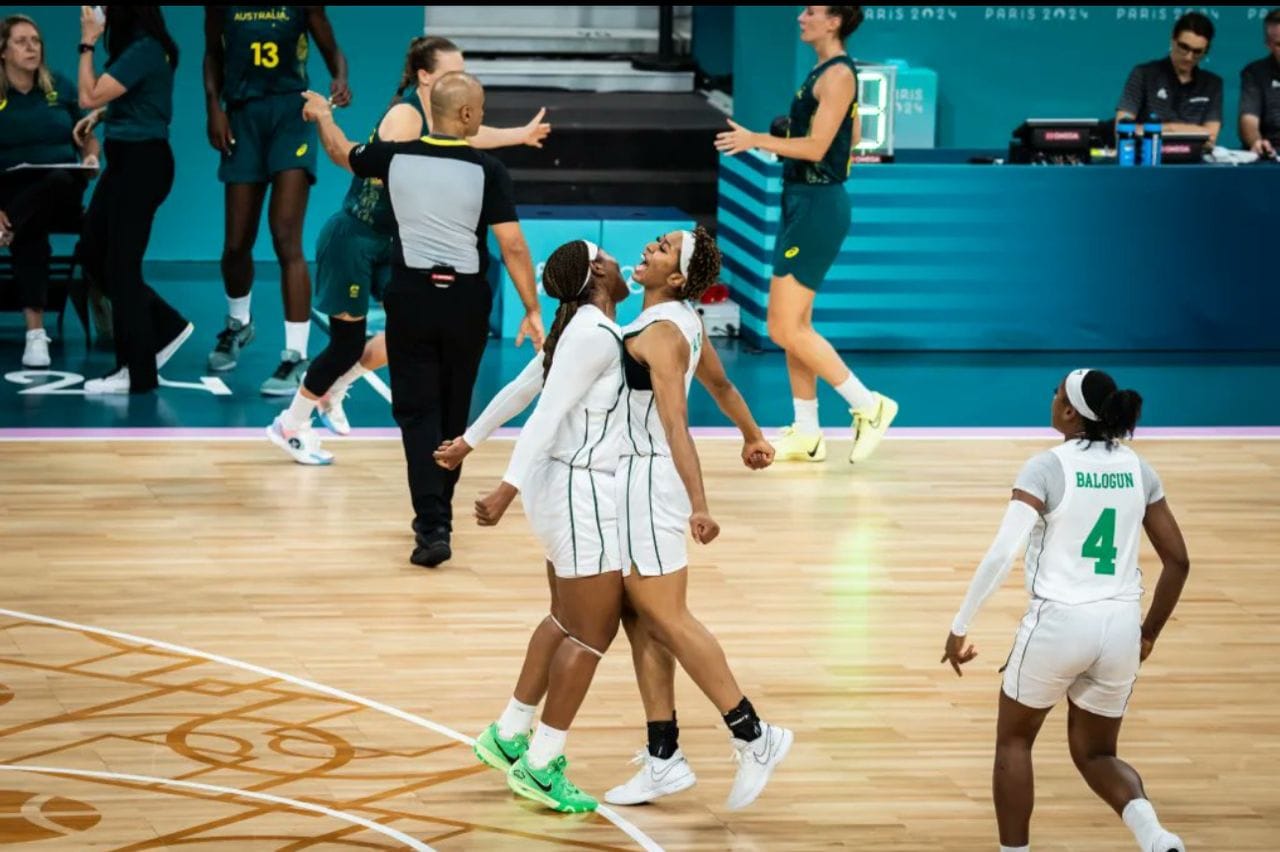
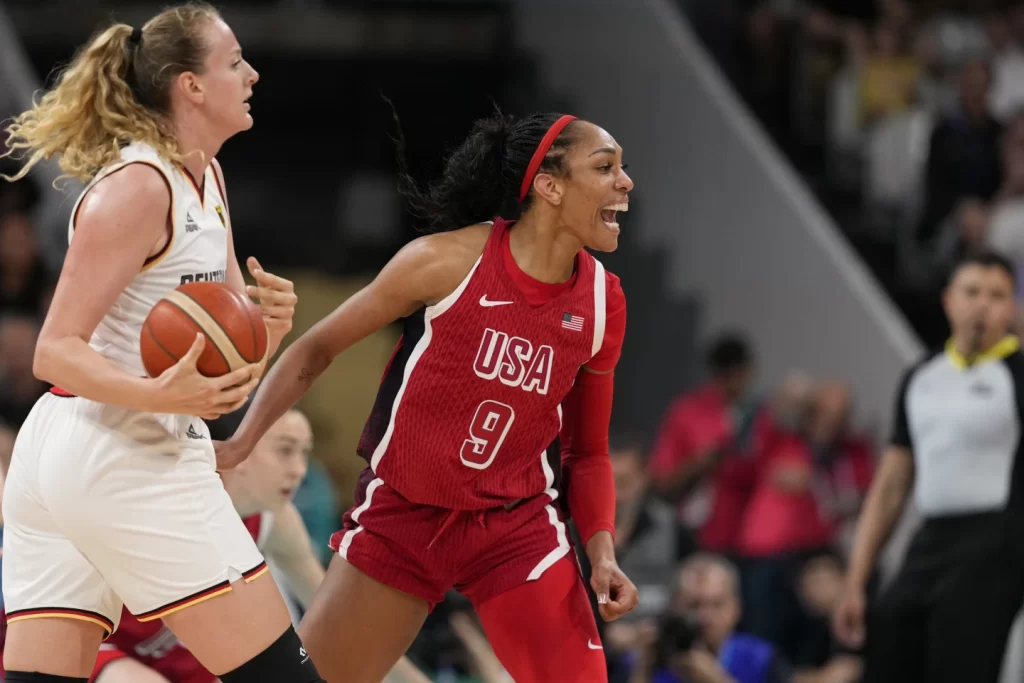
Nigeria has advanced to the quarterfinals, becoming the first African team to reach this stage in Olympic women’s basketball history. Their reward is a highly anticipated matchup against the seven-time defending champion, the United States, in Paris on Wednesday. The Olympic women’s basketball draw was announced late Sunday night.
The other quarterfinal matchups include Spain versus Belgium, France against Germany, and Serbia facing Australia. The winners of the Spain-Belgium and France-Germany games will meet in the semifinals on Friday. The victor of the Nigeria-U.S. match will play the winner of the Serbia-Australia game.
Nigeria’s women’s basketball team made history as the first African country to advance to the elimination round in either the men’s or women’s Olympic basketball tournaments. The team expressed excitement about heading to Paris for the next stage of the competition.
“The Eiffel Tower, croissants, more food,” said Ezinne Kalu, who led Nigeria with 21 points in their win over Canada on Sunday. “I mean, the little village has been great, but it’s only basketball there. So to go to Paris and see other athletes competing in their sports and just be around the great energy of so many different countries, and to be the only African club there for basketball competing, it just really means a lot to us. And it’s something that we’re not going to take for granted.”
Nigeria secured their spot in the quarterfinals after finishing third in their pool, following a strong performance despite a loss to Australia, who beat France 79-72. The Opals, aiming to finish at the top of their group, managed to avoid playing the U.S. team, which suffered its first loss of the tournament against the home team, France.
“I’m just happy to survive. So, we got an opportunity to keep playing,” said Australia coach Sandy Brondello.
As Nigeria prepares for their matchup against the United States, the team is focused on making the most of their historic journey and continuing to inspire athletes across Africa and beyond.
The 2024 Olympics are in full swing, with athletes from around the world competing for glory in Paris. After the seventh day of competition, the United States leads the medal standings, followed by host nation France in second place and China in third. As the Games continue, more athletes will earn their place on the medal list, which is updated daily from July 27 to August 11.
To see which countries lead the medal count and catch the highlights from each day’s events, check out the daily schedule for the latest updates and results.
Below is a comprehensive list of all the medal winners, organized day by day:
Sunday, Aug. 4
ARCHERY
MEN’S INDIVIDUAL
Gold: Kim Woo-jin, South Korea
Silver: Brady Ellison, United States
Bronze: Lee Woo-seok, South Korea
ARTISTIC GYMNASTICS
MEN’S RINGS
Gold: Liu Yang, China
Silver: Zou Jingyuan, China
Bronze: Eleftherios Petrounias, Greece
MEN’S VAULT
Gold: Carlos Edriel Yulo, Philippines
Silver: Artur Davtyan, Armenia
Bronze: Harry Hepworth, Britain
WOMEN’S UNEVEN BARS
Gold: Kaylia Nemour, Algeria
Silver: Qui Qiyuan, China
Bronze: Sunisa Lee, United States
BADMINTON
MEN’S DOUBLES
Gold: Lee Yang and Wang Chi-Lin, Taiwan
Silver: Liang Wei Keng and Wang Chang, China
Bronze: Aaron Chia and Soh Wooi Yik, Malaysia
CYCLING
WOMEN’S ROAD RACE
Gold: Kristen Faulkner, United States
Silver: Marianne Vos, Netherlands
Bronze: Lotte Kopecky, Belgium
EQUESTRIAN
DRESSAGE INDIVIDUAL
Gold: Jessica von Bredow-Werndl, Germany
Silver: Isabell Werth, Germany
Bronze: Charlotte Fry, Britain
FENCING
MEN’S FOIL TEAM
Gold: Japan
Silver: Italy
Bronze: France
GOLF
MEN’S INDIVIDUAL
Gold: Scottie Scheffler, United States
Silver: Tommy Fleetwood, Britain
Bronze: Hideki Matsuyama, Japan
SHOOTING
WOMEN’S SKEET
Gold: Francisca Crovetto, Chile
Silver: Amber Rutter, Britain
Bronze: Austen Smith, United States
SWIMMING
WOMEN’S 50M FREESTYLE
Gold: Sarah Sjöström, Sweden
Silver: Meg Harris, Australia
Bronze: Zhang Yufei, China
WOMEN’S 4x100M MEDLEY RELAY
Gold: United States
Silver: Australia
Bronze: China
MEN’S 1500M FREESTYLE
Gold: Bobby Finke, United States
Silver: Gregorio Paltrinieri, Italy
Bronze: Daniel Wiffen, Ireland
MEN’S 4x100M MEDLEY RELAY
Gold: China
Silver: United States
Bronze: France
TABLE TENNIS
MEN’S SINGLES
Gold: Fan Zhendong, China
Silver: Truls Moregard, Sweden
Bronze: Félix Lebrun, France
TENNIS
MEN’S SINGLES
Gold: Nova Djokovic, Serbia
Silver: Carlos Alcaraz, Spain
Bronze: Lorenzo Musetti, Italy
WOMEN’S DOUBLES
Gold: Sara Errani and Jasmine Paolini, Italy
Silver: Mirra Andreeva and Diana Shnaider, AIN
Bronze: Cristina Busca and Sara Sorribes Tormo, Spain
TRACK AND FIELD
MEN’S 100M
Gold: Noah Lyles, United States
Silver: Kishane Thompson, Jamaica
Bronze: Fred Kerley, United States
MEN’S HAMMER THROW
Gold: Ethan Katzberg, Canada
Silver: Bence Halasz, Hungary
Bronze: Mykhaylo Kokhan, Ukraine
WOMEN’S HIGH JUMP
Gold: Yaroslava Mahuchikh, Ukraine
Silver: Nicola Olyslagers, Australia
Bronze: Eleanor Patterson, Australia and Iryna Gerashchenko, Ukraine
Saturday, Aug. 3
ARCHERY
WOMEN’S INDIVIDUAL
Gold: Lim Si-hyeon, South Korea
Silver: Nam Su-hyeon, South Korea
Bronze: Lisa Barbelin, France
ARTISTIC GYMNASTICS
MEN’S FLOOR EXERCISE
Gold: Carlos Edriel Yulo, Philippines
Silver: Artem Dolgopyat, Israel
Bronze: Jake Jarman, Britain
MEN’S POMMEL HORSE
Gold: Rhys McClenaghan
Silver: Nariman Kurbanov, Kazakhstan
Bronze: Stephen Nedoroscik, United States
WOMEN’S VAULT
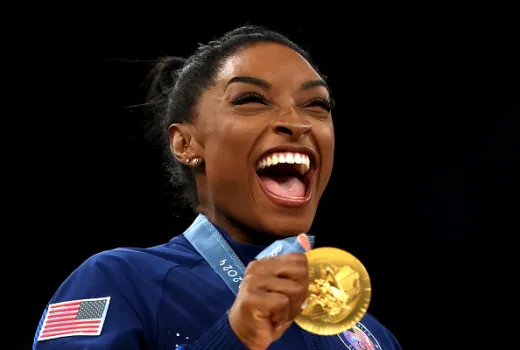
Gold: Simone Biles, United States
Silver: Rebeca Andrade, Brazil
Bronze: Jade Carey, United States
BADMINTON
WOMEN’S DOUBLES
Gold: Chen Qing Chen and Jia Yi Fan, China
Silver: Liu Sheng Shu and Tan Ning, China
Bronze: Nami Matsuyama and Chiharu Shida, Japan
BOXING
WOMEN’S 60KG
Bronze: Beatriz Iasmin Soares Ferreira, Brazil and Wu Shih Yi, Taiwan
CYCLING
MEN’S ROAD RACE
Gold: Remco Evenepoel, Belgium
Silver: Valentin Madouas, France
Bronze: Christophe Laporte, France
EQUESTRIAN
DRESSAGE TEAM
Gold: Germany
Silver: Denmark
Bronze: Britain
FENCING
WOMEN’S TEAM SABER
Gold: Ukraine
Silver: South Korea
Bronze: Japan
JUDO
MIXED TEAM
Gold: France
Silver: Japan
Bronze: Brazil and South Korea
ROWING
MEN’S EIGHT
Gold: Britain
Silver: Netherlands
Bronze: United States
WOMEN’S EIGHT
Gold: Romania
Silver: Canada
Bronze: Britain
MEN’S SINGLE SCULLS
Gold: Oliver Zeidler, Germany
Silver: Yauheni Zalaty, AIN
Bronze: Simon van Dorp, Netherlands
WOMEN’S SINGLE SCULLS
Gold: Karolien Florijn, Netherlands
Silver: Emma Twigg, New Zealand
Bronze: Viktorija Senkute, Lithuania
SAILING
MEN’S WINDSURFING
Gold: Tom Reuveny, Israel
Silver: Grae Morris, Australia
Bronze: Luuc van Opzeeland, Netherlands
WOMEN’S WINDSURFING
Gold: Marta Maggetti, Italy
Silver: Sharon Kantor, Israel
Bronze: Emma Wilson, Britain
SHOOTING
WOMEN’S 25M PISTOL
Gold: Yang Jiin, South Korea
Silver: Camille Jedrzejewski, France
Bronze: Veronika Major, Hungary
MEN’S SKEET
Gold: Vincent Hancock, United States
Silver: Conner Lynn Prince, United States
Bronze: Lee Meng Yuan, Taiwan
SWIMMING
MEN’S 100M BUTTERFLY
Gold: Kristof Milak, Hungary
Silver: Josh Liendo, Canada
Bronze: Ilya Kharun, Canada
MIXED 4X100 MEDLEY RELAY
Gold: United States
Silver: China
Bronze: Australia
WOMEN’S 200M INDIVIDUAL MEDLEY
Gold: Summer McIntosh, Canada
Silver: Kate Douglass, United States
Bronze: Kaylee McKeown, Australia
WOMEN’S 800M FREESTYLE
Gold: Katie Ledecky, United States
Silver: Ariarne Titmus, Australia
Bronze: Paige Madden, United States
TABLE TENNIS
WOMEN’S SINGLES
Gold: Chen Meng, China
Silver: Sun Yingsha, China
Bronze: Hina Hayata, Japan
TENNIS
MEN’S DOUBLES
Gold: Matthew Ebden and John Peers, Australia
Silver: Austin Krajicek and Rajeev Ram, United States
Bronze: Taylor Fritz and Tommy Paul, United States
WOMEN’S SINGLES
Gold: Qinwen Zheng, China
Silver: Donna Vekic, Croatia
Bronze: Iga Swiatek, Poland
TRACK AND FIELD
MEN’S SHOTPUT
Gold: Ryan Crouser, United States
Silver: Joe Kovacs, United States
Bronze: Rajindra Campbell, Jamaica
MIXED 4X400M RELAY
Gold: Netherlands
Silver: United States
Bronze: Britain
WOMEN’S 100M
Gold: Julien Alfred, St. Lucia
Silver: Sha’Carri Richardson, United States
Bronze: Melissa Jefferson, United States
WOMEN’S TRIPLE JUMP
Gold: Thea LaFond, Dominica
Silver: Shanieka Ricketts, Jamaica
Bronze: Jasmine Moore, United States
Friday, Aug. 2
ARCHERY
MIXED TEAM
Gold: Kim Woo-jin and Lim Si-hyeon, South Korea
Silver: Michelle Kroppen and Florian Unruh, Germany
Bronze: Brady Ellison and Casey Kaufhold, United States
BADMINTON
MIXED DOUBLES
Gold: Zheng Siwei and Huang Ya Qiong, China
Silver: Kim Won-ho and Jeong Na-eun, South Korea
Bronze: Yuta Watanabe and Arisa Higashino, Japan
DIVING
MEN’S SYNCHRONIZED 3M SPRINGBOARD
Gold: Long Daoyi and Wang Zongyuan, China
Silver: Juan Celaya and Osmar Olvera, Mexico
Bronze: Anthony Harding and Jack Laugher, Britain
CYCLING BMX RACING
MEN’S
Gold: Joris Daudet, France
Silver: Sylvain Andre, France
Bronze: Romain Mahieu, France
WOMEN’S
Gold: Saya Sakakibara, Australia
Silver: Manon Veenstra, Netherlands
Bronze: Zoe Claessens, Switzerland
EQUESTRIAN
TEAM JUMPING
Gold: Britain
Silver: United States
Bronze: France
FENCING
MEN’S TEAM ÉPÉE
Gold: Hungary
Silver: Japan
Bronze: Czech Republic
JUDO
MEN’S +100KG
Gold: Teddy Riner, France
Silver: Kim Min-jong, South Korea
Bronze: Temur Rakhimov, Tadzhikistan and Alisher Yusupov, Uzbekistan
WOMEN’S +78KG
Gold: Beatriz Souza, Brazil
Silver: Raz Hershko, Israel
Bronze: Romane Dicko, France and Kim Ha-yun, South Korea
ROWING
MEN’S PAIR
Gold: Martin Sinkovic and Valent Sinkovic, Croatia
Silver: Tom George and Oliver Wynne-Griffith, Britain
Bronze: Andrin Gulich and Roman Roeoesli, Switzerland
MEN’S LIGHTWEIGHT DOUBLE SCULLS
Gold: Fintan McCarthy and Paul O’Donovan, Ireland
Silver: Stefano Oppo and Gabriel Soares, Italy
Bronze: Petros Gaidatzis and Antonios Papakonstantinou, Greece
WOMEN’S PAIR
Gold: Ymkje Clevering and Veronique Meester, Netherlands
Silver: Roxana Anghel and Ioana Vrinceanu, Romania
Bronze: Annabelle McIntyre and Jess Morrison, Australia
WOMEN’S LIGHTWEIGHT DOUBLE SCULLS
Gold: Emily Craig and Imogen Grant, Britain
Silver: Ionela Cozmiuc and Gianina van Groningen, Romania
Bronze: Zoi Fitsiou and Dimitra Kontou, Greece
SAILING
MEN’S SKIFF
Gold: Diego Botín and Florián Trittel, Spain
Silver: Isaac McHardie and William McKenzie, New Zealand
Bronze: Ian Barrows and Hanks Henken, United States
WOMEN’S SKIFF
Gold: Annette Duetz and Odile van Aanholt, Netherlands
Silver: Vilma Bobeck and Rebecca Netzler, Sweden
Bronze: Charline Picon and Sarah Steyaert, France
SHOOTING
WOMEN’S 50M RIFLE 3 POSITIONS
Gold: Chiara Leone, Switzerland
Silver: Sagen Maddalena, United States
Bronze: Zhang Qiongyue, China
SWIMMING
MEN’S 200M INDIVIDUAL MEDLEY
Gold: Léon Marchand, France
Silver: Duncan Scott, Britain
Bronze: Wang Shun, China
MEN’S 50M FREESTYLE
Gold: Cameron McEvoy, Australia
Silver: Benjamin Proud, Britain
Bronze: Florent Manaudou, France
WOMEN’S 200 BACKSTROKE
Gold: Kaylee McKeown, Australia
Silver: Regan Smith, United States
Bronze: Kylie Masse, Canada
TENNIS
MIXED DOUBLES
Gold: Katerina Siniakova and Tomas Machac, Czech Republic
Silver: Wang Xinyu and Zhang Zhizhen, China
Bronze: Gabriela Dabrowski and Felix Auger Aliassime, Canada
TRACK AND FIELD
MEN’S 10,000M
Gold: Joshua Cheptegei, Uganda
Silver: Berihu Aregawi, Ethiopia
Bronze: Grant Fisher, United States
TRAMPOLINE
MEN’S
Gold: Ivan Litvinovich, AIN
Silver: Wang Zisai, China
Bronze: Yan Langyu, China
WOMEN’S
Gold: Bryony Page, Britain
Silver: Viyaleta Bardzilouskaya, AIN
Bronze: Sophiane Methot, Canada
Thursday, Aug. 1
CANOE SLAM
MEN’S SINGLE KAYAK
Gold: Giovanni De Gennaro, Italy
Silver: Titouan Castryck, France
Bronze: Pau Echaniz, Spain
FENCING
WOMEN’S TEAM FOIL
Gold: United States
Silver: Italy
Bronze: Japan
GYMNASTICS
WOMEN’S ALL-AROUND
Gold: Simone Biles, United States
Silver: Rebeca Andrade, Brazil
Bronze: Sunisa Lee, United States
JUDO
MEN’S -100KG
Gold: Zelym Kotsoiev, Azerbaijan
Silver: Ilia Sulamanidze, Georgia
Bronze: Peter Paltchik, Israel and Muzaffarbek Turoboyev, Uzbekistan
WOMEN’S -78KG
Gold: Alice Bellandi, Italy
Silver: Inbar Lanir, Israel
Bronze: Ma Zhenzhao, China and Patricia Sampaio, Portugal
ROWING
MEN’S DOUBLE SCULLS
Gold: Andrei-Sebastian Cornea and Marian Enache, Romania
Silver: Stef Broenink and Melvin Twellaar, Netherlands
Bronze: Philip Doyle and Daire Lynch, Ireland
WOMEN’S DOUBLE SCULLS
Gold: Brooke Francis and Lucy Spoors, Australia
Silver: Ancuta Bodnar and Simona Radis, Romania
Bronze: Mathilda Hodgkins Byrne and Rebecca Wilde, Britain
MEN’S FOUR
Gold: United States
Silver: New Zealand
Bronze: Britain
WOMEN’S FOUR
Gold: Netherlands
Silver: Britain
Bronze: New Zealand
SHOOTING
MEN’S 50M RIFLE 3 POSITIONS
Gold: Liu Yukun, China
Silver: Serhiy Kulish, Ukraine
Bronze: Swapnil Kusale, India
SWIMMING
MEN’S 200M BACKSTROKE
Gold: Hubert Kos, Hungary
Silver: Apostolos Christou, Greece
Bronze: Roman Mityukov, Switzerland
WOMEN’S 200M BUTTERFLY
Gold: Summer McIntosh, Canada
Silver: Regan Smith, United States
Bronze: Zhang Yufei, China
WOMEN’S 200M BREASTSTROKE
Gold: Kate Douglass, United States
Silver: Tatjana Smith, South Africa
Bronze: Tes Schouten, Netherlands
WOMENS 4X200 FREESTYLE RELAY
Gold: Australia
Silver: United States
Bronze: China
TRACK AND FIELD
MEN’S 20KM RACE WALK
Gold: Brian Pintado, Ecuador
Silver: Caio Bonfim, Brazil
Bronze: Álvaro Martín, Spain
WOMEN’S 20KM RACE WALK
Gold: Yang Jiayu, China
Silver: María Pérez, Spain
Bronze: Jemima Montag, Australia
Wednesday, July 31
GYMNASTICS
MEN’S ALL AROUND
Gold: Shinnosuke Oka, Japan
Silver: Zhang Boheng, China
Bronze: Xiao Ruoteng, China
CANOE
WOMEN’S SINGLE
Gold: Jessica Fox, Australia
Silver: Elena Lilik, Germany
Bronze: Evy Leibfarth, United States
CYCLING
BMX FREESTYLE
WOMEN’S PARK
Gold: Deng Yawen, China
Silver: Perris Benegas, United States
Bronze: Natalya Diehm, Australia
MEN’S PARK
Gold: Jose Torres Gil, Argentina
Silver: Kieran Darren David Reilly, Britain
Bronze: Anthony Jean Jean, France
DIVING
SYNCHRONIZED 10-METER PLATFORM
WOMEN
Gold: Chen Yuxi and Quan Hongchan, China
Silver: Jo Jin Mi and Kim Mi Rae, North Korea
Bronze: Andrea Spendolini Sirieix and Lois Toulson, Britain
FENCING
MEN’S SABRE TEAM
Gold: South Korea
Silver: Hungary
Bronze: France
JUDO
WOMEN’S 70KG
Gold: Barbara Matic, Croatia
Silver: Miriam Butkereit, Germany
Bronze: Michaela Polleres, Austria, and Gabriella Willems, Belgium
MEN’S 90KG Gold: Lasha Bekauri, Georgia
Silver: Sanshiro Murao, Japan
Bronze: Maxime-Gael Ngayap Hambou, France, and Theodoros Tselidis, Greece
ROWING
MEN’S QUADRUPLE SCULLS
Gold: Netherlands (Lennart van Lierop, Finn Florijn, Tone Wieten, Koen Metsemakers)
Silver: Italy (Luca Chiumento, Luca Rambaldi, Andrea Panizza, Giacomo Gentili)
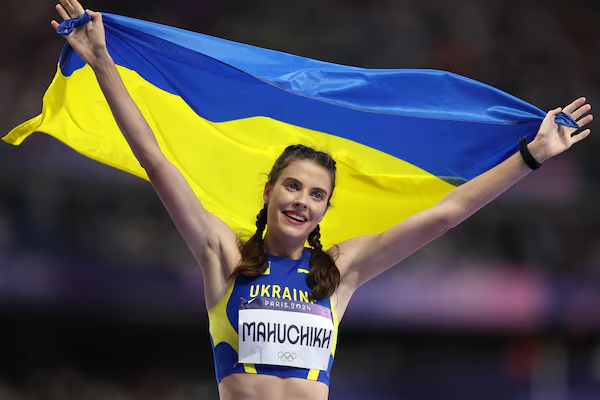
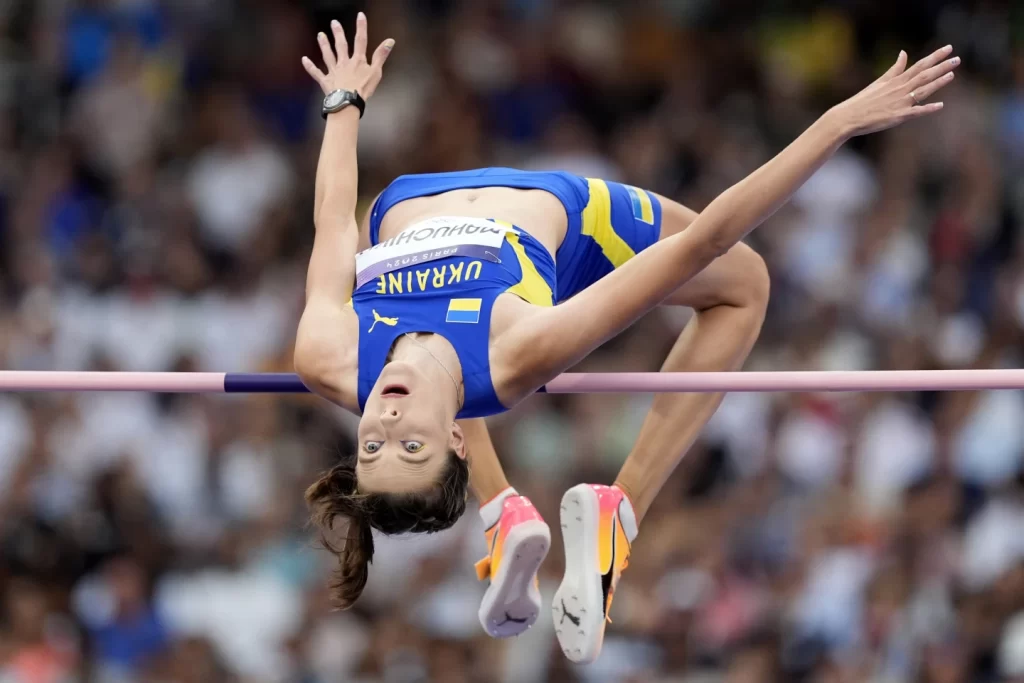
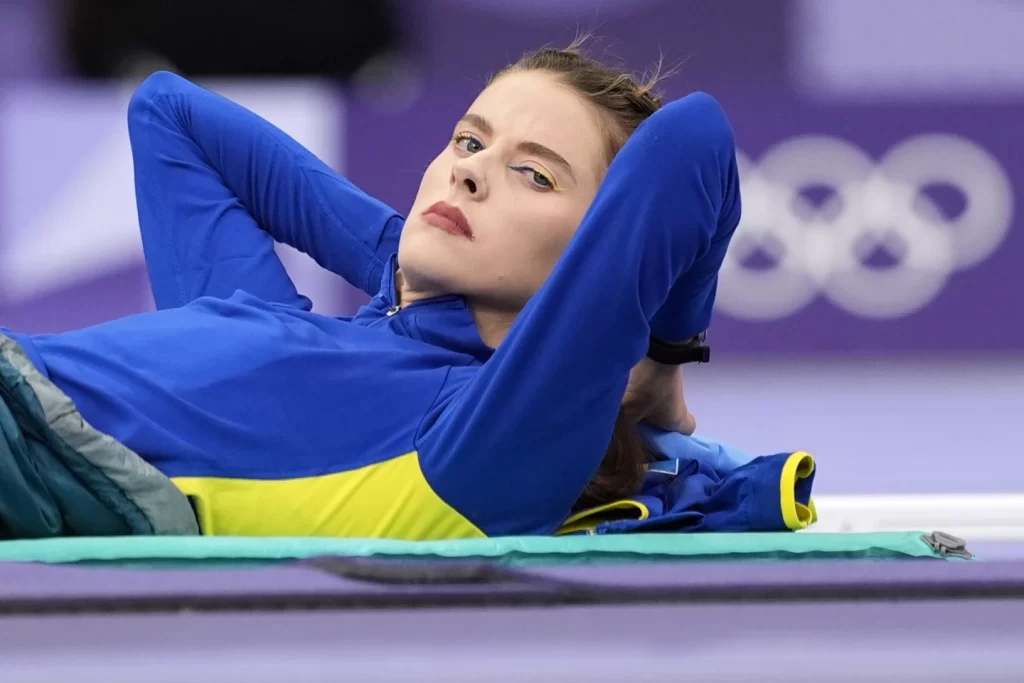
Ukrainian high jumper Yaroslava Mahuchikh, who was forced to flee her country due to the ongoing war with Russia, claimed a historic gold medal at the Paris Olympics on Sunday, marking Ukraine’s first individual gold of these Summer Games. Her triumph was made even more poignant by sharing the moment with her teammate Iryna Gerashchenko, who secured the bronze medal in the same event.
The pair’s victory celebration became an emotional highlight of the Games as they ran down the track waving Ukrainian flags, prompting a standing ovation from the crowd at Stade de France. This gold medal adds to Ukraine’s earlier success in the women’s team saber fencing event, bolstering the nation’s Olympic performance amid challenging circumstances.
Mahuchikh’s winning jump of 2.00 meters was enough to edge out Australia’s Nicola Olyslagers, who also cleared 2.00 meters but failed in her attempts at 2.02. The bronze medal was shared between Australia’s Eleanor Patterson and Ukraine’s Gerashchenko, both clearing 1.95 meters.
The victory held special significance for Mahuchikh, who hails from Dnipro, a city of nearly one million people located just 100 kilometers from the front lines of the war in Ukraine. When the conflict began, she was forced to hastily leave her hometown, packing what she could into her car and fleeing amidst the sound of gunfire and falling shells.
This Olympic gold is the crowning achievement in Mahuchikh’s already impressive career, adding to the bronze she won in Tokyo and the gold she claimed at last year’s world championships. Her recent world record of 2.10 meters, set less than a month ago in another Paris stadium, further cements her status as one of the world’s premier high jumpers.
The night proved to be a triumphant one for Ukrainian athletics overall, with Mykhaylo Kokhan securing a bronze medal in the hammer throw. This success doubled Ukraine’s total medal count from three to six, a significant achievement given the challenges faced by the country’s athletes due to the ongoing conflict.
The emotional impact of these victories was evident as the three Ukrainian medalists shared a huge hug after the hammer throw competition concluded. They then posed together on the track, proudly displaying their blue and yellow flags, in a powerful moment of national pride and resilience.
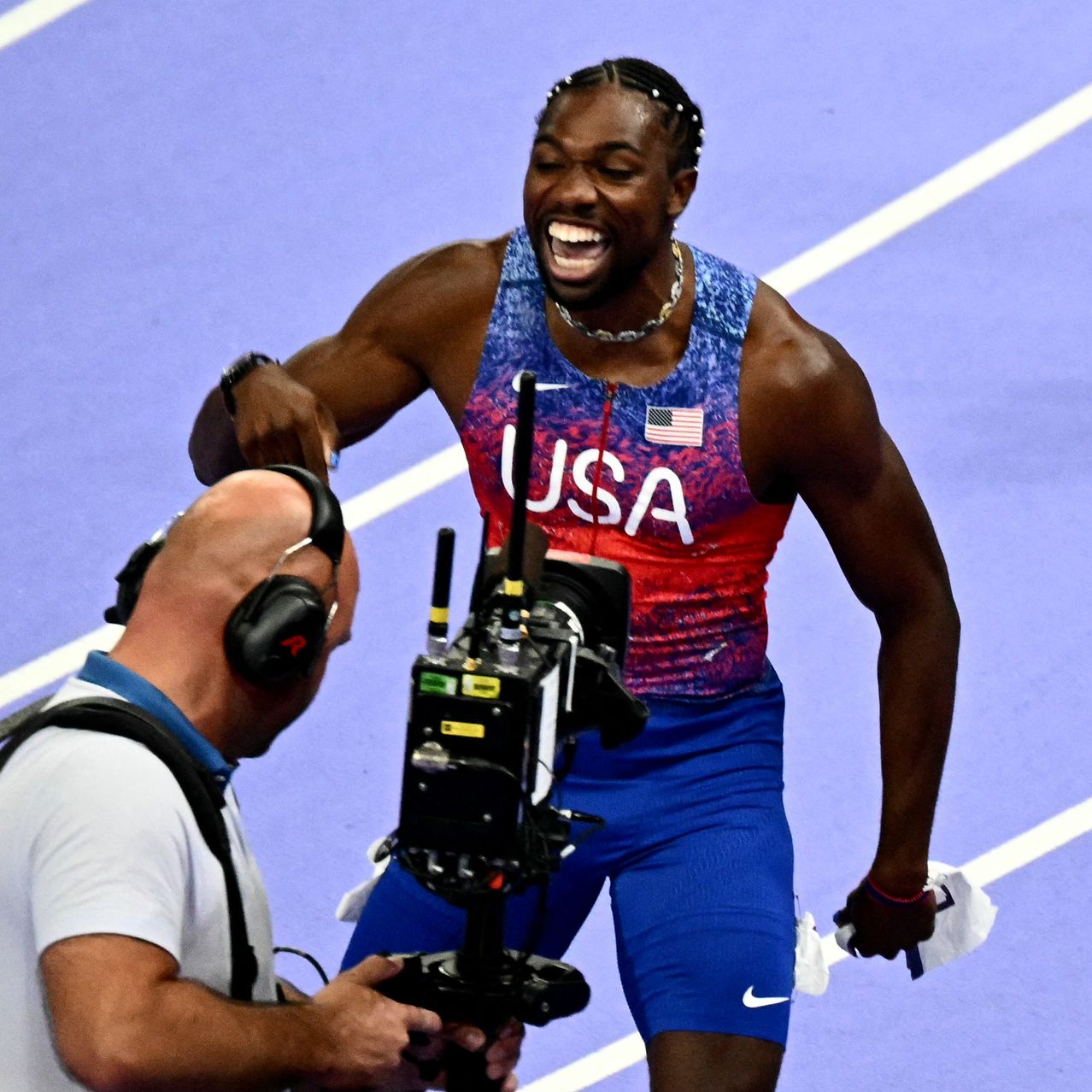
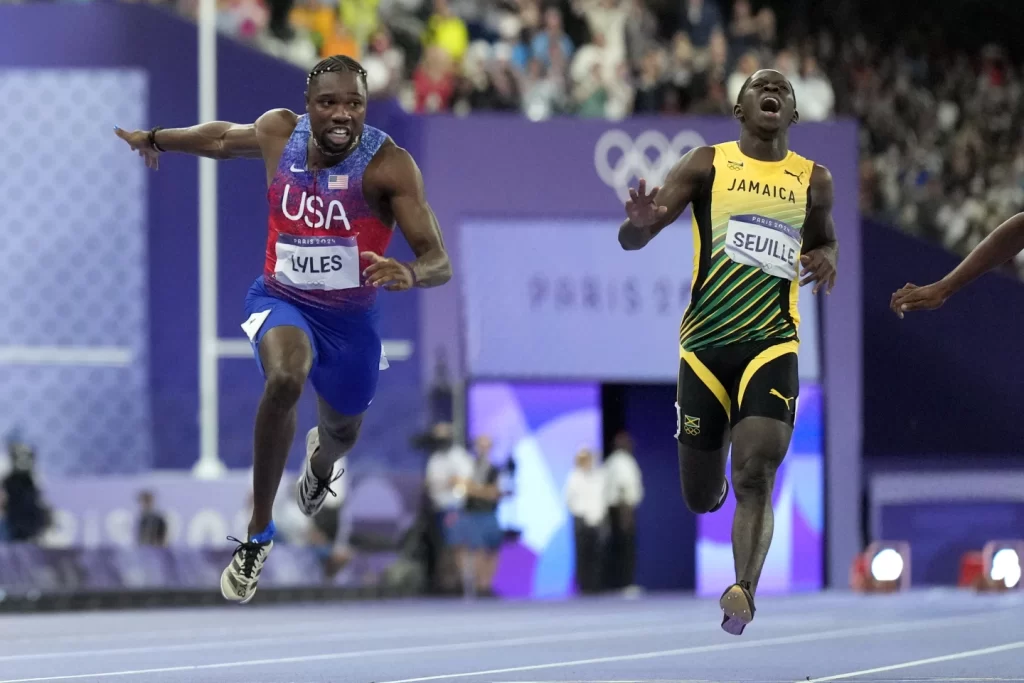
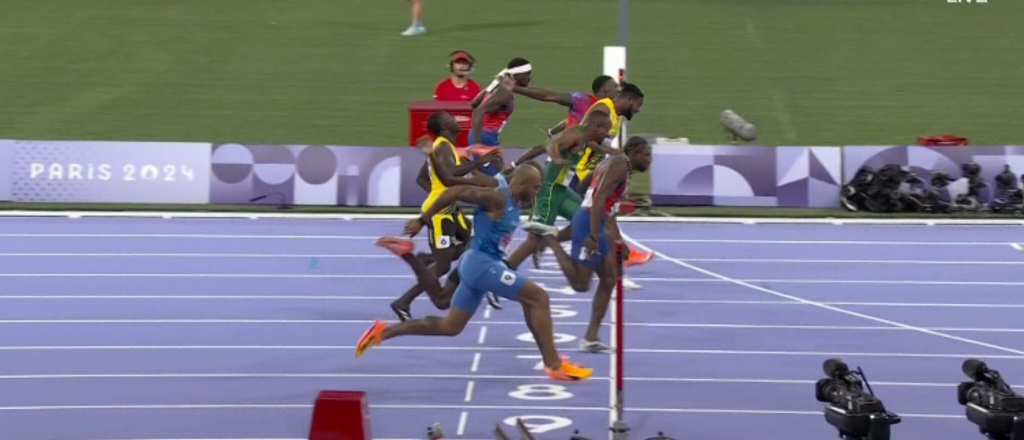
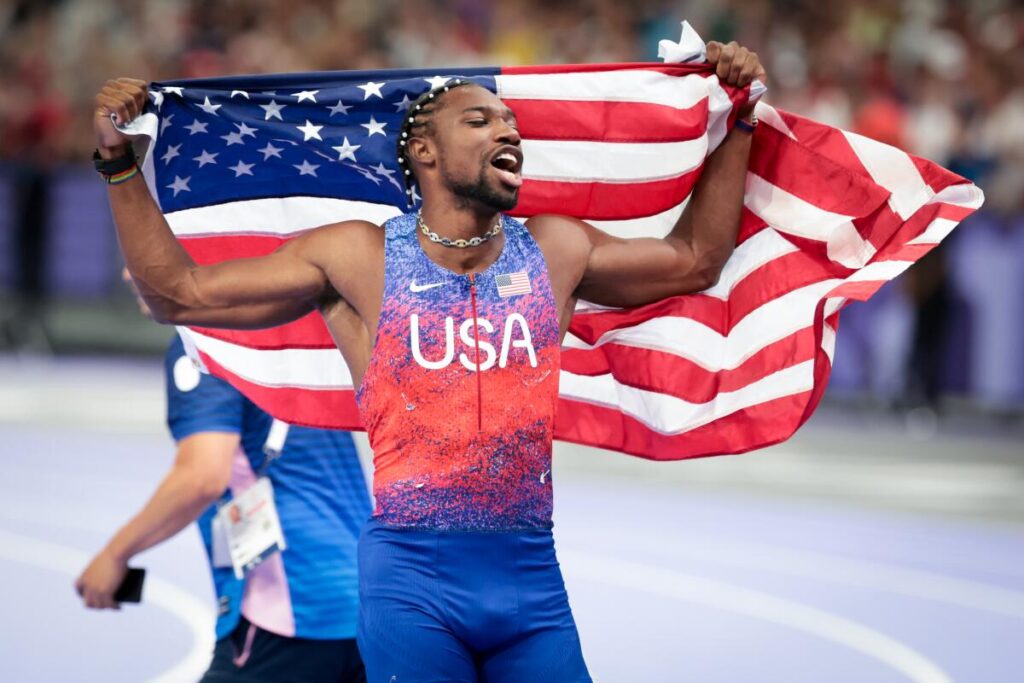
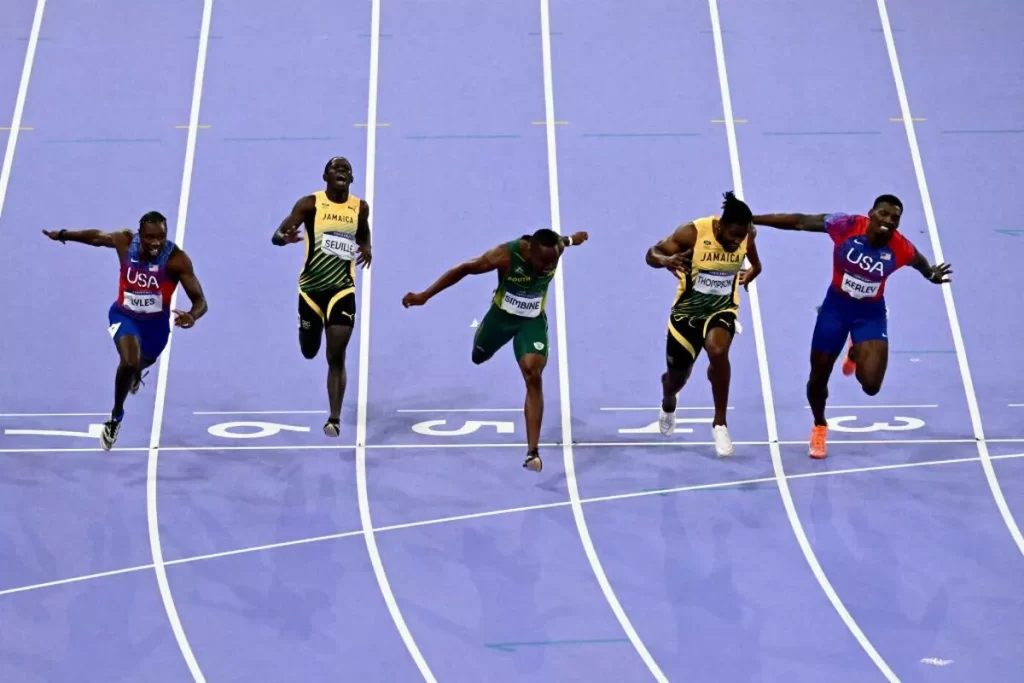
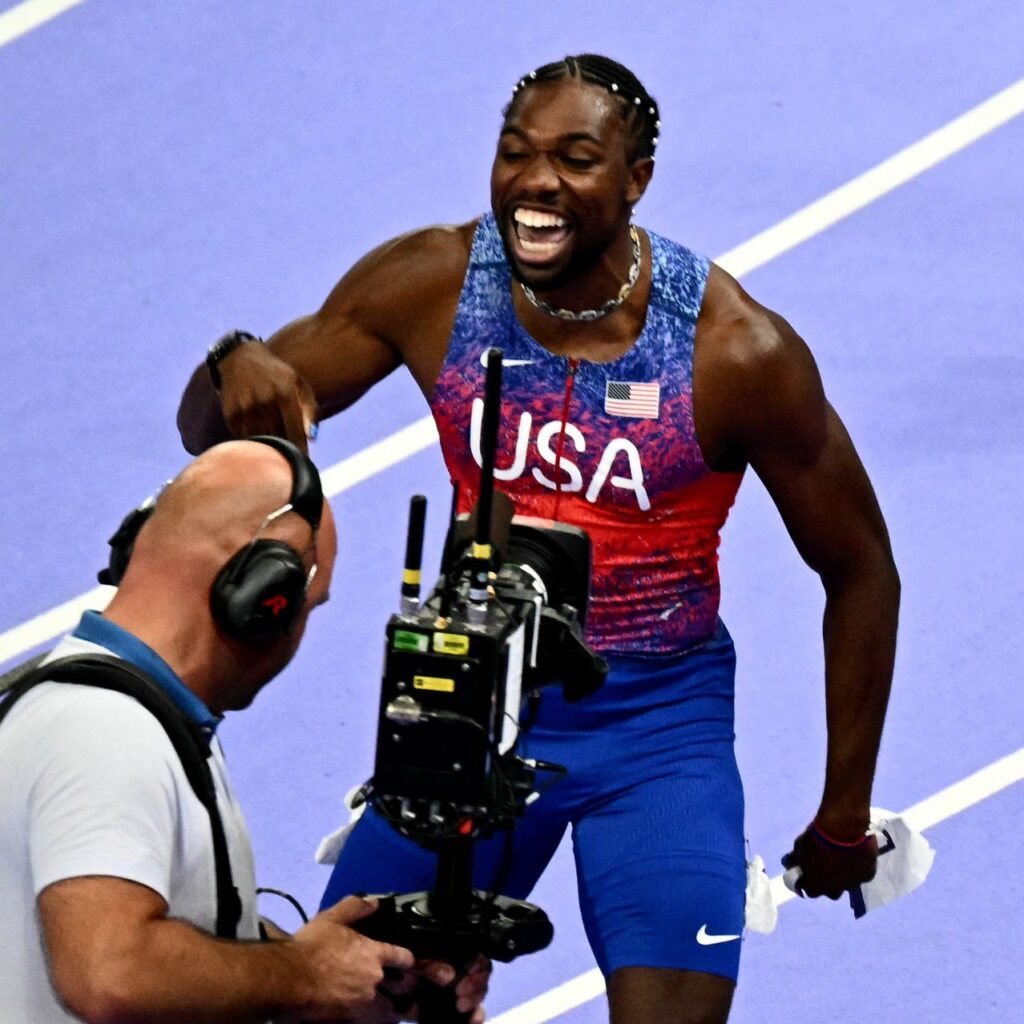
Noah Lyles of the United States secured a dramatic victory in the Olympic 100 meters on Sunday, winning by just 0.005 seconds over Jamaica’s Kishane Thompson. The tense race concluded with Lyles anxiously waiting 30 seconds after crossing the finish line to confirm his win. This is the first gold for the U.S.A in Olympics for about two decades.
As the competitors sprinted to the finish, the scoreboard displayed the word “Photo,” indicating the closeness of the race. Lyles, exhausted, draped his hands over his head as he awaited the final results. The times were eventually displayed, revealing Lyles’ victory with a time of 9.784 seconds, narrowly edging out Thompson.
In a competitive field, America’s Fred Kerley secured third place with a time of 9.81 seconds, while defending champion Marcell Jacobs finished in fifth place.
In the semifinals of the Olympic 100 meters, Noah Lyles finished behind Jamaica’s Oblique Seville, who outpaced him in the earlier race. Despite this, Lyles advanced to the final, setting up a rematch in the evening’s gold-medal race.
Seville has consistently challenged Lyles this season, now holding a 2-0 advantage in their head-to-head matchups after finishing the semifinal in 9.81 seconds, just 0.02 seconds ahead of Lyles.
During the semifinal, Seville had a strong start, which gave him an edge over Lyles. The American worked hard to regain ground over the last 40 meters but ultimately couldn’t close the gap entirely. Lyles also experienced a setback in the earlier rounds, losing his preliminary heat to Britain’s Louie Hinchliffe, who clocked an impressive time. Unfortunately, Hinchliffe did not advance to the final.
Joining Lyles and Thompson in the highly anticipated final was Jamaica’s Kishane Thompson, who recorded a semifinal time of 9.80 seconds, the fastest among the three heats. Thompson has also recorded the second-best time this year at 9.77 seconds, and he, along with Seville, are among the top contenders challenging for the Olympic podium.
Noah Lyles’ victory marks his first Olympic gold in the 100 meters, adding to his accolades and securing his position as one of the top sprinters in the world.
Ukraine has significantly ramped up its long-range attacks against Russian targets in the past 24 hours, successfully sinking a Russian submarine and striking a key airfield, according to official statements. This surge in offensive operations comes as Ukraine continues to press its Western allies for permission to use long-range missiles to hit targets within Russia, a request that has so far been met with resistance due to fears of escalation from Moscow.
The General Staff of Ukraine reported striking a Russian Kilo-class submarine and an S-400 anti-aircraft missile complex in the Moscow-occupied Crimean peninsula. The submarine, identified as the “Rostov-on-Don” of Russia’s Black Sea fleet, was reportedly attacked and sank in the port of Sevastopol. Additionally, Ukrainian forces damaged four launchers of the Triumph air defense system, which had been established to protect the strategically important Kerch Strait Bridge.
In a separate operation, Ukrainian forces launched a massive drone barrage against the Morozovsk airfield in Russia’s Rostov region. The attack reportedly resulted in hits on ammunition warehouses storing guided aerial bombs. This coordinated strike was carried out jointly by the Security Service of Ukraine, the Main Directorate of Intelligence, and the Defense Ministry, demonstrating Ukraine’s growing capacity for complex, long-range operations.
The intensification of these attacks over the past month has seen Ukraine targeting Russian military infrastructure, including airfields and oil depots, with increased frequency. Analysts suggest that such an escalation is necessary for Ukraine to effectively degrade Russian military capabilities.
However, the conflict continues to take a toll on civilian populations as well. In the Russian town of Shebekino, Belgorod Governor Vyacheslav Gladkov reported that a Ukrainian drone strike on an apartment building early Sunday resulted in one woman’s death and damage to several other buildings. The governor also noted that eight civilians had been wounded in the region by Ukrainian shelling and dozens of drone strikes since the previous day.
As Ukraine pushes for more advanced weaponry from its Western allies, particularly long-range missiles capable of striking targets within Russia, the United States and other partners have been cautious, fearing potential escalation from Moscow. The recent successes in long-range strikes may bolster Ukraine’s case for receiving such weapons, but the decision remains contentious among Western powers.
In a separate development, Ukraine’s human rights ombudsman, Dmytro Lubinets, has called for an international investigation into an alleged photo circulating on social media that purportedly shows the body of a Ukrainian prisoner of war tortured and executed by Russian forces. Lubinets has appealed to the International Committee of the Red Cross and the United Nations to investigate the matter, describing it as a clear violation of the Geneva Convention.
The ICRC, responding to the request, stated that they take such reports extremely seriously and typically respond via relevant authorities directly and confidentially. They emphasized that the law of armed conflict is clear: prisoners of war must be treated humanely at all times.
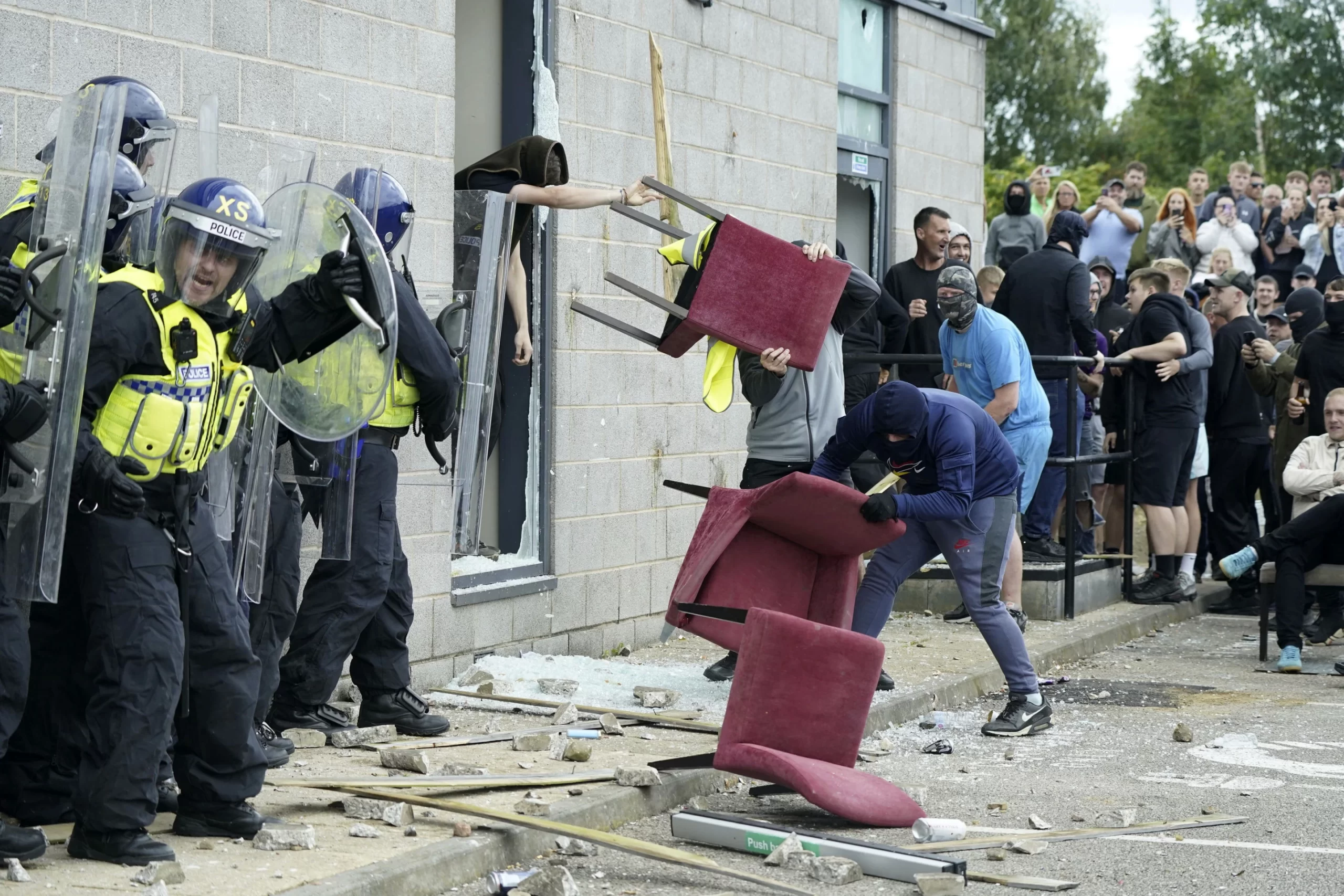
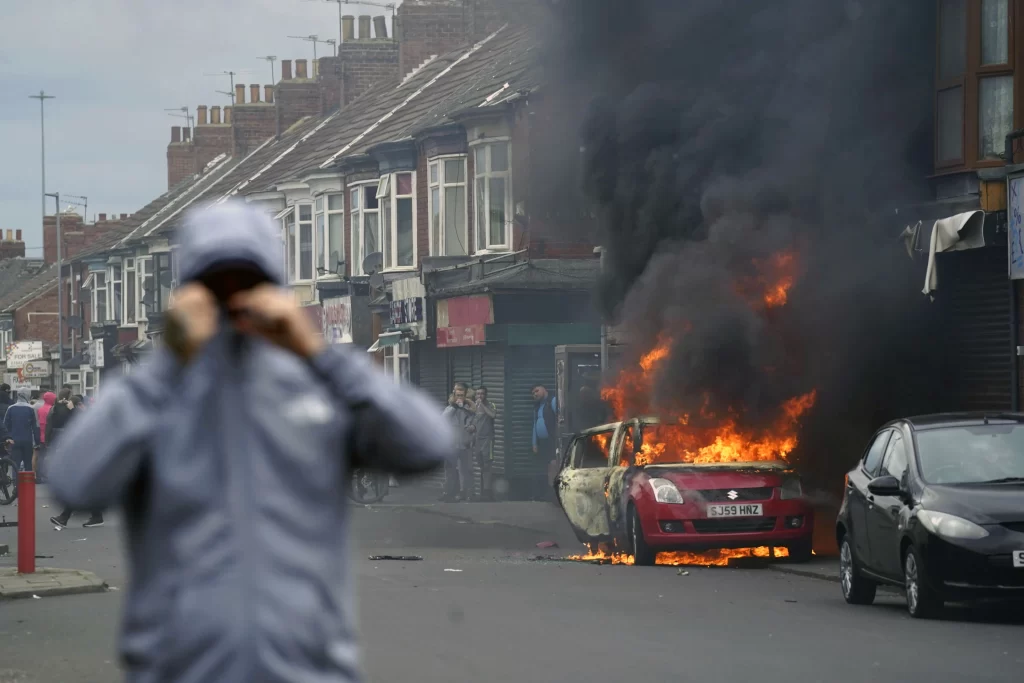
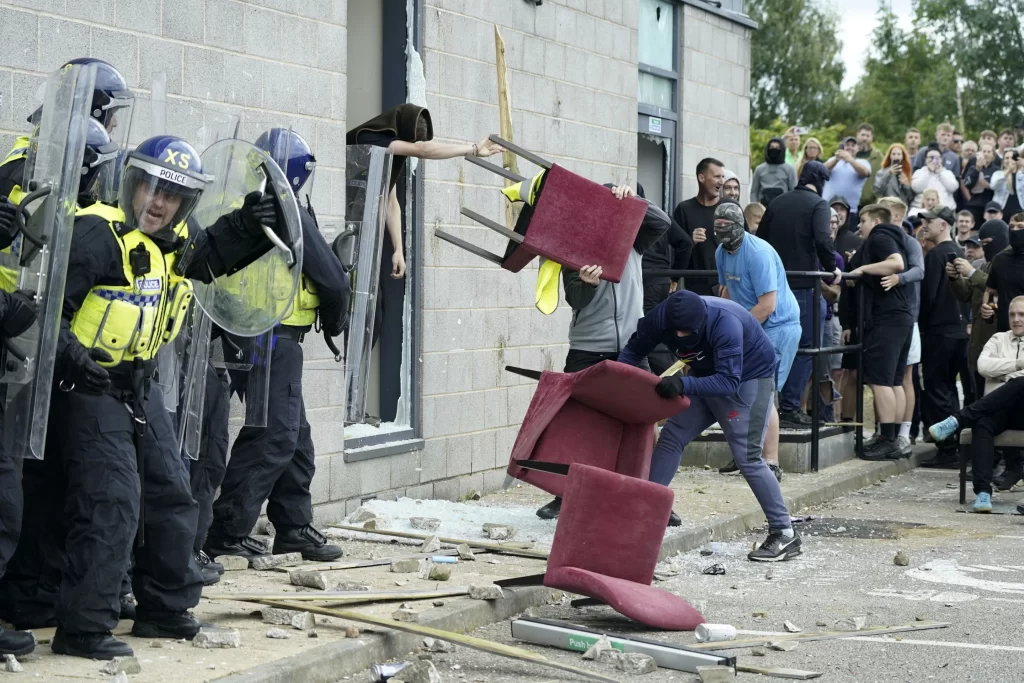
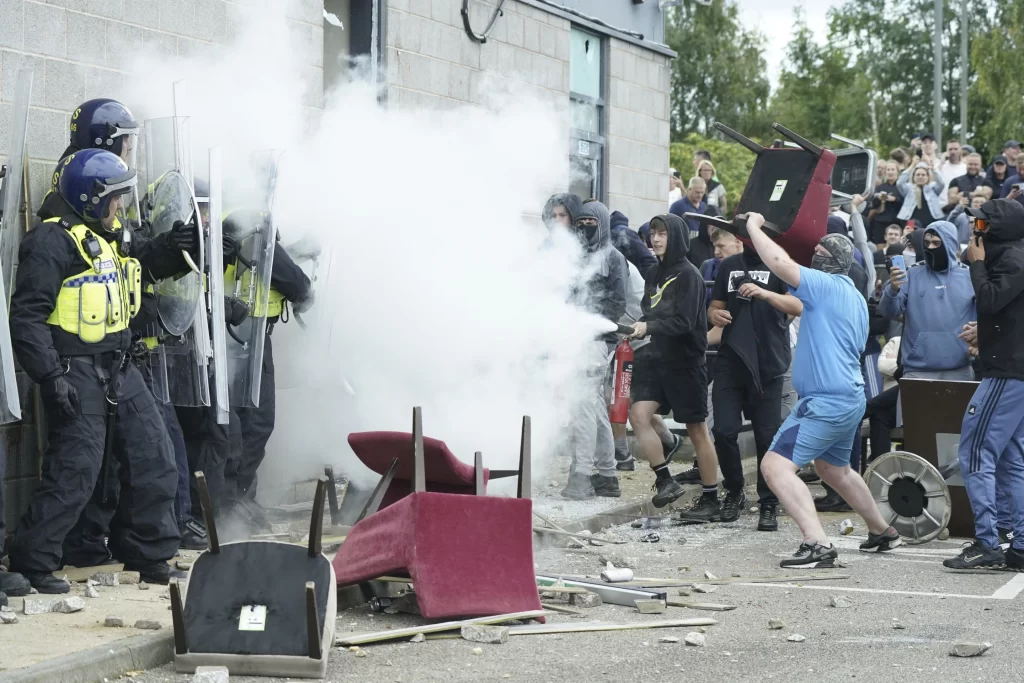
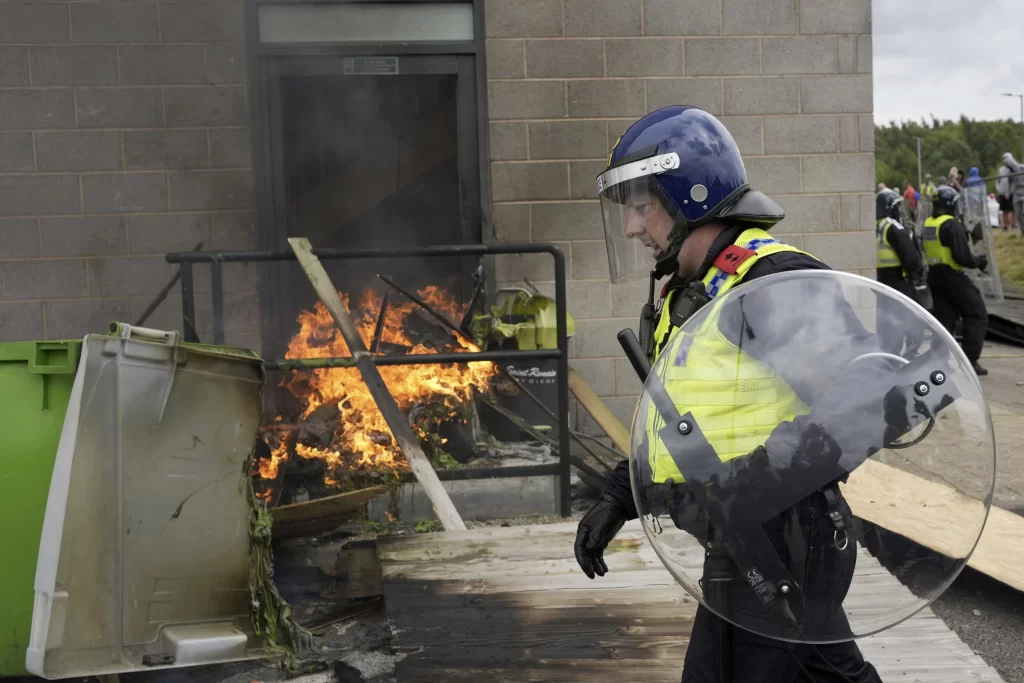
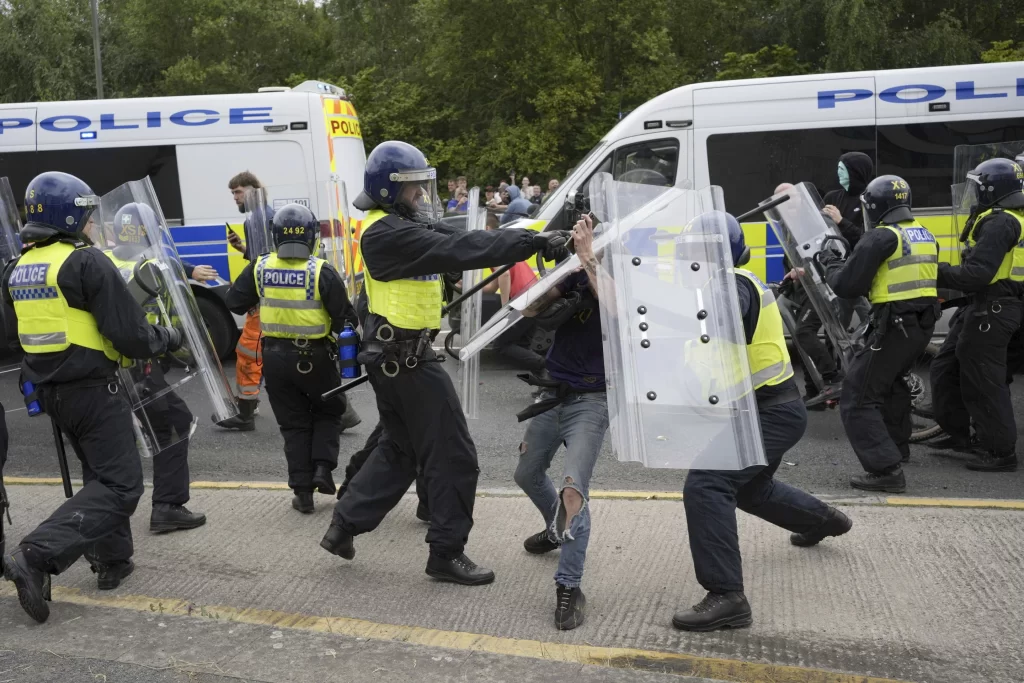
UK police forces are grappling with widespread far-right riots across the country, as Prime Minister Keir Starmer strongly condemns what he calls “far-right thuggery” and vows swift justice for those involved. The unrest, which has seen violent clashes in multiple cities, comes in the wake of a stabbing rampage at a dance class that left three girls dead and several wounded.
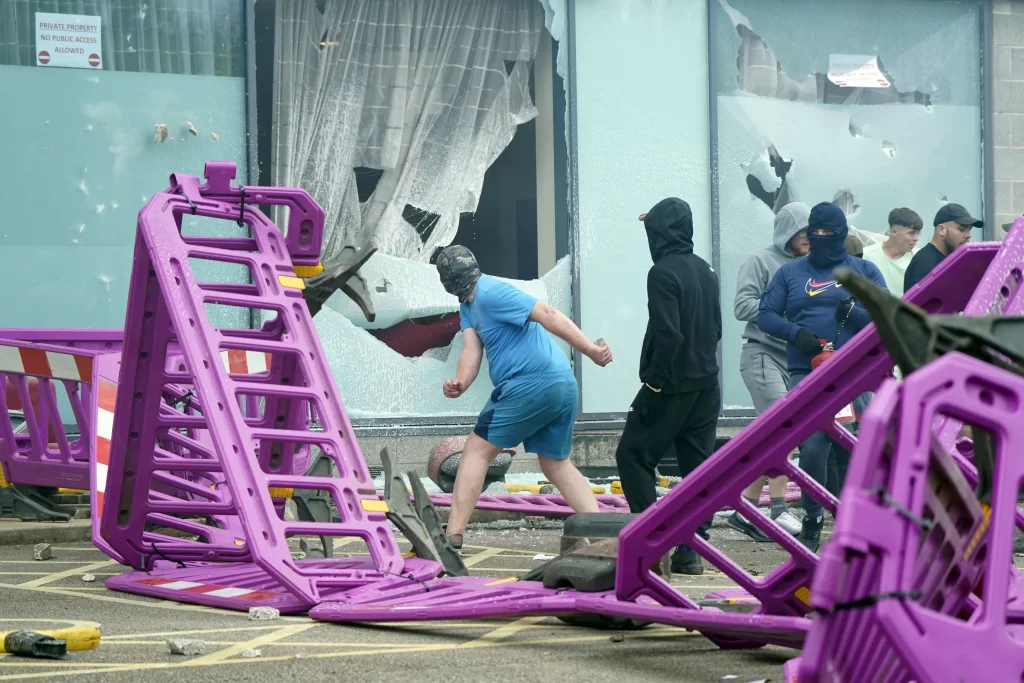
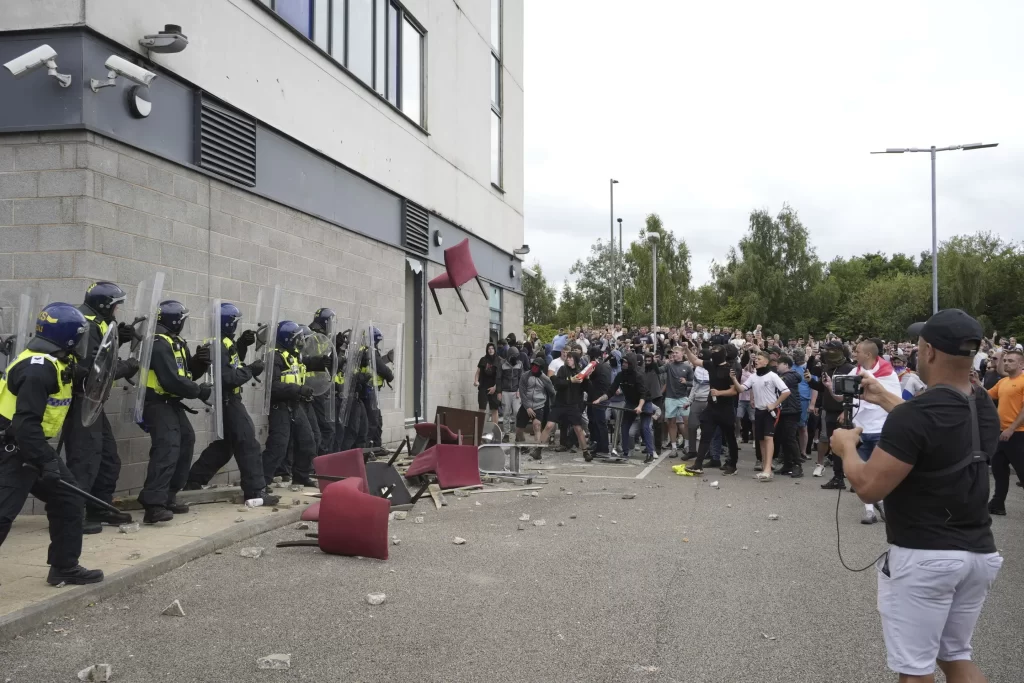
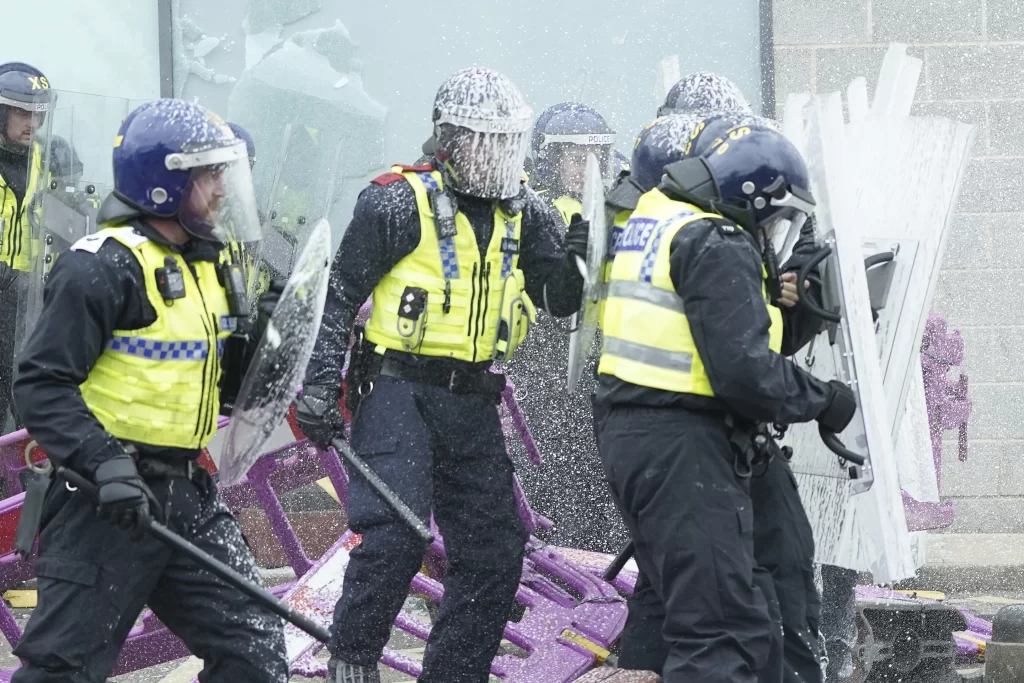
In Rotherham, police struggled to contain hundreds of rioters attempting to break into a Holiday Inn Express hotel housing asylum seekers. Officers faced a barrage of missiles, including wood, chairs, and fire extinguishers. South Yorkshire Police reported at least 10 officers injured, with one left unconscious. Assistant Chief Constable Lindsey Butterfield described the behavior as “nothing short of disgusting” and promised swift action against those involved.
The violence has spread to other parts of the country, with Middlesbrough witnessing protesters smashing windows of houses and cars in residential areas. When confronted by a resident, one rioter reportedly replied, “Because we’re English.” In Liverpool, about 300 people were involved in violent disorder, setting fire to a community facility and impeding firefighters’ efforts to extinguish the blaze.
Prime Minister Starmer, speaking from 10 Downing Street, promised that authorities would “do whatever it takes to bring these thugs to justice” and warned that justice would be swift. He emphasized that the actions were not protests but organized, violent thuggery with no place on UK streets or online.
The riots appear to be fueled by false rumors spread online about the identity of the stabbing suspect. Despite Judge Andrew Menary ordering the identification of 17-year-old Axel Rudakubana, born in Wales to Rwandan parents, to counter misinformation, far-right groups have continued to mobilize support using anti-immigration rhetoric.
Key figures in amplifying these calls for protests include Stephen Yaxley-Lennon, known as Tommy Robinson, a longtime far-right agitator with a significant online following. Nigel Farage, recently elected to parliament as leader of Reform UK, has also been criticized for indirectly encouraging anti-immigration sentiment, though he has condemned the violence.
The unrest has stretched police resources thin, with officers being pulled from day-to-day policing duties. Tiffany Lynch from the Police Federation of England and Wales warned that this could lead to other crimes not being fully investigated, impacting victims in communities across the country.
The government under Starmer has faced calls to bring in the army to assist police, but Policing Minister Diana Johnson stated that the police have made it clear they currently have all the resources they need. However, the ongoing violence and its spread across multiple cities suggest that the situation remains volatile and challenging for law enforcement.
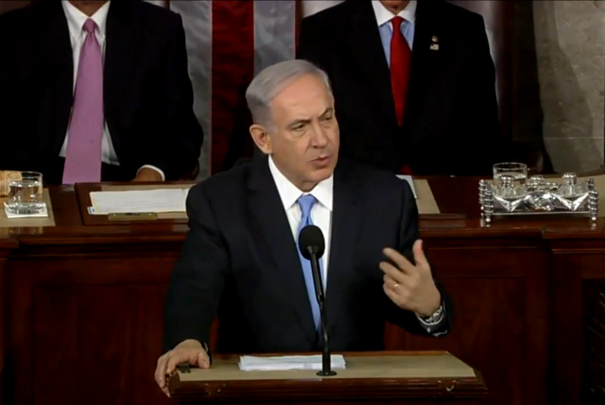
The United States and its allies are ramping up preparations to defend Israel as Prime Minister Benjamin Netanyahu declared on Sunday that his country is already engaged in a “multi-front war” with Iran and its proxies. This escalation in rhetoric and military readiness comes amid soaring tensions following nearly 10 months of war in Gaza and the recent killings of high-profile figures in the region.
Netanyahu’s statement to his Cabinet underscores the gravity of the situation, as Israel braces for potential retaliation from Iran and its allies. The assassination of a senior Hezbollah commander in Lebanon and Hamas’ top political leader in Iran has heightened fears of an imminent counterstrike, with both groups blaming Israel for these deaths.
In response to the growing threat, the Pentagon has moved significant military assets to the region. White House deputy national security adviser Jon Finer emphasized the US commitment to preventing further escalation, telling ABC, “We are doing everything possible to make sure that this situation does not boil over.” This mobilization reflects the Biden administration’s determination to support Israel while attempting to contain the conflict and prevent it from engulfing the broader Middle East.
The US strategy appears to be twofold: deterring Iran and its proxies from launching a large-scale attack on Israel, while simultaneously working through diplomatic channels to de-escalate tensions. Jordan’s Foreign Minister Ayman Safadi’s rare trip to Iran exemplifies these diplomatic efforts, with Safadi stating, “We want the escalation to end.”
Israel itself is on high alert, with some citizens preparing bomb shelters in anticipation of potential attacks. The country’s military readiness is informed by the memory of Iran’s unprecedented direct military assault in April, which followed a suspected Israeli strike that killed two Iranian generals. Israel reported intercepting almost all the drones and missiles launched during that attack.
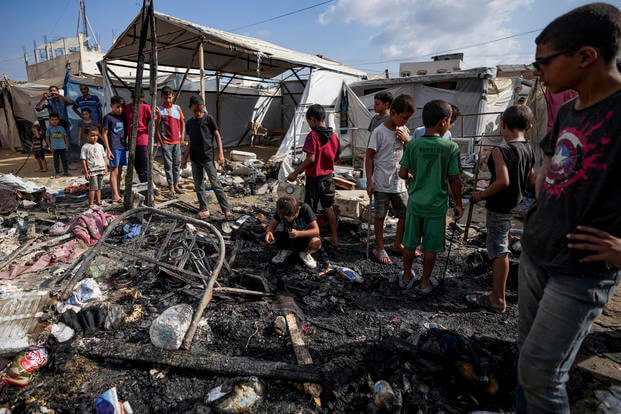
Meanwhile, the ongoing conflict in Gaza continues to fuel regional tensions. Israel’s military reported striking Hamas command centers at two schools in Gaza City, while Palestinian militants fired projectiles at Israeli communities near the border. The war, triggered by Hamas’ October 7 attack on Israel, has resulted in widespread destruction and displacement in Gaza, with the death toll reaching at least 39,580 Palestinians, according to Gaza’s Health Ministry.
The conflict has also spilled over to the Israel-Lebanon border, where Hezbollah and Israel have been exchanging fire with increasing intensity. Hezbollah claims its actions are aimed at relieving pressure on Hamas, but the recent killing of its senior commander has raised fears of a more significant escalation along this front.
As the situation remains highly volatile, the international community watches anxiously. The US and its allies are walking a diplomatic tightrope, attempting to support Israel’s security while preventing a wider regional war that could have devastating consequences. The effectiveness of these efforts in the face of Netanyahu’s declaration of an ongoing “multi-front war” will be crucial in determining the course of events in the coming days and weeks.
The world now holds its breath as Israel, Iran, and their respective allies navigate this precarious situation, with the potential for significant regional and global consequences hanging in the balance. The US’s role in defending Israel while simultaneously working to prevent further escalation will be critical in shaping the outcome of this complex and dangerous standoff.
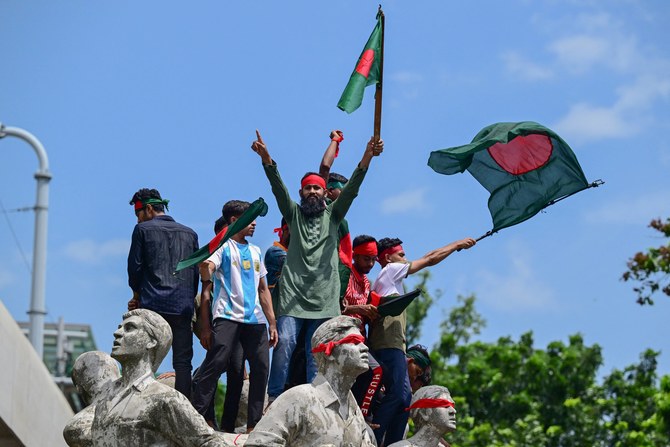
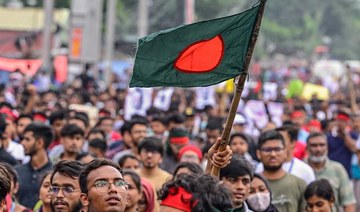
Protesters wave national flags as they stand over the Anti Terrorism Raju Memorial Sculpture during a protest in Dhaka on Aug. 4, 2024. (AFP)
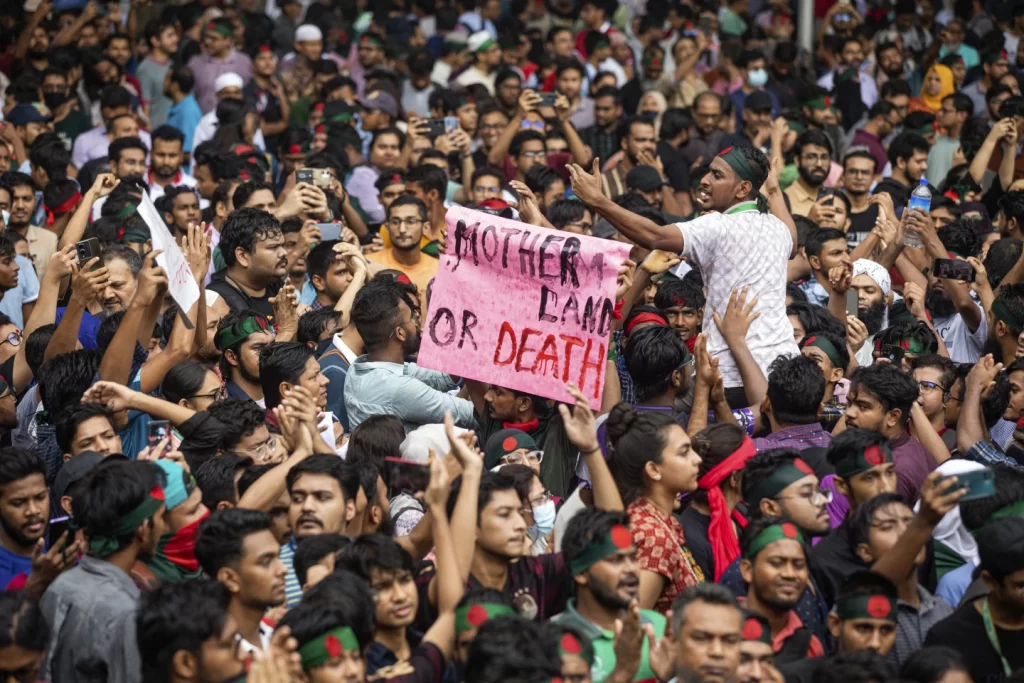
The Bangladesh government has taken drastic measures in response to escalating protests, imposing an indefinite nationwide curfew and deploying the military to the streets of Dhaka on Sunday. This action comes as thousands of protesters, led by student groups, launched a civil disobedience campaign demanding the resignation of Prime Minister Sheikh Hasina.
The latest wave of demonstrations follows a deadly crackdown on protests in July, which began with students calling for an end to a quota system for government jobs but quickly escalated into violent confrontations. Those earlier protests resulted in more than 200 deaths, a week-long communications blackout, and a curfew.
As demonstrators returned to the streets in what appeared to be even larger numbers, Bangladesh’s Interior Ministry announced that an indefinite nationwide curfew would begin at 6 p.m. on Sunday. Simultaneously, internet services were once again shut down, echoing the tactics used during the previous unrest.
The situation has rapidly deteriorated, with Prothom Alo, the country’s leading Bengali-language newspaper, reporting that more than 50 people have been killed and scores injured in the new round of clashes. Security forces have employed tear gas and stun grenades to disperse tens of thousands of protesters.
Students Against Discrimination, one of the primary groups behind the initial protests, has called for nationwide mobilization. “The time has come to make the final signature of this student citizen uprising. Come to Dhaka to be a part of history,” declared Asif Mahmud, a coordinator of the group, in a statement issued after the curfew announcement.
While the Supreme Court eventually scrapped most of the quota system to open civil service positions based on merit, the government’s heavy-handed response to the demonstrations and the arrest of thousands have transformed the student-led protests into a broader public movement. In recent days, more groups have joined the cause, including teachers and television personalities.
Protesters wave national flags as they stand over the Anti Terrorism Raju Memorial Sculpture during a protest in Dhaka on Aug. 4, 2024. (AFP)
Political analyst Salimullah Khan described the current situation as a “massive popular uprising” that enjoys support from the entire nation, except for a few beneficiaries of the regime. He warned that continued repressive measures would only lead to more loss of life.
The protests have become a significant challenge for Prime Minister Hasina, who returned to power for a fourth consecutive term in January in an election boycotted by her main opponents, including the Bangladesh Nationalist Party (BNP). The BNP has expressed its support for the students’ demands, with party official Mohammed Nawshad Zamir stating their commitment to continue street demonstrations until Hasina’s “illegitimate regime” is ousted.
In response, the ruling Awami League has accused the student-led movement of being “politicized.” Khalid Mahmud Chowdhury, an Awami League parliamentarian, claimed the protests are “a conspiracy to destroy the country” while asserting that law enforcement is showing “maximum tolerance” towards the demonstrators.
However, Dr. Iftekharuzzaman, executive director at Transparency International Bangladesh, characterized the government’s efforts to suppress the civil movement as unprecedented in scale, involving “random and disproportionate use of force by law-enforcing agencies.” He expressed concern about the lack of a clear resolution to the crisis, noting that authorities had underestimated the power of the student movement and overestimated their own invincibility.
As the situation continues to unfold, the eyes of the international community are likely to turn toward Bangladesh. The government’s response to these protests and its ability to address the underlying grievances of its citizens will be crucial in determining the country’s path forward and its standing on the global stage.