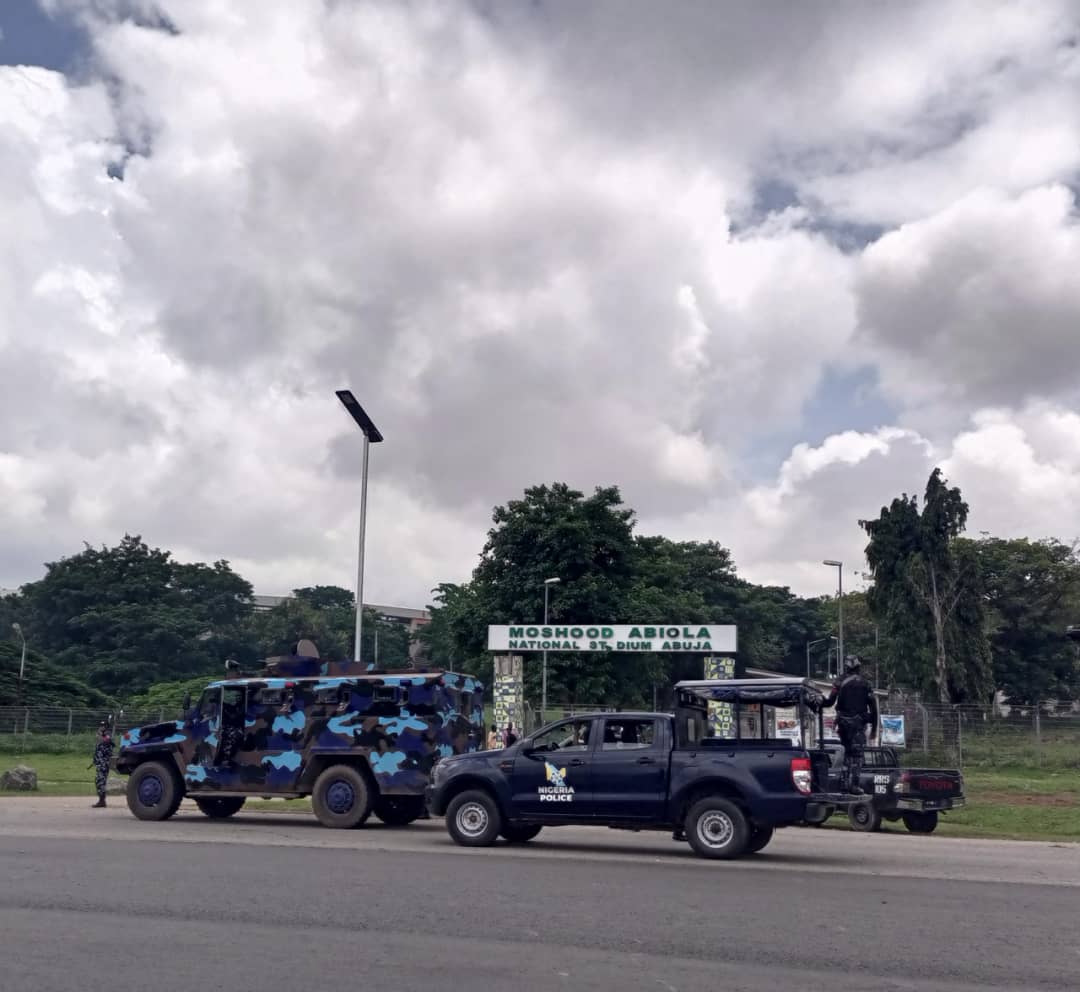
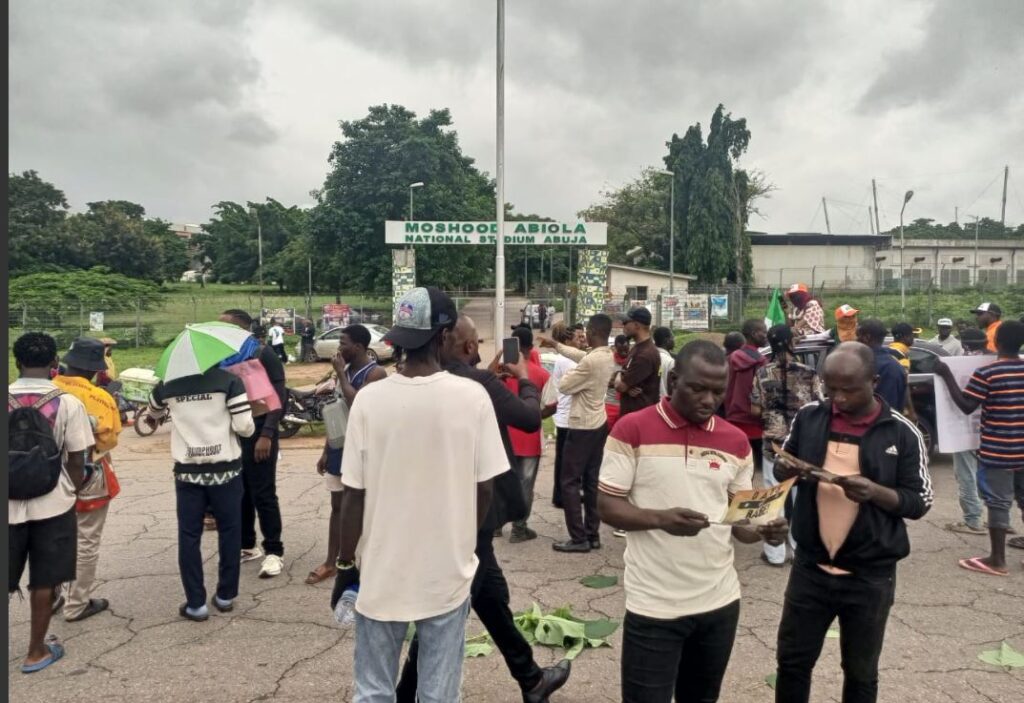
Security operatives in Abuja dispersed protesters demonstrating in front of the Moshood Abiola National Stadium on Saturday, escalating tensions in the ongoing #EndBadGovernanceInNigeria protests. The action came despite a court order secured by FCT Minister Nyesom Wike on Wednesday, which restricted protesters to the stadium.
When demonstrators refused to enter the stadium as directed, police fired tear gas to disperse the crowd. Subsequently, security forces blocked the stadium entrance using armored and patrol vehicles to prevent protesters from reconvening. Eyewitnesses reported that police aimed at both protesters and journalists, forcing them to flee for cover.
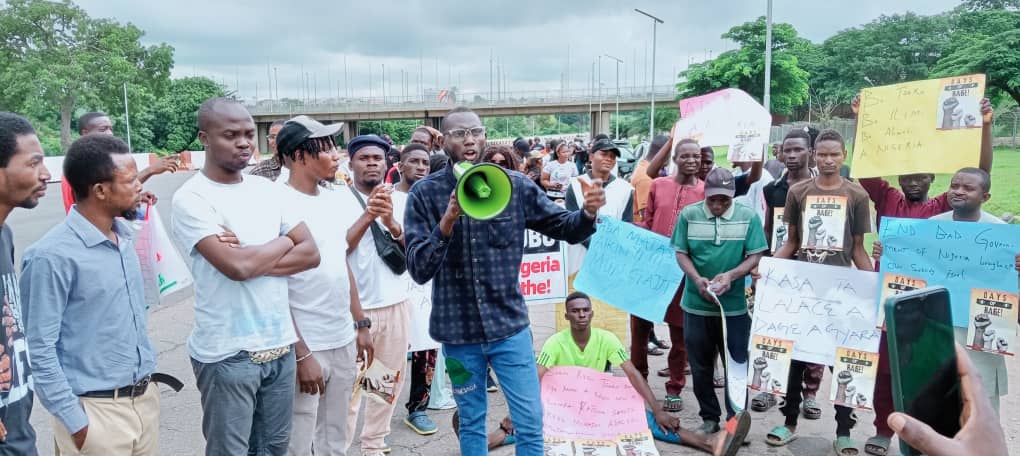
As the protests enter their third day, demonstrators have invited leaders from the Christian Association of Nigeria and the Islamic Movement of Nigeria for a “heart-to-heart” talk at the protest venue on Monday, August 4, 2024. Sydney Usman, representing the Take It Back Movement, addressed the crowd, thanking religious leaders for their media interventions while urging them to engage directly with protesters.
The demonstrators, who describe themselves as protesting against bad governance, have criticized police attacks since the protests began. They have stated their intention to remain at the stadium until the court order restricting their movement is vacated, which they expect to happen by Monday at the latest.
In a show of organization, the protesters are currently holding a congress at the site to “show the government how it is done,” according to sources on the ground.
This latest development in Abuja underscores the ongoing tensions between protesters and authorities as the #EndBadGovernanceInNigeria movement continues to challenge the status quo. The involvement of religious leaders and the protesters’ determination to maintain their presence despite police intervention highlight the complex dynamics at play in this unfolding situation.
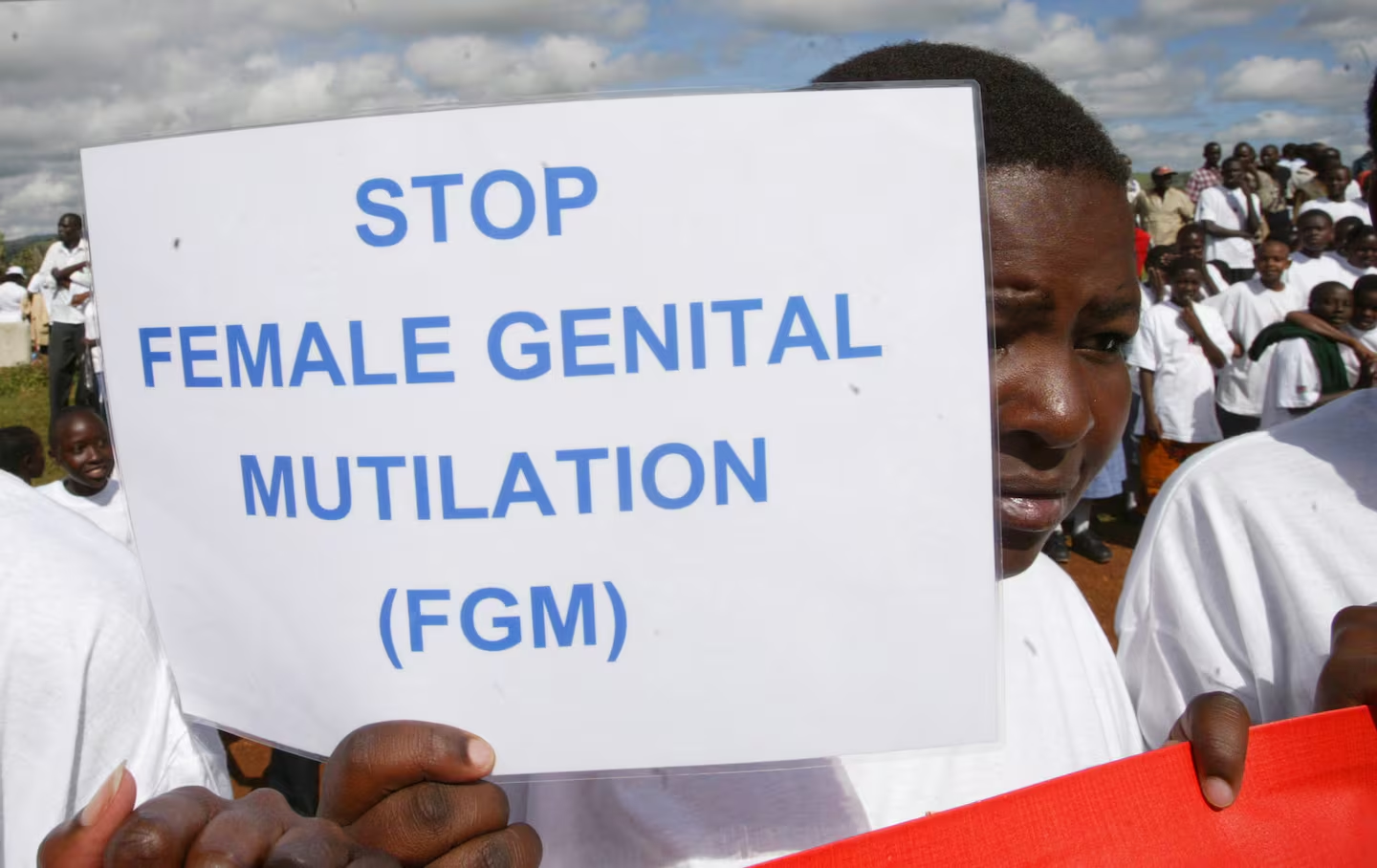
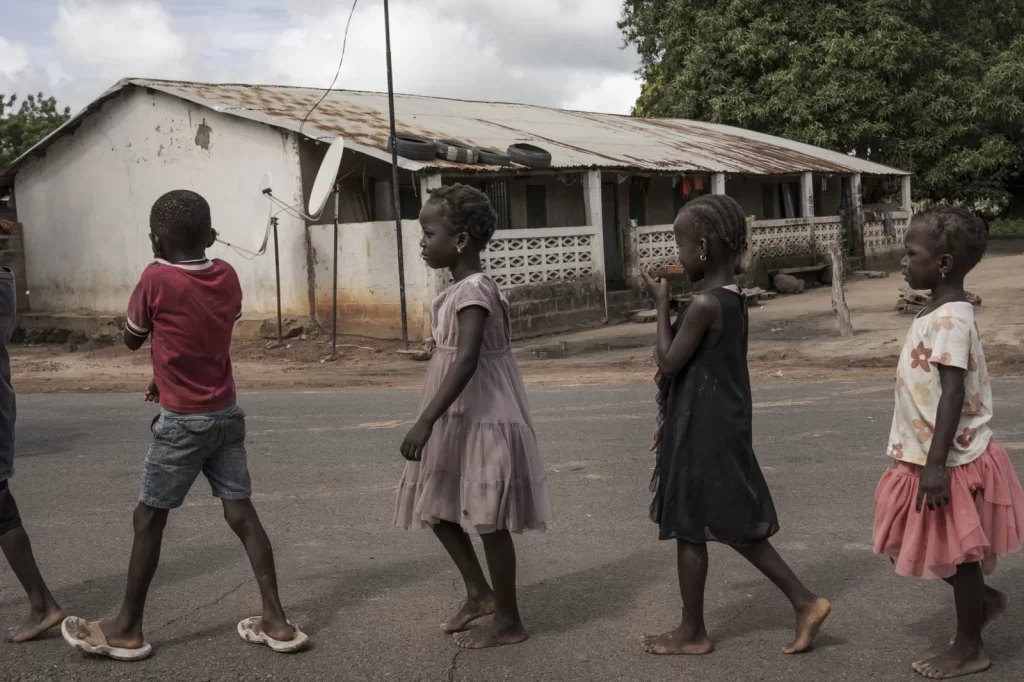
Gambia’s recent parliamentary decision to uphold its ban on female genital cutting (FGM) has been hailed as a victory by rights groups, but the real battle continues in the country’s rural areas. The debate over reversing the ban, which would have been a global first, brought the issue into public discourse for the first time in the West African nation of less than 3 million people.
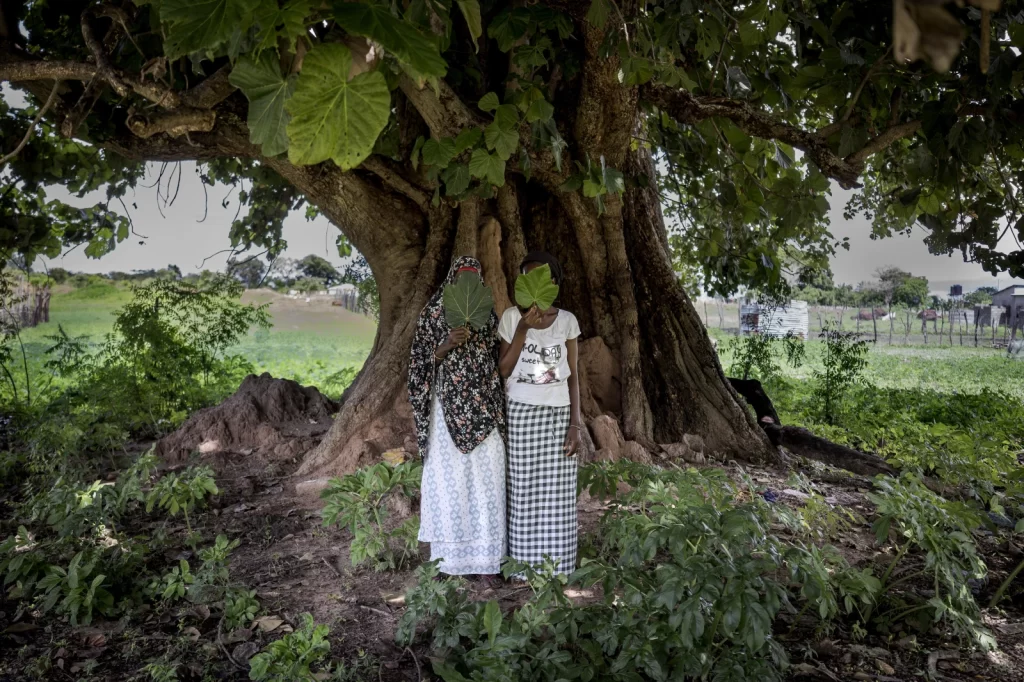
Women like Metta, a mother of six from rural Gambia, traveled to the capital Banjul to protest against reversing the ban. Despite the legislative victory, activists face significant challenges in changing deeply rooted cultural practices. The United Nations estimates that about 75% of women in Gambia have undergone FGM, a procedure the World Health Organization classifies as a form of torture.
Local activists are treading carefully, aware that their efforts could be jeopardized by too much attention. Women in rural areas are often reluctant to speak out against the practice, fearing backlash from their communities. Some activists have received hate messages for their stance against FGM.
The debate has revealed deep cultural divides. Supporters of FGM argue that it’s rooted in Gambian culture and Islamic teachings, while opponents see it as a violation of women’s rights. Habibou Tamba, a 37-year-old activist, received messages accusing him of serving Western interests after participating in anti-FGM protests.
Awareness meetings in rural areas reveal mixed reactions. While some women are shocked by the health complications associated with FGM, others defend it as a cultural and religious practice. The story of Rabietou, a 42-year-old mother of six, illustrates the generational impact of FGM and the potential for change. Cut as a child and married at 15, she now advocates against the practice for her youngest daughter.
Metta’s personal journey from undergoing FGM at age 8 to protecting her own daughters from the practice demonstrates the slow but significant shift in attitudes among some rural women. However, the prevalence of FGM and the sensitivity surrounding the topic indicate that the fight against this practice is far from over in Gambia.
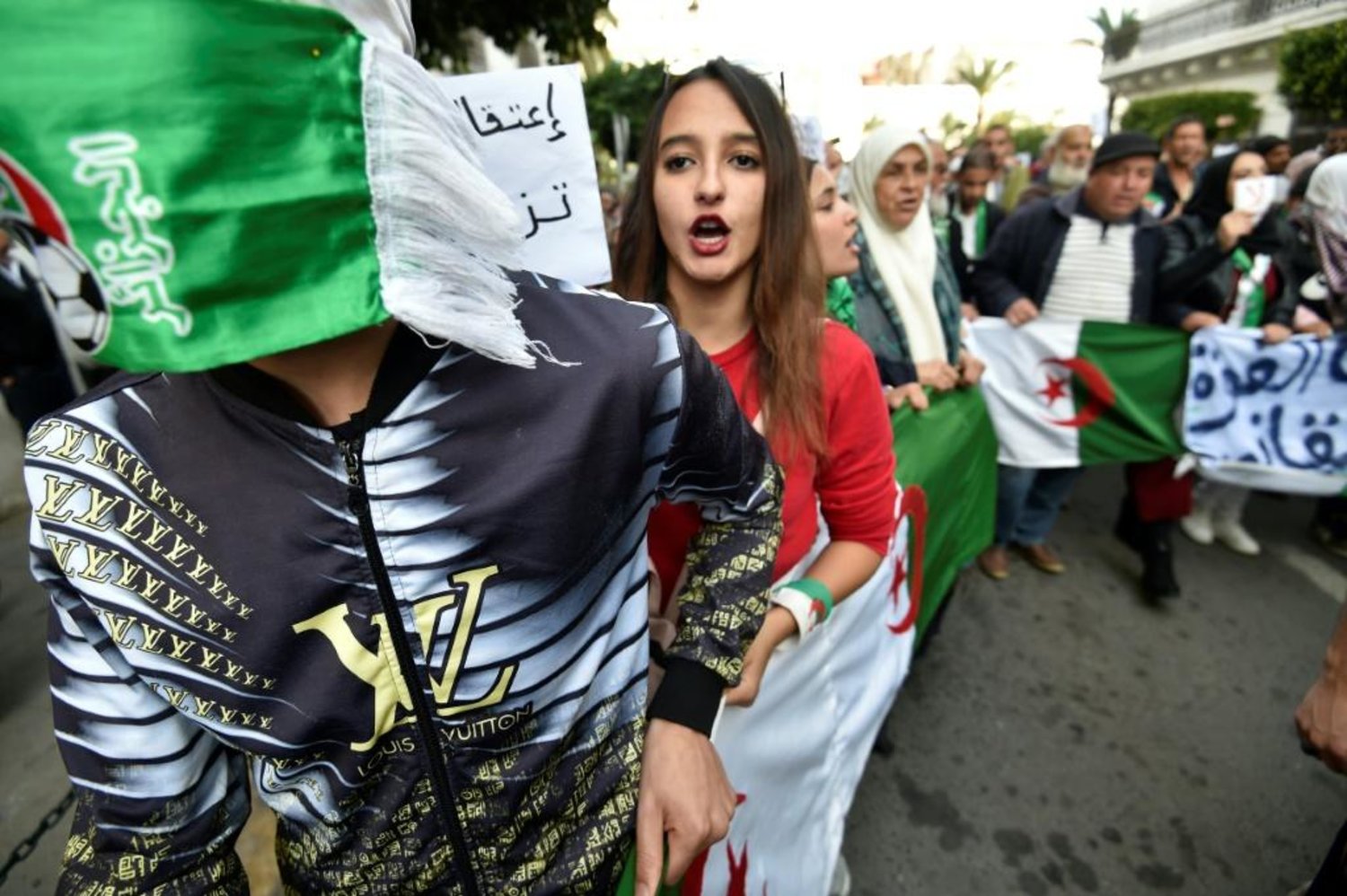
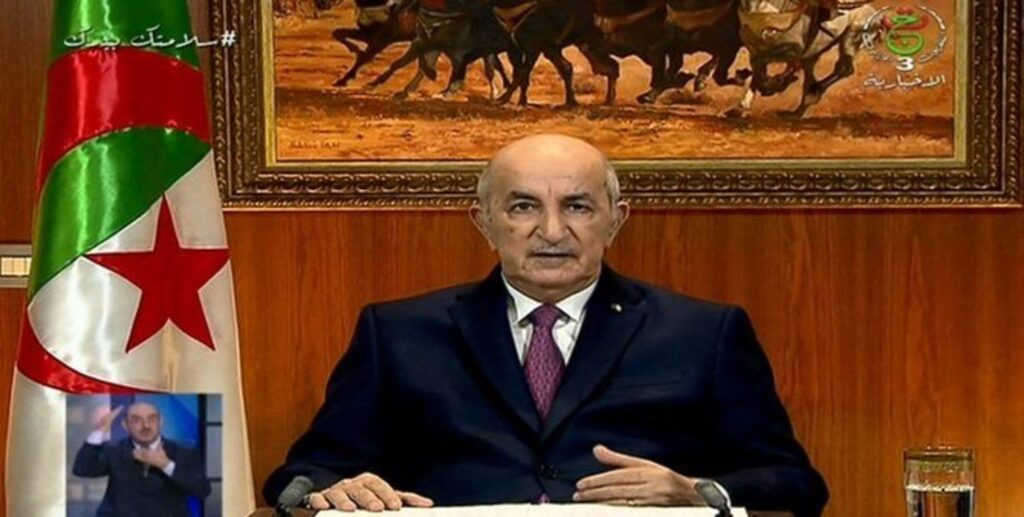
Algeria’s upcoming presidential election is highlighting a growing disconnect between the country’s aging political elite and its youthful population because its President, Abdelmadjid Tebboune, 78, is seeking a second term, describing himself as a “candidate of youth” despite facing widespread apathy among young voters.
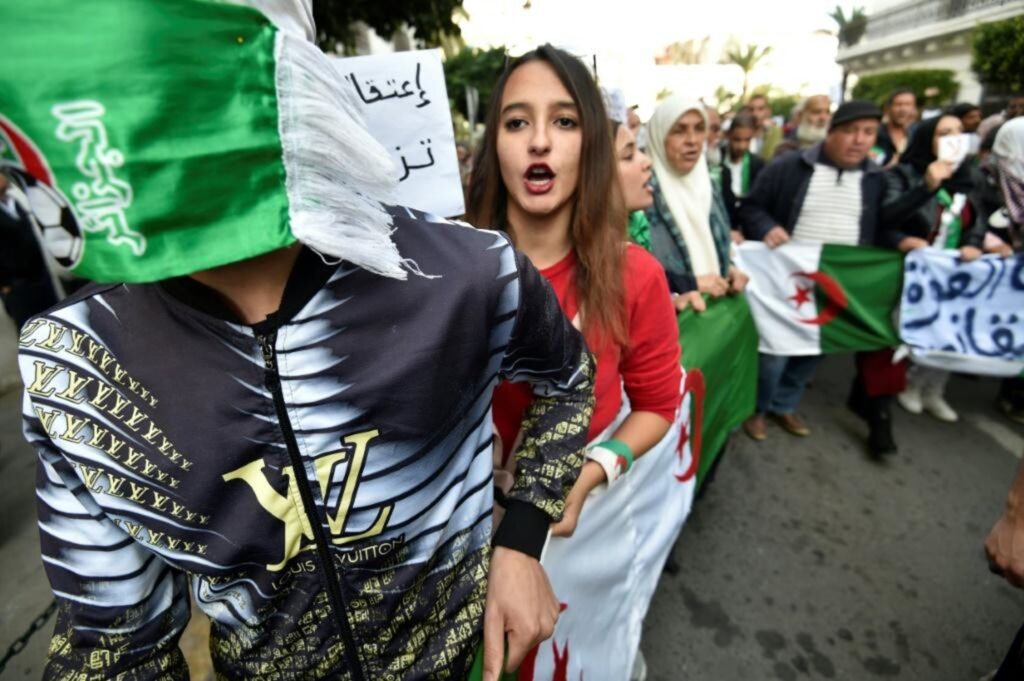
Kaci Taher, a 28-year-old from Kabylia, exemplifies the disenchantment felt by many young Algerians. A participant in the 2019 Hirak protests that ousted long-time President Abdelaziz Bouteflika, Taher now says he won’t vote, believing the election results are predetermined.
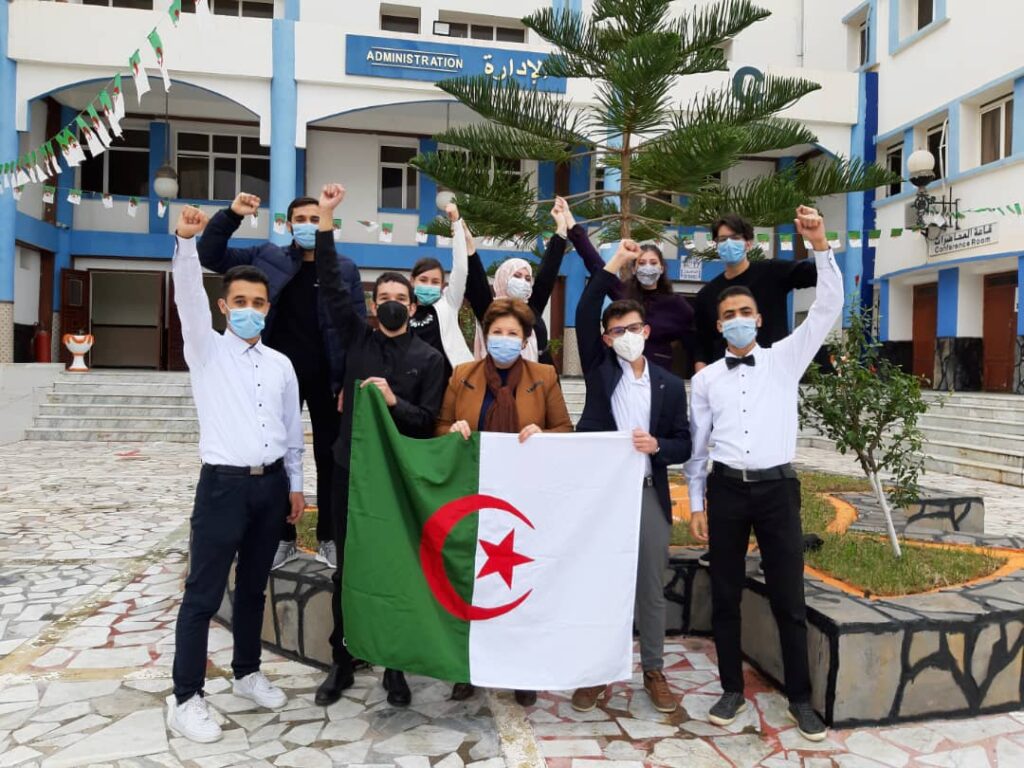
Youth disengagement is a significant concern in Algeria, where people under 30 make up 51% of the population. Voter turnout has historically been low, particularly among this demographic. Redouane Boudjema, a professor at the Algiers Institute of Journalism, attributes this to a “big gap between the new generation and the existing political structures.”
Tebboune’s presidency, which began in 2019 amid controversy over a rushed election timeline, has been marked by ongoing economic challenges and concerns over press freedom. Despite this, he continues to reference the Hirak movement in speeches, claiming to have addressed young people’s concerns.
The government has implemented measures aimed at youth engagement, including a national youth council and interest-free loans for tech start-ups. However, the effectiveness of these initiatives remains questionable.
The election also brings into focus the age disparity between Algeria’s leaders and its population, reflecting a trend seen in many countries classified as “not free.”
Concerns are rising about increased emigration, with over 100 makeshift boats crossing the Mediterranean to Spain this year. A viral video of young Algerians leaving the country has underscored these worries.
As the election approaches, the level of youth participation will be closely watched. A low turnout could cast doubt on the legitimacy of Tebboune’s expected victory and highlight the ongoing challenges in engaging Algeria’s young population in the political process.
Opposition parties, presidential candidates, and human rights organizations in Tunisia have raised serious concerns about “arbitrary restrictions” and intimidation tactics employed by authorities ahead of the presidential election scheduled for October 6. These actions are seen as attempts to secure the re-election of incumbent President Kais Saied, who announced his bid for a second term on July 19.
Elected in 2019, Saied dissolved the parliament in 2021 and began ruling by decree, a move widely criticized by the opposition as a coup. Saied has since declared he will not transfer power to what he terms “non-patriots.” As the August 6 deadline for candidate registration approaches, 11 opposition figures hoping to challenge Saied have issued a joint statement condemning the actions of the authorities.
According to the opposition, the new requirement for candidates to provide a certificate of no criminal record has hindered their ability to register. None of the 11 candidates have yet received this document. The Election Commission of Tunisia has stated that the interior ministry will provide the necessary certification but has not specified a timeline for when this will occur. The Commission has denied accusations of bias.
In a separate statement released on Thursday, 17 non-governmental organizations, including the Human Rights League, and six opposition parties criticized government control over public media, the judiciary, and the Elections Commission. They condemned the “climate of intimidation” that has allegedly been created through judicial actions and biased election oversight, arguing that these factors undermine the prospects for free and fair elections.
Presidential candidate Nizar Chaari reported that his campaign manager and a volunteer were recently arrested, and that police had confiscated public endorsements gathered for his candidacy. The Public Prosecutor’s office has accused the two individuals of database theft and endorsement forgery, allegations which Chaari’s campaign disputes.
In another development, opposition party leader Lotfi Mraihi was sentenced earlier this month to eight months in prison for vote buying and barred from future presidential elections. Additionally, candidate Abd Ellatif Mekki has been restricted from media appearances and travel by a judge.
Hela Ben Jaballah, head of the Freedoms Committee in Parliament, has called for the removal of restrictions on presidential candidates and urged the Election Commission to fulfill its role impartially. The Commission maintains that it is already operating in a neutral manner.
Zamzam camp in Sudan’s conflict-ridden Darfur region has been severely impacted by catastrophic floods, exacerbating an already dire humanitarian crisis. According to recent satellite imagery released by the Yale Humanitarian Research Lab, the floods have overwhelmed essential water and sanitation facilities at the camp, raising severe health concerns.
The floods have inundated nine out of thirteen water points and outdoor toilets at the Zamzam camp, significantly increasing the risk of cholera and other waterborne diseases. The camp, home to approximately 500,000 internally displaced persons (IDPs), is already grappling with extreme levels of malnutrition due to ongoing conflict between Sudan’s army and the paramilitary Rapid Support Forces (RSF), which has intensified since April 2023.
The Yale Humanitarian Research Lab’s satellite images depict brown floodwaters covering areas where residents collect water and use toilets. Duria Abdelrahman, a resident, described the dire situation, saying, “We need water, food, healthcare, and for God to lift this curse from Sudan. Nothing more than that.” She reported receiving no aid since arriving at the camp, where women were seen foraging leaves for sustenance.
Zamzam, the largest IDP camp in Sudan, has been a refuge for some people for over two decades. The camp’s situation has worsened so significantly that global hunger monitors recently classified Zamzam as experiencing famine. This designation marks only the third such assessment since the Integrated Food Security Phase Classification (IPC) was established two decades ago.
In response to the famine classification, the RSF expressed “full solidarity” with the victims and offered to collaborate with the United Nations to facilitate aid delivery. However, aid workers report that while the RSF has been involved in looting aid supplies, the army has obstructed humanitarian access, a claim both sides deny.
Nathaniel Raymond, executive director of the Yale Humanitarian Research Lab, highlighted the gravity of the situation: “Our worst-case scenario, what we train for as the sum of all fears, is unfolding. A population already vulnerable due to food and water deprivation, now surrounded by floodwaters contaminated with human and animal feces, faces extreme peril.”
Zamzam’s proximity to al-Fashir, the capital of North Darfur and a significant RSF stronghold, has left it particularly isolated. The RSF’s siege of the city has resulted in at least 65 deaths this week, and the main hospital in al-Fashir is out of service following an RSF attack.
Residents of Zamzam, and other areas where more than 300,000 people have fled, face severe shortages of food and services. The army and RSF’s restrictions have hindered aid delivery, leaving many without access to essential supplies. Local sources report that RSF soldiers have surrounded farmland, limiting food production, and residents lack the funds to purchase the limited food available in markets.
The Yale Humanitarian Research Lab’s analysis revealed that standing floodwater at the camp could cover an area equivalent to 125 soccer pitches, with numerous toilets submerged at local schools. Eyewitnesses reported newcomers from al-Fashir sheltering in roofless schools with water levels reaching up to their knees. In al-Fashir, flooding has also affected hospitals, distribution sites, and markets, with the Mawashi Market, a critical livestock trading hub, being particularly affected.
As of early July, Sudan had reported 11,000 cholera cases nationwide, with no cases yet recorded in North Darfur. However, the dire conditions in Zamzam and similar camps, where famine conditions are prevalent, pose a significant risk of an outbreak. Adam Rojal, spokesperson for the Displacement Camps Coordinating Committee, emphasized that Zamzam is representative of the broader crisis affecting over 171 camps in Darfur, all suffering from similar extreme conditions and insufficient aid.
People gather as an ambulance carries the dead body of an unidentified woman killed in an explosion that occurred while revellers were swimming at the Lido beach in Mogadishu, Somalia August 3, 2024. REUTERS/Feisal Omar
A devastating explosion on a popular beach in Mogadishu, Somalia, late Friday evening resulted in the deaths of at least 32 civilians and left 63 others injured, according to police reports. Somali state media have attributed the attack to the militant Islamist group al Shabaab, reports Associated Press.
This attack marks the deadliest incident in Somalia since October 2022, when twin car bombs exploded near a busy market intersection, killing over 100 people and injuring 300. The recent beach explosion is the latest in a series of violent incidents attributed to the al Qaeda-linked al Shabaab, though the group has not immediately claimed responsibility for this attack.
AP stated in the report that the police spokesperson Abdifatah Aden reported that the explosion occurred at a beachside restaurant. In addition to the civilian casualties, one of the attackers detonated a suicide bomb, while security forces killed three others. Another attacker was captured alive, and one soldier lost his life during the assault. State news agency SONNA initially reported that five attackers were killed by security forces, with a sixth blowing himself up.
People gather as an ambulance carries the dead body of an unidentified woman killed in an explosion that occurred while revellers were swimming at the Lido beach in Mogadishu, Somalia August 3, 2024. REUTERS/Feisal Omar
Survivor Hassan Farah recounted the horrifying experience, describing how the explosion abruptly disrupted a peaceful evening. “I was in the restaurant sipping coffee and chatting with friends when suddenly, there was a flash of light and a massive blast,” Farah told Reuters. “We were engulfed in smoke. Inside and outside the restaurant, many people were lying on the ground, bleeding and crying.”
Disturbing footage posted on social media platforms like X (formerly Twitter) showed bodies lying on the beach amid the chaos and people fleeing to safety.
Despite being pushed back by government counteroffensives since 2022, al Shabaab remains capable of launching major attacks against government, commercial, and military targets in Somalia. The timing of the attack, coinciding with a busy period at the beach, underscores the group’s intent to inflict maximum harm on the Somali people, former Prime Minister Hassan Ali Khaire remarked on his X account.
In a tragic and chilling case, Chad Doerman, 33, has been sentenced to life in prison without the possibility of parole for the execution-style killings of his three young sons. Prosecutors, after reviewing the case, decided not to pursue the death penalty following Doerman’s guilty plea to three counts of murder.
Clermont County Common Pleas Judge Richard Ferenc delivered the sentence on Friday, condemning Doerman to three consecutive life terms for the murders of his sons: Clayton, 7; Hunter, 4; and Chase, 3. During the court proceedings, prosecutors revealed that they had agreed to forgo the death penalty in exchange for Doerman’s guilty plea. Judge Ferenc noted that the victims’ family had consented to this plea agreement.
In addition to the murder charges, Doerman pleaded guilty to two counts of felonious assault for the shooting of his wife, Laura Doerman. Laura attempted to protect one of her children by placing her thumb over the barrel of the rifle used in the shootings. Clermont County Prosecutor Mark Tekulve described Laura Doerman’s heroic but ultimately futile efforts to save her children, stating that there was nothing she could have done to prevent the tragedy.
Laura Doerman’s emotional statement read in court expressed her profound grief and anger. She stated, “I will never in a million years ever forgive you for what you have done, and hope you pay for your actions like you deserve, but I will never hate you,” as reported by the Cincinnati Enquirer.
The details of the killings, as recounted by Prosecutor Tekulve, were harrowing. On June 15, 2023, Chad Doerman returned home early from work and took a nap with his sons. Upon waking, he retrieved his rifle from a gun safe, loaded it, and shot Hunter twice. Laura Doerman, who attempted to administer aid, was unable to prevent further violence. As Clayton fled through the back door, Doerman followed and fatally shot him.
Laura Doerman’s 14-year-old daughter witnessed these horrific acts. After witnessing Hunter’s death, she followed Clayton and Chad Doerman from the house. She saw Doerman shoot Clayton in the head and then hurried back to grab Chase. In a desperate attempt to save her brother, the girl was forced to drop Chase when Doerman threatened her. Despite her efforts, Doerman reloaded his weapon and, after a struggle, fatally shot Chase.
Doerman later admitted to authorities that he had been contemplating killing his sons for months, an obsession that had deprived him of sleep and heavily burdened his mind. In court, Doerman, dressed in a pale blue button-down shirt, confirmed the accuracy of the prosecutor’s statement of facts. His defense team, who had previously considered a not guilty by reason of insanity plea, indicated that Doerman was delusional at the time of the murders.
The case has shocked the community and underscored the profound impact of the crime on the victims’ family. The court’s decision ensures that Doerman will spend the rest of his life behind bars, reflecting the gravity of the heinous acts he committed.
French long-distance runner Yann Schrub collapsed during the Men’s 10,000m final at the Paris Olympics 2024, causing concern among spectators and fellow athletes. The incident occurred with 11 laps remaining in the race, approximately 15 and a half minutes into the event.
Schrub, 28, fell to the ground and appeared to have breathing difficulties. Medical staff quickly responded, assisting the athlete on the track. After receiving attention, Schrub was able to return to his feet, though he did not continue the race.
Despite the alarming nature of the collapse, early signs were positive. Schrub was seen on his feet following the race and even joined his compatriot Jimmy Gressier, who finished 13th, in a lap of honor to thank the home crowd.
The exact cause of Schrub’s collapse remains unknown. However, the European Championship silver medallist later suggested that his decision not to continue was partly influenced by his hopes for a medal in the upcoming 5000m race. Schrub is scheduled to compete in the 5000m heats on Wednesday, pending medical clearance.
In a post-race statement, Schrub acknowledged the emotional impact of competing in the Stade de France but emphasized that this did not excuse his performance. He mentioned feeling unwell after ten laps and decided to stop to conserve energy for the 5000m event.
The race was won by Uganda’s Joshua Cheptegei, who set a new Olympic record with a time of 26:43:14. Ethiopia’s Berihu Aregawi took silver, and Grant Fisher of Team USA secured the bronze medal.
Fans expressed concern for Schrub on social media, offering messages of support and hope for his recovery. The incident serves as a reminder of the intense physical demands placed on athletes competing at the highest level of international sports.
As the Olympics continue, attention will now turn to Schrub’s potential participation in the 5000m event, with medical assessments likely to play a crucial role in determining his fitness to compete.
In a dramatic reversal, Defense Secretary Lloyd J. Austin III has annulled the plea deal involving Khalid Sheikh Mohammed, the alleged mastermind behind the September 11 attacks. The decision shifts the high-profile case back to a potential death penalty trial, overturning an agreement that had been in place earlier this week.
Austin’s move came after he dismissed Brigadier General Susan K. Escallier, who had overseen the military commissions at Guantanamo Bay and had signed the plea agreement. The deal, which had been reached after two years of intense negotiations, would have seen Mohammed, along with his accomplices Walid bin Attash and Mustafa al-Hawsawi, plead guilty in exchange for life sentences rather than facing the death penalty. This agreement aimed to resolve the case, which has been mired in pretrial delays since 2012.
On Friday, the Pentagon announced that Austin had withdrawn the pretrial agreements signed on July 31, 2024. In a statement, Austin emphasized that decisions of this magnitude should be made under his direct authority, given the serious nature of the case. The plea deal had included provisions for the accused to admit guilt and respond to questions from the victims’ families.
The sudden reversal has taken legal teams at Guantanamo Bay by surprise. Gary D. Sowards, the lead defense attorney for Mohammed, expressed deep disappointment, criticizing the government’s handling of the case and its disregard for due process. Sowards remarked that after years of preparation, the withdrawal undermines the legal process.
The decision has also sparked reactions from lawmakers and victims’ families. Representative Gregory Meeks criticized the reversal, arguing that the death penalty is more appropriate for the perpetrators of such a heinous crime. The collapse of the plea deal has reignited debates about justice and accountability for the September 11 attacks.
The attacks, which resulted in nearly 3,000 deaths, led to the U.S. invasions of Afghanistan and Iraq and marked the beginning of the War on Terror. Khalid Sheikh Mohammed, who was captured in 2003 and subjected to harsh interrogation techniques before being held at Guantanamo Bay, was to have admitted his role in the attacks as part of the plea agreement.
Senate Minority Leader Mitch McConnell denounced the agreement as a “national disgrace,” accusing the Biden-Harris administration of failing to uphold justice. JD Vance, the Republican vice-presidential nominee, criticized the administration for negotiating with terrorists instead of pursuing harsher penalties.
The White House has stated that President Joe Biden was not directly involved in the plea agreement and reiterated his administration’s goal to close Guantanamo Bay. Despite this, the reversal has left many victims’ families feeling that their pursuit of justice has been thwarted once again.
Kathy Vigiano, whose husband was killed on 9/11, expressed frustration at the possibility that the accused might benefit from the U.S. judicial system. Jim Smith, the widower of a female police officer who died in the attacks, described the situation as a betrayal, emphasizing that the perpetrators should face the maximum penalties for their crimes.
A quarter-final match between France and Argentina at the Paris 2024 Olympics ended in chaos as players and staff from both teams clashed on the pitch following France’s narrow 1-0 victory. The incident occurred moments after the final whistle, marring what had been a tense encounter.
French midfielder Enzo Millot received a red card after the match for his role in the altercation. According to reports, Millot’s over-zealous celebration towards Argentine players sparked the angry reaction that led to the brawl.
French manager Thierry Henry apologized for the disturbance, stating, “I don’t like this kind of thing. I’m not happy about it.” Henry added that Millot’s actions were “not helpful” to the team.
The match was already fraught with tension due to recent controversies:
– Argentine fans booed the French national anthem before the game, a continuation of similar incidents earlier in the Olympics.
– A racism row erupted last month when Argentina’s Enzo Fernandez was involved in an offensive chant about French players following Argentina’s Copa America victory.
The chant in question, which dates back to the 2022 World Cup final between the two nations, alluded to the African heritage of several French players. Fernandez has since apologized for his involvement.
French defender Wesley Fofana, Fernandez’s Chelsea teammate, initially condemned the video as “uninhibited racism” but later stated that the two had reconciled, saying, “I know he is not racist.”