Nigeria’s National Drug Law Enforcement Agency has detained 22 Indian crew members of a merchant vessel after uncovering 31.5 kilograms of cocaine at Apapa Port in Lagos, as authorities also announced the interception of other illicit drugs concealed in coffee sachets and book parcels bound for Europe and southern Africa.
The NDLEA said the sailors, all crew members of the vessel MV Aruna Hulya, were taken into custody on Friday, Jan. 2, 2026, after operatives discovered the cocaine hidden in hatch three of the ship during an inspection at the GDNL terminal. The vessel, the agency said, originated from the Marshall Islands.
In a statement issued Sunday, NDLEA Director of Media and Advocacy Femi Babafemi said those detained include the ship’s master, Sharma Shashi Bhushan, and 21 other crew members. He identified the suspects as Bharati Manoj Kumar, Bhalerao Nilesh Mukund, Nadar Anthony Macson David, Kolusu Srinivasa Rao, Sagar Gaurav, Francis Anto Beemas Nester, Jagdeep Singh, Jai Parkash and Prabhukhan Singh, alongside Nevage Sandesh Suresh, Pandey Prashant, Nittu Anand, Akash Babu, Dasari Raju, Reddy Nandika Sanjeeba, Rana Nivesh, Melethil Insaf Rahman, Barla Chantanya Krishna, Ghosh Arijit, Mondal Raihan and Gangwar Shiv Om.
Babafemi said the port seizure was part of a wider crackdown that also exposed sophisticated concealment methods used by drug traffickers operating through courier networks. NDLEA operatives, he said, intercepted consignments of ketamine, ecstasy and tramadol pills hidden inside sachets of coffee mix and book parcels at a courier company in Lagos on Dec. 24 and Dec. 29, 2025. The packages were destined for Zambia and the United Kingdom.
Authorities say the discoveries underscore Nigeria’s growing role as both a transit hub and target market for international drug trafficking syndicates, particularly those exploiting maritime routes and commercial shipping to move narcotics across continents.
Beyond Lagos, the agency reported multiple arrests across the country in what it described as intelligence-led operations. In Oyo State, NDLEA officers on Dec. 29 arrested a wanted drug kingpin, Fatima Ilori, popularly known as “Mama Kerosine,” whom the agency described as a major distributor in Ibadan. Babafemi said the 65-year-old was apprehended following the seizure of 238.4 kilograms of skunk, a strain of cannabis, linked to her activities. Another suspect, Olusanya Abosede, 35, was also arrested during the operation in the Onireke–Elekuro area of the city.
The agency said its operatives also disrupted drug supply lines allegedly linked to insurgent networks in the northeast. In Borno State, Babafemi said, a 26-year-old suspect, Isa Mohammed, was arrested along the Maiduguri–Gamboru Ngala Road on Jan. 2 with 9,150 ampoules of tramadol injection. Another suspect, Musa Samaila, 30, was detained the same day at Biu Market with 34,000 tramadol capsules.
Additional seizures were reported nationwide, including the recovery of nearly 400 kilograms of skunk and a van in the Mobolaji Johnson area of Lagos on New Year’s Day, and the arrest of Bilya Ibrahim, 39, in Hadejia, Jigawa State, on Dec. 30 while allegedly transporting 140.8 kilograms of cannabis from Taraba State to Yobe State. In Kwara State, NDLEA officers recovered 238.5 kilograms of skunk from a residence in Ilorin and seized 32,000 pills of tramadol and diazepam from a suspect, Abubakar Rabiu, 32, at Bode Saadu in Moro Local Government Area on Dec. 31.
The latest arrests come amid ongoing legal proceedings involving foreign nationals accused of drug smuggling through Nigerian ports. A Federal High Court in Lagos, presided over by Justice Friday Ogazi, on Monday extended the detention of another vessel, MV San Antonio, and its 21 crew members for an additional 14 days over allegations of smuggling 25.5 kilograms of cocaine into the country. The Nigeria Customs Service said that vessel was intercepted at Apapa Port on Dec. 6, 2025, after arriving from Brazil with the drugs allegedly concealed in a bulk shipment of sugar.
Security analysts say the series of seizures reflects mounting pressure on Nigerian authorities to clamp down on maritime trafficking routes, even as traffickers adopt increasingly elaborate methods to evade detection. NDLEA officials say investigations into the Apapa Port seizure and related cases remain ongoing.
LAGOS, Nigeria — The Lagos State Police Command has ordered a comprehensive investigation into Pastor Chris Okafor, senior pastor of Mountain of Liberation and Miracles Ministries, following a series of sexual misconduct allegations that have circulated widely on social media and triggered public outrage over clergy abuse in Nigeria’s influential evangelical Christian community.
Commissioner of Police CP Olohundare Jimoh directed the State Criminal Investigation Department (SCID) at Panti to invite Okafor for questioning and summon alleged victims and witnesses for interviews, according to Lagos Police Public Relations Officer Abimbola Adebisi. The directive represents an unusual intervention given that no formal complaint had been filed when the commissioner ordered the investigation.
“The CP has directed the SCID to invite the pastor for investigation, despite the fact that no one has formally come forward to report,” Adebisi stated, explaining that the probe stemmed from public concern and extensive media coverage rather than victim-initiated complaints. She added that witnesses will be brought forward to provide statements assisting the investigation into allegations spanning nearly a decade.
The investigation comes after escalating public fury following emotional Instagram videos posted December 14, 2025, by actress Doris Ogala, who accused Okafor of sexual misconduct beginning in 2017 and continuing for nine years. Ogala alleged that her relationship with the prominent cleric included repeated broken promises of marriage, sharing of explicit photos and videos without her consent, and behavior that contributed to the breakdown of her previous marriage.
In the Instagram posts that triggered the scandal, Ogala detailed what she characterized as manipulation and deception by the pastor, who she claimed maintained their sexual relationship for nearly a decade while assuring her he would marry her. She alleged that Okafor ultimately married another woman, identified as Pearl, on December 16, 2025, in a ceremony attended by prominent clerics, just two days after her public accusations emerged.
Ogala shared screenshots of alleged conversations and bedroom photographs as evidence supporting her claims. She further alleged that Okafor attempted to pay her $10,000 to withdraw her accusations and instead blame a rival cleric for orchestrating the scandal, suggesting the pastor sought to deflect controversy by implicating competitors in Nigeria’s competitive evangelical landscape.
Through her lawyers, Ogala subsequently issued a legal notice demanding N1 billion (approximately $615,000 USD) in damages, citing alleged threats, intimidation, arrest, and detention following her public disclosures. The substantial financial demand reflected both the severity of harms she claimed to have suffered and Nigerian legal practices where plaintiffs in civil cases often seek substantial monetary compensation for reputational damage and emotional distress.
During a church service last Sunday, Okafor publicly apologized to Ogala in a dramatic scene where he knelt on the pulpit admitting to past “mistakes” and asking for forgiveness. According to DAILY POST, the public apology came weeks after his marriage to Pearl, suggesting the pastor attempted damage control as the scandal intensified and threatened his ministry’s reputation and financial viability.
The kneeling apology represented a significant public humiliation for a religious leader who commands substantial influence and maintains a large congregation. However, critics questioned whether the apology constituted genuine acknowledgment of wrongdoing or calculated public relations maneuvering designed to appease congregants while minimizing legal liability by characterizing serious allegations as mere “mistakes.”
Initially, the Lagos State Police Command stated it could not take action against Okafor because no formal complaint had been submitted by alleged victims, despite the allegations trending extensively across Nigerian social media platforms. Adebisi explained Friday that police were unaware of any official petition, reflecting standard Nigerian police practice of typically requiring formal complaints before initiating investigations into non-violent crimes.
However, following renewed inquiries and direct communication with Commissioner Jimoh on Saturday night, Adebisi confirmed Sunday that the commissioner had ordered SCID to investigate the pastor even in the absence of formal petitions. The decision to proceed without victim-initiated complaints represented unusual police initiative, suggesting either that the scandal’s visibility created political pressure for action or that authorities recognized the power dynamics that might prevent victims from filing formal complaints against an influential religious figure.
According to Adebisi, the commissioner directed that Okafor be investigated while potential witnesses and complainants are summoned to provide statements aiding the inquiry. The proactive summons of witnesses rather than waiting for victims to come forward acknowledged that women who have relationships with powerful religious figures often face social stigma, economic pressure, and threats that discourage formal complaints.
Adebisi disclosed that she personally contacted a YouTuber who had interviewed some alleged victims to obtain direct access to individuals willing to cooperate with investigators. The use of social media intermediaries to reach potential witnesses reflected both the digital nature of how the scandal unfolded and recognition that victims might trust media personalities more than police authorities given Nigerian law enforcement’s mixed reputation on handling sexual misconduct cases.
As the controversy expanded beyond Ogala’s initial accusations, additional women came forward with separate allegations of sexual misconduct, manipulation, and infidelity against the cleric. The pattern of multiple accusers making similar claims strengthened credibility of the allegations while suggesting systematic rather than isolated behavior.
Among those who came forward was Okafor’s former wife, Bessem Okafor, who accused him of deception, repeated infidelity, and physical abuse during their marriage. The ex-wife’s allegations added domestic violence to sexual misconduct claims, painting a picture of a religious leader whose private behavior contradicted the moral teachings he preached from the pulpit.
The former wife’s willingness to speak publicly despite potential social consequences demonstrated the depth of anger the scandal generated among women who felt victimized by the pastor. In Nigerian evangelical circles, divorce carries significant stigma, and women who leave marriages—particularly to prominent pastors—often face blame and ostracism regardless of the circumstances prompting separation.
Despite the mounting allegations, several members of Mountain of Liberation and Miracles Ministries have defended Okafor, describing the claims as attempts to extort money from the pastor. Church loyalists suggested that accusers fabricated or exaggerated complaints to extract financial settlements, a common defense strategy in Nigerian clergy misconduct cases where supporters characterize allegations as attacks on God’s anointed servants.
The defense narrative reflected broader dynamics in Nigerian evangelical Christianity where pastors command intense loyalty from congregants who view religious leaders as divinely appointed and therefore beyond criticism. This culture of deference creates environments where clergy sexual misconduct can persist for years before victims feel empowered to come forward, and even then face disbelief and hostility from believers invested in their pastor’s reputation.
Reports indicated that Okafor stepped aside from pastoral responsibilities on New Year’s Day as the controversy intensified, though it remained unclear whether the decision represented voluntary action, church leadership pressure, or tactical retreat while legal matters unfolded. Stepping aside potentially served dual purposes of appearing responsive to concerns while removing the pastor from daily church operations where his presence might trigger confrontations or further allegations.
The Lagos SCID is expected to issue updates as Okafor is invited for questioning and witnesses provide statements, signaling the seriousness with which authorities are approaching the case. The involvement of SCID, Lagos State’s premier criminal investigation unit, rather than local police stations suggested authorities recognized the case’s high profile and potential for generating public attention that could embarrass the police if mishandled.
The investigation occurs against broader context of sexual misconduct scandals periodically erupting in Nigeria’s massive evangelical Christian sector, where charismatic pastors wield enormous influence, command substantial wealth, and operate ministries with limited accountability structures. The decentralized nature of Nigerian evangelicalism means that individual pastors face few institutional constraints beyond their own church boards, which often consist of loyalists unlikely to challenge the leader who elevated them.
Nigerian law provides criminal penalties for sexual assault and rape, but prosecutions prove difficult when relationships involve adults where consent becomes disputed. The Okafor case illustrates challenges prosecutors face when alleged victims had consensual relationships with accused perpetrators, even if those relationships involved manipulation, broken promises, or exploitation of power differentials that complicated genuine consent.
The sharing of explicit images without consent—one of Ogala’s specific allegations—violates Nigerian laws against distributing intimate images, potentially providing clearer criminal liability than allegations about the relationship’s nature. If prosecutors can establish that Okafor distributed private photos without permission, such charges might prove easier to sustain than claims about manipulation or broken marriage promises that involve more subjective interpretation.
The case has generated intense discussion across Nigerian social media about clergy accountability, the exploitation of women by religious leaders, and whether Nigeria’s justice system adequately addresses sexual misconduct by powerful individuals. Feminist activists and women’s rights organizations have seized on the scandal to advocate for stronger protections for women in religious contexts and better police responsiveness to sexual misconduct allegations regardless of perpetrators’ social status.
The investigation’s outcome will likely influence how Nigerian police and prosecutors approach future clergy misconduct cases, either demonstrating that powerful religious figures face accountability for alleged abuse or confirming skeptics’ views that influential individuals evade consequences regardless of evidence. The high-profile nature of the case means that authorities face scrutiny from both those demanding justice for alleged victims and Okafor’s supporters who view the investigation as persecution of a man of God.
For Mountain of Liberation and Miracles Ministries, the scandal threatens both reputation and finances as members question whether to continue supporting a church whose leader faces serious allegations. Nigerian mega-churches depend heavily on tithes and offerings from congregants, making membership retention crucial for maintaining operations. If significant numbers of members leave or reduce financial contributions, the ministry could face severe economic pressure regardless of whether criminal charges ultimately result.
The case also highlights vulnerabilities facing women who enter relationships with religious leaders, where spiritual authority, economic power, and social influence create dynamics that can facilitate exploitation even when relationships begin consensually. The allegations against Okafor, if substantiated, would demonstrate how pastors can leverage their positions to maintain relationships through promises of marriage, threats about reputation, and manipulation of women who believe in their spiritual authority.
Gunmen raided a village market in northern Nigeria’s Niger State, killing at least 30 people and abducting dozens of others, police and local residents said Sunday, in one of the deadliest recent attacks linked to armed gangs operating from forest hideouts in the country’s northwest and north-central regions.
The attackers struck Saturday evening at Kasuwan Daji market in Demo village, located in the Kabe District of Borgu Local Government Area, setting fire to stalls and nearby homes, opening fire on residents and forcing captives toward the vast forests surrounding Kainji Lake National Park, authorities and witnesses said.
Niger State police spokesman Wasiu Abiodun confirmed the assault, telling AFP that more than 30 people were killed during the raid and that several others were abducted. He said a joint security team had visited the area and that efforts were underway to rescue those taken.
“Over 30 victims lost their lives during the attack, some persons were also kidnapped,” Abiodun said, adding that the assault occurred on Saturday.
The Associated Press, citing police, reported that at least 30 villagers were killed when gunmen stormed Kasuwan-Daji village and opened fire on residents. The attackers also razed the local market and several houses, Abiodun said in a police statement quoted by the AP.
However, residents and local community leaders suggested the death toll could be significantly higher. At least two residents told the AP that 37 people had been killed, with fears the number could rise as some villagers remained missing a day after the attack.
Rev. Fr. Stephen Kabirat, spokesman for the Catholic Church of the Kontagora Diocese where the attack occurred, told local media that more than 40 people were killed and that some of those abducted were children.
A resident who spoke on condition of anonymity for security reasons said the gunmen had been lurking around surrounding communities for about a week before launching the assault. He said the attack lasted as long as three hours, leaving survivors too frightened to return to recover bodies.
“The bodies are there in Kasuwan-Daji village,” the resident said. “If we don’t see any security, how can we go there?”
The resident’s account appeared to contradict police claims that security forces had been deployed quickly to the area. Some villagers said no security personnel were visible hours after the attack, deepening frustration and fear among survivors.
Local media outlets, including Leadership and PUNCH Online, reported that the assailants accessed the village through Kabe District and looted food items and other goods from the market before setting it ablaze. According to Leadership, the attackers shot indiscriminately at villagers and abducted many along paths leading into the expansive Kainji Lake National Park forest, a long-standing refuge for armed groups due to its size and limited security presence.
PUNCH Online said it had not independently verified the casualty figures or the precise timeline of the attack as of the time of its report.
Police said the attackers likely emerged from forest areas near the national park, reinforcing concerns about how abandoned or poorly monitored forest reserves across northern Nigeria have become sanctuaries for criminal gangs, locally referred to as bandits.
Such gangs, often heavily armed, routinely raid remote communities to steal livestock, extort ransoms through mass kidnappings and assert control over rural territories. While initially concentrated in northwestern states such as Zamfara and Katsina, the violence has increasingly spread into Niger State and neighboring areas.
Saturday’s attack occurred near the Papiri community, where more than 300 schoolchildren and their teachers were kidnapped from a Catholic school in November, an incident that shocked the nation and underscored the vulnerability of rural communities and institutions.
Nigeria, Africa’s most populous country, has for years grappled with overlapping security crises, including a 15-year Islamist insurgency in the northeast, farmer-herder conflicts in the Middle Belt, separatist unrest in the southeast and rampant banditry in the northwest and north-central regions. Despite repeated military operations and pledges by successive governments to restore security, attacks on villages, highways and schools continue with alarming regularity.
Analysts say the persistence of such violence reflects deep structural challenges, including under-policing of rural areas, difficult terrain, poverty, and the proliferation of illicit weapons. Forested regions like Kainji Lake National Park, which spans parts of Niger and Kwara states, offer cover and mobility for armed groups while complicating military operations.
President Bola Ahmed Tinubu’s administration has pledged to overhaul Nigeria’s security architecture, including improving intelligence gathering and increasing coordination among security agencies. However, critics argue that progress on the ground has been slow, particularly in protecting isolated farming communities.
The Niger State government has repeatedly warned residents against traveling at night or frequenting remote markets without security escorts, but villagers say economic realities often leave them with few alternatives.
In a statement, President Adama Barrow of neighboring Gambia recently described irregular migration tragedies as a “painful reminder” of systemic failures — language that echoes concerns raised by Nigerian civil society groups, who argue that unchecked violence and economic hardship are fueling displacement and desperation across West Africa.
In Niger State, the immediate focus remains on locating those abducted and providing support to survivors. Abiodun said security agencies were intensifying search-and-rescue operations, though residents expressed skepticism based on past experiences.
Human rights advocates have called for an independent investigation into the Kasuwan Daji attack, as well as greater transparency from authorities regarding casualty figures and response times.
As night fell Sunday, families in Demo village and surrounding communities remained in mourning, grappling with loss and uncertainty while fearing further attacks.
For many residents, the assault was not just another statistic in Nigeria’s ongoing security crisis but a devastating reminder of how quickly daily life can be shattered in areas where the state’s presence is thin and armed groups operate with near impunity.
U.S. military forces captured Venezuelan President Nicolás Maduro following months of meticulous preparation that included constructing a replica of his Caracas compound and conducting extensive surveillance of his daily routines, culminating in a predawn raid Saturday that deployed more than 150 aircraft launched from 20 bases across the Western Hemisphere.
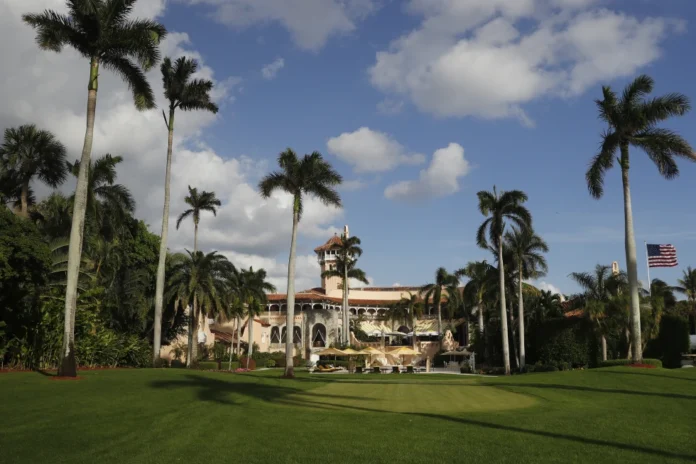
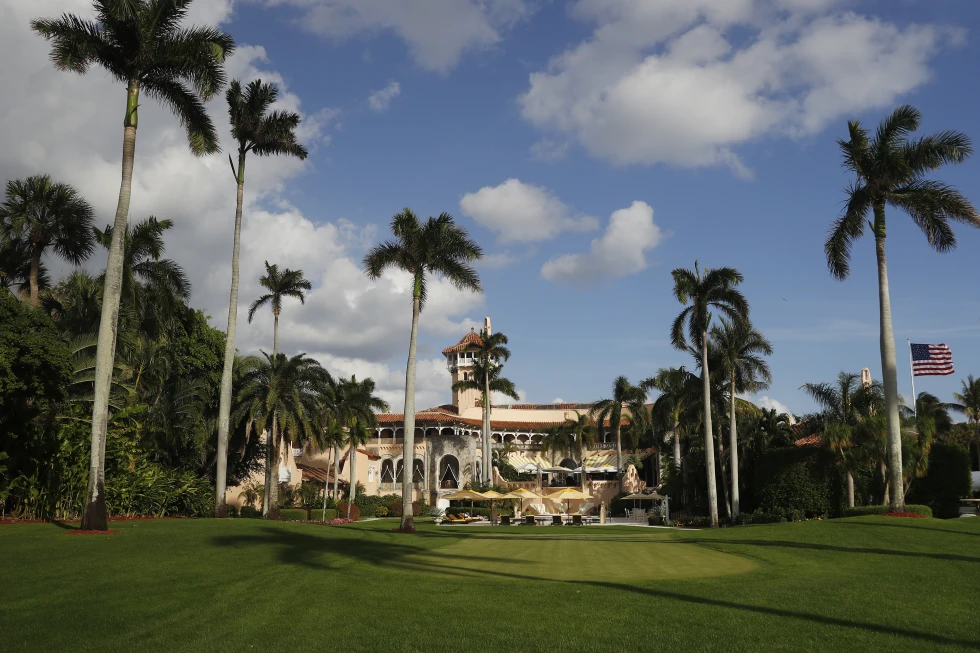
President Trump and Gen. Dan Caine, chairman of the Joint Chiefs of Staff, provided extraordinary operational details about the mission—designated Operation Absolute Resolve—during a Saturday afternoon news conference at Trump’s Mar-a-Lago estate in Florida. The unprecedented disclosure of tactical information about a sensitive special operations raid reflected the administration’s desire to publicize what Trump characterized as a “brilliant operation” and demonstrate American military capability.
Trump gave final approval for the mission Friday at 10:46 p.m. Eastern Time, telling military leaders “Good luck and godspeed,” Caine revealed to reporters. The green light came after U.S. forces had maintained readiness since early December, waiting for optimal weather conditions, intelligence confirmation of Maduro’s location, and circumstances that would minimize civilian casualties while maximizing surprise.
CBS reports that throughout Friday night aircraft launched from 20 bases across the Western Hemisphere converging on Venezuela in what Caine described as one of the most complex air operations the U.S. military has executed in recent years. The mission involved more than 150 aircraft including helicopters carrying assault teams, fighter jets providing air superiority, bombers conducting strikes against Venezuelan air defenses, and remotely piloted drones conducting surveillance and electronic warfare.
“As the night began, the helicopters took off with the extraction force, which included law enforcement officers, and began their flight into Venezuela at 100 feet above the water,” Caine stated, describing how assault helicopters flew just above ocean surface to evade Venezuelan radar detection. The extremely low-altitude flight path, while tactically advantageous for avoiding detection, required exceptional piloting skills given darkness, weather conditions, and the precision needed to maintain formation while navigating using night vision equipment.
The inclusion of law enforcement officers alongside military special operations forces reflected the operation’s dual nature as both combat raid and arrest warrant execution. FBI agents reportedly participated in the compound breach to establish law enforcement presence that administration officials argued provided legal justification for what might otherwise constitute purely military action against a foreign head of state.
As helicopters approached the Venezuelan coastline, they received protection from other aircraft including drones, bombers, and fighter jets flying at higher altitudes. U.S. forces dismantled and disabled Venezuela’s air defense systems as the helicopters neared Caracas, according to Caine, who stated that American aircraft deployed weapons “to ensure the safe passage of the helicopters into the target area.”
The strikes against Venezuelan air defenses explained the multiple explosions that Caracas residents reported hearing across the capital during the early morning hours. The suppression of enemy air defenses—standard procedure in U.S. military operations entering contested airspace—created the conditions for transport helicopters to penetrate Venezuelan territory without facing surface-to-air missile threats that could have destroyed aircraft carrying assault teams.
Trump noted that lights across Caracas had largely gone dark “due to a certain experience that we have,” cryptically referencing either cyberattacks or kinetic strikes against electrical infrastructure that U.S. forces conducted to create chaos and degrade Venezuelan command and control capabilities during the raid. The power outages that multiple Caracas residents described to CNN corresponded with Trump’s acknowledgment of deliberate infrastructure targeting.
“As the force crossed the last point of high terrain where they’d been hiding in the clutter, we assessed that we had maintained totally the element of surprise,” Caine stated, indicating that U.S. helicopters used mountainous terrain surrounding Caracas to mask their approach until the final moments before reaching Maduro’s downtown compound. The successful maintenance of surprise despite the operation’s scale suggested either that Venezuelan military surveillance proved inadequate or that U.S. electronic warfare capabilities effectively blinded Venezuelan sensors.
Once helicopters arrived at the compound, they immediately came under fire from Venezuelan security forces defending the presidential residence, though the aircraft remained operational despite taking hits. “It was a lot of gunfire,” Trump stated, describing the intensity of combat exchanges between Venezuelan defenders and U.S. assault forces establishing perimeter security while Delta Force operators breached the compound.
According to CBS, U.S. forces and FBI agents eventually entered the residential compound where Maduro and his wife “gave up” and were taken into custody, Caine reported. However, Trump provided more dramatic details suggesting Maduro attempted escape as American forces penetrated the building, contradicting the characterization of passive surrender.
“He was trying to get into a safe place,” Trump told reporters, describing how Maduro fled toward a fortified panic room as U.S. operators stormed through his residence. “The safe place is all steel, and he wasn’t able to make it to the door because our guys were so fast.” The president’s account suggested Delta Force operators cornered Maduro before he could seal himself inside the armored room that might have enabled him to communicate with Venezuelan military commanders or buy time for loyalist forces to mount rescue attempts.
“It was a very thick door, a very heavy door,” Trump elaborated. “He made it to the door. He was unable to close it,” describing what appeared to be seconds-long chase through the compound as Maduro desperately attempted to reach safety while American commandos pursued. The dramatic narrative painted a picture of the Venezuelan president’s panic as he realized U.S. forces had penetrated his supposedly secure residence.
Trump added that even if Maduro had successfully sealed himself inside the safe room, military forces possessed explosive breaching capabilities to destroy the steel door in approximately “47 seconds.” The specific timeframe suggested either that U.S. intelligence knew the door’s construction specifications and had calculated required explosive charges, or that Trump received real-time briefings from on-scene commanders who assessed breaching options.
After Maduro and his wife were apprehended, extraction helicopters returned to the compound to evacuate captured prisoners along with the assault force. Fighter aircraft and drones provided protective cover during the withdrawal as U.S. forces departed Venezuelan airspace. Caine confirmed there were “multiple self-defense engagements” during the exfiltration, indicating that Venezuelan forces attempted to interdict departing American aircraft.
“The force successfully exfiltrated and returned to their afloat launch bases, and the force was over the water at 3:29 a.m. Eastern Standard Time with indicted persons onboard,” Caine stated, confirming that helicopters carrying Maduro and his wife reached international waters and rendezvoused with U.S. naval vessels approximately ninety minutes after initial compound breach. The quick timeline from capture to international waters reflected planning that prioritized rapid extraction before Venezuelan military could organize effective response.
One U.S. helicopter sustained damage from Venezuelan gunfire, and some American soldiers were injured during the raid, though officials characterized casualties as non-life-threatening. The acknowledgment of aircraft damage and personnel injuries underscored that Operation Absolute Resolve involved genuine combat rather than unopposed law enforcement action, with U.S. forces fighting through armed resistance to accomplish their mission.
Trump watched the mission unfold via live video feed from Mar-a-Lago as soldiers from the Army’s elite Delta Force—officially designated 1st Special Forces Operational Detachment-Delta—dropped into Maduro’s compound and breached defenses shortly after 2 a.m. local time. The president’s real-time observation of the raid echoed President Obama’s monitoring of the 2011 operation that killed Osama bin Laden, though Trump’s subsequent public disclosure of tactical details exceeded what the Obama administration revealed about that mission.
The U.S. began planning Operation Absolute Resolve months earlier, with intelligence agencies working to “find Maduro and understand how he moved, where he lived, where he traveled, what he ate, what he wore, what were his pets,” Caine explained. The comprehensive intelligence collection effort reflected standard special operations methodology that seeks to understand targets’ patterns, vulnerabilities, and psychology to inform tactical planning.
Intelligence agencies constructed a full-scale replica of Maduro’s compound, allowing Delta Force operators to rehearse the raid multiple times before execution. The practice facility enabled assault teams to perfect entry routes, breaching techniques, room-clearing procedures, and extraction choreography until operations could execute with precision even under combat stress and darkness. Special operations forces routinely build target replicas for high-priority missions, with the bin Laden raid similarly involving extensive rehearsals at a mock compound in North Carolina.
The surveillance of Maduro’s daily habits enabled planners to predict his location and schedule, reducing the risk that U.S. forces would raid an empty residence or encounter unexpected complications. A source told NBC News that CIA maintained a small clandestine team on the ground in Venezuela starting in August that provided “extraordinary insight” into Maduro’s movements, suggesting human intelligence sources close to the Venezuelan president either voluntarily cooperated with U.S. agencies or were compromised through recruitment operations.
The operation had been ready to execute since early December, but U.S. commanders waited for optimal conditions to minimize civilian harm and maximize surprise, Caine stated. The mission was also weather-dependent, with low clouds and precipitation over Venezuela repeatedly forcing postponements despite the assault force maintaining readiness for weeks.
“Last night, the weather broke just enough, clearing a path that only the most skilled aviators in the world could maneuver through — ocean, mountain, low clouds, ceilings,” Caine explained, describing challenging conditions that still presented significant risks but fell within acceptable parameters for highly trained special operations pilots flying advanced helicopters equipped with sophisticated navigation and sensors.
The massive scale of Operation Absolute Resolve—involving 150 aircraft launched from 20 bases—demonstrated both the priority the Trump administration assigned to capturing Maduro and the military resources required to execute a opposed raid deep into a hostile nation’s capital against a defended compound while maintaining sufficient combat power to defeat Venezuelan military responses. The operation likely represented one of the largest U.S. special operations missions since the Iraq and Afghanistan wars, though officials declined to provide casualty figures for Venezuelan forces or confirm how many American personnel participated in the assault.
The successful capture of a sitting head of state through military raid represents unprecedented modern American military action with potential implications for international law, future special operations doctrine, and how other nations calculate security for their leadership given demonstrated U.S. capabilities to penetrate even capital cities and extract targeted individuals despite armed resistance.
James Nnaji’s long-anticipated college debut came with a soundtrack few players welcome, as the Nigerian basketball standout was loudly booed each time he touched the ball in Baylor’s 69–63 loss to TCU, a scene that reflected not just rivalry intensity but a deeper unease across college basketball.
Nnaji, a 7-foot center and a 2023 NBA draft pick, entered the game early in the second half Saturday in Fort Worth and was immediately met with jeers from the Horned Frogs’ crowd. The reaction intensified with every possession, growing louder when the 21-year-old protested a call and again as he approached the foul line. When he picked up his fourth foul with 4:42 remaining, Baylor coach Scott Drew quickly pulled him from the game, ending a debut that lasted 16 minutes and produced five points and four rebounds.
According to The Associated Press, the crowd’s hostility caught the attention of both benches in a matchup between Big 12 rivals whose campuses sit about 100 miles apart. Even Drew and TCU coach Jamie Dixon acknowledged afterward that the reaction was striking, fueled less by anything Nnaji did on the court than by what his presence represents in the evolving structure of college athletics.
“James did nothing wrong,” Drew said after the game. “Baylor did nothing wrong. If James was an NBA player today, he would be in the NBA.”
Nnaji’s path to college basketball is unusual but increasingly emblematic of the sport’s blurred lines. He spent four years playing professionally in Europe and was drafted at 18 by Detroit with the first pick of the second round, 31st overall. His NBA rights have since been traded to Charlotte and New York, but because he never signed an NBA contract, he remained eligible under current NCAA rules.
Baylor announced Nnaji’s signing on Christmas Eve, a move that immediately drew criticism from coaches around the country and prompted the NCAA to issue a clarification. The association said players who have signed NBA contracts remain ineligible, but acknowledged that athletes who played professionally without such deals — including time in the NBA’s developmental G League — may still qualify.
Nnaji, who has not previously attended a U.S. college, retains four years of eligibility. Drew said the decision to enroll at Baylor was driven by education as much as basketball, noting that Nnaji and his family wanted him to earn a degree.
“Mom’s most excited about his opportunity to get a degree,” Drew said, adding that Nnaji comes from a family with strong academic roots, including a brother who is a mechanical engineer and a sister pursuing a master’s degree.
Nnaji was not made available to reporters after the game, but Drew said the center was handling the attention well despite the circumstances. The coach also noted that Nnaji had not played a competitive game in seven months while recovering from an injury, a factor that contributed to cautious minutes and an early exit after foul trouble.
The boos, however, underscored broader resentment within college basketball as coaches, fans and administrators struggle to adapt to a system reshaped by name, image and likeness compensation and a largely unregulated transfer environment. While college basketball has long coexisted closely with the professional game — particularly because of international talent and one-and-done U.S. stars — the influx of NIL money has accelerated concerns about competitive balance and governance.
Dixon said he largely tunes out crowd reactions but acknowledged the unusual atmosphere. He joked with Drew after the game about the attention surrounding the Baylor coach, a reference to a sign in the TCU student section that read, “Scott, college coaches don’t respect you.”
Many of the coaches who have questioned Baylor’s move, including Arkansas coach John Calipari, have said their frustration is not directed at Drew or Nnaji, but at what they see as a lack of consistent standards.
“Call it what it is,” Dixon said. “We have professional basketball with no cap, no draft, no rules, no interpretation. It’s not in writing.”
The scene on the court reflected that tension. Nnaji’s first college points came on a putback dunk, a moment so quick that the crowd barely had time to react before the ball was through the hoop. The loudest cheers involving Nnaji came when he missed his first free throw, only to make the second moments later.
Drew said he had no strict plan for Nnaji’s minutes and did not consider re-inserting him after the fourth foul, a decision shaped by game flow as much as by the charged environment.
The incident highlights a pivotal moment for college basketball, where eligibility loopholes, NIL incentives and professional pathways intersect. Supporters argue that players like Nnaji are simply navigating the rules as written, pursuing education while extending their playing careers. Critics counter that such cases erode the distinction between college and professional sports.
For Nnaji, the debut was less about controversy than adjustment — to a new system, new teammates and a new kind of scrutiny. Drew framed the moment through a personal lens, likening it to a parent watching a child embrace a long-awaited opportunity.
“The fact that he’s excited about going to class and being around guys his age and being in college, that’s exciting for me,” Drew said. “When you give a Christmas gift and your kid likes it, you’re happy.”
Across college basketball, however, that happiness is far from universal, as the reaction to Nnaji’s first game made clear.
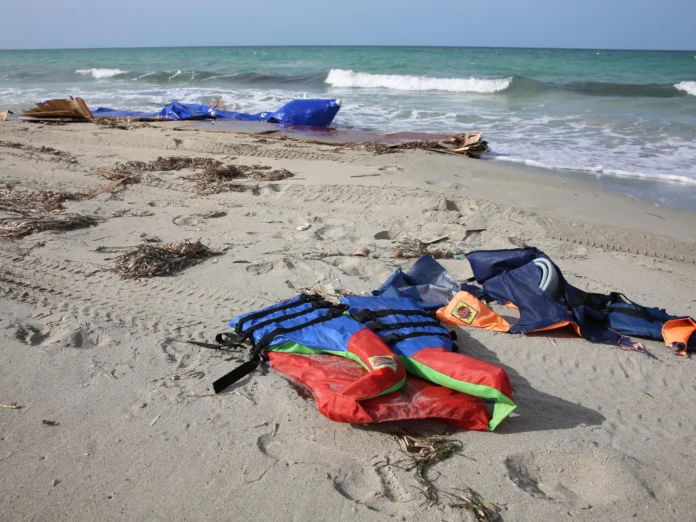
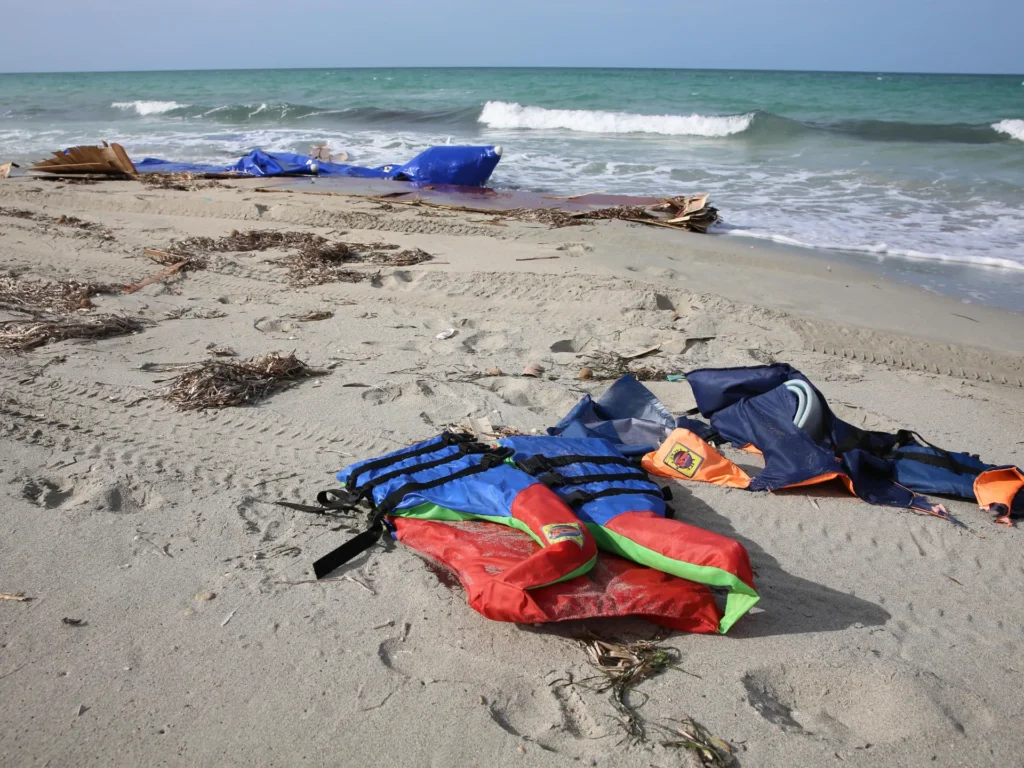
Dozens of migrants are feared missing after a crowded boat carrying more than 200 people capsized off the coast of Gambia as it attempted the perilous journey toward Europe, the country’s president said late Friday, triggering an expanded search and rescue effort involving security forces, fishermen and local volunteers.
At least 102 people were pulled alive from the water and seven bodies have been recovered so far from the vessel, which overturned on New Year’s Eve near the village of Jinack in Gambia’s northwest North Bank region, President Adama Barrow said in a televised address to the nation. The fate of dozens of others remained unknown days after the incident, raising fears that the death toll could rise.
Emergency responders have been working alongside residents and fishing crews since Wednesday to scour the surrounding waters and coastline, Barrow said, as authorities intensified efforts to locate survivors or recover additional victims.
“The national emergency response plan has been activated and the government has deployed adequate resources to intensify efforts and provide assistance to the survivors,” Barrow said, adding that some of those rescued were receiving urgent medical care.
The capsize is the latest in a series of deadly incidents along the Atlantic migration route, one of the world’s most dangerous pathways for people fleeing poverty, unemployment and instability in West Africa in hopes of reaching Europe. The route stretches along the coastlines of Gambia, Senegal and Mauritania before crossing open ocean toward Spain’s Canary Islands, a journey that can take days or even weeks in fragile, overcrowded boats.
Gambia’s Ministry of Defense said the boat involved in the latest disaster was found “grounded on a sandbank,” though officials have not yet determined what caused it to capsize. Investigators have not said whether weather conditions, mechanical failure or overcrowding played a role.
“It is a painful reminder of the dangerous and life-threatening nature of irregular migration,” Barrow said as he offered condolences to the families of those who remain missing or have been confirmed dead. He pledged a full investigation into the circumstances of the tragedy.
Thousands of Africans continue to risk the Atlantic crossing each year despite its dangers, driven by limited economic opportunities at home and the belief that Europe offers a chance at stability and work. Smugglers often exploit those hopes, packing migrants onto fishing boats or makeshift vessels ill-equipped for the open ocean.
The route has grown increasingly deadly as migration patterns shift away from the Mediterranean toward the Atlantic. According to international migration groups, boats departing from Gambia and neighboring countries are often smaller and less seaworthy, while rescue coverage along parts of the route remains limited.
Recent years have seen a string of mass-casualty incidents. In August 2025, about 150 people were reported dead or missing after a boat that departed from Gambia capsized off the coast of Mauritania. The year before, in July 2024, more than a dozen migrants were confirmed killed and around 150 others declared missing following another shipwreck in the same region.
Many of those who attempt the crossing never reach their destination. Even when boats avoid capsizing, they can drift for days without food or water, leading to deaths from dehydration or exposure. Survivors who reach the Canary Islands often arrive in severe physical condition, placing additional strain on emergency services in Spain.
The latest disaster has renewed scrutiny of migration pressures within Gambia, a small West African nation where a large proportion of the population is under 30 and unemployment remains high. While the country has enjoyed relative political stability in recent years, economic challenges continue to push young people to seek opportunities abroad.
Barrow said his government remains committed to addressing the underlying drivers of irregular migration, including joblessness and lack of prospects for young people. “The government will strengthen efforts to prevent irregular migration and remains determined to create safer and more dignified opportunities for young people to fulfil their dreams,” he said.
Analysts say such pledges, while common after major migration tragedies, are difficult to translate into immediate results. Development programs and job creation initiatives often take years to show impact, while the lure of migration remains strong amid stories of success from those who make it to Europe.
Regional cooperation has also been uneven. While West African governments have pledged to crack down on smuggling networks, enforcement along remote stretches of coastline remains challenging. Smugglers frequently adapt their routes and methods, launching boats at night or from isolated beaches to evade detection.
Humanitarian groups argue that stronger international coordination is needed, both to improve search and rescue capacity along the Atlantic route and to expand legal migration pathways that could reduce reliance on smugglers. Without such measures, they warn, tragedies like the one off Jinack are likely to continue.
For now, families in Gambia and beyond wait anxiously for news as search teams continue combing the waters. Many of the missing are believed to be young men, though authorities have not released a breakdown of nationalities or ages among those aboard the boat.
As the search goes on, the capsize stands as another stark illustration of the human cost of migration along the Atlantic coast — a journey fueled by desperation, marked by uncertainty and too often ending in loss.
A U.S. military aircraft carrying captured Venezuelan President Nicolás Maduro and his wife, Cilia Flores, arrived in New York on Saturday, a federal official told The Associated Press, marking a dramatic escalation in Washington’s long-running confrontation with the South American leader and setting the stage for a high-profile federal prosecution.
The plane landed at Stewart Air National Guard Base in Newburgh, north of New York City, hours after Maduro and Flores were seized during an overnight U.S. military operation in Caracas, the official said. CNN, NBC News and CBS News independently confirmed the arrival, citing U.S. officials familiar with the matter.
Maduro is expected to be brought before Manhattan federal court as early as next week to face long-standing drug and weapons charges, CNN reported. Two people familiar with the plans told CBS News that Maduro and Flores are likely to be transferred to the Metropolitan Detention Center in Brooklyn, a federal facility that houses high-profile defendants.
The U.S. Department of Justice on Saturday unsealed a superseding indictment against Maduro, Flores and other members of Venezuela’s leadership, reviving and expanding a criminal case first filed in 2020. The indictment accuses Maduro of conspiring to commit narco-terrorism, importing cocaine into the United States and possessing and conspiring to possess machine guns and destructive devices.
“They will soon face the full wrath of American justice on American soil in American courts,” Attorney General Pam Bondi said in announcing the charges.
The filing, prepared by New York U.S. Attorney Jay Clayton, alleges that for more than two decades Venezuela’s leadership corrupted state institutions to facilitate large-scale cocaine trafficking. The indictment asserts that Maduro “is at the forefront of that corruption,” accusing him of using his authority and control over government agencies to move thousands of tons of cocaine toward the United States.
Federal prosecutors also allege that Flores played an active role in the conspiracy. According to the indictment, she is accused of brokering a meeting between a major drug trafficker and the head of Venezuela’s National Anti-Drug Office, Néstor Reverol Torres, and of accepting hundreds of thousands of dollars in bribes in 2007. Prosecutors allege that the trafficker arranged payments of $100,000 per flight to Reverol Torres to facilitate cocaine shipments. Reverol Torres was indicted by U.S. prosecutors in New York in 2015.
The allegations echo those in the original 2020 indictment, which accused Maduro and senior Venezuelan officials of collaborating with Colombia’s leftist guerrilla group Fuerzas Armadas Revolucionarias de Colombia, or FARC, to traffic drugs and weapons. Maduro has repeatedly denied the accusations, dismissing them as politically motivated.
Details of the operation that brought Maduro to U.S. custody continued to emerge throughout Saturday. U.S. officials said Maduro and Flores were taken from their residence in Caracas during what President Donald Trump described as a large-scale, coordinated military action. CBS News reported that the couple was transported first to the USS Iwo Jima before being flown to New York.
Trump, speaking earlier in remarks reported by the Associated Press, said Maduro had been heavily protected inside a fortified presidential complex in the Venezuelan capital and nearly reached a reinforced safe room before U.S. forces intercepted him. In an interview later Saturday on Fox News’ “Fox & Friends Weekend,” Trump said American personnel were prepared to breach steel walls if necessary.
“It had what they call a safety space, where it’s solid steel all around,” Trump said. “He didn’t get that space closed. He was trying to get into it, but he got bum-rushed right so fast that he didn’t get into that. We were prepared.”
The capture and transfer of a sitting head of state to U.S. custody is almost without precedent in modern Latin American history and carries profound legal and geopolitical implications. Legal experts note that while U.S. courts have previously prosecuted foreign leaders after they left office, the forced removal of an incumbent president raises questions about international law, sovereignty and the limits of U.S. executive power.
From Washington’s perspective, the case represents the culmination of years of pressure on Maduro, whom successive U.S. administrations have accused of turning Venezuela into a hub for drug trafficking and transnational crime. From Caracas, however, Maduro’s supporters have long framed the charges as part of a broader campaign to overthrow his government and seize control of the country’s vast oil reserves.
Those tensions were underscored by Trump’s comments hours after the operation, when he said the United States would run Venezuela at least temporarily and tap its oil resources for sale to other nations. The remarks signaled that the arrest of Maduro could mark not only a legal turning point but also a potential realignment of political power in the crisis-stricken nation.
Markets, diplomats and regional leaders were closely watching developments as news of Maduro’s arrival in New York spread. Analysts said the case could reshape U.S. relations across Latin America, where memories of past U.S. interventions remain potent. At the same time, supporters of the prosecution argue that the charges demonstrate Washington’s willingness to pursue alleged corruption and narcotics trafficking at the highest levels of foreign governments.
Maduro last appeared publicly on Venezuelan state television on Friday. Venezuelan authorities have not issued an official statement acknowledging his capture or confirming who is exercising executive power in his absence. Under Venezuela’s constitution, the vice president would assume authority if the presidency is declared vacant, though no such declaration has been announced.
As Maduro prepares to face U.S. prosecutors, the case is expected to move quickly, with federal judges in Manhattan overseeing proceedings that could test the reach of U.S. criminal law and redefine the boundaries between diplomacy, military force and justice. For Venezuela, already mired in political instability and economic collapse, the consequences of its leader’s sudden arrival in a New York military base are likely to reverberate for years to come.
Iran appointed a new central bank governor Wednesday as a devastating economic crisis sparked some of the country’s largest protests in three years, triggered by the rial’s collapse to a record low against the U.S. dollar that has pushed inflation to 40 percent and devastated household purchasing power.
President Masoud Pezeshkian’s Cabinet named Abdolnasser Hemmati, a former economics minister, as the new governor of the Central Bank of the Islamic Republic of Iran, according to the official IRNA news agency cited by the Associated Press. The emergency appointment came as merchants across major Iranian cities shuttered businesses in protest of economic conditions that have rendered the national currency nearly worthless.
Hemmati, 68, succeeds Mohammad Reza Farzin, who resigned Monday—the day after massive protests erupted following the rial’s precipitous decline. The currency traded at 1.38 million rials to the dollar on Wednesday, representing a catastrophic devaluation from 430,000 rials when Farzin assumed office in 2022. The more than three-fold collapse in just over two years has obliterated savings, made imports prohibitively expensive, and created widespread economic desperation.
The staggering currency depreciation has pushed food prices and other daily necessities beyond what many Iranian households can afford, compounding strain on family budgets already squeezed by Western sanctions imposed over Iran’s nuclear program. Experts attribute the public unrest directly to 40 percent inflation that has eroded living standards across Iranian society, from working-class families to middle-class professionals and merchants.
Many traders and shopkeepers closed businesses Sunday and took to the streets of Tehran and other cities to protest, according to the Saudi Gazette. The demonstrations represented some of the most significant civil unrest Iran has experienced since 2022, when protests following Mahsa Amini’s death in police custody spread across the country and challenged the Islamic Republic’s authority.
Hemmati’s agenda will focus on controlling inflation and strengthening the currency, as well as addressing bank mismanagement, government spokeswoman Fatemeh Mohajerani wrote on X. The priorities reflect recognition that Iran’s economic crisis stems from both external sanctions pressure and domestic policy failures that have exacerbated currency instability and fueled inflation beyond what external factors alone would generate.
The appointment of Hemmati represents a controversial choice given his recent political history. He previously served as minister of economic and financial affairs under President Pezeshkian before parliament dismissed him in March for alleged mismanagement and accusations that his policies weakened the rial against hard currencies. His return to a senior economic policymaking role just months after removal for similar failures raised questions about whether the government has viable alternatives or whether internal politics limited Pezeshkian’s options.
The rapid depreciation of Iran’s currency and sustained inflationary pressure have created a spiral where merchants raise prices to maintain profit margins in rial terms, which further accelerates inflation and currency depreciation as Iranians seek to convert rials into more stable foreign currencies or physical assets. The dynamic has created economic instability that threatens social cohesion and political stability across the Islamic Republic.
Inflation is expected to worsen following gasoline price changes introduced in recent weeks, according to reports. Fuel subsidies have historically provided crucial support for Iranian households and businesses, with their reduction or elimination triggering protests in 2019 that security forces violently suppressed, killing hundreds of demonstrators. Any gasoline price increases in the current economic climate risk generating even more intense public anger than authorities already face.
“Any effort to turn protests over economic issues to insecurity, damage to public properties or carrying out foreign scenarios, will face…strong reaction,” Prosecutor General Mohammad Movahedi Azad stated Wednesday, according to the Mizanonline news outlet. The warning employed standard Iranian government rhetoric characterizing domestic dissent as foreign-orchestrated subversion, while threatening harsh crackdowns if protests escalate beyond economic grievances into broader political challenges.
The invocation of “foreign scenarios” reflected the government’s tendency to attribute protests to external manipulation by the United States, Israel, or Saudi Arabia rather than acknowledging that economic failures and policy mismanagement have generated legitimate domestic grievances. This framing allows authorities to justify violent suppression as defending national security rather than repressing citizens exercising rights to peaceful protest.
Iran’s currency traded at 32,000 rials to the dollar at the time of the 2015 nuclear accord that lifted international sanctions in exchange for tight controls on Iran’s nuclear program, the Associated Press noted. The comparison to current exchange rates demonstrates the catastrophic economic deterioration Iran has experienced since the nuclear deal’s collapse, with the rial losing approximately 98 percent of its value against the dollar over the past decade.
The nuclear deal unraveled after President Donald Trump unilaterally withdrew the United States from the agreement in 2018 during his first presidential term, reimposing sanctions that had been lifted and adding new economic restrictions designed to pressure Iran into negotiating a broader agreement addressing its ballistic missile program and regional activities. European nations attempted to maintain the accord, but their companies largely complied with U.S. sanctions rather than risk losing access to American markets, effectively rendering European commitments to the deal meaningless.
The sanctions have devastated Iran’s ability to export oil, access international banking systems, and import goods ranging from medicine to industrial equipment. While Iran has developed sanctions-evasion networks involving front companies, ship-to-ship transfers at sea, and partnerships with countries willing to defy U.S. pressure, these mechanisms prove costly and inefficient compared to normal international commerce, depressing Iran’s economic performance and government revenues.
On Wednesday, Hamed Ostevar, a local judiciary official in southern Iran, denied reports that a young man had been killed during protests, Mizanonline reported. Ostevar, who heads the justice department in the southern city of Fasa, stated that protests turned violent after crowds broke into the governor’s office and injured three policemen. He confirmed authorities arrested four protesters, suggesting a pattern of escalating confrontations between demonstrators and security forces.
The denial of protest deaths reflected government sensitivity to reports of violence against demonstrators, which can galvanize opposition and generate international criticism. Iranian authorities routinely dispute casualty figures from protests, with human rights organizations and opposition groups typically reporting significantly higher death tolls than government accounts acknowledge.
Fasa, located in south-central Iran, gained attention earlier this year when demonstrators reportedly hurled objects at government complex gates and physically shook barriers until they opened, suggesting protests in the city have involved particularly aggressive tactics compared to demonstrations in larger urban centers. The willingness of provincial protesters to storm government buildings indicated that economic desperation has overcome traditional caution about directly confronting state authority.
Merchants and traders kept shops closed in the main bazaars of Tehran, as well as in the southern city of Shiraz and western city of Kermanshah, witnesses confirmed Wednesday. The sustained bazaar closures across multiple major cities represented significant economic and political challenges for the government, as Iranian bazaar communities historically have played crucial roles in the country’s politics, helping drive both the 1979 Islamic Revolution and subsequent periods of unrest.
Tehran’s Grand Bazaar, one of the Middle East’s largest and oldest continuously operating markets, serves as both economic hub and political barometer for Iran. When bazaar merchants close shops in protest rather than conducting business, it signals deep dissatisfaction among traditionally conservative constituencies that might otherwise support the government. Their participation in economic protests suggests that discontent has spread beyond urban educated classes or marginalized groups to include business communities with stakes in the existing system.
Shiraz, located in Fars Province in southern Iran, serves as a major commercial and cultural center with deep historical significance. The city’s bazaar closures indicated that protests extended beyond Tehran to provincial cities where economic conditions may be even more dire given distance from whatever limited economic opportunities the capital provides. Kermanshah, located in western Iran near the Iraqi border in a predominantly Kurdish region, has experienced periodic unrest related to both economic grievances and ethnic tensions.
The geographic spread of protests from Tehran to provincial cities demonstrated that Iran’s economic crisis has created nationwide rather than localized discontent, making the challenge facing Pezeshkian’s government more severe than isolated urban unrest that security forces could contain through focused crackdowns. Coordinated actions across multiple cities suggested either organic parallel organizing by bazaar networks or communication channels enabling merchants to synchronize protests despite government surveillance.
Hemmati faces an extraordinarily difficult task attempting to stabilize Iran’s currency and control inflation given structural constraints beyond any central bank governor’s control. International sanctions limit Iran’s ability to earn foreign currency through oil exports or access international credit markets that might provide financing to support the rial. Domestic political considerations constrain his ability to implement austerity measures or subsidy cuts that economic stabilization might require but that would trigger even more intense protests.
The appointment of someone parliament recently dismissed for economic policy failures suggested the Pezeshkian administration either has limited options for qualified technocrats willing to accept the position or believes Hemmati’s experience outweighs concerns about his previous record. The central bank governorship has become a poisoned chalice in Iran, with officeholders facing blame for economic deterioration driven by factors largely beyond monetary policy control.
Iran’s economic crisis intersects with broader regional tensions including its nuclear program development, proxy conflicts with Israel and Saudi Arabia, and domestic political challenges from populations demanding greater freedoms and economic opportunities. The interconnection of economic, political, and security challenges creates complex dynamics where addressing any single issue proves difficult without progress on others, yet comprehensive solutions remain elusive given entrenched interests and ideological commitments.
The protests and currency collapse occur as Iran navigates uncertain relations with the United States under Trump’s second presidency. Trump’s previous withdrawal from the nuclear deal and maximum pressure sanctions campaign devastated Iran’s economy, and his return to office has generated both concerns about intensified pressure and speculation about potential negotiations if Iran demonstrates willingness to make concessions on nuclear development and regional activities.
Whether Hemmati can stabilize Iran’s economy sufficiently to prevent sustained unrest remains highly uncertain. Without sanctions relief that would require nuclear negotiations producing agreements acceptable to both Tehran and Washington—an outcome that has eluded negotiators for years—Iran’s economic prospects appear bleak regardless of technocratic competence of central bank leadership. The appointment may represent political theater designed to demonstrate government responsiveness to public anger rather than a genuine solution to structural economic problems.
MAR-A-LAGO, Florida — President Donald Trump declared Saturday that the United States will temporarily “run” Venezuela following the capture of President Nicolás Maduro and his wife, announcing plans for American oil companies to invest billions extracting Venezuelan petroleum resources while the administration works toward what Trump characterized as a “safe, proper and judicious transition” to new leadership.
“We’re going to run the country until such time as we can do a safe, proper and judicious transition” to new leadership, Trump stated during a press conference at his Florida resort, flanked by Defense Secretary Pete Hegseth, Secretary of State Marco Rubio, and Chairman of the Joint Chiefs of Staff Gen. Dan Caine. The president did not provide detailed specifics about how the U.S. would control Venezuela, saying only that a group of officials would be named to oversee the occupation.
Trump emphasized that he opposed allowing another leader to assume power who might perpetuate what he characterized as years of corruption and narco-terrorism under Maduro. “We can’t take a chance that somebody else takes over Venezuela that doesn’t have the good of the Venezuelan people in mind,” the president stated, suggesting the U.S. would maintain direct governance rather than immediately recognizing a successor government.
The announcement of direct U.S. governance of a sovereign nation represented an extraordinary assertion of American power with few modern precedents, echoing colonial-era occupations and raising immediate questions about international law, the duration of U.S. control, and whether American military personnel would enforce governance on Venezuelan soil.
When reporters questioned whether U.S. governance would involve deploying military personnel throughout Venezuela, Trump responded bluntly: “We’re not afraid of boots on the ground.” The president added, “We don’t mind saying it, but we’re going to make sure that that country is run properly. We’re not doing this in vain,” explicitly acknowledging that U.S. military occupation remained an option despite potential international condemnation and risks of insurgent resistance.
Trump warned that U.S. military forces stood ready to conduct additional strikes if Venezuelan resistance emerged. “We are ready to stage a second and much larger attack if we need to do so. So we were prepared to do a second wave if we need to do so,” the president stated, suggesting initial strikes represented measured force that could escalate dramatically if the U.S. faced opposition to its governance plans.
The military operation that captured Maduro represented months of planning and took several hours to execute, according to officials who briefed reporters. Two U.S. officials familiar with the planning told NBC News that Trump approved the military and law enforcement actions more than a week before execution, with forces waiting for favorable weather conditions before launching the operation.
Gen. Caine confirmed that military personnel waited over a week for weather to clear in Venezuela. “Weather in Venezuela is always a factor this time of the year, and over the weeks through Christmas and New Year’s, the men and women of the United States military sat ready, patiently waiting for the right triggers to be met and the president to order us into action,” Caine told reporters.
“Last night, the weather broke just enough, clearing a path that only the most skilled aviators in the world could maneuver through,” Caine added, describing challenging conditions that delayed the operation beyond initial planning timelines. The weather-dependent nature of the mission explained why congressional notification proved difficult, according to administration officials who argued that trigger-based operations requiring specific conditions could not accommodate advance legislative briefings.
Trump gave the final order to proceed at 10:46 p.m. Eastern Time Friday night, Caine revealed. Military forces arrived at Maduro’s compound by 1:01 a.m. Saturday morning, completing the actual capture within approximately two hours. By 3:29 a.m. Saturday, Caine reported, military forces were back over water with Maduro and Flores aboard U.S. aircraft, suggesting rapid execution once weather conditions permitted the operation.
Trump, who stated he watched the operation unfold via live video feed from Mar-a-Lago, provided dramatic details about Maduro’s final moments of freedom. “He was trying to get to a safe place, which wasn’t safe, because we would have had the door blown up in about 47 — I think, 47 seconds,” Trump recounted. “It was a very thick door, a very heavy door, but he was unable to get to that door. He made it to the door. He was unable to close it.”
The president’s commentary suggested U.S. forces cornered Maduro as he attempted to reach a fortified safe room within his compound, a scenario implying that the Venezuelan leader had advance warning of the assault—whether through Venezuelan security detecting the approaching aircraft or through intelligence leaks that remain unconfirmed.
Caine detailed that the aircraft used in the operation included multiple types of military planes plus remotely piloted drones, all deployed to protect helicopters and personnel conducting the ground raid in Caracas. Caine added that U.S. helicopters “were fired on and U.S. forces replied to that fire with overwhelming force in self-defense,” confirming that the operation involved combat exchanges between American military personnel and Venezuelan security forces defending Maduro’s compound.
One U.S. military aircraft sustained damage but remained flight-capable, Caine reported. Later Saturday, one U.S. official and one White House official told NBC News that the operation resulted in several injuries to U.S. troops, all of whom remain in stable condition. The acknowledgment of American casualties, though described as non-life-threatening, underscored that the raid involved significant combat rather than unopposed capture.
Vice President JD Vance participated in the operation’s planning through secure video conferences, according to a spokesperson who stated that Vance “joined several late night meetings via secure video conference with National Security principals leading up to the operation.” The vice president’s involvement suggested high-level coordination across the administration’s national security apparatus for what officials characterized as among the most sensitive operations of Trump’s presidency.
Trump confirmed that Maduro and Flores were en route to New York, where federal prosecutors had unsealed an indictment in the Southern District charging them with narco-terrorism conspiracy, cocaine importation conspiracy, and weapons offenses. The Venezuelan leader could appear in court as early as Monday for initial arraignment proceedings, Trump stated, beginning what could become one of the most significant narcotics prosecutions in U.S. history.
Minutes before addressing reporters, Trump posted on Truth Social a photo purportedly showing Maduro aboard the USS Iwo Jima wearing an apparent blindfold and holding a water bottle, an image evoking controversial photographs of detained terrorism suspects during the war on terror. Trump also posted video of U.S. strikes on Venezuela set to “Fortunate Son” by Creedence Clearwater Revival, a Vietnam War-era protest song whose ironic use suggested either the president missed the song’s anti-war message or deliberately invoked it provocatively.
Attorney General Pam Bondi declared in a post on X that Maduro would “face the full wrath” of the U.S. justice system. The unsealed indictment alleged that Maduro “is at the forefront of that corruption and has partnered with his co-conspirators to use his illegally obtained authority and the institutions he corroded to transport thousands of tons of cocaine to the United States.”
Federal prosecutors also alleged that Maduro and other Venezuelan government members sold passports, provided protection, and enabled the sale and transportation of hundreds of tons of illegal drugs through Venezuelan ports, including narcotics from several recognized Mexican drug cartels. The indictment painted a picture of the Venezuelan state functioning as a criminal enterprise dedicated to drug trafficking rather than legitimate governance.
Trump’s announcement that the U.S. would “run” Venezuela centered heavily on plans for American petroleum companies to exploit the country’s massive oil reserves. “We’re going to have our very large United States oil companies, the biggest anywhere in the world, go in, spend billions of dollars, fix the badly broken infrastructure, the oil infrastructure, and start making money for the country,” Trump stated.
The president insisted that governing Venezuela would not cost American taxpayers because oil revenues would fund the occupation. “It won’t cost us anything, because the money coming out of the ground is very substantial,” Trump claimed, suggesting that Venezuelan petroleum production would generate sufficient revenue to pay for U.S. military presence and administrative costs.
Trump elaborated that the U.S. would extract “a tremendous amount of wealth out of the ground, and that wealth is going to the people of Venezuela and people from outside of Venezuela that used to be in Venezuela, and it goes also to the United States of America in the form of reimbursement for the damages caused us by that country.” The formulation suggested U.S. would claim significant portions of Venezuelan oil revenues as compensation for alleged harms from drug trafficking and the Venezuelan refugee crisis.
The explicit focus on oil extraction as central to U.S. governance plans immediately generated accusations that the operation constituted resource theft disguised as humanitarian intervention. Vice President Delcy Rodríguez, speaking on Venezuelan state television, directly accused the U.S. of instituting “regime change in Venezuela” solely to “capture our energy resources, mineral resources and natural resources.”
“The U.S. only had one objective: regime change in Venezuela. And that this regime change allows them to capture our energy resources, mineral resources and natural resources,” Rodríguez stated, characterizing the operation as neocolonial exploitation rather than legitimate law enforcement or humanitarian mission.
Trump claimed that Venezuelan Vice President Rodríguez “was sworn in as president just a little while ago” and had a “gracious” conversation with Secretary of State Rubio offering her support for U.S. governance plans. However, Rodríguez’s subsequent televised statement directly contradicted Trump’s characterization, with the vice president declaring: “We demand the immediate liberation of President Nicolas Maduro and his wife Cilia Flores,” while calling Maduro “the only president of Venezuela.”
The conflicting accounts of Rodríguez’s position created confusion about Venezuelan government continuity and whether the vice president would cooperate with U.S. occupation or lead resistance to what she characterized as illegal aggression. Under Venezuelan constitutional law, Rodríguez would automatically assume presidential authority upon Maduro’s departure, though whether the U.S. would recognize such succession remained unclear given Trump’s statement that America would directly govern the country.
The operation proceeded without congressional authorization, immediately generating bipartisan criticism from lawmakers who argued that military strikes and regime change required legislative approval under the Constitution’s war powers provisions. Democratic Representative Jim Himes of Connecticut, ranking member on the House Intelligence Committee, stated: “Maduro is an illegitimate ruler, but I have seen no evidence that his presidency poses a threat that would justify military action without Congressional authorization.”
Senator Andy Kim, a New Jersey Democrat, argued that “Trump rejected our Constitutionally required approval process for armed conflict because the Administration knows the American people overwhelmingly reject risks pulling our nation into another war.” The criticism reflected broader Democratic concerns that Trump bypassed constitutional checks and balances to pursue military adventurism without public or congressional support.
Trump dismissed Democratic criticism during a Fox News phone interview, calling legislators “weak, stupid people.” The president characterized the operation as “genius” and suggested Democrats should praise rather than question it. “They should say, ‘You know what, we did a great job.’ … They do say, ‘Oh, gee, maybe it’s not constitutional.’ You know, the same old stuff that we’ve been hearing for years and years and years,” Trump stated.
Secretary of State Rubio defended the lack of congressional notification by arguing the operation’s nature precluded advance briefings. “This is not the kind of mission that you do congressional notification,” Rubio stated at the press conference. “On a trigger-based mission in which conditions had to be met night after night, we watch them monitor that for a number of days. So it’s just simply not the kind of mission you can call people and say, ‘Hey, we may do this at some point in the next 15 days.'”
Trump added that congressional leaders were not notified partly because “Congress has a tendency to leak,” suggesting concerns about operational security outweighed constitutional requirements for legislative consultation on military actions. Two U.S. officials told NBC News that the operation was so closely held that even the Pentagon was not informed of exact timing until the night of execution.
The Trump administration informed top lawmakers on Senate and House intelligence committees about the military action after the operation was underway, three sources with knowledge told NBC News. The Republican chairs and Democratic ranking members on congressional intelligence committees received notification about the operation while it proceeded, a practice that technically complies with some interpretations of intelligence oversight requirements while circumventing meaningful legislative input.
Speaker Mike Johnson, a Louisiana Republican, defended Trump’s decision to execute strikes without congressional authorization. “Today’s military action in Venezuela was a decisive and justified operation that will protect American lives,” Johnson wrote on X, though he did not address constitutional questions about whether presidents can unilaterally order regime change operations.
Senate Majority Leader John Thune, a South Dakota Republican, stated he spoke with Rubio Saturday morning and expected “further briefings from the administration on this operation as part of its comprehensive counternarcotics strategy when the Senate returns to Washington next week.” The deferential tone suggested Republican congressional leadership would not challenge Trump’s constitutional authority despite the operation’s unprecedented nature.
In early November, a bipartisan group of senators voted for a measure requiring congressional approval for future military action in Venezuela, though the proposal fell short of the 50 votes needed for passage. The failed measure demonstrated that substantial congressional minorities opposed Trump’s Venezuela military operations even before the Maduro capture, suggesting ongoing legislative battles over war powers and presidential authority.
A source with knowledge told NBC News that the CIA maintained a small, clandestine team on the ground in Venezuela starting in August that provided “extraordinary insight” into Maduro’s movements, making his capture “seamless.” The revelation confirmed sustained U.S. intelligence operations inside Venezuela for months preceding the raid, raising questions about whether CIA personnel violated Venezuelan sovereignty and international law prohibitions on covert operations aimed at overthrowing foreign governments.
Trump concluded his press conference by suggesting Cuba might face similar U.S. intervention. “Cuba is an interesting case. Cuba is, you know, not doing very well right now. That system has not been a very good one for Cuba. The people there have suffered for many, many years,” Trump stated when asked about potential military involvement with the island nation.
“I think Cuba is going to be something we’ll end up talking about, because Cuba is a failing nation right now, a very badly failing nation, and we want to help the people. It’s very similar in the sense that we want to help the people in Cuba,” Trump continued, employing rhetoric nearly identical to justifications for Venezuelan intervention and suggesting the administration views Cuba as another potential target for regime change operations.
Rubio added regarding Cuba: “If I lived in Havana and I was in the government, I’d be concerned,” making the implicit threat explicit that Cuban leadership could face U.S. military action similar to what Maduro experienced. Cuban President Miguel Díaz-Canel responded by denouncing U.S. strikes on Venezuela as “state terrorism against the brave Venezuelan people” while declaring that “our zone of peace is being brutally assaulted.”
UN Secretary-General António Guterres expressed being “deeply alarmed by the recent escalation in Venezuela” through spokesman Stéphane Dujarric, who stated the U.S. military operation had “potential worrying implications for the region.” The tepid UN response reflected the Security Council’s structural inability to constrain permanent members’ military actions, though it signaled international concern about precedents for unilateral regime change.
Venezuelan opposition leader Maria Corina Machado, who won the Nobel Peace Prize in 2024, celebrated the U.S. operation, writing: “Venezuelans, the hour of freedom has arrived.” The statement from a figure honored for peaceful resistance suggested complex dynamics within Venezuelan opposition, where some factions welcomed U.S. military intervention despite the constitutional and sovereignty concerns it raised, while others worried American occupation would delegitimize opposition movements by associating them with foreign invasion.
NEW YORK — The Justice Department released a new indictment Saturday charging Venezuelan President Nicolás Maduro and his wife, First Lady Cilia Flores, with narco-terrorism conspiracy, alleging they led a corrupt government that for decades leveraged state power to protect and promote drug trafficking operations that enriched Venezuela’s political and military elite.
U.S. Attorney General Pam Bondi announced the charges following Maduro’s capture by American forces, vowing in a social media post that the couple would “soon face the full wrath of American justice on American soil in American courts.” The indictment expands previous 2020 charges against Maduro to include his wife, marking the first time the U.S. has formally charged a sitting first lady alongside a head of state in a narco-terrorism prosecution.
The indictment accuses Maduro of leading “a corrupt, illegitimate government that, for decades, has leveraged government power to protect and promote illegal activity, including drug trafficking.” According to charging documents, the drug trafficking efforts “enriched and entrenched Venezuela’s political and military elite,” transforming the Venezuelan state apparatus into what prosecutors characterize as a criminal enterprise.
U.S. authorities allege that Maduro partnered with “some of the most violent and prolific drug traffickers and narco-terrorists in the world” to bring tons of cocaine into the United States, according to the indictment filed in the Southern District of New York. The charges detail systematic collaboration between Venezuelan government officials and Colombian guerrilla groups, Mexican cartels, and other transnational criminal organizations to move narcotics through Venezuelan territory.
Authorities estimate that as much as 250 tons of cocaine were trafficked through Venezuela by 2020, according to the indictment obtained by the Associated Press. The staggering volume of drugs moved through Venezuelan territory represented a significant percentage of total cocaine reaching the United States during that period, prosecutors allege, with Venezuelan government protection enabling trafficking operations at industrial scale.
The drugs were transported on go-fast vessels, fishing boats, and container ships or via planes departing from clandestine airstrips, authorities charge in the indictment. The variety of smuggling methods described suggests sophisticated logistics networks coordinating maritime, aerial, and commercial shipping routes to move cocaine from Colombian production areas through Venezuelan territory to markets in the United States, Europe, and elsewhere.
According to Politico, Bondi stated in her social media announcement that Maduro and Flores had been charged by the Manhattan U.S. attorney’s office with narco-terrorism conspiracy, conspiracy to import cocaine, and possession of machineguns and destructive devices, among other offenses. The weapons charges suggest prosecutors will argue that the drug trafficking conspiracy involved armed protection and potential violence to maintain operations and eliminate competition or threats.
The announcement followed President Donald Trump’s early morning declaration that the United States had carried out “a large-scale strike” in Venezuela and captured Maduro and his wife, flying them out of the country. The timing of the indictment’s release—immediately following the military operation—suggested coordination between Justice Department prosecutors and military planners to provide legal justification for the unprecedented action.
An indictment did not appear to be publicly unsealed by mid-morning Saturday, according to Politico. A spokesperson for the Manhattan U.S. attorney’s office did not immediately respond to requests for comment about the charges or when formal arraignment proceedings might occur. The delay in unsealing suggested prosecutors were managing logistics of presenting captured defendants before a federal magistrate judge for initial appearances.
U.S. officials appeared to be using the charges as legal justification for military strikes in Venezuela that occurred without congressional authorization. Vice President JD Vance wrote on social media that the U.S. had offered Venezuela “multiple off ramps” before taking military action, suggesting the administration had pursued diplomatic alternatives before resorting to force.
“And PSA for everyone saying this was ‘illegal’: Maduro has multiple indictments in the United States for narcoterrorism. You don’t get to avoid justice for drug trafficking in the United States because you live in a palace in Caracas,” Vance stated, directly addressing constitutional concerns raised by Senator Mike Lee and other lawmakers questioning the operation’s legality without congressional war authorization.
Early Saturday morning, Secretary of State Marco Rubio reposted his own social media message from last year referencing charges against Maduro, writing that he is “NOT the president of Venezuela and his regime is NOT the legitimate government.” The emphatic capitalization suggested the administration’s view that Maduro’s illegitimacy as president under international law provided additional justification for his forcible removal beyond the criminal indictment.
New York federal prosecutors, along with prosecutors in Washington D.C. and Florida, initially charged Maduro and 14 other current and former Venezuelan officials in 2020 with narco-terrorism, corruption, and drug trafficking—though that earlier indictment notably did not include Maduro’s wife. The expansion to charge Flores suggests prosecutors developed additional evidence during the intervening years establishing her active participation in the conspiracy rather than merely benefiting from her husband’s alleged crimes.
Amanda Houle, one of the prosecutors who led the 2020 case against Maduro, now serves as criminal chief at the Manhattan U.S. attorney’s office, providing continuity in the government’s pursuit of the Venezuelan leader. The investigation was originally supervised by Emil Bove, Trump’s former criminal defense lawyer and a former prominent Justice Department official who is now a federal judge, creating potential complications if appeals in the Maduro case reach courts where Bove serves.
The fresh charges against Maduro come just weeks after Trump issued an unexpected and controversial pardon to another former foreign leader whom Bove pursued as a prosecutor: Juan Orlando Hernández, the ex-president of Honduras. Hernández had been convicted in 2024 for conspiring to import cocaine into the United States, making Trump’s pardon particularly jarring given the administration’s simultaneous military operation to capture Maduro on similar charges.
The Hernández pardon raised questions about consistency in Trump administration policy toward foreign leaders accused of drug trafficking. Critics argued that pardoning one Latin American president convicted of cocaine conspiracy while simultaneously launching military operations to capture another facing similar allegations suggested selective application of justice based on political considerations rather than consistent legal principles.
President Trump told Fox News Saturday that the U.S. is “now deciding next steps for Venezuela,” adding “we’ll be involved in it very much.” The statement suggested the administration had not finalized plans for Venezuelan governance following Maduro’s removal despite executing the military operation to capture him, potentially creating power vacuums and instability if no clear succession plan exists.
The stunning American military action, which plucked a sitting head of state from office through force, echoed the U.S. invasion of Panama that led to the surrender and seizure of its leader, Manuel Antonio Noriega, in 1990—exactly 36 years ago Saturday. The historical parallel was not lost on Latin American observers who remember the Panama invasion as controversial exercise of U.S. military power to enforce drug trafficking charges against a foreign leader.
Noriega, like Maduro, faced federal drug trafficking charges in the United States and was ultimately convicted and imprisoned following his capture. However, the Panama invasion involved approximately 27,000 U.S. troops and resulted in several hundred Panamanian deaths, generating lasting controversy about proportionality and international law compliance. Whether the Venezuela operation will face similar retrospective criticism depends partly on casualty counts and long-term outcomes in Venezuelan governance.
Trump announced the developments on Truth Social shortly after 4:30 a.m. ET and scheduled a news conference for 11 a.m. ET at his Mar-a-Lago resort in Florida. The president’s decision to make major announcements about military operations and foreign leader captures via social media rather than through formal White House channels or Pentagon briefings reflected his unconventional communication approach but also raised questions about appropriate protocols for disclosing sensitive national security operations.
The charges against Cilia Flores represent unprecedented territory in U.S. prosecution of foreign officials. While the U.S. has previously charged family members of foreign leaders with corruption or money laundering, charging a sitting first lady alongside her husband in a narco-terrorism conspiracy breaks new ground in asserting U.S. criminal jurisdiction over foreign government officials’ families.
If both Maduro and Flores face prosecution in Manhattan federal court, they would likely be represented by separate defense attorneys given potential conflicts of interest between spouses who might seek to minimize their own culpability by cooperating against each other. However, the diplomatic immunity and head-of-state status questions surrounding their detention could generate preliminary legal battles before substantive trial proceedings begin.
The indictment’s allegation that drug trafficking “enriched and entrenched Venezuela’s political and military elite” suggests prosecutors will present evidence showing systematic corruption throughout Venezuelan government and armed forces rather than portraying Maduro as a lone actor. Such evidence could implicate dozens or hundreds of Venezuelan officials in the conspiracy, though practical difficulties of capturing and extraditing such individuals make additional prosecutions uncertain.
The weapons charges—possession of machineguns and destructive devices—typically carry mandatory minimum sentences under federal law when connected to drug trafficking conspiracies. Prosecutors often include such charges to increase potential sentences and provide leverage in plea negotiations, though whether Maduro and Flores would consider plea agreements or insist on trials remains speculative.
The Justice Department’s release of the new indictment immediately following Maduro’s capture suggested careful coordination to frame the military operation as law enforcement action executing arrest warrants rather than regime change operation violating international law. Whether federal courts accept that characterization or find that the circumstances of the defendants’ capture violate due process protections or international law norms will likely become central issues if the case proceeds to trial.
For Venezuela, the charging of both Maduro and his wife creates additional uncertainty about governance and succession. Under Venezuelan constitutional law, Vice President Delcy Rodríguez would assume presidential authority, but whether she can effectively govern while demanding proof of life for her predecessor and facing potential U.S. pressure to resign or cooperate remains highly uncertain.
The narco-terrorism charges carry potential life imprisonment if convictions are obtained, though actual sentences would depend on sentencing guideline calculations and judges’ discretionary decisions. The 250 tons of cocaine allegation would place the conspiracy among the largest drug trafficking cases ever prosecuted in U.S. courts, ensuring intense public and media attention throughout legal proceedings that could last years before final resolution.