Home Blog Page 9

Man Jailed for Antisemitic Threats Targeting Jewish Community in London

0

 A man who carried out a months-long campaign of antisemitic abuse and threats, including calls to attack Jewish schools, has been sentenced to prison in London.

Tavius Jean Charles, 35, admitted to multiple offenses involving religiously aggravated threatening behavior and criminal damage, targeting individuals he believed to be Jewish between October 2025 and March 2026.

The Metropolitan Police said his actions included repeated verbal threats, intimidation, and property damage near synagogues in north London.

Judge Dafna Spiro, delivering the sentence at Southwark Crown Court, described the conduct as a deliberate and sustained pattern of hate driven behavior.

“Your actions amounted to a prolonged campaign targeting visibly Jewish individuals,” the judge said, noting the absence of remorse and the seriousness of the offenses.

The court heard that Jean Charles directed violent threats at members of the community in several incidents. In one case outside the Belz Synagogue, he shouted that he would kill Jewish people, directing the remarks at a synagogue manager and his son.

Shortly afterward, another victim reported that Jean Charles yelled similar threats before throwing a stone at a passing vehicle, shattering a window and causing damage. The victim initially feared he had been shot.

Authorities said Jean Charles also made comments suggesting attacks on Jewish schools and was heard questioning passersby about their identity before issuing threats.

Police arrested him in March following reports of abusive behavior and an incident in which he threw a rock at a car.

In addition to the hate crime convictions, the court sentenced him for drug related offenses, including possession of crack cocaine with intent to supply and possession of cannabis.

He received a combined prison term of two and a half years for the offenses. A restraining order bars him from entering the Stamford Hill area and from contacting the victims.

The court ordered him to pay limited compensation for property damage, though the judge said he lacked the financial means to address the broader harm caused.

Prosecutors told the court that Jean Charles has an extensive criminal history, including previous convictions involving weapons.

The case underscores ongoing concerns about antisemitic incidents in parts of London, particularly in areas with large and visible Jewish communities such as Stamford Hill. Authorities have reported that hate crimes targeting religious groups often increase during periods of heightened global tensions, though local factors also play a significant role.

Legal experts note that religiously aggravated offenses carry heavier penalties under UK law, reflecting the broader social harm such crimes can inflict. The judge’s emphasis on the sustained nature of the conduct highlights how repeated incidents can elevate charges and sentencing severity.

The restraining order imposed in this case also reflects a growing reliance on geographic restrictions to protect targeted communities. However, enforcement and long term prevention remain ongoing challenges for law enforcement agencies.

Community leaders have consistently called for stronger intervention strategies, including early reporting mechanisms and increased police presence in vulnerable areas. Cases like this illustrate both the legal consequences of hate driven conduct and the continuing need for preventive measures to address underlying tensions.

Skynews

UK Police Seek Witnesses in Criminal Inquiry Involving Ex-Prince Andrew

0

British police have intensified their investigation into Prince Andrew, appealing for witnesses as detectives examine allegations that include possible sexual offenses and misconduct in public office.

Authorities said the inquiry, led by Thames Valley Police, is ongoing and could extend for several months as officers review a growing body of evidence and witness accounts. The case follows the release of documents in the United States linked to the late financier Jeffrey Epstein, which prompted renewed scrutiny of the former royal’s activities.

Investigators are seeking to speak with a woman who alleges she was taken to Andrew’s residence in Windsor in 2010 for sexual purposes. Police confirmed they have been in contact with her legal representatives and said any formal complaint would be handled with sensitivity and confidentiality.

In a statement, Thames Valley Police urged others with relevant information to come forward, emphasizing that the scope of the inquiry is broader than initially perceived.

“Misconduct in public office can involve a range of serious offenses,” Assistant Chief Constable Oliver Wright said, noting that detectives are examining all credible lines of inquiry.

Andrew, now known as Andrew Mountbatten Windsor, has denied all allegations of wrongdoing.

The investigation began after Andrew was detained earlier this year on suspicion of misconduct in public office. Authorities said the arrest followed the emergence of material suggesting he may have shared sensitive information with Epstein, though those claims remain under review.

Police have since interviewed multiple witnesses and continue to analyze evidence, including documents that have yet to be fully disclosed. Officials indicated that access to complete records from the Epstein files could significantly influence the direction of the case.

Legal experts note that misconduct in public office is a complex charge under British law, often difficult to prosecute due to its broad scope and high evidentiary threshold. Authorities are also consulting with prosecutors to determine whether Andrew’s past roles meet the legal definition required for such an offense.

The Associated Press reported that police have formally appealed for witnesses, underscoring the seriousness of the allegations and the need for additional testimony to advance the case.

A Florida based attorney, Brad Edwards, previously told the BBC that he represents a woman who claims she had a sexual encounter with Andrew at his Windsor residence after being trafficked by Epstein in 2010.

The renewed investigation into Prince Andrew reflects a broader shift in how institutions respond to allegations tied to powerful figures. In the years following the exposure of Epstein’s network, law enforcement agencies across multiple countries have faced increasing pressure to revisit cases that may have previously lacked sufficient scrutiny.

This inquiry also highlights the legal and reputational challenges tied to historical allegations. Much of the evidence relates to events that took place more than a decade ago, complicating efforts to gather testimony, verify claims, and meet prosecutorial standards.

The public appeal for witnesses suggests investigators are seeking to build a more comprehensive case rather than relying solely on existing records. Such an approach may signal concern within law enforcement that earlier assumptions about the scope of the case were too narrow.

At the same time, the case underscores the evolving expectations of accountability for public figures. Even in the absence of charges, prolonged investigations can carry significant consequences for reputation, public trust, and institutional credibility.

How the inquiry unfolds may influence future cases involving alleged misconduct by high profile individuals, particularly where allegations intersect with international networks and sensitive political or institutional roles.

AP/Skynews

Morocco Building Collapse: 9 Dead in Fez Triggers Urgent Demands for National Strategy to Protect 38,800 At-Risk Structures

0

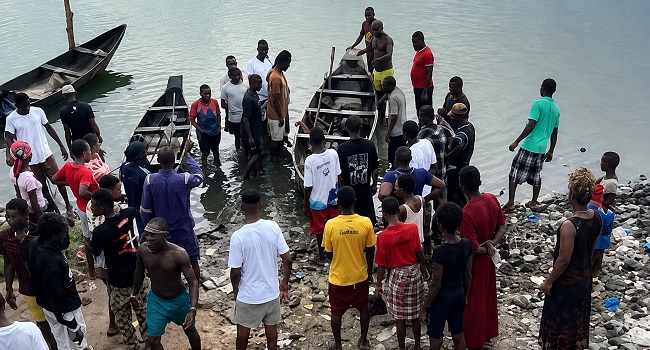
A four-story residential building collapsed in the early hours of Thursday in the Jrondi district of Fez’s Aïn Nokbi neighborhood, killing at least nine people and sending rescue teams into the rubble of a structure built in the 1980s as authorities ordered the evacuation of adjacent buildings and Morocco’s human rights body called for a national strategy to stop the country’s recurring wave of deadly building collapses.

The collapse occurred around 3:30 a.m. in a densely populated area. By midday, six people had been pulled from the wreckage alive, Al Aoula state television confirmed. Several others sustained injuries of varying severity and were transferred to local hospitals. Residents of surrounding buildings were evacuated as a precaution while engineers reinforced neighboring structures against potential secondary collapse.

“The collapse created a wave of fear,” a neighbor told the state television channel.

The Fez city prosecutor confirmed the death toll and said a judicial investigation had been ordered to determine causes, circumstances, and individual responsibility. The Fez Appeals Court prosecutor general pledged strict enforcement of the law and firm action against anyone found responsible once the investigation concludes.

A City That Has Been Here Before

Thursday’s collapse is not Fez’s first this year, nor its worst in recent memory. In December 2025, two residential buildings in the Massira district of the city’s Benssouda area gave way, killing at least 22 people and injuring 16 more. That incident prompted Morocco’s public prosecutor to open a judicial investigation into 21 people, with prosecutors identifying serious violations including construction of additional floors without permits, use of second-hand building materials, illegal transfer of air rights, irregular property sales, and the issuance of housing certificates that did not comply with existing law. Eight of those suspects were ordered detained. The rest are being investigated without custody.

The charges in that case included involuntary manslaughter, bribery and corruption, illegal handling of non-transferable property, complicity, and unlawful issuance of administrative certificates.

Fez itself is a city of extraordinary historical weight, a former Moroccan capital dating to the eighth century and the country’s third most populous urban center. Its older districts contain some of the densest residential construction in North Africa, much of it aging, much of it built informally over decades without consistent regulatory oversight. The physical fragility of that built environment has been known to authorities for years.

Going further back, the collapse of a minaret in the nearby city of Meknes in 2010 killed 41 people. The country has been living with the consequences of inadequate building oversight for more than a generation.

38,800 Buildings at Risk

The number that frames all of this is one the government itself produced. Housing Secretary of State Adib Ben Ibrahim confirmed last year that approximately 38,800 buildings across Morocco had been formally classified as at risk of collapse. That figure covers structures identified through official assessments, meaning it almost certainly understates the actual number of buildings in dangerous condition, since not every at-risk structure has been inspected, catalogued, or flagged.

Thursday’s building in Fez was constructed in the 1980s — not ancient, not improvised, but old enough to have deteriorated and to have potentially accumulated unauthorized modifications over the intervening decades. The pattern that emerged from the December investigation, floors added without permits, substandard materials, administrative certificates issued improperly, points to a systemic failure in which building owners, local officials, and contractors have for years operated outside the rules that exist specifically to prevent what happened overnight in Aïn Nokbi.

The Rights Body’s Demand

Morocco’s National Council for Human Rights deployed a team from its Fez-Meknes regional commission to the site Thursday and released a statement that went beyond condolence into institutional challenge.

The council warned that the recurring nature of these collapses constituted “a direct violation of the right to adequate housing as defined by international standards” and demanded a judicial investigation with published findings and assigned accountability. It called for a national strategy built on proactive monitoring, early warning systems, and strict enforcement of urban planning legislation.

“Strengthened institutional coordination” among government ministries, territorial administrations, and elected councils was necessary, the council said, within a framework that placed the right to adequate housing and citizen safety at the center of public policy rather than at its margins. The council also called for a permanent joint mechanism to respond immediately when cracks or structural defects are detected — intervention before collapse rather than rescue after it.

The rights body had issued a similar statement following the December 2025 Fez collapse. The fact that a comparable disaster struck the same city less than six months later suggests those earlier demands were not acted upon with sufficient urgency.

A Crisis With a Known Cause and a Missing Response

Building collapses in Morocco follow a pattern that is both predictable and preventable. The causes are documented. The scale of the problem is quantified. The legal framework to prevent further deaths exists on paper. What has consistently been missing is the institutional will and capacity to enforce that framework at scale, in time, before buildings fall.

The 38,800 at-risk structures represent a known liability. They are scattered across a country where local building inspection capacity is uneven, where informal construction has historically been tolerated because the housing shortage left authorities with few alternatives, and where the administrative mechanisms for forcing remediation or demolition of unsafe buildings are slow and often contested.

The December prosecutions, with their 21 suspects and charges of bribery and illegal certification, revealed something important: the collapses are not purely the result of aging materials and time. They are enabled by corruption. When building officials issue certificates for structures that do not meet legal standards, when air rights are sold without authorization, when extra floors are added to buildings that were not designed to support them, people in government are either being paid to look away or are simply not doing their jobs. Both explanations demand accountability of a kind that Morocco’s judicial system has been asked to provide but has not yet demonstrated it can deliver at the scale the problem requires.

The human rights council’s call for a national strategy is the right prescription. What it requires is political commitment that treats the 38,800 at-risk buildings not as a future liability to be managed slowly but as an active emergency requiring the kind of systematic, funded, and monitored response that Morocco applied to the 2023 earthquake’s aftermath in the Atlas Mountains.

Nine people died in their sleep in Fez on Thursday morning. Twenty-two more died in the same city in December. Forty-one people died in Meknes in 2010. The numbers keep accumulating because the system that is supposed to prevent them has not been fixed. The buildings that are standing tonight and classified as dangerous are the next entries in that ledger unless something changes.

Reuters/MoroccoWorldNews

Ebola Center Set on Fire in DR Congo as Community Anger Over Disease Response Explodes

0

A crowd set fire to an Ebola treatment center in eastern Congo on Thursday after authorities stopped them from retrieving the body of a local man believed to have died from the virus, underscoring rising tensions in a region struggling to contain a fast spreading outbreak.

Witnesses and local officials said the violence erupted in the town of Rwampara, where frustration over strict health measures collided with long held cultural burial practices. The blaze forced aid workers to flee as chaos unfolded inside the facility.

A resident who spoke by phone described how a group of young people attempted to take the body of a friend for burial before being blocked by police. The confrontation escalated quickly.

“The police tried to calm the situation, but it got out of control,” said Alexis Burata, a student who was near the scene. “The youths ended up setting the center on fire.”

An Associated Press journalist at the site reported seeing individuals break into the facility, ignite materials inside, and set fire to what appeared to be at least one body being stored there. Emergency teams evacuated the area as flames spread.

Jean Claude Mukendi, a senior police official in Ituri Province, said the unrest stemmed from a lack of understanding about safety protocols.

“Families wanted to take the body home for funeral rites, but during an Ebola outbreak, strict procedures must be followed,” he said, emphasizing that all burials must comply with public health regulations.

Health experts warn that the bodies of Ebola victims remain highly infectious, making traditional burial practices a major driver of transmission. Authorities have taken control of burials in affected areas, a measure that has repeatedly sparked resistance from grieving families.

Hama Amadou, a field coordinator with the medical aid group ALIMA, later confirmed that order had been restored and operations at the center had resumed.

The incident highlights the complex challenge facing health workers as they attempt to contain a rare strain of the Ebola virus in a region marked by displacement, weak health systems, and ongoing violence. The outbreak has spread for weeks in areas where many residents are already fleeing armed conflict, further complicating tracking and containment efforts.

Officials in Congo reported 160 suspected deaths and 671 possible cases across two provinces as of Thursday. The United Nations has also confirmed infections, including one fatal case, in neighboring Uganda. However, the World Health Organization has cautioned that the true scale of the outbreak is likely far greater.

“We are still intensifying surveillance and case finding,” said Jean Kaseya, head of the Africa Centers for Disease Control and Prevention. “Numbers will likely rise as detection improves.”

The outbreak remains centered in Ituri Province, which borders Uganda and South Sudan, raising concerns about regional spread. While global risk is currently considered low, health authorities warn that the regional threat is significant.

Efforts to control the disease have been hampered by limited medical infrastructure, reduced international aid, and ongoing insecurity. More than 920,000 people are internally displaced in Ituri alone, according to the United Nations, creating conditions that make coordinated response efforts difficult.

Violence in the region has further strained resources. Local leaders reported that an attack by militants earlier this week killed at least 17 people in a nearby village, diverting attention and security resources away from health operations.

Medical teams have also raised alarm over shortages of supplies and personnel. There is currently no approved vaccine or treatment for the specific strain driving this outbreak, and experts say it could take several months before one becomes available.

“The priority is rapid action and strong community engagement,” said Ariel Kestens of the International Federation of Red Cross and Red Crescent Societies. “The coming days are critical.”

The virus spreads through contact with bodily fluids and can cause severe symptoms including fever, vomiting, diarrhea, and internal bleeding. Early detection is key, but health officials say the outbreak went undetected for weeks after the first known death in late April, partly because initial testing focused on a different strain.

The disease has now reached a new area. Authorities confirmed the first cases in South Kivu Province near the city of Bukavu, marking a significant expansion from the initial outbreak zones.

International repercussions are already emerging. India and the African Union postponed a major summit scheduled in New Delhi, citing health concerns. Congo’s national soccer team also canceled a training camp and public event in the capital.

The United States has imposed travel restrictions on individuals who recently visited affected countries, requiring enhanced screening for returning citizens and limiting entry for foreign nationals.

The attack on the treatment center reflects a recurring pattern seen in past Ebola outbreaks, where mistrust between communities and authorities undermines containment efforts. Public health strategies, though scientifically necessary, often clash with deeply rooted cultural practices, particularly around death and burial.

In regions like eastern Congo, where state presence is limited and armed groups operate freely, that mistrust is amplified. Communities may view outside intervention with suspicion, especially when it involves removing loved ones and restricting traditional mourning rituals.

The situation is further complicated by economic hardship and displacement. With hundreds of thousands of people on the move, tracking infections becomes increasingly difficult, allowing the virus to spread quietly before detection.

The absence of a ready vaccine for this strain adds urgency to containment efforts. Unlike previous outbreaks where vaccination campaigns helped slow transmission, health workers now rely heavily on isolation, contact tracing, and community cooperation.

Unless authorities can bridge the trust gap and adapt their response to local realities, incidents like the Rwampara attack could become more frequent, threatening to derail efforts to contain the outbreak and raising the risk of wider regional spread.

AP

Deadly Incident in New Mexico Leaves 3 Dead as First Responders Treated After Exposure to Unknown Substance

0

Three people died and nearly two dozen emergency responders required medical evaluation after exposure to an unidentified substance at a rural home in New Mexico, authorities said Wednesday.

State police said officers responding to a reported overdose found four individuals unresponsive inside a residence east of Albuquerque. Three were pronounced dead at the scene, while a fourth was transported to a hospital for treatment. Officials have not released the victims’ identities.

Emergency personnel who entered the home soon began showing symptoms, including nausea and dizziness, prompting a broader response to assess and contain potential exposure. Authorities said the substance involved remains unknown, though investigators believe it may spread through physical contact rather than through the air.

A volunteer firefighter who assisted at the scene described a chaotic situation as responders began falling ill while attempting life saving measures. She said crews experienced coughing, vomiting and dizziness shortly after arriving, raising concerns about safety risks for those responding to similar emergencies.

The University of New Mexico Hospital confirmed that nearly two dozen people were evaluated and decontaminated. Most were first responders who did not show severe symptoms and were later released, while a small number remained under observation.

Local officials said there is no ongoing threat to the public.

Mountainair Mayor Peter Nieto said evidence at the scene pointed to possible drug involvement, though investigators have not confirmed the cause of the incident. He ruled out carbon monoxide and natural gas exposure as contributing factors.

Law enforcement agencies remained at the scene for several hours as investigators worked to determine the nature of the substance. The home, located along a dirt road, was secured with police tape as bodies were removed and transported from the area.

The incident has shaken the small community of fewer than 1,000 residents. Town offices were scheduled to close the following day as staff and residents grapple with the emotional impact.

The incident highlights growing concerns about the dangers first responders face when dealing with suspected drug related emergencies, particularly in regions already struggling with substance abuse. While authorities have not confirmed the substance involved, cases across the United States have increasingly involved potent synthetic drugs that can pose risks even through limited exposure.

New Mexico has faced persistent challenges tied to drug related deaths. Data from the Centers for Disease Control and Prevention shows the state has consistently ranked among the highest in overdose rates nationwide, underscoring the scale of the crisis confronting both public health officials and emergency services.

The exposure of first responders in this case may prompt renewed scrutiny of safety protocols, equipment standards and training for handling hazardous substances in the field. Incidents like this also reinforce the broader reality that drug related emergencies are no longer confined to users alone but can endanger entire response systems.

Officials said the investigation is ongoing as they work to identify the substance and determine the circumstances that led to the deaths.

AP

Tennessee man jailed over social media post about Charlie Kirk wins $835,000 settlement

0

 A Tennessee man who spent more than a month in jail over a social media post referencing the killing of Charlie Kirk has reached an $835,000 settlement with local officials, closing a case that has drawn national attention over free speech protections.

The settlement resolves a federal lawsuit filed by Larry Bushart, a 61-year-old retired police officer, who was jailed for 37 days after authorities charged him with a felony linked to a Facebook post. Prosecutors later dropped the charge in October.

Bushart said the agreement affirms his constitutional rights. “I am pleased my First Amendment rights have been vindicated,” he said in a statement, adding that he looks forward to moving on with his family after the ordeal.

The case, first detailed by The Associated Press, stood out among several incidents nationwide in which individuals faced professional consequences for online comments about Kirk’s death. Bushart’s case was unusual because it resulted in criminal prosecution rather than workplace discipline.

According to court filings, Bushart lost a postretirement job during his incarceration and missed major family milestones, including his wedding anniversary and the birth of his granddaughter.

Authorities in Perry County arrested Bushart in September after he declined to remove posts that included memes referencing the killing. One widely cited post paired an image of President Donald Trump with a quote tied to a previous school shooting, which investigators said caused alarm among local residents.

Sheriff Nick Weems acknowledged at the time that much of Bushart’s content fell under protected speech. However, he said concerns arose that one post could be interpreted as a threat to a nearby school, despite references linking it to an incident in another state.

Bushart’s bail was initially set at $2 million before he was released as scrutiny of the case intensified.

Legal advocates say the outcome underscores the limits of law enforcement authority when confronting controversial or offensive speech online. Cary Davis, an attorney with the Foundation for Individual Rights and Expression, which supported Bushart’s case, said the settlement sends a broader signal.

“It’s in times of heightened tension that the nation’s commitment to free speech is tested,” Davis said, emphasizing that constitutional protections remain critical even when speech provokes public backlash.

County officials have not publicly commented in detail on the settlement.

The Bushart case highlights a growing tension in the United States between public safety concerns and the constitutional guarantee of free expression, particularly in the digital age. Law enforcement agencies increasingly face pressure to respond quickly to online content that may be perceived as threatening, even when intent is unclear.

Legal experts note that courts have consistently set a high bar for criminalizing speech, requiring clear evidence of a credible threat rather than ambiguous or offensive language. The decision to detain Bushart, followed by the dismissal of charges, illustrates how quickly authorities can overstep when interpreting online communication during emotionally charged events.

The financial cost of the settlement may also influence how local governments handle similar situations in the future. Large payouts tied to civil rights violations often prompt policy reviews, additional training for officers, and more cautious approaches to arrests involving speech.

More broadly, the case reflects a national debate about how platforms like Facebook amplify controversial expression and how institutions respond. While employers and communities may react strongly to certain posts, the Constitution places strict limits on when the government can intervene.

As social media continues to blur the line between private expression and public impact, cases like Bushart’s are likely to shape the evolving boundaries of free speech enforcement in the United States.

AP

Raúl Castro Indicted by U.S.: Murder Charges Filed Over 1996 Brothers to the Rescue Incident

0

The United States charged former Cuban President Raúl Castro with murder on Wednesday over the 1996 shootdown of two civilian planes operated by Miami-based Cuban exiles, a dramatic escalation of the Trump administration’s campaign against the island’s communist government that drew immediate condemnation from Havana and raised the specter of military action against a country already reeling from an American-imposed fuel blockade.

A federal grand jury in Miami returned the indictment in late April, Acting Attorney General Todd Blanche announced at a ceremony in the city honoring the four men killed nearly three decades ago. The indictment was unsealed Wednesday.

Castro, now 94, faces one count of conspiracy to kill U.S. nationals, four counts of murder, and two counts of destruction of aircraft. The charges carry a maximum sentence of death or life in prison. Five other defendants were charged alongside him, including three Cuban military pilots who fired the missiles that destroyed the planes.

Castro appeared publicly in Cuba earlier this month. There is no evidence he has left the island, and no mechanism for his immediate extradition exists. Blanche, speaking to a packed auditorium of government officials and Cuban Americans in Miami, was asked directly what the United States would do to bring Castro before an American court.

“There was a warrant issued for his arrest,” Blanche said to applause. “So we expect that he will show up here, by his own will or by another way.”

What Happened on February 24, 1996

Brothers to the Rescue was a Miami-based Cuban exile organization that flew small planes over the Florida Straits, searching for Cuban rafters trying to reach the United States. Starting in 1995, some of those flights had pushed further, buzzing over Havana and dropping leaflets urging Cubans to rise up against the Castro government.

Cuba protested repeatedly to Washington. The Federal Aviation Administration opened an investigation and met with the group’s leaders to urge them to stop. Those warnings went unheeded.

On February 24, 1996, missiles fired from Russian-made MiG-29 fighter jets destroyed two unarmed civilian Cessna planes a short distance north of Havana, just beyond Cuban territorial airspace. The International Civil Aviation Organization later concluded the shootdown occurred over international waters. All four men aboard the planes were killed: Carlos Costa, Armando Alejandre Jr., Mario de la Peña, and Pablo Morales. Their portraits were displayed at Wednesday’s ceremony as officials spoke.

Castro was Cuba’s defense minister at the time. Fidel Castro subsequently said Cuba’s military had acted on standing orders to down planes violating Cuban airspace, and said Raúl had not given a specific order for the February 24 shootdown. Federal prosecutors concluded otherwise.

“For nearly 30 years, the families of four murdered Americans have waited for justice,” Blanche said. “They were unarmed civilians and were flying humanitarian missions for the rescue and protection of people fleeing oppression across the Florida Straits.”

Marlene Alejandre-Triana, whose father Armando Alejandre Jr. was among the dead, called the charges “long overdue.” She described Castro as “one of the main architects of the crime” and said her father had simply wanted to bring freedom to his Cuban homeland.

The Co-Defendants and One Already in Custody

The five other defendants charged alongside Castro include Lt. Col. Lorenzo Alberto Pérez-Pérez of Las Tunas, José Fidel Gual Barzaga, Emilio José Palacio Blanco, and Raul Simance Cárdenas. One defendant, Lt. Col. Luis Raúl González-Pardo Rodríguez, is already in U.S. custody. He was previously indicted in November 2025 on charges including fraud and misuse of immigration documents, specifically for allegedly falsely claiming on a permanent residence application that he had never received weapons or military training. He is awaiting sentencing later this month.

Cuba’s Response

Cuban President Miguel Díaz-Canel rejected the indictment in blunt terms, characterizing it as a fabrication designed to provide legal cover for a military attack on Cuba.

“It is a political maneuver, devoid of any legal foundation,” Díaz-Canel wrote on X. He said Cuba had acted in “legitimate self-defense within its territorial waters after repeated and dangerous violations of its airspace by notorious terrorists.” He added that U.S. officials had been warned about the violations before the shootdown and chose to allow the flights to continue.

Cuban Foreign Minister Bruno Rodriguez called Secretary of State Marco Rubio’s simultaneous offer of $100 million in U.S. aid to Cuba cynical, pointing to what he described as the devastating effect of the American economic blockade on ordinary Cubans.

The Maduro Template

The indictment carries a weight beyond legal procedure because the Trump administration has already shown it is willing to act on exactly this kind of charge against a Latin American leader. In January, U.S. special forces seized then-Venezuelan President Nicolás Maduro in the Venezuelan capital and transported him to New York, where he faces drug trafficking charges and has pleaded not guilty. Trump’s first administration had indicted Maduro before using that indictment to justify his removal.

Peter Kornbluh, a senior analyst and Cuba specialist at the National Security Archive at George Washington University, said Castro would have no choice but to take the threat seriously. “He’s going to have to keep his head pretty low from now on,” Kornbluh said. “They’re going to have no choice but to take this threat extremely seriously.”

In Miami’s Little Havana neighborhood, the reaction among Cuban Americans was direct. Peter Hernandez, whose family owns a fruit and vegetable market and whose parents moved from Cuba to South Florida before he was born, said he would support American military action to bring Castro in. “He’s a criminal,” Hernandez said. “I think we should do that with all criminals, especially if they’re hiding behind a country that consistently has been proven that they are on the wrong side of our national security efforts and ideology.”

When asked what comes next for Cuba, Trump said: “We’re going to see.” He added that the United States was ready to provide humanitarian assistance to what he called a “failing nation.”

The Political Architecture Behind the Charges

Wednesday’s announcement is the most visible piece of a sustained American pressure campaign against Cuba that has intensified since Maduro’s capture. The Trump administration imposed an effective fuel blockade on Cuba by threatening sanctions on countries supplying it with oil, triggering severe power outages and accelerating what Cubans describe as the worst economic crisis the island has faced in decades.

Secretary of State Marco Rubio, the son of Cuban immigrants and a figure widely seen as a potential 2028 Republican presidential contender, has been the architect of much of that pressure. He released a Spanish-language video Wednesday urging Cubans to demand new leadership and a free-market economy. “Currently, the only thing standing in the way of a better future are those who control your country,” Rubio said.

The CIA Director John Ratcliffe traveled to Havana last week for meetings with Cuban officials, including Castro’s grandson, Raúl Guillermo Rodríguez Castro, who had previously met secretly with Rubio. Two senior State Department officials held a separate meeting with the grandson in April. The diplomatic back-channel activity, combined with Wednesday’s indictment, suggests a coordinated strategy aimed at fracturing the Cuban leadership from within while applying maximum external legal and economic pressure.

Trump, speaking at a Coast Guard Academy event in Connecticut, framed the broader regional posture in sweeping terms. “From the shores of Havana to the banks of the Panama Canal, we will drive out the forces of lawlessness and crime and foreign encroachment,” he said.

A 29-Year-Old Case as a Weapon for Regime Change

The Raúl Castro indictment is a remarkable document on multiple levels, and understanding what it is requires understanding what it is not.

It is not primarily a legal instrument designed to produce a trial. Castro is 94 years old, in poor health by most accounts, and living in a country that will not extradite him. The probability that he will appear in a Miami courtroom to answer these charges is, in any realistic assessment, extremely low. The investigation into his role in the 1996 shootdown is nearly three decades old — the Clinton administration pursued it and then deliberately chose not to indict Castro himself, prioritizing diplomatic calculations over prosecution.

What the indictment is, with clarity, is a political instrument. It serves the same function that the Maduro drug trafficking indictment served before January’s raid: it establishes a legal framework that the Trump administration can point to when justifying further action. It says to the world, and particularly to Cuba’s military and political establishment, that the United States has formally declared Raúl Castro a criminal, issued an arrest warrant, and reserved the right to act on it by any available means.

The phrase Blanche used — “by his own will or by another way” — is not accidental legal boilerplate. It is a deliberate echo of the language and logic that preceded the Maduro operation. The Trump administration is telling Cuba’s leadership that the playbook exists, that it has been used before, and that it is available again.

Whether it gets used will depend on military and diplomatic calculations that extend well beyond the courtroom. Cuba is not Venezuela. It sits 90 miles from Florida. A military operation on the island would carry consequences of a different order of magnitude from the Caracas raid. Cuban officials are aware of this. American military planners are aware of this. And the Trump administration, which has shown a consistent willingness to push the boundaries of what previous administrations treated as unthinkable, is presumably aware of it too.

For the families of Carlos Costa, Armando Alejandre Jr., Mario de la Peña, and Pablo Morales, Wednesday’s ceremony and the names on the indictment represent something real and long sought, whatever its ultimate legal outcome. For the broader region and the world watching Washington’s behavior in Latin America, it represents something else: evidence that the United States under Trump is prepared to use the full weight of its legal, economic, and military apparatus to reshape the Western Hemisphere on its own terms, on its own timeline, and without the constraints that previously governed American conduct toward sovereign governments in the region.

AP/Reuters

Israeli Strikes in Southern Lebanon Kill 19, Straining Fragile Ceasefire

0

Israeli airstrikes across southern Lebanon killed at least 19 people on Tuesday, including women and children, Lebanese health officials said, underscoring the continued volatility of a ceasefire that has failed to halt near daily exchanges of fire.

Lebanon’s Health Ministry reported that four women and three children were among those killed in the latest wave of strikes. The attacks mark one of the deadliest days in recent weeks as cross border violence persists despite diplomatic efforts led by the United States to contain the conflict.

Israel’s military did not immediately address the reported casualties but confirmed it carried out strikes on more than 25 locations it described as Hezbollah infrastructure between Monday afternoon and Tuesday afternoon.

The renewed fighting traces back to early March, when Hezbollah launched rockets into Israel following joint United States and Israeli strikes on Iran. Since then, both sides have engaged in frequent attacks, eroding confidence in the ceasefire arrangement.

Lebanese authorities said one of the deadliest incidents occurred in the coastal Tyre province, where an airstrike on the village of Deir Qanoun al Nahr killed 10 people. Among the victims were three children and three women. Three others were wounded, including a child.

Lebanon’s state news agency said the strike leveled a residential building, trapping several people beneath the rubble. Rescue teams later recovered bodies from the debris, though officials did not provide further details about the victims or the intended target.

The continued violence highlights the fragility of the ceasefire, which has struggled to hold amid deep mistrust and competing military objectives. While Israel maintains that its operations target militant infrastructure, Lebanese officials and humanitarian groups have raised concerns about the growing toll on civilians.

The latest escalation reflects a broader pattern in the region, where ceasefires often serve as temporary pauses rather than lasting solutions. The absence of a clear enforcement mechanism has allowed both sides to continue limited strikes while avoiding full scale war, creating a dangerous gray zone of conflict.

For Israel, sustained pressure on Hezbollah positions is seen as a strategic necessity to deter future attacks. For Hezbollah, continued resistance reinforces its role as a regional force aligned against Israeli and Western influence. This dynamic leaves little room for de escalation without significant diplomatic intervention.

The civilian toll is also likely to intensify international scrutiny. Repeated incidents involving women and children risk shifting global opinion and could increase pressure on both sides to adhere more strictly to ceasefire terms.

At the same time, the ongoing exchanges raise concerns about miscalculation. A single large scale incident or mass casualty event could rapidly push the conflict beyond its current limits, drawing in additional regional actors and further destabilizing an already tense Middle East landscape.

With no immediate signs of restraint from either side, the situation remains highly volatile, and the ceasefire increasingly appears symbolic rather than effective.

AP

FBI arrests Nigerian internet fraudster “Putsammy” after extradition to U.S

0

A Nigerian man accused of running a cross-border romance fraud operation that deceived victims in the United States and other countries was extradited from Nigeria and taken into federal custody, the U.S. Department of Justice announced Tuesday, capping a years-long international investigation that drew on law enforcement cooperation across three continents.

Samuel Ugberaese was arrested by the FBI following his extradition and is being prosecuted in the Eastern District of North Carolina. A federal grand jury indicted him on January 22, 2021. U.S. Magistrate Judge Brian S. Myers ordered him detained pending trial.

“The FBI arrested Samuel Ugberaese after he was extradited from Nigeria to the United States on charges relating to cross-border romance scams that targeted victims in the United States and elsewhere,” the Justice Department said in a statement.

Ugberaese faces one count of conspiracy to commit wire fraud and one count of conspiracy to commit money laundering. A conviction on both counts carries a statutory maximum sentence of 40 years in federal prison.

How the Scheme Worked

Prosecutors allege that Ugberaese and his co-conspirators built romantic personas online, constructing false identities and fabricating personal stories designed to establish emotional trust with victims before manipulating them into transferring money. The scheme targeted people in the United States and in other countries, and the fraud proceeds were then moved through a network of bank accounts to conceal where the money came from and who controlled it.

A key part of the alleged laundering operation involved a co-defendant, Oluwadamilare Kolaogunbule, a naturalized U.S. citizen, who prosecutors say worked with Ugberaese to channel funds through accounts linked to purported export companies. The business fronts were allegedly used to make the movement of illicit money appear legitimate and obscure its true origin and ownership.

Assistant U.S. Attorney Adam F. Hulbig of the Fraud Section in the Eastern District of North Carolina is leading the prosecution.

A Multinational Takedown

The Justice Department credited a broad coalition of law enforcement agencies for making the extradition possible. The operation involved the DOJ’s Office of International Affairs, the FBI’s Legal Attaché office in Abuja, the U.S. Department of State, Nigeria’s Ministry of Justice and Office of the Attorney General, the Nigeria Police Force through its INTERPOL liaison, and the South African Police Service.

The involvement of South African police suggests the investigation tracked financial flows or suspect activity through South Africa at some point during the multi-year inquiry, though the Justice Department did not elaborate on that dimension of the case.

The extradition itself required sustained diplomatic and legal coordination between Washington and Abuja, involving treaty obligations, judicial processes in both countries, and the kind of interagency cooperation that U.S. federal prosecutors have increasingly pursued in fraud cases involving suspects abroad. Extraditions from Nigeria to the United States in wire fraud and money laundering cases have become more frequent in recent years as bilateral law enforcement cooperation has deepened.

Federal prosecutors noted that the indictment contains allegations and that Ugberaese is presumed innocent until proven guilty in court.

Romance Fraud and the Human Cost Behind the Wire Transfers

Romance fraud is among the most psychologically destructive categories of financial crime. Unlike investment fraud or identity theft, which exploit financial systems, romance scams exploit the most fundamental human desire for connection and companionship. Victims are not manipulated into making a bad investment. They are manipulated into believing they have found something real, that someone cares about them, and that their money is going to a person they love. The financial loss compounds a betrayal of trust that many victims describe as more damaging than the money itself.

The FBI’s Internet Crime Complaint Center has consistently ranked romance fraud among the highest-loss categories of cybercrime in the United States, with victims losing hundreds of millions of dollars annually. Older adults and people who have experienced recent loss, divorce, or isolation are disproportionately targeted, not because they are less intelligent but because they are more likely to be genuinely seeking the connection that the fraudsters fake.

The Ugberaese case is notable for the sophistication of its alleged money laundering structure. Moving fraud proceeds through export company accounts is not an improvised arrangement. It requires the creation or acquisition of functioning business entities, the maintenance of bank accounts associated with those entities, and a workflow for moving money through them in ways that resist scrutiny. The involvement of a naturalized U.S. citizen as an alleged co-conspirator gave the scheme domestic financial access that would be harder to establish from abroad.

The multi-country coordination that produced this extradition reflects a strategic shift in how the U.S. approaches cybercrime originating abroad. For years, international fraudsters operated with reasonable confidence that geographic distance provided effective insulation against American prosecution. That confidence has been eroding as bilateral extradition cooperation has expanded and as the FBI’s international legal attaché network has deepened its operational relationships with Nigerian law enforcement specifically.

Nigeria’s cooperation in this case, through its Ministry of Justice, the Attorney General’s office, and INTERPOL liaison, is consistent with a pattern of increased bilateral engagement on fraud cases that has developed over the past several years. That cooperation is partly the product of diplomatic pressure and partly the product of Nigerian authorities’ own interest in addressing the international reputational damage that high-profile fraud prosecutions create.

For the victims of the scheme Ugberaese allegedly ran, the extradition and prosecution represent accountability arriving years after the harm. It does not restore what was taken, financially or emotionally. But it closes one of the geographic escape routes that made these operations feel permanent and beyond reach.

Punchng/TheGuardianng

U.S. Senate Advances War Powers Measure to Limit Trump’s Iran Authority Amid GOP Divides

0

The U.S. Senate on Tuesday moved forward with legislation designed to limit President Donald Trump’s authority in the ongoing conflict with Iran, signaling a shift among some Republicans who are increasingly uneasy with the direction of the war.

The procedural vote passed 50 to 47, allowing debate to continue on a war powers resolution that would require the president to seek congressional approval or withdraw U.S. forces. The outcome marked a notable departure from previous votes, where Republicans had largely remained united in blocking similar efforts.

Sen. Bill Cassidy of Louisiana broke with his party to support the measure for the first time, joining fellow Republicans Rand Paul, Susan Collins, and Lisa Murkowski, who have consistently backed such resolutions. Sen. John Fetterman was the lone Democrat to oppose it.

The legislation faces significant obstacles. Even if it clears the Senate, it must pass the Republican-controlled House and overcome a likely presidential veto, which would require a two thirds majority in both chambers.

Still, the vote underscores growing bipartisan frustration with a conflict that began in late February and has stretched beyond two months with no clear resolution. Lawmakers from both parties have voiced concern over rising fuel costs and the lack of a defined long term strategy.

Senate Democratic leader Chuck Schumer said the vote reflects a broader shift. He argued that momentum is building within Congress to reassert its constitutional role in decisions about war.

The resolution is sponsored by Tim Kaine, who has maintained that the Constitution grants Congress, not the president, the authority to declare war. During floor debate, Kaine said the current ceasefire presents an opportunity for the administration to justify its actions and outline a clear path forward.

Republican lawmakers remain divided. Sen. Mike Rounds expressed support for the president’s initial decision to act but acknowledged that more members of his party want clarity about the administration’s long term objectives.

The White House has argued that its actions fall within the president’s authority as commander in chief, emphasizing that hostilities have technically paused under a fragile ceasefire. However, critics point to continued military activity, including naval operations and enforcement measures in key shipping routes, as evidence the conflict is ongoing.

Across the Capitol, the House of Representatives is expected to consider a similar measure. A recent vote there ended in a tie, raising the possibility that shifting political dynamics could produce a different outcome.

The Senate vote reflects a subtle but meaningful shift in Washington’s political landscape. While the resolution may not become law, it highlights increasing discomfort within the Republican Party regarding the duration and scope of the Iran conflict.

Cassidy’s decision to support the measure after losing a primary backed by Trump suggests that political calculations may be evolving. Lawmakers who feel less tied to the president’s influence could be more willing to challenge his foreign policy decisions.

The debate also revives longstanding questions about the balance of power between Congress and the presidency in matters of war. The War Powers Resolution of 1973 was designed to prevent prolonged military engagements without legislative approval, yet successive administrations have tested its limits.

Economically, the conflict’s impact is becoming harder to ignore. Rising energy prices and market uncertainty are adding pressure on lawmakers to demand greater transparency and a clearer exit strategy.

On the global stage, the lack of a defined U.S. approach may complicate diplomatic efforts. Allies and adversaries alike are closely watching whether Washington can maintain a unified position or whether internal divisions will shape the next phase of the conflict.

For now, the Senate vote does not alter U.S. military operations. But it signals that congressional patience is thinning and that the political cost of an open ended conflict could continue to rise.

AP/Reuters