

Iran pushed back Monday against criticism from Donald Trump over its response to a proposed framework aimed at ending the conflict, insisting its position reflects legitimate security and economic concerns.
Foreign Ministry spokesperson Esmaeil Baghaei described Tehran’s counterproposal as “reasonable” and “constructive,” emphasizing that it calls for an immediate halt to hostilities, removal of U.S. restrictions on Iranian trade and the release of frozen financial assets.
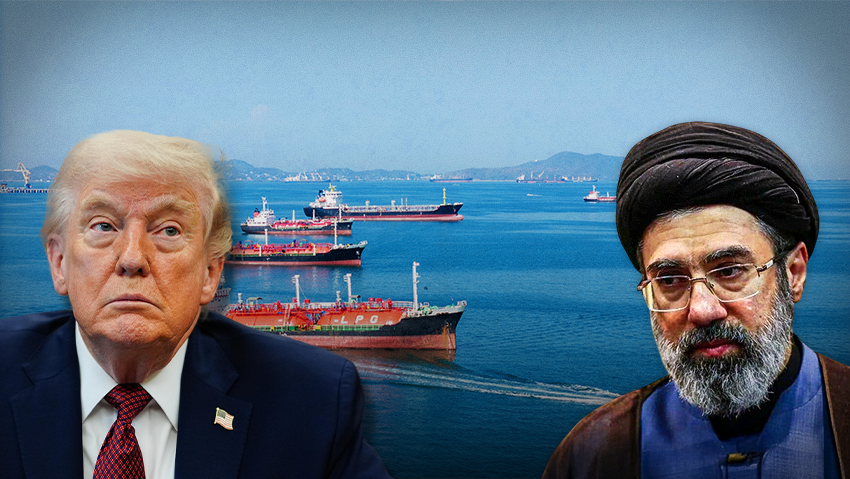
Speaking during a briefing in Tehran, Baghaei said Iran’s terms also include reopening key maritime routes and ending ongoing military operations affecting regional stability. He characterized the proposal as a responsible effort to reduce tensions and restore economic activity.
The response came after Trump sharply criticized Iran’s position, writing on his Truth Social platform that the reply was “totally unacceptable.” The U.S. proposal had sought a ceasefire as a first step before negotiations on more complex issues, including Iran’s nuclear program.
Iranian officials, however, signaled that broader conditions must be addressed in tandem, including sovereignty concerns tied to the Strait of Hormuz, a critical passage for global oil shipments.
Tehran also issued a warning to European powers, stating that foreign naval vessels operating in the waterway could face a strong response if tensions escalate further.
Meanwhile, Mohsen Paknejad said Iran’s energy sector has adapted to challenges posed by a U.S.-led maritime blockade. In remarks carried by state television, he indicated that production levels have remained stable despite disruptions, and that contingency measures are in place to sustain exports.
Paknejad acknowledged that the blockade has created logistical difficulties but said authorities have implemented steps to manage the impact. He did not provide details on those measures.
Developments surrounding the negotiations have contributed to renewed volatility in global energy markets. Oil prices rose following Trump’s rejection of Iran’s latest terms, reflecting concerns that tensions could escalate and prolong restrictions on shipping through the Strait of Hormuz.
Additional diplomatic activity is underway as international stakeholders seek to prevent further deterioration. Defense officials from several countries are expected to meet in Europe to discuss options for safeguarding maritime trade routes in the region.
The latest exchange underscores the fragile nature of the current pause in fighting, with both sides maintaining firm positions while signaling a willingness to continue discussions.
The standoff between Donald Trump and Iranian officials highlights a fundamental divide in how each side approaches conflict resolution. While Washington appears focused on sequencing—ending hostilities first and addressing broader issues later—Tehran is pushing for a more comprehensive framework that links security, economic and political demands.
Control and access to the Strait of Hormuz remains central to the dispute. The waterway is one of the most important energy transit routes in the world, and any prolonged disruption has immediate global consequences. By tying negotiations to this issue, Iran is leveraging a critical pressure point that affects not only the United States but also major energy-importing nations.
Iran’s emphasis on lifting economic restrictions reflects the broader impact of sanctions on its economy. Even during periods of conflict, maintaining oil exports is vital for government revenue. Statements from Mohsen Paknejad suggest that while the sector has shown resilience, sustained pressure could create longer-term challenges.
The exchange of sharp rhetoric also carries strategic implications. Public rejection of proposals can serve domestic political purposes while signaling strength to international audiences. However, it can also narrow the space for compromise, particularly if positions become entrenched.
The involvement of European nations in discussions about maritime security points to growing concern among allies about the potential for wider disruption. Ensuring the free flow of goods through key shipping lanes is not only an economic priority but also a security objective for many countries.
At the same time, rising oil prices indicate that markets are highly sensitive to developments in the region. Even the perception of increased risk can drive volatility, affecting economies far beyond the immediate conflict zone.
The situation illustrates how interconnected military, economic and diplomatic factors have become. Any resolution will likely require concessions across multiple areas, including trade restrictions, regional security arrangements and nuclear oversight.
For now, both sides appear to be testing the limits of pressure while keeping negotiation channels open. The outcome will depend on whether either party is willing to adjust its demands or whether external actors can help bridge the gap.
TheIndependent/CNN





