

More than 80 children are unaccounted for following a series of armed attacks on schools across Nigeria, officials and a rights organization said Sunday, marking a troubling escalation in a long-running pattern of school abductions.
The most recent assault took place in the northeastern state of Borno State, where fighters raided a primary school between Wednesday and Thursday in the Askira Uba and Chibok areas. At least 42 children were taken during the attack, local authorities said.
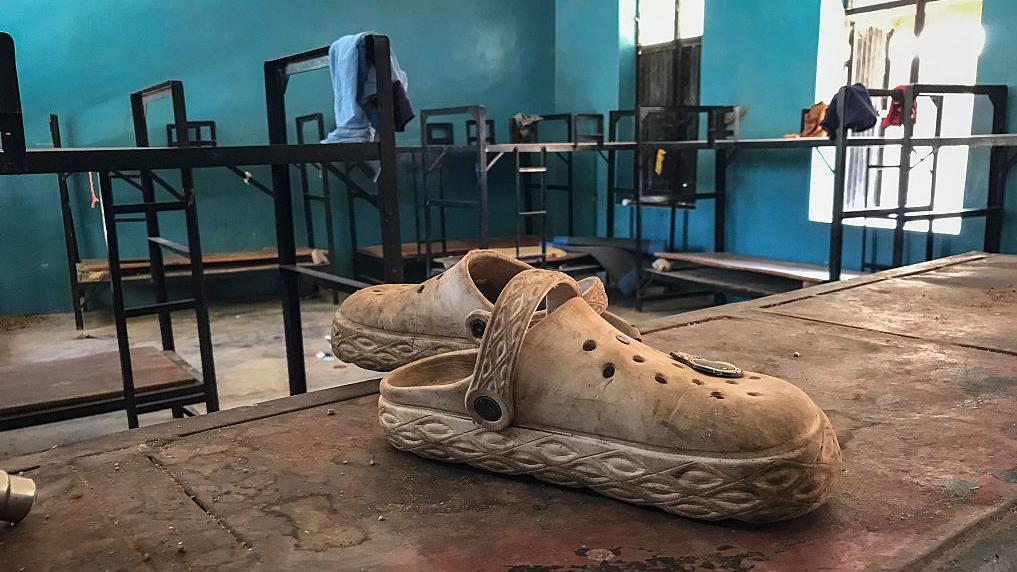
Amnesty International said the incident occurred in Mussa village near the Sambisa Forest, a region known as a base for militant groups including Boko Haram and its offshoot, the Islamic State West Africa Province.
In a separate development, armed groups struck two secondary schools in Oyo State in the southwest, abducting at least 40 students within hours on Friday, Amnesty’s Nigeria office said. Such attacks are uncommon in that part of the country, raising fresh concerns about the spread of insecurity beyond its traditional hotspots.
Peter Wabba, a local official in Mussa, said community reports suggest the number of children taken in Oyo may be higher, placing the figure at 48. He told The Associated Press that families remain in distress as authorities work to locate the missing students.
Police spokesperson Ayanlade Olayinka said three suspects were detained in connection with the Oyo attacks in the Oriire area. He added that the arrests followed information provided by local residents, though it remains unclear whether more individuals were involved.
Amnesty International criticized what it described as a failure by authorities to consistently investigate such incidents and prosecute those responsible. The group warned that repeated attacks are forcing families to withdraw children from school, with some girls being pulled out of classrooms and married off early out of fear for their safety.
The Associated Press has previously documented similar incidents in the region, including attacks in Borno where students fled during raids and others were taken by armed groups. In some cases, families reported children as young as under 10 among those abducted.
Kidnappings targeting schools have become a defining feature of Nigeria’s broader security crisis. Armed groups frequently focus on educational institutions, viewing them as high-impact targets that attract attention and can generate ransom payments.
The latest wave of school attacks signals a troubling expansion of insecurity in Nigeria. While the northeast has long been affected by insurgent violence, incidents in southwestern states such as Oyo suggest that armed groups may be extending their reach or that copycat criminal networks are adopting similar tactics.
Schools have become symbolic targets in the conflict. Beyond the immediate harm to victims, these attacks disrupt education systems, deepen poverty, and create long-term social instability. Each abduction reinforces fear among families, undermining confidence in public safety and limiting access to education, particularly for girls.
The repeated targeting of children also places pressure on the government, both domestically and internationally. While security operations have intensified in some regions, gaps remain in intelligence, rapid response, and rural protection, especially in isolated communities near forested areas that serve as hideouts for armed groups.
Another emerging concern is the normalization of such attacks. As incidents recur, communities may begin to adapt by keeping children out of school or seeking alternative arrangements, which could have lasting consequences for literacy, workforce development, and national growth.
The arrests in Oyo may offer a measure of accountability, but broader systemic challenges remain. Without sustained security reforms and community-based protection strategies, analysts warn that school abductions could continue to spread geographically.
For now, families across affected regions are waiting for updates, hoping for the safe return of their children as search efforts continue.
AP





