

ABUJA, Nigeria (BN24) — Nigeria’s foreign minister says the United States has been pressuring African nations to accept Venezuelan deportees—including some released directly from American prisons—but insists that Africa’s most populous country cannot shoulder that burden given its own mounting challenges.
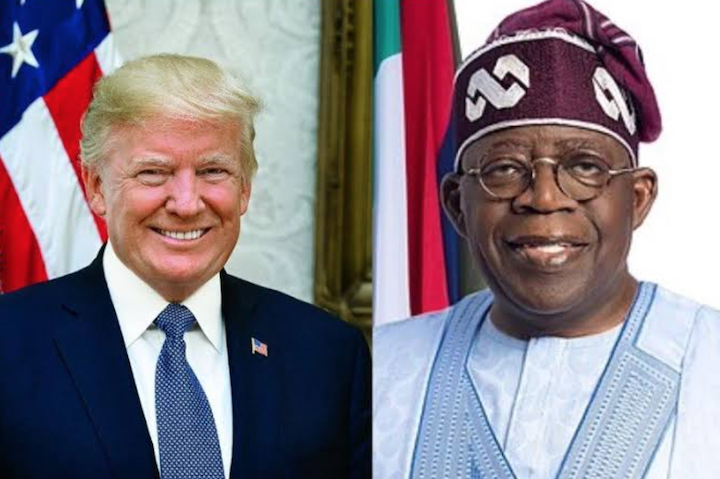
Foreign Minister Yusuf Tuggar told Nigeria’s Channels Television that Washington has been applying “considerable pressure” for African governments to take in Venezuelans the U.S. wants expelled, describing the requests as unfair and impractical.
“It would be difficult for a country like Nigeria to accept Venezuelan prisoners into Nigeria,” Tuggar said. “We have enough problems of our own, for crying out loud.”
Tuggar’s comments come amid heightened tensions over U.S. immigration enforcement. President Donald Trump hosted the leaders of Gabon, Guinea-Bissau, Liberia, Mauritania and Senegal for a televised lunch at the White House this week, where he raised the possibility of “safe, third-country agreements” for deported migrants.
Two officials familiar with the meetings told Reuters the U.S. had asked the visiting presidents to accept migrants from other regions who could not be repatriated to their home countries.
Nigeria, which was not among the five nations attending the summit, has nonetheless faced similar requests. Tuggar cited reports that the U.S. has already sent deportees to African countries even when they had no legal ties there.
“The U.S. is mounting considerable pressure on African countries to accept Venezuelans to be deported from the U.S., some straight out of prison,” he said.
Nigeria, he added, has a population exceeding 230 million and cannot be expected to act as a holding ground for migrants whose own governments refuse to take them back.
Quoting the American hip-hop group Public Enemy to underscore his frustration, Tuggar said: “Flava Flav has problems of his own. I can’t do nothin’ for you, man.”

The Trump administration has escalated deportations since returning to power in January. U.S. Immigration and Customs Enforcement has removed more than 200,000 people this year alone, triggering protests across major American cities.
Last month, the U.S. Supreme Court cleared the way for migrants to be expelled to third countries willing to accept them. But Venezuela, under President Nicolás Maduro, has frequently refused to cooperate, complicating U.S. efforts to repatriate Venezuelan nationals.
Migration experts say some governments are reluctant to accept deportees from other nations, fearing it would be seen as yielding to Washington.
Liberia’s Foreign Minister Sara Beysolow Nyanti told the BBC this week her country had not engaged in any talks with the U.S. about hosting deportees or convicted criminals.
Despite these denials, internal documents reviewed by The Wall Street Journal reportedly show the Trump administration asked at least five West African countries in advance of the summit to accept migrants expelled from the U.S.
At the meeting, Trump referenced efforts to address overstays and deportation agreements. “I hope we can bring down the high rates of people overstaying visas, and also make progress on safe, third-country agreements,” he said.
In addition to the deportation push, Washington has imposed visa restrictions on Nigerian citizens, limiting most non-immigrant visas to a single entry valid for only three months. The U.S. embassy in Abuja denied the move was retaliatory, describing the policy as part of a “global reciprocity realignment” based on security considerations.
Tuggar rejected that explanation, saying the visa limits appeared to be “pressure tactics.”
“You will be the same person that will castigate us if we acquiesce to accepting Venezuelan prisoners into Nigeria,” he told Channels TV.
Trump has also warned that countries aligning themselves with BRICS—the economic group seen as challenging Western influence—could face a 10% tariff hike. Nigeria became the bloc’s ninth partner country earlier this year, though it is not a full member.
Tuggar insisted Nigeria remains open to constructive engagement with Washington, noting the country’s vast reserves of natural gas, critical minerals and rare earths needed by American industries.
“We are discussing with the U.S. and working to resolve our differences,” he said.
Meanwhile, the U.S. has already deported eight migrants to South Sudan—only one of whom held South Sudanese citizenship—prompting legal and humanitarian outcry.
Four other African nations—Benin, Eswatini, Libya and Rwanda—have reportedly been approached with similar requests to accept deportees.





