

Cross-border mortar and rocket fire that Afghan authorities attribute to Pakistan killed at least four people and wounded about 70 others on Monday, intensifying tensions between the neighboring countries and raising concerns about the future of ongoing peace efforts.
A spokesperson for the Afghan government said the strikes hit residential areas and an academic institution in Asadabad, the capital of Kunar province. Among those injured were students, women and children, highlighting the impact on civilians in the region.
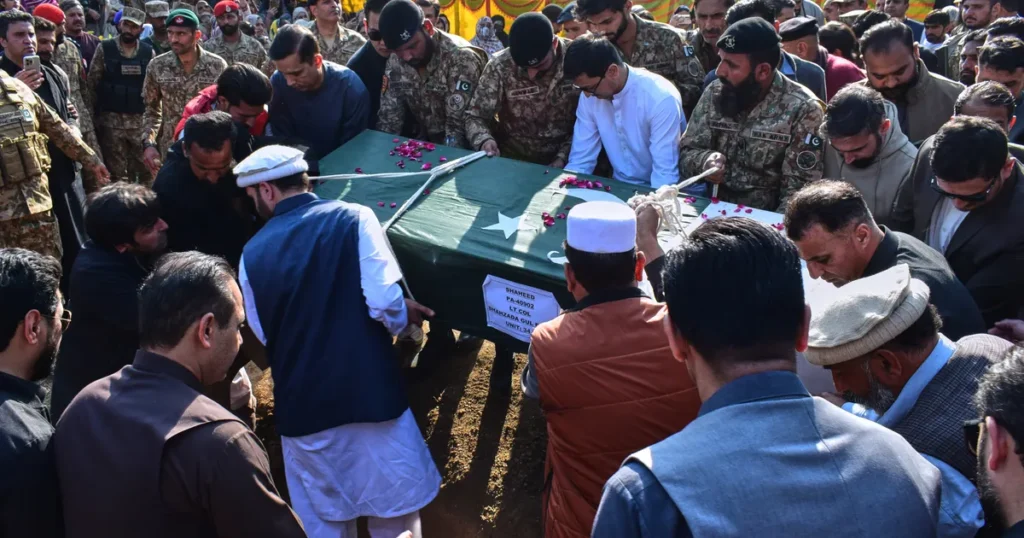
The Taliban administration’s deputy spokesperson, Hamdullah Fitrat, condemned the attacks, describing them as deliberate strikes on civilian areas and educational facilities. He said the incident represented a serious escalation and accused Pakistan of targeting nonmilitary locations.
Pakistan’s government rejected the accusations, calling them unfounded and characterizing them as misinformation. In a statement issued by the information ministry, officials said any military action carried out by Pakistan would be directed only at what it described as militant infrastructure and would be supported by clear evidence.
The Pakistani military did not immediately issue a detailed response to the latest claims.
The reported strikes come at a time of heightened sensitivity between the two countries, whose relationship has deteriorated in recent months despite efforts to restore dialogue. Earlier clashes, including air operations by Pakistan inside Afghanistan in February, marked one of the most intense periods of fighting between the sides in years.
Pakistan has repeatedly asserted that armed groups responsible for attacks within its borders operate from Afghan territory, an allegation Afghan authorities have consistently denied. Kabul has maintained that violence within Pakistan is a domestic issue and not directed from across the border.
The exchange of accusations has contributed to a cycle of escalation, with each side blaming the other for instability. Monday’s reported attack underscores how quickly tensions can flare despite attempts to de-escalate.
Previous incidents have further strained relations. Afghan officials said that a strike last month on a rehabilitation center in the capital killed hundreds, while Pakistan disputed that account, insisting its operations targeted military-related sites. A separate assessment by the United Nations Assistance Mission in Afghanistan placed the death toll from that incident at 143, illustrating the difficulty of verifying casualty figures in contested situations.
Diplomatic efforts to ease tensions have been underway, with China playing a mediating role. Talks held earlier this month in the city of Urumqi aimed to find a broader framework for resolving disputes between the two countries. While those discussions appeared to reduce large-scale clashes, smaller incidents have continued to occur along the border.
Security officials reported that shelling earlier in April killed three people in Pakistan’s northern Bajaur region, indicating that violence has persisted despite diplomatic engagement.
The latest violence along the Afghanistan-Pakistan border highlights the fragility of efforts to stabilize relations between the two countries. Despite shared interests in reducing conflict, deep mistrust continues to undermine progress.
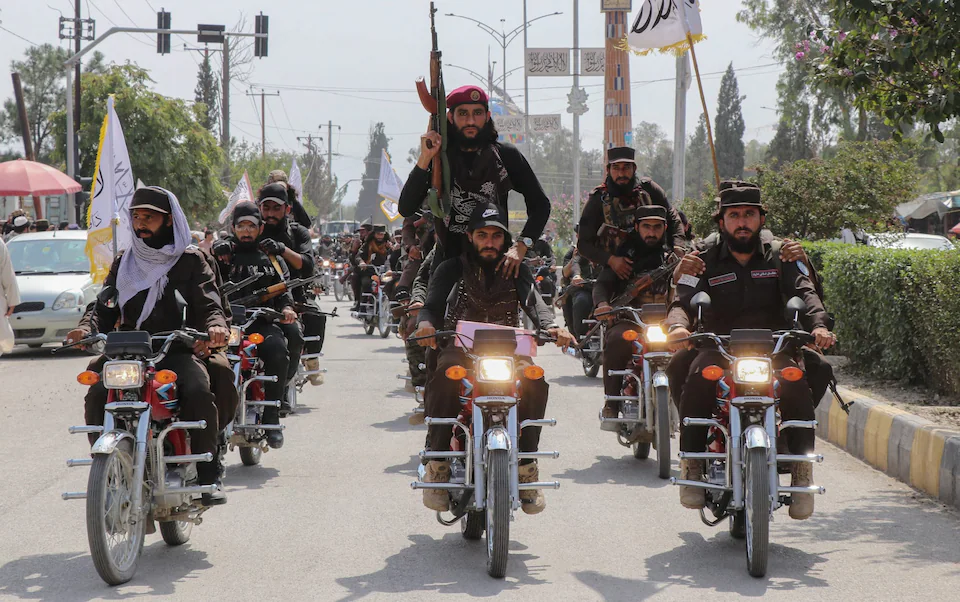
At the core of the dispute is the issue of cross-border militancy. Pakistan’s longstanding concern centers on armed groups it believes operate from Afghan territory, while Afghan authorities reject these claims and argue that Pakistan’s internal security challenges stem from domestic factors. This fundamental disagreement has made it difficult to establish a lasting framework for cooperation.
The use of indirect fire weapons such as mortars and rockets further complicates the situation. These weapons are often less precise than other forms of military engagement, increasing the risk of civilian casualties and heightening tensions when populated areas are affected. Reports of injuries to students and other civilians are likely to intensify public anger and political pressure on both sides.
The involvement of external mediators, including China, reflects the broader regional importance of stability between Afghanistan and Pakistan. Both countries occupy strategic positions, and prolonged conflict could have wider implications for trade routes, security cooperation and regional development.
However, mediation efforts face significant challenges. Trust-building measures are limited, and each new incident risks undoing progress made in negotiations. The current pattern suggests that while large-scale confrontations may be avoided temporarily, underlying issues remain unresolved.
The humanitarian impact is also significant. Communities along the border are often caught in the middle of these disputes, facing displacement, property damage and ongoing insecurity. The disruption of education, particularly when schools and universities are affected, adds a long-term dimension to the crisis.
From a geopolitical perspective, continued instability could influence broader alliances and regional dynamics. Both countries have relationships with major global powers, and prolonged tensions may draw increased international attention or involvement.
Ultimately, the situation underscores the need for sustained diplomatic engagement and mechanisms to prevent escalation. Without clear communication channels and mutual assurances, even isolated incidents can spiral into larger confrontations.
As both sides trade accusations and deny responsibility, the latest violence threatens to derail already fragile peace efforts. The coming days will be critical in determining whether diplomatic channels can contain the fallout or whether tensions will continue to escalate along one of the region’s most volatile borders.
Authorities have not indicated whether further talks are planned, but the persistence of clashes suggests that achieving lasting stability will require more than temporary ceasefires or isolated agreements.
Reuters





