

Rudy Giuliani has been hospitalized and is in critical condition, a spokesperson said Sunday, offering few details about the health scare involving the former New York City mayor.
Ted Goodman, speaking on behalf of Giuliani, said the 81-year-old is “critical but stable” as he receives medical care. The statement did not explain what led to his hospitalization or when he was admitted.
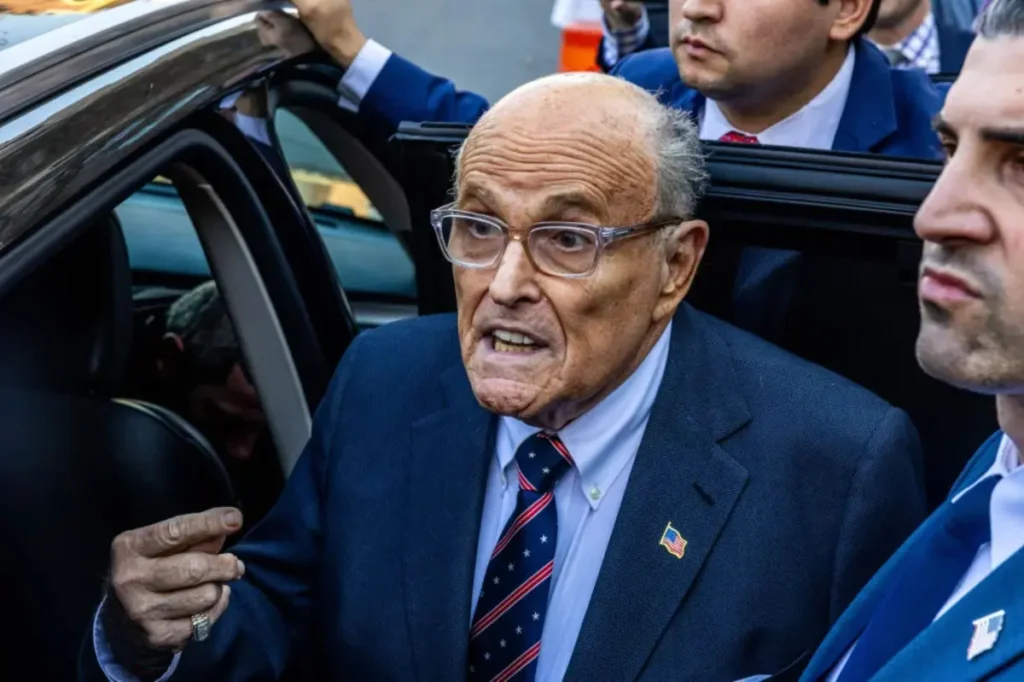
“Mayor Rudy Giuliani is currently in the hospital, where he remains in critical but stable condition,” Goodman said. “He has faced challenges throughout his life with strength, and he is continuing that fight now.”
The statement also asked the public to keep Giuliani in their thoughts and prayers, reflecting concern among supporters and political allies who have followed his long public career.
Giuliani served as mayor of New York City from 1994 through 2001, a period that brought him national attention for his leadership style and his response during times of crisis. His time in office included years marked by falling crime rates and major changes in policing strategy, as well as the aftermath of the attacks on Sept. 11, 2001, when he became widely known across the country.
Beyond City Hall, Giuliani remained a visible figure in national politics for decades. He later worked as an attorney and political adviser, including a high-profile role in the orbit of President Donald Trump. His public profile has stayed strong, even as his career has moved through both praise and controversy.
Details about his current medical condition remain limited. No hospital has been named, and family members have not issued a separate statement. It is also unclear whether additional updates will be released in the coming days.
The lack of information has left many questions unanswered. Still, the description of “critical but stable” suggests a serious situation, though not one that is rapidly worsening at this stage.
Giuliani’s hospitalization comes at a moment when his legacy continues to draw attention across political and legal circles. For many Americans, he remains closely tied to his time leading New York City, especially during moments that shaped the nation’s sense of security and resilience.
At the same time, his later years have placed him in a different light. His involvement in national politics and legal battles has kept him in headlines, sometimes shifting the public’s perception of his earlier achievements. That contrast has made him a complex figure, viewed in sharply different ways depending on political and personal perspectives.
Health concerns involving high-profile figures often carry broader implications. In Giuliani’s case, his age and long public career naturally draw attention to the physical toll of decades in demanding roles. Public service at that level often involves intense pressure, long hours and constant scrutiny.
There is also a human side that cuts through the political narrative. News of serious illness tends to bring a pause, even among critics. Moments like this shift the focus from public debate to personal well-being.
The phrase “critical but stable” is often used in medical settings to describe a patient whose condition is serious but not rapidly declining. It can mean that doctors are closely monitoring vital functions while working to stabilize the situation. Without more details, it is difficult to assess the exact nature of Giuliani’s condition.
For supporters, the hope is for recovery. For observers, the situation serves as a reminder of how quickly circumstances can change, even for those who have spent decades in the public eye.
Giuliani’s career has spanned law enforcement, politics and legal advocacy. That breadth has made him one of the more recognizable figures in modern American public life. His leadership during key moments in New York City’s history continues to shape how he is remembered, even as later chapters have added complexity to that legacy.
As updates emerge, attention will likely remain high. His condition, and any changes in it, will be closely followed by both the public and political figures who have worked with him over the years.
For now, the focus remains on his health. The statement from his spokesperson offers a brief but clear picture: the situation is serious, but he is holding steady under medical care.
ABC





