

The Supreme Court is preparing to take up a case that could redefine who qualifies for citizenship in the United States, as the justices review an executive order issued by President Donald Trump that seeks to limit birthright citizenship.
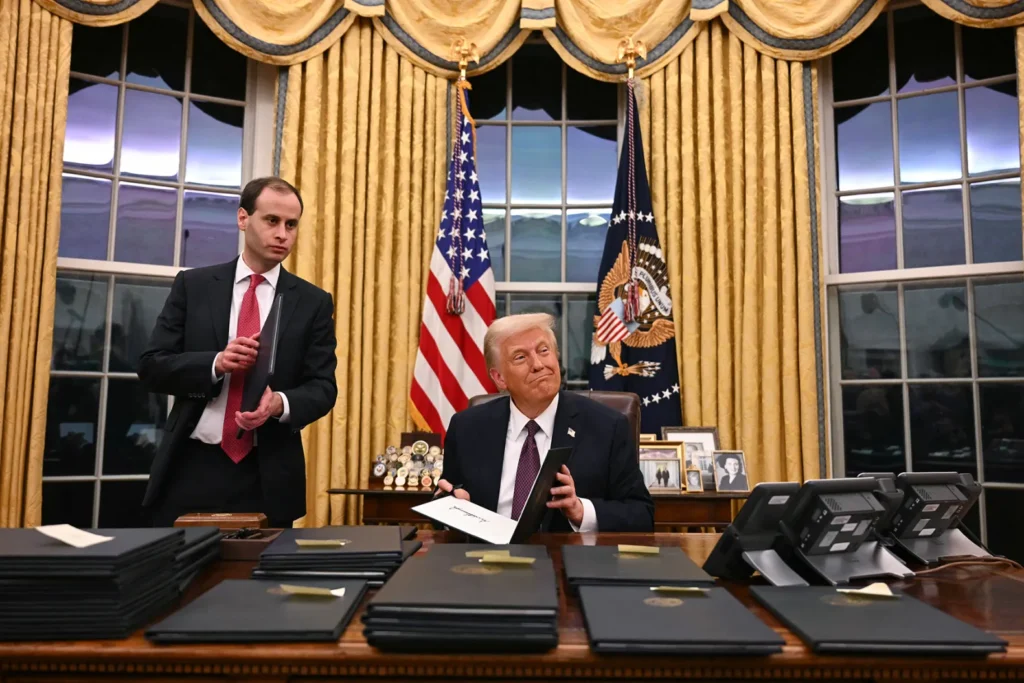
Oral arguments are scheduled for Wednesday in a closely watched dispute centered on an order signed on the first day of President Donald Trump’s second term. The directive would deny automatic citizenship to children born in the United States after February 19, 2025, if their parents are in the country without legal status or hold temporary visas.
The case places a long settled interpretation of the Constitution under renewed scrutiny. For more than a century, courts have broadly applied the Fourteenth Amendment’s citizenship clause to grant citizenship to nearly anyone born on American soil.
A decision is expected within the next three months. Until then, the policy remains blocked following lower court rulings that halted its enforcement.
The dispute marks one of several major legal challenges tied to President Donald Trump’s policy agenda now before the court. While the administration has secured favorable outcomes in some emergency requests related to immigration and federal authority, this case addresses the core legality of a sweeping constitutional interpretation.
At the center of the debate is the Fourteenth Amendment, which declares that all persons born or naturalized in the United States, and subject to its authority, are citizens. The administration argues that this language has been applied too broadly and does not extend to children born to parents without permanent legal ties to the country.
The executive order, titled “Protecting the Meaning and Value of American Citizenship,” directs federal agencies to deny recognition of citizenship for children who do not meet the new criteria. It also bars the issuance of documents that would otherwise confirm citizenship for those individuals.
In legal filings, the Justice Department maintains that lower courts relied on an incorrect interpretation of the Constitution when they blocked the order. The administration contends that extending automatic citizenship in these cases carries significant policy consequences and affects border enforcement.
John Sauer, serving as solicitor general, is expected to present the government’s position before the court. He has argued that the current interpretation grants citizenship without sufficient legal basis to large numbers of individuals.
Opponents of the order describe it as a direct challenge to established constitutional law. A coalition of states, advocacy organizations and private individuals has filed suit, seeking to preserve existing citizenship rights. Among the plaintiffs are expectant mothers who argue that their children would be denied access to benefits tied to citizenship.
Legal advocates, including the American Civil Liberties Union, have argued that the order conflicts with both the Constitution and long standing Supreme Court precedent. Cecillia Wang, legal director for the group, is set to argue on behalf of the challengers and has said the order attempts to rewrite the meaning of the Fourteenth Amendment.
Lower courts that have reviewed the policy have consistently ruled against the administration, finding that it contradicts established legal interpretations. Those rulings have kept the policy from taking effect nationwide.
Much of the argument before the Supreme Court is expected to focus on the phrase “subject to the authority” in the Fourteenth Amendment. The administration interprets this language as allowing limits on who receives citizenship at birth, particularly in cases involving parents without permanent legal status.
Attorneys for the challengers point to a landmark 1898 Supreme Court decision involving Wong Kim Ark, which affirmed that a child born in the United States to foreign parents was a citizen. That ruling has guided courts for generations and remains central to the current debate.
Historical context also plays a key role in the case. The Fourteenth Amendment was adopted after the Civil War to ensure citizenship for formerly enslaved people and their descendants. Supporters of the traditional interpretation argue that the amendment established a broad principle of citizenship based on place of birth rather than parent status.
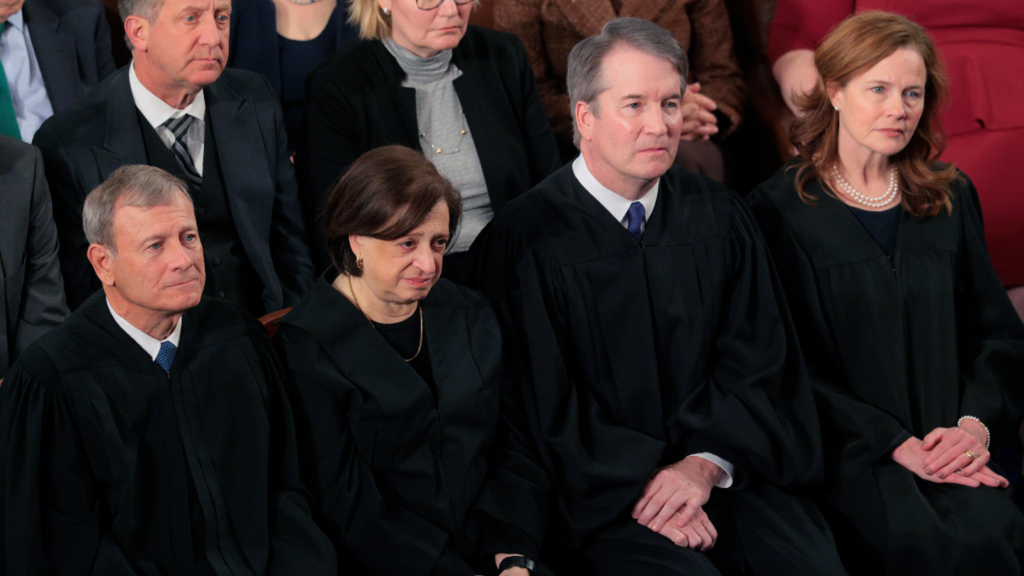
The potential impact of the case is significant. Data from the Pew Research Center indicates that roughly 150,000 children are born each year in the United States to parents who are not citizens. Millions of children currently living in the country were born under similar circumstances.
Critics of the order warn that enforcing the policy could create confusion and inconsistency across states. They argue that families could face new requirements to prove citizenship status for newborns, potentially complicating access to services and legal protections.
Amanda Frost, a law professor at the University of Virginia, has said the policy could leave some children without clear legal status at birth and raise practical questions for hospitals and state agencies responsible for issuing birth certificates.
Supporters of the administration’s approach argue that the current system encourages misuse, including travel to the United States for the purpose of securing citizenship for children. They contend that limiting birthright citizenship would address those concerns and align policy with a narrower reading of the Constitution.
During earlier court proceedings, some justices expressed skepticism about the administration’s position. Questions raised during those sessions focused on how the policy would be implemented and how officials would determine a child’s status at birth.
Justice Brett Kavanaugh asked how hospitals and state authorities would handle citizenship determinations for newborns under the proposed framework. Justice Sonia Sotomayor questioned whether the order conflicts with multiple existing precedents.
The case now before the court, known as Trump v. Barbara, involves a named plaintiff using a pseudonym. She joined the lawsuit while pregnant, and her child has since been born in the United States.
According to SCOTUSblog, the case is among the most significant of the current term and could reshape constitutional law related to citizenship. The court’s ruling is expected by late June or early July.
The case represents a rare moment in which the Supreme Court may revisit a constitutional principle that has remained largely settled for generations. While immigration policy often shifts with changing administrations, the definition of citizenship has been far more stable.
If the court sides with the administration, the decision could mark a fundamental shift in how citizenship is determined, potentially affecting millions of families and altering long standing legal assumptions. Such a ruling would likely lead to further legal challenges and require new systems for verifying status at birth.
On the other hand, if the court rejects the order, it would reinforce existing precedent and limit the scope of executive authority in redefining constitutional rights. That outcome could also shape future debates over immigration policy by clarifying the boundaries of presidential power.
The broader implications extend beyond immigration. The case tests how the court interprets constitutional text in light of historical context and prior rulings, a balance that often defines major decisions. It also raises questions about the role of the judiciary in resolving disputes with far reaching social and political consequences.
scotusblog/Foxnews





