

(Foxnews) — President Donald Trump announced a sweeping “all or nothing” naval blockade of the Strait of Hormuz, warning that any attack on U.S. forces or commercial vessels would trigger overwhelming retaliation, including threats that perpetrators would be “blown to hell.”
The move follows the collapse of high-level talks between the United States and Iran in Pakistan, where negotiators failed to reach agreement on key issues, including nuclear restrictions and maritime access.
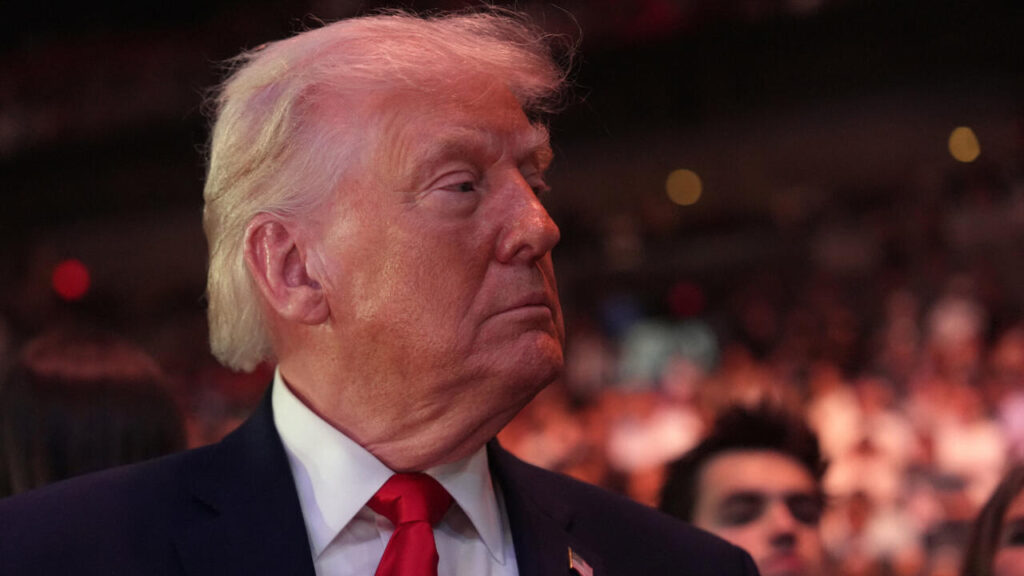
In an interview with Fox News anchor Maria Bartiromo, Trump outlined a strict enforcement approach that would deny selective access to the strategic waterway, a critical route for global energy shipments.
“We’re not going to allow Iran to decide who gets through and who doesn’t,” Trump said, describing the policy as a complete cutoff unless equal access is restored.
He added that the United States is preparing to enforce the blockade with naval power and coordination from partner nations, though details of that cooperation remain unclear.
In a separate social media statement, Trump said the U.S. Navy had been ordered to intercept vessels operating under what he described as unauthorized arrangements with Iran and to begin clearing naval mines believed to be deployed in the channel. He also warned that any hostile action against U.S. ships or civilian traffic would be met with decisive force.
The blockade marks a significant escalation in the standoff, with the administration framing the move as a response to what it described as attempts by Iran to restrict access and impose costs on shipping through the waterway.
Shipping activity in the region has already been disrupted, with only limited vessel movement recorded since the ceasefire took effect, raising concerns about supply shortages and rising energy prices.
Data from maritime monitoring firms indicates that tankers are being rerouted toward alternative supply points, including the United States, as global markets react to the uncertainty.
The blockade signals a major shift from targeted military operations to broader economic pressure, with the Strait of Hormuz serving as a central leverage point. Roughly one-fifth of the world’s oil supply typically passes through the narrow channel, making any disruption immediately felt in global markets.
Trump’s “all or nothing” approach removes flexibility from prior arrangements and increases the likelihood of confrontation. By eliminating partial access, the policy forces a binary outcome that could either compel compliance or trigger escalation.
The warning of severe retaliation also reflects an effort to deter attacks, but it carries the risk of rapid military escalation in a region already on edge. Iran has previously demonstrated its ability to use smaller naval assets and asymmetric tactics, complicating enforcement of a large-scale blockade.
For global markets, the implications are immediate. Energy prices have already surged, and prolonged disruption could strain supply chains, increase inflation pressures, and affect economies far beyond the Middle East.
Diplomatically, the move may strain relations with allies reluctant to participate in a full blockade, while also testing the limits of international maritime law.
As tensions continue to build, the situation presents a high-stakes confrontation where economic pressure, military deterrence and diplomatic strategy are tightly intertwined, with little margin for miscalculation.





