

The United States has rescued a service member who had been missing behind enemy lines after a fighter jet was shot down over Iran, officials said Sunday, marking a dramatic recovery as the conflict continues to escalate.
The airman was recovered following a search-and-rescue operation launched after the Friday downing of an F-15E Strike Eagle. President Donald Trump said the service member was injured but in stable condition. A second crew member had already been rescued earlier.
“This brave warrior was behind enemy lines in the mountains of Iran, being hunted by our enemies,” Trump said in a social media post.
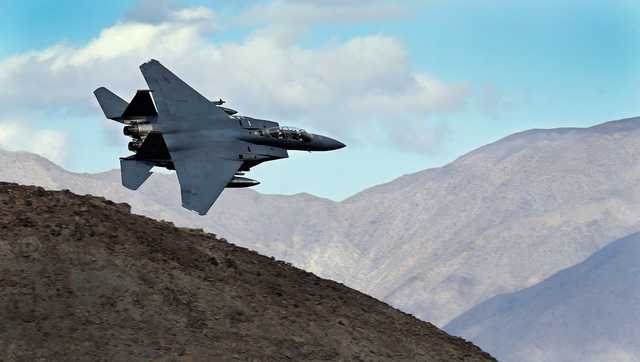
The aircraft was the first U.S. plane to go down inside Iran since the war began, highlighting the risks facing American forces despite repeated claims that Iran’s military capabilities have been severely weakened.
The war, which began with U.S. and Israeli strikes on Feb. 28, has killed thousands, disrupted global markets and driven up energy prices. Both sides have carried out attacks that have raised concerns about civilian casualties and potential violations of international law.
Iran has continued to strike economic and infrastructure targets in neighboring Gulf countries, showing no sign of backing down. Drone attacks in Kuwait damaged power plants and disrupted water facilities, while a separate strike in Bahrain caused a fire at an oil storage site. In the United Arab Emirates, debris from intercepted attacks sparked fires at a major industrial plant, halting production.
At the center of rising tensions is the Strait of Hormuz, a critical route for global energy shipments. Trump renewed his warning that Iran must reopen the waterway or face severe consequences, setting a new deadline and threatening further military action.
Iranian officials responded with warnings of their own, signaling the possibility of broader retaliation across the region.
Despite the escalating rhetoric, diplomatic efforts are ongoing. Officials said mediators from several countries are working to bring both sides to the negotiating table, with proposals that include a temporary halt in fighting to allow for talks.
The rescue operation itself underscored the complexity and danger of missions conducted deep inside hostile territory. U.S. officials said multiple aircraft were involved, and additional complications arose during the mission, including equipment failures and reports of enemy fire.
Iranian state media claimed several U.S. aircraft were destroyed during the operation, though American officials have disputed those accounts.
The incident also drew attention to the vulnerability of U.S. aircraft operating over Iran. In a separate event, an A-10 aircraft supporting the rescue mission was damaged and later crashed after its pilot safely ejected and was recovered.
The conflict has already resulted in significant casualties across the region, including U.S. service members, civilians and combatants. It has also displaced large numbers of people and heightened fears of a wider regional war.
The successful rescue of the missing aviator represents a significant operational achievement for the U.S. military, particularly given the risks of conducting missions in hostile territory.
However, the downing of the aircraft and the challenges faced during the recovery highlight the limits of air dominance in a contested environment. Iran’s ability to continue targeting U.S. assets suggests that, despite sustained strikes, it retains operational capabilities.
At the same time, the broader conflict is placing increasing strain on regional stability, with attacks on critical infrastructure and threats to key shipping routes carrying global economic implications.
As diplomatic efforts continue, the situation remains highly volatile, with the potential for further escalation still looming.
AP/NBC





