

CARACAS, Venezuela (BN24) — Venezuela released 10 American citizens on Friday in a three-country diplomatic deal that also saw El Salvador send back hundreds of Venezuelan migrants who had been deported by the United States under President Donald Trump’s immigration crackdown.
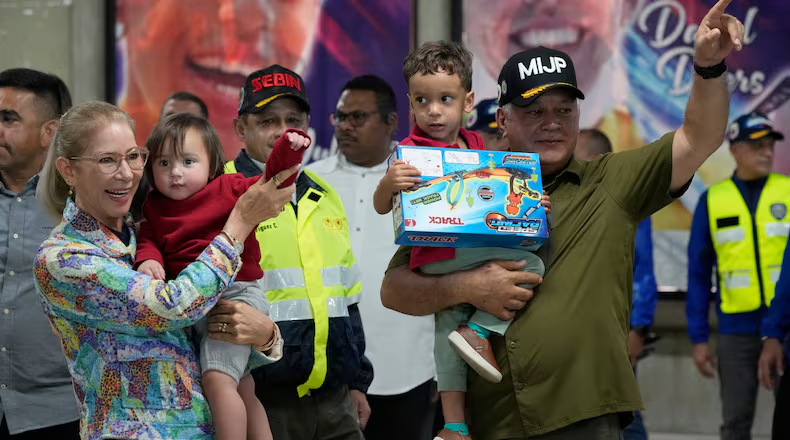
The agreement marks a significant win for Venezuelan President Nicolás Maduro, who leveraged the fate of the detained Americans to force concessions from both Washington and San Salvador, while reaffirming his authority on the global stage despite widespread allegations of election fraud. For Trump, it represents another high-profile achievement in bringing Americans home from foreign prisons — a key goal of his administration.
Secretary of State Marco Rubio confirmed the Americans’ release on social media. “Ten Americans who were detained in Venezuela are on their way to freedom,” Rubio posted on X, thanking President Trump and Salvadoran President Nayib Bukele for finalizing the complex agreement.
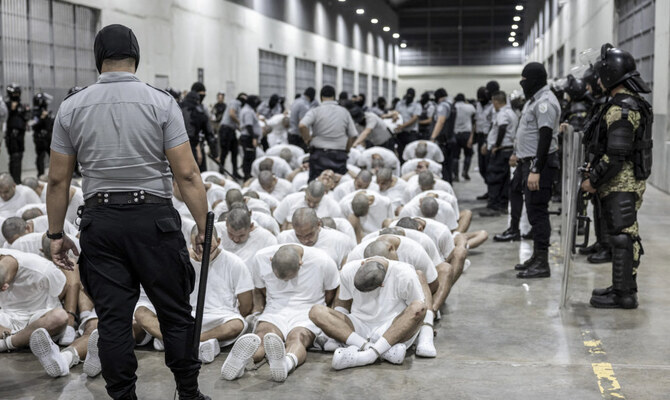
The deal involves El Salvador repatriating roughly 300 Venezuelan migrants who had been imprisoned in the country’s high-security Terrorism Confinement Center (CECOT), a sprawling mega-prison known for its brutal conditions and allegations of torture. The facility, part of Bukele’s hardline anti-gang campaign, became a temporary holding site after Trump invoked a rarely used 18th-century wartime law to remove migrants his administration had linked to the feared Tren de Aragua gang.
As part of the agreement, the Trump administration paid El Salvador $6 million to house the Venezuelans, a controversial arrangement that sparked international outcry. Human rights organizations condemned the conditions in CECOT, where hundreds of deaths and abuses have been reported since its opening.
Maduro had long used the plight of the Venezuelan detainees in El Salvador to criticize U.S. immigration policy, flipping the human rights narrative to his advantage. Even some of his political adversaries acknowledged the harsh treatment of their compatriots abroad, a dynamic that has allowed Maduro to bolster support among his shrinking base and further entrench his grip on power.
The freed Americans were among nearly a dozen U.S. citizens arrested by Venezuelan authorities in late 2024 during a sweeping crackdown that targeted dissidents, activists, labor leaders, and opposition figures following Maduro’s contested reelection. The U.S. and several Western countries do not recognize Maduro’s victory, citing credible vote tallies showing opposition candidate Edmundo González winning by a more than two-to-one margin.
In the months after the disputed July election, Venezuela detained over 2,000 people — mostly poor young men — while González fled into exile in Spain. The crackdown drew international condemnation but also opened channels for backdoor diplomacy between Caracas and Washington.
Friday’s deal follows a series of quiet prisoner swaps between the two nations. In May, Venezuela freed U.S. Air Force veteran Scott St. Clair, who had traveled to South America seeking treatment for PTSD. His release came after a meeting between Maduro and Richard Grenell, Trump’s envoy for special missions. Grenell also facilitated the earlier release of six other Americans during a visit to Caracas.
At that meeting, Grenell urged Maduro to take back Venezuelan migrants deported from the U.S., particularly those accused of criminal activity. Since then, hundreds of Venezuelans have been returned, though more than 200 remained detained in El Salvador’s prison system until this latest breakthrough.
Little was known about the Venezuelans’ fate inside CECOT until the swap. Attorneys had limited access, and public information was restricted to state-run media broadcasts showing inmates in dehumanizing conditions.
The sudden transfer came with little warning even to legal teams representing the migrants, who only learned of their departure as they boarded planes home.
The resolution of the detainee standoff signals a deepening, if unofficial, channel of negotiation between the Trump administration and Maduro’s government — one driven by humanitarian objectives, political maneuvering, and high-stakes diplomacy amid contested legitimacy.
AP





