

(AP) — A burst of gunfire in a crowded nightlife area near the University of Iowa campus left five people wounded early Sunday, including three students, as authorities worked to identify suspects and determine what sparked the violence.
Police said officers were dispatched to downtown Iowa City following alerts of a large altercation near a pedestrian mall lined with bars and restaurants. As officers arrived, gunshots rang out, sending dozens of people fleeing the scene in panic.
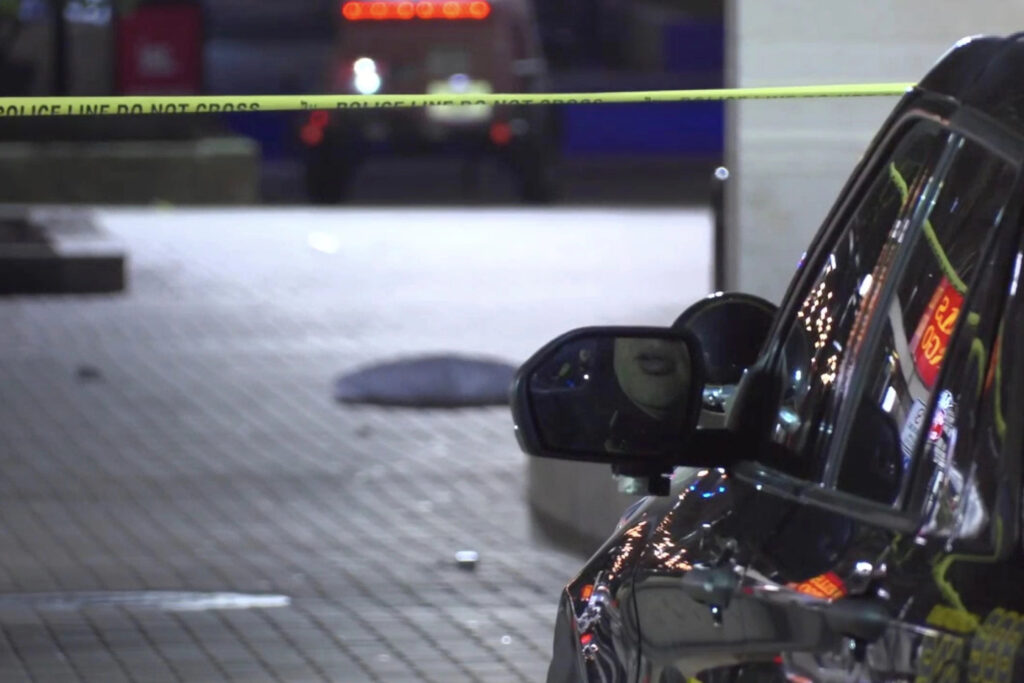
Investigators indicated that multiple victims were taken to nearby hospitals with gunshot injuries. One individual was listed in critical condition, while four others were reported to be in stable condition, according to Iowa City police. Authorities did not immediately release the identities of those injured.
A campus alert issued Sunday confirmed that three of the victims are students at the University of Iowa. University President Barbara Wilson said support services had been activated for those affected by the incident.
“While we await additional information, I am thinking about these students and their families, friends, and all the people who care about them,” Wilson said in a statement. “I am holding them close in my thoughts, along with everyone in our community who is hurting or feeling shaken right now.”
Officials emphasized that the investigation remains in its early stages. No arrests had been announced as of Sunday morning, though police released images of several individuals considered persons of interest. Authorities urged anyone with information to come forward as detectives continue piecing together events leading up to the shooting.
Video clips circulating online appeared to show multiple fights erupting outside an outdoor bar area shortly before the gunfire. The footage captured chaotic scenes as patrons ran for safety amid the sound of shots. Police have not verified the videos but acknowledged they are reviewing all available evidence, including surveillance footage and witness accounts.
Iowa Gov. Kim Reynolds described the shooting as a “senseless act of violence” and said state resources would be made available to assist local authorities.
“This incident has shaken not only the university community but the entire state,” Reynolds said, underscoring the need for swift action to identify those responsible.
University officials issued multiple safety alerts overnight, advising students to avoid the area while the situation unfolded. One alert indicated that there was no immediate evidence suggesting university students were specifically targeted, though authorities have not ruled out any motives.
The University of Iowa, which enrolls approximately 31,000 students, has faced growing concerns in recent years about safety in areas surrounding campus nightlife hubs. The district where the shooting occurred is a popular destination for students and visitors, particularly on weekends, drawing large crowds that can sometimes strain law enforcement resources.
Sunday’s shooting highlights a broader national pattern of violence occurring in or near entertainment districts adjacent to college campuses. While universities often maintain robust on-campus security systems, incidents just beyond campus boundaries fall under municipal jurisdiction, creating coordination challenges during emergencies.
The Iowa City case underscores how quickly disputes can escalate in densely populated nightlife settings, where alcohol consumption, large crowds, and limited space can contribute to volatile situations. Law enforcement agencies across the United States have increasingly focused on proactive crowd management and surveillance in such areas, but preventing spontaneous outbreaks of violence remains difficult.
Another key concern is the psychological impact on students. Even when incidents occur off campus, the proximity to student housing and social spaces can heighten anxiety and disrupt academic life. Universities often respond by expanding counseling services and reinforcing communication systems, but repeated incidents can erode a sense of safety over time.
The lack of immediate arrests in this case also reflects a recurring challenge in urban shootings: identifying suspects in chaotic environments with multiple witnesses and conflicting accounts. The reliance on video evidence, including footage shared on social media, has become a critical investigative tool, though it also raises questions about accuracy and context.
From a policy standpoint, incidents like this may renew debates over public safety strategies in college towns, including increased police presence, stricter enforcement of nightlife regulations, and community-based interventions aimed at reducing violence. Balancing safety with maintaining vibrant social spaces remains a complex issue for city leaders and university administrators alike.
As the investigation continues, authorities face mounting pressure to provide answers and reassure a community shaken by sudden violence in a place typically associated with social activity and student life.
Police said updates would be shared as new information becomes available.





