

Armed attackers carried out a late night assault on a community in Kwara State, abducting several residents and leaving others feared dead in an incident that has intensified concerns over rising violence in the region.
The attack unfolded Saturday night in the Ikerin and Ajuba area of Ekiti Local Government, where gunmen entered the community and opened fire, creating panic among residents. Accounts shared with Sahara Reporters indicate that the assailants operated for an extended period, with no immediate resistance reported.
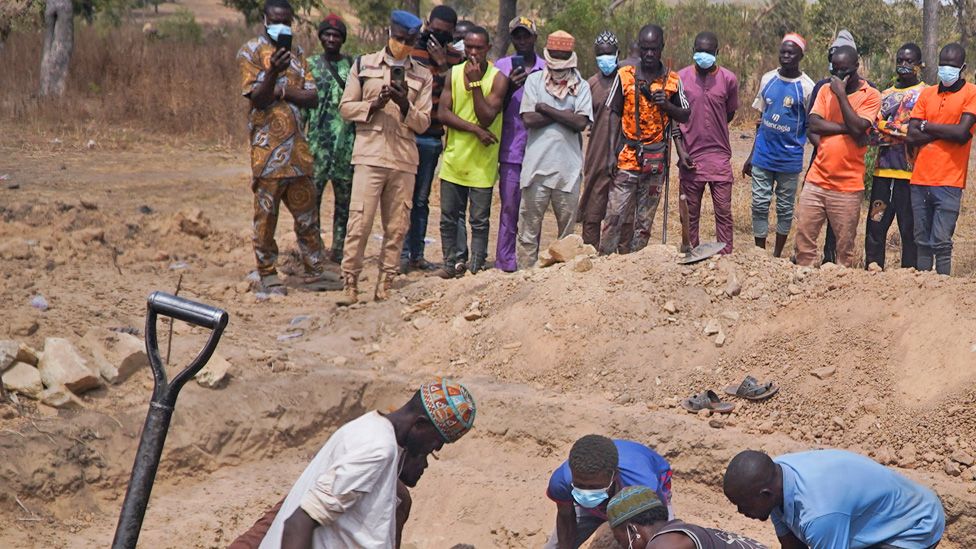
Local sources said the number of those kidnapped or killed remains uncertain as authorities and community leaders continue to assess the situation. Several people were also reported injured during the нападение, though official figures have yet to be confirmed.
Residents described scenes of chaos as gunfire rang out across the area, forcing families to flee their homes in the dark. One account described widespread confusion, with many unable to determine who had been taken or who may have been killed.
The latest violence adds to growing insecurity across Kwara South, where rural communities have increasingly come under attack from armed groups. Residents say the frequency of raids has increased in recent months, with kidnappings and violent confrontations disrupting daily life.
Community members are calling for stronger security measures, warning that many villages now feel exposed and vulnerable. Farming activities and local travel have been affected, as fear of further attacks continues to spread.
The нападение in Kwara State reflects a broader pattern of insecurity affecting parts of Nigeria, where armed groups have shifted focus toward less protected rural areas. Analysts note that these communities often lack sufficient security presence, making them easier targets for kidnappers seeking ransom.
The uncertainty surrounding casualty figures also highlights a recurring challenge in such incidents, where delayed information can complicate response efforts and deepen anxiety among residents. Without rapid intervention and improved intelligence, similar attacks may continue to escalate.
Beyond immediate security concerns, the impact on livelihoods is significant. As fear limits farming and movement, local economies suffer, increasing hardship in already vulnerable areas. This cycle can further weaken community resilience and deepen instability.
For authorities, the incident underscores the urgency of strengthening rural security frameworks and restoring public confidence. Without visible and sustained action, residents may increasingly feel abandoned, raising the risk of further displacement and long term social disruption.
SaharaReporters





