Home Blog Page 128

Justice Department Releases 300,000 Pages of Jeffrey Epstein Investigation Records Under Congressional Pressure

0

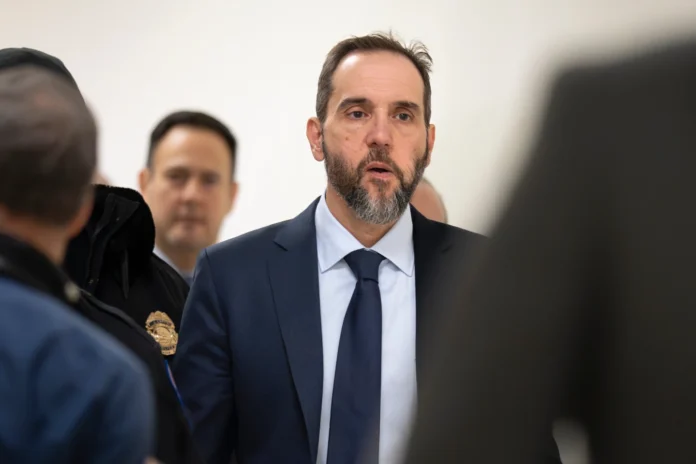
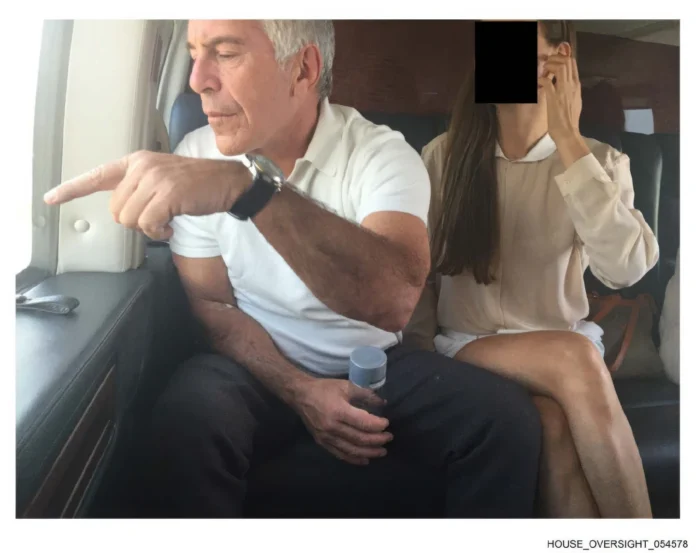
WASHINGTON — The Justice Department released more than 300,000 pages of investigative records Friday related to convicted sex offender Jeffrey Epstein, succumbing to congressional demands after months of resistance that divided President Donald Trump’s political base.

The disclosure represents one of the largest document dumps in the sprawling Epstein case, though officials acknowledged the release remains incomplete. Deputy Attorney General Todd Blanche said hundreds of thousands of additional pages require further review, with the remaining material expected within two weeks.

Among the newly public files are several photographs showing former President Bill Clinton with Ghislaine Maxwell, Epstein’s partner and co-defendant, including one image of Clinton in a swimming pool with Maxwell and an unidentified third person whose face was redacted. Clinton, who has not commented on the latest release, previously acknowledged socializing with Epstein while maintaining he had no knowledge of criminal conduct.

The document release may conflict with Justice Department protocols that typically shield material related to active investigations. Trump recently ordered federal prosecutors to examine Clinton’s connections to Epstein—a directive critics characterize as an attempt to deflect attention from the president’s own past association with the disgraced financier.

The files identify more than 1,200 individuals as victims or their relatives, Blanche noted in correspondence with Congress. Justice Department officials cautioned that despite efforts to protect victims’ identities, some personal information may have been inadvertently disclosed.

Political Pressure Forces Disclosure

The release follows a rare bipartisan congressional action that overcame initial White House opposition. Lawmakers passed legislation in November mandating the disclosure after Trump supporters accused his administration of concealing information about Epstein’s relationships with influential figures and circumstances surrounding his 2019 death in a Manhattan federal jail.

Trump initially opposed the measure, warning that releasing sensitive investigative materials could establish a problematic precedent. However, mounting pressure from his voter base—coupled with widespread conspiracy theories about government protection of powerful individuals—forced a reversal.

Recent polling shows just 44% of Republican voters approve of Trump’s handling of the Epstein matter, compared to his 82% overall approval rating within the party.

“By releasing thousands of pages of documents, cooperating with the House Oversight Committee’s subpoena request, and President Trump recently calling for further investigations into Epstein’s Democrat friends, the Trump Administration has done more for the victims than Democrats ever have,” the White House said in a statement Friday.

The legislation Trump signed allows redactions protecting victim privacy and ongoing investigations but explicitly prohibits withholding material due to “embarrassment, reputational harm, or political sensitivity.”

Dueling Political Narratives

Last month, House Democrats released thousands of emails from Epstein’s estate, including one in which Epstein wrote that Trump “knew about the girls”—a phrase left unexplained in the correspondence. Trump dismissed the disclosure as the “Epstein Hoax” designed to distract from other issues.

House Republicans countered the same day with additional emails suggesting Trump visited Epstein’s residence multiple times but “never got a massage.”

Two days after those competing releases, Trump directed the Justice Department to investigate Epstein’s ties to Clinton and JPMorgan Chase. The following week, despite administration pressure to postpone the vote, Congress overwhelmingly passed the mandatory disclosure bill.

Long History of Investigations

Authorities first investigated Epstein in 2005 after a Palm Beach, Florida family reported he had molested their 14-year-old daughter at his mansion. FBI agents and local police gathered testimony from multiple underage girls who described being hired to provide sexual massages to Epstein.

Federal prosecutors controversially allowed Epstein to avoid national charges through a 2008 plea agreement on state prostitution charges involving a minor. He served 18 months in jail.

Epstein’s accusers spent years in civil litigation challenging that arrangement. Virginia Giuffre claimed Epstein facilitated sexual encounters for her, beginning at age 17, with numerous prominent men including billionaires, academics, U.S. politicians and Andrew Mountbatten-Windsor, formerly known as Prince Andrew.

All accused individuals denied the allegations. Prosecutors never filed charges related to Giuffre’s claims, though her account fueled widespread speculation about government protection of powerful figures. Giuffre died by suicide at age 41 in April at her farm in Western Australia.

Federal prosecutors in New York brought new sex trafficking charges against Epstein in 2019, but he died by suicide in jail one month after his arrest. Authorities subsequently charged Maxwell with recruiting underage girls for abuse. She was convicted in late 2021 and is serving a 20-year sentence.

Maxwell was transferred from a low-security Florida facility to a minimum-security Texas prison camp after summer interviews with Deputy Attorney General Blanche. Her attorneys maintain she should never have faced trial or conviction.

The Justice Department said in July it found no evidence supporting additional prosecutions.

Public Records Already Extensive

Nearly two decades of litigation and investigative reporting have already made public substantial Epstein-related materials, including flight logs, address books, email correspondence, police reports, grand jury records, courtroom testimony and deposition transcripts from accusers, staff members and associates.

Previous disclosures revealed Epstein maintained contact with high-profile figures even after his 2008 conviction, including former Trump adviser Steve Bannon, Clinton’s former Treasury Secretary Larry Summers, PayPal founder Peter Thiel and Mountbatten-Windsor.

Summers resigned from positions at Harvard University, OpenAI and other institutions, saying he felt deeply ashamed after November documents showed he corresponded with Epstein through 2019, even seeking relationship advice from the convicted offender.

JPMorgan Chase paid Epstein’s victims $290 million in 2023 to settle claims the bank overlooked his sex trafficking. The financial institution maintained Epstein as a client for five years following his 2008 conviction.

Trump maintained a friendship with Epstein for years before a mid-2000s falling out, prior to Epstein’s first conviction. Trump has denied any knowledge of Epstein’s sex trafficking activities and has not been accused of wrongdoing in connection with the case.

Neither Trump nor Clinton has faced accusations of misconduct related to Epstein. The presence of an individual’s name in investigative files does not imply wrongdoing.

King Charles III stripped Mountbatten-Windsor of his royal titles this year following publication of Giuffre’s posthumous memoir detailing her allegations. Mountbatten-Windsor has consistently denied having sexual contact with Giuffre.

Despite the extensive public record, demand for additional documents remains intense, particularly regarding Epstein’s associations with prominent political and business figures.

Attorney General Pam Bondi on Nov. 14 ordered a federal prosecutor to investigate Epstein’s connections to Trump’s political opponents, following the president’s request. Trump has not specified what alleged crimes he wants examined. None of the individuals Trump mentioned in social media posts demanding the investigation has been accused of sexual misconduct by Epstein’s victims.

The administration has characterized the file release as necessary to move past the controversy and refocus on economic concerns ahead of the November 2026 midterm elections.
Delaware Court Restores Musk’s Tesla Pay Package, Now Worth $155 Billion

0

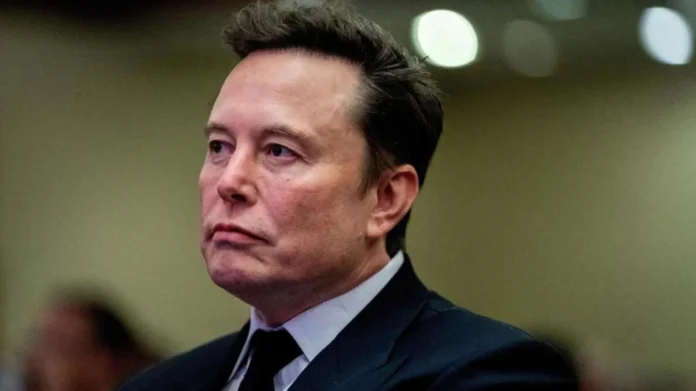
WILMINGTON, Del. — Elon Musk’s 2018 pay package from Tesla, originally valued at $56 billion, was restored Friday by the Delaware Supreme Court, overturning a lower court ruling that had struck down the compensation deal as “unfathomable” and sparked a fierce backlash that threatened Delaware’s status as America’s premier corporate legal jurisdiction.

The five-judge panel said in a 49-page ruling that rescission was “an improper remedy” and that a judge’s cancellation of the pay package in 2024 had been “inequitable.” The remedy of total rescission “leaves Musk uncompensated for his time and efforts over a period of six years,” the court said.

Tesla did not immediately respond to a request for comment. Musk posted on X that he was “vindicated.”

The pay package represented by far the largest executive compensation plan ever approved until Tesla shareholders voted for an even larger deal in November. The ruling means Musk can finally receive payment for his work since 2018, when he transformed Tesla from a struggling startup into one of the world’s most valuable companies.

If Tesla’s appeal had failed, the company could have faced a $26 billion profit hit over two years to account for a replacement stock-compensation package it had promised Musk at today’s substantially higher stock price.

The 2018 compensation deal provided Musk with options to acquire approximately 304 million Tesla shares at deeply discounted prices if the company achieved various milestones, which it did. Tesla estimated in 2018 that the plan was potentially worth $56 billion, though it is now valued at about $155 billion due to continued increases in the electric vehicle maker’s stock price. The options represent around 9 percent of Tesla’s outstanding stock.

Musk never collected his stock options because shortly after shareholders approved the 2018 compensation, the board was sued by Richard Tornetta, an investor holding just nine Tesla shares.

In 2024, following a five-day trial, Delaware Judge Kathaleen McCormick concluded that Tesla’s directors were conflicted and key facts were concealed from shareholders when they voted to approve the plan. She ordered the 2018 plan rescinded.

Musk accused Delaware judges of being activists hostile to technology founders and urged businesses to follow Tesla in reincorporating elsewhere. Dropbox, Roblox, Trade Desk, and Coinbase were among a handful of large companies that relocated their legal domiciles to Nevada or Texas. However, Delaware remains by far the most popular legal home for U.S. public companies.

Tesla’s board warned that Musk, the world’s richest person who also leads the SpaceX rocket venture and artificial intelligence startup xAI, could leave the electric car company if he did not receive the compensation he wanted and an increase in his voting power.

In November, shareholders approved a new pay package that could be worth $878 billion if Tesla meets targets for self-driving vehicles, a robotaxi network, and sales of humanoid robots.

Tesla has taken steps to reduce the risk that shareholders could tie up the 2025 package in courts. The Austin-based company is now incorporated in Texas, which allows Tesla to require that any investor or group of investors must own 3 percent of company stock before suing for alleged corporate law violations. A stake of that size would be worth around $30 billion, and Musk is the only individual with that much stock.

The ruling represents a dramatic vindication for Musk and a significant setback for shareholder advocates who had successfully challenged the compensation plan as excessive and improperly approved. The case had become a flashpoint in debates about executive compensation, corporate governance, and Delaware’s role as the nation’s dominant corporate law jurisdiction.

McCormick’s 2024 decision striking down the pay package had sent shockwaves through corporate America. Her ruling suggested that even compensation plans approved by shareholders could be invalidated if directors failed to disclose material conflicts of interest or if the negotiating process was flawed. The decision raised concerns among companies and executives about the stability of approved compensation agreements.

The Delaware Supreme Court’s reversal provides clarity that rescission—completely unwinding a deal—represents an extreme remedy that may not be appropriate even when procedural defects exist in approval processes. The court’s emphasis on Musk remaining “uncompensated for six years” of work transforming Tesla suggests judges weighed the practical consequences of rescission against the procedural violations McCormick identified.

The $155 billion current value represents nearly triple the $56 billion initial estimate, reflecting Tesla’s extraordinary stock price appreciation since 2018. That appreciation occurred precisely because Musk achieved the ambitious targets the compensation plan established, creating a paradox where his success in meeting goals made the reward appear even more excessive to critics.

Tornetta’s lawsuit, filed by an investor with just nine shares, illustrates how Delaware law allows minority shareholders to challenge corporate actions on behalf of all stockholders. This derivative lawsuit mechanism provides checks on management and boards but also enables small investors to second-guess decisions approved by overwhelming shareholder majorities.

The case highlighted tensions inherent in Musk’s dual role as both CEO and Tesla’s largest individual shareholder. Directors approving compensation for someone who controlled roughly 20 percent of company stock and served as public face of the brand faced inherent conflicts between their fiduciary duties to all shareholders and the practical reality that alienating Musk could devastate company value.

Musk’s public attacks on Delaware following McCormick’s ruling represented an unprecedented assault on the state’s judiciary from one of the world’s most prominent businessmen. His characterization of Delaware judges as “activists” hostile to founders challenged the state’s carefully cultivated reputation for expertise and fairness in corporate law matters.

The handful of companies following Tesla’s reincorporation to Texas or Nevada represents a tiny fraction of the thousands of corporations domiciled in Delaware, suggesting Musk’s campaign had limited practical impact. However, the controversy forced Delaware to defend its corporate law system in ways it rarely has needed to, potentially planting seeds of doubt about whether the state’s courts favor shareholders over management.

The November approval of an even larger $878 billion potential pay package demonstrates Tesla shareholders’ continued willingness to offer Musk extraordinary compensation tied to ambitious goals. The new plan’s astronomical potential value—nearly six times the restored 2018 package—reflects Musk’s successful framing that his leadership is irreplaceable and that failing to provide proper incentives risks his departure.

Tesla’s Texas reincorporation and the new 3 percent ownership threshold for shareholder lawsuits represent explicit efforts to prevent repeat litigation over the 2025 compensation plan. Requiring $30 billion in stock ownership to sue creates a virtually insurmountable barrier for individual shareholders, ensuring only Musk himself or major institutional investors could challenge corporate actions in court.

This barrier to litigation raises governance concerns about whether management becomes effectively insulated from shareholder accountability when only the CEO and largest institutions can sue. Corporate law traditionally balanced management authority against shareholder rights to challenge self-dealing or conflicts of interest. Texas law allowing such high ownership thresholds shifts that balance dramatically toward management.

As Musk prepares to finally collect stock options earned over six years, the case’s broader implications for executive compensation and corporate governance will continue reverberating. The ruling suggests that once shareholders approve compensation plans, courts will hesitate to unwind them completely even when procedural defects exist, potentially emboldening boards to pursue aggressive executive pay packages knowing that rescission represents an unlikely remedy.

Wiz Khalifa Sentenced to 9 Months in Romania for Cannabis Possession After Festival Performance

0

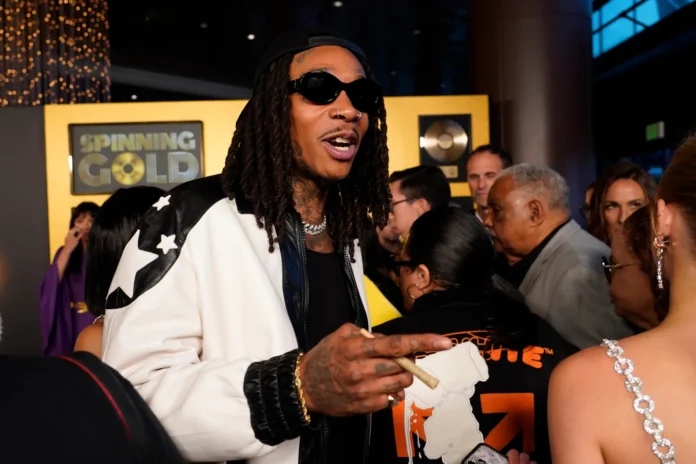
BUCHAREST, Romania — American rapper Wiz Khalifa was sentenced by a Romanian court Thursday to nine months in jail for drug possession, more than a year after he allegedly smoked cannabis on stage at a music festival in the Eastern European nation.

The Constanta Court of Appeal convicted Khalifa of “possession of dangerous drugs, without right, for personal consumption” and handed down the sentence, Romania’s national news agency Agerpres reported, as confirmed by the Associated Press. The decision is final.

Khalifa was stopped by Romanian police in July 2024 after allegedly smoking cannabis on stage at the Beach, Please! Festival in Costinesti, a coastal resort in Constanta County. Prosecutors said the rapper, whose real name is Cameron Jibril Thomaz, was found in possession of more than 18 grams of cannabis and consumed some during his performance.

The sentence came months after a lower court in Constanta County issued Khalifa a criminal fine of 3,600 lei ($830) for “illegal possession of dangerous drugs” in April. Prosecutors appealed that decision and sought a higher sentence.

Judges wrote in the Constanta Court of Appeal’s written reasoning that the sentence was intended to set an example, arguing that the “Black and Yellow” hitmaker “represents ostentatious conduct that significantly amplifies the social danger of the offence,” ABC Audio reported.

Khalifa “transmitted to the general public a message of normalisation of illegal conduct, tacitly encouraging tolerance of, and implicitly the consumption of, drugs among young people,” the judges added.

It remains unclear whether Romanian authorities will seek to file an extradition request, since Khalifa is a U.S. citizen and does not reside in Romania.

The 38-year-old Pittsburgh rapper rose to prominence with his breakout mixtape “Kush + Orange Juice.” During his performance in Romania last summer, he smoked a large, hand-rolled cigarette while performing his hit “Young, Wild & Free.”

Romania maintains some of Europe’s harsher drug laws. Possession of cannabis for personal use is criminalized and can result in a prison sentence of between three months and two years, or a fine, the Associated Press stated.

Shortly after his July 2024 performance, Khalifa addressed the situation in a statement on X, formerly known as Twitter, noting that he “didn’t mean any disrespect” by smoking marijuana onstage.

“Last nights show was amazing,” Khalifa wrote, as People.com confirmed. “I didn’t mean any disrespect to the country of Romania by lighting up on stage. They were very respectful and let me go. I’ll be back soon. But without a big ass joint next time.”

Representatives for Khalifa and Romania’s anti-organized crime prosecutors’ organization, DIICOT, did not immediately respond to requests for comment.

The nine-month sentence represents a significant escalation from the initial fine, reflecting prosecutors’ determination to make an example of a high-profile international artist. The court’s written reasoning explicitly framing Khalifa’s conduct as “ostentatious” and socially dangerous reveals judicial concern that celebrity behavior normalizes drug use among impressionable audiences.

The judges’ language about “transmitting a message of normalisation” to the “general public” suggests Romanian courts view performers’ on-stage actions as carrying responsibilities beyond personal conduct. This philosophy treats entertainment as having pedagogical dimensions, where artists become de facto educators whose behavior influences societal attitudes, particularly among young people.

Romania’s strict drug laws place it among Europe’s more conservative nations regarding cannabis policy, contrasting sharply with Western European countries like the Netherlands, Portugal, and Germany that have decriminalized or legalized marijuana to varying degrees. For Khalifa, accustomed to performing in U.S. states where recreational cannabis is legal and culturally accepted, the cultural and legal disconnect may not have been fully apparent until Romanian authorities intervened.

The rapper’s immediate social media response acknowledging he “didn’t mean any disrespect” while promising to return “without a big ass joint next time” suggests he initially viewed the incident as a minor cultural misunderstanding rather than serious criminal conduct warranting extended incarceration. His tone—apologetic but casual—reflects the vast gulf between American cannabis culture, where marijuana references pervade hip-hop and recreational use is legal in multiple states, and Romanian legal standards treating possession as serious crime.

The prosecutors’ appeal of the initial fine demonstrates dissatisfaction with what they viewed as insufficient punishment. The $830 fine likely seemed negligible to authorities prosecuting an international celebrity whose net worth reportedly exceeds tens of millions of dollars. The appeal sought consequences proportionate to the offense’s perceived social harm rather than the defendant’s financial resources.

The final sentence’s nine-month term, while substantial, falls well below the two-year maximum Romanian law allows for cannabis possession. This middle-ground approach suggests judges sought to send a strong message without imposing the harshest possible penalty, perhaps acknowledging that Khalifa had no prior Romanian criminal history and cooperated with authorities following his arrest.

The extradition question looms as the most significant practical issue. Romania and the United States maintain an extradition treaty, but such treaties typically allow refusal for various reasons including when the offense isn’t considered serious in the requesting country. Cannabis possession, particularly in amounts just over 18 grams, would likely be a misdemeanor in many U.S. jurisdictions and is legal in numerous states.

Whether Romanian authorities will invest diplomatic and legal resources in pursuing extradition for a drug possession case remains uncertain. The political optics of seeking a celebrity’s extradition for marijuana—a substance many Americans and Europeans view as relatively harmless—could generate negative publicity for Romania, particularly if U.S. officials decline cooperation.

For Khalifa, the sentence creates uncertainty about future international touring. Artists with pending criminal sentences or convictions in foreign countries may face difficulties obtaining visas or entry permissions for other nations, potentially affecting his ability to perform globally. Even if Romania doesn’t seek extradition, the conviction could complicate his professional mobility.

The case highlights challenges international performers face navigating varying legal standards across countries. What constitutes acceptable or even celebrated behavior in one nation—marijuana consumption at a music festival in certain U.S. states or European countries—becomes criminal conduct elsewhere. Artists and their management teams must carefully research local laws before performances, particularly regarding substances that occupy contested legal and cultural spaces.

The Beach, Please! Festival, which books international acts for Romanian audiences, may reconsider its programming or provide clearer guidance to performers about local laws following this incident. The festival’s reputation could suffer if associated with criminal proceedings against headline acts, even when the festival itself bears no legal responsibility for performers’ conduct.

As the case concludes with a final sentence, Khalifa faces a conviction that will remain on his record regardless of whether he serves time in a Romanian jail. Whether this precedent affects how other international artists approach performances in Romania or similar jurisdictions with strict drug laws remains to be seen, but the high-profile nature of the case ensures performers and their representatives will take note.

AP/People.com

NASCAR Driver Greg Biffle, Family, and Four Others Killed in North Carolina Plane Crash

0

STATESVILLE, N.C. — Former NASCAR driver Greg Biffle, his wife, and their two children were among seven people killed Thursday morning when his private jet crashed and burst into flames while attempting to land at a North Carolina airport frequented by racing teams and corporate executives.

The Cessna C500 went down at Statesville Regional Airport just before 10:30 a.m., the Federal Aviation Administration said. Footage captured by WSOC-TV showed the aircraft completely engulfed in flames as emergency crews rushed onto the runway.

Biffle, 55, along with his wife Cristina, 14-year-old daughter Emma, and 5-year-old son Ryder, died in the crash. Craig Wadsworth, a beloved figure in the NASCAR community, and Dennis Dutton and his son Jack were also identified as victims in the fatal accident, NASCAR confirmed.

“NASCAR is devastated by the tragic loss of Greg Biffle, his wife Cristina, daughter Emma, son Ryder, Craig Wadsworth and Dennis and Jack Dutton in a fatal plane crash,” the organization said in a statement to the New York Post.

“Greg was more than a champion driver, he was a beloved member of the NASCAR community, a fierce competitor, and a friend to so many. His passion for racing, his integrity, and his commitment to fans and fellow competitors alike made a lasting impact on the sport.”

Biffle—a semi-retired NASCAR driver and humanitarian affectionately known as “The Biff”—owned the plane through GB Aviation Leasing, public records show, the New York Post reported.

“Beyond his racing career, he gave of himself for the betterment of our community. Most notably, Greg spent countless hours of his time helping the citizens of North Carolina during the disasters that followed Hurricane Helene,” NASCAR’s statement continued. “His tireless work saved lives. Our thoughts and deepest condolences go out to Greg’s entire family, friends, and all who were touched by his life.”

North Carolina Representative Richard Hudson remembered Biffle and his wife for their humanitarian efforts, noting the couple flew “hundreds of rescue missions” in western North Carolina after Hurricane Helene devastated the region last September.

The representative said he last spoke with Cristina a few weeks ago when she asked how she could help with relief efforts in Jamaica.

“They were friends who lived their lives focused on helping others,” Hudson posted on X Thursday afternoon, calling Biffle a “great NASCAR champion who thrilled millions of fans.”

“But he was an extraordinary person as well, and will be remembered for this service to others as much as for his fearlessness on the track. That’s who the Biffles were. Our prayers are with their family, friends, and everyone grieving this unimaginable loss.”

Biffle—a 19-time winner on NASCAR’s Cup series and a one-time Busch series champion—made headlines last year for piloting his privately owned helicopter to execute a daring, caught-on-camera rescue of a trapped Hurricane Helene victim.

Garrett Mitchell, a motorsports personality and friend of the NASCAR Hall of Fame nominee, said in a social media post that the racing favorite and his family were flying to visit him in Florida.

“Unfortunately, I can confirm Greg Biffle, his wife Cristina, daughter Emma and son Ryder were on that plane,” Mitchell wrote on Facebook. “Because they were on their way to spend the afternoon with us. We are devastated. I’m so sorry to share this.”

Friends wrote on Cristina Biffle’s Facebook page begging her to answer her phone and praying the news was not true.

Former NASCAR driver Kenny Wallace said on X that Wadsworth, Biffle’s assistant and executive chef for Michael Waltrip Racing, was also aboard the doomed aircraft.

“Craig Wadsworth drove of our motorhome for six years,” Wallace said in a post that included a photograph of Wadsworth posing with his family. “Our family is heart broke right now. He died on the airplane. I will be giving my thoughts at a later date.”

The FAA initially said six passengers were aboard the private jet, but police later confirmed all seven people on board perished in the crash.

The grief-stricken families of the seven victims issued a joint statement saying Thursday’s tragedy left them “heartbroken beyond words.”

“We are devastated by the loss of our loved ones,” the statement said. “Each of them meant everything to us, and their absence leaves an immeasurable void in our lives. We ask for privacy, compassion and understanding as we grieve and begin to process this unimaginable loss.”

“We are grateful for the kindness and support that has been extended to our families during this incredibly difficult time. At this moment, our focus is honoring their lives and supporting one another.”

The plane—which costs at least $2 million—had taken off from the regional airport, located approximately 45 miles north of Charlotte, just after 10 a.m. but quickly returned after failing to reach 2,000 feet, FlightAware data showed.

Witnesses playing golf adjacent to the airport recalled dropping to the ground at Lakewood Golf Club as the plane passed overhead at dangerously low altitude.

“We were like, ‘Oh my gosh! That’s way too low,'” said Joshua Green of Mooresville, adding that debris covered the ninth hole. “It was scary.”

AccuWeather reported drizzle and clouds around the airport at the time of the crash.

The jet was scheduled to continue from Statesville to Sarasota, Florida, then to Treasure Cay International Airport in the Bahamas before returning to Fort Lauderdale and back to Statesville later that night, flight data showed.

The city-owned airport “provides corporate aviation facilities for Fortune 500 companies and several NASCAR teams,” according to its website. The airport has remained closed since the deadly crash.

The cause of the crash remains unclear. The National Transportation Safety Board and the Federal Aviation Administration are investigating.

The tragedy strikes the NASCAR community as it continues mourning recent losses and celebrating the sport’s rich history. Biffle’s death removes not just a competitive figure from racing circles but a humanitarian whose post-racing career centered on service rather than celebrity.

His Hurricane Helene rescue missions, conducted using his personal helicopter to reach areas inaccessible to conventional emergency vehicles, saved lives while demonstrating how private aviation resources can supplement overwhelmed disaster response systems. That Biffle died in an aircraft accident while traveling for personal reasons rather than another rescue mission adds poignant irony to the tragedy.

The loss of an entire family—parents and two children spanning ages 5 to 14—compounds the community’s grief. Emma and Ryder Biffle grew up in NASCAR’s extended family, attending races and team events where they became familiar faces to competitors, crew members, and fans.

Wadsworth’s death removes another fixture from the racing community. As executive chef for Michael Waltrip Racing and Biffle’s assistant, he occupied roles that placed him at the intersection of competition and daily life, someone who fed teams during grueling race weekends and assisted Biffle in both professional and humanitarian endeavors.

The deaths of Dennis and Jack Dutton represent losses whose full dimensions may only become clear as more information emerges about their connections to Biffle and the trip’s purpose.

The Cessna C500, a twin-engine business jet capable of carrying seven passengers, has a generally strong safety record though any aircraft faces elevated risks during takeoff and landing phases. That the plane failed to reach 2,000 feet and quickly returned suggests the crew recognized problems almost immediately after departure.

Weather conditions—drizzle and clouds—while not ideal, do not typically prevent experienced pilots from operating safely. Whether weather contributed to the crash or mechanical failure, pilot error, or other factors caused the accident will emerge from NTSB investigation.

The witnesses describing dropping to the ground as the plane passed overhead captures the visceral terror of watching an aircraft in obvious distress at dangerously low altitude. Their accounts of debris covering the golf course suggests the plane broke apart on impact or shortly before, distributing wreckage across a wide area.

Statesville Regional Airport’s closure reflects both the need to preserve the crash site for investigation and the emotional toll on airport personnel who witnessed the tragedy unfold. Small regional airports lack the psychological support infrastructure of major commercial facilities, meaning staff processing this trauma do so with limited institutional resources.

For the NASCAR community, Biffle’s death recalls other racing figures lost to aviation accidents over decades when private planes enabled competitors to attend races, promotional events, and business meetings across the country. The sport’s peripatetic nature—with teams crisscrossing America for 36-race seasons—has made general aviation integral to how participants move through their professional lives.

As investigators begin their work, the seven families begin processing losses that arrived without warning during what should have been an ordinary travel day. The joint statement’s request for privacy acknowledges that public figures and their families grieve under spotlights, with strangers feeling entitled to details about private tragedies.

The NASCAR organization’s statement praising Biffle for racing achievements and humanitarian service captures the duality many professional athletes embody—competitors in public arenas who become private citizens using celebrity platforms for causes larger than sports. That Biffle will be remembered as much for helicopter rescues in disaster zones as for victories on racetracks testifies to how he chose to spend life after competitive racing ended.

Nypost

ByteDance Signs Deal to Create Majority-American TikTok Joint Venture

0

WASHINGTON — TikTok CEO Shou Chew informed employees Thursday that the app’s owner, China’s ByteDance, has signed binding agreements to establish a joint venture for TikTok in the United States, fulfilling requirements of a deal with the Trump administration and transferring majority ownership to American investors.

The agreement means the U.S. version of TikTok will become majority-owned by American investors, according to a memo obtained by NBC News. The investor group includes technology giant Oracle, California-based private equity firm Silver Lake, and United Arab Emirates investment fund MGX.

The investors did not immediately respond to requests for comment. White House and Treasury Department spokespeople likewise did not reply to inquiries about the deal.

An employee who received the memo said internal reaction was generally positive among TikTok’s American staff, though most colleagues in Asia and Europe had not yet seen the communication or weighed in on it.

The deal establishes a “new seven-member majority-American board of directors” to oversee TikTok U.S., Chew said.

“The U.S. joint venture will be responsible for U.S. data protection, algorithm security, content moderation, and software assurance,” Chew wrote. “It will also have the exclusive right and authority to provide assurances that content, software, and data for American users is secure.”

Treasury Secretary Scott Bessent and Chinese Vice Premier He Lifeng reached a “framework” deal in September to enable American investors to assume control of the U.S. version of the application.

TikTok’s legal troubles in the United States stem from concerns shared by lawmakers across parties and the intelligence community that ByteDance’s complex relationship with the Chinese government poses national security threats.

Millions of Americans post videos on TikTok daily, effectively granting the app and its owners access to substantially more information about people’s lives than many users realize. Concerns about data TikTok collects and potential uses were primary drivers behind lawmakers’ decision to take action against the platform in 2024.

Under bipartisan legislation passed by Congress, ByteDance was required to divest majority ownership of the U.S. app or face a ban initially scheduled to take effect in January 2024.

In January, as Donald Trump prepared to return to office as president, the Supreme Court upheld the law, rejecting TikTok’s argument that an outright ban would violate free speech protections.

On January 18, TikTok went offline for U.S. users for approximately 24 hours, triggering an uproar among millions of loyal fans and influential content creators. Trump then announced he would delay the ban through an executive order upon being sworn in.

That assurance persuaded TikTok to begin restoring service just one day before Trump’s inauguration.

The Trump administration repeatedly delayed implementing the law while negotiating an agreement with China. Trump ordered that “the Attorney General shall not take any action on behalf of the United States to enforce the Act for 120 days.”

That latest timeline expires January 23. In Thursday’s memo, Chew said the agreement will close one day before the deadline.

Oracle, one of the largest investors in the joint venture, is controlled by technology billionaire Larry Ellison. His son David recently acquired Paramount Global with Trump administration approval. David Ellison is now pursuing a hostile bid exceeding $108 billion to buy Warner Bros. Discovery.

Oracle has thrived during the artificial intelligence boom, expanding Larry Ellison’s fortune to more than $230 billion, Bloomberg Billionaires reported.

The formally signed agreement represents the latest sign of a gradual thaw in U.S.-China bilateral relations. Initially, minimal progress occurred despite multiple meetings between Bessent and his Chinese counterparts.

However, after Trump and Chinese President Xi Jinping met in October, Beijing resumed purchasing American soybeans and eased export controls on critical minerals. Now the TikTok deal appears poised to reach completion as well.

The joint venture structure addresses national security concerns while preserving TikTok’s U.S. operations, which have become integral to American digital culture and commerce. The platform’s 170 million American users span demographics from teenagers sharing dance videos to small businesses marketing products to political campaigns reaching voters.

The majority-American ownership and governance structure aims to satisfy congressional demands for U.S. control over data handling and algorithmic decisions affecting American users. Whether these arrangements prove sufficient to allay national security concerns or merely create a corporate facade masking continued Chinese influence will depend on implementation details and oversight mechanisms.

The involvement of UAE firm MGX as a minority investor introduces international complexity to what lawmakers framed as an American takeover. While the UAE maintains strategic partnerships with the United States, its inclusion raises questions about whether the joint venture truly represents American control or creates multinational ownership that could complicate future security assessments.

Oracle’s central role reflects the company’s existing relationship with TikTok. Oracle has hosted TikTok’s U.S. user data since 2022 under an arrangement designed to address security concerns, giving the company technical infrastructure knowledge that positions it well to assume larger responsibilities under the joint venture.

Larry Ellison’s fortune ballooning past $230 billion partly through Oracle’s AI infrastructure business creates potential conflicts as TikTok’s algorithmic recommendations represent precisely the kind of AI application driving demand for Oracle’s cloud computing services. Whether Oracle can objectively oversee TikTok’s algorithms while benefiting from the broader AI boom merits scrutiny.

The Ellison family’s expanding media empire—David’s Paramount acquisition and Warner Bros. Discovery bid—adds another dimension. If TikTok operates under Oracle’s substantial influence while the Ellisonsgain control over traditional media properties, concentration of power over information distribution could rival tech giants like Meta or Google.

The deal’s completion just before the January 23 deadline reflects brinkmanship by all parties. ByteDance maximized negotiating leverage by approaching the deadline, Trump administration officials preserved credibility with congressional China hawks by securing American majority ownership, and TikTok avoided catastrophic service disruption that could have driven users to competitors.

For ByteDance, retaining minority ownership while ceding control represents a pragmatic compromise. Complete divestment would have meant losing access to TikTok’s lucrative American market entirely, while the joint venture preserves some financial interest and potential influence even as operational control shifts to American investors.

The seven-member majority-American board structure will determine how genuinely independent TikTok U.S. becomes from ByteDance. If American board members possess real authority to make decisions contrary to ByteDance interests, the arrangement could satisfy security concerns. If they function as figureheads while ByteDance maintains de facto control through technical dependencies or contractual arrangements, the national security threats that motivated the original legislation would persist.

The agreement’s provisions for “algorithm security” and exclusive authority over content, software, and data for American users sound comprehensive but raise implementation questions. Can U.S. entities truly secure algorithms initially developed by ByteDance? Does “exclusive authority” mean complete technical separation or merely oversight responsibilities? These details will determine whether the joint venture achieves genuine security or creates elaborate theater.

The slow thaw in U.S.-China relations that enabled the TikTok deal reflects pragmatic recognition by both nations that complete decoupling imposes costs neither wishes to bear. The agreement demonstrates that even amid strategic competition, specific deals addressing mutual interests remain possible when political will exists.

As the January 22 closing date approaches, the TikTok saga that has consumed Washington for years appears headed toward resolution—though whether the joint venture structure proves a durable solution or merely postpones inevitable confrontation over Chinese tech platforms in America remains to be seen.

Trump Signs Order to Reclassify Marijuana as Less Dangerous Drug, Opening Medical Research

0

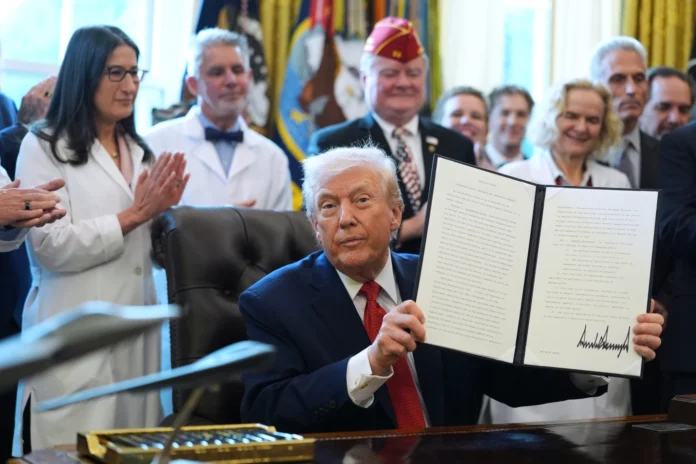
WASHINGTON — President Donald Trump signed an executive order Thursday directing marijuana’s reclassification as a less dangerous drug, a major shift in federal policy that would open new medical research avenues and align closer with actions already taken by dozens of states.

The change would move cannabis from its current designation as a Schedule I controlled substance, the same category as heroin and LSD, to Schedule III, alongside ketamine and certain anabolic steroids. Reclassification by the Drug Enforcement Administration would not legalize recreational marijuana use nationwide but could alter how the drug is regulated and eliminate substantial tax burdens on the cannabis industry.

Trump said he had received numerous calls supporting the move and its potential to help patients. “We have people begging for me to do this. People that are in great pain,” he said.

Forty states and Washington, D.C., now permit medical marijuana, and many states have legalized recreational use. However, U.S. federal laws have remained stricter, potentially subjecting users to federal prosecution.

The Justice Department under Trump’s Democratic predecessor Joe Biden previously proposed reclassifying marijuana to Schedule III. Unlike Biden, Trump lacks widespread encouragement from his party for the change. Some Republicans have spoken against any modifications and urged Trump to maintain existing standards.

Such reclassification typically requires an extensive process including a public comment period that has drawn tens of thousands of responses nationwide. The DEA remained in the review process when Trump assumed office in January. Trump ordered that process expedited as quickly as legally possible, though an exact timeline remained unclear.

Gallup polling shows Americans largely support a less restrictive approach: backing for marijuana legalization has grown from 36 percent in 2005 to 64 percent this year. However, that figure represents a slight decline from recent years, primarily due to decreasing Republican support, Gallup said.

Trump’s order also calls for expanded research and access to CBD, a legal and increasingly popular hemp-derived product whose benefits for treating pain, anxiety, and sleep issues remain debated among experts.

A new Medicare pilot program would allow older adults to access legal hemp-derived CBD at no cost if recommended by a physician, said Dr. Mehmet Oz, who heads the Centers for Medicare and Medicaid Services.

The marijuana changes face opposition from some quarters. More than 20 Republican senators, several of them staunch Trump allies, signed a letter this year urging the president to keep marijuana classified as Schedule I.

Led by North Carolina Senator Ted Budd, the group argued that marijuana remains dangerous and that reclassification would “undermine your strong efforts to Make America Great Again.” They contended marijuana negatively affects users’ physical and mental health, as well as road and workplace safety.

“The only winners from rescheduling will be bad actors such as Communist China, while Americans will be left paying the bill,” the letter stated, referencing China’s position in the cannabis market.

In the early days of Trump’s second administration, the Justice Department showed minimal interest in discussing marijuana rescheduling, which had encountered strong resistance within the DEA under Biden, a former U.S. official said on condition of anonymity to avoid retaliation.

Trump has made his campaign against other drugs, especially fentanyl, a centerpiece of his second term, ordering U.S. military attacks on Venezuelan and other vessels the administration claims are transporting drugs. He signed another executive order declaring fentanyl a weapon of mass destruction.

Jack Riley, a former DEA deputy administrator, supported focusing on the drug war as a national security priority but said marijuana rescheduling sends a conflicting message.

“He’s blowing up boats in Latin America that he says are full of fentanyl and cocaine but on the other hand loosening the restrictions that will allow wider exposure to a first-level drug,” said Riley, who was considered to lead the DEA upon Trump’s return to the White House. “That is clearly a contradiction.”

Opponents like the group Smart Approaches to Marijuana vowed to sue if reclassification proceeds.

On the opposite end of the spectrum, some pro-marijuana advocates want the government to go further and treat cannabis similarly to alcohol. Trump has not committed to larger steps like decriminalizing marijuana and said Thursday he encouraged his own children to avoid drugs.

Nevertheless, he said “the facts compel” the government to recognize marijuana can have legitimate medical applications. Cannabis has become integrated into the healthcare environment in many states.

Currently, 30,000 licensed healthcare practitioners are authorized to recommend marijuana for more than 6 million patients across at least 15 medical conditions, the U.S. Department of Health and Human Services found.

The Food and Drug Administration has identified credible scientific support for marijuana’s use treating anorexia-related medical conditions, nausea, vomiting, and pain. Older adults particularly use it for chronic pain, which afflicts one in three from that age group.

The reclassification represents a significant evolution in federal drug policy after decades where marijuana remained categorized alongside the most dangerous substances despite mounting state-level legalization and growing medical evidence of therapeutic applications. The Schedule I designation has long created tensions between federal law and state policies, leaving millions of Americans technically violating federal statutes even as they comply with state regulations.

Moving marijuana to Schedule III acknowledges scientific consensus that cannabis, while not without risks, does not belong in the same regulatory category as heroin or LSD. The reclassification reflects recognition that the drug war paradigm treating all prohibited substances equally fails to account for varying harm profiles and medical utility across different drugs.

For the cannabis industry, reclassification could eliminate Section 280E of the tax code, which prohibits businesses trafficking Schedule I or II substances from deducting ordinary business expenses. This provision has imposed effective tax rates exceeding 70 percent on marijuana businesses, creating competitive disadvantages relative to alcohol or tobacco industries and limiting capital for expansion or product safety improvements.

The expanded medical research authorization addresses a longstanding complaint from scientists that Schedule I classification made studying marijuana’s therapeutic potential nearly impossible due to regulatory barriers and limited legal supplies. Rescheduling could accelerate clinical trials examining cannabis efficacy for conditions ranging from chronic pain to PTSD to epilepsy, potentially establishing evidence-based treatment protocols.

The CBD Medicare pilot program represents federal acknowledgment of the compound’s growing popularity among older Americans seeking alternatives to opioids for pain management. By covering CBD costs for Medicare beneficiaries, the program could provide data on effectiveness and safety while addressing concerns about seniors on fixed incomes purchasing expensive products without insurance coverage.

Trump’s conflicting drug policies—aggressively prosecuting fentanyl trafficking through military strikes while liberalizing marijuana regulations—reflect tensions within Republican coalitions between law-and-order traditionalists and libertarian-leaning voters increasingly skeptical of prohibition. The 20 Republican senators opposing reclassification represent the former camp, while Trump’s action acknowledges the latter’s growing influence.

The letter’s invocation of China as a beneficiary of rescheduling appears designed to frame the issue through Trump’s preferred nationalist lens, suggesting that loosening restrictions primarily benefits foreign competitors rather than American patients or businesses. Whether this framing resonates with Trump, who has made confronting China central to his political identity, could determine how aggressively he pushes the reclassification despite GOP opposition.

Riley’s observation about contradictory messages captures a fundamental inconsistency: simultaneously escalating military operations against drug trafficking while reducing federal restrictions on marijuana creates confusion about administration priorities. Whether fentanyl and marijuana merit vastly different treatment strategies is a legitimate debate, but the whiplash between aggressive enforcement and liberalization suggests policy driven more by political calculation than coherent drug strategy.

The threatened lawsuit from Smart Approaches to Marijuana will test executive authority over drug scheduling. While the Controlled Substances Act grants the Attorney General rescheduling authority in consultation with HHS, opponents may argue the process was rushed or failed to adequately consider public health concerns, potentially delaying implementation through litigation.

As the DEA completes its review process under Trump’s expedited timeline, the reclassification represents perhaps the most significant shift in federal marijuana policy since the drug war’s inception. Whether it proves a stepping stone toward full legalization or the furthest the federal government will move remains uncertain, but the acknowledgment that current policy fails to reflect scientific evidence or state-level reality marks a turning point after decades of federal intransigence.

U.S. Military Strike on Alleged Drug Boat Kills Four in Eastern Pacific

0

WASHINGTON — The U.S. military killed four people Wednesday in a strike on a boat accused of smuggling drugs in the Eastern Pacific Ocean, bringing the total known casualties in the campaign to at least 99 as the House rejected Democratic efforts to limit President Donald Trump’s power to use military force against drug cartels.

U.S. Southern Command stated on social media that the vessel was operated by narco-terrorists along a known trafficking route. The military did not provide evidence supporting the allegations but posted video showing a boat moving through water before an explosion occurred.

The attack represented the 26th boat strike since the campaign began in early September, the Pentagon said. Trump has justified the attacks as a necessary escalation to stem drug flows into the United States and asserted the nation is engaged in “armed conflict” with drug cartels.

Defense Secretary Pete Hegseth ordered the “lethal kinetic strike on a vessel operated by a Designated Terrorist Organizations in international waters,” Southern Command said in its social media post. The victims were described as “four male narco-terrorists.”

“Intelligence confirmed that the vessel was transiting along a known narco-trafficking route in the Eastern Pacific and was engaged in narco-trafficking operations,” Southern Command said, as CBS confirmed.

The administration faces increasing congressional scrutiny over the boat strike campaign. The first attack in early September involved a follow-up strike that killed two survivors clinging to wreckage after the initial hit, sources told CBS News.

House Republicans rejected a pair of Democratic-backed resolutions Wednesday that would have forced the Trump administration to seek congressional authorization before continuing attacks against cartels, the Associated Press reported. 

The votes marked the first House action on Trump’s military campaign in Central and South America. A Senate majority of Republicans previously voted against similar resolutions, and Trump would almost certainly veto them if they passed Congress.

Recent weeks have brought renewed scrutiny to the strikes after the White House, following a Washington Post report, confirmed that in the September 2 attack, the same boat was struck twice in what has been described as a “double tap” or follow-on strike.

Two sources told CBS News that the follow-on strike killed two people who had survived the first strike and were waving overhead. A separate source familiar with the matter said the two survivors were attempting to climb back onto the boat. A total of 11 people died in both September 2 strikes, the U.S. military said.

Video of the September 2 strikes has been shown to some congressional lawmakers in classified briefings, but there has been pressure for the Pentagon to release the footage publicly. However, Hegseth told reporters Tuesday on Capitol Hill that he would not do so.

“Of course we’re not going to release a top-secret, full, unedited video of that to the general public,” Hegseth said.

Some lawmakers and legal experts have contended that the second strike could constitute a war crime.

The vessel strikes form part of a pressure campaign by the Trump administration targeting embattled Venezuelan leader Nicolás Maduro, whom it accuses of involvement in drug trafficking to the United States and collaboration with cartels. Venezuela has criticized the boat strikes, and Maduro denies working with drug cartels. The Venezuelan government has accused the Trump administration of seeking regime change.

The United States has significantly increased its military presence in the Caribbean and near Latin America, and Trump has said he will not rule out sending troops to Venezuela or conducting land strikes there.

The U.S. military seized a sanctioned oil tanker near Venezuela last week. On Tuesday, Trump announced he had ordered a “total and complete blockade” on all sanctioned oil tankers entering or departing Venezuela.

The Democratic effort Wednesday to force votes on two war powers resolutions that would limit presidential authority to strike Venezuela or continue conducting strikes on alleged drug-running boats failed in the House.

The mounting death toll from boat strikes—99 people killed across 26 attacks in just over three months—raises questions about the campaign’s legal basis, effectiveness, and human cost. The administration’s characterization of victims as “narco-terrorists” without providing supporting evidence creates concerns about due process and the possibility of targeting fishing vessels or migrants rather than actual drug traffickers.

The “double tap” strike revelation has drawn particular condemnation. Under international humanitarian law, follow-on strikes targeting wounded survivors attempting to escape destruction constitute potential war crimes. The administration’s classification of the video as top-secret prevents public assessment of whether the second September 2 strike intentionally targeted survivors, as sources suggest, or if operators believed the boat still posed a threat.

The refusal to release strike videos publicly, even in redacted form, limits congressional and public oversight of military operations the administration conducts without explicit authorization. 

While the executive branch possesses broad authority over military operations, strikes resulting in nearly 100 deaths in international waters traditionally would prompt congressional debate about whether such campaigns require formal authorization under the War Powers Resolution.

House Republicans’ rejection of resolutions to limit Trump’s authority demonstrates partisan divides over executive military power. The same lawmakers who criticized previous administrations for military operations without congressional approval now support Trump’s boat strike campaign, suggesting positions on war powers depend more on which party controls the White House than consistent constitutional principles.

The vessel strikes targeting alleged drug trafficking present enforcement challenges distinct from traditional military operations. Unlike strikes against designated terrorist organizations where intelligence links targets to specific attacks, boat strikes rely on vessel location along trafficking routes and intelligence assessments about cargo and crew intentions. Without transparently established rules of engagement or oversight mechanisms, determining whether strikes comply with domestic and international law becomes impossible for outside observers.

The pressure campaign targeting Maduro through vessel strikes, oil tanker seizures, and blockade threats represents escalating U.S. confrontation with Venezuela. 

While the administration frames these actions as counter-narcotics operations, Venezuelan accusations of regime change intentions gain credibility given Trump’s refusal to rule out military intervention. Historical U.S. involvement in Latin American regime changes creates regional suspicion about Washington’s true objectives regardless of stated justifications.

The lack of evidence provided for individual strikes compounds concerns about mistaken targeting. Commercial fishing operations, migrant vessels, and legitimate cargo ships all transit the same waters where the military conducts strikes. Without post-strike investigations determining whether destroyed vessels actually carried drugs or armed personnel, the 99 deaths may include fishermen, migrants, or others misidentified as narco-terrorists.

Legal experts’ contentions that some strikes could constitute war crimes highlight the need for transparent investigation. War crimes allegations require serious examination through proper channels, not dismissal through classification and secrecy. 

The administration’s top-secret designation for strike videos appears designed more to prevent political embarrassment than protect legitimate intelligence sources or methods, given that Southern Command routinely posts unclassified strike footage.

As the campaign continues with Wednesday’s strike bringing the death toll to at least 99, fundamental questions about legal authority, effectiveness, and human cost remain unaddressed. Whether destroying boats in international waters significantly impacts drug trafficking or merely shifts routes while creating propaganda opportunities for U.S. adversaries requires honest assessment. 

The human toll—nearly 100 dead in three months—demands greater transparency and oversight than the administration has provided, regardless of how many were actually involved in drug trafficking versus caught in strikes targeting vessels based on location and intelligence assessments of uncertain reliability.

CBS/AP

Children’s Pastor Joe Campbell Arrested on Child Sex Abuse Charges After Decades of Allegations

0

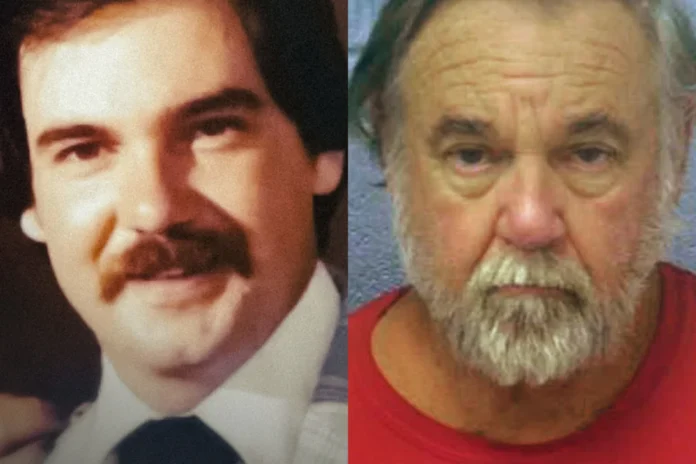
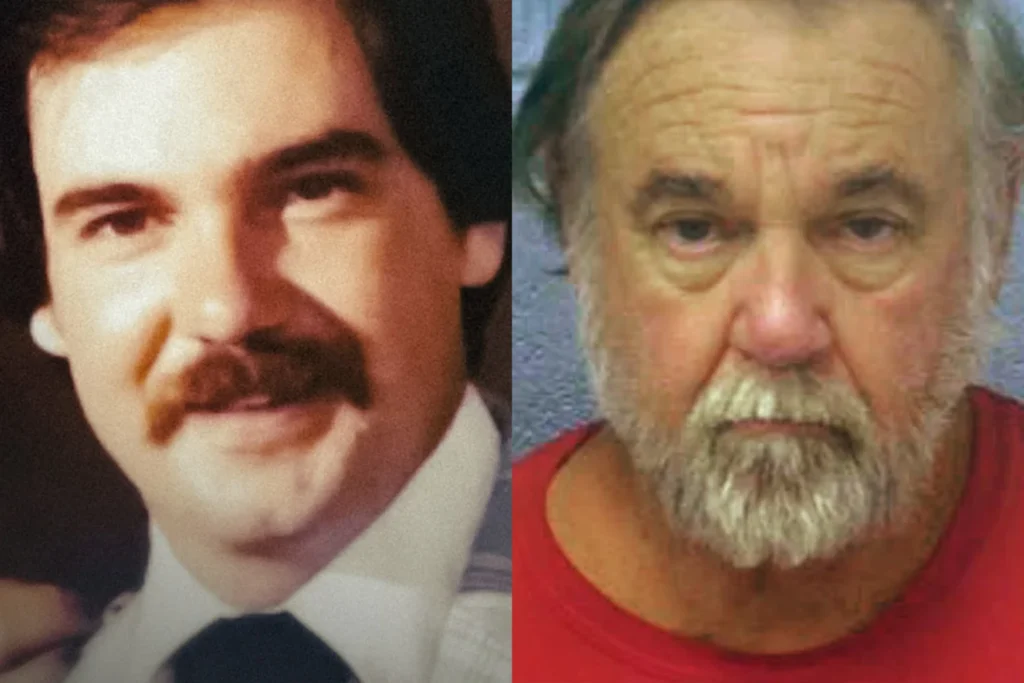
OKLAHOMA CITY — Joe Campbell, a Pentecostal preacher who ministered to thousands of children across four states over half a century, was arrested Wednesday on child sex abuse charges following an investigation that revealed decades of allegations and repeated failures by church leaders, police, and prosecutors to intervene.

Campbell, 68, was charged with one count of first-degree rape and one count of lewd or indecent acts with a child under 16, the Oklahoma Attorney General’s Office said Wednesday. U.S. marshals arrested him Wednesday morning at Camp Bell, his children’s camp in Elkland, Missouri, and transported him to Greene County jail in Springfield, where he awaited transfer to Oklahoma. If convicted, he faces up to life in prison.

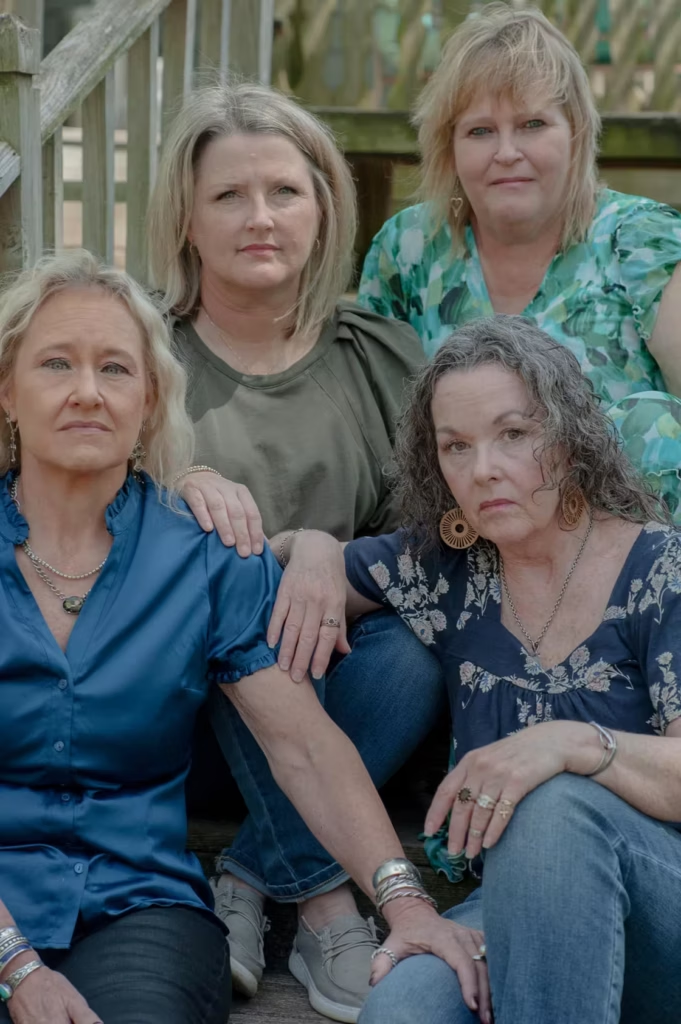
The charges come seven months after an NBC News investigation documented a pattern of child sex abuse allegations against Campbell and systematic failures to hold him accountable. Five women said he sexually abused them as children in the 1970s and 1980s when he served as an Assemblies of God minister. Nine others, including four men, said he showed them pornography, made lewd comments, or touched them inappropriately during the same period.

It was not clear whether Campbell had retained an attorney. He could not immediately be reached for comment. His arrest represents a long-delayed breakthrough in a 40-year effort by some alleged victims to seek justice.

The rape charge appears tied to alleged abuse of Kerri Jackson, now 53, who says Campbell molested her for years in Tulsa in the early 1980s, beginning when she was around 9. The attorney general’s office presented the case to a multicounty grand jury in Oklahoma City last week, and the panel returned the indictment—a milestone Jackson and other women had pursued for most of their lives.

“I don’t even know how to react right now,” Jackson told NBC News moments after learning of Campbell’s arrest. “After all these decades, it’s a miracle.”

Previous attempts to investigate Campbell in Oklahoma and Missouri failed after police and prosecutors said the statute of limitations had expired. However, the Oklahoma Attorney General’s Office maintains that clock stopped running when Campbell moved out of the state in the 1980s. To charge him in connection with decades-old allegations, prosecutors are applying a frontier-era statute that pauses the statute of limitations for suspects who flee or reside elsewhere.

Prosecutors recently employed the same legal theory to charge former megachurch pastor Robert Morris with sexually abusing a 12-year-old girl in Oklahoma in the 1980s. Morris, who founded the nondenominational Gateway Church in Texas, pleaded guilty in October to five felony counts of lewd or indecent acts with a child and received a 10-year sentence with all but six months suspended.

Oklahoma Attorney General Gentner Drummond called Campbell’s alleged crimes “horrific” in an interview and said he anticipates additional victims may come forward.

“I cannot even imagine, nor could I attempt to imagine, the weight on their hearts, their psyche all these years,” Drummond said, adding that the charges should warn faith leaders who exploit their authority to harm children. “If you commit that crime, we’re going to find you. We’re going to prosecute you.”

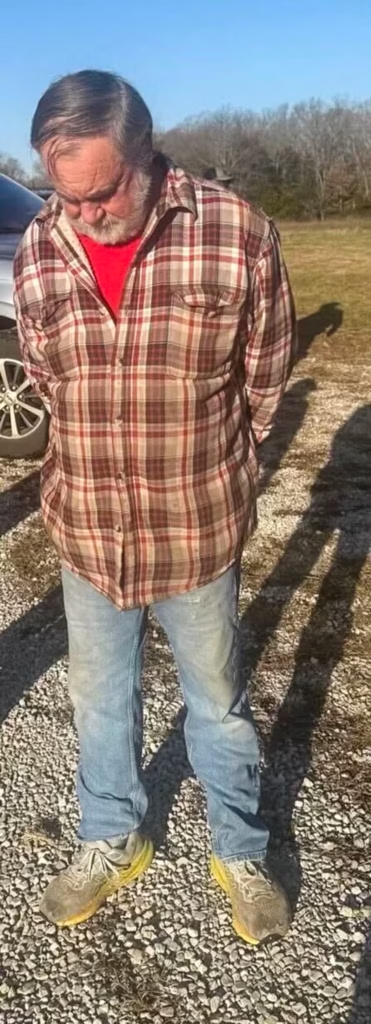
Campbell was taken into custody Wednesday morning by members of the U.S. Marshals Western District of Missouri’s Midwest Violent Fugitive Task Force Springfield Division. He did not resist or attempt to flee, Supervisory Deputy U.S. Marshal Felix Carrion said.

“He surrendered to us as soon as we surrounded his house in Camp Bell,” Carrion said.

Oklahoma authorities opened their investigation after NBC News published its report in May, tracing abuse allegations to Campbell’s earliest years in ministry. Accusers described a charismatic preacher who cultivated trust with children and their parents, only to exploit it behind closed doors.

Children viewed Campbell as an almost mythical figure, blessed by the Holy Spirit with abilities to speak in tongues, cast out demons, and heal the sick. He gravitated toward girls from broken homes. They later described being molested in a church nursery, in Campbell’s car, and at his home while his wife and children slept upstairs.

Beginning when some were still teenagers, the women reported Campbell’s behavior to pastors, law enforcement, and child welfare officials, only to watch him deny the allegations and continue preaching.

Jackson was among those who approached church leaders. In early 1988, at age 15, she traveled to Springfield, Missouri, to testify before a panel of Assemblies of God officials. Jackson said the men asked her to describe the abuse in graphic detail and invited Campbell and his wife into the room to challenge her account. Despite having received letters from other alleged victims collected to support Jackson’s testimony, the pastors allowed Campbell to remain in ministry in Missouri, enabling him to abuse another girl, interviews and police records show.

The Assemblies of God finally expelled Campbell the following year after Phaedra Creed, at age 14, reported that Campbell had abused her for months while she lived with him and his family.

Creed went to police in 1989, and Campbell was charged with forcible sex with a minor. However, after being harassed by church members, Creed said her mental health deteriorated, and she withdrew from testifying, leading to charges being dropped.

For decades, as she watched Campbell continue working with children, Creed said she carried guilt over her decision. She cried when learning of his arrest Wednesday.

“I was speaking the truth then, and I’m speaking the truth now, but I’m no longer going to be silenced,” Creed said. “I am so happy justice will finally be served.”

In a statement following Campbell’s arrest Wednesday, Assemblies of God leaders said the denomination’s national office first learned of allegations against him in 1988 and that “his reported actions were duly reported to the appropriate legal authorities.”

“The Assemblies of God is grateful for all who have bravely shared their stories,” the statement said. “We continue to pray that justice will be served.”

Campbell continued ministering to children after his expulsion. Around 1990, he founded a nondenominational church and opened Camp Bell, a Christian youth camp in the Missouri Ozarks, where he ministered to thousands of children over subsequent decades. Campbell’s new church became a refuge for several convicted sex offenders, the NBC News investigation found.

In 2016, he joined PTL Television Network, a Christian station founded by disgraced televangelist Jim Bakker, which broadcast Campbell’s teachings nationally until this year, when the network quietly removed years of his sermons from its website following NBC News inquiries. PTL did not immediately respond to a request for comment.

Campbell’s national influence and his decades of work with children sickened his accusers, who tracked his ascent from afar.

For the women, his arrest carried spiritual significance—the fulfillment of a mission they believe God entrusted to them decades ago. Jackson said she long bore the weight of that responsibility like a ball and chain. The burden began lifting when she saw his mugshot.

“Finally,” she said. “We just needed someone to believe us.”

The case exemplifies systemic failures that enable clergy sexual abuse to continue for decades despite repeated warnings. The 1988 Assemblies of God hearing where church officials allowed Campbell and his wife to confront Jackson, a 15-year-old accuser, demonstrates institutional processes designed more to protect the accused than investigate allegations properly. That officials had letters from other alleged victims yet permitted Campbell to continue ministering for another year reveals prioritization of organizational reputation over child safety.

Creed’s experience after reporting to police illustrates how pressure from religious communities can silence victims. The harassment she faced from church members for accusing a respected minister ultimately prevented prosecution, allowing Campbell to continue accessing children for three more decades. The guilt she carried, despite being a teenage victim who bravely reported abuse, reflects how institutions shift accountability from perpetrators and enablers onto survivors.

Campbell’s ability to found a new church and children’s camp after expulsion from the Assemblies of God highlights gaps in oversight between denominations and the lack of registry systems that might prevent credibly accused clergy from simply relocating to new religious contexts. That his new church became “a refuge for several convicted sex offenders” according to NBC News suggests deliberate creation of an environment where sexual predators could operate with reduced scrutiny.

The frontier-era statute prosecutors are invoking to circumvent statute of limitations represents a legal tool increasingly employed against clergy accused of historical abuse. The recent Robert Morris conviction using the same approach established precedent that may enable additional prosecutions of religious figures who committed abuse decades ago before relocating. This legal theory—that fleeing or residing elsewhere pauses limitations periods—provides pathways to accountability where traditional time limits would have barred prosecution.

The involvement of PTL Television Network, founded by Jim Bakker who served prison time for fraud and faced his own sexual misconduct allegations, in broadcasting Campbell’s teachings nationally illustrates how disgraced religious figures often find refuge with others operating on the margins of mainstream Christianity. The network’s quiet removal of Campbell’s sermons following media inquiries rather than proactive investigation suggests reactive reputation management over genuine child protection commitments.

For Jackson, Creed, and the other survivors, Campbell’s arrest after 40 years validates their persistence in seeking accountability despite repeated institutional failures. Their stories illustrate the immense courage required to challenge powerful religious figures, the personal costs of being disbelieved or silenced, and the decades-long trauma of watching abusers continue harming children while justice remains elusive.

As Campbell awaits trial, additional victims may indeed come forward as Attorney General Drummond anticipates, emboldened by the arrest to break silence about their own experiences. The case will test whether justice systems can adequately address historical clergy abuse and whether religious institutions will finally prioritize child safety over protecting their own.

NBC

Gunmen in Nigeria Kill 12 at Mining Site, Kidnap 13 Worshippers in Church Attack

0

ABUJA, Nigeria — At least 12 people were killed and three others abducted when gunmen attacked a mining site in Nigeria’s volatile Plateau state, while separately 13 worshippers were kidnapped during a church assault in neighboring Kogi state, highlighting escalating insecurity across the country’s Middle Belt region despite repeated government pledges to restore order.

The mining site attack occurred late Tuesday in Atoso village when assailants locals identified as armed Fulani militias struck, leaving five additional people hospitalized with gunshot wounds, said Dalyop Solomon Mwantiri, leader of the Berom Youth Moulders-Association.

Police spokesperson Alfred Alabo confirmed investigations were underway into the Plateau state attack.

The assault underscores persistent insecurity on the Plateau, a flashpoint of Nigeria’s volatile Middle Belt region where ethnic and religious tensions have long fueled deadly clashes between farmers and herders. Violence continues surging despite repeated government commitments to restore peace.

Tuesday’s mining site attack came just days after four children were killed in a nearby village, Mwantiri said, accusing authorities of ignoring early warning signs. The youth association is urging the government to deploy additional security forces to enforce bans on open grazing and rescue the abducted victims.

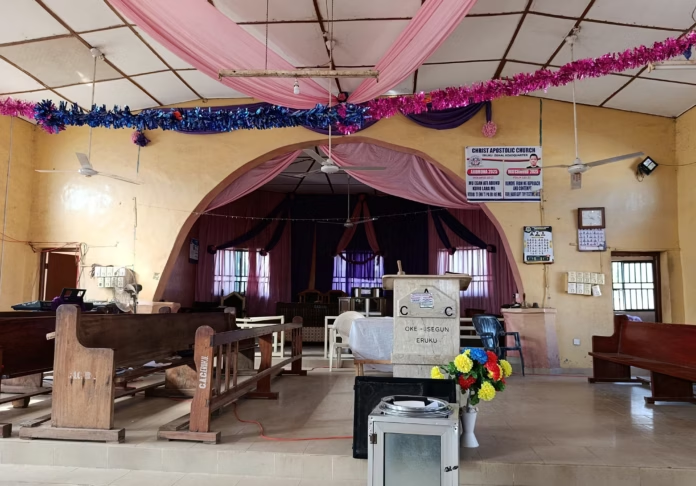
In the separate incident, gunmen attacked First ECWA church in the remote Ayetoro-Kiri community of Kogi state on Sunday, abducting at least 13 worshippers, Kogi Information Commissioner Kingsley Fanwo said Wednesday, as Reuters reported.

The church assault sparked a gunfight between the attackers and local hunters employed by the state as a first line of defense. Four attackers were killed and at least 10 others sustained wounds, Fanwo said, adding that security forces remained pursuing the fleeing kidnappers.

The attack represents the latest in a series of abductions in central Nigeria and intensifies pressure on the government, which faces scrutiny from U.S. President Donald Trump, who has threatened military action over what he characterizes as persecution of Christians.

More than 150 students and 12 school staff were kidnapped November 21 by gunmen at a Catholic boarding school in Papiri, central Nigeria. While 50 pupils escaped in the following hours and another 100 were rescued by the government December 8, others remain in captivity with no updates on their whereabouts or condition.

Security forces have intensified operations to rescue the hostages in Kogi, Fanwo said.

The dual attacks in Plateau and Kogi states within days of each other illustrate the breadth of Nigeria’s security crisis, which spans multiple forms of violence from resource-driven conflicts to kidnapping for ransom to sectarian attacks. The geographic spread across the Middle Belt demonstrates that no single solution addresses the varied drivers of instability.

The Plateau state mining site attack reflects long-simmering tensions between predominantly Christian Berom farming communities and largely Muslim Fulani herding populations. These conflicts, often framed through religious lenses, fundamentally involve competition for land and resources as climate change pushes herders southward seeking grazing areas while farmers resist encroachment on agricultural lands.

The identification of attackers as Fulani militias by local residents highlights ethnic dimensions of violence, though such designations often oversimplify complex situations where criminal gangs, ethnic militias, and resource competition intertwine. Not all Fulani are involved in violence, and many themselves suffer from insecurity, yet the ethnic framing persists in local narratives.

The abduction of three mining site workers alongside the 12 killed suggests attackers sought both to inflict casualties and secure hostages for potential ransom, a common tactic among armed groups operating across Nigeria’s Middle Belt and northern regions. The mining sector, often operating in remote areas with limited security, presents attractive targets for groups seeking to kidnap workers whose employers may pay for their release.

The church kidnapping in Kogi state follows a disturbing pattern of religious institutions becoming targets. The assault on worshippers during services represents particularly brazen criminality, as churches typically hold services during daylight hours with communities aware of congregants’ presence. That attackers struck despite these factors suggests either desperation or calculation that security forces could not respond quickly enough to prevent abductions.

The gunfight between attackers and local hunters employed as security illustrates Nigeria’s reliance on vigilante and community-based protection systems where government security forces prove insufficient. These arrangements, while sometimes effective in immediate defense, create patchwork security that leaves gaps exploited by criminal groups and can themselves become sources of abuse or inter-communal conflict.

The killing of four attackers and wounding of 10 others during the church assault represents an unusually high casualty rate for abductors, who typically seek to minimize confrontation during kidnapping operations. This outcome may reflect the hunters’ training and preparedness or particularly determined resistance by the community, but it also indicates the attackers came in sufficient numbers to absorb such losses while still completing their primary mission of seizing hostages.

Trump’s threatened military action over alleged Christian persecution adds international pressure on Nigeria’s government but also risks oversimplifying complex dynamics. While Christians certainly suffer from attacks—as the church kidnapping and mining site assault targeting predominantly Christian Berom communities demonstrate—Muslims also face violence from bandits, kidnappers, and insurgents. Framing Nigeria’s security crisis primarily through religious persecution lenses can obscure the resource competition, state weakness, and criminal enterprise that drive much violence.

The Catholic school kidnapping in Papiri, with more than 100 students still unaccounted for despite government rescue operations, exemplifies the scale of Nigeria’s abduction crisis. That such a large-scale kidnapping occurred at an educational institution, traditionally considered protected spaces, and that significant numbers remain captive weeks later underscores both the audacity of criminal groups and the limitations of security force responses.

The Berom Youth Moulders-Association’s accusation that authorities ignored early warning signs about the mining site attack echoes recurring complaints from affected communities that government responds to violence after casualties occur rather than preventing attacks through proactive security deployments. This reactive rather than preventive approach allows violence to persist even after repeated incidents in the same areas.

The call to enforce open grazing bans reflects one proposed solution to farmer-herder conflicts: restricting herders to designated ranches rather than allowing nomadic grazing that brings them into conflict with farmers. However, implementing such bans requires infrastructure, enforcement capacity, and cooperation from herding communities—resources and political will that have proven elusive despite policy pronouncements.

For affected communities in Plateau and Kogi states, the attacks represent acute manifestations of chronic insecurity that has killed thousands and displaced hundreds of thousands across Nigeria’s Middle Belt over the past decade. Each new attack compounds trauma while eroding confidence in government’s ability or willingness to protect citizens.

As security forces pursue kidnappers and investigate the mining site attack, the prospects for preventing similar future incidents remain uncertain. Without addressing underlying causes—resource competition, climate pressures, weak governance, proliferation of illegal weapons, and economic desperation that makes kidnapping lucrative—tactical responses to individual attacks will likely prove insufficient to break the cycle of violence plaguing central Nigeria.

Jack Smith Tells Congress He Had Proof Beyond Reasonable Doubt Against Trump

0

WASHINGTON — Former Justice Department special counsel Jack Smith told lawmakers in closed-door testimony Wednesday that his investigative team “developed proof beyond a reasonable doubt” that President Donald Trump criminally conspired to overturn the 2020 election results, according to portions of his opening statement obtained by the Associated Press.

Smith also said investigators accumulated “powerful evidence” that Trump violated the law by hoarding classified documents from his first presidential term at his Mar-a-Lago estate in Palm Beach, Florida, and by obstructing government efforts to retrieve the records.

“I made my decisions in the investigation without regard to President Trump’s political association, activities, beliefs, or candidacy in the 2024 election,” Smith said in his statement. “We took actions based on what the facts and the law required — the very lesson I learned early in my career as a prosecutor.”

He stated that if asked whether he would “prosecute a former president based on the same facts today, I would do so regardless of whether the president was a Republican or Democrat.”

The deposition before the House Judiciary Committee provided lawmakers from both parties their first opportunity, though in private, to question Smith about investigations into Trump that produced criminal charges subsequently abandoned between the Republican president’s first and second terms. The Republican-led committee subpoenaed Smith this month to provide testimony and documents as part of a GOP investigation into the Trump inquiries conducted during Democratic President Joe Biden’s administration.

Smith cooperated with the congressional demand, the Associated Press reported, though his attorneys noted he had volunteered more than a month before the subpoena to answer questions publicly before the committee—an overture they said Republicans rebuffed. Trump had told reporters he supported an open hearing.

“Testifying before this committee, Jack is showing tremendous courage in light of the remarkable and unprecedented retribution campaign against him by this administration and this White House,” Smith’s lawyer Lanny Breuer told reporters. “Let’s be clear: Jack Smith, a career prosecutor, conducted this investigation based on the facts and based on the law and nothing more.”

Smith received appointment in 2022 to oversee Justice Department investigations into Trump’s efforts to overturn his 2020 loss to Biden and Trump’s retention of classified documents at Mar-a-Lago. Smith’s team filed charges in both cases but abandoned them after Trump won election to the White House last year, citing Justice Department legal opinions stating a sitting president cannot be indicted.

Multiple prior Justice Department special counsels, including Robert Mueller, have testified publicly, but Smith was summoned for only a private interview. Several Democrats emerging from Smith’s testimony said they understood why Republicans avoided an open hearing based on what they characterized as damaging testimony about Trump.

Representative Jamie Raskin of Maryland, the committee’s top Democrat, said the Republican majority “made an excellent decision” in blocking public testimony “because had he done so, it would have been absolutely devastating to the president and all the president’s men involved in the insurrectionary activities” of the January 6, 2021 Capitol riot.

“Jack Smith has just spent several hours schooling the Judiciary Committee on the professional responsibilities of a prosecutor and the ethical duties of a prosecutor,” Raskin said, Reuters reported.

Democratic Representative Pramila Jayapal of Washington said Smith told lawmakers that Trump’s conduct seeking to overturn the 2020 election, culminating in the Capitol attack, could have been “catastrophic” for American democracy.

Democrats are demanding Smith’s testimony be released publicly along with his complete investigation report. “The American people should hear for themselves,” said Representative Dan Goldman, D-N.Y.

Committee chairman Republican Representative Jim Jordan of Ohio told reporters, “I think we’ve learned some interesting things.” He declined to discuss testimony details but reiterated his position about the investigations. “It’s political,” he said.

Smith’s testimony unfolded against the backdrop of a broader Trump administration retribution campaign against former officials involved in investigating Trump and his associates. The Office of Special Counsel, an independent political watchdog, announced in August it was investigating Smith, and the White House issued a presidential memorandum this year aimed at suspending security clearances of attorneys at the law firm that provided legal services to Smith.

The deposition also occurs as congressional Republicans, aided by current FBI leadership, work to discredit Trump investigations through releasing emails and other documents from the probes.

In recent weeks Republicans have seized on revelations that Smith’s team analyzed phone records of select GOP lawmakers from on and around the Capitol siege, when pro-Trump rioters stormed the building attempting to halt certification of Trump’s election loss to Biden.

The phone records reviewed by prosecutors included details only about incoming and outgoing numbers and call length, not conversation contents. Smith’s attorneys said Republicans have mischaracterized the phone record analysis and implied something sinister about a routine investigative tactic.

Republican lawmakers expressed outrage at Justice Department disclosures that investigators sought information from conservative organizations as part of the probe into Trump’s election overturn efforts and obtained limited cellphone data from eight Republican senators during the period around the January 6 attack.

Trump allies pointed to those disclosures as evidence Smith’s probe was overzealous and targeted political opposition.

Smith told lawmakers his prosecutors followed Justice Department policy and were not influenced by politics. He said in his opening statement that the records were “relevant to complete a comprehensive investigation.”

“President Trump and his associates tried to call Members of Congress in furtherance of their criminal scheme, urging them to further delay certification of the 2020 election,” Smith said. “I didn’t choose those Members; President Trump did.”

On Tuesday, Republican Senator Chuck Grassley of Iowa, chairman of the Senate Judiciary Committee, released internal FBI emails preceding the August 2022 Mar-a-Lago search. One email written weeks before the search showed an agent stating the FBI’s Washington field office did not believe probable cause existed to search the property.

Republicans who promoted the emails as proof the Biden Justice Department targeted Trump omitted that agents who later searched the property reported finding boxes of classified, even top-secret, documents. Additionally, the then-head of the Washington field office testified to lawmakers that by the search date, the FBI believed probable cause existed.

Smith’s assertion of “proof beyond a reasonable doubt”—the highest standard of evidence required for criminal conviction—carries significant weight coming from a veteran prosecutor. This standard requires evidence so convincing that a reasonable person would not hesitate to rely upon it in making important decisions, far exceeding the “probable cause” needed merely to file charges.

The closed-door nature of the testimony creates a stark contrast with historical precedent. Robert Mueller’s 2019 public testimony about Russian interference in the 2016 election allowed Americans to hear directly from the special counsel, however halting his performance may have been. Restricting Smith to private testimony prevents public assessment of his credibility and the strength of evidence he describes.

The Republican decision to keep Smith’s testimony private, despite Trump’s stated support for an open hearing, suggests GOP lawmakers feared the political fallout from his public statements. Democratic characterizations of his testimony as “absolutely devastating” and capable of “schooling” the committee on prosecutorial ethics indicate Smith mounted a vigorous defense of his investigative decisions.

The revelation that Smith’s team analyzed congressional phone records during periods when Trump and associates were allegedly attempting to pressure lawmakers to delay election certification highlights investigative thoroughness but also provides ammunition for critics portraying the probe as politically motivated persecution of Republicans.

Smith’s statement that “I didn’t choose those Members; President Trump did” by attempting to contact them represents a direct rebuttal to claims of political targeting. This argument asserts that investigators followed evidence wherever Trump’s conduct led them, rather than selecting Republican targets arbitrarily.

The Trump administration’s retribution campaign against Smith personally—including security clearance suspensions for his former legal team and investigations by government watchdogs—illustrates the extraordinary nature of a former prosecutor facing governmental retaliation for performing official duties during a previous administration.

The abandoned prosecutions, dropped due to Justice Department policy against indicting sitting presidents rather than evidentiary weaknesses, leave a permanent cloud over Trump’s conduct. Smith’s testimony that evidence exceeded the “proof beyond a reasonable doubt” standard suggests he believes juries would have convicted Trump had cases proceeded to trial.

For Trump, Smith’s congressional testimony represents another chapter in efforts by political adversaries to undermine his presidency through allegations about past conduct. For Smith’s defenders, his willingness to testify despite facing retribution demonstrates integrity and commitment to accountability.

The dispute over making testimony public reflects broader partisan divisions about transparency. Democrats argue Americans deserve to hear evidence about alleged presidential criminality, while Republicans contend the investigations represented partisan witch hunts unworthy of additional platforms.

As the testimony remains sealed pending potential release decisions, Smith’s characterization of the evidence—”proof beyond a reasonable doubt” of criminal conspiracy and “powerful evidence” of classified document violations—stands as the most definitive public statement yet from the prosecutor who investigated Trump most thoroughly during the Biden administration.

AP/Reuters