Home Blog Page 129

Rwanda-Backed M23 Rebels Pledge to Withdraw From Strategic Congolese City of Uvira

0

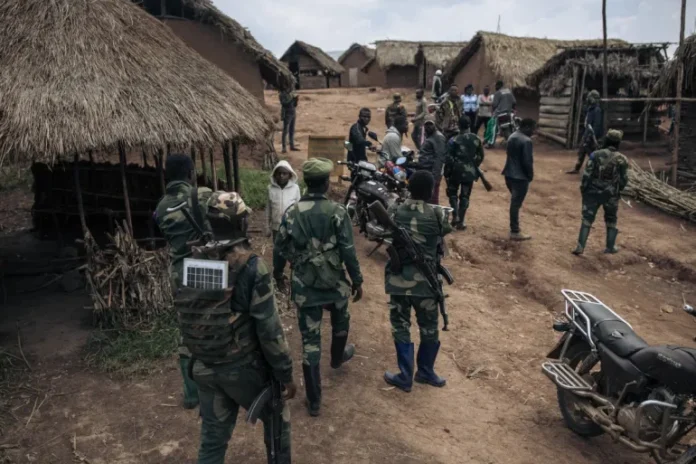
GOMA, Democratic Republic of the Congo — Rwanda-backed M23 rebels announced Tuesday they will withdraw from Uvira, the strategic eastern Congolese city they captured last week in an offensive that has killed more than 400 people and displaced 200,000 despite a U.S.-mediated peace agreement signed earlier this month.

Corneille Nangaa, leader of the Congo River Alliance which includes M23, characterized the withdrawal as a “unilateral trust-building measure” requested by the United States to facilitate the peace process. The statement called for demilitarization of Uvira, protection of its population and infrastructure, and ceasefire monitoring through deployment of a neutral force.

The announcement did not clarify whether M23’s departure depends on implementing these conditions. Uvira residents said Tuesday that rebels remained in the town.

M23 seized control of the city following a rapid offensive launched at the month’s beginning. Regional officials say more than 400 people have been killed and approximately 200,000 displaced in the fighting.

The rebel advance persists despite a U.S.-brokered peace agreement signed in Washington earlier this month by Congolese and Rwandan presidents. The United States last week accused Rwanda of violating the accord by supporting the new rebel offensive in mineral-rich eastern Congo, warning that the Trump administration will take action against “spoilers” of the deal.

The agreement did not include M23, which negotiates separately with Congo and agreed to a ceasefire earlier this year that both sides accuse the other of violating. However, the accord obligates Rwanda to halt support for armed groups like M23 and work toward ending hostilities.

The rebel thrust into Uvira brought conflict to the border of neighboring Burundi, which has maintained troops in eastern Congo for years, heightening fears of broader regional escalation. Around 64,000 refugees from Congo have arrived in Burundi since early December, the U.N. refugee agency reported. Shells have reportedly fallen in Rugombo, a town on the Burundian side of the border.

Congo, the United States, and U.N. experts accuse Rwanda of backing M23, which has expanded from hundreds of members in 2021 to approximately 6,500 fighters, according to United Nations assessments.

More than 100 armed groups compete for control in mineral-rich eastern Congo near the Rwandan border, with M23 the most prominent. The conflict has generated one of the world’s most severe humanitarian crises, displacing more than 7 million people, the U.N. refugee agency stated.

The timing of M23’s withdrawal announcement, coming days after their capture of Uvira created international condemnation and accusations of peace deal violations, suggests diplomatic pressure is affecting rebel calculations. Whether the pledge represents genuine de-escalation or tactical repositioning remains uncertain given the conditional language in the statement and continued rebel presence in the city as of Tuesday.

Uvira’s strategic importance stems from its location on Lake Tanganyika and its position controlling transportation routes connecting the mineral-rich interior with regional markets. The city serves as a critical commercial hub and has changed hands multiple times during eastern Congo’s decades-long conflicts, making any withdrawal significant for regional stability.

The rebel offensive occurred just weeks after the Washington peace agreement was heralded as a breakthrough in resolving the conflict. The rapid violation underscores challenges in implementing diplomatic accords when key actors—in this case M23itself—are excluded from negotiations. The agreement’s effectiveness depends on Rwanda honoring commitments to withdraw support for armed groups, something Kigali has consistently denied providing despite substantial evidence.

The 400 deaths and 200,000 displaced since early December represent a dramatic escalation that threatens to unravel months of diplomatic efforts. The displacement figure equals roughly the population of Salt Lake City forced from their homes in just weeks, illustrating the massive humanitarian toll of the offensive.

The 64,000 refugees flooding into Burundi create burdens for a country already struggling with poverty and limited resources. Burundi’s military presence in eastern Congo complicates the situation, as the offensive brings M23 forces into direct proximity with Burundian troops, raising prospects of confrontation between national armies that could dramatically widen the conflict.

Reports of artillery shells landing in Rugombo on Burundian territory represent a dangerous expansion of hostilities across international borders. Such incidents risk triggering Burundian military responses that could transform a Congolese internal conflict into a multi-national war.

M23’s growth from hundreds to 6,500 fighters in just four years, as U.N. experts document, reflects either massive recruitment success or substantial external support. The allegations of Rwandan backing gain credibility when examining this rapid expansion, which would be difficult to achieve through local recruitment alone in a region where numerous armed groups compete for fighters and resources.

The exclusion of M23 from the Washington peace agreement creates a fundamental structural problem. While the accord commits Rwanda to withdrawing support, M23 itself made no commitments and continues operating under its own command structure. This disconnect allows the rebel group to pursue military objectives while technically not violating an agreement it never signed.

The conditional nature of the withdrawal announcement—calling for demilitarization, population protection, and neutral force deployment—suggests M23 seeks guarantees before relinquishing control of strategically valuable Uvira. Whether Congo or international actors can provide such assurances remains unclear, potentially leaving the withdrawal pledge unfulfilled.

The reference to U.S. requests for withdrawal indicates Washington maintains communication channels with M23 or its backers despite not formally recognizing the group in peace negotiations. This back-channel diplomacy may offer pathways for de-escalation but also highlights the complex web of relationships underlying eastern Congo’s conflicts.

For Uvira’s population, the withdrawal pledge offers hope for relief from violence but provides no certainty. Residents who fled during the offensive face difficult decisions about whether to return home or remain displaced, waiting to see if rebels actually depart and whether government forces can maintain control without triggering further fighting.

The broader humanitarian crisis, with 7 million displaced across eastern Congo, provides context for the Uvira offensive’s impact. Each new displacement wave adds to an already staggering population of people who have lost homes, livelihoods, and often family members to decades of conflict fueled by competition for mineral resources.

Eastern Congo’s mineral wealth—including coltan, gold, and other valuable resources—drives much of the violence as armed groups and their backers seek control over extraction and trade routes. Uvira’s strategic location makes it valuable not just militarily but economically, as whoever controls the city influences regional commerce.

The Trump administration’s warning about taking action against “spoilers” remains vague regarding specific consequences Rwanda might face for alleged peace deal violations. Whether Washington will impose sanctions, reduce aid, or pursue other punitive measures could determine whether diplomatic pressure successfully constrains the conflict or proves toothless rhetoric.

As the situation develops, the international community faces difficult choices about how to enforce peace agreements when signatories allegedly violate terms and excluded armed groups continue military operations. The M23 withdrawal pledge, if implemented, would represent progress, but the conditions attached and continued rebel presence suggest the path to lasting peace in eastern Congo remains uncertain and fraught with obstacles.

AP

Texas Woman Charged With Attempted Mayhem for Hiding Razor Blades in Walmart Bread

0

BILOXI, Miss. — A Texas woman was arrested Tuesday and charged with attempted mayhem after allegedly inserting razor blades into bread loaves at two Walmart stores in Biloxi, prompting authorities to urge anyone who purchased bread from the locations to immediately inspect their purchases.

Camille Benson, 33, was taken into custody following multiple customer reports of finding blades hidden in bread purchased from a Walmart Supercenter and a Walmart Neighborhood Market, Lt. Candace Young, a public information officer for the Biloxi Police Department, said. Benson is being held on $100,000 bond, both the Associated Press and New York Post confirmed.

The first incident occurred December 5 when a customer reported discovering a razor blade in a loaf purchased from the Walmart Supercenter, store employees told police. Three days later on December 8, another customer who bought bread at the Walmart Neighborhood Market made a similar discovery, the AP reported.

After a third customer lodged a complaint at the Supercenter on Sunday, employees conducted a thorough inspection of merchandise and uncovered several additional loaves that had been tampered with, law enforcement officials said. The police department received notification Monday.

Police released surveillance images of Benson on Tuesday and identified her as a person of interest before making the arrest, WTVA reported.

In a press release, the Biloxi Police Department urged all residents who purchased bread from either Walmart location to examine their loaves and report any findings to authorities. The department said it does not believe any other stores have been targeted.

“The health and safety of our customers is always a top priority,” Walmart said in a statement. “We have removed and thoroughly inspected all potentially affected products at impacted stores in Biloxi. We appreciate law enforcement for their swift action and will continue cooperating with them as they investigate.”

The retail giant instructed customers who purchased tampered products to immediately discard them and visit their local Walmart for a full refund.

The attempted mayhem charge Benson faces reflects the severity prosecutors assign to deliberate product tampering that could cause serious bodily harm. Razor blades concealed in food products pose extreme danger to unsuspecting consumers who could suffer severe cuts to their hands, mouths, or internal injuries if blades were ingested.

The incidents span nearly two weeks from the first reported discovery on December 5 through Sunday’s complaint that triggered the employee inspection revealing multiple compromised loaves. This timeline suggests the tampering occurred on multiple occasions rather than a single visit, raising questions about how Benson allegedly accessed the stores repeatedly without detection.

Mississippi law defines attempted mayhem as intentionally trying to cause permanent disfigurement or disablement, a charge typically reserved for violent assaults but applicable to product tampering cases where the potential for serious injury is clear. The $100,000 bond reflects judicial concern about the deliberate nature of the alleged actions and potential danger to the public.

Product tampering incidents have historically triggered widespread fear and prompted federal legislative action. The 1982 Tylenol poisonings, where seven people died after taking cyanide-laced capsules, led Congress to pass the Federal Anti-Tampering Act making it a federal crime to tamper with consumer products. While Benson faces state charges, federal prosecutors could potentially bring additional charges if they determine the tampering affected interstate commerce.

For Walmart, the incidents present both immediate safety concerns and potential liability exposure if customers suffered injuries from contaminated products. The company’s rapid response—removing and inspecting all potentially affected bread and cooperating with law enforcement—reflects standard crisis management protocols designed to minimize harm and demonstrate corporate responsibility.

The two affected Walmart locations serve Biloxi’s diverse residential and tourist populations along Mississippi’s Gulf Coast. The Supercenter and Neighborhood Market formats cater to different shopping needs but both stock fresh bakery items and packaged bread that would have been accessible to someone seeking to tamper with products.

Surveillance cameras ubiquitous in modern retail environments likely provided crucial evidence enabling police to identify Benson as a suspect. The images released Tuesday before her arrest suggest investigators had sufficient video footage to establish her presence at the stores during relevant timeframes and potentially capturing her tampering with merchandise.

What motivated Benson to allegedly hide razor blades in bread loaves remains unclear. Prosecutors have not suggested whether they believe the actions targeted Walmart specifically, aimed to harm random consumers, or stemmed from mental health issues. Her status as a Texas resident tampering with products in Mississippi stores raises additional questions about what brought her to Biloxi and whether similar incidents have occurred in other locations.

The December 5 through December 8 pattern, with the first two reported discoveries occurring at different Walmart locations three days apart, suggests possible escalation or experimentation with different stores. That no other retailers reported similar tampering indicates the suspect specifically targeted Walmart rather than engaging in random food contamination across multiple chains.

For customers who purchased bread from the affected stores during the relevant period, the warning to inspect purchases creates unsettling uncertainty about products already consumed. Families who bought bread in early December and have since eaten it face disturbing questions about whether they narrowly avoided injury or discarded compromised loaves without realizing the danger.

The swift arrest—occurring just one day after police received official notification Monday—suggests investigators quickly developed strong evidence linking Benson to the tampering. Whether she had been staying in Biloxi or traveled from Texas specifically remains unclear, though her out-of-state residence complicates potential motives for targeting Mississippi Walmart stores.

As Benson awaits legal proceedings on the attempted mayhem charge, the case serves as a reminder of vulnerabilities in retail food systems despite extensive security measures. While stores employ surveillance and staff monitoring, determined individuals can potentially access products long enough to tamper with them, creating risks that only become apparent when customers discover contamination.

The incidents also highlight the importance of customer vigilance and reporting. The three customers who discovered blades and notified store personnel or police enabled authorities to investigate, identify a suspect, and prevent potential additional tampering. Without these reports, contaminated products might have remained on shelves posing ongoing danger to shoppers.

AP/Nypost

Trump Administration Adds Nigeria, 19 Other Countries to Expanded Travel Ban

0

WASHINGTON — The Trump administration announced Tuesday it was adding Nigeria and 19 other countries to its travel restrictions list, doubling the number of nations whose citizens face limits on traveling to or emigrating to the United States in what critics characterize as collective punishment disguised as national security policy.

Nigeria joins 14 other countries facing new partial travel restrictions, while five additional nations and the Palestinian Authority now face full entry bans under the expanded policy. The announcement brings the total number of countries subject to Trump administration travel limitations to approximately 40.

The 15 countries added to the partial restrictions list are Nigeria, Angola, Antigua and Barbuda, Benin, Ivory Coast, Dominica, Gabon, Gambia, Malawi, Mauritania, Senegal, Tanzania, Tonga, Zambia and Zimbabwe. The administration imposed full travel bans on citizens of Burkina Faso, Mali, Niger, South Sudan and Syria, while also fully restricting travel for people holding Palestinian Authority-issued documents.

The move represents ongoing administration efforts to tighten U.S. entry standards for travel and immigration, expanding restrictions first announced in June when President Donald Trump resurrected a hallmark policy from his first term by banning citizens from 12 countries and imposing heightened restrictions on seven others.

People who already possess visas, hold lawful permanent resident status, or fall into certain categories such as diplomats or athletes, or whose entry serves U.S. interests remain exempt from the restrictions. Officials did not immediately clarify when the new limitations would take effect.

The administration justified its expansion by claiming many targeted countries have “widespread corruption, fraudulent or unreliable civil documents and criminal records” that complicate vetting citizens for U.S. travel. Officials also cited high visa overstay rates, countries’ refusal to accept deportees, and “general lack of stability and government control” as factors, along with immigration enforcement, foreign policy and national security concerns.

The expansion follows the arrest of an Afghan national accused in the Thanksgiving weekend shooting of two National Guard troops near the White House. That suspect has pleaded not guilty to murder and assault charges. Following the incident, the administration announced multiple immigration restrictions, including additional limits on people from the initial 19 countries already residing in the United States.

The June ban covered Afghanistan, Myanmar, Chad, Republic of Congo, Equatorial Guinea, Eritrea, Haiti, Iran, Libya, Somalia, Sudan and Yemen, with partial restrictions on Burundi, Cuba, Laos, Sierra Leone, Togo, Turkmenistan and Venezuela. South Sudan already faced significant travel restrictions before Tuesday’s announcement.

The administration upgraded restrictions on Laos and Sierra Leone, previously on the partially restricted list, while easing some limitations on Turkmenistan, which officials said had improved enough to warrant relaxed measures. All other June restrictions remain in force.

The new Palestinian Authority restrictions expand earlier limitations imposed months ago that made it nearly impossible for Palestinian Authority passport holders to receive U.S. travel documents for business, work, tourism or educational purposes. Tuesday’s announcement goes further, banning Palestinian Authority passport holders from emigrating to the United States.

The administration said “U.S.-designated terrorist groups operate actively in the West Bank or Gaza Strip and have murdered American citizens” when justifying the Palestinian decision. Officials also claimed recent conflict in those areas “likely resulted in compromised vetting and screening abilities.”

“This expanded ban is not about national security but instead is another shameful attempt to demonize people simply for where they are from,” said Laurie Ball Cooper, Vice President of U.S. Legal Programs at the International Refugee Assistance Project.

The restrictions apply to both visitors seeking temporary travel and those attempting to emigrate permanently to the United States.

Nigeria’s inclusion on the partial restrictions list marks a significant development given the country’s status as Africa’s most populous nation and largest economy. The West African country maintains complex diplomatic and economic relationships with the United States, including cooperation on counterterrorism efforts against Boko Haram and other militant groups operating in the region.

The sweeping addition of 15 African nations to the restrictions list—including major economies like Nigeria, Tanzania, and Angola—suggests the administration is taking a continent-wide approach to immigration control rather than targeting specific security threats. This geographic concentration has prompted concerns about racial and regional bias underlying the policy.

For Nigeria specifically, the partial restrictions could affect thousands of citizens who travel to the United States annually for education, business, and family visits. Nigerian immigrants have established significant communities across American cities and contribute substantially to various professional sectors, particularly healthcare and technology.

The administration’s justification citing “fraudulent or unreliable civil documents” applies broadly to countries with varying levels of institutional capacity and governance challenges. Critics argue this reasoning provides cover for blanket restrictions that fail to account for individual circumstances or the reality that most travelers from these countries pose no security threat.

The doubling of countries facing restrictions, from approximately 20 to 40, represents one of the most aggressive expansions of travel limitations in modern American history. The scale suggests the administration views immigration control through a lens emphasizing exclusion over the traditional American narrative of welcoming immigrants.

The exemptions for diplomats, athletes, and those whose entry serves U.S. interests create a tiered system where elite travelers from restricted countries can still access America while ordinary citizens face barriers. This structure raises questions about whether security concerns genuinely drive the policy or whether it primarily targets working-class and middle-class travelers.

The timing of the expansion, following the National Guard shooting involving an Afghan suspect, illustrates how single incidents involving foreign nationals can trigger broad policy responses affecting millions of people from dozens of countries with no connection to specific security events.

For the 20 newly restricted countries, the announcement creates immediate uncertainty for citizens planning U.S. travel, students hoping to study at American universities, families separated across continents, and businesses relying on cross-border movement. The lack of clarity about implementation timelines compounds this uncertainty.

The Palestinian Authority restrictions carry particular political weight given ongoing Israeli-Palestinian conflict and the administration’s alignment with Israeli positions. The justification citing terrorist groups and compromised vetting reflects the administration’s framing of Palestinian governance as inherently security-threatening.

The upgraded restrictions on Laos and Sierra Leone, moving from partial to fuller limitations, suggest the administration views these countries as failing to meet its standards for cooperation or documentation reliability. Conversely, Turkmenistan’s improved status indicates some nations can escape restrictions through compliance with U.S. demands.

As the expanded restrictions take effect, they will likely face legal challenges from civil liberties organizations, affected individuals, and potentially some of the targeted countries themselves. Previous iterations of Trump travel bans generated extensive litigation before ultimately being upheld by the Supreme Court during his first term.

The announcement reinforces that immigration restriction remains a central pillar of Trump’s second-term agenda, with the administration willing to impose sweeping limitations affecting dozens of countries and millions of potential travelers in pursuit of what it characterizes as enhanced national security.

Source: AP

Zambia Parliament Passes Disputed Election Law Overhaul, Sending Bill to President for Assent

0

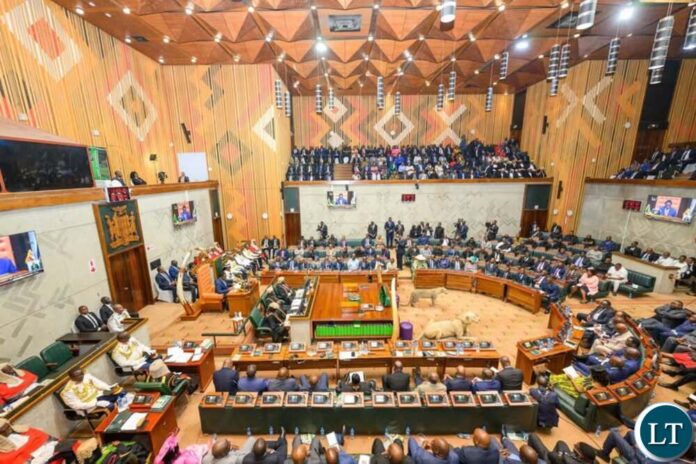
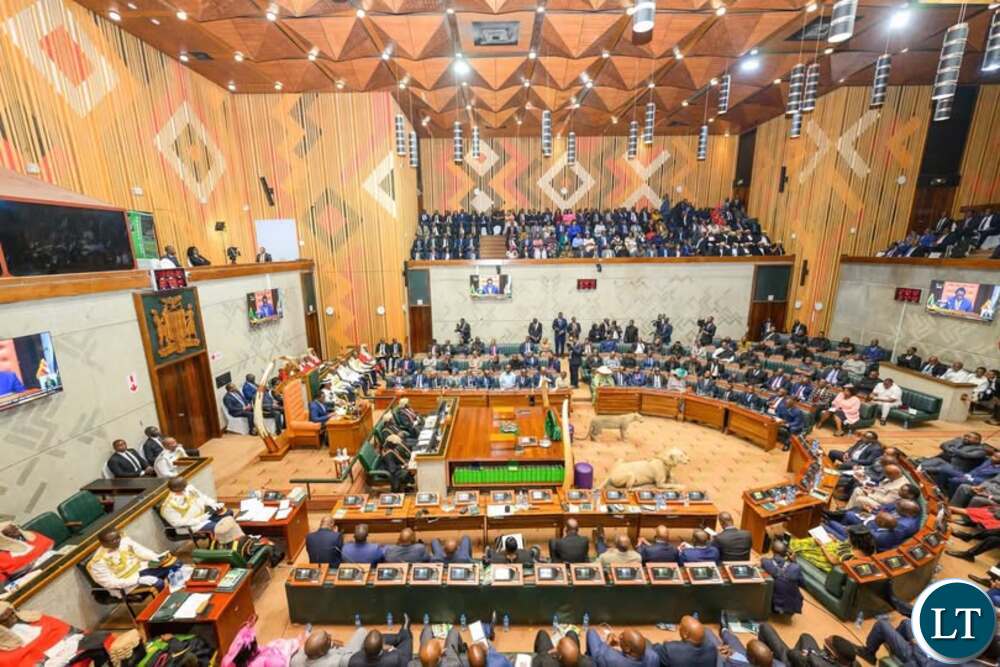
Zambia’s National Assembly has approved a contested constitutional amendment that reshapes the country’s election framework and significantly expands parliamentary representation, forwarding the measure to President Hakainde Hichilema for assent amid sustained opposition criticism.

The legislation, formally known as the Constitution of Zambia (Amendment) Bill No. 7 of 2025, raises the number of parliamentary constituencies from 156 to 211, a central objective lawmakers described as necessary to improve representation in a growing population. The bill cleared parliament with overwhelming support, Lusaka Times reported.

Government officials framed the measure as a modernization of Zambia’s democratic system, while opposition parties, church groups and civil society organizations warned the changes could tilt the political field in favor of the ruling United Party for National Development (UPND) ahead of the August 2026 general election.

The bill initially proposed 13 constitutional amendments, though lawmakers dropped two of the most contentious clauses during debate. Parliament removed provisions that would have dissolved the legislature shortly before elections and required independent candidates to resign from political parties months before filing nomination papers.

Among the reforms retained is the introduction of a Mixed Member Proportional Representation (MMPR) electoral system, intended to strengthen representation for women, youth and persons with disabilities. The bill also expands elected seats while allocating 40 positions to candidates from those groups, Citizens.digital reported.

Additional amendments lower the professional experience requirement for the Secretary to the Cabinet from 10 years to five, eliminate term limits for mayors and council chairpersons, and allow the Attorney-General and Solicitor-General to remain in office after elections until replacements are appointed. The legislation also revises local council composition to include Members of Parliament elected from constituencies.

During the second reading, 131 lawmakers voted in favor and two opposed. At the decisive third reading, all 135 members present supported the bill, with no abstentions.

Closing the debate, Justice Minister Princess Kasune described Bill 7 as more than a technical amendment. She said it represented “a covenant with the Zambian people aimed at inclusion, fairness, representation and strengthening democracy,” adding that the reforms were shaped by nationwide consultations, constitutional review processes, the 2025 Electoral Technical Committee Report, and international standards.

Opposition lawmaker Francis Kapyanga of the Patriotic Front (PF) rejected the bill, saying he would not “legitimise an illegality.”

The bill’s passage comes amid heightened political tensions in the southern African nation of about 22 million people. Disputes have extended beyond parliament to a standoff over the burial of former President Edgar Lungu, who died in South Africa in June. His family has refused to repatriate his body, objecting to President Hichilema presiding over the funeral.

Reacting to the vote, Makebi Zulu, a Lungu family spokesman and PF presidential hopeful, wrote on social media that “the struggle for democracy and respect for the rule of law begins in earnest today.”

President Hichilema, who is eligible to seek a second and final five-year term, acknowledged the bill had “tested” national unity but said the outcome of parliament’s vote must be respected.

The approval of Bill 7 marks one of Zambia’s most consequential constitutional changes in recent years, with implications that extend well beyond the next election cycle. Supporters argue the reforms correct long-standing representational imbalances, while critics warn that the timing and speed of passage risk eroding public trust.

With the bill now awaiting presidential assent, attention will turn to how the changes are implemented and whether legal challenges follow. As Zambia approaches the 2026 polls, the debate over Bill 7 underscores the fragile balance between institutional reform and political legitimacy in one of the region’s most closely watched democracies.

LusakaTimes/Citizen.digital

South Africa Engages Russia Over Citizens Allegedly Deceived Into Ukraine War

0

South Africa’s government says it is holding sensitive talks with Russian authorities to secure the return of at least 17 South African men who were allegedly misled into joining Russia’s war effort in Ukraine, a case that has ignited political controversy and renewed scrutiny of foreign recruitment on the African continent.

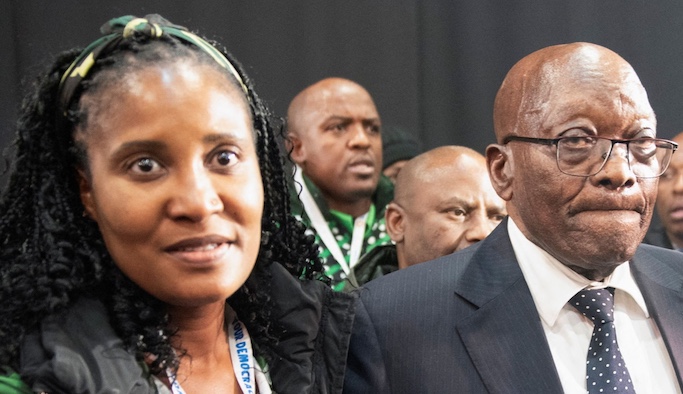
Duduzile Zuma-Sambudla and her father, former South African president Jacob Zuma

Presidential spokesperson Vincent Magwenya said the men are believed to be in grave danger after being drawn into Russian military units, adding that Pretoria’s efforts are focused primarily on engagement with Moscow rather than Kyiv.

“The process to retrieve those young men remains extremely sensitive,” Magwenya told reporters at a briefing Monday. “They are in a dangerous environment, facing serious risks to their lives, and discussions with Russian authorities are ongoing at the highest level.”

The government has said it received distress calls from the men on Nov. 6, triggering diplomatic intervention. Recruiting or assisting foreign military forces without government authorization is illegal under South African law, officials have noted.

Allegations Against Zuma’s Daughter

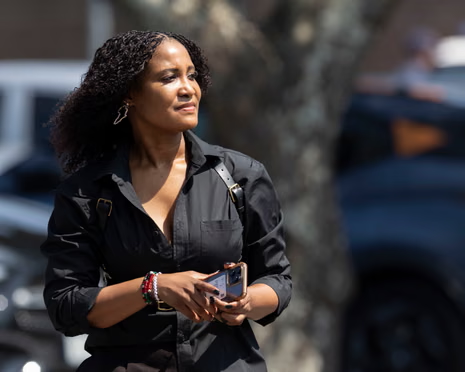
The case centers on allegations that Duduzile Zuma-Sambudla, a daughter of former South African president Jacob Zuma, helped lure the men to Russia under false pretenses. Multiple lawsuits and police complaints accuse her of telling the recruits they would either receive bodyguard training for Zuma’s uMkhonto weSizwe (MK) political party or participate in a personal development program that could lead to education opportunities and citizenship in Russia.

The Guardian first reported that the group included 17 South Africans and two Botswanan nationals who traveled to Moscow in July via Dubai. Screenshots of WhatsApp groups titled “JHB-Russia Team” and “MK/Russia Mission,” shared with the newspaper by Democratic Alliance lawmaker Chris Hattingh, appeared to corroborate relatives’ accounts that the men later discovered they had been placed with Russian military units operating in eastern Ukraine.

One group member told The Guardian that he was with the Wagner group in the Donetsk region, contradicting earlier assurances that the recruits would not be sent to the front lines.

Zuma-Sambudla has denied knowingly exposing anyone to harm. In an affidavit cited by South African media, she said she herself had been deceived by another alleged recruiter, Blessing Khoza, into believing the program was a legitimate paramilitary training course. She later resigned as an MK member of parliament. Khoza and another accused recruiter, Siphokazi Xuma, could not be reached for comment.

Duduzile Zuma-Sambudla, a daughter of former South African president Jacob Zuma

Families’ Anguish and Public Protests

Relatives of the men say communication has been sporadic and distressing. One mother, identified only as Mary to protect her family’s identity, told The Guardian she last heard from her son on Aug. 27, when he said he was being forced to sign a Russian-language military contract he did not understand.

“He was worried he was being sent to the frontlines,” she said. “Since then, it’s been silence.”

On Dec. 5, relatives and friends of the men staged a protest outside Durban City Hall, carrying signs calling for their safe return. An unnamed mother told South Africa’s public broadcaster SABC that the men were being mistreated and were “breaking down,” pleading daily to come home.

Political Fallout and Broader Context

The allegations have reverberated across South Africa’s political landscape, in part because of the Zuma family’s prominence and the country’s long-standing ties with Russia. The African National Congress, once led by Jacob Zuma, maintained close relations with Moscow dating back to Soviet support during the anti-apartheid struggle. Zuma later deepened those ties as president and was instrumental in South Africa joining the BRICS bloc in 2010.

Zuma-Sambudla has publicly expressed support for Russia, including a social media post on the day of Russia’s full-scale invasion of Ukraine in February 2022. She is separately facing trial on charges of inciting violence related to unrest following her father’s imprisonment in 2021, charges she denies.

The scandal has also highlighted South Africa’s dire youth unemployment crisis, with more than 40% of people under 35 not in work or education, according to official figures. Analysts say such economic pressure has made young men particularly vulnerable to recruitment schemes promising opportunity abroad.

International Implications

Ukraine’s foreign minister said last month that more than 1,400 citizens from African countries are fighting alongside Russian forces, urging governments to warn their nationals against recruitment. In a separate case, five South Africans appeared in court on Dec. 1 on charges linked to recruitment for Russia’s war effort.

Magwenya said there was “no update” on when the stranded men might return. Russia’s embassy in South Africa and Botswana’s foreign ministry did not respond to requests for comment.

For families, the wait continues. “For someone they trusted to assure them they were not going to war, and then let them down like this,” Mary told The Guardian, “is something I will never understand.”

Couple and Man Killed Fighting Bondi Beach Gunmen Praised as Heroes Who Saved Lives

0

A couple captured on dashcam footage wrestling a gun from a terrorist at Bondi Beach, Australia, and a man who threw bricks at another attacker have been identified as three victims whose heroic attempts to stop Sunday’s massacre likely saved lives, with grieving families expressing pride in their courage while mourning devastating losses.

Boris Gurman, 69, and his wife Sofia Gurman, 61, died after Boris tackled shooter Sajid Akram on Campbell Parade as he emerged from a car displaying an Islamic State flag, with Sofia joining her husband in the confrontation. Reuven Morrison, 62, was shot dead after hurling projectiles at a gunman and screaming to draw fire away from others at the Jewish Hanukkah celebration.

The three are among 15 people killed in what officials are investigating as an act of terrorism and Australia’s deadliest mass shooting in nearly three decades. While Sydney shopowner Ahmed al-Ahmed has been widely celebrated after disarming one gunman and surviving, the victims who died in similar acts of heroism are now being honored for their ultimate sacrifices.

Dramatic dashcam footage verified by Reuters showed Boris, wearing a purple shirt, pushing Akram onto the road and wrestling a gun from his hands while Sofia participated in the struggle. Both ultimately fell heavily to the ground behind a silver hatchback before separate drone footage, taken afterward, showed the couple lying motionless together on the footpath.

“An elderly man by the roadside did not run away — instead, he charged straight toward the danger, using all his strength trying to wrestle away the gun and fighting to the death,” said Jenny, the dashcam owner who shared footage with Reuters. “I can see from my camera that the elderly man was ultimately shot and collapsed. That moment broke my heart.”

Jenny wrote in Mandarin on her post to Chinese social media platform Rednote: “Such civilian heroes shouldn’t be forgotten. I’m truly heartbroken.”

The Gurmans’ family identified the couple after providing a statement to the Sydney Morning Herald, as the Guardian reported. “We are heartbroken by the sudden and senseless loss of our beloved Boris and Sofia Gurman,” the family said.

“They had been married for 34 years, with their 35th wedding anniversary approaching in January. We were looking forward to celebrating Sofia’s 62nd birthday on Wednesday 17th of December.”

“Boris was a retired mechanic, known for his generosity, quiet strength and willingness to lend a hand to anyone in need. Sofia worked at Australia Post and was deeply loved by her colleagues and community,” the family said. “Bondi locals, together they lived honest, hard-working lives and treated everyone they met with kindness, warmth and respect. Boris and Sofia were devoted to their family and to each other. They were the heart of our family, and their absence has left an immeasurable void.”

The family paid tribute to their courage in confronting armed terrorists. “In recent days, we have become aware of footage showing Boris, with Sofia by his side, courageously attempting to disarm an attacker in an effort to protect others,” they said.

“While nothing can lessen the pain of losing Boris and Sofia, we feel an overwhelming sense of pride in their bravery and selflessness. This encapsulates who Boris and Sofia were – people who instinctively and selflessly tried to help others.”

Morrison’s daughter Sheina Gutnick told CBS News in a report published Monday that her father acted immediately when shooting erupted. “He had jumped the second the shooting started. He managed to throw bricks. He was screaming at the terrorist and protecting his community,” she said. “If there is one way for him to go on this earth it would be fighting a terrorist.”

Morrison’s actions appear in several social media videos. After Ahmed, a 43-year-old Muslim father of two, charged one gunman from behind and disarmed him, footage shows Morrison chasing the terrorist and hurling objects at him. Morrison, who emigrated from the Soviet Union, was later shot and killed, Gutnick said.

On Tuesday afternoon, six of Sofia’s colleagues from Australia Post visited the Bondi Pavilion to pay tribute, arriving together in uniform to lay single white roses and a card. “It’s very tragic and seeing this video made us realise just how brave she and her husband was,” a colleague who worked with Sofia for years said.

Ahmed is recovering in a hospital following surgery for bullet wounds. Donations supporting him have exceeded A$2 million ($1.33 million). Prime Minister Anthony Albanese and U.S. President Donald Trump both thanked Ahmed for his heroism.

Authorities allege a father and son served as the gunmen in the attack on attendees celebrating the first day of Hanukkah. The attack represents Australia’s worst mass shooting since the 1996 Port Arthur massacre. A further 38 people sustained injuries, with 24, including two police officers, remaining hospitalized as of Tuesday afternoon.

Albanese earlier this week praised Australians who “run towards danger in order to help others.” Bystanders who intervened during the attack have been widely applauded for stepping into the line of fire to attempt stopping the gunmen.

The Gurman family requested privacy as they grieve while expressing gratitude for support received during what they called “an unimaginable time.”

The couple captured on dashcam represent one of the most vivid examples of civilian heroism during the attack. Boris’s decision at age 69 to charge at an armed terrorist emerging from a vehicle flying an Islamic State flag demonstrated extraordinary courage for a retired mechanic confronting a heavily armed assailant. That Sofia, facing her 62nd birthday just days away, joined her husband in the confrontation rather than running to safety speaks to both their individual bravery and the depth of their 34-year partnership.

Morrison’s actions, drawing fire away from others by throwing projectiles and shouting at the gunman, reflect the protective instincts Gutnick described when she said defending his community represented how her father would want to go. His background as a Soviet emigrant who found community in Australia adds poignancy to his final act defending fellow community members during a Jewish religious celebration.

The dashcam and drone footage documenting these confrontations provides unusual visual evidence of civilian heroism that might otherwise be known only through survivor testimony. The recordings simultaneously honor the victims’ bravery while creating painful records of their final moments for grieving families now processing both profound loss and public documentation of how their loved ones died.

The contrast between these three victims and Ahmed—all of whom charged armed gunmen but with Ahmed surviving while the others perished—illustrates the randomness of survival in chaotic violence. Ahmed’s Muslim faith and the victims’ connections to the Jewish community underscore that heroism and solidarity across religious lines characterized responses to terrorism targeting a specific religious celebration.

For Australia, a nation that largely eliminated mass shootings through strict gun control following Port Arthur in 1996, Sunday’s attack represents a shocking regression. The terrorism designation and apparent targeting of Jewish celebrants adds layers of concern about extremist violence and religious hatred to grief over lives lost.

The three victims who died fighting the attackers exemplify extraordinary courage in circumstances where most people would flee. Their split-second decisions to confront armed terrorists rather than seek safety likely saved lives by disrupting the shooters’ ability to continue targeting crowds gathered for Hanukkah.

The extensive praise for their heroism from families, colleagues, and officials reflects recognition that Boris, Sofia, and Reuven embodied the selflessness and courage societies hope to find in themselves but rarely have to test. Their actions transformed what could have been an even larger massacre into a testament to human bravery, even as that bravery cost them their lives.

As investigations continue into how the alleged father-son attackers obtained weapons and planned the assault, the focus on civilian heroes provides counter-narratives to terrorist violence. Stories of ordinary people—a retired mechanic, a postal worker, an emigrant protecting his adopted community—choosing to fight rather than flee offer some solace amid horror.

The 15 deaths represent Australia’s worst terrorism-related casualty toll in years, traumatizing not just victims’ families and survivors but Jewish communities nationwide who saw a religious celebration transformed into a massacre. The heroism of Boris, Sofia and Reuven, along with Ahmed who survived his confrontation, provides testament to human courage even as it underscores the terrible costs of that bravery when ordinary citizens become the last line of defense against armed terrorists.

Reuters/TheGuardian

8 Killed in U.S. Strikes on Suspected Smuggling Boats

0

The U.S. military said Monday it carried out lethal strikes on three boats accused of smuggling drugs in the eastern Pacific Ocean, killing eight people, as lawmakers intensify scrutiny of an expanding military campaign authorized by President Donald Trump.

In a statement released online, the military said the vessels were linked to what it described as “designated terrorist organizations.” Officials said three people were killed aboard the first boat, two aboard the second and three aboard the third. The Pentagon did not present evidence to support its allegations of drug trafficking but released video footage showing a small vessel traveling across open water before erupting in an explosion.

The strikes come as Congress prepares for classified briefings amid growing unease over the scope, oversight and legal footing of the operation. The Associated Press has documented at least 25 known boat strikes since early September, with a reported death toll of no fewer than 95 people, including an earlier incident in which two survivors were killed after clinging to wreckage following an initial strike.

Trump has defended the strikes as a necessary escalation in what he has characterized as an “armed conflict” with international drug cartels, arguing that conventional law enforcement tools are insufficient to stem the flow of narcotics into the United States. Administration officials say the campaign is designed to disrupt maritime trafficking routes used by criminal networks operating across the Caribbean Sea and eastern Pacific.

Critics in Congress, however, have questioned whether the strikes stretch existing military authorities and risk blurring the line between counter-narcotics enforcement and armed conflict. Several lawmakers have pressed for clarity on how targets are identified and what safeguards exist to prevent civilian casualties.

Senior national security officials, including Defense Secretary Pete Hegseth and Secretary of State Marco Rubio, are expected to brief members of both chambers in closed-door sessions this week, the AP reported. The meetings are likely to focus on the intelligence underpinning the strikes, the rules of engagement and the administration’s long-term strategy.

Hegseth said Monday that the Defense Department is reviewing footage from recent operations to determine whether additional material can be released publicly. Calls for transparency have intensified following reports that follow-up strikes killed people who survived initial attacks.

The maritime campaign has unfolded alongside increased pressure on Venezuelan President Nicolás Maduro, who faces U.S. charges of narcoterrorism. In a sharp escalation last week, American forces seized a sanctioned oil tanker that the Trump administration accused of smuggling illicit crude.

Maduro has dismissed the allegations and accused Washington of using military pressure to destabilize his government, claims the White House has denied.

U.S. forces have now established their largest regional presence in decades, expanding surveillance and strike capabilities. Trump has said land-based operations could follow, though no details have been made public.

The growing use of military force against alleged smuggling boats marks a significant shift in how the United States confronts transnational drug networks. Legal experts say the strategy raises unresolved questions about congressional war powers, international maritime law and the threshold for treating criminal organizations as wartime enemies.

As lawmakers weigh whether to impose limits or demand new authorizations, the briefings scheduled this week could prove pivotal. For the Trump administration, the campaign represents a high-stakes effort to demonstrate resolve against drug trafficking. For Congress, it may test how far executive power can extend before formal legislative approval is required.

For now, the Pentagon shows no sign of slowing operations, even as scrutiny from Capitol Hill continues to build.

Trump Files $10 Billion Defamation Lawsuit Against BBC Over January 6 Speech Editing

0

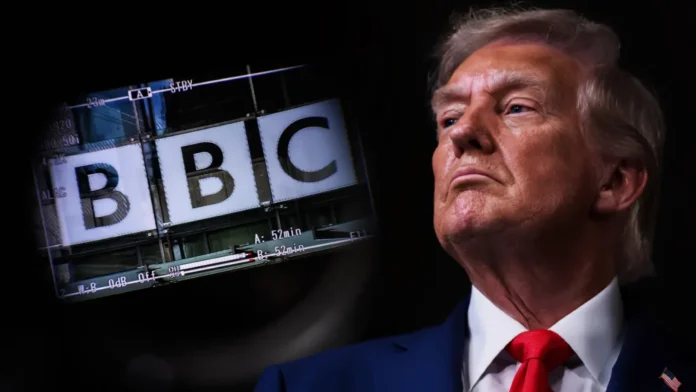
MIAMI — President Donald Trump filed a $10 billion defamation lawsuit against the BBC on Monday, alleging Britain’s publicly owned broadcaster deliberately misrepresented his January 6, 2021 speech by editing clips to suggest he directed supporters to violently storm the U.S. Capitol while omitting sections calling for peaceful demonstration.

The lawsuit, filed in Miami federal court, opens an international battleground in Trump’s sustained campaign against media organizations whose coverage he characterizes as false or biased. Trump claims the BBC defamed him and violated Florida’s deceptive and unfair trade practices law, seeking $5 billion in damages for each of the suit’s two counts.

The BBC has acknowledged an editing error, issued an apology to Trump, and admitted the edit created a mistaken impression that he made a direct call for violent action. However, the broadcaster maintains there exists no legal basis for litigation.

Trump’s complaint charges that the BBC spliced together portions of his speech, combining a segment where he told supporters to march on the Capitol with another where he said “fight like hell” while removing a section in which he advocated peaceful protest. The edited version appeared on the BBC’s “Panorama” documentary program shortly before the 2024 presidential election.

“The BBC despite its apology has made no showing of actual remorse for its wrongdoing nor meaningful institutional changes to prevent future journalistic abuses,” the lawsuit states.

A BBC spokesperson told Reuters earlier Monday that the organization had received “no further contact from President Trump’s lawyers at this point. Our position remains the same.” The broadcaster did not respond to requests for comment following the lawsuit’s filing.

Trump’s attorneys and a White House spokesperson did not immediately provide comment.

The documentary controversy triggered one of the most severe crises in the BBC’s 103-year history, culminating in resignations of its two most senior officials. The broadcaster has indicated it will not rebroadcast the documentary on any platform.

The dispute gained momentum after a leaked BBC memo from an external standards adviser raised concerns about the editing, forming part of a broader investigation into alleged political bias at the publicly funded broadcaster. The documentary was not aired in the United States.

Trump’s decision to file in American courts may stem from British defamation law requiring claims be brought within one year of publication, a deadline that has passed for the Panorama episode.

To prevail against constitutional protections for free speech and press freedom in the United States, Trump must demonstrate not only that the edit was false and defamatory but also that the BBC knowingly misled viewers or acted with reckless disregard for truth. Legal experts note the broadcaster could argue the documentary remained substantially accurate and its editorial choices did not create false impressions. The BBC might also contend the program caused no damage to Trump’s reputation.

Trump’s lawyers assert the BBC inflicted overwhelming reputational and financial harm on their client.

The BBC receives funding through a mandatory license fee imposed on all television viewers in the United Kingdom, which legal analysts say could render any potential payout to Trump politically contentious.

Other media organizations have settled with Trump following lawsuits filed after his November 2024 election victory, including CBS and ABC. Trump maintains active litigation against the New York Times, the Wall Street Journal, and an Iowa newspaper, all of which have denied wrongdoing.

The January 2021 attack on the U.S. Capitol aimed to prevent Congress from certifying Joe Biden’s presidential victory over Trump in the 2020 election.

The lawsuit represents Trump’s most aggressive legal action against an international media organization and tests whether American courts will impose liability on foreign broadcasters for editorial decisions made outside U.S. jurisdiction. The case also raises questions about whether public broadcasters funded by foreign governments face different legal considerations than commercial media organizations.

The $10 billion damages figure ranks among the largest sums Trump has sought in media lawsuits, reflecting his characterization of the BBC’s actions as particularly egregious. Whether American courts will award damages approaching that magnitude remains highly uncertain, as defamation judgments typically correlate with demonstrated harm rather than plaintiff demands.

The timing of the lawsuit, filed shortly after Trump assumed office for his second term, signals his intention to pursue media litigation aggressively from his position as president. Previous presidents have rarely filed defamation suits while in office, making Trump’s willingness to do so notable.

The constitutional hurdles Trump faces in American defamation law—requiring proof of actual malice for public figures—create significant obstacles to prevailing. Courts have historically granted substantial protections to media organizations, particularly regarding editorial decisions about what material to include or exclude from broadcasts.

The BBC’s apology and admission of editorial misjudgment complicate its legal position by conceding the edit created a misleading impression. However, acknowledging error does not necessarily establish the intentional or reckless disregard for truth required under American law for public figure defamation.

For the BBC, defending the lawsuit in American courts presents logistical and financial challenges. The organization must navigate unfamiliar legal territory while facing a plaintiff who occupies the U.S. presidency and commands substantial resources for prolonged litigation.

The case will likely examine technical questions about what constitutes fair editorial condensation versus misleading manipulation. Documentary filmmakers routinely compress speeches and events for time constraints, raising questions about where courts draw lines between legitimate editing and actionable distortion.

If Trump prevails, the judgment could establish precedent affecting how international broadcasters approach coverage of American political figures and whether they face liability in U.S. courts for editorial decisions made abroad. Conversely, a BBC victory would reinforce protections for press freedom while potentially emboldening media organizations facing similar threats.

The political dimensions of the case extend beyond legal questions. Trump’s supporters view media lawsuits as accountability for what they characterize as biased coverage, while critics see attempts to intimidate journalists and chill aggressive reporting through expensive litigation regardless of ultimate outcomes.

The mandatory license fee funding the BBC creates unique dynamics, as any damages paid to Trump would ultimately come from British taxpayers rather than commercial revenues. This structure may influence how UK politicians and the public perceive the lawsuit and any potential settlement.

As the case proceeds through federal court, it will test judicial willingness to second-guess editorial decisions made by foreign broadcasters while balancing First Amendment protections against claims of reputational harm. The outcome may shape how international media organizations approach coverage of U.S. political figures and whether American courts serve as viable venues for transnational defamation disputes.

A Reuters story

7 Dead After Private Jet Crashes During Emergency Landing Attempt Near Mexico City

0

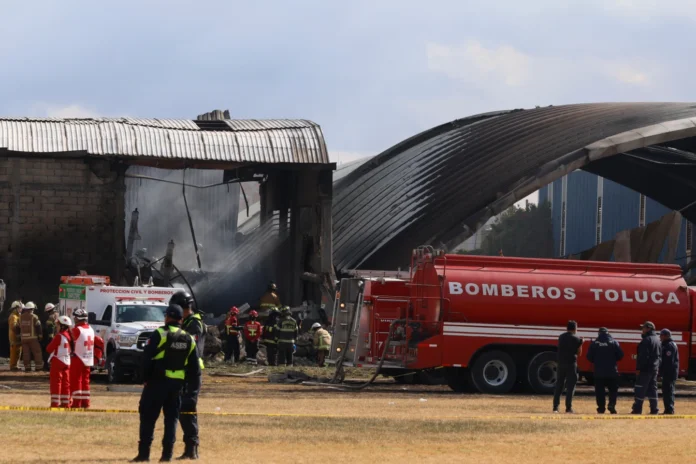
A small private jet crashed in central Mexico on Monday while attempting an emergency landing near the city of Toluca, killing at least seven people and igniting a fire that forced nearby evacuations, state officials said.

Mexico State Civil Protection Coordinator Adrián Hernández said the aircraft went down in San Mateo Atenco, an industrial municipality about three miles (5 kilometers) from Toluca’s international airport and roughly 31 miles (50 kilometers) west of Mexico City.

The jet had departed from the coastal city of Acapulco, Hernández said. Flight records showed the aircraft was carrying eight passengers and two crew members, but as of several hours after the crash, authorities had recovered seven bodies from the wreckage.

Hernández said preliminary findings indicate the pilot attempted to make an emergency landing on a nearby soccer field but struck the metal roof of an adjacent industrial building instead. The impact triggered a large fire that engulfed debris and parts of the structure.

San Mateo Atenco Mayor Ana Muñiz told Milenio Television that emergency crews evacuated about 130 people from surrounding businesses and residences as a precaution while firefighters battled the blaze.

The cause of the crash was not immediately known. Hernández said aviation authorities have opened an investigation to determine what prompted the emergency landing attempt and whether mechanical failure or other factors were involved.

The crash highlights persistent safety challenges facing private aviation in Mexico, where emergency landings near densely populated or industrial zones can quickly escalate into large-scale disasters. Toluca airport, a key alternative hub to Mexico City’s congested Benito Juárez International Airport, sits amid rapidly expanding urban and industrial development, leaving limited open space for distressed aircraft.

Aviation analysts say incidents involving private jets often draw scrutiny over maintenance standards and flight planning, particularly on domestic routes connecting tourist destinations such as Acapulco with central Mexico.

While commercial aviation in Mexico maintains a strong safety record, private aircraft accidents remain a concern for regulators, especially when crashes occur close to civilian infrastructure. Investigators are expected to examine flight data, maintenance records and crew communications in the coming days as authorities work to identify the victims and notify their families.

The Associated Press

Mariah Carey to Headline 2026 Winter Olympics Opening Ceremony in Milan

0

MILAN, Italy — Mariah Carey will perform at the opening ceremony of the 2026 Winter Olympics, becoming the first major artist announced for the spectacle scheduled for February 6 at Milan’s San Siro Olympic Stadium, organizers confirmed Monday.

The Grammy-winning singer, 56, revealed her participation through an Instagram video posted Monday in which she appeared wearing a red dress and diamond necklace. “Ciao. Get ready for Milano Cortina 2026. See you at the Stadium San Siro on the 6th of February for the Olympic opening ceremony. Ci vediamo a Milano,” Carey said in the clip, ending with an Italian translation meaning “See you in Milan.”

The Milano Cortina 2026 local organizing committee said in a statement provided to NBC that Carey “fully represents the emotional atmosphere that accompanies the run-up to the Games.”

“Music is a universal language that attracts different stories and sensibilities, and intertwines with the opening ceremony’s theme of harmony,” the committee said.

Creative director Marco Balich leads the ceremony planning, which will showcase “Italian spirit, innovation and emotion with performances by world-renowned artists” through the harmony theme, a press release stated. Ballet star Roberto Bolle is scheduled to headline the closing ceremony February 22 at the Roman arena in Verona.

The Olympics frequently enlists high-profile entertainers to anchor opening and closing ceremonies. Last July, Lady Gaga and Céline Dion performed at the Paris opening ceremony preceding the 2024 Summer Games.

Carey’s Olympic announcement follows a busy period of professional activity. She released her 16th studio album, Here for It All, in September—her first in eight years. In November and December, she completed 10 residency performances of her Christmas Time show at Dolby Live in Las Vegas.

“Thank you to everyone who made Christmastime possible in Vegas ❤️ I enjoyed that! 🦋❄️🎄,” she wrote in an Instagram post Sunday celebrating the residency’s conclusion.

The selection of Carey for the Milan ceremony reflects organizers’ strategy of combining athletic spectacle with musical star power that appeals to global television audiences numbering in the billions. Opening ceremonies have evolved into elaborate productions blending host nation culture, artistic performances, and international celebrity appearances designed to set a celebratory tone for the two-week competition.

The “harmony” theme chosen for Milano Cortina 2026 suggests the ceremony will emphasize unity and collaboration—values central to the Olympic movement—while showcasing Italian cultural contributions to arts, music, and design. Carey’s reputation for vocal excellence and decades of hit recordings positions her as an ambassador for the musical component of that message.

San Siro Stadium, formally known as Giuseppe Meazza Stadium, serves as home to soccer clubs AC Milan and Inter Milan. The venue’s transformation into an Olympic ceremonial space will mark a departure from its typical sporting use, accommodating theatrical staging, lighting systems, and audio equipment necessary for a televised global event.

Carey’s international following, built through a career spanning more than three decades and featuring chart-topping singles across multiple continents, aligns with the Olympics’ goal of attracting worldwide viewership. Her recognition in European markets, including Italy, makes her a natural choice for an event seeking to engage both local audiences and international viewers tuning in remotely.

The Milano Cortina Games represent Italy’s return to hosting Winter Olympics after Turin 2006. The event will utilize venues across Milan and the Cortina d’Ampezzo mountain resort, requiring coordination between urban and alpine locations separated by significant distance. 

The opening ceremony in Milan provides an opportunity to showcase the host nation’s largest city and financial capital to global audiences.

Carey’s participation continues a tradition of Olympic ceremonies featuring pop music icons rather than exclusively classical or traditional performers. This approach, which accelerated in recent decades, reflects organizers’ recognition that contemporary popular music resonates with younger viewers and generates social media engagement that extends the ceremony’s reach beyond live television broadcasts.

Her Instagram announcement, delivered partly in Italian, demonstrates attention to local sensibilities while maintaining her characteristic glamorous presentation. The video’s production values—professional lighting, elegant styling, and direct address to camera—mirror the polished aesthetic Olympic ceremonies strive to achieve.

The February 6 ceremony date positions the opening at the beginning of winter’s peak season in the Alps, when snow conditions typically reach optimal levels for skiing, snowboarding, and other mountain sports featured in the Winter Games program. Milan’s urban setting provides dramatic contrast to the alpine venues where most competitions will occur.

Ballet star Bolle’s assignment to the closing ceremony indicates organizers plan to highlight Italy’s rich performing arts traditions across both bookend events. 

The geographic separation between Milan’s San Siro Stadium and Verona’s Roman arena—approximately 100 miles—suggests intentional distribution of Olympic festivities across multiple Italian cities to maximize national engagement.

As the first announced performer, Carey’s participation sets expectations for the ceremony’s scale and ambition while likely preceding additional artist announcements in coming months.

 Olympic opening ceremonies typically feature multiple performers representing different musical genres and cultural traditions, creating varied programming designed to appeal to diverse global audiences.

The harmony theme and Carey’s involvement suggest Milano Cortina 2026 organizers envision a ceremony emphasizing celebration and unity rather than the more overtly nationalistic or historical approaches some host nations have adopted.

 This direction aligns with contemporary Olympic messaging emphasizing sport’s ability to transcend political divisions and bring nations together through competition and mutual respect.

For Carey, the Olympic performance adds another prestigious venue to a career filled with high-profile appearances, from Super Bowl performances to Times Square New Year’s Eve concerts. The global platform provides opportunity to promote her recent album while introducing her catalog to audiences who may primarily associate her with seasonal music due to the enduring popularity of “All I Want for Christmas Is You.”

As Milano Cortina 2026 approaches, additional details about ceremony structure, other performers, and thematic elements will likely emerge through official announcements and leaks from production personnel. 

Carey’s early confirmation allows organizers to begin marketing the event while providing sufficient time for rehearsals and technical preparation required for seamless live television execution before billions of viewers worldwide.

People.com