Home Blog Page 14

Zimbabwe Rolls Out Lenacapavir, Pioneering Twice-Yearly HIV Prevention Injection in National Program

0

HARARE, Zimbabwe (BN24) — Zimbabwe’s health authorities on Thursday began administering lenacapavir, a long-acting injectable drug for HIV prevention, positioning the southern African nation among the first in the world to introduce the twice-yearly shot through a national program.

Health Minister Douglas Mombeshora presided over the launch, describing the moment as a milestone in the country’s campaign to eliminate AIDS as a public health threat.

“Today marks an important day in Zimbabwe’s national response to HIV,” Mombeshora said at the event. “We gather here to launch lenacapavir a long-acting injectable option for HIV prevention and to show our commitment to protecting life and ending AIDS as a public health threat.”

The program, financed by the United States and the Global Fund, will initially reach more than 46,000 people considered at high risk of contracting HIV. Services are being introduced across 24 sites nationwide, with officials indicating that distribution will proceed in phases.

Zimbabwe received its first shipment earlier this month and administered doses to early participants prior to the official launch, Mombeshora said.

Lenacapavir, developed by Gilead Sciences and approved locally in November, is delivered as a subcutaneous injection twice a year. Health officials say clinical evidence shows it is nearly 100% effective when used as directed, offering a powerful alternative to daily oral pre-exposure prophylaxis, or PrEP, pills.

Public health leaders view the drug as a significant advancement, particularly for individuals who face challenges maintaining strict daily medication routines. Adherence has long been cited as a barrier to maximizing the protective benefits of oral PrEP, especially among populations with limited access to consistent health services.

Zimbabwe, which carries one of the heaviest HIV burdens in Africa, has made notable progress over the past decade. The country has met the 95-95-95 treatment benchmarks established by UNAIDS — meaning that 95% of people living with HIV are aware of their status, 95% of those diagnosed receive treatment, and 95% of those on therapy have achieved viral suppression.

Despite those gains, new infections persist, particularly among young women, key populations and communities with limited healthcare access. Officials say integrating lenacapavir into the prevention toolkit could further drive down transmission rates.

At the launch event, Melody Dengu, a community leader from the Harare suburb of Epworth, shared her experience after receiving the injection earlier this month.

“I have also (so far) gotten 12 other people to come and get injected,” she told Reuters, describing community interest in the new option.

Zimbabwe’s broader HIV response has combined expanded testing, widespread availability of antiretroviral therapy and prevention initiatives targeting vulnerable groups. According to health authorities, these efforts have significantly reduced new infections compared with levels seen a decade ago.

The introduction of enoxaparin adds a long-acting biomedical tool to that strategy. By requiring only two injections per year, the drug may ease the burden on both patients and health systems, potentially improving uptake and continuity.

Zimbabwe’s decision to move swiftly with a national rollout places it at the forefront of a new chapter in HIV prevention. In sub-Saharan Africa, where healthcare systems often contend with workforce shortages and logistical constraints, long-acting therapies can reshape delivery models.

The twice-yearly dosing schedule may prove particularly impactful in rural areas or among populations with inconsistent access to clinics. Reducing the need for daily pill adherence addresses not only logistical hurdles but also stigma. Carrying or taking daily HIV prevention medication can inadvertently signal risk status, deterring some individuals from consistent use. A discreet injection administered every six months could mitigate that concern.

However, the success of the program will depend on sustained funding and reliable supply chains. The initiative is backed by U.S. support and the Global Fund, both critical partners in Zimbabwe’s HIV response. Any fluctuations in international financing could influence the pace and reach of expansion.

Cost considerations also remain central. While lenacapavir represents a scientific breakthrough, its affordability for widespread use in low- and middle-income countries will shape global equity in access. Zimbabwe’s phased rollout targeting high-risk populations reflects an effort to prioritize those most vulnerable while managing resource constraints.

From a public health standpoint, Zimbabwe’s achievement of the UNAIDS 95-95-95 targets demonstrates the country’s capacity to implement ambitious health programs effectively. The addition of long-acting prevention could move the nation closer to epidemic control, provided uptake remains strong.

Regionally, Zimbabwe’s rollout may serve as a model for neighboring countries confronting similar epidemiological patterns. Southern Africa continues to account for a significant share of global HIV infections. If lenacapavir proves successful in reducing incidence rates, pressure may mount for broader adoption across the continent.

At the same time, community engagement will be essential. Leaders like Dengu illustrate the role grassroots advocacy plays in shaping public acceptance. Peer influence and education campaigns could determine whether initial enthusiasm translates into sustained participation.

Zimbabwe’s move underscores a broader shift in HIV prevention strategy from daily self-administered pills to long-acting biomedical solutions that align more closely with real-world behaviors. As the country advances this program, global health observers will be watching closely to assess its impact on infection rates and its viability as a scalable model.

For now, health officials frame the launch as both a scientific and symbolic step forward signaling renewed determination to end AIDS as a public health threat in Zimbabwe.

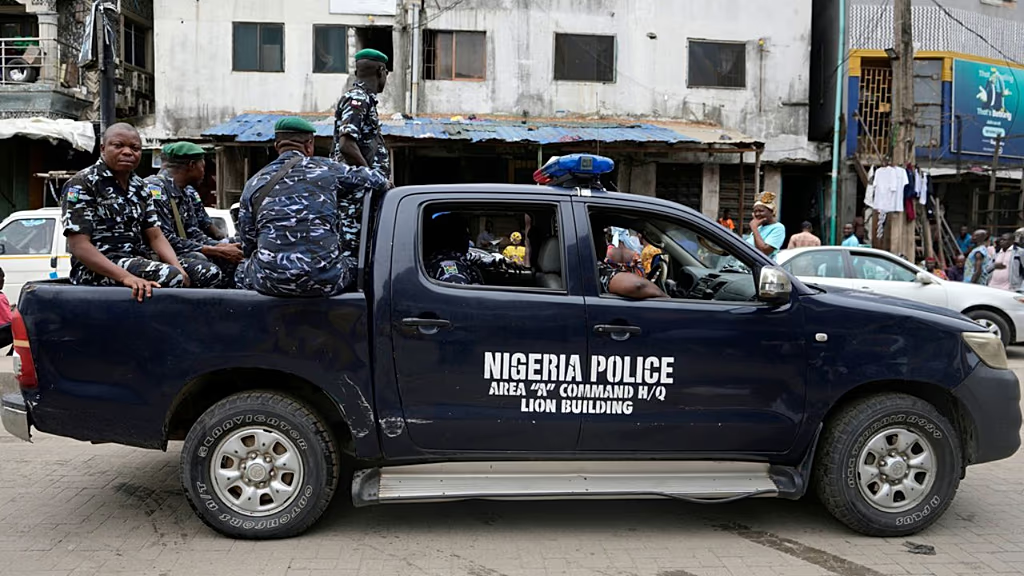
33 Killed in Coordinated Militant Assault in Northwest Nigeria

0

ABUJA, Nigeria (BN24) — Armed militants killed at least 33 people in coordinated attacks on a district in northwest Nigeria, police said, the latest violence to hit a region grappling with persistent insecurity.

The assaults unfolded Wednesday in the Biu community of Kebbi state, according to a statement issued late Thursday by police spokesperson Bashir Usman.

Usman said the attackers crossed into Kebbi from neighboring Sokoto state, where portions of territory are occupied by the Lakurawa insurgent group.

“Preliminary investigations confirm that armed Lakurawa militants entered the area to rustle cattle,” Usman said, noting that additional security forces have been dispatched to restore order and stabilize the affected communities.

Authorities did not immediately release details about how the attacks were carried out or whether arrests had been made. Residents described multiple strike points, suggesting a level of coordination intended to overwhelm local defenses.

The Lakurawa group operates in parts of northwestern Nigeria, particularly in communities across Sokoto state. The organization has been linked to cattle rustling operations, village raids and kidnappings for ransom activities that have destabilized rural economies and fueled fear among residents.

Northwest Nigeria has endured years of violence driven by a complex mix of armed Islamist factions and heavily armed criminal gangs, commonly referred to locally as bandits. These groups frequently target villages, abduct civilians for ransom and raid livestock, a critical economic asset in the largely agrarian region.

Kebbi state, though less frequently in international headlines than Nigeria’s northeast where Boko Haram and Islamic State West Africa Province have waged insurgencies — has increasingly experienced spillover violence. Cross-border movement between Sokoto and Kebbi has enabled armed groups to exploit porous boundaries and evade capture.

Security officials say the latest killings underscore the challenge of containing mobile insurgent cells that shift operations across state lines. The deployment of additional security personnel, Usman said, is intended to prevent further incursions and reassure residents.

Nigeria, Africa’s most populous nation, faces overlapping security crises. In the northeast, Islamist extremist groups have battled government forces for more than a decade. In the northwest and central regions, armed gangs and militant factions have pursued profit-driven violence, including mass kidnappings from schools and villages.

Earlier this week, the Nigerian military announced the arrival of 100 U.S. troops to assist with training efforts as part of deepening security cooperation between Nigeria and the United States. The development follows earlier diplomatic strains but signals renewed coordination aimed at strengthening Nigeria’s capacity to counter armed groups.

Military officials have said the U.S. personnel will focus on training and advisory roles rather than direct combat operations.

The killings in Kebbi add to mounting pressure on federal and state authorities to demonstrate tangible progress in curbing violence. While security forces have conducted air and ground offensives in parts of the northwest, residents in remote communities often report delayed response times and limited sustained protection.

Local leaders have repeatedly called for enhanced intelligence gathering and improved coordination among security agencies. The terrain in much of the northwest marked by forests and vast rural expanses provides cover for armed groups seeking refuge after attacks.

For farming and herding communities, the violence carries heavy economic consequences. Cattle rustling not only deprives families of livelihoods but also disrupts local markets and food supply chains. The economic strain can, in turn, exacerbate tensions between herders and farmers, further complicating the security landscape.

The latest assault in Kebbi state reflects the evolving nature of insecurity in northwest Nigeria, where ideological militancy and organized criminality increasingly intersect. While some groups frame their actions in religious or insurgent rhetoric, many attacks are rooted in economic motives, including cattle theft and ransom demands

The mobility of armed factions like Lakurawa complicates counterinsurgency efforts. Operating across state boundaries allows militants to exploit jurisdictional gaps and retreat into sympathetic or inaccessible terrain. This fluidity underscores the need for coordinated regional security frameworks rather than isolated state-level responses.

The arrival of U.S. military trainers may bolster Nigeria’s tactical capabilities, but long-term stability likely hinges on addressing structural drivers of conflict — including poverty, youth unemployment and weak rural governance. Without parallel investment in community resilience and economic development, security gains risk proving temporary.

Moreover, public confidence in security forces remains uneven. Communities frequently cite slow response times and insufficient presence in remote areas. Restoring trust will require not only visible deployments after attacks but also sustained engagement before violence erupts.

Nigeria’s broader security calculus also intersects with regional dynamics in West Africa, where instability in neighboring countries can facilitate the movement of fighters and weapons. Strengthening border controls and intelligence-sharing mechanisms may prove critical in preventing further cross-state and cross-border incursions.

For now, residents of Kebbi face the immediate aftermath of coordinated violence that has left dozens dead and communities shaken. Whether federal and state authorities can prevent additional attacks will serve as a key measure of Nigeria’s ongoing effort to confront one of its most pressing internal security challenges.

Trump Says He Is ‘Considering’ Limited Military Strike on Iran as Nuclear Deadline Looms

0

 President Donald Trump said Friday he is weighing the possibility of a limited military strike on Iran, as his administration increases pressure on Tehran to reach an agreement over its nuclear program.

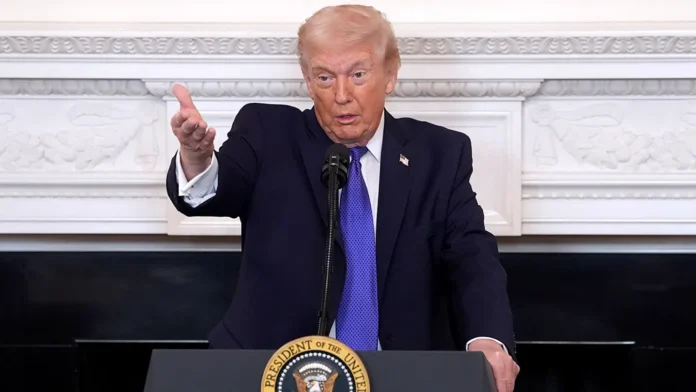
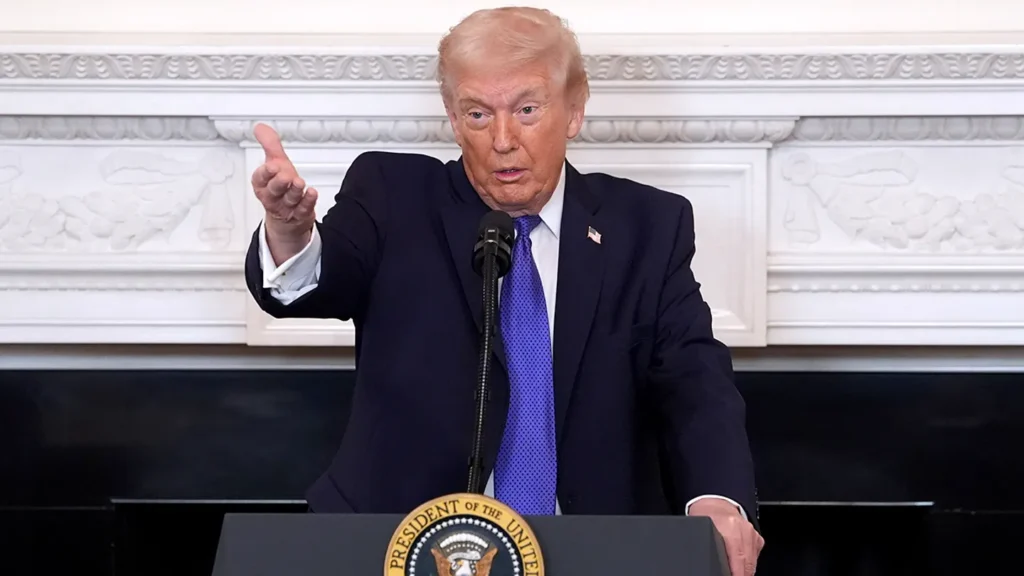
“I guess I can say, I am considering that,” President Trump said during a breakfast meeting with governors at the White House when asked whether he was contemplating a targeted strike to push Iran toward a deal.

The remarks came amid heightened tensions between Washington and Tehran and a visible expansion of U.S. military assets in the Middle East. President Trump has repeatedly indicated that time is running short for a diplomatic breakthrough, stating Thursday that Iran has no more than “10, 15 days, pretty much maximum” to finalize an agreement.

“We’re either going to get a deal, or it’s going to be unfortunate for them,” the president said.

The White House did not elaborate on what form a potential strike might take or under what conditions it would be authorized. Reporters were ushered out of the room shortly after the president’s comments, cutting short further clarification.

CBS News, citing sources familiar with internal deliberations, said President Trump had not made a final decision on military action. According to those sources, senior national security officials have advised the president that U.S. forces could be prepared to conduct strikes as soon as this weekend, though any timeline could extend beyond that.

The Pentagon has moved additional naval assets into the region in recent weeks. The aircraft carrier USS Gerald R. Ford and its accompanying strike group are en route to the Middle East. The USS Abraham Lincoln, along with three guided-missile destroyers, arrived more than two weeks ago.

On Wednesday, United States Central Command released images showing F/A-18 Super Hornets landing on the deck of the Abraham Lincoln in the Arabian Sea, underscoring the increased operational tempo.

The deployments reflect what administration officials describe as a deterrence posture, intended to signal U.S. readiness while diplomatic channels remain open.

President Trump has framed the buildup as leverage, arguing that Iran must choose between negotiation and confrontation.

“Now is the time for Iran to join us on a path that will complete what we’re doing,” President Trump said Thursday during the inaugural meeting of his Board of Peace, which also addressed security in Gaza. “They cannot continue to threaten the stability of the entire region and they must make a deal.”

As tensions rise, Moscow has called for caution. Kremlin spokesman Dmitry Peskov urged Iran and other regional actors to prioritize diplomacy, warning against escalation.

“Russia continues to develop relations with Iran, and in doing so, we call on our Iranian friends and all parties in the region to exercise restraint and caution,” Peskov said, as carried by Reuters. He emphasized political and diplomatic means as the preferred path to resolving disputes.

Russia’s statement highlights the broader geopolitical stakes. Iran maintains strategic ties with Moscow, and any U.S. military action could reverberate beyond the immediate theater.

President Trump’s comments mark one of his clearest acknowledgments that military force is under active consideration. While he stopped short of committing to action, his timeline — giving Iran roughly two weeks — signals mounting impatience within the administration.

Throughout the week, President Trump warned that “bad things” would occur if Iran fails to reach an agreement. Yet he has also left room for negotiation, stating that a deal would be “great” if achieved.

The administration has not publicly detailed what concessions it seeks beyond curbs on Iran’s nuclear activities. Previous negotiations between the two countries have faltered over uranium enrichment levels, inspections and sanctions relief.

The president’s posture reflects a strategy combining public deadlines, visible military deployments and strategic ambiguity. By declining to confirm a final decision while openly discussing the possibility of strikes, President Trump preserves both deterrence credibility and diplomatic flexibility.

Military analysts note that the presence of two carrier strike groups significantly enhances U.S. operational capacity in the region. However, even a limited strike carries risks, including retaliation against U.S. bases or regional allies and disruptions to energy markets.

The timing also matters. Iran has long calibrated its nuclear policy in response to sanctions and military threats. A compressed deadline could either accelerate diplomatic concessions or entrench hardline positions within Tehran.

Russia’s appeal for restraint underscores the international dimension of the standoff. Any escalation could complicate U.S. relations with Moscow and other global powers, particularly amid ongoing geopolitical tensions elsewhere.

At home, the issue may also test political alliances. While some lawmakers favor a strong deterrent stance, others have cautioned against unilateral military action without congressional authorization.

For now, President Trump’s statement signals that the administration is prepared to shift from rhetoric to action if negotiations stall. Whether the looming deadline compels compromise or confrontation remains uncertain.

What is clear is that the combination of diplomatic pressure and military readiness has moved the U.S.-Iran standoff into a critical phase — one where decisions made in the coming days could reshape security dynamics across the Middle East.

Foxnews/CBS/Reuters/Aljazeera

19-Year-Old Who Fled to Nigeria After Deptford Stabbing Jailed for Life as Met Police Detail Forensic Breakthrough

0

A teenager who fled to Nigeria after a fatal stabbing in southeast London has been sentenced to life imprisonment, bringing to a close a complex, transnational investigation that homicide detectives say relied on hundreds of hours of surveillance footage, digital analysis and forensic testing.

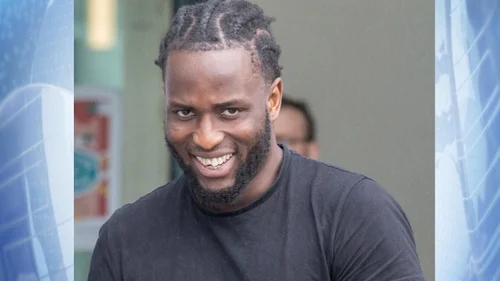
Jackson Uwagboe, 19, of Hamilton Street, Lewisham

Jackson Uwagboe, 19, of Hamilton Street, Lewisham, was handed a life sentence at the Central Criminal Court on Wednesday after a jury convicted him earlier this month of murdering 21-year-old Robert Robinson. The court ruled he must serve a minimum of 21 years before he can be considered for parole.

The killing occurred on June 6, 2024, in Carteret Way, Deptford. Officers from the Metropolitan Police Service responded to emergency calls shortly after 10:35 p.m. alongside paramedics from the London Ambulance Service. Robinson, who had sustained 12 stab wounds, including defensive injuries, was pronounced dead at the scene.

In a detailed account published on its official news platform, the Metropolitan Police outlined how detectives reconstructed the events leading to the attack. Prosecutors told jurors that earlier that day, Uwagboe had robbed a 17-year-old boy of a bicycle and mobile phone on Deptford High Street. Robinson later joined a group that went to the home of Uwagboe’s associate in Windlass Place in an effort to recover the stolen property.

When no one answered the door, the group left. Tensions escalated after two vehicles linked to the associate’s family were allegedly damaged. A short time later, Uwagboe, along with Ryan Wedderburn, 18, and Kirk Harris, 19, left the Windlass Place address armed with machetes.

The trio encountered Robinson and others near Carteret Way. As Robinson attempted to flee, he was chased and overpowered. The court heard that he was repeatedly stabbed while unarmed and already wounded. Despite urgent medical treatment, he could not be saved.

Wedderburn and Harris were convicted of Robinson’s murder at the Old Bailey in May last year. Wedderburn received a life sentence with a minimum term of 23 years, while Harris was ordered to serve at least 22 years and nine months.

Detective Inspector Neil Tovey, who led the inquiry, described the assault as “brutal and sustained,” emphasizing that Robinson had been attacked while defenseless. He commended the victim’s family for their resilience through two separate trials, noting that Uwagboe’s decision to leave the country prolonged their wait for justice.

Following the stabbing, all three attackers fled the scene. Evidence presented at trial showed that Uwagboe traveled to Nigeria days later. Investigators established that Eromosele Omoluogbe, 24, purchased a £1,129.89 plane ticket to Lagos on June 7, 2024, and transported Uwagboe to Heathrow Airport. Omoluogbe has since been convicted of perverting the course of justice and is awaiting sentencing.

Uwagboe returned to the United Kingdom on Feb. 25, 2025, where he was arrested at Gatwick Airport on suspicion of murder.

The Metropolitan Police said the case involved extensive analysis of CCTV recordings from multiple locations, examination of phone records from more than a dozen individuals and scrutiny of financial transactions to map the suspects’ movements. Forensic specialists linked one recovered knife to Harris through DNA analysis. Another weapon retrieved months later from the River Thames was connected to Wedderburn using video evidence.

Nigerian outlets including Vanguard Nigeria and Punch Nigeria carried accounts of the sentencing, highlighting Uwagboe’s return from Nigeria and the life term imposed by the London court. Both publications cited the Metropolitan Police statement detailing the investigation and minimum sentence.

Detective Inspector Tovey reiterated that assisting offenders to evade capture carries serious consequences, referencing Omoluogbe’s conviction. He underscored the force’s commitment to pursuing suspects across borders.

The Deptford case unfolds against a broader backdrop of persistent concern over knife crime in London. Although police statistics indicate a gradual decline in homicide rates, youth-involved violence remains a focal point for policymakers and community leaders. The Metropolitan Police have intensified targeted patrols and intelligence-led operations in boroughs with elevated knife crime incidents, including Lewisham.

This case illustrates how digital footprints — from bank transfers to mobile phone metadata — increasingly form the backbone of modern homicide investigations. The successful prosecution relied not only on eyewitness accounts but also on data triangulation, CCTV mapping and forensic correlation. Such techniques reflect the growing role of technology in criminal justice, particularly in urban centers with expansive camera networks.

The international dimension adds further significance. While there was no formal extradition process in this instance, Uwagboe’s departure and later return spotlight the logistical challenges that arise when suspects cross jurisdictions. Cooperation between nations can be pivotal in cases involving flight risks, and the outcome here may reinforce deterrence messaging for would-be offenders considering escape.

Another implication lies in sentencing. British courts have consistently imposed substantial minimum terms in knife-related murders, signaling judicial recognition of the social harm caused by bladed weapons. The concurrent life sentences handed to all three attackers underscore a zero-tolerance approach to group violence.

For Robinson’s family, the verdict closes a chapter marked by repeated court proceedings and public scrutiny. For authorities, it serves as both a vindication of investigative diligence and a reminder of the enduring complexity of knife crime prevention.

As London continues to grapple with youth violence, cases such as this one are likely to inform ongoing debate over intervention strategies, community outreach and sentencing policy — an intersection where law enforcement, courts and social services converge.

The Metropolitan Police emphasized that the resolution of this case reflects sustained effort rather than isolated success. “This investigation demonstrates our absolute determination to pursue offenders wherever they go,” Tovey said, framing the outcome as part of a broader campaign to enhance public safety across the capital.

News.met.police.uk/Vanguard/Punchng

President Donald Trump Calls Supreme Court Decision Against Tariffs ‘Deeply Disappointing,’ Vows New 10% Global Tariff

0

President Donald Trump delivered a scathing denunciation Friday of the Supreme Court’s decision invalidating his tariff regime, expressing shame toward justices he personally appointed who joined the majority while vowing to implement alternative trade restrictions he characterized as potentially more powerful than those the court rejected.

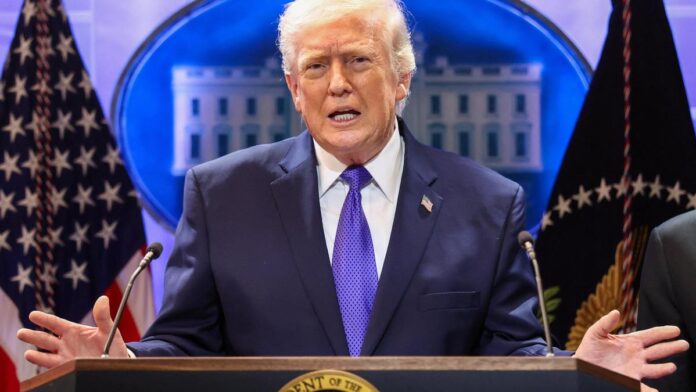
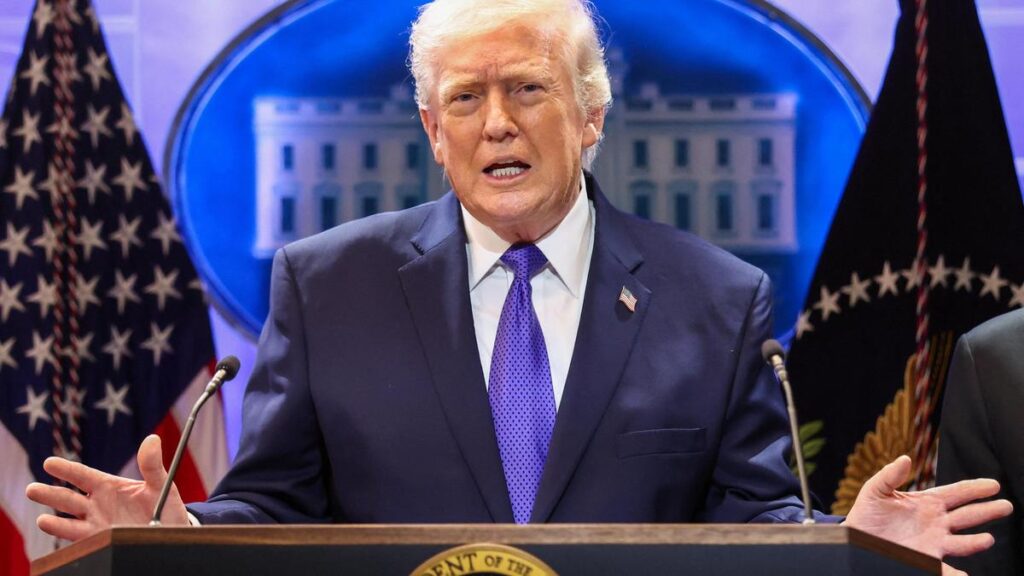
“The Supreme Court’s ruling on tariffs is deeply disappointing, and I’m ashamed of certain members of the court, absolutely ashamed for not having the courage to do what’s right for our country,” Trump declared from the White House briefing room podium, unleashing an extraordinary presidential attack on the judicial branch whose independence forms a cornerstone of American constitutional governance.

The 6-3 Supreme Court decision struck down Trump’s emergency tariff declarations, determining the president exceeded his constitutional and statutory authority by imposing sweeping trade restrictions without congressional authorization. The ruling represents a significant judicial check on executive power and a major setback for Trump’s protectionist trade agenda, which he has consistently promoted as essential to American economic sovereignty and national security.

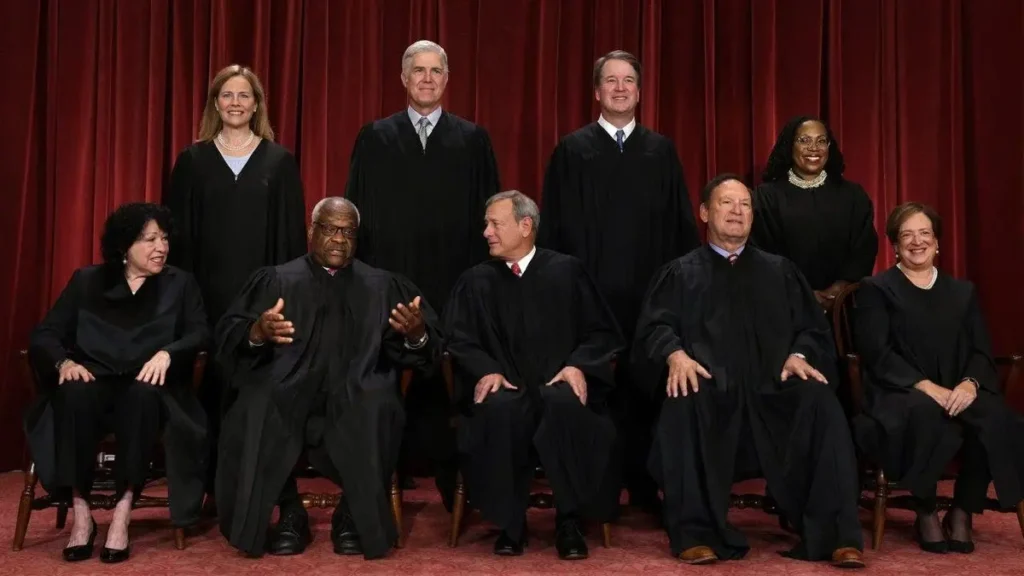
Chief Justice John Roberts joined with the court’s three liberal justices along with two Trump appointees—Justice Amy Coney Barrett and Justice Neil Gorsuch—to form the majority invalidating the tariffs. The alignment of Trump’s own nominees against his signature policy initiative particularly inflamed the president, who clearly expected loyalty from justices he elevated to the nation’s highest court.

“They’re against anything that makes America strong, healthy and great again. They also are frankly a disgrace to our nation, those justices,” Trump fumed, abandoning any pretense of respecting judicial independence or the separation of powers doctrine that prevents presidents from pressuring judges on pending cases or attacking them for adverse rulings.

Trump lavished praise on the three dissenting justices—Clarence Thomas, Samuel Alito, and Brett Kavanaugh—who would have upheld his tariff authority. “I’d like to thank and congratulate Justices Thomas, Alito and Kavanaugh for their strength and wisdom and love of our country,” he said. “When you read the dissenting opinions, there is no way that anyone can argue against them.”

The president’s explicit preference for justices who rule in his favor regardless of legal reasoning illuminates his transactional approach to the judiciary—viewing judges as political allies or adversaries rather than neutral arbiters applying law to facts. This perspective fundamentally misunderstands or deliberately rejects the judicial role in American democracy, where courts serve as constitutional guardians independent of executive preferences.

Despite his anger at the ruling, Trump quickly pivoted to announcing alternative legal mechanisms he claimed would enable him to impose trade restrictions potentially generating even greater revenue than the invalidated tariffs. “Other alternatives will now be used to replace the ones that the court incorrectly rejected. We have alternatives,” he told assembled reporters.

Trump suggested the Supreme Court’s decision paradoxically strengthened presidential trade authority by clarifying which statutory provisions support tariff imposition. “Now I’m going to go in a different direction, probably the direction I should have gone the first time,” he said, describing the alternative approach as “even stronger than our original choice.”

The president specifically cited the 1974 Trade Act and the Trade Expansion Act of 1962 as statutory foundations for future tariff actions, though he acknowledged these legal pathways require more extended procedural timelines than the emergency authorities he previously invoked. Both statutes mandate investigations and findings before tariffs can be lawfully implemented—safeguards designed to prevent arbitrary or politically motivated trade restrictions.

Trump argued counterintuitively that the court’s rejection of his emergency tariff authority actually “made a president’s ability to both regulate trade and impose tariffs more powerful and more crystal clear.” Legal scholars will likely dispute this characterization, viewing the ruling instead as establishing meaningful constraints on unilateral presidential trade actions.

The immediate practical consequence of the Supreme Court decision involves potentially massive financial liability for the federal government. Trump acknowledged Friday that the ruling will likely trigger extensive litigation over whether his administration must refund billions of dollars in tariff revenues already collected from corporations that imported goods subject to the now-invalidated duties.

“Wouldn’t you think they would have put one sentence in there saying, keep the money or don’t keep the money, right?” Trump complained during the press briefing. “It’s not discussed. We’ll end up being in court for the next five years.”

The court’s silence on retroactive remedy creates immediate uncertainty for companies that paid tariffs under protest, maintaining throughout that the president lacked constitutional authority to impose the charges. Corporate legal departments are expected to flood federal courts with refund claims potentially totaling tens of billions of dollars—money the Treasury Department has already spent and cannot easily recover.

Trump has consistently promoted tariff revenues as evidence his trade policies benefit America, insisting the collected funds enriched the nation and improved citizens’ economic wellbeing. “The revenue generated by his tariffs” served as a central talking point in his defense of protectionist measures that economists broadly criticized as counterproductive.

However, critics have emphasized that American consumers and businesses ultimately bear tariff costs through higher prices on imported goods and retaliatory tariffs foreign nations impose on U.S. exports. The anticipated legal scramble to secure refunds of tariff payments made over the past year will test whether companies can recover money they argue was illegally extracted through executive overreach.

The legal foundation Trump previously invoked for his tariffs centered on national security and economic emergency authorities granted to presidents under various statutes. The Supreme Court majority determined these provisions did not authorize the sweeping global tariff regime Trump implemented, finding his national security justifications pretextual and his emergency declarations insufficiently supported by evidence.

The ruling constrains future presidential trade authority by establishing that emergency powers cannot serve as blank checks for protectionist policies lacking genuine crisis justification. Presidents retain substantial trade negotiation authority and can impose targeted tariffs under specific statutory conditions, but cannot unilaterally restructure American trade relationships through emergency declarations disconnected from actual emergencies.

Trump’s denunciation of justices who ruled against him continues a pattern of presidential norm-breaking that includes attacking judges handling cases involving his interests, questioning judicial legitimacy based on ethnic heritage or political party of appointing presidents, and suggesting courts lack authority to constrain executive action. These attacks erode public confidence in judicial independence and imply that legitimate judicial decisions depend on reaching conclusions the president favors.

The constitutional structure deliberately insulates federal judges from political pressure through lifetime tenure and salary protections, enabling them to rule according to law and constitution rather than executive preferences. Trump’s explicit criticism of justices for “not having the courage to do what’s right for our country”—meaning rule in his favor—fundamentally misconstrues judicial duty, which requires applying legal principles regardless of policy outcomes.

The alternative tariff authorities Trump now proposes invoking include Section 301 of the 1974 Trade Act, which authorizes retaliation against unfair foreign trade practices following investigation, and Section 232 of the Trade Expansion Act of 1962, which permits tariffs when imports threaten national security. Both provisions have been extensively litigated, with courts establishing that presidents must follow statutory procedures and substantiate their determinations with credible evidence.

Implementing tariffs under these authorities will prove substantially more cumbersome than Trump’s previous approach. The required investigations typically consume months, involve extensive agency proceedings, provide opportunities for industry input and legal challenges, and demand factual records supporting presidential determinations. These procedural requirements exist precisely to prevent arbitrary trade restrictions that could provoke retaliatory cycles harming American economic interests.

International trading partners will scrutinize any new tariff actions for compliance with World Trade Organization commitments and bilateral trade agreements limiting unilateral American trade restrictions. The invalidated tariffs already prompted retaliation from major trading partners including the European Union, China, and Canada—countries that may respond similarly to replacement tariffs depending on their legal justifications and scope.

The Supreme Court decision and Trump’s defiant response ensure trade policy remains a defining controversy throughout his administration. His determination to pursue alternative tariff mechanisms guarantees continued litigation testing the boundaries of presidential trade authority, while his attacks on justices who constrained that authority further poison relationships between the executive and judicial branches.

For American businesses that have operated for the past year under tariff uncertainty, the ruling provides limited immediate clarity while creating new complications. Companies that paid billions in tariffs now face decisions about whether to pursue refunds through litigation—expensive, time-consuming processes with uncertain outcomes. Meanwhile, threats of replacement tariffs under different legal authorities prevent businesses from confidently planning international supply chains and investment strategies.

Consumers who absorbed higher prices due to tariffs on imported goods may see limited relief, as companies that successfully recover tariff payments face no obligation to pass savings to customers who originally bore the costs. The economic disruption from trade policy volatility—tariffs imposed, invalidated, then potentially reimposed under different authorities—creates inefficiencies that harm American competitiveness regardless of specific policy outcomes.

The collision between Trump’s protectionist instincts and constitutional constraints on unilateral executive action illuminates broader tensions in American governance. Presidents naturally seek maximum flexibility to implement their policy agendas, while separation of powers doctrine requires congressional authorization for major policy initiatives and judicial review ensuring executive actions conform to constitutional and statutory limits.

As litigation over tariff refunds proceeds and Trump pursues alternative trade restrictions, the Supreme Court’s decision will be remembered as a significant assertion of judicial authority constraining presidential overreach. Whether Trump’s promised alternative approaches survive legal challenges remains uncertain, but Friday’s ruling established that emergency powers cannot substitute for proper legislative authorization when presidents seek to fundamentally restructure American economic policy.

CNN original

Nigerian Man Sentenced to Nine Years in Ireland for Forcing Woman to Take Abortion Pills and Locking Her in Room

0

A 28-year-old Nigerian man has been sentenced to nine years in prison for unlawfully terminating a woman’s pregnancy after coercing her into taking abortion medication and confining her in a bedroom in County Donegal, Ireland, on Valentine’s Day 2020.

Judge John Aylmer, delivering sentence at Letterkenny Circuit Court, described the conduct of Adeleke Adelani as an “extreme act of physical and emotional violence,” telling the court that the offence had been carefully planned and executed despite the woman’s clear wish to continue her pregnancy.

Adelani, who pleaded guilty to unlawfully ending the life of a foetus and to assault causing harm, received an 11-year term for the unlawful termination, with the final two years suspended, and a five-year sentence for assault, with the final year suspended. The sentences will run concurrently but consecutively to other prison terms he is currently serving.

The court heard that on Feb. 14, 2020, Adelani forced the woman, who was nine weeks pregnant, to swallow five misoprostol tablets he had obtained in Dublin. He then locked her in a bedroom at his home in Donegal.

Evidence presented during the hearing established that Adelani had warned the woman he would “beat” the pregnancy out of her if she refused the medication. A recording retrieved from his mobile phone captured him instructing her to take the pills and insisting, “I’m forcing you. I don’t care. Take it.”

Gardaí arrived at the property shortly before 2:20 p.m. after the woman contacted authorities when Adelani briefly left the house to purchase a pregnancy test. She was later treated at a Sexual Assault Treatment Unit in hospital after experiencing severe pain, fever and heavy bleeding.

Investigators told the court that Adelani had researched at-home abortion methods online before the incident. His phone, seized at the time of his arrest, remained locked for four years until officers succeeded in accessing it ahead of his scheduled trial last November. The device contained internet searches related to abortion procedures and an audio recording of the incident.

Judge Aylmer said the offence was “extremely premeditated,” noting that Adelani had invited the woman to Donegal under the pretense of supporting her decision to keep the baby. Instead, the judge said, he forced her to ingest medication in a non-clinical setting after engaging in intimate relations with her.

“You were fully aware of her expressed desire to keep her baby and completely aware of the potential appalling emotional consequences of terminating the pregnancy without her consent,” the judge said.

The woman, who addressed the court in a victim impact statement, described enduring profound trauma. “When he wrongfully imprisoned me and caused the termination of my nine-week pregnancy, he took far more than my freedom,” she said. “He took my child.”

She told the court that the experience shattered her sense of safety and trust. Although she said she had forgiven Adelani, she stressed that forgiveness did not diminish the gravity of what had occurred. “Healing does not erase the loss,” she said. “It only means I learned how to live with it.”

Adelani’s legal team urged the court to consider mitigating factors, including his mental health struggles and history of drug misuse. In a letter read aloud during the hearing, Adelani expressed remorse and said he was “heavily apologising” for the pain caused. He told the court he had been studying conflict resolution while incarcerated and wished to support his current partner, who is pregnant.

Judge Aylmer acknowledged the guilty plea, entered after a jury had been empaneled, and noted that it spared the victim further courtroom trauma. He also cited Adelani’s participation in rehabilitation programs while in custody. However, he emphasized the seriousness of the offence, describing it as among the most grave cases of its kind to come before the court, with a statutory maximum penalty of 14 years.

The court was told that Adelani was on bail for another offence at the time and that he has since accumulated additional convictions. He is currently serving a separate seven-year sentence, with 18 months suspended, imposed in November, along with a consecutive 21-month term handed down later that month.

Following sentencing, Detective Inspector Paul McGee of Letterkenny Garda Station commended the victim’s courage. He said her decision to come forward demonstrated “remarkable strength” and may encourage others experiencing coercion or violence to seek assistance.

McGee emphasized that crimes of this nature often occur in private settings and reiterated that An Garda Síochána remains committed to supporting victims and conducting thorough investigations. He urged anyone facing violence, coercion or harassment to contact local authorities or the Garda confidential line.

This case marks a significant application of Ireland’s laws governing unlawful termination of pregnancy and coercive control. While abortion legislation in Ireland has evolved in recent years, the court made clear that any medical termination must occur with consent and under appropriate medical supervision.

Legal experts note that the conviction underscores the distinction between lawful medical procedures and criminal acts involving force or intimidation. The judge’s remarks highlight the judiciary’s recognition of reproductive autonomy as central to personal dignity and bodily integrity.

The sentencing also reflects heightened awareness of coercive abuse within intimate relationships. Advocacy groups have long warned that reproductive coercion — including forcing pregnancy or termination — represents a form of domestic violence that can have lasting psychological consequences.

By imposing a substantial custodial sentence, the court signaled that such conduct will be treated as a grave violation of both criminal law and personal rights. At the same time, the judge’s partial suspension of the sentence suggests an effort to balance punishment with rehabilitation, particularly given the defendant’s relatively young age at the time of the offence.

For the victim, the court proceedings offered a forum to articulate the enduring impact of the crime. Her statement underscored that beyond legal consequences, the emotional ramifications remain profound.

As Ireland continues to address issues of consent, domestic abuse and reproductive rights, the case stands as a stark reminder of the harm that can occur when coercion supplants autonomy — and of the legal system’s role in responding to such violations.

Bodo/Glimt Shock Inter Milan 3-1 in Champions League Playoff First Leg Thriller

0

BODO, Norway (BN24) — Norwegian champion Bodo/Glimt deepened its improbable Champions League journey on Wednesday, overpowering Inter Milan 3-1 in the first leg of their knockout playoff tie as Kasper Hogh delivered a decisive performance with a goal and two assists.

Competing in Europe’s elite tournament for the first time, Bodo/Glimt added another heavyweight to its growing list of high-profile victims, having already secured surprise victories over Manchester City and Atletico Madrid during the league phase to edge into the knockout round.

The result leaves Inter last season’s runner-up and current Serie A leader facing a stern challenge ahead of the return leg at San Siro next Tuesday. While the Italian side is expected to improve on home soil, it struggled to impose its rhythm on the artificial surface at Asp Myra Stadion in northern Norway.

Bodo/Glimt seized the initiative in the 20th minute with a sweeping team move that exposed Inter’s back line. Hogh’s deft flick inside the penalty area released Sondre Brunstad Fet, who finished clinically to ignite the home crowd.

The advantage, however, was short-lived. Inter responded on the half-hour when Pio Esposito turned sharply in the box and fired beyond the goalkeeper. The goal stood following an extended video review for a potential handball in the buildup.

Inter nearly emerged from halftime with momentum when Lautaro Martinez struck instinctively from close range, only to see his effort rebound off the post. The miss proved costly.

Bodo/Glimt restored its lead in the 61st minute, capitalizing on defensive hesitation. Hogh once again orchestrated the attack, teeing up Jens Petter Hauge, who blasted his finish into the roof of the net.

Three minutes later, the Norwegian side struck again. Patrick Berg delivered a delicate chipped pass that sent Ole Didrik Blomberg clear on goal. Blomberg unselfishly squared the ball across the area for Hogh to convert into an unguarded net, stretching the advantage to 3-1 and sending the stadium into celebration.

Hogh’s tally marked his fourth goal in his last three Champions League appearances, following a brace against Manchester City and the decisive strike in the victory over Atletico Madrid.

Inter pressed forward in search of a lifeline, but clear-cut chances were scarce. Carlos Augusto’s blocked attempt from eight yards represented the closest the visitors came during a late surge that lacked precision.

For coach Kjetil Knutsen, whose side reached the Europa League semifinals last season, the victory reinforced the club’s steady ascent in European competition. Bodo/Glimt’s tactical discipline and swift transitions unsettled an Inter squad that appeared uncomfortable adjusting to both the surface and the tempo.

Cristian Chivu’s team, despite controlling stretches of possession, struggled to break down a compact defensive structure and paid for lapses in concentration at the back. The defeat marks one of Inter’s most sobering European outings in recent seasons, particularly given the expectations surrounding a squad that advanced deep into the tournament last year.

While the tie remains open, the margin provides Bodo/Glimt with a meaningful cushion heading into the second leg. The winner will advance to face either Manchester City or Sporting Lisbon in the round of 16, adding further intrigue to an already dramatic campaign.

Original analysis suggests that Bodo/Glimt’s rise reflects a broader shift in European football, where well-drilled teams from smaller leagues can challenge established powers through tactical cohesion and confidence. The club’s recruitment strategy, emphasis on continuity under Knutsen and comfort with local conditions have created a competitive edge at home, particularly against opponents unaccustomed to artificial turf and Arctic weather conditions.

Inter’s path forward will depend on restoring defensive solidity and capitalizing on its attacking depth at San Siro. The Italian side remains favored to mount a comeback, given its pedigree and home advantage. However, conceding three goals away from home exposes vulnerabilities that cannot be overlooked.

For Bodo/Glimt, the victory is not merely symbolic. It underscores a growing legitimacy on the continental stage and signals that its earlier wins over Manchester City and Atletico Madrid were not isolated upsets but part of a consistent competitive trajectory.

As European football’s knockout rounds intensify, Wednesday’s result stands as another reminder that reputations alone do not dictate outcomes. Bodo/Glimt has positioned itself within reach of another historic milestone, while Inter must regroup quickly to prevent its Champions League ambitions from unraveling earlier than anticipated.

19 Soccer Fans Jailed for Chaos During AFCON Final in Morocco Amid Diplomatic Tensions

0

CASABLANCA, Morocco (BN24) — A Moroccan court on Thursday sentenced 19 soccer fans, including 18 Senegalese nationals and one French citizen, to prison terms ranging from three to twelve months following violent disturbances during the Africa Cup of Nations (AFCON) final last month. The court found the fans guilty of hooliganism after they caused significant chaos during Senegal’s victory over host nation Morocco.

The incident took place during the tense final, which saw Senegal secure a 1-0 win, prompting explosive reactions from some supporters. The convicted fans were involved in violent protests against a controversial late penalty awarded to Morocco, a decision that enraged certain Senegalese supporters. Their actions included throwing chairs onto the field, clashing with stadium stewards, and attempting to storm the pitch, resulting in over $476,000 in damage to the stadium.

The 19 individuals, who were arrested shortly after the chaos erupted, faced charges ranging from property damage to violence. Eleven of the defendants received a one-year prison sentence along with a fine of $550, while four received six-month sentences with a $218 fine, and another four were handed three-month sentences with a $130 fine.

One of the defendants reportedly fainted when the verdict was delivered, and several others refused to leave the defendants’ bench, displaying their dissatisfaction with the outcome. Lawyers representing the defendants have indicated their intention to appeal the sentences, arguing that the penalties were disproportionately severe.

The case has generated significant diplomatic tensions, particularly between Morocco, Senegal, and France. Senegalese diplomats, including the country’s ambassador to Morocco, were present at the hearing to monitor the proceedings. French officials also attended, as the lone French defendant is a national citizen.

The incident prompted swift diplomatic intervention to prevent a rupture in the relations between the countries involved. In the wake of the disturbances, Senegal’s prime minister visited Morocco for high-level meetings, signing a series of investment agreements designed to maintain positive relations between the two nations. Despite the tensions stirred by the violence, both governments have expressed a commitment to ensuring their diplomatic ties remain intact.

The AFCON final incident also shed light on the broader issue of fan violence in international sports, particularly in African competitions, where tensions between rival fanbases can sometimes escalate into violent confrontations.

This case highlights the ongoing challenges that African football faces with fan violence and its broader implications on diplomacy and international relations. While the ruling may serve as a deterrent to future disruptions, it also raises important questions about the balance between accountability and the severity of punishment in such cases.

The sentencing of the 19 individuals underscores the Moroccan government’s determination to address hooliganism and maintain control during high-profile international events. However, the diplomatic fallout from this case is a stark reminder of the fragile nature of international relations, especially in instances where passions run high, as seen with the rivalry between Morocco and Senegal during the AFCON final.

The involvement of diplomats and the subsequent signing of bilateral agreements indicate that both Senegal and Morocco are keen on preserving long-term partnerships despite the violent incident that marred what was meant to be a momentous sporting event. However, the speed at which the diplomatic machinery kicked into gear reflects the priority both governments place on maintaining regional stability, especially given the economic and political ties they share.

Additionally, the fact that a French citizen was among the convicted underscores the role of global fanbases in African tournaments. The presence of foreign nationals among the convicted highlights the growing internationalization of African football, where European fans, in particular, are increasingly becoming part of the spectator landscape, adding complexity to how such incidents are handled in legal and diplomatic contexts.

From a broader perspective, the episode serves as a stark reminder of the power that football holds in shaping both national and international narratives. More proactive measures are needed to curb fan violence during major tournaments, including more robust crowd control protocols and greater emphasis on fan education to reduce the likelihood of similar disruptions in future events.

Epstein Estate Agrees to $35 Million Settlement in Federal Victim Class Action

0

Jeffrey Epstein’s estate has agreed to pay as much as $35 million to resolve a class action lawsuit alleging that two longtime advisers enabled his sex trafficking operation, according to a court filing submitted Thursday in federal court in Manhattan.

The proposed agreement, announced by the law firm Boies Schiller Flexner in a brief to the court, would conclude a 2024 lawsuit brought against Epstein’s former personal attorney, Darren Indyke, and his longtime accountant, Richard Kahn. Both men serve as co-executors of the late financier’s estate.

The settlement remains subject to judicial approval. If endorsed by a federal judge, it would close one of the final major civil actions tied to Epstein’s financial network and the management of his estate following his 2019 death.

Epstein died in a New York jail in August 2019 while awaiting trial on federal sex trafficking charges. Authorities ruled his death a suicide.

Allegations in the Lawsuit

The class action complaint, filed last year, asserted that Indyke and Kahn played key roles in structuring and maintaining a web of corporations and bank accounts that prosecutors and plaintiffs’ lawyers have described as central to Epstein’s operations.

Attorneys for the plaintiffs contended that the advisers helped establish financial structures that enabled Epstein to conceal payments to victims and recruiters while shielding his assets. The complaint alleged that those mechanisms allowed Epstein to perpetuate abuse for years and to compensate both victims and intermediaries discreetly.

The filing also characterized Indyke and Kahn as having been “richly compensated” for their professional services. The defendants have consistently rejected the accusations.

Daniel H. Weiner, counsel for Indyke and Kahn, emphasized in a written statement that neither man has acknowledged wrongdoing as part of the agreement. “Because they did nothing wrong, the co-executors were prepared to fight the claims against them through to trial,” Weiner said, adding that they chose mediation to secure final resolution of potential claims against the estate.

Weiner indicated that the settlement framework would offer “a confidential avenue for financial relief” to individuals who have not previously settled claims tied to the estate.

Prior Restitution Efforts

The estate previously established a compensation program that distributed $121 million to individuals who alleged abuse by Epstein. In addition, $49 million was paid in separate negotiated settlements.

The newly proposed $35 million arrangement would supplement those earlier payments and potentially extend compensation to additional claimants who did not participate in prior programs or whose claims remained unresolved.

Boies Schiller Flexner has played a prominent role in civil litigation connected to Epstein. The firm previously secured $365 million in settlements from JPMorgan Chase and Deutsche Bank after alleging the financial institutions failed to act on warning signs tied to Epstein, who had once been a high-value client.

The settlement underscores the continuing legal and financial repercussions stemming from Epstein’s case, which has generated years of civil litigation in addition to the criminal charges that were pending at the time of his death.

Although Epstein’s death halted federal prosecution, it did not extinguish civil liability claims. Victims have sought accountability through lawsuits targeting individuals and institutions they contend facilitated or overlooked his conduct.

The estate’s decision to pursue settlement rather than proceed to trial reflects a broader trend in high-profile abuse cases, where negotiated resolutions can provide compensation while avoiding protracted and public courtroom battles.

If approved, the $35 million agreement would mark another step toward financial closure for Epstein’s estate. Yet the settlement does not constitute a judicial determination of liability, and the absence of admissions from Indyke and Kahn leaves unresolved debates over the scope of responsibility among Epstein’s professional circle.

For victims, the proposed settlement may represent both an opportunity for compensation and a reminder of the limits of civil litigation. Financial redress, while significant, cannot substitute for criminal adjudication, which became impossible after Epstein’s death.

The agreement also highlights the evolving strategies of plaintiffs’ attorneys in complex abuse cases. By targeting financial intermediaries and estate administrators, litigants have sought to widen the circle of accountability beyond the principal wrongdoer.

From a legal perspective, the settlement may reduce uncertainty for the estate’s administrators and beneficiaries, allowing remaining assets to be distributed or managed without the cloud of ongoing litigation. However, judicial review will determine whether the terms satisfy fairness standards for class members.

As federal courts continue to oversee related proceedings, the Epstein matter remains a touchstone for broader discussions about institutional oversight, professional ethics, and the mechanisms available to survivors seeking justice through the civil system.

A judge in Manhattan will now weigh whether the proposed resolution meets the requirements for approval under federal class action rules. Until then, the agreement stands as a tentative but significant development in one of the most closely scrutinized civil cases arising from Epstein’s long-running scandal.

Supreme Court Strikes Down Key Trump Tariffs, Ruling Emergency Law Does Not Authorize Sweeping Duties

0

The Supreme Court on Friday struck down a central pillar of President Donald Trump’s trade agenda, ruling that he exceeded his authority when he imposed sweeping tariffs under a federal law designed for national emergencies.

In a 6-3 decision, the justices concluded that the International Emergency Economic Powers Act, known as IEEPA, does not grant a president the power to unilaterally levy broad tariffs on imports. The ruling invalidates many — though not all — of the tariffs Trump put in place during his second term.

Chief Justice John Roberts authored the majority opinion, joined by the court’s three liberal justices and two conservatives, Justices Neil Gorsuch and Amy Coney Barrett. The dissent came from Justices Clarence Thomas, Brett Kavanaugh and Samuel Alito.

“The president asserts the extraordinary power to unilaterally impose tariffs of unlimited amount, duration and scope,” Roberts wrote. However, he added, the administration “points to no statute” in which Congress authorized IEEPA’s language to apply to tariffs. The court therefore concluded that “IEEPA does not authorize the president to impose tariffs.”

The White House did not immediately issue a formal statement. After learning of the ruling during a meeting with governors, President Donald Trump described the decision as a “disgrace,” according to a person familiar with his reaction, and indicated he had contingency plans. A day earlier, Trump had warned that eliminating tariffs would leave the country “in such trouble right now.”

Financial markets responded positively. Stocks rallied on news of the decision, reflecting investor relief over the potential unwinding of tariffs that had unsettled global supply chains.

Scope of the Ruling

The decision leaves intact certain tariffs Trump imposed under separate statutory authorities, including duties on steel and aluminum. But it dismantles two major categories of tariffs enacted through IEEPA.

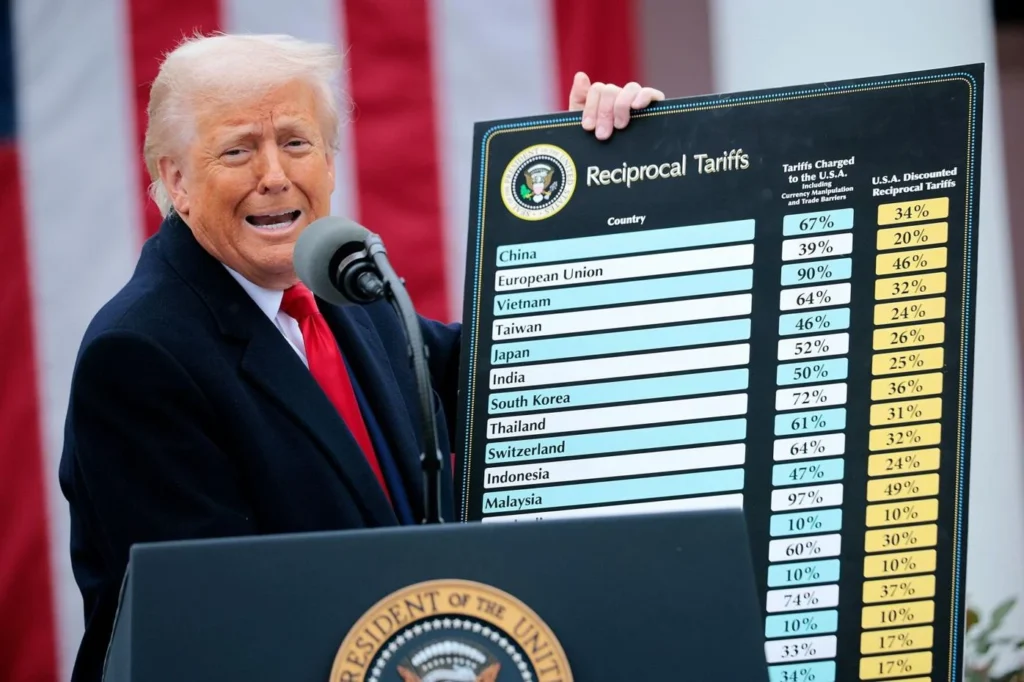
One category involved country-specific “reciprocal” tariffs, which ranged as high as 34% on imports from China and included a 10% baseline applied to most other nations. The second involved a 25% tariff on selected goods from Canada, China and Mexico, which the administration justified as a response to those countries’ alleged failure to stem the flow of fentanyl into the United States.

Businesses that challenged the tariffs in court welcomed the ruling. Victor Schwartz, founder of New York-based wine and spirits importer VOS Selections, characterized the duties as “arbitrary” and harmful to commerce. He said lower courts and now the Supreme Court recognized them as unconstitutional overreach.

In addition to VOS Selections, companies including Plastic Services and Products, a pipe and fittings supplier, and two educational toy retailers pursued legal action. A coalition of states led by Oregon also brought suit.

As of mid-December, tariffs imposed under IEEPA had generated approximately $130 billion in revenue, according to data from U.S. Customs and Border Protection. Trump had previously cited significantly higher figures, including projections tied to trade agreements negotiated by his administration.

The court did not resolve whether importers will automatically receive refunds. In dissent, Kavanaugh observed that the ruling leaves open significant questions about how the government should handle the billions already collected. “The Court says nothing today about whether, and if so how, the Government should go about returning the billions of dollars,” he wrote.

We Pay the Tariffs, a coalition of small businesses, urged the Treasury Department to establish a “full, fast and automatic” reimbursement process. Executive director Dan Anthony said smaller firms cannot withstand prolonged litigation to recover funds deemed unlawfully collected.

Constitutional Authority and the “Major Questions” Debate

The Constitution assigns Congress the power to regulate commerce and set tariffs. IEEPA, enacted in 1977, permits the president to “regulate” imports and exports in response to an “unusual and extraordinary threat.” Before Trump, no president had relied on the statute to impose across-the-board tariffs.

Lower courts had ruled against the administration in consolidated cases, prompting both sides to seek definitive guidance from the Supreme Court.

The dispute placed renewed attention on the court’s approach to executive authority. In recent years, the justices have scrutinized expansive uses of presidential power. The court blocked President Joe Biden’s attempt to forgive large portions of federal student loan debt, invoking the “major questions doctrine,” which requires clear congressional authorization for policies with vast economic impact.

In Friday’s opinion, Roberts referenced that doctrine, though that portion of the analysis did not command a majority. The liberal justices, who had dissented in the Biden case, agreed the tariffs were invalid but grounded their reasoning in statutory interpretation rather than the major questions framework.

Implications for Presidential Power and Trade Policy

The ruling represents a rare setback for President Donald Trump at a Supreme Court with a 6-3 conservative majority, particularly during his second term. It signals that even a court often sympathetic to executive authority may draw firm lines when statutory language does not clearly support sweeping action.

For future presidents, the decision underscores the limits of invoking emergency powers to enact broad economic measures absent explicit congressional backing. While Kavanaugh suggested the ruling may not drastically restrict presidential tariff authority under other statutes, it narrows the scope of IEEPA and could deter similarly expansive interpretations of emergency laws.

The decision also reshapes the political terrain of trade policy. If the White House seeks to reinstate some of the invalidated tariffs, it may need to rely on alternative statutes or pursue legislative approval — a process that requires bipartisan negotiation in Congress.

Economically, the ruling may stabilize import markets in the short term, though uncertainty remains over potential refunds and whether new tariffs will emerge under different legal frameworks. Importers and exporters alike must now assess the financial impact of a decision that could involve billions of dollars in repayments.

Politically, the case reinforces ongoing debates about separation of powers. While Trump defended tariffs as essential to economic security and leverage in trade negotiations, the court’s majority emphasized that such sweeping tools remain primarily within Congress’s constitutional domain.

The judgment does not eliminate presidential influence over trade but clarifies that emergency statutes cannot serve as blank checks. As the administration weighs next steps, the balance between executive initiative and legislative authority — a recurring theme in recent Supreme Court jurisprudence — remains firmly in the spotlight.

NBC

DON'T MISS ANY OF OUR UPDATE