Home Blog Page 15

Britain Sends Warship to Middle East to Guard Strait of Hormuz

0

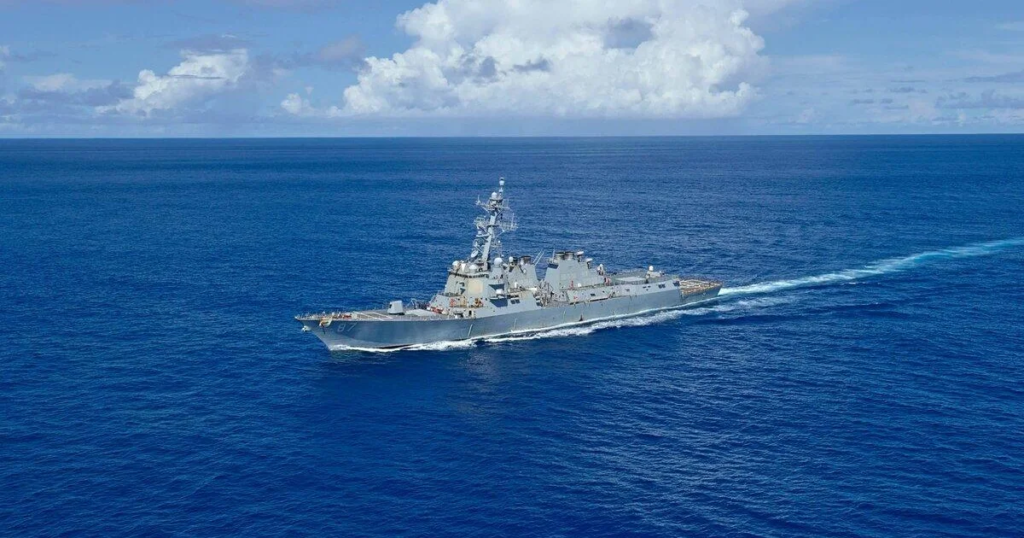
Britain is sending a warship to the Middle East to position itself for a potential multinational mission to protect commercial shipping through the Strait of Hormuz, the Ministry of Defence confirmed Saturday — a move that signals London and Paris are preparing military options for the moment diplomacy creates the conditions to act.

HMS Dragon, a Type 45 air defense destroyer based in Portsmouth with a crew of 200, will move from the Eastern Mediterranean, where it has been stationed since March following the outbreak of the U.S.-Iran war, to a forward position in the region. The ship has spent recent weeks conducting weapons testing off the coast of Crete after briefly returning to port last month for maintenance following a fault with its water systems.

“The pre-positioning of HMS Dragon is part of prudent planning that will ensure that the UK is ready, as part of a multinational coalition jointly led by the UK and France, to secure the strait, when conditions allow,” a Ministry of Defence spokesperson said Saturday.

The deployment is defensive in its stated purpose. Britain and France are not moving to force the strait open — that is the American approach, which stumbled badly last week when Trump’s “Project Freedom” operation produced two ship transits and a set of burning Iranian boats before being suspended within 48 hours. What London and Paris are building is something different: a peacekeeping framework designed to restore commercial confidence in the waterway once a diplomatic agreement creates the space to operate.

The Franco-British Plan

France moved its carrier strike group to the southern Red Sea earlier, and Saturday’s HMS Dragon announcement fits into a coordinated posture the two countries have been quietly assembling for weeks. Prime Minister Keir Starmer and French President Emmanuel Macron have championed the multinational coalition concept, which would see participating nations deploy vessels as a protective escort force for commercial shipping transiting the strait.

At least a dozen countries have indicated willingness to take part in the framework, according to the Ministry of Defence. Sky News reported the figure could ultimately reach 40 participating nations.

The plan requires something the current moment does not yet provide: Iranian consent, or at least the absence of Iranian military opposition. Coordinating passage with Tehran is built into the framework’s design. That makes it fundamentally different from the American unilateral approach and far more dependent on the outcome of peace negotiations still grinding through Pakistani mediation.

A defense source told The Sun the reasoning behind Dragon’s repositioning directly. “Dragon is a highly capable warship, so naturally she is likely to be part of our UK contribution to restoring confidence for global trade through the strait. This move is all about being prepared, should the conditions allow for our coalition to begin its work. The UK and France will continue to lead these efforts, turning diplomatic consensus into military options.”

Washington’s Shadow

The British deployment carries a second dimension that neither London nor Washington has articulated publicly but that sits just beneath the surface of Saturday’s announcement.

U.S. Defense Secretary Pete Hegseth declared last week that American forces would not guard the Strait of Hormuz indefinitely. Announcing the short-lived Project Freedom operation, Hegseth said the world needed the waterway far more than the United States did and that it was time for other nations to step up. Trump has repeatedly criticized NATO allies, including Britain, for not contributing enough to shared security burdens.

By sending HMS Dragon and publicly committing to coalition leadership alongside France, Britain is doing precisely what Washington asked — while doing it on terms that preserve London’s ability to coordinate with both the Americans and the European partners that have been more cautious about the U.S. military approach to the strait.

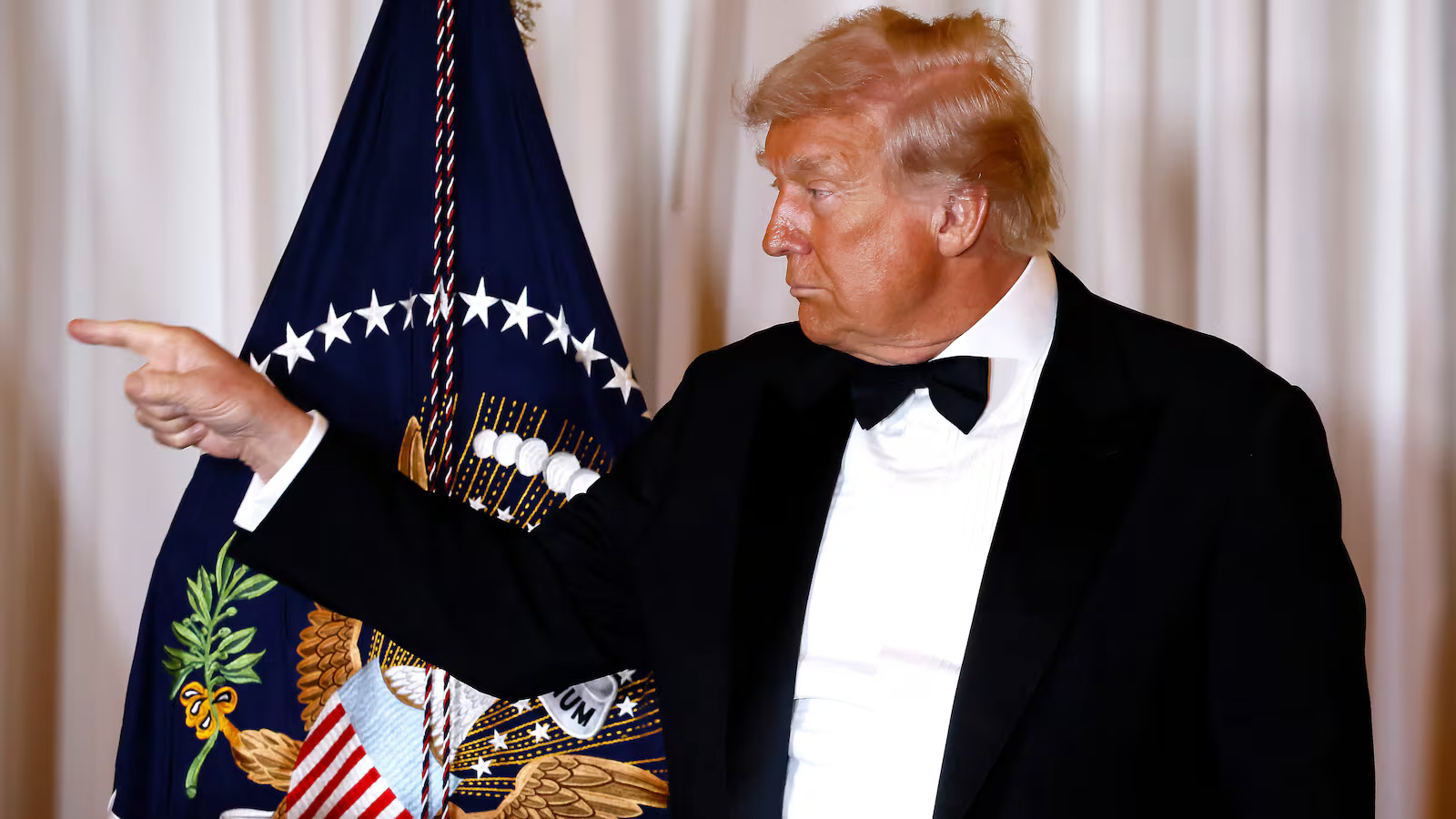
Trump met with King Charles during the British state visit this week and described the relationship warmly. Saturday’s deployment gives that diplomatic warmth a tangible military expression.

The Royal Navy’s Limits

Britain’s announcement comes with an honest acknowledgment that the Royal Navy is not what it once was. The Ministry of Defence confirmed that the UK’s ability to participate in any protective mission will be constrained by a fleet that has shrunk significantly in recent decades and has had to retire vessels before replacements entered service.

HMS Dragon is one of six Type 45 destroyers in the Royal Navy’s inventory — ships designed primarily for air defense and regarded as among the most capable in their class globally. The 500-foot vessel carries sophisticated missile systems suited to defending against exactly the kind of drone and missile attacks Iran has used against commercial shipping throughout the war.

Whether Dragon’s capabilities translate into meaningful deterrence in the strait will depend heavily on the rules of engagement any coalition agrees to, the legal framework governing the mission, and — above all — whether the U.S.-Iran negotiations produce an agreement that permits coalition forces to operate without becoming targets themselves.

Where Talks Stand

The diplomatic backdrop to Saturday’s deployment is a peace process that has moved haltingly through Pakistani mediation and produced one round of direct U.S.-Iran talks without a follow-up meeting. Iran submitted a 14-point proposal. The U.S. responded through Pakistani intermediaries. Tehran said Friday it had not yet reached a conclusion.

Trump said Friday he was expecting a letter from Iran. “I’m getting a letter supposedly tonight,” he told reporters. “We’ll find out soon enough.”

The U.S. has made clear that any durable ceasefire must address Iran’s nuclear program — a demand Tehran has insisted on deferring until after a basic war-ending agreement is in place. That gap has not closed. The ceasefire that took effect April 7 has largely held but has been punctuated by exchanges of fire, including Thursday’s confrontation in the strait involving three U.S. Navy destroyers and Iranian missiles, drones, and small boats.

Oil prices have surged as much as 40 percent since the war began, with direct effects on fuel costs for British consumers and businesses — a domestic economic pressure that gives Starmer’s government its own reasons to want the strait reopened quickly, beyond the alliance obligations that frame the public announcement.

Coalition Building as Strategic Patience

The HMS Dragon deployment reflects a bet that the strait will eventually reopen — not by force, but by agreement — and that the country positioned to lead the protective framework when that moment arrives will have disproportionate influence over how global shipping through the world’s most critical energy chokepoint is governed going forward.

Britain and France are playing a longer game than the Americans. Where Washington attempted to force the issue with destroyers and sank six Iranian boats for its trouble before suspending the operation, London and Paris are assembling the diplomatic and military infrastructure for the day after a deal is signed. That is a fundamentally different strategic calculation, and it reflects the different positions the two European powers occupy — close enough to Washington to maintain the alliance, distant enough from the U.S.-Iran conflict to position themselves as stabilizers rather than combatants.

The risk in that approach is timing. If negotiations collapse and the conflict escalates rather than resolves, a coalition designed for peacekeeping finds itself in a war it was never configured to fight. HMS Dragon is an air defense destroyer, not a strike platform. Its presence signals reassurance, not coercion.

For now, that distinction is the point. Britain is telling the world — and telling Tehran — that it is preparing to help reopen the strait, not to close it further. Whether Iran reads that signal the way London intends will go a long way toward determining whether HMS Dragon’s Middle East deployment ends as a peacekeeping success or simply another ship waiting for a deal that never comes.

TheSun/Reuters

Suicide Car Bomb and Gunfire Kill 3 Police Officers in Northwest Pakistan Assault

0

A suicide attacker and armed fighters launched a coordinated assault on a police installation in northwest Pakistan late Saturday, killing at least three officers and triggering a prolonged exchange of gunfire, authorities said.

The attack unfolded in Bannu, a district in Khyber Pakhtunkhwa near the Afghan border, when an explosives-filled vehicle detonated near a security post, said local police official Zahid Khan. The blast was followed by heavy gunfire as additional attackers opened fire on security personnel.

Multiple explosions were heard across the area, and the force of the initial detonation caused significant destruction. Parts of the police facility and several nearby homes collapsed, trapping some officers under debris, officials said. Emergency crews and reinforcements were deployed as the confrontation continued into the night.

Authorities did not immediately release a full casualty count, but indicated that several officers were wounded in addition to those killed. Rescue teams were working to reach individuals believed to be trapped beneath the rubble.

No group claimed responsibility in the immediate aftermath. However, suspicion is expected to fall on Tehrik-e-Taliban Pakistan, a network that has carried out similar attacks in the region. The group is separate from but aligned with the Afghan Taliban, which returned to power in neighboring Afghanistan in 2021.

Accounts carried by Pakistan Today described a vehicle being driven directly into the Fateh Khel police station before detonating, followed by sustained gunfire from multiple directions. The sequence of blasts sent shockwaves through surrounding neighborhoods, with residents reporting panic and widespread damage.

Police said additional units were rushed to the scene, and a broader security operation was launched across the district. Sajjad Khan led the response, coordinating efforts to secure the area and pursue the attackers. Authorities sealed off the vicinity and initiated a search for any suspects who may have fled.

Hospitals across Bannu declared an emergency to handle casualties, while security checkpoints were reinforced throughout the city. Officials said local residents assisted emergency responders, providing support during rescue and recovery efforts.

The assault came amid a series of recent security incidents in Bannu. Just one day earlier, an explosion in a residential neighborhood injured eight people after a drone crashed and detonated, according to police. The device was said to have entered the area from an unknown direction before exploding near homes.

In recent months, Bannu has experienced repeated attacks targeting both civilians and security personnel. Police installations and community leaders have been frequent targets, prompting ongoing operations aimed at disrupting militant networks in the region.

Authorities said investigations into Saturday’s attack were ongoing, and additional details would be released as the situation becomes clearer.

The deadly assault in Bannu reflects a broader pattern of escalating violence in northwest Pakistan, particularly in Khyber Pakhtunkhwa, where militant groups have intensified operations in recent years. The use of a suicide vehicle bomb combined with coordinated gunfire underscores a shift toward more complex, high-impact attacks designed to overwhelm security forces.

The likely involvement of Tehrik-e-Taliban Pakistan highlights ongoing challenges faced by Pakistani authorities in containing insurgent activity along the Afghan border. Since the change in leadership in Afghanistan in 2021, cross-border dynamics have shifted, with militant groups exploiting porous الحدود and difficult terrain to regroup and launch operations.

The targeting of police installations is particularly significant. Such attacks not only aim to inflict casualties but also to undermine public confidence in local security structures. When stations and checkpoints—symbols of state authority—are hit, it can have a psychological impact far beyond the immediate damage.

The destruction of nearby homes also points to the broader toll on civilians. In areas like Bannu, where residential zones often sit close to security facilities, attacks can quickly spill over into surrounding communities. This raises concerns about urban planning, civilian protection and the placement of sensitive installations.

Another notable element is the rapid mobilization of emergency services and the declaration of hospital alerts. While these responses demonstrate preparedness, they also highlight the frequency with which such incidents occur. Repeated emergencies can strain medical infrastructure, particularly in regions already facing resource constraints.

The earlier drone-related explosion adds another layer of complexity. If confirmed as part of a broader pattern, it suggests that militant tactics may be diversifying beyond traditional methods. The use of aerial devices, even in rudimentary form, could signal an evolving threat landscape that requires new countermeasures.

Looking ahead, the attack is likely to intensify pressure on Pakistan’s security agencies to strengthen intelligence gathering and border control. It may also prompt calls for greater coordination between military and civilian authorities to address both immediate threats and underlying drivers of militancy.

At a strategic level, the incident reinforces the fragile security environment in northwest Pakistan. Despite ongoing operations, militant groups retain the capability to stage high-profile attacks. The challenge for authorities will be not only to respond effectively in the short term but also to implement long-term measures that reduce the frequency and impact of such violence.

AP/PakistanToday

Frontier Jet Strikes, Kills Trespasser on Denver Runway During Takeoff

0

A person died after being struck by a departing Frontier Airlines jet late Friday at Denver International Airport, authorities said, in a dramatic runway incident that forced an emergency evacuation of passengers and prompted a federal investigation.

Airport officials said the aircraft, operating as Flight 4345 and bound for Los Angeles International Airport, hit a pedestrian at about 11:19 p.m. local time as it began takeoff. The collision triggered an engine fire, which crews later extinguished.

The individual, who has not been identified, had entered the airfield by climbing a perimeter fence minutes before the crash and was pronounced dead at the scene. Officials indicated the person was not an airport employee.

The Federal Aviation Administration and the National Transportation Safety Board have opened investigations into the incident.

Passengers described confusion and fear inside the cabin as the situation unfolded. Video recorded by travelers and shared online captured a loud impact followed by panic among those on board. Several passengers told local broadcaster KUSA that smoke quickly filled the cabin after the aircraft briefly lifted off before the pilots halted the takeoff.

One passenger recounted that breathing became difficult as smoke spread, while others described hearing a loud bang and seeing flames from the engine. Some said they feared for their lives as the aircraft came to a stop on the runway.

The airline confirmed the aircraft, an Airbus A321, was carrying 224 passengers and seven crew members. Pilots aborted the takeoff after the collision and initiated an emergency evacuation. Passengers exited using inflatable slides as emergency crews responded.

Airport authorities said 12 people sustained minor injuries during the evacuation, with five transported to nearby hospitals for evaluation. Emergency responders later moved passengers back to the terminal by bus.

In a statement, Frontier Airlines said it was cooperating with investigators and expressed condolences over the fatality. The carrier noted that smoke had been reported in the cabin but did not confirm whether it was directly linked to the collision.

Air traffic control recordings reviewed by The Associated Press captured the pilot informing controllers that the aircraft had struck an individual on the runway and was experiencing an engine fire. The crew also reported smoke inside the cabin and requested emergency assistance as they prepared to evacuate.

Transportation Secretary Sean Duffy said the individual had deliberately breached airport security by scaling a fence and entering an active runway area. He emphasized that unauthorized access to airfields poses serious risks and urged the public to avoid restricted zones.

Airport officials temporarily closed Runway 17L following the incident. Operations resumed Saturday morning after authorities secured the area and began preliminary reviews.

The Association of Flight Attendants-CWA praised the actions of the flight crew and first responders, saying their quick response prevented the situation from escalating further and ensured the safe evacuation of everyone on board.

The incident occurred one day after a separate fatal workplace accident involving an airline employee at Orlando International Airport, underscoring a series of recent safety concerns at major U.S. aviation hubs.

The fatal runway collision at Denver International Airport highlights a rare but deeply concerning vulnerability in airport security systems. Modern airports are designed with multiple layers of protection, including perimeter fencing, surveillance systems and patrols, yet this incident demonstrates that breaches, while uncommon, can still occur with deadly consequences.

Runway incursions involving unauthorized individuals are among the most dangerous scenarios in aviation safety. Aircraft during takeoff operate at high speeds, leaving pilots with little time to react to unexpected obstacles. Even a brief intrusion can result in catastrophic outcomes, as seen in this case.

The presence of smoke inside the cabin following the collision adds another layer of concern. While it remains unclear whether the engine fire was directly caused by the impact, such events can quickly escalate into life-threatening emergencies. The orderly evacuation suggests that crew training and emergency protocols functioned effectively under pressure, likely preventing further injuries or fatalities.

This incident may prompt renewed scrutiny of airport perimeter security nationwide. Authorities could consider additional measures such as enhanced surveillance technology, motion detection systems or increased patrol frequency, particularly in high-traffic areas. The balance between maintaining open, accessible infrastructure and ensuring strict security will likely be a key focus in the aftermath.

There are also broader implications for passenger confidence. While aviation remains one of the safest forms of travel, highly visible incidents—especially those captured on video and widely shared—can influence public perception. Transparent investigations and clear communication from regulators will be essential in maintaining trust.

The involvement of federal agencies such as the Federal Aviation Administration and the National Transportation Safety Board signals that a comprehensive review will follow. Findings from these inquiries could lead to updated safety recommendations, not only for Denver but for airports across the country.

Ultimately, the tragedy underscores how a single breach of security can ripple across multiple systems—affecting passengers, crew, emergency responders and airport operations. It also serves as a reminder of the critical importance of maintaining strict control over restricted areas in aviation environments.

AP/NBC

Hantavirus Spreads Beyond Cruise Ship to Spain and Remote Atlantic Island as Experts Warn U.S. Health Cuts Are Crippling the American Response

0

A hantavirus outbreak that began aboard a Dutch cruise ship in Antarctic waters has reached Spain and one of the world’s most remote inhabited islands, health officials confirmed Friday, as the virus claimed three lives and exposed a widening gap in America’s ability to respond to infectious disease threats at a moment when its public health infrastructure has been hollowed out by federal cuts.

Two suspected cases emerged Friday far from the MV Hondius, the Dutch-flagged vessel where the outbreak originated. A 32-year-old woman in the southeastern Spanish province of Alicante developed symptoms consistent with hantavirus infection after sitting two rows behind a Dutch woman on a plane — a woman who had contracted the virus aboard the ship and fell ill before the flight departed Johannesburg on April 25. That Dutch woman later died at a hospital.

On the remote South Atlantic island of Tristan da Cunha, a British man who had been a passenger on the Hondius developed suspected symptoms. The island, home to roughly 200 people and located more than 1,500 miles from its nearest inhabited neighbor, sits halfway between South Africa and South America — reachable only by a six-day boat journey. Britain’s Health Security Agency confirmed the suspected case without providing further details.

The World Health Organization had tallied eight people who fell ill aboard the Hondius itself. Six of those cases have been confirmed as hantavirus. Three people have died — a Dutch couple and a German national. Four others, including two British nationals, a Dutch person, and a Swiss national, remained hospitalized Friday in the Netherlands, South Africa, and Switzerland.

The Hondius was en route to Tenerife in the Canary Islands and was expected to dock early Sunday. Arriving passengers and crew will be screened before disembarking under guidelines being finalized by the WHO and other health agencies.

How the Outbreak Started

The Hondius sailed from Argentina in March carrying 147 passengers and crew, with stops in Antarctica and other locations before heading north toward Cape Verde off the west coast of Africa. A cluster of severe respiratory illnesses among passengers was first reported to the WHO on Sunday. By that point, 34 other passengers had already left the ship and returned to their home countries.

Testing determined that the Hondius outbreak — the first documented hantavirus outbreak on a ship — involves the Andes virus, the only strain of hantavirus known to transmit between humans, though only through close and prolonged contact. The WHO’s Anais Legand, a technical officer for viral threats, said Friday the risk to the general public remained low.

“Based on the dynamics of this outbreak, based on how it is spreading and not spreading amongst the people on the ship, the people who have disembarked as well, we continue to consider the risk as low for the general population,” Legand said in an online briefing.

The WHO puts the fatality rate among infected people in the United States at up to 50 percent. The CDC has classified the outbreak as a Level 3 emergency response — the lowest level of emergency activation. Oceanwide, the cruise operator, said Thursday that no passengers or crew with active symptoms remained aboard the vessel.

The CDC announced Friday that it would dispatch staffers to meet the ship in the Canary Islands and escort American passengers home on a charter medical repatriation flight. Those passengers are expected to be quarantined at the University of Nebraska in Omaha. Seventeen U.S. citizens were aboard the Hondius, Oceanwide confirmed.

The Plane Transmission Question

The Spanish case is the one drawing the most scrutiny from epidemiologists. The woman in Alicante did not board the cruise ship. She sat near a confirmed patient on a commercial flight. The Andes virus is not considered an airborne pathogen in the conventional sense — it spreads through close and prolonged contact, not casual proximity. Whether the Alicante case represents genuine plane transmission or reflects some other exposure will be critical to understanding how the outbreak behaves outside the ship environment.

WHO officials have been careful not to draw firm conclusions before testing is complete. The Spanish woman had mild respiratory symptoms and was being evaluated at a hospital, the regional health department confirmed.

Maria Van Kerkhove, director of epidemic and pandemic management at the WHO, tried to frame the outbreak clearly at a Thursday briefing. “This is not Covid, this is not influenza. It spreads very, very differently,” Van Kerkhove said. “This is not the same situation we were in six years ago. It’s very different.”

A similar outbreak in Argentina in late 2018 and early 2019 eventually infected 34 people and killed 11. WHO officials believe the current outbreak is following a comparable pattern — with transmission originating from the first cases and spreading to those who had very close contact, including a ship’s doctor who treated early patients.

America’s Missing Response

While health agencies in Europe coordinated rapidly — the European Centre for Disease Prevention and Control deployed two Dutch physicians and an infectious disease expert directly to the ship — the United States response was notably slower and considerably less visible.

The CDC did not hold a public briefing. It did not create a resource page for the public. Its top officials did not appear on television to address the American public’s risk. The agency’s first press release on the matter arrived Wednesday evening, days into the outbreak, and was a single short statement.

More striking still: the U.S. Department of State, not the CDC, is leading the American response. That is not how outbreaks of this kind are typically handled.

Boghuma Titanji, an infectious disease physician and assistant professor at Emory School of Medicine, called the silence damaging in itself. “Radio silence from officials is one of the most concerning parts of the outbreak because it just fuels public anxiety,” Titanji said. “People are still reeling from the trauma that was Covid-19, and a lot of people who experienced that still have a degree of PTSD. So it’s very hard to not spiral.”

Titanji said the CDC would normally have been the first call for any physician encountering a hantavirus patient. “When it comes to rare diseases that a physician might only encounter once or twice in their career, the first step is usually to call the CDC for advice on how to test and diagnose and how to contain further transmission. We’re losing that type of support.”

The CDC did not respond to questions from the Guardian about whether the agency had adequate testing and laboratory capacity for hantavirus, what precautions returning passengers had been advised to follow, or how local health providers would be supported if they encountered patients.

The Cuts Behind the Silence

The muted American response is not incidental. It is structural. Under the Trump administration, U.S. health agencies have been cut deeply and repeatedly. All full-time cruise ship inspectors at the CDC were laid off last year while the agency was actively investigating two separate outbreaks. Laboratory staff have been reduced significantly. Testing capacity for multiple pathogens has been paused or eliminated — states can no longer send samples to the CDC for certain viral testing, and rabies testing at the agency was temporarily halted in April.

Trump withdrew the United States from the WHO shortly after taking office, removing American leadership and institutional presence from the global response coordination body at the precise moment it was managing a novel ship-based outbreak. The White House also issued an executive order in May curtailing research on certain viruses, and the National Institutes of Health made sweeping cuts to virology research.

Bill Hanage, professor of epidemiology at the Harvard T.H. Chan School of Public Health, said his personal concern about this specific outbreak was near zero — but his concern about the system supposed to contain it was something else entirely.

“It’s very important to be doing some extremely aggressive contact tracing of everybody who left the boat, and they should be quarantined,” Hanage said. He noted that the multi-country, multi-jurisdiction nature of the Hondius outbreak made coordination harder than the Argentina case. “It may take more time to coordinate an adequate response.”

Hanage also flagged a risk that goes beyond this particular virus. Given the erosion of public trust in health institutions following the pandemic, “it remains to be seen” how closely people will follow guidance — and how willing officials will be to implement containment measures after the political backlash to COVID restrictions.

WHO Director-General Tedros Adhanom Ghebreyesus used the outbreak Friday to make a broader argument about what happens when international health cooperation breaks down. “Any vacuum, any space which is not covered, actually gives advantage to the virus,” Tedros said. He expressed hope that the U.S. and Argentina — which has also stepped back from WHO engagement — would reconsider. “The best immunity we have is solidarity.”

Analysis: A Test Run for Something Worse

Hantavirus, experts are clear, is not a pandemic-level threat. The Andes strain can spread between humans but does so only through prolonged close contact and has never produced sustained community transmission outside contained outbreak settings. The WHO’s assessment that public risk remains low is grounded in decades of outbreak data and is not spin.

But the significance of this outbreak is not the virus itself. It is what the response reveals about readiness for something worse.

Titanji put it plainly. “If we had a significant outbreak of a high-consequence pathogen, it would be very, very concerning to see what the response and the leadership of that response would be.”

The United States has gutted its cruise ship inspection capacity, reduced laboratory testing capability, withdrawn from the WHO, restricted virology research, and left public health communication during a live international outbreak to the State Department. Those are not circumstances that emerged by accident. They are the cumulative result of deliberate policy choices made over the past year.

Passengers from 12 countries disembarked the Hondius before the outbreak was identified and are now home across multiple continents. Tracking them, testing their close contacts, and breaking any chains of transmission that may have started on the plane or at the baggage carousel is exactly the kind of painstaking, multinational public health work that international institutions exist to coordinate.

The world is doing that work. America is watching from the outside.

Reuters/TheGuardian

Former Botswana President Festus Mogae Dies at 86

0

Former Botswana president Festus Mogae has died at the age of 86 following a short illness, government officials announced Thursday, marking the passing of a leader widely credited with strengthening economic stability and democratic governance in the southern African nation.

Festus Mogae served as Botswana’s third president from 1998 to 2008, a decade during which the country reinforced its reputation as one of Africa’s most stable democracies. Authorities declared three days of national mourning, while President Duma Boko paid tribute to him as a dedicated public servant and patriot.

Born on Aug. 21, 1939, in Serowe, Festus Mogae pursued studies in economics in the United Kingdom before entering public service shortly after Botswana gained independence in 1966. He joined the Ministry of Finance and Development Planning in 1968 and steadily rose through senior roles, including central bank governor, finance minister and vice president.

He assumed the presidency on April 1, 1998, succeeding Quett Masire in a peaceful transfer of power that underscored Botswana’s democratic traditions. After completing the constitutionally mandated two terms, he handed leadership to his vice president, Ian Khama, in 2008.

During his tenure, Botswana continued to experience sustained economic expansion, driven largely by diamond revenues and prudent fiscal management. The country, once among the world’s poorest at independence, saw significant improvements in infrastructure, public services and financial stability under his leadership.

Beyond economic policy, Festus Mogae gained international recognition for confronting the HIV crisis at a time when Botswana faced one of the highest infection rates globally. His administration introduced one of Africa’s most comprehensive national responses, including expanded access to treatment and public awareness campaigns.

In recognition of his leadership, he was awarded the Mo Ibrahim Prize for Achievement in African Leadership in 2008, honoring his commitment to governance, transparency and economic progress during a period of significant public health challenges.

After leaving office, Festus Mogae remained active in international diplomacy. He played a key role in efforts to stabilize South Sudan, serving as chairperson of the Joint Monitoring and Evaluation Commission from 2015 to 2018. In that role, he oversaw the implementation of a peace agreement aimed at ending conflict in the young nation, though the deal later faced setbacks, as noted by Radiotamazuj.

Botswana’s government confirmed his death and highlighted his long record of public service. Duma Boko described him as a statesman whose contributions helped shape the country’s modern identity.

According to Reuters, Festus Mogae earned widespread respect for his stewardship of Botswana’s economy and his direct approach to tackling the HIV crisis, which brought global attention to the country’s public health efforts.

He is survived by his wife and three daughters.

The death of Festus Mogae marks the end of an era for Botswana, a country often cited as a model of political stability and economic management in Africa. His presidency came at a critical time when Botswana needed to transition from early post-independence growth into a more mature and diversified economy.

Mogae’s economic policies reflected a cautious but effective approach. By maintaining fiscal discipline and leveraging diamond revenues responsibly, his administration avoided many of the economic pitfalls that have affected other resource-rich nations. His tenure reinforced Botswana’s reputation for transparency and low corruption, factors that continue to attract investment.

Equally significant was his response to the HIV crisis. At a time when stigma and denial hindered action in many countries, Mogae’s government openly addressed the epidemic and prioritized treatment. This approach not only saved lives but also helped stabilize the workforce and economy, demonstrating how public health policy can directly influence national development.

His involvement in South Sudan’s peace process highlights another dimension of his legacy. Although the agreement he helped oversee did not fully succeed, his role reflected a broader trend of African leaders contributing to conflict resolution efforts across the continent. It also underscored the challenges of sustaining peace in regions with deep political divisions.

Botswana’s continued stability after his departure suggests that the institutions strengthened during his presidency have endured. Peaceful transfers of power and adherence to constitutional limits remain key features of the country’s political system, setting it apart in a region where such transitions are not always guaranteed.

Looking ahead, Mogae’s legacy may serve as a benchmark for leadership in resource management, public health response and democratic governance. His tenure illustrates how consistent policy, institutional integrity and long-term planning can produce lasting national benefits.

At a broader level, his death invites reflection on leadership transitions across Africa. As a generation of post-independence leaders and their successors pass from the scene, questions about continuity, reform and governance remain central to the continent’s future.

Reuters/Radioatamazuj

Tensions Surge as Iran Seizes Tanker and U.S. Disables Vessels Near Strait of Hormuz

0

Iranian forces have seized an oil tanker in the Gulf of Oman while the United States military says it disabled two vessels attempting to reach Iranian ports, marking a sharp escalation in already fragile conditions surrounding a ceasefire effort between the two sides.

Iran’s elite military unit, the Islamic Revolutionary Guard Corps, announced Friday that it had taken control of a tanker identified as the Ocean Koi during what it described as a targeted naval operation. Officials claimed the vessel was intercepted for allegedly attempting to interfere with Iran’s oil exports and economic interests.

State media released footage showing armed personnel boarding the ship and detaining its crew. Shipping data indicates the vessel is registered in Barbados.

At nearly the same time, U.S. Central Command disclosed that American forces had disabled two Iranian flagged tankers in the same region. The military said the vessels were attempting to access Iranian ports in violation of an ongoing maritime blockade.

Admiral Bradley Cooper stated that U.S. forces remain committed to enforcing restrictions on maritime traffic linked to Iran, emphasizing continued monitoring and intervention in the region.

The developments followed a direct exchange of fire between U.S. and Iranian forces in the Strait of Hormuz just hours earlier. The confrontation raised fresh concerns about the stability of a temporary halt in fighting and the prospects for a longer term agreement.

President Donald Trump said Iran had launched attacks against three U.S. Navy destroyers operating in the strait. Iranian military officials countered with claims that U.S. forces struck an Iranian tanker and another vessel, resulting in injuries to several sailors and leaving others unaccounted for.

Iran’s joint military command also accused the United States of carrying out airstrikes on civilian locations on Qeshm Island, a strategically important area at the entrance to the Strait of Hormuz. In response, Iranian forces said they targeted U.S. naval assets positioned east of the strait and near the port city of Chabahar.

Despite the exchange, President Donald Trump downplayed the incident, describing it as limited and not indicative of a breakdown in the ceasefire. U.S. Secretary of State Marco Rubio indicated that Washington is still awaiting Tehran’s response to a proposed framework aimed at ending the conflict.

Diplomatic efforts continued behind the scenes. Vice President JD Vance held talks in Washington with Mohammed bin Abdulrahman Al Thani, focusing on mediation initiatives led by Pakistan to reduce tensions and encourage negotiations.

Iran’s foreign ministry signaled that it is reviewing the proposal and weighing its response. A spokesperson warned that Iranian forces remain on alert and prepared to respond to any perceived threats.

The seizure of a tanker and the disabling of vessels highlight a dangerous phase in the confrontation between Iran and the United States, where maritime control has become a central tool of pressure. The Strait of Hormuz, through which a significant share of global oil shipments typically passes, is once again at the center of geopolitical tension.

Iran’s actions suggest a shift toward more assertive enforcement of its influence over nearby waterways. By intercepting vessels and signaling new oversight measures, Tehran appears to be attempting to reshape the rules governing maritime movement in the region. This approach may serve both strategic and symbolic purposes, reinforcing claims of sovereignty while demonstrating operational capability.

From the U.S. perspective, disabling vessels tied to Iran reflects a continuation of efforts to limit Tehran’s economic and logistical reach. The enforcement of a blockade underscores Washington’s strategy of applying pressure without necessarily escalating into full scale conflict.

The exchange of fire, even if described as limited by officials, underscores how quickly tensions can rise. Incidents in narrow waterways like the Strait of Hormuz carry heightened risks because of the density of military and commercial traffic. A single miscalculation could disrupt global energy supplies and trigger broader instability.

Diplomatic efforts appear to be running parallel to these confrontations. The involvement of regional mediators, including Qatar and Pakistan, indicates that multiple actors are attempting to prevent further escalation. However, the effectiveness of these efforts depends on both sides demonstrating restraint while negotiations continue.

The broader implication is that maritime security has become a key bargaining chip. Control over shipping routes allows both Iran and the United States to exert influence beyond direct military engagement. For Iran, asserting authority over passage through the strait could strengthen its negotiating position. For the United States, maintaining a blockade reinforces its leverage in talks.

Energy markets are likely to remain sensitive to these developments. Any sustained disruption in the Strait of Hormuz could drive up oil prices and affect global supply chains. Even the perception of instability can influence market behavior, highlighting the economic stakes tied to the conflict.

The situation also reflects a pattern seen in past confrontations, where limited military actions coexist with ongoing diplomatic outreach. This dual track approach creates uncertainty, as progress in negotiations can be undermined by incidents at sea.

Looking ahead, the trajectory of the conflict will likely depend on whether both sides can separate military signaling from diplomatic engagement. If maritime confrontations continue, they could erode trust and complicate efforts to reach a lasting agreement.

Aljazeera

Chad Court Sentences 8 Opposition Figures to Prison in Crackdown Over Alleged Insurrection

0

A court in Chad’s capital has handed eight opposition leaders prison terms of eight years each after convicting them of charges that include insurrection, marking a significant escalation in the government’s confrontation with political dissent.

The ruling, delivered Friday by the High Court in N’Djamena, also found members of the opposition coalition known as the Political Actors Consultation Group (GCAP) guilty of rebellion and disrupting public order. Each of the defendants was additionally ordered to pay a fine of 500,000 Central African francs, equivalent to about $897.

The court’s decision follows the arrest of the group’s leaders last month. Prosecutors had sought harsher penalties, asking the court to impose 10-year prison sentences.

The case centers on GCAP’s sustained criticism of President Mahamat Idriss Deby and its call for a boycott of the country’s 2024 election. Authorities dissolved the coalition in April through a ruling by the Chadian Supreme Court, effectively banning its activities.

Defense representatives strongly rejected the verdict. Adoum Moussa, speaking on behalf of the legal team, said the convictions were unfounded and expressed disappointment with the outcome. He argued that the charges lacked substance and questioned the legal basis for the decision.

The sentencing adds to a broader pattern of legal actions targeting opposition figures in Chad. Following the most recent election cycle, several prominent political figures have faced prosecution or imprisonment. In October of last year, former prime minister Succes Masra received a 20-year prison sentence, further underscoring the tense political environment.

Authorities have not publicly detailed the specific acts that led to the insurrection charges in this case, but the government has consistently maintained that actions threatening national stability will face firm consequences.

The developments have drawn attention from observers monitoring political freedoms in the country. Chad has experienced ongoing political strain since Mahamat Idriss Deby assumed leadership following the death of his father, longtime ruler Idriss Deby, in 2021. The transition period has been marked by calls for democratic reforms alongside periodic unrest.

The sentencing of eight opposition leaders signals a deepening divide between Chad’s ruling authorities and political challengers. While the government frames such actions as necessary to maintain order, critics argue that these prosecutions reflect a narrowing space for dissent.

The use of charges such as insurrection and rebellion carries significant weight. These accusations often imply threats to national security, which can justify severe penalties under the law. However, in politically sensitive contexts, such charges can also raise concerns about their application against critics rather than armed actors.

GCAP’s dissolution and the subsequent imprisonment of its leaders point to a broader strategy aimed at weakening organized opposition. By removing structured political groups, authorities may reduce the ability of critics to coordinate campaigns or mobilize supporters. This could shape the political landscape ahead of future elections, potentially limiting competitive participation.

The earlier sentencing of Succes Masra reinforces this pattern. High-profile convictions send a strong signal to other opposition figures about the potential consequences of challenging the government. At the same time, such actions can heighten tensions and risk fueling further unrest, especially if segments of the population perceive the judicial process as politicized.

From a regional perspective, Chad plays a strategic role in Central Africa, particularly in security cooperation and counterinsurgency efforts. Stability within the country is closely watched by neighboring states and international partners. However, stability achieved through strict control of political opposition may come at the cost of long-term democratic development.

The timing of the crackdown also matters. With the political climate still shaped by the aftermath of leadership transition and election disputes, the imprisonment of opposition figures could influence public confidence in governance. It may also affect Chad’s relations with international organizations that prioritize democratic standards and human rights.

Another key implication lies in the judiciary’s perceived independence. Court rulings in politically charged cases often become a measure of institutional credibility. If the public or external observers question the fairness of such proceedings, it can erode trust in the legal system.

At the same time, governments facing internal challenges frequently emphasize the need to prevent disorder. Authorities may argue that strong measures are required to avoid instability, particularly in regions already dealing with security threats. This creates a delicate balance between maintaining order and protecting political freedoms.

Looking ahead, the impact of these sentences will likely extend beyond the individuals involved. The decision may shape how opposition movements organize, how citizens engage in political discourse, and how the international community evaluates Chad’s governance trajectory.

The Associated Press

Israeli Strike Kills Son of Hamas Negotiator as Gaza Violence Persists Despite Fragile Ceasefire

0

The son of senior Hamas negotiator Khalil al-Hayya has died after being wounded in an Israeli strike in Gaza, the group said Thursday, as renewed violence underscored the fragility of a ceasefire meant to halt months of devastating conflict.

Hamas said the negotiator’s 32-year-old son, Azzam al-Hayya, was injured in a strike in Gaza City a day earlier that also killed another person and left several others wounded. He later died from his injuries. The Israeli military has not issued a statement on the strike.

The elder Khalil al-Hayya, a central figure in ceasefire negotiations, is believed to be outside Gaza. His family’s loss comes as indirect talks over a longer-term truce remain stalled, with both sides accusing each other of failing to meet key commitments.

In a separate development, an Israeli strike killed three Hamas-affiliated security personnel at a guard position in Gaza, hospital officials confirmed. A fourth individual sustained critical injuries, while Hamas authorities said the location targeted functioned as part of their internal security structure. The Israeli military said it struck what it described as a Hamas command site.

The renewed strikes come months after a United States-mediated ceasefire agreement halted large-scale operations in October following Hamas’ October 7, 2023, attack on Israel, which ignited the war. That agreement also led to the release of hostages captured during the initial assault.

Despite the truce, Israel has continued targeted operations against what it identifies as militant infrastructure. These actions have frequently resulted in civilian casualties, reflecting the ongoing volatility across the territory.

Hamas has accused Israel of attempting to influence negotiations through targeted killings, including attacks on relatives of senior figures. It remains unclear whether Azzam al-Hayya was the intended target of the strike.

In remarks broadcast by Al Jazeera before his son’s death, Khalil al-Hayya said that if his son had been deliberately targeted, it would be considered a sacrifice shared by many Palestinians. He reiterated that Hamas would only engage in discussions about disarmament after Israel fulfills earlier ceasefire conditions, including a complete halt to hostilities and expanded humanitarian aid.

The conflict has already claimed the lives of several senior Hamas figures and their relatives over the years. Another son of the negotiator, Hammam, was killed in a previous strike targeting Hamas leaders abroad.

At Gaza’s Shifa Hospital, the negotiator’s daughter said the family’s loss would not alter their stance. She described the suffering as part of a broader national struggle, emphasizing that many families across Gaza have endured similar tragedies.

The humanitarian situation in Gaza remains dire. According to health officials cited by The Associated Press, more than 72,000 people have been killed since Israel launched its military campaign in response to the 2023 attack. Civilians continue to face severe shortages of food, water and medical care, while many remain displaced in crowded camps.

Scenes of grief unfolded again on Thursday as families gathered at hospitals to mourn loved ones killed in recent strikes. In one case, relatives said three members of the same family were killed while setting up tents after relocating from a school where they had sought shelter.

Meanwhile, regional tensions extended beyond Gaza. In Lebanon, Israel said it carried out a strike in Beirut’s southern suburbs that killed three members of Hezbollah, including a commander identified as part of its elite Radwan Force. The area, while a stronghold of the group, is also densely populated with civilians. Hezbollah has not issued an immediate response.

The Beirut strike marked the first attack on the area since a ceasefire between Israel and Hezbollah was announced in April. However, clashes have continued in southern Lebanon, highlighting the broader regional impact of the conflict.

Israel maintains that its operations are aimed at preventing militant regrouping and protecting its security. It has said it recently struck dozens of sites linked to Hezbollah and killed multiple fighters over the past week, though independent verification remains limited.

The death of Azzam al-Hayya adds another layer of complexity to an already fragile diplomatic process. Targeting or inadvertently killing relatives of key negotiators can deepen mistrust and harden positions, making it more difficult to reach lasting agreements. Even if unintended, such incidents carry symbolic weight in a conflict where personal loss is deeply intertwined with political strategy.

The continued Israeli strikes despite a ceasefire framework suggest a shift toward a prolonged low-intensity conflict rather than a complete halt to hostilities. This pattern mirrors previous cycles in the region, where ceasefires reduce large-scale fighting but fail to address underlying disputes.

At the same time, Hamas faces internal and external pressure. Internally, it must respond to widespread suffering among civilians in Gaza. Externally, it remains under scrutiny from mediators and regional actors pushing for a sustainable resolution. The death of a negotiator’s family member could strengthen hardline factions within the group, potentially complicating future talks.

Regionally, the strike in Beirut signals that tensions remain interconnected across multiple fronts. The involvement of Hezbollah and ongoing clashes in Lebanon increase the risk of broader escalation, especially if retaliatory actions intensify.

For civilians in Gaza, the immediate concern remains survival. With infrastructure severely damaged and aid deliveries inconsistent, daily life continues to deteriorate. The ongoing violence, even at reduced levels, prolongs displacement and economic collapse, raising concerns about long-term stability.

Diplomatically, the situation underscores the limitations of ceasefire agreements that lack enforcement mechanisms. Without clear accountability and mutual trust, violations—whether perceived or real—can quickly erode fragile gains.

AP

Tennessee Republicans Eliminate State’s Only Black-Majority Congressional District

0

NASHVILLE, Tenn. — Tennessee Republicans tore apart the state’s only majority-Black congressional district Thursday, pushing through a new map that splits Memphis across three separate Republican-leaning districts and sets up the likely end of a Democratic congressional seat that has existed for nearly two decades — all within days of a Supreme Court ruling that stripped away the federal protections that had kept such moves in check.

Governor Bill Lee signed the map into law the same day. The Tennessee NAACP filed a lawsuit hours later.

The vote did not happen quietly. Protesters packed the gallery and filled the hallways of the state capitol, chanting “no new maps” and “we the people” and sounding air horns loud enough to disrupt floor proceedings. Republican House Speaker Cameron Sexton had protesters removed from the balcony repeatedly as the vote moved forward. Black lawmakers stood at the front of the House chamber linking arms in prayer as the final tally was called.

In the Senate, Democratic state Sen. Charlane Oliver climbed on top of her desk and unfurled a bedsheet that read “No Jim Crow 2.0” and “Stop the TN Steal.” Other Democrats turned their backs on the chamber dais. Protesters chanting outside the Senate doors could be heard inside throughout the debate.

The map passed anyway.

What the Map Does

The new district lines carve up the Memphis-based seat held by Democratic Rep. Steve Cohen, who has represented the city since 2007, spreading his constituents into three districts that stretch hundreds of miles east into rural Republican Tennessee. The plan also further divides the Nashville metropolitan area — the state’s other Democratic stronghold — into five separate districts.

The result is a congressional map that positions Republicans to win all nine of Tennessee’s U.S. House seats in November’s midterm elections. Republicans already control eight of the nine. Cohen’s district is the last Democratic seat in the state.

Memphis is a majority-Black city. Shelby County, which contains Memphis, is now divided three ways under the new lines. The city’s history in the American civil rights movement made the symbolism of the vote land with particular force for those who opposed it.

What Lawmakers Said

Republican state Sen. John Stevens, who sponsored the redistricting bill, kept his justification simple. “Tennessee is a conservative state,” Stevens said. “Its congressional delegation should reflect that.”

Stevens said the maps were drawn using census data to elect more Republicans. Democrats noted the census does not include partisan registration data, raising questions about how partisan outcomes could be the stated goal of a process that relied on demographic information.

Republican state Rep. Jason Zachary was more direct about what the party stood to gain. “This gives us a unique opportunity for the first time in history to have an all-Republican delegation sent from Tennessee to Washington, D.C., to represent conservative values,” Zachary said.

No Republican spoke in defense of the map on the House floor. When one member rose to speak, the noise from protesters in the gallery became so loud the speaker called the vote while Democratic members stood and walked out.

Democratic lawmakers did not hold back. State Rep. Justin Jones, a Black Democrat, drew a straight line from the new map to the segregation-era laws the civil rights movement was built to dismantle.

“It is a form of Jim Crow terror,” Jones said. “You know what you’re doing. It’s shameful.”

Democratic Rep. Gloria Johnson of Knoxville was equally blunt. “This is not a special session,” she said from the floor. “This is a white-power rally and a white-power grab. Vote yes — you’re telling everyone you’re racist.”

State Sen. Raumesh Akbari, the Memphis Democrat who leads the Senate Democratic caucus, addressed her colleagues directly as the vote approached.

“When you had an opportunity to do right, did you beat people back on Edmund Pettus Bridge?” Akbari said. “When you had an opportunity to do right, did you vote to make sure that those Black folks in Memphis who believe in this state, who pay their taxes, who work just like everyone else, have a right to be politically represented by folks who share their interest and who advocate for them on a federal level?”

The Supreme Court Decision That Started It

Tennessee moved this fast because a door that had been legally closed swung open last week. The U.S. Supreme Court issued a 6-3 ruling finding that Louisiana had improperly relied on race when drawing a second majority-Black congressional district to comply with the Voting Rights Act. The decision effectively dismantled the Act’s core protection for minority voters in redistricting — the legal shield that had blocked moves like Thursday’s Tennessee vote for decades.

President Donald Trump pushed Republican-led states to take advantage of the ruling immediately. Tennessee was the first to act, but it is unlikely to be the last.

Louisiana has suspended its May 16 U.S. House primary — even though tens of thousands of voters had already cast early ballots — to give Republican lawmakers time to draw a new map eliminating a majority-Black district. In South Carolina, Republicans are moving legislation to erase the majority-Black district held by Democratic Rep. Jim Clyburn, a civil rights activist serving his 17th term in Congress. Alabama has asked the Supreme Court to reverse a court order that created a second majority-Black district in 2023 and allow the state to revert to a single majority-Black seat. Alabama Republicans also advanced a bill this week to postpone the state’s May 19 primary if the court rules in their favor.

Taken together, the three states — Louisiana, South Carolina, and Alabama — hold five majority-minority congressional districts currently represented by Democrats. All five are now in play.

The Tennessee branch of the NAACP filed suit Thursday against Governor Lee and the state legislature seeking to block the new map, alleging the redistricting violated state law and the Tennessee constitution. The legal challenge sets up a fight that could reach federal courts as the November midterms approach and the new district lines are already in effect for candidate filing.

Thursday’s vote is the latest move in a mid-decade redistricting war that has reshaped the national congressional map at a pace and intensity rarely seen outside of the once-a-decade post-census cycle. It began last year when Trump pressed Texas Republicans to abandon their existing map and redraw lines targeting five Democratic incumbents. Other states in both parties followed.

Republicans have built a net advantage of roughly four House seats across nine states from the ongoing cycle, with Louisiana, South Carolina, and Alabama still in motion. Litigation in Virginia, Florida, and Missouri could shift the numbers further in either direction. Republican gains across all pending states could reach as many as 14 seats. Democrats are pursuing their own redistricting opportunities in states they control and could pick up as many as 10.

Tennessee will become the ninth state to enact a new congressional map ahead of the midterms. States where filing deadlines have already passed are now looking at the 2028 cycle for further map changes.

The Supreme Court ruling that enabled Thursday’s vote did something the civil rights movement spent decades fighting to prevent. The Voting Rights Act of 1965 was written specifically to stop states from using the mechanics of democracy — district lines, voting rules, registration requirements — to dilute Black political power. For 60 years, that law provided legal grounds to challenge exactly the kind of map Tennessee approved Thursday.

That legal architecture is now severely weakened. What Republicans in Tennessee, Louisiana, Alabama, and South Carolina are doing is not a surprise — it was the predictable and immediate consequence of a ruling that told them the federal law protecting minority voting power no longer applied in the same way. The question the ruling left unanswered is what replaces it.

State constitutions, like the one the NAACP cited in its Tennessee lawsuit, offer one avenue. Federal litigation under remaining Voting Rights Act provisions offers another. But both paths are slower than the redistricting process, and maps that are in place when November arrives will determine who wins the seats regardless of what courts eventually decide.

The deeper issue is what the dissolution of majority-minority districts means for the communities they were designed to represent. Memphis is a majority-Black city. Its voters are now spread across three districts stretching into rural Republican Tennessee. Their collective political voice, which once had the weight to elect a representative of their choosing, has been diluted into three districts where they are a minority in each.

That is the point. Republican lawmakers said so openly. The only question is whether the legal system moves fast enough to do anything about it before the ballots are counted.

NBC/AP/Reuters

Nigerian Army Confirms Deadly Attack on Magumeri Base, Says Troops Repelled Assault

0

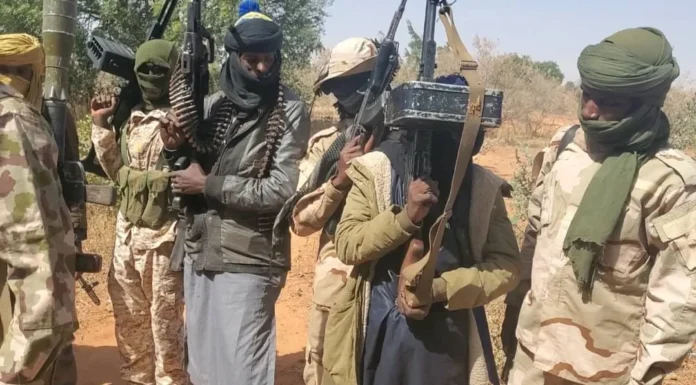
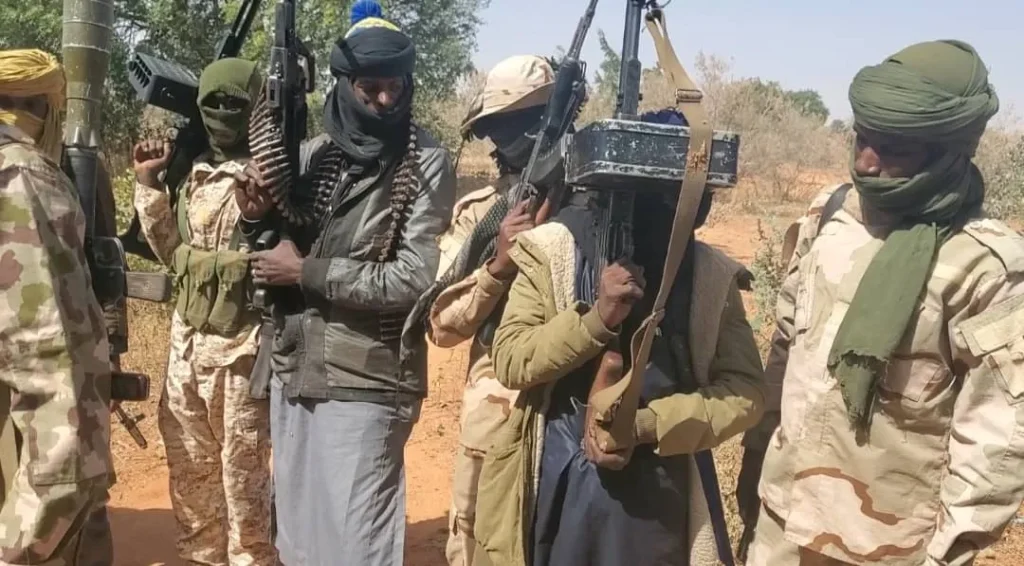
The Nigerian military says it has repelled an attack by fighters linked to the Islamic State West Africa Province on a forward operating base in Magumeri, Borno State, confirming that two soldiers were killed during the clash.

In a statement issued Thursday, Lieutenant Colonel Sani Uba, spokesperson for the Joint Task Force in the northeast under Operation Hadin Kai, said troops fought off the assault after militants breached part of the base during a nighttime operation.

The military described the response as swift and forceful, stating that troops “gallantly and decisively” pushed back the attackers following intense fighting.

The assault occurred in the early hours of May 7, when fighters attempted to infiltrate the base under cover of darkness and reduced visibility. Officials acknowledged that the attackers managed to penetrate an isolated section of the facility before being driven back.

According to the statement, troops inflicted heavy losses on the attackers. Follow-up operations in the surrounding area revealed what the military described as evidence of significant casualties among the fighters, including blood trails and bodies left behind as they retreated.

Security forces also recovered weapons abandoned during the withdrawal, including heavy machine guns, rifles and ammunition.

Despite the military’s account of a successful defense, officials confirmed that two soldiers were killed in the confrontation. An officer and several others sustained injuries and are receiving medical care, with authorities saying their conditions are stable.

The military also noted that parts of the base, including some equipment and temporary structures, were damaged by fire during the exchange.

Earlier accounts from local sources, cited by SaharaReporters, suggested the attack may have been more severe. Those reports indicated that a large group of fighters arrived in multiple armed vehicles and launched a surprise assault, causing casualties and forcing some personnel to withdraw from the camp.

Some sources claimed that additional soldiers were killed and that attackers seized military vehicles and weapons. They also reported that the base commander was among those injured.

The military did not confirm those details but acknowledged that the attackers briefly breached the facility.

Magumeri, located about 35 kilometers from Maiduguri, has long been a flashpoint in Nigeria’s conflict with armed groups. The area has faced repeated attacks over the years due to its strategic position in Borno State, a region at the center of the insurgency.

The latest incident adds to growing concerns about security in northeastern Nigeria, where attacks on military positions have increased in recent months.

In a separate incident weeks earlier, insurgents killed more than 10 soldiers, including a senior commander in the Monguno area. In March, another attack in Kukawa led to the deaths of a commanding officer and several troops after a base was overrun. Days before that, another officer was killed during coordinated assaults in the state.

These repeated attacks highlight the persistent threat posed by armed groups operating in the region, despite years of military operations aimed at weakening their capabilities.

The attack on Magumeri underscores the evolving tactics used by armed groups in northeastern Nigeria. Rather than large-scale territorial control, fighters are increasingly focusing on targeted strikes against military installations, often using surprise and mobility to gain temporary advantage.

Security analysts say such attacks serve multiple purposes. They allow fighters to seize weapons, disrupt military operations and project strength, even when they cannot hold territory for long periods.

The conflicting accounts surrounding the Magumeri incident also point to challenges in information flow during active conflict. While the military emphasized its successful defense, local sources painted a more chaotic picture, suggesting that the full extent of the damage may not yet be clear.

This gap in narratives is not uncommon in conflict zones and often reflects both operational secrecy and the difficulty of verifying events in real time.

The continued attacks also raise questions about the effectiveness of current counterinsurgency strategies. While Nigerian forces have made gains over the years, the ability of armed groups to carry out coordinated assaults indicates that they remain capable and adaptive.

For civilians in the region, the impact goes beyond the battlefield. Persistent insecurity affects daily life, disrupts economic activity and forces communities to remain in a constant state of uncertainty.

The situation in Borno State remains a critical test for Nigeria’s security forces. Sustained pressure on armed groups, combined with improved intelligence and local cooperation, will likely be key to reducing the frequency and scale of such attacks.

For now, the Magumeri incident serves as another reminder that the conflict in northeastern Nigeria is far from over, with both sides continuing to engage in a prolonged and complex struggle.

Source: SaharaReporters.