MUNICH (BN24) — Michael Olise produced a commanding performance with two goals and three assists as Bayern Munich stormed back from a two-goal deficit to defeat Freiburg 6-2 at home on Saturday, tightening their grip on the top of the Bundesliga.
Bayern trailed early after Freiburg struck twice from set pieces. Yuito Suzuki opened the scoring before Johan Manzambi doubled the visitors’ lead, leaving Bayern momentarily unsettled as manager Vincent Kompany’s rotation with Joshua Kimmich benched and Serge Gnabry rested ahead of Wednesday’s trip to Arsenal appeared to backfire.
But Bayern responded with force. Seventeen-year-old winger Lennart Karl began the comeback after collecting an Olise pass and sliding his finish into the net. Moments later, Karl repaid the favor, setting up Olise to score Bayern’s second with a deflected close-range shot.
Karl had another goal disallowed for offside early in the second half, but Bayern surged ahead soon after when Dayot Upamecano tapped in an Olise-delivered corner. The hosts continued to press, and Harry Kane extended the lead with a powerful close-range finish. The England captain now has 24 goals in 18 games in all competitions, including 14 in 11 Bundesliga matches.
Olise’s influence continued as he created a fifth Bayern goal for Nicolas Jackson, who finished from close range. The French forward then capped his exceptional outing with a late goal, securing Bayern’s sixth and closing out one of the club’s most emphatic performances of the season. Bayern have now dropped just two points across 18 matches in all competitions.
Karl, reflecting on the win, told Sky Germany that Bayern “came back well, scoring six goals” after a difficult start marked by two set-piece concessions. Midfielder Aleksander Pavlovic, who had earlier set up Kane’s goal, praised Karl’s poise, saying he had “never seen a player with so much self-confidence at his age.”
The victory lifted Bayern eight points clear at the top after Borussia Dortmund were held to a 3-3 draw at home by Stuttgart. Dortmund led 2-0 at halftime through an Emre Can penalty and a Maximilian Beier tap-in, but Germany striker Deniz Undav completed a second-half hat trick, including a stoppage-time equalizer, to deny them all three points. Dortmund have not beaten Stuttgart since October 2022.
Elsewhere, Bayer Leverkusen moved into second place with a 3-1 win at Wolfsburg, with Jonas Hofmann, Edmond Tapsoba, and Malik Tillman on target. Augsburg edged Hamburg 1-0 thanks to Anton Kade’s goal, while Borussia Moenchengladbach defeated last-place Heidenheim 3-0 away. Promoted Cologne were set to host Eintracht Frankfurt later on Saturday.
LIVERPOOL, England (BN24) — Nottingham Forest delivered a comprehensive 3-0 victory over Liverpool at Anfield on Saturday, tightening the pressure on the defending Premier League champions and extending a steep decline that has reshaped the early-season standings.
Forest took control midway through the first half when Murillo broke the deadlock in the 33rd minute. The Brazilian defender reacted sharply after a corner confused the penalty area, sweeping his finish beyond Alisson and silencing the home crowd. The goal punctuated a period in which Liverpool struggled to maintain possession, with Forest repeatedly disrupting their buildup play.
Liverpool began the second half seeking a lift, but Forest struck again before momentum could shift. Nicolo Savona doubled the visitors’ advantage shortly after the restart, finishing clinically to extend the gap and deepen the frustration inside Anfield. Forest continued to press higher up the pitch, capitalizing on Liverpool’s inability to impose structure or sustain attacks.
Any faint hopes of a Liverpool comeback faded with 12 minutes left when Morgan Gibbs-White secured Forest’s third. After Alisson parried Omari Hutchinson’s effort, Gibbs-White was quickest to the rebound, steering the ball into the net and sealing the outcome. The goal reflected the broader pattern of the match: loose marking, slow reactions and a Liverpool side visibly drained of confidence.
The defeat marked Liverpool’s sixth loss in their last seven Premier League matches and their second consecutive home defeat to Forest. The champions now sit eight points behind league leaders Arsenal and have lost eight of their past 11 matches in all competitions. The 3-0 margin also made unwelcome history, with Liverpool losing back-to-back league matches by three goals for the first time since 1965.
Manager Arne Slot acknowledged Friday that the squad remains emotionally affected by the death of Diogo Jota in a July crash in Spain. That lingering grief appeared again in the performance, as Liverpool produced another low-energy display marked by slow ball movement and a lack of urgency in midfield.
Liverpool’s slump arrives despite a summer spending spree exceeding £400 million. Among the new arrivals is striker Alexander Isak, who joined for a British-record fee from Newcastle. Isak was substituted during the second half of his fourth Premier League start for the club. The Swedish international is yet to score in the league for Liverpool, adding to the growing concerns surrounding the team’s attack.
Forest’s strong showing left Liverpool languishing in 11th place, far adrift of the title pace and struggling to regain any rhythm. The result highlighted the widening gulf between Liverpool’s preseason expectations and their current form, as pressure mounts on the squad to arrest an alarming downturn.
BARCELONA, Spain (BN24) — Barcelona marked their long-awaited return to the renovated Spotify Camp Nou with a commanding 4-0 win over Athletic Club on Saturday, a result that lifted the Catalan side to the top of the La Liga table for at least 24 hours. Playing in front of 45,000 fans, Barça were not at their sharpest throughout the match but were decisive at key moments, punishing Athletic’s missed chances and taking full advantage after the visitors were reduced to 10 men in the second half.
Barcelona struck first when high pressing from Gerard Martín and Eric Garcia forced a turnover that led to Robert Lewandowski scoring the first goal at the new Camp Nou. Athletic responded well and pressed aggressively, exposing Barcelona’s difficulties playing out from the back without injured midfielders Frenkie de Jong and Pedri. Garcia, operating as a makeshift defensive midfielder, endured early discomfort in the role, and Dani Olmo struggled to ease the pressure during the opening phase.
Athletic created two major chances to level the match. Unai Gómez, deployed unexpectedly as a false nine by Ernesto Valverde, failed to convert a clear opportunity in front of the goal. Moments later, Nico Williams was jeered by the home crowd but nearly silenced them before missing Athletic’s best chance of the night.
Barcelona doubled their lead before halftime through a brilliantly crafted moment from Lamine Yamal, whose trivela assist found Ferran Torres. Unai Simón appeared positioned to make the stop but could not prevent the shot, giving Barça an advantage they had not entirely earned through overall play.
The hosts quickly extended their lead after the break as Fermín López finished off another sequence created through high pressing, this time again initiated by Garcia. Soon after, Athletic’s challenge unraveled when Oihan Sancet was sent off following a VAR review for a reckless kick on López. The referee had initially shown a yellow card, but the video review revealed no attempt to play the ball, resulting in what became one of the clearest red cards of the season.
With Athletic down to 10, Barcelona controlled the final half-hour. Yamal produced a stream of chances, several of which teammates failed to convert, but the teenager remained the most dynamic player on the pitch and was central to nearly every attacking movement. His dazzling solo run and assist created Barça’s fourth goal, allowing Torres to score his second of the night while Yamal delivered one of the first signature highlights of the new Camp Nou.
Manager Xavi Hernández used the opportunity to introduce young winger Dro Fernández, who played more than 30 minutes in a pressure-free environment. Garcia, who overcame his shaky start to excel in the pivot role, earned a standing ovation when he was replaced by Marc Bernal with 15 minutes left. The crowd also welcomed back Raphinha, who returned from injury and immediately tested Simón with a shot that curled just wide.
Barcelona’s convincing win marked a triumphant homecoming, showcasing their blend of youth and experience while reasserting their position near the top of La Liga. The performance was far from flawless, but it was decisive and delivered in front of a home crowd eager to celebrate their return to a stadium rebuilt for a new era.
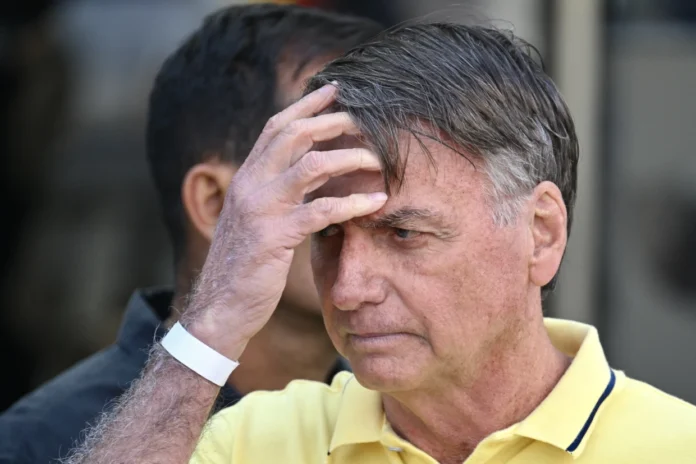
Brazil’s federal police on Saturday arrested former President Jair Bolsonaro on suspicion that he attempted to engineer an escape to avoid the beginning of a 27-year prison sentence tied to his role in a failed coup attempt. The preemptive detention, ordered by a Supreme Court justice, marked a dramatic turn in one of Brazil’s most polarizing political chapters and ignited immediate celebrations among his critics even as his supporters mobilized prayer vigils and public displays of loyalty.
Federal agents entered Bolsonaro’s Brasília residence early Saturday under authorization from Justice Alexandre de Moraes, who has overseen the case examining Bolsonaro’s efforts to cling to power following his defeat to President Luiz Inácio Lula da Silva in the 2022 election. De Moraes said the former president violated the terms of his house arrest by tampering with an electronic ankle monitor shortly after midnight. Bolsonaro’s lawyers disputed the claim, but custody reports reviewed by The Associated Press show he acknowledged using a soldering iron to pry open the device. Court footage also captured his admission, and video images revealed the monitor’s cap visibly damaged.
Bolsonaro, 70, had been required to wear the device after the court deemed him a flight risk. His aide Andriely Cirino confirmed the arrest occurred shortly after dawn. Supporters quickly assembled outside federal police headquarters in Brasília, where authorities kept rival groups apart as tension grew and car horns echoed through the area.
De Moraes wrote that the arrest was necessary to prevent Bolsonaro from using a protest organized by his son, Senator Flávio Bolsonaro, as cover for an escape attempt. In a video posted earlier, Flávio Bolsonaro urged supporters to gather at his father’s home Saturday evening, framing the demonstration as a patriotic duty. The justice said the plan created conditions for “confusion” that could facilitate the former president’s flight, including a possible dash to the U.S. Embassy in Brasília, which lies just 13 kilometers from Bolsonaro’s residence.
Prosecutors had previously uncovered messages linking Bolsonaro to a political-asylum request in Argentina, governed by his ideological ally President Javier Milei. When asked about the arrest at the White House on Saturday, U.S. President Donald Trump, who maintains an alliance with Bolsonaro, said he had only just learned the news and called the development “too bad.” He also noted he had spoken with Lula the previous night and suggested the two leaders may meet soon.
Bolsonaro’s legal team said his detention was based on a “vigil for prayer,” not a protest, and accused the justice of mischaracterizing events. The Supreme Court panel of five justices that convicted Bolsonaro in September by a 4-1 margin is expected to review the preemptive arrest order Monday.
Local media reported that the former president is likely to begin serving his 27-year sentence as early as next week once remaining appeals are resolved. Organizers of the prayer vigil cited by Bolsonaro’s lawyers said they planned to relocate the gathering to the federal police facility, while his detractors scheduled celebrations in major cities.
In his ruling, de Moraes accused Bolsonaro’s circle of engaging in “pathetic illegal initiatives” designed to undermine the Constitution, judicial authority and the country’s democratic institutions. Bolsonaro and several allies were convicted for leading a conspiracy to overturn the 2022 election and for plotting violence, including alleged plans to kill Lula, Vice President Geraldo Alckmin and de Moraes himself. Bolsonaro has denied wrongdoing.
Fabio Wajngarten, a former Bolsonaro adviser and current lawyer, called the arrest a “terrible stain on the institutions” and challenged claims the ankle monitor had been violated. In a social-media statement, he said the device appeared functional hours after the alleged tampering and described Bolsonaro’s Friday evening activities, which he said included dinner with relatives and medication for persistent hiccups.
Bolsonaro’s political allies quickly defended him. Congressman Sóstenes Cavalcante accused de Moraes of “psychopathy at the highest level,” while former First Lady Michelle Bolsonaro said supporters “will not give up on our nation.” She was traveling outside Brasília when authorities detained her husband.
With Lula abroad at a G20 summit in South Africa, prominent government figures said the arrest followed efforts by Bolsonaro to intimidate members of the Supreme Court. Analysts said the move is likely to reshape the political landscape ahead of the 2026 election. Lula is expected to seek reelection, while Bolsonaro, already barred from holding office, may become a symbolic centerpiece of the campaign.
Creomar de Souza, a Brasília-based political analyst, said Bolsonaro’s allies had hoped to cast the 2026 race as a referendum on the former president’s legacy. Instead, he said, the arrest forces the Bolsonaro family to confront the need to cultivate a new political standard-bearer. “They wanted Bolsonaro to emerge as a martyr and a powerful popular figure,” de Souza said. “Now they must build an alternative for the next election.”
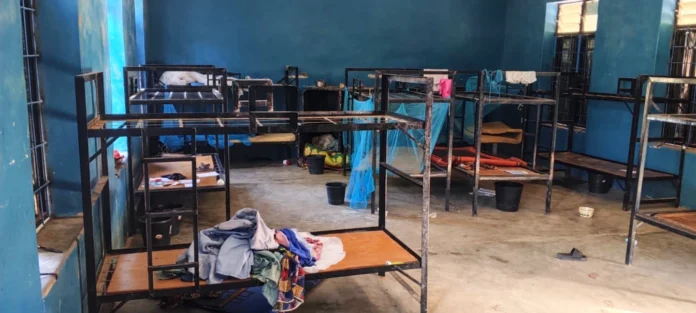
The number of children abducted during the armed attack on St. Mary’s School in north-central Nigeria has risen to more than 300, the Christian Association of Nigeria said Saturday, significantly increasing an earlier total released after the incident.
Most Rev. Bulus Dauwa Yohanna, chairman of the Niger state chapter of CAN, said that 303 schoolchildren and 12 teachers were taken when gunmen raided the Catholic boarding school in Papiri community. The update came after what he described as a verification process and final census conducted during his visit on Friday. He said 88 of the abducted students were captured as they attempted to flee, and that the children taken range in age from 10 to 18 and include both boys and girls.
The mass abduction occurred four days after 25 schoolchildren were seized in a similar attack in neighboring Kebbi state’s Maga town, roughly 170 kilometers away. No group has claimed responsibility for either assault, but authorities say tactical units and local hunters have been deployed in hopes of locating and rescuing the captives.
Yohanna rejected a claim by the Niger state government that the school had reopened despite an earlier directive ordering institutions in the area to close temporarily due to heightened security threats. He said there was no evidence the school received such an instruction before the attack and described the government’s assertion as an attempt to shift blame. He urged families to remain calm and continue praying for the students’ safe return.
School kidnappings have become a defining feature of Nigeria’s worsening security crisis, with armed gangs increasingly targeting educational institutions to draw attention and secure ransom payments. UNICEF reported last year that only 37% of schools across 10 conflict-affected states have any form of early warning system to detect threats.
The latest abductions come against the backdrop of comments by U.S. President Donald Trump alleging targeted killings of Christians in Nigeria, a claim the government has denied. Analysts note that both Christians and Muslims are frequently targeted in the northern and central regions where armed groups operate. The school attack earlier in the week in Kebbi state took place in a predominantly Muslim town.
The assault on St. Mary’s School coincided with a visit by Nigerian National Security Adviser Nuhu Ribadu to the United States, where he met Defense Secretary Pete Hegseth on Friday as Nigeria’s government faces renewed pressure to curb mass kidnappings.
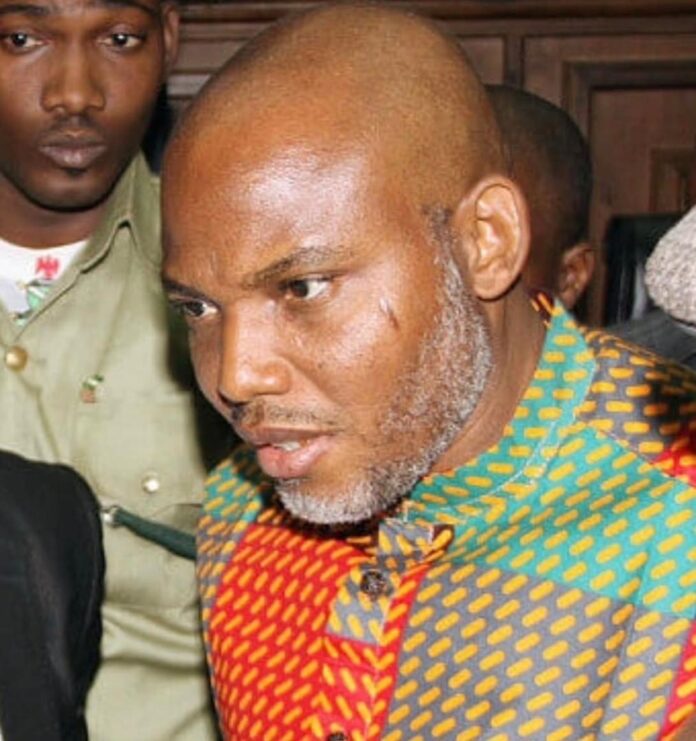
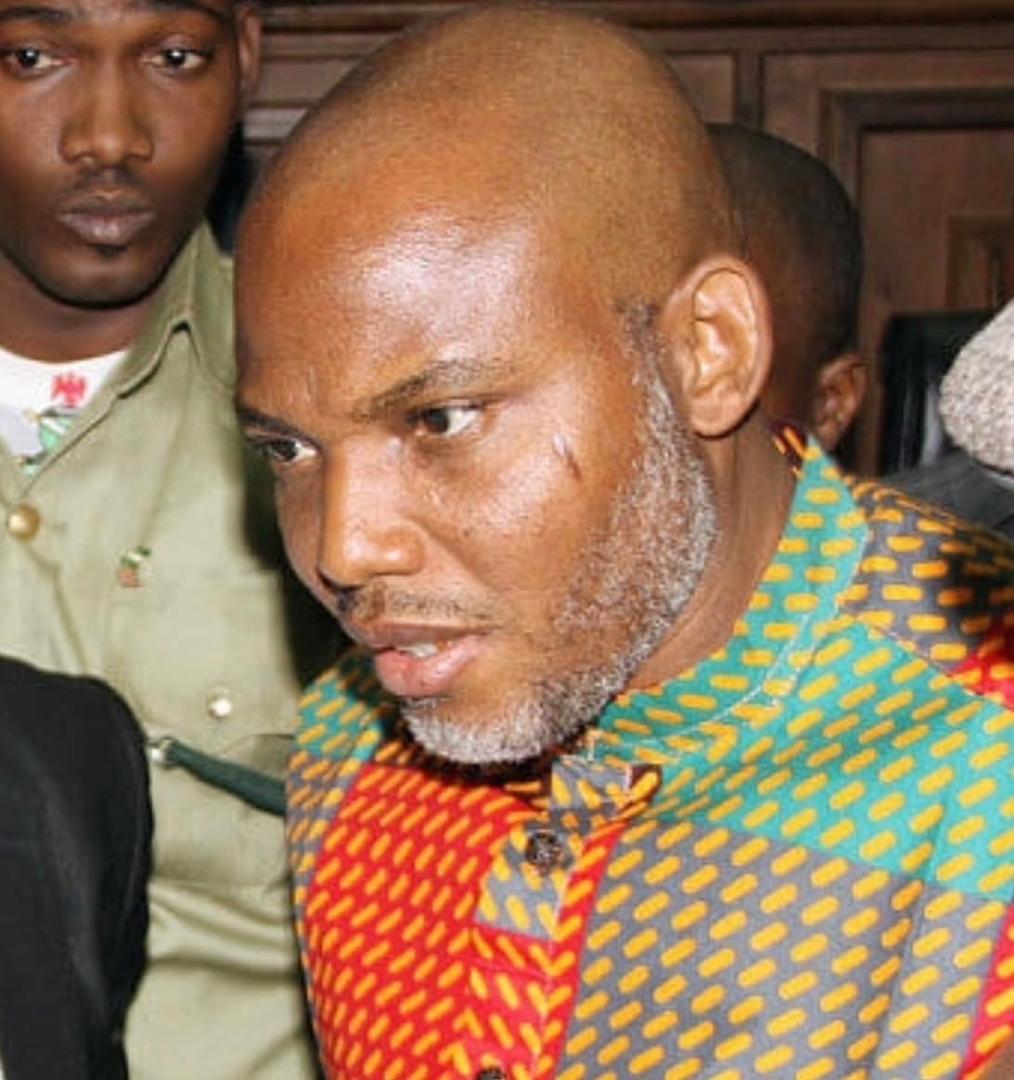
ABUJA (BN24)— The Nigerian government has transferred Nnamdi Kanu, leader of the Indigenous People of Biafra (IPOB), from the Department of State Services (DSS) detention facility in Abuja to a correctional centre in Sokoto State, according to his lawyer, Aloy Ejimakor. The announcement came on Friday, one day after Kanu was convicted and sentenced to life imprisonment on terrorism charges by the Federal High Court in Abuja.
Ejimakor disclosed the development in a post on X, saying Kanu was moved “so far away from his lawyers, family, loved ones, and well-wishers.” His statement sparked immediate reaction from supporters and human rights observers concerned about the distance and potential impact on legal access as the defence prepares for an appeal.
Kanu’s legal team has sharply condemned Thursday’s ruling delivered by Justice James Omotosho, which found the IPOB leader guilty on terrorism-related counts. The defence described the decision as “a travesty of justice” and said it would challenge the verdict at the Court of Appeal.
Speaking to journalists after the judgment, Ejimakor called the ruling “a dark day in Nigeria’s judicial history,” arguing that Kanu was convicted solely for statements he made rather than any violent actions. “Today is the only day I have witnessed a man being convicted for just what he said from his mouth, not what he did with his own hands,” he said.
He insisted that the prosecution failed to present evidence linking Kanu’s broadcasts to acts of violence or terrorism. “The verdict is not consistent with the evidence laid before the court. The sentence is overbroad, cruel, and unusual,” he said, questioning how a broadcast from an unspecified location could form the basis for a terrorism conviction.
Ejimakor argued that Kanu’s campaign for self-determination was not a crime under Nigerian or international law. “Mazi Nnamdi Kanu made broadcasts, and so what? You convict him for terrorism for mere words in the Federal Republic of Nigeria. What kind of precedent is being laid?” he said.
The legal team said it would proceed immediately to the Court of Appeal. “We are going to approach the justices there to check out what happened here today,” Ejimakor said. “If the Court of Appeal disagrees with us, we will head to the Supreme Court. By God Almighty, Mazi Nnamdi Kanu is not going to stand convicted. It is going to get overturned.”
Another defence lawyer, Maxwell Okpara, also criticized the ruling, claiming it was influenced by emotion rather than grounded in legal reasoning. He called for calm in the South-East, urging supporters to refrain from violence as the legal process continues. Okpara expressed confidence that higher courts would correct what he described as a grave miscarriage of justice.
Kanu’s transfer to Sokoto marks a new chapter in a case that has drawn international attention, heightened tensions in the South-East, and intensified debate over free expression, national security, and the rights of political dissidents in Nigeria.
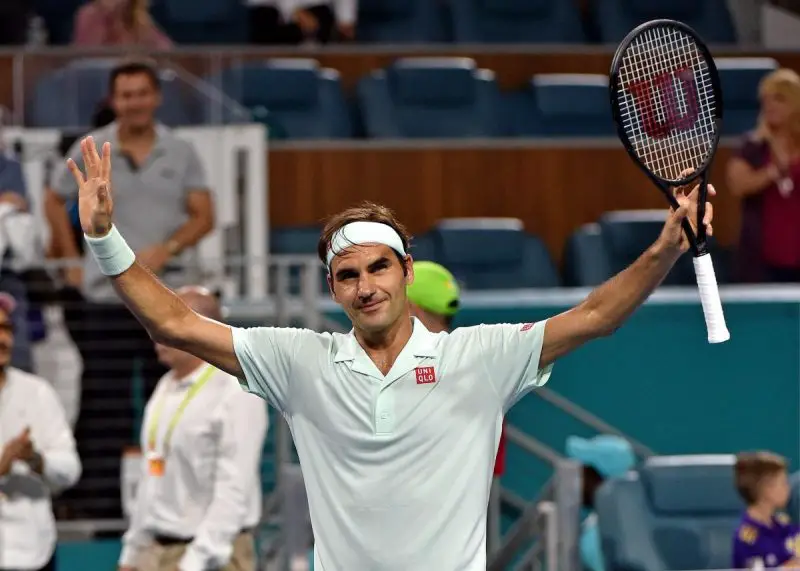
NEWPORT, Rhode Island (BN24) — Roger Federer, one of the most iconic figures in tennis history, is set to be inducted into the International Tennis Hall of Fame in 2025, solidifying his place among the sport’s all-time greats. The 44-year-old Swiss tennis star, who retired from professional tennis in 2022, will become the first member of the “Big Three,” the legendary trio of Federer, Novak Djokovic, and Rafael Nadal, to be honored with this prestigious accolade.
Federer’s induction into the Hall of Fame is a fitting tribute to his unparalleled career, one marked by a combination of on-court brilliance, elegance, and unmatched consistency. Over the course of his career, Federer accumulated 103 ATP titles, a figure that ranks second only to Jimmy Connors’ record of 109. His longevity, skill, and success across all surfaces helped him remain one of the sport’s most revered athletes for more than two decades.
Federer’s record of 20 Grand Slam singles titles was the highest of any male player at the time of his retirement, a benchmark that was later surpassed by his rivals Djokovic (24) and Nadal (22). Nevertheless, Federer’s achievements, including becoming the first man in history to reach 20 Grand Slam singles titles, solidified his status as one of the most decorated and admired players in tennis history.
As part of his induction, Federer will join the ranks of other tennis legends in Newport, Rhode Island, during the Hall of Fame induction weekend scheduled for August 27-29, 2025. The prestigious event, which takes place annually in the charming seaside town, will celebrate Federer’s remarkable career and lasting influence on the sport. His induction ceremony will feature a gathering of tennis greats, fans, and peers who have followed his illustrious journey from his early days as a promising junior to his status as a global ambassador for the sport.
Upon hearing the news of his induction, Federer shared his gratitude and excitement. “It’s a tremendous honor to be inducted into the International Tennis Hall of Fame and to stand alongside so many of the game’s great champions,” Federer said in a statement. “Throughout my career, I’ve always valued the history of tennis and the example set by those who came before me. To be recognized in this way by the sport and by my peers is deeply humbling. I look forward to visiting Newport next August to celebrate this special moment with the tennis community.”
Federer was informed of his induction during a video call with current Hall of Fame members at Swiss Tennis, the organization where he first developed his love for the game in his youth. The announcement came as a moment of reflection for Federer, who throughout his career maintained a strong connection to the rich history of tennis. His presence among the Hall of Fame inductees will add a new chapter to that history, one that includes his unforgettable moments on the court and his enduring legacy as an ambassador for the sport.
Federer’s career is defined by more than just his impressive title count. He is also one of only eight men in tennis history to have completed a Career Grand Slam, having won each of the sport’s four major titles, the Australian Open, French Open, Wimbledon, and US Open, at least once. His versatility and ability to adapt his game to all surfaces set him apart, making him one of the most complete players the sport has ever seen. Federer’s victory at Wimbledon in 2009, where he claimed his sixth title at the All England Club, remains one of the most iconic moments in tennis history, as it saw him surpass Pete Sampras’ record of Wimbledon wins and further solidify his legacy.
In addition to his on-court success, Federer is known for his poise, sportsmanship, and commitment to the growth of tennis around the world. His influence extends far beyond his accomplishments in the ATP rankings; he is also widely regarded as one of the sport’s most respected and beloved figures. Federer’s graciousness and respect for his competitors, coupled with his engaging personality, have earned him a place in the hearts of tennis fans across the globe.
Federer’s Hall of Fame induction comes at a time when the sport is witnessing a generational shift. While the “Big Three” Federer, Djokovic, and Nadal continue to dominate headlines, Federer’s legacy as the elder statesman of the trio will forever be cemented by his induction into the Hall of Fame. Djokovic and Nadal, both of whom have broken records in recent years, will follow in Federer’s footsteps in due time, but Federer remains the first to be enshrined in the Hall of Fame, marking a historic moment for tennis fans.
His induction is expected to draw a large international crowd to Newport next summer, where fans will gather to honor Federer’s contributions to the game. The ceremony will serve as both a celebration of his past achievements and a recognition of his continued impact on the sport, even after he retires from competitive play.
As the world prepares to honor one of tennis’ greatest champions, the sport will reflect on Federer’s exceptional career, his unrelenting pursuit of excellence, and his lasting influence on the future of tennis. For Federer, this next chapter is yet another milestone in a journey that continues to inspire players and fans alike.
DUBAI, UAE (BN24) — A tragic accident at the Dubai Airshow 2025 resulted in the death of an Indian Air Force (IAF) pilot after his fighter jet crashed during a scheduled aerial performance. The crash occurred at approximately 14:10 local time (10:10 GMT) on the final day of the event, which is one of the world’s most high-profile aviation exhibitions. The pilot, flying a Tejas jet developed by Hindustan Aeronautics Ltd (HAL), was executing a maneuver as part of a dynamic airshow display when the aircraft went down.
According to a statement from the Indian Air Force, the pilot, whose identity has not yet been disclosed, died at the scene. The IAF expressed profound grief, offering condolences to the pilot’s family and colleagues. “The Indian Air Force deeply regrets the loss of life and stands firmly with the bereaved family in this time of grief,” the IAF’s statement read. The Air Force also confirmed that a court of inquiry is being constituted to investigate the circumstances surrounding the crash.
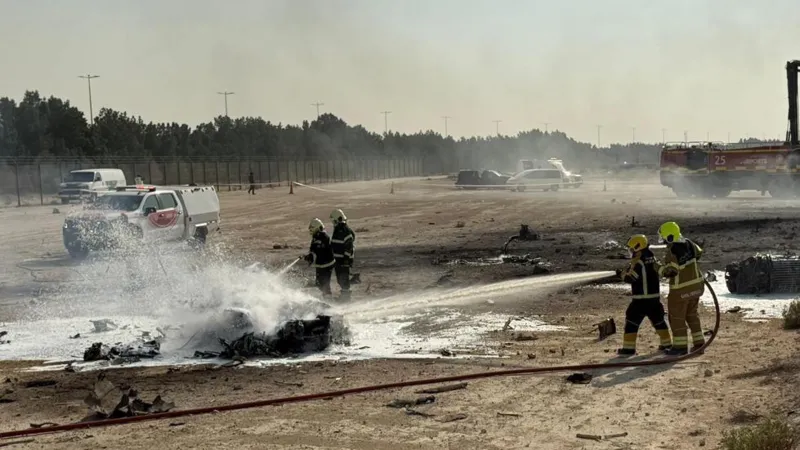
Eyewitnesses and video footage from the scene showed black smoke rising from the crash site, located on the grounds of Al Maktoum International Airport, where the Dubai Airshow has been taking place since Monday. Firefighters and emergency services, responding quickly to the incident, were seen working at the scene to extinguish flames and secure the area. Dubai’s Media Office, in collaboration with the UAE Ministry of Defence, stated that emergency response teams were on-site and actively managing the situation in a timely and efficient manner.
India’s Chief of Defence Staff, General Anil Chauhan, expressed his deepest condolences on behalf of the Indian military. “All ranks of the Indian Army deeply regret the incident and stand firmly with the pilot’s bereaved family,” Gen. Chauhan said in a public statement. The Indian military has called the pilot a “brave and skilled officer” who was an asset to the country’s defense forces.
The Dubai Airshow, which has drawn more than 148,000 attendees, including aerospace professionals and exhibitors from over 1,500 companies, was set to close on the day of the tragic accident. The event, which showcases the latest in military and civilian aviation technology, has become a major platform for global aviation and defense industry leaders to display their products, with many nations showcasing their aircraft and military capabilities.
The crash occurred during the final day of the airshow, casting a somber shadow over the otherwise high-energy event. The Dubai Airshow has long been a landmark event for aviation enthusiasts and industry professionals, offering a rare opportunity to witness cutting-edge aerial demonstrations. This year’s edition had already attracted significant international attention, with a range of military demonstrations, including several flyovers by various fighter jets.
The accident also highlights concerns regarding safety during live demonstrations, as the Dubai Airshow is known for its thrilling aerobatic displays, which sometimes involve complex maneuvers performed by military aircraft like the Tejas, a light combat aircraft developed by Hindustan Aeronautics Ltd. The Tejas has been a significant milestone for India’s defense industry, and its involvement in international airshows has served as a point of national pride.
The cause of the crash is currently under investigation, and officials from both the UAE Ministry of Defence and the Indian Air Force have vowed to conduct a thorough inquiry. In addition to the technical investigation, the Indian Air Force has committed to providing all necessary support to the pilot’s family during this difficult time.
This tragic incident is a stark reminder of the risks that come with high-performance aviation displays, and it raises important questions about the safety protocols in place during such events. As the investigation continues, both the aviation community and the public are awaiting further details on the crash.
The Dubai Airshow will go down in history not only for its exhibition of technological advancements in aviation but also for the sorrowful loss of a talented and courageous pilot. As officials work to determine the cause of the crash, many are left reflecting on the pilot’s dedication to his craft and the sacrifice made in the pursuit of excellence in aviation.
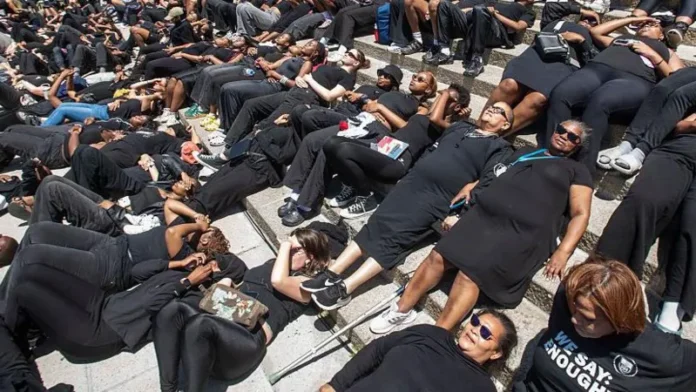
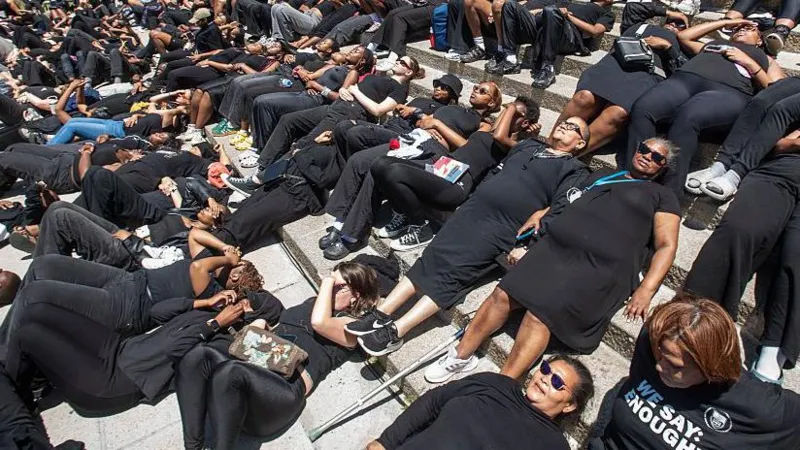
JOHANNESBURG, SOUTH AFRICA (BN24) — South Africa has officially declared gender-based violence (GBV) and femicide a national disaster after widespread protests and an online campaign aimed at drawing attention to the country’s deepening crisis. This declaration follows nationwide demonstrations, including a coordinated “lie down” protest held on Friday, where women in major cities such as Johannesburg, Cape Town, and Durban, along with other locations, lay down for 15 minutes at noon to honor the 15 women killed every day in South Africa.
The protests, led by the activist group Women for Change, culminated in a powerful national statement. Demonstrators wore black in a sign of both mourning and resistance. The campaign was amplified online, where celebrities and citizens changed their social media profiles to purple, a color symbolic of awareness against gender-based violence. A petition urging government action has garnered over a million signatures.
The national disaster declaration was made after extensive pressure from civil organizations and activists. Cooperative Governance and Traditional Affairs Minister Velenkosini Hlabisa confirmed that, following a thorough review, the National Disaster Management Centre (NDMC) had reclassified GBV and femicide as a national disaster, acknowledging the “persistent and immediate life-safety risks posed by ongoing acts of violence.”
Before the announcement, the South African government had resisted this move, citing legal requirements that activists’ calls had not met. However, in light of the growing outcry and an evaluation of updated reports from state bodies and civil organizations, the government has now taken this step.
South Africa’s levels of gender-based violence are among the highest globally. According to UN Women, the femicide rate in the country is five times higher than the global average. Women in South Africa face daily threats, and the situation has worsened with the COVID-19 pandemic, as reports of domestic violence, sexual assault, and femicide surged during lockdowns.
The protests on Friday were part of the G20 Women’s Shutdown movement organized by Women for Change. The event sought to raise awareness about the horrific scale of violence against women in South Africa, with many activists calling for more than just symbolic gestures but real, effective action from the government. “We have written history together,” Women for Change said in a statement on its social media, emphasizing that the country’s persistence in confronting this issue has finally been recognized.
“This is a victory, but the battle is far from over,” said Women for Change spokesperson Cameron Kasambala. She stressed that despite past efforts—such as the 2019 declaration of GBV and femicide as a national crisis lack of implementation and transparency in government actions had long hindered real change.
The government’s new classification as a national disaster will allow various departments to allocate their resources more effectively to combat the crisis. Minister Hlabisa confirmed that this shift would enable the state to implement every possible measure to reduce the scourge of violence against women. If these efforts do not yield tangible results, the government has the option of declaring a national state of disaster, granting even more urgent powers for intervention.
While the declaration is seen as a step forward, many women and activists argue that the government’s response has been too slow. The protest has gained significant traction not only in South Africa but across the region, with allies in Eswatini, Kenya, and Namibia joining the movement in solidarity.
Some women have taken matters into their own hands due to frustration with state inaction. Lynette Oxeley, the founder of Girls on Fire, a self-defense initiative aimed at helping women protect themselves through gun ownership, noted the rising need for personal safety in light of the government’s failure to protect women. Oxeley, whose organization trains women to handle firearms legally, emphasized that her group’s approach is not about glorifying violence but empowering women to “fight back” against the pervasive threat of GBV.
Prudence, a member of Girls on Fire, shared her painful experience with sexual violence. After being raped in 2022, she faced an uphill battle for justice, with her case eventually dropped due to a lost rape kit. “This isn’t just a police problem, it’s a national problem,” she said, expressing her anger at the system’s failure to bring perpetrators to justice.
The National Disaster classification is expected to mobilize greater resources and attention to the problem of gender violence. However, for many South African women, including Girls on Fire members, it remains to be seen if the government’s newfound commitment will result in meaningful change. The country has long faced challenges in addressing gender violence, from insufficient law enforcement to widespread social acceptance of abuse.
As the national disaster declaration makes its way through the bureaucratic system, many activists have vowed to continue pushing for concrete action, including legislative reform, better law enforcement, and more significant resources for survivors of gender-based violence. The “purple movement,” with its wide reach across social media platforms, continues to grow as a testament to the public’s demand for an end to the daily violence faced by women in South Africa.
In the coming days, all eyes will be on the government’s next steps and whether they can turn this declaration into effective policy changes that truly address the crisis at hand.
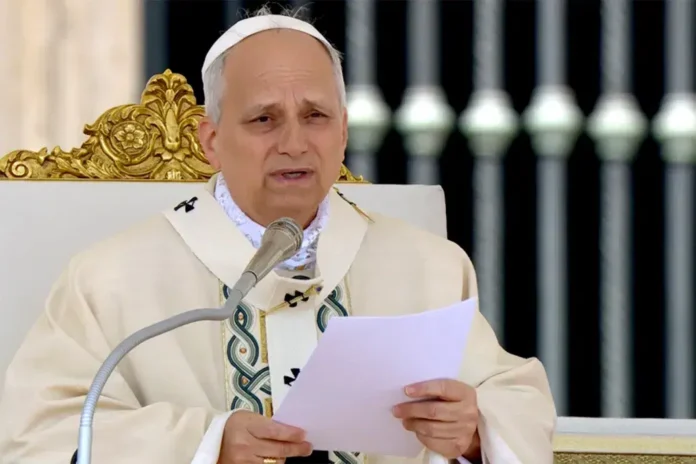
CASTEL GANDOLFO, ITALY (BN24) — Pope Leo XIV has condemned the ongoing violence in Nigeria, stating that both Christians and Muslims have been “slaughtered” as a result of extremist activities, economic struggles, and land disputes. The remarks came during a viral interview recorded on Tuesday at the Pope’s summer residence in Castel Gandolfo, Italy, and were published on Friday by the Catholic News Agency.
In the interview, the Pope was asked about the safety of Christians in Nigeria, particularly following rising international concerns over the persecution of religious groups in the country. “I think in Nigeria, in certain areas, there is certainly a danger for Christians, but for all people. Christians and Muslims have been slaughtered,” Pope Leo XIV said, acknowledging the widespread nature of the violence affecting all religious communities.
The Pope went on to highlight the complex factors driving the violence, which he attributed to both terrorism and socioeconomic issues. “There’s a question of terrorism. There’s a question that has to do a lot with economics, if you will, and control of the lands that they have,” he explained, pointing out that the violence is not solely based on religious differences but is also deeply tied to struggles over resources and power.
Pope Leo XIV’s comments came just weeks after U.S. President Donald Trump made a similar claim, alleging a “Christian genocide” in Nigeria due to ongoing attacks on Christian communities by extremist groups. President Trump’s statements were met with mixed reactions, including a strong rebuttal from the Nigerian government, which rejected the notion of religious genocide in the country. However, the Pope’s remarks reinforce growing international concern about the deteriorating security situation in Nigeria, where attacks on both Christian and Muslim communities have become increasingly frequent.
The Pope also urged the Nigerian government to take stronger and more decisive action to protect its citizens from the escalating violence. “Unfortunately, many Christians have died, and I think it’s important to seek a way for the government, with all peoples, to promote authentic religious freedom,” Pope Leo XIV emphasized. His call for religious freedom echoes the concerns of various international religious and human rights organizations that have highlighted the inability of Nigerian authorities to prevent attacks on both Christian and Muslim communities.
The situation in Nigeria has been further complicated by long-standing tensions between religious and ethnic groups, especially in the northern and central regions. While Islamist militant groups such as Boko Haram and Islamic State West Africa Province (ISWAP) have been responsible for much of the violence targeting Christians, Muslim communities have also suffered from attacks by rival factions, including bandits and extremist groups. In addition to religious terrorism, economic struggles and disputes over land resources have exacerbated the violence, particularly in rural areas where control of farmland and grazing rights is a significant source of tension.
The Pope’s comments reflect a broader concern within the international community about the safety and well-being of religious minorities in Nigeria, a country that is roughly split between a Muslim-majority north and a Christian-majority south. The ongoing violence, fueled by both terrorism and resource conflicts, has led to the displacement of hundreds of thousands of people and has significantly impacted the lives of ordinary Nigerians.
Pope Leo XIV’s call for a “stronger” response from the Nigerian government is likely to intensify pressure on the country’s leaders to address the root causes of the violence and to ensure that the rights of all citizens, regardless of their religion, are protected. The Nigerian government has been under increasing scrutiny for its handling of security issues, particularly as the threat of terrorism and banditry continues to spread throughout the country.
In the wake of the Pope’s remarks, religious leaders, human rights advocates, and international organizations have renewed their calls for greater efforts to combat the violence in Nigeria, calling for both improved security measures and a more comprehensive approach to addressing the underlying causes of religious and ethnic conflict.
As Nigeria grapples with its security challenges, the Pope’s comments serve as a poignant reminder of the need for a unified effort to safeguard the lives and freedoms of all Nigerians, regardless of their faith or background. The Pope’s advocacy for religious freedom and peace in Nigeria comes at a critical moment as the country continues to face unprecedented levels of violence and unrest.