Home Blog Page 17

Patrice Motsepe Transitions to Non-Executive Chair as JSE Governance Reforms Take Effect

0

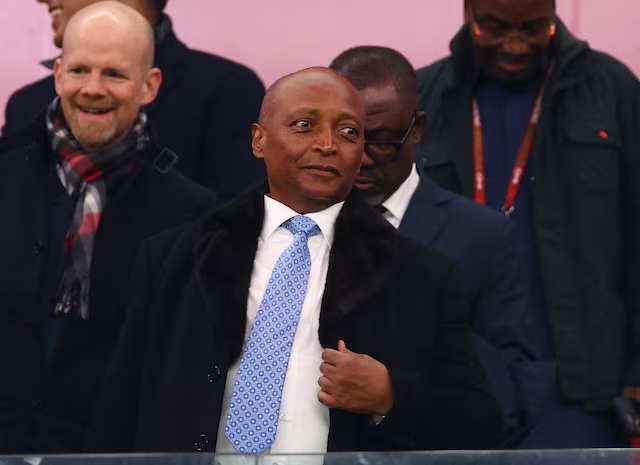
JOHANNESBURG, (BN24) — Patrice Motsepe, the founder of African Rainbow Minerals, has stepped away from executive responsibilities at the mining company to comply with new governance standards introduced by the Johannesburg Stock Exchange.
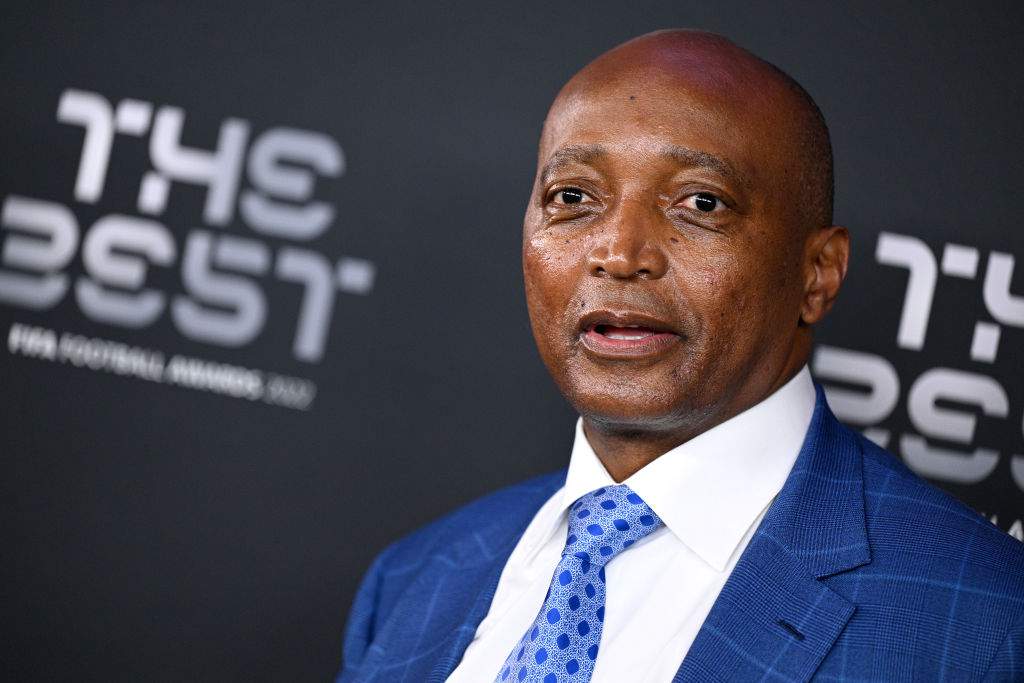
The diversified mining group announced Monday that Motsepe will transition from executive chairman to non-executive chairman effective Feb. 16. The decision aligns with updated listing requirements that prohibit board chairs from simultaneously holding executive authority.

ARM confirmed the leadership change in a corporate communication issued the same day the new rules came into force.

Motsepe, who established ARM in 2003 and has overseen its expansion into one of South Africa’s prominent mining houses, indicated he would continue contributing to the company’s strategic direction in his revised capacity. In remarks carried in the company’s statement, he said he looks forward to advancing ARM’s global competitiveness as non-executive chairman.

The governance update forms part of broader reforms at the JSE aimed at reinforcing the distinction between oversight and management functions within listed companies. The exchange’s new provisions prevent individuals who preside over boards from simultaneously exercising executive duties, a shift designed to strengthen board independence and transparency.

ARM did not signal any immediate operational changes resulting from the transition, and no successor to Motsepe’s former executive responsibilities was detailed in the announcement.

The JSE’s latest regulatory adjustments underscore a heightened focus on corporate governance standards in Africa’s largest and most influential financial marketplace. By separating executive authority from board leadership, regulators intend to reduce potential conflicts of interest and enhance accountability within publicly traded firms.
The new framework, which took effect Monday, is part of measures the exchange has characterized as efforts to streamline and modernize listing requirements while raising governance benchmarks. While simplified procedures may ease administrative burdens for companies, the stricter delineation between executive and non-executive roles signals a parallel emphasis on ethical oversight and board independence.

Motsepe’s shift places ARM in compliance with these provisions, reflecting the immediate impact of the updated rules on major listed entities.

Motsepe has been closely associated with ARM’s strategic evolution since its inception. Under his leadership, the company developed a diversified portfolio spanning commodities such as iron ore, platinum group metals, coal, and other mineral resources, helping position it as a significant player in South Africa’s resource-driven economy.

Though relinquishing executive authority, his move to non-executive chairman allows him to remain at the helm of the board while stepping back from day-to-day operational involvement. In corporate governance practice, non-executive chairs are generally tasked with providing independent oversight, guiding long-term strategy, and ensuring that executive management is held accountable to shareholders.

ARM’s announcement did not suggest any strategic pivot, indicating continuity in its broader corporate direction despite the governance adjustment.

The JSE’s governance reforms arrive at a time when global investors are placing heightened emphasis on environmental, social, and governance (ESG) standards. For companies operating in extractive industries often subject to scrutiny regarding environmental impact and community relations, governance transparency can influence capital flows and investor confidence.

By enforcing a clear division between board oversight and executive management, the JSE appears to be aligning more closely with international best practices observed in major financial centers such as London and New York. The move may enhance the exchange’s attractiveness to foreign institutional investors seeking robust governance safeguards.

While ARM’s announcement presents the leadership shifts as a procedural compliance measure, the implications may extend beyond technical adherence to listing rules.

First, Motsepe’s transition could signal a generational and structural shift within South Africa’s mining leadership. Founder-led companies often evolve as regulatory environments mature. By formalizing governance boundaries, ARM may position itself to demonstrate institutional resilience independent of its founder’s executive presence.

Second, the change may reinforce investor perceptions of ARM as a governance-aligned entity, particularly as global capital markets scrutinize emerging market firms for governance transparency. In a sector where operational risks and commodity price volatility are already elevated, enhanced board independence can serve as a stabilizing signal.

Third, the JSE’s stricter stance may prompt similar transitions across other listed companies where executive chairs remain common. If widely implemented, the reform could recalibrate corporate power structures within South Africa’s business landscape, potentially fostering greater accountability and board activism.

However, some analysts may question whether formal title changes alone materially alter influence dynamics, particularly in founder-led enterprises where strategic direction remains closely associated with a dominant shareholder. As non-executive chairman, Motsepe is likely to retain significant sway over long-term decisions, even without executive authority.

The timing of the JSE’s governance tightening also intersects with broader economic challenges facing South Africa, including sluggish growth, energy supply constraints, and investor wariness. Clearer governance standards could help mitigate concerns related to transparency and board oversight in a market seeking renewed foreign direct investment.

For ARM, compliance ensures uninterrupted alignment with exchange requirements and avoids potential regulatory complications. It also places the company within a governance framework increasingly favored by global institutional investors.

As of Monday, the leadership transition was effective, marking a new phase in ARM’s corporate structure while maintaining continuity at the board level.

Motsepe’s statement underscored his intent to remain actively engaged in strengthening ARM’s competitiveness internationally, albeit from a governance vantage point rather than an executive one.

With the JSE’s revised listing rules now active, ARM’s adjustment may serve as an early indicator of how South Africa’s corporate sector adapts to evolving oversight standards in one of the continent’s most significant financial markets.
Argungu Fishing Festival Returns in Northwest Nigeria, Reviving Unity and Local Economy Amid Security Strains

0

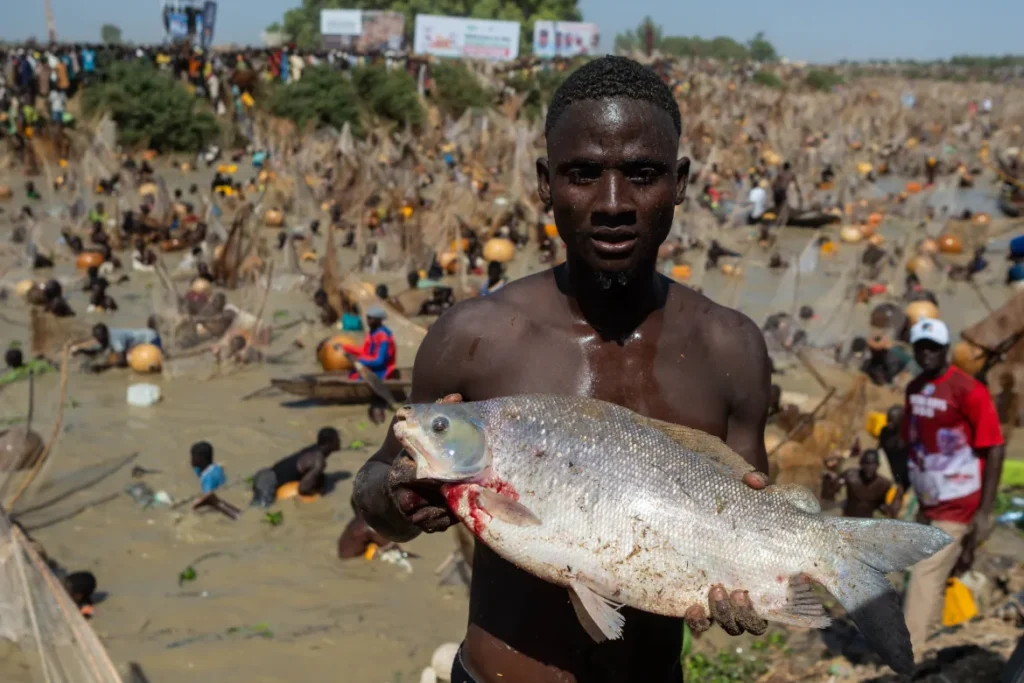
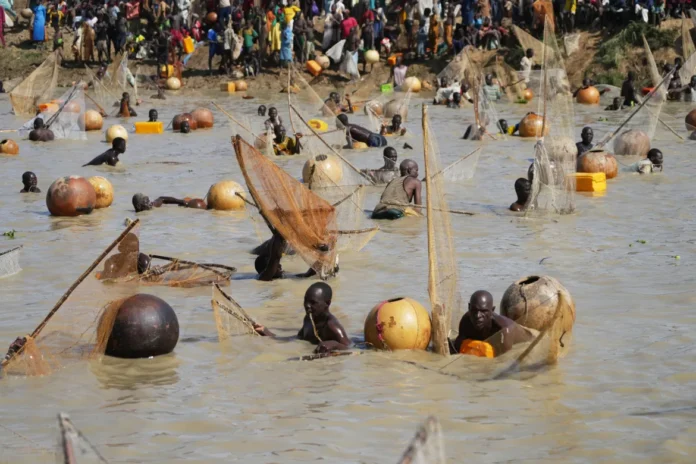
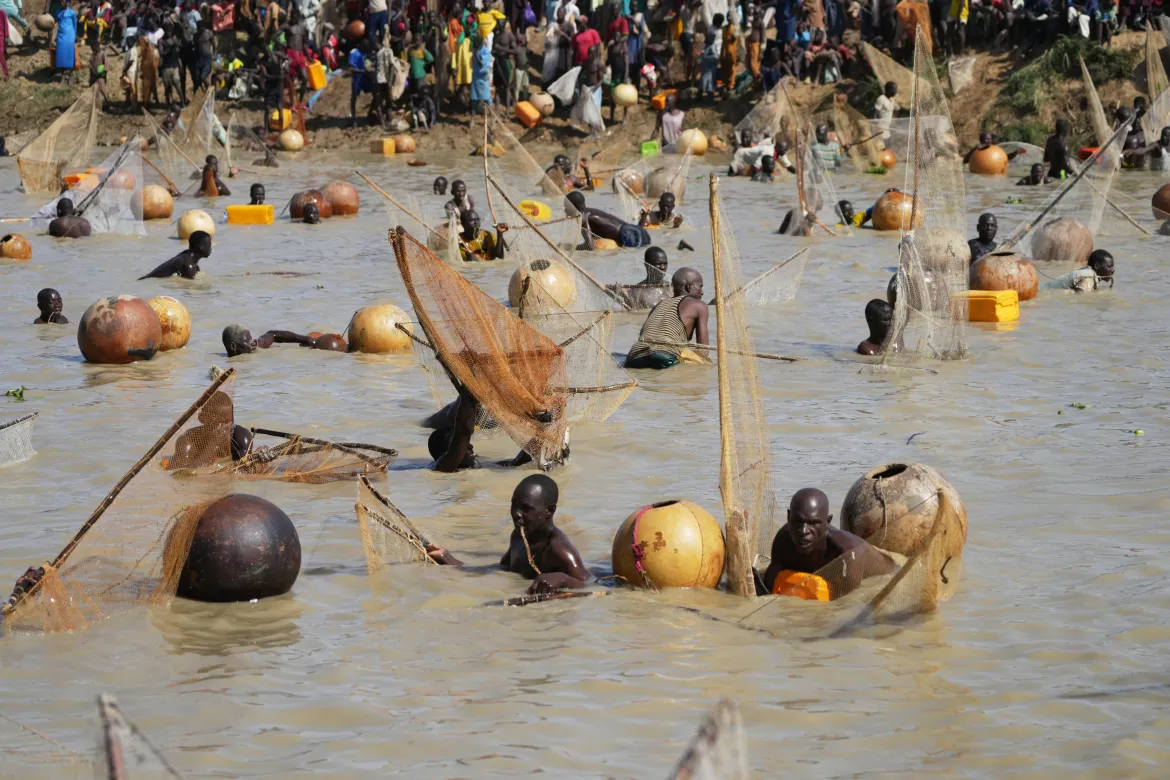
ARGUNGU, Nigeria (BN24) — Thousands of fishermen surged into the pale, silted waters of the Matan Fadan River on Saturday, marking the return of one of Nigeria’s most storied cultural traditions in a region long strained by insecurity.

The river, recognized as a UNESCO heritage site, winds through thick vegetation in Argungu, a town in Kebbi state in Nigeria’s northwest. Along its banks, crowds gathered early, cheering as competitors waded forward armed with handwoven nets, calabash gourds, and, in some cases, nothing but bare hands.

Among the spectators was Nigeria’s president, Bola Tinubu, whose presence underscored the symbolic weight of the annual Argungu International Fishing Festival, l an event that many residents describe as a touchstone of identity and reconciliation.

Participants were restricted to traditional fishing methods, preserving a practice that dates back generations. Canoes drifted between clusters of fishermen, and nets spread wide across the narrow river. At the close of the competition, a fisherman hoisted a croaker weighing 59 kilograms (130 pounds), securing the grand prize and a cash award. Other participants retained their catches to sell in local markets, injecting income into the surrounding communities.

For Aliyu Muhammadu, 63, the day’s rewards extended beyond competition. “I thank God that I got something to take home to my family to eat. I am very happy that I came,” he said in an interview with The Associated Press.

The river itself is opened for the contest only once a year. For the remaining months, it is closed and overseen by a traditional titleholder known as the Sarkin Ruwa, the chief of the water, who ensures its preservation and ecological balance.

The fishing contest serves as the centerpiece of a broader festival that includes traditional wrestling, music, and displays of regional craftsmanship. For residents, it is both a cultural exhibition and an affirmation of communal resilience.

The festival’s roots trace back to 1934, commemorating the end of nearly a century of hostilities between the Sokoto Caliphate, a 19th-century Islamic empire that once stretched from present-day Nigeria into parts of Burkina Faso, and the Argungu emirate. What began as a diplomatic gesture evolved into a lasting celebration of unity.

For decades, the gathering drew international visitors and boosted local commerce. However, the event was suspended in 2010 amid infrastructural decay and escalating violence across northern Nigeria. It resumed briefly in 2020 before another interruption. This year’s edition marks its latest revival.

Nigeria continues to grapple with a multifaceted security crisis, particularly in its northern regions. Armed groups, including Islamist insurgents and criminal gangs, have carried out attacks that have left thousands dead over the years. The violence has displaced communities and disrupted social and economic life. Incidents have increasingly spread toward the country’s southern areas.

Tinubu characterized the festival’s revival as evidence of improving stability. Yet for some residents, confidence remains fragile.

“Our challenge now is that people are scared of coming. A lot of people don’t attend the event like before because of insecurity,” Hussein Mukwashe, the Sarkin Ruwa of Argungu, said in comments to The Associated Press.

While attendance was strong, local officials acknowledged that turnout had yet to match peak years before the suspensions.

The festival’s return carries economic significance beyond its symbolism. Vendors lined the streets selling food, textiles, and crafts, while transport operators ferried visitors from neighboring towns. Hospitality businesses reported increased activity during the weekend. In a state where agriculture and fishing form the backbone of livelihoods, even a brief surge in commerce offers relief.

Beyond immediate gains, the revival also signals a strategic push to reposition cultural tourism as a stabilizing force. Nigeria, Africa’s most populous nation, has often struggled to balance security concerns with efforts to showcase its cultural heritage. Events like Argungu present an opportunity to reshape perceptions of the northwest, which is frequently associated with conflict.

Analysts note that cultural festivals can serve as instruments of soft diplomacy, fostering unity within diverse societies. In the case of Argungu, the historical reconciliation it commemorates resonates with contemporary calls for national cohesion. Nigeria’s complex ethnic and religious landscape has, at times, been strained by political and economic pressures. Public celebrations that draw cross-regional participation can reinforce shared identity.

However, sustained revival will depend on more than ceremonial reopening. Infrastructure upgrades, consistent security assurances, and environmental stewardship will be essential to maintaining momentum. The ecological management of the Matan Fadan River, overseen by the Sarkin Ruwa, remains critical as climate variability and water resource pressures intensify across West Africa.

Security experts caution that while isolated events can proceed safely under heightened protection, broader stability requires long-term strategies addressing unemployment, governance gaps, and regional cooperation.

Still, on Saturday, optimism edged out apprehension. Children perched on shoulders to glimpse fishermen wrestling oversized catches from murky waters. Elders exchanged greetings along dusty pathways. Drummers punctuated the air with rhythmic beats as wrestlers prepared for matches nearby.

For many in Argungu, the festival’s return is less about spectacle and more about reclaiming normalcy.

As Muhammadu clutched his catch, the significance of the day appeared personal as much as political. In a region where headlines often focus on violence, the sight of thousands gathering for celebration offered a different narrative one of continuity, endurance, and cautious hope.

Whether the festival’s resurgence marks a lasting turning point remains uncertain. Yet for now, the waters of the Matan Fadan River once again reflect a community determined to honor its past while navigating an uncertain present.

Ghana Pursues International Action Against Russian Suspect in Alleged Non-Consensual Intimate Video Case

0

ACCRA, Ghana (BN24) — Ghanaian authorities have initiated cross-border efforts to track down a Russian national accused of secretly recording intimate encounters with Ghanaian women and distributing the footage online without their consent, according to a government statement released Friday.

The Ministry of Gender, Children and Social Protection outlined the government’s position in a statement dated Feb. 14, 2026, issued by its Public Affairs Unit. The ministry characterized the alleged conduct as a criminal act and a severe breach of privacy and personal dignity.

Officials indicated that preliminary findings suggest the suspect may no longer be within Ghana’s territorial jurisdiction. Even so, the ministry stressed that his reported departure does not lessen the gravity of the allegations or the state’s obligation to seek accountability.

“The non-consensual recording and distribution of intimate images is a criminal offence and a clear violation of dignity and privacy,” the statement said.

The suspect, identified in widely circulated social media posts as Yaytseslav, also known as Vyacheslav Trahov, is alleged to have engaged in sexual acts with Ghanaian women, recorded the encounters without their knowledge, and disseminated the material online.

The ministry disclosed that before the emergence of the recent allegations, it had been collaborating with the Ministry of Communication and Digital Innovations and affiliated agencies to strengthen safeguards against image-based sexual abuse. Those initiatives include digital safety campaigns, engagement with online platforms to expedite the removal of harmful content, and expanded reporting mechanisms for victims.

Authorities said those frameworks are now being deployed in response to the current case.

In addition, the ministry confirmed coordination with the Ghana Police Service, other national security institutions, and international partners to examine all lawful options available, including mutual legal assistance and cross-border investigative cooperation.

While officials did not specify which international agencies are involved, they underscored that jurisdictional challenges would not impede efforts to pursue legal remedies under Ghanaian and international law.

The ministry also announced support measures for individuals believed to have been affected. Psychosocial counseling and legal assistance are being arranged through confidential channels designed to protect victims’ identities and well-being. Authorities reiterated the availability of toll-free helplines for reporting abuse and seeking guidance.

The statement further called on citizens to exercise vigilance in both online and offline interactions, reflecting growing concern over digital exploitation facilitated by social media platforms and encrypted messaging services.

The allegations have ignited public debate in Ghana about consent, digital privacy, and the legal frameworks governing image-based sexual abuse. Although Ghanaian law criminalizes the non-consensual distribution of intimate material, enforcement can be complicated when suspects reside outside national borders.

Legal analysts note that successful prosecution in such cases often hinges on extradition treaties, cybercrime conventions, and the willingness of foreign jurisdictions to cooperate. Ghana is a signatory to several international agreements addressing transnational crime, but practical enforcement frequently requires extensive diplomatic and legal coordination.

The case also underscores broader global challenges tied to technology-enabled abuse. The proliferation of smartphones and social media has increased the risk of non-consensual image sharing, sometimes referred to as “revenge pornography.” However, experts emphasize that the harm extends beyond personal retaliation and often involves coercion, exploitation, or organized abuse.

Advocates for digital rights in West Africa argue that prevention strategies must extend beyond punitive measures. Public education campaigns, stronger partnerships with technology companies, and survivor-centered reporting systems are increasingly viewed as critical components of effective response.

Ghana’s Ministry of Gender, Children, and Social Protection framed its intervention as part of a wider commitment to safeguarding vulnerable populations. In recent years, the ministry has expanded its focus on online harms, particularly those targeting women and girls.

The current allegations have amplified calls for enhanced monitoring of digital platforms operating within Ghana’s information space. Civil society groups have urged authorities to ensurethe swift removal of any circulating material and to hold accountable those who redistribute such content.

At the same time, privacy advocates caution against publicizing victims’ identities or speculative details that could compound harm.

The ministry’s assurance that jurisdictional limitations will not deter action signals a willingness to test international legal mechanisms. However, experts observe that cross-border cybercrime investigations can be time-consuming, often requiring digital forensic analysis, cooperation from platform operators, and coordination between multiple law enforcement agencies.

For affected individuals, the immediate priority remains protection and support. Psychologists note that victims of image-based sexual abuse frequently experience trauma, reputational damage, and social stigma. Confidential counseling and legal guidance are, therefore, essential to mitigating long-term harm.

As the investigation unfolds, Ghanaian officials have sought to balance transparency with discretion, emphasizing both accountability and victim protection.

The outcome of the case may carry implications beyond Ghana’s borders. A successful international pursuit could reinforce deterrence in similar cases across the region, where legal systems are increasingly grappling with cyber-enabled exploitation.

For now, authorities say the matter remains under active review, with domestic and international channels engaged to determine next steps. The ministry reaffirmed its commitment to protecting the rights, safety, and dignity of all persons, signaling that the pursuit of justice will extend beyond national frontiers if necessary.

Barcelona Stumble in Girona Derby as Late Beltran Strike Hands Real Madrid Edge in La Liga Title Race

0

GIRONA, Spain (BN24) — Barcelona’s bid to retain the Spanish league crown suffered a significant setback Monday night after a 2-1 defeat to Girona in a fiercely contested Catalan derby, a result that leaves the defending champions two points adrift of Real Madrid at the top of La Liga.

Real Madrid moved into first place following its victory over Real Sociedad on Saturday, and Barcelona entered the Montilivi knowing only a win would restore its advantage. Instead, Hansi Flick’s side faltered late, conceding an 87th-minute winner that ignited jubilant celebrations among the home supporters.

Barcelona appeared poised to seize control midway through the second half. Teenage winger Lamine Yamal had earlier squandered a penalty opportunity, but defender Pau Cubarsi eventually broke the deadlock in the 59th minute, steering home a header from Jules Kounde’s delivery.

Girona, sitting 12th before kickoff, responded decisively. Thomas Lemar drew the hosts level shortly afterward, finishing from close range after slipping free of Eric Garcia to convert a pass from Ukrainian forward Vladyslav Vanat. The equalizer shifted the tempo of the contest, and Barcelona struggled to regain its earlier rhythm.

The decisive blow arrived three minutes from time when Fran Beltran collected the ball at the edge of the area and guided a low effort beyond goalkeeper Joan Garcia, sealing a comeback that could reverberate throughout the title race.

“We have to improve because they can’t score these two goals against us,” Cubarsi told DAZN after the match. “We have to be self-critical, we didn’t play a great game. We have to improve, but now we have to rest and charge our batteries.”

The encounter began at a frenetic pace, with both sides creating chances in an open first half that surprisingly yielded no goals. Raphinha sent an early attempt narrowly off target, and Yamal drove straight at Girona goalkeeper Paulo Gazzaniga when clean through. At the opposite end, Vanat failed to convert multiple promising openings.

Barcelona pressed persistently after halftime. Ferran Torres sent a clear opportunity wide, and Raphinha struck the woodwork as Flick’s men searched for a breakthrough. The visitors were handed a prime chance when Dani Olmo was brought down in the penalty area by Daley Blind, but Yamal’s spot kick rattled the post.

Cubarsi’s header seemed to steady Barcelona, yet Girona capitalized swiftly. Lemar’s goal restored parity and fueled the home side’s belief. Barcelona required a series of impressive interventions from Joan Garcia to remain level. The goalkeeper produced a standout double save to thwart Ivan Martin and Vanat before blocking Joel Roca’s attempt with his leg.

The pressure ultimately overwhelmed the visitors. Beltran’s late strike completed the turnaround and underscored Girona’s persistence.

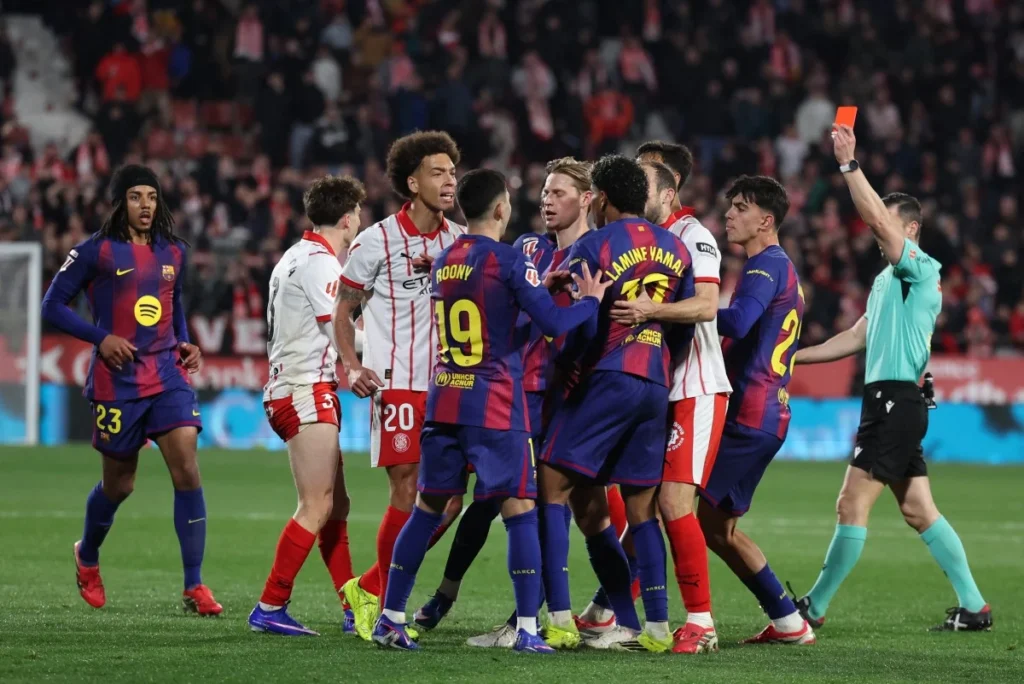
Tensions escalated in the closing stages. Barcelona’s players appealed for a foul on Kunde by Claudio Echeverri in the buildup to Girona’s winner but play continued. The Catalan club, which last week lodged a formal complaint with the Spanish football federation citing refereeing inconsistencies, reacted angrily to the decision.

“It seemed like a foul (on Kunde) to me, but we shouldn’t focus on decisions we can’t control,” defender Gerard Martin said afterward.

Girona finished the match with 10 men after Joel Roca was dismissed in stoppage time for a heavy challenge on Yamal, though the red card came too late to alter the outcome. The final whistle was greeted with exuberant scenes inside Montilivi as Barcelona’s players sought clarification from the officiating crew.

While the result narrows to a two-point deficit, the psychological impact could prove more damaging for Barcelona. The defeat not only hands Real Madrid control of the standings but also highlights vulnerabilities in Flick’s evolving project.

Barcelona’s attacking dynamism remains evident, yet inefficiency in front of goal continues to haunt the side. Yamal’s missed penalty was pivotal. At 16, the winger carries immense expectation, and such moments underscore the delicate balance between nurturing youthful brilliance and managing high-pressure responsibilities.

Defensively, Barcelona’s structure showed lapses at critical junctures. Girona’s equalizer stemmed from a lapse in marking, while the late winner exposed hesitation at the edge of the area. For a team seeking back-to-back league titles, concentration in decisive moments is non-negotiable.

The officiating controversy may dominate headlines in the short term, particularly given the club’s recent formal grievance to federation authorities. However, the broader narrative centers on consistency. Championship campaigns often hinge on resilience in tightly contested fixtures, especially derbies where form can prove secondary to intensity.

Girona’s performance also warrants recognition beyond the upset narrative. Positioned in midtable, the club demonstrated tactical clarity and composure under sustained pressure. Lemar’s movement and Beltran’s composure in the closing minutes illustrated a side capable of punishing elite opponents when opportunities arise.

For Real Madrid, the outcome represents a strategic advantage without stepping onto the field. With momentum on its side, the capital club now dictates the pace of the title race. Barcelona, meanwhile, faces renewed scrutiny as it attempts to recalibrate ahead of upcoming fixtures.

The season remains far from decided, but Monday’s defeat reshapes the dynamics at the summit. In a campaign defined by narrow margins, missed penalties, late defensive lapses and contentious decisions could ultimately determine the destination of the trophy.

Barcelona must respond swiftly. The champions have little margin for further missteps if they intend to reclaim control of Spain’s most demanding domestic competition.

Gunmen Kill 32 Farmers, Kidnap Dozens in Coordinated Attacks on Niger State Communities, in Nigeria

0

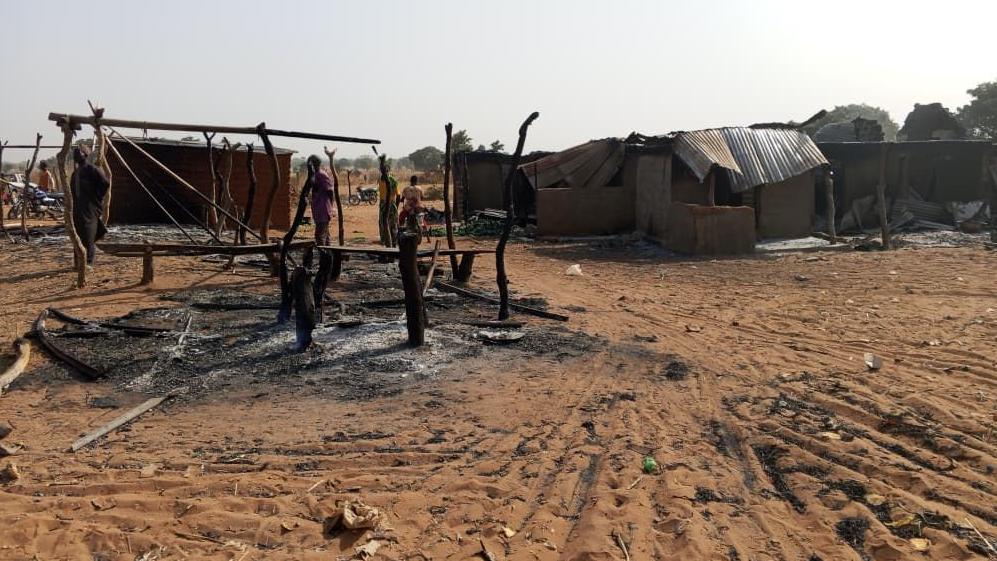
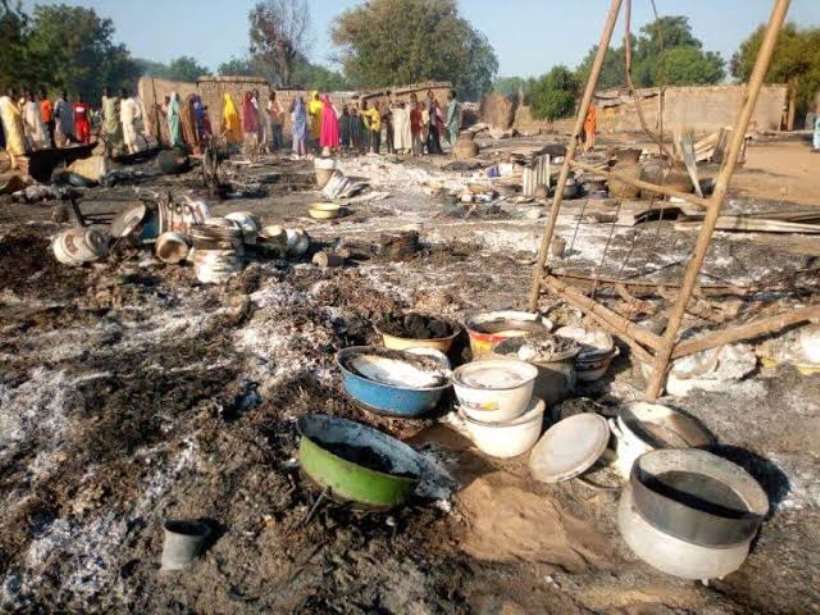
MINNA, Nigeria (BN24) — Armed assailants killed at least 32 farmers and abducted several others during coordinated predawn raids on three rural communities in Borgu Local Government Area of Niger State, residents and police authorities said Saturday.

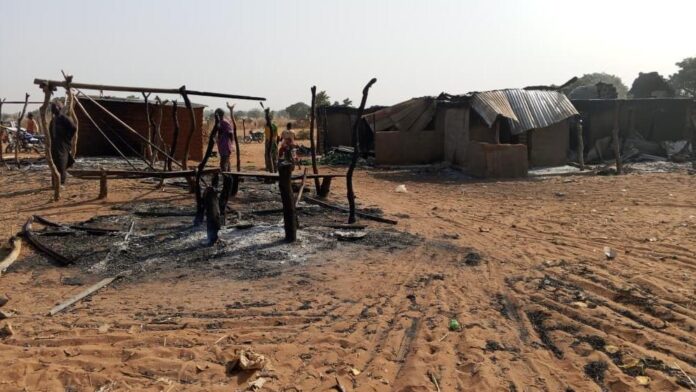
The attacks targeted Tunga-Makeri, Konsoko and Pissa villages in what locals described as a sustained assault that unfolded over several hours, leaving homes in ruins and residents fleeing for safety.

Residents said the first wave of violence struck Tunga-Makeri in Konkoso Ward at about 3 a.m., when gunmen stormed the village and opened fire. Six people were killed in that initial onslaught, according to community members.

The attackers later advanced to Konsoko and Pissa at around 6 a.m., firing indiscriminately as they moved through the communities. Locals estimated that at least 26 additional people were killed during those assaults, bringing the death toll to 32. Several buildings were set ablaze, including a police outpost, witnesses said.

The precise number of casualties in Pissa, located in the Kabe/Pissa area, has yet to be independently verified, residents added.

Hassan Abdullahi, who lives in the area, said the gunmen were heavily armed and appeared to operate without immediate resistance. He estimated that more than 200 attackers participated in the coordinated raids.

According to Abdullahi, the violence that began shortly after dawn in the affected communities continued until approximately 10 a.m. He noted that the villages lie about 200 kilometers (124 miles) from the Nigerian Air Force Base in New Bussa, which serves as the administrative headquarters of Borgu LGA.

Authorities confirmed portions of the account while indicating that details from some of the communities remain incomplete.

Wasiu Abiodun, spokesperson for the Niger State Police Command, said security officials received a distress report around 6 a.m. indicating that suspected bandits had invaded Tunga-Makeri village via Shafachi District at approximately 3 a.m.

Abiodun confirmed that six people were killed in Tunga-Makeri, several houses were burned and an undetermined number of residents were taken hostage.

He added that the attackers subsequently moved toward Konkoso village and Konsoko, though comprehensive details about those incidents were still being gathered.

“On 14/2/2026 at about 6:00 a.m., a report was received indicating that at about 3:00 a.m., suspected bandits invaded Tunga-Makeri village via Shafachi District in Borgu LGA,” Abiodun said. “During the attack, six persons lost their lives, some houses were set ablaze, and a yet-to-be-ascertained number of persons were abducted. The terrorists were also reported to have moved to Konkoso village, while other details remain sketchy.

“Meanwhile, joint security teams have been mobilised to the scene for assessment, and efforts to rescue the victims are ongoing.”

Security agencies have yet to provide an official cumulative death toll covering all three communities. However, multiple residents maintained that the combined fatalities reached at least 32.

The assaults underscore the persistent insecurity in parts of north-central Nigeria, where rural communities frequently face raids by heavily armed groups commonly referred to as bandits by authorities. Such attacks often involve mass killings, kidnappings for ransom and the destruction of property.

Saturday’s violence also highlights the logistical challenges confronting security forces in remote areas. Residents emphasized the considerable distance between the affected communities and major military installations, raising concerns about response times during emergencies.

While police confirmed the mobilization of joint security teams, questions remain about how a large group of armed attackers could operate for several hours without immediate interception.

The scale and coordination of the attacks suggest a level of organization that goes beyond opportunistic criminality. Witness accounts describing more than 200 gunmen point to structured networks capable of deploying significant manpower across multiple villages in rapid succession.

Borgu LGA’s geographic location, characterized by expansive rural terrain and limited infrastructure, may further complicate rapid security responses. Sparse road networks and communication gaps often hamper real-time intelligence gathering and intervention.

The burning of a police outpost during the raids signals a deliberate effort to undermine local security presence and intimidate law enforcement. Such tactics can erode public confidence in state protection and embolden armed groups.

In recent years, Niger State has experienced recurring waves of violence linked to armed banditry and insurgent activities spilling over from neighboring regions. Farmers and rural dwellers have been particularly vulnerable, especially during planting and harvest seasons when they spend extended hours on farmlands.

The humanitarian consequences are immediate and far-reaching. Survivors often face displacement, loss of livelihoods and psychological trauma. The destruction of homes and community infrastructure compounds economic hardship in already fragile rural economies.

Efforts by authorities to deploy joint security teams may offer short-term stabilization, but analysts argue that lasting solutions will likely require a combination of enhanced intelligence operations, improved rural policing and socio-economic interventions aimed at addressing root causes of armed group recruitment.

For now, families in Tunga-Makeri, Konsoko and Pissa are grappling with grief and uncertainty as security agencies continue assessment and rescue operations. The full extent of the casualties and abductions may only become clear in the coming days.

As investigations proceed, residents say their immediate priority is safety and assurances that such large-scale assaults will not recur.

Premier League to Pause Matches During Ramadan to Support Muslim Players Observing Fast

0

LONDON (BN24) — The Premier League and the English Football League will once again allow brief pauses during certain matches throughout Ramadan, enabling Muslim players to break their daily fast at sunset.

The accommodation, first introduced in 2021, will apply to fixtures that coincide with sunset during the Islamic holy month, when observant Muslims refrain from food and drink from dawn until dusk.

As detailed by BBC Sport, Ramadan begins this week and will last for approximately one month. During that period, sunset across the United Kingdom is expected to fall between 5 p.m. and 7 p.m. GMT. As a result, only a limited number of fixtures, notably Saturday matches kicking off at 5:30 p.m. and Sunday games beginning at 4:30 p.m., are likely to require a brief stoppage.

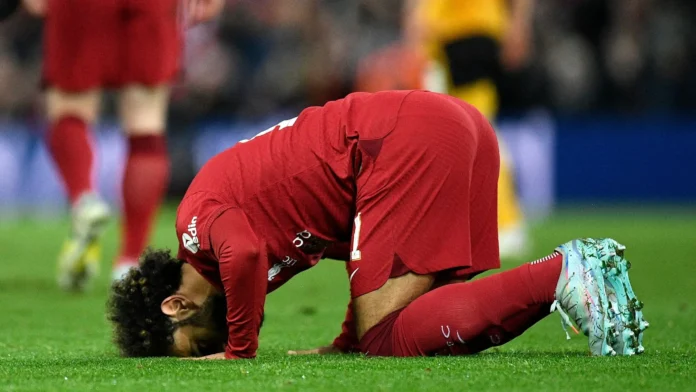
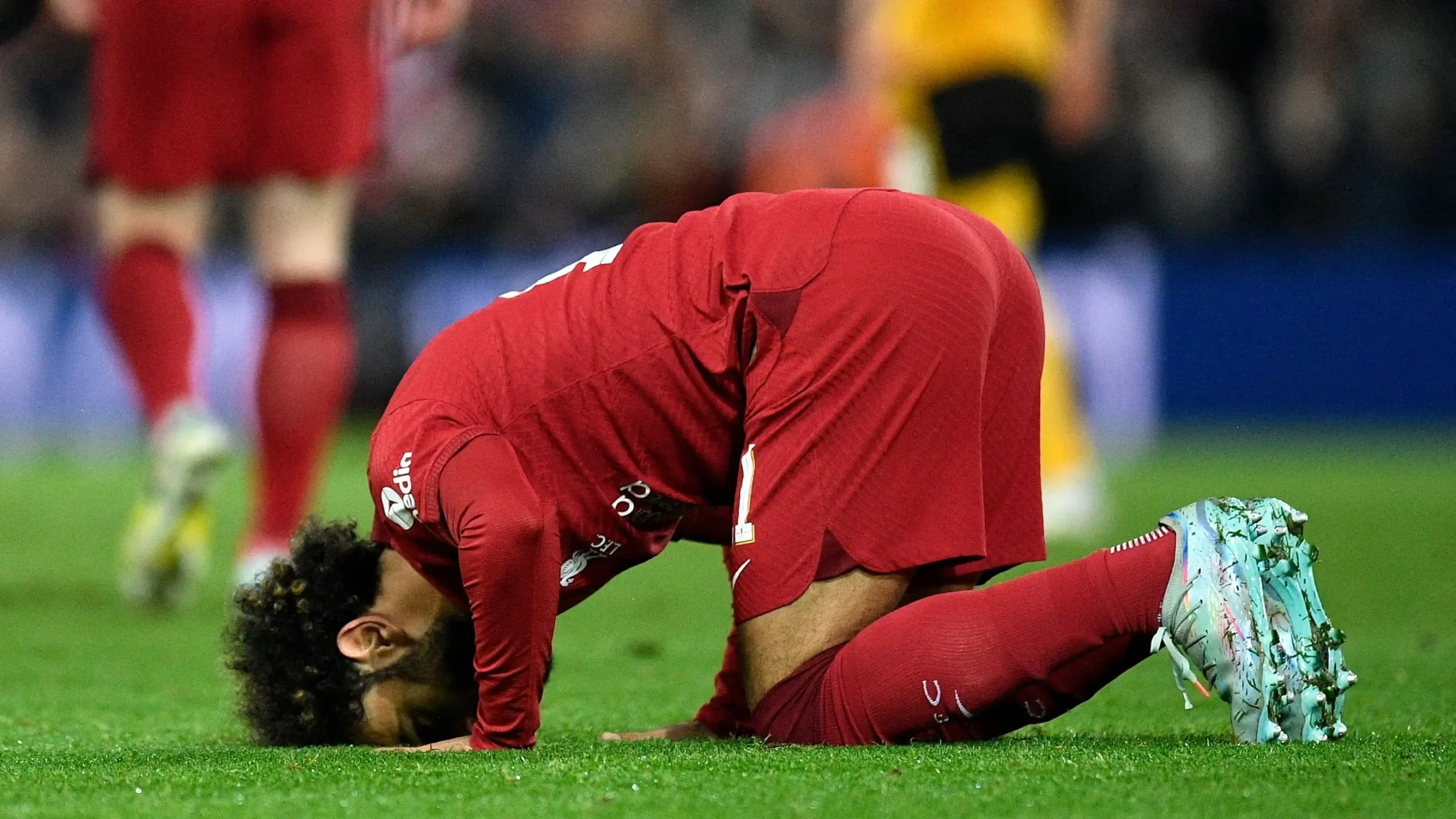
League officials clarified that play will not be halted while the ball is actively in motion. Instead, at a natural break in actio,n such as a goal kick, free kick, or throw-in, players observing Ramadan will be permitted a short window to hydrate and take on energy supplements.

In a statement outlining the procedure, the Premier League indicated that the approach is designed to ensure minimal disruption to the flow of the game while accommodating players’ religious commitments. The pauses are expected to last only long enough for athletes to consume fluids or energy gels.

The protocol was first applied in April 2021 during a match between Leicester City and Crystal Palace. On that occasion, the referee allowed a stoppage during a goal kick shortly after sunset. Leicester defender Wesley Fofana and Palace midfielder Cheikhou Kouyate used the moment to hydrate and replenish energy before play resumed.

Since then, clubs and match officials have coordinated in advance when fixtures fall during fasting hours. Before kickoff, referees and team representatives determine whether a pause will be necessary and identify an approximate time window aligned with sunset.

League authorities emphasized that the objective is to strike a balance between maintaining competitive integrity and respecting religious observance. The Premier League has indicated it wants players to be able to compete at peak performance while honoring their faith commitments, adding that the breaks are structured to be brief, practical, and respectful.

The continuation of the Ramadan pause reflects a broader evolution within English football, as the sport adapts to a diverse and global player base. The Premier League, widely regarded as one of the most internationally representative competitions in world football, includes numerous Muslim players across its clubs. For many of them, Ramadan presents a unique physical challenge, particularly when fasting coincides with high-intensity evening matches.

Sports scientists have long noted that fasting can affect hydration levels, glycogen stores, and short-term energy output, all critical factors in elite competition. Although professional athletes often adjust training and nutrition strategies during Ramadan, the timing of matches at sunset can create a narrow window between breaking the fast and peak exertion.

By formalizing sunset pauses, English football authorities are signaling an acknowledgment of these physiological realities while reinforcing inclusion efforts. The measure also aligns with previous league initiatives aimed at combating discrimination and promoting equality within the sport.

The approach remains carefully calibrated. Officials have been clear that matches will not be stopped mid-attack or during decisive passages of play. Instead, the stoppages are integrated seamlessly into natural breaks, preserving both fairness and entertainment value.

In recent seasons, gestures recognizing Ramadan have extended beyond brief pauses. Some clubs have publicly marked the start of the holy month on social media, while stadium announcers and broadcasters have occasionally acknowledged fasting players during live coverage. These actions reflect a growing awareness of the cultural and religious diversity within football’s global audience.

Still, the policy has prompted discussion about competitive balance and uniformity across leagues. While England’s top divisions have adopted a coordinated approach, similar accommodations are not uniformly applied across all European competitions. That disparity has led some observers to suggest that governing bodies such as UEFA could consider broader guidance.

From a sporting perspective, the pauses are unlikely to materially alter match outcomes. The interruptions typically last less than a minute and occur at routine stoppages. However, symbolically, they represent a visible acknowledgment of religious observance in one of the world’s most-watched leagues.

As Ramadan unfolds over the coming weeks, only a handful of fixtures are expected to require the sunset accommodation due to scheduling patterns. Nonetheless, the policy’s continuation underscores the Premier League’s ongoing efforts to adapt to the needs of its players while safeguarding the rhythm and competitiveness of its matches.

For Muslim footballers balancing faith and profession, the brief whistle at sunset offers both physical relief and a signal that their religious commitments are recognized at the highest levels of the English game.

Robert Duvall, Oscar-Winning Star of The Godfather and Tender Mercies, Dies at 95

0

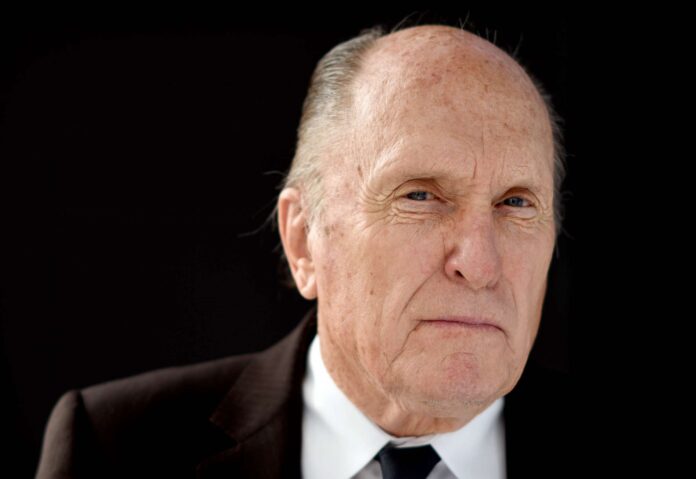
LOS ANGELES (BN24) — Robert Duvall, the Oscar-winning actor whose understated intensity and commanding presence defined some of the most enduring films of the 20th century, has died at 95.

His death was announced in a statement shared on Facebook by his wife, Luciana Duvall.

“Yesterday we said goodbye to my beloved husband, cherished friend, and one of the greatest actors of our time,” she wrote. “Bob passed away peacefully at home, surrounded by love and comfort. To the world, he was an Academy Award-winning actor, a director, a storyteller. To me, he was simply everything.”

She added that his devotion to acting was matched by his affection for everyday pleasures and deep personal connections. “For each of his many roles, Bob gave everything to his characters and to the truth of the human spirit they represented,” she wrote, thanking supporters for their years of encouragement and requesting privacy for the family.

Over a career that spanned nearly six decades, Duvall moved seamlessly between leading and supporting roles, bringing tightly wound intensity and quiet authority to a wide range of characters. He earned Academy Award nominations for performances in films including The Godfather, Apocalypse Now, and The Great Santini.

He captured the best actor Oscar in 1984 for his portrayal of washed-up country singer Mac Sledge in Tender Mercies, directed by Bruce Beresford. The performance, restrained and deeply humane, showcased Duvall’s ability to communicate emotional turmoil through subtle gestures rather than theatrical display.

In Network, he embodied a calculating television executive with chilling conviction. Two decades later, he wrote, directed, and starred in The Apostle, delivering a fervent turn as a Pentecostal preacher grappling with guilt and redemption. The film underscored his willingness to explore morally complex territory and to take creative risks beyond acting.

Born Robert Seldon Duvall on Jan. 5, 1931, in San Diego, California, he was the son of an amateur actress and a U.S. Navy rear admiral. His upbringing on naval bases across the country, including time in Annapolis, Maryland, exposed him to a disciplined, itinerant lifestyle that would later inform many of his performances portraying military and authority figures.

He graduated from Principia College in Elsah, Illinois, in 1953 and served two years in the U.S. Army during the Korean War. After returning home, he pursued formal acting training at the Neighborhood Playhouse in New York, studying under the influential teacher Sanford Meisner. Among his classmates were future stars Dustin Hoffman, Gene Hackman, and James Caan.

During those lean early years, Duvall supported himself with odd jobs while sharing an apartment with Hoffman and Hackman. He appeared in Broadway and Off-Broadway productions, including stagings of The Crucible and A View from the Bridge by Arthur Miller, and secured guest roles on television programs such as The Twilight Zone.

Duvall made his film debut at age 31, portraying the reclusive Arthur “Boo” Radley in the 1962 adaptation of To Kill a Mockingbird. Though his screen time was limited, the performance left a lasting impression and signaled the arrival of a distinctive talent.

Throughout the 1960s, he steadily built his reputation, appearing alongside John Wayne in True Grit and collaborating with Francis Ford Coppola in The Rain People. His partnership with Coppola would soon yield one of his most celebrated roles: Tom Hagen, the composed consigliere in The Godfather, a performance that anchored the epic crime saga with quiet loyalty and measured intelligence.

By the 1970s, Duvall had emerged as a central figure in the “New Hollywood” era, a transformative period marked by director-driven projects and morally ambiguous protagonists. Alongside contemporaries such as Al Pacino and Robert De Niro, he helped redefine leading-man archetypes, favoring psychological depth over glamour.

Duvall’s legacy rests not only on the awards he accumulated, seven Academy Award nominations and seven Golden Globe nominations, but on the particular style of masculinity he projected onscreen. At a time when Hollywood often equated heroism with bravado, Duvall specialized in restraint. His characters frequently conveyed authority through stillness, suggesting inner lives simmering beneath controlled exteriors.

Film historians have often credited the New Hollywood generation with dismantling the polished studio-era image of stardom. Duvall embodied that shift. He did not conform to traditional matinee-idol standards; instead, his appeal lay in authenticity. Whether as a military officer, a crime family adviser, or a broken-down musician, he conveyed a lived-in realism that resonated with audiences navigating a rapidly changing America.

His Oscar-winning performance in Tender Mercies illustrated a broader cultural appetite in the 1980s for intimate, character-driven storytelling amid blockbuster spectacles. Meanwhile, his later work in The Apostle demonstrated a willingness to explore faith and moral reckoning at a time when such themes were rarely foregrounded in mainstream cinema.

Duvall’s influence can be traced in subsequent generations of actors who prize nuance over flash. His career serves as a case study in longevity built on craft rather than celebrity. Even in supporting roles, he often became the emotional center of a film, elevating ensemble casts through disciplined precision.

As tributes emerge from across the film community, Duvall’s body of work stands as a testament to the power of subtlety in an industry frequently drawn to excess. From Boo Radley’s silent watchfulness to Tom Hagen’s composed counsel, he created characters that endure not because they were loud, but because they were profoundly human.

He is survived by his wife, Luciana Duvall.

Nigeria Confirms Arrival of 100 U.S. Military Personnel for Training, Intelligence Support

0

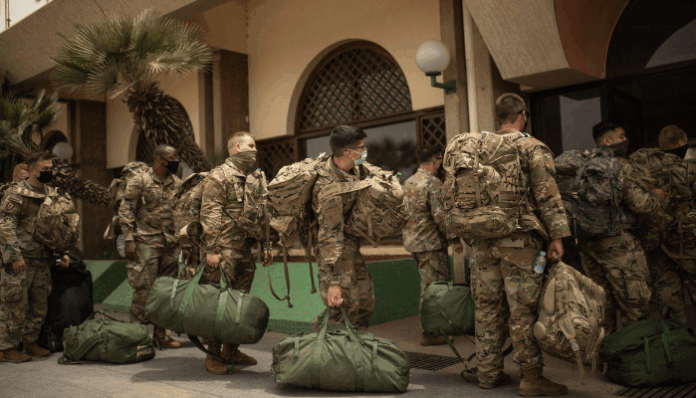
Nigeria’s Defence Headquarters has confirmed the arrival of approximately 100 United States military personnel and associated equipment at Bauchi Airfield, describing the deployment as part of an expanded security partnership between Abuja and Washington.

In a statement issued Monday and signed by Major General Samaila Uba, Director of Defence Information, the Defence Headquarters said the American personnel were deployed following a formal request by the Federal Government of Nigeria for support in specific training, technical and intelligence areas.

The statement characterized the deployment as “planned and deliberate,” noting that it stems from prior working group discussions between Nigerian officials and their U.S. counterparts. It said the arrangement is intended to address clearly defined military training requirements and to enhance intelligence-sharing mechanisms between the two nations’ armed forces.

According to the Defence Headquarters, the U.S. personnel are technical specialists serving strictly in advisory and instructional roles. They are not combat forces, the military emphasized.

“All training activities will be conducted under the authority, direction and control of the Nigerian Government and in close coordination with the Nigerian Armed Forces,” the statement said, underscoring that operational sovereignty remains with Abuja.

The Defence Headquarters indicated that Nigerian troops will soon begin joint engagements with the American advisers, focusing on coordinated training exercises and intelligence-centered cooperation initiatives. The objective, it said, is to strengthen the ability of Nigerian forces to identify, disrupt and neutralize extremist groups seeking to destabilize the country.

Reuters reported that roughly 100 U.S. military personnel had already arrived in Nigeria as Washington intensifies efforts aimed at countering Islamist insurgents. The news agency cited Nigeria’s defence spokesperson as confirming that the American troops would train and advise local forces but would not participate in combat operations.

Earlier, Sahara Reporters had indicated that as many as 200 U.S. troops were expected to deploy to Nigeria to provide training and technical assistance. The report said both governments had stressed that the American personnel would not engage directly in fighting.

Major General Uba previously told AFP that the United States would assist Nigeria with training and technical support. The Wall Street Journal later wrote that additional troops could supplement a small U.S. team already present in Nigeria to assist with air strike targeting and intelligence coordination. The reinforcements, the newspaper said, would focus on improving synchronization between air operations and ground forces.

Flight tracking data reviewed by Reuters showed several aircraft carrying U.S. personnel and equipment heading toward Nigeria’s northern states in recent days, suggesting a phased buildup of advisory capabilities.

Presidential spokesperson Sunday Dare has said Nigeria requires substantial U.S. assistance, particularly in advanced military hardware such as fighter aircraft and munitions, though he declined to specify quantities or delivery timelines.

The expanded cooperation comes as Nigeria confronts persistent security threats from insurgent and extremist groups operating primarily in the north and northeast. Although the government has recorded territorial gains against militants over the past decade, sporadic attacks continue, including assaults on military formations and civilian communities.

In December, U.S. forces carried out strikes targeting Islamic State-linked militants in the region, and a small American team has been operating in Nigeria to bolster intelligence capabilities. The new arrivals appear to formalize and enlarge that advisory footprint.

The security partnership also unfolds against a backdrop of diplomatic tension. President Donald Trump has accused Nigeria of failing to adequately protect Christians from Islamist violence in parts of the country. Nigeria’s government rejects allegations of religious bias, maintaining that its security forces confront armed groups regardless of faith and that both Christians and Muslims have been victims of extremist attacks.

Nigeria, Africa’s most populous nation with roughly 240 million people, is religiously diverse, with Christians concentrated largely in the south and Muslims predominantly in the north. Authorities acknowledge serious security challenges but deny claims of systematic persecution based on religion.

The Defence Headquarters sought to reassure Nigerians that the cooperation with Washington will be transparent and confined to training and intelligence functions. It pledged to provide “clear, accurate and timely information” regarding ongoing military collaboration.

Security analysts say the advisory deployment signals a recalibration of U.S.–Nigeria defense ties after periods of fluctuating engagement. In recent years, Nigeria has diversified its military procurement and partnerships, acquiring equipment from multiple countries while seeking broader intelligence-sharing arrangements to confront insurgent networks.

From a strategic standpoint, the arrival of U.S. advisers may enhance Nigeria’s operational planning and inter-service coordination, particularly in complex missions requiring simultaneous air and ground operations. Improved targeting protocols and intelligence integration could reduce civilian casualties and increase mission effectiveness — areas that have drawn scrutiny in past campaigns.

However, analysts caution that external training and technical support alone cannot resolve the structural drivers of insecurity, including poverty, weak local governance, porous borders and community grievances. Sustained progress, they say, will depend on complementary reforms in policing, justice administration and regional cooperation within the Lake Chad Basin.

For Washington, the deployment aligns with broader counterterrorism priorities in West Africa, where Islamist groups have expanded their reach across parts of the Sahel. Strengthening Nigeria’s military capacity is seen as critical to preventing further regional spillover.

Whether the advisory mission expands beyond its current scope remains unclear. For now, Nigerian officials stress that the American personnel are present strictly as trainers and advisers, with operational command firmly in Nigerian hands.

The Defence Headquarters said the Armed Forces of Nigeria remain committed to degrading and defeating terrorist organizations that threaten national sovereignty and the safety of citizens, framing the U.S. deployment as one component of a broader, ongoing security strategy.

SaharaReporters/TheGuardianngr

US Freezes Assets of 8 Nigerians Over Alleged Boko Haram, ISIL and Cybercrime Links

0

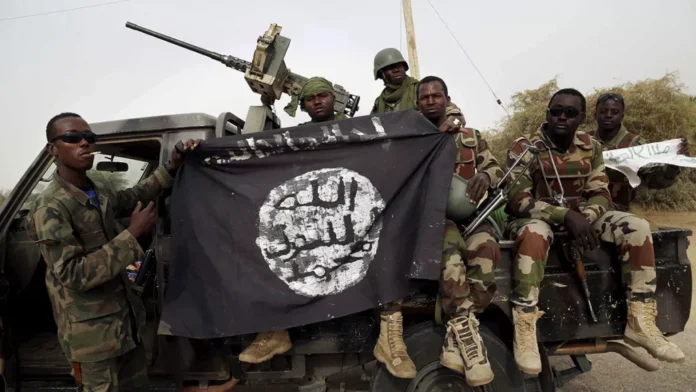
The United States has imposed sanctions on eight Nigerians accused of ties to Boko Haram, the Islamic State of Iraq and the Levant, and cybercrime networks, freezing any assets under U.S. jurisdiction and barring American individuals and companies from conducting business with them.

The designations were detailed in a Feb. 10 update to the U.S. Treasury Department’s Office of Foreign Assets Control publication titled “Specially Designated Nationals and Blocked Persons List,” a 3,000-page registry that serves as formal notice of individuals and entities subject to economic penalties.

In its notice, OFAC said the publication functions as a compliance guide, alerting financial institutions and the public to enforcement actions involving individuals “whose property is blocked” under U.S. sanctions authorities. The agency described the measures as part of broader counterterrorism and national security efforts aimed at disrupting financial support networks linked to extremist organizations.

The sanctions freeze all property and interests in property of the named individuals that fall within U.S. jurisdiction. U.S. persons are generally prohibited from engaging in transactions with them under Executive Order 13224, a counterterrorism authority first issued after the Sept. 11 attacks and subsequently expanded.

Among those listed is Salih Yusuf Adamu, also known as Salihu Yusuf, born Aug. 23, 1990, in Nigeria. OFAC identified him as having connections to Boko Haram. He was one of six Nigerians convicted in 2022 in the United Arab Emirates for establishing a Boko Haram financing cell. Emirati authorities determined the group attempted to move $782,000 from Dubai to Nigeria to support insurgent activity.

Also designated was Babestan Oluwole Ademulero, born March 4, 1953, who appeared under multiple aliases including Wole A. Babestan and Olatunde Irewole Shofeso. He was sanctioned under the SDNTK counterterrorism authority.

The list further includes Abu Abdullah ibn Umar Al-Barnawi, also known as Ba Idrisa; Abu Musab Al-Barnawi, also identified as Habib Yusuf; Khaled, or Khalid, Al-Barnawi; Ibrahim Ali Alhassan; and Abu Bakr ibn Muhammad ibn Ali Al-Mainuki, also known as Abu-Bilal Al-Minuki. U.S. authorities associated those individuals with Boko Haram or ISIL-related activities. Several were born in Maiduguri or other areas of Borno State, a region that has long been at the center of Nigeria’s insurgency.

In addition to terrorism-related designations, Nnamdi Orson Benson, born March 21, 1987, was placed under CYBER2 sanctions authorities for cyber-related offenses.

The U.S. formally designated Boko Haram as a Foreign Terrorist Organization in 2013. The State Department has said the group has carried out thousands of killings across northern and northeastern Nigeria and in parts of Cameroon, Chad and Niger since 2009.

The sanctions announcement comes amid heightened scrutiny in Washington over security conditions in Nigeria. Punchng noted that members of the U.S. Congress recently urged visa restrictions and asset freezes targeting individuals and organizations accused of religious freedom violations and persecution of Christians.

Separately, The Guardian Nigeria reported that U.S. lawmakers recommended visa bans and asset freezes against former Kano State Gov. Rabiu Kwankwaso, the Miyetti Allah Cattle Breeders Association of Nigeria and Miyetti Allah Kautal. Those recommendations were referenced in discussions surrounding the OFAC publication, though formal sanction status depends on Treasury determinations.

OFAC emphasized that its publication provides “actual notice of actions” taken against designated persons and entities to assist compliance with sanctions programs administered by the department.

In October 2025, President Donald Trump announced that Nigeria would again be placed on the U.S. State Department’s list of “Countries of Particular Concern,” citing allegations of religious persecution. Nigeria had previously been added to the list in 2020 during Trump’s first term but was removed in 2021 under President Joe Biden.

Under U.S. law, the secretary of state may designate countries that have repeatedly provided support for acts of international terrorism or engaged in severe violations of religious freedom. Such determinations can trigger restrictions under the National Defense Authorization Act, the Arms Export Control Act and the Foreign Assistance Act.

While the latest sanctions target specific individuals rather than the Nigerian government, the move underscores Washington’s sustained focus on counterterrorism financing and cyber-enabled threats originating from or linked to West Africa.

Analysts say sanctions serve both punitive and preventative purposes. By blocking access to the U.S. financial system, the Treasury Department aims to limit the ability of designated individuals to move funds internationally, acquire weapons or coordinate cross-border networks. Even when targeted individuals hold limited assets in the United States, their designation can deter banks and institutions worldwide from facilitating transactions due to compliance risks.

The inclusion of cybercrime-related sanctions alongside terrorism designations reflects the expanding scope of U.S. enforcement tools. Financial crimes and digital fraud operations have increasingly intersected with extremist financing models, according to security experts, complicating efforts to dismantle illicit networks.

At the same time, sanctions often carry diplomatic implications. Nigeria remains a key U.S. partner in Africa, particularly in counterterrorism cooperation and regional stability initiatives. Expanded designations could add strain to bilateral discussions, especially against the backdrop of religious freedom debates and political sensitivities.

Security observers note that Boko Haram has splintered over the past decade, with factions aligning at times with ISIL-affiliated groups. Although Nigerian authorities have reported military gains against insurgents, sporadic attacks continue in the northeast and surrounding Lake Chad Basin.

For Washington, the latest Treasury action signals continuity in a sanctions-based strategy that has evolved over more than a decade of counterterrorism operations in Nigeria and neighboring states. Whether the designations significantly disrupt financing pipelines remains to be seen, but they reinforce a broader U.S. effort to leverage economic tools against militant and cyber-linked threats.

The Treasury Department did not indicate whether additional designations are forthcoming.

Young Girl Killed, Four Injured in Shooting at Rhode Island High School Hockey Game; Suspect Also Dead

0

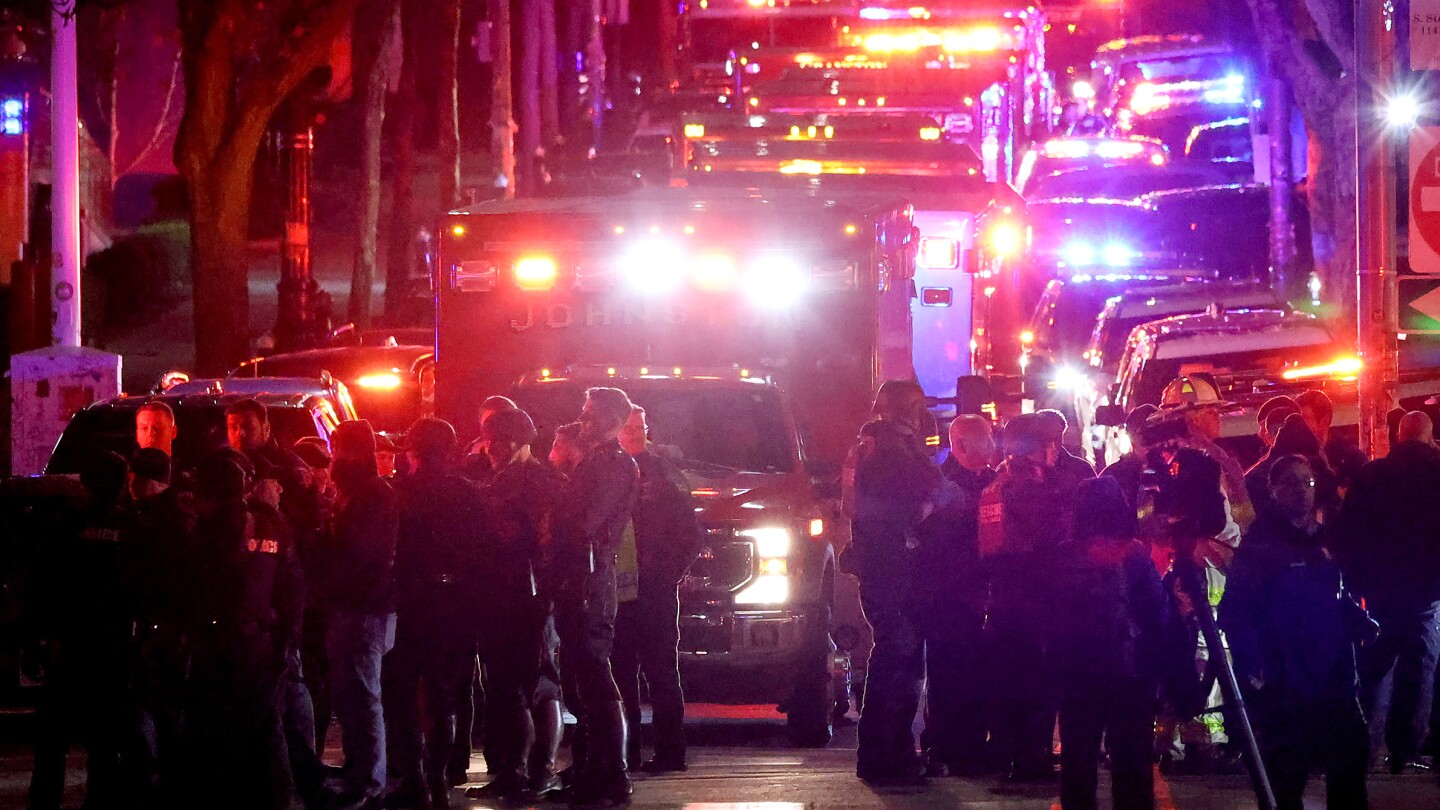
A young girl was killed and four other people were wounded after a gunman opened fire from the stands during a high school boys hockey game Monday afternoon at the Dennis M. Lynch Arena in Pawtucket, authorities said. The suspected shooter also died at the scene.

Police said the shooting unfolded around 2:30 p.m. as teams from Coventry-Johnston and St. Raphael-Providence Country Day-North Providence-North Smithfield were playing before a crowd of students, parents and spectators.

The mayor’s office in Pawtucket confirmed that officers are not seeking additional suspects after determining the gunman was deceased. Law enforcement officials briefed on the investigation indicated the violence appears to have stemmed from a domestic dispute, with the shooter allegedly targeting members of his own family before turning the weapon on himself.

Authorities have not publicly identified the victims or the suspect pending notification of families.

The gunfire erupted from behind one of the team benches, triggering panic inside the arena. Witnesses described hearing a series of loud bangs that at first resembled firecrackers before realizing they were gunshots.

Chip DeLorenzo, a photographer covering the game, said he was positioned near the rink when the shots rang out.

“I heard multiple loud pops,” he said. “At first it sounded like fireworks, but when people started screaming, it became clear something was very wrong.”

Spectators scrambled for cover, and many fled the building as emergency sirens filled the air outside.

An employee at a nearby Walgreens said children rushed into the store seeking safety, telling workers that shots had been fired inside the arena. The store was temporarily closed and evacuated as police secured the area.

Investigators said at least one bystander attempted to intervene during the chaos. Local media reported that a father confronted the gunman and wrestled a firearm away from him, though the suspect allegedly produced another weapon moments later. Authorities have not confirmed those details.

Emergency crews transported four wounded individuals to local hospitals. Their conditions were not immediately released. Officials confirmed that one of the victims, described as a young girl, died from her injuries.

Rhode Island Gov. Dan McKee said state police were assisting Pawtucket authorities and urged the public to avoid the area as the investigation continued.

“I am praying for Pawtucket and everyone involved,” McKee said in a statement.

Pawtucket Mayor Donald R. Grebien said law enforcement quickly secured the arena and evacuated spectators. Officers conducted a thorough sweep of the building to ensure there were no additional threats.

Agents from the Boston field office of the Bureau of Alcohol, Tobacco, Firearms and Explosives responded to assist with the investigation. The agency said it is working alongside local and state authorities to determine the sequence of events and examine the firearms involved.

School officials from the participating teams issued statements confirming that their students were safe.

Coventry Public Schools Superintendent Don Cowart said all members of the Coventry-Johnston hockey team were accounted for and under police supervision as reunification plans were arranged with families.

Providence Country Day School and St. Raphael Academy also confirmed that their students and staff at the game were safe.

The shooting sent shockwaves through the tight-knit Rhode Island hockey community, where high school games are often family-oriented events drawing large crowds. Parents and students gathered outside the arena as flashing police lights illuminated the streets.

Authorities have not disclosed a motive beyond preliminary indications that the incident may have been domestic in nature. Detectives are reviewing surveillance footage, interviewing witnesses and reconstructing the events that led to the deadly outbreak of violence.

Officials said more information would be released once the investigation advances.

The tragedy underscores growing concerns about gun violence in public spaces, even at youth sporting events typically considered safe gathering places for families.

As night fell, police remained stationed outside the arena while forensic teams processed the scene.

Community leaders urged residents to support those affected and to rely on verified updates from law enforcement as details continue to emerge.

The investigation remains active.

TheSun/NBC

DON'T MISS ANY OF OUR UPDATE