Home Blog Page 301

U.S. Resumes Student Visas With New Requirement: Open Social Media for Government Review-AP

WASHINGTON (BN24) — The U.S. State Department announced Wednesday it has resumed processing student visas for foreign nationals after a temporary suspension—but is now requiring all applicants to provide unrestricted access to their social media accounts as part of an expanded vetting process.

Under new directives, consular officers will screen posts and messages for any signs of hostility toward the United States, its people, government, institutions, and foundational principles, according to a public notice and internal guidance issued by the department.

The policy requires applicants to set their social media profiles to “public”, allowing government officials to conduct what the department described as “comprehensive and thorough vetting” of each student and exchange visitor.

“Enhanced social media vetting will ensure we are properly screening every single person attempting to visit our country,” the department said in a statement. “Refusal to comply may be treated as a red flag indicating an attempt to evade scrutiny or conceal problematic activity.”

The decision to reinstate student visa processing comes after a May suspension that had halted most new applications. Now, the path for international students to study in the U.S. has reopened, but with significantly heightened scrutiny.

The State Department emphasized that the policy shift is driven by national security concerns, citing the need to prevent individuals who may pose ideological threats to U.S. values from entering the country.

In confidential guidance shared with U.S. consulates and reviewed by Reuters, officers are instructed to look for “any indications of hostility toward the citizens, culture, government, institutions, or founding principles of the United States.”

Applicants may be rejected not only for overtly violent or extremist content, but also for posts that undermine U.S. democratic ideals or promote disinformation, according to officials familiar with the criteria.

While the department did not specify which social platforms are subject to review, it is expected to include Facebook, Instagram, X (formerly Twitter), TikTok, LinkedIn, and others frequently used by students and young adults.

Critics of the move, including some civil liberties advocates and international education groups, warned the policy could have a chilling effect on speech and dissuade international students from applying to U.S. universities.

“There’s a fine line between national security and ideological policing,” said one immigration rights attorney who requested anonymity. “The requirement to publicly expose private communications for evaluation by a foreign government sets a troubling precedent.”

However, supporters of the change argue that thorough social media vetting is a necessary precaution in the digital age, especially as online behavior can reveal security risks that might not otherwise be detected.

The move mirrors earlier efforts during President Donald Trump’s first term to enhance vetting for visa applicants, which included requesting email addresses, phone numbers, and social media handles used in the past five years.

The policy could impact hundreds of thousands of international students who apply to U.S. schools annually. According to the Institute of International Education, more than one million foreign students were enrolled in American colleges and universities in the last academic year, generating billions in tuition and related spending.

Many universities are expected to monitor the impact of this policy on international admissions and student morale, especially in countries where online expression is common and sometimes politically charged.

For now, visa applicants must prepare for a new digital transparency standard that will play a central role in their eligibility to study in the United States.

Karen Read Acquitted of Murder in Death of Boston Police Officer Boyfriend; Convicted Only of DUI

DEDHAM, Mass. (BN24) — Karen Read, the Massachusetts woman accused of killing her Boston police officer boyfriend in 2022, was found not guilty Wednesday of second-degree murder, capping a high-profile case that drew national attention and intense public debate.

The Norfolk County jury acquitted Read of all major charges, including second-degree murder, manslaughter, and leaving the scene of an accident resulting in death, nearly a year after her first trial ended in a mistrial.

She was found guilty only of operating under the influence of alcohol, a misdemeanor for which she received a sentence of one year probation—the standard punishment for a first-time offense.

Supporters erupted in cheers outside the courthouse as the verdict was read. Inside, Read wept and embraced her legal team, visibly emotional after nearly four years under public scrutiny and legal pressure.

Prosecutors alleged that Read struck and killed John O’Keefe, her boyfriend and a Boston police officer, with her SUV in the early hours of Jan. 29, 2022. They claimed she hit him while dropping him off outside a Canton home during a snowstorm, after a night of drinking, then left him in the snow to die.

The state’s theory centered on forensic damage to her vehicle and phone data showing her movement that night.

Read’s legal team, however, argued she was framed to protect others. They presented an alternative theory that O’Keefe was assaulted by people inside the house, potentially mauled by a dog, and then left outside after succumbing to his injuries. The defense accused investigators of suppressing evidence and targeting Read to shield powerful figures.

Karen Read, 44, did not testify in either trial but told reporters during the retrial that the jury had already heard her voice in numerous interview clips. “I am not testifying,” she said June 10. “They’ve heard my voice. They’ve heard a lot of me.”

The jury began deliberating on June 13 and returned a verdict five days later, on June 19. During deliberations, jurors submitted multiple questions, including whether a hung jury on one charge meant a hung jury on all, and whether video clips of Read’s interviews could be considered as evidence. Judge Beverly Cannone declined to directly answer hypothetical queries but reminded the jury that no verdict was official until it was recorded in open court.

Earlier Wednesday, confusion briefly surrounded the outcome when the court revealed the jury had initially indicated a verdict had been reached—then reversed course. The verdict slip was sealed until their final decision was confirmed in court.

Read’s first trial ended in a mistrial in July 2024, when the jury could not reach a consensus. Her attorneys said four jurors had already voted to acquit her of both murder and leaving the scene of an accident, but could not agree on the manslaughter charge involving a vehicle.

They later challenged her retrial on those same counts, claiming double jeopardy, but appeals—including one to the U.S. Supreme Court—were rejected.

“Today, our hearts are with John and the entire O’Keefe family,” the statement read. “They deserved better from our justice system.”

Outside the courthouse, Read expressed gratitude to her supporters, many of whom rallied behind her for years, raising funds and pushing for her acquittal. “No one has fought harder for justice for John O’Keefe than I have—and my team,” she said.

She also added civil attorney Victoria George, a former alternate juror from her first trial, to her legal team for the retrial—a highly unusual move that underscored the unique public nature of the case.

The verdict ends one of Massachusetts’ most controversial recent trials, though questions may still linger—and further legal action is possible in the civil or federal arena.

For now, Read walks free, cleared of the charges that could have sent her to prison for life.

Israeli Airstrikes Rock Tehran as Iran’s Missile Barrages Diminish

TEHRAN, Iran (BN24) — Israeli warplanes unleashed a wave of airstrikes across Iran’s capital overnight into Wednesday, targeting facilities tied to Tehran’s nuclear ambitions and military infrastructure, as Iran’s once-fierce retaliatory missile barrages showed signs of fading.

According to Israel’s military, the overnight strikes hit a centrifuge manufacturing site and another facility producing missile components. The military also said it intercepted 10 Iranian missiles overnight, underscoring the diminishing scope of Iran’s response, which has tapered off significantly after Israel’s direct strikes on launch sites.

Iran, meanwhile, warned the United States against intervening, calling any such move a path toward “all-out war in the region.” Speaking to Al Jazeera English, Iranian Foreign Ministry spokesperson Esmail Baghaei declared that American involvement would escalate the conflict to catastrophic levels.

The confrontation, now in its sixth day, has spiraled from a surprise Israeli bombing campaign launched Friday against Iranian military and nuclear targets. The assault has killed at least 585 people in Iran, including 239 civilians, according to Human Rights Activists, a U.S.-based Iranian group known for documenting internal Iranian affairs during past crises.

Across Tehran, the humanitarian toll is mounting. Shops and stalls in the city’s famed Grand Bazaar are shuttered. Long gas lines snake through neighborhoods. Roads are jammed with residents fleeing the capital as more explosions rattle the city in the early morning hours, including a major blast at approximately 5 a.m. near the Hakimiyeh district—an area housing a Revolutionary Guard academy.

Despite widespread damage, Iranian authorities have offered no official acknowledgment of the latest strikes, continuing a trend of silence as Israel’s assault intensifies. The country’s most recent casualty update, issued Monday, placed the death toll at 224 and the wounded at 1,277—figures now believed to be significantly outdated.

Since the conflict ignited, Iran has launched more than 400 missiles and hundreds of drones at Israel in retaliatory strikes, some of which struck civilian apartment buildings in central Israel, killing at least 24 and injuring hundreds. However, only a few missiles were fired on Wednesday—marking a stark drop-off Iran has not explained. Analysts attribute the lull to Israel’s successful targeting of many missile launchers across Iran.

The conflict has drawn close attention in Washington. President Donald Trump, who initially distanced the U.S. from the Israeli offensive, has since signaled a more aggressive stance. On social media, Trump called for Iran’s “UNCONDITIONAL SURRENDER” and warned Supreme Leader Ayatollah Ali Khamenei that “we know where you’re hiding,” though he added that the U.S. was “not planning to kill him—at least not for now.”

Trump’s comments followed a Tuesday phone call with Israeli Prime Minister Benjamin Netanyahu, according to a White House official. While the U.S. has yet to announce direct military involvement, it has deployed additional warplanes to the region.

Iranian military officials responded to Trump’s rhetoric with warnings of further action. “The operations carried out so far have been solely for the purpose of warning and deterrence,” said Gen. Abdul Rahim Mousavi, commander in chief of Iran’s army. “The punishment operation will be carried out soon.”

Israel has defended its escalation by citing Iran’s continued nuclear enrichment and what it says is a failure of diplomacy. The country claims the campaign is aimed at halting Iran’s ability to build a nuclear weapon. Though talks between the U.S. and Iran were still ongoing, Israel launched its offensive after the 60-day window for progress set by Trump passed without significant results.

Iran insists its nuclear program is peaceful, but remains the only non-nuclear weapons state enriching uranium to 60% purity—just shy of weapons-grade. U.S. intelligence agencies maintain there is no evidence that Iran is actively pursuing nuclear weapons.

On social media, Israeli Defense Minister Israel Katz wrote, “A storm is passing over Tehran. This is how dictatorships collapse.” Iran’s supreme leader struck a more defiant tone, vowing “no mercy” toward Israel in a post on his official X account.

For the first time since the war began, flights returned to Israel Wednesday morning. Two planes from Cyprus landed at Tel Aviv’s Ben Gurion International Airport, according to airport spokesperson Lisa Dvir.

Israel had shut its airspace to civilian flights due to the missile threat, stranding thousands of Israelis abroad and disrupting regional air travel. The partial reopening marks a shift, though the risk of incoming fire remains.

AP

Charred Bodies and Grief-Striken Survivors After Gunmen Kill Over 180 in Central Nigeria

YELWATA, Nigeria (BN240)— In the charred ruins of a central Nigerian village, Fidelis Adidi stood silently, staring at the smoldering remains of the room where he lost nearly everything. Hours earlier, Adidi had fled as heavily armed attackers stormed Yelwata under the cover of night. When he returned at daybreak, he found the burned bodies of his wife and four of his children.

“I lost five of my family members,” the 37-year-old farmer told Reuters, his voice strained and trembling. “My body is weak and my heart keeps racing.”

The massacre in Benue state—one of the deadliest in Nigeria this year—has left at least 180 people dead, according to Amnesty International, and displaced thousands more. It marks another grim chapter in the long-running and deadly conflict between herders and farmers in Nigeria’s volatile Middle Belt, where ethnic, religious, and land-use tensions continue to ignite horrifying violence.

The attack began Friday night and lasted until the early hours of Saturday. Armed men swept through the community of Yelwata, shooting indiscriminately and setting homes ablaze. Adidi had rented a room in the local market to shelter his two wives and children from the increasingly frequent clashes. But his precautions were no match for the ferocity of the assault.

His second wife and another child survived with severe injuries, while the small room they had sought as a haven was reduced to ash and ruin. Nearby, corpses burned beyond recognition lay next to heaps of singed farming tools and food supplies.

Market vendor Talatu Agauta, who is pregnant with her second child, narrowly escaped death by fleeing toward the state capital Makurdi when the gunmen arrived. She returned days later to find her entire stock—40 bags of rice—destroyed in the flames.

“It’s a devastating blow,” Agauta said, standing in the wreckage of her stall. “But I came back, and even if I die here, I don’t mind.”

Like many residents, Agauta refuses to abandon her home, despite the escalating insecurity that has gripped the region and left entire communities in ruins.

Benue state sits at the fault line between Nigeria’s predominantly Muslim north and Christian south, a fertile but combustible region long plagued by conflicts between nomadic herders and sedentary farmers over access to land and water.

The violence has persisted for years, but recent attacks—like the one in Yelwata—have grown increasingly brazen and deadly. Nigerian authorities, despite pledges and task forces, have struggled to quell the unrest, which experts warn could spiral into broader sectarian conflict.

President Bola Tinubu, calling the weekend bloodshed “depressing,” is scheduled to visit Benue on Wednesday, his first trip to the region since assuming office two years ago. His administration has come under growing pressure to address the security crisis that continues to claim lives across the countryside.

The National Emergency Management Agency (NEMA) said it is coordinating with humanitarian organizations to assist at least 3,000 people displaced by the Yelwata massacre. Temporary shelters have been erected, but access to food, water, and medical care remains limited.

As officials prepare for Tinubu’s arrival and vow stronger security measures, many in Yelwata remain haunted by the loss and doubtful of protection.

“I’ve buried four of my children in one day,” said Adidi, looking down at the scorched ground where his home once stood. “Nothing will ever be the same again.”

The Benue massacre underscores the urgent need for comprehensive solutions to Nigeria’s farmer-herder crisis—solutions that address not only security, but land reform, justice, and reconciliation.

Until then, villages like Yelwata remain vulnerable, and the cost of inaction is written in ashes and blood.

U.S. Withdraws from Two More Syrian Bases, Stirring Alarm Among Kurdish Forces Over Rising ISIS Threat

HASAKA PROVINCE, Syria (BN24) — U.S. troops have quietly pulled out of two more military bases in northeastern Syria, deepening a withdrawal campaign that Syrian Kurdish leaders warn is emboldening Islamic State militants and straining an already fragile security structure.

Journalists with Reuters who visited the now-vacant Al-Wazir and Tel Baydar bases in Hasaka province last week reported finding them mostly deserted, with only small Syrian Democratic Forces (SDF) units remaining to guard the perimeters. Razor wire fences were sagging, surveillance equipment had been removed, and signs of the once-robust U.S. presence were gone.

A Kurdish official living on one of the bases confirmed that American forces had departed entirely, while SDF guards at the second base said troops had left recently but declined to specify the timeline. The Pentagon offered no comment, but these ground reports confirm the latest withdrawals, bringing the total number of vacated U.S. bases in Syria to at least four since President Donald Trump returned to office in January.

The drawdown follows a policy announcement from the Trump administration earlier this month, stating plans to reduce U.S. military outposts in Syria from eight to one, cutting troop levels from approximately 2,000 to around 500 personnel. That consolidation leaves only a single active base in territory controlled by the U.S.-backed SDF, a Kurdish-led coalition that has spent the last decade fighting Islamic State insurgents alongside the United States.

Though the SDF has not disclosed the current number of American troops or operational U.S. bases, its commander, Mazloum Abdi, voiced grave concerns in an interview with Reuters at the Al Shadadi base — now the final American foothold in the region.

“The threat of Islamic State has significantly increased recently,” Abdi said. “But this is the U.S. military’s plan. We’ve known about it for a long time … and we’re working with them to make sure there are no gaps and we can maintain pressure on Islamic State.”

Abdi said a few hundred troops at a single base are not sufficient to contain the growing ISIS threat, which has resurged in recent months — especially following the fall of Syrian President Bashar al-Assad late last year to a coalition of Islamist rebel factions.

Abdi’s remarks came just hours before the Al Shadadi base was targeted by three Iranian-made missiles, which were successfully intercepted by U.S. defense systems, according to two SDF sources. The missile attack followed Israel’s launch of an aerial assault on Iran, though Abdi declined to speculate on the regional impact of the escalating conflict.

The Islamic State, also known as ISIS or Daesh, has taken advantage of U.S. military retrenchment and political instability to ramp up its operations. The extremist group once controlled vast territories in Iraq and Syria between 2014 and 2017, enforcing a brutal Islamist rule marked by public executions, sexual slavery, and global terror attacks. A U.S.-led coalition of more than 80 countries eventually broke ISIS’s territorial grip through a protracted air and ground campaign.

However, Abdi revealed that ISIS sleeper cells are again active in multiple Syrian cities, including Damascus, and that foreign jihadist fighters have recently joined its ranks following the collapse of Assad’s regime. He noted that ISIS had looted arms and ammunition from Syrian government depots left unsecured amid the post-Assad chaos.

Several Kurdish officials told Reuters that ISIS fighters have begun maneuvering openly near recently abandoned U.S. outposts in Raqqa and Deir Ezzor — two cities once at the heart of the group’s self-declared caliphate. In territories under SDF control east of the Euphrates River, ISIS has launched a wave of ambushes, bombings, and targeted killings, Abdi said, including a roadside bomb attack on a convoy of oil tankers near Al Shadadi.

The SDF has reported at least 10 of its fighters and security personnel killed in recent attacks linked to ISIS, with militants exploiting security vacuums left by the departing American forces.

As the U.S. shrinks its military footprint in Syria, Kurdish leaders are grappling with the dual pressures of defending their territory against ISIS and preparing for new uncertainties stemming from regional tensions, including the evolving Israel-Iran conflict.

While the Trump administration insists that the drawdown is part of a long-term recalibration of U.S. military engagement in the Middle East, critics warn that the timing could undermine gains made against ISIS and destabilize Kurdish security forces who now face the insurgent threat with dwindling international support.

With only one U.S. base remaining in northeastern Syria and ISIS appearing to reorganize amid the retreat, the question confronting Washington’s Kurdish allies is whether they can hold the line without American boots on the ground. As Abdi put it, “We’re doing everything we can, but we’re watching a dangerous pattern emerge.”

Carnival Argument; 16-Year-Old Shoots 3 Dead, Including Infant, in Unusually Violent Weekend for Salt Lake City Area

WEST VALLEY CITY, Utah (BN24) — A carnival argument exploded into deadly gunfire Sunday night, killing three people — including an 8-month-old baby — in a tragic outburst that capped one of the most violent weekends Salt Lake City has seen in recent memory.

The shooting occurred during WestFest, a community fair in the Salt Lake City suburb of West Valley City. A 16-year-old boy allegedly opened fire during a heated confrontation between two groups, just yards from a police mobile command center stationed at the park.

The teen fatally shot Hassan Lugundi, 18, believed to be an intended target, along with a bystander, 41-year-old Fnu Reena of West Jordan, and an 8-month-old infant whose name has not been released. Reena and the child, who were in the line of fire, died at a nearby hospital.

Two more teenagers — a 17-year-old girl and a 15-year-old boy — were wounded but are expected to recover. A pregnant woman was also injured as she attempted to escape over a fence in the chaos that followed the shooting.

Police say the violence erupted around 10 p.m., shortly before the carnival was set to close. Officers already at the scene moved to break up the fight but were caught off guard when the teen suddenly pulled a gun and began shooting. One officer fired back but missed. The suspect was quickly subdued and taken into custody. He now faces three counts of homicide and is being held in juvenile detention.

Officials have not released the shooter’s name due to his age. Police are still working to determine whether the fight and subsequent shooting were gang-related, though West Valley City spokesperson Roxeanne Vainuku confirmed that the investigation is ongoing and complex.

“This was supposed to be a celebration of our city’s culture and unity,” Vainuku said. “Instead, it turned into an unimaginable tragedy.”

The gunfire at the carnival came just one day after a separate and unrelated deadly shooting occurred during a “No Kings” protest in Salt Lake City. During that incident, a member of the protest’s peacekeeping team shot a man reportedly wielding a rifle toward demonstrators. While the armed man survived with minor injuries, a bystander was fatally struck and later died in the hospital.

The back-to-back shootings have stunned the Salt Lake City area, where violent gun incidents of this scale are rare, especially occurring so close together.

The carnival, which draws crowds of up to 10,000 people throughout the weekend, had roughly 1,000 to 2,000 attendees present when the shots rang out. WestFest is traditionally a peaceful event that celebrates the founding of West Valley City and its diverse community.

The officer involved in returning fire Sunday night is under routine review by a Salt Lake City Police Department protocol team. Due to that investigation, both the officer who fired and a second officer present will not be immediately interviewed by local authorities.

“We won’t speculate on the motive until we complete our interviews,” Vainuku said. “This is a complex case with multiple victims and a juvenile suspect. The community deserves clear and verified answers.”

The weekend’s deadly violence has renewed calls for improved safety at public gatherings and sparked fresh debate around juvenile access to firearms. As authorities work to piece together the details, the families of the victims and the broader Salt Lake community are left mourning lives lost far too soon.

Trump Warns Iran of Retaliation, Demands ‘Unconditional Surrender’ Amid Escalating Conflict

President Donald Trump on Tuesday issued a blunt warning to Iran’s Supreme Leader Ayatollah Ali Khamenei, declaring that the United States knows “exactly where” he is hiding and demanding Iran’s “unconditional surrender” as hostilities between Israel and Iran stretch into a sixth day.

“We know exactly where the so-called ‘Supreme Leader’ is hiding,” Trump posted on social media. “He is an easy target, but is safe there – we are not going to take him out (kill!), at least not for now. But we don’t want missiles shot at civilians, or American soldiers. Our patience is wearing thin.”

The stark message followed Trump’s early departure from the G7 summit in Canada, cutting his trip short to return to Washington for emergency national security meetings. Trump has increasingly taken center stage in the Israel-Iran confrontation, claiming that the U.S. holds air superiority over Tehran and signaling a shift toward potential military escalation.

Trump’s demand for Iran’s surrender came just hours after rejecting an Israeli proposal to assassinate Khamenei, according to a U.S. official familiar with the classified discussions. Israeli intelligence had presented the Trump administration with a “credible plan” to kill the Iranian leader, but the president ultimately opposed the strike, citing concerns over igniting broader regional chaos.

The Israeli military campaign, now entering its second week, has inflicted heavy damage on Iran’s nuclear and military infrastructure. Yet, Trump is facing pressure from within his own administration to greenlight deeper U.S. involvement, including the possible transfer of bunker-busting munitions to Israeli forces. These weapons would be necessary to target deeply buried sites like Iran’s Fordo uranium enrichment facility, which has so far evaded Israeli strikes.

As missiles continue to fly, Trump said he’s no longer in the mood to negotiate. “They should have done the deal,” he told reporters aboard Air Force One. “I told them, ‘Do the deal.’ I’m not too much in the mood to negotiate.”

Trump also appeared to disregard U.S. intelligence assessments stating Iran is not currently pursuing nuclear weapons. Asked about congressional testimony from Director of National Intelligence Tulsi Gabbard in March, Trump responded: “I don’t care what she said. I think they were very close to having it.”

Gabbard later issued a statement saying the president’s remarks were not inconsistent with her own testimony and accused the media of twisting her words.

Trump’s hawkish rhetoric has triggered a rift among his MAGA base. Conservative commentator Tucker Carlson and several Trump-aligned lawmakers have warned against deeper American involvement, citing Trump’s own 2016 campaign pledge to end costly foreign wars.

In a fiery response, Trump wrote, “Somebody please explain to kooky Tucker Carlson that, ‘IRAN CAN NOT HAVE A NUCLEAR WEAPON!’”

Others in Trump’s orbit, including Sen. Lindsey Graham, are urging the president to seize the moment. “This is your time to strike Iran’s nuclear program decisively,” Graham said.

Meanwhile, a bipartisan resolution introduced by Reps. Thomas Massie (R-KY) and Ro Khanna (D-CA) on Tuesday demanded Trump seek Congressional authorization before committing U.S. forces to action against Iran.

Vice President JD Vance, who may be dispatched as an envoy for potential talks, pushed back against rumors on social media, reaffirming the administration’s message: “This ends one of two ways – the easy way, or the ‘other’ way.”

The State Department has activated a task force to assist Americans in the Middle East, including the estimated 700,000 U.S. citizens in Israel and several thousand in neighboring countries, although no formal evacuation orders have been issued.

Trump earlier used social media to urge Tehran’s residents to evacuate, raising alarm and speculation over an imminent strike. When asked about the post, Trump said, “I just want people to be safe.”

Although diplomatic options remain on the table, Trump said he is weighing the potential deployment of Vice President Vance and special envoy Steve Witkoff to broker a ceasefire. But his comments on Tuesday made clear that patience with Iran is fading quickly.

“This is a pivotal moment,” a senior White House official said. “The president believes we are approaching a historic opportunity to reshape the balance of power in the region.”

R. Kelly Hospitalized After Prison Overdose, Attorneys Claim Staff Negligence and Assassination Plot

R&B singer R. Kelly was rushed to Duke University Hospital after what his attorneys describe as a near-fatal overdose inside a North Carolina federal prison. The incident, detailed in a court filing made public this week, marks the latest twist in the embattled artist’s incarceration as his lawyers allege medical negligence, mistreatment, and a targeted threat on his life.

According to the filing, Kelly—whose full name is Robert Sylvester Kelly—was placed in solitary confinement on June 10, where he was forced to take anxiety medication issued by prison staff. That same day, he was reportedly administered additional doses and directed to ingest them. Three days later, he collapsed after experiencing dizziness, blurred vision, and fainting spells.

“He told a staffer, ‘This is going to open a new can of worms,’” the legal document states, moments before he lost consciousness. Kelly was then transported to the hospital, where he remained for two days, with doctors discovering untreated blood clots in his legs requiring surgical intervention. However, his attorneys say he was abruptly removed from the facility without receiving the necessary treatment.

The U.S. Bureau of Prisons has denied the overdose allegations, while federal prosecutors have disputed the version of events provided by Kelly’s defense team.

Kelly, 57, is currently serving a 30-year sentence for racketeering and sex trafficking, stemming from years of abuse allegations that emerged during the #MeToo era. His legal team argues he has suffered persistent mistreatment during his incarceration, including being denied proper medical care for serious conditions.

The filing also claims that prison staff gave Kelly a dangerously high dosage of medication, asserting the amount “could have killed him.”

In a dramatic development earlier this month, Kelly requested a presidential pardon from Donald Trump, alleging that he is the target of an assassination plot by members of a white supremacist gang within the prison system. His legal team says prison officials have failed to act on credible threats to his safety.

The latest episode has raised renewed concerns about prisoner rights and medical care in federal facilities, as well as the alleged use of solitary confinement as punishment.

Kelly’s lawyers say they will pursue further legal action and renew their petition for immediate medical intervention and protections for the singer.

Israeli Military Kills Iran’s Newly Appointed Wartime Chief of Staff in Tehran Airstrike

The Israeli military said on Tuesday it has killed Ali Shadmani, Iran’s newly appointed wartime chief of staff, in a targeted airstrike in central Tehran, just four days after he assumed the top role. The Israeli Defense Forces (IDF) described the operation as seizing “a sudden opportunity” to eliminate one of Iran’s highest-ranking military figures in its ongoing campaign against the Islamic Republic.

Shadmani, a key military advisor to Supreme Leader Ayatollah Ali Khamenei, had been promoted on Friday following the death of his predecessor in a previous Israeli strike. His killing marks yet another high-profile loss for Iran’s military leadership amid a string of targeted Israeli operations that began late last week.

Since launching its offensive on Friday, the IDF has systematically targeted senior Iranian commanders, echoing earlier Israeli campaigns that decimated Hezbollah leaders in Lebanon and Hamas operatives in Gaza. Among those confirmed dead in the opening wave of strikes are Hossein Salami, commander-in-chief of the Islamic Revolutionary Guard Corps (IRGC), and Mohammad Bagheri, chief of staff of the armed forces.

The latest developments followed an overnight missile barrage from Iran against Israel, which, according to Israeli officials, failed to hit any targets. The escalation has raised fears of a broader regional war and placed renewed international pressure on the warring sides to step back from the brink.

Amid the rising hostilities, the G7 summit was abruptly interrupted when President Donald Trump left early to return to Washington for emergency meetings on the Middle East crisis. The White House said Trump had been briefed in advance of the Israeli strike that killed Shadmani and reiterated U.S. support for Israel’s right to self-defense.

As casualties mount on both sides and diplomatic tensions rise, calls for a ceasefire and broader de-escalation continue to dominate global headlines.

2 Arrested in Fatal Bali Shooting of Australian Tourist

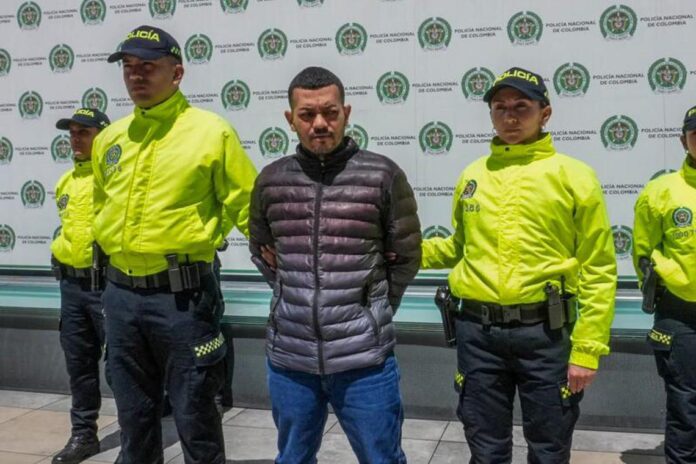
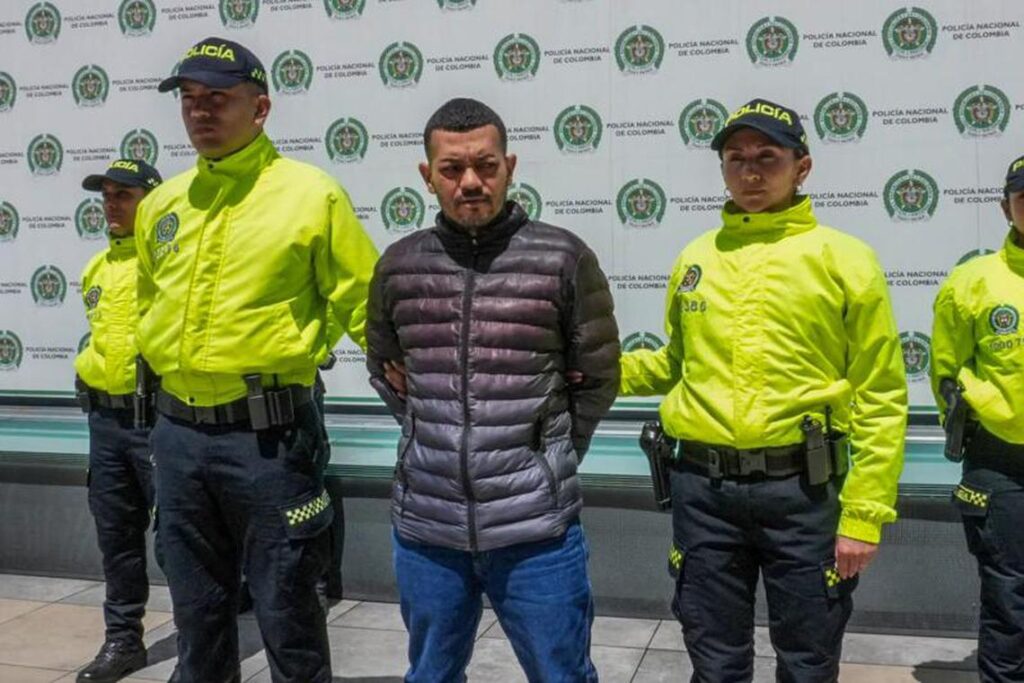
DENPASAR, Indonesia (BN24)— Bali police announced Monday the arrest of two suspects in connection with a fatal shooting that killed one Australian tourist and seriously wounded another during a villa break-in over the weekend.

Zivan Radmanovic, 32, was shot dead shortly after midnight Saturday when two armed men broke into his villa in Munggu, located in the southern region of Indonesia’s premier tourist destination. The shooting occurred in Bali’s Badung district, home to popular beaches including Kuta and Canggu that draw millions of international visitors annually.

Police apprehended one suspect in Jakarta, Indonesia’s capital city, while the second was captured abroad, according to local authorities who declined to provide additional details about the arrests or the suspects’ identities.

The victim’s wife told investigators she was awakened by her husband’s screams before discovering his body in the villa’s bathroom, according to reports from Australian media outlets. The woman was not physically harmed during the attack.

Sanar Ghanim, 34, who was also present at the villa, sustained gunshot wounds and injuries from being beaten during the assault. He remains hospitalized receiving treatment for his injuries. Ghanim’s wife, who witnessed the attackers but escaped injury, provided testimony to police about the incident.

Forensic investigators collected extensive ballistic evidence from the crime scene, including 17 bullet casings, two intact projectiles and 55 bullet fragments. Published images of the villa show multiple bullet holes piercing windows and blood stains scattered across the floor.

Multiple witnesses reported hearing the attackers communicate in English with distinctive Australian accents during the assault. According to witness accounts, one gunman wore an orange jacket paired with a dark helmet, while his accomplice was dressed in a dark green jacket, black face mask and dark helmet.

“I can’t start my bike,” one of the attackers was heard saying before the pair eventually fled the scene on a motor scooter, witnesses told police.

Bali police officials stated they continue investigating the motive behind the shooting but have not disclosed additional details regarding the suspects or circumstances leading to their arrests.

Australian media reports indicate Ghanim previously maintained a relationship with the stepdaughter of Carl Williams, a notorious figure in Melbourne’s criminal underworld who died in 2010. The reports also state Ghanim served prison time following his conviction for a non-fatal shooting incident in Melbourne in 2014.

Victoria Police confirmed their awareness of Saturday’s fatal shooting in Bali and stated their investigators would provide support to Indonesian partner agencies throughout the investigation process.

The violent incident represents an unusual occurrence in Bali, where serious crimes against tourists remain relatively uncommon despite the island’s status as one of Southeast Asia’s most visited destinations. The shooting took place in the heart of Bali’s tourism corridor, raising concerns about visitor safety in areas typically considered secure.

Indonesian authorities have not indicated whether the attack was targeted or random, though the collection of substantial ballistic evidence and swift arrests suggest an ongoing investigation with significant resources dedicated to the case.

The arrests come as Bali continues recovering its tourism industry following pandemic-related disruptions, with international visitor numbers steadily returning to pre-2020 levels across the island’s resort areas and cultural attractions.

BBC.COM