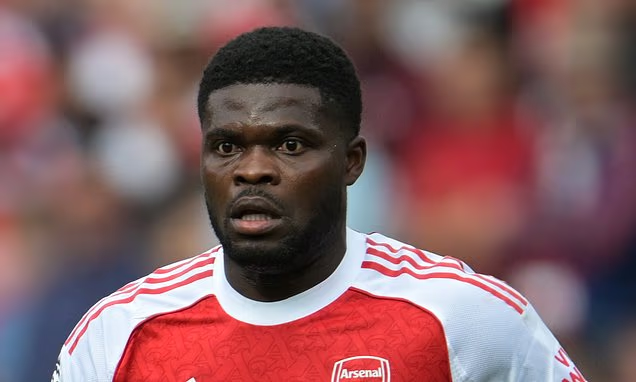
Metro., London (BN24) – Former Arsenal midfielder Thomas Partey has been charged with five counts of rape involving two women, along with a separate charge of sexually assaulting a third woman, according to the Metropolitan Police.
Partey, 32, is alleged to have committed the offences between 2021 and 2022. The Ghanaian international is scheduled to appear at Westminster Magistrates’ Court on August 5 to face the charges.
Authorities said the accusations involve three separate women. Prosecutors have charged Partey with three counts of rape against one complainant, two counts of rape against another, and a single count of sexual assault involving a third woman.
The investigation has been led by detectives with the Met’s Central Specialist Crime Command. Detective Superintendent Andy Furphy said police remain focused on supporting those who came forward.
“Our priority remains providing support to the women who have come forward,” Furphy said in a statement. “We would ask anyone who has been impacted by this case, or anyone who has information, to speak with our team.”
The Met urged potential witnesses or others affected to contact detectives by emailing CIT@met.police.uk.
The charges come as Partey’s contract with Arsenal officially ended on June 30, leaving him a free agent after four years with the Premier League club.
Partey joined Arsenal in 2020 in a high-profile transfer from Atlético Madrid and was capped over 40 times for Ghana’s national team.
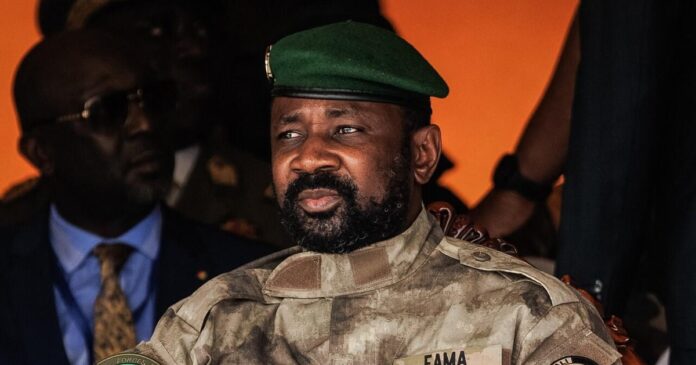
Mali (BN24) – Mali’s transitional parliament has awarded military leader Gen. Assimi Goïta a renewable five-year presidential term, a decision that cements his grip on power nearly four years after he first seized control in a coup.
The sweeping measure, adopted Thursday by 131 members of the National Transitional Council, extends Goïta’s mandate until at least 2030 and allows him to renew it “as many times as necessary” until authorities declare Mali “pacified.” The bill also permits Goïta, members of his government, and transitional legislators to stand in future presidential and general elections.
Goïta, 41, first toppled elected President Ibrahim Boubacar Keïta in August 2020 after mass protests against corruption and the government’s failure to contain jihadist violence. Though he briefly handed over authority to an interim civilian-led government, he staged a second coup in May 2021 to reclaim power, pledging a swift return to democracy the following year—a promise that never materialized.
At the vote in Bamako, National Transitional Council President Malick Diaw hailed the legislation as “a major step forward in the rebuilding of Mali,” insisting it reflected the will of the people. But the move has triggered concern among Malian civil society groups and regional observers, who warn it could entrench military rule and stifle dissent.
In recent months, the junta has intensified a crackdown on political opposition, banning all parties in May and sidelining critics. Many fear further repression as Goïta consolidates authority.
Since taking power, Goïta has severed Mali’s military ties with former colonial power France, instead aligning with Russia and forming a regional bloc with fellow coup-led governments in Burkina Faso and Niger. All three nations have withdrawn from the West African regional organization ECOWAS, which has pressured Bamako to restore democratic rule.
Despite the junta’s promises of security improvements, Mali continues to face escalating violence from jihadist groups linked to Islamic State and al-Qaeda. This week, militants launched simultaneous attacks on military positions across several towns in the latest wave of assaults against the army.
Goïta’s extended mandate underscores how Mali’s military rulers have consolidated power in defiance of regional and international calls for elections, prolonging a political transition that began with the overthrow of an elected government but has since become an open-ended military-led regime.
Spain (BN24) – Spain forward Nico Williams has committed his long-term future to Athletic Bilbao, signing a contract extension that will keep him at the Basque club until 2035 and effectively ending months of speculation linking him with a move to Barcelona.
The club confirmed the new deal on Friday, describing it as a major victory for Athletic amid what it called “dizzying offers” for the 22-year-old. Under the agreement, Williams’ contract has been extended by eight years, and his release clause has been increased by 50 percent, underscoring Bilbao’s determination to retain their prized talent.
“When you have to make decisions, for me what matters most is the heart,” Williams said in the club’s announcement. “I am where I want to be, with my people. This is my home.”
Williams has emerged as one of Spanish football’s most electrifying young attackers, developing in the same academy system that produced his older brother and teammate, Iñaki Williams. Since breaking into the first team, Nico has scored 31 goals over five seasons and established himself as a cornerstone of Bilbao’s resurgence.
His pace and creativity were pivotal in Athletic’s historic 2024 Copa del Rey triumph, which ended a 40-year wait for the trophy. The club also secured qualification for the 2025–26 Champions League, adding fresh momentum to their revival.
Interest in Williams has soared over the past year, with Barcelona and Arsenal both reportedly exploring bids to lure him away from San Mamés. However, Bilbao officials worked intensively to finalize the renewal and stave off rival suitors.
Williams has also solidified his place in the Spain national team, playing a starring role at Euro 2024. He was named player of the match in the final as La Roja defeated England to lift the European Championship, further raising his profile across Europe.
Zambia (BN24) – Two female tourists died after being trampled by a charging elephant during a guided safari in Zambia’s South Luangwa National Park, local authorities confirmed Friday.
Easton Taylor, 68, from the United Kingdom and Alison Taylor, 67, from New Zealand were killed by a female elephant protecting her calf, according to local police chief Robertson Mweemba. Tour guides attempted to stop the attack by firing warning shots but were unsuccessful in preventing the fatal encounter.
Both women died at the scene after the nursing elephant charged their safari group at high speed during a walking tour Thursday. The tourists had spent four days at the Big Lagoon Camp, located approximately 600 kilometers from Zambia’s capital Lusaka, where the deadly incident occurred.
“They were moving to other camps when the elephant charged from behind. We are really sorry that we have lost our visitors,” Mweemba said. “They both died on the spot.”
The British Foreign Office confirmed it was supporting the family of the deceased British woman and coordinating with local Zambian authorities. Officials have not disclosed whether the two victims were related despite sharing the same surname.
The fatal attack highlights the inherent dangers of wildlife tourism in Africa, where female elephants demonstrate fierce protective instincts around their offspring. Zambian authorities have repeatedly urged tourists to exercise extreme caution while observing wildlife throughout the country.
“It is very difficult to control the animals and tourists like feeding them,” Mweemba explained, referencing ongoing challenges in managing human-wildlife interactions during safari experiences.
The incident marks the latest in a series of deadly elephant encounters in southern Africa. Two American tourists were killed in separate elephant attacks in Zambia last year, both involving elderly visitors who were in safari vehicles when the attacks occurred.
South Luangwa National Park, one of Zambia’s premier wildlife destinations, hosts thousands of international visitors annually seeking close encounters with African elephants, lions and other wildlife species. The park’s walking safari programs allow tourists to experience wildlife on foot under professional guide supervision, though such activities carry inherent risks.
Wildlife experts consistently warn that female elephants with calves represent one of the most dangerous situations tourists can encounter during African safaris, as maternal instincts drive aggressive defensive behavior when the animals perceive threats to their young.
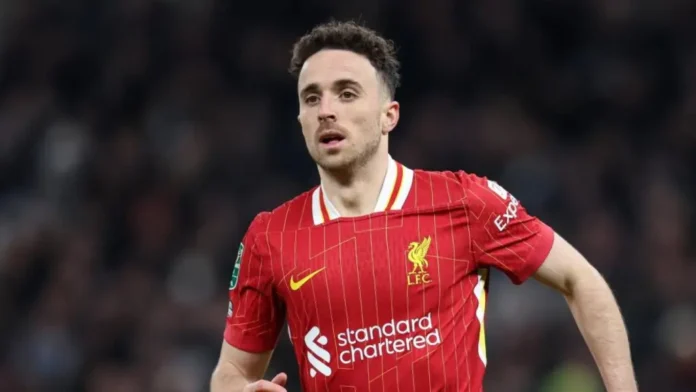
Portugal (BN24) – The body of Liverpool footballer Diogo Jota arrived in northern Portugal on Friday for a wake in his hometown, as the football world continued mourning the Portuguese international who died alongside his brother in a car crash in Spain.
A convoy of hearses departed Thursday evening from the morgue in Puebla de Sanabria, near where the Lamborghini carrying the brothers had veered off the road and burst into flames after midnight Thursday. Spanish police suspected a tire burst caused the fatal accident.
Jota’s wife Rute Cardoso, who had married the footballer just weeks earlier, was seen leaving the morgue and joining the convoy. The player’s longtime agent Jorge Mendes also accompanied the procession to Gondomar near Porto.
Officials in Gondomar announced a wake would take place at a local chapel beginning at 4:00 p.m. local time Friday, followed by funeral services Saturday at 10:00 a.m. at a nearby church. Portugal’s Prime Minister Luis Montenegro arrived in the village Friday morning to pay respects.
The death of the 28-year-old forward has sent shockwaves through the football community. Outside Liverpool’s Anfield stadium, fans left flowers, scarves and handwritten notes, many from children expressing their grief.
Major football clubs including Paris Saint-Germain, Bayern Munich, Chelsea and Real Madrid observed moments of silence during training sessions for their Club World Cup matches in the United States.
Chelsea manager Enzo Maresca revealed Thursday that Portuguese forward Pedro Neto was considering whether to play in Friday’s quarter-final against Palmeiras as he mourned his close friend’s death.
Liverpool manager Arne Slot issued a statement Thursday expressing support for Jota’s family. “My message to them is very clear – you will never walk alone,” Slot said. “For us as a club, the sense of shock is absolute. Diogo was not just our player. He was a loved one to all of us.”
Jota had been traveling back to Liverpool by car after being advised to avoid air travel for up to six weeks following lung surgery to address a fractured rib, according to his physiotherapist Miguel Goncalves. The player was recovering well from the pneumothorax surgery and had planned to take a ferry to the UK from Spain.
The tragic accident claimed both Jota and his brother Andre Silva, cutting short the career of one of Portugal’s most promising talents just weeks after his wedding celebration.
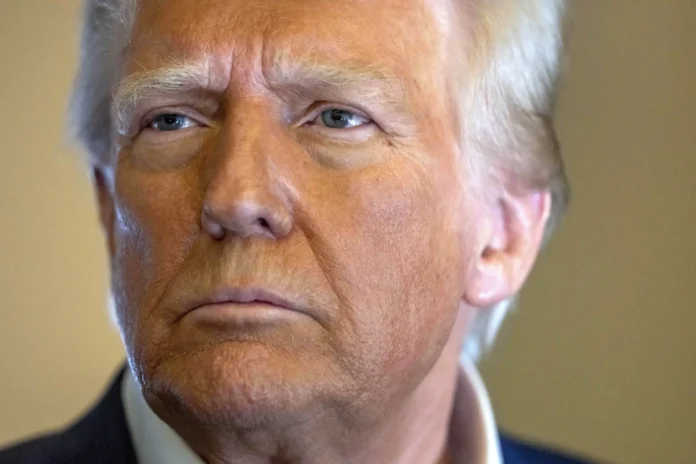
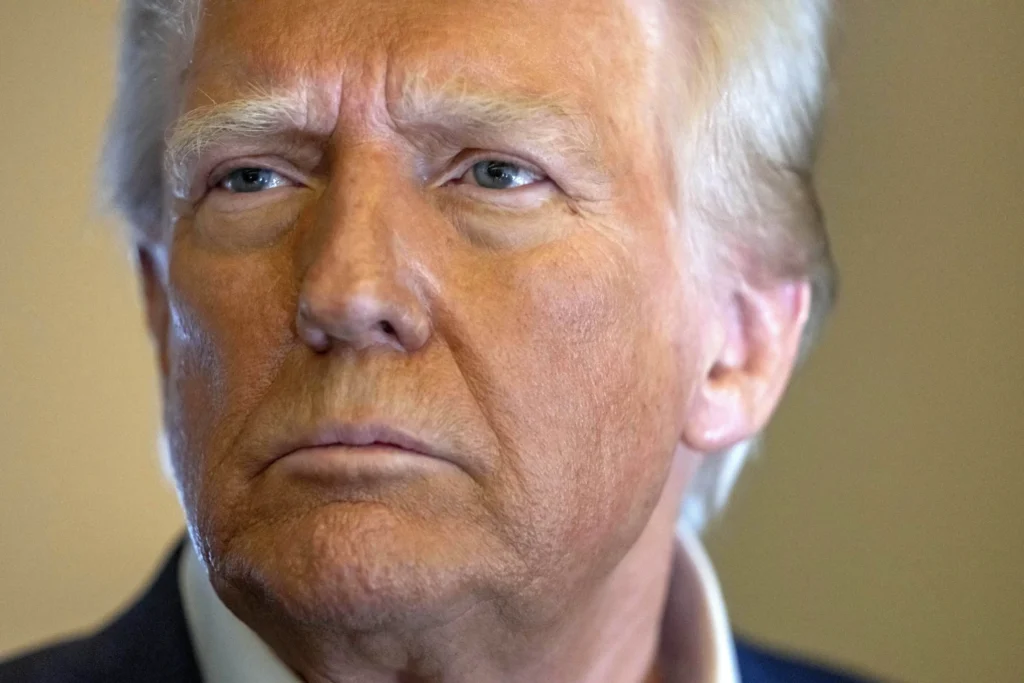
Washington, DC (BN24) – U.S. President Donald Trump said Thursday he is open to allowing migrant laborers to remain in the country if the farmers who employ them agree to vouch for their status, offering a rare concession amid his otherwise hard-line immigration policies.
Speaking at a campaign-style event at the Iowa State Fairgrounds, Trump said he has been working with the Department of Homeland Security to address the concerns of farmers who rely heavily on seasonal migrant workers to harvest their crops. He also pledged to coordinate with the hotel industry, which similarly depends on immigrant labor.
“If a farmer is willing to vouch for these people in some way, Kristi, I think we’re going to have to just say that’s going to be good, right?” Trump said, turning to U.S. Homeland Security Secretary Kristi Noem. “We don’t want to do it where we take all the workers off the farms.”
The president’s comments reflect pressure from agricultural producers, particularly in Iowa and other Midwestern states, who have warned that stepped-up deportations are threatening to leave fields unharvested and businesses short-staffed.
Trump has made strict border enforcement a centerpiece of his administration. Under his policies, Homeland Security Secretary Noem has led a sweeping campaign to deport people who crossed into the United States without authorization.
But on Thursday, Trump signaled he is willing to carve out exceptions for industries that depend on migrant labor to function.
“We have to help our farmers,” he said, to applause from the crowd in Iowa, where agriculture remains a pillar of the economy.
Washington, DC (BN24) – U.S. President Donald Trump said Friday he expects to know within the next 24 hours whether Hamas will agree to what he described as a “final proposal” for a ceasefire in Gaza aimed at ending nearly nine months of devastating war.
Speaking to reporters before departing Washington, Trump reiterated that Israel has already accepted the terms of a framework agreement establishing a 60-day truce with Hamas during which negotiations could continue toward a lasting peace deal.
“We’ll see what happens,” Trump said when asked whether Hamas had signed off. “We are going to know over the next 24 hours.”
A Hamas official told Reuters on Thursday that the group is demanding guarantees that the U.S.-brokered ceasefire proposal will ultimately bring a formal end to Israel’s offensive in Gaza. Two Israeli officials confirmed that details of the guarantees were still under discussion.
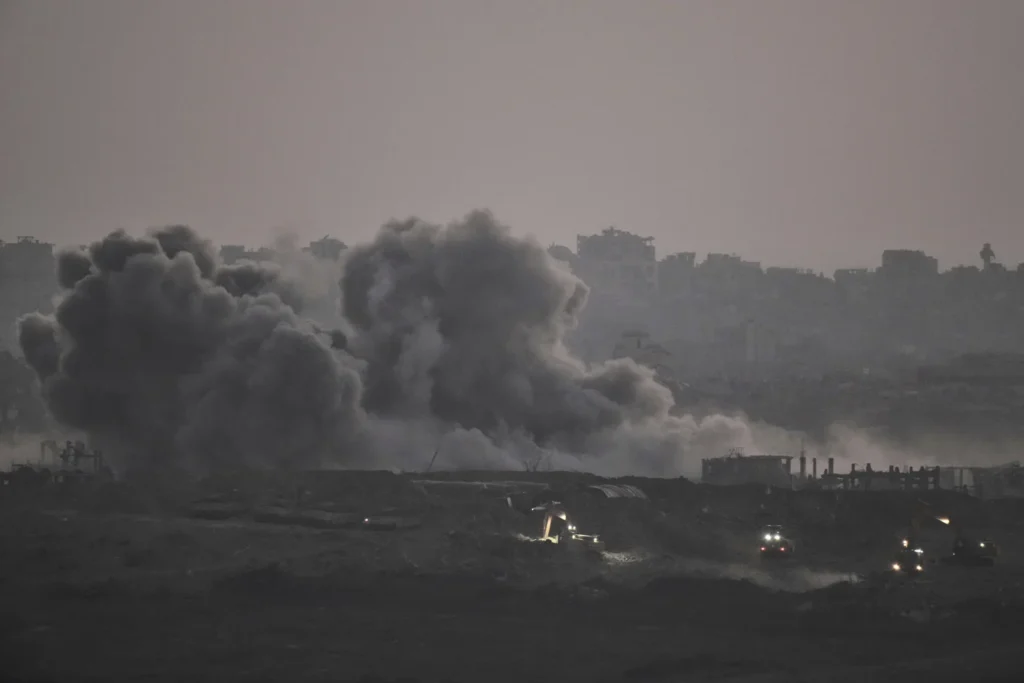
The latest push for a truce follows yet another deadly escalation. Gaza health authorities said dozens of Palestinians were killed Thursday in Israeli airstrikes across the enclave.
The war began in October 2023, when Hamas-led fighters attacked southern Israel, killing 1,200 people and abducting about 250 hostages, according to Israeli figures. Israel’s military campaign in response has killed more than 56,000 Palestinians, Gaza’s Health Ministry says, and has displaced the entire population. Humanitarian agencies report acute hunger, and legal challenges accusing Israel of genocide and war crimes are pending before the International Court of Justice and the International Criminal Court. Israel has denied all allegations.
A previous ceasefire lasting two months collapsed in March after Israeli strikes killed more than 400 Palestinians in a single day. Earlier this year, Trump floated a controversial plan for a U.S. takeover of Gaza, which was condemned by Palestinian leaders, U.N. officials, and human rights experts as tantamount to “ethnic cleansing.”
In his remarks Friday, Trump also confirmed he had recently discussed expanding the Abraham Accords with Saudi Arabia, following U.S. media reports that he met Saudi Defense Minister Prince Khalid bin Salman at the White House on Thursday.
“It’s one of the things we talked about,” Trump said. “I think a lot of people are going to be joining the Abraham Accords,” he added, citing Iran’s recent setbacks from Israeli and American military operations.
According to Axios, the Saudi official later held a phone call with Iran’s military chief, Abdolrahim Mousavi. The diplomatic contacts came ahead of Israeli Prime Minister Benjamin Netanyahu’s scheduled visit to Washington next week.
Tel Aviv, Israel (BN24) – Israeli airstrikes and shootings killed at least 35 Palestinians across Gaza early Friday, with many of the victims reportedly gunned down while waiting for desperately needed food supplies, health officials said.
Nasser Hospital in southern Gaza confirmed that 15 people, including eight women and a child, were killed in overnight strikes. Another 20 bodies arrived at the morgue of people shot dead as they gathered near aid distribution points. Two of them were killed near aid sites in Rafah, while 18 died while waiting for trucks to arrive elsewhere in southern Gaza.
The Israeli military did not immediately comment on the latest attacks.
The UN human rights office said Friday it has now documented 613 killings in Gaza near humanitarian convoys and distribution points operated by the Gaza Humanitarian Foundation (GHF), an Israeli-backed American organization that began operating in late May.
Ravina Shamdasani, a spokesperson for the UN rights office, said investigators could not yet conclusively attribute responsibility for every death but noted that “it is clear the Israeli military has shelled and shot at Palestinians trying to reach the distribution points.”
According to Palestinian officials and witness accounts, Israeli forces frequently open fire when crowds mass along main roads to intercept aid convoys. Israeli authorities insist they only fire warning shots to disperse people approaching military-controlled areas and have denied intentionally targeting civilians.
The Health Ministry in Gaza said more than 57,000 Palestinians have been killed since the war erupted in October 2023 after Hamas-led militants attacked southern Israel, killing 1,200 people and taking roughly 250 hostages. The ministry’s toll does not distinguish between civilians and combatants but says over half of the dead are women and children.
Israel says more than 860 of its soldiers have been killed in the fighting, including 400 inside Gaza. On Friday, the military said one more soldier died during combat in northern Gaza.
Amid the bloodshed, efforts to broker a ceasefire appeared to gain traction. Hamas announced it was consulting other Palestinian factions about the terms of a truce proposal mediated by Egypt and Qatar.
Earlier this week, U.S. President Donald Trump said Israel had agreed to the outlines of a 60-day ceasefire and urged Hamas to accept the deal before conditions deteriorate further. Hamas said Friday it would deliver a formal response to mediators once internal consultations conclude.
Since GHF began distributing aid, hundreds have been killed or injured while trying to collect food, according to the Gaza Health Ministry and Palestinian witnesses. Israel says the distribution system is needed to prevent Hamas from diverting supplies but has been criticized by human rights groups as ineffective and dangerous.
The military maintains it has acted to secure aid deliveries and is investigating reports of civilian harm.
KYIV, Ukraine (BN24) — Russia pounded Ukraine’s capital overnight with a massive barrage of missiles and drones in what Ukrainian officials described as the largest aerial attack on Kyiv since the war began more than three years ago. The intense seven-hour assault, which extended into early Friday, injured at least 23 people and caused widespread destruction across several districts of the capital, officials said.
Air raid sirens blared throughout the night as explosions echoed across the city. Emergency vehicles flooded the streets as debris littered residential neighborhoods, igniting fires and damaging vital infrastructure.
“It was a harsh, sleepless night,” President Volodymyr Zelenskyy said in a statement Friday morning.
Ukraine’s air force reported that Russia launched a staggering 550 drones and missiles nationwide, most of them Iranian-made Shahed drones. The assault included at least 11 missiles, making it the most intense single aerial bombardment since Moscow’s full-scale invasion on February 24, 2022.
The attacks coincided with a renewed Russian push along the 1,000-kilometer (620-mile) front line, where Ukrainian forces are reportedly under mounting pressure from coordinated ground offensives.
Alya Shahlai, a 23-year-old wedding photographer in Kyiv, said her home was destroyed during the barrage. “We were all in the basement shelter because it was so loud, staying home would have been suicidal,” she told The Associated Press. “Ten minutes later, there was a huge explosion, and the lights went out. People were screaming and panicking.”
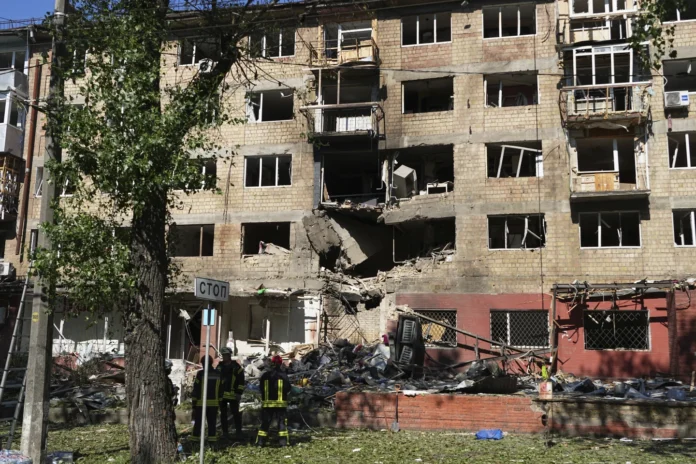
Kyiv Mayor Vitali Klitschko said at least 14 people were hospitalized after blasts damaged residential buildings, warehouses, garages and vehicles in five of the capital’s 10 districts. A five-story building partially collapsed in Solomianskyi district. Fires broke out at an auto shop and a seven-story apartment block. Similar scenes were reported in the Sviatoshynskyi, Shevchenkivskyi, Darnytskyi and Holosiivskyi districts.
Ukraine’s national rail operator said drone strikes also damaged sections of rail infrastructure in Kyiv.
The timing of the bombardment raised concerns, coming just hours after U.S. President Donald Trump held a phone call with Russian President Vladimir Putin. Zelenskyy called the assault a “deliberate signal” from Moscow showing it has no interest in ending the war.
Trump told reporters that the nearly hour-long conversation with Putin yielded “no progress at all.”
“I’m not happy about that,” Trump said before departing for a campaign rally in Iowa. “I don’t think he’s looking to stop.” Trump added that he would speak to Zelenskyy on Friday.
Yuri Ushakov, Putin’s foreign affairs adviser, confirmed that Russia intends to continue military operations until what Moscow describes as the “root causes” of the war are resolved — shorthand for halting NATO’s eastward expansion and reducing Western military support for Ukraine.
The attack comes amid heightened anxiety in Kyiv after the U.S. confirmed it has paused shipments of key military supplies, including air defense missiles. Pentagon officials cited low stockpiles as the reason for the delay.
Ukrainian leaders, caught off guard by the pause, have called for urgent international support. Foreign Minister Andrii Sybiha called the night “absolutely horrible,” while Economy Minister Yuliia Svyrydenko described “families running into metro stations, basements, underground parking garages, [amid] mass destruction in the heart of our capital.”
“What Kyiv endured last night cannot be called anything but a deliberate act of terror,” she posted on X.
Ukrainian air defenses managed to intercept 270 drones and missiles, including two cruise missiles. However, 208 additional threats reportedly went off radar and were presumed to have been jammed. Russia successfully struck at least eight locations using nine missiles and 63 drones, authorities said.
In addition to Kyiv, strikes were reported in the regions of Dnipropetrovsk, Sumy, Kharkiv, and Chernihiv. Fires broke out across multiple civilian and non-residential areas, including a 14-story apartment building and commercial warehouses. Several vehicles were also incinerated.
Despite the high interception rate, falling debris from downed drones damaged infrastructure across at least 33 locations.
The Kremlin’s intensified air assault has become a central component of its strategy, coming alongside efforts to punch through Ukrainian defenses on the ground. Ukrainian forces continue to face persistent offensives along the eastern front, especially near the Donetsk and Kharkiv regions.
Since Russia’s full-scale invasion began, more than 57,000 people have been killed in Ukraine, according to the country’s Health Ministry, which does not distinguish between military and civilian deaths. The war has displaced over 90% of Gaza’s 2.3 million population — most of them repeatedly.
Despite international diplomatic efforts, a ceasefire deal remains elusive. Trump said earlier this week that Israel had agreed to a 60-day ceasefire in Gaza and urged Hamas to accept the terms — but similar diplomatic momentum appears absent on Ukraine.
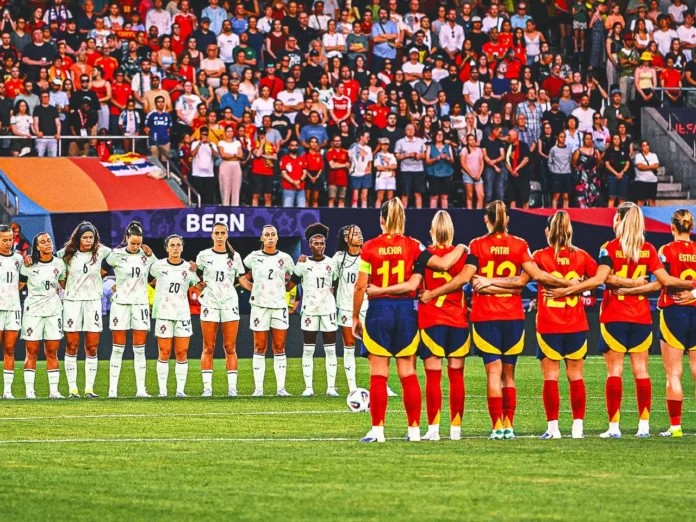
PORTO (BN24) — Players from Portugal and Spain paid tribute to Portugal international and Liverpool forward Diogo Jota and his brother André Silva on Thursday, observing a moment of silence before the opening match of the Women’s European Championship.
The two teams stood together on the field with heads bowed as the stadium observed roughly 20 seconds of silence in memory of the brothers, who died early Wednesday in a car crash in northwestern Spain. As the silence ended, supporters broke into sustained applause.
Both squads wore black armbands to mark the occasion.
Spanish police said the 28-year-old Jota and his 25-year-old brother were killed when the Lamborghini they were traveling in veered off the A-52 highway near Zamora and burst into flames. News of their deaths has sparked a wave of tributes from across men’s and women’s football.
Ahead of kickoff, Portuguese fans unfurled banners honoring the late forward, including one reading “Thank you for everything” and another simply stating, “Rest in peace.”
“Today, for them,” Portuguese forward Francisca “Kika” Nazareth wrote on Instagram in the hours before the match.
Fellow national team striker Jéssica Silva shared her own heartfelt message:
“One of our own,” she wrote. “Diogo wasn’t just a star. He was one of the good ones, the loyal ones, the attentive ones, the easy-going ones… one of those who don’t need noise to make their mark. Thank you, Diogo. Thank you, André. Football has become poorer… and so have we. You will never be forgotten.”