Home Blog Page 362

Nigeria’s Benue State Reels as Death Toll from Herders’ Attacks Climbs to 56

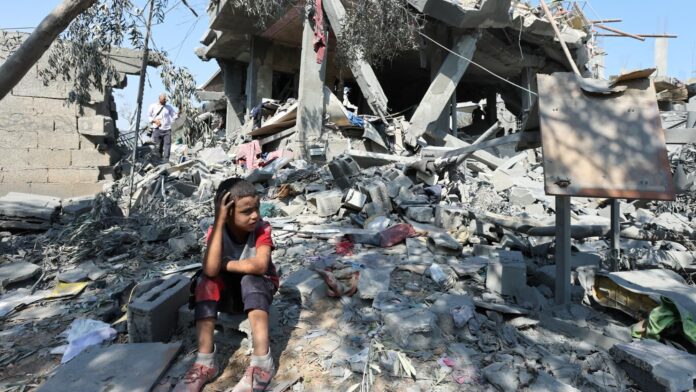
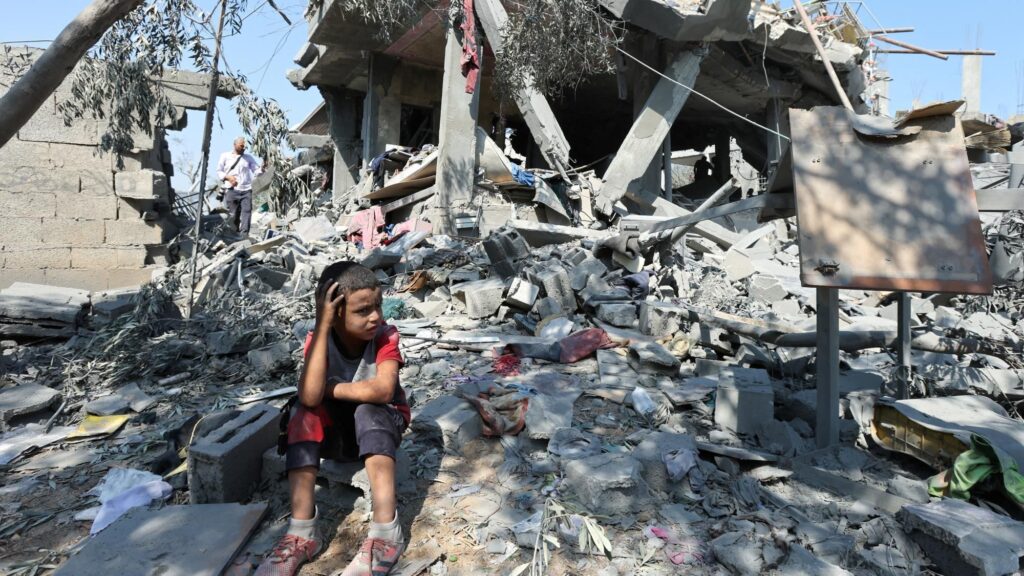
Makurdi, Nigeria — At least 56 people have been confirmed dead following a wave of brutal attacks by suspected herdsmen on rural communities in Nigeria’s central Benue State, Governor Hyacinth Alia announced on Saturday. The death toll marks a dramatic increase from earlier police reports, and underscores a growing resurgence of intercommunal violence in the country’s north-central region.

Governor Alia provided the grim update while visiting Logo and Ukum Local Government Areas (LGAs)—the epicenters of the attacks—where villagers continue to unearth bodies from what is being described as one of the deadliest single-day massacres in the state this year.

“In the early hours of today, more bodies were discovered in Logo LGA—27 in total,” Alia told journalists, according to the News Agency of Nigeria. “In Ukum LGA, an additional 29 corpses have been found, bringing the toll to 56 so far. This is quite devastating.”

Initial estimates from police sources placed the casualty figure at just 17. However, as search efforts continued into the weekend, more victims were found in remote farmlands and burnt-out compounds. The violence erupted late Friday and continued into early Saturday morning, targeting vulnerable farming communities already plagued by displacement and insecurity.

The assailants, suspected to be armed Fulani herders, reportedly stormed the villages in coordinated assaults, using automatic weapons and setting homes ablaze. The attacks appear to be part of an escalating cycle of farmer-herder conflict rooted in land disputes, grazing rights, and deep-seated ethnic tensions.

The violence in Benue follows a similar pattern of deadly incidents across the Middle Belt region, a volatile stretch of land where Nigeria’s predominantly Muslim north and largely Christian south meet. Just days earlier, 11 people were killed in the Otukpo area of Benue, while over 50 people lost their lives in a separate attack in Plateau State on Monday night.

Since 2019, ongoing clashes between nomadic herders and settled farmers have claimed more than 500 lives and displaced approximately 2.2 million people, according to SBM Intelligence, a Nigeria-based research and security consultancy. The unrest has disrupted agricultural production in this key food-producing region, deepening hunger and economic instability.

Benue police confirmed that a separate attack took place early Friday in Gbagir village, Ukum LGA, where five farmers were shot and killed. The gunmen reportedly opened fire as police units were approaching to engage them.

“As our officers advanced to confront the attackers at Ukum, another group struck in Logo LGA, killing 12 people,” said Sewuese Anene, spokesperson for the Benue State Police Command.

Authorities said security operations are ongoing, but residents remain on edge as fears of further retaliation grow. Human rights groups have repeatedly called on the federal government to deploy more resources to curb the violence and protect vulnerable rural populations.

Governor Alia described the attacks as “a national emergency,” and urged both the state and federal security agencies to act swiftly.

South African Pentecostal Church Hosts Mass Easter Weddings for 3,000, Embracing Polygamous Unions

Heidelberg, South Africa – In a striking display of faith, tradition, and community celebration, the International Pentecost Holiness Church (IPHC) hosted mass wedding ceremonies on Easter Sunday for approximately 3,000 individuals, including numerous polygamous marriages, at its sprawling headquarters near Johannesburg.

The Easter wedding event, held annually by the church, marked its largest gathering of matrimonial unions to date, far surpassing last year’s total of about 400 couples. According to church spokesperson Vusi Ndala, the surge in participants was driven by a significant number of grooms marrying multiple wives simultaneously, with some entering their sixth or seventh marriage during the occasion.

“Polygamy is not only embraced but held in high regard within our congregation,” Ndala said.

The IPHC, established in the early 1960s as an African-initiated Pentecostal movement, blends Christian doctrine with indigenous African cultural practices. The church’s integration of polygamy, a tradition prevalent in many African societies, reflects this unique spiritual and cultural fusion.

Polygamy is legally recognized in South Africa when registered as a customary marriage, allowing religious communities like the IPHC to formally observe the practice under national law.

“This Easter celebration represents both a spiritual commitment and a cultural affirmation for our members,” Ndala explained.

The weddings took place in and around the church’s massive dome-shaped headquarters, which can seat up to 60,000 worshippers. White tents were erected on nearby open fields to accommodate the bridal parties, where participants were provided with bridal bouquets, food packages, and bottled water before entering the main building.

Inside the sanctuary, long queues of grooms and brides moved solemnly toward the altar. Many women were dressed in traditional white wedding gowns, while the grooms wore white suits with red ties, creating a powerful visual tableau of unity and devotion.

In many cases, men were accompanied by their existing wives during the ceremonies, as they welcomed new brides into the family under the communal blessing of the church.

The IPHC has become known for such large-scale matrimonial events, particularly during significant religious holidays like Easter and Christmas. Church leaders say the ceremonies are not only about uniting individuals but also about strengthening family structures and promoting collective responsibility within the faith community.

As South Africa continues to serve as a unique intersection between modern law and traditional customs, the IPHC’s mass Easter weddings exemplify how spiritual institutions can navigate complex cultural landscapes while reinforcing their theological values.

DHL Express Halts U.S. Consumer Shipments Over $800 Due to New Customs Requirements

DHL Express, the international logistics arm of Germany’s Deutsche Post, announced it will temporarily suspend business-to-consumer (B2C) shipments exceeding $800 in value to the United States, citing regulatory changes from U.S. Customs and Border Protection (CBP) that have significantly impacted clearance procedures.

The change will take effect on April 21, 2025, according to a notice published on DHL’s official website. While the post was undated, its metadata indicates it was created on Saturday.

At the center of the disruption is a recent policy shift by U.S. customs authorities. Effective April 5, the U.S. reduced the threshold for informal customs entry from $2,500 to $800, meaning any imported goods valued above $800 now require formal entry procedures—a more time-consuming and documentation-heavy process that often includes customs bonds and additional scrutiny.

DHL cited these new requirements as the key reason behind the suspension, stating that processing delays and increased compliance burdens have made it untenable to continue shipping B2C parcels over the new limit at this time.

The logistics giant clarified that the suspension only applies to consumer shipments, while business-to-business (B2B) shipments will continue as normal, albeit potentially subject to delays caused by the additional processing requirements.

Additionally, shipments of $800 or less, regardless of whether they are destined for individuals or businesses in the U.S., will remain unaffected by the suspension.

“This is a temporary measure while we adapt to the new regulatory framework,” DHL stated, suggesting that services may be reinstated once the company adjusts its internal processes to handle the increased complexity of U.S. customs compliance.

This development comes on the heels of heightened trade enforcement actions by the United States, which have sparked global responses. Just last week, Hongkong Post announced it was suspending mail services for goods shipped by sea to the U.S., criticizing Washington’s move to end tariff-free trade provisions for small-value packages originating from China and Hong Kong. The agency characterized the U.S. decision as “bullying.”

In response to media inquiries, DHL said it is actively working with customers, especially those in Hong Kong, to navigate the evolving customs landscape, reiterating its commitment to “processing all shipments in accordance with applicable rules and regulations.” The company mentioned that additional changes may be introduced starting May 2, prompting further strategic adjustments.

The suspension is expected to impact global e-commerce retailers and international marketplaces that rely heavily on DHL for last-mile delivery to U.S. customers. Analysts note that businesses shipping high-value goods directly to American consumers may now face logistical bottlenecks, higher costs, and longer delivery times—all of which could affect sales and customer satisfaction.

Industry observers are watching closely to see if other major carriers like FedEx and UPS will adopt similar measures or develop alternative protocols to comply with the revised customs framework.

Boeing 737 MAX Returns to U.S. from China Amid Escalating Trump-Era Trade Tariffs

A Boeing 737 MAX jet originally intended for delivery to Xiamen Airlines in China has been flown back to the United States, becoming a high-profile casualty of the ongoing U.S.-China trade conflict triggered during Donald Trump’s presidency.

The aircraft, bearing the full livery of Xiamen Airlines, landed at Boeing Field in Seattle on Sunday at 6:11 p.m. local time, following a 5,000-mile journey that included refueling stops in Guam and Hawaii, according to a Reuters correspondent on site. The jet had previously been stationed at Boeing’s Zhoushan completion and delivery center in China, where final inspections and modifications are typically conducted prior to delivery to Chinese carriers.

The jet’s return follows a sharp escalation in trade tensions, with the Trump administration raising baseline tariffs on Chinese imports to 145%, prompting Beijing to retaliate with 125% tariffs on U.S. exports. Analysts warn that such steep tariffs make the delivery of U.S.-made aircraft to Chinese airlines financially untenable. A new 737 MAX carries a market value of approximately $55 million, according to aviation consultancy IBA, meaning the tariffs could add tens of millions of dollars in extra costs for Chinese carriers.

It remains unclear whether the decision to return the aircraft was made by Boeing or Xiamen Airlines, as neither party responded to requests for comment as of publication.

The development is yet another setback for Boeing’s 737 MAX program, which has already faced significant hurdles in recent years—including a global grounding, regulatory scrutiny, and previous trade-related delivery freezes.

The 737 MAX is Boeing’s best-selling model, and China represents one of its largest markets. However, the breakdown of the aerospace industry’s long-standing duty-free treatment amid trade hostilities is threatening to derail the global aircraft delivery pipeline. Analysts note that several Chinese airlines may now postpone or cancel scheduled deliveries to avoid paying excessive tariffs.

Some airline executives have publicly stated that they would rather defer or redirect aircraft orders than absorb such high import costs—an indication that trade disputes are now directly impacting the future of international fleet planning.

The geopolitical uncertainty surrounding aircraft deliveries could have far-reaching implications. For Boeing, which is already grappling with production slowdowns and regulatory pressures, the erosion of duty-free status for aerospace goods represents a new layer of complexity in managing its global supply chain and customer commitments.

Meanwhile, as tensions between Washington and Beijing persist, aviation experts warn that continued disruptions could reshape long-standing alliances, redirect purchase patterns, and accelerate efforts in China to build or procure more aircraft domestically—posing a long-term competitive threat to U.S. manufacturers.

US Supreme Court Halts Deportation of Detained Venezuelans Under Controversial 18th-Century Law

In a major legal setback for President Donald Trump’s immigration agenda, the US Supreme Court issued an order halting the deportation of a group of Venezuelan detainees who were being held in Texas under an obscure and rarely used 18th-century wartime law.

The decision, issued on Saturday, comes amid mounting legal challenges to the administration’s controversial use of the 1798 Alien Enemies Act, a statute that allows the president to detain and deport individuals from countries deemed hostile, without affording them the usual legal rights or hearings. The law has only been invoked three times in US history, most recently during World War II, when it was used to justify the internment of Japanese Americans.

The American Civil Liberties Union (ACLU) filed an urgent lawsuit on behalf of a group of alleged Venezuelan gang members, who were arrested and held at a detention center in North Texas. According to court documents, the detainees were not given an opportunity to contest their deportation orders in court. Notices informing them of their imminent removal were issued in English, even though some of the detainees only speak Spanish.

The ACLU argued that the government’s actions violate fundamental due process rights guaranteed under the US Constitution.

“Without this Court’s intervention, dozens or hundreds of proposed class members may be removed to a possible life sentence in El Salvador with no real opportunity to contest their designation or removal,” the ACLU lawsuit warned.

Since returning to office in January, President Donald Trump has resurrected hardline immigration policies, with a new focus on Venezuelan nationals. The Trump administration claimed that the Tren de Aragua, a Venezuelan gang, was responsible for “perpetrating, attempting, and threatening an invasion or predatory incursion” into US territory.

As of April 8, 261 Venezuelans had already been deported to El Salvador, with 137 of those deportations executed under the Alien Enemies Act, according to a senior administration official cited by CBS News.

The administration controversially transferred many of these individuals to CECOT, El Salvador’s massive Terrorism Confinement Centre, known for its harsh conditions and international human rights concerns. This prison complex, touted by Salvadoran President Nayib Bukele as a zero-tolerance facility for gang members, has raised serious alarm among human rights watchdogs.

The Supreme Court’s decision on Saturday does not fully block the use of the Alien Enemies Act but requires the government to give detainees a chance to challenge their deportation. The ruling temporarily halts deportations of Venezuelans held under the act until legal questions surrounding due process and language access are resolved.

Justices Clarence Thomas and Samuel Alito dissented, maintaining that the administration’s actions were lawful under the broad powers granted by the Alien Enemies Act during times of national emergency.

The initial ruling on April 8 had permitted the administration to proceed with deportations, but Saturday’s emergency order reversed that decision in light of fresh evidence suggesting serious procedural flaws.

The controversy has deepened following the case of Kilmar Ábrego García, a Salvadoran national who was mistakenly deported under the Alien Enemies Act. Though labeled by authorities as a member of the notorious MS-13 gang, his lawyer and family insist he has never been involved in criminal activity. In fact, Ábrego García has never been convicted of a crime in the United States or elsewhere.

The Supreme Court unanimously ruled that the government must facilitate his return, but the Trump administration has defiantly stated that he will “never” be allowed to live in the US again.

Democratic Senator Chris Van Hollen of Maryland traveled to El Salvador to visit Ábrego García, confirming that he had been moved from CECOT to a different detention facility. The senator called the situation “deeply troubling” and a “clear example of abuse of executive power.”

This ruling could set a critical precedent as immigration attorneys and civil rights groups prepare to challenge the broader legality of the Alien Enemies Act in modern contexts. Critics argue that applying an 18th-century wartime law to peacetime immigration enforcement opens the door to sweeping violations of civil liberties.

The Trump administration has defended its use of the act, citing national security concerns and the presence of transnational criminal organizations. But civil liberties advocates warn that it bypasses the legal safeguards that have protected non-citizens for decades.

With hundreds more Venezuelans facing potential deportation under the same policy, the court’s intervention signals that the battle over immigration enforcement and due process in the US is far from over.

Russian Teen Activist Sentenced to Nearly Three Years in Prison for Anti-War Protest Using Poetry and Graffiti

In a high-profile case highlighting Russia’s intensifying crackdown on anti-war dissent, 19-year-old activist Darya Kozyreva has been sentenced to two years and eight months in prison for protesting the war in Ukraine using graffiti and excerpts of Ukrainian poetry. The ruling, handed down by a Russian court on Friday, found Kozyreva guilty of “repeatedly discrediting” the Russian armed forces, a charge increasingly used to silence opposition voices since the start of the full-scale invasion in February 2022.

Kozyreva first drew authorities’ attention in December 2022, at just 17 years old, when she spray-painted the words “Murderers, you bombed it. Judases” on a public sculpture outside the Hermitage Museum in St. Petersburg. The artwork, symbolizing ties between the Russian city and Mariupol—a Ukrainian city devastated during a prolonged Russian siege—became the canvas for her raw condemnation of the war.

Her activism continued into early 2024, despite previous legal repercussions, including a 30,000-ruble fine (approximately $370 USD) for anti-war social media posts. The consequences escalated when she was expelled from the medical faculty of St. Petersburg State University, effectively derailing her academic future.

On the two-year anniversary of Russia’s full-scale invasion, Kozyreva staged another symbolic protest. She taped a printed verse from Taras Shevchenko, the father of modern Ukrainian literature, onto his statue in a St. Petersburg park. The chosen passage, drawn from one of Shevchenko’s revolutionary poems, read:

“Oh bury me, then rise ye up /
And break your heavy chains /
And water with the tyrants’ blood /
The freedom you have gained.”

The poetic display prompted her swift arrest and detention, initially held in pre-trial custody for nearly a year before being placed under house arrest in February 2025.

Kozyreva Declares Innocence: “The Truth Is Never Guilty”

Throughout the trial, Kozyreva maintained her innocence and defiance, insisting that the case against her was politically motivated and devoid of factual substance.

“I have no guilt, my conscience is clear,” she told the court in her final statement, as quoted in a transcript by Mediazona, an independent Russian media outlet.
“Because the truth is never guilty.”

She pleaded not guilty, describing the charges as “one big fabrication.” Despite her defense, the court ruled in favor of the prosecution, citing her history of public criticism against the military and her interview with Sever.Realii, a Russian-language service of Radio Free Europe/Radio Liberty, as evidence of her “repeated discrediting” of the army.

Kozyreva’s sentencing marks another chapter in Russia’s intensifying suppression of anti-war activism. According to Memorial, the Nobel Peace Prize-winning Russian human rights group, she is one of at least 234 individuals currently imprisoned in Russia for expressing opposition to the war.

Analysts and international observers see her case as emblematic of how youth activism, symbolic resistance, and even literary expression are being criminalized under wartime censorship laws introduced after the 2022 invasion.

The law against “discrediting the Russian military” has been widely criticized for its vague wording and heavy-handed enforcement, allowing authorities to target a wide range of dissenting voices—from social media users and journalists to academics and artists.

Though her case has not yet sparked the international outcry of higher-profile detentions, human rights advocates are beginning to rally around Kozyreva’s story, calling her a prisoner of conscience. Her poetic protests and unapologetic stance have drawn comparisons to Soviet-era dissidents who used literature and culture to challenge the regime.

As her legal team considers appealing the verdict, supporters are urging global pressure on Russian authorities to release Kozyreva and other anti-war prisoners.

Putin Announces Unilateral Easter Ceasefire in Ukraine Amid Continued Clashes and Prisoner Exchange

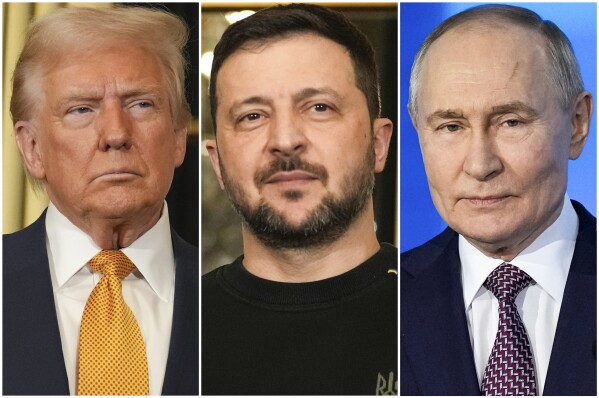
In a gesture framed as humanitarian, Russian President Vladimir Putin has announced a unilateral Easter ceasefire in Ukraine, temporarily halting military operations for Orthodox Easter weekend. However, the ceasefire was swiftly overshadowed by ongoing hostilities, with Ukrainian President Volodymyr Zelensky stating that Russian drones were actively attacking Ukrainian territory even as the truce was being declared.

According to an official statement released by the Kremlin, President Putin instructed his military to cease all offensive operations starting at 6:00 p.m. Moscow time (1500 GMT) on Saturday, with the truce extending until the end of Sunday. The ceasefire aligns with the Orthodox Easter holiday, traditionally a time of peace and religious observance in both Russia and Ukraine.

“Based on humanitarian considerations… the Russian side announces an Easter truce,” Putin told General Valery Gerasimov, Russia’s top military officer, during a meeting in Moscow. He added, “We assume that Ukraine will follow our example. At the same time, our troops must remain vigilant and ready to repel any provocation or aggression.”

Putin said Russia remained open to peace talks and welcomed mediation efforts by global actors including the United States, China, and BRICS nations. Still, he reiterated Moscow’s long-standing demands, including that Ukraine renounce NATO membership ambitions and withdraw forces from all four Ukrainian territories that Russia claims to have annexed—a proposition Kyiv continues to reject as unacceptable.

Ukrainian President Volodymyr Zelensky cast doubt on the sincerity of Russia’s ceasefire declaration, reporting that Ukrainian air defense units were actively engaged in repelling Russian drone attacks as the truce was announced.

“This is what Moscow really thinks of Easter and human life,” Zelensky said in a televised statement, calling the attacks another example of Russia’s “empty rhetoric and continuous aggression.”

Ukraine’s military has not officially responded to the ceasefire announcement, but the ongoing clashes suggest no mutual agreement has been reached.

On Friday, ahead of the ceasefire declaration, U.S. President Donald Trump and Secretary of State Marco Rubio issued a warning that the United States may withdraw from ongoing diplomatic efforts to mediate peace if there is no clear progress soon.

While Russia claims to be open to peaceful resolution, Western leaders have criticized Moscow’s ceasefire declarations as public relations gestures that mask continued military action. The Kremlin’s conditions for ending the war have remained largely unchanged and are seen by Kyiv and its allies as unrealistic and one-sided.

In a separate development, both countries carried out a large-scale prisoner exchange on Saturday, involving 246 prisoners of war (POWs) on each side. The exchange was brokered by the United Arab Emirates, a nation that has increasingly taken on a mediating role in the conflict.

According to the Russian Defense Ministry, the released Russian soldiers were transported to Belarus, where they are receiving medical and psychological assistance. Ukraine’s Coordination Headquarters for the Treatment of Prisoners of War confirmed the repatriation of 246 Ukrainian servicemen, but did not immediately disclose their conditions.

The exchange comes just weeks after another major swap on March 28, underscoring that despite the ongoing war, limited cooperation channels remain open for humanitarian efforts.

The conflict began on February 24, 2022, when Putin ordered a full-scale invasion of Ukraine. Since then, tens of thousands of soldiers and civilians have been killed, millions displaced, and large parts of eastern and southern Ukraine turned into war zones.

Putin continues to refer to the invasion as a “special military operation,” a term rejected by Ukraine and much of the international community, which has condemned Russia’s actions as a violation of international law and Ukrainian sovereignty.

Despite sporadic talks and intermittent truces tied to religious holidays or humanitarian corridors, no comprehensive ceasefire or political agreement has been reached. Peace remains elusive as both sides prepare for what analysts believe could be another escalation in the coming months.

Kenyan Authorities Arrest Woman Smuggling Cocaine Hidden in Private Parts During Moyale-Nairobi Sting

In a significant crackdown on narcotics trafficking along Kenya’s Northern Frontier, law enforcement officials have arrested a 28-year-old woman who was found to be smuggling nearly 300 grams of cocaine. The suspect, identified as Jane Njeri Muigai, was taken into custody after a routine stop-and-search operation revealed the illicit cargo concealed within her private parts.

The arrest took place along the Moyale-Nairobi highway, a corridor increasingly scrutinized by anti-narcotics authorities due to its suspected use as a drug trafficking route. According to a detailed statement released by the Directorate of Criminal Investigations (DCI), Muigai was a passenger on a Nairobi-bound bus that was intercepted by a multi-agency security team during a standard traffic check.

The operation was part of a broader initiative by Kenyan law enforcement to monitor and disrupt drug smuggling operations flowing from border regions into the capital. During the inspection, officers reportedly became suspicious of Muigai’s demeanor, prompting them to carry out a secondary screening.

Female officers on the scene were tasked with conducting a more intimate body search in a private setting. It was during this procedure that 294 grams of cocaine were found hidden inside the suspect’s private parts. Authorities noted that the drugs were carefully wrapped and positioned to evade detection by conventional scanning methods.

The suspect was immediately detained and transferred to Moyale Police Station, where she is currently being held as investigations continue. The DCI’s Anti-Narcotics Unit is now leading the probe and preparing to formally charge Muigai with narcotics possession and trafficking under Kenya’s stringent anti-drug laws.

The Northern Frontier region of Kenya, which includes border towns like Moyale, has long been identified as a high-risk zone for transnational crime, including the movement of illegal drugs, arms, and contraband. The Moyale-Nairobi route in particular has come under increased scrutiny, with security agencies intensifying surveillance and establishing roadblocks to intercept smugglers.

Kenyan authorities have vowed to dismantle organized drug trafficking networks that exploit this corridor. Speaking following the arrest, officials emphasized that such operations are part of a national strategy to combat the flow of narcotics into major urban centers, including Nairobi, Mombasa, and Kisumu.

“This arrest sends a clear message to those who believe they can outsmart the law by using desperate and dangerous methods to traffic drugs,” said a senior DCI officer who requested anonymity. “We will continue to track, intercept, and prosecute traffickers with full force.”

Drug-related offenses have been a growing concern for Kenyan law enforcement, with an increasing number of arrests involving cross-border trafficking syndicates. Authorities have highlighted the use of women as drug mules, often coerced or manipulated into smuggling illicit substances in exchange for promised money or travel.

Experts say the concealment of drugs inside body cavities is part of a wider trend among traffickers trying to evade intensified border controls and road surveillance. The risks, however, are high—not only due to legal consequences but also because of the severe health dangers associated with internal drug concealment.

Jane Njeri Muigai is expected to face formal charges in court in the coming days, with prosecutors likely to request her continued detention given the severity of the offense. If convicted, she could face substantial prison time, as Kenya maintains a tough stance on narcotics trafficking, especially where cross-border movement is involved.

Meanwhile, the DCI has called on members of the public to remain vigilant and report suspicious activity as the war against drugs intensifies.

Tragedy on Congo River: At Least 148 Dead After Boat Fire and Capsizing

In one of the deadliest maritime disasters in the Democratic Republic of Congo’s recent history, at least 148 people have been confirmed dead following a catastrophic fire and capsizing of a passenger boat on the Congo River. Officials fear the final death toll could climb much higher, as hundreds of passengers remain missing.

According to local authorities, the tragedy began when a woman cooking on board the motorized wooden boat accidentally started a fire. The flames rapidly engulfed the vessel, named HB Kongolo, which was carrying an estimated 500 people when the incident occurred on Tuesday night. The boat had departed from the port of Matankumu and was en route to the Bolomba territory before the disaster struck near the northwestern town of Mbandaka.

Senator Jean-Paul Boketsu Bofili of Équateur province confirmed on Friday that the official death toll had surged to 148. “As we speak, more than 150 survivors suffering from third-degree burns are without humanitarian assistance,” he said, underscoring the scale of the crisis and the urgent need for medical aid.

Tragically, many of the fatalities occurred when passengers—particularly women and children—jumped into the river in a desperate attempt to escape the flames. Most were unable to swim and drowned in the strong currents of the Congo River, officials said. Local river commissioner Competent Loyoko confirmed that the fire started due to cooking activity on the deck, a common but hazardous practice on long river voyages in the region.

Approximately 100 survivors were taken to an improvised shelter at the town hall of Mbandaka, while others suffering severe burn injuries were transported to local hospitals. Medical personnel have described dire conditions as facilities are overwhelmed, with many patients in urgent need of advanced burn treatment and surgery.

Deadly boat accidents are tragically frequent in the Democratic Republic of Congo, where waterways serve as a primary mode of transportation for millions, particularly in remote provinces where road infrastructure is virtually nonexistent. With a population exceeding 100 million, the vast nation relies heavily on rivers for the movement of people and goods. However, safety standards remain lax, and many boats operate without proper regulation or oversight.

Late-night departures, overloading of vessels, and a lack of basic safety equipment such as life vests are common across the country’s water transport system. In recent years, several high-profile accidents have led to mass casualties, yet enforcement of maritime safety laws remains weak.

The HB Kongolo disaster adds to this grim legacy. Witnesses report that the vessel was not only overloaded but lacked emergency response tools to handle a fire. Survivors described chaos as the blaze spread quickly, igniting fuel and cargo, and causing a stampede toward the riverbanks.

In the wake of the disaster, local officials have called for an immediate review of river safety protocols and stricter regulation of passenger boats. Senator Bofili has appealed for humanitarian organizations and the national government to urgently dispatch aid to Mbandaka and other affected areas.

Calls are also growing for the creation of a river safety authority with the power to regulate passenger numbers, enforce equipment requirements, and train boat crews in emergency preparedness. Without such reforms, analysts warn that similar tragedies will continue to occur.

President Félix Tshisekedi has yet to make a public statement about the accident, though a presidential spokesperson confirmed that the administration was monitoring the situation closely and would coordinate with local health services.

The Congo River, the second-longest in Africa, has long been a vital lifeline for communities across the country. Yet its role as a major transportation artery is fraught with danger due to systemic neglect and underinvestment in water transport safety.

As rescue and recovery operations continue, families await news of missing loved ones. For many, the loss of life is not just a personal tragedy but a reminder of the urgent need for reform in a nation that depends on its rivers but too often overlooks their risks.

Russia and Ukraine Exchange Nearly 1,000 Fallen Soldiers in Largest Body Swap Since Start of War

In a rare act of cooperation amid an otherwise unrelenting war, Russia and Ukraine on Friday exchanged the remains of nearly 1,000 fallen soldiers in the second such large-scale body swap in less than a month. Officials from both nations confirmed the exchange, highlighting that even during intense hostilities, limited humanitarian coordination efforts persist.

According to Ukraine’s Coordination Headquarters for the Treatment of Prisoners of War, the bodies of 909 Ukrainian servicemen were returned to Kyiv during the exchange. Most of the fallen soldiers were recovered from the front lines of eastern and southeastern Ukraine, including the fiercely contested Donetsk, Luhansk, Zaporizhzhia, and Kharkiv regions. Some remains also came from the northeastern Sumy region, where Ukrainian military officials warn that Russian troops may be preparing for a new offensive.

The soldiers repatriated in this exchange had fallen in some of the bloodiest battles of the ongoing war, which has now stretched into its third year. Ukrainian authorities pledged to identify the bodies and return them to families for proper burials.

Russia, meanwhile, received the remains of 41 of its own soldiers, according to State Duma lawmaker Shamsail Saraliyev, who spoke to the RBC news outlet. The disparity in numbers reflects the ongoing intensity of fighting in Ukrainian-held regions, where Ukrainian troops have continued to mount defense operations amid ongoing Russian offensives.

Friday’s exchange marks the eighth time since October that the two sides have swapped the remains of 500 or more Ukrainian troops. The last major exchange took place on March 28, when Ukraine received 909 bodies while Russia took back 43 of its dead.

Despite the collapse of broader diplomatic channels and ongoing military escalations, these coordinated exchanges represent one of the few remaining forms of communication between Moscow and Kyiv. Both sides work through intermediary organizations and, in some cases, humanitarian agencies to facilitate the return of remains to grieving families.

The staggering human cost of the war continues to mount. Ukrainian President Volodymyr Zelensky, in a recent interview with CBS News, stated that as many as 100,000 Ukrainian soldiers have been killed since Russia launched its full-scale invasion in February 2022. This figure represents the highest public estimate from Ukrainian leadership to date.

Russia, on the other hand, has not released updated casualty statistics since the fall of 2022, when it officially acknowledged fewer than 6,000 deaths. However, independent investigations paint a very different picture. A joint analysis by Russian news outlet Mediazona and BBC News Russia has confirmed the names of around 100,000 Russian soldiers killed in action—based solely on publicly available records such as obituaries, burial notices, and social media posts.

The regions from which the Ukrainian bodies were recovered—Donetsk, Luhansk, Zaporizhzhia, Kharkiv, and Sumy—are currently some of the most volatile in the conflict. Russian forces have made recent gains in Donetsk, while skirmishes continue around the strategic city of Avdiivka. Ukrainian officials have warned of possible Russian troop buildups in Sumy, suggesting that a renewed eastern offensive may be imminent.

Though the conflict shows no signs of abating, the coordinated return of the dead provides a rare moment of dignity and relief for the families of soldiers on both sides. Military analysts note that these exchanges are critical not only for humanitarian reasons but also for maintaining morale among troops and public support in each country.

As the war drags on and casualty numbers climb, such exchanges may become more frequent—even as the battlefield grows more brutal.