Home Blog Page 397

Over 50 Killed in Eastern Congo Amid Escalating Clashes Between Government Forces and M23 Rebels

0

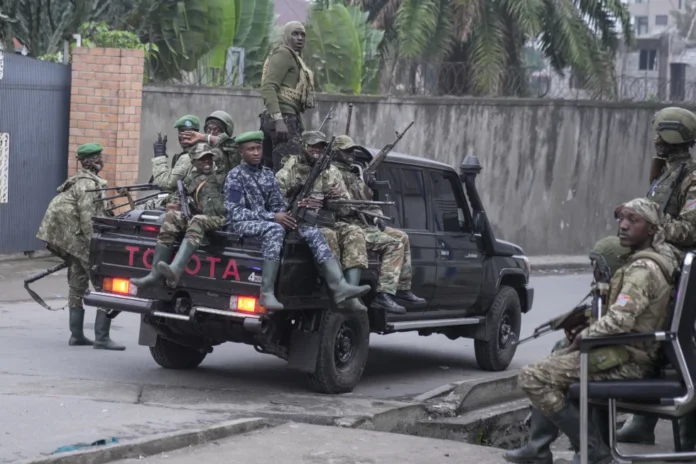
Goma, Democratic Republic of Congo — April 13, 2025 — At least 52 people were killed in a fresh wave of violence in eastern Democratic Republic of Congo over the weekend, deepening an already devastating humanitarian crisis and sparking fears of a renewed regional war. Both the Congolese government and Rwanda-backed M23 rebels are pointing fingers at each other for the attacks that rattled the region’s largest city, Goma, and its surrounding areas.

The escalating conflict marks the deadliest episode in recent months, threatening to derail fragile peace initiatives being brokered by Qatar and African Union leaders.

Residents of Goma, a city now largely controlled by M23 forces, described a night of terror as gunfire echoed through the streets and explosions shook buildings.

“My family and I spent the entire night hiding under our bed,” said Amboma Safari, a Goma resident. “We could hear bombs and gunfire. When we stepped out, we saw bodies — soldiers, but we couldn’t tell whose side they were on.”

The violence reportedly spanned from Friday evening into Saturday, leaving streets littered with debris and fear-stricken civilians. According to Congo’s Ministry of the Interior, 52 people were confirmed dead, including a civilian shot at Kyeshero Hospital in Goma.

Authorities placed the blame squarely on M23 rebels, accusing them of orchestrating the attacks in a bid to consolidate power in the restive North Kivu province.

In response, M23 spokesperson Lawrence Kanyuka released a statement denying responsibility, instead accusing Congolese government troops, allied militias, and Southern African military units of launching coordinated attacks that endangered civilians.

“Joint military operations involving FARDC (Congolese Armed Forces), local armed groups, and regional forces are directly threatening the safety and security of the population,” Kanyuka stated.

“We are being forced to reconsider our position and prioritize the protection of civilians,” he added — a thinly veiled warning that more violence could be imminent.

The situation in eastern Congo has deteriorated rapidly since January 2025, when M23 rebels made an aggressive advance and seized control of Goma, followed by the strategic town of Bukavu in February. These advances marked the most significant territorial gains by the rebel group since their resurgence in late 2021.

The conflict has claimed an estimated 3,000 lives so far this year and contributed to one of the world’s largest displacement crises. Over 7 million people have been forced from their homes, according to humanitarian agencies.

Civilians and local civil society leaders say they are trapped between warring factions, unable to identify who is responsible for the mounting deaths.

“We saw a body lying in the street today,” said Christian Kalamo, a civil society representative in North Kivu. “But we don’t know who killed them — was it the Wazalendo militia? The Congolese army? The M23? No one knows.”

He added that residents now live in constant fear, with widespread anxiety that full-scale war could break out again at any moment.

“There’s a deep fear in our stomachs,” Kalamo said. “We don’t know what tomorrow brings.”

The latest surge in violence jeopardizes ongoing diplomatic efforts aimed at de-escalating the conflict. Talks mediated by Qatar and supported by the African Union have made limited progress, but the current clashes threaten to undo months of negotiation.

Tensions between Congo and Rwanda, which denies supporting M23, have also surged, raising concerns of a broader regional confrontation. Rwanda has long been accused of backing the rebels due to shared ethnic and strategic interests in eastern Congo, particularly in mineral-rich zones.

As the death toll mounts and blame intensifies, humanitarian agencies are calling for immediate international intervention, including ceasefire negotiations and the expansion of aid corridors to reach displaced populations.

The Congolese government has vowed to “neutralize armed groups and protect the people,” while M23 signals it will continue operations under the guise of defending civilians.
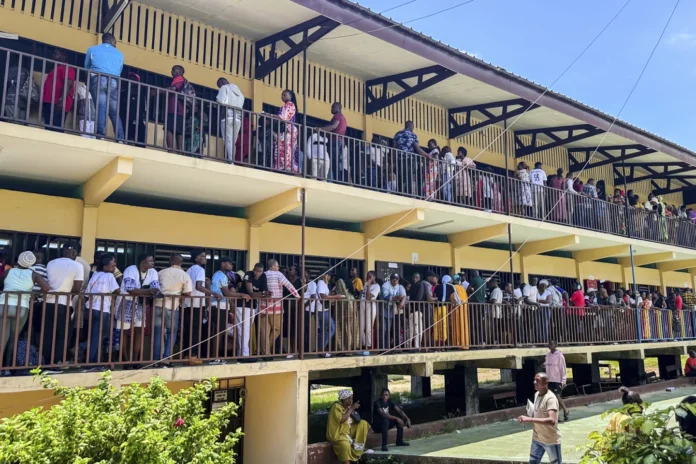
Gabon Awaits Election Results as Coup Leader Oligui Nguema Poised to Win Presidency

0

Libreville, Gabon – April 13, 2025 — Gabonese citizens are anxiously awaiting the results of the country’s pivotal presidential election, held Saturday, amid widespread expectations that interim president and former coup leader Gen. Brice Clotaire Oligui Nguema will secure a sweeping victory.

The election marks the nation’s first vote since the August 2023 military coup that ousted long-time President Ali Bongo Ondimba, ending a political dynasty that spanned over five decades. With over 920,000 registered voters, including more than 28,000 overseas, the poll is being closely watched both regionally and internationally as a test of Gabon’s democratic path forward.

According to the Gabonese Civil Society Organizations Observation Mission, the election was conducted under largely satisfactory conditions. Their preliminary report, issued late Saturday, stated that:

  • 94.8% of observed polling stations operated smoothly.
  • 98.6% of election procedures were deemed transparent.
  • Oligui Nguema’s campaign had representatives at nearly 70% of polling stations.
  • By contrast, his closest rival, former Prime Minister Alain Claude Bilie-By-Nze, was represented at only 8.2% of the observed polling stations.

These figures highlight the organizational dominance of the interim president’s campaign, raising questions from opposition groups about access to state resources and fairness in the electoral process.

General Oligui Nguema, 50, previously served as the head of the Republican Guard before leading the coup that deposed Ali Bongo. He was swiftly installed as interim president, promising sweeping reforms and a transition to civilian rule.

Following his vote in Libreville, the capital, Oligui expressed confidence in the election process, saying:

“I am proud of our citizens who came out to vote. This is a moment to turn the page and join the new Republic. May the best man win.”

Despite these optimistic remarks, many Gabonese remain skeptical of the military’s motives and achievements over the past 20 months.

Oligui faces seven challengers, most notably Alain Claude Bilie-By-Nze, who served as prime minister under the ousted Bongo administration. In a video message released after voting in northern Gabon, Bilie-By-Nze accused the government of leveraging state resources to boost Oligui’s campaign, a claim denied by official channels.

He also voiced concerns about potential electoral fraud, specifically citing the risk of unused voting cards being exploited to manipulate results.

“There are real fears that these unused cards could be used to fabricate turnout figures or cast fraudulent votes,” he said.

Among ordinary voters, sentiment is mixed regarding the military’s performance since taking control. Many had initially welcomed the ousting of Ali Bongo’s government, but say reform promises remain unfulfilled.

“I’m telling you that for me, the military has failed,” said Antoine Nkili, a 27-year-old law graduate currently unemployed. “They promised to reform institutions, but they haven’t. Instead, they’ve enriched themselves.”

Others expressed cautious optimism that the election might usher in a new phase of stability, even if led by the current transitional leadership.

The results of this election are likely to define Gabon’s political trajectory for the next decade. If confirmed, Oligui Nguema would secure a seven-year term, cementing his leadership and likely consolidating military influence over civilian governance.

The final results are expected in the coming days. Meanwhile, international observers and local civil society groups are closely monitoring developments for any signs of irregularities or unrest.

Russian Ballistic Missile Strike Kills Over 20 in Ukrainian City of Sumy on Palm Sunday

0

Sumy, Ukraine – April 13, 2025 — A pair of Russian ballistic missiles struck the center of the northeastern Ukrainian city of Sumy on Sunday morning, killing at least 21 civilians and injuring more than 80, including children, according to Ukrainian authorities.

The coordinated missile attack occurred at approximately 10:15 a.m. local time, during Palm Sunday celebrations, when many residents were gathered in public spaces and religious venues. The timing and location of the strike suggest a deliberate targeting of civilians, officials said.

Acting Mayor Artem Kobzar confirmed the tragedy in a statement posted to social media, calling the strike “a terrible tragedy” and noting that the death toll could rise as emergency crews continued their search through the rubble.

“On this bright Palm Sunday, our community has suffered a terrible tragedy,” Kobzar wrote. “Unfortunately, we already know of more than 20 deaths.”

The Ukrainian Prosecutor General’s Office later confirmed at least 21 fatalities, based on preliminary investigation results. Minister of Internal Affairs Ihor Klymenko added that 83 individuals had been injured, including seven children, some of whom are in critical condition.

Footage shared by emergency responders and local officials showed the aftermath: smoke billowing over charred buildings, wrecked cars, shattered windows, and bodies lying among the debris in one of the busiest areas of Sumy.

President Volodymyr Zelenskyy issued a strong condemnation of the attack, calling it a “cowardly act of terrorism” and urging the international community to respond decisively.

“According to preliminary information, dozens of civilians were killed and wounded. Only filthy scum can act like this — taking the lives of ordinary people,” he said in a televised address. “Talks have never stopped ballistic missiles and aerial bombs. What’s needed is an attitude toward Russia that a terrorist deserves.”

Sunday’s attack came less than 24 hours after a tentative U.S.-brokered pause on strikes targeting critical energy infrastructure appeared to unravel. At the Antalya Diplomacy Forum in Turkey, foreign ministers from both Russia and Ukraine accused each other of breaching the fragile understanding.

Russian Foreign Minister Sergey Lavrov claimed Ukraine had continued offensive actions, stating, “The Ukrainians have been attacking us from the very beginning, every passing day, maybe with two or three exceptions.”

In stark contrast, Ukrainian Deputy Foreign Minister Andrii Sybiha countered with alarming figures:

“Since agreeing to the limited pause, Russia has launched nearly 70 missiles, over 2,200 exploding drones, and more than 6,000 guided aerial bombs, mostly targeting civilians,” Sybiha said.

The apparent collapse of the agreement has dashed hopes for even a short-term reprieve in a war that has now raged for three years, with heavy civilian casualties and ongoing destruction of Ukrainian cities.

With rescue efforts still underway late Sunday, officials warn the number of victims may increase as more bodies are pulled from the wreckage. International humanitarian agencies and Western governments are expected to release statements condemning the strike.

Zelenskyy’s administration has again called on Western allies to increase sanctions against Moscow and accelerate the delivery of missile defense systems and humanitarian aid.

“This is why our defenses must be stronger. This is why support from our allies must not weaken,” said presidential advisor Mykhailo Podolyak in a separate statement.

AP

Gunman Kills 60-Year-Old Man in Broad Daylight Shooting Through Terraced Home Window

0

Stanley, County Durham — April 13, 2025 — A 60-year-old father was fatally shot in a shocking act of violence that unfolded in broad daylight on Saturday afternoon. The victim was gunned down through the window of his terraced home in Stanley, County Durham, England, sending shockwaves through the local community.

The fatal shooting occurred at approximately 5:17 p.m., when two individuals approached the house. One reportedly smashed a window, while the other produced a firearm and fired a shot through the blinds, according to CCTV and mobile footage that later circulated on local social media and WhatsApp groups.

Paramedics rushed to the scene, but the man was pronounced dead despite their efforts. His next of kin have been informed, and a murder investigation is now underway.

Durham Constabulary confirmed that a 37-year-old man and a 35-year-old woman were arrested shortly after the incident on suspicion of conspiracy to commit murder. Both remain in police custody as forensic teams continue their work and detectives conduct door-to-door enquiries in the area.

Senior Investigating Officer Detective Superintendent Neil Fuller described the shooting as a “truly shocking incident” and urged anyone with information, dashcam footage, or CCTV to come forward immediately.

“A man has been shot and has sadly died,” said DSU Fuller. “We are following multiple lines of enquiry, and I encourage anyone who witnessed the incident or has relevant footage to contact us. Residents will notice a heightened police presence as we continue our work.”

He also extended condolences to the victim’s family, adding: “Our thoughts are with them at this incredibly difficult time.”

The sound of gunfire shattered the quiet afternoon as neighbours rushed outside to assist. One witness, Danielle Scott, who lives just a few doors from the victim, described the experience as “terrifying.”

“I live alone with my two-year-old daughter, and we walk past that house every day to go to the park,” she said. “We’re often out around that time. It’s just terrifying. I want to move—I don’t feel safe here anymore.”

Another resident, Nikki Miller, remembered the victim as a “friendly face” and respected community member.

“Everyone knew him. He was a good man—hardworking and kind. There were never any bad words about him,” she shared. “It’s hard to understand why this happened.”

Durham Constabulary is appealing to the public for any information that may assist with the investigation. Officers are particularly interested in any video footage or eyewitness accounts from around the time of the shooting.

Anyone with information is urged to contact Durham Constabulary on 101, quoting incident number 302 of April 5, or to call 999 in an emergency. Anonymous tips can also be submitted via Crimestoppers at 0800 555 111.

Passenger Plane Crashes in Upstate New York, Killing at Least One

0

Copake, NY – April 13, 2025 — A twin-engine passenger plane carrying six individuals crashed into a muddy field near Copake, New York on Saturday afternoon, killing at least one person and prompting a federal investigation. The accident marks another tragic chapter in what has been a troubling year for U.S. aviation safety.

The aircraft, a Mitsubishi MU-2B, went down at approximately 12:15 p.m. ET, about 50 miles south of Albany and just west of the Massachusetts state line. It had been en route to Columbia County Airport, located near Hudson, New York.

Local authorities have confirmed that one person was killed, though the total number of casualties and injuries remains unclear as search and rescue efforts continue.

During a press conference on Saturday afternoon, Columbia County Undersheriff Jacqueline Salvatore provided early updates on the scene and described the recovery conditions as extremely difficult.

“It’s in the middle of a field and it’s pretty muddy, so accessibility is difficult,” Salvatore told reporters. “There is snow on the ground, and rescue teams are working hard to navigate the terrain and assess the wreckage.”

The Federal Aviation Administration (FAA) has confirmed that six people were on board at the time of the crash. The National Transportation Safety Board (NTSB) is taking over the investigation and is expected to release a preliminary report in the coming days.

No details regarding the identities of the passengers or possible causes of the crash were available as of Saturday evening.

This crash is the latest in a growing number of fatal aviation incidents in the U.S. since the beginning of 2025. Just days earlier, a sightseeing helicopter plunged into the Hudson River in New York City, killing all six people aboard, including a veteran pilot and a visiting Spanish family.

The helicopter, a Bell 206L-4 LongRanger IV, disintegrated midair before crashing into the icy waters near Manhattan around 3:17 p.m. on Wednesday. All six occupants—pilot Sean Johnson, and Spanish executive Agustín Escobar, his wife Mercè Camprubí Montal, and their three children aged 4, 5, and 11—died as a result.

That tragedy shocked both New York City and Spain, as it occurred just hours after the family had arrived from Barcelona to begin their vacation.

According to the helicopter’s owner, Michael Roth, Johnson had radioed for clearance to land and requested fuel. “It should have taken him about three minutes to arrive, but 20 minutes later, he didn’t show,” Roth said.

The NTSB is expected to examine the maintenance records, pilot qualifications, weather data, and air traffic control communication related to the Copake crash. The Mitsubishi MU-2B, known for its high performance and complex handling characteristics, has been subject to stringent FAA training requirements in the past due to its safety record.

This incident will likely intensify scrutiny over the growing number of aviation mishaps in early 2025, with observers calling for heightened oversight, stricter training, and better infrastructure to prevent similar disasters.

The FAA has yet to comment publicly on whether any preliminary safety concerns have been identified in connection with Saturday’s crash.

Hundreds Feared Dead as RSF Attacks Zamzam Displacement Camp in Sudan’s Darfur Region

0

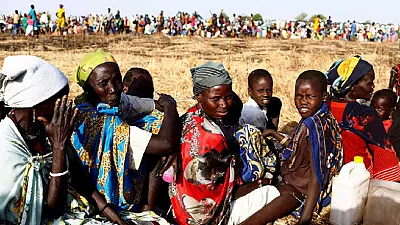
A brutal multi-day assault launched by Sudan’s Rapid Support Forces (RSF) on Zamzam Camp near the city of al-Fasher has reportedly left hundreds of civilians dead or injured, according to Sudan’s foreign ministry, aid organizations, and local advocacy groups.

The attack, which began Thursday and continued through the weekend, has been described as one of the deadliest and most egregious violations of human rights since Sudan’s internal conflict erupted in April 2023. Zamzam Camp, once home to over 700,000 internally displaced people, is now the epicenter of what international observers are calling a “humanitarian collapse.”

The General Coordination of Displaced Persons and Refugees, an advocacy network active in the Darfur region, issued a grim statement on Saturday, declaring that “hundreds of people were killed or wounded, the majority of them women and children,” as RSF fighters overran the camp, setting ablaze homes, healthcare centers, and market stalls.

“This is nothing short of a war crime and a crime against humanity,” the statement read. It also confirmed that 35 additional civilians were killed earlier in the week during a separate RSF attack on Abu Shouk Camp, which similarly shelters thousands of displaced Sudanese.

UN Humanitarian Coordinator Clementine Nkweta-Salami expressed horror over the incidents, reporting that at least 100 people have been confirmed dead across the two camps. “These were safe havens, turned into killing fields,” she said, highlighting that many families now have no food, no shelter, no medical care, and no safe passage.

The last remaining humanitarian lifeline in Zamzam Camp—Relief International’s clinic—was overtaken during the assault. The organization reported that nine staff members, including doctors, nurses, and drivers, were killed during the attack.

“Our clinic, the last accessible healthcare service in Zamzam, was deliberately targeted,” said Relief International in a statement. “This was a direct assault on Sudan’s most vulnerable: the elderly, children, and women. We are devastated and call for immediate international protection.”

With the destruction of the clinic, over 700,000 displaced persons are now left with no medical assistance as famine, disease, and violence continue to ravage the region.

The Rapid Support Forces denied all allegations, dismissing reports of the massacre as fabrications orchestrated by the Sudanese army and supported by a “media campaign” using “actors and staged footage.” In a statement, the RSF reiterated its “commitment to international humanitarian law” and labeled the footage circulating from Zamzam Camp as propaganda.

“We categorically deny targeting civilians. These reports are part of an ongoing disinformation effort to discredit our forces,” the RSF said.

However, aid groups, eyewitnesses, and local leaders on the ground have condemned the RSF’s response as evasive and misleading, with several videos and photos emerging that show widespread destruction and suffering within the camp.

Reuters has stated that it could not independently verify casualty numbers, but growing photographic and testimonial evidence paints a grim picture of the events.

As the death toll rises and Darfur teeters on the edge of total humanitarian collapse, international agencies are renewing calls for an immediate ceasefire and unrestricted access for humanitarian organizations.

“The humanitarian situation in al-Fasher is collapsing before our eyes,” said a spokesperson from the Coordination of Displaced Persons. “Famine is spreading, medicine is unavailable, and people are dying in plain sight.”

The United Nations and the African Union are expected to hold emergency consultations in the coming days to address the crisis and potentially impose international sanctions or initiate war crimes investigations against RSF commanders.

The conflict in Sudan began in April 2023 as a violent power struggle between the Sudanese Armed Forces (SAF) and the paramilitary Rapid Support Forces (RSF), derailing hopes of a democratic transition. The war has displaced millions of people, primarily in regions like Darfur, which has long been plagued by ethnic violence and militia warfare.

The RSF, which once operated as a government-backed militia during the infamous Darfur conflict of the early 2000s, is now fighting to retain control over western Sudan amid increasing SAF advances near Khartoum.

International observers warn that the situation could spiral into full-scale genocide if swift diplomatic and humanitarian action is not taken.

Iran and US Hold First Direct Nuclear Talks Since Trump’s Return: Constructive but Cautious Progress in Oman

0

In a pivotal moment for international diplomacy, envoys from the United States and Iran held their first face-to-face negotiations in years on Saturday, reopening direct dialogue over Tehran’s controversial nuclear program. The historic meeting, which took place in the outskirts of Muscat, Oman, marks the first substantial diplomatic contact between the two nations since President Donald Trump returned to office.

The initial round of talks featured a brief but significant interaction between U.S. Special Mideast Envoy Steve Witkoff and Iranian Foreign Minister Abbas Araghchi. Iranian state television confirmed that the two men exchanged words in person, a notable development given years of strained relations and indirect channels. The exchange, while brief, signals a cautious thawing of hostilities and suggests that both sides see value in re-engaging through diplomacy.

Constructive Atmosphere Amid Longstanding Tensions

Despite ideological and strategic differences, both sides described the talks in unexpectedly optimistic terms. The White House characterized the discussions as “very positive and constructive,” acknowledging the complexity of the issues at hand while applauding the step forward in diplomacy.

“I can’t tell you much because nothing matters until a deal is done,” President Trump told reporters aboard Air Force One while en route to a public event in Miami. “But it’s going okay — the Iran situation is going pretty good, I think.”

Iran’s Foreign Minister Araghchi echoed the sentiment during an interview with Iranian state media, describing the meeting as “constructive” and clarifying that four rounds of indirect messages were exchanged prior to the in-person engagement.

“We are not interested in wasting time with negotiations that go nowhere,” Araghchi stated. “Both sides agree that if an agreement is to be reached, it must happen as quickly as possible — but we also know this will not be easy.”

Talks Mediated by Oman, to Resume April 19

The discussions took place on the outskirts of Muscat, Oman, beginning around 3:30 p.m. local time and concluding just before 6:00 p.m. According to Associated Press journalists on the ground, a convoy believed to be carrying Witkoff was seen entering a secure compound shortly after departing from Oman’s Foreign Ministry. Minutes later, the Iranian delegation arrived, and indirect talks commenced before the brief face-to-face meeting took place.

Omani Foreign Minister Badr al-Busaidi played a crucial role in facilitating the dialogue and said he was hopeful for progress.

“We’ve taken an important first step,” al-Busaidi posted on X (formerly Twitter). “The atmosphere was friendly and conducive to bridging viewpoints. Our shared goal is to contribute to global peace and regional stability.”

Both the United States and Iran confirmed that the next round of talks is scheduled for Saturday, April 19.

Nuclear Enrichment and Sanctions Relief Remain Core Issues

At the heart of the negotiations are two deeply contentious issues: Iran’s enrichment of uranium and the crippling U.S.-led sanctions on its economy.

Iran is currently enriching uranium up to 60% purity, just a technical step away from weapons-grade levels. This far exceeds the 3.67% cap agreed to under the 2015 Joint Comprehensive Plan of Action (JCPOA), the deal from which the United States unilaterally withdrew in 2018 during Trump’s previous term.

Witkoff has signaled a tough line, telling The Wall Street Journal that any acceptable agreement would begin with the dismantling of Iran’s capacity to weaponize its nuclear program.

“Our position begins with dismantlement — that’s non-negotiable,” he said. “There can’t be weaponization of your nuclear capability. That’s our red line.”

Iran, however, is expected to seek permission to continue enrichment up to 20% or higher and has made it clear it will not abandon its nuclear program entirely, viewing it as a sovereign right and a hedge against foreign threats.

Diplomatic Risks and Regional Ramifications

Both sides are walking a geopolitical tightrope. The Trump administration has repeatedly threatened military strikes on Iran’s nuclear facilities if diplomacy fails, while Tehran warns that it may actively pursue nuclear weapons if pressured too far. Iranian Supreme Leader Ayatollah Ali Khamenei and other officials continue to cite the 2011 death of Libyan dictator Moammar Gadhafi — after he agreed to dismantle Libya’s weapons programs — as a cautionary tale about trusting the United States.

This historical narrative makes compromise particularly fraught for Iranian negotiators, who must also navigate domestic political pressures from powerful hard-line factions.

While Saturday’s brief face-to-face encounter between Witkoff and Araghchi may not have produced concrete results, it represents a symbolic and strategic milestone in U.S.–Iranian relations. The reestablishment of direct contact, even if limited, raises cautious hopes that future rounds of negotiation might achieve what has eluded both countries for decades: a stable, verifiable agreement on nuclear limits that satisfies both international security concerns and Iran’s desire for autonomy.

Whether this fragile dialogue can survive the pressure of politics, both domestic and global, remains to be seen.

Fiery Plane Crash Near South Florida Highway Kills 3, Injures 1 and Sparks Road Closures

0

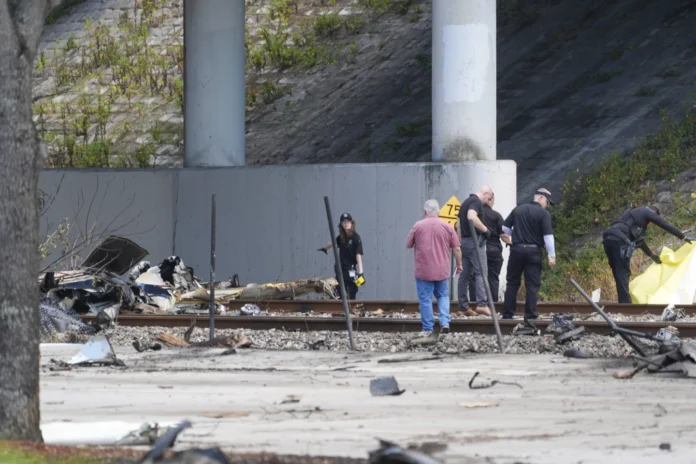
A devastating small aircraft crash unfolded in South Florida on Friday morning, killing all three people aboard and injuring a motorist after the plane collided with a vehicle near a major highway. The fiery crash occurred shortly after takeoff from Boca Raton Airport, prompting a swift response from federal investigators and emergency crews.

The crash occurred around 10:20 a.m. local time, just minutes after the Cessna 310 aircraft departed from Boca Raton Airport en route to Tallahassee, according to a statement from the Federal Aviation Administration (FAA). The aircraft went down near Interstate 95, one of the region’s busiest highways, causing a massive fireball on impact.

Boca Raton Fire Rescue Assistant Chief Michael LaSalle confirmed the fatalities of all three individuals on board. One person in a nearby vehicle was also injured by the intense blast and flying debris. The injured victim was transported to a local hospital. Their condition has not yet been released.

“It was a violent impact, followed by a fireball that engulfed the crash area,” LaSalle told reporters. “The fire was intense enough to ignite nearby palm trees and severely damage nearby infrastructure.”

According to local fire officials, the impact of the plane’s crash was so forceful that it shoved a vehicle onto nearby railroad tracks, leading to a temporary shutdown of the train lines in the area. Emergency personnel were dispatched to secure the scene, contain fires, and investigate the extent of damage to both roadways and rail systems.

Multiple roads around the Boca Raton Airport remained closed as authorities worked to clear debris and investigate the cause of the crash.

Several local residents and commuters witnessed the fiery scene and described it as chaotic and terrifying.

Josh Orsino, 31, said he was sitting at a red light on an overpass near the crash site when he heard a deafening explosion. “We were just sitting there when suddenly a huge fireball erupted. Palm trees were catching fire,” Orsino recalled. “It felt like something from a movie—my first thought was to get off that bridge fast. I didn’t know if the structure was going to collapse.”

Another witness, Miguel Coka, 51, who works in a building near Boca Raton Airport, said he and his coworkers felt a rumble moments before seeing thick smoke. “There was a loud rumble and the whole building shook,” Coka said. “We stepped outside and saw flames and smoke. Everyone here is still in shock.”

Coka managed to record the aftermath from his office balcony, capturing video footage of the smoke plumes rising from the crash site.

Boca Raton Mayor Scott Singer issued a statement expressing condolences and confirming the beginning of an extensive investigation into the incident.

“We are deeply saddened to confirm that a plane crash occurred earlier today within our community,” said Singer. “At this time, details are still emerging, and we are working closely with emergency responders and authorities. Our thoughts are with all those affected by this tragic event.”

The FAA and the National Transportation Safety Board (NTSB) are jointly investigating the crash. The NTSB, which is leading the investigation, arrived at the scene Friday afternoon and began collecting evidence, photographing the wreckage, and interviewing witnesses.

According to NTSB officials, the remains of the Cessna 310 will be transported to a salvage facility in Jacksonville for further forensic and mechanical analysis. A preliminary report is expected within 30 days, with a final report and determination of probable cause anticipated within 12 to 24 months.

The incident comes just one day after another fatal aviation accident in New York, where a sightseeing helicopter broke apart in mid-air and plunged into the Hudson River, killing six people including the pilot and five Spanish tourists.

While air travel remains statistically the safest mode of transportation, recent mid-air collisions and runway incidents have drawn increased attention to aviation safety protocols across the United States.

In January, a mid-air collision near Washington claimed the lives of 67 people. February saw a minor crash on a taxiway in Seattle, and in March, a fire aboard an American Airlines flight after landing in Denver led to 12 injuries.

Friday’s tragic plane crash in Boca Raton is now part of a growing list of recent aviation accidents that have shaken public confidence, despite assurances from federal agencies. As investigators sift through the wreckage and data to determine what went wrong, families of the victims and the broader community await answers and accountability.

Kenya Airways Flight from New York to Nairobi Diverts After Elderly Passenger Dies Mid-Flight

0

A tragic in-flight incident unfolded aboard Kenya Airways flight KQ003 on Friday morning, when an elderly passenger died mid-air during the transatlantic journey from New York’s John F. Kennedy International Airport (JFK) to Nairobi’s Jomo Kenyatta International Airport (JKIA).

The passenger reportedly experienced a medical emergency several hours into the long-haul flight, prompting the cabin crew to initiate urgent life-saving procedures.

In an official statement released by Kenya Airways, the airline confirmed that the situation unfolded at approximately 8:40 a.m. Nairobi time. Flight attendants quickly alerted the airline’s Operations Control Centre about the medical collapse, and immediate assistance was provided on board.

“In accordance with international aviation medical protocols, the crew, supported by three qualified medical professionals who volunteered on board, immediately initiated emergency procedures, including the use of onboard medical equipment,” the airline noted.

Despite prompt intervention, including cardiopulmonary resuscitation (CPR) and other emergency measures, the passenger was declared deceased at 9:10 a.m., before the flight could reach any nearby airport.

In response to the medical crisis, the crew made the decision to divert the flight to Entebbe International Airport in Uganda to seek emergency medical attention. However, following the confirmation of the passenger’s death, the aircraft resumed its original course to Nairobi, adhering to international aviation protocols for onboard fatalities.

The plane safely landed at JKIA at 10:27 a.m. local time, where it was received by a coordinated response team including medical personnel, airport security, and Kenyan government authorities.

Kenya Airways emphasized that it is working closely with the family of the deceased passenger, as well as local authorities and international aviation regulators, to ensure proper documentation and care in determining the cause of death. The airline also pledged full support to the bereaved family during this difficult time.

“Kenya Airways extends its deepest sympathies to the family and loved ones affected by this tragic event,” the airline said in its statement. “The privacy and dignity of the deceased and all passengers onboard remain our utmost priority.”

This incident highlights the critical importance of international medical protocols in aviation, particularly during long-haul flights where immediate hospital access is not possible. Airlines like Kenya Airways are required to carry medical equipment and train crew members in first-response procedures, while also relying on the expertise of medical volunteers if present onboard.

Though rare, in-flight deaths do occur, and airlines must follow strict guidelines on how to handle such emergencies—including diverting aircraft, preserving passenger dignity, and notifying relevant authorities and family members.

The event has sparked public sympathy and also prompted aviation observers to review Kenya Airways’ emergency response efficiency. The airline, known for operating Africa’s only direct passenger service between East Africa and the United States, has not previously reported similar incidents on the New York–Nairobi route.

As investigations continue into the cause of the medical emergency, the airline reiterated its commitment to passenger safety and responsible crisis management.

Italy Deports 40 Asylum Seekers to Albania Under Controversial Immigration Scheme

0

Italy has transferred 40 asylum seekers to Albania under a politically contentious agreement that allows for the detention of migrants in Italian-operated centers outside Italian borders. The individuals, who are of various nationalities and have already been denied asylum in Italy, were sent by sea to the northern Albanian port of Shengjin aboard an Italian navy vessel.

Upon arrival on Friday, the men were escorted to a repurposed former military base in the nearby town of Gjader. This facility, heavily secured with fencing and 24-hour video surveillance, is one of two centers Italy has established in Albania to house migrants awaiting repatriation.

Initially launched in October 2023 as part of a pilot initiative for processing sea-rescued asylum seekers outside Italy, the Albanian centers were intended to handle up to 36,000 male applicants per year, particularly from countries deemed “safe” by the Italian government. The original plan aimed to swiftly assess asylum claims and repatriate those who were rejected.

However, after a series of legal challenges in Italian courts overturned the transfer of new arrivals to Albania, the government was forced to revise the program. In March 2024, the administration of Prime Minister Giorgia Meloni restructured the initiative: the Albanian facilities would now primarily function as holding centers for individuals already denied asylum, awaiting deportation.

The Italy-Albania migration deal, signed in November 2023 by Prime Minister Giorgia Meloni and Albanian Prime Minister Edi Rama, was controversial from the outset. Critics described it as an outsourcing of Italy’s legal responsibilities toward asylum seekers, while supporters argued it was a necessary step to manage irregular migration flows more efficiently.

Meloni’s government, led by the far-right Brothers of Italy party, has made reducing illegal immigration a cornerstone of its political platform. In the 2022 elections, Meloni campaigned heavily on promises to “stop the boats” and regain control of Italy’s borders.

Despite these efforts, Italy has struggled to enforce deportation orders. According to official statistics, only around 4,000 irregular migrants were forcibly repatriated in 2023—a small fraction compared to countries like France and Germany. Many more simply ignored their removal orders, remaining in Italy or relocating within the European Union.

According to current Italian law, migrants whose asylum applications have been definitively rejected may be held in detention for up to 18 months while deportation procedures are finalized. It is not yet clear how long the current group of 40 men will remain in Albania, nor how soon their respective repatriations can be executed.

The repurposing of the Albanian facilities as deportation centers is viewed by government insiders as a temporary workaround while awaiting a ruling from the European Union’s Court of Justice. A favorable decision could eventually allow Italy to return to its original plan of processing new arrivals in Albania.

The eyes of Europe are on this unfolding experiment. Several EU nations, grappling with their own migration challenges, are closely observing the Italy-Albania model as a possible template. If successful—or validated by the EU’s top court—it could influence a shift in how member states handle asylum processing and deportation logistics in the future.

For now, however, the Meloni government faces continued criticism from opposition parties, human rights organizations, and legal experts who question the legality and morality of detaining asylum seekers outside national borders.