Home Blog Page 468

66 Dead, 51 Injured in Turkey Ski Resort Hotel Fire 

0

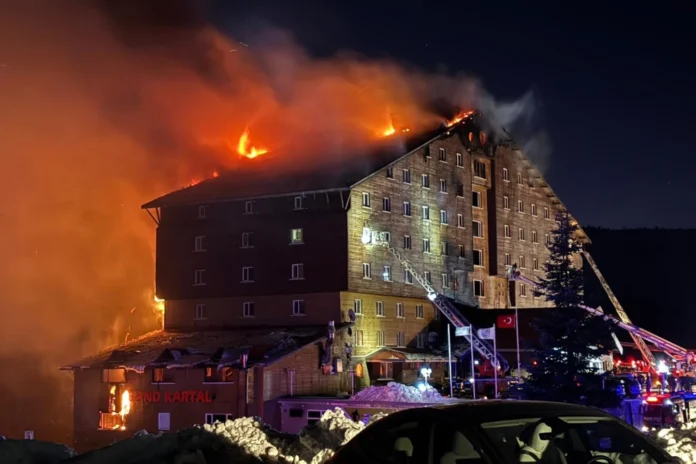
A devastating fire at a 12-story hotel in a ski resort in northwestern Turkey killed at least 66 people and injured 51 others, Turkey’s Interior Minister Ali Yerlikaya said Tuesday. 
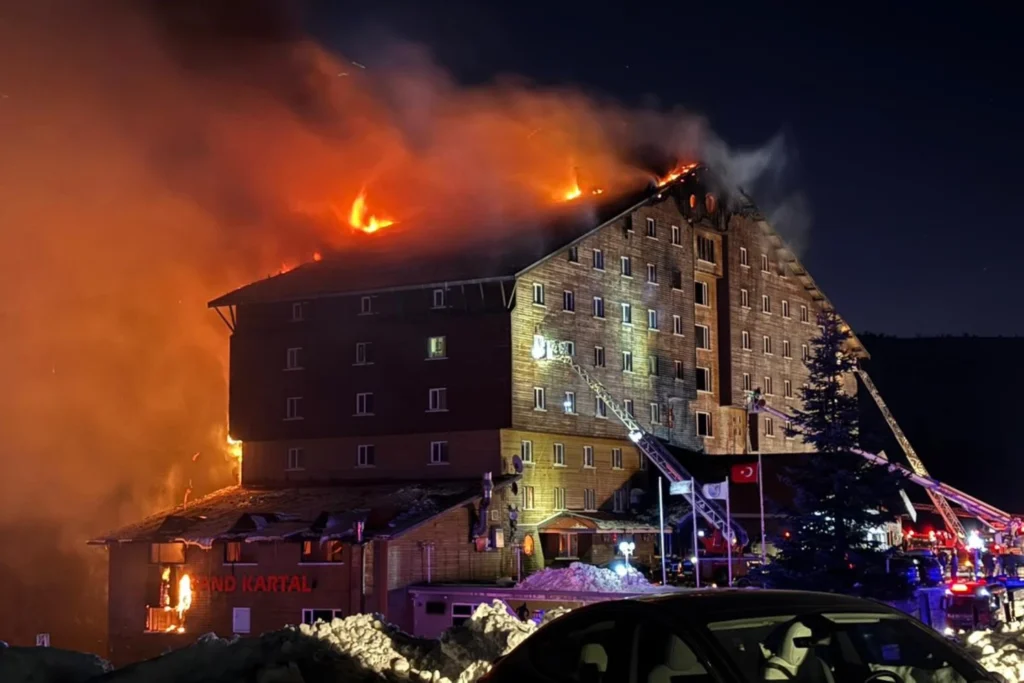
The fire broke out at the Grand Kartal hotel in Kartalkaya, a popular ski resort in Bolu province’s Koroglu Mountains, approximately 300 kilometers (185 miles) east of Istanbul. The tragedy occurred during the school semester break, a peak season when the region’s hotels are typically full. 

“We are in deep pain. We have unfortunately lost 66 lives in the fire that broke out at this hotel,” Yerlikaya told reporters after visiting the scene. 

Health Minister Kemal Memisoglu said one injured person remained in critical condition, while 17 others had been discharged after treatment. 
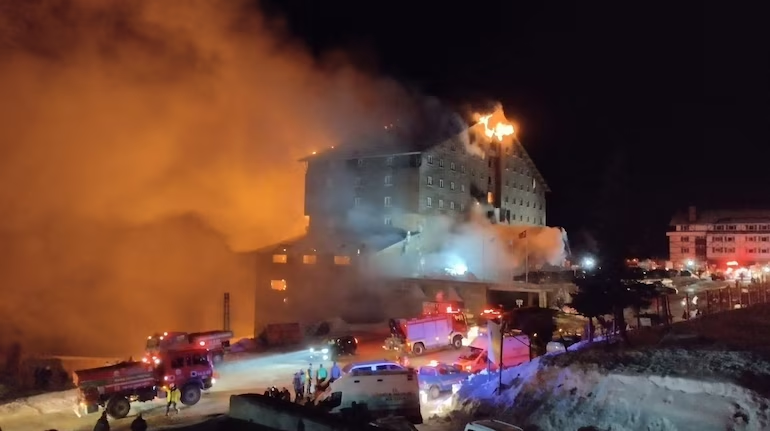
The Grand Kartal hotel had 238 registered guests at the time of the fire. Officials said the blaze was reported at 3:27 a.m., but firefighters did not begin their response until 4:15 a.m. The fire is believed to have started in the hotel’s restaurant area. 

Six prosecutors have been appointed to lead an investigation into the cause of the blaze. 

Governor Abdulaziz Aydin reported that at least two people died after jumping from the building in panic. Some guests attempted to escape by climbing down sheets and blankets tied together. 

Ski instructor Necmi Kepcetutan, who was at the hotel during the fire, said he managed to help about 20 guests escape after rushing out himself. “The smoke made it very difficult for people to find the fire escape,” he said. 

Several witnesses claimed the hotel’s fire detection system failed to operate. Guest Atakan Yelkovan, who was staying on the third floor, said his wife smelled smoke, but no alarms sounded. “We tried to go upstairs but couldn’t because of the flames. We went downstairs and escaped,” he told IHA news agency. 

Yelkovan also criticized the response time, noting it took nearly an hour for firefighting teams to arrive. “People on the upper floors were screaming. Some hung down sheets, others tried to jump,” he added. 
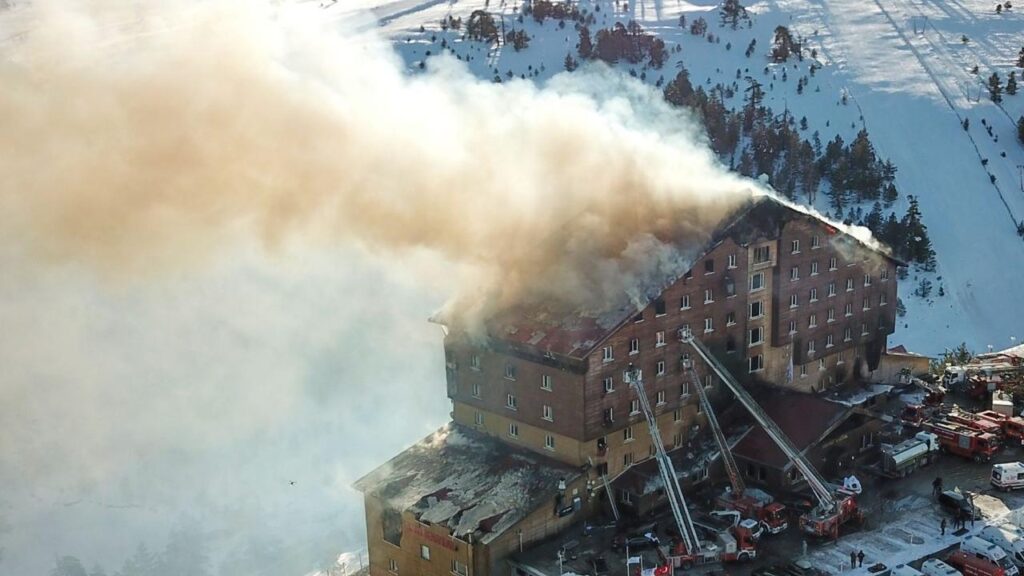
NTV television suggested the wooden chalet-style cladding on the hotel’s exterior may have accelerated the spread of the fire. The hotel’s location on a cliff further complicated firefighting efforts, limiting access to the rear of the building. 

Tourism Minister Mehmet Nuri Ersoy said the hotel was inspected in 2021 and 2024, with no issues related to fire safety reported. 

President Recep Tayyip Erdogan addressed the nation from Ankara, expressing his condolences. “Unfortunately, we received very sad news this morning from Bolu, Kartalkaya. Our brothers and sisters were killed and injured in a fire that broke out in a hotel,” he said. 

Erdogan vowed that all necessary steps would be taken to investigate the incident and hold those responsible accountable. 

Television footage showed extensive damage to the hotel, with a smoke-blackened lobby, shattered windows, and a collapsed chandelier. Nearby hotels at the resort were evacuated as a precaution, and displaced guests were relocated to other accommodations around Bolu. 

In an unrelated incident, a gas explosion at the Yildiz Mountain Winter Sports Center in Sivas province injured four people. 

AP

Russia Warns Trump Against Attempting to Seize Panama Canal 

0

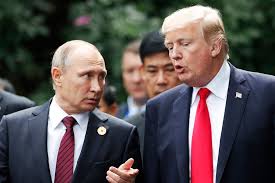
Russia issued a stern warning to U.S. President Donald Trump on Tuesday, cautioning him against attempting to seize control of the Panama Canal, a critical maritime trade route.

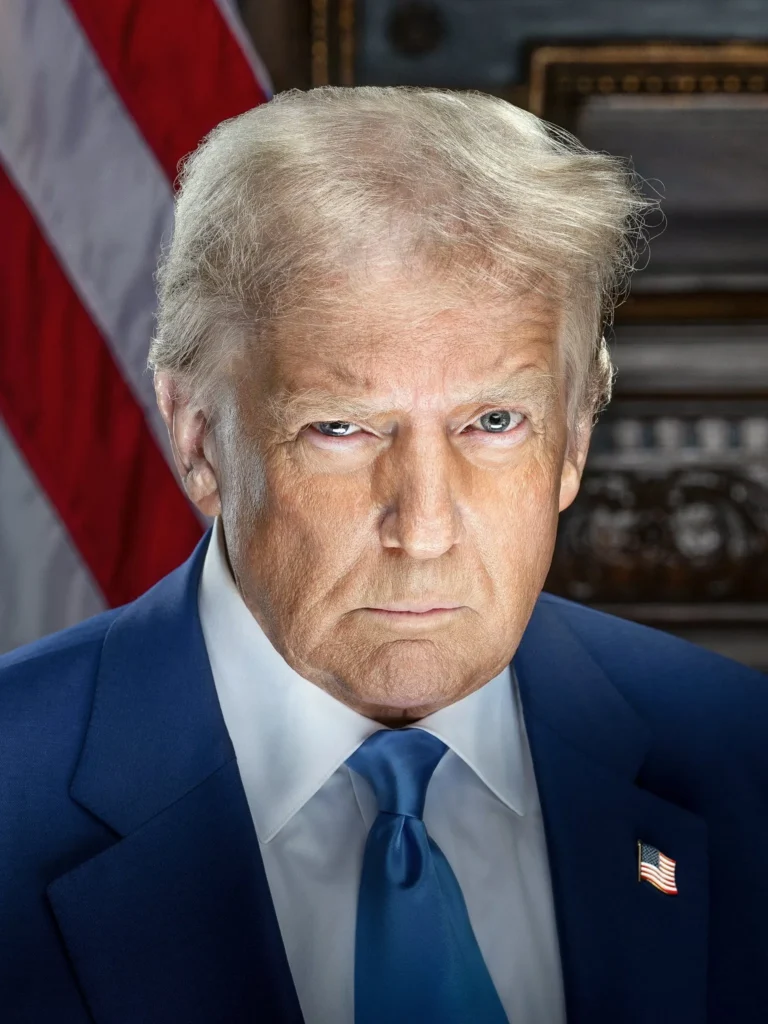
Trump, in his inauguration speech Monday, reiterated his stance on reclaiming the canal, which the United States handed over to Panama in 1977. He described the canal as “vital” to American interests and criticized the current operations, particularly China’s involvement. “American ships are being severely overcharged,” Trump said. “And above all, China is operating the Panama Canal, and we didn’t give it to China; we gave it to Panama, and we’re taking it back.”

Russia’s foreign ministry responded Tuesday, asserting that the Panama Canal legally belongs to Panama and warning the U.S. against any efforts to reclaim it through military or economic means.

“We expect that during any discussions between the leadership of Panama and U.S. President Donald Trump on control of the Panama Canal, the parties will respect the current international legal regime governing this key waterway,” said Alexander Shchetinin, director of the Latin American department at the Russian foreign ministry, according to state media.

Shchetinin also emphasized Russia’s commitment to maintaining the canal’s neutrality and ensuring it remains a secure and open transit route for international trade. He added that the U.S. has “no right to interfere in Panama’s internal affairs.”

The Panama Canal connects the Atlantic and Pacific Oceans and is a major trade artery for the U.S., handling about 40% of the country’s container ship traffic. Trump’s remarks have sparked diplomatic tensions, with Panama firmly asserting its sovereignty over the canal.

Last month, Panamanian President José Raúl Mulino rebuked Trump’s earlier comments, calling Panama’s control of the waterway “non-negotiable.” “Every square meter of the Panama Canal and its adjoining zone is Panama’s and will remain so,” Mulino stated.

The canal was under U.S. control until 1977, when it was handed over to Panama under the Torrijos-Carter Treaties. While Trump’s comments about the canal reflect his broader nationalist policies, they have drawn sharp criticism from multiple nations, including Russia. Moscow’s involvement highlights its geopolitical interest in countering U.S. influence in Central America.

Trump Orders U.S. Withdrawal From WHO Amid Criticism Over COVID-19 Handling 

0

The United States will officially leave the World Health Organization (WHO), President Donald Trump announced Monday, citing dissatisfaction with the agency’s handling of the COVID-19 pandemic and other international health crises.

Trump accused the WHO of operating under “inappropriate political influence” from member states, particularly China, and imposing “unfairly onerous payments” on the U.S., which he said were disproportionate compared to contributions from other nations.

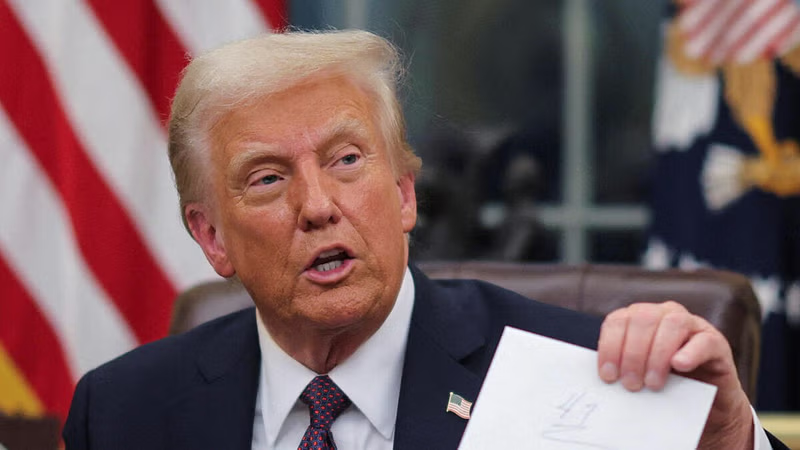
“World Health ripped us off. Everybody rips off the United States. It’s not going to happen anymore,” Trump said while signing an executive order confirming the withdrawal shortly after his inauguration to a second term.

The WHO expressed regret over the announcement, which will see its largest donor nation exit. “We hope that the United States will reconsider, and we really hope there will be constructive dialogue for the benefit of everyone, for Americans but also for people around the world,” WHO spokesperson Tarik Jasarević said Tuesday in Geneva.

The decision begins a 12-month notice period for the U.S. to terminate its membership and halt all financial contributions. The United States, which accounted for roughly 18% of the WHO’s funding, has been its largest donor. The agency’s current two-year budget for 2024-2025 is $6.8 billion.

The U.S. departure could jeopardize key WHO initiatives, including programs targeting tuberculosis, the world’s deadliest infectious disease, as well as HIV/AIDS and other health emergencies, experts say.

Under Trump’s directive, the administration will also suspend negotiations on the WHO’s pandemic treaty while the withdrawal process is underway. U.S. personnel working with the organization will be reassigned, and efforts will be made to identify partners to assume critical activities. Additionally, the administration will review and replace the 2024 U.S. Global Health Security Strategy, according to the order.

The Bill and Melinda Gates Foundation, the WHO’s second-largest donor, pledged to continue its support. CEO Mark Suzman said on X that the foundation would advocate for strengthening, not weakening, the organization. Germany, the third-largest donor, which contributes about 3% of the WHO’s budget, expressed concern. Germany’s health minister said Tuesday that Berlin hopes to dissuade Trump from finalizing the decision.

China’s foreign ministry criticized the move, emphasizing the WHO’s role in global health governance. “China will continue to support the WHO in fulfilling its responsibilities and deepen international public health cooperation,” ministry spokesperson Guo Jiakun said Tuesday.

Trump’s withdrawal from the WHO aligns with his previous efforts to leave the agency during his first term in 2020, accusing it of aiding China in concealing COVID-19’s origins. The WHO has denied the claims and continues to push for data from Beijing to determine whether the virus originated from human-animal interaction or a laboratory incident.

Under U.S. law, leaving the WHO requires a one-year notice period and the payment of any outstanding fees. In 2020, then-President Joe Biden halted the withdrawal process after taking office. 

Border Patrol Agent Killed in Vermont Traffic Stop; Suspect Allegedly an Overstayed Visa Holder

0

A U.S. Border Patrol agent was fatally shot during a traffic stop in Vermont on Monday, just hours after President Donald Trump announced sweeping new measures to address illegal immigration. 

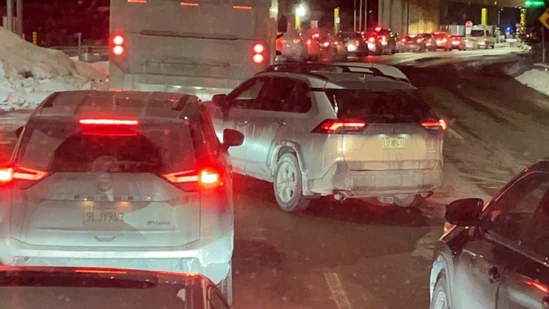
The incident occurred at approximately 3:15 p.m. local time in Waterbury, located about 45 minutes south of Montreal. The agent was reportedly shot in the neck by an individual who had overstayed their visa, according to sources cited by NewsNation. 

The suspect was also killed during the exchange of gunfire, and a woman at the scene sustained injuries. Her condition has not yet been disclosed. 

The Department of Homeland Security confirmed the deaths and announced that the FBI will lead the investigation. However, officials have not yet verified the immigration status of the shooter. 

Trump Declares Border Emergency

The deadly encounter came just hours after President Trump declared a “national emergency” over what he called a “border crisis.” On his first day in office, Trump signed an executive order shutting down the CBP One app, which previously allowed migrants to schedule appointments for legal entry into the U.S. 

The app facilitated entry for nearly one million migrants who met work eligibility requirements. With its closure on Monday, thousands of migrants saw their appointments canceled, sparking uncertainty and chaos. 

In his inaugural address, Trump pledged to use federal powers to curb illegal immigration, labeling Mexican cartels as foreign terrorist organizations. He also vowed to remove “criminals illegally entering the country” to restore what he called “common sense” in border policing. 

“With these actions, we will begin the complete restoration of America and the revolution of common sense,” Trump said. 

Legislation in Focus: The Laken Riley Act

In addition to his executive order, Trump has pledged support for the Laken Riley Act, named after a University of Georgia nursing student who was murdered in February 2024. Riley was attacked and killed during a morning run by Jose Ibarra, a Venezuelan national living in the U.S. illegally. 

Ibarra was convicted of murder and sentenced to life in prison. The proposed legislation would require U.S. Immigration and Customs Enforcement (ICE) to detain undocumented immigrants who have committed crimes such as theft, burglary, or shoplifting until they are deported. 

A vote on the Laken Riley Act is expected Monday evening. Trump has cited Riley’s death as a motivating factor for his aggressive immigration policies, stating, “It is time to secure our border and remove these criminals and thugs from our country, so nothing like this can happen again.” 

Russia Charges British Fighter in Kursk with Terrorism and Mercenary Activities 

0

Russian authorities announced Monday that a British man captured fighting alongside Ukrainian forces in the Kursk region faces charges of terrorism and mercenary activities. 

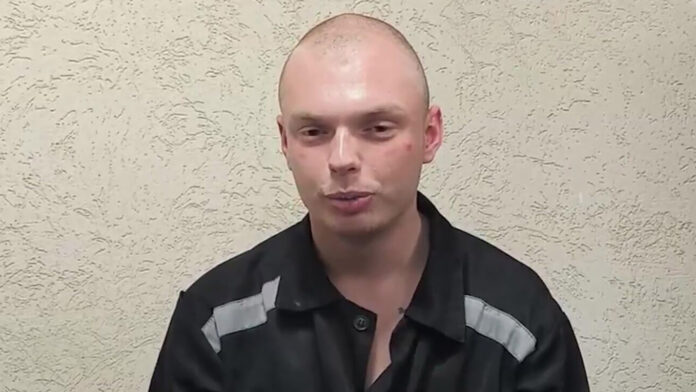
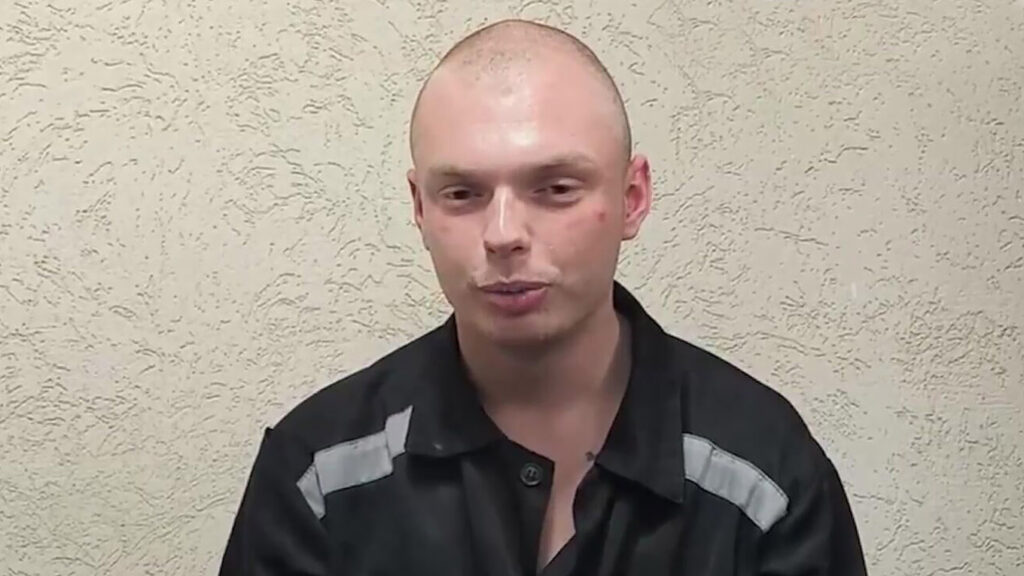
James Scott Rhys Anderson, 22, was apprehended in November while reportedly fighting for Ukraine’s International Legion. He remains in Russian custody. 

James Scott Rhys Anderson, 22

The Investigative Committee of Russia, tasked with probing major crimes, said Anderson was “directly involved in an armed conflict on Russian territory for material gain.” Officials allege he illegally crossed the border into Russia while armed and carried out “criminal acts against civilians,” causing property damage and disrupting local authorities’ operations. 

Anderson has been charged with “committing a terrorist act” as part of an organized group and working as a mercenary in an armed conflict. If convicted, he faces up to 20 years in prison for the first charge and an additional 15 years for the second. 

Russian officials released videos in November showing Anderson in custody, his head shaved and hands tied, wearing a prison uniform. In one video published on pro-Kremlin Telegram channels, Anderson claimed he joined Ukraine’s International Legion after being dismissed from the British army. He reportedly earned $400 monthly and $60 daily while on combat missions. 

Anderson’s case underscores Moscow’s classification of foreign fighters in Ukraine as “mercenaries,” a designation that allows prosecution under Russian criminal law rather than as prisoners of war protected by the Geneva Conventions. 

British Foreign Minister David Lammy previously stated that the U.K. government would provide Anderson with “all the support that we can.” 

The case mirrors similar instances from 2022 when a court in Russian-controlled eastern Ukraine sentenced two British fighters to death for supporting Ukraine. They were later released in a prisoner exchange. 

The terrorism charge against Anderson alleges his actions caused “significant property damage” and were part of an organized effort to destabilize the region. The mercenary accusation emphasizes his paid involvement in armed conflict on Russian territory. 

The charges follow a broader trend of Russia prosecuting foreign fighters captured in the ongoing conflict, highlighting the legal and political complexities of international involvement in the war in Ukraine. 

themoscowtimes.com

China Executes Two Mass Killers in High-Profile Cases Amid Rising Public Violence

0

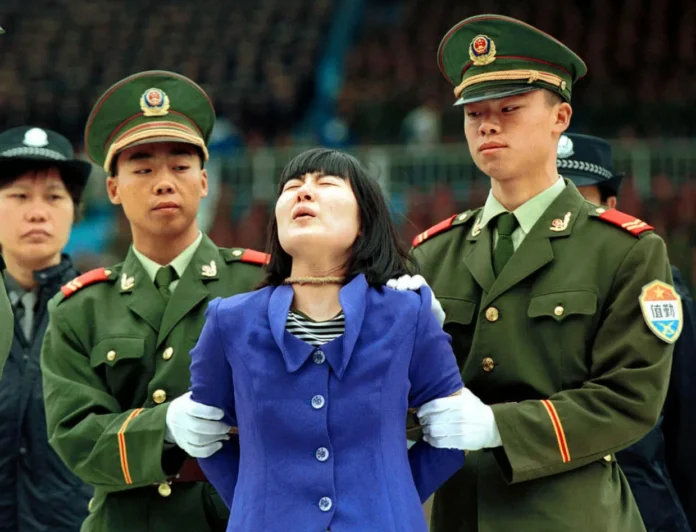
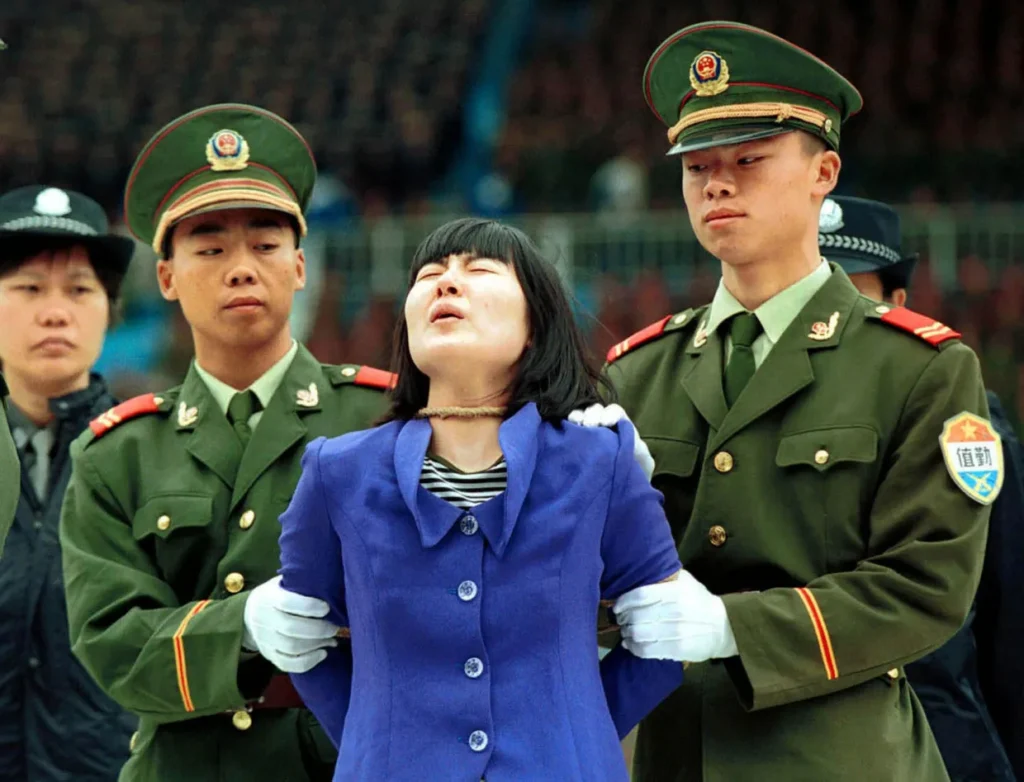
China has executed two mass murderers in a rare publicized move to address the rising wave of random, violent attacks across the country. Among those executed were a man who killed 35 people in a car-ramming attack and another who fatally stabbed eight people at a university. 

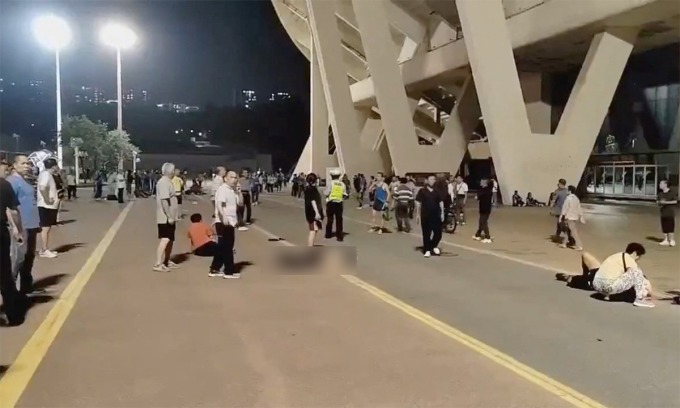
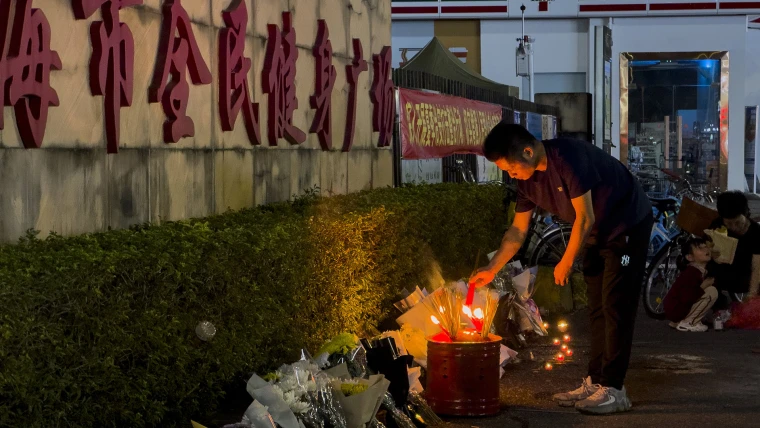
Fan Weiqiu, 62, was executed just three weeks after being sentenced to death for driving his car into a crowd of people exercising at a sports center in Zhuhai on November 11, 2024. The attack, which claimed 35 lives, marked the deadliest act of public violence in China in a decade. 

The second execution involved 21-year-old Xu Jiajin, who launched a knife attack at his former university, Wuxi Vocational College of Arts and Technology, killing eight people and wounding 17 others. 

Both cases reflect a troubling trend in China, where a spate of violent attacks in 2024 has been linked to perpetrators’ frustrations and a desire to “take revenge on society.” Fan, the Zhuhai attacker, reportedly carried out his rampage after a bitter divorce settlement that left him enraged. Police said he intentionally drove his off-road vehicle into a crowd of around 80 people on a running track, killing and injuring dozens. 

Footage shared on Chinese social media captured the aftermath of Fan’s attack, with bodies lying in pools of blood and personal belongings scattered across the ground. Fan, who attempted to stab himself before being subdued by police, was treated in the hospital to stand trial. 

In the case of Xu, authorities revealed that he was motivated by anger after failing to graduate due to poor academic performance. Days after confessing to the crime, Xu was sentenced to death and executed within a month. 

China, which Amnesty International identifies as the world’s top executor, keeps details of executions tightly guarded as state secrets. However, news of these executions was prominently broadcast by state media, signaling a government effort to deter further violence. 

The Chinese government is grappling with a disturbing rise in public attacks. In 2024 alone, 19 incidents were reported where perpetrators sought “revenge on society.” The surge in violence is believed to stem from growing dissatisfaction over economic stagnation, high unemployment, and limited social mobility. 

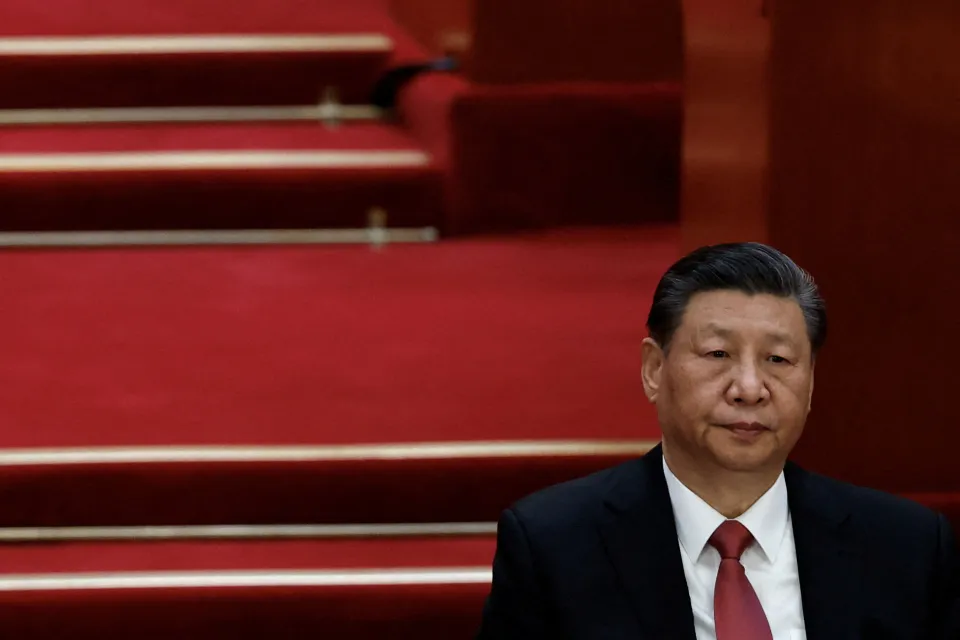
Chinese President

Chinese leader Xi Jinping branded the attacks as “extremely vicious” and called for swift and severe punishment. 

On Chinese social media platform Weibo, news of the executions sparked widespread approval. Many users expressed satisfaction with the swift justice, with one commenting, “How very satisfying.” 

However, the alarming frequency of such attacks continues to haunt Chinese society. Days after Xu’s university attack, a man drove an SUV into a group of children outside a primary school in Changde. Although no fatalities were reported, footage of injured children being dragged from the scene caused nationwide outrage. 

Experts warn that these violent outbursts, often carried out by isolated individuals, reflect deeper societal struggles. Analysts cite economic pressures and rising inequality as factors fueling discontent. 

China’s use of the death penalty far exceeds that of any other country, with thousands reportedly executed annually. Despite international criticism, Beijing defends its approach as necessary to maintain public safety and order. 

The recent executions underscore the government’s resolve to curb violence. However, the challenges of addressing the root causes of public discontent remain significant as China faces growing socioeconomic pressures. 

Trump Pauses TikTok Ban for 75 Days, Delays Enforcement of ByteDance Sale 

0

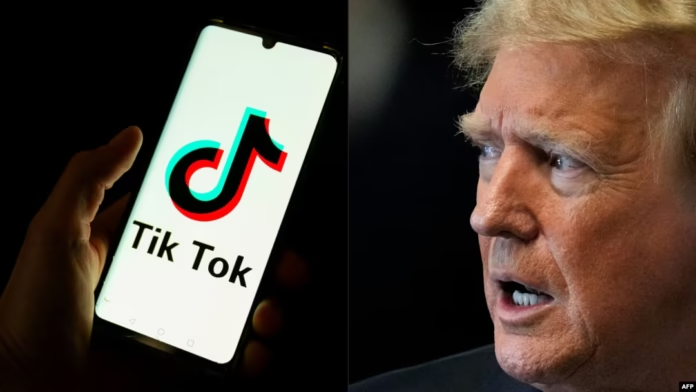
President Donald Trump signed an executive order Monday granting a 75-day reprieve from enforcing a law that requires TikTok’s parent company, ByteDance, to sell a majority stake in the app to continue operating in the United States. 

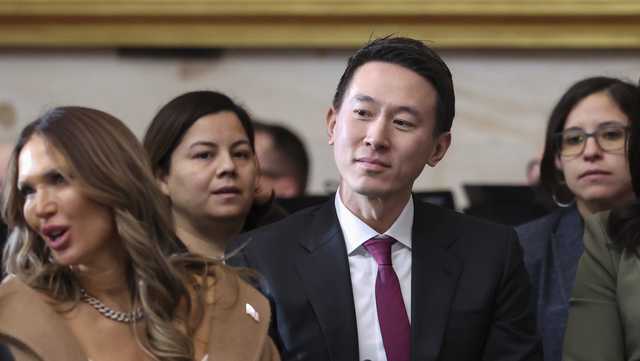
CEO of TikTok in the middle

The law, enacted in April under President Joe Biden, was designed to address national security concerns over ByteDance’s ties to the Chinese government. It officially went into effect Sunday but had not been enforced by the Biden administration. Trump’s executive order maintains that stance while his administration evaluates its approach to TikTok. 

“I hereby order the Attorney General not to take any action on behalf of the United States to enforce the Act for 75 days,” the order reads, “to permit my Administration an opportunity to determine the appropriate course of action with respect to TikTok.” 

During this period, the Department of Justice is barred from enforcing the law or imposing penalties against entities involved in distributing, maintaining, or updating TikTok. The order also shields U.S. companies that assisted TikTok’s return to service from legal liability. 

TikTok Ban Temporarily Halted Amid Accessibility Drama

The move comes after a weekend of uncertainty. Following a Supreme Court decision Friday to uphold the law, TikTok voluntarily ceased its U.S. operations Saturday. However, on Sunday, the app resumed service, reportedly at Trump’s urging to support the broadcast of his inauguration. 

Apple and Google, whose app stores no longer list TikTok, have yet to comment on the president’s order. TikTok also did not immediately respond to requests for comment. 

ByteDance Sale Still Required

While the executive order delays enforcement, it does not overturn the law. TikTok must still secure a U.S.-based owner for at least 80% of its operations or face a permanent ban. Trump suggested a potential 50-50 ownership split between ByteDance and a U.S. company, though such a deal’s legality under the current law remains unclear. 

China’s position on a potential sale appears to have softened. Mao Ning, spokesperson for China’s Foreign Affairs Ministry, signaled a willingness to consider a deal. “Business operations and acquisitions should be decided according to market principles,” Mao said Monday. 

Despite the pause, concerns remain bipartisan in Congress, with lawmakers warning that TikTok poses risks related to propaganda and espionage. 

Hamas Confirms Next Hostage Release Scheduled for Saturday

0

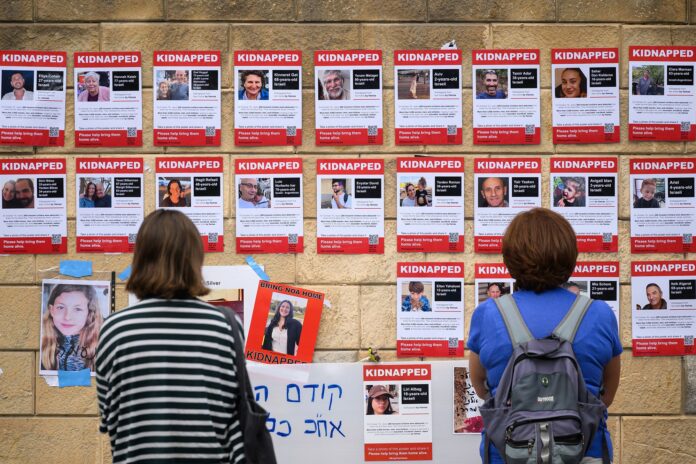
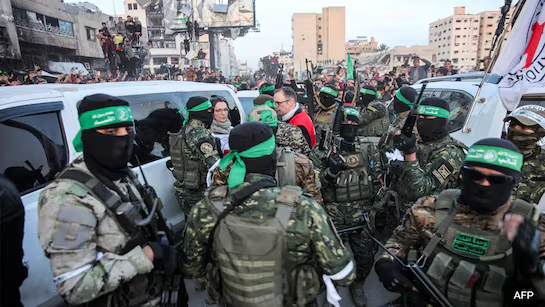
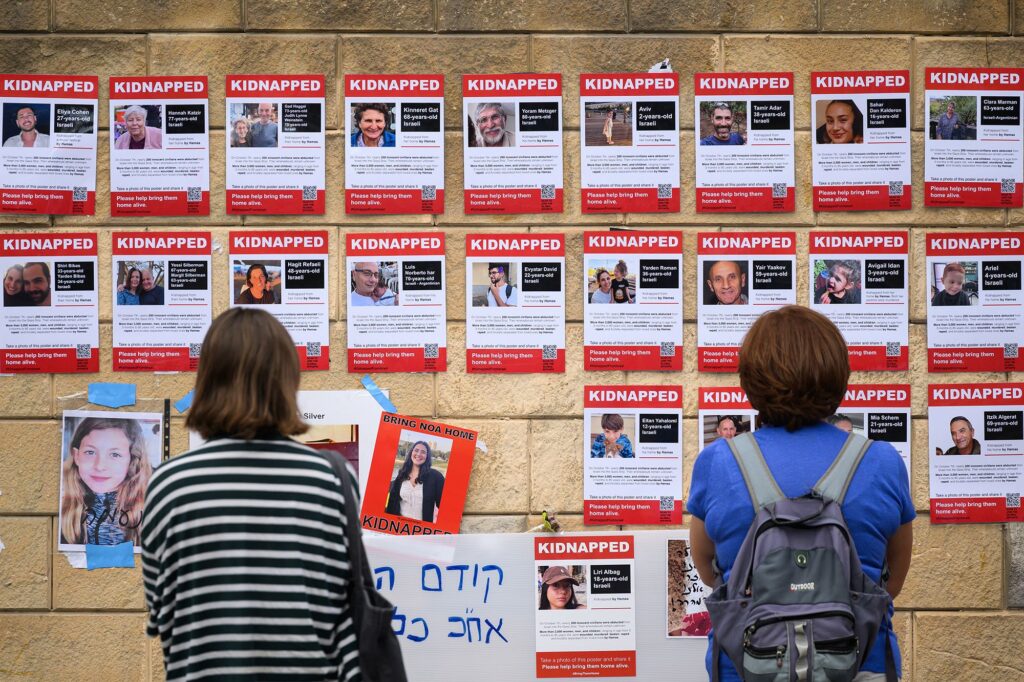
Hamas announced Monday that its next group of hostages will be released on Saturday, in accordance with a ceasefire deal with Israel. This statement followed earlier comments from a Hamas official suggesting the release might be delayed to Sunday. 

The militant group plans to release over 90 hostages in the coming weeks as part of the multi-phase agreement, which aims to end the 15-month war in Gaza. In exchange, Israel is releasing Palestinian prisoners and detainees. 

A statement from Hamas confirmed, “The next group of hostages will be released on Saturday in exchange for Palestinian prisoners held by Israel.” Earlier, Nahed Al-Fakhouri, head of the Hamas prisoners’ media office, indicated the release could occur Sunday, sparking speculation about a delay. 

A senior Israeli official, speaking anonymously, clarified that Saturday remains the agreed-upon deadline for the next release. 

Ceasefire Agreement Details

The ceasefire, implemented earlier this month, outlines a structured process to de-escalate the conflict. It includes: 

– A six-week initial cessation of hostilities. 

– Gradual withdrawal of Israeli forces from Gaza. 

– Hostage exchanges: Hamas began the process by releasing three Israeli hostages when the ceasefire took effect, with subsequent releases scheduled weekly. 

In return, Israel has started releasing Palestinian prisoners, fulfilling its side of the accord. The agreement is viewed as a significant step toward halting one of the region’s longest and most destructive conflicts. 

Trump Issues Sweeping Pardons for 1, 500 January 6 Rioters

0

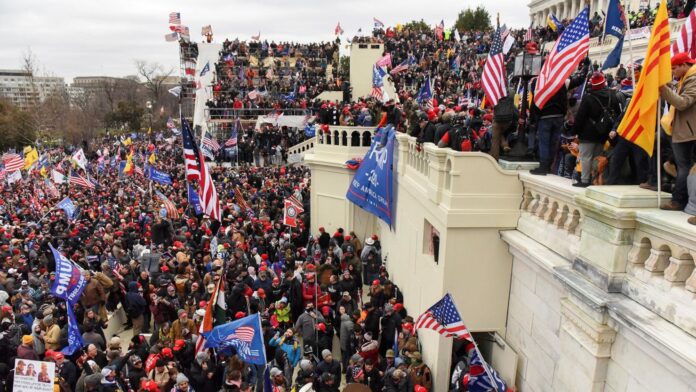
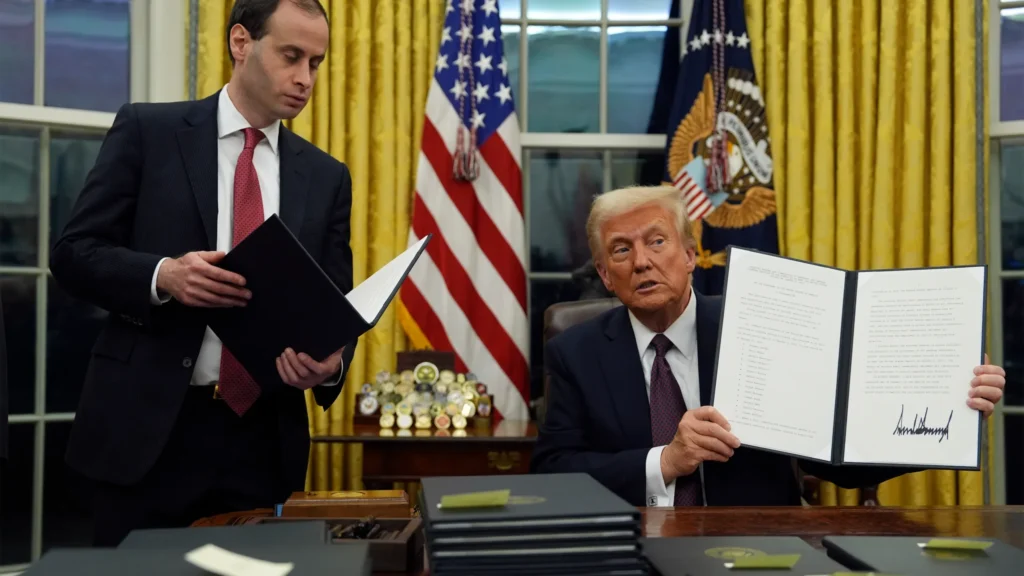
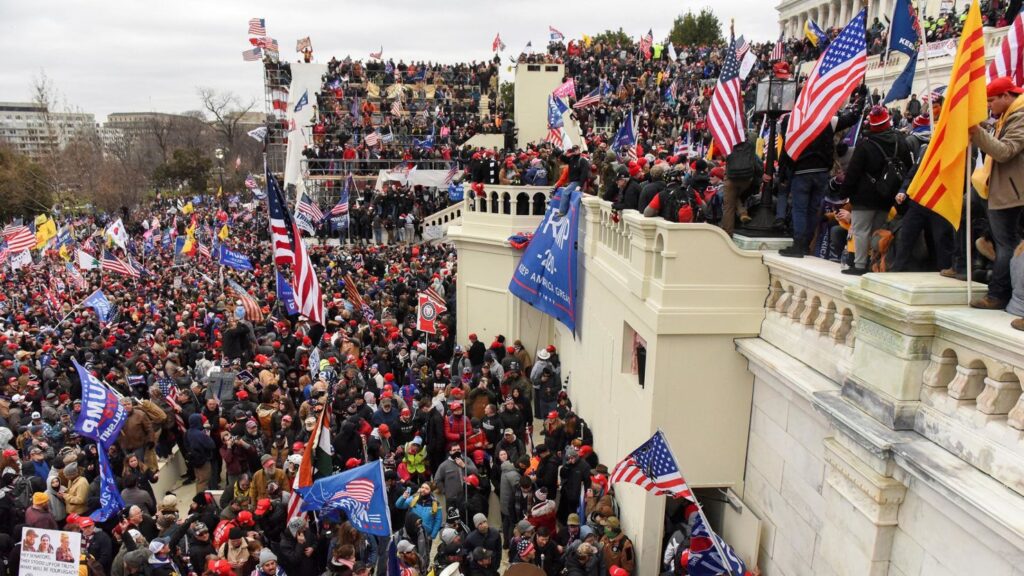
President Donald Trump has granted pardons to roughly 1,500 individuals charged in connection with the January 6, 2021, riot at the U.S. Capitol, along with six commutations. The move fulfills a campaign promise to release his supporters who were prosecuted for their roles in the attack aimed at overturning the 2020 election results. 

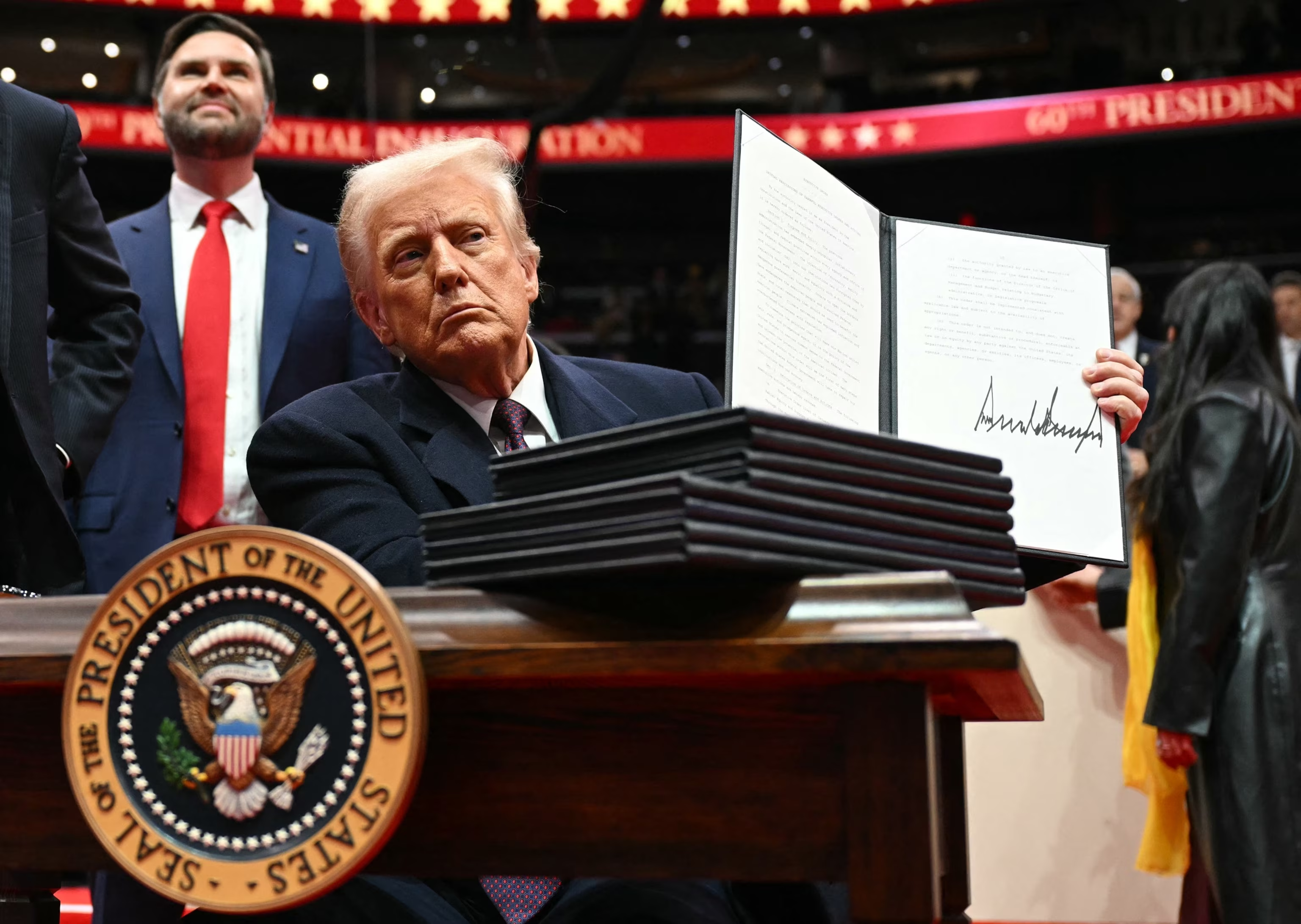
“These are the hostages,” Trump said while signing the pardons during his first appearance in the Oval Office on Monday, just hours after being sworn in for his second term. 

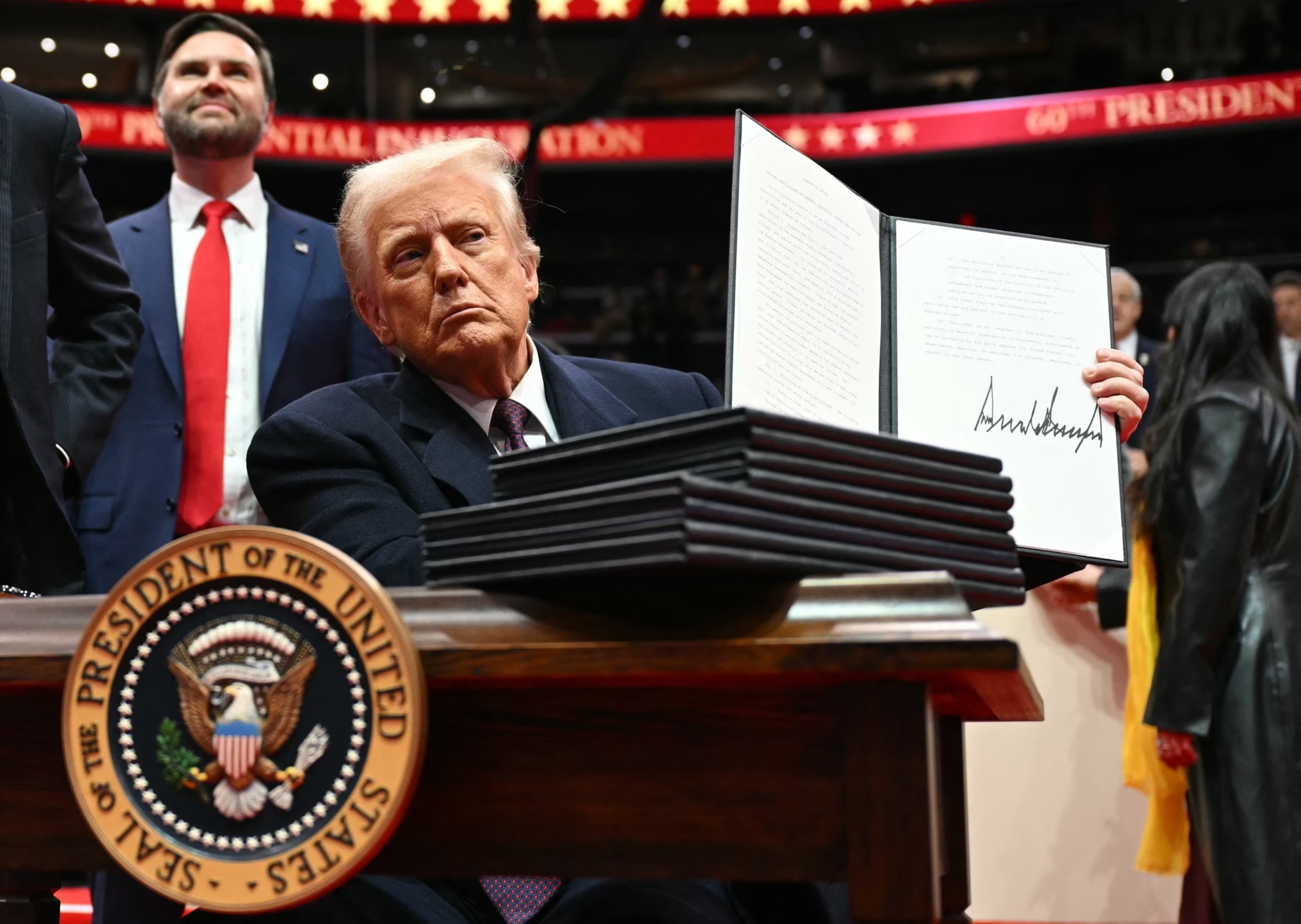
The pardons mark a symbolic beginning to Trump’s new administration, following a day of inaugural celebrations. Earlier in the day, Trump signed an initial wave of executive orders at Washington’s Capital One Arena, where thousands of his supporters gathered for an indoor inaugural parade due to frigid temperatures. 

Trump Reverses Biden-Era Immigration Policies

In addition to the pardons, Trump has moved swiftly to reverse key immigration policies implemented during President Joe Biden’s tenure. Among the rescinded orders is a Biden directive that narrowed deportation priorities to individuals who committed serious crimes, posed national security threats, or were apprehended at the border. 

Trump’s action restores his first-term policy, which prioritizes the deportation of all individuals in the country illegally. Tom Homan, Trump’s newly appointed “border czar” and a staunch advocate of tougher immigration enforcement, stated that while the administration will focus on targeting criminals, it “won’t hesitate to arrest others when deportation officers are on the streets.” 

The immigration rollbacks and pardons are the first steps in a series of executive actions planned by Trump, setting the tone for a presidency focused on fulfilling campaign promises and revisiting his previous administration’s hardline policies. 

Trump Rescinds Key Biden-Era Executive Orders Hours After Taking Office 

0

President Donald Trump wasted no time dismantling key policies implemented by the Biden administration, signing a series of executive orders just hours after taking the oath of office on Monday. Among the rescinded orders were those addressing voter registration, artificial intelligence oversight, and protections for LGBTQ+ individuals under Title IX. 

Voter Registration Order Revoked

One of the 78 Biden-era executive orders repealed was a March 2021 directive aimed at increasing voter registration. The order instructed federal agencies to take measures to boost voter registration efforts. While the order did not explicitly favor one political party, Republicans had criticized it as an overreach of federal authority, accusing the Biden administration of directing agencies to engage in activities outside their scope. 

AI Oversight Order Overturned

Trump also revoked a 2023 executive order from the Biden administration focused on the development and regulation of artificial intelligence. The order had required major AI developers to share data with federal regulators to ensure safety and security. It also called for the creation of standards to balance AI’s economic potential with its associated risks. 

The repeal reflects Trump’s approach to reduce federal oversight of technology development, signaling a shift in the government’s role in AI regulation. 

Title IX Protections for LGBTQ+ Students Reversed 

Trump rescinded a 2021 executive order that had expanded the interpretation of Title IX to protect against discrimination based on gender identity and sexual orientation. While the Biden administration later cemented this interpretation through federal regulations, Republican-led states successfully challenged the rule in federal court. 

The reversal clears the path for Trump’s administration to revise federal policies on education, gender identity, and sexual orientation. 

Cuba Designation as State Sponsor of Terrorism Reinstated

In a move with international implications, Trump reversed Biden’s recent decision to remove Cuba from the U.S. list of state sponsors of terrorism. Biden had made the decision as part of a deal brokered by the Catholic Church to secure the release of political prisoners on the island. Following the announcement, Cuba began releasing individuals detained during the historic 2021 protests. 

Trump’s reversal signals a return to a harder stance on Cuba, marking a sharp departure from Biden’s efforts to improve U.S.-Cuba relations. 

Education Department Guidance and COVID-19 Policies Rescinded

Trump also nullified a Biden executive order from 2021 that had directed federal officials to provide guidance to schools on reopening during the COVID-19 pandemic. The order required the Department of Education to investigate the pandemic’s disproportionate effects on students of color and those with disabilities. 

While these reversals reflect Trump’s intent to overhaul Biden’s legacy policies, they also set the stage for the Trump administration’s own agenda on technology, education, and foreign policy.