Home Blog Page 476

Millions Take Sacred Dips at India’s Maha Kumbh Festival, World’s Largest Religious Gathering

0

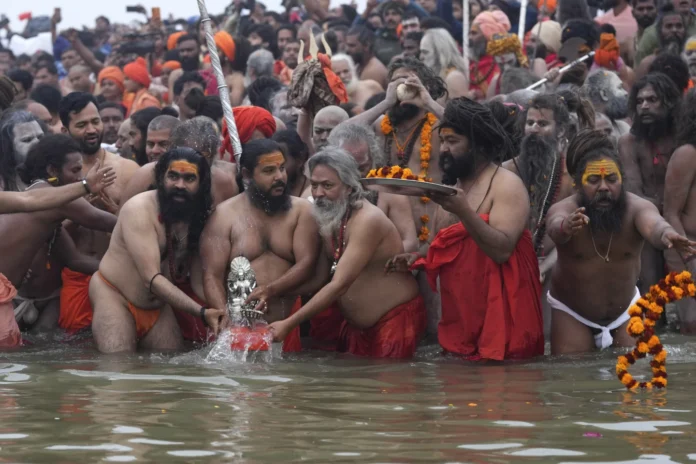
Tens of thousands of naked Hindu ascetics and millions of pilgrims plunged into freezing waters Tuesday at the confluence of three sacred rivers during the Maha Kumbh festival, the world’s largest religious gathering.
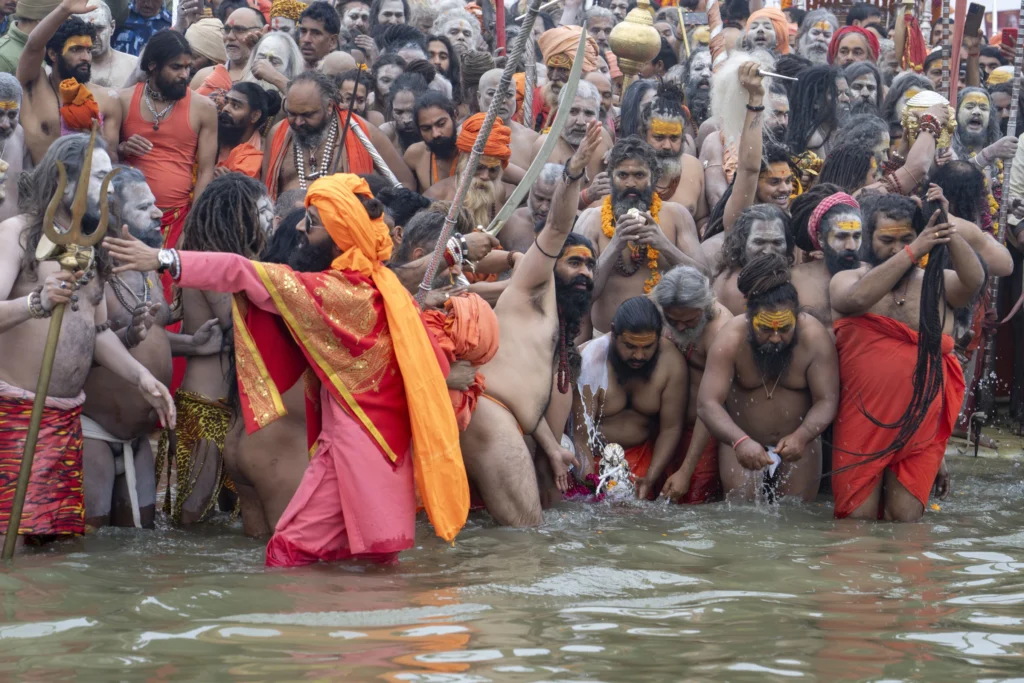
At sunrise, ash-smeared Hindu holy men wielding tridents, swords, and drums marched and rode chariots to the meeting point of the Ganges, Yamuna, and mythical Saraswati rivers. Crowns of marigolds adorned their matted dreadlocks as they chanted praises to Lord Shiva, leading processions with singing, drumming, and blowing horns. Millions of pilgrims followed into the waters, seeking spiritual cleansing.

The Maha Kumbh festival, held every 12 years, began Monday. Officials reported that over 15 million pilgrims bathed in the sacred rivers on the first day alone. The event is expected to draw more than 400 million participants over the next six weeks, many engaging in elaborate rituals.

Hindus believe that bathing at the river confluence absolves sins and frees them from the cycle of rebirth. The festival traces its roots to Hindu mythology, where the god Vishnu wrested a golden pitcher of immortality from demons. According to tradition, drops of nectar fell on Prayagraj, Nasik, Ujjain, and Haridwar—rotating host cities of the Kumbh festival every three years.
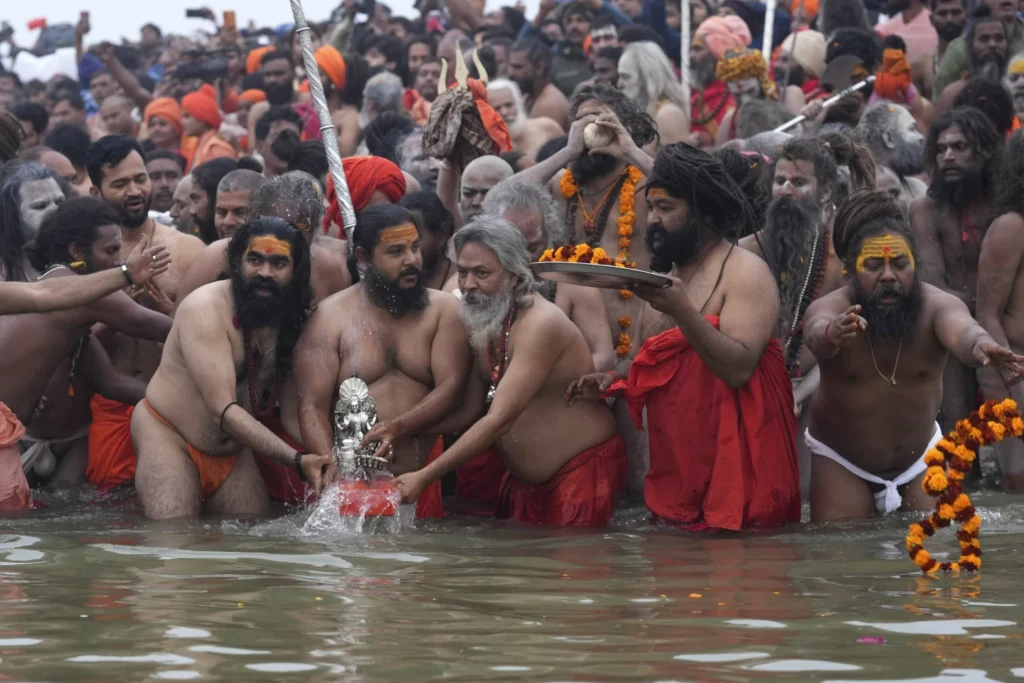
This year’s Maha Kumbh is the largest iteration, with preparations that include a sprawling tent city along the riverbanks. The Indian government has allocated over $765 million for infrastructure, aiming to accommodate pilgrims and impress global visitors.

Among the attendees was Venkatesh Ramaling, a tech specialist from Pune, who expressed awe at the unwavering faith of others. “After taking the holy dip, I feel inspired and full of positivity,” he said.

The temporary city boasts 3,000 kitchens, 150,000 toilets, and robust security measures. Over 50,000 personnel have been deployed, along with 2,700 AI-powered cameras monitoring crowds to prevent stampedes. Past festivals have seen tragedies, making crowd management a priority.

“Crowd density and movement are tracked in real-time from control rooms,” said Rajnish Diwedi, a senior police official. “Automated systems are in place to ensure safety.”
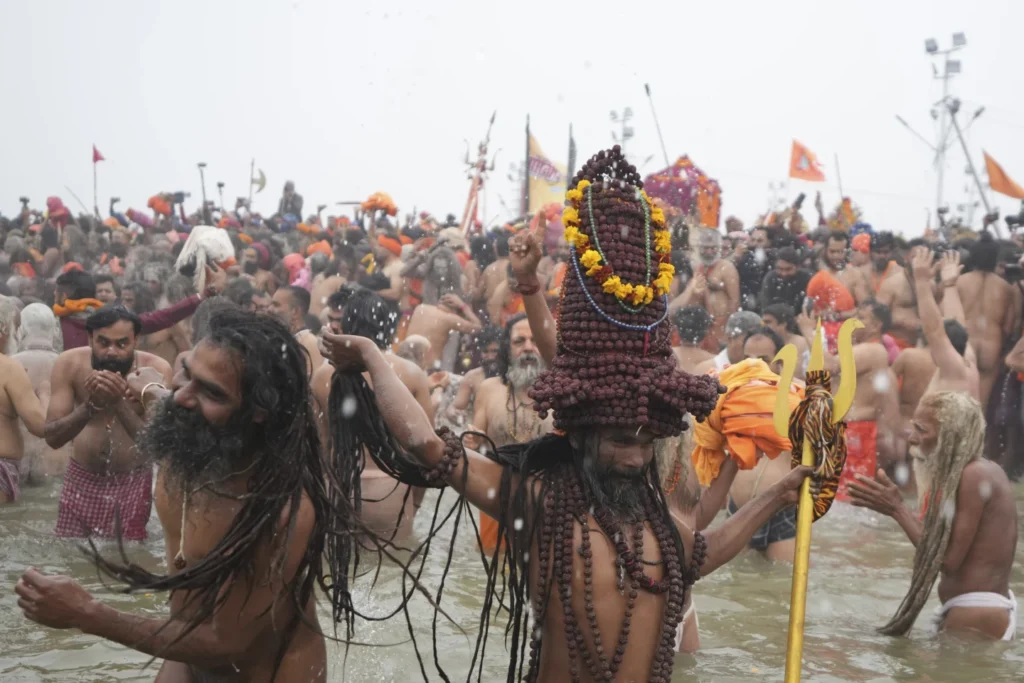
Groups of ascetics, or Naga Sadhus, have established camps for religious discourses and blessings. These holy men, historically known as mercenary warriors, are revered for their devotion to Hindu deity Shiva.

“This is a sacred place for salvation,” said Sri Digambar Ishwargiri, a Naga Sadhu from Junagadh. Sitting beside a ceremonial fire, he described himself as a “soldier of the Hindu religion” who safeguards the faith.

Bathing rituals occur daily, with special processions on auspicious dates where ascetics charge toward the rivers at dawn. Many pilgrims remain for the festival’s duration, observing strict practices, donating alms, and participating in sunrise bathing.
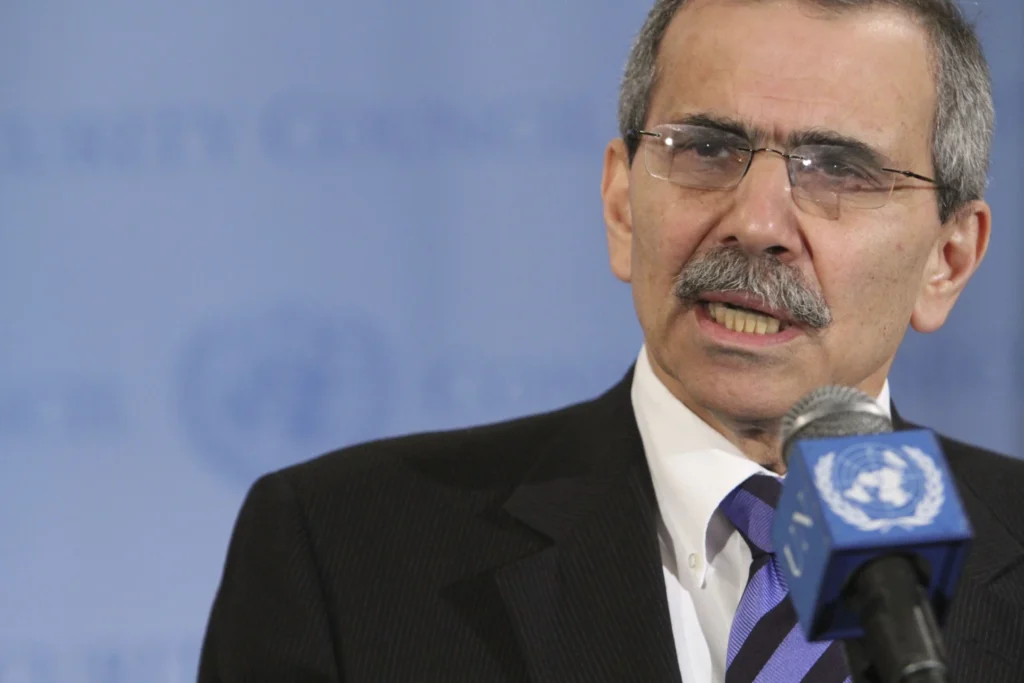
Nawaf Salam Named Lebanon’s New Prime Minister Amid Political and Economic Crises

0

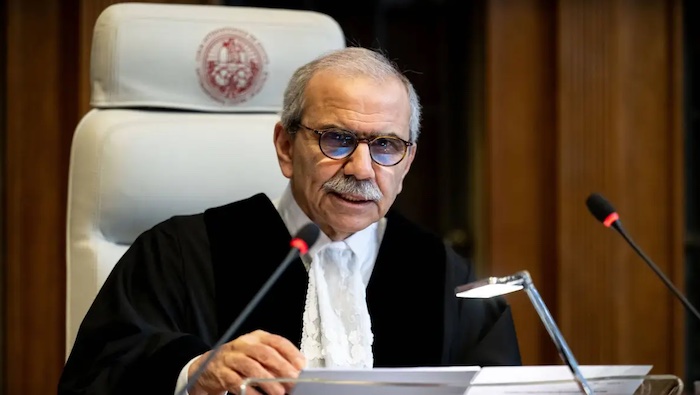
Lebanon’s President Joseph Aoun has designated prominent diplomat and jurist Nawaf Salam as the country’s new prime minister following a majority vote in parliament on Monday. Salam’s nomination marks a potential turning point for the crisis-stricken nation, though it has drawn ire from Hezbollah and its allies. 

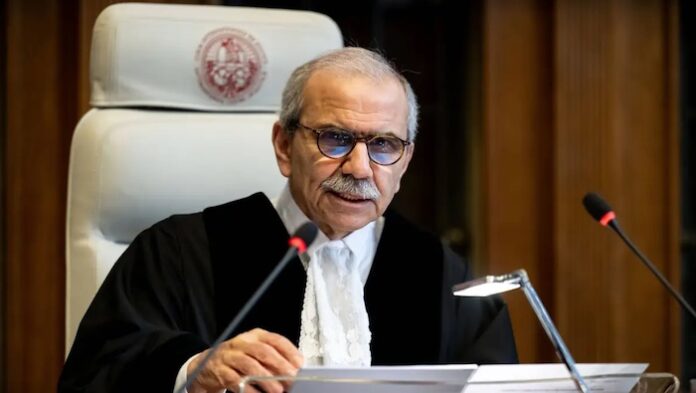
Salam, 71, currently serves as president of the International Court of Justice (ICJ). He was nominated for the premiership by Western-backed factions and independent legislators in the Lebanese parliament, with strong support from Saudi Arabia and Western countries. Hezbollah lawmakers abstained from endorsing any candidate for the role. 

Salam’s selection comes shortly after the election of President Joseph Aoun, Lebanon’s army commander, following a 26-month vacancy in the presidency. These developments have sparked cautious optimism about breaking the country’s political stalemate. 

Lebanon is grappling with the aftermath of a devastating 14-month conflict between Hezbollah and Israel, which claimed 4,000 lives, left over 16,000 wounded, and caused widespread destruction. The war ended in November under a U.S.-brokered truce. Salam’s government will face the dual challenge of reconstruction and addressing Lebanon’s five-year economic collapse, one of the worst in modern history. 

Celebrations erupted in parts of Beirut following Salam’s nomination, with fireworks lighting the night sky. Many hope his leadership, coupled with Aoun’s presidency, will unlock billions of dollars in foreign aid and investment. 

Hezbollah, weakened by the war and its diminished influence, has historically opposed Salam’s political rise, labeling him a U.S.-backed candidate. Mohammed Raad, head of Hezbollah’s parliamentary bloc, criticized Salam’s nomination, suggesting it undermines cooperation. 

Raad warned that Hezbollah would monitor Salam’s actions closely, particularly regarding reconstruction efforts, prisoner returns, and implementing U.N. Security Council resolutions. 

A member of a prominent Sunni Muslim family in Beirut, Salam boasts an impressive academic and professional pedigree. He holds doctorates in political science and history from France’s Sciences Po and Sorbonne University, respectively, as well as a Master of Laws degree from Harvard Law School. 

Salam has served as Lebanon’s ambassador to the United Nations (2007–2017) and was elected as a judge to the ICJ in 2018, becoming its president in 2022. He is married to journalist Sahar Baasiri, Lebanon’s ambassador to UNESCO. 

Salam, currently abroad, is expected to return to Lebanon to begin forming a cabinet. A meeting between President Aoun, Speaker Nabih Berri, and Salam is scheduled at the presidential palace in Baabda. 

It remains unclear whether Salam will step down from his ICJ role. 

Lebanon’s citizens, many of whom have suffered from lost savings amid the banking sector’s collapse, are watching closely, hoping that Salam’s government will bring stability and progress to the beleaguered nation. 

AP

French Woman Duped Out of £700k in Brad Pitt AI Scam

0

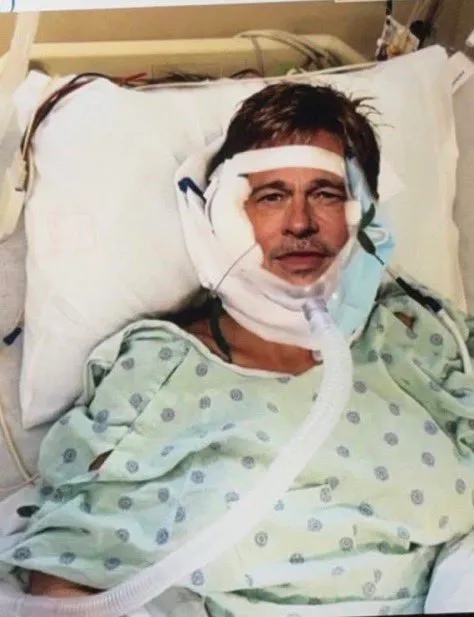
A French interior designer lost nearly £700,000 in a year-long romance scam involving fake AI-generated images of actor Brad Pitt, fake cancer claims, and promises of love. The woman, identified as Anne, 53, also divorced her husband under the influence of the scammer. 

The scam began in February 2023 when Anne received an Instagram message from someone claiming to be Brad Pitt’s mother. The next day, the alleged “Brad Pitt” messaged her, writing, “My mother has spoken a lot about you already.” 

What followed was a year-long online relationship. The scammer sent daily texts, romantic poems, and AI-generated photos and videos to Anne, convincing her of his identity. 

Anne, who was reportedly in a strained marriage, was swept off her feet. “There are so few men who write you this kind of thing,” she told French media. 

Anne divorced her husband, securing a £670,000 (€775,000) settlement, which she began wiring to the scammer. Payments included: 

– £7,566 for “customs fees” on luxury gifts. 

– £50,500 for “cancer treatment,” with fake doctors emailing updates about the scammer’s health. 

The scammer claimed he was unable to access his own funds due to his ongoing divorce from actress Angelina Jolie. 

“I thought I might be saving a man’s life,” Anne told *The Telegraph*. 

Anne’s daughter warned her she might be a victim of fraud, but Anne dismissed the concern, insisting the man would prove his authenticity in person. The scam unraveled in the summer of 2024 when Anne saw photos of the real Brad Pitt with his girlfriend, Ines de Ramon. 

Despite this, the scammer persisted, sending fake “news flashes” alleging Pitt was secretly dating “a special person.” Adding to the cruelty, an impersonator claiming to be an FBI agent offered to help Anne recover her money for an additional £4,200. 

Now destitute, Anne has sold her belongings, moved in with a friend, and launched a crowdfunding campaign to pay her legal fees. After three suicide attempts, she is undergoing treatment for severe depression in a specialized clinic, according to *BFMTV*. 

Anne has filed a formal complaint, and French authorities have launched an investigation. 

This case is not unique. In 2023, five individuals in Spain were arrested for defrauding two women out of €325,000 using fake online romances, also involving Brad Pitt’s identity. 

Iran “Never” Plotted to Kill Trump, President Pezeshkian Asserts in Exclusive NBC News Interview

0

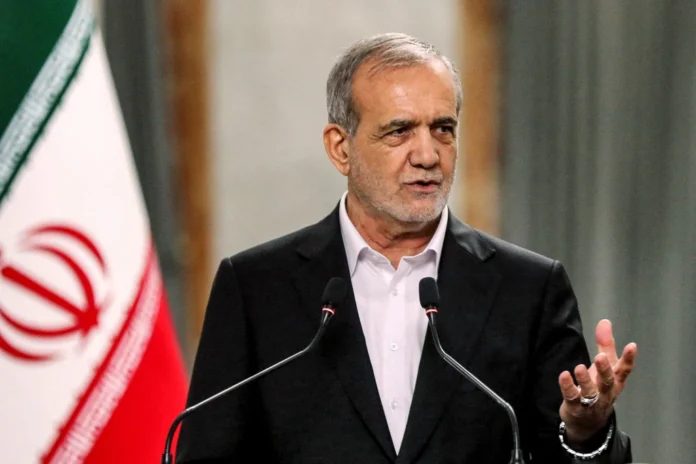
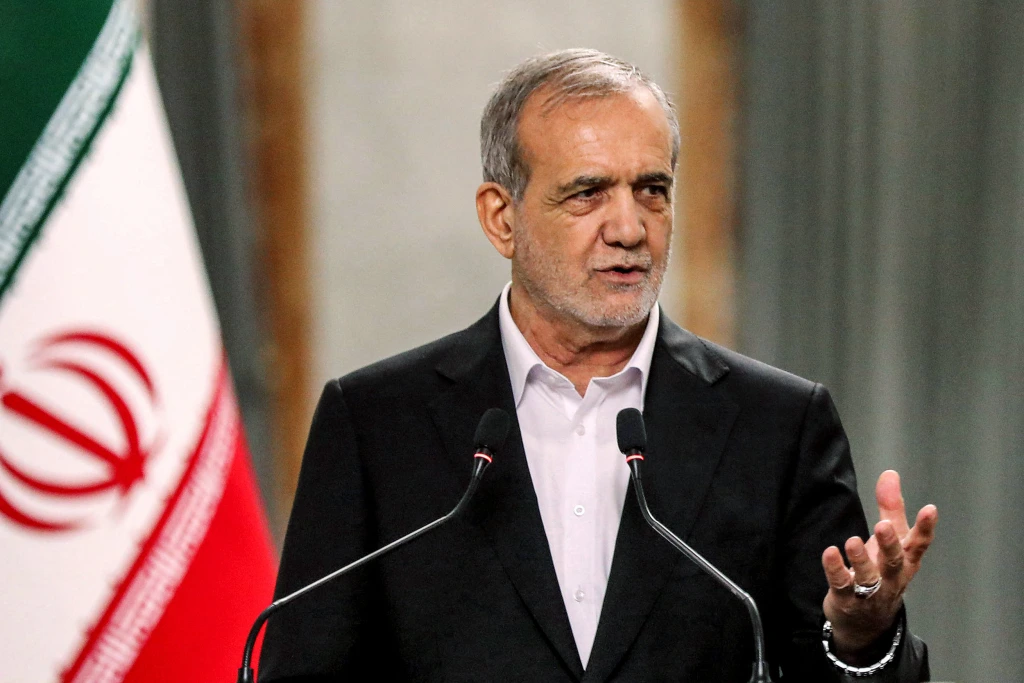
Iranian President Masoud Pezeshkian denied allegations of a plot to assassinate former U.S. President Donald Trump, dismissing them as baseless claims designed to fuel anti-Iran sentiment. In an exclusive interview with NBC News’ Lester Holt, Pezeshkian categorically stated that Iran has never planned to assassinate Trump and will not do so in the future. 

“This is another one of those schemes that Israel and other countries are designing to promote Iranophobia,” Pezeshkian said. “Iran has never attempted to, nor does it plan to, assassinate anyone. At least as far as I know.” 

When directly asked whether Iran plotted to kill Trump, Pezeshkian replied firmly, “None whatsoever.” He further pledged, “We have never attempted this to begin with, and we never will.” 

The denial follows U.S. Justice Department charges in November against an Iranian man accused of conspiring to assassinate Trump and two other individuals during the 2024 presidential campaign. The alleged plot was reportedly an effort to avenge the 2020 killing of Iranian General Qasem Soleimani in a U.S. drone strike ordered by Trump. 

U.S. officials claim the plot was part of broader Iranian efforts to silence critics and exact retribution for Soleimani’s death. However, Pezeshkian dismissed these accusations as unfounded. 

Tensions between the U.S. and Iran have been high since Trump withdrew the U.S. from the 2015 nuclear deal in 2018, reimposing sanctions and introducing additional measures. The Biden administration attempted to revive the agreement through indirect talks, but negotiations failed to yield results. 

Pezeshkian, who has portrayed himself as a moderate, expressed a willingness to engage in dialogue with the U.S. but emphasized Iran’s skepticism. “The problem we have is not in dialogue,” he said. “It’s in the commitments that arise from talk and dialogue that we’ll have to commit to.” 

He accused the U.S. of failing to honor past agreements and seeking to topple the Iranian government. “No matter how much we engage in conversation and dialogue, they are trying to topple the government, not solve the problems,” Pezeshkian said. 

Since the U.S. withdrawal from the nuclear deal, Iran has advanced its uranium enrichment program, raising concerns among Western nations. U.S. officials allege Iran now has enough enriched uranium to build more than a dozen nuclear weapons if it chooses to do so. 

Pezeshkian reiterated that Iran is not seeking war but would defend itself if attacked. “We do not fear war, but we do not seek it,” he said, adding that accusations of Iran pursuing nuclear weapons are false. “This is not true,” he asserted. 

The interview also touched on Iran’s role in the Middle East. Pezeshkian denied that recent setbacks, such as Israeli military actions against Iranian proxies, had weakened Iran’s position. He described Iran as “more coherent” and “more robust” internally compared to last year. 

Amid ongoing efforts to broker a ceasefire between Israel and Hamas, Pezeshkian said Iran supports regional peace initiatives. “We do whatever we can in order for peace to prevail in the region,” he stated. 

Pezeshkian’s interview marks his first with foreign media since the 2024 U.S. presidential campaign, offering a rare glimpse into Iran’s stance on critical international issues. As tensions persist, his remarks highlight the deep mistrust between Tehran and Washington, underscoring the challenges of resolving long-standing disputes. 

South Korea’s Impeached President Yoon Arrested in High-Stakes Law Enforcement Operation

0

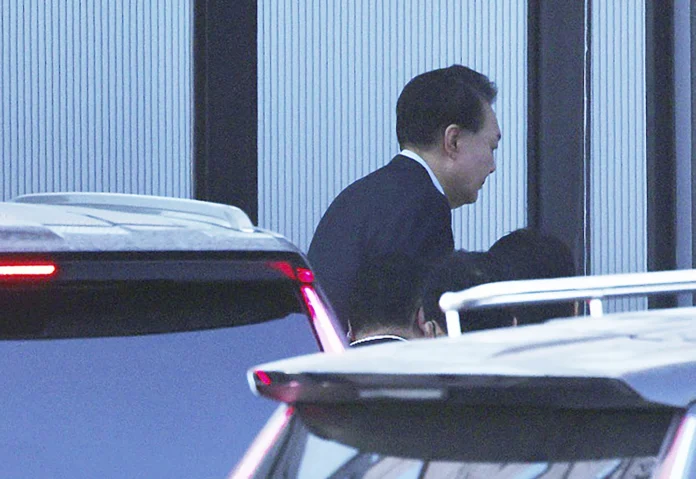
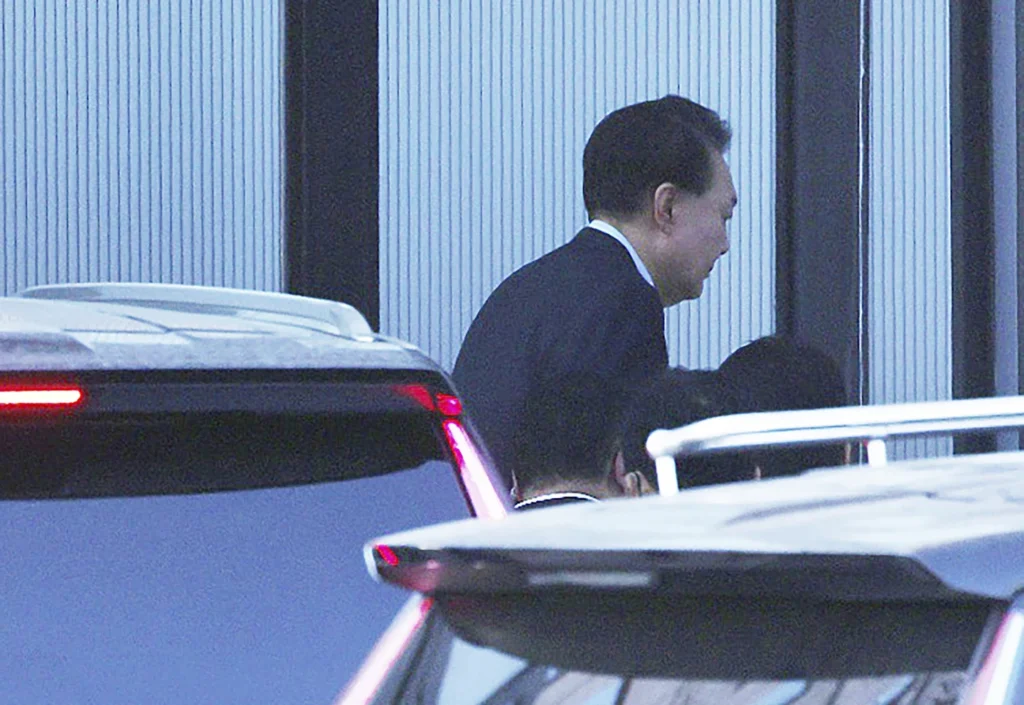
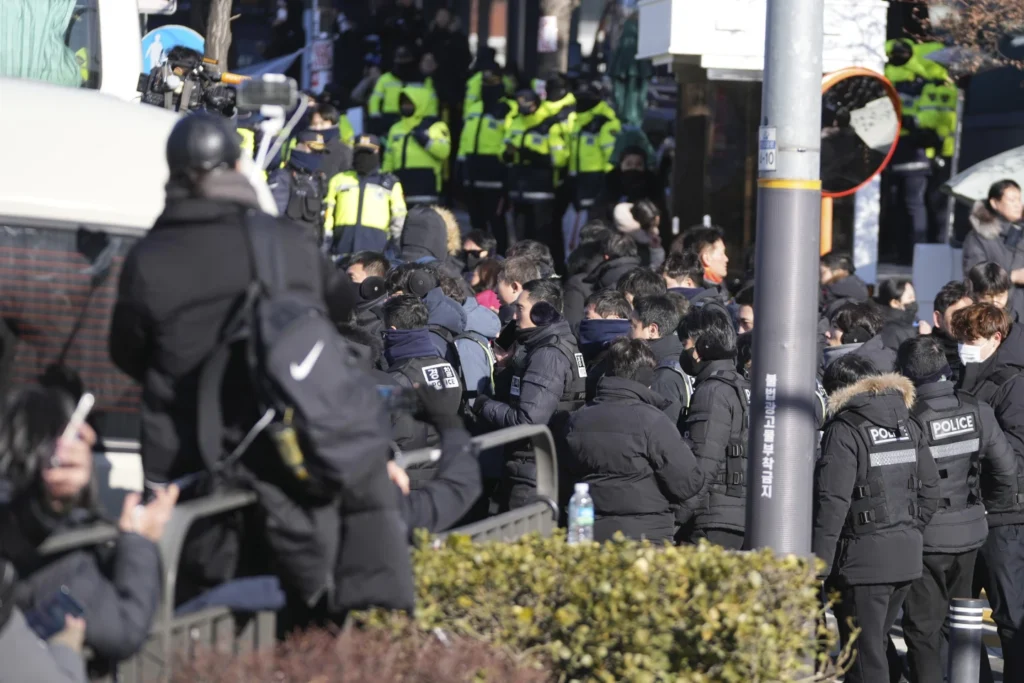
South Korea’s impeached President Yoon Suk Yeol was detained on Wednesday in a dramatic law enforcement operation at the presidential compound. The move follows weeks of defiance as Yoon resisted attempts to question him over his controversial martial law declaration last month. 

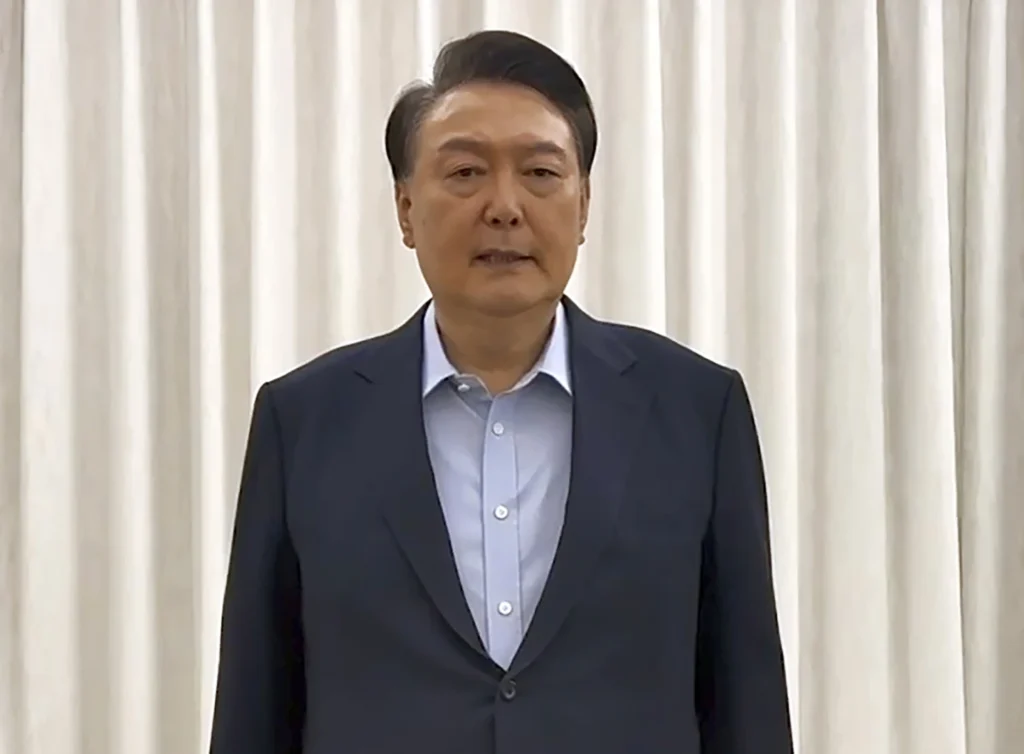
Yoon complied with the detention warrant after an extended standoff. In a video message recorded before being escorted to the anti-corruption agency’s headquarters, Yoon denounced the “collapse of the rule of law” in the country. His legal team had sought to prevent the detention by offering voluntary cooperation, but the agency rejected their appeals. 

The Corruption Investigation Office for High-Ranking Officials (CIO) confirmed Yoon’s detention, which came after hundreds of law enforcement officers stormed the presidential compound in Seoul. This was the agency’s second attempt to bring Yoon into custody, following a failed effort earlier this month. 

In a high-security operation, a convoy of black SUVs, flanked by police escorts, transported Yoon to the CIO’s office in Gwacheon, a nearby city. Yoon had been sheltering in the Hannam-dong presidential residence for weeks, pledging to “fight to the end” against what he called an illegitimate effort to oust him. 

The investigation centers on Yoon’s December 3 declaration of martial law, which saw troops deployed around the National Assembly. The move was widely criticized as an attempt to suppress an “anti-state” opposition, which holds a legislative majority. Yoon argued the declaration was a necessary act of governance. 

The martial law order was quickly overturned by lawmakers, and Yoon was impeached on December 14. His presidential powers were suspended pending a decision by the Constitutional Court on whether to formally remove him from office. 

The CIO, in collaboration with police and military investigators, is probing whether Yoon’s actions constituted an attempted rebellion. Yoon repeatedly ignored summons for questioning, prompting the agency to escalate its efforts. 

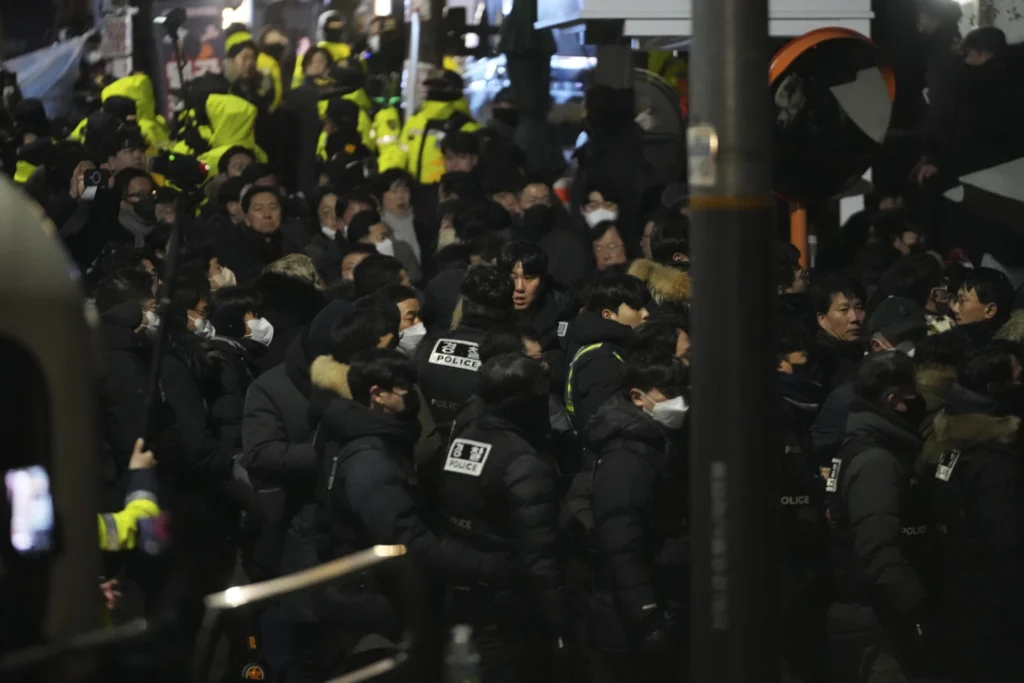
The operation at the presidential compound involved intense coordination. Law enforcement officers used ladders to bypass barricades set up by Yoon’s security team, which had fortified the compound with barbed wire and rows of buses. After an hours-long standoff, investigators gained access to the residence, with some officers entering through a security door near Yoon’s building. 

The presidential security service, tasked with protecting Yoon, initially resisted the operation but eventually removed vehicles blocking the compound’s gates. Despite the court-issued warrant, the security service had cited obligations to protect the impeached president. 

If investigators formally arrest Yoon, they will seek court approval to extend his detention beyond 48 hours. Otherwise, he will be released. Yoon’s lawyers have challenged the validity of the detention warrant, citing legal protections for locations linked to military secrets. 

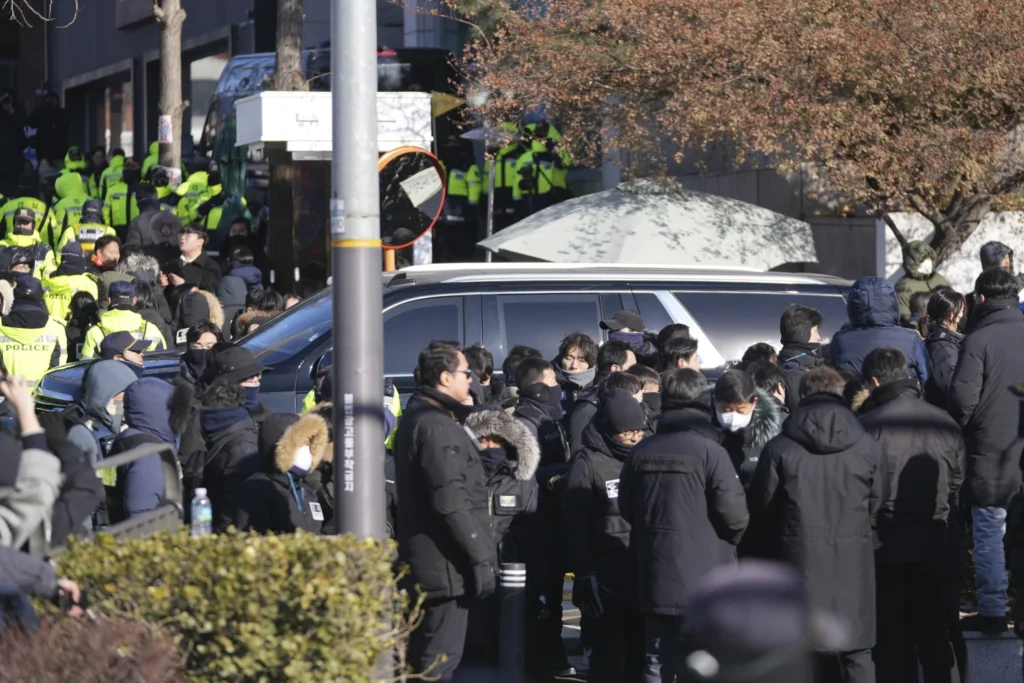
Deputy Prime Minister Choi Sang-mok, the acting leader, urged restraint from all parties, calling for the avoidance of “physical clashes.” Meanwhile, Yoon’s People Power Party held rallies near the residence, denouncing the detention as unlawful. The opposition Democratic Party, which led Yoon’s impeachment, called for full cooperation with law enforcement. 

Thousands of police officers monitored protests from both supporters and critics of Yoon, underscoring the volatile situation. 

The Constitutional Court began its hearing on Yoon’s impeachment on Tuesday, but Yoon refused to attend. The next session is scheduled for Thursday, with proceedings set to continue regardless of his participation. The court’s decision will determine whether Yoon is removed from office or reinstated. 

Yoon’s detention marks a pivotal moment in South Korea’s political history, reflecting the nation’s struggle to balance accountability and governance. The situation has drawn widespread attention domestically and internationally, with the outcome likely to shape the country’s political landscape for years to come. 

Biden Moves to Relax Cuba Sanctions Ahead of Trump Presidency

0

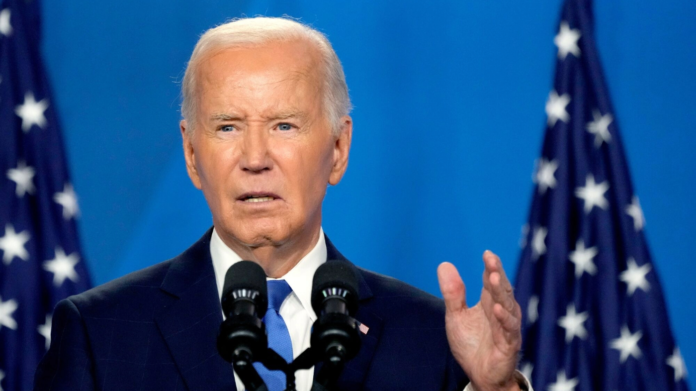
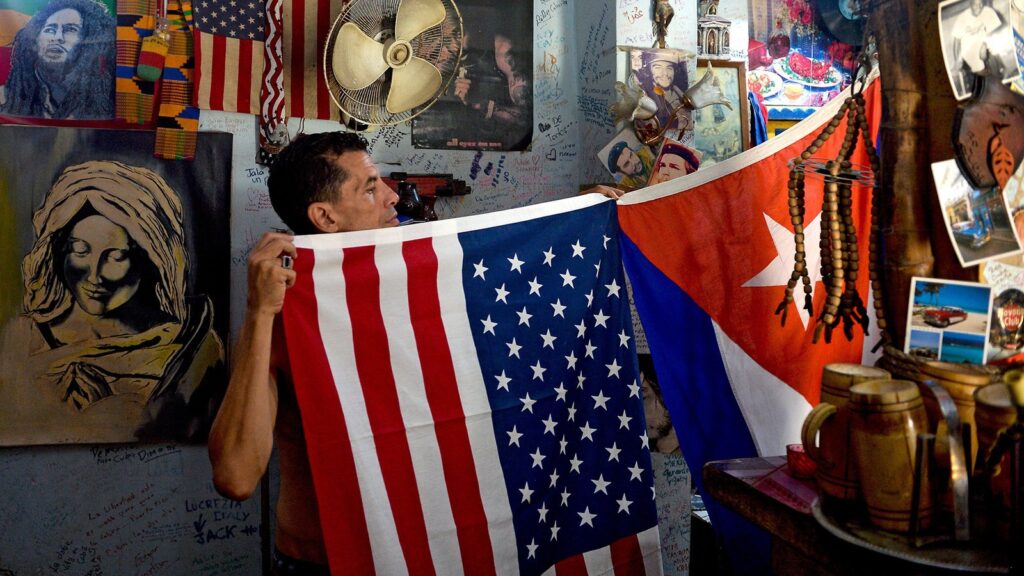
In his final days in office, U.S. President Joe Biden is taking steps to ease sanctions on Cuba, aiming to secure the release of political prisoners in Havana. The moves mark a significant departure from the hardline measures imposed by his successor, President-elect Donald Trump. 

The Biden administration announced plans on Tuesday to reverse several key restrictions implemented by Trump, including Cuba’s designation as a state sponsor of terrorism and limits on financial transactions involving military-linked entities. These steps are reportedly tied to ongoing talks between the Cuban government and the Catholic Church regarding the release of a “significant” number of political prisoners.  

“These actions are necessary to advance the national interests of the United States and expedite a transition to democracy in Cuba,” Biden said in a letter to Congress. 

Key Sanction Rollbacks 

The Biden administration plans to: 

– Remove Cuba from the state sponsor of terrorism list, reversing Trump’s 2021 designation that accused Havana of harboring fugitives and rebel leaders.

– Suspend property claims in U.S. courts for assets confiscated after Fidel Castro’s 1959 revolution. 

– Lift restrictions on financial transactions involving certain military and government-linked individuals. 

While these measures provide relief to Havana, the decades-old U.S. economic embargo on Cuba remains intact, requiring congressional action for removal. 

U.S. officials said the easing of sanctions was contingent on the Cuban government’s release of political prisoners, although no specific numbers or timelines were provided. The Cuban government has not commented on the matter. 

Talks with the Vatican have reportedly been instrumental in negotiating the potential amnesty. The Church played a similar role in brokering the historic restoration of U.S.-Cuba relations under President Barack Obama in 2015. 

“This will facilitate important dialogue between the Catholic Church and Cuba on human rights,” said a senior U.S. official. 

The move has drawn criticism from opponents of the Cuban government, including members of Trump’s incoming administration. Trump, who assumes office on January 20, has pledged a tougher stance on Cuba and nominated Senator Marco Rubio, a vocal critic of the Cuban regime, as Secretary of State. 

Trump’s team did not immediately respond to requests for comment. 

Economic experts and human rights advocates have reacted cautiously. Some see Biden’s actions as a step toward mitigating Cuba’s severe economic crisis, marked by food shortages, fuel scarcity, and a record exodus of over 1 million Cubans since 2020. Others worry the measures might lack the bipartisan support needed for long-term change. 

Biden’s decision to reverse Trump-era sanctions reflects his broader efforts to re-engage with Cuba while addressing human rights concerns. However, with the transition of power imminent, Trump’s administration could reinstate the restrictions. 

The easing of sanctions and potential prisoner releases signal a renewed attempt to balance diplomacy and accountability. Still, the ultimate success of these measures may depend on the incoming administration’s willingness to continue the dialogue. 

Trump Proposes Creation of ‘External Revenue Service’ to Collect Foreign Tariffs

0

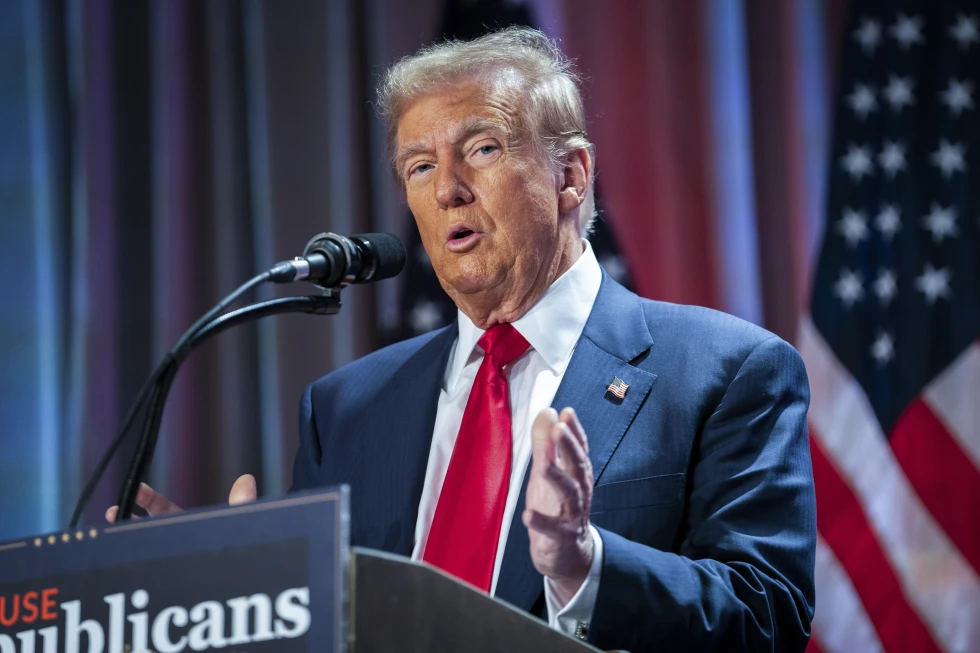
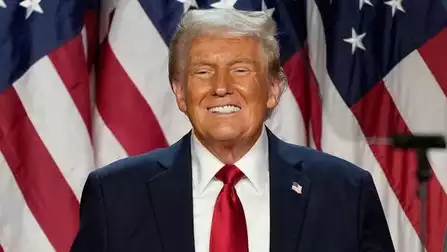
President-elect Donald Trump has announced plans to establish a new federal agency, the “External Revenue Service” (ERS), to oversee the collection of tariffs and duties from foreign sources. Trump said the department would be launched on his first day in office, January 20. 

In a post on his Truth Social platform, Trump described the ERS as a key step in reshaping U.S. trade policy. “Through soft and pathetically weak trade agreements, the American economy has delivered growth and prosperity to the world while taxing ourselves. It is time for that to change,” he wrote. “We will begin charging those that make money off of us with trade, and they will start paying, FINALLY, their fair share.” 

Trump compared the proposed department to the Internal Revenue Service, which collects domestic taxes in the U.S. 

Creating the ERS would require congressional approval, but Trump enjoys significant backing in Congress, with Republican majorities in both the House and Senate. 

Critics, however, note that the ERS’s proposed functions overlap with existing agencies like the Department of Commerce and U.S. Customs and Border Protection, which already manage tariffs and duties. 

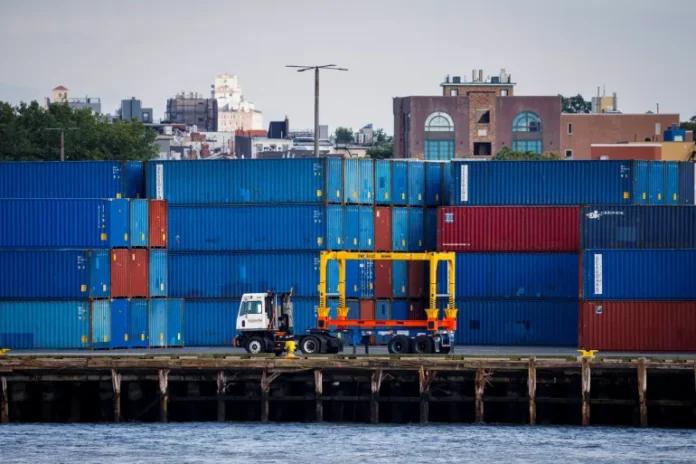
Trump’s announcement comes amid his promises to impose steep tariffs on trading partners, including Canada, Mexico, and China. He has called for a 25% tariff on Canadian and Mexican exports to the U.S. and a 10% tariff on global imports, as well as a 60% tariff on Chinese goods. 

Economists warn that such measures could raise consumer costs and invite retaliatory tariffs against U.S. exports. According to the U.S. Bureau of Economic Analysis, the U.S. trade deficit last year stood at $67.9 billion with Canada, $152.4 billion with Mexico, and $279.4 billion with China. 

Economic experts and Democratic lawmakers criticized Trump’s proposal. Heather Long, an economic columnist at *The Washington Post*, called it “clever marketing” but warned, “American consumers will end up paying these higher tariffs.” 

Senator Ron Wyden, the top Democrat on the Senate Finance Committee, said, “No amount of silly rebranding will hide the fact that Trump is planning a multi-trillion-dollar tax hike on American families and small businesses to pay for another round of tax handouts to the rich.” 

The ERS proposal is part of Trump’s broader plan to reshape the federal government. He has also proposed creating a Department of Government Efficiency (DOGE), a nongovernmental advisory group aimed at streamlining bureaucracy and reducing federal spending. 

Despite Trump’s campaign pledge to reduce the size of the federal government, the proposed agencies and advisory boards mark a shift toward expanding its infrastructure. 

Indian Police Arrest 44 Men in Kerala for Alleged Rape of Teenager Over Five Years

0

Police in Kerala, a southern Indian state, have arrested 44 men accused of raping an 18-year-old girl over a span of five years, a case that has sent shockwaves through the coastal tourist region. 

The victim, an athlete from the Dalit community—one of India’s most marginalized groups—alleged in a statement to police that she was sexually abused by 62 individuals. 

Authorities have identified 58 suspects so far, with 44 arrested in the last two days, officials said. “We have identified the remaining 14, and they will be arrested soon,” said P.S. Nandakumar, Deputy Superintendent of Police in Pathanamthitta district, where the crimes reportedly occurred. 

The case surfaced when the victim disclosed the abuse during a gender awareness program. According to her statement, the assaults began when she was 13 after being allegedly raped by a neighbor. Police are still investigating the details of how the crimes were committed. 

Local media reported that four of the accused are minors. Under Indian law, individuals accused of rape against lower-caste victims are not granted immediate bail. 

India recorded over 31,000 reported rapes in 2022, according to the latest official data. Conviction rates, however, remain alarmingly low. 

The victim’s case comes amid growing outrage over sexual violence in the country. Last year, the rape and murder of a medical trainee in Kolkata sparked nationwide protests, with demonstrators calling for stricter enforcement of laws and swift justice for victims. 

Zelenskyy Open to Exchanging North Korean POWs for Ukrainian Soldiers Held by Russia

0

Ukrainian President Volodymyr Zelenskyy has expressed willingness to hand over two captured North Korean soldiers to Pyongyang if North Korea’s leader, Kim Jong Un, facilitates an exchange for Ukrainian prisoners of war held in Russia. 

Zelenskyy revealed that one of the North Korean soldiers has expressed a desire to stay in Ukraine, while the other wishes to return to North Korea, as confirmed by interview videos released by Ukrainian authorities. 

“If Kim Jong Un even remembers these citizens of his and is capable of organizing an exchange for our warriors being held in Russia, we are ready to transfer such soldiers. Undoubtedly, there will be more POWs from North Korea,” Zelenskyy said during an address late Sunday. He added on the social media platform X that there could be “other options” for North Korean prisoners who do not wish to return to their home country. 

South Korean Response and Legal Considerations 

South Korea’s National Intelligence Service (NIS) confirmed in a closed-door briefing at the National Assembly that it participated in the questioning of the North Korean soldiers by Ukrainian officials. According to lawmakers present at the meeting, the captured soldiers have not requested to resettle in South Korea. 

The NIS stated it would consider discussions with Ukrainian authorities if the soldiers later express a desire to seek asylum in South Korea. Since the late 1990s, approximately 34,000 North Koreans have defected to South Korea, fleeing economic hardship and political repression in their home country. 

Koo Byoungsam, spokesperson for South Korea’s Unification Ministry, said facilitating the asylum of the North Korean soldiers would require legal and international consultations. “There’s nothing we can say at the current stage,” Koo stated. 

The North Korean soldiers were captured by Ukrainian forces during fighting in Russia’s Kursk border region, where they were reportedly serving alongside Russian troops. According to South Korean intelligence, the soldiers have not indicated any intention to seek asylum in South Korea. 

apnews.com

Mali Seizes Three Tons of Gold from Canadian Company Barrick Amid Revenue Dispute-AP

0

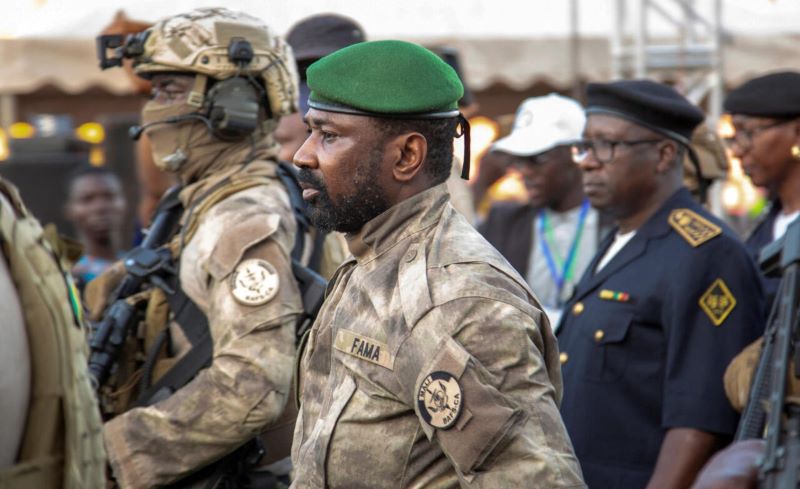
Mali’s military government has seized three tons of gold from Canadian mining company Barrick as part of an escalating legal dispute over the share of revenue owed to the West African nation, according to an internal company letter obtained by The Associated Press. 

The letter, sent Monday by Barrick CEO Mark Bristow to Mali’s Mining Minister, stated that the company is “awaiting official confirmation of the proper receipt by the Malian Solidarity Bank,” a government-run financial institution. 

The seizure follows a warning issued earlier this month by Mali’s senior investigating judge, Boubacar Moussa Diarra, who announced that three tons of gold would be confiscated. 

A senior Barrick manager, speaking on condition of anonymity due to lack of authorization, confirmed that the military government had seized the gold, which was transported from a mine near Kayes in western Mali to the capital, Bamako, by plane and truck late Saturday. 

Malian authorities did not immediately respond to requests for comment. 

The seized gold, valued at approximately $180 million, is at the center of a dispute regarding revenues owed to Mali by Barrick. The country’s government previously issued an arrest warrant for CEO Mark Bristow in December, accusing him of money laundering, though no evidence was provided. At the time, authorities also ordered the seizure of Barrick’s gold reserves. 

Barrick has offered to pay $370 million as part of negotiations to resolve the dispute. Four senior executives from Barrick remain in custody as part of the ongoing investigation. 

Mali, one of Africa’s top gold producers, has increased pressure on foreign mining firms since the military took power in 2020. The government is seeking additional revenue amid challenges such as jihadist violence, widespread poverty, and hunger. 

In a similar case in November, Mali arrested the CEO and two employees of Australian mining company Resolute Mining. The company secured their release by paying $80 million to resolve a tax dispute and committing to an additional $80 million payment in the coming months.