Home Blog Page 503

Pakistan Military Court Sentences 60 Civilians to Up to 10 Years in Prison

0

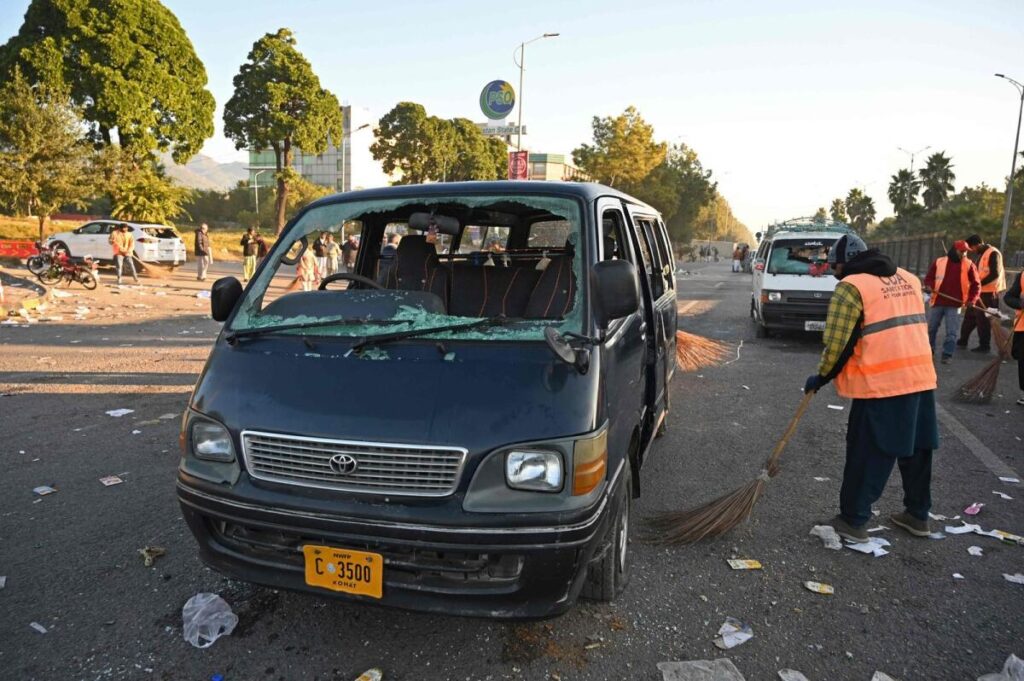
A Pakistani military court has sentenced 60 civilians to prison terms ranging from 2 to 10 years for their involvement in attacks on military installations during protests that erupted after former Prime Minister Imran Khan’s arrest in May 2023, according to a statement released by the military’s media wing on Thursday. 
Among those sentenced are a relative of Khan and two retired military officers. These latest sentences follow the earlier convictions of 25 individuals on similar charges. 

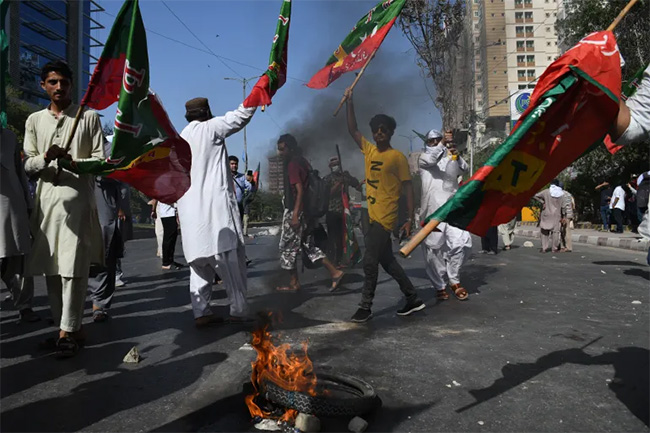
The arrests stem from widespread unrest in May 2023, when Khan’s detention sparked protests across the country. Supporters of the ousted prime minister targeted and vandalized military facilities in a show of defiance unprecedented in Pakistan’s history, where the military holds significant influence over political affairs. 

In its statement, the military emphasized its commitment to maintaining state authority and ensuring justice. “The Nation, Government, and the Armed Forces remain steadfast in their commitment to upholding justice and ensuring that the inviolable writ of the state is maintained,” the statement read. 

The sentences have drawn sharp criticism domestically and internationally. Supporters of Khan, who remains a prominent opposition figure, argue that the charges are politically motivated and that the trials undermine civilian rights. 
The international community has also voiced concerns over the use of military courts for civilians. The United States expressed being “deeply concerned” about the sentences, while the United Kingdom’s foreign office noted that trying civilians in military courts “lacks transparency, independent scrutiny, and undermines the right to a fair trial.” 

The European Union also criticized the sentences, calling them “inconsistent with the obligations that Pakistan has undertaken under the International Covenant on Civil and Political Rights.” 

Pakistan’s information minister defended the trials during a press conference on Wednesday, asserting that they adhered to legal standards. According to the minister, the convicted individuals were provided access to legal counsel, allowed family visits, and retain the right to appeal twice—within the military court system and subsequently in the relevant civilian high court. 

“The military court sentences do not infringe upon the right to a fair trial,” the minister stated. 

The military and government have denied any undue targeting of Khan or his supporters, asserting that the judicial process is impartial. 

The sentences are the latest chapter in the political turmoil surrounding Imran Khan, who has been a vocal critic of Pakistan’s military establishment since his removal from office in 2022. Khan faces multiple charges, including inciting violence against the military, which he denies, claiming the cases are part of a broader campaign to silence him and his party. 

Khan’s supporters maintain their innocence, arguing that the charges are baseless and intended to crush dissent. 

The military’s growing role in handling cases tied to political unrest has sparked broader fears of diminishing civilian oversight and transparency in Pakistan’s judicial process. 

The trials and sentences underscore the ongoing struggle between Pakistan’s political opposition and its powerful military, which has historically played a significant role in shaping the country’s political landscape. 

As appeals move forward, the sentences are expected to remain a flashpoint in Pakistan’s volatile political climate, further complicating prospects for reconciliation between the government, opposition, and military. 

Reuters
South Korea’s Acting President Han Duck-soo Impeached Amid Political Turmoil

0

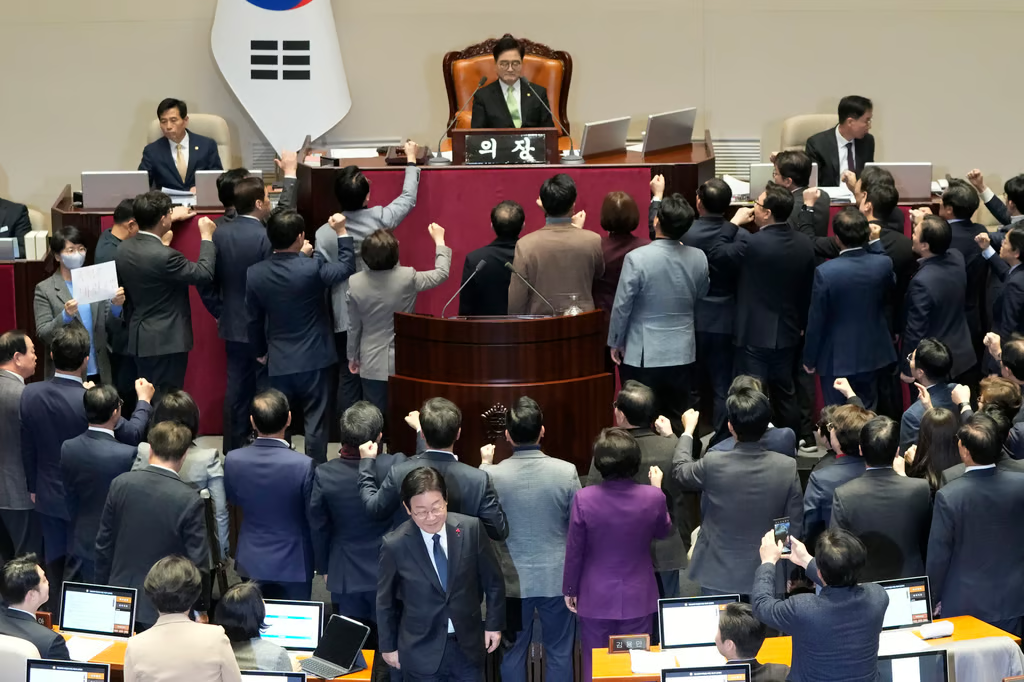
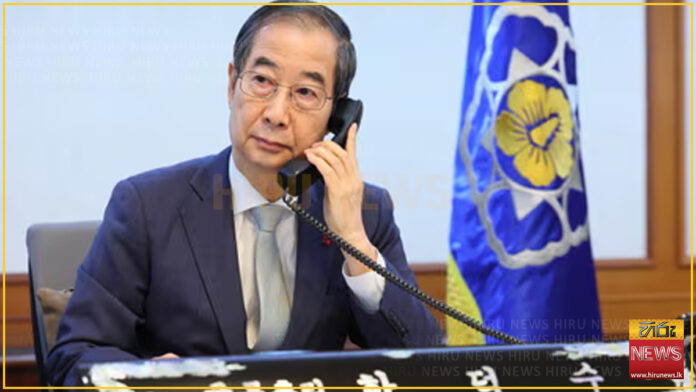
South Korea’s parliament impeached Acting President Han Duck-soo on Friday, deepening the political crisis that began with President Yoon Suk Yeol’s suspension over his controversial declaration of martial law earlier this month. 

Han, who had been serving as acting president since Yoon’s impeachment on December 14, is now the second high-ranking official to face removal in less than two weeks. The impeachment plunges South Korea into unprecedented political uncertainty, tarnishing its reputation as a democratic success story. 

Finance Minister Choi Sang-mok, next in line of succession, has assumed the role of acting president while the Constitutional Court reviews the cases of both Yoon and Han. Choi convened an emergency meeting of the National Security Council, consulted with military leaders, and pledged to stabilize state affairs during this tumultuous period. 

“The government must do its best to ensure that the people do not become anxious or that the security of the country and daily lives are not disrupted,” Choi stated in an address to the nation. 

The crisis began when President Yoon declared martial law on December 3, citing unspecified national security threats. The short-lived declaration was met with widespread domestic and international criticism, leading to his impeachment by parliament. Yoon’s removal and Han’s subsequent impeachment have rattled South Korea’s political system and economy. 

The turmoil has also raised alarm among allies, including the United States and European nations, who view South Korea as a critical partner in addressing regional challenges posed by China, Russia, and North Korea. 

Han’s impeachment has exacerbated the instability, leaving Choi as a temporary leader in a precarious position. Analysts warn that Choi could face impeachment himself if he fails to align with the opposition-led parliament, which has shown little tolerance for executive overreach. 

The political upheaval comes at a sensitive time for Asia’s fourth-largest economy, which is grappling with slowing growth and inflationary pressures. Han’s ouster could further undermine investor confidence and delay key policy decisions. 

Before his impeachment, Han had served as a stabilizing figure, urging parliament to reconsider its decision. “This will do serious damage to the economy and erode public trust in our institutions,” he warned in a final plea to lawmakers. 

Despite Han’s warnings, parliament proceeded with the impeachment, citing concerns over his handling of the fallout from Yoon’s martial law declaration. 

The Constitutional Court will now review the cases against Yoon and Han, a process that could take months. During this time, Choi faces the daunting task of steering the nation through political and economic uncertainty while maintaining public trust. 

South Korea’s political crisis is a stark reminder of the fragility of democratic institutions, even in established systems. The coming weeks will be critical in determining whether the country can navigate its way back to stability or spiral further into chaos. 

Survivors of Azerbaijani Plane Crash Recall Hearing Bangs Before Tragedy

0

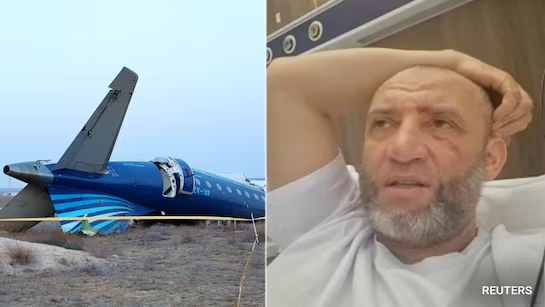
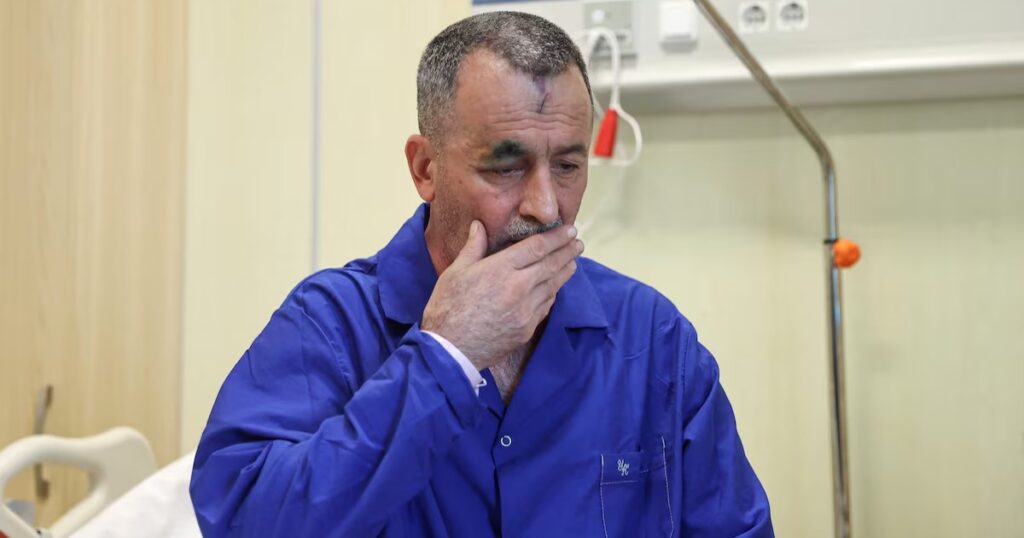
Survivors of the Azerbaijan Airlines Flight J2-8243 crash reported hearing loud bangs before the plane went down near Aktau, Kazakhstan. The crash, which occurred on Wednesday, killed at least 38 people and left 29 survivors. 

Subhonkul Rakhimov, a passenger, described hearing a loud bang as the plane approached its initial destination, Grozny, Russia. “After the bang…I thought the plane was going to fall apart,” he said from his hospital bed. “It was as if the plane was drunk—not the same plane anymore.” 

Another passenger, Vafa Shabanova, also heard a loud bang, followed by a second one. A flight attendant instructed her to move to the back of the plane. 

Flight attendant Zulfugar Asadov recounted that fog prevented a landing in Grozny, causing the pilot to circle. “The pilot had just lifted the plane up when I heard a bang from the left wing. There were three bangs,” Asadov said. The cabin lost pressure, and debris struck his arm. 

Survivors noted issues with oxygen levels in the cabin after the bangs. Footage taken before the crash showed oxygen masks deployed, passengers wearing life vests, and chaotic scenes aboard the aircraft. 

The Embraer passenger jet had originally flown from Baku, Azerbaijan, to Grozny before veering off course over the Caspian Sea. The plane crashed near Aktau after the captain opted for a ground landing rather than a sea landing. 

Azerbaijan Airlines suspended flights to Russian cities following the crash, citing “physical and technical external interference.” Preliminary findings from Azerbaijani investigators suggest the plane may have been mistakenly shot down by Russian air defenses. Russia has called for patience until the official investigation concludes. 

Rosaviatsia, Russia’s aviation authority, stated that dense fog and a local alert for Ukrainian drones led to the decision to reroute the flight. The captain was reportedly offered multiple alternative airports before choosing Aktau. 

This crash underscores the growing risks to civil aviation near conflict zones. Despite being over 850 kilometers (530 miles) from Ukraine’s front lines, Grozny and surrounding areas have been targeted by Ukrainian drones. 

Russia employs advanced air defense systems and electronic jamming to counter drones, but this incident highlights the dangers of operating civilian flights in airspace where military activity is ongoing. 

The crash is reminiscent of past aviation tragedies linked to military conflicts, including the 2020 downing of Ukraine International Airlines Flight PS752 by Iranian forces, the 2014 downing of Malaysia Airlines Flight MH17 by a Russian BUK missile, and others involving accidental shootdowns. 

Russian and Azerbaijani authorities, alongside Kazakh officials, are investigating the crash. Kremlin spokesperson Dmitry Peskov refrained from commenting on reports that Russian air defenses were responsible, urging the public to wait for official findings. 

Andrew Nicholson, CEO of Osprey Flight Solutions, warned of the heightened risks for civilian aircraft in conflict zones. “The second you stick civilian aircraft in that same airspace, you massively increase the risk,” he said, emphasizing the ongoing dangers in regions with active drone warfare and air defense operations. 

Relatives of Bashar Assad Arrested at Beirut Airport Attempting to Fly with Forged Passports

0

The wife and daughter of Duraid Assad, a cousin of deposed Syrian president Bashar Assad, were arrested Friday at Beirut’s airport as they attempted to leave the country using allegedly forged passports, according to Lebanese judicial and security officials. 

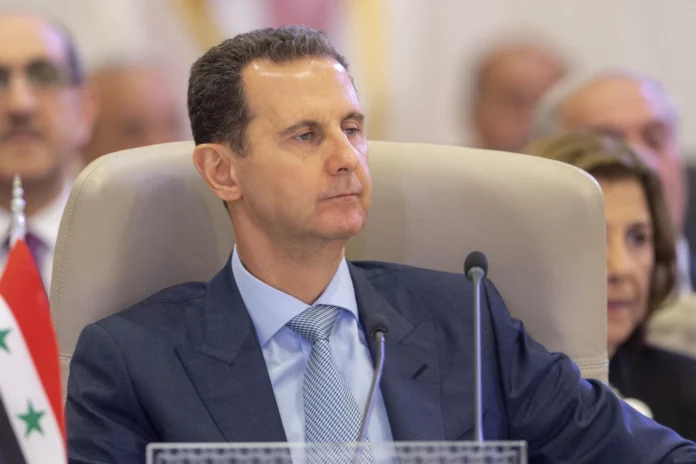
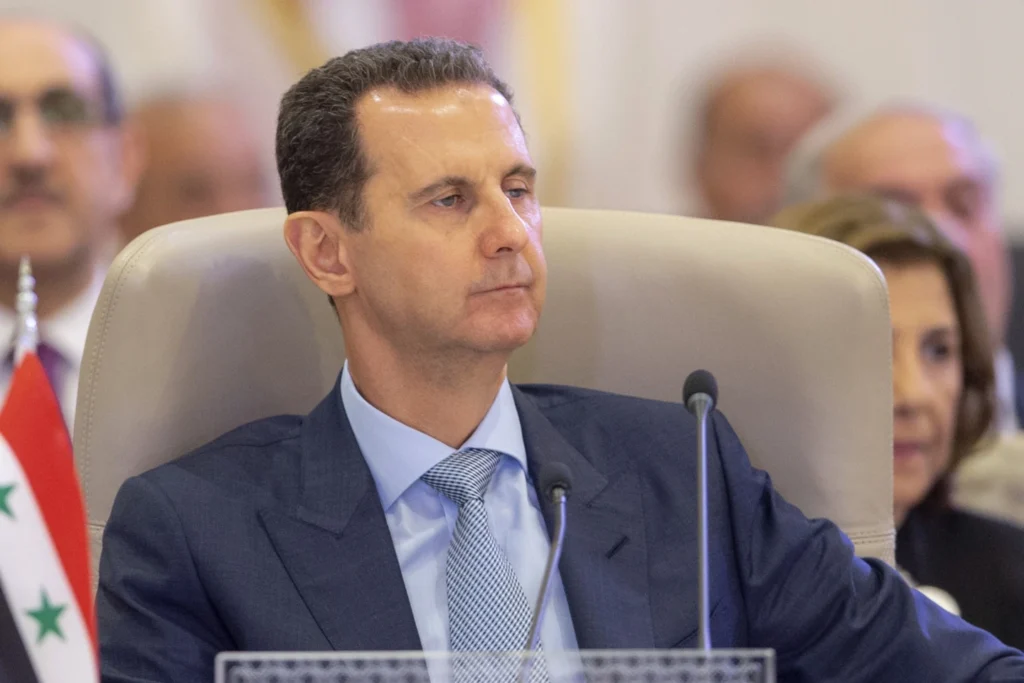
Bashar Assad

Rasha Khazem, the wife of Duraid Assad, and their daughter, Shams, were reportedly smuggled into Lebanon illegally before their attempt to board a flight to Egypt. Lebanese General Security is holding the two for questioning. The officials also confirmed that Rifaat Assad, the father of Duraid and uncle of Bashar Assad, departed Lebanon the previous day using his legitimate passport and was not stopped. 

The officials spoke on condition of anonymity, as they were not authorized to discuss the matter publicly. 

Rifaat Assad, who was the brother of Syria’s former ruler Hafez Assad and uncle to Bashar Assad, is a highly controversial figure. Known as the “Butcher of Hama,” he is accused of leading the artillery unit responsible for the 1982 massacre in Hama, which left thousands dead. 

Earlier this year, Swiss federal prosecutors indicted Rifaat on charges of war crimes and crimes against humanity related to his actions during the Hama massacre. 

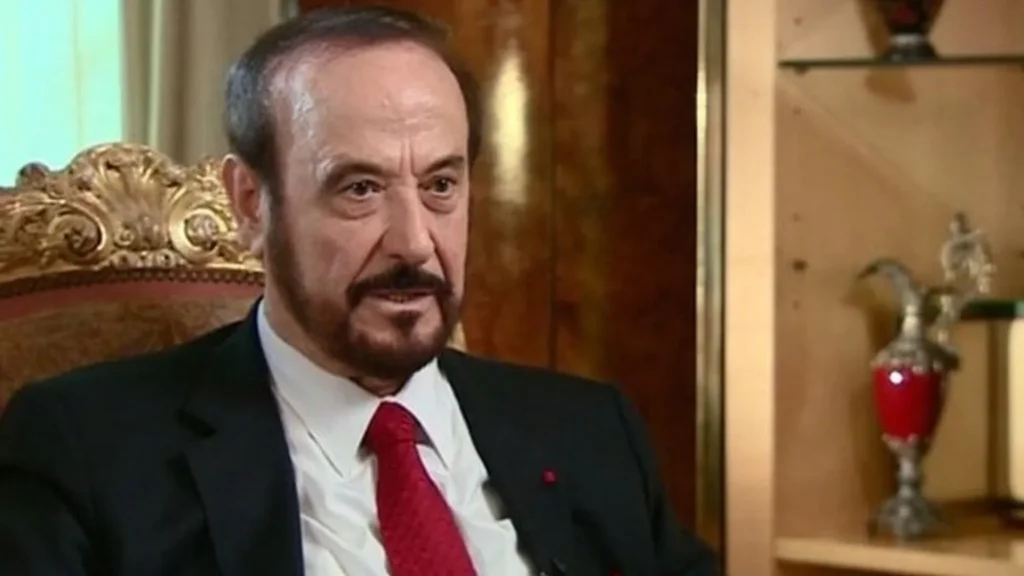
Rifaat Assad

The arrests of Rasha Khazem and Shams Assad come amid a wave of detentions in Lebanon following Bashar Assad’s recent fall from power. Lebanese officials reported that tens of thousands of Syrians, including members of Assad’s security forces and military, have entered Lebanon illegally in the aftermath of insurgent forces entering Damascus. 

More than 20 former members of Syria’s 4th Division, military intelligence, and others affiliated with Assad’s regime have been arrested in Lebanon, some while attempting to sell weapons. 

In addition, Lebanon’s public prosecution office received an Interpol notice requesting the arrest of Jamil al-Hassan, the former director of Syrian intelligence under Assad. Lebanon’s caretaker Prime Minister Najib Mikati stated that the country would cooperate with Interpol regarding the arrest request. 

The arrests highlight the ongoing fallout from the Assad regime’s collapse and Lebanon’s role as a neighboring state dealing with the influx of former Syrian regime affiliates. The case also underscores ongoing efforts by international authorities to hold figures connected to the Assad regime accountable for alleged crimes. 

Family of Four Dies in Suspected Carbon Monoxide Leak at New Hampshire Lake House

0

A Massachusetts family of four died on Christmas Day at their New Hampshire lake house after a suspected propane heating system malfunction caused lethal levels of carbon monoxide to fill the home, authorities said Friday. 

The victims were identified as Matthew Goldstein, 52, an elementary school teacher in Chestnut Hill; his wife Lyla Goldstein, 54, a project manager at Microsoft; and their daughters, Valerie, 22, a teacher, and Violet, 19, a college student. The family, residents of Newton, Massachusetts, had been visiting their vacation property on Balch Lake for the holidays. 

Authorities said they are investigating the source of the apparent carbon monoxide leak but noted there were no carbon monoxide alarms in the home. New Hampshire Fire Marshal Sean Toomey urged homeowners to install and regularly maintain such alarms to prevent similar tragedies. 

“This has been a terribly tragic year for both fire deaths and carbon monoxide deaths,” Toomey said. “To lose a whole family of four right in the peak of the holiday season hits home even more.” 

Police conducted a welfare check at the lake house around 4:20 p.m. on Christmas Day after relatives reported that the family had not arrived at a planned gathering and could not be reached. Officers found the victims inside the home, three in bedrooms and one in a bathroom, and fire crews detected elevated carbon monoxide levels. 

Toomey said the family likely died overnight. An autopsy confirmed carbon monoxide poisoning as the cause of death for Matthew Goldstein. Autopsy results for the other victims are pending, but authorities believe the deaths were accidental. 

Matthew Goldstein, who taught eighth grade at Edith C. Baker School in Brookline, Massachusetts, was remembered for his dedication to education and the arts. He also performed with the Newton Theatre Company. 

“Mr. Goldstein’s dedication to inspiring students and shaping young minds has left an indelible mark,” Brookline Public Schools Superintendent Linus Guillory said. 

Lyla Goldstein had worked at Microsoft for over 16 years as a principal project manager specializing in data and artificial intelligence. 

Valerie Goldstein, a Syracuse University graduate, was in her first year as a Teach for America educator in North Carolina, aspiring to a future in education policy. 

Violet Goldstein was a freshman at the Rhode Island School of Design, where she was remembered for her promising talent and vibrant spirit. 

The Centers for Disease Control and Prevention (CDC) describes carbon monoxide as a colorless, odorless gas that can kill without warning. It causes more than 400 deaths and 14,000 hospitalizations annually in the United States. 

Investigators suspect the heating system malfunctioned, allowing carbon monoxide to bypass normal venting. Toomey advised homeowners to ensure heating systems are serviced regularly, chimneys are cleaned, and vents are cleared of snow or ice during winter. 

Another Unticketed Passenger Attempts to Board Delta Flight During Holiday Travel

0

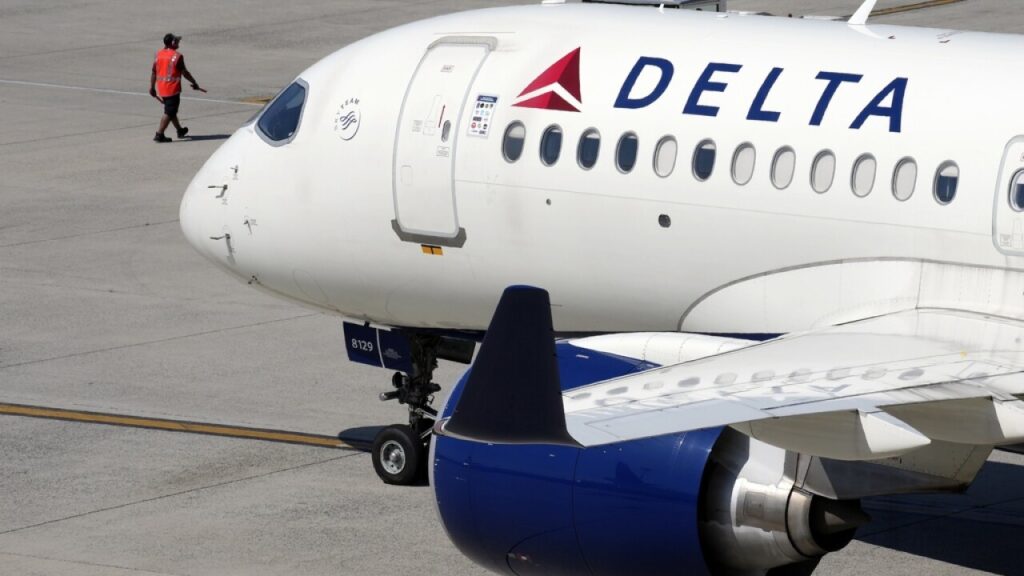
Amid the busy holiday travel season, an unticketed passenger attempted to stow away on a Delta Air Lines flight from Seattle to Honolulu on Christmas Eve, resulting in delays and heightened security procedures. 

The individual, whose identity has not been disclosed, was discovered onboard Delta flight 487 as the plane was taxiing for departure from Seattle-Tacoma International Airport. In accordance with protocol, the aircraft returned to the gate, and law enforcement apprehended the passenger, Delta said in a statement. 

As a precaution, all passengers were deplaned and required to undergo rescreening at a Transportation Security Administration (TSA) checkpoint before reboarding. The flight eventually departed for Honolulu after a 2-hour and 15-minute delay, the airline confirmed. 

“There are no matters more important than safety and security,” a Delta spokesperson said, thanking passengers for their patience and cooperation during the incident. 

Svetlana Dali, a Russian national, was caught stowing away on a Delta Air Lines flight from the United States to France in November

The Port of Seattle, which oversees the airport, reported that the stowaway had successfully passed through a TSA security checkpoint the night before the flight, despite not having a boarding pass. Although the individual was screened without prohibited items, they gained access to the boarding bridge without a ticket. 

Port of Seattle Police responded to a “suspicious circumstance” report shortly after 1 p.m. on Tuesday. By the time officers arrived, the individual had exited the aircraft. Using video surveillance, authorities located the suspect in a terminal restroom, where they were arrested for criminal trespass. 

The TSA stated that the individual had been screened according to standard procedures, reiterating its commitment to investigating the incident thoroughly. “The agency takes all incidents at checkpoints nationwide seriously and will conduct an independent review,” a TSA spokesperson said. 

This episode follows another stowaway case on a Delta flight less than a month earlier. During Thanksgiving week, Svetlana Dali, a Russian woman with U.S. residency, bypassed security at John F. Kennedy International Airport in New York and boarded a Delta flight to Paris without a ticket. Dali was arrested upon arrival in Paris and subsequently returned to the United States. 

Trump Asks Supreme Court to Delay TikTok Ban, Citing Political Resolution Plans

0

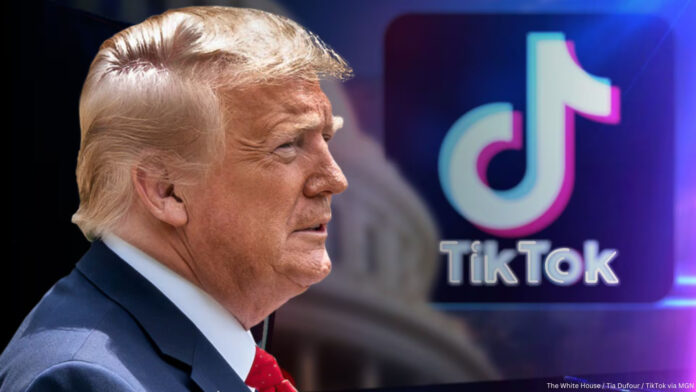
President-elect Donald Trump requested the Supreme Court on Friday to delay the enforcement of a TikTok ban, allowing his incoming administration time to seek a “political resolution” to the matter. 

The appeal comes as TikTok and the Biden administration submitted opposing legal briefs regarding a law that could mandate TikTok’s divestment from its Chinese parent company ByteDance by January 19. TikTok argued the statute violates the First Amendment, while the administration emphasized its stance that the measure is necessary to mitigate national security risks. 

“President Trump takes no position on the underlying merits of this dispute. Instead, he respectfully requests that the Court consider staying the Act’s deadline for divestment of January 19, 2025, while it considers the merits of this case,” said Trump’s amicus brief, authored by D. John Sauer, the incoming solicitor general. 

The filing is the latest instance of Trump inserting himself into national policy debates before taking office. Recently, he has negotiated tariff strategies with foreign nations and influenced discussions on federal government funding, sending Republicans back to the negotiating table over a bipartisan plan. 

Trump has also been holding high-profile meetings with foreign leaders and business executives at his Mar-a-Lago residence in Florida, including TikTok CEO Shou Chew. 

During his first term, Trump attempted to ban TikTok over national security concerns. However, during his 2024 presidential campaign, he embraced the platform, using it to engage younger voters through viral content. Despite his current opposition to an outright ban, Trump maintains that the app presents potential security risks. 

The filings come ahead of Supreme Court oral arguments scheduled for January 10 to address whether the TikTok divestment requirement unlawfully restricts speech under the First Amendment. The statute, signed into law by President Joe Biden in April following bipartisan approval in Congress, has faced legal challenges from TikTok and ByteDance. 

Earlier this month, the U.S. Court of Appeals for the District of Columbia Circuit upheld the law, prompting TikTok’s appeal to the Supreme Court. 

TikTok’s legal team argued Friday that the appeals court ruling relied on speculative risks of Chinese influence over its U.S. operations. In contrast, the Biden administration’s brief highlighted concerns that ByteDance’s ownership structure could enable Chinese authorities to access user data or manipulate content on the platform. 

The administration acknowledged no evidence exists that China has exploited TikTok for espionage or propaganda but asserted that potential risks justify regulatory action. TikTok countered, stating the government’s concerns are based on hypothetical scenarios rather than proven threats. 

Trump’s brief emphasized his preference for addressing TikTok-related issues through political negotiation once he assumes office. 

Manmohan Singh, India’s Visionary Prime Minister, Passes Away at 92

0

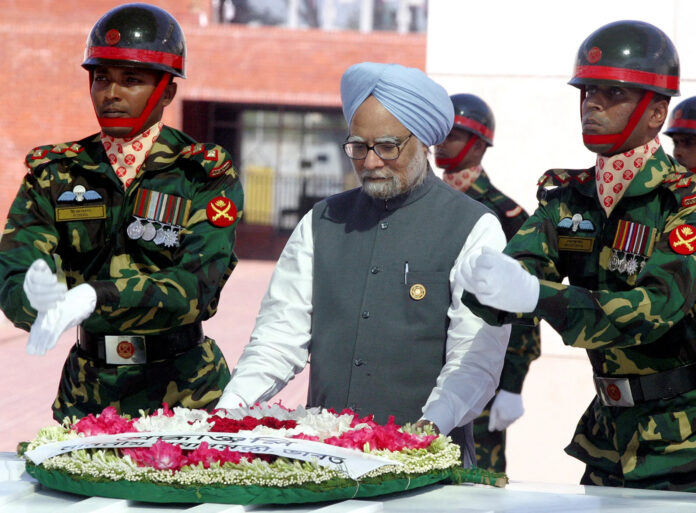
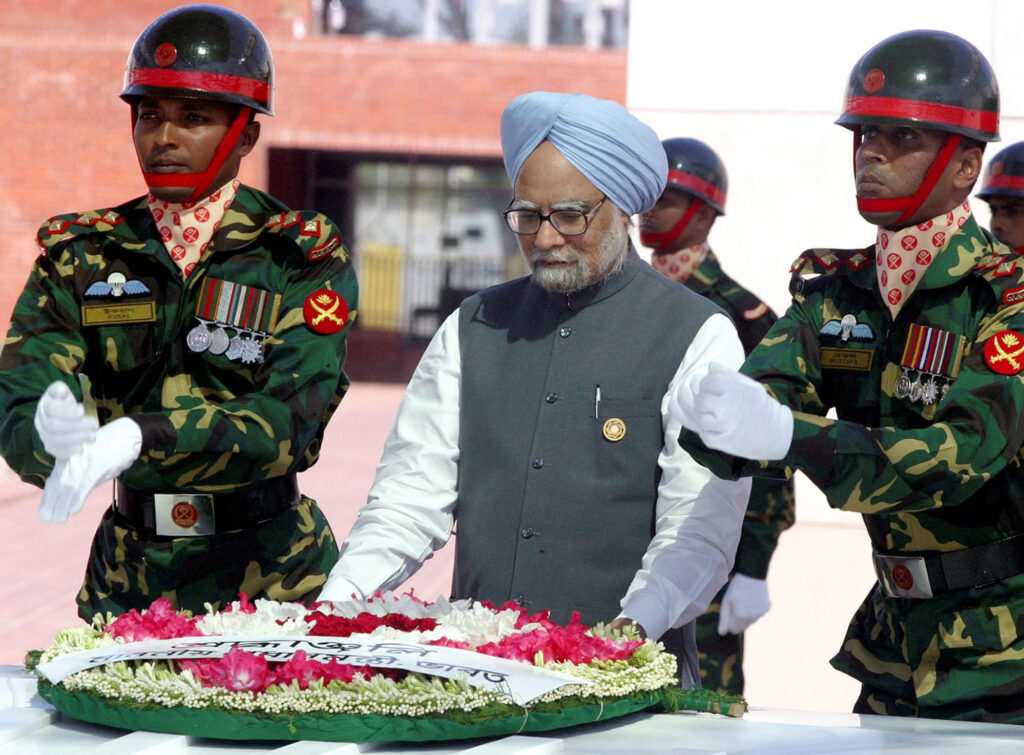
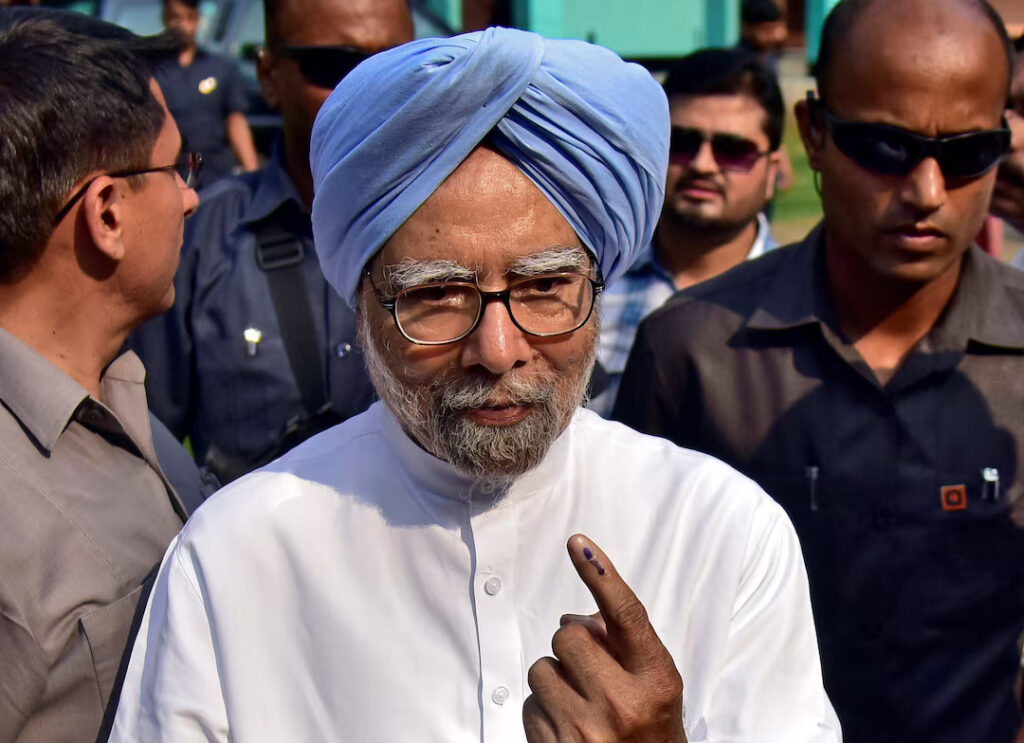
Manmohan Singh, India’s first Sikh prime minister and a pivotal figure in the nation’s economic transformation, passed away on Thursday at the age of 92. Known as a “reluctant king,” Singh served as prime minister from 2004 to 2014, leaving behind a legacy of economic reforms and inclusive governance. 

Manmohan Singh is credited with leading India through an era of unprecedented economic growth. Under his stewardship, hundreds of millions were lifted out of poverty, and India cemented its position as a global economic player. 

Prime Minister Narendra Modi expressed condolences, stating, “India mourns the loss of one of its most distinguished leaders.” 

Born into a modest family in a region of British-ruled India that is now part of Pakistan, Singh’s early life was marked by perseverance. He studied by candlelight, eventually earning a place at Cambridge University and later completing a doctorate at Oxford, focusing on the role of exports and free trade in India’s economy. 

In 1991, Singh emerged as the architect of India’s economic liberalization during his tenure as finance minister. Facing a balance of payments crisis, he introduced reforms that opened India’s economy to global markets, deregulated industries, and set the stage for rapid growth. 

Quoting Victor Hugo in his first budget speech, Singh famously remarked, “No power on earth can stop an idea whose time has come,” referring to India’s rise as a major economic power. 

In 2004, Singh was unexpectedly chosen by Congress Party leader Sonia Gandhi to lead the country. Gandhi, wary of political attacks on her Italian heritage, declined the prime ministership despite her party’s victory and entrusted Singh with the role. 

Singh’s tenure coincided with a period of robust economic growth. His government introduced transformative welfare schemes, including a rural job guarantee program, and brokered a landmark nuclear deal with the United States in 2008, bolstering India-U.S. relations. 

Despite his achievements, Singh’s leadership faced challenges. Political wrangling within the Congress Party and demands from coalition partners often stalled his reform agenda. In his second term, Singh faced criticism over corruption scandals involving members of his government, although his personal integrity remained unquestioned. 

The latter years of his tenure saw economic growth falter amid global economic headwinds and policy stagnation. In 2014, the Congress Party suffered a decisive defeat to the Bharatiya Janata Party under Narendra Modi, who campaigned on promises of economic revival and anti-corruption measures. 

Known for his simple lifestyle and unwavering honesty, Singh remained respected both at home and abroad. Reflecting on his tenure, Singh remarked shortly before leaving office, “I honestly believe that history will be kinder to me than the contemporary media or, for that matter, the opposition parties in parliament.” 

Singh is survived by his wife and three daughters. 

South Korea’s Leadership Crisis: Martial Law Fallout and Impeachment Vote 

0

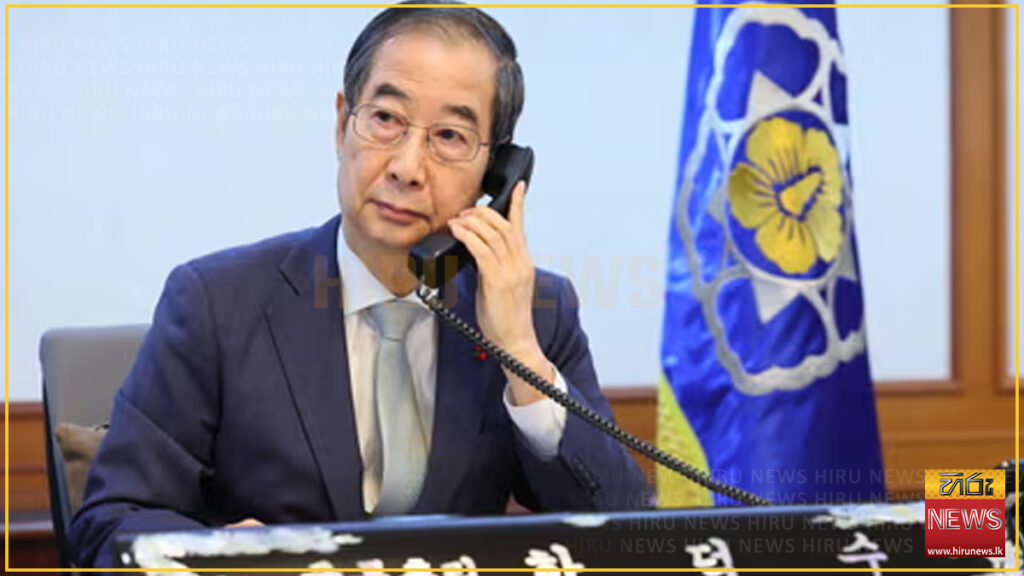
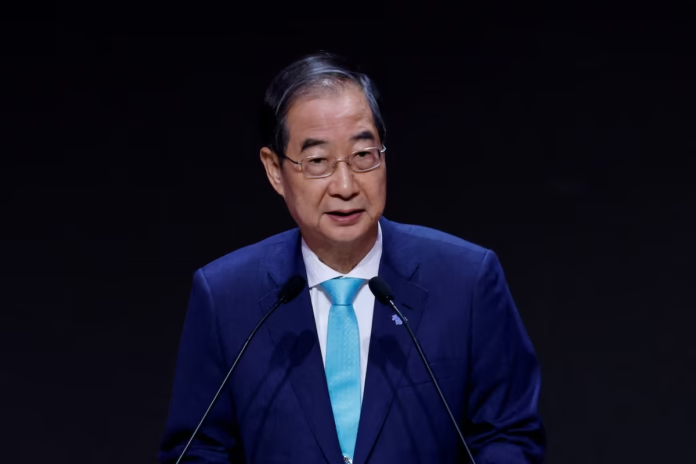
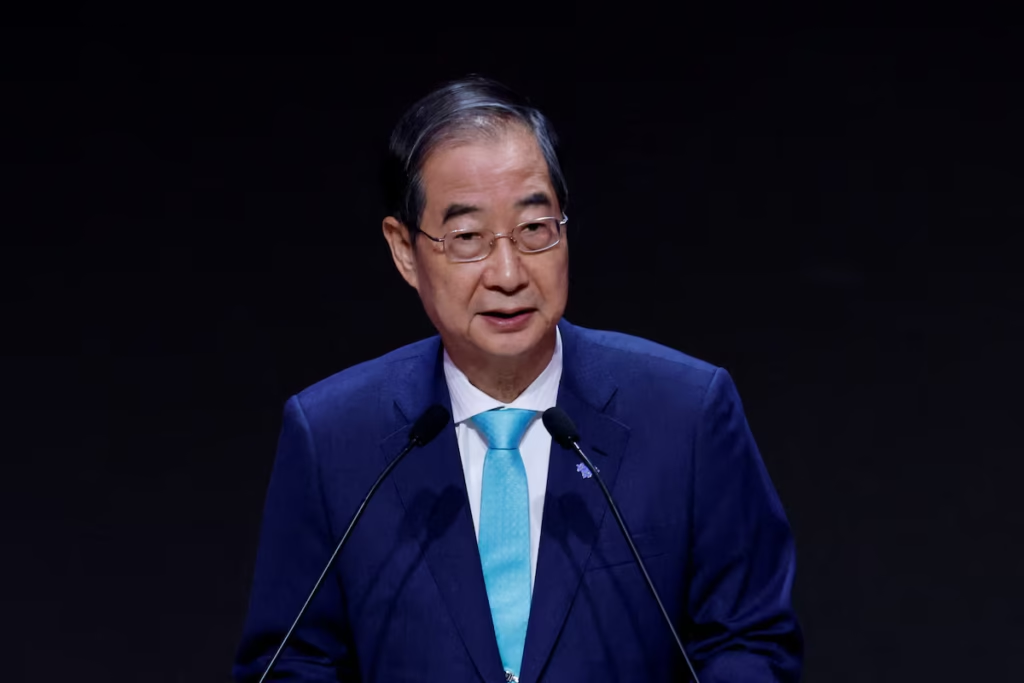
South Korea’s acting president, Han Duck-soo, is under the threat of impeachment as the Constitutional Court begins its first hearing regarding President Yoon Suk Yeol’s controversial suspension. Yoon was impeached on December 14 following his declaration of a short-lived martial law, which sent shockwaves through South Korea’s political and economic landscape. 

South Korea’s acting president, Han Duck-soo

This unfolding political turmoil in Asia’s fourth-largest economy has unsettled global allies, including the United States and Europe, who viewed Yoon as a vital partner in addressing regional tensions involving China, Russia, and North Korea. 

President Yoon’s martial law decree, imposed on December 3, banned parliamentary activities, restricted political parties, and placed the military under government control. The decree was rescinded just hours later after lawmakers voted against it, but the move triggered immediate backlash. Yoon’s suspension from office came after a defiant speech questioning election integrity and accusing opponents of collusion with North Korea. 

Prime Minister Han Duck-soo assumed the role of acting president after Yoon’s impeachment. However, tensions have escalated as Han refused to appoint three Constitutional Court justices, citing his limited authority as a caretaker leader. The Democratic Party (DP), which holds a majority in parliament, accused Han of obstructing justice and called for his impeachment. 

The DP has clashed with Han over critical issues, including investigations into Yoon’s martial law declaration and the appointment of special prosecutors. Party leaders claim Han’s actions amount to abuse of power, further deepening the leadership crisis. 

Opposition leader Kwon Young-se of Yoon’s People Power Party warned that impeaching Han could spark a financial crisis. The South Korean won has already weakened to its lowest point since 2009, reflecting investor concerns over political instability. 

The Constitutional Court now has 180 days to decide whether to reinstate Yoon or permanently remove him from office. If Yoon is ousted, South Korea must hold a new presidential election within 60 days. 

Yoon has refused to acknowledge court communications, contrasting with the cooperative stances of previous impeached presidents. A court spokesperson confirmed the hearings would proceed regardless of Yoon’s participation. 

If Han is impeached, the finance minister will take over as acting president. Legal experts remain divided over whether a simple majority or two-thirds vote is required for his impeachment. 

The martial law scandal and subsequent impeachment votes have triggered political unrest, undermining confidence in South Korea’s democratic institutions. The country’s economic markets have also been rattled, with analysts warning of prolonged negative sentiment amid uncertainty. 

President Yoon and senior officials now face criminal investigations for insurrection, further complicating the nation’s path toward stability. 

Israel Airstrikes Target Yemen’s Capital as WHO Chief Narrowly Escapes

0

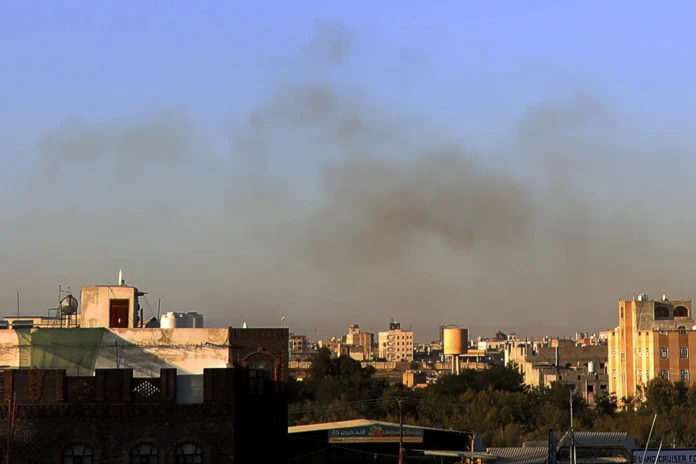
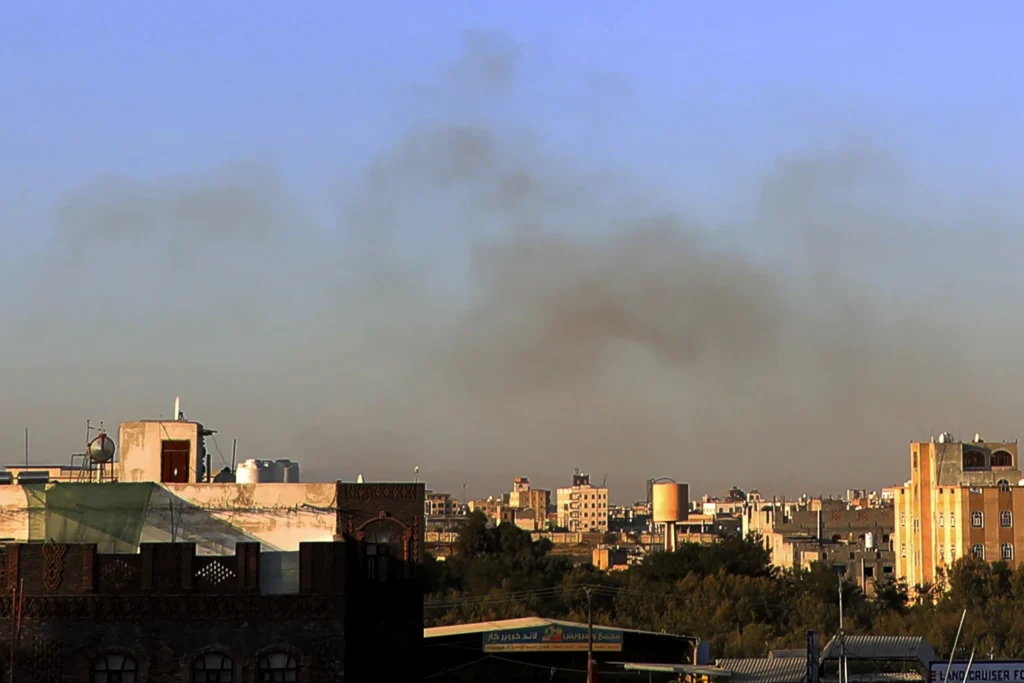
Israeli airstrikes hit Houthi-controlled areas in Yemen on Thursday, including the rebel-held capital of Sanaa and key ports. The strikes came as World Health Organization Director-General Tedros Adhanom Ghebreyesus revealed he was just meters away from the bombardment while preparing to board a flight. 

The WHO chief stated on social media, “The air traffic control tower, the departure lounge — just a few meters from where we were — and the runway were damaged.” He confirmed that U.N. colleagues were safe but noted that the airport damage would delay their departure. U.N. spokesperson Stephanie Tremblay later reported that a crew member from the U.N. Humanitarian Air Service was injured in the attack.

The Israeli military told reporters it was unaware of the presence of the WHO delegation or other U.N. representatives in Yemen during the strikes.

The Israeli Defense Forces confirmed that the strikes targeted infrastructure used by Iran-backed Houthi rebels, including the international airport in Sanaa and ports in Hodeida, Al-Salif, and Ras Qantib. Israeli officials stated the locations were being used to smuggle Iranian weapons and facilitate the arrival of senior Iranian officials. Power stations allegedly supporting these operations were also targeted.

The military noted its ability to “strike very far from Israel’s territory — precisely, powerfully, and repetitively.” The strikes occurred more than 1,000 miles from Jerusalem.

Prime Minister Benjamin Netanyahu warned the Houthis, saying, “The Houthis, too, will learn what Hamas, Hezbollah, and Assad’s regime have learned.” Israel claims its actions are part of a broader effort to counter Iran’s influence and prevent attacks from Tehran’s proxies.

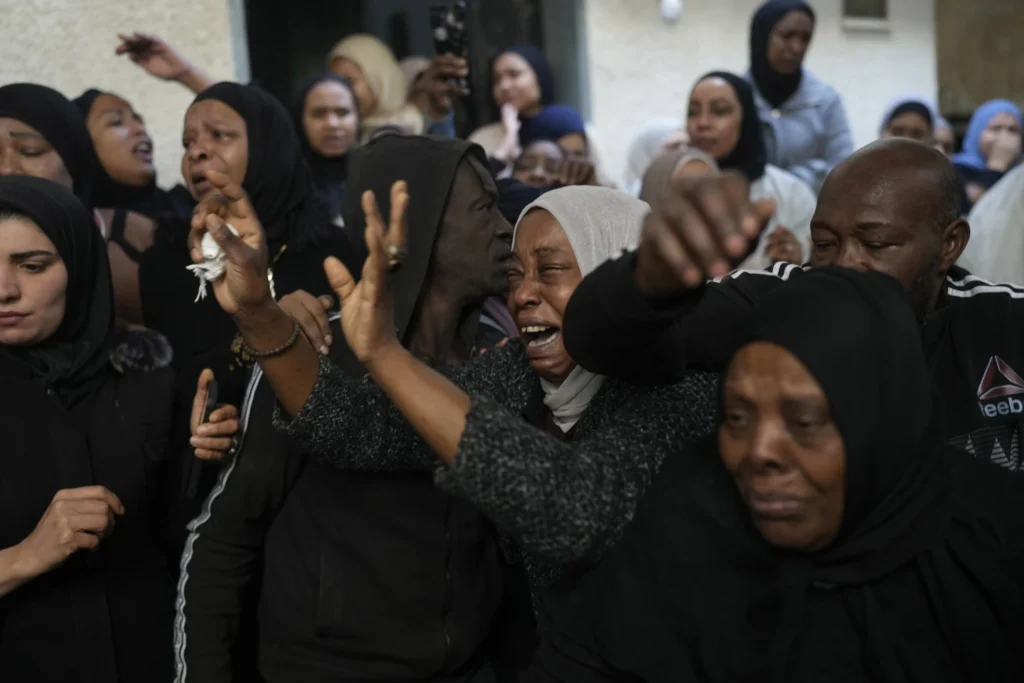
Houthi-controlled media outlet al-Masirah reported multiple casualties from the strikes and showed footage of extensive structural damage, including shattered windows, collapsed ceilings, and bloodstained floors. Iran’s foreign ministry condemned the airstrikes as an escalation of the conflict.

The U.N. highlighted the humanitarian consequences, emphasizing that the targeted ports are vital for the delivery of aid to Yemen, a nation suffering from years of civil war since 2014.

The airstrikes follow days of heightened hostilities. Over the weekend, a Houthi missile injured 16 people in Tel Aviv, while other missile and drone attacks on Israel were intercepted. Last week, Israeli jets struck Sanaa and Hodeida, killing nine people in what was described as a response to prior Houthi attacks.

The Houthis have also increased attacks on shipping vessels in the Red Sea, framing these actions as support for Palestinians in Gaza. Israel has expressed concern over the growing threats to the critical maritime corridor.

The U.N. Security Council is set to hold an emergency meeting on Monday at Israel’s request. Israel is urging the international community to condemn Houthi attacks and Iran’s involvement in supplying weapons to the rebels.