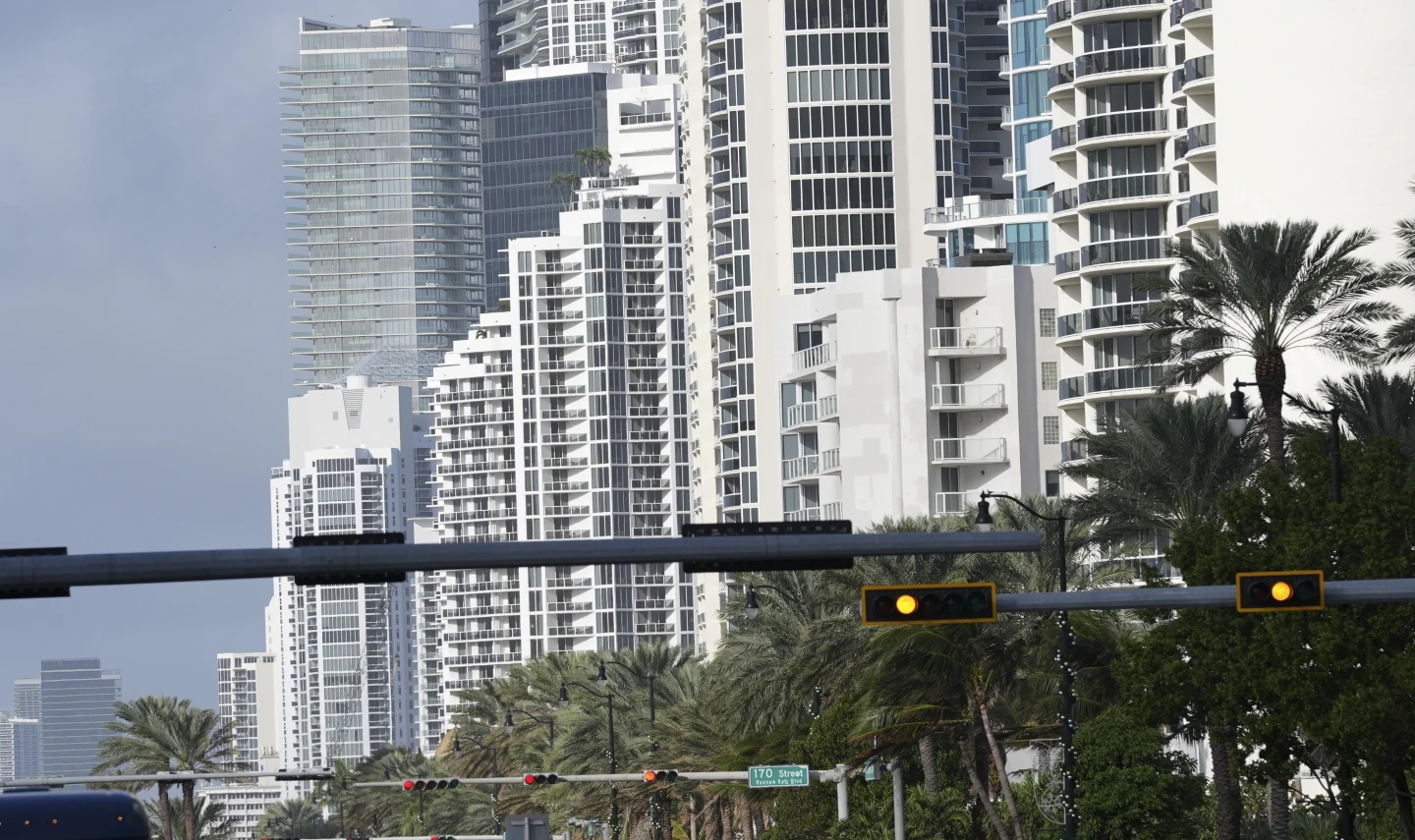
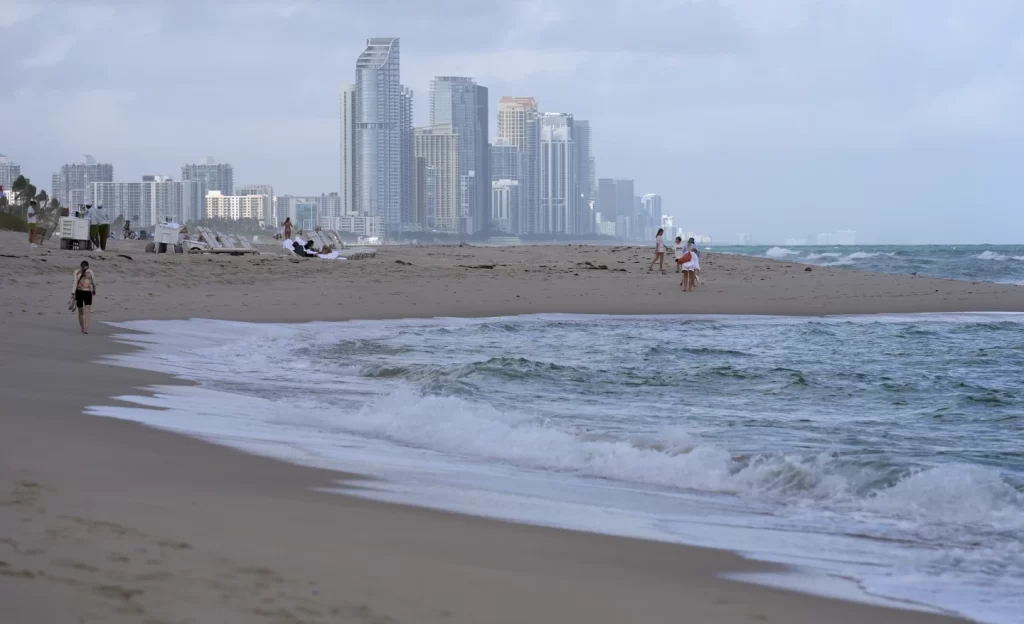
A University of Miami study has revealed that 35 high-rise condominiums and luxury hotels along South Florida’s coastline are experiencing unexpected sinking or settlement, raising new concerns about structural stability in the region’s premier beachfront properties.
The research, published Friday, documented buildings sinking between 0.8 to 3.1 inches along a 12-mile coastal stretch from Miami Beach to Sunny Isles Beach. Lead researcher Farzaneh Aziz Zanjani expressed surprise at the extent of subsidence, particularly since half of the affected structures are less than ten years old.
Scientists attribute the settling to multiple factors, including limestone bedrock interspersed with unstable sand layers, tidal influences, and nearby construction activities affecting foundations up to 1,050 feet away. Sunny Isles Beach properties showed the most noticeable changes, with preliminary data suggesting similar patterns extending northward into Broward and Palm Beach counties.
While unrelated to the 2021 Champlain Towers South collapse in Surfside, the findings underscore growing concerns about coastal building stability in corrosive environments. Researchers plan additional studies to examine whether differential settling rates within individual buildings could lead to structural issues or utility system damage.
The discovery parallels recent findings along the Atlantic Coast, where major cities including New York, Baltimore, and Virginia Beach show concerning subsidence rates exceeding sea-level rise.
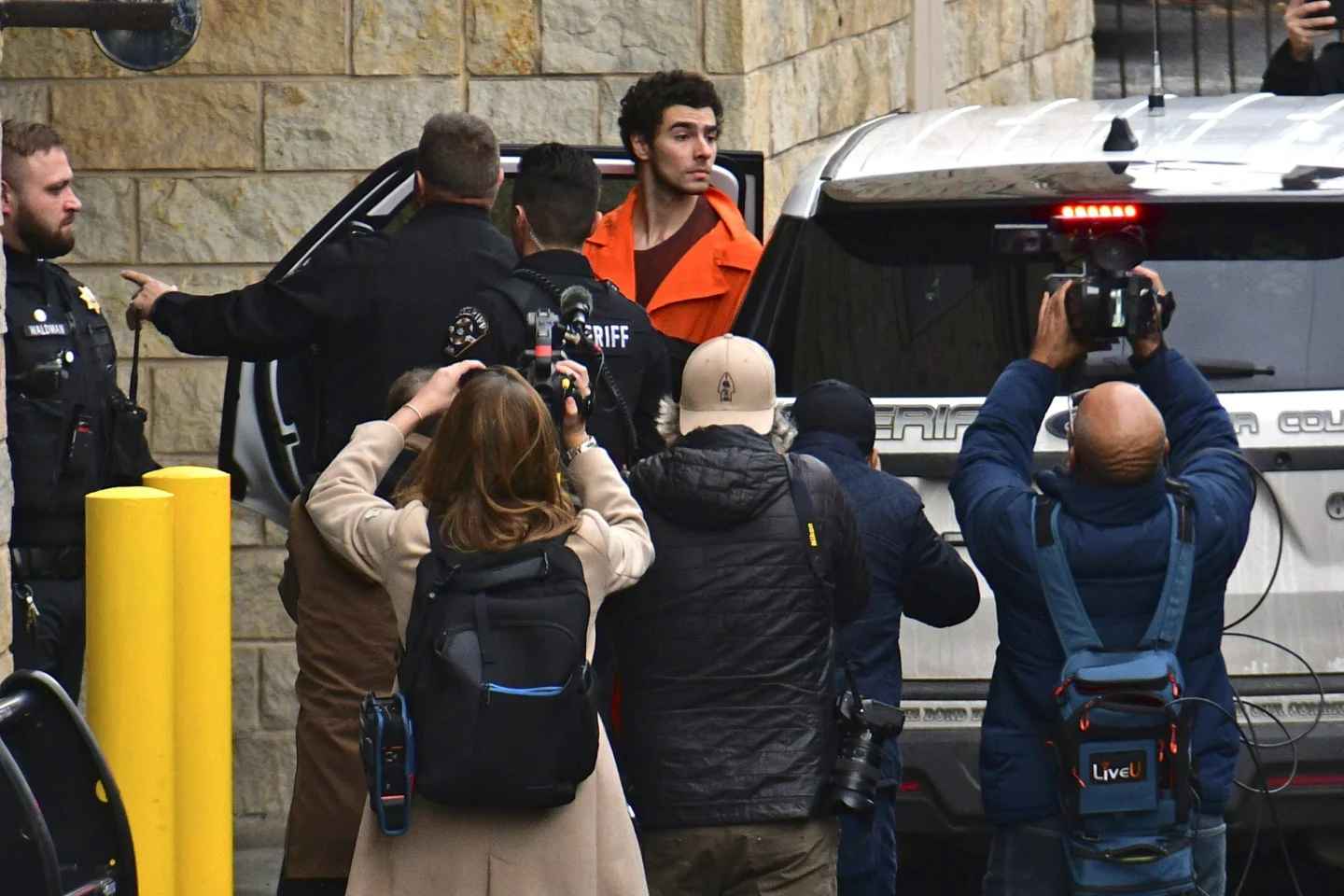
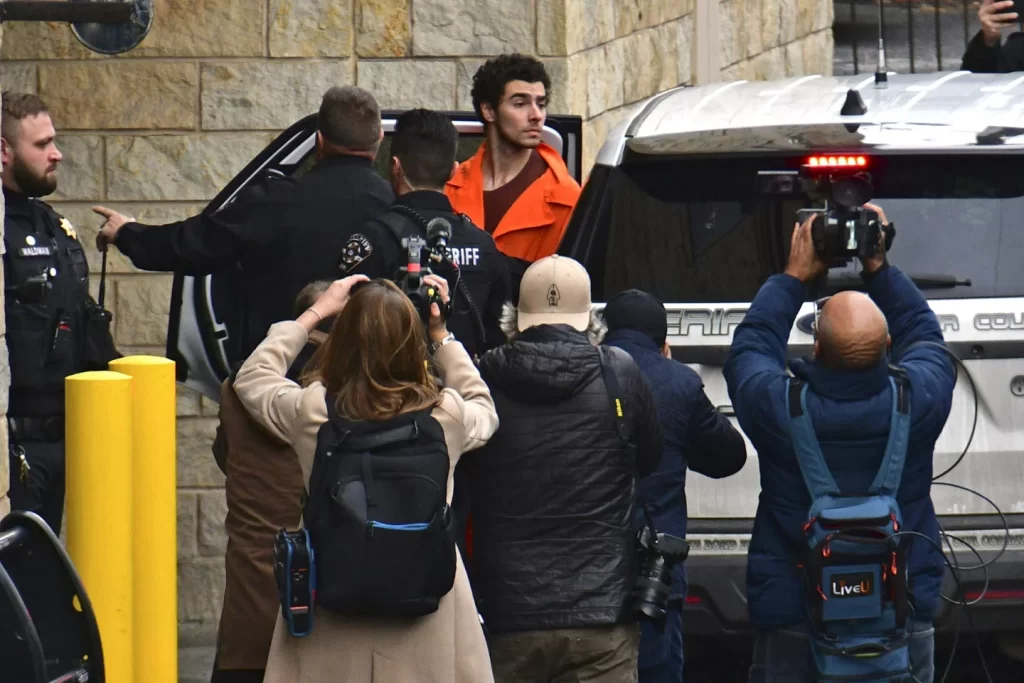
Luigi Mangione, the man accused of killing UnitedHealthcare CEO Brian Thompson, has been charged with murder as an act of terrorism, Manhattan prosecutors announced Tuesday. The case, which has unsettled the healthcare industry and sparked nationwide discussions, marks a significant escalation as authorities build their case against the suspect.
Thompson, 50, was fatally shot Dec. 4 in midtown Manhattan while walking to a hotel hosting a UnitedHealthcare investor conference. Prosecutors allege Mangione, 26, carried out the attack to intimidate and send a message, using violence to highlight frustrations with the U.S. healthcare system.
Manhattan District Attorney Alvin Bragg called the act “a deliberate, targeted murder meant to shock and intimidate the public.” The DA’s office formally filed terrorism-related charges, a rare but significant application of New York’s post-9/11 law, which allows crimes to be prosecuted as terrorism when they intend to intimidate civilians or influence government conduct.
After a multi-day manhunt, Mangione was arrested Dec. 9 in Altoona, Pennsylvania, where authorities found him with the alleged murder weapon, fake IDs, and a passport. He currently faces forgery and firearms charges in Pennsylvania while fighting extradition to New York.
Prosecutors described Mangione’s motivations as deeply personal and tied to anger toward the U.S. health insurance system. A handwritten letter found on Mangione at the time of his arrest reportedly described health insurance companies as “parasitic” and criticized corporate greed.
Mangione, a former Ivy League graduate, had shared frustrations about his struggles with chronic back pain on social media, advising others to challenge doctors and insurance providers. His family reported him missing weeks before the attack, describing him as increasingly isolated.
Thompson’s death sent shockwaves through the healthcare industry and rattled corporate leadership. Social media users debated the killing, with some praising it as “retribution” against health insurance companies. Meanwhile, New York Police Commissioner Jessica Tisch condemned any attempt to justify the violence, calling it “vile and reckless.”
Brian Thompson, a father of two teenagers, worked at UnitedHealth Group for over two decades, rising to become CEO of the insurance arm in 2021. Raised on a farm in Iowa, Thompson was widely respected for his leadership and humility.
As the investigation continues, prosecutors are expected to focus on Mangione’s actions leading up to the attack and the broader implications for public safety and the healthcare industry.
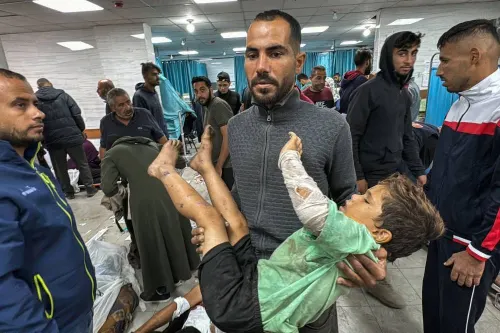
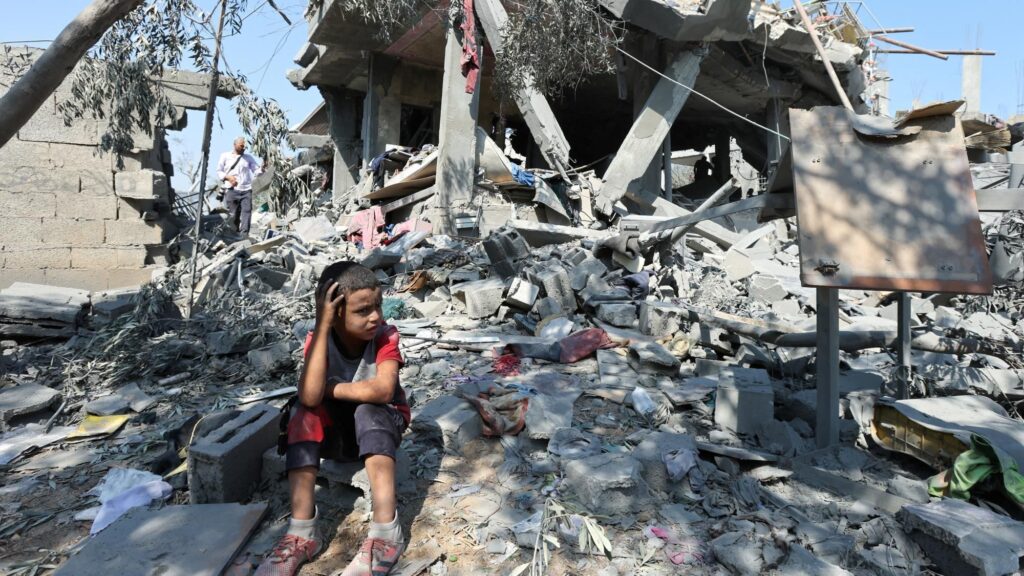
Israeli and Hamas negotiators appear closer to reaching a ceasefire agreement after months of stalemate, with a senior Palestinian negotiator telling the BBC that talks have entered a “decisive and final phase” while Israeli Defense Minister Israel Katz confirms unprecedented progress.
The emerging agreement framework envisions an initial 45-day period for releasing civilian hostages and female soldiers, alongside Israeli withdrawal from city centers and strategic areas. This would be followed by the liberation of remaining hostages and further troop withdrawal, ultimately concluding with a comprehensive ceasefire and war termination.
Current diplomatic efforts, mediated by the US, Qatar, and Egypt, have intensified following Donald Trump’s election victory. An Israeli working delegation is presently in Doha amid heightened regional diplomatic activity. Of 96 remaining hostages, Israel believes 62 are still alive.
Recent developments include a December 7 pause in Israeli aerial operations, allowing Hamas to gather hostage information. The group subsequently provided Egyptian officials with a list of elderly and sick Israeli captives, along with American citizens, plus demands for Palestinian prisoner releases.
Defense Minister Katz maintains Israel must retain security control over Gaza after Hamas’s defeat, a position that could complicate negotiations but appears designed to maintain support from far-right cabinet members. Meanwhile, Trump has warned that a deal should be reached before his inauguration.
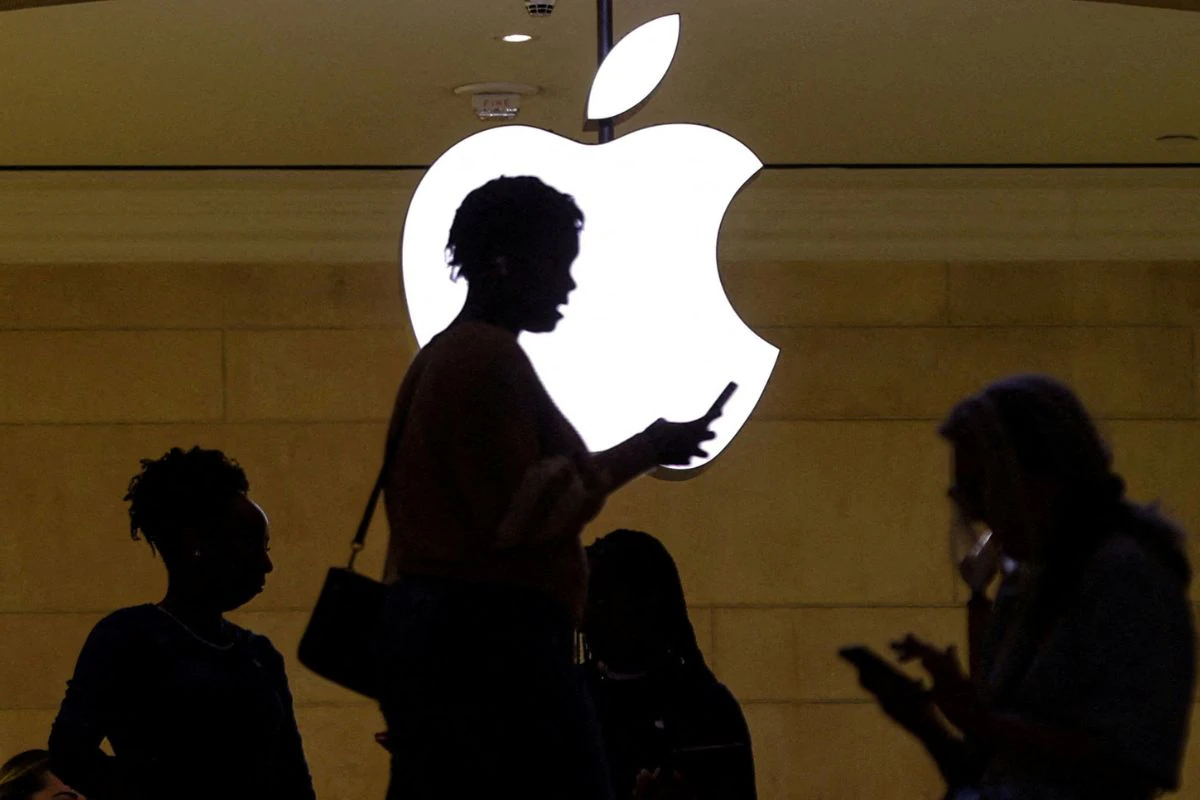
The Democratic Republic of Congo (DRC) has filed criminal complaints against Apple subsidiaries in France and Belgium, accusing the tech giant of complicity in the use of conflict minerals in its supply chain. Lawyers representing the Congolese government stated that the allegations include laundering minerals tied to armed groups, covering up war crimes, and misleading consumers by falsely claiming ethical sourcing practices.
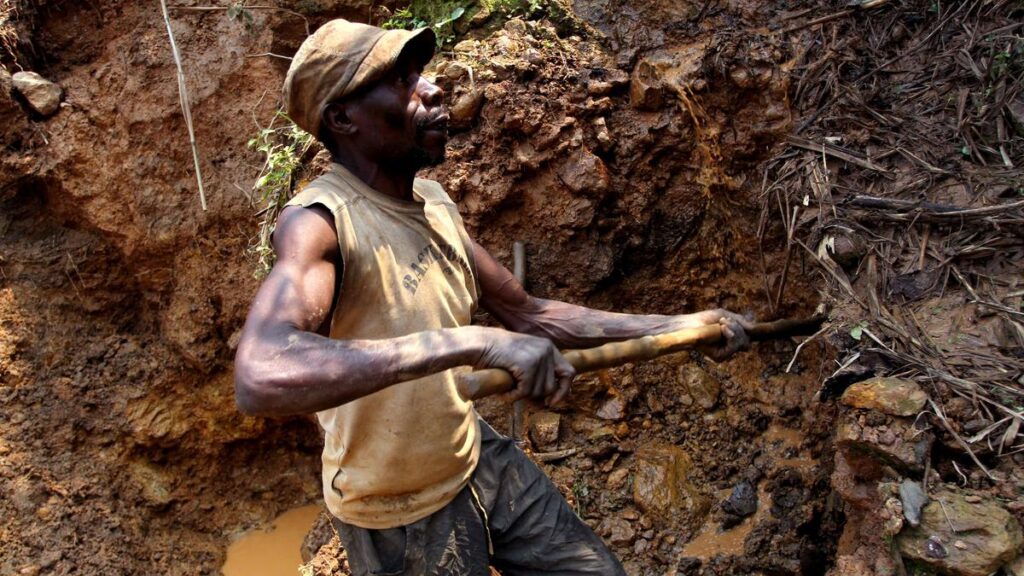
Congo remains a major supplier of tin, tantalum, and tungsten—known as “3T minerals”—essential for manufacturing electronics like smartphones and computers. However, many of these minerals are extracted from artisanal mines controlled by armed groups accused of atrocities, including massacres, looting, and systemic violence, according to United Nations reports and human rights organizations.
Apple, which does not directly source primary minerals, asserts that it rigorously audits suppliers, publishes compliance reports, and collaborates with initiatives to improve transparency in mineral traceability. In its 2023 conflict minerals filing to the U.S. Securities and Exchange Commission (SEC), Apple stated that none of the smelters or refiners in its supply chain had been found to finance or benefit armed groups in Congo or neighboring regions. Despite this, Congo’s legal team argues that minerals originating from conflict zones are laundered into global supply chains, rendering Apple complicit in the crimes taking place in eastern Congo.
The legal complaints, filed simultaneously with the Paris prosecutor’s office and a Belgian investigating magistrate, accuse Apple subsidiaries in France and Belgium of systemic wrongdoing. Among the charges are concealing war crimes, handling illicit minerals, and carrying out deceptive commercial practices to assure consumers of ethical operations. The complaint filed in France specifically states that Apple and its subsidiaries are fully aware that their supply chain relies on exploitation and systemic abuse, referencing U.N. and rights group findings.
Belgium’s historical connection to Congo’s resource exploitation adds another layer to the case. Christophe Marchand, a Belgian lawyer representing Congo, emphasized Belgium’s moral responsibility to address the ongoing pillaging of resources that began under King Leopold II’s colonial rule. He noted that Belgium has a duty to support Congo’s efforts to achieve accountability through legal action.
A key focus of the complaint is ITSCI, a traceability and certification scheme funded by the metals industry to verify the origins of 3T minerals. ITSCI operates across Congo, Rwanda, Burundi, and Uganda, but Congo’s lawyers argue the initiative has failed to prevent minerals from conflict zones being falsely labeled as ethically sourced. The Responsible Minerals Initiative (RMI), an industry group that includes Apple as a member, removed ITSCI from its list of approved schemes in 2022 due to concerns over its reliability. Earlier this year, the RMI extended ITSCI’s suspension until at least 2026, citing a lack of field oversight and accountability, particularly as violence escalates in Congo’s North Kivu province.
Despite ITSCI’s discreditation, Apple referenced the program multiple times in its 2023 SEC filing without acknowledging its removal from RMI’s approved traceability systems. Congo’s legal team asserts that Apple uses ITSCI as a cover to falsely present its supply chain as clean while continuing to benefit from the region’s mineral exploitation.
The complaints are set against the backdrop of decades of instability in eastern Congo, where competition for resources has fueled waves of conflict since the 1990s. Armed groups, some allegedly backed by neighboring Rwanda, exploit mineral resources to fund their operations, perpetuating cycles of violence and displacing millions of civilians. The U.S. State Department acknowledged these issues in a July 2023 statement, warning that illicit mineral trade from Congo, Rwanda, and Uganda continues to finance instability and human rights abuses.
Rwanda, frequently accused of benefiting from smuggled minerals, has denied involvement. However, U.N. experts and human rights organizations maintain that the country remains a major transit hub for illegally exported minerals.
The complaints mark a significant legal milestone, with Congo’s lawyers describing the filings as the first criminal actions taken by the Congolese state against a multinational technology company. Robert Amsterdam, a U.S.-based lawyer representing Congo, characterized the legal move as the beginning of a broader effort to hold corporations accountable, calling it a “first salvo.”
Judicial authorities in France and Belgium will now decide whether to open formal investigations and pursue criminal charges. Both nations are known for their strong stance on corporate accountability, making them strategic choices for Congo’s legal action. If the case advances, it could establish a precedent for multinational corporations, particularly in the technology industry, to face legal consequences for unethical supply chain practices tied to human rights abuses.
Apple’s position as a leader in ethical sourcing will face greater scrutiny as the case unfolds, while the Congolese government continues its push for accountability in the international arena. Congo’s legal challenge highlights the growing pressure on corporations to ensure that materials essential to modern technology are not tied to systemic violence and exploitation.
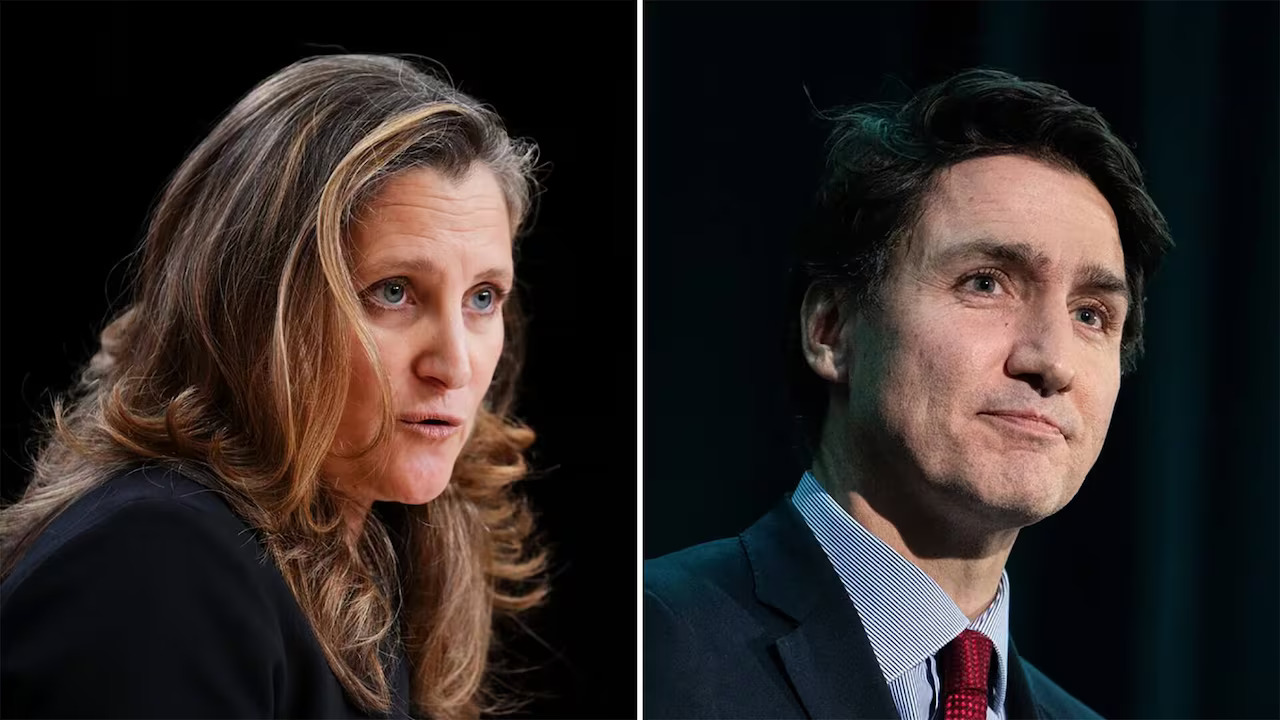
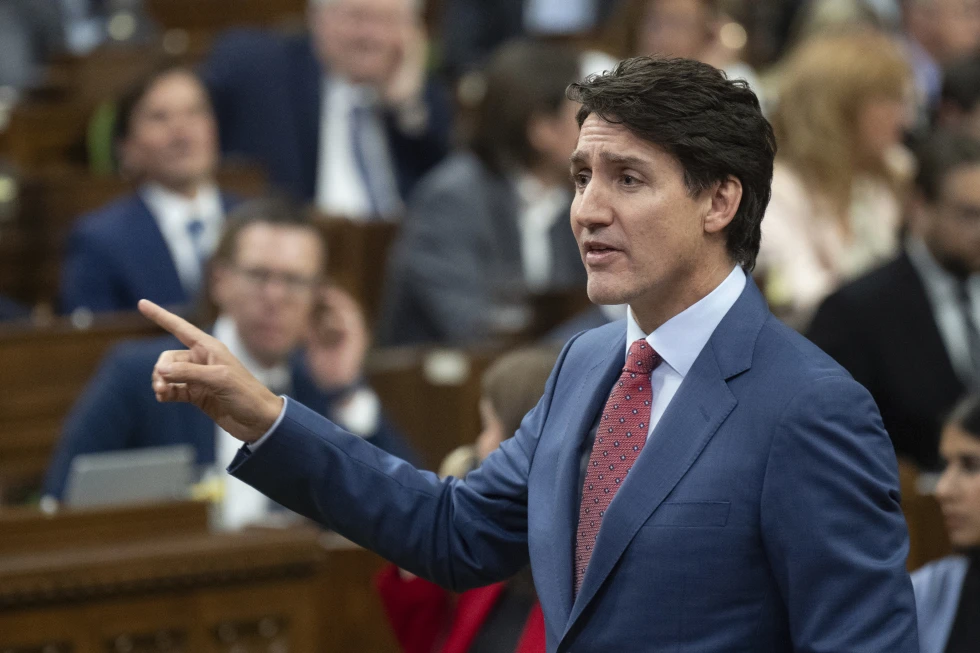
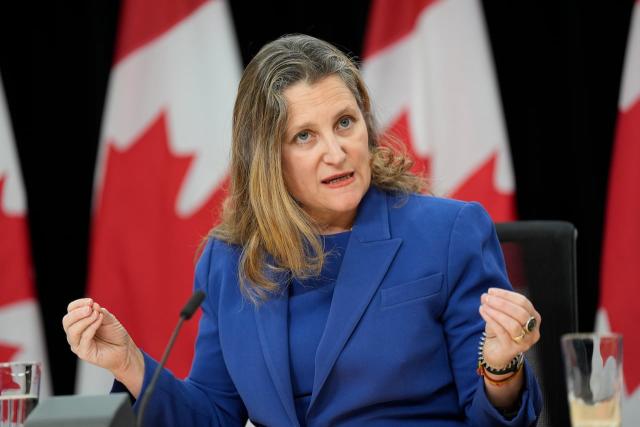
Canadian Prime Minister Justin Trudeau is facing the most significant political challenge of his nearly decade-long tenure after Finance Minister Chrystia Freeland, one of his most trusted and influential cabinet members, resigned on Monday.
The unexpected departure of Freeland, who also served as deputy prime minister, has raised questions about Trudeau’s leadership as his Liberal government grapples with falling popularity, economic pressures, and tense relations with incoming U.S. President-elect Donald Trump.
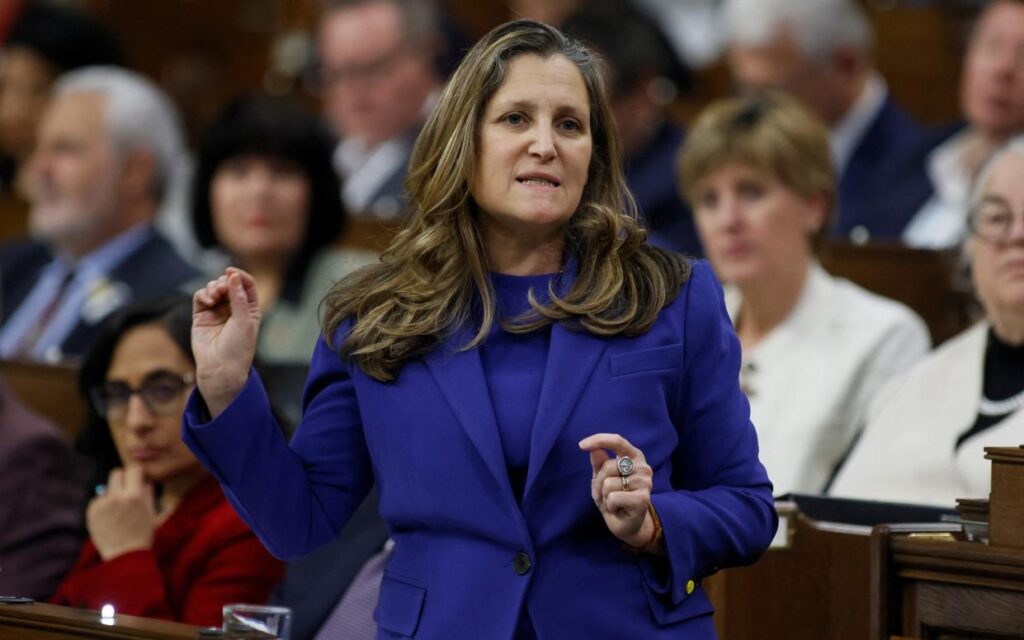
Freeland’s resignation marks a major blow for Trudeau, whose government has struggled to address growing concerns about inflation, immigration, and living costs. Freeland revealed that Trudeau informed her last week he no longer wanted her as finance minister, offering her a different cabinet position. However, she stated in her resignation letter that stepping down was the only “honest and viable path.”
“For the past number of weeks, you and I have found ourselves at odds about the best path forward for Canada,” Freeland wrote, referencing recent disagreements over government spending plans.
Freeland specifically criticized Trudeau’s decision to implement short-term economic measures, such as a two-month sales tax holiday and direct payments of 250 Canadian dollars ($175) to citizens. She argued that Canada needs to prepare for potential economic fallout from Trump’s threats to impose steep 25% tariffs on Canadian exports.
“Our country is facing a grave challenge,” Freeland said. “That means keeping our fiscal powder dry today so we have the reserves we may need for a coming tariff war.”
In response to the resignation, Trudeau swiftly appointed Public Safety Minister Dominic LeBlanc, a close ally and confidant, as the new finance minister. LeBlanc, who recently accompanied Trudeau to a dinner with Trump at Mar-a-Lago, emphasized that his focus will be on addressing Canada’s cost-of-living crisis and finding common ground with the U.S. on border security and economic issues.
Trudeau acknowledged the gravity of the situation, telling supporters, “It’s not been an easy day. This has been one of our toughest moments.” However, he stopped short of addressing calls for his resignation.
The resignation has reignited demands for Trudeau to step aside. Jagmeet Singh, leader of the New Democratic Party (NDP)—whose support has allowed Trudeau’s minority government to stay in power—publicly urged him to resign, stating, “He has to go.”
While the main opposition Conservatives have stopped short of demanding Trudeau’s resignation, they are calling for a federal election. With Parliament set to break for the holidays, a no-confidence vote does not appear imminent. However, Singh warned that “all options are on the table.”
Freeland’s departure signals deeper fractures within the Liberal Party. A Liberal lawmaker, Chad Collins, openly admitted the party’s lack of unity, saying, “There’s still a number of our members that want a change in leadership. I’m one of them. I think the only path forward for us is to choose a new leader.”
Political analysts believe Trudeau’s grip on power is increasingly tenuous. Daniel Béland, a political science professor at McGill University, described Freeland’s resignation as a “political earthquake” that could push the NDP to reconsider its support for the minority government.
“This is clearly a minority government on life support,” Béland added. “It’s hard to know whether this resignation will force the NDP to rethink its strategy.”
Trudeau rose to power in 2015 by channeling the political charisma of his father, former Prime Minister Pierre Trudeau, and promising a progressive vision for Canada. His legacy includes legalizing cannabis, implementing a carbon tax to combat climate change, and opening Canada’s doors to increased immigration.
However, public frustration over rising living costs and other challenges has eroded his popularity. With the next federal election required by October, Trudeau faces mounting pressure from within his party and from opposition forces to step aside.
Amid this crisis, Trudeau has reportedly attempted to recruit Mark Carney, the former head of the Bank of England and Bank of Canada, to join his cabinet. Carney, seen as a potential successor, has long been rumored to have political ambitions. However, LeBlanc’s appointment as finance minister suggests Carney may not enter Trudeau’s government anytime soon.
As Canada braces for potential economic turbulence driven by Trump’s trade threats, Trudeau’s leadership—and his ability to hold the Liberal Party together—will be tested like never before.
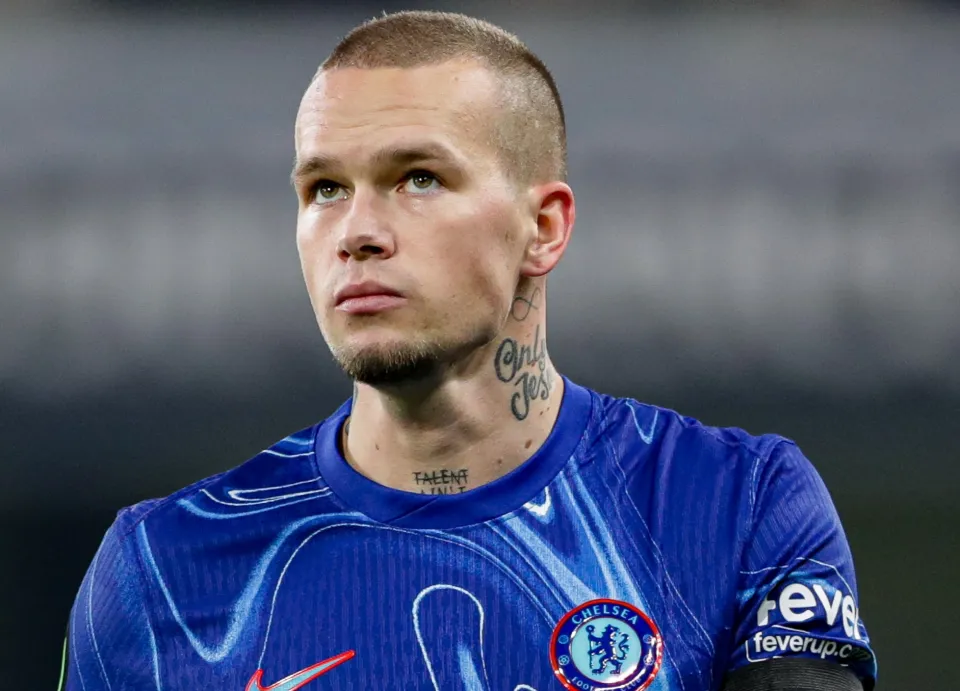
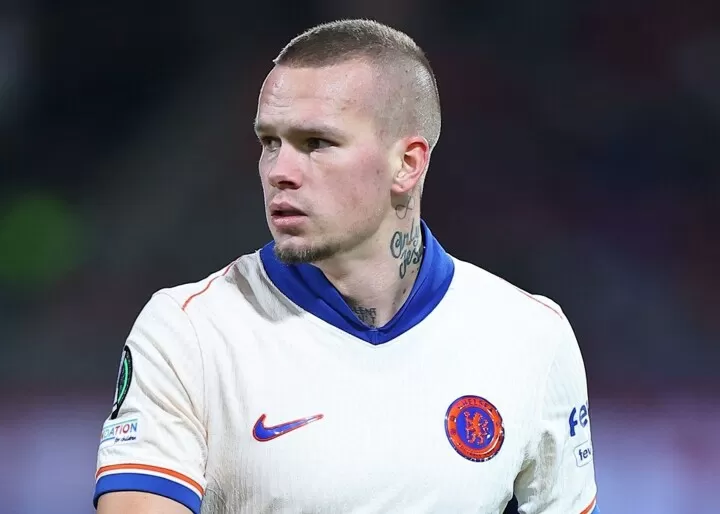
Chelsea winger Mykhailo Mudryk is at risk of receiving a lengthy suspension after a failed drugs test reportedly revealed a banned substance in his system. The 23-year-old has not featured for the Blues since scoring in the Europa Conference League match against Heidenheim and was last included in a matchday squad earlier this month against Aston Villa.
Reports emerging from Mudryk’s native Ukraine initially revealed the news of a failed doping test, which was later confirmed by the club. A second sample has now been requested, with results still pending. Mudryk has strongly denied knowingly taking any prohibited substances.
If his B sample also tests positive, Mudryk could face a ban of up to four years, keeping him off the pitch for a significant period. The development marks a shocking turn for the Ukrainian star, who has faced challenges since his high-profile move to Stamford Bridge.
Chelsea released an official statement addressing the issue:
“Chelsea Football Club can confirm the Football Association recently contacted our player Mykhailo Mudryk concerning an adverse finding in a routine urine test. Both the Club and Mykhailo fully support The FA’s testing programme, and all our players, including Mykhailo, are regularly tested. Mykhailo has confirmed categorically that he has never knowingly used any banned substances. Both Mykhailo and the Club will now work with the relevant authorities to establish what has caused the adverse finding. The Club will not be commenting any further.”
Mudryk himself addressed the situation on social media, stating:
“I can confirm that I have been notified that a sample I provided to The FA contained a banned substance. This has come as a complete shock as I have never knowingly used any banned substances or broken any rules, and I am working closely with my team to investigate how this could have happened. I know that I have not done anything wrong and remain hopeful that I will be back on the pitch soon. I cannot say any more now due to the confidentiality of the process, but I will as soon as I can.”
Reports indicate that Mudryk has been provisionally suspended by The Football Association while investigations continue, though the FA has declined to comment further. Ukrainian media claim that the banned substance detected in the sample was meldonium, the same drug that led to Maria Sharapova’s suspension in 2016.
Mudryk’s time at Chelsea has been turbulent since his January 2023 transfer from Shakhtar Donetsk in a deal worth up to £89 million. Despite high expectations, the forward has struggled to find consistent form or secure a regular starting role, underperforming amidst frequent managerial changes at the club.
The transfer saga saw Mudryk initially favoring a move to Arsenal before the Blues secured his signature, reportedly leaving the player ‘devastated’ by the failed Emirates move.
As the investigation continues, Mudryk’s future remains uncertain, with both the club and player eager to clarify the circumstances behind the positive test. The outcome of the second sample and further proceedings with the FA will ultimately determine his fate.
Super Eagles forward Ademola Lookman was crowned the African Player of the Year at the 2024 CAF Awards held in Marrakech, Morocco. The prestigious recognition came alongside Nigeria’s continued dominance, with goalkeeper Chiamaka Nnadozie retaining the Goalkeeper of the Year title and the Super Falcons winning Women’s National Team of the Year.
Lookman became the seventh Nigerian to claim the top prize, maintaining the nation’s legacy in the category following Victor Osimhen’s win in 2023. The Atalanta striker’s outstanding performances this year included three goals and two assists during Nigeria’s campaign to reach the Africa Cup of Nations (AFCON) final in February. Additionally, Lookman’s memorable hat-trick secured Atalanta’s UEFA Europa League title against Bayer Leverkusen in May.
The 26-year-old forward has continued his impressive form this season, netting 11 goals and providing five assists in 18 appearances across all competitions, including a highlight goal against Real Madrid in the UEFA Champions League.
Lookman’s closest competition came from Ivory Coast’s Simon Adingra, whose standout AFCON final performance helped secure victory over Nigeria. Guinea’s Serhou Guirassy, South African goalkeeper Ronwen Williams, and Morocco’s Achraf Hakimi were also in contention for the award.
With Lookman’s victory, Nigeria now boasts seven CAF Player of the Year titles, surpassing Ivory Coast. Past Nigerian winners include Rashidi Yekini (1993), Emmanuel Amuneke (1994), Nwankwo Kanu (1996, 1999), Victor Ikpeba (1997), and Victor Osimhen (2023). Cameroon leads the standings with 11 titles overall.
In the women’s category, Chiamaka Nnadozie defended her Goalkeeper of the Year award after an exceptional year. The Paris FC shot-stopper played a key role in securing Nigeria’s qualification for the Women’s Olympic Football Tournament, marking their return after a 16-year absence. Nnadozie beat South Africa’s Andile Dlamini and Morocco’s Khadija Er-Rmichi for the honor.
However, Zambia’s Barbara Banda won the Women’s Player of the Year award, ending Asisat Oshoala’s reign. Oshoala, who claimed a record sixth title last year, was unable to retain the crown.
The Super Falcons’ recognition as Women’s National Team of the Year highlighted a successful campaign that saw them maintain their position as Africa’s top-ranked team in the FIFA rankings. Nigeria Football Federation President Ibrahim Gusau accepted the award and dedicated it to First Lady Oluremi Tinubu.
The Super Eagles narrowly missed out on the Men’s National Team of the Year award, which went to AFCON champions Ivory Coast. South Africa’s Bafana Bafana were also nominated in the category.
In other major awards, Egypt’s Al Ahly claimed the Men’s Club of the Year honor, while DR Congo’s TP Mazembe won the Women’s Club of the Year title, edging out Nigeria’s Edo Queens.
Senegal’s Lamine Camara retained the Men’s Young Player of the Year award, while Egypt’s Doha El Madani won the women’s category, overcoming competition from Nigeria’s Chiamaka Okwuchukwu.
South Africa’s Ronwen Williams completed a notable double by winning the Men’s Goalkeeper of the Year and the Interclub Player of the Year awards. Morocco’s Sanaa Mssoudy took home the Women’s Interclub Player of the Year award.
Ivory Coast’s Emerse Faé was named Men’s Coach of the Year after leading the Elephants to AFCON glory, while Lamia Boumehdi of TP Mazembe received the Women’s Coach of the Year award.
To cap off the evening, Angola’s Cristovao Mabululu earned the Goal of the Year award.
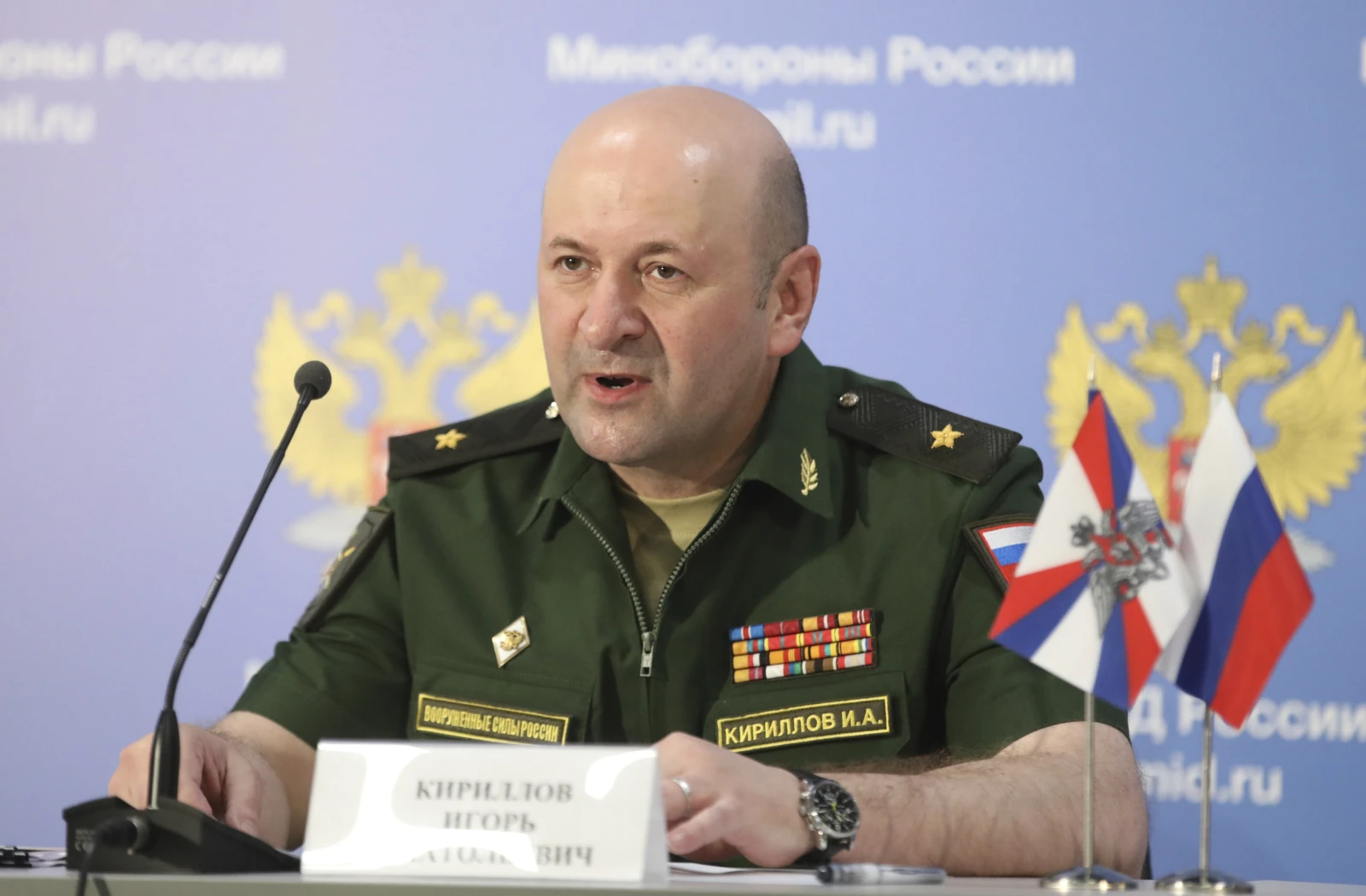
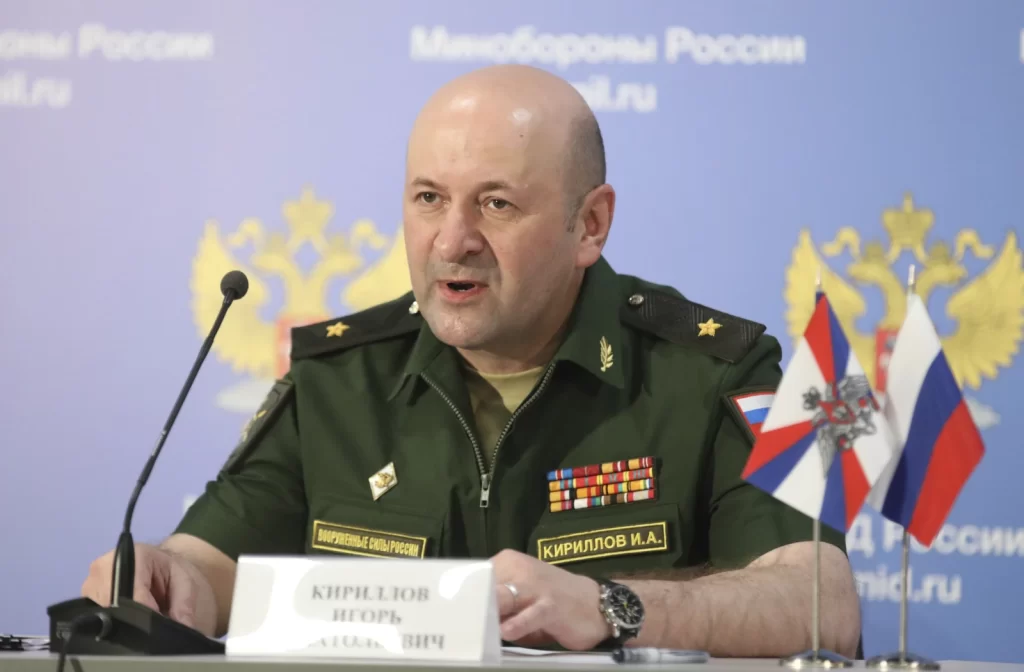
A senior Russian general was killed Tuesday in a bomb attack outside his apartment building in Moscow, just a day after Ukraine’s Security Service (SBU) accused him of overseeing chemical weapons use during the Ukraine war.
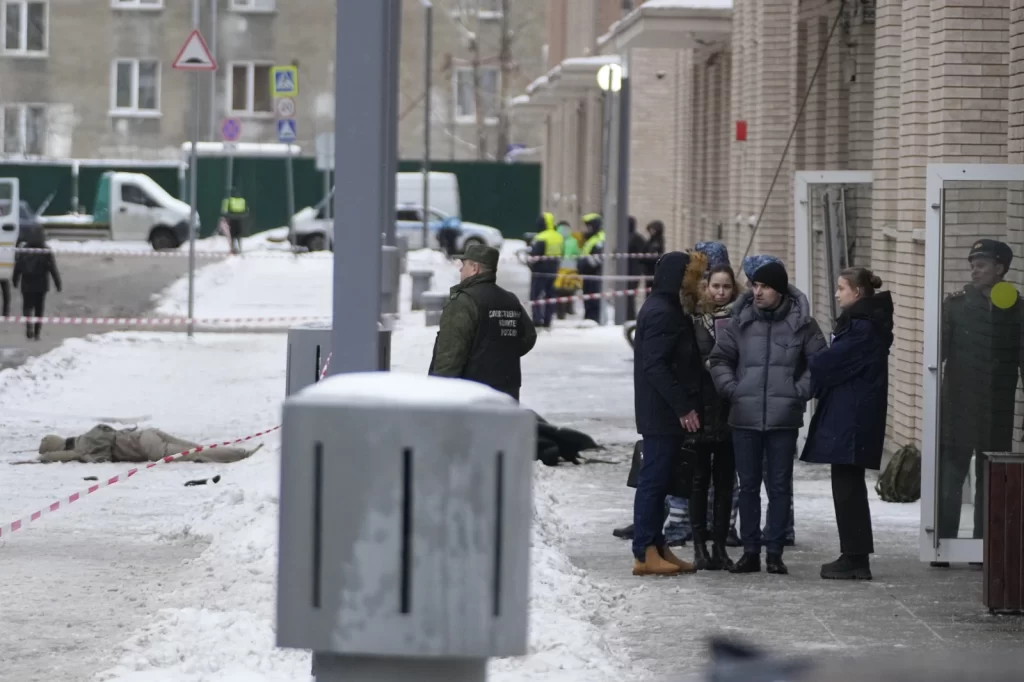
Lt. Gen. Igor Kirillov, head of Russia’s military nuclear, biological, and chemical protection forces, was killed as he left for work. His assistant also died in the explosion. The bomb, reportedly hidden inside a scooter, was detonated remotely, according to Russian media reports.
Ukraine’s Security Service confirmed it was behind the attack. A source within the agency, who spoke on condition of anonymity, called Kirillov a war criminal and a legitimate target. The official referenced accusations that Kirillov directed the use of banned chemical weapons on Ukrainian battlefields.
The SBU has claimed to have recorded over 4,800 instances of Russia using chemical agents since the full-scale invasion of Ukraine began in February 2022. The U.S. State Department also reported in May that Russian forces had deployed chloropicrin, a poisonous gas first used during World War I, against Ukrainian troops.
Russia’s Investigative Committee opened a terrorism investigation into Kirillov’s death. Top officials in Moscow condemned the attack and vowed retribution. Dmitry Medvedev, deputy chairman of Russia’s Security Council, described the bombing as an attempt by Ukraine to distract from its military setbacks and warned that Kyiv’s leadership would face inevitable consequences.
Kirillov, who had led Russia’s chemical and biological forces since 2017, became one of the country’s most prominent voices in accusing Ukraine of using toxic agents and planning radiological attacks. Ukrainian officials, along with Western allies, have repeatedly dismissed those claims as unfounded propaganda.
The bombing of Kirillov follows a series of targeted killings linked to the Russia-Ukraine conflict. In 2022, Darya Dugina, daughter of Kremlin ideologue Alexander Dugin, died in a car bombing near Moscow. Earlier in 2023, prominent military blogger Vladlen Tatarsky was killed by an explosive device in St. Petersburg. In December 2023, former Ukrainian lawmaker Illia Kiva, who had defected to Russia, was shot dead outside Moscow, while another attack in Russian-occupied Donetsk targeted Sergei Yevsyukov, a figure tied to a deadly prison strike involving Ukrainian prisoners of war.
Kirillov’s death comes amid a period of intensified fighting in Ukraine, with Russia continuing its offensive in the Donetsk region despite significant battlefield losses. Ukraine has tried to counter with operations on Russian soil, including in the Kursk region, but the conflict remains defined by slow territorial shifts.
The attack underscores the rising tensions and the ongoing pattern of high-profile assassinations tied to the war between Russia and Ukraine.
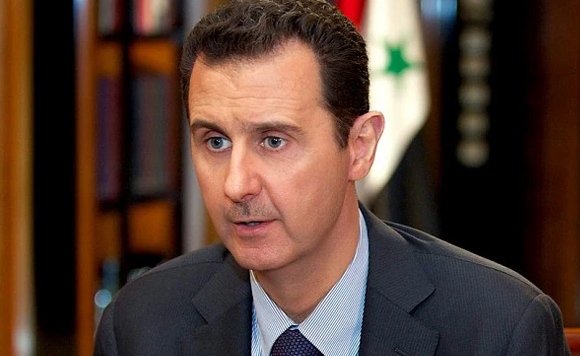
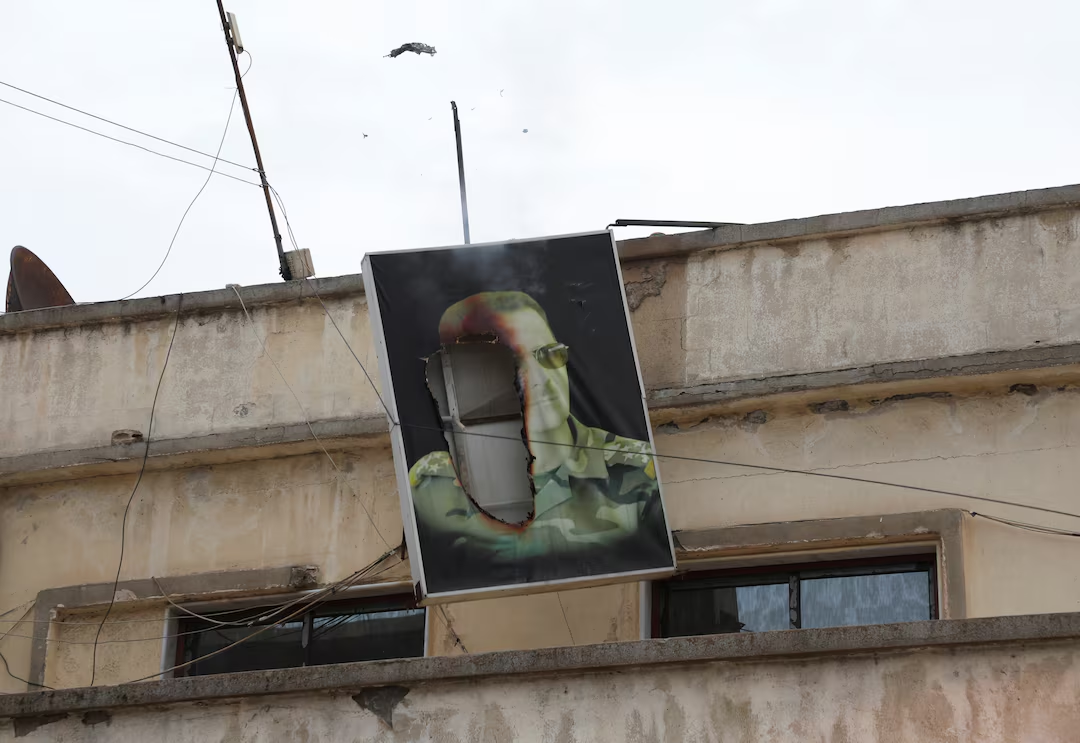
Former Syrian President Bashar al-Assad has released his first statement since his overthrow, describing his dramatic December 8 evacuation to Russia amid a drone attack on the Hmeimim base, following the collapse of his forces’ resistance to advancing rebels.
Writing from Moscow on December 16, Assad detailed how he remained in Damascus until rebel forces infiltrated the capital, prompting his relocation to Latakia to coordinate with Russian allies. Upon reaching the Hmeimim base, he learned of his military’s complete withdrawal from all battle positions.
The statement, published via the Syrian presidency’s Telegram channel, contradicts reports that Assad had planned his departure, insisting he never considered stepping down or seeking refuge. The former leader’s evacuation to Russia was ultimately necessitated by intensifying drone strikes on the base.
The development marks the end of more than five decades of Assad family rule, toppled by a lightning offensive led by Islamist group Hayat Tahrir al-Sham. Reuters investigations indicate Assad maintained extreme secrecy about his evacuation plans, keeping even close associates and family members uninformed.
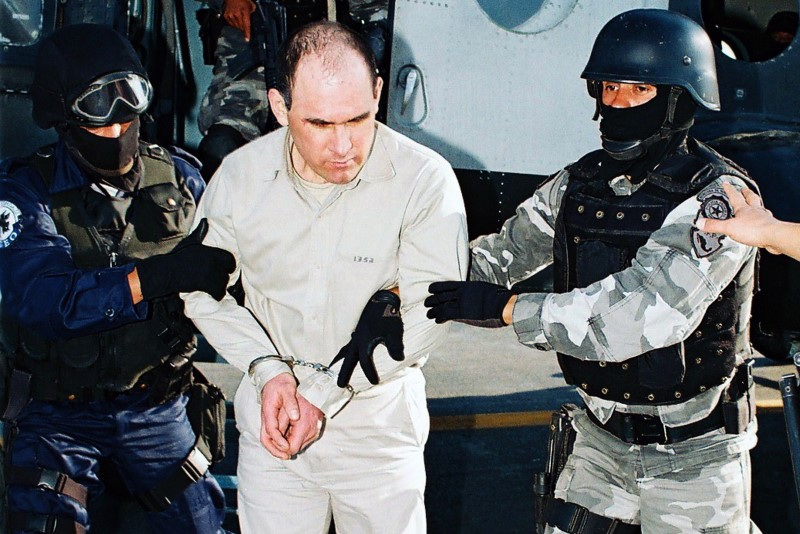
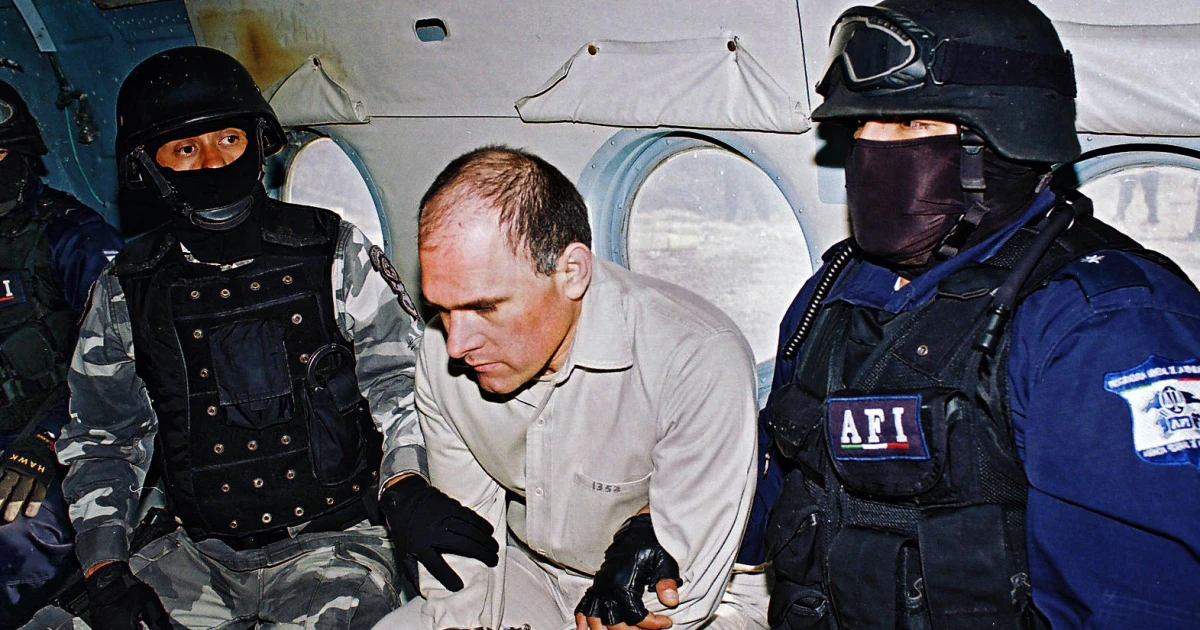
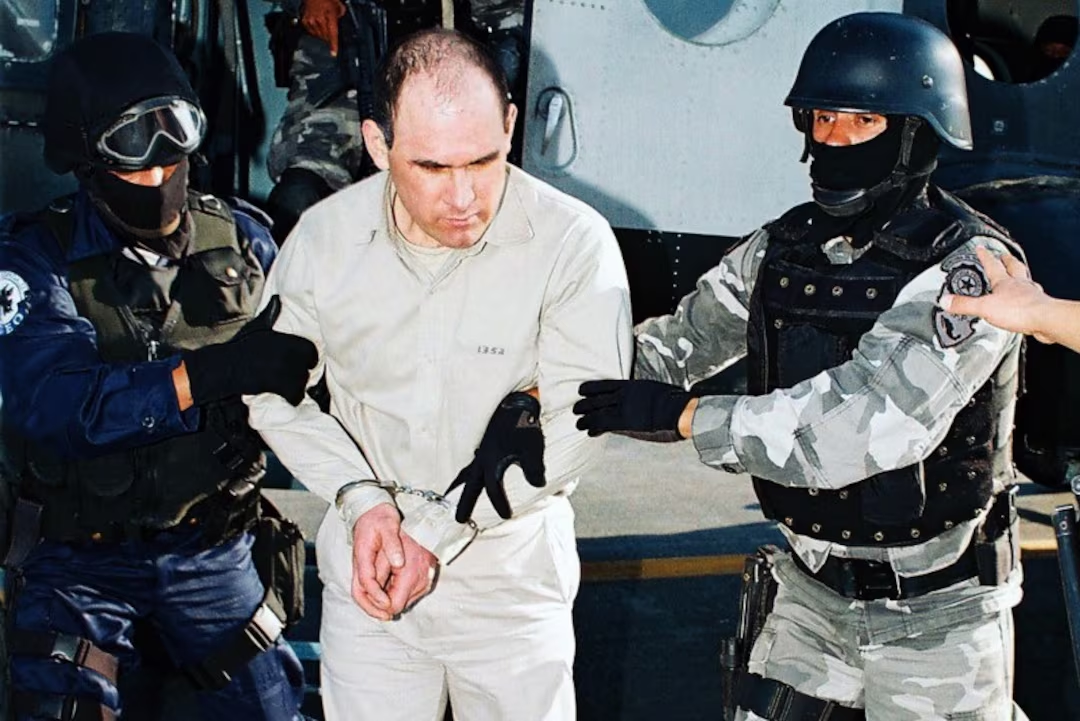
FILE PHOTO: Suspected Gulf cartel boss Osiel Cardenas (C) is escorted by members of Mexico's Federal Agency of Investigations in Mexico City in this handout photo taken January 20, 2007. REUTERS/Attorney General's office/Handout/File Photo
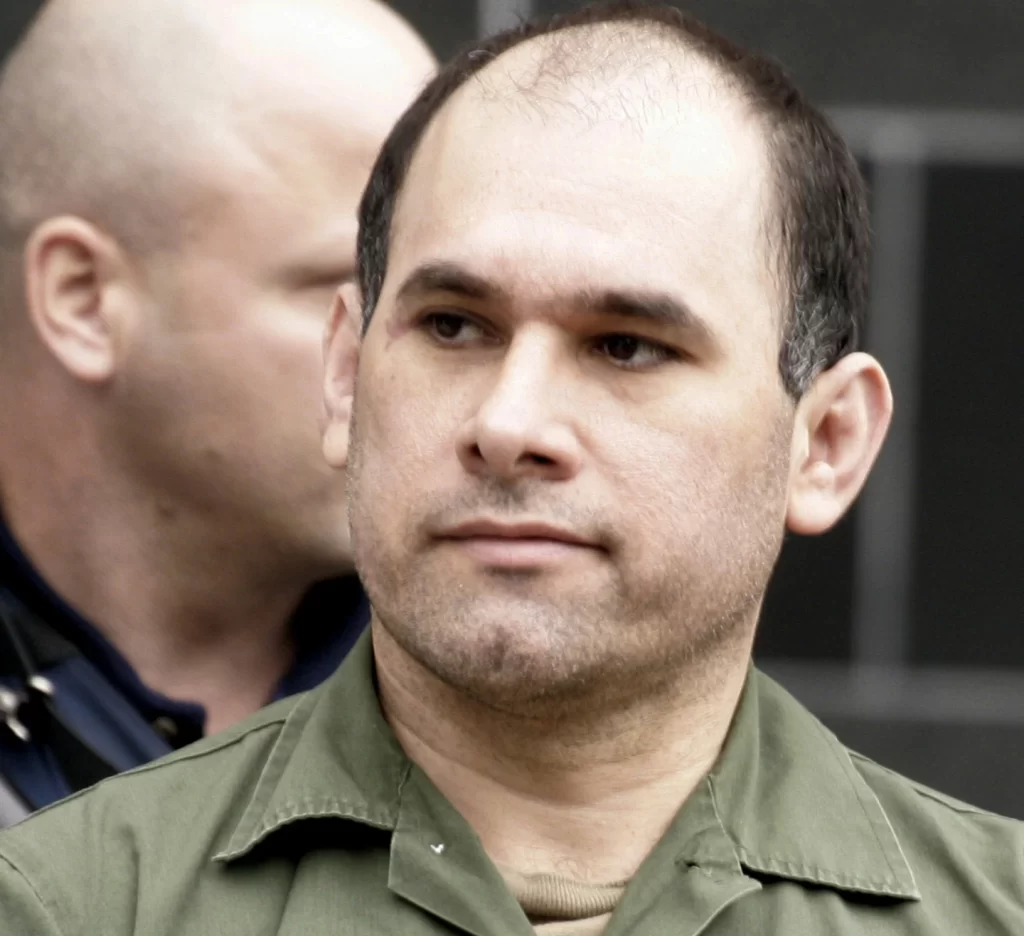
Notorious drug lord Osiel Cárdenas Guillén, former leader of Mexico’s feared Gulf cartel, was returned to Mexico after serving 14 years of a 25-year sentence in the United States. Upon his arrival, he was immediately re-arrested and transferred to a maximum-security prison to face additional charges in Mexico.
The U.S. Homeland Security Department confirmed Cárdenas Guillén’s deportation on Monday via social media, sharing images of him being escorted by heavily armed officers across a border bridge. The photos revealed a stark contrast to his once fearsome reputation—now appearing older, balding, and bespectacled.
A Mexican federal official, speaking anonymously, said Cárdenas Guillén is facing charges of drug trafficking, organized crime, and money laundering. Following his re-arrest, he was immediately transferred to Mexico’s Altiplano maximum-security prison, located west of Mexico City.
Cárdenas Guillén, a native of Matamoros, Mexico, led the Gulf cartel during its peak, where he amassed millions of dollars by moving tons of cocaine across the border. Known for his brutality and violent tactics, he was responsible for creating the notorious Zetas, a paramilitary group that later became infamous for their ruthless violence and widespread killings, including innocent civilians and migrants.
Cárdenas Guillén’s reign as leader of the Gulf cartel made him one of the most feared figures in Mexico’s criminal underworld. Before his 2007 extradition to the United States, he controlled drug routes across northeastern Mexico, primarily in the border cities of Reynosa and Matamoros.
His sentencing in the U.S. marked a significant blow to the cartel, though the group’s splinter factions and the Zetas continued to wreak havoc in the years that followed.
Now 57 years old, Cárdenas Guillén’s return to Mexico sparked concerns among officials over potential cartel violence or attempts to regain power. However, his swift re-arrest ensures he remains under strict custody while Mexican authorities pursue justice for his past crimes.
Key Facts:
– Osiel Cárdenas Guillén served 14 years of a 25-year sentence in U.S. custody.
– He was deported to Mexico, where he faces charges of drug trafficking, organized crime, and money laundering.
– Cárdenas Guillén was transferred to the Altiplano maximum-security prison.
– Known for his brutality, he founded the infamous Zetas, Mexico’s most violent cartel offshoot.