Home Blog Page 628

Three Men Face U.S. Federal Drug Distribution Charges

Three men from Lawrence, Massachusetts, have been arrested on federal charges of conspiracy to distribute and possess with intent to distribute controlled substances, Acting U.S. Attorney Joshua S. Levy announced Tuesday.

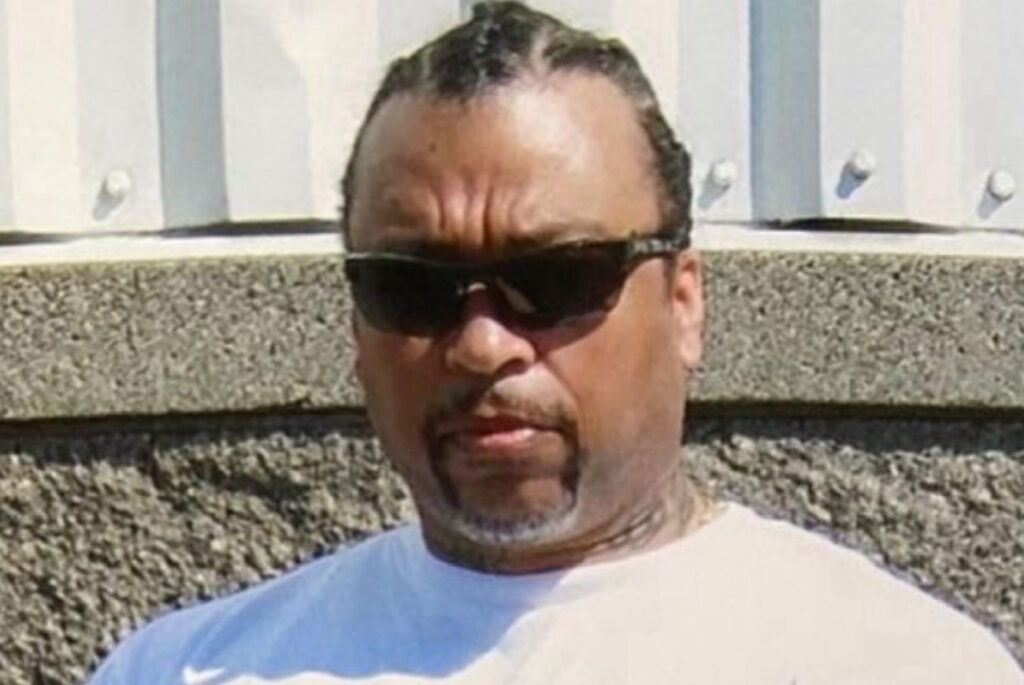
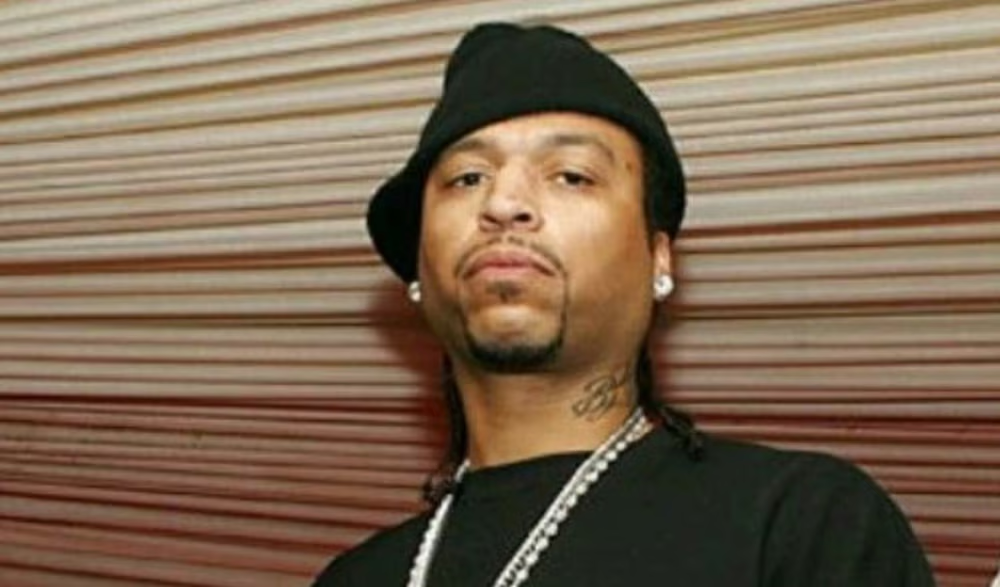
Ronald Odelyn Tejeda, 38, Erick Pimentel-Cabrera, 27, and Carlos M. Rodriguez, 36, were charged following an investigation that uncovered large quantities of fentanyl pills and crystal methamphetamine.

Pimentel-Cabrera and Rodriguez made their initial appearances in federal court in Boston on Tuesday, while Tejeda is scheduled to appear at a later date.

According to charging documents, investigators became aware of Tejeda allegedly selling fentanyl pills in the Lawrence area. Several controlled purchases in August and September 2024 resulted in the seizure of over 5,000 pills.

In September 2024, authorities observed Tejeda and Pimentel-Cabrera engaging in suspected drug activity at a residence shared by Pimentel-Cabrera and Rodriguez.

A search of the residence in October 2024 yielded approximately four pounds of suspected crystal methamphetamine, 30,000 pressed pills suspected to contain fentanyl, 5,000 pressed pills suspected to contain methamphetamine, various amounts of suspected powder fentanyl, pill presses, three firearms, and U.S. currency.

The charge of conspiracy to distribute and possess with intent to distribute controlled substances carries a potential sentence of up to 20 years in prison, three years to life of supervised release, and a fine of up to $1 million.

Acting Special Agent in Charge Stephen P. Belleau of the Drug Enforcement Administration’s New England Field Division joined in announcing the arrests. The investigation received assistance from Homeland Security Investigations and the Lawrence Police Department.

Assistant U.S. Attorney Annapurna Balakrishna of the Narcotics and Money Laundering Unit is prosecuting the case.

The charges in the documents are allegations, and the defendants are presumed innocent unless proven guilty beyond a reasonable doubt in court.

Qantas Apologizes for Screening Explicit Movie on Sydney-Tokyo Flight

Australian airline Qantas has issued a formal apology following an incident last week where an R-rated movie was inadvertently played on all screens during a flight from Sydney to Tokyo’s Haneda Airport. The mishap, attributed to technical issues, has raised questions about in-flight entertainment protocols and passenger comfort.

The film in question, “Daddio,” is known for its mature content, including profanity, sexual material, and brief graphic nudity. Passengers reported that the movie was impossible to pause, dim, or turn off, leading to widespread discomfort, especially for families with children onboard.

A passenger, who shared their experience on Reddit, described the situation as “extremely inappropriate.” They noted, “It featured graphic nudity and a lot of sexting — the kind where you could literally read the texts on screen without needing headphones.” The concerned traveler added that it took nearly an hour before the airline switched to a more family-friendly option.

Qantas acknowledged the error in a statement, saying, “The movie was clearly not suitable to play for the whole flight, and we sincerely apologize to customers for this experience.” The airline explained that due to technical issues, individual movie selection was unavailable, necessitating the choice of a single film for the entire flight based on requests from some passengers.

The incident highlights the challenges airlines face in managing in-flight entertainment systems and content selection. Qantas emphasized that their standard practice in such rare cases where individual selection is impossible is to show family-friendly content. “All screens were changed to a family-friendly movie for the rest of the flight,” the airline stated, adding that they are reviewing their movie selection process to prevent similar occurrences in the future.

The X-rated movie

This event has sparked discussions about the responsibility of airlines in curating appropriate content for diverse passenger groups and the need for robust systems to manage technical glitches in in-flight entertainment. It also underscores the potential for passenger discomfort and dissatisfaction when such mishaps occur during long-haul flights.

The incident on the Sydney-Tokyo route, a popular connection between Australia and Japan, could potentially impact Qantas’s reputation on this key international route. As airlines increasingly rely on in-flight entertainment as a competitive differentiator, ensuring appropriate content and reliable systems becomes crucial for maintaining passenger satisfaction and loyalty.

Aviation experts suggest that this incident might prompt other airlines to review their own protocols for managing in-flight entertainment systems during technical failures. It also raises questions about the balance between offering diverse, adult-oriented content and ensuring a comfortable environment for all passengers, including families with children.

Afghan National in Oklahoma Charged with Planning ISIS-Inspired Election Day Terror Attack

Federal prosecutors have charged Nasir Ahmad Tawhedi, a 27-year-old Afghan national residing in Oklahoma City, with conspiring to carry out a terrorist attack on behalf of the Islamic State (ISIS) terrorist group. The planned attack was reportedly set to occur on Election Day, November 5, according to court documents unsealed on Tuesday.

Nasir Ahmad Tawhedi was allegedly filmed reading to children a text that glorified martyrdom

Tawhedi was arrested on Monday and faces charges of conspiracy and attempting to provide material support to ISIS, as well as acquiring firearms and ammunition to execute a violent attack in the United States on behalf of the terrorist organization. He made his initial appearance on Tuesday before U.S. Magistrate Judge Suzanne Mitchell in the federal courthouse in Oklahoma City.

The arrest came after Tawhedi and a juvenile co-conspirator, described as an Afghan citizen with legal permanent resident status, met with two confidential human sources and an undercover FBI agent. The meeting, which took place at a rural location in the Western District of Oklahoma, was arranged for the purchase of rifles, magazines, and ammunition intended for the planned attack.

Court documents reveal that Tawhedi had indicated in seized communications his intention to carry out the attack on Election Day. In a post-arrest interview, he reportedly confirmed that the attack was meant to target large gatherings, with both he and his juvenile co-conspirator expecting to die as martyrs in the process.

Attorney General Merrick Garland issued a statement on Tuesday, emphasizing the Justice Department’s commitment to “combat the ongoing threat that ISIS and its supporters pose to America’s national security.” Garland added that the department would “identify, investigate, and prosecute the individuals who seek to terrorize the American people.”

The investigation uncovered several preparatory actions taken by Tawhedi. These included efforts to liquidate his family’s assets, plans to resettle family members in Afghanistan, and attempts to obtain AK-47 assault rifles and ammunition. Google records showed that Tawhedi had viewed and saved ISIS propaganda, and in July, he conducted searches related to accessing Washington D.C. cameras and U.S. states with permitless carry gun laws.

Court documents also allege that in late August, Tawhedi and his co-conspirator tried to liquidate family assets, including property in Moore, Oklahoma, which is currently under contract and pending sale. They also attempted to sell the family’s two cars, electronics, and other assets.

This arrest comes at a time of heightened concerns about potential political violence surrounding the upcoming election. President Joe Biden recently expressed confidence in the election being “free and fair” but was less certain about whether it would be “peaceful.” Both Biden and Vice President Kamala Harris have condemned political violence, particularly in light of two recent assassination attempts against former President Donald Trump.

The case emphasizes the ongoing threat posed by ISIS, both domestically and abroad. In June, eight men from Tajikistan with potential links to ISIS were arrested in various U.S. cities. Additionally, U.S. military operations against ISIS continue, with a recent operation in Iraq resulting in the death of at least 15 ISIS fighters, including leadership members.

U.S. Central Command reported that in the first half of the year, ISIS claimed responsibility for 153 attacks in Iraq and Syria, projecting that the terrorist group was on track to more than double its total claimed attacks compared to 2023.

Elon Musk’s X Resumes Operations in Brazil After Complying with Supreme Court Demands

Brazil’s Supreme Court has authorized the social media platform X, formerly known as Twitter, to resume operations in the country. The decision comes after the platform, owned by billionaire Elon Musk, reversed its earlier stance and began complying with court rulings that Musk had previously vowed to resist.

Supreme Court Justice Alexandre de Moraes, who had been embroiled in a months-long feud with Musk, gave X the green light to resume operations in Latin America’s largest country, effective immediately. In his Tuesday decision, Moraes stated that X had met all the necessary requirements to restart its operations in Brazil.

The conflict between Musk and the Brazilian judiciary escalated when the tech mogul denounced court orders as censorship and labeled Moraes a “dictator.” However, Musk began to shift his position in recent weeks. X started blocking accounts flagged by the court, appointed a local representative, and paid pending fines.

Moraes’ decision instructs Brazil’s telecommunications regulator, Anatel, to facilitate X’s return to online operations within 24 hours. As of 7 p.m. local time on Tuesday, users in Brazil were still unable to access the platform.

X, through its Global Affairs account, expressed pride in returning to Brazil, adding that it would “continue to defend freedom of speech, within the boundaries of the law” in countries where it operates.

The dispute in Brazil is one of several recent confrontations between Musk, who sees himself as a champion of free speech, and governments worldwide, including Australia and the United Kingdom, seeking to curb the spread of online misinformation.

Brazil’s Communication Minister, Juscelino Filho, hailed X’s decision to pay fines and comply with court orders as a “victory for the country.” He stated, “We showed the world that here our laws should be respected, by whomever it may be.”

The initial suspension of X came after an individual ruling by Moraes, who has led a local campaign against perceived attacks on democracy and the political use of disinformation. His ruling was later unanimously supported by a five-member panel of the Supreme Court and its chief justice.

Brazilian President Luiz Inácio Lula da Silva also backed the move, asserting that businesses operating in Brazil must adhere to local laws and that the world was “not obliged to put up with Musk’s far-right ideology just because he is rich.”

Brazil represents X’s sixth-largest market globally, with approximately 21.5 million users as of April, according to data platform Statista. During the platform’s suspension, many users migrated to rival platforms such as Bluesky and Meta Platforms-owned Threads.

X had maintained legal representation in Brazil until mid-August when it decided to close its offices in the country due to what it termed “censorship orders” from the court. This decision ultimately led to the suspension, in a legal battle that also affected Musk’s satellite internet provider, Starlink, whose accounts Moraes temporarily froze to cover fines imposed on X.

The company appointed a new representative, lawyer Rachel de Oliveira Conceição, in late September, coinciding with X’s announcement that it had begun blocking accounts as ordered by the court. Earlier this month, the firm paid pending fines it had previously contested, paving the way for its reinstatement in the country.

The suspension meant X was unavailable in Brazil during the final month of the country’s municipal elections, which concluded on Sunday. However, in many cities, including São Paulo, Latin America’s largest city, mayoral elections will proceed to run-offs on October 27.

REUTERS

Netanyahu Says Israel Has Eliminated Hezbollah Leader’s Successors Amid Escalating Conflict

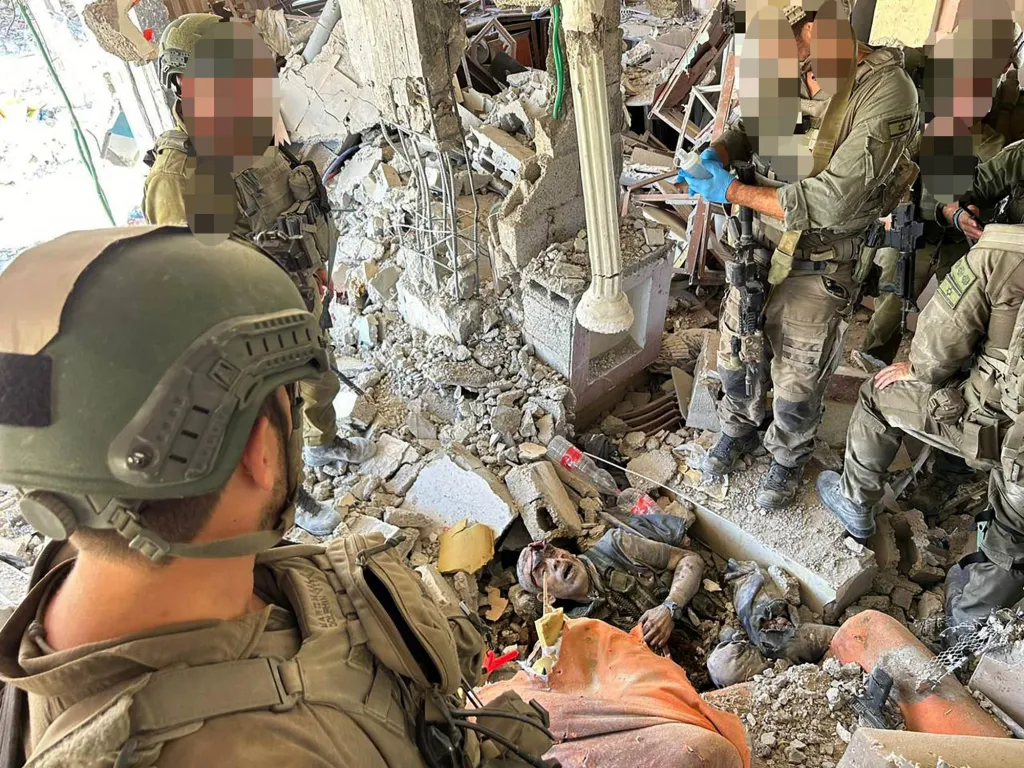
Israeli Prime Minister Benjamin Netanyahu announced on Tuesday that Israeli airstrikes have killed two successors to slain Hezbollah leader Hassan Nasrallah, as Israel expands its ground offensive in southern Lebanon with the deployment of a fourth army division.

Eliminated!

Netanyahu’s statement, released via video from his office, came hours after Hezbollah’s deputy leader, Naim Qassem, suggested openness to a negotiated ceasefire. The Iran-backed group has been reeling from a series of Israeli airstrikes that have killed several senior commanders.

“We’ve degraded Hezbollah’s capabilities. We took out thousands of terrorists, including Nasrallah himself and Nasrallah’s replacement, and the replacement of the replacement,” Netanyahu stated, without naming the latter two individuals.

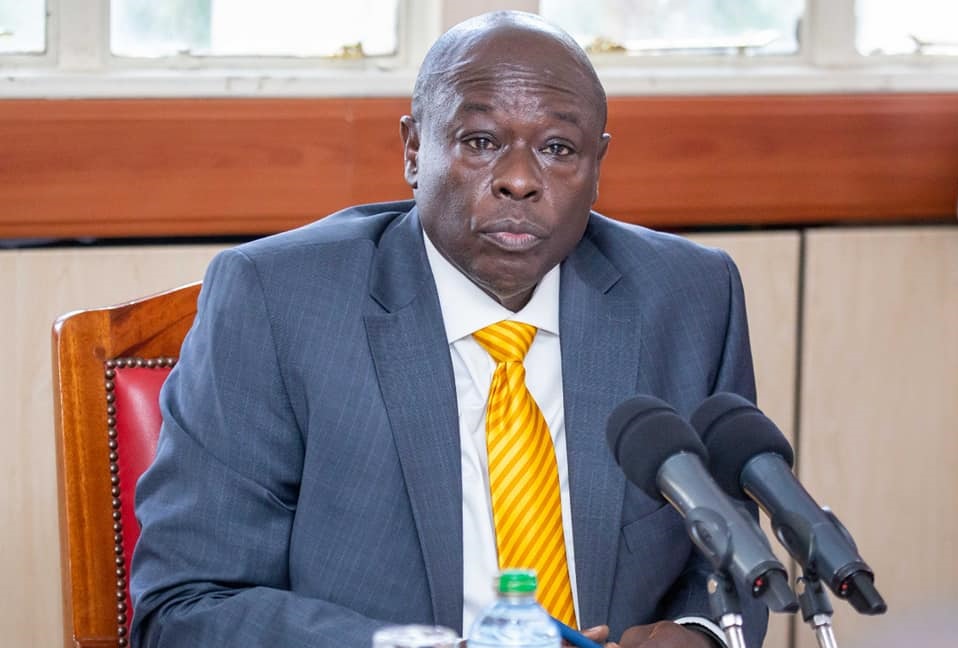
Israeli Defense Minister Yoav Gallant further claimed that Hashem Safieddine, widely expected to succeed Nasrallah, had likely been “eliminated.” However, Israeli military spokesman Daniel Hagari later clarified that Safieddine’s status was “being checked” following an airstrike on Hezbollah’s intelligence headquarters last week.

The Israeli military reported that heavy airstrikes against underground Hezbollah installations in southern Lebanon over the past 24 hours had killed at least 50 fighters, including six sector commanders and regional officials.

Amid the escalating conflict, Hezbollah’s deputy leader Naim Qassem expressed support for ceasefire attempts in a televised speech. Notably, he did not mention the end of the war in Gaza as a precondition for halting combat in Lebanon, a departure from previous statements.

The U.S. State Department spokesperson Matthew Miller suggested that Hezbollah’s apparent shift towards seeking a ceasefire indicates the group is “on the back foot and is getting battered” on the battlefield.

However, Qassem maintained that Hezbollah’s capabilities remain intact despite “painful blows” from Israel, stating, “Dozens of cities are within range of the resistance’s missiles. We assure you that our capabilities are fine.”

The conflict has sparked concerns of wider regional instability. Iran, a sponsor of both Hezbollah and Hamas, warned Israel against following through on threats of retaliation for recent missile attacks. Iranian officials cautioned Gulf states against allowing their airspace to be used for potential strikes against Iran.

As tensions escalate, Western powers are seeking diplomatic solutions to prevent the conflict from engulfing the broader, oil-producing Middle East. The Pentagon announced the cancellation of Israeli Defense Minister Gallant’s planned visit to Washington and meeting with U.S. Defense Secretary Lloyd Austin.

The situation remains fluid, with both sides hinting at the possibility of negotiations while continuing military operations. The coming days will be crucial in determining whether diplomatic efforts can succeed in de-escalating the conflict or if the region will face further military confrontation.

Dominican Republic Deports Nearly 11,000 Haitians in Mass Deportation Campaign

The Dominican Republic has reported the deportation or repatriation of nearly 11,000 Haitians in the past week, fulfilling its pledge to expel up to 10,000 Haitians weekly. This mass deportation campaign, the largest in recent history, comes as neighboring Haiti grapples with escalating gang violence and severe poverty.

The Dominican government announced the deportation figures on Tuesday, citing an “excess” of immigrants as the reason for the aggressive action. This move has further strained relations between the two countries sharing the island of Hispaniola.

In response to the deportations, Haitian officials have requested an emergency meeting at the Organization of American States (OAS). Gandy Thomas, Haiti’s permanent representative to the OAS, characterized the deportations as “a strategy of ethnic cleansing” and “a discriminatory campaign against Haitians due to their nationality and color of their skin.”

Thomas called for dialogue and a “respectful solution,” warning that the deportations would “worsen the fragility of our infrastructure while the deportees will arrive with no support, no resources and no ties to their community.”

Dominican Foreign Minister Roberto Álvarez defended his country’s actions, stating that Haiti’s crisis is disproportionately affecting the Dominican Republic. He claimed that migrants are overwhelming schools, clinics, and hospitals.

The mass deportations have led to an increase in abandoned children across the Dominican Republic, according to William Charpentier, coordinator for the Dominican-based National Coalition for Migrations and Refugees. He reported instances of parents being deported while their children are left behind, even while in school.

Charpentier characterized the deportations as “a type of persecution against Black people, against everything they presume to be Haitian.” He also alleged that even individuals with legal documents are being detained and deported, a practice that activists claim has occurred in previous years.

Allegations of extortion have surged amid the deportations. Ocicle Batista, a 45-year-old Haitian migrant selling avocados in Santo Domingo, accused soldiers of demanding $230 to $330 from migrants to avoid deportation, “even when they have their papers in hand.”

Luis Rafael Lee Ballester, the Dominican Republic’s migration director, asserted that human rights are being respected and that proportional force is used during arrests. He stated that those with documents were detained because they did not have “reliable identification” to justify their presence in the country.

From October 1-7, the Dominican government reported that 7,591 people were deported and 3,323 repatriated, all of whom were identified as Haitian.

The situation has prompted urgent meetings among Haitian officials, who have established a working group to handle the influx of migrants and their needs. Haitian Prime Minister Garry Conille condemned the deportations on social media, calling them “a violation of the fundamental principles of human dignity.”

As the crisis unfolds, both countries have called for dialogue. However, the Dominican Republic has made it clear that it does not intend to halt deportations, despite international concerns and the humanitarian implications for Haiti, a country already struggling with multiple crises.

At Least 10 Dead, Others Missing in Zambia Mine Collapse

A mine collapse in central Zambia has resulted in at least 10 fatalities, with an undetermined number of miners still missing, according to police reports on Monday. The incident occurred in the Mumbwa district, approximately 150 kilometers (93 miles) west of the capital, Lusaka.

Charity Munganga Chanda, police commissioner for the Central Province, confirmed that nine bodies were recovered from the collapse site, while a tenth person succumbed to injuries at a local hospital. Five additional miners are currently receiving medical treatment for injuries sustained in the accident.

Rescue operations are in progress, but authorities have not yet determined the exact number of miners who were underground at the time of the collapse. The cause of the incident remains under investigation.

Collins Nzovu, a government minister and the local member of Parliament, suggested that as many as 20 miners might be missing and feared dead. However, police officials have not corroborated this figure.

The collapsed mine is believed to have been operated by informal miners, a common practice in Zambia. This incident highlights the ongoing safety concerns surrounding unofficial mining operations in the southern African nation.

The tragedy follows a similar event last year when dozens of informal miners lost their lives in landslides while working in an open-pit copper mine near Chingola, close to Zambia’s northern border with the Democratic Republic of Congo.

Burkina Faso Junta Suspends Voice of America Over Coverage of Militant Violence

Burkina Faso’s military junta has imposed a three-month suspension on Voice of America (VOA) broadcasts, alleging that the network’s coverage of militant attacks in the country and neighboring Mali undermines military morale. This action marks the latest in a series of measures targeting media freedom in the West African nation.

The state news agency, L’Agence d’Information du Burkina (AIB), reported late Monday that the country’s media regulator criticized VOA’s September broadcast, claiming it was designed to “undermine the morale” of armed forces in both Burkina Faso and Mali.

Since coming to power in a 2022 coup, the junta has faced accusations of cracking down on journalists and activists. The government has suspended several media organizations and conscripted many of its critics into the armed forces.

This is not the first time VOA has faced restrictions in Burkina Faso. Earlier this year, both VOA and the BBC were suspended for two weeks following their coverage of a Human Rights Watch report detailing a mass killing of civilians allegedly carried out by the country’s armed forces.

The media regulator specifically took issue with VOA’s “Washington Forum” program, which reported on a rare attack by the al-Qaida-linked militant group JNIM on a military training camp and airport in Mali’s capital. The attack resulted in soldier casualties.

Additionally, the regulator criticized VOA’s coverage of an August militant attack in central Burkina Faso, where at least 100 villagers and soldiers were reportedly killed.

Burkina Faso has been grappling with violence for about a decade, as militant groups linked to al-Qaida and the Islamic State group clash with state-backed forces. The conflict has claimed over 20,000 lives, according to the Armed Conflict Location and Event Data Project, a U.S.-based nonprofit organization.

The ongoing violence has had a devastating impact on civilians, with both militants and state forces accused of targeting non-combatants. More than 2 million people have been displaced, with over half of them being children.

The suspension of VOA broadcasts raises concerns about press freedom and access to information in a region already struggling with conflict and instability. As of the time of reporting, VOA has not issued a statement regarding the suspension.

Cameroon Government Denies Death Speculation About 91-Year-Old President Biya

The Cameroonian government has forcefully denied widespread speculation about the health of 91-year-old President Paul Biya, asserting that he is on a private visit to Europe and in good health.

Communications Minister Rene Sadi issued a statement on Tuesday, dismissing reports about Biya’s condition as “pure fantasy” with “no connection to reality.” The government’s response comes after a month-long absence from public view sparked intense speculation about the nonagenarian leader’s wellbeing.

President Biya was last seen in public at the China-Africa summit in Beijing in early September. His subsequent absence from high-profile events, including the United Nations General Assembly and the International Organization of La Francophonie summit in France, fueled concerns and rumors.

Sadi emphasized in the statement, “The head of state is doing well and will return to Cameroon in the next few days.” However, no specific details were provided about the nature of Biya’s European trip or his exact return date.

Biya, who has ruled Cameroon since 1982, is Africa’s second-longest-serving leader and the country’s second president since independence in 1960. His prolonged tenure has led to a situation where many Cameroonians have known no other leader.

The president’s extended absence and lack of a clear succession plan have raised concerns about potential political instability in a region that has experienced eight coups since 2020. One African minister, speaking anonymously, expressed worry about the aftermath of Biya’s potential passing, stating, “No one has prepared for the aftermath. We don’t know what Cameroon [would] be like without Paul Biya.”

Biya’s government faces significant challenges, including a secessionist movement in Cameroon’s English-speaking provinces and ongoing threats from the Boko Haram extremist group based in neighboring Nigeria.

Opposition parties and civil society groups have been calling for transparency regarding Biya’s health status and exact whereabouts. Critics have accused Biya and his party of using various tactics, including prosecution and intimidation of opponents, to maintain their grip on political power.

Lindsey Graham Likens Mar-a-Lago to North Korea, Reveals Saudi Prince’s ‘Burner Phones’ – Woodward’s Book

Senator Lindsey Graham, a long-time ally of former President Donald Trump, has made striking comparisons between Trump’s Mar-a-Lago resort and North Korea, according to Bob Woodward’s upcoming book.

The South Carolina Republican reportedly described visiting Mar-a-Lago as “a little bit like going to North Korea,” noting that “everybody stands up and claps every time Trump comes in.” These revelations come from Woodward’s latest work, set for imminent release.

Graham’s comments shed light on the atmosphere surrounding the former president since leaving office. The senator attributes Trump’s persistent false claims about the 2020 election being rigged to a cult of personality fostered at Mar-a-Lago, where Trump’s inner circle “constantly feed this narrative.”

Despite his criticisms, Graham’s counsel reportedly played a role in Trump’s decision to run for president again. The book details a visit Graham made to Mar-a-Lago the weekend following Russia’s invasion of Ukraine, providing insight into the political discussions taking place at Trump’s Florida residence.

Woodward’s book also unveils intriguing details about international communications involving high-profile figures. During a Middle East trip in March, Graham reportedly met with Saudi Crown Prince Mohammed bin Salman. The senator suggested they call Trump, leading to a revealing moment where the Crown Prince produced a burner phone labeled “TRUMP 45” from a bag containing approximately 50 such devices.

In another instance, the Saudi leader retrieved a different burner phone labeled “JAKE SULLIVAN” to contact President Biden’s national security adviser. These anecdotes offer a glimpse into the unconventional communication methods employed at the highest levels of international diplomacy.

The book’s disclosures about Graham’s candid remarks and the Saudi Crown Prince’s communication tactics provide new insights into the complex web of relationships in global politics. They also highlight the ongoing influence of Trump within Republican circles and the international community, even after his departure from office.

Woodward’s work continues to shed light on the inner workings of political power, offering readers a behind-the-scenes look at the interactions between key figures in American and world politics.

AP