Home Blog Page 627

Nadal and Djokovic Set for Final Showdown at Saudi Exhibition Before Spaniard’s Retirement

0

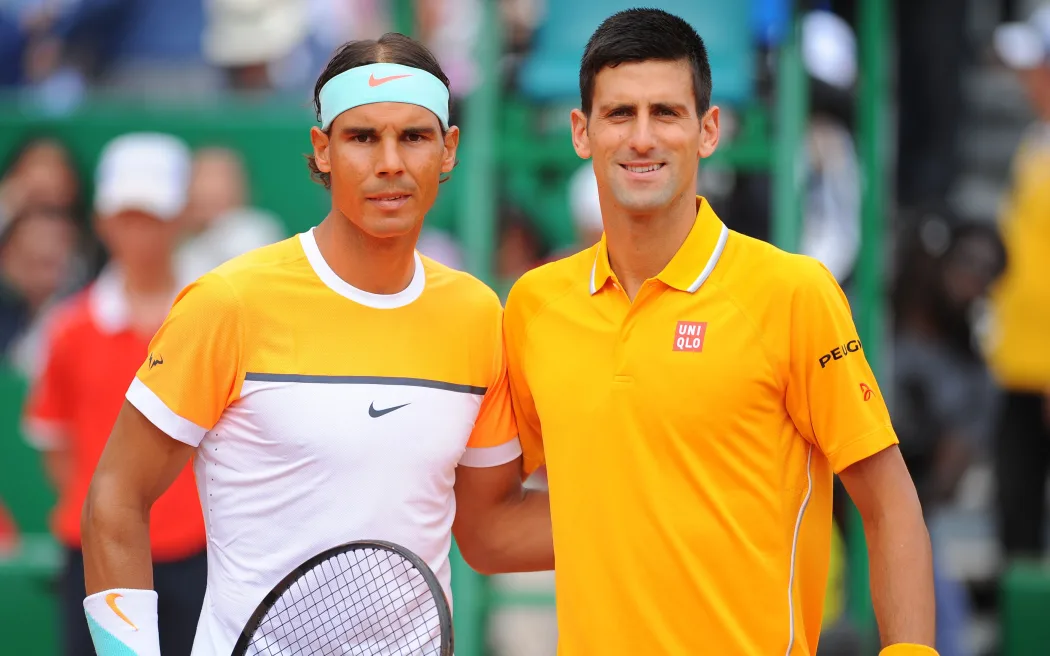
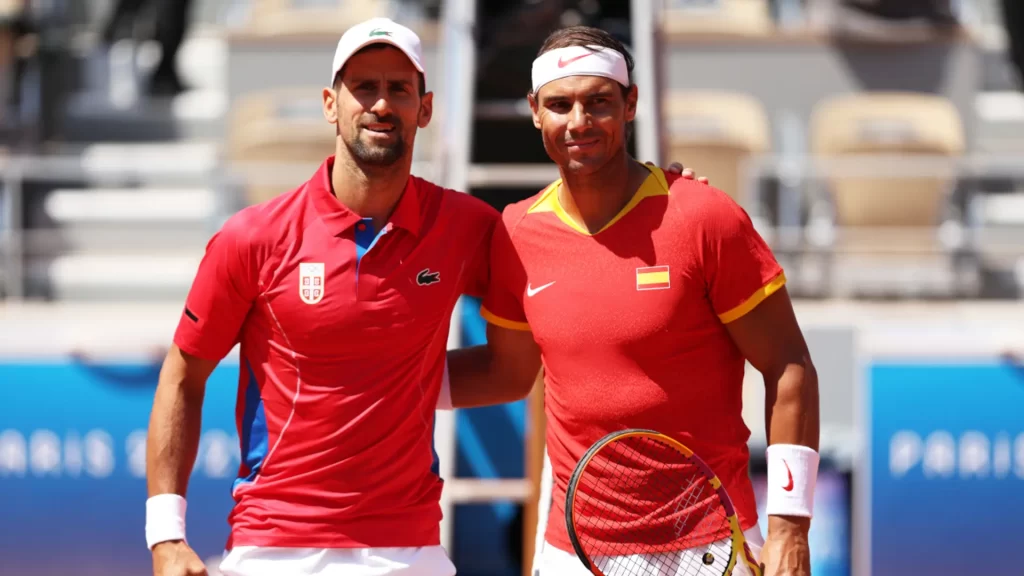
Rafael Nadal is set to face his long-time rival Novak Djokovic one final time before retiring from professional tennis, as the pair are scheduled to meet in the third-place match at the Six Kings Slam exhibition event in Saudi Arabia. This encounter comes after Nadal’s 6-3 6-3 semi-final loss to Carlos Alcaraz, while Djokovic fell to Jannik Sinner in a thrilling 6-2 6-7(0) 6-4 match.
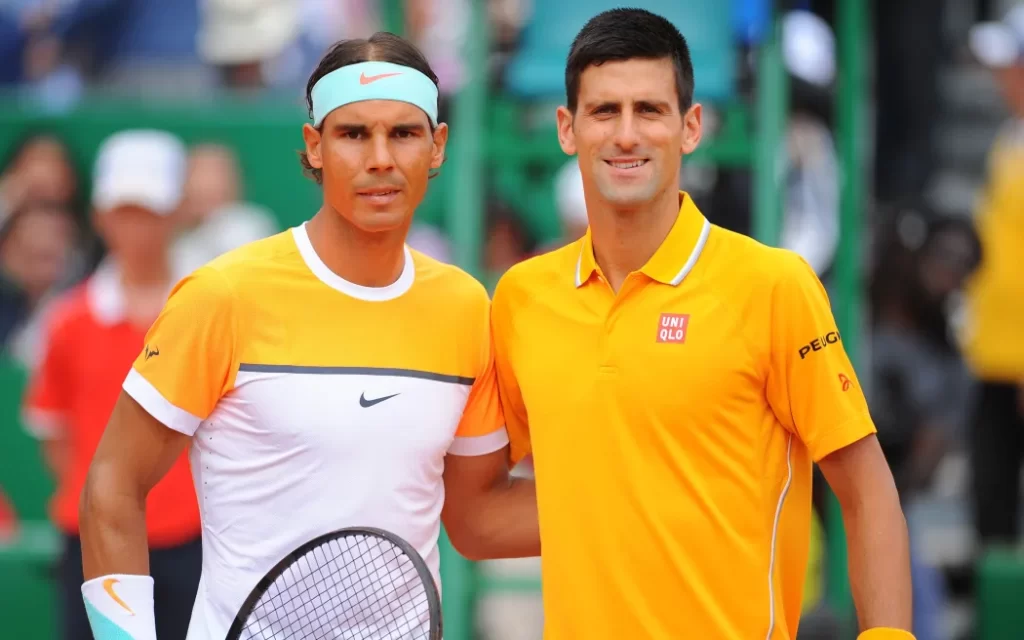
The upcoming clash between Nadal and Djokovic carries significant emotional weight, given their storied rivalry. Nadal expressed his sentiments, stating, “To have Novak in front of me, it’s like a nostalgic thing. We’ve played each other a lot, so it’ll be fun to play each other again in this match.” Their head-to-head record stands at a close 31-29 in Djokovic’s favor, with this being their 61st encounter.

The Six Kings Slam, held in Riyadh, offers a substantial $6 million prize for the winner of the final between world number one Sinner and Alcaraz. This high-stakes exhibition showcases some of tennis’s biggest stars in a unique setting.

Nadal, who recently announced his retirement, last faced Djokovic in the second round of the Paris Olympics, losing 6-1 6-4. The 22-time Grand Slam champion is also considering participating in the Davis Cup Final 8 in Malaga from November 19-24, potentially teaming up with Alcaraz in doubles.
Regarding his Davis Cup participation, Nadal commented, “Emotionally, I’m sure I’ll be ready. Physically and in terms of tennis level there is a month left to prepare. If I don’t feel ready for the singles I’ll be the first one to say (it) and let’s see if I can help in some way.”

The 38-year-old Spaniard also praised Alcaraz’s career trajectory, noting, “He has a great team, a great family. He’s going to do very well with what he’s got. He’s learning all the time. We can see he’s developing in every way. But of course I’ll be ready whenever he wants to call me.”

This exhibition match serves as a poignant moment in tennis history, allowing fans to witness one last encounter between two of the sport’s greatest rivals. As Nadal prepares to bid farewell to professional tennis, this final clash with Djokovic in Saudi Arabia marks the end of an era in men’s tennis.
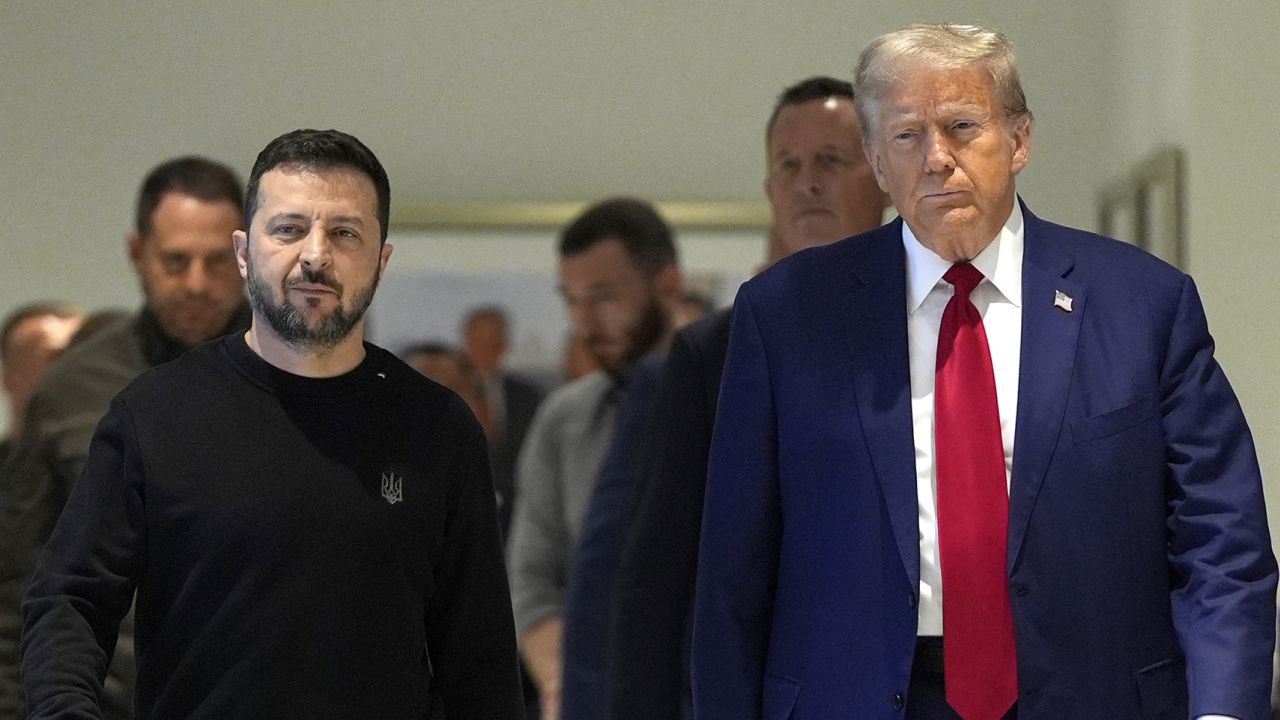
Trump Blames Ukraine’s Zelenskiy for Starting War with Russia, Signaling Potential Policy Shift-Reuters

0

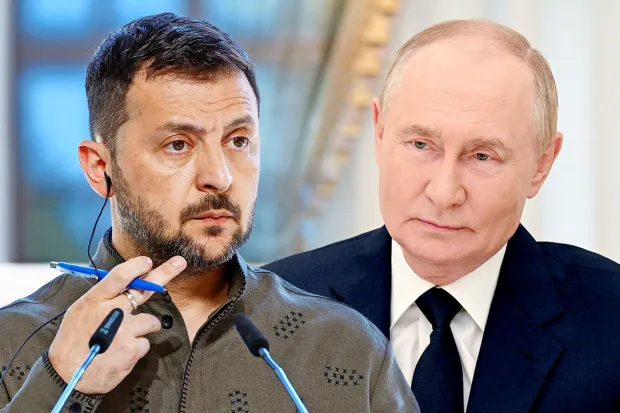
Former U.S. President Donald Trump has escalated his criticism of Ukrainian President Volodymyr Zelenskiy, directly blaming him for the outbreak of the war with Russia. This statement, made during the PBD Podcast with Patrick Bet-David on Thursday, marks a significant shift in Trump’s rhetoric and suggests a potential radical change in U.S. foreign policy should he win the November 5 presidential election.

Trump’s comments go beyond his previous criticisms of Zelenskiy, whom he has often referred to as “the greatest salesman on Earth” for securing billions of dollars in U.S. military aid. In this latest interview, Trump explicitly stated, “He should never have let that war start. The war’s a loser.” This stance contradicts the widely held view that the conflict began with Russia’s invasion of Ukrainian sovereign territory in 2022.

The former president’s remarks indicate a possible dramatic shift in U.S. policy towards Ukraine and Russia if he returns to the White House. Trump has consistently criticized the extent of U.S. aid to Ukraine and has suggested that Ukraine might need to cede territory to Russia to achieve peace, a proposition that Kyiv firmly rejects.

While Trump acknowledged feeling “very badly” for the Ukrainian people, his comments imply a potential reduction or cessation of U.S. support for Ukraine in a second Trump administration. He has repeatedly claimed he could end the conflict before taking office in January, though he has not provided details on how he would achieve this.

These statements stand in stark contrast to the position of Vice President Kamala Harris, the Democratic nominee, who has pledged continued support for Ukraine and portrays a Ukrainian victory as crucial to U.S. national security interests. Harris has consistently criticized Trump for his perceived reluctance to stand up to Russian President Vladimir Putin.

Trump’s latest comments come despite a reportedly cordial meeting with Zelenskiy in New York last September, where the Ukrainian leader presented his “victory plan” to end the war. The divergence between this private interaction and Trump’s public statements highlights the unpredictable nature of his foreign policy approach.

As the 2024 presidential election approaches, Trump’s stance on the Ukraine-Russia conflict is likely to become a major point of contention in the campaign. His views signal a potential realignment of U.S. foreign policy priorities and alliances, raising questions about the future of American support for Ukraine and its implications for global geopolitics.

Yahya Sinwar’s Final Defiant Act: Hamas Leader Throws Stick at Israeli Drone Before Death

0

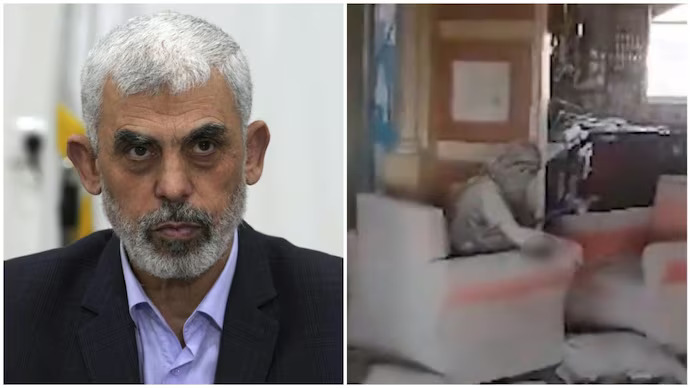
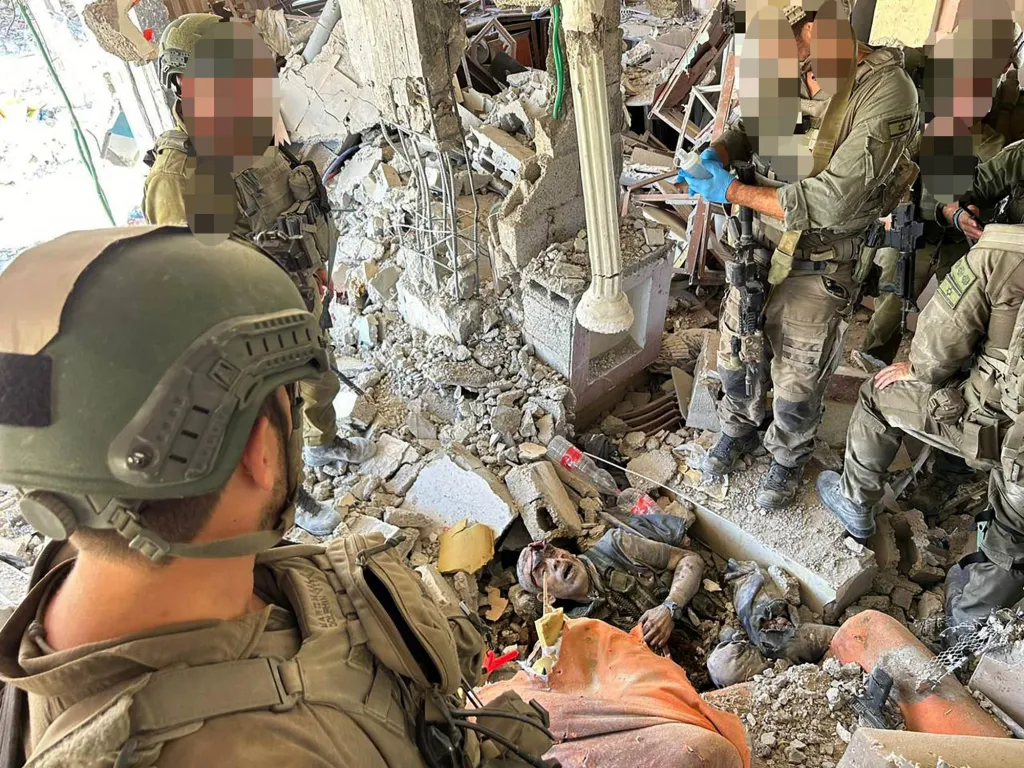
In a dramatic revelation, Israeli authorities have released drone footage capturing the final moments of Hamas leader Yahya Sinwar, showcasing his last act of defiance against his pursuers. The video, made public on Thursday, shows a badly wounded Sinwar, covered in dust and slumped in a chair amidst the ruins of a building in southern Gaza, attempting to throw a stick at a hovering Israeli mini-drone.

This poignant and futile gesture, symbolizing Sinwar’s resistance until his last breath, marks the end of Israel’s intensive manhunt for the architect of the October 7, 2023 attack. The circumstances of his death, now confirmed by both Israeli authorities and Hamas, reveal an unexpected turn in the ongoing conflict.

Contrary to expectations of a targeted strike or special forces operation, Sinwar was eliminated by infantry soldiers from the Bislach Brigade during a routine search operation in the Tal El Sultan area. Israeli military spokesperson Rear Admiral Daniel Hagari detailed how troops encountered suspected militants, leading to a firefight that ultimately resulted in Sinwar’s death.

Hamas political leader Khalil al-Hayya officially confirmed Sinwar’s death, while reiterating the group’s stance on Israeli hostages. Al-Hayya insisted that their release remains contingent upon a ceasefire in Gaza and the withdrawal of Israeli forces, underscoring the complex negotiations surrounding the hostage situation and broader conflict resolution efforts.

The release of this footage and the confirmation of Sinwar’s death come at a critical juncture in the Israel-Gaza conflict. Hezbollah, the Lebanese militant group allied with Hamas, has vowed to launch a new phase of fighting against Israel, claiming to have used new types of precision-guided missiles and explosive drones in recent attacks.

Iran, a key supporter of both Hamas and Hezbollah, has framed Sinwar’s death as martyrdom, potentially inspiring continued resistance against Israel. This rhetoric from Iran highlights the broader geopolitical tensions underlying the conflict.

As the situation evolves, Israel has activated additional reserve forces in its northern region to counter the Hezbollah threat. The Israeli military also reported killing two militants who infiltrated from Jordan, indicating the conflict’s potential to spread beyond its current boundaries.

The ongoing war has had devastating consequences, with over 42,000 Palestinians killed in Gaza according to local health authorities, and vast destruction of infrastructure displacing about 90% of Gaza’s 2.3 million residents. On the Israeli side, the initial Hamas attack resulted in approximately 1,200 deaths and 250 abductions. Sinwar’s final act of defiance, captured on Israeli drone footage, serves as a powerful symbol of the enduring conflict

Hamas Confirms Sinwar’s Death as Hezbollah Promises to Continue Deadly Days

0

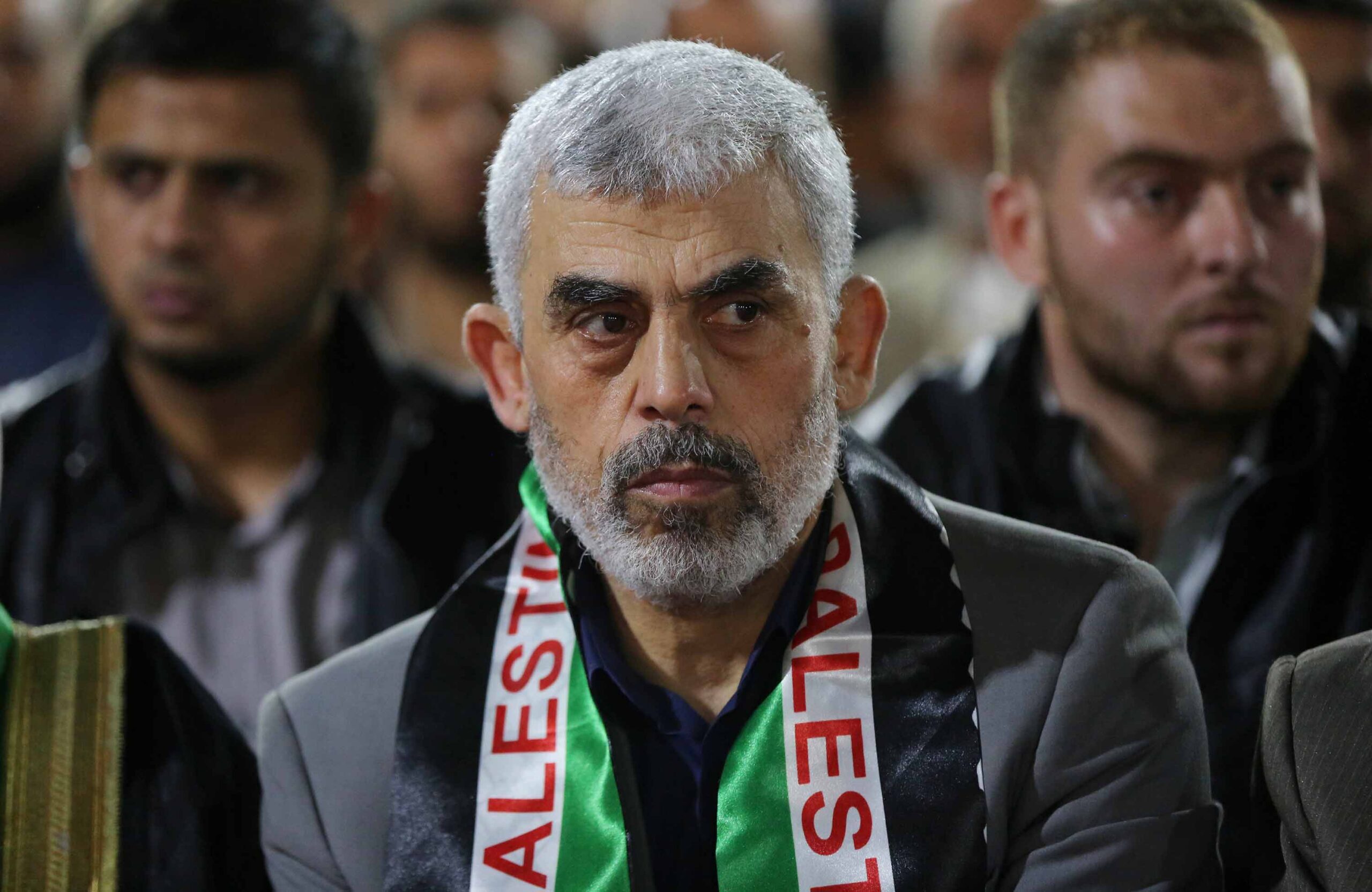
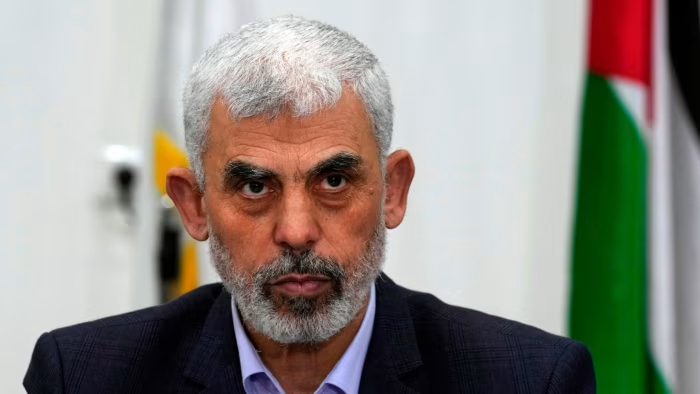
Hamas political leader Khalil al-Hayya has officially confirmed the death of Yahya Sinwar, the group’s top leader in Gaza, marking a significant development in the ongoing Israel-Gaza conflict. This confirmation comes as Hezbollah, the Lebanese militant group, announces plans to escalate its fight against Israel, potentially opening a new phase in the broader Middle East conflict.

Al-Hayya, in a televised statement, reiterated Hamas’ stance on Israeli hostages captured during the October 7, 2023 attack, insisting that their release is contingent upon a ceasefire in Gaza and the withdrawal of Israeli forces. This position underscores the complex negotiations surrounding the hostage situation and the broader conflict resolution efforts.

The death of Sinwar, killed by Israeli forces in what appears to have been a chance encounter in Gaza, could significantly alter the dynamics of the war. Sinwar was considered the chief architect of the October 2023 attack on Israel that triggered the current conflict. His elimination was a top priority for the Israeli military in their campaign to dismantle Hamas’ political and military structure in Gaza.

Israel’s Prime Minister Benjamin Netanyahu, while announcing Sinwar’s death, emphasized that the war is not yet over. However, this development has sparked hope among various parties, including the families of Israeli hostages, for potential progress in negotiations. Ronen Neutra, father of an Israeli-American hostage, expressed belief that the war’s goals have largely been achieved, urging for a focus on hostage release.

In response to these events, Netanyahu is reportedly planning a special meeting to discuss hostage negotiations, signaling potential shifts in Israel’s strategic approach.

The conflict’s regional implications are becoming increasingly apparent. Hezbollah, an Iran-backed group like Hamas, has vowed to launch a new phase of fighting against Israel. The group claims to have used new types of precision-guided missiles and explosive drones against Israeli targets in recent days, including an attack on a military mess hall deep inside Israel that killed four soldiers.

Iran, a key supporter of both Hamas and Hezbollah, praised Sinwar as a martyr, framing his death as an inspiration for continued resistance against Israel. This rhetoric from Iran highlights the broader geopolitical tensions underlying the conflict.

As the situation evolves, Israel has activated additional reserve forces in its northern region to support troops engaged with Hezbollah in southern Lebanon. The Israeli military also reported killing two militants who infiltrated from Jordan, indicating the conflict’s potential to spread beyond its current boundaries.

People and journalists gather at a site that was hit by an airstrike on Monday, after what Lebanon’s state media said was a series of Israeli strikes around Ghaziyeh on Lebanon’s coast around 60 km north of the border with Israel, during a media tour, Lebanon February 20, 2024. REUTERS/Aziz Taher

The ongoing war has had devastating consequences, with over 42,000 Palestinians killed in Gaza according to local health authorities, and vast destruction of infrastructure displacing about 90% of Gaza’s 2.3 million residents. On the Israeli side, the initial Hamas attack resulted in approximately 1,200 deaths and 250 abductions.

As the conflict enters this new phase following Sinwar’s death, the international community watches closely for signs of de-escalation or further intensification. The actions of Hamas, Hezbollah, Israel, and regional powers like Iran in the coming days will be crucial in determining the trajectory of this complex and deeply entrenched conflict.

Meta Implements Targeted Layoffs at WhatsApp and Instagram to Align with Strategic Goals

0

Meta, the parent company of Facebook, has confirmed a new round of targeted layoffs affecting various teams across its subsidiaries, including WhatsApp, Instagram, and the virtual reality unit Reality Labs. This move is part of the company’s ongoing efforts to realign its resources with strategic goals and optimize its workforce distribution.

A Meta spokesperson released a statement explaining the company’s approach: “This includes moving some teams to different locations, and moving some employees to different roles. In situations like this when a role is eliminated, we work hard to find other opportunities for impacted employees.” However, the company did not disclose the specific number of employees affected by these latest cuts.

The layoffs appear to be part of Meta’s broader strategy to streamline operations and improve efficiency. This follows CEO Mark Zuckerberg’s declaration of 2023 as a “year of efficiency,” which saw the company implement significant workforce reductions. In 2022, Meta let go of 11,000 employees, followed by another 10,000 job cuts in 2023. Additionally, earlier this year, several positions were eliminated in the Reality Labs division.

Among those affected by the latest round of layoffs was Jane Manchun Wong, a software engineer known for her ability to uncover unreleased features in popular social media apps. Wong, who joined Meta in 2023, shared her experience on the company’s Threads platform, stating, “I’m still trying to process this but I’m informed that my role at Meta has been impacted.”

These layoffs reflect the ongoing challenges and adjustments in the tech industry, particularly for companies that experienced rapid growth during the COVID-19 pandemic. Meta, like many of its peers, hired aggressively during this period to meet increased demand for digital services. However, changing market conditions and a focus on long-term sustainability have led to subsequent workforce reductions and reorganizations.

The company’s decision to reallocate resources across different locations and roles suggests a strategic shift in how Meta plans to operate moving forward. This could potentially involve a greater emphasis on certain geographic markets or a rebalancing of resources between its various products and initiatives.

Venezuela Detains Three Americans Among Five Foreigners in Latest Alleged Anti-Government Plot

0

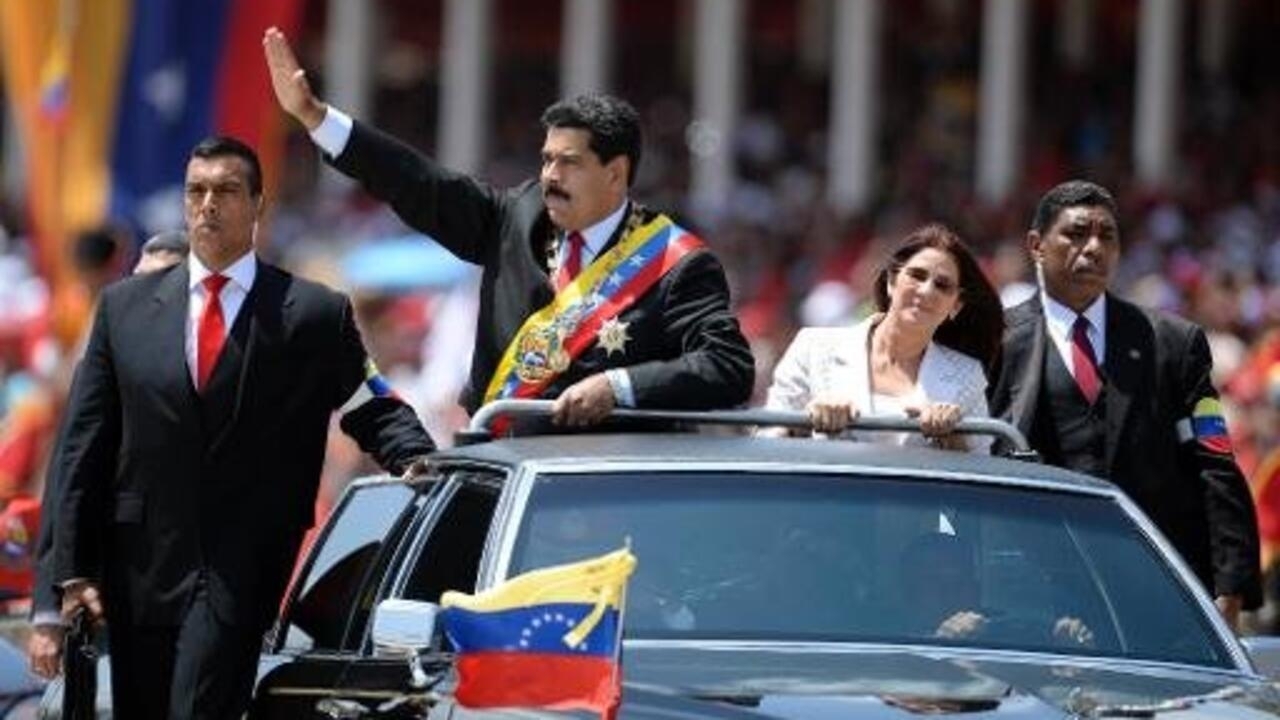
Venezuela has once again found itself at the center of international attention as Interior Minister Diosdado Cabello announced the detention of five foreigners, including three American citizens, for their alleged involvement in a plot to destabilize the country. This latest round of arrests, announced on Thursday, comes in the wake of Venezuela’s disputed July presidential election and adds to the growing tension between the South American nation and the United States.

Cabello, a key figure in President Nicolas Maduro’s administration, did not provide concrete evidence to support the allegations that the detainees were linked to terrorist activities. As with previous similar announcements, he claimed, without substantiation, that U.S. intelligence agencies were behind the alleged plot. The interior minister did not disclose the exact date of the arrests but mentioned that a Peruvian and a Bolivian citizen were also among those detained.

According to Cabello, all five detainees “speak Spanish perfectly” and had entered Venezuela under the pretense of being “in love with the country” and planning to visit their partners. This narrative echoes previous claims by the Venezuelan government about foreign nationals entering the country with hidden agendas.

This latest incident follows a similar announcement in mid-September when Cabello claimed the arrest of three Americans, two Spaniards, and a Czech citizen, accusing them of plotting to assassinate President Maduro. These arrests came just days after the U.S. imposed sanctions on 16 of Maduro’s allies, accusing them of obstructing the voting process during the July 28 presidential election and committing human rights abuses.

The July election itself remains a point of contention. While ruling party-loyal electoral authorities declared Maduro the victor shortly after polls closed, they failed to publish a detailed breakdown of results, citing a website hack. In contrast, the main opposition coalition claims to have secured tally sheets from over 80% of voting machines, asserting that their candidate, Edmundo González, defeated Maduro by a 2-to-1 margin.

These detentions have raised concerns about the potential use of American prisoners as bargaining chips in U.S.-Venezuela relations. In a previous deal with the Biden administration, Maduro released 10 Americans and a fugitive wanted by the U.S. in exchange for a presidential pardon for Alex Saab, a close Maduro ally held in Florida on money laundering charges.

The U.S. State Department has responded cautiously to the latest detentions. Spokesman Matthew Miller stated, “The safety and security of American citizens anywhere around the world is our first priority, and we’re going to gather more information about this in the hours ahead.”

Texas Supreme Court Halts Execution in Landmark Shaken Baby Syndrome Case

0

The Texas Supreme Court issued a last-minute stay of execution for Robert Roberson, 57, who was set to become the first person in the United States executed for a murder conviction based on shaken baby syndrome. This dramatic intervention on Thursday night capped a day of intense legal maneuvering and highlighted the ongoing debate over the scientific validity of shaken baby syndrome diagnoses in criminal cases.

Roberson was convicted in 2002 for the death of his 2-year-old daughter, Nikki Curtis, in Palestine, East Texas. His case has drawn significant attention due to questions about the medical evidence used to convict him and the evolving understanding of shaken baby syndrome in the medical community.

The court’s decision came after an extraordinary series of events, including unprecedented bipartisan legislative support for Roberson. Over 80 state lawmakers, including at least 30 Republicans, had appealed to the Texas Board of Pardons and Paroles and Governor Greg Abbott to halt the execution. The Texas House Criminal Justice Reform Committee held an all-day meeting on Wednesday to review Roberson’s case, focusing on whether a 2013 law allowing prisoners to challenge convictions based on new scientific evidence was properly applied.

In a surprise move, the committee issued a subpoena for Roberson to testify next week, effectively attempting to delay his execution through legislative action. This unprecedented step was followed by a flurry of legal challenges, with Roberson’s attorneys pursuing multiple avenues to stop the execution, including appeals to the U.S. Supreme Court. While these were ultimately denied, Justice Sonia Sotomayor issued a 10-page statement urging Governor Abbott to grant a 30-day delay.

The night of the scheduled execution saw a series of rapid-fire court rulings. An Austin judge initially paused the execution based on the legislative subpoena, but this was quickly overturned by an appeals panel. The Texas Supreme Court then intervened with its stay order, ending a night of legal uncertainty.

Roberson’s case has become a focal point in the debate over shaken baby syndrome, now referred to in the medical community as abusive head trauma. His supporters, including medical experts and bestselling author John Grisham, argue that his conviction was based on outdated scientific evidence. They contend that Nikki Curtis died from complications related to severe pneumonia, not from abuse.

The case has also raised questions about how Roberson’s undiagnosed autism may have affected perceptions of his guilt. His lawyers suggest that his lack of visible emotion over his daughter’s death, a characteristic often associated with autism, was misinterpreted by authorities as a sign of guilt.

Amanda Hernandez, a spokesperson for the Texas Department of Criminal Justice, reported that Roberson was “shocked” by the stay and “praised God and thanked his supporters” upon hearing the news. He will now be returned to the Polunsky Unit, where Texas houses its male death row inmates.

This case underlines the ongoing challenges in the criminal justice system regarding the use of scientific evidence, particularly in cases involving child deaths. It also underscores the power of bipartisan cooperation in addressing potential miscarriages of justice and the complex interplay between legislative, executive, and judicial branches in death penalty cases.

As Roberson prepares to testify before the House committee on Monday, his case continues to raise important questions about the intersection of science, law, and justice in the American legal system.

American Reportedly Kidnapped in Southern Philippines, Sparking Police Search

0

Philippine police have initiated a search operation following reports that an American national was abducted by gunmen in the southern coastal town of Sibuco, Zamboanga del Norte province. The incident, which occurred on Thursday night, has reignited concerns about the long-standing security issues plaguing the southern Philippines.

The victim, identified as Elliot Onil Eastman, a 26-year-old from Vermont, was reportedly shot in the leg while resisting his captors before being taken away by speedboat. This event, if confirmed as a kidnapping for ransom, underscores the persistent security challenges in the region, which is home to a Muslim minority in the predominantly Roman Catholic country.

According to police reports seen by The Associated Press, a local resident, Abdulmali Hamsiran Jala, informed authorities that four men dressed in black and armed with M16 rifles forcibly took Eastman. The assailants allegedly introduced themselves as police officers before abducting the American. After shooting Eastman in the leg, the gunmen dragged him into a speedboat and fled southward, possibly towards the provinces of Basilan or Sulu.

The regional police issued a statement confirming the reported abduction and assuring the public that they are “doing everything in our power to secure the safe recovery of the victim.” They have urged the community to come forward with any information that could aid the ongoing investigation.

While authorities have not provided extensive background information on Eastman, social media posts suggest he may have recently married a Muslim woman in Sibuco. The U.S. Embassy in Manila has not yet responded to inquiries about the reported abduction.

This incident recalls the region’s history of kidnappings and security threats, particularly those associated with groups like the Abu Sayyaf. This organization, listed as a terrorist group by both the U.S. and Philippines, has been responsible for numerous kidnappings, bombings, and other attacks over the past two decades, often targeting Western tourists and missionaries.

Despite significant progress in recent years, including a 2014 peace agreement with the Moro Islamic Liberation Front and military offensives that have weakened groups like Abu Sayyaf, the southern Philippines continues to face security challenges. The region’s rich resources contrast sharply with its persistent poverty and ongoing insurgencies.

As the Philippines prepares for mid-term elections next year, there are concerns that such incidents could increase. Historically, crimes including kidnappings and extortion have spiked during pre-election periods as some rogue politicians seek to raise campaign funds. However, authorities note that such incidents have become less frequent in recent years.

This abduction serves as a stark reminder of the complex security landscape in the southern Philippines and the ongoing efforts required to ensure safety in the region.

AP

South Korean Intelligence Claims North Korea Sent Troops to Aid Russia in Ukraine War

0

South Korea’s National Intelligence Service (NIS) has made a startling claim that North Korea has sent troops to support Russia’s war efforts in Ukraine, potentially introducing a third country into the conflict and intensifying global tensions. This development, reported on Friday, marks a significant escalation in North Korea’s involvement in the Ukraine war and could have far-reaching implications for international relations.

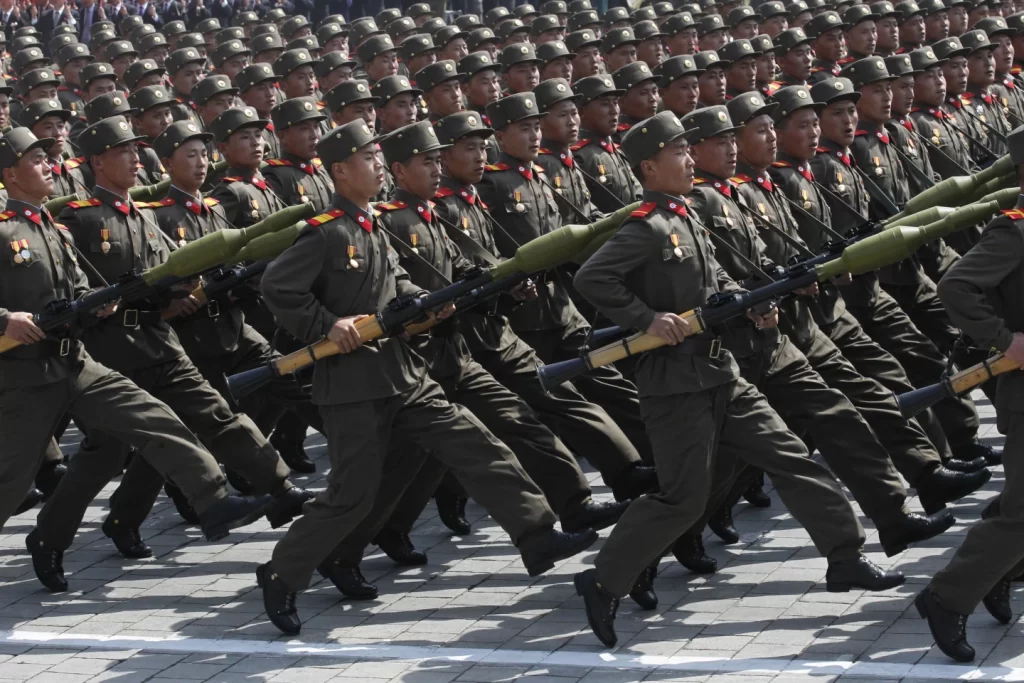
According to the NIS, approximately 1,500 North Korean special operation forces were transferred by Russian navy ships to the port city of Vladivostok between October 8 and 13. The intelligence agency expects more North Korean troops to be sent to Russia in the near future. These soldiers have reportedly been equipped with Russian military uniforms, weapons, and forged identification documents, and are currently stationed at various Russian military bases including Vladivostok, Ussuriysk, Khabarovsk, and Blagoveshchensk.

The NIS has provided satellite imagery and other photographic evidence purportedly showing Russian naval movements near North Korean ports and large gatherings of suspected North Korean personnel in Russian cities. South Korean media, citing the NIS, have reported that North Korea plans to dispatch a total of 12,000 troops organized into four brigades to Russia, though this information has not been officially confirmed by the intelligence agency.

If verified, this would mark North Korea’s first major participation in a foreign war. Despite having one of the world’s largest militaries with 1.2 million troops, North Korea lacks actual combat experience. Experts are divided on the potential impact of this troop deployment, with many questioning the effectiveness of North Korean forces given their outdated equipment and lack of battle experience.

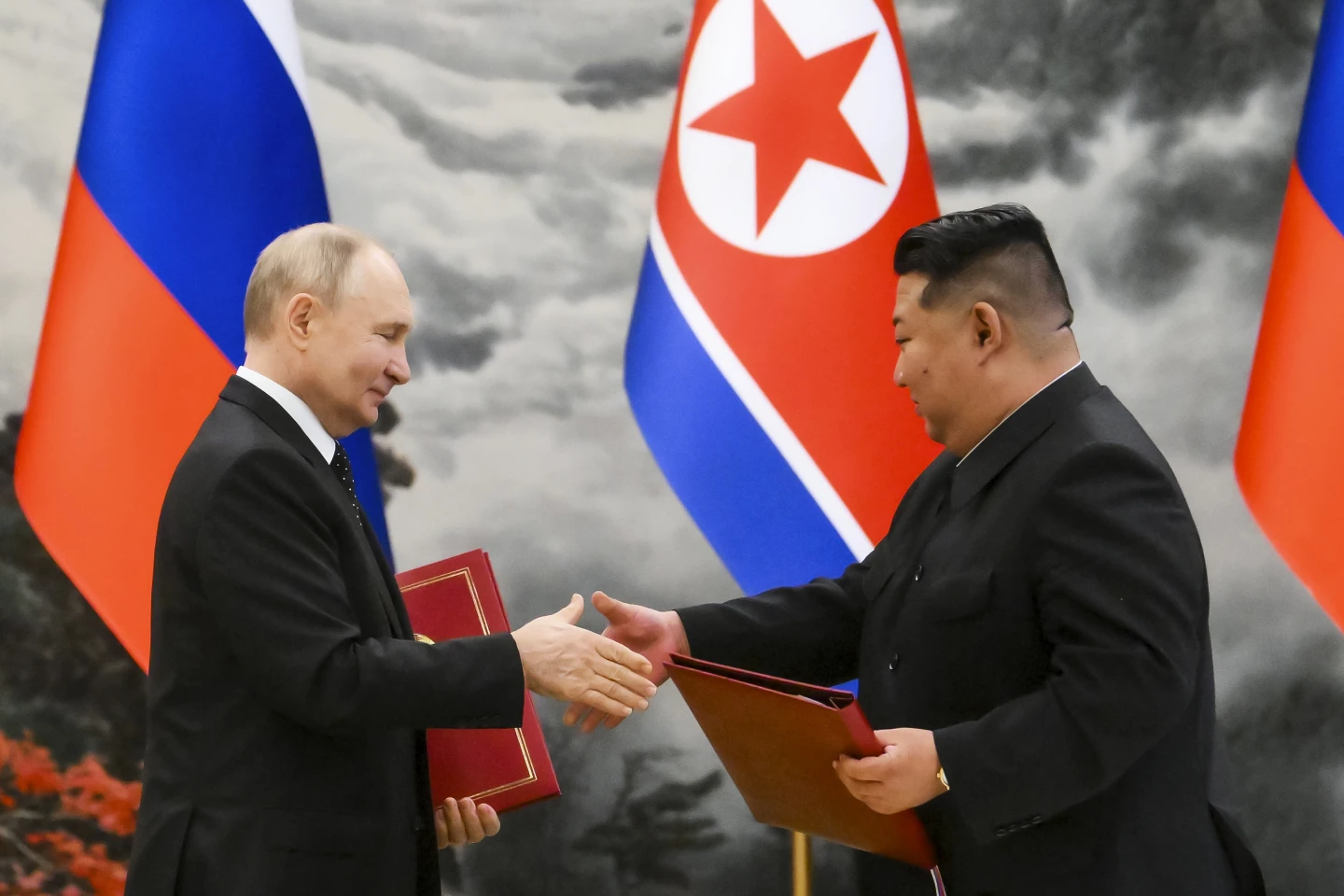
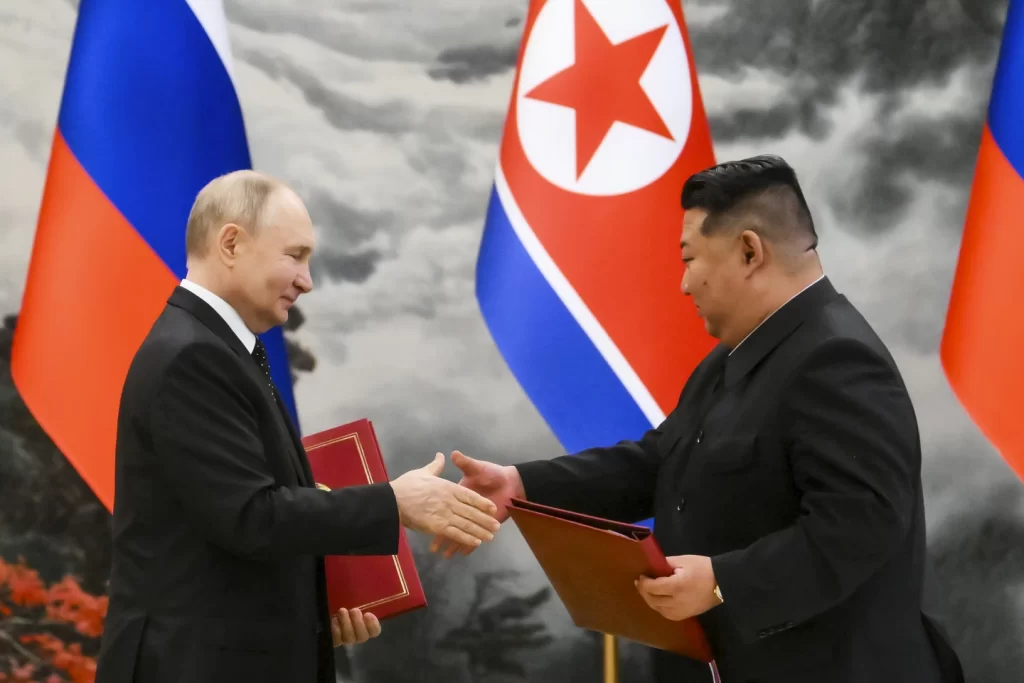
The deployment comes in the wake of a significant defense agreement signed between North Korean leader Kim Jong Un and Russian President Vladimir Putin in Pyongyang in June. This pact stipulates mutual military assistance in case of attack on either country, representing the most substantial defense deal between the two nations since the Cold War’s end.

In response to these reports, South Korean President Yoon Suk Yeol convened an emergency meeting to discuss the security implications of North Korea’s troop deployment. The presidential office stated that participants agreed this move poses a grave threat to both South Korea and the international community.

Russia has denied using North Korean troops in the Ukraine conflict, with Presidential Spokesman Dmitry Peskov dismissing the claims as “fake news” during a recent press conference. However, Ukrainian media have reported North Korean casualties in the Donetsk region, and Ukrainian President Volodymyr Zelenskyy has claimed that his government has intelligence suggesting 10,000 North Korean troops are being prepared to join Russian forces.

NATO Secretary-General Mark Rutte stated that while NATO has no evidence of North Korean soldiers directly involved in combat, they are aware of North Korea supporting Russia through weapons supplies, technological assistance, and innovation.

The U.S., South Korea, and their allies have previously accused North Korea of supplying Russia with artillery shells, missiles, and other military equipment to support its war efforts in Ukraine. In return, experts believe North Korea may have received food aid, economic assistance, and technological support for its nuclear program.

apnews.com