Home Blog Page 630

Former Team GB Olympic Swimmer Antony James Convicted of Raping and Exploiting Underage Girls

0

Former Team GB Olympic swimmer Antony James, 34, has been convicted of multiple serious sexual offenses against underage girls, including rape and child exploitation. The verdict, delivered by a jury, marks a shocking fall from grace for the once-celebrated athlete who competed in the 2012 London Olympics.

James was found guilty of three counts of rape, three counts of engaging in sexual activity with a child, and two charges of causing or inciting a child into sexual activity. The crimes took place between 2012 and 2022, targeting girls under the age of 16.

The court heard disturbing details of James’ predatory behavior, including allegations that he forced his victims to have sex with “strange” men to satisfy what prosecutors described as his “perverse sexual needs.” James attempted to claim the sexual encounters were consensual and provided graphic accounts of his actions, including boasts about tying up one of his victims and engaging in “threesomes.”

During the trial, James, who was also training as a police officer with Devon and Cornwall Police at the time of his arrest, made shocking claims about his interactions with the victims. He told jurors how he “strangled” one girl, bizarrely asserting, “She made me do it.” However, the jury saw through these claims, rejecting his defense.

The judge has warned James that he faces a “substantial sentence of imprisonment” for his crimes. The disgraced swimmer has been released on bail pending his sentencing later this year, though the severity of his offenses suggests a lengthy prison term is likely.

The prosecution has been given a week to decide whether to pursue a re-trial on six additional charges on which the jury failed to reach a verdict, including five counts of rape. James was cleared of three other charges.

This case has sent shockwaves through the sporting community and beyond. James, once a rising star in British swimming, had achieved significant success in his athletic career. He won a silver medal at the Commonwealth Games and was the British National Senior Champion for 100m butterfly for four consecutive years. He represented Team GB at the European Championships in 2011 before competing in the 100m butterfly at the London Olympics in 2012.

The conviction raises serious questions about safeguarding in sports and the vetting processes for aspiring police officers. Devon and Cornwall Police have confirmed that James no longer works for the force, but the fact that he was in training while committing these offenses is likely to prompt a review of recruitment procedures.
Malaysia’s Crackdown on Global Ikhwan Group Expands: Hundreds More Arrested in Child Abuse Case

0

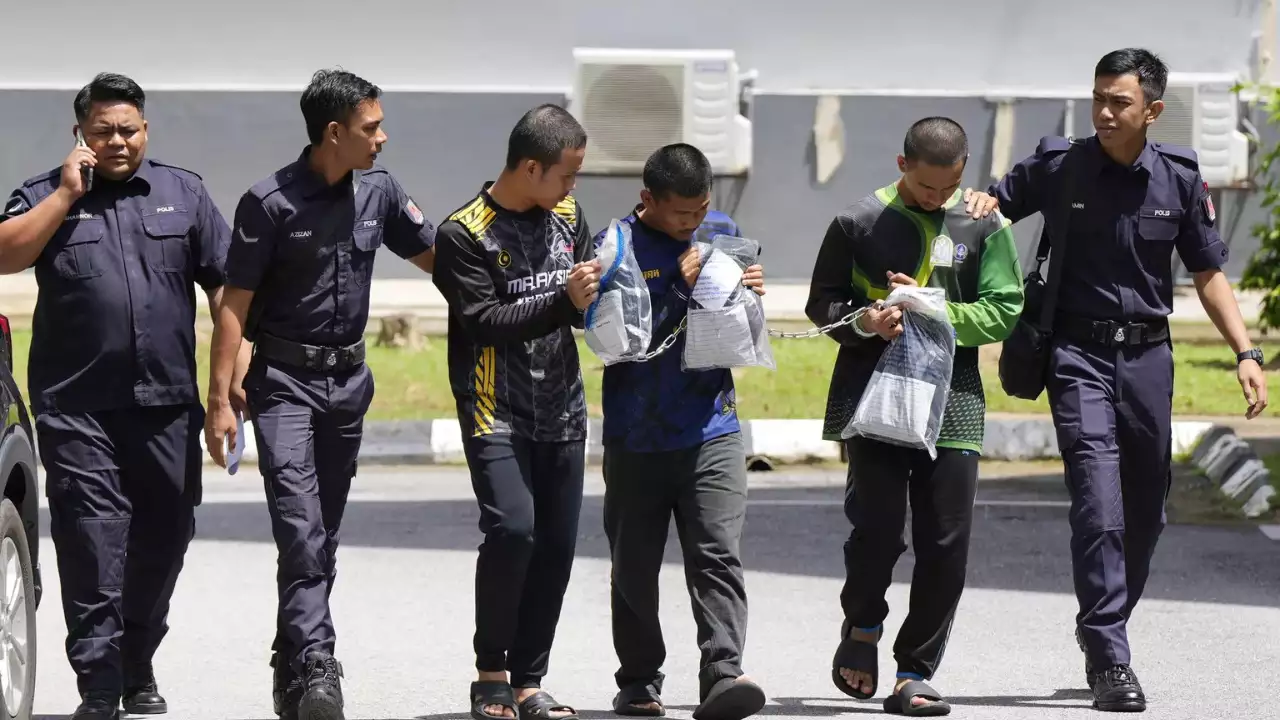
Malaysian authorities have intensified their crackdown on the Islamic Global Ikhwan Group (GISB), a religious organization accused of widespread child abuse and human trafficking. The ongoing investigation has led to hundreds of additional arrests, revealing that criminal activities allegedly continued even after the initial police intervention in September.

The case first gained international attention when police rescued 402 minors suspected of abuse across 20 care homes operated by GISB. Initially, 171 suspects were arrested, including teachers and caretakers. However, as the investigation progressed, the scope of the alleged crimes has expanded significantly.

Recent developments include charges against five GISB members for human trafficking through forced labor. Two managers of a GISB-owned resort in Johor face four counts of human trafficking involving three women and a man aged 30 to 57. Another resort worker was charged with sexually abusing a 16-year-old. These incidents allegedly occurred between August 2023 and October 1, 2024, indicating that criminal activities continued after the initial raids.

The scale of abuse is staggering, with hundreds of victims aged between one and 17 reportedly enduring various forms of mistreatment. Some children were allegedly sodomized by their guardians and forced to perform sexual acts on other children, according to police reports.

GISB’s legal representatives have denied allegations of illegal business activities and organized crime, calling for a “fair investigation.” However, the group’s CEO, Nasiruddin Mohd Ali, previously admitted to “one or two cases of sodomy” at the care homes, a statement that has drawn further scrutiny.

The Malaysian parliament held a special motion to discuss issues related to GISB, where government ministers revealed disturbing findings. Home Minister Datuk Seri Saifuddin Nasution Ismail reported that children as young as two were separated from their families and forced to work under the guise of “practical training.” He also described severe punishments, such as forcing children to perform up to 500 squats for minor infractions.

The ongoing police operation has now resulted in 415 arrests and the rescue of 625 children, according to the Home Minister. The investigation has also taken on an international dimension, with Malaysian authorities seeking assistance from Interpol.

GISB’s extensive network, spanning hundreds of businesses across 20 countries in sectors including hospitality, food, and education, has complicated the investigation. The group’s alleged links to Al-Arqam, a religious sect banned by the Malaysian government in 1994 for deviant Islamic teachings, have also come under scrutiny.

Nevada Man Sues California Sheriff Over Arrest at Trump Rally, Denies Assassination Attempt Claims

0

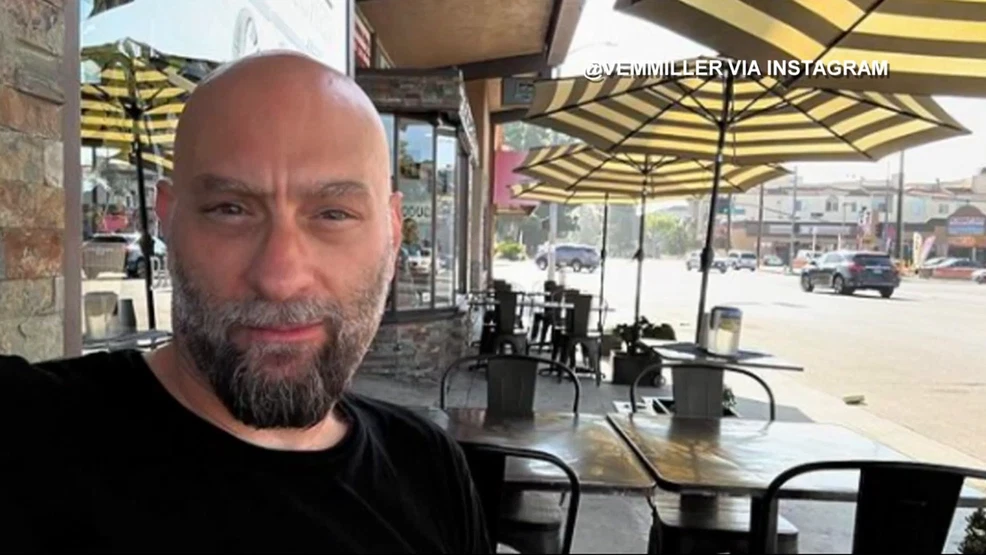
Vem Miller, a 49-year-old Nevada resident arrested near a Donald Trump rally in Coachella, California, has filed a lawsuit against Riverside County Sheriff Chad Bianco, accusing him of falsely portraying the arrest as a thwarted assassination attempt for personal gain. The incident, which occurred at a security checkpoint outside the rally, has sparked controversy over the nature of the arrest and the subsequent claims made by law enforcement.

Vem Miller

According to Sheriff Bianco’s statement at a Sunday news conference, Miller was stopped while driving an unregistered black SUV with a “homemade” license plate. The sheriff reported that deputies discovered a shotgun, loaded handgun, ammunition, and several fake passports in Miller’s vehicle. Miller was released the same day on $5,000 bail.

The lawsuit, filed Tuesday in U.S. District Court in Nevada, directly challenges Sheriff Bianco’s account. Miller alleges that Bianco lied about the fake passports and “created a narrative so as to be viewed as a ‘heroic’ Sheriff who saved Presidential candidate Trump.” The legal action names Sheriff Bianco, the Riverside County Sheriff’s Department, and a sheriff’s deputy as defendants.

Miller’s lawsuit also contends that the sheriff’s department conducted an illegal search of his SUV. Furthermore, it claims that Miller voluntarily disclosed to officers at the checkpoint that he had weapons but intended to leave them in the vehicle.

The incident occurs against a backdrop of heightened security at Trump rallies, following two recent assassination attempts on the former president. Last month, a man was indicted for allegedly staking out Trump for 12 hours with the intent to kill him, while in August, Trump was shot and wounded in the ear during a campaign rally in Pennsylvania.

Sheriff Bianco had stated that Miller claimed to be a journalist, though it was unclear if he possessed proper credentials. The sheriff described the interior of Miller’s vehicle as being “in disarray” and said the search uncovered multiple passports and driver’s licenses with different names.

Miller is scheduled to appear in court in January on weapons charges. He was arrested on suspicion of possessing a loaded firearm and possession of a high-capacity magazine, according to online records.

The Riverside County Sheriff’s Department has not yet responded to requests for comment on the lawsuit. The case raises questions about the balance between security measures at high-profile political events and individual rights, as well as the responsibilities of law enforcement in accurately reporting such incidents to the public.

As this legal battle unfolds, it is likely to draw attention to the broader issues of security protocols at political rallies, the rights of individuals at such events, and the accountability of law enforcement officials in their public statements and actions.

Three Dead, Four Critically Injured in Mississippi Bridge Collapse During Demolition

0

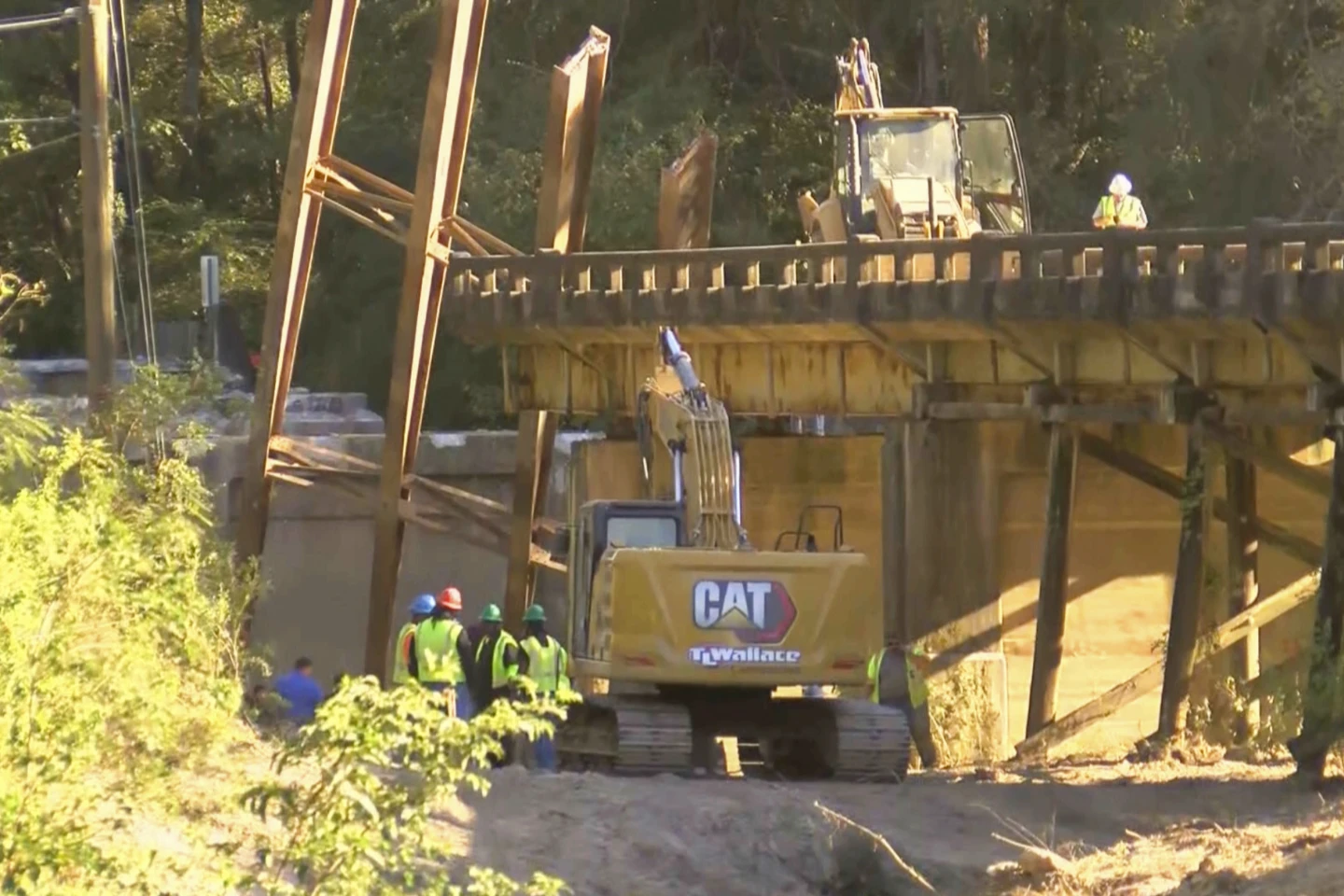
A tragic incident unfolded in Simpson County, Mississippi, on Wednesday afternoon when a bridge undergoing demolition collapsed, resulting in at least three deaths and four critical injuries. The accident occurred at a construction site on State Route 149, approximately 40 miles south of Jackson, where work was being conducted on a bridge spanning the Strong River.

Simpson County Sheriff Paul Mullins confirmed the fatalities and injuries to local news station WLBT-TV. The Simpson County coroner’s office was promptly dispatched to the scene, though additional details were not immediately available, according to WJTV-TV.

The Mississippi Department of Transportation (MDOT) released a statement providing context for the incident. The bridge in question had been closed to traffic since September 18 as part of a planned replacement project. The construction work was being carried out by contractor T.L. Wallace Construction, raising questions about safety protocols and oversight at the site.

At the time of reporting, specific details about how the accident occurred were not available. The Associated Press attempted to reach Sheriff Mullins, Simpson County coroner Terry Tutor, and T.L. Wallace Construction for comment, but these efforts were unsuccessful in the immediate aftermath of the incident.

MDOT spokesperson Anna Ehrgott stated that the agency would share more information with the public as it becomes available. In a notable detail, the department revealed that one of its inspectors was present at the work site when the bridge collapsed but was unharmed in the incident.

This tragic event highlights the potential risks associated with large-scale construction and demolition projects, particularly those involving critical infrastructure like bridges. It raises important questions about safety measures, inspection protocols, and the challenges faced in modernizing aging infrastructure.

As the investigation into the cause of the collapse begins, local authorities, state agencies, and the construction company will likely face scrutiny over their roles in the project and the events leading up to the accident. The incident may also prompt broader discussions about infrastructure safety and the need for rigorous oversight in construction and demolition projects across the state and beyond.

Mali’s Military Junta Leader Assimi Goita Promotes Himself to Highest Army Rank

0

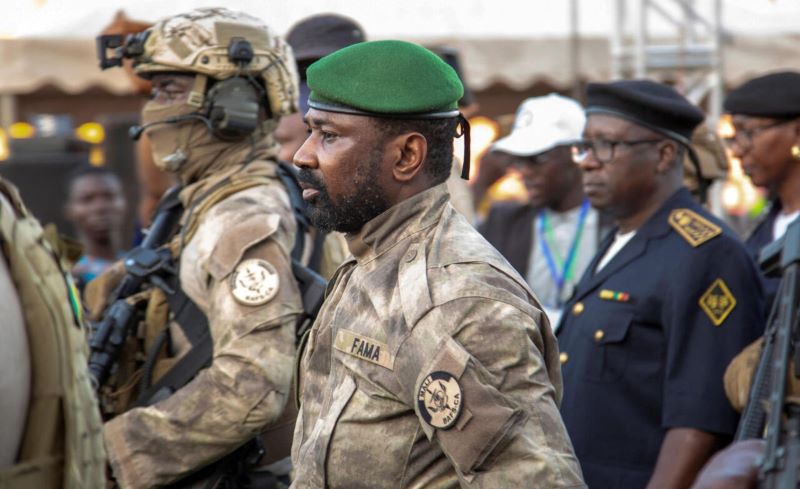
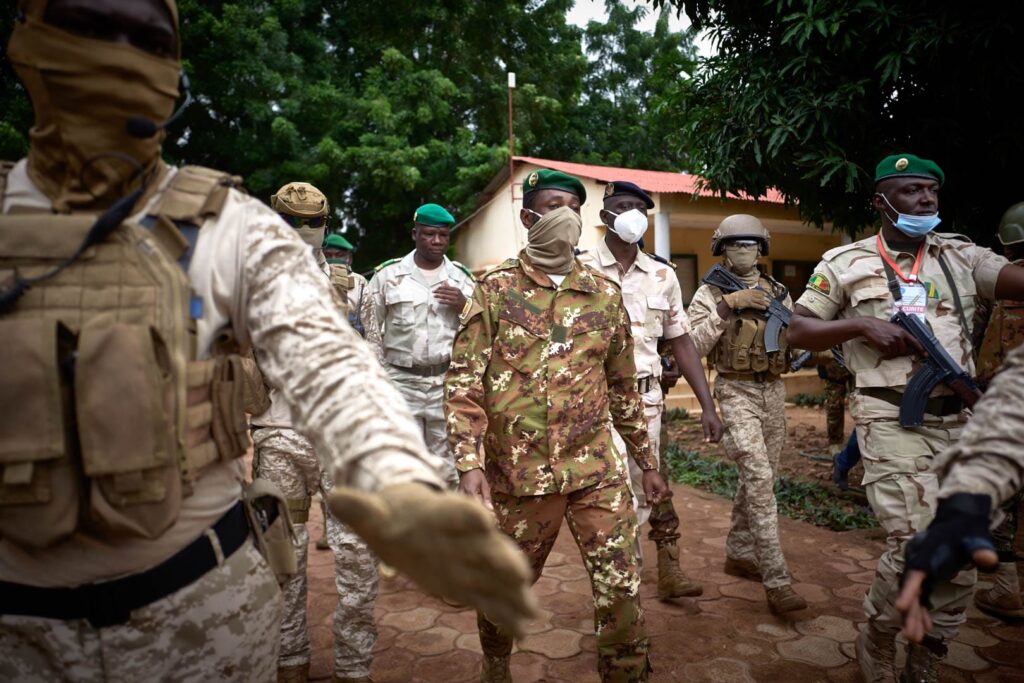
Colonel Assimi Goita, the leader of Mali’s military junta that seized power in a 2020 coup, has promoted himself to the rank of army general with a special title, marking a significant move in the country’s political landscape. The announcement, made by the Council of Ministers and published on the Malian government’s general secretariat website, reveals that Goita now holds the highest military distinction in Mali, a rank previously held by only two former heads of state in the nation’s history.

(

This self-promotion to “Colonel Assimi Goita of the land army” is widely interpreted as a clear signal that Goita has no immediate plans to cede power to a civilian government in the West African nation. The move comes at a time when Mali faces increasing international pressure to return to democratic civilian rule following the 2020 military takeover.

Along with Goita’s promotion, five other influential colonels within the military junta were also “exceptionally” elevated to the rank of four-star generals. This collective advancement of the junta’s top brass further consolidates their grip on power and raises questions about the future of Mali’s promised democratic transition.

Rida Lyammouri, a senior fellow at the Morocco-based Policy Center for the New South, commented on the development, stating, “This is another indication that junta leaders will continue to position themselves as the only rulers, and have no intention of having a democratic transition into civilian rule anytime soon.” This assessment underscores growing concerns about the junta’s commitment to relinquishing control and allowing for a return to civilian governance.

The timing of these promotions is particularly significant as no date has yet been set for Mali’s presidential election. The absence of a clear timeline for elections, coupled with the junta’s self-aggrandizement, has heightened worries among regional and international observers about the prospects for a peaceful and timely transition of power.

Mali’s political situation has been a source of concern for the international community since the 2020 coup. The country, which plays a crucial role in the stability of the Sahel region, has been grappling with multiple challenges, including jihadist insurgencies and economic difficulties. The military junta’s continued hold on power complicates efforts to address these issues and restore full democratic governance.

This latest move by Goita and his associates is likely to draw further scrutiny from Mali’s neighbors, regional bodies like ECOWAS (Economic Community of West African States), and international partners. It may also impact ongoing discussions about sanctions, international aid, and cooperation in counter-terrorism efforts in the region.

Zetas Drug Lord Miguel Angel Treviño Morales Allegedly Ran Cartel from Mexican Prison, US Indictment Claims

0

A U.S. indictment unsealed Wednesday in the District of Columbia has leveled serious accusations against Miguel Angel Treviño Morales, alias “Zeta 40,” a founder and former leader of the notorious Zetas cartel. The document alleges that Treviño Morales, despite being incarcerated in a Mexican prison since 2013, continued to exert control over the Northeast Cartel, a violent offshoot of the Zetas.

The indictment outlines how Treviño Morales and his brother Omar, who was arrested in 2015, allegedly created and ran the Northeast Cartel as a successor organization to the Zetas. The brothers are accused of installing family members to manage day-to-day operations of the new gang, effectively maintaining their influence despite their imprisonment.

This revelation casts a stark light on the security lapses within Mexican prisons, where inmates often have ample opportunities for unsupervised meetings with lawyers and relatives, facilitating the transmission of messages and orders to the outside world. The ability of incarcerated drug lords to continue running their operations from behind bars has long been a concern for both Mexican and U.S. authorities.

The charges against the Treviño Morales brothers include drug trafficking, conspiracy, money laundering, and operating a criminal enterprise, offenses that could result in life sentences if convicted. While the U.S. has filed for Miguel Angel Treviño Morales’s extradition, the process has been stalled for nearly a decade due to ongoing court appeals.

The Northeast Cartel, known locally as “Cartel Del Noreste” or CDN, has established a stronghold in the border city of Nuevo Laredo, opposite Laredo, Texas. The gang has gained notoriety for its extreme violence, frequently engaging in armed confrontations with Mexican military forces. Just last week, a soldier was killed in a shootout in Nuevo Laredo, underscoring the ongoing violence in the region.

Mexican President Claudia Sheinbaum recently highlighted the severity of the situation, stating that Nuevo Laredo is where criminal groups have carried out the most attacks on the army and the National Guard. The persistent violence in this border region demonstrates the challenges faced by Mexican authorities in combating well-organized and heavily armed criminal organizations.

U.S. Attorney Jaime Esparza of the Western District of Texas emphasized the severity of the crimes attributed to the Treviño Morales brothers, describing them as having committed “horrible atrocities” against people in both Mexico and the United States over decades.

The indictment also mentions the 2022 capture and deportation of Juan Gerardo Treviño, known as “El Huevo” or “The Egg,” a relative who allegedly ran the day-to-day operations of the CDN cartel. His U.S. citizenship allowed for a swift deportation, bypassing the typically lengthy extradition process.

Former Mexican Security Chief García Luna Sentenced to 38 Years in US for Cartel Collusion

0

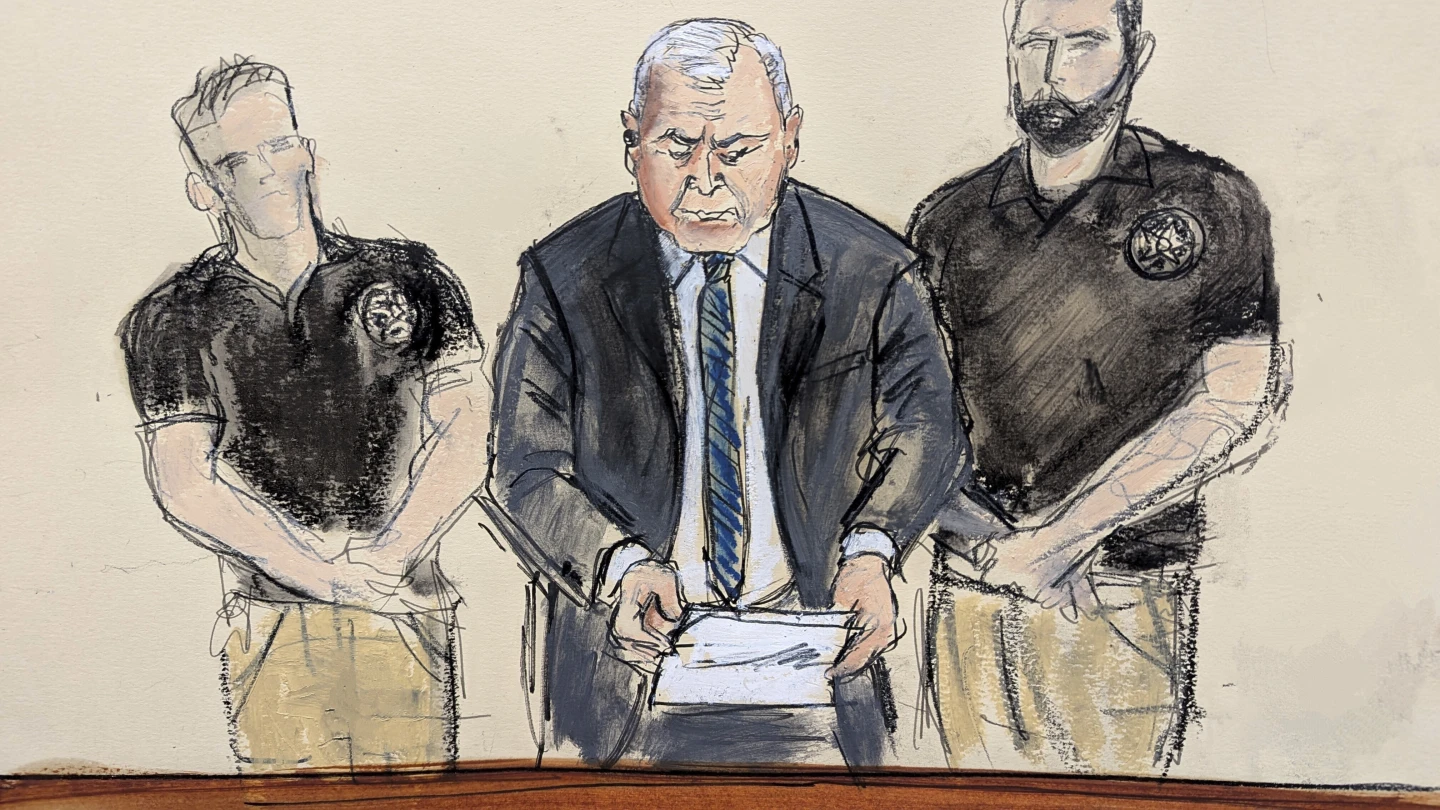
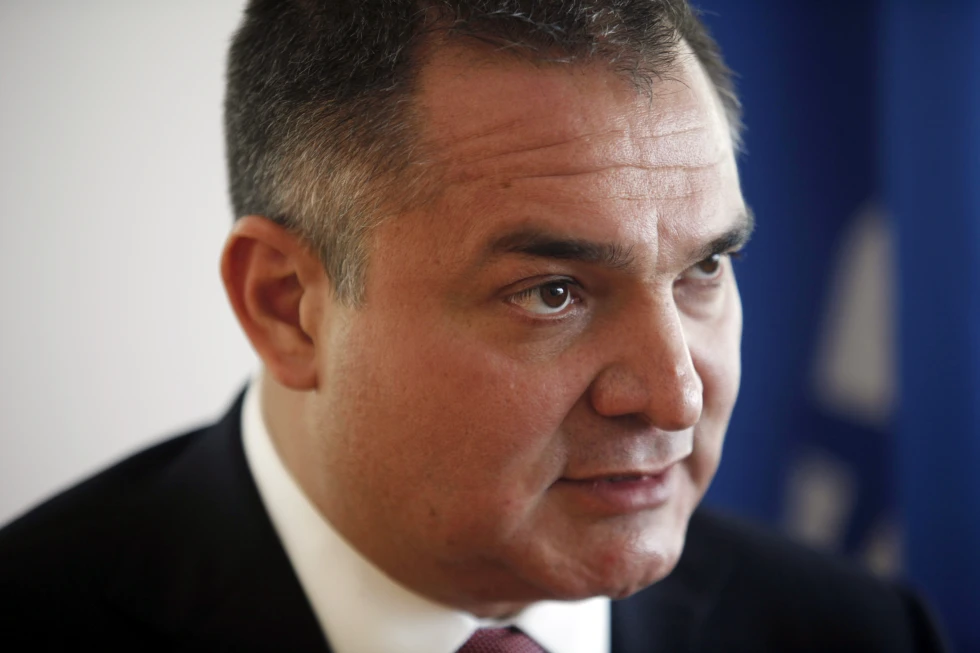
Genaro García Luna, once hailed as the architect of Mexico’s war on drug cartels, has been sentenced to 38 years and four months in a U.S. federal prison for accepting massive bribes from the very criminal organizations he was tasked with combating. The 56-year-old former Mexican secretary of public security was convicted by a New York jury in 2023, marking him as the highest-ranking Mexican government official ever convicted in the United States.

U.S. District Judge Brian Cogan imposed the sentence in a Brooklyn federal court on Wednesday, alongside a $2 million fine. The judge dismissed García Luna’s past accolades in the war on drugs, stating, “That was your cover. You are guilty of these crimes, sir. You can’t parade these words and say, ‘I’m police officer of the year.'”

García Luna, who led Mexico’s federal police before serving as the top security official from 2006 to 2012 under then-President Felipe Calderón, maintained his innocence during the sentencing hearing. Speaking in Spanish, he claimed the case against him was based on false information from criminals and the Mexican government, asserting, “I have a firm respect for the law. I have not committed these crimes.”

Prosecutors painted a damning picture of García Luna’s activities, alleging that in exchange for millions of dollars, he provided crucial intelligence to the Sinaloa cartel about investigations, information on rival gangs, and ensured safe passage for massive drug shipments. Assistant U.S. Attorney Saritha Komatireddy emphasized the gravity of his actions, stating, “He enabled the cartel. He protected the cartel. He was the cartel.”

The prosecution detailed how García Luna’s corruption facilitated the shipment of over 1 million kilograms of cocaine into the United States using various transportation methods. They argued that his actions resulted in the deaths of thousands of American and Mexican citizens, with Komatireddy asserting, “It may not have been the defendant pulling the trigger, but he has blood on his hands.”

During the trial, evidence was presented showing García Luna’s connections to high-profile U.S. political figures, including photos of him with former President Barack Obama, former Secretary of State Hillary Clinton, and former Senator John McCain. These images underscored the extent of García Luna’s influence and the shocking nature of his betrayal.

The case against García Luna was bolstered by testimony from the 2018 trial of Joaquin “El Chapo” Guzmán, where a former cartel member claimed to have personally delivered at least $6 million in payoffs to García Luna. The witness also alleged that cartel members had agreed to pool up to $50 million for his protection.

García Luna’s defense team, led by attorney Cesar de Castro, announced their intention to appeal the sentence. De Castro emphasized the personal toll on his client, stating, “He has lost close to everything. All that remains is his wonderful family.”

The sentencing has reverberated in Mexican politics, with newly inaugurated President Claudia Sheinbaum commenting on the stark contrast between García Luna’s former accolades from U.S. agencies and ex-President Calderón, and his current status as a convicted criminal.

apnews

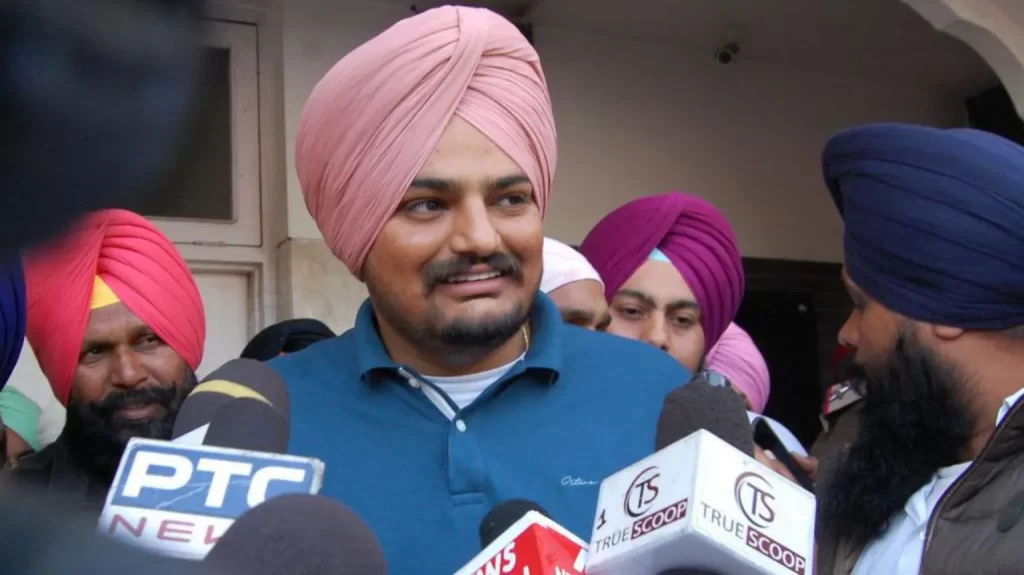
How Imprisoned Indian Gangster, Lawrence Bishnoi, Wields Power Beyond Bars-BBC

0

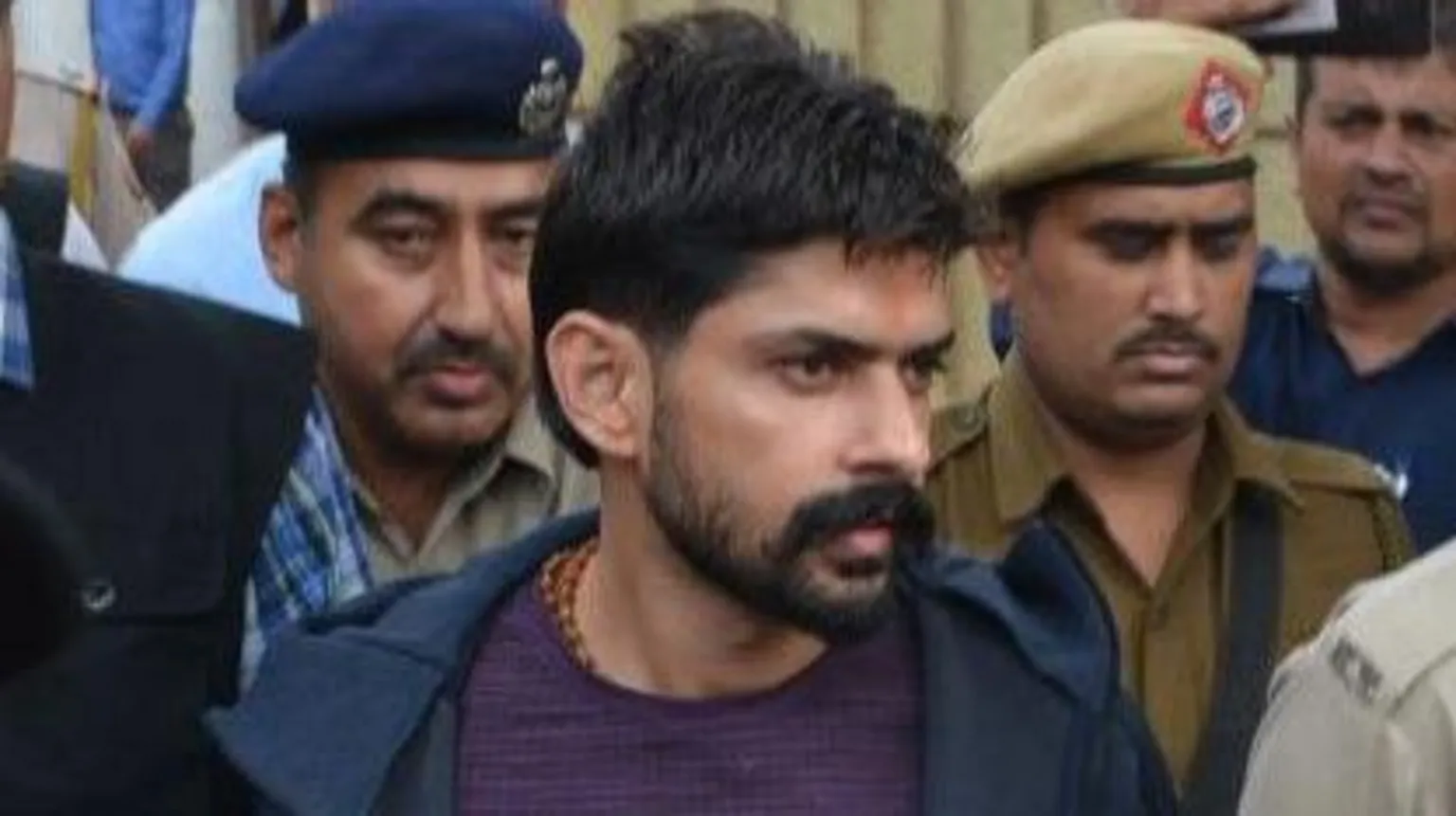
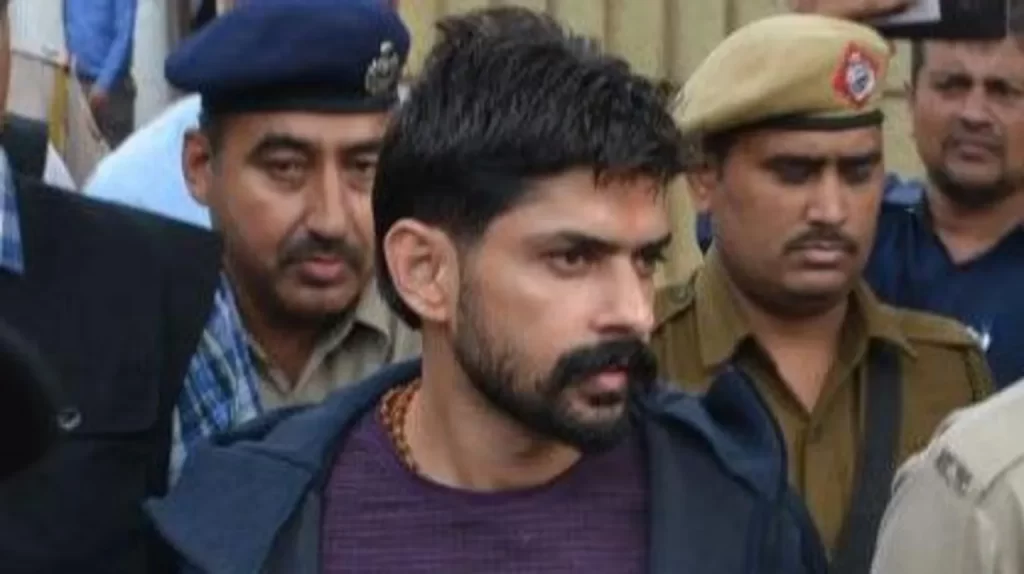
Lawrence Bishnoi, a 31-year-old Indian gangster currently incarcerated in Gujarat, has emerged as a central figure in a complex web of criminal activities that span national borders and involve allegations of international intrigue. Despite being behind bars since 2015, Bishnoi’s influence appears undiminished, with recent events thrusting him into the spotlight both domestically and internationally.

Bishnoi has been in prison since 2015, now held far from his native Punjab state in Gujarat

Canadian authorities recently made a startling claim, alleging that the Indian government was utilizing “organized crime groups like the Bishnoi group” to target pro-Khalistan leaders in Canada. This accusation comes amid escalating diplomatic tensions between India and Canada following the assassination of a Sikh separatist on Canadian soil last year. The Indian government has vehemently denied these allegations, dismissing them as “preposterous.”

Bishnoi’s notoriety in India has been further amplified by recent events. His gang is allegedly linked to the recent killing of Baba Siddique, a prominent 66-year-old politician in Mumbai. The murder, carried out by gunmen near the victim’s son’s office, has led to the arrest of three suspects. An alleged aide of Bishnoi has claimed responsibility for the crime on social media, underscoring the gangster’s continued reach despite his incarceration.

Indian police link Bishnoi’s gang to Baba Siddique’s (centre) killing; Salman Khan (left) has also been threatened

The extent of Bishnoi’s influence became evident in 2022 when he was named as the prime accused in the high-profile murder of Sidhu Moose Wala, a popular Punjabi singer. This case highlighted Bishnoi’s ability to orchestrate complex criminal operations from within prison walls.

Indian law enforcement estimates that Bishnoi continues to control a vast criminal network comprising approximately 700 members. This gang operates across multiple states, including Punjab, Haryana, Rajasthan, and Delhi, engaging in activities ranging from celebrity extortion to drug and weapons smuggling, and targeted assassinations. Goldy Brar, Bishnoi’s partner and co-accused in the Moose Wala killing, is believed to be running operations from Canada, further complicating the international dimensions of the case.

Bishnoi’s journey from an affluent background to becoming one of India’s most notorious gangsters is marked by a series of strategic moves and a cultivated image. Born into a wealthy family in Punjab, he attended prestigious schools before entering student politics in Chandigarh. His defeat in student elections reportedly served as a catalyst for his entry into the criminal world.

Bishnoi is the prime accused in the murder of Sidhu Moose Wala, the popular Punjabi singer, in October 2022

The gangster’s ability to maintain control over his empire while incarcerated has raised serious questions about prison security and potential high-level connections. In March 2022, Bishnoi managed to give phone interviews from inside a Punjab jail, prompting a high court-ordered investigation. His seamless operation of the gang from prison, as noted by senior police officer Gurmeet Chauhan, sets him apart from other regional gangsters.

Punjab, Bishnoi’s home state, has long grappled with the issue of organized crime. The region’s cash-driven economy, fueled by drugs, real estate, and illegal liquor sales, has created an ecosystem where crime intersects with popular culture. This environment has proven fertile ground for gangsters like Bishnoi, who blend notoriety with a twisted pursuit of fame, often amplified through social media.

Wave of Hoax Bomb Threats Disrupts Indian Airlines, Prompts International Response

0

A series of hoax bomb threats has caused significant disruption to Indian airlines over the past 48 hours, affecting at least 10 flights and triggering international security responses. The incidents have led to lengthy delays, diversions, and heightened security measures across multiple carriers and airports.

On Tuesday, Singapore’s Air Force dispatched two fighter jets to escort an Air India Express plane away from populated areas following a bomb threat. The aircraft, traveling from Madurai to Singapore, was safely guided to Changi Airport. Singapore’s Defence Minister Ng Eng Hen confirmed that the plane was handed over to Airport Police upon landing, with investigations ongoing.

In a separate incident, an Air India flight from Delhi to Chicago was forced to make an unscheduled landing at Iqaluit airport in Canada as a precautionary measure. The Royal Canadian Mounted Police are currently investigating the threat. Air India later announced that a Canadian Air Force plane would transport the passengers to their final destination in Chicago.

The surge in threats has affected multiple Indian airlines, including Air India, IndiGo, SpiceJet, and Akasa Air. While hoax bomb threats are not uncommon in India, the sudden increase since Monday has raised concerns among aviation authorities and airlines.

On Monday, three international flights departing from Mumbai were either diverted or delayed after threats were posted on social media platform X (formerly Twitter). Police have detained a teenager in connection with these incidents. Tuesday saw seven more flights affected by threats from another X account, which has since been suspended.

Air India has issued a statement confirming its cooperation with authorities to identify those responsible for the threats. The airline is considering legal action to recover damages incurred due to the disruptions.

The threats have activated standard security protocols at Indian airports, involving Bomb Threat Assessment Committees, bomb disposal squads, sniffer dogs, and various emergency services. These procedures typically result in significant delays and substantial costs for airlines and security agencies.

Officials from India’s Directorate General of Civil Aviation and Bureau of Civil Aviation Security have not yet responded to requests for comment on the situation.

bbc.com

Former Mexican Security Chief Faces Sentencing in US for Drug Cartel Ties

0
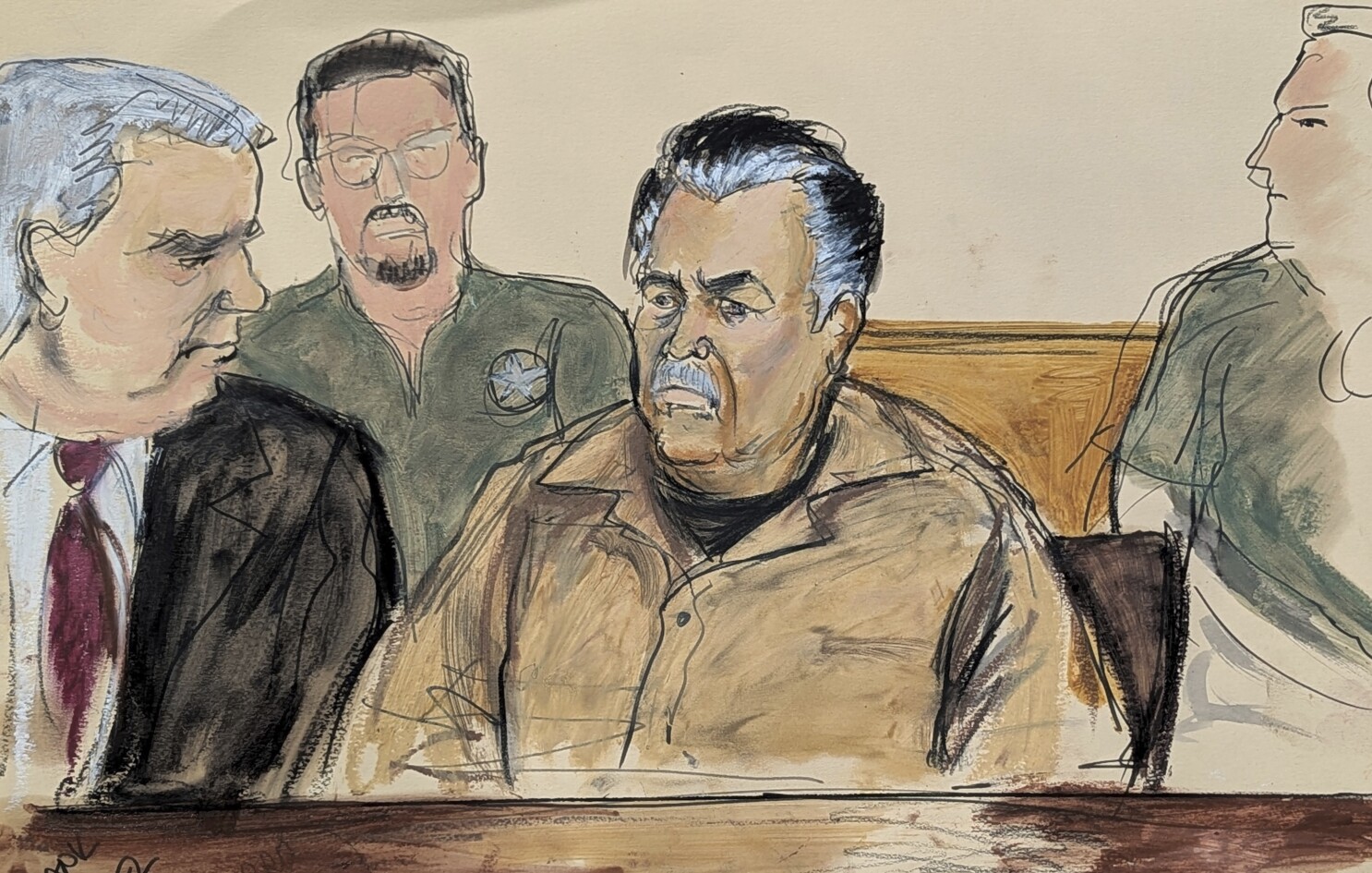
In this courtroom sketch, Ismael Zambada Garcia, El Mayo, center, is seated beside his defense attorney Frank Perez, left, in Federal court, in the Brooklyn borough of New York, Friday, Sept. 13, 2024. (Elizabeth Williams via AP)

Genaro García Luna, Mexico’s former top security official, is set to be sentenced in a Brooklyn federal court on Wednesday following his conviction for accepting millions in bribes from the Sinaloa drug cartel. García Luna, who served as Mexico’s public security chief from 2006 to 2012, was found guilty early last year of aiding the very drug traffickers he was tasked with combating.

Federal prosecutors are pushing for a life sentence, citing the enormous scale of García Luna’s crimes and their devastating impact on both Mexican and American citizens. In their court filing, prosecutors emphasized the difficulty in overstating “the magnitude of the defendant’s crimes, the deaths and addiction he facilitated and his betrayal of the people of Mexico and the United States.”

The 56-year-old García Luna, who has maintained his innocence, headed Mexico’s federal police before assuming his cabinet-level position during the administration of former President Felipe Calderón. Once hailed as a key U.S. ally in the war on drugs, García Luna was photographed with high-profile American figures including former President Barack Obama, former Secretary of State Hillary Clinton, and former Senator John McCain.

Prosecutors allege that in exchange for substantial payoffs, García Luna provided crucial intelligence to the Sinaloa cartel about investigations and rival organizations. He allegedly ensured drug traffickers received advance warning of raids and sabotaged legitimate police operations targeting cartel leaders.

In this courtroom sketch, Ismael Zambada Garcia, El Mayo, center, is seated beside his defense attorney Frank Perez, left, in Federal court, in the Brooklyn borough of New York, Friday, Sept. 13, 2024. (Elizabeth Williams via AP)

The prosecution claims that under García Luna’s protection, drug traffickers successfully moved over 1 million kilograms of cocaine into the United States using various transportation methods. During the 2018 trial of former Sinaloa kingpin Joaquin “El Chapo” Guzman, a cartel member testified to personally delivering at least $6 million in bribes to García Luna.

García Luna’s defense team is arguing for a maximum sentence of 20 years. In their appeal for leniency, his lawyers detailed the personal and public hardships endured by García Luna and his family during his nearly five-year imprisonment. They emphasized the loss of his reputation, assets, and the institutions he championed.

The case has drawn attention in Mexico, with President Claudia Sheinbaum commenting on the stark contrast between García Luna’s former accolades from U.S. agencies and ex-President Calderón, and his current status as a prisoner facing serious charges related to drug trafficking.

apnews.com