Home Blog Page 829

Telecom Provider MTN Nigeria Closes Offices Nationwide Following Subscriber Unrest

Telecommunications giant MTN has announced the closure of all its stores and service centres across Nigeria in response to widespread subscriber outrage. The decision comes after the network provider barred numerous subscriber lines on Sunday, July 28, 2024, due to discrepancies between National Identification Numbers (NIN) and SIM registrations.

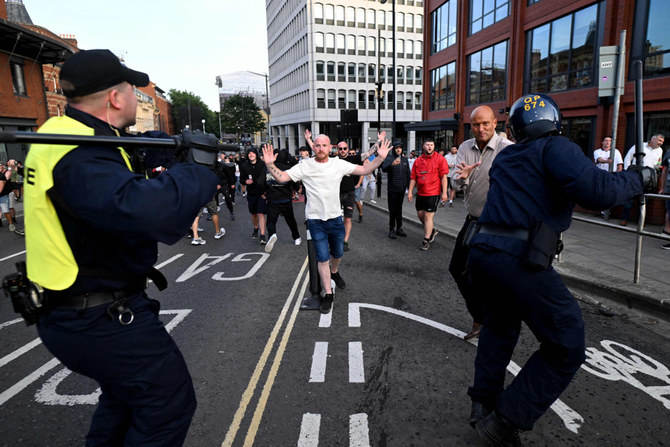
The situation escalated dramatically on Monday when a mob of angry subscribers vandalized MTN’s office in the FESTAC Town area of Lagos State. A viral video circulating on social media showed a large crowd destroying a barricade fence outside the office. The incident was reportedly triggered by the network’s decision to block subscribers whose NIN didn’t match their SIM registration details.

In response to the unrest, Lagos State Police Public Relations Officer, Benjamin Hundeyin, stated on social media platform X that the Divisional Police Officer (DPO) of FESTAC and his team had successfully restored normalcy and peace at the scene. “This should not be the way to go!” Hundeyin emphasized in his statement.

MTN officially announced the nationwide closure of its shops on Tuesday, July 30, 2024. In a brief statement posted on X, the company said, “Yello customer, please be informed that our shops nationwide will be closed today, 30th July 2024.” This move appears to be a precautionary measure to prevent further incidents and ensure the safety of staff and property.

The crisis highlights the ongoing challenges in Nigeria’s telecommunications sector, particularly regarding the integration of National Identification Numbers with SIM registrations. The Nigerian government has been pushing for this integration as part of efforts to enhance security and reduce fraud in the country.

MTN, as one of Nigeria’s largest telecommunications providers, finds itself at the center of this controversy. The company’s decision to block SIMs that don’t comply with the NIN-SIM linkage requirement has clearly struck a nerve with many subscribers, leading to this unprecedented outburst of public anger.

As the situation continues to develop, questions arise about the long-term implications for MTN’s operations in Nigeria, the effectiveness of the NIN-SIM integration policy, and the broader impact on Nigeria’s telecommunications landscape. The incident also underscores the potential for public frustration to boil over into violence, presenting challenges for both corporate entities and law enforcement.

Authorities and MTN officials are expected to address the situation in the coming days, potentially offering solutions to resolve the SIM blocking issue and outlining plans to prevent similar incidents in the future. For now, MTN subscribers across Nigeria will have to rely on alternative channels for customer service as the company’s physical locations remain closed.

Source: punchng.com

Uganda Government Uneasy as More Women Register Foreign Spouses

The Ugandan government has expressed growing concern over an emerging trend in the country’s immigration landscape: an increasing number of Ugandan women are applying for dependent permits for their foreign male partners.

This development has caught the attention of the Ministry of Internal Affairs, raising questions about its potential impact on traditional societal norms and immigration policies.

Simon Peter Mundeyi, spokesperson for the Ministry of Internal Affairs, addressed this issue during a security news briefing at police headquarters in Naguru. He described the phenomenon as “troubling,” highlighting the ministry’s unease with this shift in immigration patterns.

“In traditional African society, there are norms and men are typically providers rather than dependents,” Mundeyi stated, underlining the government’s perspective on the matter. This statement reflects the tension between evolving social dynamics and deeply ingrained cultural expectations in Uganda.

The ministry’s concern stems from the potential implications of this trend on traditional societal roles. There is a prevailing view within the government that permitting foreign men to rely on Ugandan women for residency status could undermine established social structures and have broader ramifications for the country’s immigration policy.

According to Mundeyi, this trend has raised alarm within the immigration department, prompting officials to strongly discourage such applications. The spokesperson emphasized that the department is closely monitoring these cases and is considering the implementation of stricter measures to address the issue.

This situation highlights the complex interplay between immigration policies, cultural norms, and changing social dynamics in Uganda. As more Ugandan women seek to register foreign partners, the government faces the challenge of balancing traditional expectations with evolving societal trends.

The Ministry of Internal Affairs’ stance on this issue has sparked discussions about gender roles, individual freedoms, and the role of government in regulating personal relationships. Critics argue that such concerns may infringe on personal choices, while supporters view it as a necessary step to preserve cultural values and manage immigration effectively.

As the situation develops, it remains to be seen how the Ugandan government will navigate this delicate balance between maintaining traditional norms and adapting to changing social realities. The outcome of this debate could have significant implications for immigration policies, gender relations, and societal structures in Uganda.

This issue adds a new dimension to the challenges faced by the Ugandan government, extending beyond concerns of corruption and youth disillusionment to questions of cultural identity and social evolution in the face of globalization.

Source: nilepost.co.ug

CGA-Ghana to Feature in Paris 2024 Cultural Olympiad

Ghana’s Cultural Games Association (CGA) will make a historic debut in the Cultural Olympiad initiative, which will take place during the Paris Games.

The Cultural Olympiad project, a multidisciplinary creative and cultural extravaganza, will include thousands of events at the intersection of art, sports, and Olympic principles.

From August 1-12, the Salles des Sports in Le Bourget, France, will host an exhibition of Ghanaian cultural games such as skyball, kontiball, amanball, chaskele, and pushboxing.

This milestone for the CGA-Ghana was attained after the Paris Olympic Committee approved the participation of these demonstration sports in the Cultural Olympiad, which is geared towards the global promotion of traditional sports.

The initiative also aims to use sports as a diplomatic tool for global peaceful coexistence, diversity, and social cohesion.

The event will converge global cultural educators, athletes, musical and cultural groups, enthusiasts, and media to share cultural experiences and knowledge, and strengthen diplomatic ties with individuals and organizations.

The CGA-Ghana, in a statement, said the recent milestone was achieved through the guidance and recommendations from the National Sports Authority (NSA), which has expanded their global outreach.

“With profound support from the NSA, Ghana Education Service, and National Commission on Culture, the CGA has propelled the image of Ghana in the global cultural games space, having featured at global expos and festivals.

“We will best represent Ghana in demonstrating the cultural games and arts prowess on the global stage at the Paris Games and promote the preservation of both tangible and intangible cultural heritage,” the statement added.

Source: ghanaiantimes.com.gh

China and 26 African Countries to Strengthen Digital Sector Partnerships

China and 26 African countries have agreed to strengthen partnerships and boost innovation in the digital sector.

African participants at the Forum on China-Africa Digital Cooperation were hosted Monday (Jul. 29) by the Chinese Ministry of Industry and Information Technology in Beijing.

Senegal’s Minister of Telecommunications expressed optimism about the changes scheduled over the next three years.

“This digital cooperation between China and Africa is win-win and will bring benefits to our countries, the African continent, and Chinese government through the setting up of innovative infrastructures,” Alioune Sall said.

The parties jointly issued an action plan which includes the implementation of 10 digital transformation demonstration projects and the training of at least 1,000 professionals in the digital field.

This initiative aims to strengthen partnerships in digital policy, infrastructure, cutting-edge innovation, digital transformation, security, and talent nurturing over the next three years.

In recent years, China has struck digital cooperation deals with numerous African governments.

According to the China Academy of ICTs, Chinese firms are involved in bolstering network infrastructures on the continent, benefiting over 900 million people.

These include the deployment of undersea cables by Chinese companies and the launch of data centers.

Morocco Releases Imprisoned Journalists Following Royal Pardons

Three prominent journalists in Morocco, – Omar Radi, Taoufik Bouachrine, and Soulaimane Raissouni – were released from prison on Monday after receiving pardons from King Mohammed VI. The pardons were part of a larger clemency initiative that saw 2,278 individuals granted freedom, coinciding with celebrations marking the 25th anniversary of the King’s ascension to the throne.

The journalists, who had been sentenced to lengthy prison terms on charges they vehemently denied as politically motivated, were freed from the Tiflet prison east of Rabat to a jubilant crowd of supporters. Their cases had become emblematic of concerns over press freedom and human rights in the North African kingdom.

Morocco’s Ministry of Justice announced the pardons, which are a constitutional power of the King as head of state. It’s important to note that while the pardons apply to the journalists’ prison sentences, they do not extend to civil penalties or monetary compensation ordered by the courts.

Human rights activists have welcomed the pardons while emphasizing that this move does not erase concerns about the judicial process that led to the journalists’ imprisonment. Fouad Abdelmoumni, a prominent human rights activist, expressed this sentiment on Facebook, writing, “Congratulations. Awaiting the others — and democracy,” alluding to other dissidents who remain incarcerated.

The cases of Radi, Bouachrine, and Raissouni had drawn international attention and criticism. The U.S. State Department, European Parliament, and numerous press freedom organizations had expressed concern over their prosecutions, which were seen by many as part of a broader crackdown on critical voices in Morocco.

Each journalist was convicted of sex-related crimes, which they and their supporters claim were fabricated to silence their reporting on corruption and abuse of power. Human rights groups, including Human Rights Watch, have accused Moroccan authorities of using such serious charges to intimidate and silence dissent.

The releases come against the backdrop of Morocco’s complex political landscape. While known internationally as a stable ally in counterterrorism efforts and a popular tourist destination, the kingdom has faced criticism for its treatment of journalists and political critics.

The pardons and subsequent releases have reignited discussions about press freedom and human rights in Morocco. While this move is seen as a positive step, observers note that it does not address the underlying issues that led to the journalists’ imprisonments in the first place.

As Morocco celebrates its national holiday, the release of these journalists serves as a reminder of the ongoing tensions between the state and critical voices within the country. The international community will likely continue to monitor the situation closely, watching for any signs of further reform or continued pressure on press freedom in the kingdom.

Olympic Shocker: Coco Gauff Eliminated from Singles Competition in Paris

American tennis sensation Coco Gauff has been eliminated from the singles competition. The world No. 2 fell to Croatian player Donna Vekic in straight sets during a fiercely contested third-round match.

Gauff’s Olympic journey came to an unexpected end as she lost 7-6, 6-4 to Vekic, in a match that was not without controversy. The American star found herself trailing 2-4 in the second set after dropping a closely fought first set in a tiebreaker.

The tension peaked midway through the second set when Gauff halted play for nearly 10 minutes to dispute what she believed was an erroneous call. In a moment of frustration, she was heard saying, “I feel like I’m getting cheated on constantly in this game.” This delay added drama to an already intense match, highlighting the high stakes of Olympic competition.

Despite her status as one of the tournament favorites, Gauff struggled to find her rhythm against the determined Vekic. The loss of a crucial breakpoint in the first set proved to be a turning point, setting the stage for the upset.

While this defeat marks the end of Gauff’s singles campaign in Paris, she is still slated to compete in the doubles competition. This continued participation offers her a chance at redemption and the opportunity to secure an Olympic medal for Team USA.

Gauff’s early exit is a significant blow to the American tennis contingent and adds to the unpredictable nature of this year’s Olympic tennis tournament. As the No. 2 player in the world, her elimination opens up the field and reshapes the landscape of the women’s singles competition.

This upset serves as a reminder of the intense pressure and fierce competition that characterize the Olympic Games. For Gauff, it’s a disappointing end to her singles run, but the experience gained on this global stage will undoubtedly contribute to her growth as an athlete.

As the tennis competition continues, all eyes will now turn to the remaining American players and Gauff’s performance in the doubles event. The young star’s resilience will be tested as she aims to bounce back from this setback and make her mark in the paired competition.

The 2024 Paris Olympics continue to deliver unexpected results and compelling narratives, with Gauff’s early exit sure to be remembered as one of the tournament’s most significant upsets.

Nigerians Queue for Fuel as NNPC Blames Operational Hitch

Fuel queues lengthened across major Nigerian cities on Monday after state-oil company Nigerian National Petroleum Corp. faced problems supplying gasoline to local traders and depots.

Last year, President Bola Tinubu’s government opened up gasoline imports to private companies, but foreign currency shortages and a cap on the price of petrol have meant that NNPC remains the only importer. Nigeria’s new Dangote Refinery is yet to start processing gasoline.

“The NNPC Ltd wishes to state that the tightness in fuel supply and distribution witnessed in some parts of Lagos and the Federal Capital is a result of a hitch in the discharge operations of a couple of vessels,” Olufemi Soneye, NNPC spokesperson, said in a statement over the weekend when queues began forming.

Gasoline prices at retail stations have risen to over 800 naira ($0.50) from around 617 naira per litre in May 2023 when the government announced it was ending gasoline subsidies. The price surge has added to already high inflation in Nigeria and a cost of living crisis.

The NNPC Ltd owes gasoline suppliers over $6 billion, thus affecting supplies, and is seeking to raise financing to settle the debts (₦1 = $1,580.0000 naira).

IMF Approves ‘Landmark’ $3.4bn Bailout for Ethiopia as Currency Devalues

The International Monetary Fund (IMF) has approved a significant $3.4 billion (£2.6 billion) bailout for Ethiopia, marking a crucial step in the country’s economic reform journey. This development comes as Ethiopia implements major changes to its currency policy, resulting in a substantial devaluation of the birr.

IMF Managing Director Kristalina Georgieva described the agreement as “a landmark moment for Ethiopia,” highlighting it as “a testament to Ethiopia’s strong commitment to transformative reform.” The bailout is structured to support Ethiopia’s economic reforms over the next four years, with an immediate release of about $1 billion to address balance of payments needs and provide budgetary support.

Concurrent with the IMF’s announcement, Ethiopia has taken the bold step of floating its currency, a move long considered crucial for securing international loans. The Commercial Bank of Ethiopia, one of the country’s largest banks, reported that the value of the birr has fallen by 30% against the US dollar following the relaxation of currency restrictions.

This significant devaluation is part of Ethiopia’s efforts to address chronic foreign currency shortages, a problem exacerbated by the brutal two-year civil war in Tigray that ended in 2022, as well as ongoing conflicts in other regions. These factors have contributed to high inflation and made it challenging for the country to attract much-needed foreign investment.

FILE PHOTO: A man counts Ethiopia’s birr notes in Merkato, one of Africa’s biggest open air market, in Addis Ababa, Ethiopia, April 25, 2024. REUTERS/Tiksa Negeri/File Photo

The central bank of Ethiopia, in a statement by its head Mamo Mehretu, announced the immediate introduction of a competitive, market-based foreign exchange regime. This marks a major policy shift not seen in half a century, allowing commercial banks to buy and sell foreign currencies at negotiated prices.

While the currency devaluation is expected to help Ethiopia secure a larger loan package of $10.7 billion (£8.3 billion) from the IMF and World Bank, it has raised concerns among Ethiopians about potential increases in the cost of living. To mitigate these effects, the government has pledged to provide subsidies on essential goods such as petrol and additional support for low-income workers.

The IMF-supported economic program aims to stimulate private-sector led growth in Ethiopia, Africa’s second most populous country. The Fund emphasized that this should allow for increased spending on health, education, investment, and social safety nets. Furthermore, the program is expected to catalyze additional external financing from development partners and provide a framework for the successful completion of ongoing debt restructuring efforts.

Ethiopia has been seeking over $10 billion in support from international financial institutions and is in talks with international creditors to restructure its external debt of around $28 billion. In December, Ethiopia became the third African country in three years to default on its sovereign bond, underscoring the urgency of these economic reforms.

As Ethiopia navigates these significant economic changes, the international community watches closely. The success of these reforms could set a precedent for other developing nations facing similar economic challenges, particularly in managing currency valuations and securing international financial support.

Tiffany Haddish Addresses Criticism Over Controversial Zimbabwe Supermarket Video

American comedian Tiffany Haddish has found herself at the center of a social media storm following a TikTok video she posted during a visit to Zimbabwe. The 44-year-old actor’s genuine surprise at the presence of modern supermarkets in the African nation has sparked a heated debate about Western perceptions of the continent.

In the video, which has garnered over 200,000 views on TikTok, Haddish is seen strolling through the aisles of a large supermarket chain in Harare, Zimbabwe’s capital. “Look at this grocery store. It’s humungous, in Africa,” she exclaims, panning over shelves stocked with soft drinks, frozen meats, and fresh produce.

The reaction from many Zimbabweans and other African social media users was swift and critical. One user on X (formerly Twitter) commented, “How ignorant could she be? Did she think that Africans shop from rocks? She needs to travel more and unclog her sadly colonized view of the world.” Others expressed frustration at the persistent stereotypes about Africa, with one user noting, “They think we’re chasing lions and zebras.”

In response to the backlash, Haddish took to X to defend her intentions. She explained that as an African American, she had been exposed to a narrative that portrayed Africa as a place of constant poverty and conflict. “I am an American, a Black one at that, and told for years that people are starving in Africa, showed pictures of babies with flies on them,” she wrote. Haddish added that she had been told “crazy stories” about how Africans “kill each other” and there is “war everyday.”

The comedian, who is half-Eritrean and first visited Eritrea in 2018, stated that her trip to Zimbabwe has been eye-opening. “I thought I would share cause I know people in the USA that believe Africans don’t have anything,” she explained, emphasizing her intent to challenge these misconceptions.

While the controversy has highlighted the persistence of stereotypes about Africa in Western media and education, it has also sparked a broader conversation about cultural understanding and the responsibility of public figures when discussing other cultures. Some supporters of Haddish have appreciated her honesty and willingness to learn, with one commenter noting, “We like that you like our grocery store and all the products that shocked you are just basics here as well, we really aren’t in the forest hanging on trees.”

This incident underscores the complex relationship between African Americans and continental Africans, as well as the ongoing struggle against outdated and harmful stereotypes about Africa in global media. As the discussion continues, it serves as a reminder of the importance of firsthand experience and open dialogue in challenging long-held misconceptions.

As Haddish continues her journey of discovery in Africa, her experience highlights the need for more nuanced and accurate representations of the continent’s diverse nations and cultures in international discourse.

Russian Mercenary Commander Dies in Mali Sandstorm Ambush

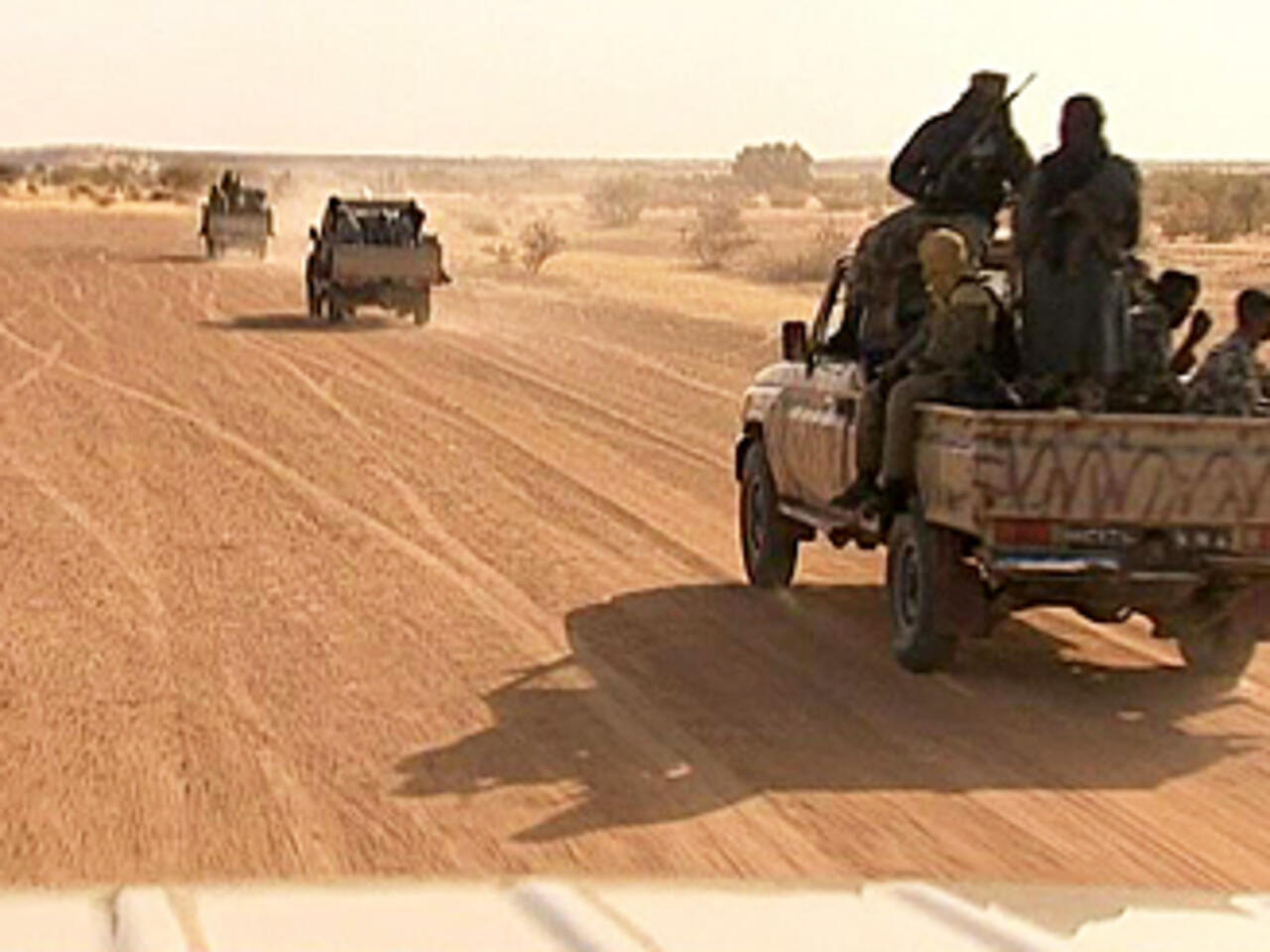
A Russian mercenary commander has been killed in Mali following a rebel attack during a sandstorm, according to reports from the Africa Corps, the successor organization to the notorious Wagner Group. This incident highlights the ongoing volatility in the West African nation and the complex web of international involvement in the region’s conflicts.

The Africa Corps, which has been supporting Mali’s military regime since 2021, reported engaging in “fierce battles” against separatist rebels and jihadist militants last week. However, the situation took a dramatic turn when separatist forces launched a major attack, resulting in significant casualties for the Russian mercenaries.

Sources close to Africa Corps told the BBC that an estimated 20 to 50 mercenaries were killed in the ambush near the north-eastern town of Tinzaouaten. Russian military bloggers corroborated this information, reporting at least 20 fatalities. In an official statement on Telegram, the mercenary group confirmed suffering “losses,” including the death of commander Sergei Shevchenko.

The attack unfolded in two phases. Initially, the Africa Corps claims to have “destroyed most of the Islamists and put the rest to flight.” However, a subsequent sandstorm allowed the rebels to regroup, reportedly amassing a force of about 1,000 fighters who then launched a devastating counterattack.

Two groups have claimed responsibility for the ambush. The Permanent Strategic Framework for Peace, Security and Development (CSP-PSD), a Tuareg-dominated separatist organization, stated that their forces “dealt a decisive blow to the enemy columns” on Saturday. They also claim to have taken prisoners and captured significant amounts of equipment and weapons.

Separately, Jamaat Nusrat al-Islam wal-Muslimin (JNIM), an al-Qaeda affiliate, has claimed sole responsibility for the attack, asserting they killed 50 Russian mercenaries in a “complex ambush.”

Video footage shared by rebel groups shows numerous white men in military fatigues lying motionless on sandy terrain, as well as a group of mostly black men blindfolded with their hands tied behind their backs. The BBC has not been able to verify the authenticity of these videos.

This incident occurs against the backdrop of Mali’s complex political and security landscape. The country’s central government lost control of much of the north following a Tuareg rebellion over a decade ago, with the situation further complicated by the involvement of Islamist militants. The current military junta, which seized power through coups in 2020 and 2021, turned to Russian mercenaries for support after severing ties with former colonial power France.

The Africa Corps’ involvement in Mali is a continuation of the role previously played by the Wagner Group, which was effectively dismantled following a mutiny by its leader Yevgeny Prigozhin last year. This transition underscores the evolving nature of Russia’s military engagement in Africa and the ongoing challenges faced by Mali in its struggle for stability and security.

Source:bbc.com