Home Blog Page 867

Arizona Boy, 9, Found Dead in Decomposing State in Spider-Infested Home, in Sitting Position; Father Charged

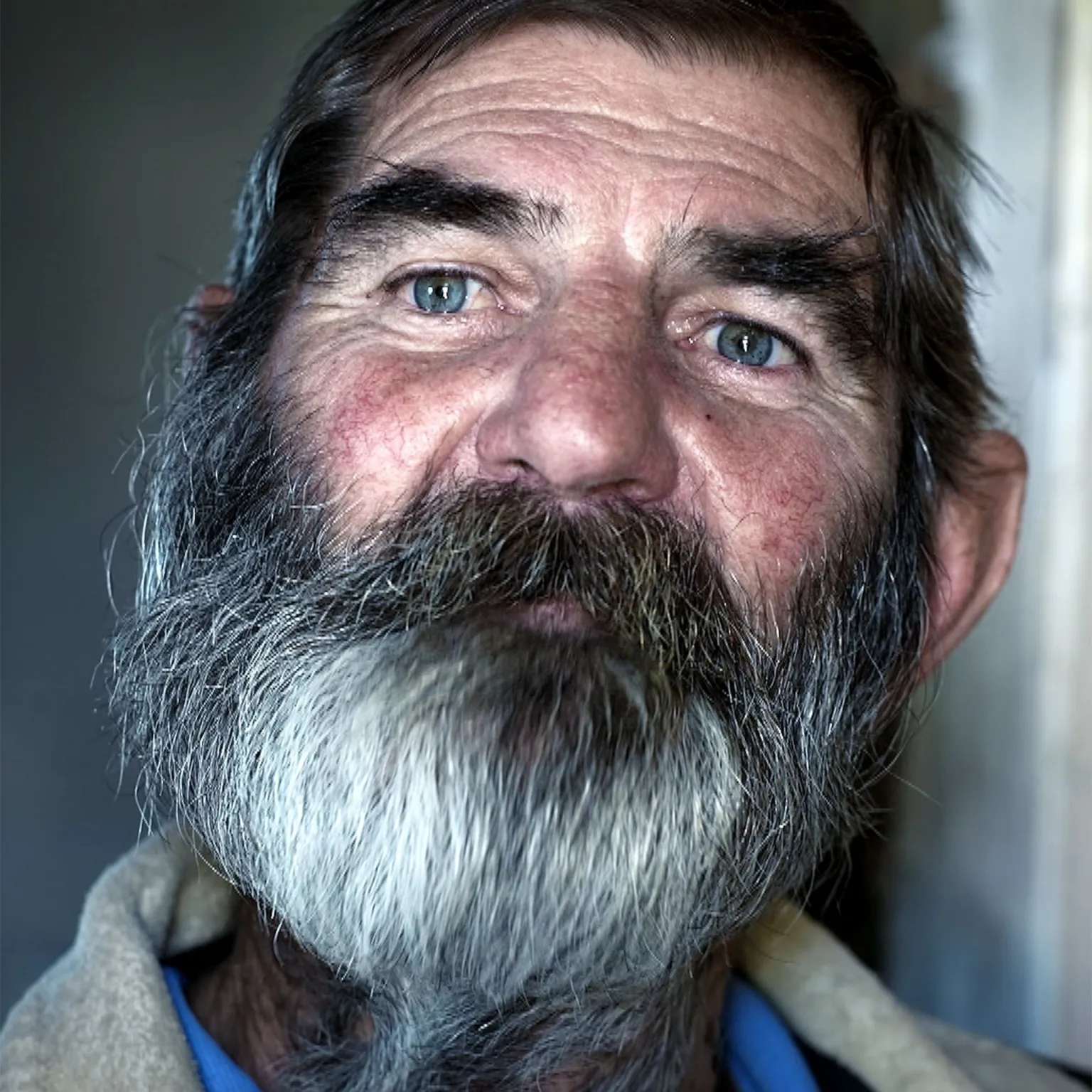
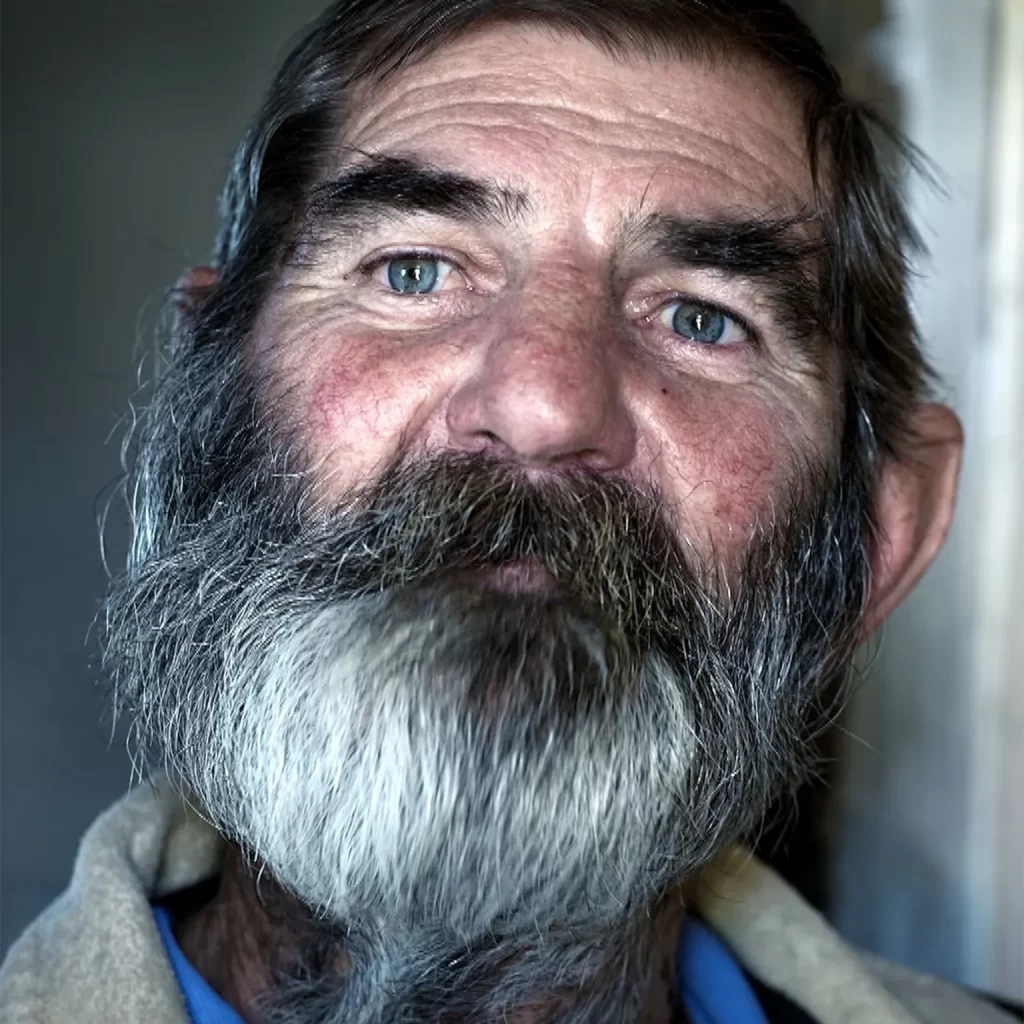
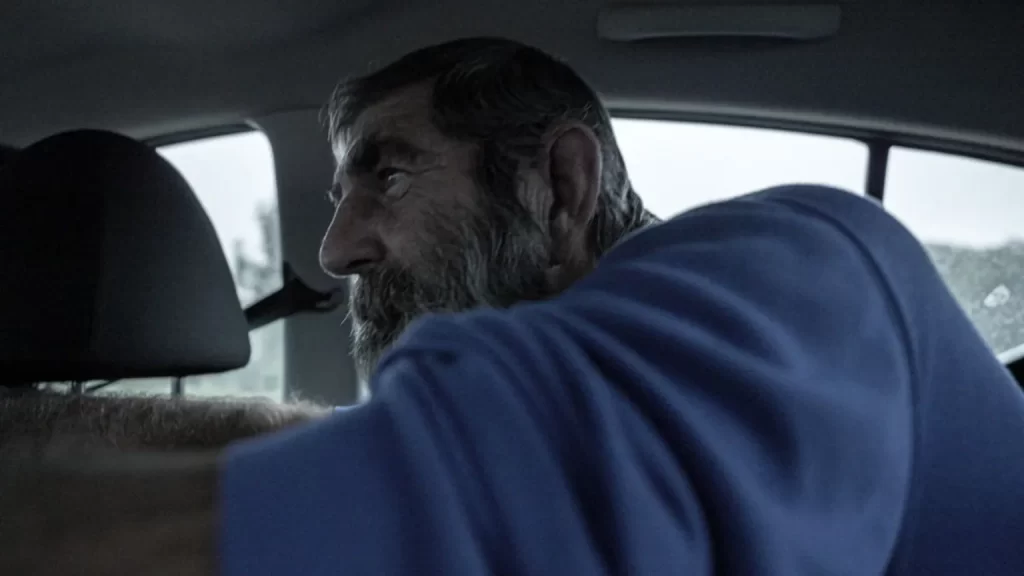
In a shocking case of child neglect, a 9-year-old boy was found dead and decomposing in an Arizona home filled with spiders, trash, and bottles of urine. The boy’s father, Joseph Gregory Antonsen, 38, now faces charges of child abuse and negligent homicide.

Screenshot

The Pima County Sheriff’s Department responded to a residence in the Tucson Mountain District on July 14, where they made the gruesome discovery. According to probable cause documents, deputies found the child “in a sitting position” on a couch, already “in the process of decomposition.”

The home was described as “cluttered” with piles of trash surrounding the couch where the boy was found. Authorities reported empty beer cans, large piles of soiled diapers, rotten food, and gallon bottles filled with what appeared to be urine. Significant insect activity, including black widow and brown recluse spiders, was noted, with spiderwebs covering the walls throughout the home. The residence had no running water or working toilets.

Antonsen told authorities in Arizona his son fell ill on July 12. He claimed he was planning to take the boy to a doctor, but the child began “shuttering and going limp” before stopping breathing. Antonsen said he couldn’t find a pulse. Instead of calling for help, Antonsen allegedly left the home without his son and didn’t return until July 14. He “declined” to speak further with deputies.

Based on the “deplorable conditions” of the home and Antonsen’s failure to seek medical aid or call 911, authorities charged him with child abuse and negligent homicide. He is being held on a $500,000 bond.

A neighbor described the deceased boy as “really cute” and “very polite,” noting he was “a lot friendlier than his dad.”

This tragic case highlights the devastating consequences of child neglect and the importance of community vigilance in protecting vulnerable children. It raises questions about how such severe neglect could go unnoticed and underscores the need for increased awareness and intervention in cases of child abuse and neglect.

The Gambia Rejects Effort to Legalize Female Genital Mutilation, Marking a Victory for Activists

In a landmark decision, The Gambia’s National Assembly has voted to maintain the ban on female genital mutilation (FGM), rejecting efforts to legalize the practice. This vote marks a significant victory for human rights activists and opponents of FGM, both within The Gambia and globally.

On Monday, lawmakers voted 34 to 19 against a bill that would have reversed the 2015 ban on FGM. The decision was met with celebration by activists like 29-year-old Absa Samba, who herself underwent the procedure at age 2. “There was a huge sense of relief,” Samba said, describing the moment the results were announced.

The Gambia’s decision holds particular significance as it could have become the first country to reverse its ban on FGM. With over 230 million women and girls worldwide having undergone FGM, according to UNICEF, The Gambia’s stance sends a strong message to other nations considering similar legislation.

Judy Gitau, regional Africa coordinator for Equity Now, noted, “The eyes of the world, indeed, were on The Gambia.” The vote is expected to influence discussions in nearby countries like Sierra Leone and Liberia, which are considering their own FGM bans.

Despite the legislative victory, supporters of FGM, led by religious figures like Imam Abdoulie Fatty, continue to advocate for the practice. Fatty argued that the procedure is part of being Muslim, a claim disputed by many Islamic scholars.

The Gambia’s high FGM prevalence rate – 73% among women aged 19 to 49 – underscores the deep-rooted nature of the practice. Rose Sarr, the country representative for the United Nations Population Fund, acknowledges the challenges ahead: “We are talking about something that has been entrenched in tradition and practices for so long.”

While enforcement of the ban remains a challenge, there are encouraging signs. The latest government survey found that 47% of Gambian women now believe FGM should not continue, a growing sentiment that activists hope will continue to spread.

The recent debate has also brought the topic of FGM into the open. “Before it was really something that would not be debated,” Sarr notes. “Women would suffer in silence.”

As The Gambia moves forward with its ban on FGM intact, the focus now shifts to enforcement and changing social norms. Activists and international organizations emphasize the need for continued education and awareness campaigns to complement legal measures.

This vote represents not just a legal victory, but a pivotal moment in The Gambia’s ongoing efforts to protect women’s rights and health. As the world watches, The Gambia’s stance on FGM could serve as a model for other nations grappling with similar cultural and human rights issues.

Source: npr.org

Thousands of Dead Fish Cover Brazilian River Due to Industrial Waste  Dumping

Reports have emerged of another mass die-off of fish in Tanqua, about 60 kilometers (37 miles) from the city of Piracicaba, Brazil where news of dead fish first surfaced. This alarming event underscores the severe environmental challenges facing the region.

The Piracicaba River, which runs through one of the oldest regions of occupation in Sao Paulo state, has historically served as a vital waterway. It was used for navigation by small steamers and supplied water to sugar cane and coffee farms, according to the country’s national statistics agency.

This latest incident in Tanqua is part of a broader pattern of environmental distress. Last year, a severe drought in the Amazon also resulted in the death of huge quantities of fish. The drought’s impact on aquatic life has been devastating, highlighting the urgent need for sustainable water management practices and environmental conservation efforts.

9786CR-BRAZIL-ENVIRONMENT_FISH_ROUGH_CUT_O_

Environmental experts are raising concerns about the frequency and scale of these die-offs, which they attribute to a combination of factors including pollution, climate change, and poor water management. Immediate actions and long-term strategies are necessary to mitigate the impact of such environmental disasters on local ecosystems and communities.

The Brazilian government and environmental organizations are urged to investigate the causes of these mass die-offs and implement measures to prevent future occurrences. Protecting the biodiversity of the Piracicaba River and other affected regions is crucial for maintaining ecological balance and supporting local livelihoods.

Additional 19 Students Killed in Bangladesh as Protests Over Government Jobs Turn Deadly

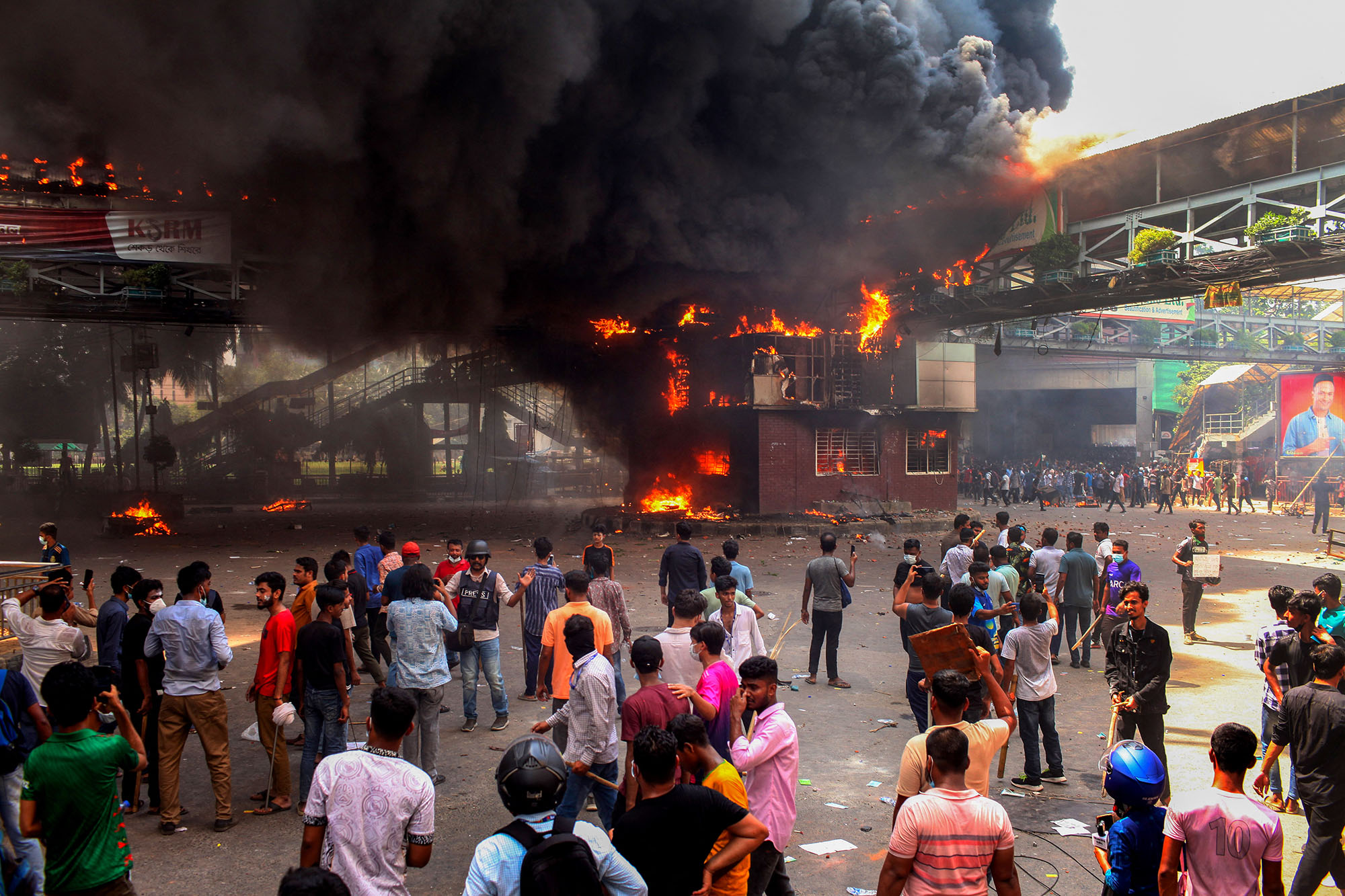
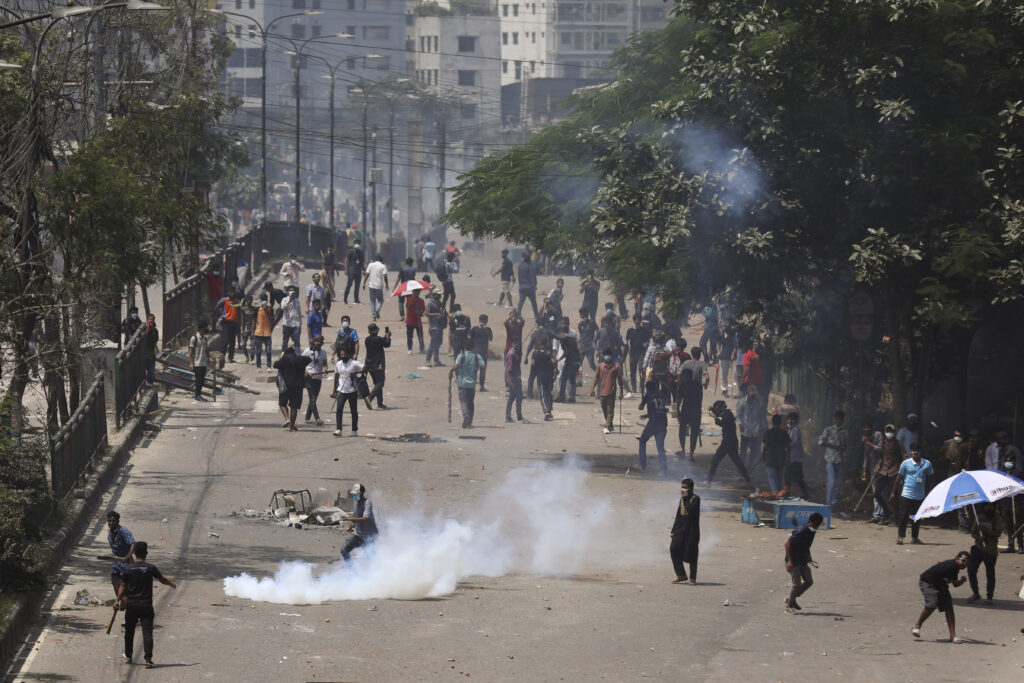
Police in Bangladesh clashed with student protesters attempting to impose a “complete shutdown” of the country on Thursday, following days of violent confrontations over a system of allocating government jobs. Media reports indicate that 19 more people died across the country during the unrest.

Dhaka-based leading Prothom Alo newspaper, known for its strong network of reporters across the country, reported by late Thursday night that they had received accounts of 19 deaths in Dhaka and elsewhere amid the escalating violence. The country’s leading English-language Daily Star also confirmed 19 deaths.

With the latest toll, the number of deaths has reached 25 since Tuesday when six others lost their lives in the violence. Authorities have not yet confirmed the figures immediately.

Prothom Alo also reported at least six people died in Dhaka’s Uttara area in the latest clashes between the protesters and security officials, along with ruling party activists. Thirteen others, including a Dhaka-based journalist from an online portal, died in other parts of the capital and elsewhere.

The country’s state-run Bangladesh Television station’s head office was attacked as the protesters broke the main gate, set the reception and a vehicle on fire, a news producer and a reporter told The Associated Press on the condition of anonymity as they were afraid of retaliation.

“I escaped by leaping over the wall, but some of my colleagues got stuck inside. They could not get out as the building set furniture on fire,” the producer said. He added that the television continued broadcasting, but some residents in the area feared for their safety and had to sleep in the school at home for the station.

The protests have been ongoing for weeks over the government’s quota system for government jobs, which students argue unfairly allocates 56% of jobs to selected groups including freedom fighters’ descendants, women, and marginalized ethnic groups. The protests have intensified since Sunday, with students blocking major roads and clashing with police and ruling party activists.

The situation in Bangladesh remains volatile, with reports of ongoing protests and violence. The government has called for calm and promised to review the quota system, but the students remain adamant in their demands for a complete overhaul.

AP Reports

South Korea’s Supreme Court Grants Equal Health Insurance Benefits to Same-Sex Couples in Landmark Ruling

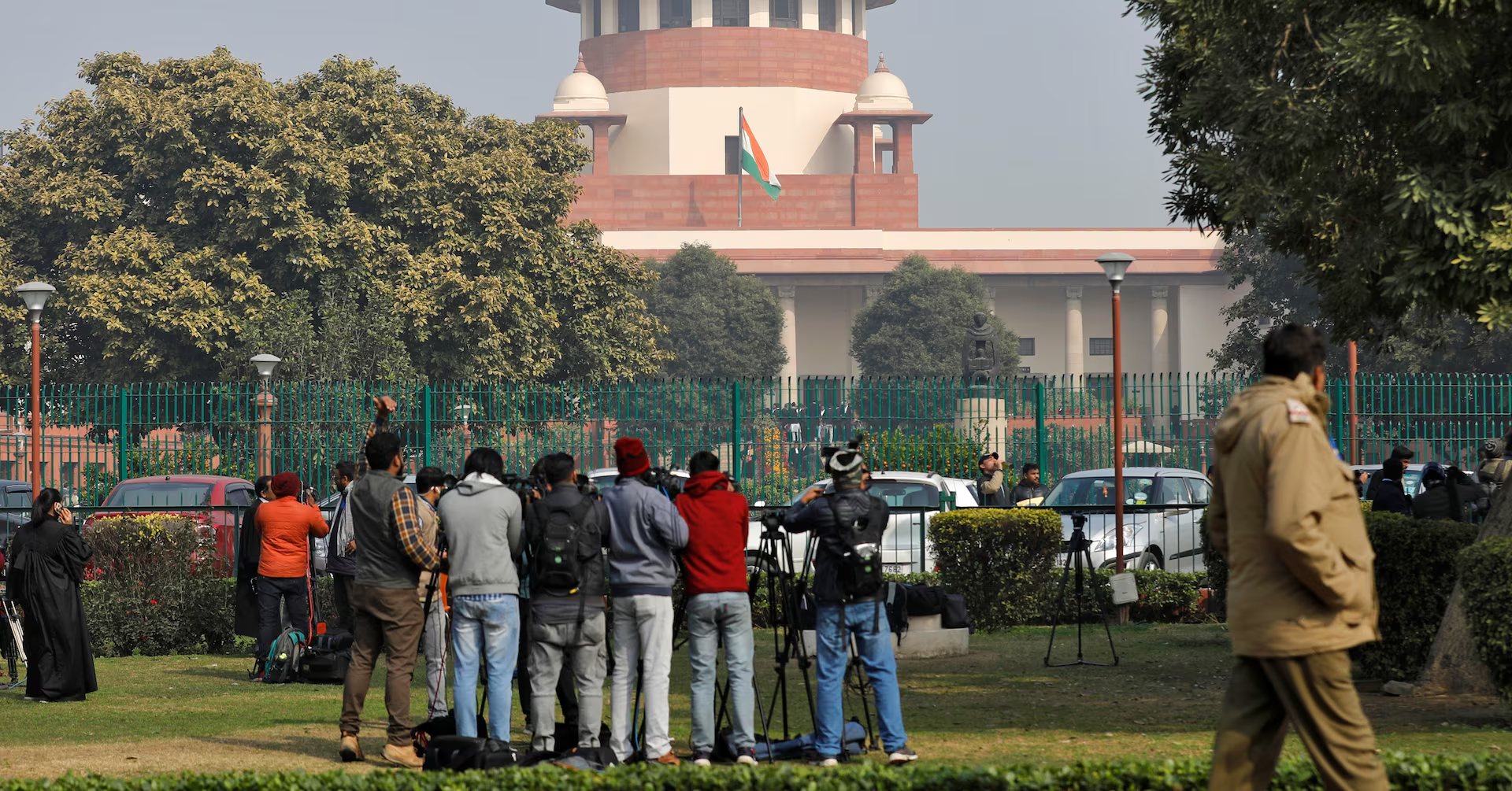
The Supreme Court in South Korea ruled Thursday that same-sex couples are eligible to receive the same health insurance benefits as heterosexual couples, a landmark verdict hailed by human rights groups.

The Supreme Court said it ruled that the state health insurance agency’s refusal to provide spousal insurance coverage for gay couples was an act of discrimination that violates the constitutional principle of equality.

Thursday’s ruling is final and cannot be appealed.

“Today’s ruling is a historic victory for equality and human rights in South Korea,” Amnesty International said in a statement. “The court has taken a significant step towards dismantling systemic discrimination and ensuring inclusivity for all.”

A legal battle between a gay couple, So Seong-wook and Kim Yong-min, and the National Health Insurance Service began after the insurance agency revoked So’s registration as a dependent of Kim, prompting So to file an administrative suit.

In 2022, the Seoul Administrative Court ruled in favor of the insurance agency. But in February 2023, the Seoul High Court overturned the earlier verdict, saying that denying So’s spousal coverage rights without reasonable grounds was discriminatory because such benefits are given to heterosexual couples.

While LGBTQ rights issues in South Korea have gradually changed in recent years, the conservative East Asian country still has a long way to go to guarantee complete equality for sexual minorities. South Korea doesn’t legally recognize same-sex marriages or civil unions.

Nonetheless, Thursday’s decision by the Supreme Court itself is a sobering reminder of the progress being made toward equality and inclusivity in South Korea.

Source: AP

Philadelphia Union Midfielder Cavan Sullivan Becomes Youngest Ever in MLS at 14 Years Old

Fourteen-year-old Philadelphia Union midfielder Cavan Sullivan became the youngest player in Major League Soccer history on Wednesday night — and probably the youngest to play in any of the biggest professional sports leagues in the world.

Sullivan was 14 years, 293 days old when he entered Philadelphia’s home game as a substitute in the 85th minute against the New England Revolution. That makes him about two weeks younger than Freddy Adu when he made his MLS debut in 2004 for DC United.

Sullivan made his debut moments after his brother, 20-year-old Quinn, scored a goal to put Philadelphia up 5-1.

Cavan Sullivan, who replaced forward Tai Baribo, got a handful of touches in the final minutes of the Union’s blowout win. He even recorded his first shot on goal, blasting it at New England’s net from outside the penalty area in the final minute of injury time, but it was comfortably saved by Aljaz Ivacic.

“Big congrats to Cavan Sullivan for his record-breaking debut today,” Adu wrote on social media. “That’s a hard record to break and the kid did it. Well done and good luck my man.”

Sullivan is younger than any player who has appeared in the NBA, NHL, NFL, NWSL, WNBA or Major League Baseball since at least 1970, according to the Elias Sports Bureau. Andrew Bynum, who debuted for the Los Angeles Lakers in 2005 at the age of 18 years, 6 days, holds that mark.

The youngest debut in the five biggest soccer leagues around the world since at least 1988, according to FBRef.com, was Ethan Nwaneri, who came on for Arsenal in 2022 at 15 years, 181 days.

Cavan Sullivan was born in Philadelphia to two soccer-playing parents, and he joined the Union’s youth academy four years ago. He made his professional debut in March for the Philadelphia Union II in MLS’ development league.

Argentina Tops FIFA Men’s Rankings Amid Government Defense Over Racist Chant Controversy

Argentina was confirmed as the world’s No. 1 team in the FIFA men’s rankings on Thursday, as the national government doubled down on defending the players who celebrated winning the Copa America by singing a racist song targeting No. 2-ranked France.

The fallout of the chant sung late on Sunday in Miami — which mocked the African heritage of some France players — continued four days later, including a rebuke to Argentina’s critics by the vice president in its far-right government.

Argentina’s government on Wednesday fired one of its leading sports officials who urged Lionel Messi and the president of the Argentine Football Association to apologize.

The sports under-secretary, Julio Garro, spoke after FIFA said it was looking into the incident and English club Chelsea started a disciplinary process against its midfielder Enzo Fernandez. He broadcast the footage on social media from the Argentina team bus in Florida.

Fernandez later published an apology on his Instagram account, which disappeared by Thursday, saying he was “truly sorry. That video, that moment, those words, do not reflect my beliefs or my character.”

However, a defiant post by the vice president of Argentina, Victoria Villarruel, on social media hit back at the country’s critics. “No country with a colonial history is going to put us down for a song sung on a field nor for speaking a truth that nobody wants to admit,” Villarruel wrote.

“Enough of pretending to be offended, hypocrites. Enzo I am with you, Messi I am with you, the whole of Argentina always keeps your heads high! Long live Argentina!” she added.

Fernandez said Argentina’s history had been forged by people of all races: “We always have and will be friends of anyone, nor will we tolerate that someone tries to denigrate us.”

AP

American Man Detained in Germany for Social Media Threats Against Taylor Swift

An American man who made threats against Taylor Swift on social media was detained ahead of her first concert in the German city of Gelsenkirchen and will be kept in custody until her shows there are over, police said Thursday.

The suspected stalker, a 34-year-old whose name wasn’t released, had a ticket to Swift’s concert at Gelsenkirchen’s Veltins-Arena on Wednesday, police said in a statement. They said that, because an initial investigation couldn’t entirely rule out a risk, he was detained during entry checks to the event.

Police said the man had made threats against Swift and her partner on social media. They said he had been detained following tips from organizers of the event.

The American superstar has shows in Gelsenkirchen on Wednesday, Thursday, and Friday as part of her Eras Tour. A local court ordered the suspected stalker to be kept in detention until Saturday, police said.

They added that there was no danger at any point to Swift or to the audience. Wednesday evening’s concert, attended by about 60,000 people, went peacefully.

Ahead of the concerts, Gelsenkirchen put up signs temporarily renaming itself “Swiftkirchen” and honored the singer on a “Walk of Fame” that commemorates local celebrities.

After Gelsenkirchen, Swift plans concerts in two other German cities, Hamburg and Munich.

The Associated Press

Rwanda’s President Paul Kagame Secures Landslide Re-election with 99.18% of the Vote

Rwanda’s long-standing President Paul Kagame has secured another term in office with a staggering 99.18% of the vote, according to the National Electoral Commission. This landslide victory extends Kagame’s rule, which has spanned nearly a quarter of a century, and reinforces his dominant position in Rwandan politics.

The election, held on Monday, saw an exceptionally high voter turnout of 98.20% from the nine million registered voters, as reported by Oda Gasinzigwa, chairperson of the National Electoral Commission. The final results are expected to be officially announced by July 27.

Two opposition candidates, Frank Habineza from the Democratic Green Party and independent Philippe Mpayimana, both conceded defeat. However, the election process has been marred by controversy, with rights groups alleging a crackdown on journalists, opposition figures, and civil society groups. The Rwandan government has consistently rejected these criticisms throughout the election period.

Kagame, who has consistently won over 93% of the vote in the last three elections, is widely credited for his role in ending the 1994 Rwandan genocide and transforming the country into an attractive destination for investment and aid. Western and regional leaders have praised his leadership in these areas.

However, Kagame’s reputation has been tarnished by accusations of human rights abuses within Rwanda and allegations of supporting rebels in neighboring Democratic Republic of Congo. Kagame has repeatedly denied these claims.

The election was marked by the disqualification of eight other potential candidates, including some of Kagame’s most vocal critics. The electoral commission cited various reasons for their exclusion, including incomplete or missing registration documents.

While Kagame’s supporters laud his role in Rwanda’s economic development and stability, international observers and human rights organizations continue to express concerns about political freedoms and human rights in the country. The overwhelming margin of victory is likely to reignite debates about the state of democracy in Rwanda.

As Rwanda moves forward under Kagame’s continued leadership, the international community will be watching closely to see how the country balances its economic progress with calls for greater political openness and respect for human rights.

Spanish Boy with Rare Condition Lives in Permanent Shade to Survive Dangerous Sunlight

In Barcelona, Spain, 11-year-old Pol Dominguez experiences summer holidays unlike most children his age. Instead of enjoying the beach or pool, Pol spends his days indoors, shielded from the ultraviolet radiation that could prove fatal for him.

Pol Dominguez Aranda, 11, who is diagnosed with Xeroderma pigmentosum – extreme sensitivity to ultraviolet rays – wears UV protection gear to leave school in Barcelona, Spain, June 18, 2024. REUTERS/ Albert Gea

Pol suffers from Xeroderma Pigmentosum (XP), an extremely rare genetic disorder affecting only 2.3 per million live births in Western Europe. This condition renders him unable to repair DNA damage caused by sun exposure, putting him at high risk of developing cancer. In Pol’s case, even brief exposure to sunlight can cause severe burns.

Living with XP has forced Pol and his family to radically alter their lifestyle. When venturing outside, even in winter, Pol must wear a hood, jacket, sunglasses, and gloves for protection. During summer, he remains indoors as much as possible, and when he must go out, he endures uncomfortable protective clothing despite the heat.

Pol’s school has made significant adaptations to accommodate his condition. Windows and lights have been modified to create a safe environment, allowing him to participate in a relatively normal school life. However, he still needs to bundle up for outdoor activities and carries a UV meter to ensure his surroundings are safe.

At home, Pol’s family has created a UV-light-proof environment. Protective film covers the windows, blinds are kept lowered, and fans ensure good ventilation. His mother, Xenia Aranda, explains that their family activities shift to nighttime. “At around 10 p.m. we say: ‘What would we like to do, Pol? Go to the beach, grab an ice cream, go for a run?'” she shares.

During part of his summer, Pol stays with his grandfather, Ferran Aranda, in Portbou near the French border. As the sun sets, Pol can finally enjoy the beach without his protective gear. Simple pleasures like eating ice cream outside or playing with his towel bring joy to his face.

However, the increasing frequency and intensity of heatwaves due to climate change pose additional risks for Pol and others with XP. Dr. Asuncion Vicente, a pediatric dermatologist at Barcelona’s Sant Joan de Deu hospital, warns, “The more hours of sunshine, the more solar damage. Therefore more illness.”

Pol’s story sheds light on the challenges faced by those living with rare genetic disorders and the extreme measures some families must take to protect their loved ones. It also underscores the broader implications of climate change on human health, particularly for those with heightened sensitivity to environmental factors.

As Pol continues to navigate life with XP, his resilience and adaptability serve as an inspiration, while his condition highlights the need for greater awareness and research into rare genetic disorders.

Credit: Reuters