

At least 21 people are missing after a boat capsized on Lake Kivu in eastern Democratic Republic of Congo, authorities said Wednesday, as search and rescue efforts continued following the disaster.
The vessel overturned Tuesday while traveling to the town of Makengere after departing from a nearby market area. Officials said 23 people survived the incident, but the total number of passengers on board was not immediately clear.
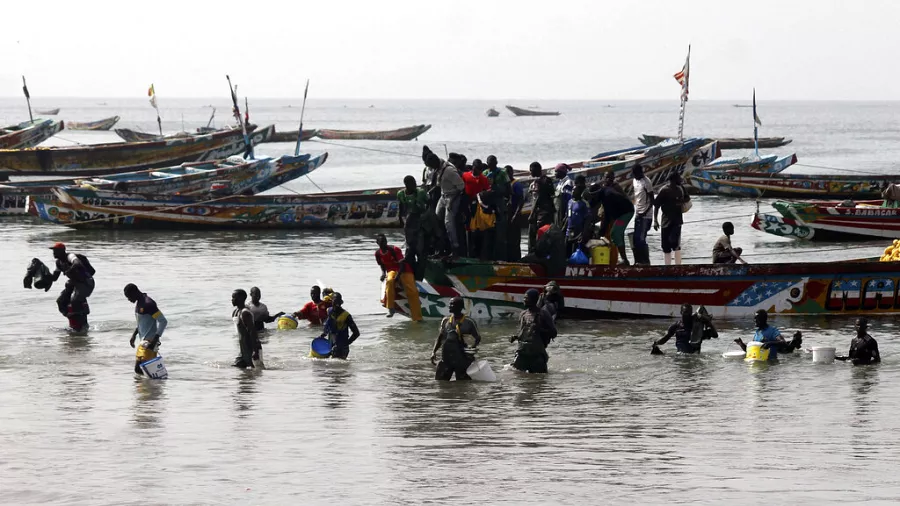
Rescue teams have been searching the lake for those still unaccounted for. Authorities said the cause of the capsizing remains under investigation.
Lake Kivu, which lies along the border between Congo and Rwanda, is a major transport route for communities in the region, particularly where road access is limited.
The incident highlights ongoing safety concerns in eastern Congo, where years of conflict have made many roads unsafe or unusable. Clashes between government forces and armed groups have forced civilians to rely on boats, many of which are overcrowded and poorly maintained.
Boat accidents are common in the country, where waterways serve as a primary means of transportation for millions of people. Overcrowding and nighttime travel are frequently cited as contributing factors in such disasters.
In October 2024, at least 78 people died when another vessel capsized on Lake Kivu, underscoring the persistent risks faced by travelers on the water.
Regional officials have called for stronger government action to address the repeated tragedies. Koko Chirimwami Akeem, a provincial lawmaker in South Kivu, urged both national and local authorities to take greater responsibility in improving safety.
“We urge the central and provincial governments to become more involved in order to find a lasting solution to this situation,” he said in a statement.
Congo, a country of more than 100 million people, relies heavily on rivers and lakes for transportation, especially in remote areas where infrastructure is limited or nonexistent.
Hundreds of people have died in similar incidents in recent years, raising concerns about the lack of regulation and enforcement of safety standards.
The latest boat disaster on Lake Kivu reflects a broader pattern of transportation risks in eastern Congo, where insecurity and weak infrastructure leave civilians with few safe travel options. As violence continues to disrupt road networks, waterways have become a critical but dangerous alternative.
The repeated nature of such incidents points to systemic challenges, including poor vessel conditions, overcrowding and limited oversight. Without meaningful reforms, these factors are likely to continue contributing to deadly accidents.
Calls for government intervention have grown louder as fatalities mount. However, addressing the issue will require both immediate safety measures and long-term investment in infrastructure and security.
The human toll remains significant, with families frequently left searching for missing loved ones after such disasters. The ongoing rescue operation on Lake Kivu underscores both the urgency of the crisis and the difficult conditions faced by emergency responders.
AP/gbcghanaonline





