

Authorities in Ghana have warned the public not to eat fish from the Tema Shipyard area after a large number of dead fish were discovered earlier this week, prompting an ongoing investigation.
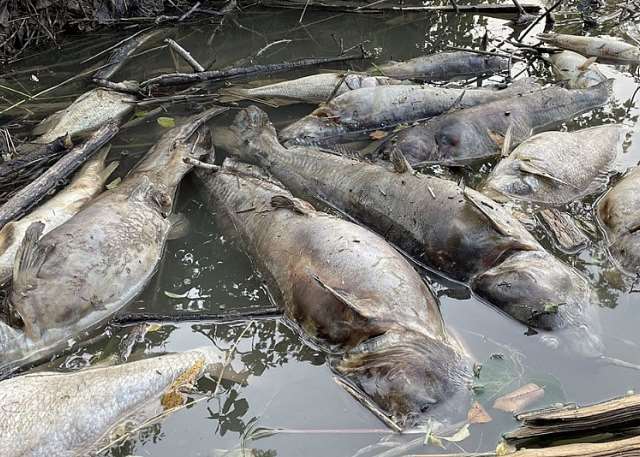
The Food and Drugs Authority, working with the Fisheries Commission, the Tema Metropolitan Assembly and police investigators, issued the advisory after the incident was first reported by security personnel on April 6. Officials said the dead fish were found within about 50 meters of the main unloading area.
The site was quickly secured, and a joint response team launched an investigation to determine the cause of the deaths. Officials said early findings show no evidence of intentional contamination or a widespread public health emergency, though testing is still underway.
Inspectors and investigators collected between 60 and 80 fish samples, along with water samples, for laboratory analysis. Authorities said the samples are being handled under strict procedures to ensure accurate results.
While the investigation continues, officials have urged the public not to catch, buy or eat fish or seafood from the affected area until further notice. They said fish from approved markets outside the zone remain safe if properly cooked.
Residents have been asked to report any sightings of dead or distressed fish to authorities. Officials also advised anyone who may have eaten fish from the area and is experiencing symptoms such as nausea, vomiting, diarrhea, dizziness or skin irritation to seek medical care immediately and inform health workers of possible exposure.
Authorities emphasized that updates will be provided through official channels and urged the public to avoid spreading unverified information.
The discovery of mass fish deaths at a major coastal site raises concerns about environmental safety and food security in the area. While early findings suggest no deliberate contamination, the incident highlights the need for close monitoring of coastal and industrial zones where pollution risks can affect marine life.
Temporary bans on fishing and sales are common in such situations to prevent potential health risks while investigations are ongoing. However, these restrictions can also impact local livelihoods, particularly for communities that rely on fishing and related trade.
The outcome of laboratory testing will be critical in determining whether the incident was caused by environmental factors, pollution or another source. Clear communication from authorities will be essential in maintaining public trust and preventing panic.
In the longer term, the situation may renew calls for stronger environmental safeguards and oversight in areas with heavy industrial activity to reduce the risk of similar incidents.
3news/gbcghanaonline





