

The United States and Iran are preparing for high-level talks aimed at stabilizing a fragile ceasefire, while Israel has authorized new negotiations with Lebanon, adding a parallel diplomatic track to efforts to ease tensions in the region.
U.S. Vice President JD Vance is expected to lead the American delegation to talks scheduled to begin Saturday in Islamabad. Iranian officials have not publicly confirmed their negotiating team, as Tehran presses Washington to halt Israeli military actions in Lebanon.
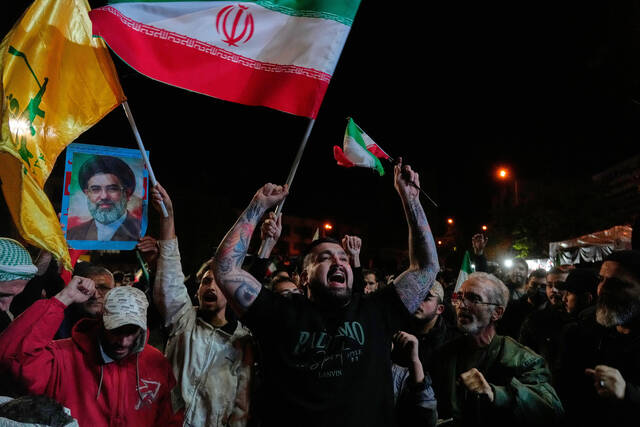
The planned discussions come as the ceasefire remains under strain, with ongoing concerns about restricted shipping through the Strait of Hormuz and continued exchanges of fire involving Israel and the armed group Hezbollah.
President Donald Trump on Thursday questioned Iran’s compliance with the agreement, saying the country was not allowing sufficient oil shipments to pass through the vital waterway.
“That is not the agreement we have,” Trump wrote on social media, warning that the United States could respond if commitments are not met.
Shipping data shows only a limited number of vessels have moved through the strait since the ceasefire took effect, raising concerns about global energy supplies. The route typically handles a significant share of the world’s oil and gas shipments, and disruptions have driven up prices in international markets.
At the same time, Israel signaled a possible shift in its regional approach. Prime Minister Benjamin Netanyahu said he has authorized direct negotiations with Lebanon “as soon as possible,” with a focus on disarming Hezbollah and improving relations between the two countries.
Israel and Lebanon have remained in a state of conflict for decades, and officials emphasized that no formal ceasefire currently exists between them. The announcement follows some of the heaviest Israeli airstrikes in Lebanon since the latest round of fighting began earlier this year.
U.S. officials said talks involving Israel and Lebanon could begin next week in Washington, though it remains unclear who will represent Lebanon.
Despite diplomatic efforts, violence has continued. Israel’s military said it carried out strikes on rocket launch sites in Lebanon after projectiles were fired toward northern Israel. Lebanese health officials reported hundreds of casualties from recent airstrikes in central Beirut and other areas.
Iran has warned that continued Israeli attacks in Lebanon could trigger a strong response, underscoring the risk of further escalation even as negotiations are being planned.
Meanwhile, questions remain over key issues tied to the ceasefire, including the future of Iran’s nuclear program, the flow of oil through the strait and the role of armed groups aligned with Tehran.
Regional energy infrastructure has also been affected. Saudi Arabia said recent attacks damaged a major pipeline used to transport oil to the Red Sea, adding to concerns about supply disruptions.
The ceasefire, brokered with international involvement, has been in place for just over two weeks but has shown signs of weakening amid competing claims and ongoing military activity.
The upcoming talks between the United States and Iran represent a critical test of whether the current ceasefire can hold. With both sides accusing each other of failing to meet commitments, the negotiations are likely to focus on immediate de-escalation measures as well as longer-term security concerns.
The situation is further complicated by the involvement of multiple actors. Israel’s decision to pursue talks with Lebanon introduces a separate diplomatic track that could either complement or complicate broader efforts to stabilize the region.
Control of the Strait of Hormuz remains a central issue. Any sustained disruption to shipping through the waterway has global economic implications, particularly for energy markets. The limited flow of vessels since the ceasefire suggests that confidence in the agreement remains low.
At the same time, continued military actions highlight the fragile nature of the truce. Without clear enforcement mechanisms or mutual trust, even small incidents risk escalating into wider conflict.
The coming days of negotiations will be crucial in determining whether diplomatic efforts can reduce tensions or whether the region will see a return to more intense fighting.
AP/Reuters





