

(AP/Reuters) — Ukrainian drones struck a major oil refinery in Moscow early Thursday, igniting a large fire and forcing widespread flight disruptions in one of the most significant attacks on the Russian capital since the war began, officials said.
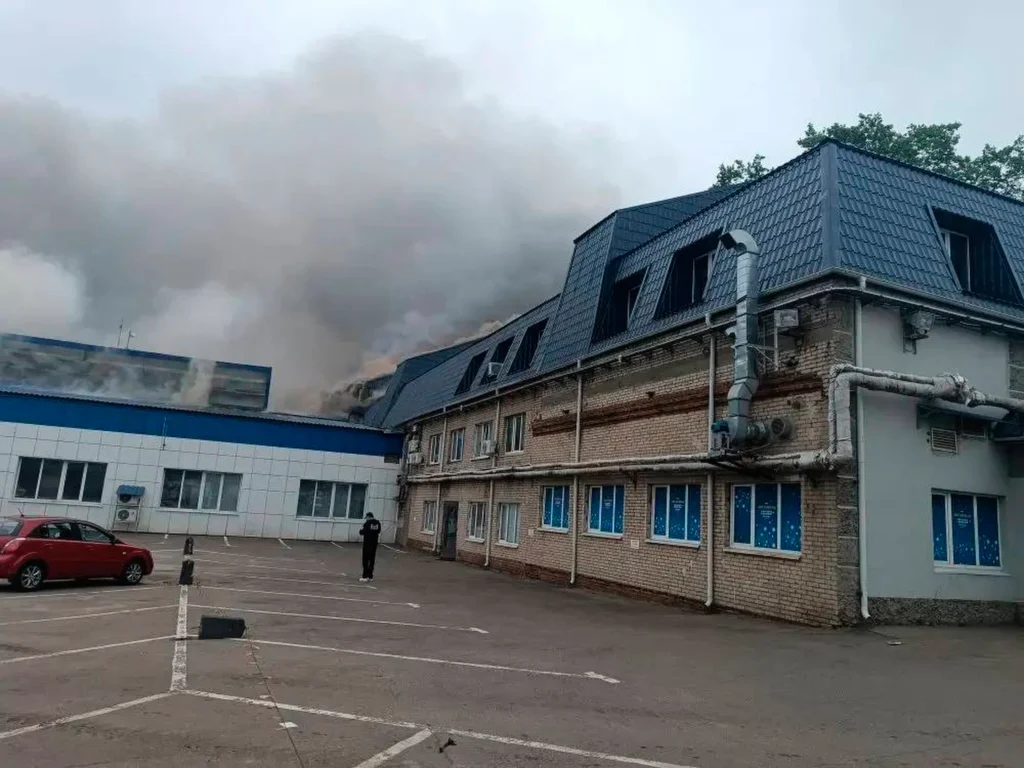
The strike, which involved dozens of drones, targeted the Moscow Oil Refinery for the second time in less than a week, sending thick black smoke billowing over the city and raising new concerns about the vulnerability of critical infrastructure deep inside Russia.
Ukraine intensified its long range drone campaign against Russia by hitting a key fuel facility in Moscow, triggering fires, injuring civilians and disrupting air travel, as both sides signal a potential escalation in the conflict.
What we know so far
Russian authorities said the attack occurred overnight and involved hundreds of drones aimed at multiple regions, with nearly 200 intercepted as they approached Moscow. Despite air defenses, at least one strike hit the refinery, causing a fire that sent smoke across southeastern parts of the capital.
Moscow Mayor Sergei Sobyanin said the blaze was largely contained hours later, though emergency crews continued to battle remaining hotspots. Video circulating online showed flames and soot falling across nearby neighborhoods.
Officials reported that debris from intercepted drones damaged residential buildings in the wider Moscow region, injuring 17 people, including two children. In the town of Zhukovsky, a drone strike hit a residential structure.
The refinery, located about 15 kilometers from the Kremlin, is one of the largest in the region and supplies a significant portion of Moscow’s fuel needs. Authorities said fuel distribution in the capital remained stable despite the attack.
Air travel was also affected. Aviation officials temporarily halted operations at four major Moscow airports, with Russian business outlet Kommersant estimating that more than 500 flights were delayed or canceled.
What authorities are saying
Russia’s Defense Ministry said air defense systems shot down 555 Ukrainian drones overnight across several regions, calling it one of the largest aerial assaults launched by Kyiv.
Vyacheslav Volodin, speaker of Russia’s lower house of parliament, warned of a strong response, saying the attack would lead to “harsher blows” from Moscow.
Ukrainian President Volodymyr Zelenskyy described the strike as part of a broader effort to pressure Russia into ending the war. He said Kyiv would continue targeting strategic assets tied to Moscow’s war effort.
Ukrainian Foreign Minister Andrii Sybiha said the attack was a direct consequence of Russia’s invasion, urging Russians to question their leadership about the ongoing conflict.
Why this matters
The strike highlights a growing shift in the war, with Ukraine increasingly capable of reaching deep into Russian territory and targeting high value infrastructure. Oil facilities have become a primary focus, as Kyiv aims to weaken Russia’s economic base and disrupt fuel supplies tied to military operations.
The attack also underscores the limits of Russia’s air defense systems around its capital, a development that carries both military and symbolic weight. Repeated strikes in Moscow challenge the Kremlin’s narrative of control and security.
Beyond the battlefield, disruptions to aviation and energy supply chains signal broader economic risks, potentially affecting civilian life and business activity in Russia’s largest city.
What happens next
Investigations into the strike and the extent of damage are ongoing, while Russian authorities assess security vulnerabilities around critical infrastructure.
Ukraine is expected to continue its drone campaign, particularly against energy and logistics targets, as it seeks leverage in stalled peace efforts. Meanwhile, Russia may escalate retaliatory strikes, raising concerns about further intensification of the conflict.
Diplomatic efforts remain uncertain. While Ukraine has signaled willingness for a ceasefire backed by Western allies, Russia has yet to agree, leaving the prospect of negotiations unclear as both sides continue military operations.
The latest strike reflects a strategic evolution in Ukraine’s war effort. With limited conventional resources compared to Russia, Kyiv has leaned heavily on drone technology to offset battlefield disadvantages. These systems, often low cost and difficult to intercept at scale, allow Ukraine to extend the war beyond front lines and into Russia’s economic core.
At the same time, repeated attacks on oil infrastructure could gradually erode Russia’s ability to sustain prolonged military operations. Even if immediate disruptions appear limited, cumulative damage and increased defense spending may strain resources over time.
However, such attacks also carry escalation risks. Calls within Russia for stronger retaliation, including extreme measures, indicate growing domestic pressure on the Kremlin. This dynamic could push the conflict into a more dangerous phase if not contained through diplomatic channels.





