Home Blog Page 22

Trump Halts Iran Talks as Diplomatic Efforts Falter and Tensions Escalate Across Middle East

0

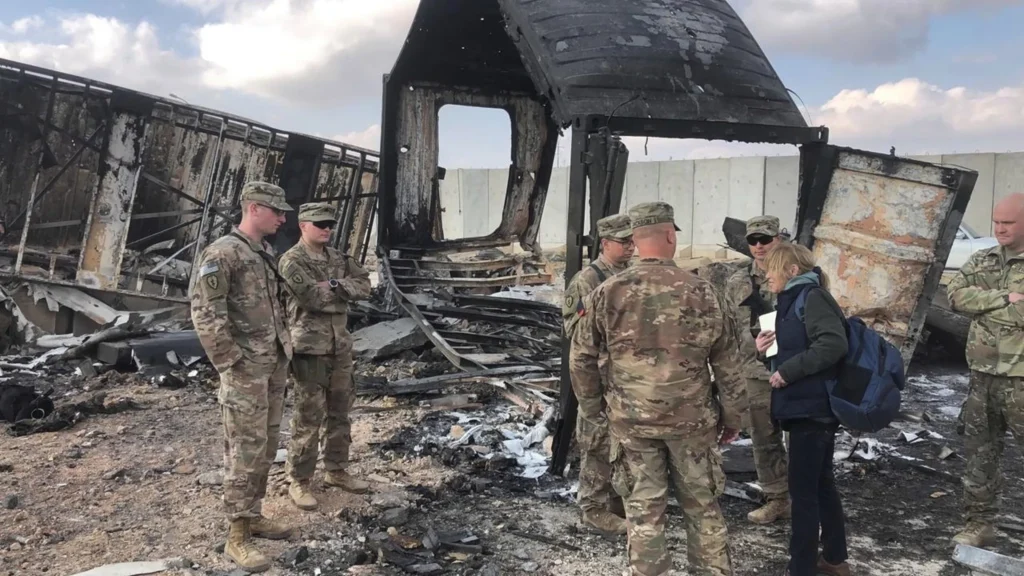
Ceasefire negotiations between the United States and Iran unraveled Saturday before formal discussions could begin, as Iran’s top diplomat departed Pakistan and President Donald Trump announced he had instructed U.S. envoys not to proceed with planned travel to Islamabad.

The abrupt shift marked a new setback in efforts to revive diplomacy aimed at ending weeks of conflict that have disrupted global energy markets and heightened instability across the Middle East.

Iranian Foreign Minister Abbas Araghchi left Pakistan’s capital after meeting with senior officials, including Prime Minister Shehbaz Sharif and Army Chief Field Marshal Asim Munir. Two Pakistani officials, speaking to The Associated Press on condition of anonymity because they were not authorized to speak publicly, confirmed his departure without any indication of progress toward renewed talks.

Shortly afterward, Trump said he had canceled the planned visit by U.S. envoys, including Steve Witkoff and Jared Kushner, dismissing the need for further travel while signaling frustration with the pace of negotiations.

“If they want to talk, all they have to do is call,” Trump wrote on social media, adding that time spent traveling had slowed progress.

In remarks later to reporters, Trump suggested Iran had revised a proposal shortly after the cancellation but said it still fell short of U.S. expectations. He reiterated that any agreement must ensure Iran does not develop nuclear weapons.

Araghchi, in a statement posted online, indicated that Iran had presented what he described as a workable framework for ending the conflict but questioned Washington’s commitment to diplomacy. Iranian officials have consistently maintained that any future discussions must occur indirectly, with intermediaries relaying messages between the two sides.

According to Reuters, Trump’s decision to cancel the envoy trip dealt a fresh blow to already fragile peace prospects, particularly after earlier signs that both sides might return to negotiations following an initial round of face-to-face talks led by Vice President JD Vance and Iranian parliamentary leadership earlier this month.

Those earlier discussions, held in Islamabad, were viewed as a rare breakthrough but failed to produce a concrete agreement.

Tensions between Washington and Tehran have intensified in recent weeks, driven in part by disputes over the Strait of Hormuz, a strategic waterway through which roughly one-fifth of global oil shipments pass under normal conditions. Iran has restricted traffic through the channel, while the United States has imposed a naval blockade targeting Iranian oil exports.

The standoff has sent global energy prices sharply higher. Brent crude, the international benchmark, has surged significantly since the conflict began, raising concerns about inflation and economic stability worldwide.

Iran has also stepped up military rhetoric. On Saturday, its joint military command warned that continued U.S. actions, including the blockade, would prompt a strong response. Meanwhile, U.S. forces remain on high alert in the region, and Trump has authorized aggressive measures to protect maritime traffic.

The diplomatic breakdown comes despite a ceasefire that Trump recently extended indefinitely to allow more time for negotiations. While the truce has reduced large-scale fighting, sporadic clashes and military threats persist, underscoring the fragile nature of the pause.

Regional tensions have also spilled into neighboring conflicts. In Lebanon, exchanges of fire between Israeli forces and the armed group Hezbollah have tested a separate ceasefire. Israeli Prime Minister Benjamin Netanyahu ordered intensified strikes on Hezbollah targets, further complicating efforts to stabilize the region.

Casualty figures from the broader conflict continue to rise. Authorities report that thousands have been killed across Iran and Lebanon since fighting began, with additional deaths in Israel and other parts of the region. Military personnel from multiple countries, including the United States, have also been among the casualties.

Despite the mounting toll, both sides remain entrenched in their positions. Iran has rejected what it describes as excessive demands from Washington, while U.S. officials insist that any agreement must address concerns over Iran’s nuclear program, missile capabilities, and regional influence.

Pakistan has attempted to mediate, positioning itself as a neutral facilitator. Prime Minister Sharif emphasized his country’s commitment to promoting dialogue and long-term stability, noting in a public statement that Pakistan would continue efforts to bridge the divide.

Araghchi is expected to continue consultations with regional partners, including a planned visit to Oman, which has previously played a key role in mediating between the United States and Iran.

The collapse of these talks highlights the deep mistrust that continues to define U.S.-Iran relations. While both sides publicly support diplomacy, their actions suggest competing strategies. Washington appears to be leveraging economic pressure and military positioning to extract concessions, while Tehran is using control over critical shipping routes as a counterweight.

The Strait of Hormuz has become the central pressure point in this standoff. By restricting access, Iran has demonstrated its ability to disrupt global supply chains, effectively turning geography into a strategic weapon. This dynamic complicates negotiations, as any concession risks being interpreted as weakness by domestic audiences on both sides.

Trump’s decision to cancel envoy travel may also reflect a broader negotiating tactic aimed at forcing Iran to engage on U.S. terms. However, such moves carry risks. Abrupt shifts can undermine diplomatic momentum and reinforce perceptions of unpredictability, making it harder to build trust.

At the same time, Iran’s insistence on indirect talks underscores its reluctance to engage directly under pressure. This approach allows Tehran to maintain a degree of political distance while testing U.S. intentions through intermediaries.

The involvement of multiple regional actors further complicates the situation. Conflicts in Lebanon and elsewhere are increasingly intertwined with the broader U.S.-Iran confrontation, raising the risk of escalation beyond bilateral tensions.

Global economic implications are already evident. Rising energy prices are affecting industries and consumers far beyond the Middle East, highlighting how regional conflicts can have far-reaching consequences.

Ultimately, the failure of these talks underscores a critical reality: while ceasefires can pause violence, they do not resolve underlying disputes. Without meaningful progress on core issues, including security guarantees and economic sanctions, the risk of renewed conflict remains high.

AP/Reuters

Russian Drone and Missile Barrage Devastates Dnipro, Kills 10 as Ukraine Endures Relentless Strikes

0

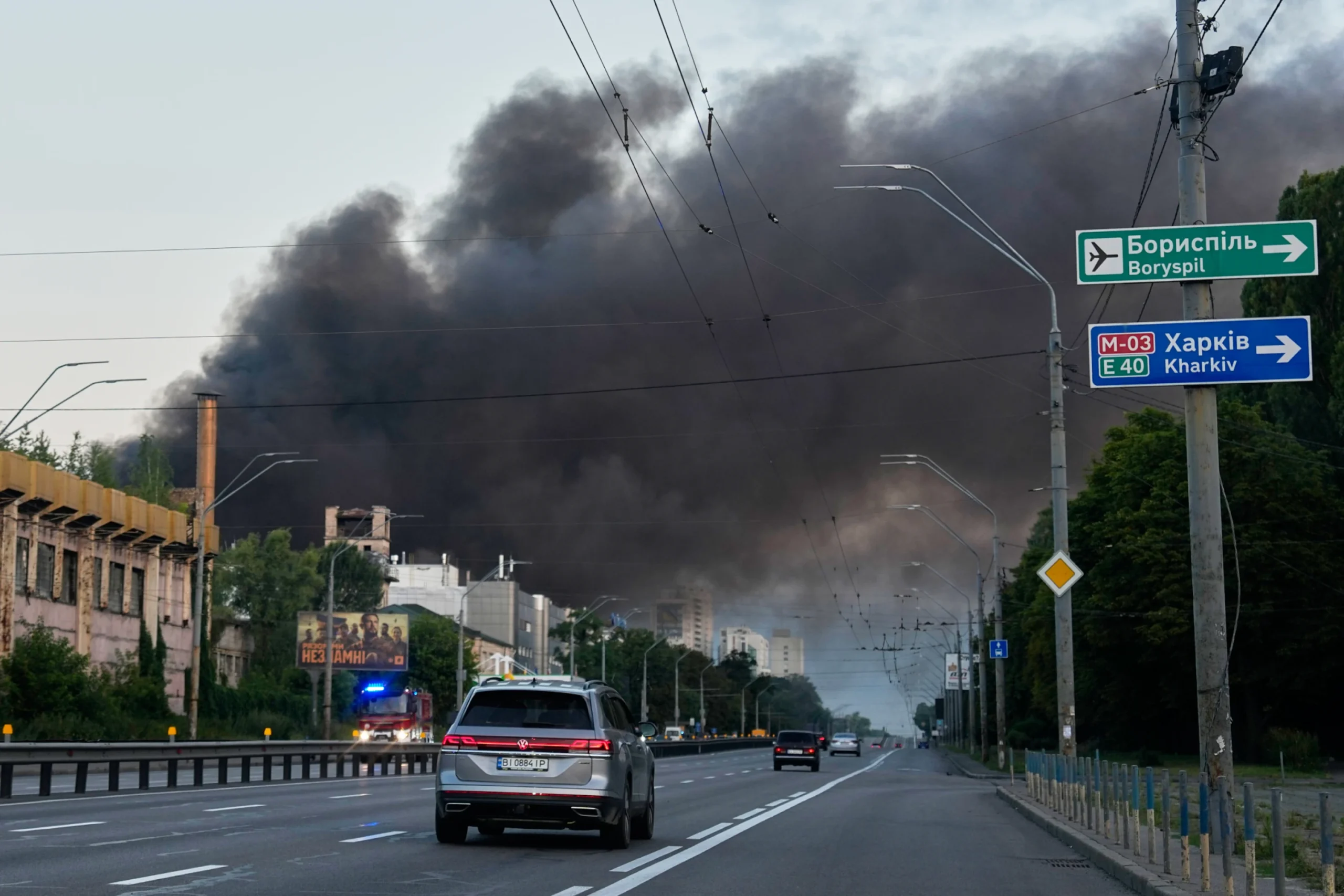
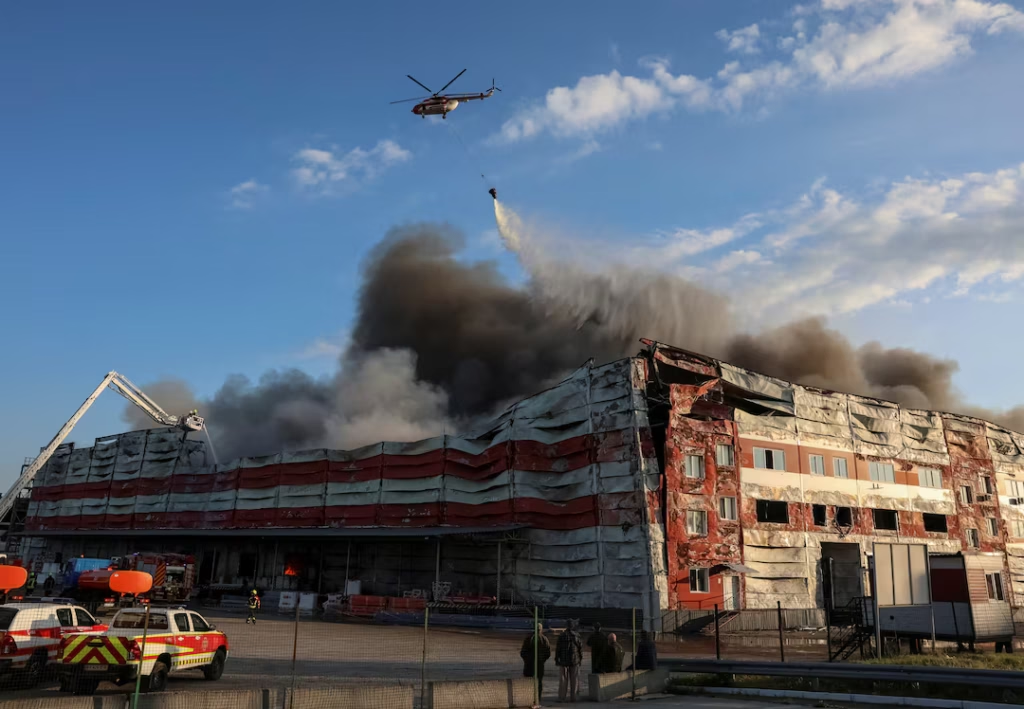
Russian forces unleashed a sustained wave of drone and missile strikes across southeastern Ukraine on Saturday, killing at least 10 people and injuring dozens in the city of Dnipro and surrounding regions, officials said, in one of the most intense aerial assaults in recent months.

Authorities in the Dnipropetrovsk region said the city endured three separate rounds of attacks over roughly 20 hours, with strikes hitting residential neighborhoods, infrastructure, and emergency response areas. Regional Governor Oleksandr Hanzha said eight people were killed in Dnipro alone and at least 49 others were wounded, including children.

The first strike occurred overnight, when a missile hit a residential building, causing a partial collapse. Rescue teams pulled four bodies from the debris as emergency crews searched for survivors. Hours later, a second strike hit the same area while responders were still working, killing one person and injuring several others in what officials described as a deliberate follow-up attack.

A third wave later in the day left additional people injured, bringing the total number of casualties higher as hospitals treated victims for injuries ranging from minor wounds to critical conditions.

“For more than 20 hours, the city was under continuous attack,” Hanzha said in a statement released through official channels. “Missiles and drones struck repeatedly, including civilian areas.”

Ukraine’s air force said Russian forces launched 619 drones and 47 missiles overnight, marking one of the largest combined aerial assaults of the war. Air defenses intercepted a significant number of incoming threats, downing 580 drones and 30 missiles, but several still reached their targets.

Black smoke rose across the skyline of Dnipro as emergency crews battled fires and searched damaged structures. A journalist on the ground observed air defense systems intercepting drones above the city even as rescue operations continued below.

Russia’s Defense Ministry said its strikes targeted military and energy facilities but did not address reports of damage to residential buildings in Dnipro.

Ukrainian Prime Minister Yulia Svyrydenko condemned the attacks, saying they were aimed at prolonging civilian suffering. “These strikes show a continued focus on infrastructure and residential areas,” she said.

Residents described scenes of fear and devastation. Aliona Katrushova, who lives near the damaged building, watched as survivors were pulled from the rubble. Her apartment was also affected in the blast.

“It feels like everything has been taken from us,” she said, expressing anger over the destruction of civilian homes.

In northern Ukraine, officials in the Chernihiv region confirmed two additional deaths and several injuries after separate missile and drone strikes hit the area.

President Volodymyr Zelenskyy renewed calls for increased international support, particularly in strengthening air defense systems. “Each attack like this underscores the urgency of stronger protection,” he said.

Beyond Ukraine’s borders, the conflict showed signs of spillover risk. Authorities in Romania reported that debris from a downed drone damaged civilian infrastructure near the border, though no injuries were reported. Fighter jets were deployed as a precaution after radar detected nearby aerial activity.

Meanwhile, Ukrainian strikes were also reported inside Russia. Officials in Yekaterinburg said a drone hit an apartment building, causing minor injuries. In the Russian-controlled Luhansk region, authorities said a Ukrainian drone strike killed three people.

The escalation comes as Ukrainian leadership continues to pursue diplomatic and security partnerships. Zelenskyy was visiting Azerbaijan for talks on defense and energy cooperation, aiming to strengthen alliances amid ongoing threats from aerial attacks.

The scale and coordination of the latest strikes highlight a continued shift in the war toward sustained aerial campaigns designed to overwhelm air defenses and inflict damage on civilian infrastructure. While Ukraine’s interception rate remains high, the sheer volume of drones and missiles means that even a small percentage penetrating defenses can result in significant destruction.

The repeated targeting of the same location, particularly during rescue operations, raises concerns about tactics intended to maximize disruption and strain emergency response systems. Such patterns have been documented in previous conflicts and often signal an effort to increase psychological pressure on both civilians and first responders.

From a strategic standpoint, Russia’s use of large-scale drone swarms alongside missiles suggests a dual objective: testing the limits of Ukraine’s defense capabilities while maintaining pressure across multiple regions simultaneously. The inclusion of ballistic and cruise missiles further complicates interception efforts, as each system requires different countermeasures.

For Ukraine, the attacks reinforce the urgency of securing additional advanced air defense systems from allies. While Western support has significantly strengthened Ukraine’s ability to intercept incoming threats, gaps remain, particularly in protecting smaller cities and critical infrastructure outside major urban centers.

The international dimension is also becoming more pronounced. Incidents involving debris in neighboring NATO countries such as Romania highlight the risk of unintended escalation. Even without direct engagement, the proximity of attacks to alliance territory increases pressure on Western governments to respond cautiously but decisively.

Economically, sustained strikes on infrastructure could have long-term effects on Ukraine’s energy grid, industrial output, and civilian resilience. Rebuilding efforts are repeatedly set back by new attacks, creating a cycle that complicates recovery and strains resources.

At the same time, Ukraine’s retaliatory drone operations inside Russia indicate an evolving battlefield where both sides are increasingly capable of striking beyond front lines. While these actions may serve military objectives, they also risk broadening the conflict’s geographic scope.

Ultimately, the latest assault underscores the enduring intensity of the war and the absence of a near-term resolution. As both sides continue to rely heavily on aerial warfare, the humanitarian toll is likely to rise, placing greater urgency on diplomatic efforts, military support, and international engagement aimed at reducing civilian harm.

Reuters/KyivIndependent

Kenyan Woman Captured in Viral Video Damaging Host’s Property in US Disputes Allegations in Property Damage Case

0

A Kenyan woman thrust into the spotlight after a widely circulated video appeared to show her damaging property in a United States residence has publicly challenged the claims against her, presenting a sharply different account of events that has deepened uncertainty surrounding the incident.

The woman, identified as Ann Kioko, became the subject of intense online scrutiny after footage surfaced on social media platforms showing a chaotic scene inside a home reportedly belonging to her host. The video, which quickly gained traction, prompted widespread speculation and condemnation, with viewers questioning the circumstances that led to the destruction captured on camera.

The controversy escalated after Gibson Nyakundi, the man who hosted Kioko during her stay, made a series of allegations online. He asserted that Kioko had fabricated aspects of her identity and situation, including claims that she created false social media accounts and even circulated misinformation about her own death. He further alleged that she fled the United States while facing legal issues and described her as intoxicated during the incident, portraying her as a danger to his safety.

Nyakundi also indicated that law enforcement documentation existed to support his version of events, though no official records were publicly presented in the immediate aftermath.

Kioko, however, has now issued a detailed response disputing those claims and describing a vastly different experience. In a statement shared online, she said her silence until now had been deliberate but that she felt compelled to present her account.

She explained that she traveled to the United States in March after being invited by Nyakundi, whom she described as a trusted partner. What she expected to be a supportive environment, she said, quickly deteriorated into what she characterized as a situation marked by emotional distress and alleged mistreatment.

Citing information first highlighted by Tuko, Kioko claimed that her stay involved episodes of abuse, manipulation, and psychological strain. She said one incident led to hospitalization, after which she sought temporary shelter before eventually returning to Kenya.

Kioko further alleged that during this period, Nyakundi gained access to her personal devices and social media accounts, suggesting that some of the online activity attributed to her may not have been under her control. She pointed to continued login activity from locations in the United States as part of her claim.

She rejected assertions that she had been deported or was being sought by authorities, describing those claims as false and damaging to her reputation. In a personal disclosure, Kioko added that she is pregnant as a result of the relationship, describing the situation as emotionally overwhelming.

“I have remained silent for some time, but I need to speak my truth,” she said, adding that her current focus is on recovery and rebuilding her life.

The conflicting narratives have left observers without a clear understanding of what transpired, as neither account has been independently verified in full. The absence of official law enforcement statements or court filings has further complicated efforts to establish a definitive sequence of events.

The case highlights the growing influence of viral content in shaping public perception before verified facts are established. In an era where short video clips can reach millions within hours, individuals involved in such incidents often face immediate judgment, with reputational consequences that may persist regardless of later clarifications.

This incident also underscores the complexity of disputes that cross international boundaries. When individuals travel abroad based on personal relationships, differences in legal systems, social support structures, and access to resources can leave them vulnerable if conflicts arise. Kioko’s claims, if substantiated, would point to broader concerns about the safety of individuals navigating unfamiliar environments without established networks.

At the same time, Nyakundi’s allegations reflect another dimension of such disputes, where hosts or residents may feel threatened or wronged, leading to public accusations that can escalate rapidly in the digital space. Without formal adjudication, both sides risk being judged in what effectively becomes a court of public opinion.

The situation also illustrates how social media platforms amplify disputes by prioritizing emotionally charged content. Videos showing dramatic or destructive behavior often spread without context, encouraging immediate reactions that may not account for underlying circumstances such as mental health issues, interpersonal conflict, or alleged abuse.

Another critical factor is the role of digital evidence. Claims about device access, account manipulation, and online activity are increasingly central in disputes of this nature. However, verifying such claims requires technical investigation, which typically falls within the purview of law enforcement or legal proceedings rather than public discourse.

The broader implications extend to immigration and travel dynamics. Cases like this may influence perceptions of safety and trust among individuals considering travel based on personal invitations. They also highlight the importance of clear communication, legal awareness, and contingency planning when entering unfamiliar environments.

As the story continues to unfold, the lack of confirmed legal action or official statements leaves key questions unanswered. Whether authorities in the United States or Kenya will pursue further inquiry remains unclear, and it is uncertain if either party will seek resolution through legal channels.

For now, the case remains a contested narrative shaped by competing claims, viral imagery, and public speculation. What is clear, however, is that the incident has sparked a broader conversation about accountability, digital evidence, and the human consequences of disputes played out on a global stage.

Deadly Shooting at Mall of Louisiana Leaves One Dead, Five Injured as Police Detain Suspects

0

A burst of gunfire inside the Mall of Louisiana Baton Rouge, Los Angeles, on Thursday left one person dead and five others wounded after a dispute between two groups turned violent in a crowded food court, authorities said.

Police in Baton Rouge described the incident as a targeted confrontation rather than a random act, though several bystanders were caught in the exchange. Officers detained five individuals in connection with the shooting, and officials said there was no ongoing threat to the public.

“This stemmed from a disagreement between two groups that escalated quickly,” Police Chief TJ Morse said during a briefing. “Unfortunately, innocent people were struck during the gunfire.”

State Attorney General Liz Murrill confirmed that some of those injured had no involvement in the dispute, underscoring the unpredictable nature of the violence.

The shooting began shortly after 1:30 p.m. in the mall’s food court area, a typically busy section filled with shoppers and workers. Authorities said an officer already stationed at the mall moved quickly toward the sound of gunfire, helping to contain the situation.

Emergency responders initially believed more individuals had been injured, but officials later revised the number to five wounded victims in addition to the person who died. Authorities have not released the identities of those involved, pending notification of their families.

Among those affected were three high school seniors from Ascension Episcopal School, local officials confirmed. Lafayette Parish President Monique Blanco Boulet expressed grief in a public statement, calling the violence “senseless” and urging the community to support the families impacted.

A spokesperson for the school declined to provide further details, citing respect for those involved.

Witnesses described scenes of confusion and fear as gunshots echoed through the mall. Alex Theriot, who was working nearby on a construction project, said he heard loud noises resembling breaking glass before realizing it was gunfire. He and two colleagues quickly secured themselves inside a workspace, bracing for what they feared could be a broader attack.

“People were running and screaming,” Theriot said in remarks shared with The Associated Press. “At first, I thought it might be something even bigger.”

Desire Batton, an employee at a clothing store, said she and others rushed into a break room and remained there until officers escorted them to safety.

“We stayed hidden until police came,” she said.

Outside, the response was swift and visible. Dozens of police vehicles filled the parking lot, helicopters circled overhead, and officers in protective gear secured the area well into the afternoon. The mall remained closed for the rest of the day, with management calling the incident deeply unsettling for everyone present.

Shoppers also recounted the chaos. Kennedy Barnum, who had arrived at the food court shortly before the shooting, said she heard someone warn of an active threat moments before law enforcement flooded the scene.

“Within minutes, everything changed,” she said, describing people running in panic and others visibly shaken.

Authorities are continuing to piece together what triggered the confrontation, urging anyone with video or information to come forward as investigators work to establish a clearer timeline.

The shooting at the Mall of Louisiana highlights ongoing concerns about public safety in high-traffic spaces, particularly as disputes escalate rapidly in crowded environments. While officials emphasized that the violence was not random, the involvement of bystanders underscores how quickly targeted conflicts can endanger the broader public.

Incidents like this reflect a wider pattern seen across the United States, where disagreements—sometimes involving young people—can escalate into deadly encounters when firearms are involved. The fact that multiple suspects were taken into custody suggests the possibility of coordinated or group-related conflict, though authorities have yet to detail the exact nature of the dispute.

The presence of law enforcement at the mall at the time of the shooting likely played a role in limiting further casualties. Rapid response in such situations is often critical, as delays can lead to higher numbers of victims. Still, the incident raises questions about prevention, including how conflicts develop and whether warning signs can be identified earlier.

Community impact is another key dimension. The involvement of high school students among the victims has already reverberated beyond Baton Rouge, affecting families, schools, and neighboring communities. Such events often leave lasting psychological effects, particularly for young people who experience or witness violence in everyday settings.

The shooting also comes amid a broader week of violence in Louisiana, intensifying concerns among residents and officials about public safety. When multiple high-profile incidents occur in close succession, they can shape public perception and increase pressure on leaders to address underlying causes.

Experts often point to a combination of factors driving such incidents, including access to firearms, unresolved conflicts, and social tensions. Addressing these issues requires not only law enforcement action but also community-based approaches focused on prevention and intervention.

As investigators continue their work, the focus will likely remain on accountability and understanding the sequence of events that led to the shooting. The findings could influence future safety measures at large public venues, including increased security presence, surveillance, and protocols for responding to conflicts.

For now, the Mall of Louisiana shooting stands as a stark reminder of how quickly violence can erupt in everyday spaces, turning routine activities into moments of crisis and leaving communities grappling with the aftermath.

AP

Trump orders US military to ‘shoot and kill’ Iranian small boats choking Strait of Hormuz

0

Donald Trump on Thursday directed U.S. naval forces to destroy any small vessels laying mines in the Strait of Hormuz, escalating a confrontation with Iran as tensions over the vital shipping route intensify.

In a message posted on social media, Trump said he had instructed the U.S. Navy to take immediate and lethal action against boats involved in placing explosive devices in the waterway, a key artery for global energy supplies. He added that American minesweeping operations were already underway and would be expanded significantly.

The directive came shortly after U.S. forces intercepted another oil tanker linked to Iranian trade activity, part of a broader campaign aimed at enforcing restrictions on shipments tied to Tehran. Defense officials also released video showing American personnel on board a seized vessel in the Indian Ocean, underscoring the growing scope of maritime operations tied to the dispute.

The escalation follows a series of recent incidents in which commercial ships have come under attack in or near the strait. The waterway handles roughly one-fifth of the world’s oil and natural gas shipments, making it one of the most strategically sensitive maritime corridors in the global economy.

Iranian authorities signaled defiance in response to the rising pressure. Judiciary chief Gholam Hossein Mohseni Ejei praised recent actions by Iranian forces in the region, describing them as a demonstration of national strength. Iranian officials have also insisted that enforcement measures in the strait are justified, while denying wrongdoing in incidents involving commercial vessels.

At the same time, uncertainty continues to surround diplomatic efforts aimed at easing the crisis. Talks expected to take place in Islamabad have yet to materialize, with both Washington and Tehran holding firm on preconditions. Iranian leaders have demanded an end to U.S. restrictions on their ports and shipping, while U.S. officials insist that maritime traffic must resume freely before negotiations can proceed.

Amid the standoff, Pope Leo XIV called for renewed dialogue between the two sides, urging a peaceful resolution to a conflict that has already had far-reaching consequences.

The conflict has strained a fragile ceasefire that Trump recently extended, citing the need to allow Iranian leadership more time to present a unified negotiating position. Despite the extension, both sides have continued actions that have fueled tensions, including seizures of vessels and attacks on shipping.

Ship-tracking data indicates that multiple vessels associated with Iranian oil trade have been intercepted or targeted in recent days. One such tanker, previously sanctioned by the U.S. Treasury, was seized while en route to East Asia. Iranian officials have not issued an immediate response to the latest seizure, though earlier statements suggest a readiness to respond to perceived aggression.

Trump also suggested internal divisions within Iran’s leadership, asserting that competing factions were struggling to coordinate their response to the crisis. Iranian leaders rejected that characterization, emphasizing national unity and dismissing the claim as a distraction from broader issues.

Beyond the immediate confrontation, the crisis has rippled across global markets. The threat to shipping has driven up energy prices, with oil costs climbing sharply since the conflict began. Disruptions in supply chains have also contributed to rising costs for goods and services worldwide, amplifying concerns about economic stability.

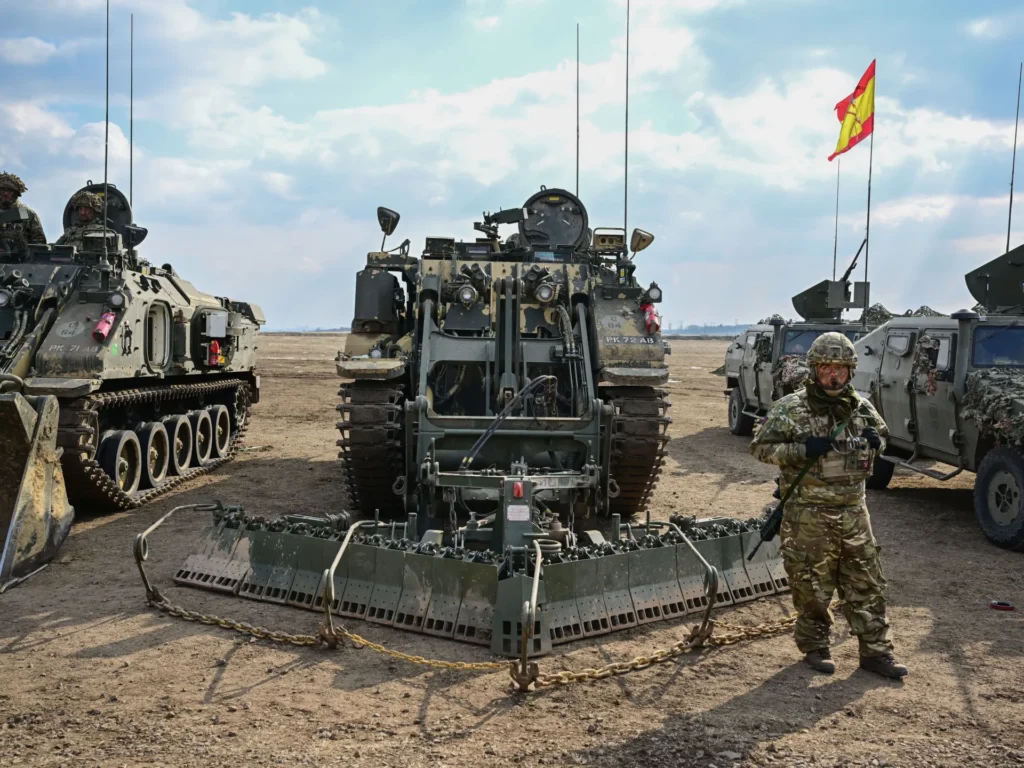
Security analysts warn that the use of naval mines represents a particularly dangerous escalation. Mines can remain hidden and pose long-term risks to shipping, even after active hostilities subside. Maritime experts say clearing such threats requires extensive operations and sustained coordination, raising the stakes for any prolonged conflict in the region.

The latest directive from Trump reflects a shift toward more aggressive enforcement measures in one of the world’s most critical waterways. By authorizing direct action against suspected mine-laying vessels, the United States is signaling a willingness to escalate militarily to ensure freedom of navigation.

However, this approach carries significant risks. The Strait of Hormuz is not only a strategic chokepoint but also a flashpoint where miscalculations can quickly spiral into broader conflict. Even limited engagements at sea have the potential to disrupt global energy flows, with immediate consequences for markets and economies.

Iran’s ability to influence traffic through the strait remains a key leverage point. By demonstrating control over the waterway, Tehran can exert pressure not only on the United States but also on countries dependent on energy shipments passing through the region. This dynamic complicates efforts to isolate Iran economically, as disruptions affect a wide range of international stakeholders.

The stalled diplomatic track further underscores the challenges of de-escalation. With both sides insisting on preconditions, the path to negotiations appears uncertain. The longer the standoff continues, the greater the likelihood that incidents at sea could intensify, reducing the chances of a quick resolution.

At the same time, the conflict highlights broader questions about global energy security. Heavy reliance on a single transit route for a significant share of the world’s oil and gas creates vulnerabilities that can be exploited during periods of geopolitical tension. Efforts to diversify supply routes and energy sources may gain renewed urgency as the crisis unfolds.

For now, the situation remains volatile, with military actions and diplomatic signals moving in parallel. As operations continue in and around the Strait of Hormuz, the world is watching closely, aware that developments in this narrow stretch of water can have far-reaching consequences well beyond the region.

AP original story

Nigeria Coup Plot Case: Six Defendants Plead Not Guilty as High-Stakes Trial Delayed

0

(AP/Reuters/Punchng) — Six former security officials accused of plotting to overthrow the government of Bola Tinubu entered not guilty pleas on Wednesday as a federal court in Abuja, Nigeria, postponed further proceedings in a case that underscores mounting concerns over national security.

The defendants, including a retired army major general and a serving police inspector, face 13 counts ranging from treason to terrorism and financing unlawful activities. During their arraignment, all six rejected the allegations, setting the stage for what is expected to be one of the most consequential legal battles since Tinubu assumed office in 2023.

Presiding judge Joyce Abdulmalik scheduled the next hearing for April 27, when the court is expected to consider bail requests and begin substantive arguments. The accused were ordered to remain in custody under the Department of State Services pending further proceedings.

Prosecutors contend that the group worked in concert to undermine the government, alleging in court filings that the suspects “conspired with one another to levy war against the state” in an attempt to intimidate the presidency. The charges reflect what authorities describe as a coordinated effort to destabilize Nigeria’s democratic system.

A seventh suspect, former Bayelsa state governor Timipre Sylva, is also named in the case but remains at large. Investigators allege he played a role in concealing aspects of the purported plot.

Government legal officials have emphasized the seriousness of the case. Attorney General Lateef Fagbemi pressed for an accelerated trial timetable, citing the gravity of the accusations and their potential implications for national stability. The court signaled agreement with the urgency of the matter, setting a swift timeline following the defendants’ pleas.

Defense attorneys sought immediate bail for their clients during the hearing, but the court declined to entertain oral applications, directing counsel to submit formal written motions instead. Until then, the suspects will remain in detention under the supervision of the country’s domestic intelligence service.

The case stems from an alleged coup attempt first disclosed by Nigerian authorities in January. At the time, officials indicated that several individuals, including military personnel, had been detained as part of an investigation into efforts to challenge the government by force. The current proceedings mark the most advanced stage of that investigation.

Nigeria has maintained civilian rule since 1999, following decades of military governance. The allegations now before the court represent a rare and serious challenge to that democratic order, raising concerns about internal divisions within the security apparatus.

The trial unfolds against a backdrop of significant national strain. Nigeria continues to grapple with economic pressures, including inflation and currency instability, alongside persistent security threats in various regions. Armed groups operating in the north have intensified attacks in recent months, stretching military resources and heightening public anxiety.

In October, President Tinubu initiated a sweeping reorganization of the military’s leadership, a move aides described as an effort to strengthen command structures and improve operational effectiveness. Analysts say the leadership changes reflected concerns within the government about both external threats and internal cohesion.

The unfolding trial offers a window into deeper structural challenges facing Nigeria’s political and security institutions. While the charges against the accused remain to be proven in court, the mere existence of such allegations signals potential fractures within elite circles, particularly among those with security backgrounds.

Historically, coup attempts in Nigeria were often driven by dissatisfaction within the military or broader governance concerns. Although the country has experienced more than two decades of uninterrupted democratic rule, analysts caution that economic hardship and security instability can create conditions that test institutional resilience.

The Tinubu administration has emphasized stability and reform, but the convergence of economic strain and ongoing violence in parts of the country has complicated those efforts. Public confidence in governance can be influenced by perceptions of security, and high-profile cases such as this one may further shape political discourse ahead of future elections.

Another critical dimension is the role of the judiciary. The handling of the case will likely be closely watched both domestically and internationally, as it may serve as a benchmark for how Nigeria addresses allegations of threats to its constitutional order. A transparent and credible legal process could reinforce confidence in democratic institutions, while any perceived irregularities could deepen skepticism.

The involvement of a former state governor as a suspect adds a political layer to the case, raising questions about the intersection of security, politics, and accountability. It also underscores the complexity of addressing alleged conspiracies that may span both military and civilian spheres.

At the same time, the government’s decision to pursue the case aggressively reflects a broader strategy to deter any attempts to destabilize the state. By signaling a zero-tolerance approach to alleged coup plotting, authorities aim to reinforce the message that democratic governance remains firmly in place.

However, the broader implications extend beyond the courtroom. The case highlights the importance of addressing underlying issues such as economic inequality, governance challenges, and regional security threats. Without progress on these fronts, experts warn that tensions could persist, potentially creating an environment where instability becomes more likely.

For now, attention remains focused on the upcoming court date, where the next phase of the trial will begin. As proceedings move forward, the case is expected to remain a focal point in Nigeria’s political landscape, reflecting both the resilience and the vulnerabilities of its democratic system.

Boko Haram Militants Kill 20 in Northeast Nigeria Attacks, Homes Burned in Renewed Violence

0

Suspected Boko Haram militants riding motorbikes stormed two villages in northeast Nigeria, killing at least 20 people in coordinated attacks that underscore the insurgency’s continuing capacity to terrorize rural communities despite years of military campaigns intended to eliminate the threat.

The assaults are part of a surge by Boko Haram and its Islamic State splinter group known as Islamic State West Africa Province, who have stepped up deadly attacks on military bases and villages in Nigeria’s insurgency-ravaged northeast.

The gunmen raided the villages of Pubagu and Mayo-Ladde in the states of Borno and neighboring Adamawa respectively on Tuesday afternoon after overwhelming local vigilantes, Mada Saidu, chairman of Askira-Uba district where one of the attacks occurred, disclosed to Reuters.

At least 11 people were killed in Pubagu and nine in Mayo-Ladde. Homes and shops were torched and food supplies looted, Saidu confirmed—a pattern of destruction designed to render communities uninhabitable and force populations into displacement camps where government and aid agencies struggle to provide adequate assistance.

Islamist militants have waged a 17-year insurgency seeking to carve out an Islamic state in northeast Nigeria, killing thousands and displacing at least 2 million people, aid groups indicate, despite major military campaigns to root them out that have consumed billions in defense spending.

According to The Associated Press, the attack took place late Tuesday in Pubagu, a community in a remote area on the fringes of Sambisa forest in Borno state—the epicenter of Nigeria’s long fight against an Islamic insurgency. Villagers disclosed they buried the victims Wednesday and attributed the attack to the extremist Boko Haram group.

The local council chairman Mwada Saidu Uba told The Associated Press that the village had previously been considered a safe haven. “Pubagu is one of the locations in our council area that had never suffered such an attack until yesterday,” he stated after the funerals. The two injured were receiving treatment at a nearby hospital, he added.

Usman Rumirgo, a local ward official, revealed the assailants set several houses ablaze before leaving the area. Vulnerable rural communities regularly come under fire from Islamic extremists and bandits who take advantage of Nigeria’s vast rural areas and security gaps that allow militants to operate with apparent impunity.

Among the most prominent Islamic militant groups active in Nigeria are Boko Haram and its breakaway faction affiliated with the Islamic State group and known as Islamic State West Africa Province. There is also the Islamic State-linked Lakurawa group, as well as other “bandit” organizations that specialize in kidnapping for ransom and illegal mining.

Sahara Reporters confirmed that at least 12 victims, including women and young children, have escaped from a faction of Boko Haram, officially known as Jama’atu Ahlis Sunna Lidda’awati wal-Jihad, in Ngoshe community of Borno State. The Borno South Youth Alliance disclosed this to SaharaReporters on Wednesday, confirming that the victims have safely reached a nearby town, although the exact location remains undisclosed for security reasons.

According to the alliance, those who escaped captivity are Aisha Audu (20), Hajara Audu (18 months), Aisha Idrisa (17), Hafsat Idrisa (4 months), Aisha Abubakar Bama (22), Maryam Umar (11 months), Zainabu Umar Mbasuwa (22), Salma Abubakar (2 months), Musa Umar (7), Suleiman Umar (9), Aisha Abubakar (17), and Aisha Musa (10).

In a statement, the group expressed relief over the development but warned that many more victims are still believed to be held by the insurgents in the area. “Borno South Youth Alliance is pleased to announce that the following women and children who were previously held in Ngoshe captivity have reportedly escaped and are now safe in a nearby town. The exact location is being withheld for security reasons,” the statement indicated.

“While we are grateful for this development, we must state clearly that a larger number of victims are still believed to remain in captivity,” the alliance emphasized, conveying ongoing humanitarian crisis as hundreds remain enslaved by militants.

The group further revealed that its President Samaila Ibrahim Kaigama has been briefed on the situation and is expected to release a video update to provide additional details. Ngoshe, located in the Gwoza axis of Borno State, has long been a hotspot of insurgent activity, with communities repeatedly targeted by Boko Haram factions operating in the region.

On April 20, 2026, SaharaReporters documented that Boko Haram had issued a chilling 72-hour ultimatum to the Nigerian government, threatening to execute 416 captives, mostly women and children, if its demands were not met.

In a disturbing video obtained by SaharaReporters, a spokesperson for the terrorist group declared that the countdown had begun, warning that failure by authorities to comply would result in mass killings of those held in captivity in Borno State.

The masked spokesperson, speaking in Hausa, identified the group and reaffirmed its allegiance, stating: “We are a group of people from Jama’atu Ahlis Sunna Lidda’awati wal-Jihad, devoted to our cause. Our leader is Imam Abu Mu’min al-Muhajir. Today is the 19th of April, 2026. May God guide us.”

He added that the message was directed at multiple stakeholders, including the Nigerian government and the Borno South Youth Alliance, while drawing a distinction from what he referred to as “our government.” “We are sending a message today to BOSYA, the South Youth Alliance, and the Nigerian government, not our government. This is our first message, and it will also be the last,” the terrorist declared.

The insurgent group warned that both sides had already exchanged demands, insisting there should be no alterations or delays. “We are giving you seventy-two (72) hours. If you do not fulfill what we have told you, you have already made your demands known, and we too have made our own demands clear to you, based on sacrifice and fear of God. Do not add or change anything beyond what we have told you. These are clear and direct instructions,” he stated.

The spokesperson threatened immediate executions if the ultimatum expired unmet. “If these demands are not met within seventy-two hours, we will begin to execute the women and small children, every one of them. All those you see in this video; you will not see them alive again. They will be shot,” he declared—chilling threat that illustrates militants’ willingness to murder innocent civilians to extract concessions.

The twin attacks on Pubagu and Mayo-Ladde represent the latest evidence that Boko Haram and its splinter factions retain operational capacity despite military operations that Nigerian authorities have repeatedly claimed were defeating the insurgency. The coordination required to assault two separate villages simultaneously demonstrates organizational sophistication that contradicts governmental narratives about degraded militant capabilities.

For residents of northeast Nigeria who have endured 17 years of violence, the attacks confirm that security remains elusive despite assurances from Abuja that the insurgency is being contained. The fact that Pubagu had never previously suffered attack suggests militants are expanding operations into areas previously considered safe—a pattern that could trigger additional displacement as vulnerable communities conclude nowhere offers protection.

The looting of food supplies alongside killing and burning creates compound humanitarian crisis as survivors lose both shelter and sustenance while dealing with trauma of witnessing neighbors murdered. Aid agencies working in the region already struggle to meet needs of 2 million displaced persons, and additional attacks generating more refugees further strain inadequate resources.

The escape of 12 captives from Ngoshe provides rare good news amid the violence, though the alliance’s warning that many more remain in captivity underscores the scale of kidnapping operations that Boko Haram conducts to obtain ransom payments, forced labor, sexual slaves, and potential recruits.

The 72-hour ultimatum threatening execution of 416 captives represents terrorism at its most calculating—using innocent lives as bargaining chips to extract concessions while demonstrating willingness to carry out mass murder if demands are not met. Whether Nigerian authorities will negotiate with terrorists or refuse on principle while hundreds face execution creates agonizing dilemma with no good options.

As funerals proceeded Wednesday for the 20 killed in Tuesday’s attacks, and as 12 escaped captives received care in undisclosed locations while 416 others faced execution deadlines, the 17-year insurgency shows no signs of resolution despite military campaigns, international assistance, and countless governmental promises that victory was imminent.

For the 2 million displaced persons living in camps, for rural villagers wondering if their community will be next target, and for families whose loved ones remain in captivity facing threatened execution, the insurgency represents ongoing nightmare that successive Nigerian administrations have proven unable to end despite the conflict’s devastating human and economic costs that have transformed the entire northeast into war zone where normal life has become impossible.

SaharaReporters/AP/Reuters

Attacks on 2 Ships in Strait of Hormuz Raise Tensions as U.S.-Iran Talks Hang in Balance

0

Two vessels came under fire Wednesday in the Strait of Hormuz, heightening tensions in one of the world’s most critical shipping lanes and complicating fragile diplomatic efforts aimed at restarting talks between the United States and Iran.

British military officials monitoring maritime security in the region said the first incident occurred early in the day when a container ship was struck by gunfire. The vessel sustained damage but reported no injuries among its crew. A second cargo ship later indicated it had also been fired upon and was forced to halt in the water, though it reported no visible damage and all crew members were accounted for.

Authorities did not immediately assign responsibility for the second incident. However, suspicion quickly centered on Iran following confirmation that the country’s Revolutionary Guard targeted the first vessel.

Accounts of the initial attack differed. The United Kingdom Maritime Trade Operations center, which tracks threats to commercial shipping, indicated that the vessel was fired upon without prior warning. Iranian state media, however, maintained that the ship had ignored instructions from Iranian forces before the engagement took place.

The developments come at a critical moment as international efforts intensify to bring Washington and Tehran back to the negotiating table. Pakistan has been working to host a new round of talks in Islamabad, though Iran has yet to confirm its participation. A previous meeting earlier this month concluded without a breakthrough, leaving key issues unresolved, including Iran’s nuclear program and control over regional waterways.

President Donald Trump announced late Tuesday that the United States would extend its ceasefire with Iran beyond its original deadline, offering additional time for diplomatic efforts. The truce had been set to expire Wednesday. Trump said the extension would allow Iranian leadership to present a unified negotiating position, though Iran has not publicly acknowledged the move.

Pakistan’s Prime Minister Shehbaz Sharif welcomed the extension, describing it as an opportunity to advance negotiations. He indicated that his government would continue efforts to facilitate dialogue between the two sides.

Despite the ceasefire extension, the United States has maintained a naval blockade of Iranian ports, a measure that Tehran has repeatedly condemned. Iranian officials have cited the blockade as a major obstacle to renewed talks, arguing that it undermines the spirit of diplomacy.

In a statement carried by state media, Iran’s Revolutionary Guard warned that it would respond forcefully to any perceived threats in the region, signaling the potential for further escalation.

The Strait of Hormuz remains a focal point in the conflict. The narrow waterway serves as a vital corridor for global energy supplies, with roughly one-fifth of the world’s oil and natural gas shipments passing through it during normal conditions. Since the outbreak of hostilities earlier this year, shipping traffic has been severely disrupted, contributing to sharp increases in energy prices.

Market reactions reflected the ongoing uncertainty. Brent crude, the international benchmark for oil prices, hovered near $98 per barrel in early trading Wednesday, representing a significant increase since the conflict began.

The attacks also follow a series of recent confrontations at sea. In recent days, U.S. forces intercepted and seized vessels linked to Iran, actions described by Washington as part of its enforcement of sanctions and maritime restrictions. Tehran has denounced those operations and warned of retaliation.

The broader conflict, now entering its eighth week, has resulted in significant casualties across the region. Iranian authorities have reported thousands of deaths, while additional casualties have been recorded in Lebanon, Israel and neighboring Gulf states. Military personnel from both the United States and Israel have also been among those killed.

Diplomatic observers say the latest incidents underscore the fragile nature of the ceasefire and the challenges facing negotiators. Even as both sides signal openness to talks, actions on the ground continue to raise the risk of miscalculation.

United Nations Secretary-General António Guterres expressed hope that the extended ceasefire would create an opening for renewed diplomacy. His office indicated that the additional time could help build trust and reduce tensions, though it acknowledged the situation remains volatile.

For now, uncertainty dominates the region. Shipping companies are navigating heightened risks, energy markets remain on edge and diplomatic channels face increasing strain. Whether the latest attacks will derail efforts to resume negotiations or serve as a catalyst for renewed urgency remains unclear.

What is certain is that the Strait of Hormuz continues to stand at the center of a conflict with global implications, where even isolated incidents can reverberate far beyond the region.

AP/Skynews

Virginia Voters Approve New Congressional Map, Setting Stage for High-Stakes Legal Battle Ahead of Midterms

0

Virginia voters have narrowly approved a constitutional amendment allowing new congressional district maps to take effect, a decision that could reshape the state’s political landscape ahead of November’s midterm elections and intensify an already fierce national battle over redistricting.

The measure permits districts drawn by the Democratic-controlled General Assembly to replace boundaries previously established through a bipartisan process. The revised map has the potential to significantly expand Democratic representation in the U.S. House, where Virginia currently sends six Democrats and five Republicans.

Early projections tied to recent statewide voting patterns suggest Democrats could gain several additional seats under the new lines, potentially controlling as many as 10 of the state’s 11 congressional districts. The shift comes at a pivotal moment as control of Congress remains closely contested.

Despite voter approval, the outcome may not be final. The Virginia Supreme Court is reviewing legal challenges that question the validity of both the amendment process and the resulting maps. A lower court ruling has already raised concerns about whether lawmakers followed required procedures in placing the measure on the ballot, leaving open the possibility that the referendum could be invalidated.

Supporters of the amendment framed the vote as a corrective step in a broader national struggle over electoral fairness. Democratic leaders argued that changes in Virginia could counterbalance redistricting efforts in other states that favor Republicans. Virginia House Speaker Don Scott described the vote as a turning point in the 2026 midterm trajectory, emphasizing its potential national impact.

Gov. Abigail Spanberger, who campaigned in favor of the measure, signaled that attention would now shift toward upcoming congressional races. She underscored the importance of competitive districts as a check on federal leadership, highlighting the stakes of the November elections.

Republican leaders, however, have challenged both the substance and process of the amendment. Virginia House Minority Leader Terry Kilgore pointed to unresolved legal questions surrounding the referendum’s wording and legislative handling, stating that those concerns would now be addressed in court. National Republican figures echoed similar concerns, describing the new map as a heavily partisan redraw that could distort voter representation in a politically divided state.

The Virginia vote reflects a broader wave of redistricting activity across the country. Republican-led efforts in states such as Texas, Missouri, North Carolina and Ohio have aimed to increase GOP representation, while Democrats have pursued similar strategies in states including California and Utah. The result is a patchwork of competing maps that could collectively determine control of the House.

In Virginia, the newly approved districts introduce notable geographic changes. Several districts anchored in northern Virginia remain strongly Democratic, while others have been reshaped to combine urban and rural areas in ways that may dilute traditional voting blocs. One district in particular stretches across regions in an unusual configuration, blending suburban and rural communities to alter its political balance.

The debate surrounding the amendment often centered on competing definitions of fairness. Some voters supported the measure as a way to offset perceived imbalances elsewhere in the country, while others opposed it on the grounds that it concentrated power within the state legislature. Voters in rural areas, in particular, expressed concern that their influence could be reduced under the new boundaries.

The legal challenge now before the Virginia Supreme Court stems from multiple procedural issues. A circuit court judge previously ruled that lawmakers did not properly follow the constitutional steps required to place the amendment on the ballot. Among the concerns cited were the timing of legislative approval and whether the measure was adequately publicized ahead of the election. If the high court upholds those findings, the newly approved maps could be voided, forcing the state back to its previous district lines.

The uncertainty adds another layer of complexity to an already volatile election cycle. Candidates and political organizations must prepare for multiple scenarios, including the possibility that district boundaries could change again before ballots are cast.

The Virginia vote illustrates how redistricting has evolved into a central battleground in American politics. While traditionally conducted once every decade following the census, mid-decade adjustments are becoming more common as parties seek to maximize their electoral advantages. This trend reflects the increasing importance of district boundaries in determining political outcomes, particularly in closely divided legislatures.

The situation also highlights the tension between voter-approved reforms and judicial oversight. Even when voters endorse a measure, courts retain the authority to evaluate whether the process complied with constitutional requirements. This dynamic can create uncertainty, as seen in Virginia, where the final outcome may ultimately depend on legal interpretation rather than electoral results.

Nationally, the implications are significant. With control of the House often decided by a narrow margin, even a small shift in a single state can influence the balance of power. Virginia’s potential to add several seats for one party underscores how localized decisions can have far-reaching consequences.

At the same time, the debate raises broader questions about representation and fairness. Advocates on both sides argue they are acting to protect voters’ interests, yet the competing strategies often result in increasingly complex and contested maps. As more states engage in similar efforts, the likelihood of prolonged legal battles and shifting district lines is expected to grow.

Ultimately, Virginia’s redistricting decision serves as a microcosm of a larger national struggle—one that blends politics, law and voter engagement in ways that will continue to shape elections in the years ahead.

The Associated Press story

Armed Robbers Steal Up to $1.8 Million from Armored Truck in Philadelphia as FBI Takes Over Probe

0

Two armed men carried out a brazen daylight robbery in northeast Philadelphia, making off with as much as $1.8 million from an armored truck before fleeing the scene, prompting a federal investigation and renewed concerns about organized crime targeting cash transport operations.

The robbery unfolded around 9:45 a.m. along the 7200 block of Torresdale Avenue, a busy commercial corridor in the city’s northeast section. Authorities said the armored vehicle had stopped near a financial services business when the suspects struck.

Police described how a car pulled into a nearby lot before two masked individuals, both carrying high-powered rifles, exited the vehicle and confronted the armored truck crew. Within moments, the suspects seized large amounts of cash and sped away, leaving behind stunned witnesses but no reported injuries.

Investigators believe the suspects fled in a blue Acura sport utility vehicle. The car was later located abandoned beneath Interstate 95 in the Northern Liberties neighborhood, miles from the scene, suggesting a planned escape route designed to evade immediate detection.

A spokesperson for the Philadelphia Police Department indicated that officers quickly secured the area and began canvassing for surveillance footage. Witnesses were also interviewed as investigators worked to reconstruct the sequence of events.

Eyewitness accounts painted a chaotic scene. One observer described hearing raised voices before seeing a vehicle accelerate onto the sidewalk as it fled the area. Another witness, who was working nearby at the time, recalled how the situation escalated in seconds, turning an ordinary morning into a moment of fear.

Images captured by nearby cameras, cited in coverage by CBS News, showed two individuals dressed in dark clothing and wearing masks running from the vehicle. One appeared to be holding a rifle as the pair moved toward the armored truck.

Authorities have not confirmed the exact amount of money taken, but law enforcement sources told ABC affiliate WPVI that the total could reach $1.8 million. Officials emphasized that the investigation remains active and that no arrests have been made.

The Federal Bureau of Investigation has now taken the lead role in the case, signaling the seriousness of the crime and the likelihood that it may involve broader criminal networks. Federal involvement often follows incidents involving large sums of money, organized tactics, or interstate elements.

A representative for the armored transport company declined to comment when contacted by CBS News Philadelphia, citing concerns for employee safety and the ongoing investigation.

The incident echoes a series of armored truck robberies reported in the Philadelphia area over the past year. Authorities have previously arrested suspects linked to similar crimes in neighborhoods such as Port Richmond and areas along Castor Avenue, suggesting a pattern that investigators are closely examining.

Those earlier cases involved coordinated efforts targeting armored vehicles during routine service stops, often in busy retail or commercial districts where large sums of cash are handled. The recurrence of such incidents has raised questions about whether organized groups are exploiting predictable schedules and locations.

The latest robbery highlights the evolving tactics of criminal groups targeting high-value cash transports. Unlike spontaneous crimes, armored truck heists typically involve planning, surveillance, and coordination. The use of rifles, masks, and a pre-positioned getaway vehicle suggests a level of sophistication that goes beyond opportunistic theft.

One critical aspect likely under review is whether the suspects had prior knowledge of the truck’s route or schedule. While there is no official confirmation of insider involvement, such robberies often raise concerns about information leaks, whether intentional or accidental. Investigators may examine communication records, operational procedures, and employee access to sensitive logistics data.

The choice of location also reflects a strategic calculation. Busy commercial areas provide both opportunity and risk. While they offer access to large cash transactions, they also increase the likelihood of witnesses and surveillance footage. However, criminals may rely on speed and intimidation to complete the robbery before law enforcement can respond.

The recovery of the suspected getaway vehicle adds another layer to the investigation. Abandoning a vehicle under a major highway suggests an effort to switch transportation methods, a tactic commonly used to complicate tracking efforts. Authorities will likely analyze forensic evidence from the vehicle, including fingerprints, DNA, and digital data, to identify suspects.

From a broader perspective, the incident underscores ongoing challenges in securing cash logistics operations. Despite advances in technology, including tracking systems and security protocols, armored trucks remain vulnerable during loading and unloading phases. These brief windows of exposure can be exploited by well-prepared attackers.

The involvement of federal investigators may also indicate a concern that the robbery is part of a larger network operating across multiple jurisdictions. If confirmed, this could lead to coordinated enforcement efforts beyond Philadelphia.

For residents and businesses, the incident serves as a reminder of the potential risks in densely populated commercial areas. While no injuries were reported, the presence of firearms and the speed of the घटना highlight how quickly such situations can escalate.

ABC/CBS