Home Blog Page 494

Heaviest Snowfall in a Decade Possible as Winter Storm Wreaks Havoc Across the U.S.

0

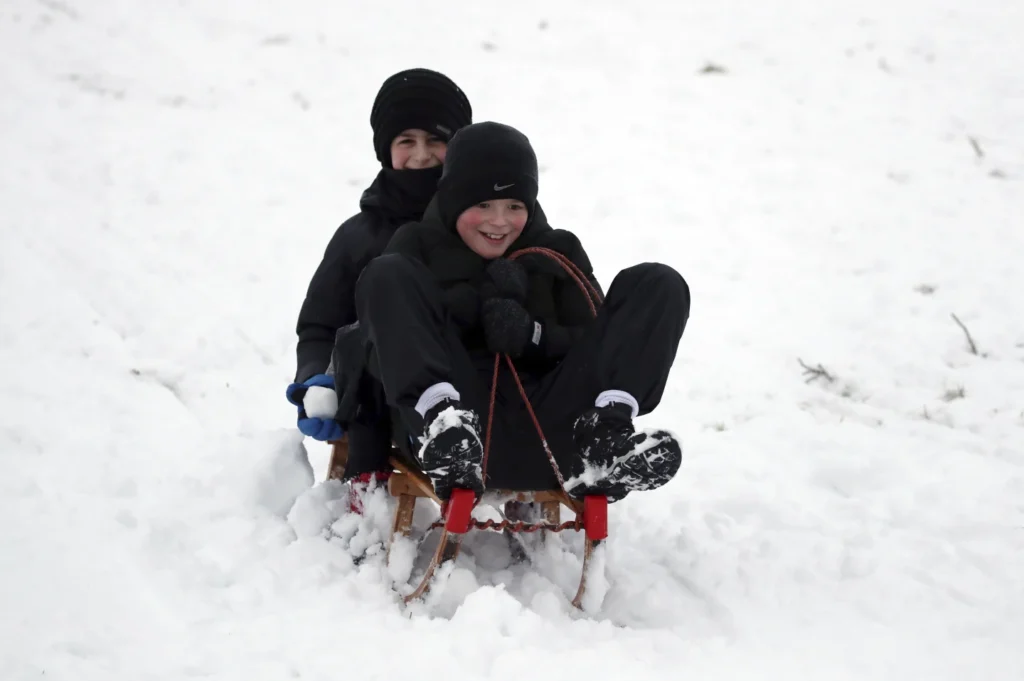
A powerful winter storm brought snow, ice, high winds, and plummeting temperatures to parts of the central United States on Sunday, creating hazardous travel conditions and the potential for what the National Weather Service called the “heaviest snowfall in a decade” in some areas. 

Snow and ice covered roads across Kansas, western Nebraska, and parts of Indiana, where the National Guard was mobilized to assist stranded motorists. Over 8 inches of snow were expected in some areas, particularly north of Interstate 70, as blizzard conditions hit Kansas and Missouri with wind gusts reaching 45 mph (72 km/h). Winter storm warnings were also issued for New Jersey, extending through early Tuesday. 

“For locations receiving the highest snow totals, this could be the heaviest snowfall in at least a decade,” the National Weather Service reported Sunday. 

Approximately 63 million Americans were under some form of winter weather advisory, watch, or warning, according to meteorologist Bob Oravec. The polar vortex, a mass of ultra-cold Arctic air, stretched southward, bringing freezing temperatures to areas as far south as Florida. Scientists attribute the increasing frequency of such events to a warming Arctic. 

The storm brought widespread disruption to transportation. Major highways, including parts of Interstate 70 in Kansas, were closed due to “impassable” conditions. Snowfall reached 10 inches in Kansas, with predictions of up to 14 inches in some areas. 

In Kentucky, Louisville shattered its snowfall record for the date, with 7.7 inches (19.5 cm), surpassing the previous mark of 3 inches set in 1910. Lexington also recorded 5 inches (12.7 cm), breaking its own record. 

Upstate New York faced lake-effect snow, with accumulations exceeding 3 feet (0.9 meters) in some areas. 

Governors in Missouri, Arkansas, and Kentucky declared states of emergency as roads became treacherous. In Kentucky, Governor Andy Beshear urged residents to stay off the roads, citing numerous car accidents, including one involving a state trooper on Interstate 65. 

Virginia reported at least 135 crashes, with injuries but no fatalities. Kansas closed 220 miles (354 kilometers) of Interstate 70 due to dangerous conditions. 

The storm also wreaked havoc on air and rail travel. Nearly 200 flights at St. Louis Lambert International Airport were canceled, and Amtrak suspended multiple routes, including services between Chicago and New York. 

“If local authorities are advising people not to travel, it’s counterproductive to maintain a full schedule of services,” said Amtrak spokesperson Marc Magliari. 

The eastern two-thirds of the country braced for dangerously cold temperatures starting Monday, with wind chills making conditions even more hazardous. Temperatures were expected to drop 12 to 25 degrees Fahrenheit (7 to 14 degrees Celsius) below normal in some areas, with single-digit lows anticipated along parts of the East Coast. 

Chicago experienced temperatures in the teens (-7 to -10 degrees Celsius) on Sunday, while International Falls, Minnesota, saw a frigid -11 degrees Fahrenheit (-24 Celsius). 

School closures were announced across multiple states, including Kentucky, Indiana, Virginia, and Maryland. Kentucky’s Jefferson County Public Schools canceled classes for nearly 100,000 students on what would have been their first day back after winter break. 

The storm’s effects are expected to linger, with cold air gripping the eastern half of the U.S. into the coming week. Meteorologists also warned of possible tornadoes in the Deep South, with damaging winds reported in Arkansas, Louisiana, and Mississippi. 

As the storm progresses, officials continue to urge residents to avoid travel and stay indoors to ensure safety. 
Former French President Sarkozy Faces Trial Over Alleged €50 Million Gaddafi Campaign Financing

0

Former French President Nicolas Sarkozy goes on trial Monday, facing charges of accepting €50 million in illegal campaign financing from late Libyan dictator Muammar Gaddafi. The case, a result of over a decade of investigations, adds to a series of legal troubles shadowing Sarkozy since leaving office in 2012. 

The 69-year-old politician, who served as France’s president from 2007 to 2012, is accused of concealing embezzlement of public funds and illegal campaign financing. If convicted, he faces up to 10 years in prison. Sarkozy has denied all allegations, calling them part of a conspiracy against him. 

Prosecutors allege that Sarkozy’s 2007 presidential campaign was financed with funds illicitly provided by Gaddafi’s regime. In return, Sarkozy and senior officials purportedly pledged to rehabilitate Gaddafi’s international image, despite Libya’s ties to the 1988 Pan Am Flight 103 bombing over Lockerbie and other attacks. 

The case gained momentum in 2012 when investigative outlet Mediapart published a document alleging an agreement between Sarkozy and Libyan officials. Sarkozy, however, has insisted the document is a forgery. 

The accusations intensified after Franco-Lebanese businessman Ziad Takieddine claimed he delivered up to €5 million in cash from Gaddafi to Sarkozy’s campaign in 2006 and 2007. Takieddine later retracted his statement in 2020, fueling suspicions of witness tampering. 

Sarkozy has already been convicted in two separate cases. In December 2023, France’s top appeals court upheld a one-year prison sentence for influence peddling, which Sarkozy is serving under electronic surveillance. Another campaign financing conviction was confirmed by a Paris appeals court last year. 

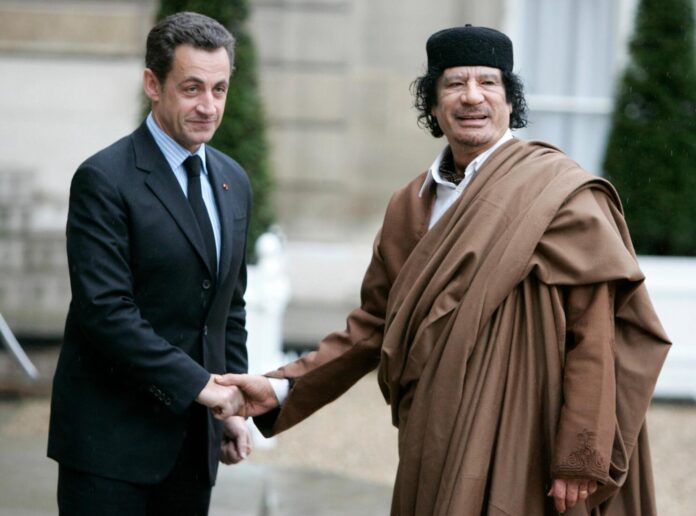
Sarkozy and the late Libyan leader, Gaddafi

In October 2023, Sarkozy was also charged with illegal witness tampering, while his wife, Carla Bruni, was charged with concealing evidence in the same case. 

The trial, scheduled to run until April 10, includes 12 other defendants, among them Sarkozy’s former chief of staff Claude Guéant, campaign financing head Eric Woerth, and ex-minister Brice Hortefeux. 

Defense attorneys have dismissed the allegations as unsubstantiated. “There was no Libyan financing of the campaign,” said Sarkozy’s lawyer Christophe Ingrain. 

Prosecutors argue the alleged pact dates back to a 2005 meeting between Sarkozy, then interior minister, and Gaddafi in Tripoli. However, Sarkozy’s defense maintains no evidence of illegal funds was ever found in the campaign accounts. 

The alleged campaign financing ties are set against a backdrop of Western countries’ attempts to re-engage with Gaddafi in the mid-2000s. Gaddafi visited Paris in 2007, pitching his tent in the city center during a highly publicized state visit. 

However, relations soured by 2011 when France backed NATO-led military action that helped oust Gaddafi during Libya’s civil war. Sarkozy has since claimed the accusations stem from personal vendettas among former Gaddafi officials. 

M23 Rebels Seize Strategic Town of Masisi in Eastern DR Congo

0

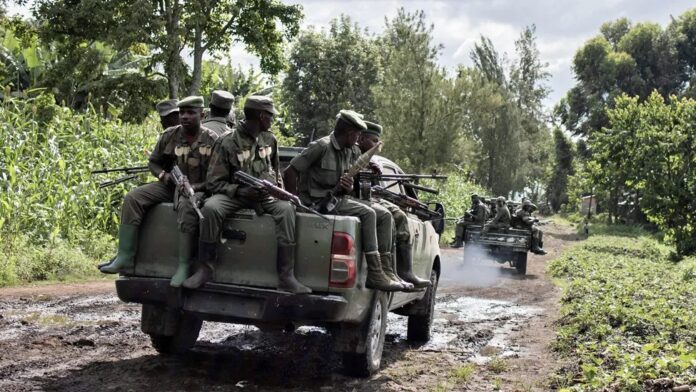
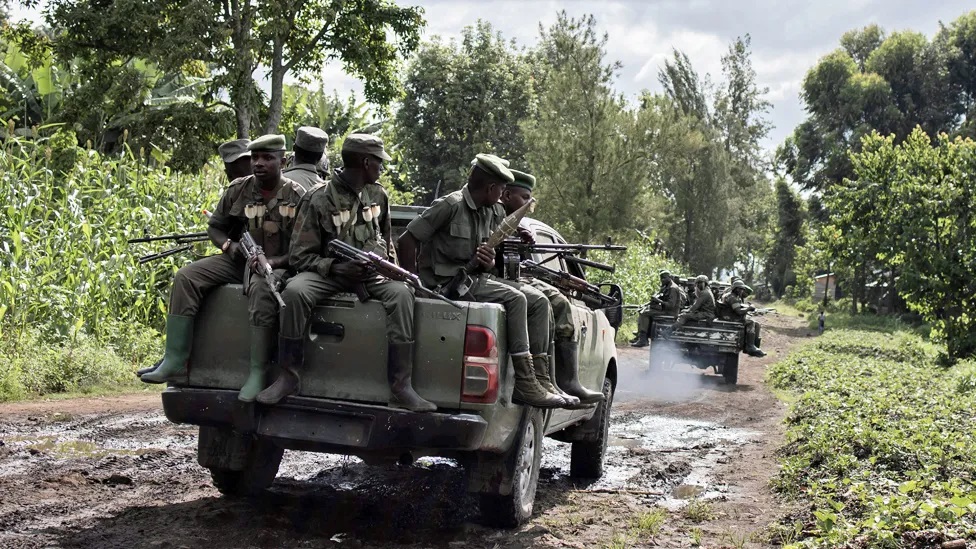
The Rwanda-backed M23 rebels captured the key town of Masisi in eastern Democratic Republic of Congo on Saturday, raising alarms over an escalating humanitarian crisis, local officials said. 

Masisi, a major administrative and economic hub in North Kivu province with an estimated population of 40,000, fell under rebel control after heavy fighting. The town is located about 80 kilometers (50 miles) north of the provincial capital, Goma, and is rich in agriculture, livestock, and mineral resources. 

The March 23 Movement (M23), an armed militia supported by Rwanda, has expanded its territorial control in eastern DRC since 2021, displacing thousands of civilians and triggering widespread insecurity. Angola-mediated peace talks between DRC President Felix Tshisekedi and Rwandan President Paul Kagame were abruptly halted in December due to disagreements over the terms of a proposed deal. 

Alexis Bahunga, a North Kivu lawmaker, expressed dismay at the capture of Masisi. “The seizure of Masisi center by the M23 is deeply troubling,” Bahunga told AFP. He called on the Congolese government to strengthen the logistical and operational capacity of its military forces, the FARDC, to address the growing crisis. 

The fall of Masisi adds to the worsening humanitarian situation in eastern Congo, with thousands already displaced by M23’s ongoing campaign. Bahunga warned, “The capture of the town plunges the territory into a serious humanitarian crisis,” urging immediate action to alleviate the suffering of affected communities. 

The United Nations and other international organizations have highlighted the need for urgent aid to the region, where prolonged conflict has compounded existing challenges of poverty and displacement. 

The M23 rebellion, which began in 2012, was named after a failed peace agreement signed on March 23, 2009, between the Congolese government and former Tutsi rebels. Although officially defeated in 2013, the group resurged in 2021, claiming the DRC government had failed to honor past agreements. 

The conflict has further strained relations between Rwanda and the DRC, with Kinshasa accusing Kigali of supporting the rebels—a claim Rwanda denies. 

French Authorities Arrest Two Algerian TikTok Influencers Over Alleged Incitement to Violence

2

French authorities have arrested two Algerian men with significant TikTok followings, accusing them of publishing content inciting violence. The arrests come amid heightened tensions between France and Algeria, driven by political discord over the Western Sahara conflict and the imprisonment of a French-Algerian novelist.

The men were detained separately—one in Brest, western France, and the other near Grenoble in the southeast—on charges related to urging violent acts. The arrests reflect increasing strain in Franco-Algerian relations, particularly over post-colonial disagreements.

Influencers Arrested Amid Allegations of Terror Incitement

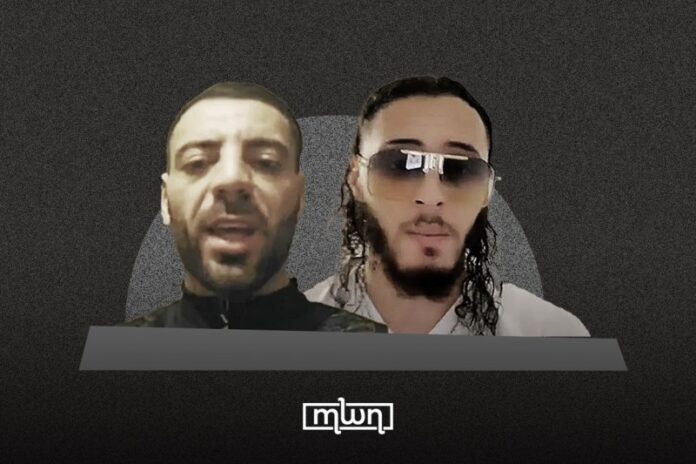
Authorities confirmed the arrest of “Imad Tintin,” a 31-year-old blogger, outside Grenoble on Friday. The influencer allegedly posted a TikTok video encouraging followers to “burn alive, kill, and rape on French territory.” Although the video was removed, Interior Minister Bruno Retailleau condemned the content as “vile” and vowed swift legal action. “Nothing will go unanswered,” Retailleau stated on social media. 

Imad Tintin, who entered France in 2021, had applied for residency in 2023 following his marriage to a French citizen. The application was denied, and he now faces an expulsion order. Authorities arrested him alongside his twin brother, uncovering evidence used to produce videos that garnered over 800,000 views. Prosecutors have not disclosed the twin’s legal status. 

Second Arrest Linked to Alleged Terror Advocacy

In Brest, prosecutors charged a 25-year-old identified as “Youcef A.,” also known online as “Zazou Youssef.” He allegedly posted videos on December 31 calling for violent acts in France and Algeria. Living on a temporary French residency permit, he now faces trial on February 24 for “publicly advocating an act of terrorism.” A conviction could lead to seven years in prison and a €100,000 fine. 

TikTok confirmed banning accounts linked to both influencers for violating policies against hate speech. 

The arrests coincide with France’s renewed support for Moroccan sovereignty over Western Sahara, a contested territory claimed by the Polisario Front separatists backed by Algeria. Algerian dissident Chawki Benzehra accused the Algerian regime of orchestrating social media campaigns to incite unrest, alleging the involvement of influencers like Imad Tintin and Zazou Youssef.

French Foreign Minister Jean-Noël Barrot expressed concerns over Algeria’s commitment to a 2022 roadmap aimed at easing post-colonial tensions. Barrot criticized Algeria’s justification for detaining French-Algerian novelist Boualem Sansal, imprisoned since November on national security charges, and voiced worries about the writer’s health.

The French government’s crackdown on online extremism underscores its broader strategy to address rising tensions with Algeria while maintaining domestic security. 

Ghanaian-American Innovator Dr. Victor Lawrence Receives National Medal of Technology from President Joe Biden

0

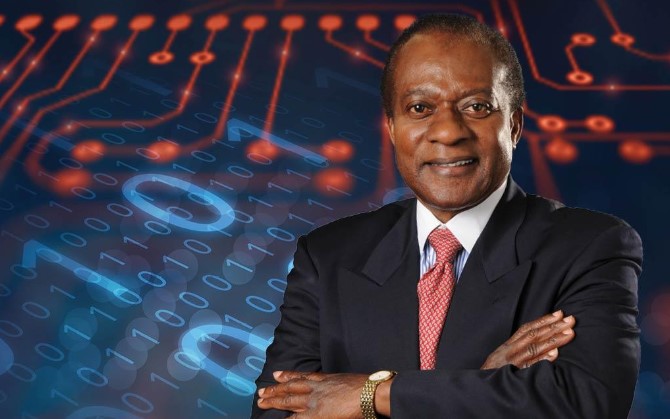
Dr. Victor Lawrence, a Ghanaian-born electrical engineer and telecommunications expert, has been awarded the prestigious National Medal of Technology by President Joe Biden in a ceremony at the White House. The medal is the highest honor for technological achievement in the United States, recognizing individuals whose innovations have significantly advanced technology and improved quality of life. 

Dr. Lawrence is celebrated for his groundbreaking work in digital signal processing, which was instrumental in the transition from analog to digital communication networks. His contributions laid the foundation for modern internet access technology and global data communications, marking him as a trailblazer in the field. 

With more than 20 patents to his name, Dr. Lawrence has been a driving force behind the digital infrastructure that underpins today’s interconnected world. Notably, he is the first African-born recipient of the National Medal of Technology, underscoring the global impact of his achievements. 

National Medal of Technology: A Legacy of Innovation 

The National Medal of Technology, established by Congress in 1980 and administered by the U.S. Patent and Trademark Office, honors innovators whose work has had a transformative effect on the economy and society. 

During the ceremony, President Biden commended this year’s recipients for addressing critical challenges such as climate change, disease treatment, and technological advancement. “These medalists embody the promise of America by pushing the boundaries of what is possible,” Biden said, highlighting their role in inspiring the next generation of scientific and technological leaders. 

Recognizing Excellence in Science and Technology 

Since its inception in 1985, the National Medal of Technology has recognized individuals and organizations whose vision, creativity, and determination have strengthened the U.S. economy and improved the quality of life globally. This year’s honorees include leaders in diverse fields, from lifesaving medical advancements to groundbreaking communication technologies. 

The 2023 recipients of the National Medal of Technology and Innovation include: 

– Martin Cooper 

– Jennifer A. Doudna 

– Eric R. Fossum 

– Paula T. Hammond 

– Kristina M. Johnson 

– Victor B. Lawrence 

– David R. Walt 

– Paul G. Yock 

– Feng Zhang 

Organizational recipients: 

– Moderna, Inc. 

– Pfizer Inc. 

Dr. Lawrence’s accomplishments exemplify the transformative power of science and technology in addressing global challenges. His innovations continue to inspire progress in telecommunications and beyond, leaving an indelible mark on the field and solidifying his legacy as a global pioneer. 

myjoyonline.com

Zimbabwe Leads Global Alcohol Consumption Rankings by Wide Margin

0

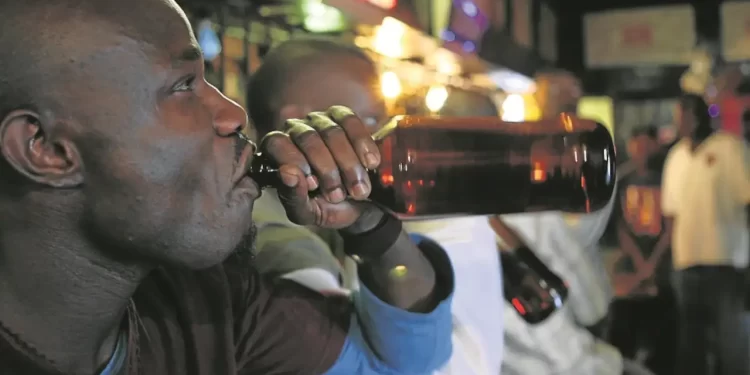
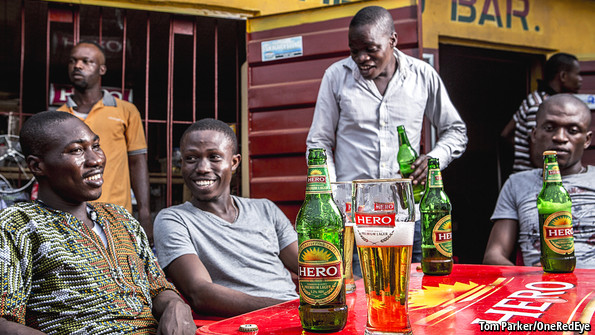
Zimbabwe has topped the global rankings for alcohol consumption per capita, consuming an average of 62.8 liters annually—nearly four times the global average of 16 liters—according to a report by Wisevoter. The figures put Zimbabwe significantly ahead of second-place Tunisia, which reports an average of 36.6 liters per capita. 

The top 10 alcohol-consuming countries, as listed in the report, are: 

1. Zimbabwe – 62.8 liters 

2. Tunisia – 36.6 liters 

3. Eswatini – 34.4 liters 

4. Maldives – 33.7 liters 

5. Afghanistan – 33.5 liters 

6. Namibia – 32.4 liters 

7. South Africa – 29.9 liters 

8. Algeria – 29.1 liters 

9. Turkey – 28.5 liters 

10. Iran – 28.4 liters 

Wisevoter detailed its methodology, defining “a drink” as 0.6 fluid ounces of alcohol, corresponding to one 12-ounce beer, a five-ounce glass of wine, or a 1.5-ounce shot of liquor. The rankings were based on consumption of pure alcohol through beer, wine, and spirits. 

The report’s findings have sparked significant debate and concern, particularly in Zimbabwe, where the data highlights troubling trends. 

Economist and podcast host Tinashe Murapata, also known as Baba Nyenyedzi, called the statistics alarming: 

“The average Zimbabwean consumes a staggering 62.8 liters of pure alcohol annually. If this is true, then we have a national disaster!” 

Other commentators raised concerns about the proliferation of unregulated alcohol in Zimbabwe. Social media user @CeeeClef criticized the ease of access to cheap, unregulated alcohol, saying: 

“Anyone can buy ethanol, mix it with water, add color and flavor, and sell it as brandy or gin. These products are everywhere and destroying the youth and the poor.” 

Opinions on the report’s accuracy and implications were divided. Some questioned the methodology, while others doubted Zimbabwe’s ranking. Twitter user @SaChiri__ wrote: 

“Is the data free of confounding variables? Our unique economic situation may skew the measurements.” 

Others expressed skepticism about Zimbabwe surpassing South Africa in alcohol consumption. User @sm_chauke commented: 

“No way Zimbabweans can outdrink South Africans.” 

Meanwhile, some attributed the findings to broader socioeconomic factors. User @jqsh4 remarked: 

“Alcohol is always affordable and available because it keeps the masses docile.” 

The report also highlighted surprising entries like Afghanistan and Iran, both predominantly Muslim nations with strict alcohol bans, ranking in the top 10. This sparked curiosity online, with user @enza2363 asking: 

“How is Afghanistan fifth, ahead of the UK and Ireland?” 

Wisevoter emphasized the dangers of excessive alcohol consumption, warning of risks such as liver damage, cancer, and impaired motor skills. The findings have raised questions about the accessibility and regulation of alcohol, as well as the societal factors driving high consumption rates. 

Source: Iharare.com

Ukraine Launches Counterattack in Russia’s Kursk Region, Moscow Says

0

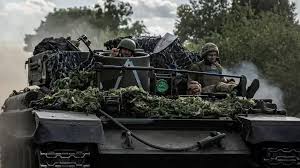
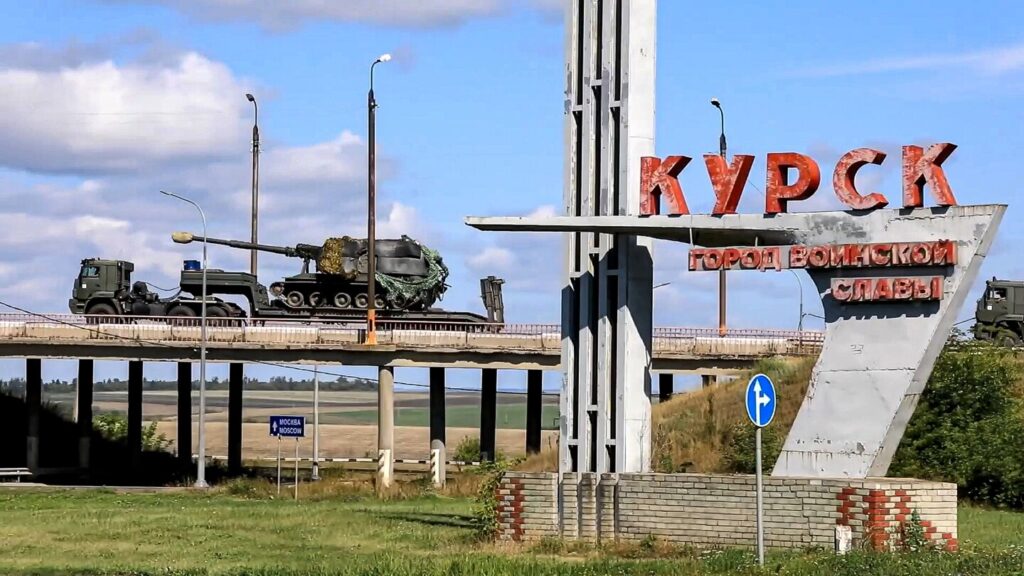
Russia claimed on Sunday that Ukraine had launched a counterattack in the Kursk region, a western Russian area where fighting has persisted for months. Ukrainian forces reportedly crossed into the region in August, holding ground that could serve as leverage in potential peace talks. 

The Russian Defense Ministry stated that Ukrainian troops initiated the assault around 9:00 a.m. Moscow time (0600 GMT) near the village of Berdin. The attack involved two tanks, a mine-clearing vehicle, and twelve armored combat vehicles carrying paratroopers. 

“Artillery and aviation of the North group of Russian forces defeated the assault group of the Ukrainian Armed Forces,” the ministry said in a statement, adding that two Ukrainian attacks had been repelled. 

The claims could not be independently verified by Reuters. 

Prominent Russian military bloggers reported that Ukraine’s latest offensive has placed Russian troops on the defensive. The Operativnye Svodki (Operational Reports) channel noted intense artillery and small-arms battles, with Ukrainian forces employing Western-supplied armored vehicles to mobilize infantry. 

Fighting is reportedly concentrated north of a highway connecting Sudzha, near the border, to Kursk, the regional capital. However, Yuri Podolyak, an influential Russian blogger, suggested the attack could be a diversion to mask preparations for a strike on Glushkovo, further west. Podolyak urged civilians in Glushkovo and Korenevo to evacuate. 

This development comes as both sides remain locked in a protracted conflict, with no immediate signs of resolution. 

Myanmar Junta to Release 5,864 Prisoners in Independence Day Amnesty

0

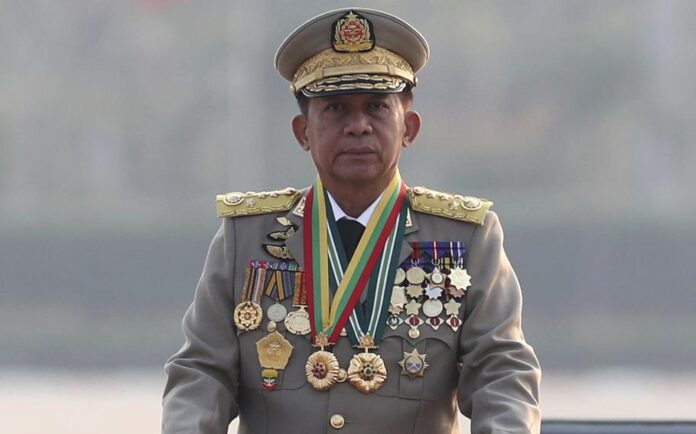
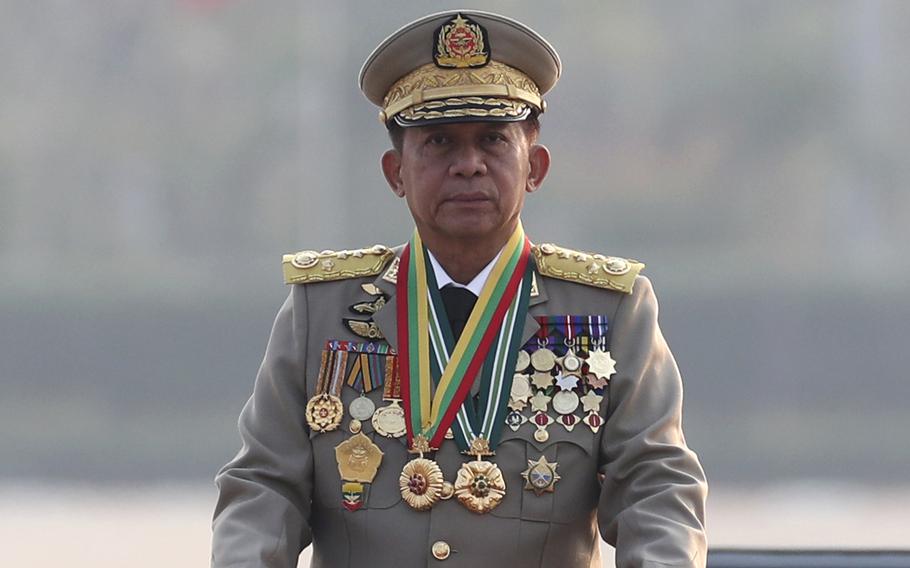
Myanmar’s military government announced on Saturday it will release 5,864 prisoners, including 180 foreign nationals, as part of an amnesty to mark the country’s Independence Day. 

The Southeast Asian nation has been in political turmoil since the military seized power in a February 2021 coup, ousting an elected civilian government. The takeover triggered widespread pro-democracy protests that were met with a violent crackdown, leading to a nationwide armed rebellion. 

The junta has stated its intention to hold elections later this year, but opposition groups and international observers have dismissed the plans as illegitimate. 

Among those excluded from the amnesty is Nobel laureate and former leader Aung San Suu Kyi. The 79-year-old remains imprisoned after being convicted on 14 charges, including incitement, election fraud, and corruption. Suu Kyi, who denies all the allegations, is currently serving a 27-year sentence. 

The announcement of the prisoner release follows previous amnesties granted by the military government during significant national events. The junta has yet to provide details on the identities of those to be freed or the criteria for their release. 

Myanmar’s Independence Day, celebrated on January 4, commemorates the nation’s liberation from British colonial rule in 1948. 

Malaysia Turns Back Boats Carrying Nearly 300 Myanmar Migrants

2

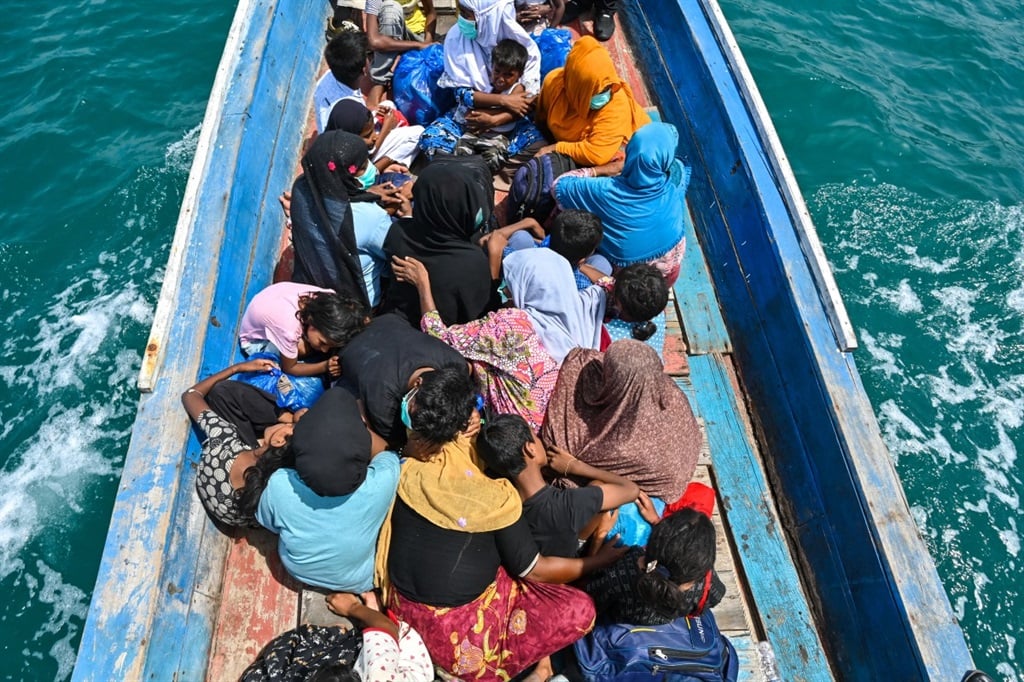
Malaysia’s coast guard intercepted and turned back two boats carrying nearly 300 undocumented Myanmar migrants, many of whom were found in an exhausted state due to a lack of food and water, a senior official reported. 

The boats were discovered on Friday approximately two nautical miles southwest of Langkawi, a popular Malaysian resort island. Authorities provided the migrants with food and clean drinking water before escorting the vessels out of Malaysian waters, according to a statement from Director-General Mohd Rosli Abdullah on Saturday. 

“We are closely cooperating with Thai enforcement agencies to gather further information on the movement of these boats,” Mohd Rosli added. 

The coast guard did not confirm whether the migrants belonged to the Rohingya, a predominantly Muslim minority group in Myanmar. Members of the Rohingya often flee persecution in Myanmar, where they are denied citizenship and face systemic abuse. 

On the same day, Malaysian police detained 196 undocumented Myanmar migrants after their boat landed on a Langkawi beach. Among those detained were 71 children and 57 women, believed to be ethnic Rohingya, according to a police statement. 

The migrants were taken for documentation and health checks. Authorities did not provide further details on their next steps. 

For years, Rohingya refugees have risked dangerous journeys on makeshift wooden boats to escape persecution in Myanmar. Many aim to reach neighboring Muslim-majority countries like Malaysia, Indonesia, and Bangladesh, as well as Thailand, particularly during the calmer seas from October to April. 

Malaysia, however, does not recognize refugee status. In recent years, the country has taken a hardline stance, turning away boats carrying Rohingya refugees and detaining thousands in overcrowded detention centers as part of a broader crackdown on undocumented migrants. 

The situation highlights the continued plight of the Rohingya people, who remain one of the most persecuted minorities in the world, and the challenges faced by countries in the region in addressing the humanitarian crisis. 

Heavy Snow Causes Widespread Disruption in the UK and Germany

0

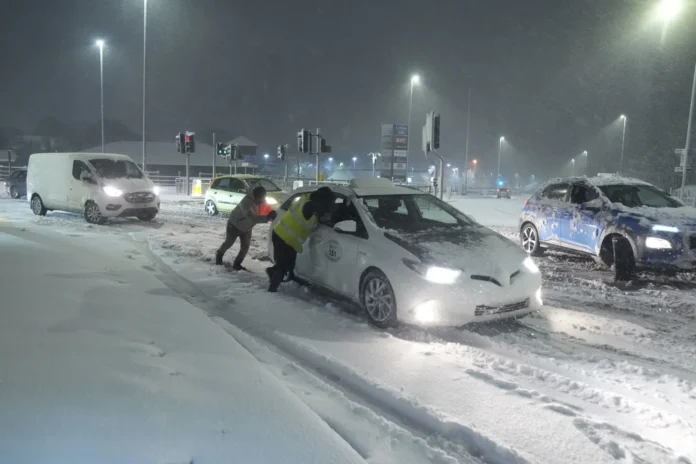
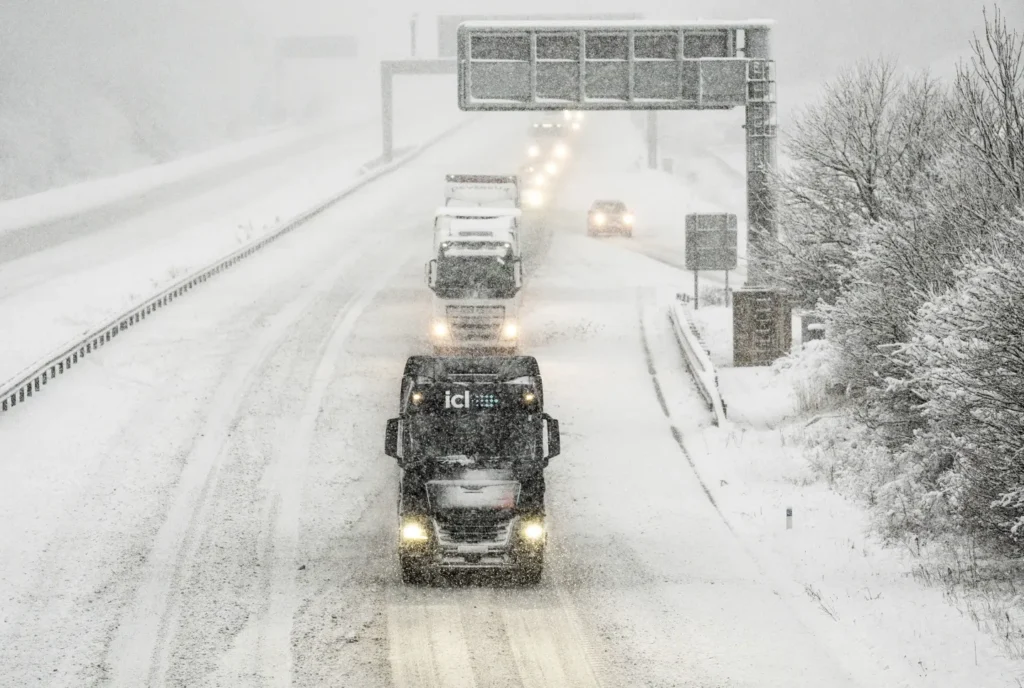
Heavy snow and freezing rain wreaked havoc across Europe on Sunday, with significant disruption reported in the U.K. and Germany. Flights were suspended at major airports, roads became treacherous, and power outages left many without electricity. 

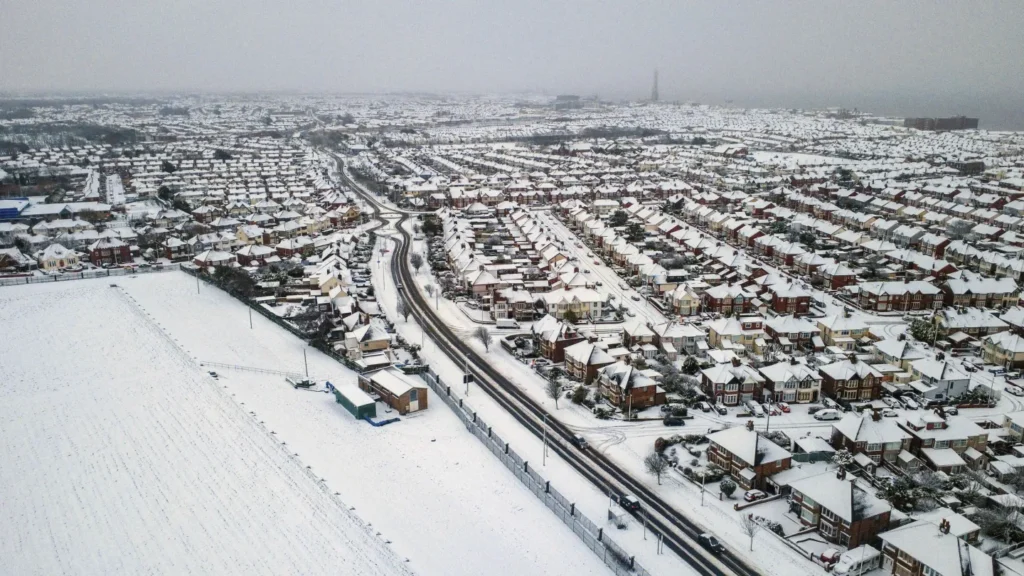
In the U.K., heavy snow of up to 40 centimeters (15 inches) in higher areas—especially in northern England—raised concerns that rural communities could be cut off. The National Grid, responsible for the country’s electricity supply, reported outages across central and western England and Wales, with power restoration efforts underway in Birmingham, Bristol, and Cardiff. 

Transport networks bore the brunt of the severe weather. Liverpool’s John Lennon Airport and Manchester Airport temporarily closed their runways, although they expected to reopen by late Sunday morning. Leeds Bradford Airport, however, remained closed. 

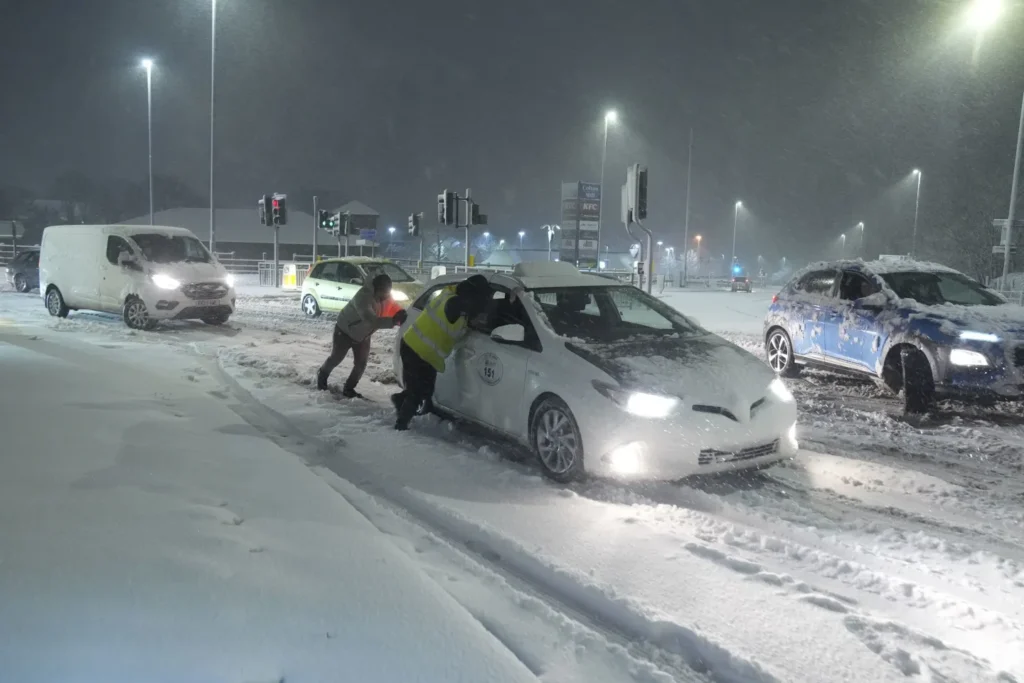
Road travel was similarly affected, with local authorities preemptively closing several roads. Stranded vehicles and collisions caused further disruption as families and students attempted to return home after the holiday break. Rail services also faced cancellations, with National Rail warning that disruptions could extend into the workweek. 

The Met Office, Britain’s weather agency, forecasted continued sleet and snow for northern England and southern Scotland. Meanwhile, the south of England, which experienced freezing rain earlier, was expected to see milder conditions later in the day. 

Flood warnings were also issued by the Environment Agency for southern England, affecting areas around the River Taw and River Avon. 

In Germany, snow and ice created hazardous conditions, particularly in the southwest. Authorities issued black ice warnings for drivers and pedestrians, advising people to avoid travel unless necessary. 

At Frankfurt Airport, 120 of the 1,090 scheduled flights were canceled due to the weather. Munich Airport operated with only one runway while the other was cleared of snow and ice. 

The road network faced its share of challenges, with accidents reported across the country. In Baden-Württemberg, a bus skidded off the road near Hemmingen, injuring eight people. Long-distance train services in the Frankfurt area also experienced irregularities. 

Both countries continue to grapple with the effects of the heavy snow, as emergency services work to restore normalcy. While milder conditions are expected in some areas, the aftermath of the snow and freezing rain is likely to linger into the coming week.