Home Blog Page 495

How and Why are Priests Persecuted in Belarus, Ruled by Putin’s Friend?

0

Today, representatives of the religious community who supported the democratic movement are widely persecuted in Belarus. Clergy and believers from various faiths are being arrested, with some facing criminal charges, and religious communities are being labeled as containing “extremist materials.” How is this happening in 2024?
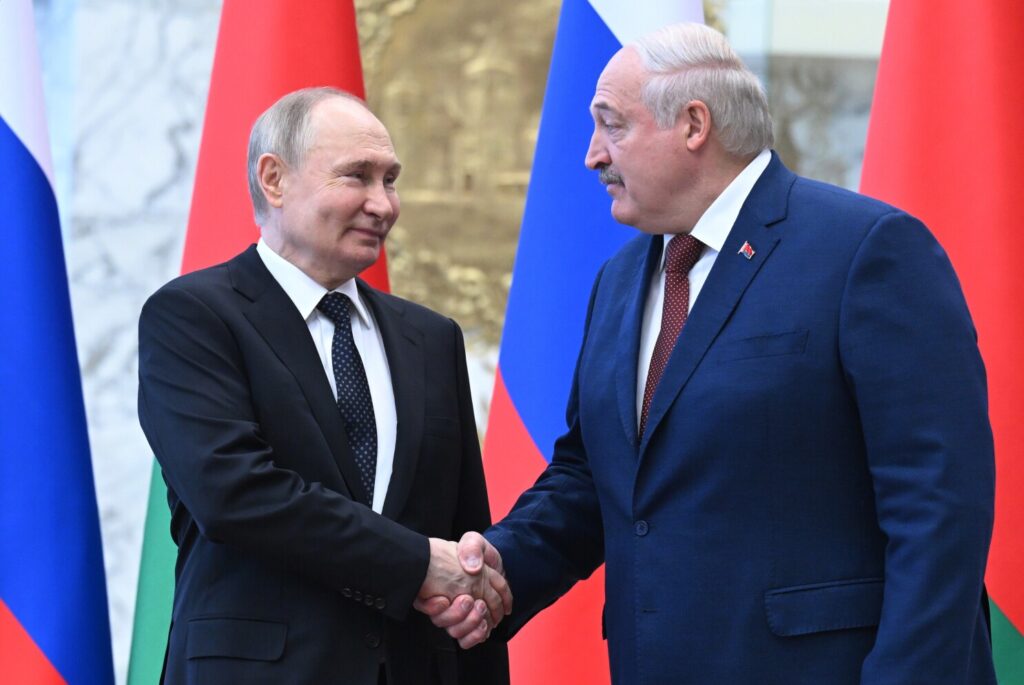
Russian President Vladimir Putin, left, and Belarusian President Alexander Lukashenko shake hands during a welcome ceremony at the Palace of Independence in Minsk, Belarus, Friday, May 24, 2024. (Dmitriy Azarov, Sputnik, Kremlin Pool Photo via AP)

On the air of Radio Svaboda, a theologian and representative of the Christian Vision, spoke about various cases of pressure on believers in detention, bullying, and even torture.

“People who are believers see their path even inside prison not as some kind of end, not as lost years; they often see it in the context of their eternal life, the fact that they are now serving God.”

Administrative persecution of priests

At least 11 cases of administrative persecution of priests have been known in 2024.
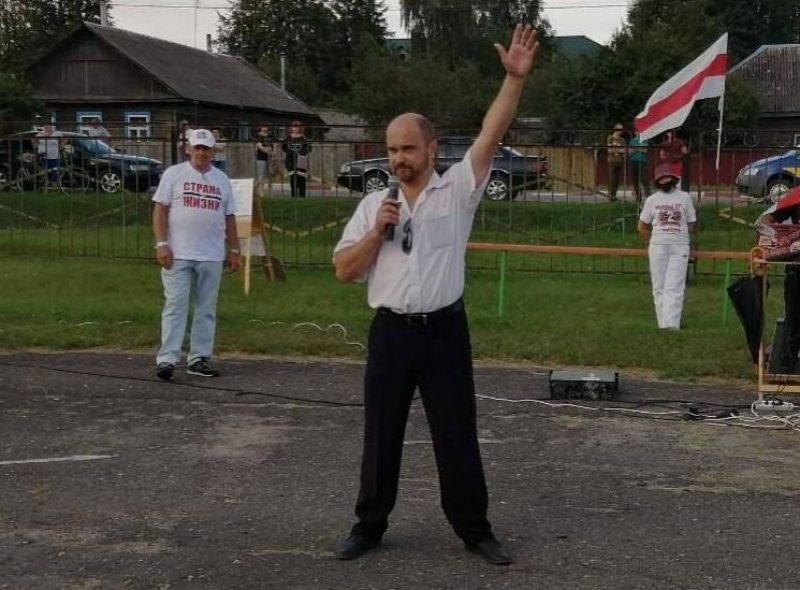
Raman Razhdzestvenski

On January 9, it became known that Raman Razhdzestvenski, who was arrested for 14 days, was the pastor of a Baptist community in the town of Veramiejki (Mahilioŭ region), part of the Union of Evangelical Christian Baptists in the Republic of Belarus. He was convicted under administrative Article 19.11 (distribution of extremist materials). The pastor had previously been detained, was fined, and had his laptop confiscated in March 2022.
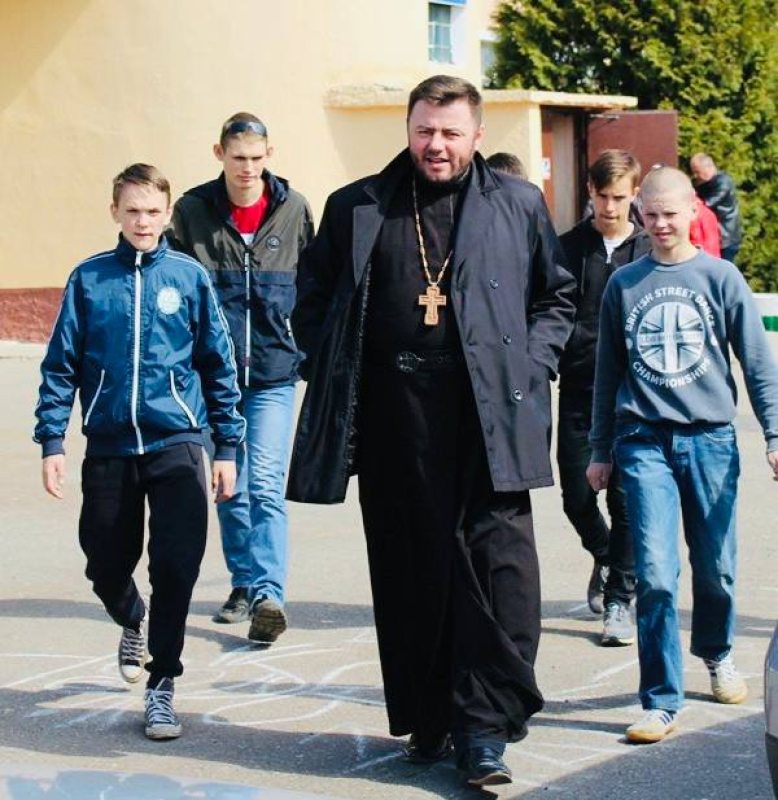
Ihar Kavalchuk

On February 10, after returning from a trip to Italy, priest Ihar Kavalchuk was detained. He is the former rector of the Parish of the Church of the Assumption of the Blessed Virgin Mary in Rahačoŭ, Homieĺ diocese of the Belarusian Orthodox Church. Subscriptions to “extremist” resources were found in his phone, and a report was drawn up on him under Article 19.11 of the Administrative Code of the Republic of Belarus. The priest was arrested for a period of 15 days. On February 25, the priest was not released, and a new administrative process was initiated against him under Article 19.11 of the Administrative Code of the Republic of Belarus. The second period of arrest was 12 days. On March 9, he fled from persecution in Belarus.
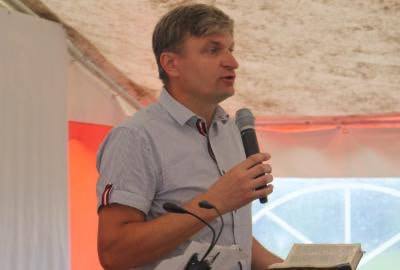
Aliaksandr Zaretski 

On February 22, Pastor Aliaksandr Zaretski was detained. Propagandists have repeatedly complained that in his church there were prayers for ending the war in Ukraine and threatened persecution. The pastor was arrested for a period of 15 days, after that for another 15 days under Article 24.23 of the Administrative Code (violation of the procedure for organizing and holding mass events). The reason for the persecution was the statements which he allegedly made during a service: “Let’s pray for those who are in prisons for falsified reasons”; “look at how higher-ranking officials say one thing, but people see another on the streets”; “they show us to say that everything is fine, that everything is pleasant and satisfactory, and sometimes it’s easier to agree”; “let’s pray for U., come to prayers for U.“
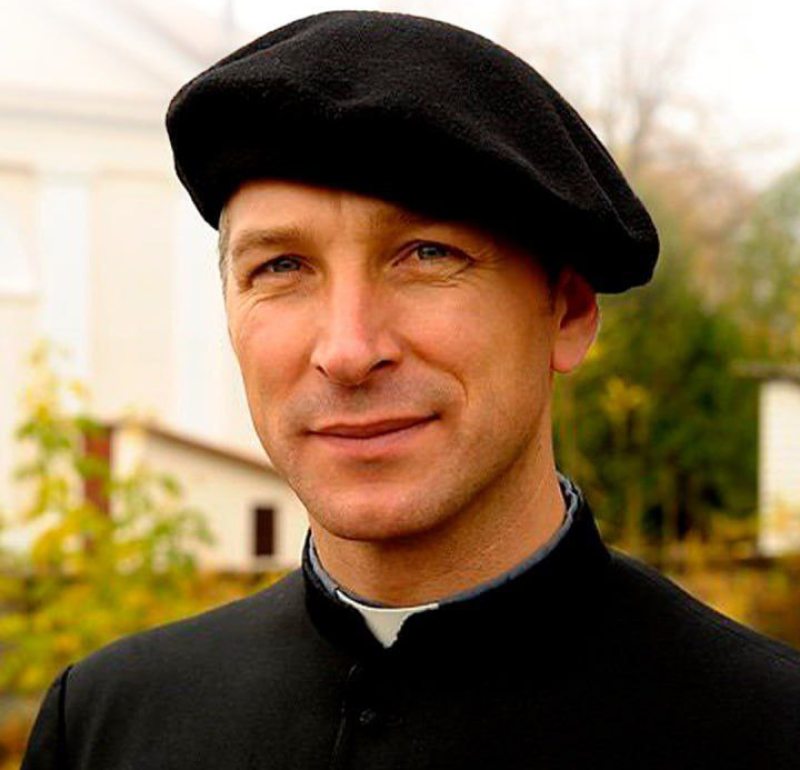
Pavel Hedroits

On March 14, Catholic priest Pavel Hedroits faced administrative prosecution. He is a rector of the Holy Cross Church in the village of Halynka and the Church of the Annunciation of the Blessed Virgin Mary in the village of Perstuń, Hrodna region. The priest was brought to administrative responsibility for distributing extremist materials, and his mobile phone was confiscated. He was also accused of liking to sing “beautiful Bandera songs.” The priest was fined 1200 rubles (340 euros).

On March 15, Orthodox priest Mikalai Haiduk was punished with an administrative fine; he is a cleric of the church in honor of the Cathedral of All Belarusian Saints in Hrodna. The authorities discovered that he had posted information on VKontakte with the TUT.BY logo, as well as a photo of Goebbels with a swastika. The actions were recognized as the storage of extremist materials for the purpose of dissemination (Part 2 of Article 19.11 of the Administrative Code of the Republic of Belarus), as well as the dissemination of Nazi symbols (Part 1 of Article 19.10 of the Administrative Code of the Republic of Belarus). Haiduk explained that he posted Nazi symbols as part of a historical photograph in order to criticize Nazi views, which was confirmed by the context of the information he posted, but he was fined 1,600 rubles.

On May 8, priests of the Order of Missionary Oblates of Mary Immaculate, who serve in the diocesan sanctuary of the Our Lady of Fátima in Šumilina (Viciebsk region), priests Andrzej Yukhnevich OMI and Pavel Lemekh OMI, were detained. Yukhnevich is also the head of the coordinating group of abbots and representatives of the monastic communities of Belarus. The detention occurred after the participation of both priests in a meeting of priests of the Viciebsk diocese, which took place in their church. The priests are accused of “sabotage activities to the detriment of the Belarusian state.” Before the trial, the priests were held in a temporary detention facility in Viciebsk. The priests were sentenced via Skype: Yukhnevich to 15 days and Lemekh to 10 days.

On May 17, it became known about the persecution of Pastor Yury Hardzei (Grace Church, Iŭje, Hrodna region). The Iŭje District Court convicted him under Part 2 of Article 19.11 (storage for the purpose of distributing information included in the republican list of extremist materials). The priest was charged with one subscription to a so-called extremist resource on Odnoklassniki. He pleaded not guilty. The judge took into account the medical certificate, according to which the pastor cannot be sent to a pre-trial detention centre, and sentenced him to a fine of 1,200 rubles (approximately 400 euros) with confiscation of the phone.

On June 7, 2024, Evangelical Baptist Church minister Dzmitry Chouhan, a father of four children (the youngest only three years old), was detained while crossing the border. He was apprehended during his trip to Poland and taken to a detention center, where he was sentenced to 15 days of administrative detention. The reasons for his persecution remain unclear. Authorities gained access to his social media and replaced his Facebook profile picture with the red-green national flag of Belarus.

On August 16, 2024, Catholic priest Pavel Yarashievich, dean of the Pružany deanery and parish priest of the Church of the Assumption of the Blessed Virgin Mary (Pinsk diocese), was detained. On August 19, he faced trial and was held administratively accountable for subscribing to so-called extremist media (Article 19.11 of the Belarusian Administrative Code). He received a fine of 1,200 rubles (400 euros), and his mobile phone was confiscated.

On October 7, 2024, Catholic priest Yury Barauniou, the parish priest of the Sacred Heart of Jesus in Krulioŭščyna, Dokšycy district (Viciebsk region), was detained. He was accused of possessing and distributing “extremist materials” (Article 19.11, Part 2, of the Belarusian Administrative Code) and sentenced to 10 days in detention.

On October 8, 2024, another trial was held in Horki, Mahilioŭ region, against Catholic priest Andrei Keulich, dean of the Mahilioŭ deanery and parish priest of the Roman Catholic Church of Our Lady of Bialynick in Horki. Judge Yaskovich presided over the case.

Priests who are political prisoners
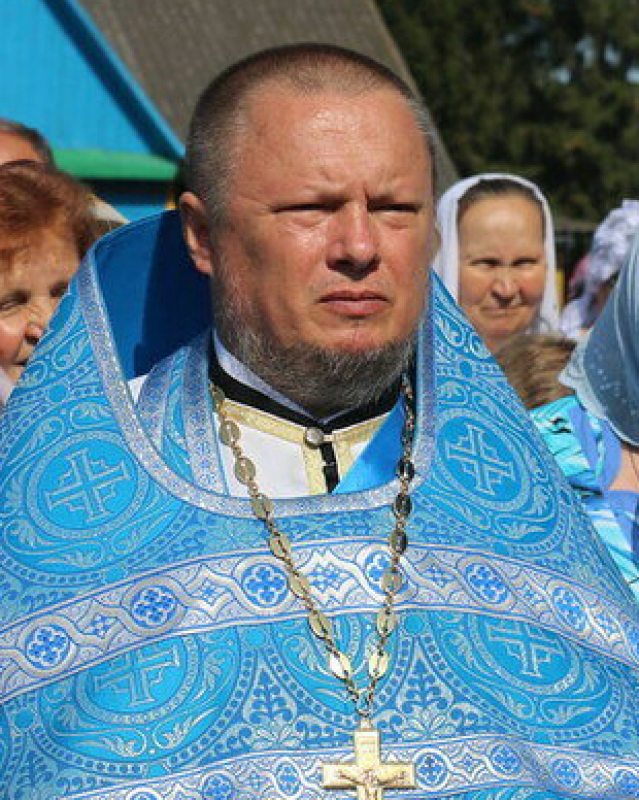
Siarhei Rezanovich

Siarhei Rezanovich is an Orthodox priest, rector of the Church of St. Archangel Michael in the agro-town of Stsiapanki (Brest region). He was detained together with his wife Liubou and his sons Pavel. Judge Maksim Filatau sentenced Rezanovich to 16 years in a medium security penal colony and a 19,200 rubles fine (5,418 euros).
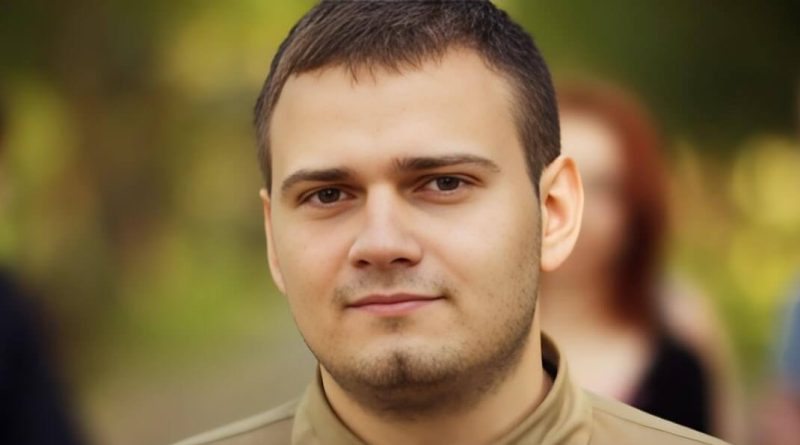
Uladzislau Beladzed

On May 31, 2023, Uladzislau Beladzed, a catechism teacher at the Minsk Arch-Cathedral, was detained. During the peaceful protests of 2020, he actively participated in common Christian prayers for an end to violence and lawlessness in connection with the developing political crisis in Belarus. Inhuman and degrading treatment was used against the believer: he was forced to record a so-called “repentant” video where he looked very depressed and had to declare his homosexual orientation twice on camera, which puts him under additional threat of pressure in places of arrest or detention. On March 14, 2024, a verdict was passed in the case of Uladzislau Beladzed. Judge Alena Ananich (Minsk City Court) sentenced him to 3 years of imprisonment. The trial was held behind closed doors.
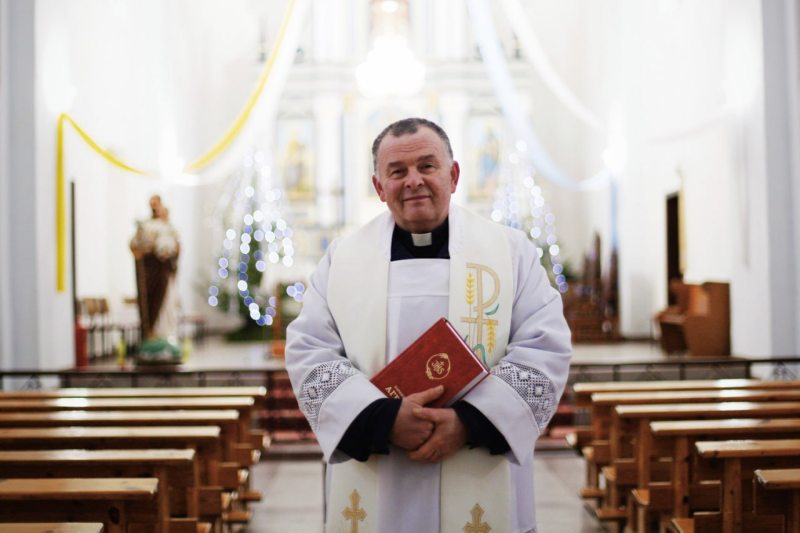
Henrykh Akalatovich

Henrykh Akalatovich is a priest from Valožyn. The man was detained in November 2023. He was 70 years old at the time of his arrest. He suffered a heart attack and recently underwent gastric surgery due to cancer. He needs to have medical supervision and constantly take medications. He is held in the KGB detention center. Earlier it was reported that the priest is charged with “treason against the state” (Article 356 of the Criminal Code).
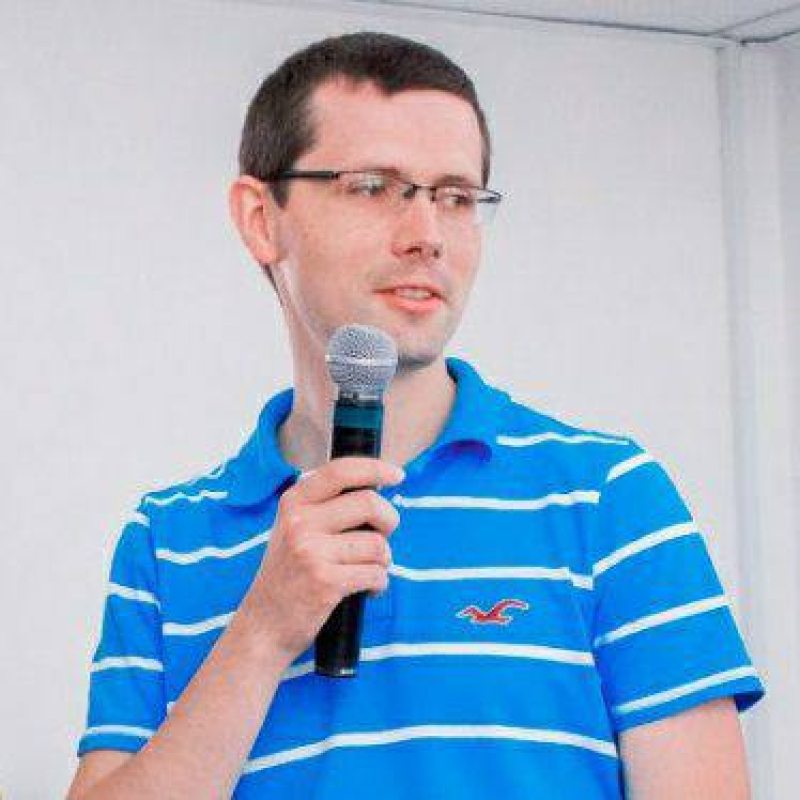
 Mikalai Khilo

On May 29, it became known that a criminal case had been initiated against Mikalai Khilo, a preacher of the Evangelism Church, who was detained on April 24. He was taken into custody and is in a new pre-trial detention center in Kaliadzičy. According to preliminary information, he may be charged with insulting Lukashenka (Article 368 of the Criminal Code).
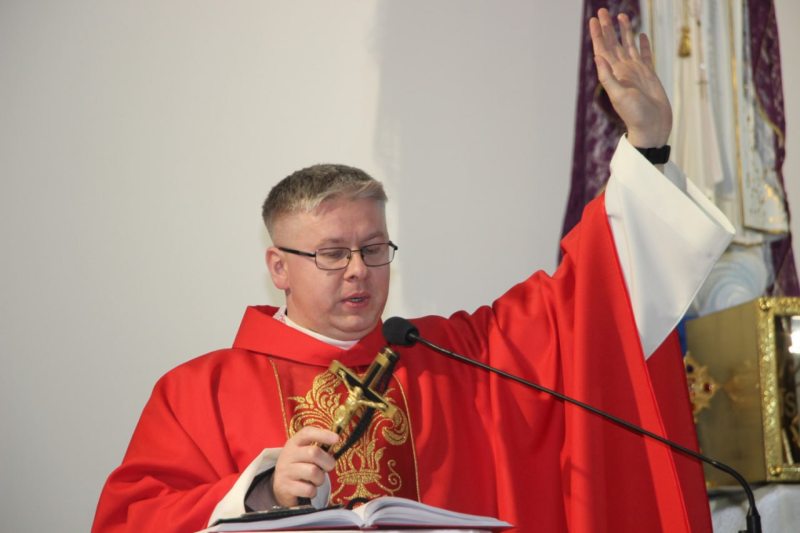
Andrzej Yukhnevich 

Andrzej Yukhnevich is a Catholic priest, serving as the pastor of the Roman Catholic parish in Šumilina, dedicated to Our Lady of Fatima. He was detained on May 8, 2024. On June 24, 2024, it became known that he had not been released from the Viciebsk temporary detention facility after serving 45 days in detention. Father Andrzej faced administrative arrests four times, including charges under Article 24.23 of the Code of Administrative Offenses of the Republic of Belarus for conducting an “unauthorized picket” by displaying the Ukrainian flag on his social media profile. Authorities allowed him to receive only essential medicines from outside.

In early July 2024, it was reported that a criminal case had been initiated against him, and he was being transferred from the temporary detention facility to a pretrial detention center (SIZO). As of this update, the specific charges remain undisclosed. According to Christian Vision in the fall of 2024, pressure continues to be applied on the priest in SIZO-2, where he has been held since his initial detention on May 8, 2024. He was first allowed a shower only after two months of imprisonment. Now, he faces potential charges related to crimes against the sexual integrity of minors.

Persecution of religion

On February 7, there was a court hearing in the Minsk City Court on the dissolution of the local charitable foundation in honor of St. John the Russian, associated with the St. Elizabeth Monastery in Minsk. The plaintiff in the case was the Main Department of Justice of the Minsk City Executive Committee.

In the spring, the authorities refused to allow Catholic believers in Baranavičy to hold an annual Way of the Cross on Good Friday, which in 2024 was celebrated on March 29. Previously, the event took place every year and even became the hallmark of Baranavičy. The authorities did not specify the reasons for the ban.

On May 15, it became known that the priest of the Belarusian community in Vilnius, Archpriest Heorhii Roi, was added to the Russian search database. A criminal case has been initiated against him in Belarus, but it is not known under what article. Roi actively helped detainees during the peaceful protests of 2020, opened the cathedral so that protesters could escape persecution, and made pro-democratic and anti-war publications on his social media. Due to the threat of persecution, he was forced to leave Belarus.

Catholic intellectual Piotr Rudkouski was sentenced in absentia to 11 years of imprisonment in connection with the Tsikhanouskaya analysts case. Rudkouski, a former director of the Belarusian Institute for Strategic Studies, is a well-known Catholic intellectual in Belarus who regularly contributes to the Ephphatha section on Vatican Radio. In addition to being placed on the “extremist list,” his name was added to the list of individuals allegedly involved in “terrorist activities.”

In October 2024, Christian Vision reported that Aliaksandr Rumak, the Commissioner for Religious and Nationalities Affairs — the government agency overseeing religious organizations — demanded that leaders of religious organizations applying for re-registration include specific provisions in their statutes. According to these provisions, anyone listed as affiliated with extremist or terrorist activities in official government lists would be prohibited from founding or leading a religious community.

Rumak openly threatened religious organizations on the ONT TV channel that they would face consequences if they interfered in politics, with clergy participating in protests, criticizing the government, or calling for political action.

In July, the authorities blocked access to the Catholic resource Katolik.life, an independent Catholic initiative reporting on the Catholic Church’s activities in Belarus — including the closure of the Red Church, arrests of clergy and believers, and accounts of torture and the experiences of believers during the war. In August, the Telegram channel of the publication was recognized as “extremist materials.”

Religious “extremist” materials

After the events of 2020, the Belarusian regime began a crackdown on the media, recognizing independent media, websites, Telegram channels, social media, as well as symbols associated with peaceful protest as “extremist materials.” As a result, persons who forward information from these sources, or information containing logos of these sources, are prosecuted under Article 19.11 of the Administrative Code.

Now there are at least 13 cases on the list as of March 18, 2024, not counting believers on the list of “extremists”. Among the sources are the pages of Priest Viachaslau Barka, Orthodox Archbishop Artsemii of Hrodna, Orthodox theologian Natallia Vasilevich.

At its meeting on March 15, 2023, the European Parliament adopted a resolution The Ongoing Persecution against the Belarusian People, in particular, against Ales Bialiatski and Andrzej Poczobut.

The document draws attention to the persecution of the religious community: “The illegitimate regime of Lukashenka continues to suppress freedom of religion and belief; taking into account that, according to the Coordinating Council, several Catholic, Greek Catholic, and Orthodox priests and Protestant pastors have faced various forms of pressure, from fines to long prison terms; among them is Siarhei Rezanovich, who was sentenced to 16 years of imprisonment.”


The article uses information collected by Christian Vision. On February 10, it presented materials for the report to the Special Rapporteur on the human rights situation in Belarus to the UN Human Rights Council for 2024, dedicated to freedom of association. The report was submitted in English, and there is a translation into Russian.

Copied: spring96.org
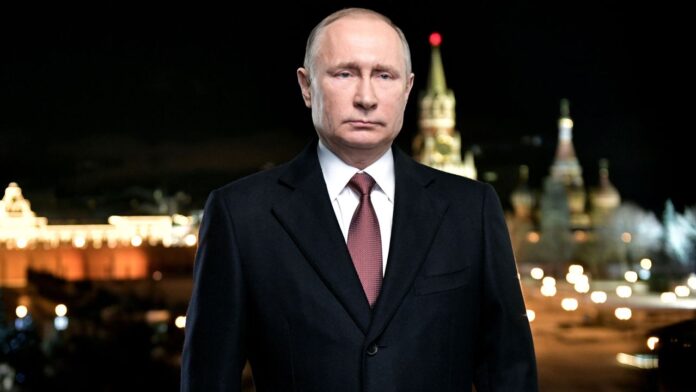
Putin Marks 25 Years Since First Presidential Address with New Year Message

0

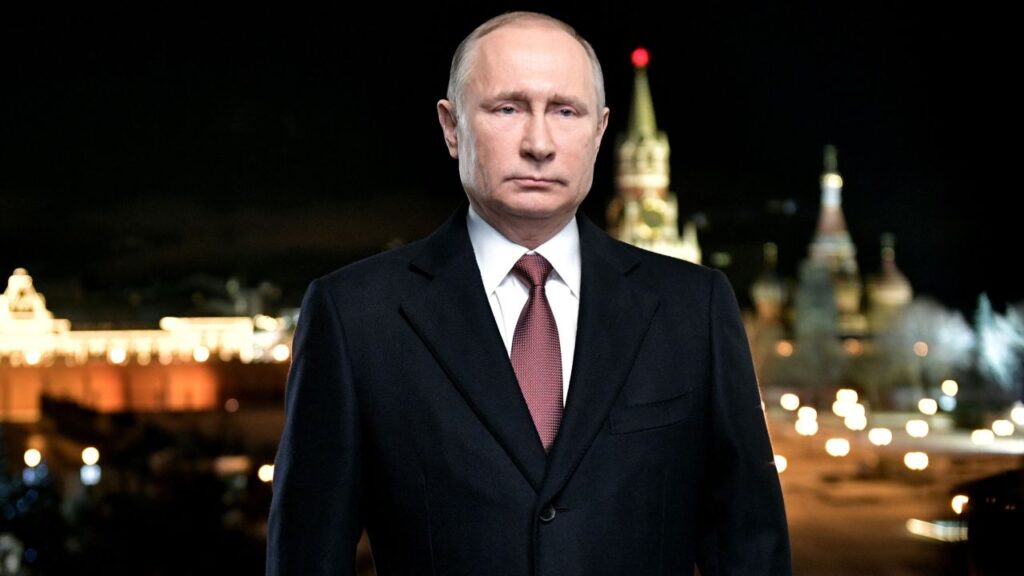
Vladimir Putin delivered an optimistic midnight address to Russians on the 25th anniversary of his first presidential speech, expressing confidence that “everything will be fine” in 2025 and emphasizing national advancement.

The Russian leader focused on domestic themes, stating “the absolute value for us was, is and will be the fate of Russia, the well-being of its citizens.” While acknowledging soldiers fighting in Ukraine, Putin avoided specific mentions of the ongoing war or economic challenges.

Russia faces significant economic pressures with inflation reaching 9.5% in 2024, following the central bank’s decision to maintain its key interest rate at 21%.

Ivory Coast to End French Military Presence Amid Shifts in West Africa

0

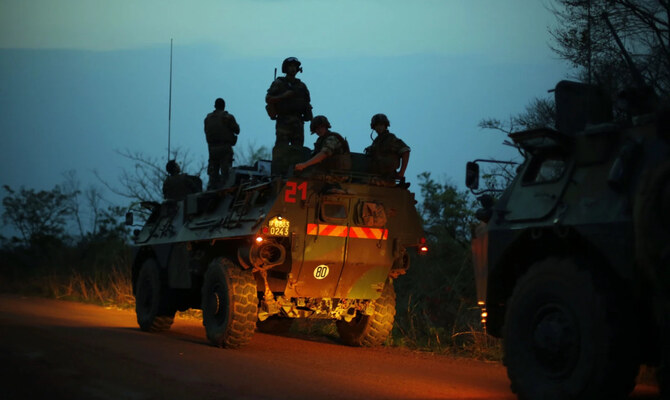
Ivory Coast announced on Tuesday that it will end the decadeslong presence of French troops in the country, marking the latest in a series of African nations to reduce military ties with their former colonial power. 

President Alassane Ouattara said the withdrawal would begin in January 2025, with French forces handing over control of the Port Bouët military base to Ivorian troops. Up to 600 French soldiers have been stationed in Ivory Coast as part of a long-standing defense partnership. 

“We have decided on the concerted and organized withdrawal of French forces in Ivory Coast,” Ouattara said in a statement. 

The move comes amid a wave of similar decisions across West Africa, where nations have increasingly distanced themselves from France’s military presence. Recent years have seen French troops expelled from countries including Mali, Burkina Faso, and Niger, often following coups and rising anti-French sentiment. 

France’s military presence in Africa, once extensive, has been scaled back significantly. More than 70% of the countries where France previously had troops have asked them to leave since the end of colonial rule. French forces now remain in Djibouti, with 1,500 soldiers, and Gabon, with 350 troops. 

Paris has been working to adapt to its diminishing role on the continent by devising a new military strategy aimed at reducing its permanent troop presence. However, these changes have not stemmed the tide of withdrawals. 

In some cases, the departure of French forces has led to shifts in alliances. Military-led governments in Mali, Burkina Faso, and Niger have fostered closer ties with Russia, which has deployed mercenaries through the Wagner Group to the region. These forces have been accused of human rights abuses, including violence against civilians. 

Despite these changes, security challenges persist. Extremist attacks and civilian casualties have increased in many areas where French troops have been replaced by local or Russian-aligned forces. 

Analysts say the downscaling of French military influence in Africa reflects a broader transformation in the region’s relationship with Paris. Growing local sentiment against France, fueled by political instability and dissatisfaction with economic and security conditions, has driven many nations to reevaluate their ties with the former colonial power. 

While France continues efforts to rebuild its influence through revised strategies and diplomatic outreach, the shifting dynamics highlight a new chapter in Africa’s post-colonial era. 

End of an Era: Europe’s Russian Gas Supply via Ukraine to Halt

0

Europe’s reliance on Russian natural gas through Ukraine, a key energy supply route for decades, will officially end on January 1, 2024, as the transit agreement between the two nations expires. The deal, which once generated billions in revenue for Moscow and transit fees for Kyiv, marks the closure of Russia’s oldest gas supply route to Europe.

The termination of the gas transit route underscores Europe’s decisive shift away from Russian energy following Moscow’s annexation of Crimea in 2014 and its 2022 invasion of Ukraine. The European Union has intensified efforts to diversify its energy sources, including increased imports of liquefied natural gas (LNG) from Qatar and the United States, and piped supply from Norway. 

Gazprom, Russia’s state-controlled energy giant, recorded a $7 billion loss in 2023—its first since 1999—amid declining exports to Europe and efforts to boost sales to China. 

Countries still receiving Russian gas via Ukraine, including Slovakia and Austria, have secured alternative sources. Austria’s energy ministry confirmed that purchases through Italy and Germany, coupled with storage reserves, ensure uninterrupted supply. Similarly, Slovakia expects no shortages but will incur an additional €177 million ($184 million) in fees for rerouted supplies, according to its Economy Ministry. 

Anna-Kaisa Itkonen, a European Commission spokeswoman, highlighted the bloc’s strategic measures to reduce dependency on Russian gas. “The European gas infrastructure is flexible enough to provide non-Russian gas to Central and Eastern Europe via alternative routes. New LNG import capacities have significantly reinforced the system since 2022,” she said. 

Market analysts predict limited impact on European gas prices, as the volumes transiting Ukraine have significantly declined. Data from Ukraine’s gas transit operator on Tuesday confirmed that no requests for gas flows through the Ukrainian pipeline to Europe had been made for January 1. 

European benchmark gas prices ended Tuesday at €48.50 per megawatt hour, showing only a marginal increase. Analysts note that the termination of the transit deal is unlikely to replicate the gas price surge seen in 2022. 

The cessation of Russian gas transit through Ukraine will have financial repercussions for both nations. Ukraine stands to lose approximately $800 million annually in transit fees, while Gazprom will forfeit nearly $5 billion in sales revenue. 

Meanwhile, Moldova, a former Soviet state heavily reliant on Russian gas, has announced plans to reduce gas consumption by a third to cope with the changes. 

Russia, once a dominant player in Europe’s energy market with a peak share of 35%, has seen its presence eroded. Key routes such as the Yamal-Europe pipeline via Belarus and Nord Stream across the Baltic Sea were shut down, with the latter damaged in 2022. 

In 2018, Russian pipelines delivered a record 201 billion cubic meters (bcm) of gas to Europe. By 2023, volumes via Ukraine had plummeted to 15 bcm, down from 65 bcm at the start of the last five-year contract in 2020. 

The only remaining Russian gas route to Europe is TurkStream, which crosses the Black Sea to Turkey and supplies markets including Hungary and Serbia. 

U.S. Soldier Arrested, Charged in Sale of Stolen Confidential Phone Records

0

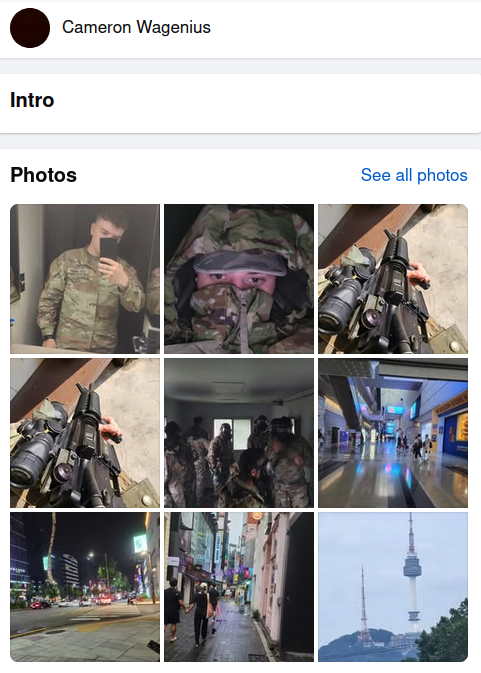
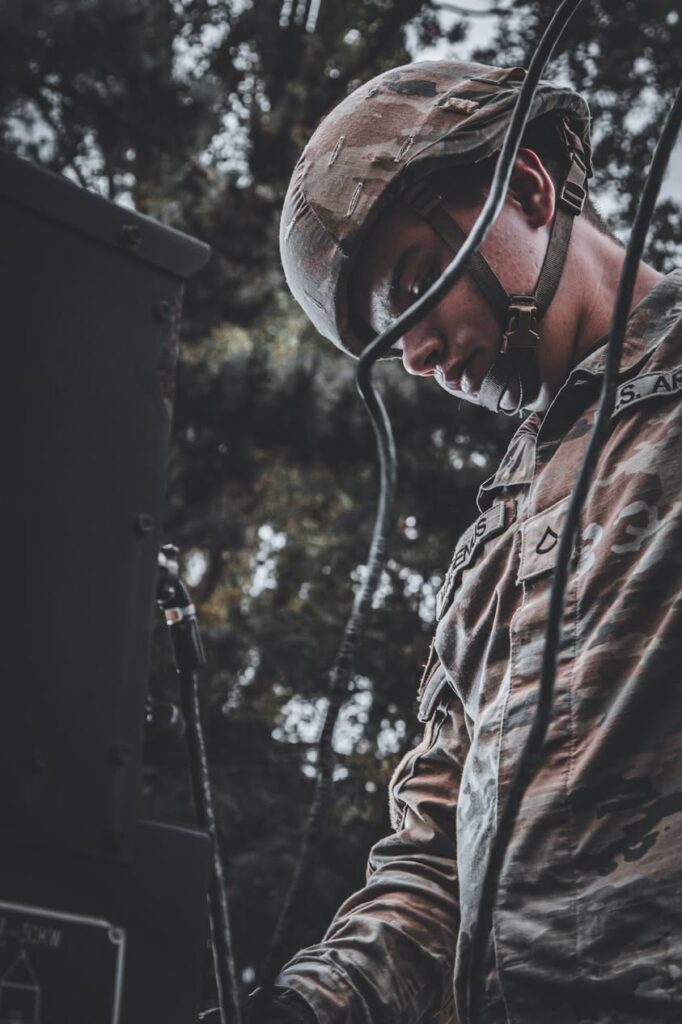
A U.S. Army soldier stationed at Fort Hood has been charged with the unlawful transfer of confidential phone records, federal officials announced. Cameron John Wagenius, 21, was indicted on two counts of selling stolen records and was arrested on Dec. 20 near the Texas Army base.

The indictment, filed in Texas and transferred to the U.S. District Court for the Western District of Washington, accuses Wagenius of accessing and distributing private phone records. The two-page document provides few details but links him to a broader cybercrime network allegedly targeting U.S. telecommunications and cloud service companies.

Investigators say Wagenius, operating under the alias “Kiberphant0m,” collaborated with other cybercriminals, including Connor Riley Moucka, also known as “Judische.” Moucka, a Canadian hacker, was arrested in October for breaching data systems at cloud provider Snowflake and extorting dozens of companies.

Federal officials allege Wagenius participated in hacking at least 15 telecommunications firms, including AT&T and Verizon. According to cybersecurity reports, Kiberphant0m offered stolen call logs, including records allegedly tied to high-profile figures such as President-elect Donald Trump and Vice President Kamala Harris.

On November 5, Kiberphant0m reportedly advertised call logs and SIM-swapping services targeting Verizon’s push-to-talk (PTT) customers, many of whom were government agencies and emergency responders. SIM-swapping involves rerouting a victim’s phone calls and messages to a hacker-controlled device.

Wagenius, originally from Minnesota, had served at an Army base in South Korea for two years, specializing in radio signals and network communications. His mother, Alicia Roen, expressed shock at the allegations. “He was always good with computers, but I never knew he was involved in hacking,” Roen said. “This has been a complete shock to our family.”

Roen said Cameron joined the Army at 18, following in the footsteps of his older brother. She described him as a dedicated soldier, adding, “Both he and his brother dreamed of being in the Army since childhood.”

Cybersecurity experts played a key role in tracking down Wagenius. Allison Nixon, chief research officer at Unit 221B, said the case exemplifies improved collaboration between law enforcement and private researchers. “From identifying his online activity to his last communication, this is one of the fastest federal cybercrime turnarounds I’ve witnessed,” Nixon said.

Nixon and others faced threats of violence from members of the hacker community during the investigation. She emphasized the growing risks of cybercrime and urged young hackers to reconsider their actions. “Stop now and seek legal advice,” Nixon said. “Law enforcement is ready to hold cybercriminals accountable.”

Source: krebsonsecurity.com

Taliban to Close NGOs Employing Women in Afghanistan

0

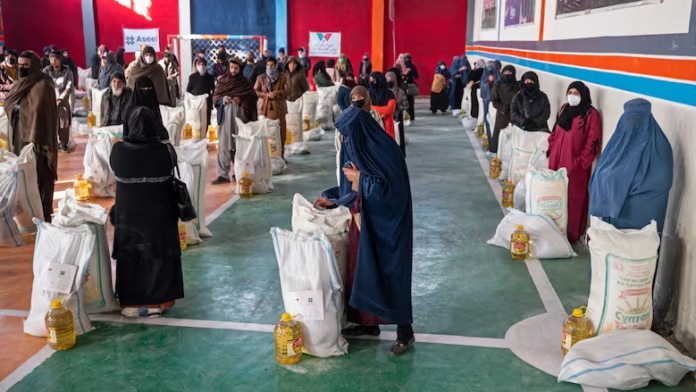
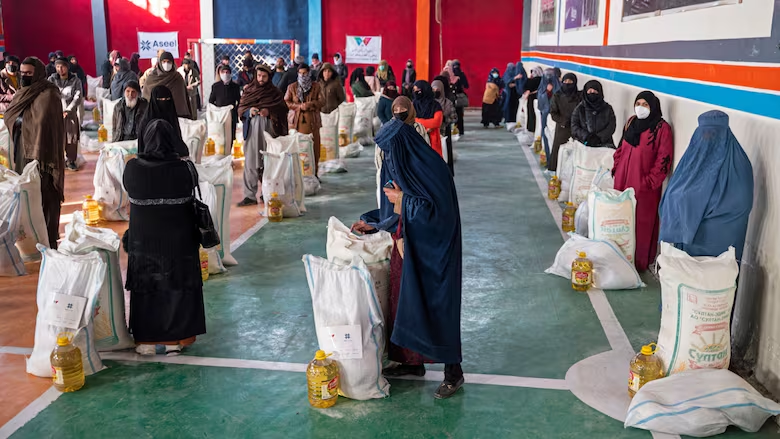
Afghanistan’s Taliban government has announced it will shut down all national and foreign non-governmental organizations (NGOs) employing women, following a previous directive issued two years ago to halt the employment of Afghan women in NGOs.

The latest order was made public through a letter posted on X on Sunday evening by the Ministry of Economy, which warned that failure to comply would result in NGOs losing their operating licenses in Afghanistan. The ministry oversees the registration, coordination, leadership, and supervision of all national and foreign organizations operating in the country.

The letter reaffirmed that the Taliban government is enforcing a halt to female employment in institutions not under Taliban control. “In case of lack of cooperation, all activities of that institution will be cancelled and the activity license of that institution, granted by the ministry, will also be cancelled,” the letter stated.

This move is part of the Taliban’s broader efforts to exert control over NGO operations. Earlier this month, the United Nations Security Council reported that an increasing number of Afghan humanitarian workers, particularly women, were being obstructed by the Taliban’s morality police, despite the critical need for aid in the country.

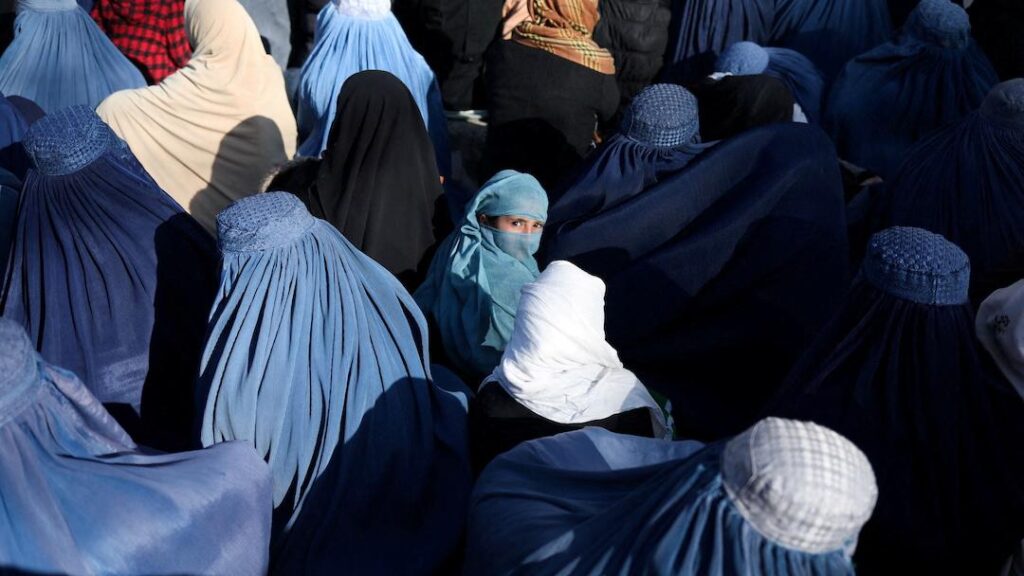
The Taliban denies interfering with the work of humanitarian organizations, claiming they are not obstructing aid efforts. However, the group has previously barred women from many jobs, restricted access to public spaces, and prohibited education beyond sixth grade for girls.

In a separate development, Taliban leader Hibatullah Akhundzada has issued a decree requiring buildings to be designed without windows overlooking areas where women may sit or stand. The decree, posted on X late Saturday, applies to both new constructions and existing buildings.

According to the decree, windows should not overlook areas such as yards or kitchens. If a window does have a view into such spaces, property owners are required to obscure the view by installing a wall, fence, or screen to “remove harm.” Municipalities and authorities are tasked with supervising the construction of new buildings to ensure compliance.

A spokesperson for the Ministry of Urban Development and Housing was unavailable for comment on the decree.

Mexico Arrests Three Suspects in Death of Migration Agent Near U.S. Border

0

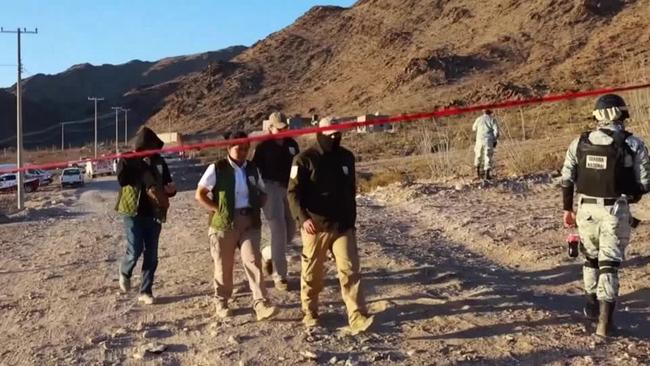
Three suspects were arrested on Monday in connection with the death of a Mexican migration agent found earlier in the day with no vital signs, state security and migration officials confirmed.

The incident, which marks a rare case of deadly violence against migration agents, occurred weeks before an anticipated crackdown on immigration following the inauguration of U.S. President-elect Donald Trump.

State investigators confirmed the agent suffered a head injury and showed signs of violence, according to a statement from public security officials in northern Chihuahua state. The agent’s body was discovered with no vital signs.

The statement identified two Venezuelan nationals as suspects taken into custody. The Mexican National Migration Institute (INM) later reported that a third suspect, a Colombian national, had also been detained.

The fatal attack occurred at a checkpoint just south of Ciudad Juarez, which borders El Paso, Texas. The agent had been checking the identification documents of foreign nationals when the assault took place, INM said.

The agent’s death comes as migrants in Mexico are bracing for stricter U.S. immigration policies expected to be implemented under the Trump administration. On Monday, hundreds of migrants gathered outside an immigration office in southern Mexico, hoping to secure safe passage to the U.S. before Trump’s inauguration on Jan. 20.

Messi’s Real Estate Trust Debuts on Spanish Market with €223 Million Valuation

0

A real estate investment trust (REIT) owned by Argentine soccer star Lionel Messi made its debut on the Spanish stock market at €57.4 per share, giving it a market capitalization of €223 million ($232.12 million).

Messi, currently playing for Inter Miami and a former FC Barcelona forward, is listed as chairman of the board of Edificio Rostower Socimi in official documents from the Portfolio Stock Exchange, a European alternative market.

The REIT’s sole shareholder is Messi’s family investment vehicle, Limecu Espana 2010, according to the documents. However, the trust has indicated plans to open up to new investors, according to Santiago Navarro, CEO of the Portfolio Stock Exchange, who confirmed the development to Reuters.

The trust has not yet begun trading, as the exchange, which launched in 2023 and is overseen by the Bank of Spain, only permits trading when a company seeks to sell shares or raise capital. Navarro explained that this structure allows for greater flexibility, control, and lower costs compared to traditional IPOs, with any share purchase requests subject to shareholder approval.

Edificio Rostower did not respond to inquiries regarding its stock market debut, which occurred on Monday.

The company’s portfolio includes seven hotels in Spain and Andorra, three office spaces, and five apartments in Spain, as well as additional properties in London and Paris. Established in 2013, Edificio Rostower reported a €1.7 million loss in 2023, according to records from the Portfolio Stock Exchange.

Most of the company’s assets are located in Catalonia, the region where Messi, 37, moved in 2000 at the age of 13 to join FC Barcelona’s youth academy. He lived there until 2021, when he left the club to join Paris Saint-Germain after Barcelona was unable to meet financial fair play regulations.

The eight-time Ballon d’Or winner has stated his intention to return to Barcelona with his wife and three children after retiring from soccer.

Messi’s wife, Antonela Roccuzzo, serves as vice president of the board, while other board members include Alfonso Nebot, who manages Messi’s family office, and Ramon Adell, a board member of Spanish energy company Naturgy.

In November, Spain’s government announced plans to raise the corporate tax rate for real estate investment trusts, which currently benefit from a lower tax rate compared to other businesses. However, the proposal has yet to gain sufficient support in parliament.

reuters

Former Rebels Evict Assad’s Officers From Military Housing Near Damascus

0

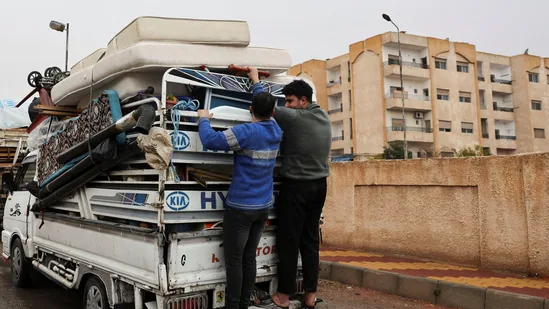
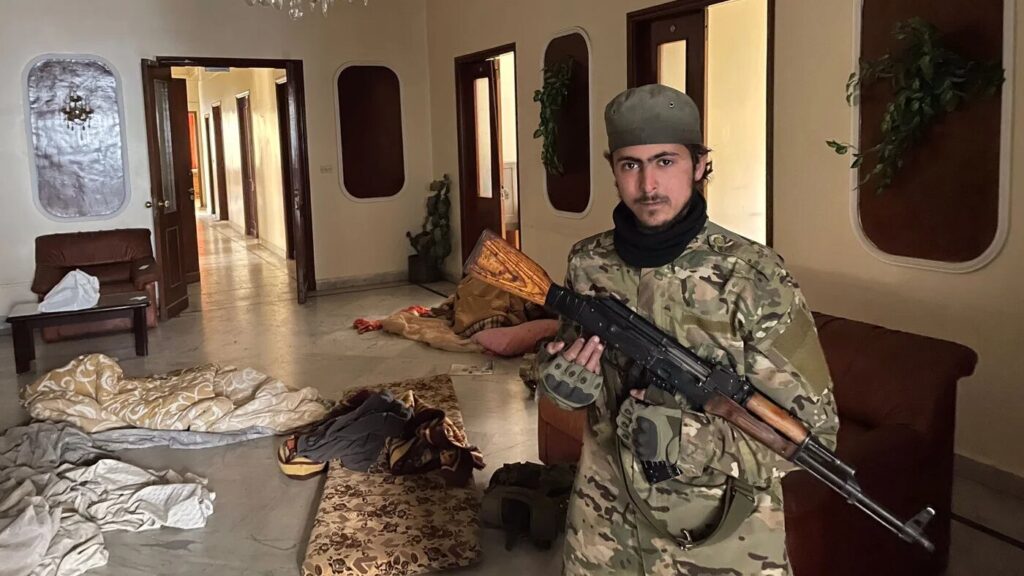
Families of military officers who served under Syria’s ousted president Bashar al-Assad are being evicted from subsidized housing at a compound outside Damascus to make room for former rebel fighters, according to residents and fighters at the scene.

The Muadamiyat al-Sham housing complex, home to hundreds of people in over a dozen buildings, was originally designated for Assad-era military officers. As Syria’s military restructures to incorporate former rebel forces and demobilize Assad-era officers, the evictions come as no surprise.

However, the swift replacement of these families by fighters who previously lived in impoverished, rural rebel-held areas highlights the dramatic shift in fortunes for supporters of both sides of the conflict.

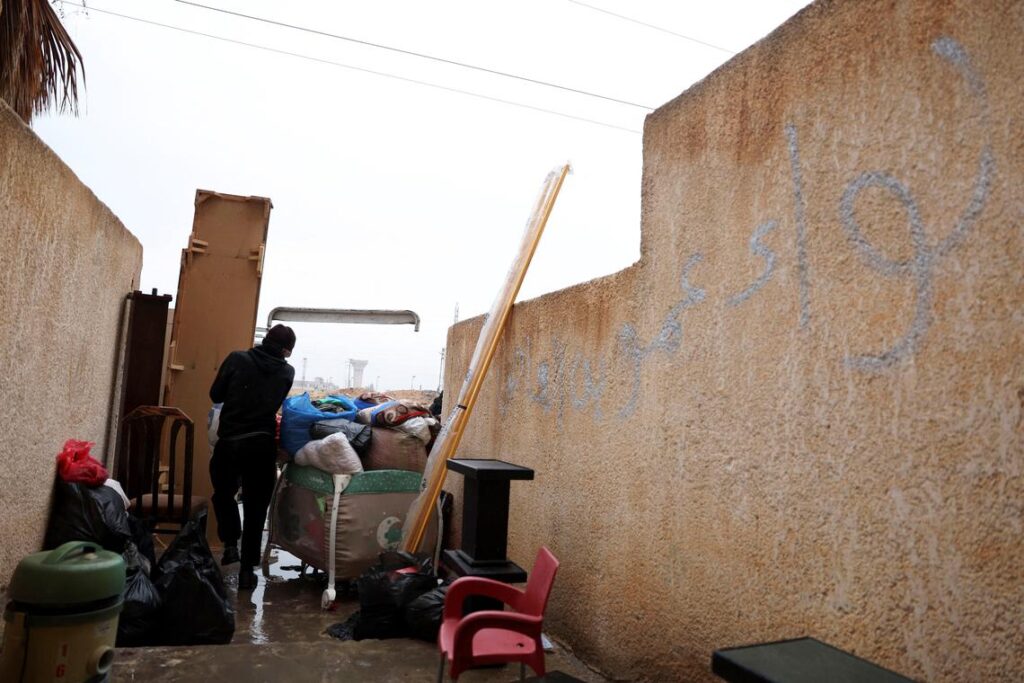
The names of rebel factions aligned with the main Islamist group, Hayat Tahrir al-Sham (HTS), which captured Damascus on Dec. 8, are spray-painted on the entrances to the buildings, marking them for fighters from each faction.

Three fighters at the compound, along with four women living there and a local official assisting those leaving, confirmed that officers’ families were given five days’ notice to vacate.

“We will start moving our children’s schools, starting our lives over. I am very sad, my heart is broken, it’s our lives, my children’s lives,” said Budour Makdid, 38, the wife of a former military intelligence officer. Her husband has signed papers recognizing the new authorities and returned to their family home in Latakia, a former Assad stronghold, where she and their children will join him.

Makdid and other families leaving the compound must obtain a document from local authorities to remove their belongings. Khalil al-Ahmad, a local administrator, stated that around 200 requests for such documents had been made.

Ahmad, who had not been officially notified by the new administration, said residents approached him for documents several days ago.

A spokesman for HTS did not respond to requests for comment.

**Displacement and Property Rights in Post-Assad Syria**

The handling of former Assad officers and their property rights will be closely monitored as Syria’s new administration takes shape. Millions have been displaced since the civil war began in 2011, and the future of these displaced families remains uncertain.

Earlier this month, HTS leader Ahmed al-Sharaa was seen in a video asking residents of his family’s former home in Damascus to leave, allowing his own family to return. Some former military families living near Muadamiyat al-Sham, but not in the subsidized housing, are also relocating.

Eidye Zaitoun, 52, was preparing to leave her two-room apartment and move to the coast, saying her son in the military had already relocated there, leaving no reason for her to remain.

HTS fighters, who endured displacement themselves, showed little sympathy for the families leaving. One fighter remarked, “We were displaced out of homes, out of our regions on a moonless night with only the clothes we were wearing. Thank God they are now allowed to take out their belongings.”

REUTERS

71-Year-Old Catholic Priest in Belarus Sentenced to 11 Years as Crackdown on Dissent Intensifies

0

A 71-year-old Catholic priest in Belarus was sentenced to 11 years in prison on Monday after being convicted of high treason for criticizing the government. The sentencing of Rev. Henrykh Akalatovich marks the first time since Belarus gained independence in 1991 that a Catholic clergy member has faced politically-driven charges. 

Rev. Henrykh Akalatovich

The conviction comes amid a broader crackdown on dissent by Belarusian authorities ahead of the January 26 presidential election, widely expected to secure a seventh term for President Alexander Lukashenko. 

The Viasna Human Rights Center reported that Akalatovich, 64, denied the treason charges. The organization has listed him among the 1,265 political prisoners currently held in Belarus. 

“For the first time since the fall of the Communist regime, a Catholic priest in Belarus was convicted on criminal charges typically used against political prisoners,” said Viasna representative Pavel Sapelka. “The harsh sentence aims to intimidate and silence hundreds of other priests ahead of the January presidential election.” 

Russian President Vladimir Putin, left, and Belarus’ President Alexander Lukashenko pose for a photo during the the Commonwealth of Independent States (CIS) meeting at the Igora resort in the Leningrad Region, about 54 km (33,75 miles north of St. Petersburg in Igora, Russia, Wednesday, Dec. 25, 2024. (Alexander Kazakov, Sputnik, Kremlin Pool Photo via AP)

Akalatovich, from the town of Valozhyn in western Belarus, has been in custody since November 2023. Diagnosed with cancer, he underwent surgery shortly before his arrest. Authorities have reportedly denied him access to warm clothing and food sent by supporters, keeping him incommunicado since his detention. 

He is one of dozens of clergy members — Catholic, Orthodox, and Protestant — who have been jailed, silenced, or exiled for opposing Lukashenko’s government. Clergy who criticized the disputed 2020 election, which gave Lukashenko a sixth term amid allegations of fraud, were particularly targeted. The government has since conducted a sweeping crackdown, arresting more than 65,000 people and violently suppressing mass protests. 

Religious leaders who supported protesters or offered refuge in their churches were singled out for repressive measures. Authorities have closely monitored sermons, conducted political “preventive” talks with clergy, and scrutinized their online activities. 

Belarus has a predominantly Orthodox Christian population, making up about 80%, while Catholics represent just under 14%, and Protestants account for around 2%. 

Lukashenko, in power for nearly 30 years, has described himself as an “Orthodox atheist” and has criticized clergy members who oppose his regime. During the 2020 protests, he urged them to “do their jobs” and refrain from political activism. 

The Belarusian president remains a close ally of Russian President Vladimir Putin, allowing Russian forces to use Belarusian territory to launch attacks on Ukraine and hosting Russian tactical nuclear weapons.