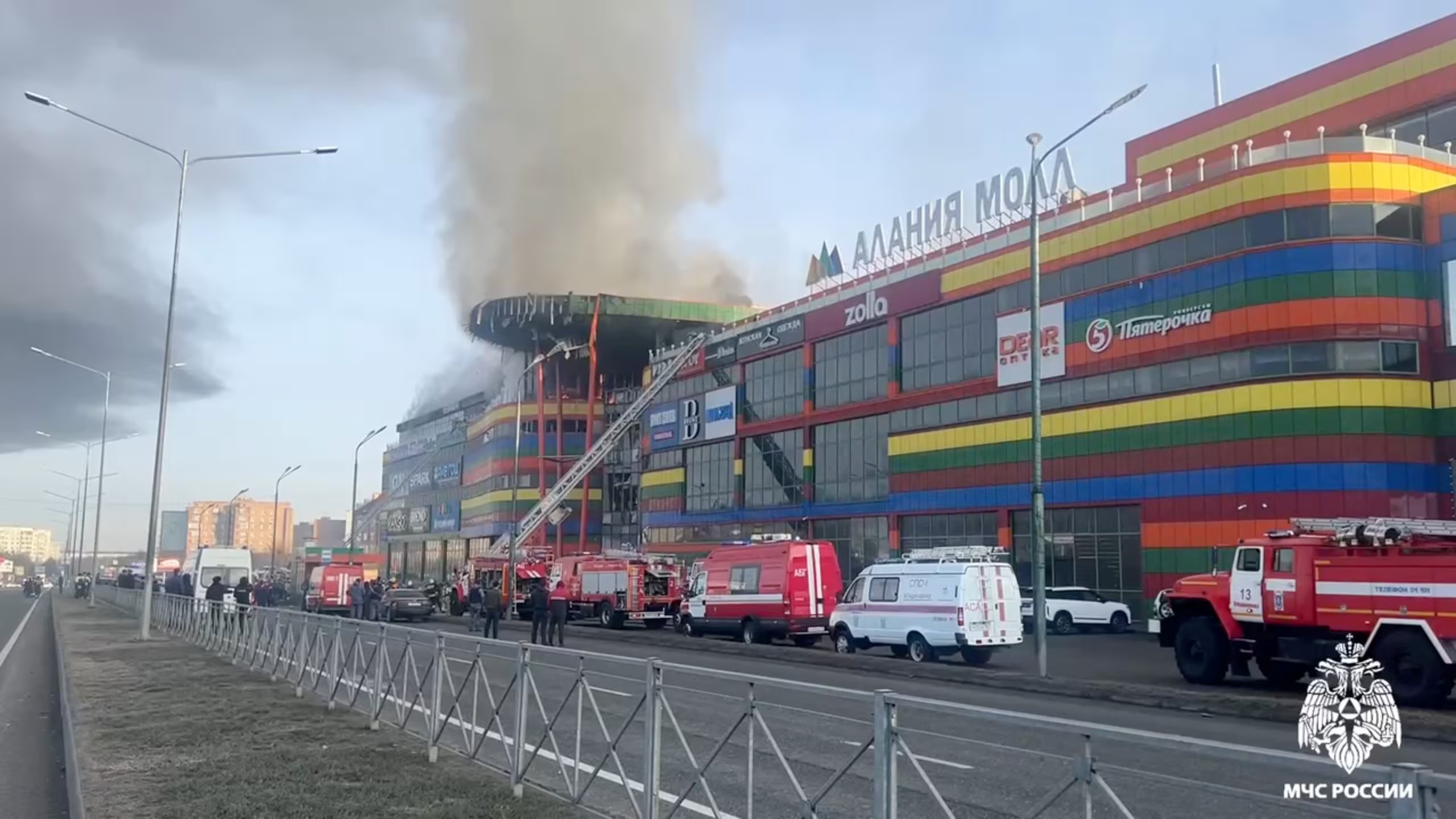
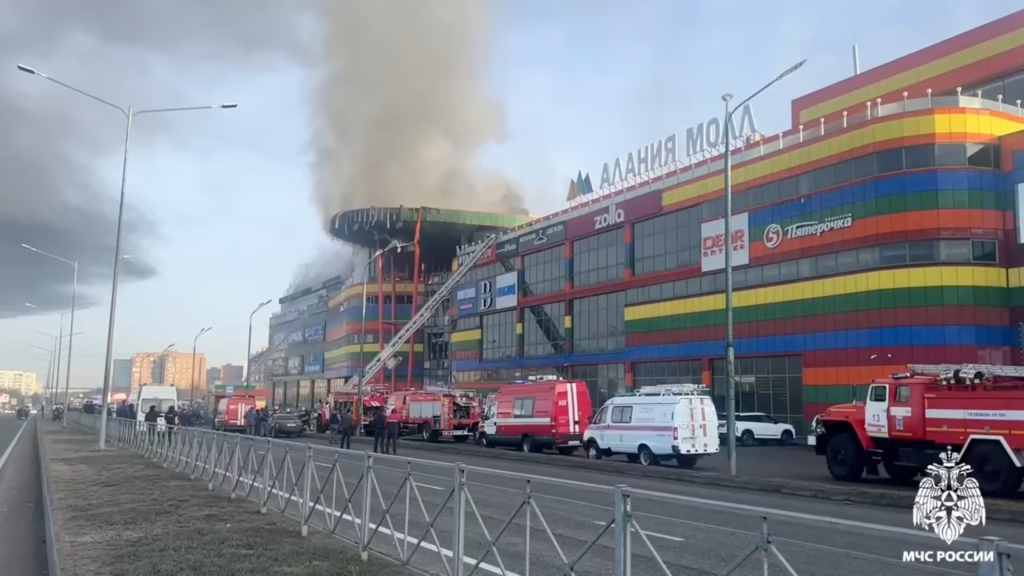
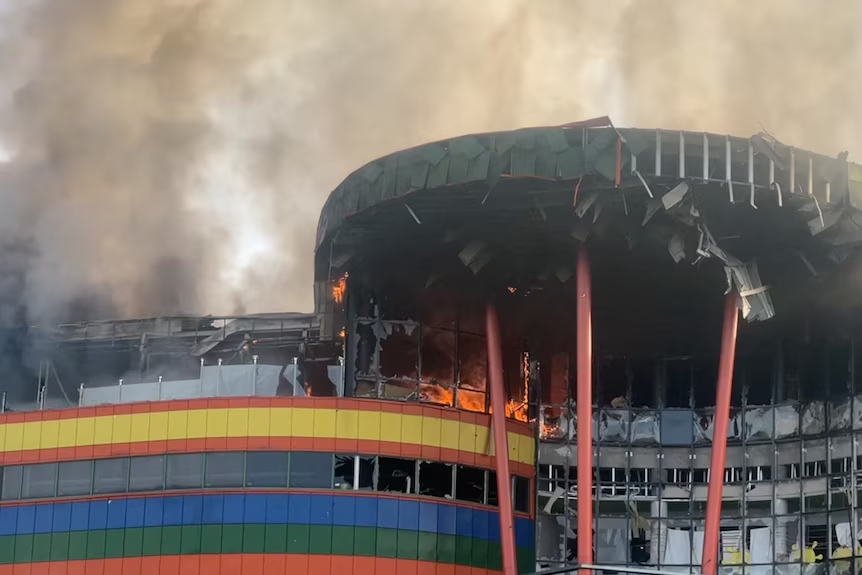
A Ukrainian drone shot down over Vladikavkaz, Russia, caused a deadly shopping center fire Wednesday after falling debris triggered an explosion, according to North Ossetia regional governor Sergei Menyailo. The incident, occurring at 0828 Moscow time, resulted in one woman’s death.
Russia’s Defense Ministry reports intercepting 119 Ukrainian drones within the previous 24 hours, highlighting escalating aerial attacks. The Vladikavkaz incident marks another civilian casualty in the ongoing conflict.
Ukraine has not commented on the incident, and Reuters could not independently verify the governor’s claims.
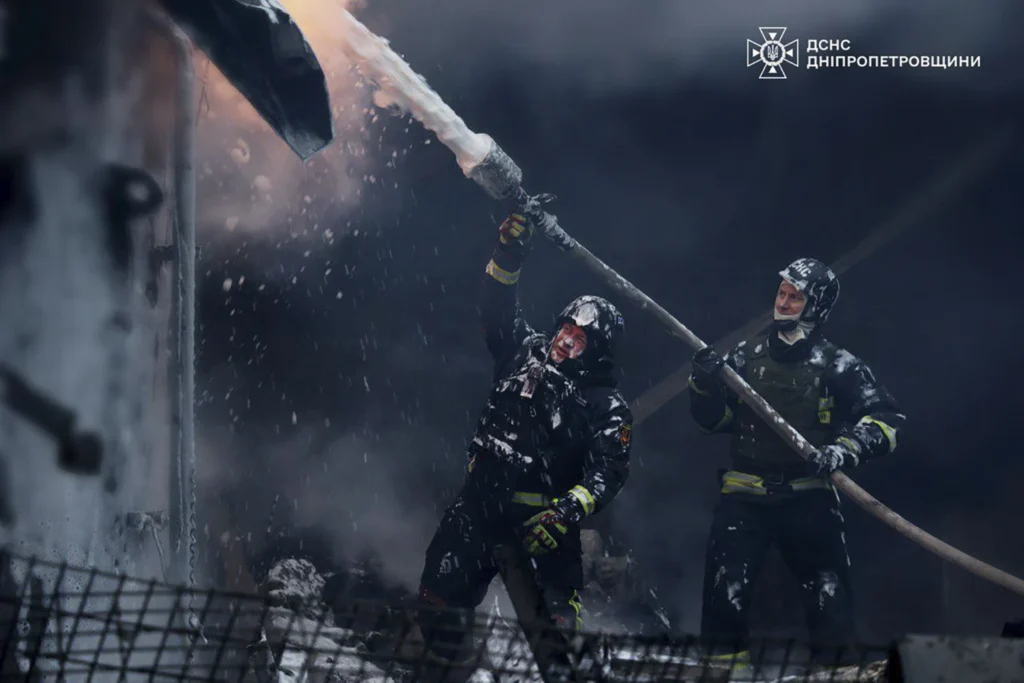
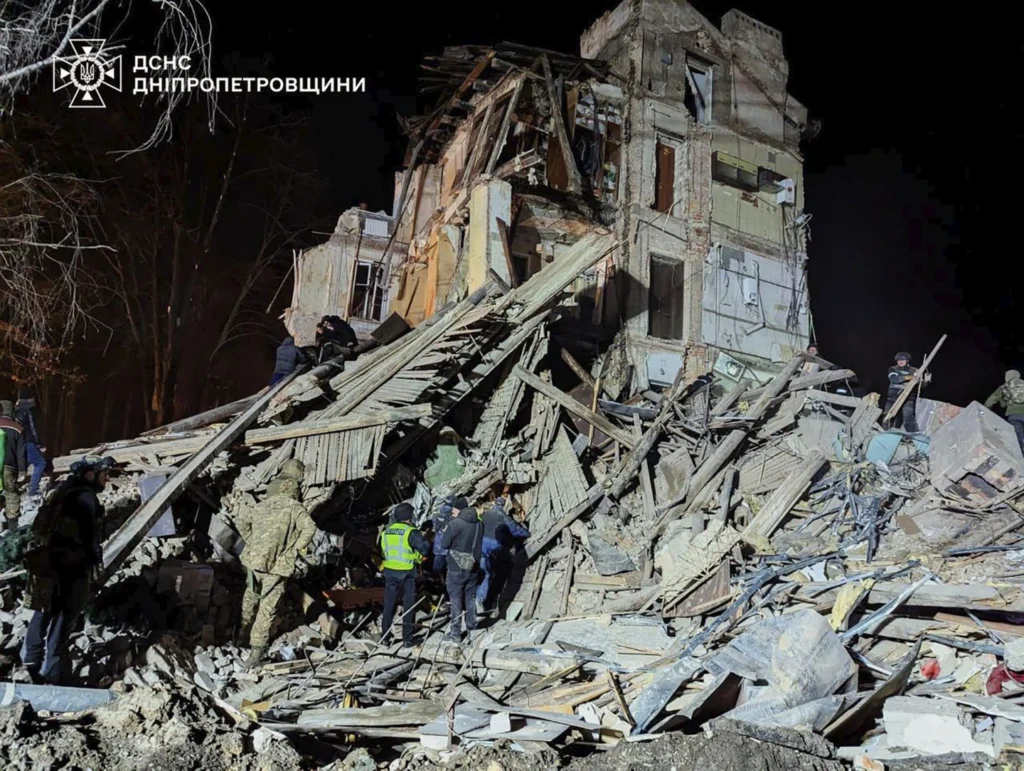
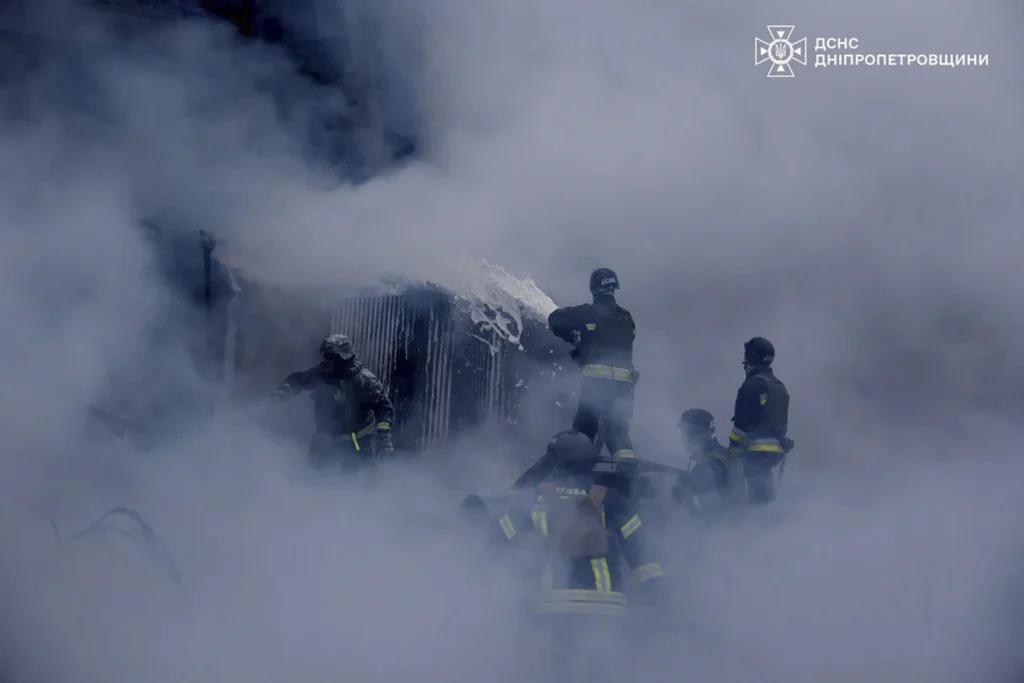
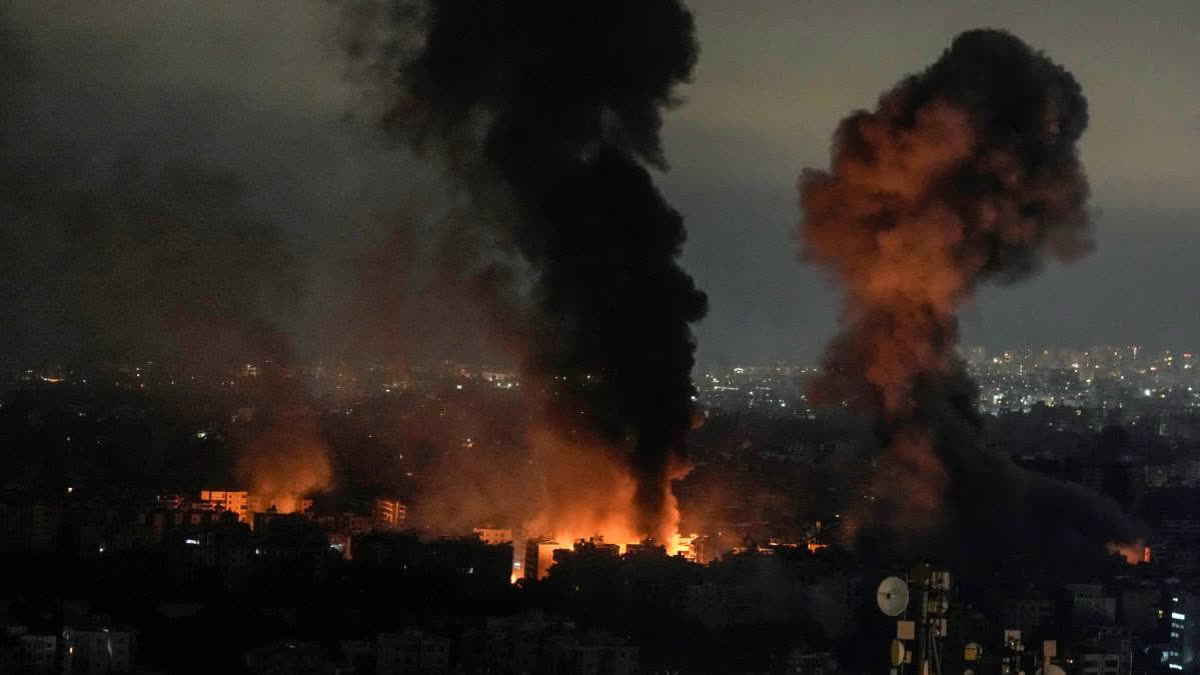
Russia launched a large-scale missile and drone attack on Ukraine’s energy infrastructure on Christmas Day, hitting a thermal power plant and forcing residents to take shelter in metro stations, Ukrainian officials said.
Ukraine’s air force reported that 78 air, ground, and sea-launched missiles, along with 106 Shahed and other drones, were deployed in the assault. It claimed to have intercepted 59 missiles and 54 drones, with 52 additional drones disrupted through electronic jamming.
“[Russian President Vladimir] Putin deliberately chose Christmas for an attack. What could be more inhumane?” Ukrainian President Volodymyr Zelenskyy posted on X, formerly known as Twitter. “They continue to fight for a blackout in Ukraine.”
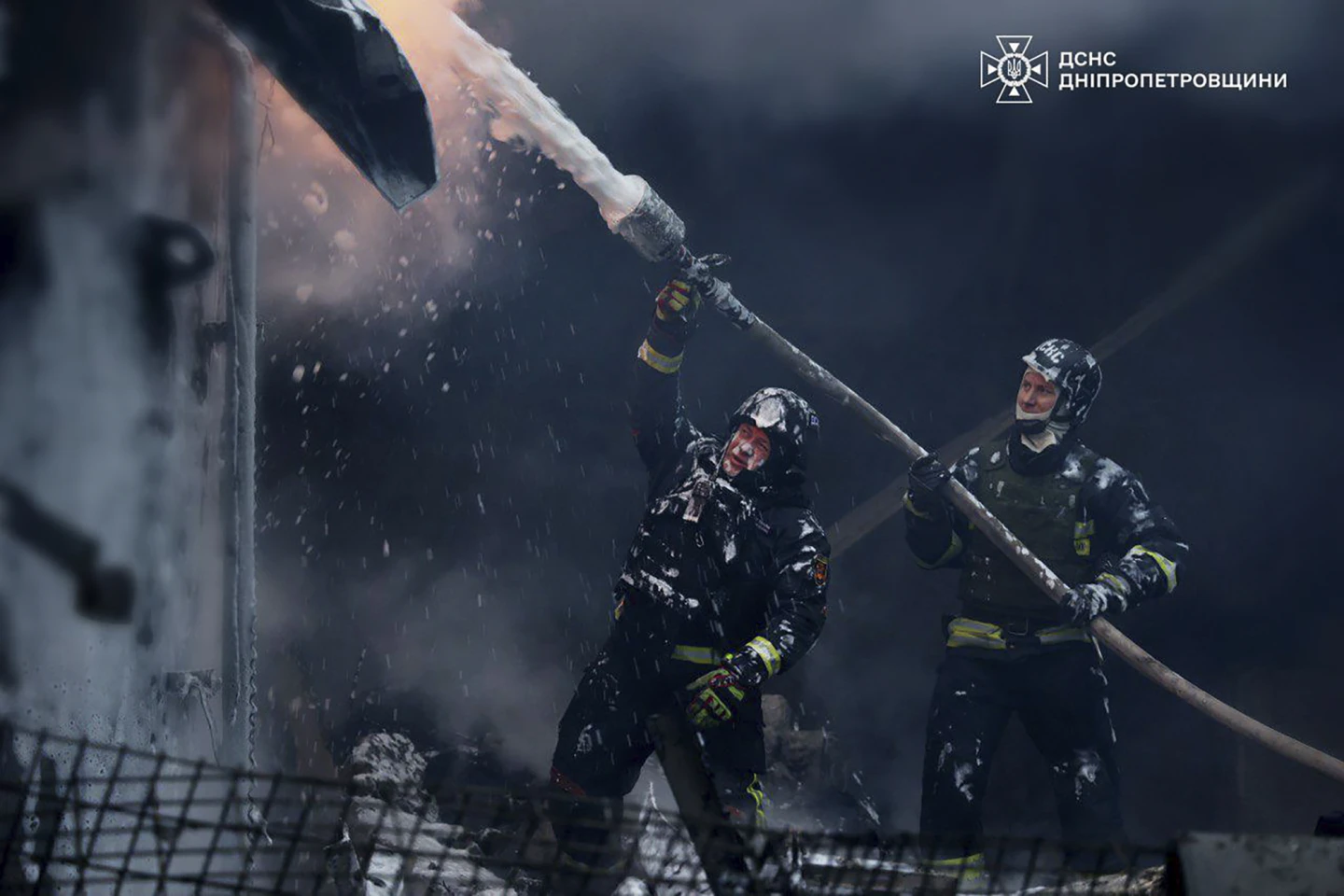
The strikes caused significant damage across multiple regions. In the Dnipro region, one person was killed, and heating services were disrupted for 155 residential buildings, according to Vice Prime Minister Oleksii Kuleba. In the Kharkiv region, 500,000 residents were left without heat, Kuleba added.
Energy Minister Herman Halushchenko confirmed that Russia had targeted Ukraine’s energy infrastructure in a “massive attack.” State energy operator Ukrenergo implemented preemptive power outages nationwide, leaving parts of Kyiv and other regions without electricity.
DTEK, Ukraine’s largest private energy company, reported that one of its thermal power plants was struck—the 13th attack on Ukraine’s power grid this year. CEO Maxim Timchenko called the attack “a depraved and evil act” on X.
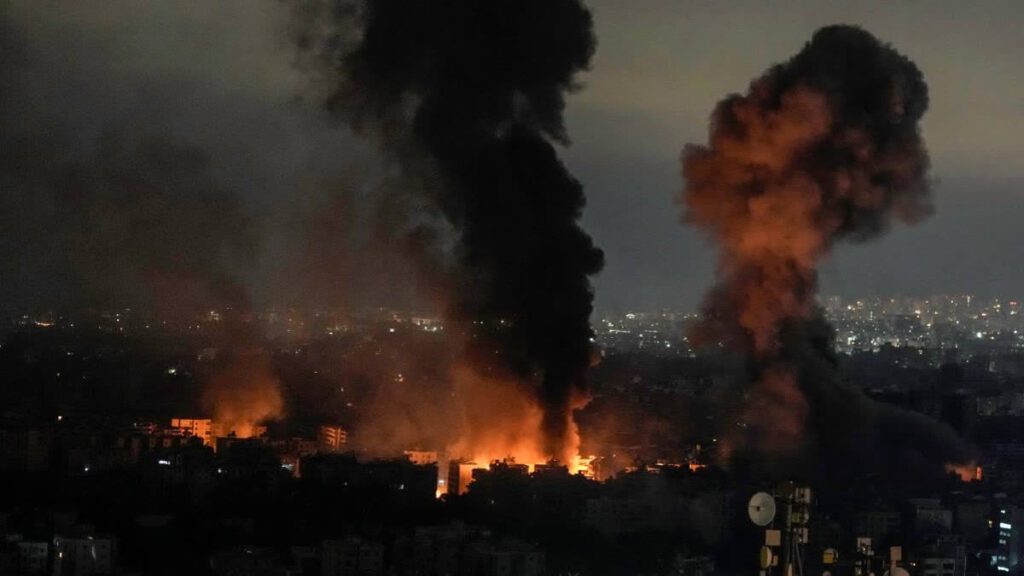
In Kharkiv, at least seven missile strikes caused widespread fires, injuring three people, local authorities said. Mayor Ihor Terekhov urged residents to stay in safe shelters amid ongoing ballistic missile fire.
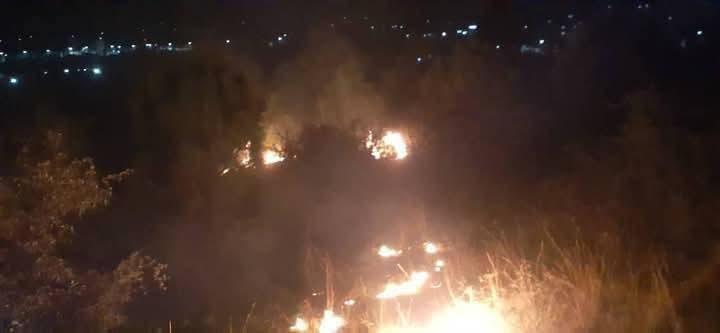
In Russia, debris from a downed drone ignited a fire outside a shopping mall in Vladikavkaz, in the North Ossetia-Alania region, killing one woman and injuring three others, regional Governor Sergey Menyaylo said. Security footage showed the explosion occurred outside the Alania Mall.
Meanwhile, four people were killed in Ukrainian shelling in the Kursk region, regional head Alexander Khinshtein said. Residential buildings and a beauty salon were reportedly struck in the town of Lgov.
Russia’s Ministry of Defense stated that it had shot down 59 Ukrainian drones overnight across several regions, including Belgorod, Voronezh, and Kursk, as well as over the Azov Sea.
The attacks come as Ukraine continues to face ongoing assaults on its critical infrastructure. Energy Minister Halushchenko indicated that repair crews would assess the damage as soon as conditions allowed. In response to the attacks, preemptive measures were taken to stabilize the energy grid, but outages persisted across affected regions.
Both Ukrainian and Russian officials have escalated their rhetoric amid continued cross-border strikes, deepening the already tense conflict that has raged for nearly two years.
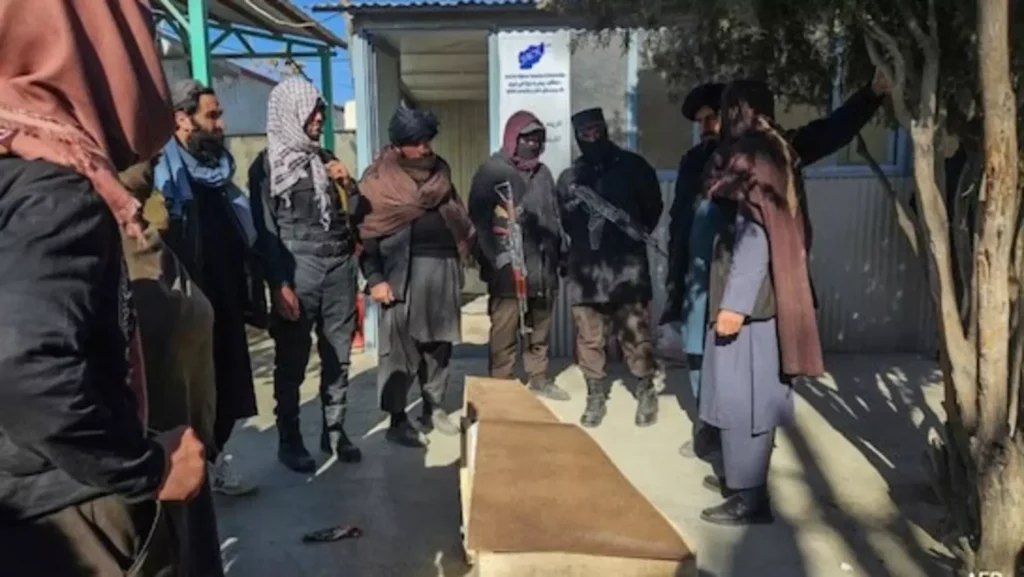
Pakistani airstrikes in eastern Afghanistan killed 46 people, including women and children, a Taliban government official said Wednesday.
Hamdullah Fitrat, the deputy spokesman for Afghanistan’s Taliban-led government, reported that six others were wounded in the strikes, which targeted the Paktika province near the Pakistan border.
The airstrikes followed a Pakistani military operation on Tuesday aimed at dismantling an insurgent training facility in Paktika, Pakistani security officials told The Associated Press on condition of anonymity.
Mohammad Khurasani, a spokesperson for the Pakistani Taliban (Tehreek-e-Taliban Pakistan, or TTP), claimed the airstrikes killed 50 people, including 27 women and children. Local residents told AP that at least 13 were confirmed dead but feared the toll could rise. The injured were taken to a nearby hospital.
Pakistan has not officially commented on the strikes in Afghanistan. However, its military reported Wednesday that 13 insurgents were killed in a separate intelligence-based operation in South Waziristan, a district bordering Afghanistan’s Paktika province.
The Taliban government in Afghanistan condemned the strikes, alleging that most victims were refugees from Pakistan’s Waziristan region. Taliban officials have vowed retaliation.
“These attacks are unacceptable, and we hold Pakistan responsible for the loss of innocent lives,” Fitrat said in a statement.
The airstrikes come amid escalating tensions between the neighboring countries. Pakistan has accused Afghanistan’s Taliban government of failing to curb militant activities across their shared border, a claim Kabul denies.
The TTP, a separate group but closely allied with the Afghan Taliban, has intensified attacks in Pakistan. This includes a recent assault on a military checkpoint in Pakistan’s northwest, which killed 16 soldiers.
In March, Pakistan acknowledged conducting intelligence-based operations in Afghanistan’s border regions. Such actions, coupled with rising militant activity, have strained relations between the two countries.
The Afghan Taliban, which seized control of Afghanistan in August 2021, has denied harboring insurgents or allowing its territory to be used for attacks on other nations.
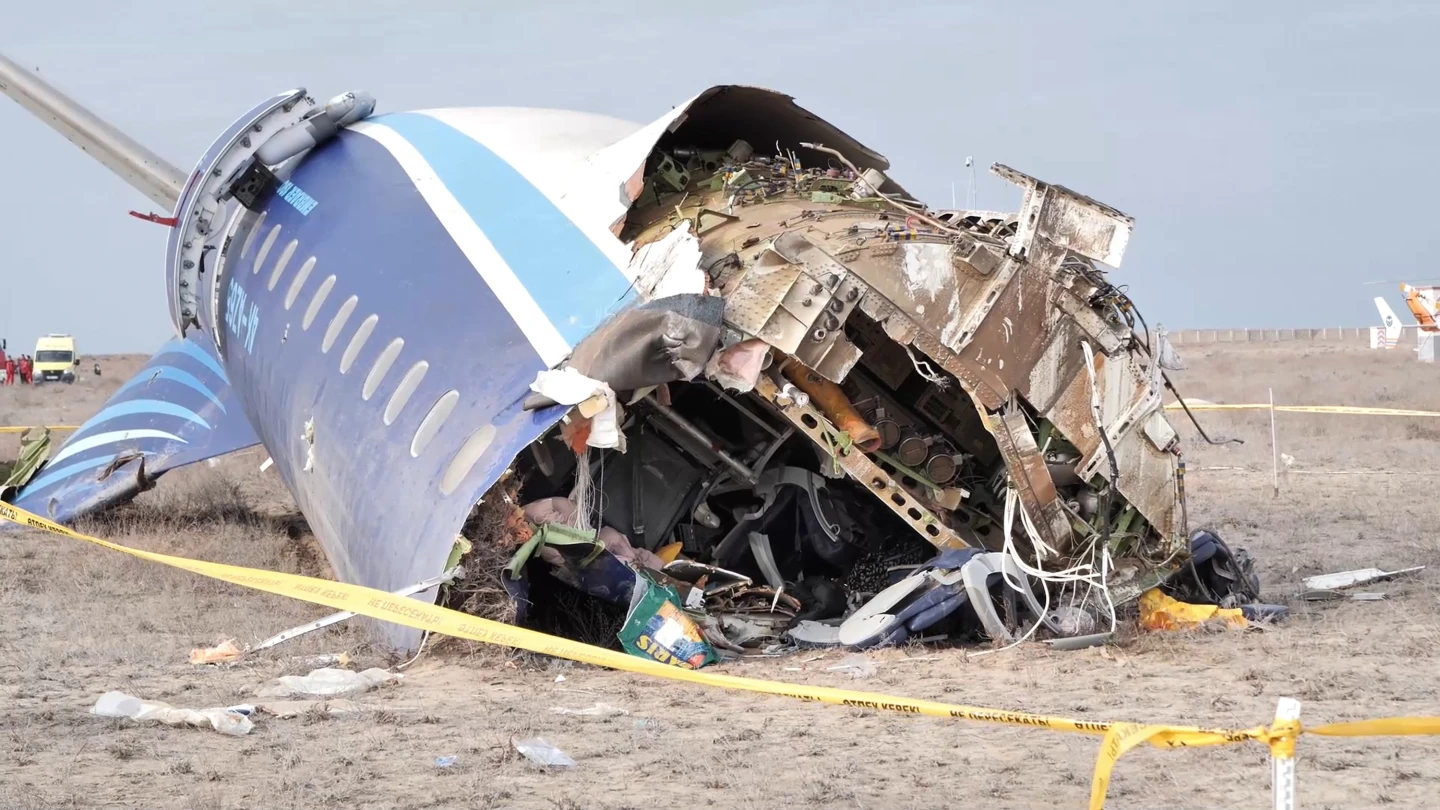
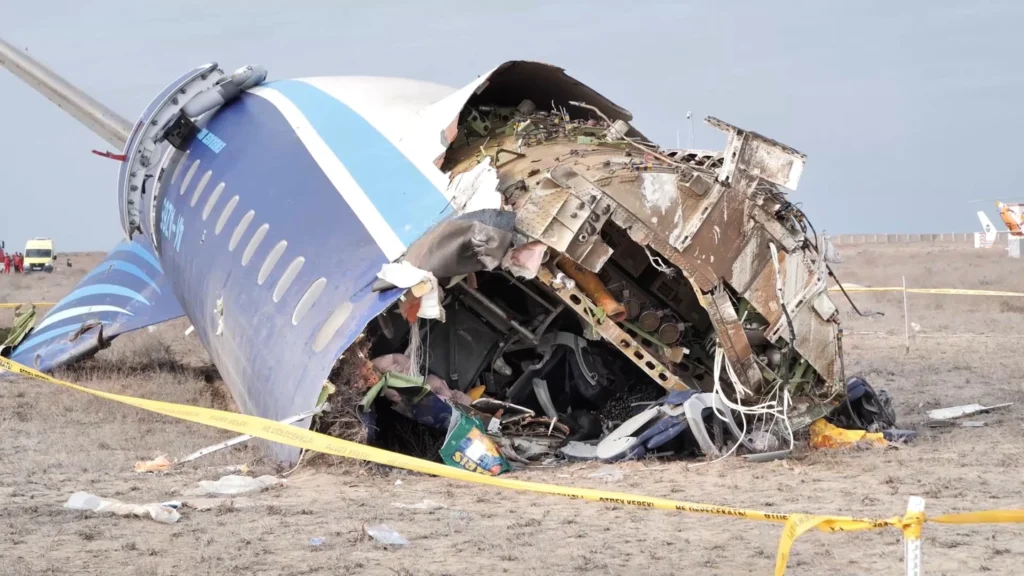
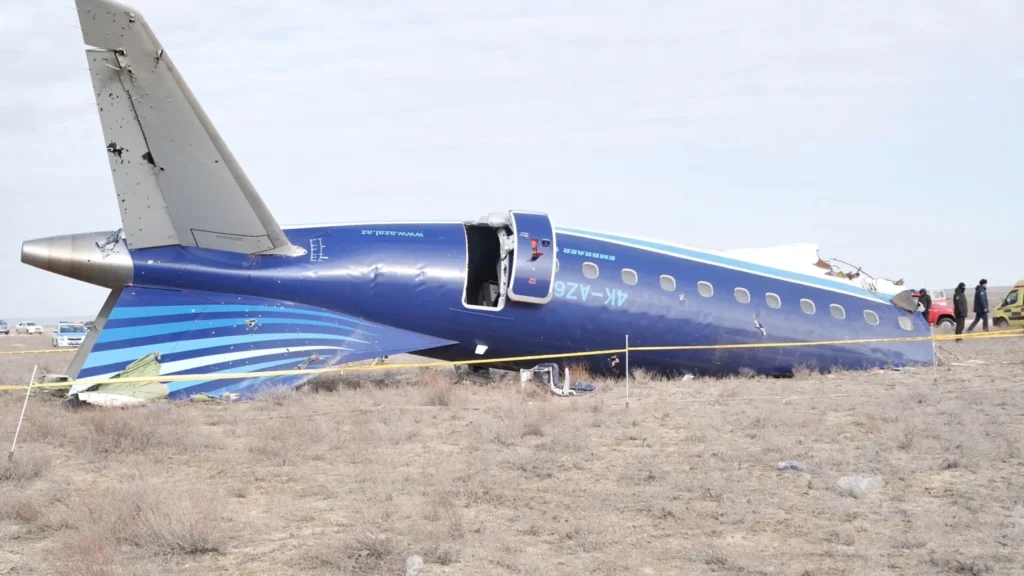
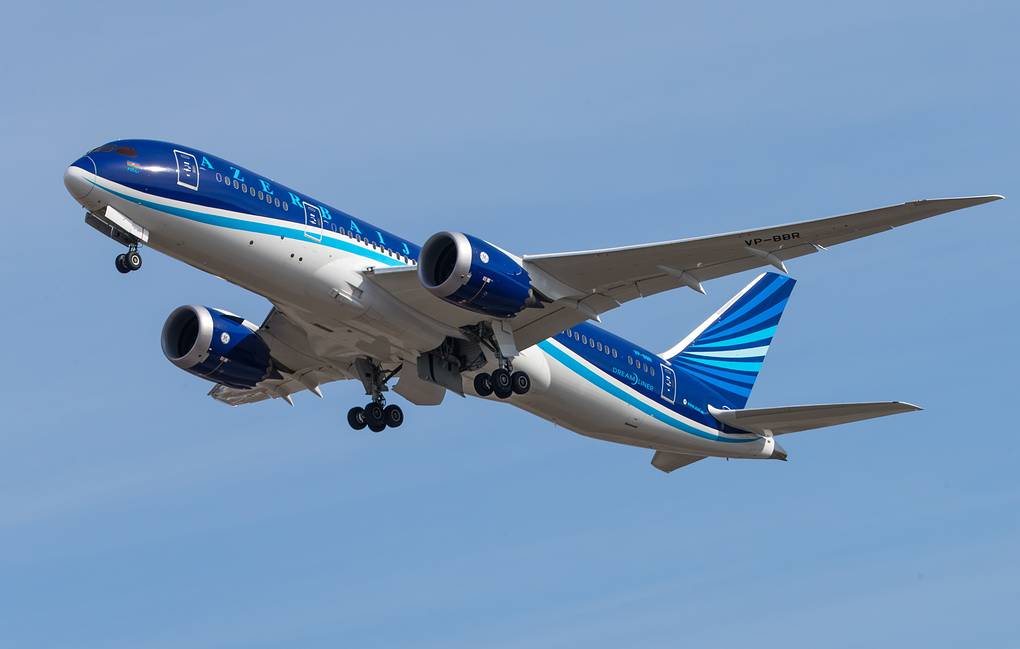
An Azerbaijani airliner carrying 67 people crashed near Aktau, Kazakhstan, on Wednesday, leaving at least 32 survivors, officials reported. The accident occurred during a flight from Baku, Azerbaijan, to Grozny, Russia.
Kazakhstan’s Emergency Ministry confirmed the Embraer 190 aircraft made an emergency landing approximately three kilometers from Aktau. The crash resulted in significant casualties, with more than 30 feared dead.
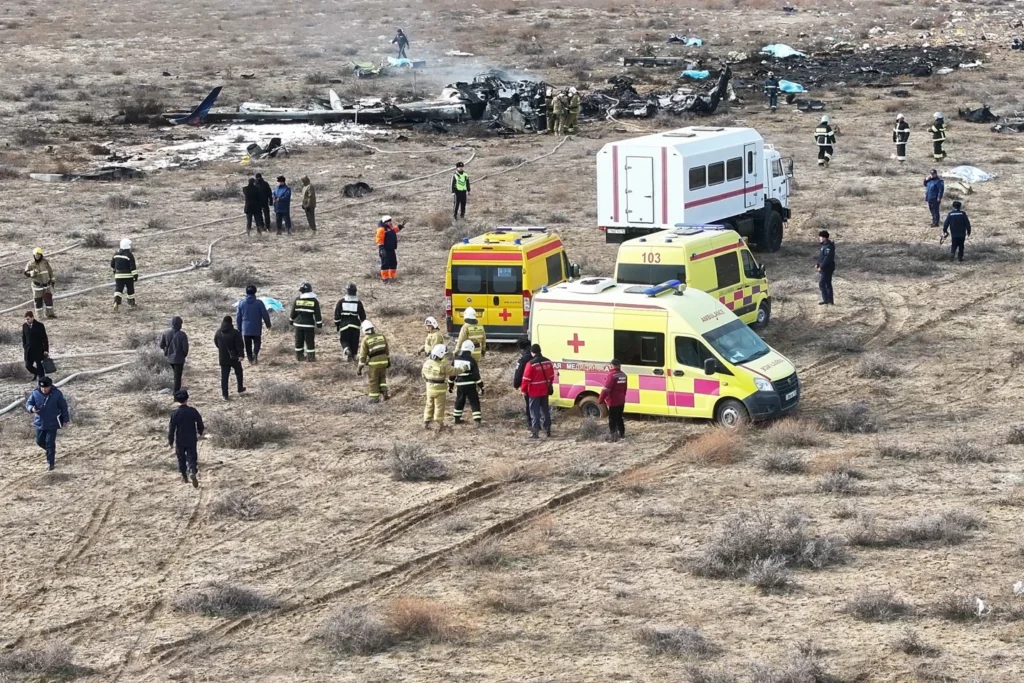
Authorities reported 29 survivors hospitalized, including two children. Four bodies have been recovered, according to Russian news agency Interfax, which also noted that both pilots were believed to have died.
The Prosecutor General’s Office of Azerbaijan later stated that 32 people survived, with some in critical condition. However, the exact number of fatalities remains unclear.
Passengers onboard included 42 Azerbaijani citizens, 16 Russians, six Kazakhs, and three Kyrgyz nationals, according to officials.
Preliminary reports indicated that a bird strike caused “an emergency situation on board,” leading the pilot to divert to Aktau, Russia’s civil aviation authority Rosaviatsia said. Flight-tracking data from FlightRadar24.com showed erratic altitude changes before the aircraft crashed.
Videos circulating online appeared to show the plane descending steeply before bursting into flames upon impact. Other footage revealed the wreckage, with parts of the fuselage separated and lying upside down. Survivors were seen pulling injured passengers away from the debris.
FlightRadar24 noted “strong GPS jamming” during the flight, which may have affected navigation systems. Such disruptions have previously been reported in the region.
Azerbaijan Airlines changed its social media banners to black and pledged to provide updates. An official delegation, including Azerbaijan’s emergency situations minister, deputy general prosecutor, and a senior airline executive, traveled to the crash site for an investigation.
Azerbaijani President Ilham Aliyev returned to Baku upon hearing the news, canceling plans to attend a Commonwealth of Independent States meeting in Russia. He expressed condolences to victims’ families, saying, “It is with deep sadness that I express my condolences to the families of the victims and wish a speedy recovery to those injured.”
Russian President Vladimir Putin offered his condolences to Aliyev and announced that Russia’s Emergency Ministry sent equipment and medical teams to Kazakhstan.
Authorities from Kazakhstan, Azerbaijan, and Russia are jointly investigating the crash. Embraer, the Brazilian aircraft manufacturer, said it is ready to support all relevant authorities in the inquiry.
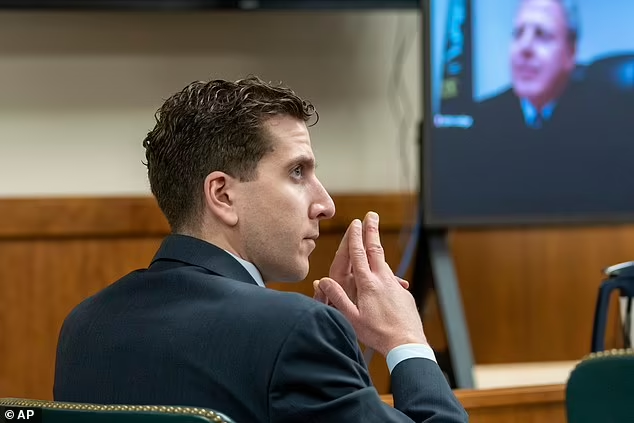
Bryan Kohberger, the suspect in the Idaho quadruple murder case, was previously investigated for a chilling home invasion in Pullman, Washington, just 10 miles from the scene of the Moscow killings. This revelation adds a haunting layer to one of the most notorious murder cases in recent memory.
The Pullman home invasion occurred in October 2021, over a year before the November 2022 slaying of four University of Idaho students. In the invasion, a masked intruder entered a young woman’s bedroom at approximately 3:30 a.m., silently wielding a knife. The victim recalled in newly released body camera footage obtained by ABC News, “I heard my door open, and someone was wearing a ski mask and had a knife. I kicked them in the stomach and screamed loud enough to scare them off.”
Despite her quick response and her roommate’s immediate 911 call, officers found no evidence or trace of the suspect. The case remains unsolved.
Just over a year later, on November 13, 2022, Moscow, Idaho, was shattered by the murders of Madison Mogen, Kaylee Goncalves, Xana Kernodle, and Ethan Chapin. The four students were stabbed to death in the early morning hours in their off-campus home. Survivors in the house described a masked man with “bushy eyebrows” fleeing the scene.
Initially, Kohberger was named a person of interest in the Pullman case due to eerie similarities. Both incidents involved a masked intruder armed with a knife entering homes in the dead of night. However, police later ruled him out, citing critical discrepancies. The Pullman victim described her attacker as 5’3″ to 5’5″, while Kohberger stands six feet tall. Additionally, Kohberger was not enrolled at Washington State University during the 2021 incident.
Kohberger, 28, was arrested in December 2022 at his parents’ Pennsylvania home. A criminology PhD student at Washington State University, he faces four counts of first-degree murder and one count of felony burglary. Prosecutors allege Kohberger meticulously planned the Idaho murders, citing DNA evidence from a knife sheath left at the crime scene and cell phone data placing him near the victims’ home.
While Kohberger denies involvement, he has filed multiple challenges to evidence obtained during his arrest. His alibi, filed in 2023, claims he was on “late-night drives” at the time of the murders. His trial, set for jury selection on July 30, 2025, will be held in Ada County, Idaho, in an effort to secure an impartial jury.
Kohberger’s background in criminology and the proximity of the Pullman case to the Moscow murders continue to draw intense scrutiny. Although the Pullman home invasion case is officially closed, its chilling parallels to the Moscow tragedy linger as part of the broader mystery surrounding Kohberger’s alleged crimes.
Christmas was once banned in England – and it wasn’t due to a Grinch-like figure. For nearly 20 years in the 1640s, festive celebrations were illegal, and the holiday was virtually erased from the calendar.
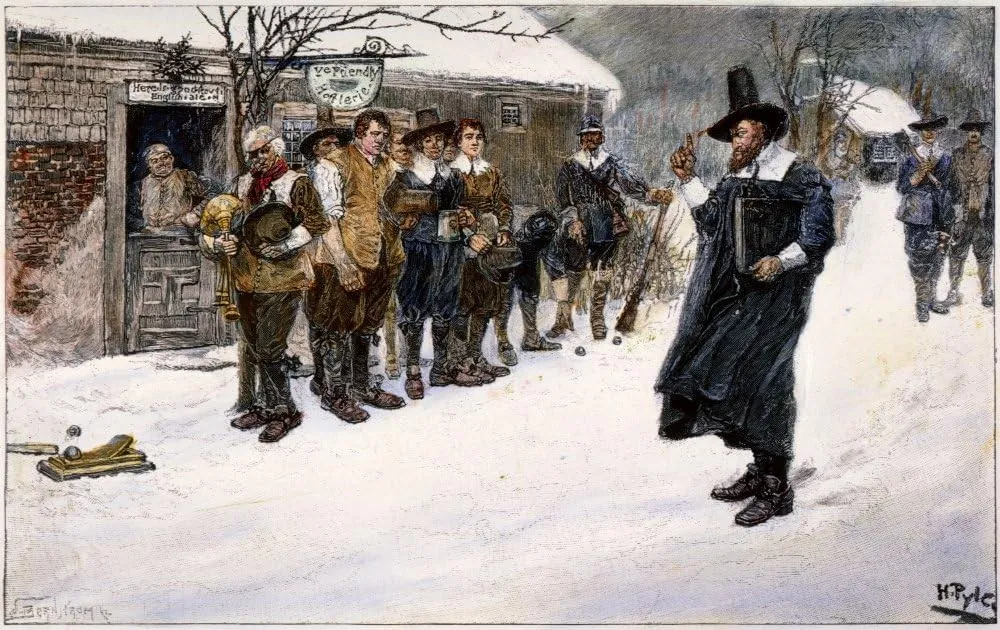
The crackdown came under MP Oliver Cromwell and his Puritan supporters, who launched a strict ban on Christmas. They didn’t just frown upon holiday cheer; they completely outlawed it, from feasts and decorations to traditional celebrations.
In December 1643, a law was passed that required Christmas to be marked with “solemn humiliation” instead of joy. By 1644, the restrictions intensified, and Christmas was officially treated as any other day. Classic holiday treats, including mince pies and plum puddings, were banned.
As Historic England details, “Shops and markets were ordered to stay open on 25 December, and soldiers patrolled the streets of London, seizing any food being prepared for Christmas festivities.”
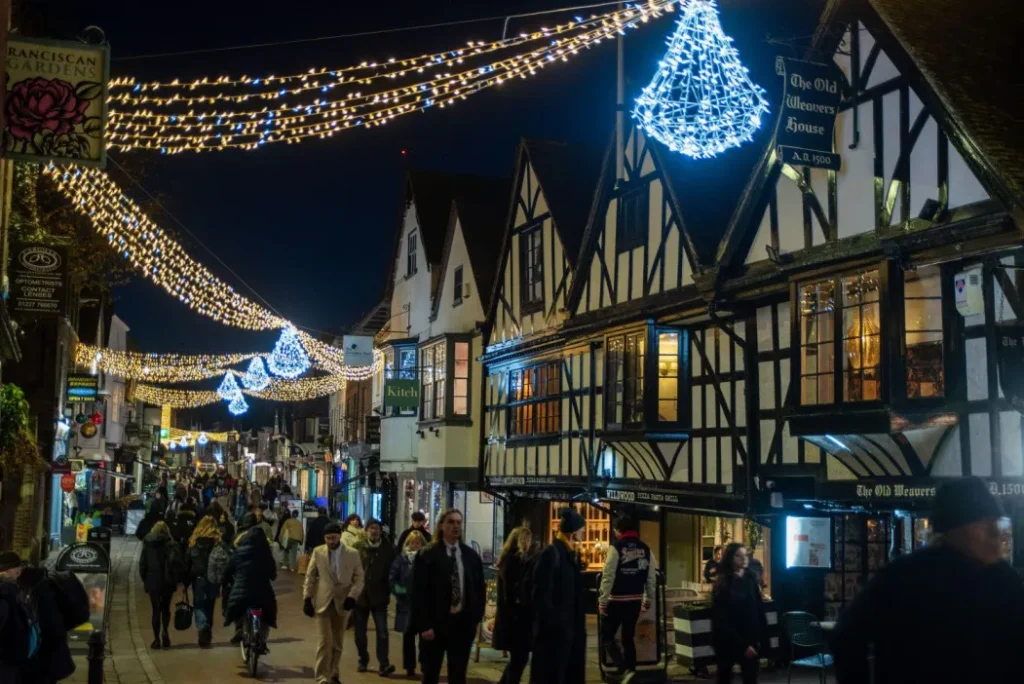
Enforcing the ban was far from easy. In Canterbury, when a shopkeeper refused to open on Christmas Day, locals protested in what became known as the Plum Pudding Riot. Furious crowds smashed windows, tore the mayor’s robes, and forced him to flee the city. This riot sparked protests across England, from London to Ipswich, and even sailors in Kent laid siege to ports in defiance.
Despite the unrest, Cromwell’s ban remained for years. Christmas would not be restored until 1660, when the monarchy returned and the Puritans lost power.
Although Cromwell’s attempt to cancel Christmas ultimately failed, his crackdown left a lasting impact. The Pilgrims, influenced by the Puritans, adopted a similar Christmas ban in America’s colonies. However, Dutch settlers in the U.S. celebrated Sinterklaas, a precursor to Santa Claus, helping to keep the holiday alive across the Atlantic.
As Santa made his way back to England, he eventually merged with Father Christmas, forming the jolly figure we know today. Without the protests sparked by the Plum Pudding Riot, Christmas traditions as we know them could have looked very different.
Today, Brits enjoy Christmas cheer in the country’s most festive cities, with plenty of holiday traditions to enjoy. For those looking to travel, the best Christmas markets in Europe provide the perfect festive escape.
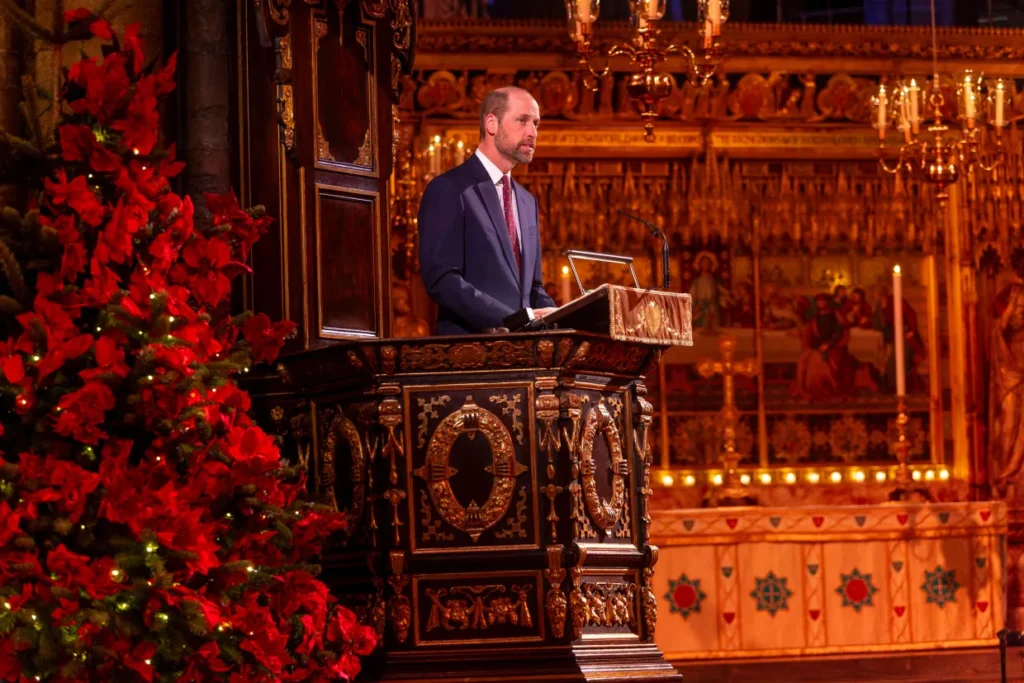
Princess Kate emphasized the “importance of empathy” in her heartfelt message of hope during the fourth annual *Together at Christmas* carol service, filmed at Westminster Abbey earlier this month. The Princess of Wales urged viewers to “slow down and reflect on the deeper things that connect us all” and choose “love, not fear” this Christmas season.
The star-studded event, which featured performances from Paloma Faith, Gregory Porter, JP Cooper, and the Soul Sanctuary Choir, was attended by Kate’s husband, Prince William, and their children: Prince George, 11; Princess Charlotte, 9; and Prince Louis, 6. The service also saw special readings by actors Richard E. Grant, Michelle Dockery, Sophie Okonedo, and Olympic swimming champion Adam Peaty.
Olympic cyclist Sir Chris Hoy, who revealed his recent terminal prostate cancer diagnosis, and the wife of late rugby star Rob Burrow, who passed away in June following a battle with motor neurone disease, participated in lighting candles to honor loved ones during the service.
In a personal message shared before the broadcast, Kate expressed how Christmas is a time for “love, kindness, and forgiveness” and reflected on how the Christmas story encourages empathy, love, and the importance of supporting others. “It is love, the greatest gift we can receive, not just at Christmas but every day of our lives,” she said.
The *Together at Christmas* carol service also featured three community films spotlighting local organizations that offer comfort and support during times of need. These included the Worcestershire Gingerbread Group, Go Beyond, and the intergenerational choir Sankofa Songsters. These groups, which embody the spirit of kindness and community, were invited by Princess Kate to attend the service as part of her ongoing mission to promote empathy and help those in need.
Behind the scenes, Kate shared touching footage of herself greeting children at the event. Kensington Palace confirmed that Princess Kate reached out to Lady Gabriella Windsor for assistance with the event’s planning, following the tragic loss of her husband earlier this year. Lady Gabriella, a long-time ambassador for the youth charity Restore the Music, played a key role in organizing the event and selecting performers like Gregory Porter and pianist Rosey Chan for the service.
Despite the festive mood, the event drew some controversy as Princess Kate reportedly chose not to invite her uncle, Prince Andrew, to the event amid ongoing scrutiny surrounding his public image. It is believed that the Prince and Princess of Wales have distanced themselves from Prince Andrew in recent public appearances.
The *Together at Christmas* service, which is narrated by Scottish actress Kelly Macdonald, will air on Christmas Eve, featuring powerful messages of empathy, love, and unity during the holiday season.
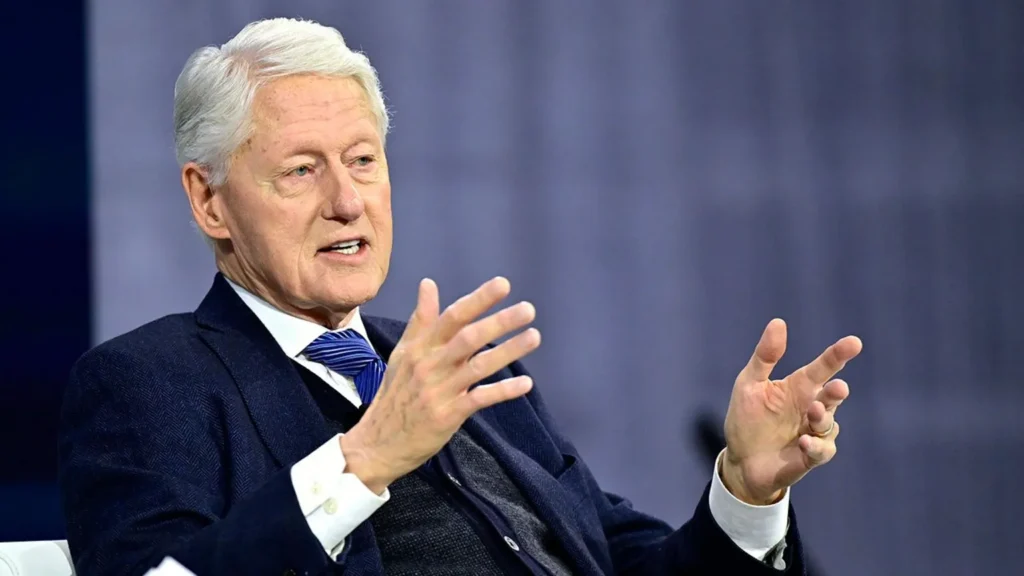
Former President Bill Clinton, 78, has been discharged from MedStar Georgetown University Hospital after receiving treatment for the flu, his spokesperson Angel Ureña announced Tuesday. Clinton had been admitted Monday evening for tests and observation following a fever.
The 42nd president has a documented history of health challenges, particularly cardiac issues. In 2004, he underwent quadruple bypass surgery at age 58, followed by another procedure in 2014 to address a clogged artery. His last significant hospitalization was in 2021, when he spent six days in a California facility treating a blood infection.
Since leaving office in 2001, Clinton has maintained an active public life, established the Clinton Foundation and partnering with the American Heart Association. He adopted a vegan diet after his second heart surgery, crediting the lifestyle change with extending his life. Recently, he has been campaigning for Vice-President Kamala Harris’s presidential bid and released his latest book, “Citizen: My Life After the White House.”
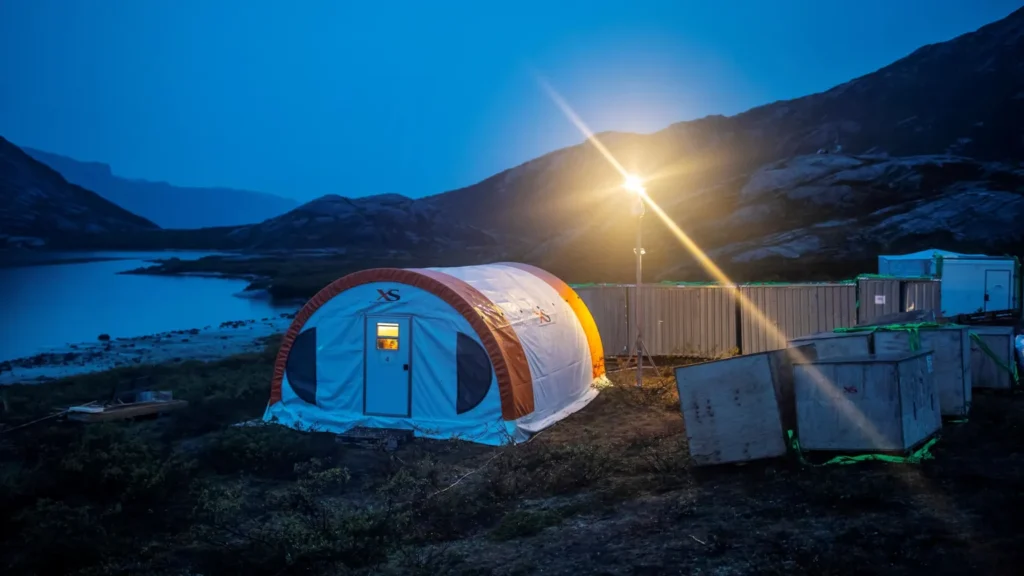
Denmark has announced a significant increase in defence spending for Greenland, coinciding with former US President Donald Trump’s recent reiteration of his desire for the United States to acquire the Arctic territory.
Danish Defence Minister Troels Lund Poulsen confirmed that the new package amounts to a “double-digit billion” sum in Danish krone—estimated at $1.5 billion (£1.2 billion). The package includes:
– Two new inspection ships.
– Two long-range drones.
– Two additional dog sled teams for Arctic operations.
– Increased staffing for the Arctic Command in Greenland’s capital, Nuuk.
– Upgrades to one of Greenland’s three main civilian airports to accommodate F-35 supersonic fighter jets.
Poulsen acknowledged the timing of the announcement as an “irony of fate,” as it followed Trump’s comments describing US ownership of Greenland as an “absolute necessity.”
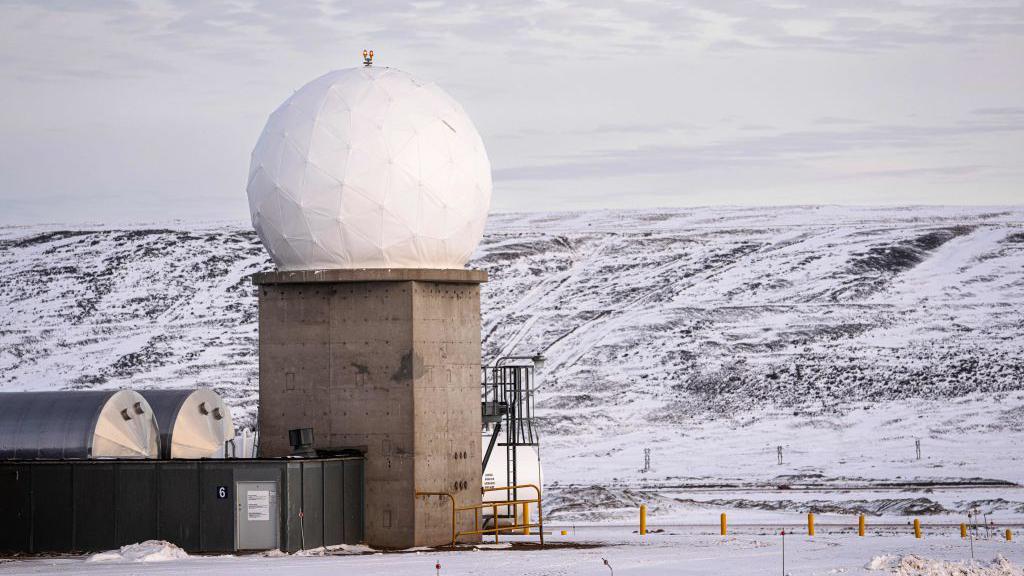
Greenland, an autonomous Danish territory, holds immense strategic significance. It is located on the shortest route between North America and Europe, houses a major US space facility, and is rich in valuable mineral resources.
While the defence package represents a long-overdue investment in Greenland, Poulsen admitted that Denmark’s military presence in the Arctic had been insufficient for years.
Greenland’s Prime Minister, Mute Egede, firmly dismissed Trump’s remarks, stating, “We are not for sale.” However, Egede emphasized the importance of maintaining cooperation and trade relationships, particularly with neighboring countries.
Experts suggest that Denmark’s plan to expand its military presence in Greenland has been under discussion for years and should not be viewed as a direct response to Trump’s comments.
Army Maj. Steen Kjaergaard of the Danish Defence Academy speculated that Trump’s remarks might have been a strategic move to pressure Denmark into strengthening its Arctic military capabilities.
“It’s possible Trump intended to push Denmark into prioritizing Arctic defence without directly taking on Greenland’s welfare system, which is heavily subsidized by Copenhagen,” Kjaergaard noted.
Trump’s renewed interest in acquiring Greenland is not unprecedented. In 2019, his initial suggestion of purchasing the island was met with sharp rebukes from both Greenlandic and Danish leaders. At the time, Danish Prime Minister Mette Frederiksen labeled the idea as “absurd,” prompting Trump to cancel a state visit to Denmark.
The concept of the US acquiring Greenland dates back to the 1860s under President Andrew Johnson. Despite its historical roots, the notion has consistently faced resistance from Greenlandic and Danish authorities.
Analysts warn that Denmark’s military investments in Greenland may also reflect a response to increased geopolitical tensions in the Arctic. The region has become a focal point for rivalries involving China and Russia.
For now, Denmark’s announcement signals a commitment to maintaining control of its Arctic territory and addressing emerging security challenges while rebuffing renewed US aspirations for ownership.
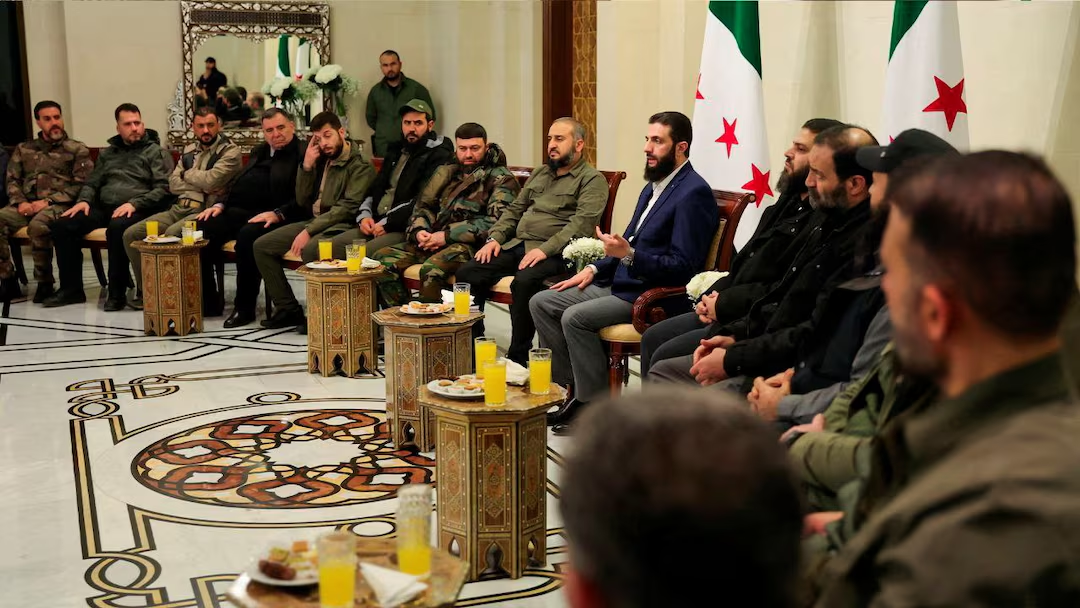
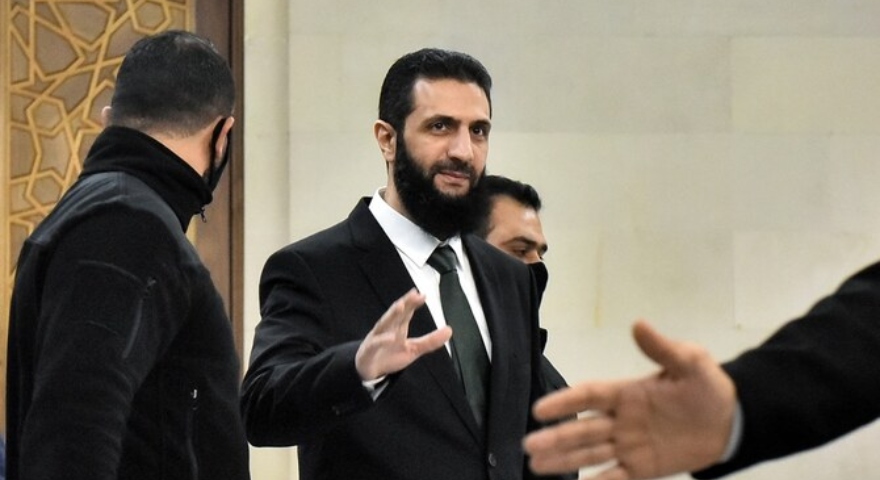
Syria’s de facto leader Ahmed al-Sharaa announced on Tuesday a landmark agreement to dissolve all former rebel factions and unify them under the country’s defence ministry. The move marks a significant step toward consolidating power following the ousting of Bashar al-Assad earlier this month, ending decades of his family’s rule.
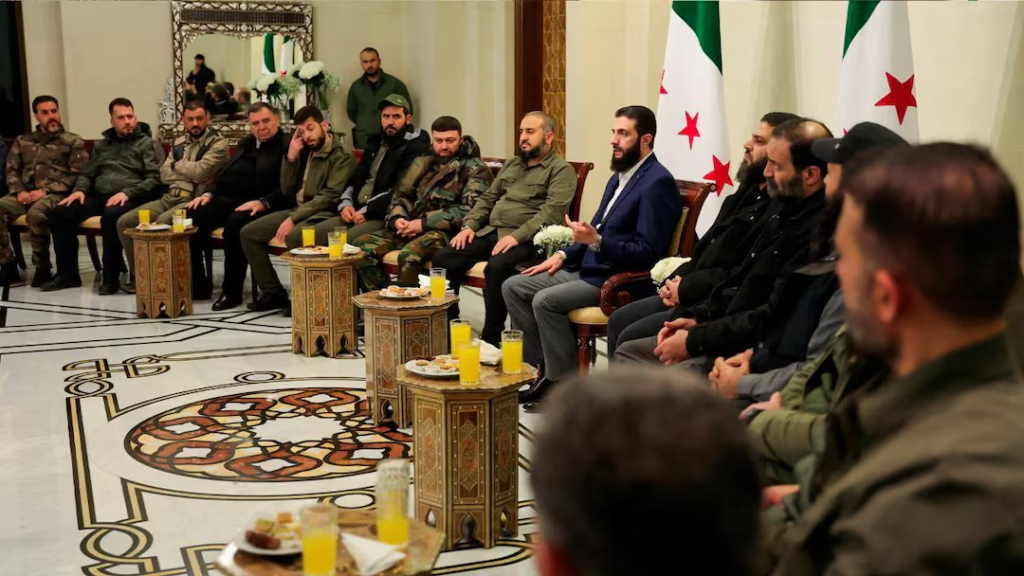
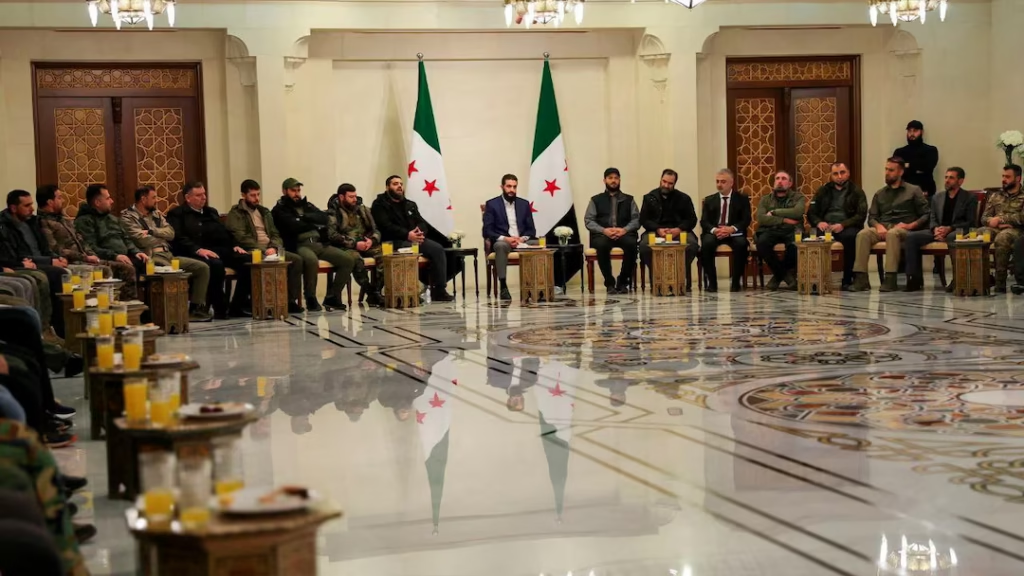
The agreement, reached between Sharaa and former rebel faction leaders, aims to integrate disparate groups and officers who defected from Assad’s army into a cohesive military under the interim government.
Murhaf Abu Qasra, a prominent figure in the insurgency that toppled Assad, has been appointed defence minister. Prime Minister Mohammed al-Bashir had previously stated that the restructuring of the defence ministry would rely on contributions from former rebel forces and defected officers.
Sharaa faces the daunting task of ensuring harmony among Syria’s myriad rebel factions, which have often clashed in the past. The agreement seeks to prevent infighting and create a united front to address Syria’s ongoing challenges.
In discussions with Western officials, Sharaa, who leads the Islamist group Hayat Tahrir al-Sham (HTS)—a former al-Qaeda affiliate—has assured that his administration will not seek revenge against members of the former regime. He also pledged to protect the rights and freedoms of Syria’s diverse ethnic and religious minorities.
Syria’s population includes Muslim Kurds, Shi’ites, Druze, Syriac Christians, Greek and Armenian Orthodox Christians, all of whom had feared persecution under Sunni Islamist rule during the civil war. Sharaa has emphasized that his government will respect and safeguard their way of life.
The unification of rebel factions follows the fall of Damascus on December 8, when rebel forces seized control of the capital, forcing Assad to flee after 13 years of brutal civil war. The development has brought an end to the Assad family’s decades-long rule over Syria.